
Last updated August 1, 2026
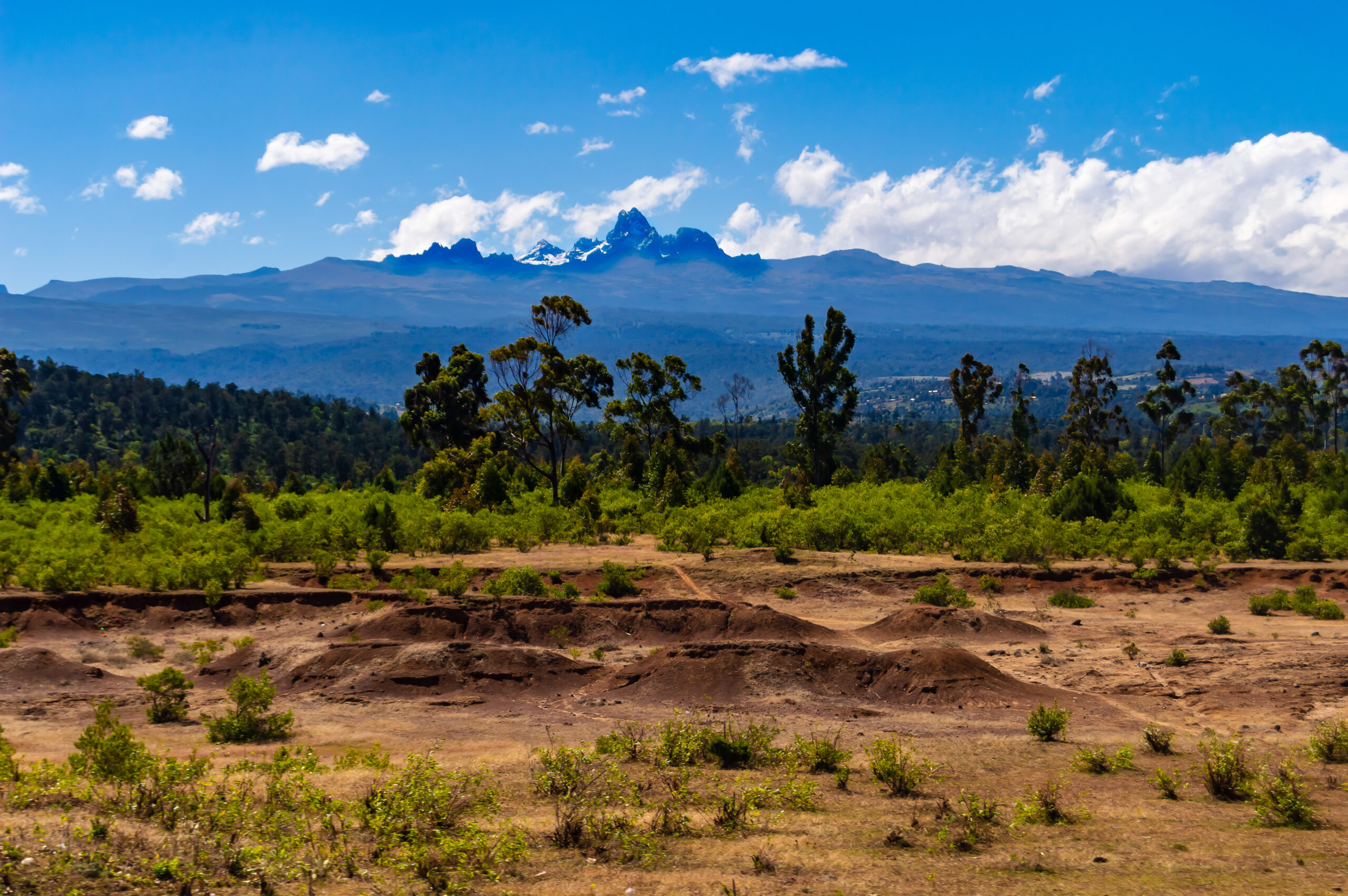
Mount Kenya expedition update
Africa’s second-highest peak, and really two mountains in one. This page tracks the Point Lenana trek and the technical Batian climb, the 2026 park-fee change, the routes in brief, the Kilimanjaro comparison, and a go or no-go checklist. A single-mountain page in our Expedition Updates directory. Elevations in metres (feet).
Two mountains share one name, and the difference matters.
Most people who say they climbed Mount Kenya reached Point Lenana, at 4,985 m, a trekking summit that needs fitness but no technical climbing. The true summit, Batian at 5,199 m, and its neighbour Nelion, are serious technical rock climbs graded around IV to V, reached by few.
For 2026, the Kenya Wildlife Service raised park fees and dropped the multi-day discount, so a trek costs more than it did. Mount Kenya remains Africa’s quiet, wild alternative to Kilimanjaro. For full routes and itineraries, see our Mount Kenya routes guide.
Batian (17,057 ft)
The true summit, a technical rock climb; second-highest in Africa.
KWS day fee
Raised from $52 for 2026, with the multi-day discount removed.
Prime season
And August to September; the two dry windows.
Mount Kenya is an extinct volcano in central Kenya, about 175 km north of Nairobi via Nanyuki, a UNESCO World Heritage site straddling the equator. Around 15,000 people visit its slopes each year, drawn by a mountain that is quieter, wilder, and more varied than its famous neighbour to the south. This page owns the current picture, the two-summit distinction, the 2026 fees, and the Kilimanjaro comparison. For the full route-by-route breakdown, day-by-day itineraries, and permit process, see our Mount Kenya climbing routes guide.
Season and status
Climbable year-round, best in the two dry windows.
Mount Kenya can be climbed at any time of year, but the dry seasons give the clearest weather and the best summit odds: January and February, and August and September. The long rains from March to May and the short rains in November and December are wetter and cloudier. Even in the dry season the mountain builds its own afternoon cloud, so summit mornings start before dawn. The mountain is open and operating normally, with the main change for 2026 being the higher park fees.
Two mountains in one
The single most important thing to understand before you book.
The phrase climbing Mount Kenya hides two completely different undertakings, and confusing them is the classic mistake. Almost everyone who summits Mount Kenya reaches Point Lenana, a trekking peak. The true summit is a serious technical rock climb that most visitors never attempt and could not safely attempt without training.
Point Lenana – 4,985 m, a trek
The goal of the large majority of visitors. A steep hike and scramble over scree and rock, with no technical climbing gear or skill required, though the altitude is real. This is what almost every guided Mount Kenya package means.
Batian and Nelion – 5,199 m and 5,188 m, a climb
The true summit and its twin: technical rock climbs graded around UIAA IV to V, requiring ropes, rock-climbing skill, an additional permit, and real alpine experience. A 7 to 10 day expedition for competent climbers only.
The 2026 park fee change
The current-state detail most write-ups have not caught.
For 2026 the Kenya Wildlife Service raised non-resident park entry to roughly $70 to $80 per 24-hour period, up from $52, and it removed the previous multi-day discount, so you now pay the full daily rate for every day of your trek rather than a reduced rate for longer stays. On a five or six day traverse, that adds up. Camping runs about $35 a night, and everything is paid in advance through the KWSpay or eCitizen online portal, which can be slow on a weak connection, so load your details and pay before you leave good Wi-Fi.
| Item | Cost | Notes |
|---|---|---|
| Park entry (non-resident adult) | Around $70 to $80 per 24 hr | Raised from $52 for 2026, and the old multi-day discount was removed. |
| Camping (non-resident) | Around $35 per night | Paid with park entry via the KWSpay or eCitizen portal. |
| Guided Point Lenana trek | $600 to $1,300 | 4 to 6 days by route and group size; usually all-inclusive of fees, guide, and porters. |
| Batian or Nelion technical climb | Up to around $2,600 | 7 to 10 days, an additional permit, and a technical climbing guide. |
The routes in brief
Three ways up to Point Lenana. Full detail in the routes guide.
Sirimon, Chogoria, and Naro Moru
Sirimon is the driest, with a gradual profile and the best acclimatization. Chogoria is the most scenic by a wide margin, passing the Gorges Valley and Lake Michaelson. Naro Moru is the fastest and steepest, home to the notorious Vertical Bog. The classic choice is to ascend Sirimon and descend Chogoria as a traverse, usually five to six days. For the day-by-day itineraries, altitudes, and which combination suits you, see our Mount Kenya routes guide.
The Kilimanjaro alternative
Quieter, wilder, cheaper, and a fine warm-up.
Next to Kilimanjaro, Mount Kenya is the road less travelled. It is Africa’s second-highest peak, far less crowded, more scenic and technically varied, and cheaper to climb, and the Point Lenana route is a genuine trek and scramble rather than the long walk-up of the Kilimanjaro trails. Many climbers use Mount Kenya as an acclimatization climb a week or two before Kilimanjaro, and others simply prefer it as the connoisseur’s choice. Compare the giant next door in our Kilimanjaro expedition update.
Altitude and the vanishing glaciers
Real altitude, and a mountain visibly changing.
Point Lenana at 4,985 m is only a little below Kilimanjaro’s summit, and altitude sickness is a genuine risk, especially on the faster routes that give less time to acclimatize. Headache, nausea, and poor sleep are common, and the shortest itineraries have the lowest success rates for exactly this reason. Choose a route with enough days to adjust, and be ready to turn back.
Mount Kenya also carries glaciers despite sitting on the equator, and they are retreating fast enough that they are expected to vanish within a couple of decades. Gauge your altitude risk with our AMS risk calculator and read our acclimatization guide. This page is educational and is not medical advice.
Weather and timing
An equatorial mountain that makes its own weather.
Sitting on the equator, Mount Kenya has no true winter, but altitude brings freezing summit temperatures year-round, and the wet seasons bring cloud, rain, and snow high up. The live map below shows current conditions; rely on your guide and a mountain forecast for the summit-day call.
Go or no-go checklist
Work through these before you commit.
Before you go
- Know which summit you mean – the Point Lenana trek and the technical Batian climb are different undertakings entirely.
- Budget the new fees – park entry is higher for 2026 and the multi-day discount is gone; factor every day.
- Pay KWS fees online early – use the KWSpay or eCitizen portal before you travel, while you have good Wi-Fi.
- Pick enough days – the altitude is real; longer routes acclimatize better and summit more reliably.
- Hire a registered guide – required for multi-day treks and worth it for navigation and altitude safety.
- Time the dry season – aim for January to February or August to September for the best conditions.
Africa expedition updates
Mount Kenya’s neighbours across the continent, each with its own update page. Back to the full Expedition Updates dashboard.
Mount Kenya update FAQ
The questions climbers ask most about the summits, the fees, and the routes.
Do you need technical climbing experience to summit Mount Kenya?
It depends which summit you mean, and this is the thing most people get wrong. Point Lenana, at 4,985 m, is the trekking summit that the large majority of visitors target, and it needs no technical climbing, just fitness for a steep ascent over scree and rock. The true summit, Batian at 5,199 m, and its neighbour Nelion at 5,188 m, are serious technical rock climbs graded around IV to V that require ropes, skill, and real alpine experience. When people say they climbed Mount Kenya, they almost always mean Lenana.
What are the Mount Kenya park fees in 2026?
The Kenya Wildlife Service raised non-resident park entry to roughly $70 to $80 per 24-hour period for 2026, up from $52, and it removed the previous multi-day discount, so you now pay the same daily rate regardless of how long you stay. That is a real increase for a multi-day trek. Camping runs about $35 a night, and fees are paid through the KWSpay or eCitizen portal before you arrive. There is no separate climbing permit for Point Lenana, but Batian and Nelion require additional permits.
Which Mount Kenya route should I choose?
The three main trekking routes are Sirimon, the driest with a gradual profile and the best acclimatization, Chogoria, the most scenic by far past the Gorges Valley and Lake Michaelson, and Naro Moru, the fastest but with the steep, notorious Vertical Bog. The classic choice is to ascend Sirimon and descend Chogoria as a traverse. Our full Mount Kenya routes guide compares them in detail with day-by-day itineraries.
How does Mount Kenya compare to Kilimanjaro?
Mount Kenya is Africa’s second-highest peak, and next to Kilimanjaro it is far quieter, more scenic, more technically varied, and cheaper. The Point Lenana route is a genuine trek and scramble rather than the long walk-up that the Kilimanjaro routes offer. Many climbers use Mount Kenya as an acclimatization climb before Kilimanjaro, or choose it as the connoisseur’s quieter alternative to the crowds on Africa’s highest mountain.
When is the best time to climb Mount Kenya?
The mountain can be climbed year-round, but the dry seasons give the best conditions: January and February, and August and September. The long rains from March to May and the short rains in November and December are wetter and cloudier. Even in the dry season the mountain makes its own weather, and afternoon cloud build-up is normal, so an early summit start is standard.
How much does it cost to climb Mount Kenya?
A guided trek to Point Lenana runs roughly $600 to $1,300 depending on the route, the duration, and your group size, usually bundling park fees, guide, porters, meals, and accommodation. A technical Batian or Nelion expedition of 7 to 10 days costs more, up to around $2,600. Either way it is cheaper than a comparable Kilimanjaro climb, and the higher park fees for 2026 push multi-day costs up somewhat.
Do you need a guide for Mount Kenya?
Yes for a multi-day trek. The Kenya Wildlife Service requires a registered guide for multi-day climbs, and it is strongly recommended anyway for navigation, altitude management, and emergencies. Porters are optional, but carrying your own pack at altitude is hard work, and most operators include a guide, cook, and porters in the package price.
How high is Mount Kenya and where is it?
The true summit, Batian, is 5,199 m (17,057 ft), the second-highest point in Africa, and the trekking summit, Point Lenana, is 4,985 m (16,355 ft). Mount Kenya is an extinct volcano in central Kenya, about 175 km north of Nairobi via Nanyuki, and a UNESCO World Heritage site. It sits almost exactly on the equator, yet still carries shrinking glaciers near its summits.
📋 How this update is built
This page is compiled by Travis Ludlow, Founder and Head of Research at Global Summit Guide, from Kenya Wildlife Service fee rules, current reporting on the 2026 increase, and operator route information, with sources named below. It was reviewed for safety by Dawson Ludlow, our Climbing and Mountaineering Lead (Wilderness First Aid), whose East African high-altitude experience is on Kilimanjaro.
Our team has not climbed Mount Kenya, so we report official rules and route information rather than personal experience, and we review this page through the dry seasons. Park fees and rules change, so confirm the current KWS rates and permit process before you plan around them.
Sources and further reading
- Kenya Wildlife Service (KWS) – Mount Kenya National Park fees and the KWSpay portal.
- Reporting on the 2026 KWS fee increase and the removal of the multi-day discount.
- Operator-published Mount Kenya route, itinerary, and pricing information.
- Our own Mount Kenya climbing routes guide.
- We report official rules and route information; our team has not climbed Mount Kenya, and our East African high-altitude experience is on Kilimanjaro.
Planning a Mount Kenya climb?
Start with our Mount Kenya routes guide for the full route and itinerary breakdown, compare it with the giant next door in our Kilimanjaro guide, and choose a team in the operator directory. Most climbs stage through Nairobi and Nanyuki, so for flights and lodging, browse travel on Expedia.
Disclosure: the Expedia link above is a sponsored affiliate link. We may earn a commission at no extra cost to you.
Was this helpful?
🏔Related peaks nearby
🧭Explore & compare
Global Summit Guide is an independent mountaineering resource founded in 2026. The team combines first-hand trekking and climbing experience with in-depth research and professional health and nutrition review to help climbers choose objectives, prepare properly, and stay safe.
Health, altitude, and nutrition content is reviewed by Taylor Ludlow (Registered Nurse) and Brigg Hoopes (Nutritionist).
What We Don't Know Yet
Mountain information changes quickly. This box explains the limits of what this page can responsibly promise.
- Route conditions, trailhead access, crevasse exposure, stream crossings, and rescue access may vary from published planning guidance.
- Fitness and altitude response vary by person; no guide, itinerary, or training plan can guarantee acclimatization or summit success.
- Comparisons simplify complex decisions; the better mountain depends on current conditions, skills, timing, budget, and risk tolerance.
Verify current conditions with official land managers, guide services, local forecasts, and current route reports before booking or climbing.
Mountaineering, rock and ice climbing, glacier travel, and high-altitude activity are inherently dangerous and can result in serious injury or death. The information on Global Summit Guide is provided for general informational and educational purposes only and is not a substitute for professional instruction, qualified guiding, proper equipment, or your own judgment and experience.
Route conditions, weather, snowpack, permits, regulations, and hazards change constantly and may differ from what is described here. Details may be incomplete, out of date, or contain errors. Always verify current information with local authorities, certified guides, and official sources before making any decision in the mountains.
Nothing on this site is medical, legal, or financial advice. Our fitness, acclimatization, altitude, and nutrition content is general in nature; consult a qualified physician before beginning any strenuous exercise program or exposing yourself to high altitude.
You are solely responsible for your own safety and decisions. To the fullest extent permitted by law, Global Summit Guide and its team accept no liability for any loss, injury, damage, or expense arising from use of, or reliance on, this information. By using this site you acknowledge these risks and accept these terms.
Some links on this site may be affiliate links. If you buy through them we may earn a small commission at no extra cost to you; this never affects our recommendations.
Global Summit Guide recommendation path
Next Best Mountain to Research
Use these recommendations to continue the right planning path instead of stopping on one page.
Use current permit, weather, route, and operator information before booking or climbing.