<

Category: Gear Reviews

  • High Altitude Expedition Base Camp Tents: Essential Features Explained

    Gear Guides / Snow Travel

    Microspikes vs crampons: when to use each on snow, ice, and mixed terrain

    ~10 mm
    Microspike length
    ~30 mm
    Crampon length
    25°
    Slope threshold
    $60+ vs $200+
    Price difference
    Part of the snow travel gear series This decision framework supports our snow travel gear master guide and our crampons buyers guide. Master guide →

    Microspikes and crampons are the two snow-traction tools most winter hikers and mountaineers eventually own, but they solve different problems and using the wrong one can be dangerous. Microspikes give you surface traction on packed icy trails. Crampons give you secure penetration into steep hard snow and ice. The line between when one works and when you need the other comes down to slope angle, consequence of a fall, and surface hardness. This guide gives you the practical decision framework — when each works, when each fails, and how to choose between them. For the full snow-travel gear context see our snow travel gear master guide.

    The head-to-head at a glance

    Microspikes

    Surface traction tool
    Point length~10 mm
    Weight (pair)~12 oz / 350 g
    AttachmentElastic stretch
    Boot typeAny hiking boot
    Best terrainPacked icy trails
    Slope limit~20-25°
    Glacier capable?No
    Typical cost$60-80
    Setup time~30 seconds

    Crampons

    Mountaineering traction tool
    Point length25-38 mm
    Weight (pair)~32 oz / 900 g
    AttachmentBinding to boot
    Boot typeMountaineering boot
    Best terrainSteep snow, ice, glaciers
    Slope limitUnlimited
    Glacier capable?Yes
    Typical cost$150-350
    Setup time2-5 minutes
    The 30-second answer

    Microspikes for trails. Crampons for mountaineering.

    If the terrain is a hiking trail with ice or packed snow and the slope angle is moderate, microspikes are the right tool. If the terrain is steep snow, glacier, or true ice — or if a fall would have serious consequences — crampons are required. The line between them is roughly 25 degrees slope angle and the consequence of a fall.

    What each tool actually does the mechanics

    How microspikes work

    Microspikes consist of small metal points (typically 3/8 inch, or about 10mm) arranged in a chain pattern beneath your foot, held in place by an elastic harness that stretches over the boot. The points are short enough to feel comfortable while walking but long enough to bite into packed snow and ice on most trail conditions. Microspikes are designed for surface traction — they prevent slipping on icy or snow-packed terrain by adding mechanical grip, similar in concept to studded tires on a car.

    The dominant brand is Kahtoola MICROspikes, which essentially defined the category in 2008. Hillsound, Yaktrax, and STABILicers also produce comparable products at various price and quality tiers. Quality matters: cheap traction devices often have poor elastic that breaks, shorter points that don’t bite, or chain patterns that bunch under the foot.

    How crampons work

    Crampons are a fundamentally different category of equipment. They consist of 10-14 steel points (typically 1 to 1.5 inches long, or 25-38mm) mounted on a rigid or semi-rigid frame that binds firmly to a mountaineering boot. The longer points penetrate hard snow and ice rather than just providing surface friction. The binding system locks the crampon to the boot so the foot and crampon move as a single unit — essential for steep terrain where a loose crampon could be catastrophic.

    Modern crampons fall into three categories:

    • Aluminum crampons — lighter weight, designed for general mountaineering on snow. Examples: Black Diamond Neve, Petzl Leopard.
    • Steel general mountaineering crampons — versatile workhorses for most alpine objectives. Examples: Petzl Vasak, Grivel G12.
    • Technical steel crampons — for ice climbing and serious alpine routes. Examples: Petzl Dart, Black Diamond Cyborg.

    The full crampons framework is in our crampons buyers guide.

    The fundamental difference

    Microspikes prevent you from slipping on flat or moderate-angle ice. Crampons let you climb steep snow and ice without falling. Both deal with snow and ice, but they solve completely different problems.

    When to use microspikes the right scenarios

    Microspikes are the correct tool when you need surface traction on icy or snow-packed terrain without the depth-of-bite that crampons provide:

    Packed icy trails in winter

    Established hiking trails with consolidated snow and ice underfoot. Most winter day hikes fit this category — Colorado Front Range trails, New England winter peaks, the Pacific Northwest forest trails after a freeze-thaw cycle.

    Microspikes

    Trail running on snow and ice

    Microspikes work with trail running shoes for winter running. The lower weight and quick on/off make them practical for moving fast on mixed conditions.

    Microspikes

    Approach to climbing objectives

    The lower portions of mountaineering approaches where the terrain is moderate-angle packed snow. Many climbers wear microspikes from the trailhead to the start of technical terrain, then switch to crampons.

    Microspikes

    Daily winter walking in icy conditions

    Sidewalks, parking lots, and urban environments after freezing rain. Many people keep microspikes by the front door for everyday winter use when ice is a problem.

    Microspikes

    Shoulder-season alpine trails

    Spring and fall hikes when lingering snow and ice patches make terrain slippery but not steep enough to require crampons. Often paired with trekking poles for additional stability.

    Microspikes

    When to use crampons the required scenarios

    Crampons are required when the terrain demands actual ice penetration rather than just surface grip, or when a fall would have serious consequences:

    !

    Steep snow above ~25 degrees

    The threshold is approximate but consistent — snow slopes steeper than about 25 degrees require crampons for secure footing. Microspikes will slip on this angle, especially on hard snow conditions.

    Crampons
    !

    Glacier travel

    Any travel on glaciated terrain requires crampons. The combination of variable snow conditions, hidden crevasses, and the need for secure foot placement makes glacier travel a non-negotiable crampon requirement. The framework is in our glacier travel basics guide.

    Crampons
    !

    Ice climbing

    True water ice climbing requires technical crampons with vertical front points designed to penetrate ice. This is well outside microspike territory.

    Crampons
    !

    Hard snow with high fall consequence

    Any terrain where a slip would result in a serious fall — even if the slope angle is moderate. Cascade volcano descents, exposed ridges, terrain above cliffs. The rule is: if you would not want to fall here, do not rely on microspikes.

    Crampons
    !

    14ers in spring and early summer snow conditions

    Many Colorado 14ers in May-June still have snow on the upper sections that requires crampons. Climbers attempting these peaks before the snow melts need real mountaineering equipment, not just microspikes. The full 14er context is in our Colorado 14ers guide.

    Crampons

    The grey zone when neither is perfect

    Real conditions often fall between clean microspike and clean crampon scenarios. Honest assessment of the grey zone:

    ?

    Deep soft snow (no ice)

    Powder snow does not need traction devices — it needs flotation. The right tool is snowshoes, not microspikes or crampons. Microspikes do nothing in deep snow except make your feet heavier. Crampons can actually be hazardous in deep snow because they ball up with snow.

    Snowshoes
    ?

    Mixed conditions on a single hike

    Many spring and fall hikes have stretches of bare trail, then patches of ice, then steeper snow, then back to bare trail. Carrying both microspikes and trail boots (or microspikes plus crampons for serious objectives) is sometimes the practical answer. Many experienced winter hikers carry both.

    Carry both
    ?

    Hard ice on moderate slope

    Ice patches at 15-25 degrees can be challenging. Microspikes are technically capable but feel insecure. Crampons feel overkill but bite better. The honest answer depends on consequence: if a fall is just an inconvenience, microspikes work. If a fall could be serious, use crampons.

    Conditions-dependent

    Cost comparison honest numbers

    Item Microspikes price range Crampons price range
    Entry-level / budget$30-50 (Yaktrax, basic chains)$150-200 (aluminum)
    Standard / quality$60-80 (Kahtoola MICROspikes)$200-260 (Petzl Vasak, Grivel G12)
    Premium / technical$80-120 (Hillsound Trail Pro)$260-350 (Petzl Dart, BD Cyborg)
    Required compatible bootAny hiking boot ($100+)Mountaineering boot ($350-600+)
    System total cost$160-200 (microspikes + boots)$500-1,000 (crampons + boots)

    The cost difference is substantial. A complete microspikes-and-hiking-boots system runs $160-200. A complete crampons-and-mountaineering-boots system runs $500-1,000+. For most casual winter hikers, the microspikes route is the right starting point — you can always upgrade to crampons later if your objectives evolve toward true mountaineering. The full mountaineering boots context is in our crampons buyers guide.

    Common mistakes that cause injuries

    The mistake that produces most rescues

    Hikers attempting steep snow objectives with microspikes instead of crampons. This combination produces a consistent pattern of mid-hike rescues: the trail steepens, the microspikes slip, the hiker tries to descend without proper equipment, and a fall becomes serious. If you are heading into terrain where steep snow is possible, bring crampons even if you think you might not need them. The weight penalty is small; the consequence of not having them is large.

    The other common mistakes:

    • Microspikes on trail runners or thin shoes: the elastic harness can slip off, especially on technical terrain. Use microspikes with at least a sturdy hiking shoe.
    • Crampons on inappropriate boots: crampons require rigid or semi-rigid boots to bind properly. Strapping crampons to soft hiking boots is unsafe — the binding cannot remain secure under load.
    • Not removing crampons on rock: walking on rock or mixed terrain with crampons is hazardous. The points slip on rock and create awkward foot positions. Remove crampons for any extended rock travel.
    • Wearing microspikes in deep snow: they don’t help and they make your feet heavier. Use snowshoes instead.
    • Skipping practice: crampons require practice to use safely. The first time using crampons should not be on a serious objective. Most mountaineering courses spend time on crampon technique before sending students up real terrain.

    What experienced climbers actually carry practical kit

    For climbers building toward serious mountaineering, the typical gear progression looks like this:

    1. Year 1 — Winter hiker: Microspikes + trekking poles + winter hiking boots. Total system cost ~$250-350. Handles 80% of winter trail hiking scenarios.
    2. Year 2 — Aspiring mountaineer: Add aluminum crampons + mountaineering boots + ice axe. Total system cost ~$700-1,000. Handles non-technical glacier travel and easier 14ers.
    3. Year 3+ — Active mountaineer: Steel general mountaineering crampons + harder boots + ice axe tools. Total system cost varies but typically $1,200-1,800. Handles most general mountaineering.
    4. Technical climber: Multiple crampon pairs for different applications. Aluminum for general use, steel for harder objectives, technical crampons for ice. Total kit easily exceeds $2,000.

    The honest progression is that microspikes never go away even after you own crampons. Experienced mountaineers keep microspikes for trail approaches, daily winter walking, and shoulder-season conditions where crampons would be overkill. The two systems are complementary, not alternatives.

    Seasonal decision framework when to bring what

    Season / conditions Likely tool Backup option
    October-November (early snow)MicrospikesTrekking poles
    December-February (winter trails)MicrospikesSnowshoes if deep snow
    December-February (peak climbing)CramponsMicrospikes for approach
    March-April (variable)Both — conditions-dependentCheck trip reports
    May-June (lingering snow on peaks)CramponsMicrospikes for trail
    July-August (summer alpine)Crampons for high routesNone for low elevation
    September (early winter)Microspikes for shoulder seasonCrampons if snow has started

    The general rule for any specific trip: check recent trip reports for current conditions on your target. Microspikes-vs-crampons decisions are usually obvious once you know what other hikers found that week. Sites like AllTrails, the Mountaineers in Washington, the Colorado Mountain Club, and local backcountry conditions reports give specific gear recommendations for current conditions.

    Quality brands to consider honest assessment

    Microspikes

    • Kahtoola MICROspikes ($65-75) — the industry standard. Most experienced winter hikers own these. Excellent build quality, predictable performance.
    • Hillsound Trail Crampon ($65-80) — comparable to Kahtoola with slightly different chain pattern. Strong durability reports.
    • Hillsound Trail Crampon Pro ($90-100) — longer points for harder snow conditions, sometimes called “between microspikes and crampons.”
    • STABILicers ($50-65) — budget-friendly option, less aggressive bite but solid for casual use.

    Aluminum crampons (intro mountaineering)

    • Black Diamond Neve ($160-180) — lightweight aluminum for general mountaineering on snow.
    • Petzl Leopard FL ($180-200) — popular lightweight option with flexible binding.

    Steel general mountaineering crampons

    • Petzl Vasak ($200-220) — versatile workhorse, the most common general mountaineering crampon.
    • Grivel G12 ($220-260) — comparable to Vasak with slightly different geometry.
    • Black Diamond Sabretooth ($220-250) — solid alternative with good binding system.

    The full buyers framework is in our mountaineering crampons buyers guide.

    ★ Snow Travel Master Guide

    The complete snow travel gear framework

    Microspikes, crampons, trekking poles, gaiters, and the broader snow travel gear system — everything you need for winter hiking and mountaineering.

    Master guide →

    The bottom line on microspikes vs crampons

    Microspikes and crampons solve different problems and using the wrong tool can be dangerous. Microspikes provide surface traction on packed icy trails at moderate angles — perfect for winter day hiking, trail running, urban ice, and mountaineering approaches. Crampons provide secure penetration into steep snow and ice — required for slopes above approximately 25 degrees, glacier travel, ice climbing, and any terrain where a fall would have serious consequences. The honest framework: microspikes for trails, crampons for mountaineering, and accept that real conditions sometimes fall in the grey zone where the right answer is “bring both” or “check conditions first.” Most winter hikers should start with quality microspikes (Kahtoola or Hillsound, $60-80) and upgrade to crampons only when their objectives evolve toward true mountaineering. The full snow travel framework is in our snow travel gear guide, with the crampons-specific deep dive in our crampons buyers guide.

    Frequently asked questions

    What is the difference between microspikes and crampons?

    Microspikes are lightweight traction devices with small metal spikes (typically 3/8 inch or about 10mm) on a chain pattern that stretches over hiking boots or trail running shoes. They are designed for icy or snow-packed trails at moderate angles. Crampons are heavier mountaineering equipment with longer steel points (typically 1 to 1.5 inches or 25 to 38mm) attached to a rigid or semi-rigid frame that binds firmly to mountaineering boots. Crampons are designed for steep snow, glacier travel, and ice climbing. The fundamental distinction is depth of bite into the surface: microspikes provide surface traction, while crampons provide secure penetration into hard snow and ice.

    When should you use microspikes instead of crampons?

    Use microspikes on packed snow trails, icy paths, and moderate-angle terrain (typically below 20 degrees slope) where surface traction is needed but ice penetration is not. Microspikes work well for winter day hiking on established trails, walking on icy sidewalks or parking lots, light backcountry travel on consolidated snow, and approaches to climbing objectives where the technical terrain has not yet started. They are not appropriate for steep snow slopes above approximately 25 degrees, glacier travel with crevasse risk, or any terrain where a fall would be consequential.

    When are crampons required instead of microspikes?

    Crampons are required when the terrain involves steep snow slopes above approximately 25 to 30 degrees, hard ice that microspikes cannot penetrate, glacier travel where crevasse fall risk requires secure footing, ice climbing or mixed alpine routes, and any technical mountaineering terrain. The general rule is that if a fall would result in serious injury or death, crampons (not microspikes) are the appropriate gear. Crampons also become necessary on the descents of many summer peaks when snow conditions are firmly frozen in early morning hours.

    Can microspikes be used for mountaineering?

    Microspikes can be used on the approach portions of mountaineering objectives where the terrain is moderate-angle packed snow or icy trail, but they are not appropriate for the technical sections of mountaineering routes. Mountaineering generally involves steep snow, glaciers, or technical ice and mixed terrain — all conditions that require true crampons. Many mountaineers carry microspikes for the lower-elevation trail approach and switch to crampons at the start of technical terrain. Using microspikes alone on technical mountaineering routes is dangerous and not recommended.

    How much do microspikes and crampons cost?

    Microspikes cost approximately 60 to 80 USD for quality brands like Kahtoola MICROspikes, the industry standard. Crampons cost dramatically more: aluminum crampons for general mountaineering cost 150 to 250 USD, while technical steel crampons for ice climbing and serious alpine objectives cost 200 to 350 USD. Crampons also require compatible mountaineering boots with rigid or semi-rigid soles to bind properly, while microspikes work with virtually any hiking footwear. The total cost difference between the two systems can be significant when boots are factored in.

    What about snowshoes and trekking poles?

    Snowshoes serve a different purpose than microspikes or crampons. Snowshoes provide flotation on deep soft snow, preventing the hiker from postholing knee-deep into powder. They are used when snow depth is the problem, not surface ice or traction. Trekking poles provide stability and reduce knee impact on descents, and they pair well with microspikes for winter trail hiking. The ideal winter kit varies by conditions: snowshoes for deep snow, microspikes for packed icy trails, crampons for steep or technical terrain. Many winter hikers carry multiple options because conditions change throughout a single trip.

    Are microspikes good for ice?

    Microspikes work well on flat or moderate-angle ice such as frozen sidewalks, icy parking lots, and packed icy trails. They provide secure footing on most ice conditions a hiker encounters in everyday winter conditions. However, microspikes are not adequate for steep ice (anything above approximately 25 degrees), pure water ice climbing, or technical mountaineering ice. For these conditions, crampons are required. The practical test is the slope angle and consequence of a fall: gentle ice with low fall consequence is fine for microspikes; steep ice or high-consequence terrain requires crampons.
  • What to Pack for Your First Mountain Without Overspending on Gear

    What to Pack for Your First Mountain Without Overspending on Gear

    Supplemental Blog 04 · Gear

    What to Pack for Your First Mountain Without Overspending on Gear

    Your first mountain should not require a second mortgage, a garage full of gear, or an expedition kit built for Everest. A safe beginner summit depends on a few smart essentials: footwear that works, layers that protect you, enough food and water, basic navigation, and emergency margin. This guide shows what to pack, what to borrow, what to rent, and what to skip until your goals actually require it.

    5
    Gear categories
    that actually matter
    $0–$300
    Realistic budget
    if you borrow smart
    10
    Core essentials
    for first summit days
    0
    Technical items
    needed for easy peaks

    The biggest beginner gear mistake is not underbuying. It is buying the wrong things too early. New climbers often spend money on technical gear, oversized packs, heavy boots, premium jackets, or gadgets before they know what kind of mountains they will actually climb. For your first nontechnical mountain, the goal is not to own everything. The goal is to carry the right things for the route, weather, season, and your body.

    The quick answer

    For a first beginner mountain, pack a comfortable daypack, broken-in shoes, moisture-managing clothing, rain shell, warm layer, food, water, sun protection, offline navigation, headlamp, small first-aid kit, and a simple emergency layer. Buy footwear and personal comfort items carefully; borrow or rent specialty gear; skip ropes, crampons, ice axes, expedition boots, and mountaineering tents until a trained objective requires them.


    The beginner gear philosophy: buy less, choose better

    Gear companies sell possibility. That is part of the fun. A new jacket feels like a new identity. A technical pack feels like permission to become a climber. But your first mountain does not care how much you spent. It cares whether you stayed warm, hydrated, fueled, oriented, and safe enough to descend.

    The best beginner setup is simple and route-specific. If your first mountain is a clear Class 1 or easy Class 2 summer summit, you do not need glacier gear, a four-season tent, or mountaineering boots. You need the same practical systems that make any mountain day safer: shoes that do not blister, layers that handle wind and rain, enough calories and water, navigation that works without cell service, and a way to handle delays.

    Think of gear in three categories: must own, can borrow, and should skip for now. Must-own gear includes personal-fit items and safety basics you will use repeatedly. Borrowable gear includes items that are expensive but not personal, or things you only need once or twice. Skip-for-now gear includes technical items that require training or belong to objectives beyond your first summit.


    The five gear categories that actually matter on your first mountain

    Instead of thinking in terms of brands, think in terms of jobs. Every item in your pack should solve a problem. If you cannot explain what job the item performs, it may not belong on your first summit day.

    01
    Movement

    Footwear and pack comfort

    Your feet and pack decide whether the day feels manageable or miserable. The right footwear is not always the most expensive boot. It is the shoe or boot that fits your feet, works for the trail, and has been tested before summit day.

    • Broken-in trail runners or hiking boots
    • Moisture-managing socks
    • Comfortable 20–30L daypack
    • Optional trekking poles for steep descents
    02
    Weather protection

    Layers for the summit, not the parking lot

    The trailhead can feel warm while the summit is cold, windy, or stormy. Beginners often dress for the first 10 minutes instead of the hardest conditions of the day. Your clothing system should protect you when you stop moving.

    • Base layer or breathable hiking shirt
    • Warm fleece or light insulated layer
    • Rain shell or wind shell
    • Hat and light gloves when elevation/weather requires them
    03
    Energy

    Food, water, and pacing support

    Food and water are gear. They keep your decision-making intact. A first summit day is not the time to test how little you can carry or how long you can go without eating.

    • Water bottles or hydration bladder
    • Electrolytes for hot or long days
    • Simple snacks every 60–90 minutes
    • One real lunch or larger summit snack
    04
    Navigation

    Finding the route and getting back down

    Many beginners think navigation is only for remote expeditions. But wrong turns, fading trails, snow patches, and descent confusion can happen on popular beginner routes too.

    • Downloaded offline map
    • Charged phone and small power bank
    • Route notes or screenshot of key turns
    • Optional paper map if the route is complex
    05
    Safety margin

    Small items that solve big problems

    The safety items you carry may never come out of your pack. That is fine. Their job is not daily convenience; it is giving you margin when the day runs longer, colder, darker, or harder than expected.

    • Headlamp, even for day hikes
    • Small first-aid kit and blister care
    • Emergency blanket or bivy
    • Sun protection: sunglasses, sunscreen, hat
    Budget rule

    Spend where fit and safety matter

    The best first gear budget protects your feet, weather margin, hydration, and navigation. Do not overspend on technical gear before your objectives demand it.

    • Spend carefully: shoes, socks, pack fit, shell
    • Borrow easily: poles, extra layers, headlamp
    • Delay: ropes, crampons, ice axe, expedition clothing

    The first mountain packing list

    This list assumes a nontechnical beginner mountain in a reasonable season: no glacier travel, no rope requirement, no planned snow climbing, no overnight camp, and no advanced mountaineering terrain. Adjust for your specific route, forecast, temperature, and season.

    Category Pack this Budget note
    Footwear Trail runners or hiking boots that are already tested; hiking socks; optional backup blister tape. Do not buy new shoes the night before. Fit beats price.
    Pack 20–30L daypack with room for water, food, layers, and essentials. Borrow first if needed. Comfort matters more than premium features.
    Clothing Breathable hiking shirt, hiking pants/shorts, warm layer, rain or wind shell. Use what you own if it manages moisture and dries reasonably well.
    Food Breakfast, snacks every 60–90 minutes, salty food, and one larger lunch/summit snack. Simple grocery-store food works: bars, trail mix, sandwiches, fruit, jerky, crackers.
    Water Enough water for the route and weather; electrolytes if hot, long, or high effort. Reusable bottles are fine. You do not need an expensive hydration system.
    Navigation Offline map, route notes, charged phone, power bank, optional paper backup. A power bank is usually cheaper than a bad descent.
    Safety Headlamp, small first-aid kit, blister care, emergency blanket, whistle. These are low-cost items with high value when the day goes sideways.
    Sun/weather Sunglasses, sunscreen, hat, gloves or beanie if high/cold/windy. Sunburn and wind chill ruin beginner summit days quickly.
    The trailhead test

    If you would be uncomfortable waiting 30–45 minutes near the summit in wind, cold, or light rain, you are probably underpacked. Your gear should protect you when you stop moving, not just when you are warm from climbing uphill.


    Own, borrow, rent, or skip?

    This is where beginners save the most money. You do not need to own every outdoor item before your first summit. You need reliable access to the correct items for the specific day. Some items should be yours because fit and comfort are personal. Others are easy to borrow or rent. Some should wait entirely.

    Gear item Best beginner decision Why
    Hiking shoes or trail runners Own Footwear fit is personal. Blisters can ruin the day.
    Socks Own Good socks are inexpensive compared with foot pain.
    Daypack Own or borrow Buy if you will hike often; borrow if this is your first test.
    Rain shell Own or borrow Essential for weather margin, but entry-level shells are fine.
    Trekking poles Borrow first Useful for descents, but not everyone loves them. Test before buying.
    Headlamp Own Low-cost safety essential. Your phone flashlight is not enough.
    Satellite communicator Optional / rent Valuable in remote areas, unnecessary for many popular beginner trails with good access.
    Crampons or ice axe Skip for first route If your first mountain needs these, choose a different route or take a course.
    Rope and harness Skip Technical gear requires training and belongs to more advanced objectives.
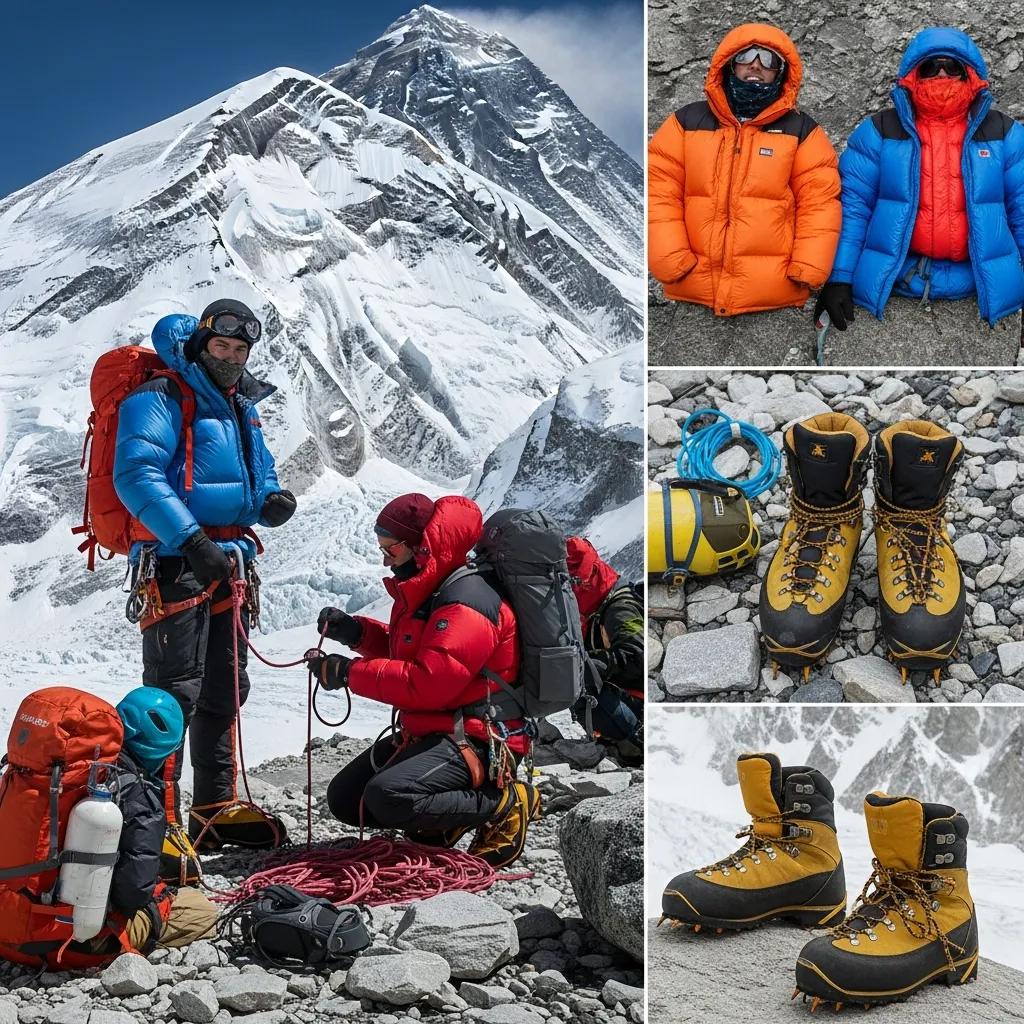
    Expedition boots or down suit Skip Not relevant for first nontechnical mountains.

    Three realistic budget tiers for your first mountain

    Your actual cost depends on what you already own. Many beginners already have athletic clothing, a backpack, water bottles, snacks, and a phone. If you borrow a shell, trekking poles, or a pack, the first summit can be very affordable. Spend first on the gaps that affect safety and comfort.

    $0–$150
    Borrow-smart setup

    Best if you already hike

    Use existing athletic clothing, borrow a pack or shell, buy socks, blister care, snacks, sunscreen, and a headlamp if you do not own one.

    $150–$350
    Practical beginner setup

    Best for most new climbers

    Buy shoes if needed, socks, headlamp, water system, simple shell or fleece, blister care, and basic safety items. Borrow optional extras.

    $350–$700
    Frequent hiker setup

    Best if you will continue

    Add a better-fitting daypack, quality shell, trekking poles, more durable layers, and upgraded navigation/safety tools.

    The best budget upgrade is often not the flashiest one

    Most beginners get more value from good socks, tested footwear, a headlamp, food they will actually eat, and a reliable rain shell than from expensive technical pieces they will not use. Buy the boring essentials first. Fancy gear can wait until your objectives become more specific.


    Where not to save money

    Budget-conscious does not mean careless. There are a few places where cheaping out can ruin the day or increase risk. You do not need the most expensive version, but you do need something that works.

    01
    Do not gamble

    Footwear fit

    Bad footwear creates blisters, hot spots, toe pain, and poor descent control. Buy or use shoes that fit your feet and match the trail. Test them before summit day.

    02
    Do not skip

    Weather protection

    A light shell can be the difference between uncomfortable and unsafe. Wind and rain at elevation feel colder than beginners expect.

    03
    Do not fake

    Navigation and power

    Offline maps and battery backup are inexpensive compared with being off-route late in the day. A phone is useful only while it still works.

    04
    Do not forget

    Food and water

    Under-fueling makes beginners slower, colder, more emotional, and worse at decisions. Carry more than the bare minimum.


    What to skip until year two

    The easiest way to overspend is to buy gear for mountains you are not climbing yet. Technical gear is exciting, but it is also expensive, specialized, and sometimes dangerous without training. If your first mountain requires ropes, crampons, an ice axe, avalanche gear, or glacier equipment, the better beginner decision is usually to choose a different mountain or hire a qualified guide.

    Skip for now Why beginners buy it too early Better first-season decision
    Ice axe It looks like a symbol of mountaineering. Take a snow-travel course before carrying one as safety equipment.
    Crampons Beginners think they make snow safe automatically. Avoid snow routes until trained; microspikes may be enough for mild trail ice if appropriate.
    Rope and harness They feel like “real climbing” gear. Learn rope systems with instruction before relying on them outdoors.
    Mountaineering boots They look durable and serious. For summer beginner peaks, trail runners or hiking boots usually work better.
    Four-season tent People imagine future expeditions. Rent or borrow if an overnight objective actually requires it later.
    High-altitude down clothing It appears in expedition photos. Not needed for first nontechnical day summits.
    Gear does not replace route choice

    If you are buying technical gear because your first mountain suddenly looks intimidating, pause. The safer beginner move may be choosing a different route, different season, lower peak, or guided course. Equipment without training can create false confidence.


    A simple packing system for the night before

    Beginners often forget gear because they pack by memory. Use a system instead. Lay everything out by category, check the weather, match each item to a job, then pack in the order you will need things during the day.

    First mountain packing checklist

    1. Start with the route. Confirm mileage, elevation gain, terrain class, season, and expected time.
    2. Check summit weather, not just town weather. Wind and temperature change quickly with elevation.
    3. Lay out footwear and socks. Add blister care if the route is long, hot, or steep.
    4. Build your clothing system. Hiking layer, warm layer, shell, sun hat, and cold/wind accessories if needed.
    5. Pack food by time, not vibes. Plan snacks every 60–90 minutes plus one larger meal/snack.
    6. Pack water and backup plan. Know whether water exists on route and whether you can filter it.
    7. Confirm navigation. Download maps, save route screenshots, charge phone, and add power bank.
    8. Add safety essentials. Headlamp, first aid, blister care, emergency blanket, whistle, and personal medications.
    9. Remove fear items. Do not pack heavy gear you do not know how to use just because you are nervous.
    10. Weigh the pack mentally. If it feels overloaded, remove nonessential extras — not water, layers, food, or safety basics.

    Frequently Asked Questions

    What should I pack for my first mountain?

    For a first nontechnical mountain, pack tested footwear, hiking socks, a comfortable daypack, water, food, rain or wind shell, warm layer, sun protection, offline navigation, headlamp, first-aid kit, blister care, and an emergency blanket. Adjust for the route, season, weather, altitude, and length of the day.

    Do I need expensive hiking gear for a beginner mountain?

    No. You need functional gear, not expensive gear. Spend carefully on footwear, socks, weather protection, food, water, and navigation. Borrow or rent items you are unsure about. Do not buy technical gear until your objectives and training require it.

    Should beginners wear trail runners or hiking boots?

    Either can work. Trail runners are lighter and often more comfortable on clear trails. Hiking boots may offer more support and protection on rougher terrain. The best choice is the one that fits your feet, matches the route, and has been tested before summit day.

    Should I rent gear for my first mountain?

    For a simple first mountain, you may not need to rent anything. Borrowing a pack, trekking poles, or extra layer can be enough. Renting becomes more useful when you need expensive specialty gear for a specific objective, especially if you are not sure you will use that item repeatedly.

    What gear should I avoid buying before my first mountain?

    Most beginners should avoid buying ropes, harnesses, crampons, ice axes, mountaineering boots, four-season tents, avalanche gear, and high-altitude clothing before their first nontechnical summit. Those items belong to more advanced routes or trained objectives.

    How much should my first mountain pack weigh?

    Many first-summit daypacks fall around 10–20 pounds depending on water, food, layers, and weather. Hot, dry, cold, remote, or longer routes may require more. The goal is not the lightest possible pack; it is the lightest safe pack for the route.


    The bottom line

    Your first mountain does not require expensive gear. It requires appropriate gear. Buy less, choose better, and match every item to the day you are actually planning. Own the personal essentials, borrow what you can, rent specialty items when a real objective demands them, and skip technical gear until you have training. The goal is not to look like a mountaineer at the trailhead. The goal is to stay warm, fueled, oriented, and safe all the way back down.

    Pack smarter before you buy more

    Use the Beginner Gear Guide before spending money.

    The full gear guide breaks down what you actually need, what to skip, and how to build a beginner mountain kit without wasting money on technical gear too early.

    Open the Gear Guide →

    Editorial notes

    This supplemental article supports the existing Global Summit Guide beginner gear system. It is intentionally written as a budget-first packing article rather than a replacement for the dedicated Beginner Gear Guide or Renting vs. Buying Gear page.

    Published May 9, 2026 · Category Gear · Supplemental Blog 04 in the beginner support cluster

  • Best Base Camp Tents for Expeditions: Complete Guide 2026

    Best Base Camp Tents for Expeditions: Complete Guide 2026

    Best Base Camp Tents for Expeditions: Complete Guide 2025

    Choosing the right base camp tent for expeditions is crucial for ensuring safety, comfort, and functionality in challenging environments. This comprehensive guide will explore the essential features, materials, and designs that make base camp tents suitable for high-altitude and extreme weather conditions. Readers will learn about the various types of tents available, how to select the best one for their specific needs, and the factors to consider when planning an expedition. With the right information, adventurers can mitigate risks associated with weather, altitude, and terrain, ensuring a successful and enjoyable experience in the great outdoors. The article will cover essential features of expedition tents, characteristics of four-season tents, material impacts on performance, and much more.

    What Are the Essential Features of Expedition and High Altitude Base Camp Tents?

    Expedition and high altitude base camp tents are designed to withstand extreme weather conditions while providing adequate space and comfort for users. Key features include:

    1. Durability Against Extreme Weather: These tents are constructed with robust materials that resist tearing and can withstand high winds and heavy snowfall.
    2. Weight Considerations for Transport: Lightweight designs are essential for easy transport, especially when trekking to remote locations.
    3. Space and Capacity for Gear: Adequate interior space is necessary to accommodate both occupants and their gear, ensuring a comfortable living environment.

    Understanding these features is vital for selecting a tent that meets the demands of high-altitude expeditions.

    Further research into the market for extreme weather shelters highlights the availability of commercial options designed to meet rigorous expeditionary requirements.

    Commercial Extreme Weather Shelters for Expeditionary Use

    1. The U.S. Army Special Operations Forces SOF has the need for a backpackable extreme weather shelter. The shelter is to provide protection for three soldiers in the case of extreme weather conditions, such as sand storms, heavy winds, blowing rain and snow. The market investigation was requested to look at nondevelopmental items NDI available that would fill this need. U.S. Army Natick Research, Development and Engineering Center Natick conducted the market investigation through letters, telephone conversations, advertisements in the Commerce Business Daily CBD, and visitations to manufacturers facilities to acquire the necessary information to determine if any commercial tents are available today that could meet the requirements of the draft statement of Need Clothing and Individual Equipment for a three man extreme weather shelter. The findings of this investigation indicate that there are several commercially available, state-of-the-art tents capable of meeting all of the performance characteristics for a lightweight extreme weather shelter.

    Lightweight Extreme Weather Shelter Market Investigation., 1992

    Which Four Season Tent Characteristics Ensure Weather Resistance and Durability?

    Four-season tent in snowy conditions, showcasing durability and weather resistance

    Four-season tents are specifically engineered to handle harsh weather conditions. Their characteristics include:

    1. Material Strength: High-denier fabrics provide enhanced tear resistance and durability, essential for withstanding strong winds and heavy precipitation.
    2. Design Features for Wind Resistance: Aerodynamic shapes and low profiles minimize wind resistance, reducing the risk of damage during storms.
    3. Insulation Properties: Many four-season tents incorporate insulation layers to retain heat, making them suitable for cold environments.

    These characteristics ensure that four-season tents can provide reliable shelter in the most challenging conditions.

    How Do Tent Materials and Design Impact Performance in Extreme Conditions?

    The materials and design of a tent significantly influence its performance in extreme conditions. Key factors include:

    1. Material Types and Their Benefits: Tents made from nylon or polyester are lightweight and durable, while canvas tents offer superior insulation and breathability.
    2. Design Elements That Enhance Performance: Features such as vestibules for gear storage and multiple entry points improve functionality and convenience.
    3. Case Studies of Tent Failures: Analyzing past expedition failures due to inadequate tent performance highlights the importance of selecting high-quality materials and designs.

    Understanding these aspects can help adventurers make informed decisions when choosing a tent for their expeditions.

    How to Choose the Right Base Camp Tent for Your Mountaineering Expedition?

    Selecting the right base camp tent involves assessing various factors to ensure it meets the specific needs of the expedition. Consider the following guidelines:

    1. Assessing Expedition Needs: Evaluate the number of occupants, duration of the expedition, and expected weather conditions to determine the appropriate tent size and type.
    2. Comparing Tent Features: Look for tents that offer essential features such as waterproofing, ventilation, and ease of setup.
    3. Understanding Weather Conditions: Research the typical weather patterns of the expedition location to select a tent designed to handle those specific conditions.

    For those seeking high-quality tents, Information Hub provides a range of options tailored for different expedition needs.

    What Factors Should You Consider Regarding Altitude, Terrain, and Climate?

    When planning an expedition, several environmental factors must be considered to ensure the tent’s suitability:

    1. Altitude Acclimatization: Higher altitudes can affect tent performance, particularly in terms of ventilation and temperature regulation.
    2. Terrain Challenges: Rocky or uneven ground may require specific tent designs that can be securely anchored.
    3. Climate Considerations: Understanding the local climate helps in selecting a tent that can withstand expected weather conditions, such as heavy rain or snow.

    These factors play a crucial role in ensuring the tent’s effectiveness and the safety of the expedition team.

    How Do Tent Weight, Capacity, and Setup Complexity Affect Expedition Planning?

    The specifications of a tent can significantly impact expedition logistics. Key considerations include:

    1. Weight Distribution in Packs: Lightweight tents are easier to carry, allowing for better weight distribution among team members.
    2. Capacity for Team Members: Ensure the tent can comfortably accommodate all team members and their gear without feeling cramped.
    3. Setup Time and Complexity: Tents that are quick and easy to set up can save valuable time during expeditions, especially in adverse weather conditions.

    Understanding these aspects can help teams plan more effectively and ensure a smoother expedition experience.

    What Are the Best Tent Types and Models for 2025 Expeditions?

    When selecting a tent for expeditions in 2025, consider the following types and models that have proven effective in various conditions:

    Tent TypeFeaturesRecommended Models
    Four-Season TentsDesigned for extreme weatherModel A, Model B
    Lightweight TentsEasy to carry, quick setupModel C, Model D
    Family TentsSpacious for multiple occupantsModel E, Model F

    These models have been selected based on their performance in challenging environments and user reviews.

    Which Brands and Models Offer Proven Reliability in High Altitude Environments?

    Several brands are known for their reliability in high altitude environments. Key brands include:

    1. Brand A: Renowned for its durable four-season tents that withstand extreme conditions.
    2. Brand B: Offers lightweight options that are easy to transport without compromising on quality.
    3. Brand C: Known for spacious family tents that provide comfort during long expeditions.

    These brands have established a reputation for quality and reliability, making them top choices for adventurers.

    How Do Product Comparisons Inform Tent Selection for Different Expedition Needs?

    Comparing different tent models can provide valuable insights into their suitability for specific expedition needs. Consider the following criteria for comparison:

    1. Criteria for Comparison: Evaluate factors such as weight, durability, weather resistance, and ease of setup.
    2. Benefits of Informed Choices: Understanding the strengths and weaknesses of each model can lead to better decision-making.
    3. Examples of Product Comparisons: Reviewing side-by-side comparisons of popular models can highlight key differences and help in selecting the best option.

    This approach ensures that adventurers choose tents that align with their specific requirements.

    How to Properly Set Up and Maintain Your Base Camp Tent for Safety and Longevity?

    Person setting up a base camp tent in a forest, demonstrating proper setup techniques

    Proper setup and maintenance of a base camp tent are essential for ensuring safety and longevity. Key practices include:

    1. Setup Instructions: Follow the manufacturer’s guidelines for setting up the tent to ensure stability and safety.
    2. Maintenance Tips: Regularly inspect the tent for damage and clean it after use to prolong its lifespan.
    3. Safety Protocols: Establish protocols for securing the tent in adverse weather conditions to prevent damage.

    Implementing these practices can significantly enhance the tent’s performance and durability.

    What Are Step-by-Step Setup Instructions for Four Season and Mountaineering Tents?

    Setting up four-season and mountaineering tents requires specific steps to ensure proper functionality. Follow these instructions:

    1. Lay Out the Tent: Spread the tent fabric on a flat surface, ensuring all components are accounted for.
    2. Insert Tent Poles: Assemble and insert the poles into the designated sleeves or clips, creating the tent’s structure.
    3. Secure the Tent: Use stakes to anchor the tent securely to the ground, ensuring it can withstand wind and weather.

    These steps are crucial for ensuring the tent is set up correctly and safely.

    Which Maintenance Practices Prevent Tent Failure During Expeditions?

    To prevent tent failure during expeditions, consider the following maintenance practices:

    1. Regular Inspections: Check for wear and tear before and after each use to identify potential issues.
    2. Repair Techniques: Carry repair kits to address minor damages promptly, preventing further deterioration.
    3. Storage Tips: Store the tent in a cool, dry place to prevent mold and mildew growth.

    These practices can help maintain the tent’s integrity and performance throughout its lifespan.

    What Safety Considerations and Gear Protocols Are Critical When Using Base Camp Tents?

    Safety is paramount when using base camp tents. Key considerations include:

    1. Emergency Gear: Always have emergency supplies on hand, including first aid kits and communication devices.
    2. Weather Preparedness: Monitor weather conditions and be prepared to take action if severe weather is forecasted.
    3. Navigation Tools: Ensure that navigation tools are accessible to avoid getting lost in unfamiliar terrain.

    Implementing these safety protocols can significantly reduce risks during expeditions.

    How to Mitigate Risks Related to Weather, Altitude, and Tent Integrity?

    Mitigating risks associated with weather, altitude, and tent integrity involves several strategies:

    1. Weather Monitoring: Use reliable weather apps or devices to stay informed about changing conditions.
    2. Altitude Acclimatization: Gradually acclimatize to higher altitudes to prevent altitude sickness.
    3. Tent Integrity Checks: Regularly inspect the tent for signs of wear and ensure it is securely anchored.

    These strategies can help ensure a safer and more enjoyable expedition experience.

    What Checklists and Safety Tips Ensure Preparedness at Base Camp?

    Having a checklist can enhance preparedness at base camp. Consider the following items:

    1. Essential Gear Checklist: Include items such as food, water, first aid supplies, and navigation tools.
    2. Safety Protocols: Establish clear safety protocols for all team members to follow during the expedition.
    3. Emergency Plans: Develop contingency plans for various scenarios, including severe weather or medical emergencies.

    These checklists can help ensure that all necessary preparations are made before embarking on an expedition.

    What Can We Learn from Recent 2025-2026 Expedition Case Studies on Tent Performance?

    Recent case studies from expeditions in 2025-2026 provide valuable insights into tent performance. Key findings include:

    1. Case Study Analysis: Analyzing successful and unsuccessful expeditions reveals critical factors that contribute to tent performance.
    2. Performance Metrics: Metrics such as durability, weather resistance, and user satisfaction can inform future tent selections.
    3. Lessons Learned: Understanding the challenges faced by previous expeditions can guide better decision-making for future trips.

    These insights can help adventurers choose the right equipment for their needs.

    How Have Base Camp Tents Performed in Extreme Weather and High Altitude Conditions?

    Base camp tents have been tested in various extreme weather and high altitude conditions. Key performance indicators include:

    1. Weather Resistance: Tents that have undergone rigorous testing demonstrate superior performance in heavy rain and snow.
    2. Durability Tests: Long-term use in harsh environments reveals the importance of material quality and design.
    3. User Experiences: Feedback from users highlights the strengths and weaknesses of different tent models in real-world conditions.

    These performance evaluations are essential for selecting reliable tents for expeditions.

    Historical evaluations further underscore the importance of rigorous testing, with past studies assessing mountaineering equipment in diverse and challenging high-altitude environments.

    Mountaineering Equipment Evaluation in Extreme High-Altitude Environments

    1. Pursuant to a request from US Army Natick Laboratories, the Arctic Institute of North America carried out testing and evaluation of certain commercially available mountaineering equipment, considered by the project investigator to be the best available on the commercial market today. This equipment was tested under varying climatic conditions and extremes in the St. Elias Mountains of the southwestern Yukon Territory, Canada. Tests were carried out in the low altitude forested region near Kluane Lake, in the medium altitude alpine environment of the central St. Elias Mountains, and in the severe high altitude polar environment of Canadas highest mountain, Mt. Logan.

    Mountaineering Equipment Evaluation, 1972

    What Innovations in Tent Technology Have Emerged from Recent Expeditions?

    Recent expeditions have led to several innovations in tent technology. Notable advancements include:

    1. New Materials: The development of lighter, stronger fabrics enhances durability while reducing weight.
    2. Design Innovations: Improved designs that facilitate better ventilation and weather resistance are becoming standard.
    3. User Feedback: Incorporating user feedback into design processes has led to more functional and user-friendly tents.

    These innovations are shaping the future of expedition gear, making it more effective and accessible.

    How to Integrate Base Camp Tent Selection with Overall Expedition Gear Planning?

    Integrating tent selection with overall expedition gear planning is crucial for success. Key considerations include:

    1. Assessing Overall Gear Needs: Evaluate all gear requirements to ensure compatibility with the chosen tent.
    2. Weight Management: Consider the total weight of all gear, including the tent, to optimize pack distribution.
    3. Emergency Preparedness: Ensure that the tent and other gear are suitable for emergency situations.

    This holistic approach can enhance the overall effectiveness of expedition planning.

    What Complementary Base Camp Gear Enhances Tent Functionality and Safety?

    Several complementary gear items can enhance the functionality and safety of base camp tents. Consider the following:

    1. Additional Safety Gear: Items suchs as portable heaters and carbon monoxide detectors can improve safety in cold environments.
    2. Functional Accessories: Gear like tent footprints and rainflys can enhance the tent’s performance and longevity.
    3. User Recommendations: Seek advice from experienced adventurers on essential gear that complements tent use.

    These complementary items can significantly improve the overall camping experience.

    How to Coordinate Tent Choice with Mountaineering Equipment and Trip Planning?

    Coordinating tent choice with mountaineering equipment and trip planning is essential for a successful expedition. Key strategies include:

    1. Weather Considerations: Ensure that the tent can withstand the expected weather conditions during the trip.
    2. Space and Capacity: Consider the space required for both the tent and other mountaineering equipment.
    3. Logistical Planning: Plan the logistics of transporting the tent and equipment to the expedition site.

    This coordination can lead to a more efficient and enjoyable expedition experience.

    Where to Find Authoritative Resources and Reviews for Base Camp Tents in 2025?

    Finding reliable resources and reviews for base camp tents is essential for making informed decisions. Consider the following sources:

    1. Authoritative Websites: Look for websites that specialize in outdoor gear reviews and comparisons.
    2. User Reviews: Check user feedback on various platforms to gain insights into real-world performance.
    3. Expert Recommendations: Seek advice from experienced mountaineers and outdoor experts for trusted product evaluations.

    These resources can provide valuable information to guide tent selection.

    Which Expert Guides and User Reviews Provide Reliable Tent Evaluations?

    Expert guides and user reviews are invaluable for evaluating tents. Key sources include:

    1. Expert Evaluations: Look for reviews from outdoor professionals who test gear in real-world conditions.
    2. User Feedback: Pay attention to user reviews that highlight both positive and negative experiences with specific models.
    3. Comparison Resources: Utilize comparison tools that allow for side-by-side evaluations of different tent models.

    These evaluations can help adventurers make informed choices when selecting a tent.

    How to Use Structured Data and Multimedia Content to Inform Tent Purchases?

    Utilizing structured data and multimedia content can enhance the decision-making process for tent purchases. Key strategies include:

    1. Importance of Structured Data: Implementing structured data can improve search visibility and provide detailed product information.
    2. Multimedia Content Benefits: Videos and images can offer a better understanding of tent features and performance.
    3. User Engagement Strategies: Engaging content can help potential buyers make informed decisions based on their specific needs.

    These strategies can significantly enhance the purchasing experience for adventurers seeking the right tent.

    For more information on mountaineering expeditions, visit Global Summit Guide.

Language »