Last updated October 8, 2026


Vinson vs Denali: Which Cold-Weather Expedition Is Harder?
Denali is the harder climb. Vinson is the harder mountain to reach and the far more expensive expedition. Mount Vinson reaches 4,892 m / 16,050 ft and packages Antarctic cold, glacier travel and fixed-line climbing inside a highly supported logistics system. Denali rises to 6,190 m / 20,310 ft and requires climbers to move weeks of equipment up a crevassed glacier with heavy packs, sleds, cache cycles and far greater self-sufficiency.
Denali Tests the Expedition. Vinson Tests Whether Your Systems Work at the End of the Earth.
Denali is substantially harder overall on the standard routes. It stands 1,298 metres higher, normally keeps climbers on the mountain longer, requires much more pack-and-sled hauling, and demands far greater day-to-day expedition self-sufficiency.
Vinson is not easy. Climbers still travel on glaciers, haul sleds, climb fixed ropes, camp in Antarctic cold and operate in one of the most remote environments on Earth. But the standard route is shorter, lower, more heavily supported and comparatively straightforward for a prepared expedition climber.
The strange result is that Vinson can cost four or five times as much as a guided Denali expedition while generally being the easier climb. You are buying Antarctic access, not additional technical difficulty.
2026–27 Antarctic Season Is Approaching
Antarctic Logistics & Expeditions currently lists its guided Mount Vinson program at $57,900 for 12 days. Current departures begin in late November 2026 and continue through the austral-summer window. Weather can shift every Antarctic flight.
2026 Season Is Finished
The 2026 Denali climbing season ended July 9. Climbers planning the standard West Buttress now are effectively planning for 2027. The NPS listed a $450 adult mountaineering fee for 2026, but future fees should be verified rather than carried forward.
Vinson vs Denali at a Glance
Both are Seven Summits cold-weather glacier expeditions. Denali layers substantially more altitude, carrying and self-sufficiency onto the baseline challenge.
| Factor | Mount Vinson | Denali | Practical Edge |
|---|---|---|---|
| Elevation | 4,892 m / 16,050 ft | 6,190 m / 20,310 ft | Denali is 1,298 m higher. |
| Continent | Antarctica | North America | Both Seven Summits. |
| Standard route | Branscomb Glacier / Low Camp / High Camp | West Buttress | Denali is the larger expedition system. |
| Technical character | Moderate glacier / snow expedition | Major glacier expedition with fixed lines and exposed upper terrain | Denali |
| Glacier travel | Yes | Yes · extensive | Denali more complex. |
| Crevasse systems | Required competence | Core expedition skill on Kahiltna | Denali |
| Fixed ropes | Standard headwall / route system | Headwall above 14,200 ft camp | Both require fixed-line fluency. |
| Sled hauling | Yes on glacier movements | Central for repeated lower-mountain carries | Denali |
| Heavy packs | Yes, but support structure reduces total expedition burden | Major defining feature | Denali |
| Altitude | High | Very high · 6,190 m | Denali |
| Cold | Extreme Antarctic environment | Extreme high-altitude Alaska cold | Both serious; context differs. |
| Normal duration | ~12–20 days depending program | ~17–24 days commonly planned | Denali longer. |
| Self-sufficiency | High, but ALE infrastructure is substantial | Very high; climbers move and maintain their own expedition | Denali |
| Access | Punta Arenas → Antarctica → Union Glacier → Vinson | Talkeetna → ski plane → Kahiltna Glacier | Vinson much harder logistically. |
| Current guide cost | ALE $57,900 | Commercial programs broadly around low five figures | Vinson dramatically more expensive. |
| Main season | Nov–Jan | Late Apr–early Jul | Opposite seasonal windows. |
| Best progression role | Antarctic Seven Summit / polar systems | Advanced glacier-expedition proving ground | Different objectives. |

Vinson Is an Expedition Because of Where It Is—not Because the Standard Route Is Exceptionally Technical.
The Antarctic environment magnifies every system: clothing, boots, tents, stoves, communication and flight logistics. The standard route itself remains moderate by major-expedition standards.
Which Is Harder: Vinson or Denali?
Denali wins almost every climbing-difficulty category. Vinson wins remoteness and logistics.
Denali
6,190 metres adds 1,298 metres beyond Vinson’s summit elevation.
Denali
Repeated pack-and-sled carries are central to the West Buttress expedition.
Vinson
Reaching the mountain requires an Antarctic air bridge and specialized interior aviation.
Denali
Altitude, glacier systems, heavy loads, duration and self-sufficiency accumulate.
Compare Rainier With Denali.
Rainier is one of the best ways to understand which glacier skills transfer and which Denali demands remain completely new.
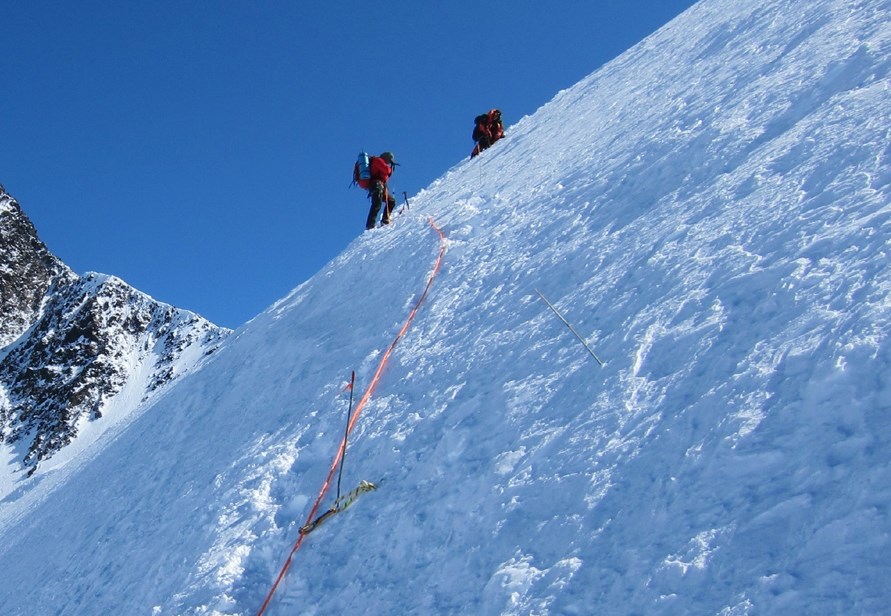
Denali’s Crux Is Not One Pitch. It Is Three Weeks of Systems That Cannot Fail.
Rope travel, sleds, heavy packs, fixed lines, snow camps, altitude, weather and decision-making all have to continue working after fatigue accumulates.
Denali Adds an Entire Altitude Category
The difference between 4,892 metres and 6,190 metres is not cosmetic.
4,892 m
Serious altitude, particularly when combined with Antarctic cold, but below the 5,000-metre threshold.
6,190 m
Denali requires a prolonged acclimatization progression while the climber continues hauling loads.
1,298 m
Denali’s summit is more than 4,200 vertical feet above Vinson’s.
Both Are Cold. The More Important Question Is How Long Your Systems Must Work.
Extreme temperatures attract attention. Repeated exposure, moisture management and preventing small failures are more useful planning questions.
Polar Cold + 24-Hour Daylight
- Antarctic interior environment
- Extreme wind chill
- Very dry air
- 24-hour summer daylight
- Remote aviation dependency
- Minimal margin for forgotten equipment
Vinson makes equipment reliability unusually important because replacing a failed item is not a simple town run.
Cold + Time + Workload
- Extended snow camping
- High-altitude cold
- Storm cycles
- Boot and glove management
- Daily water production
- Moisture management over weeks
Denali combines cold-weather living with continual physical work and longer cumulative exposure.
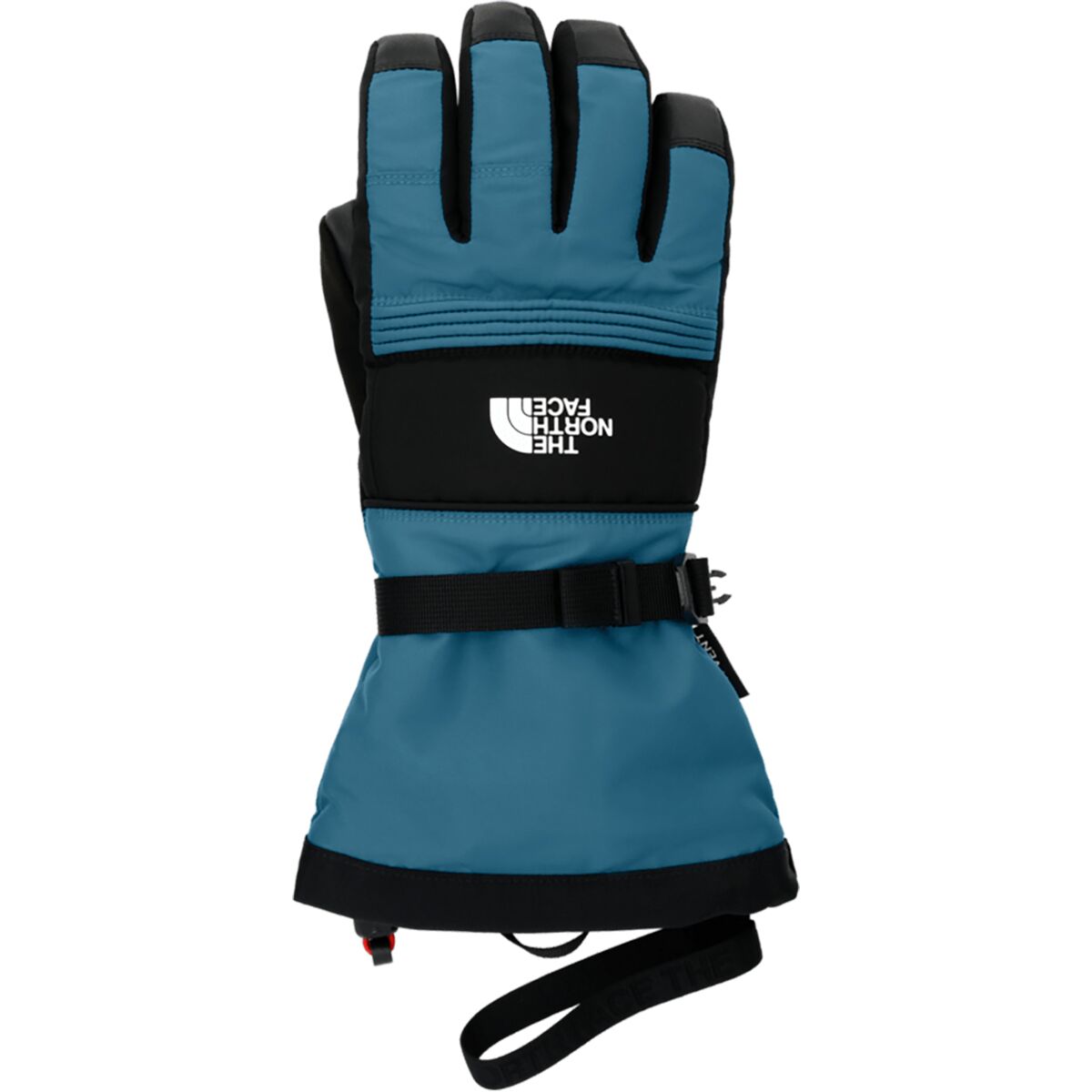
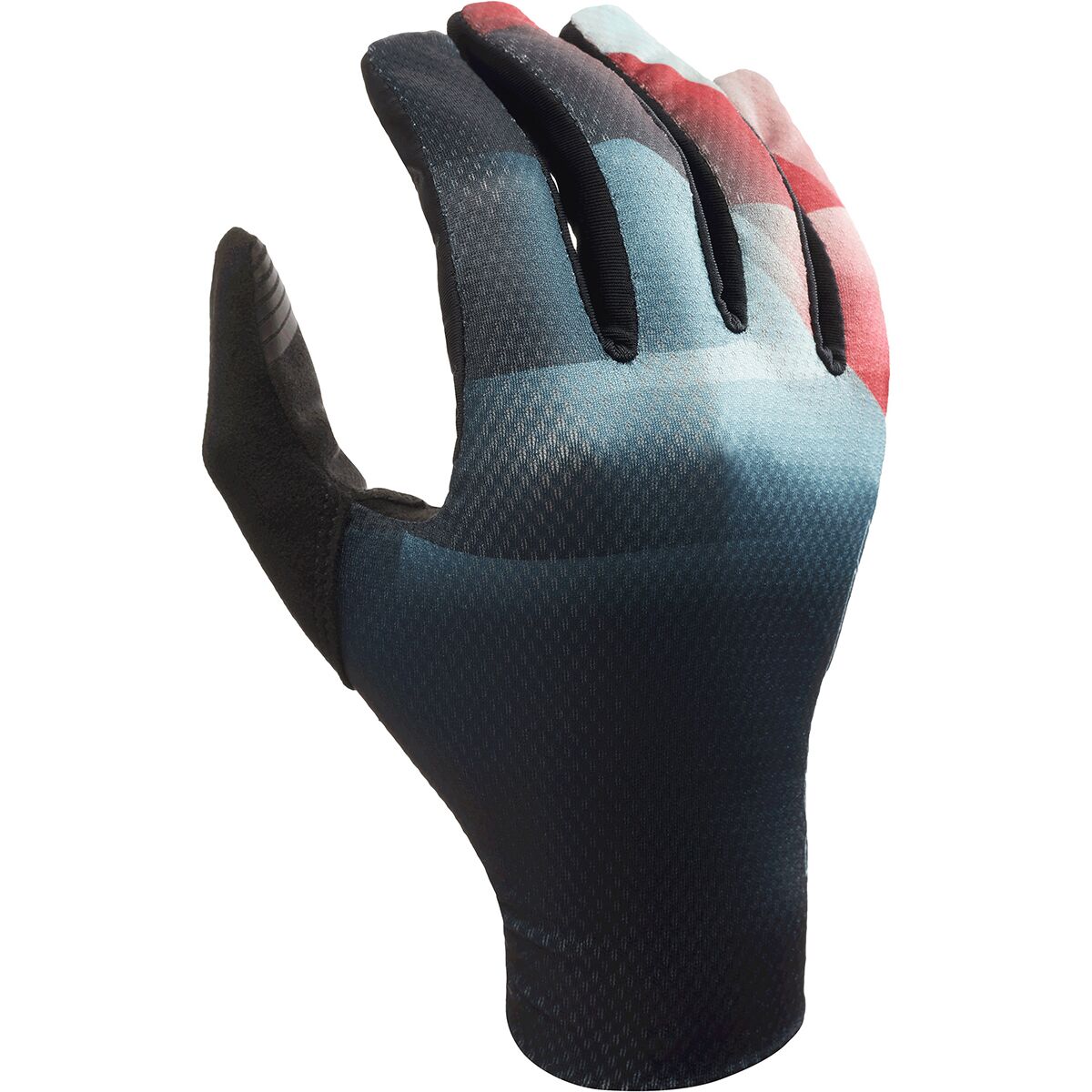
Expedition Gloves & Cold-Weather Hand Systems
Hand protection is not one pair of gloves. These expeditions commonly require a layered system that preserves dexterity for ropes, carabiners, stoves, tents and fixed lines while still providing serious summit insulation.
Affiliate disclosure: Global Summit Guide may earn a commission from qualifying purchases at no additional cost to you.
Expedition Gloves & Cold-Weather Hand Systems
- The North FaceThe North Face Montana Ski Glove – Men's$45.50
$65Check price at Back Country (opens in a new tab) - Yeti CyclesYeti Cycles Enduro Gloves – Women'sFrom $24
$32Check price at Back Country (opens in a new tab)
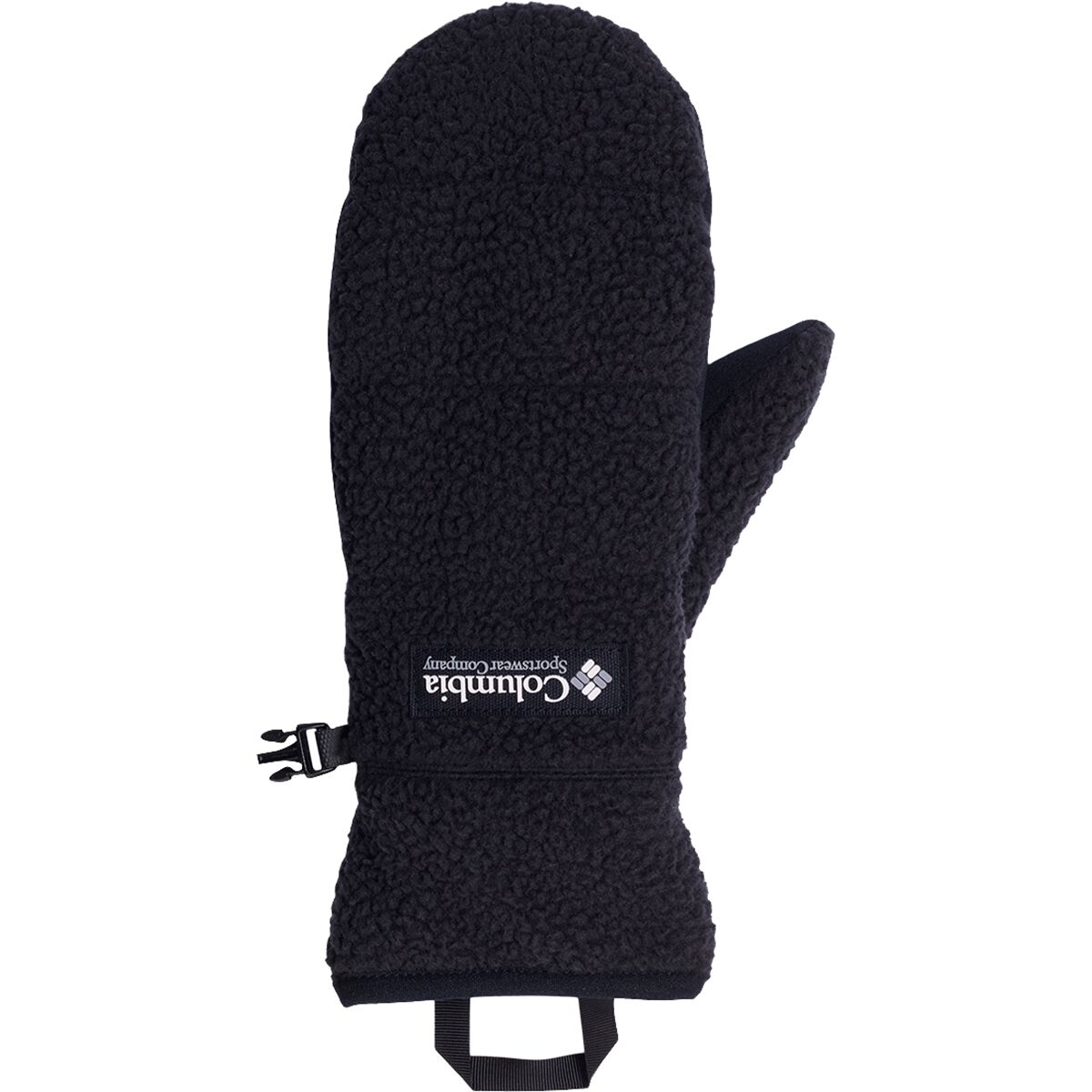
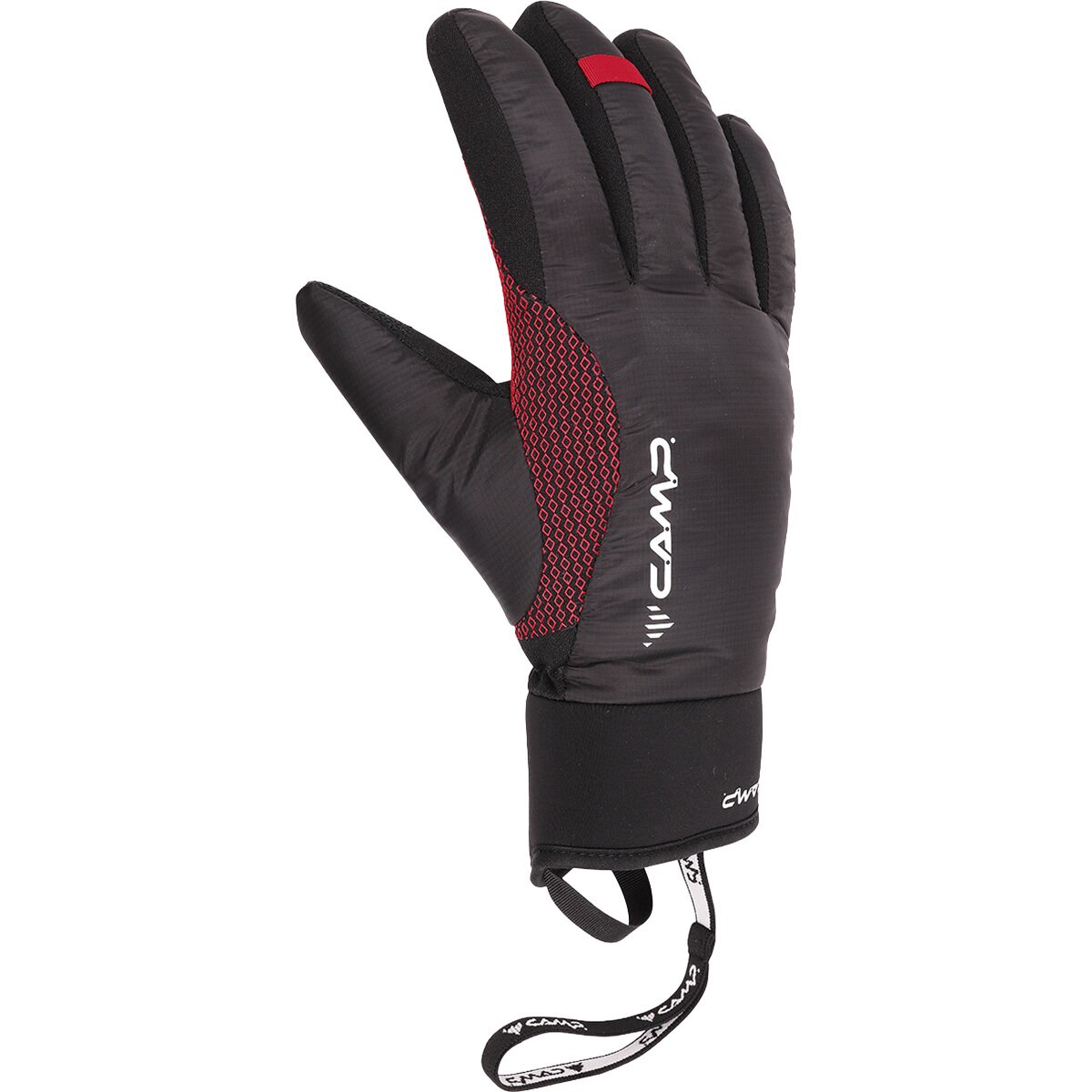
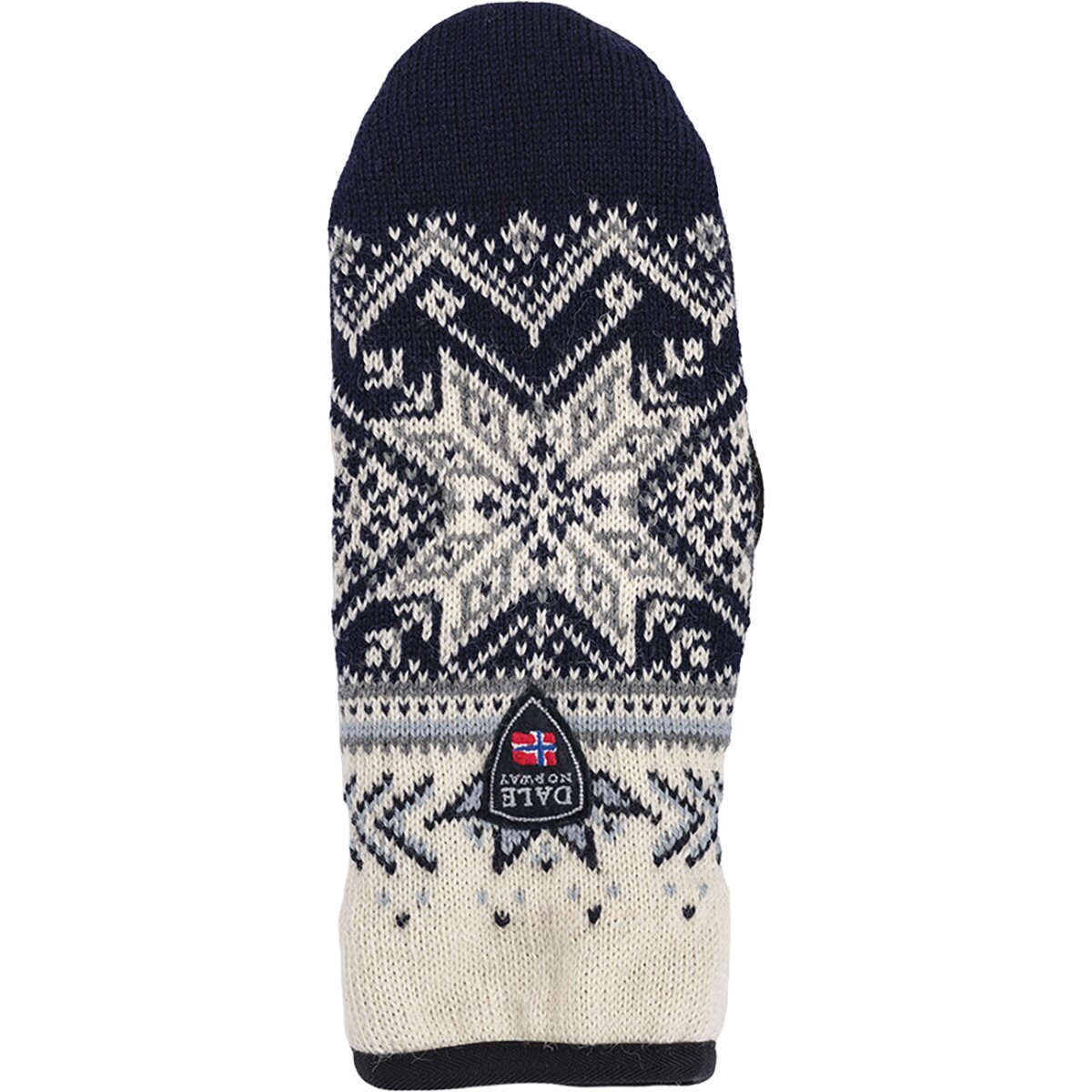
We may earn a commission if you buy through these links, at no extra cost to you. Affiliate disclosure

Vinson Uses Sleds Too—but Denali Makes Load Hauling a Larger Part of the Expedition.
Do not reduce the comparison to “sleds vs no sleds.” Both expeditions move equipment across glaciers. Denali’s repeated cache-and-carry system places much more cumulative hauling on the climber.
Neither Vinson nor Denali Is the Place to Learn Glacier Basics From Zero
The standard routes are not elite technical climbs. They are still real glacier expeditions.
Efficient Expedition Fundamentals
- Roped glacier travel
- Crampon efficiency
- Ice-axe competence
- Fixed-rope ascending
- Sled management
- Cold-camp familiarity
- Conservative glacier judgment
The Same Skills Under More Load and Fatigue
- Rope-team glacier travel
- Crevasse rescue
- Crampon fluency
- Self-arrest
- Fixed-line movement
- Sled integration
- Independent expedition judgment
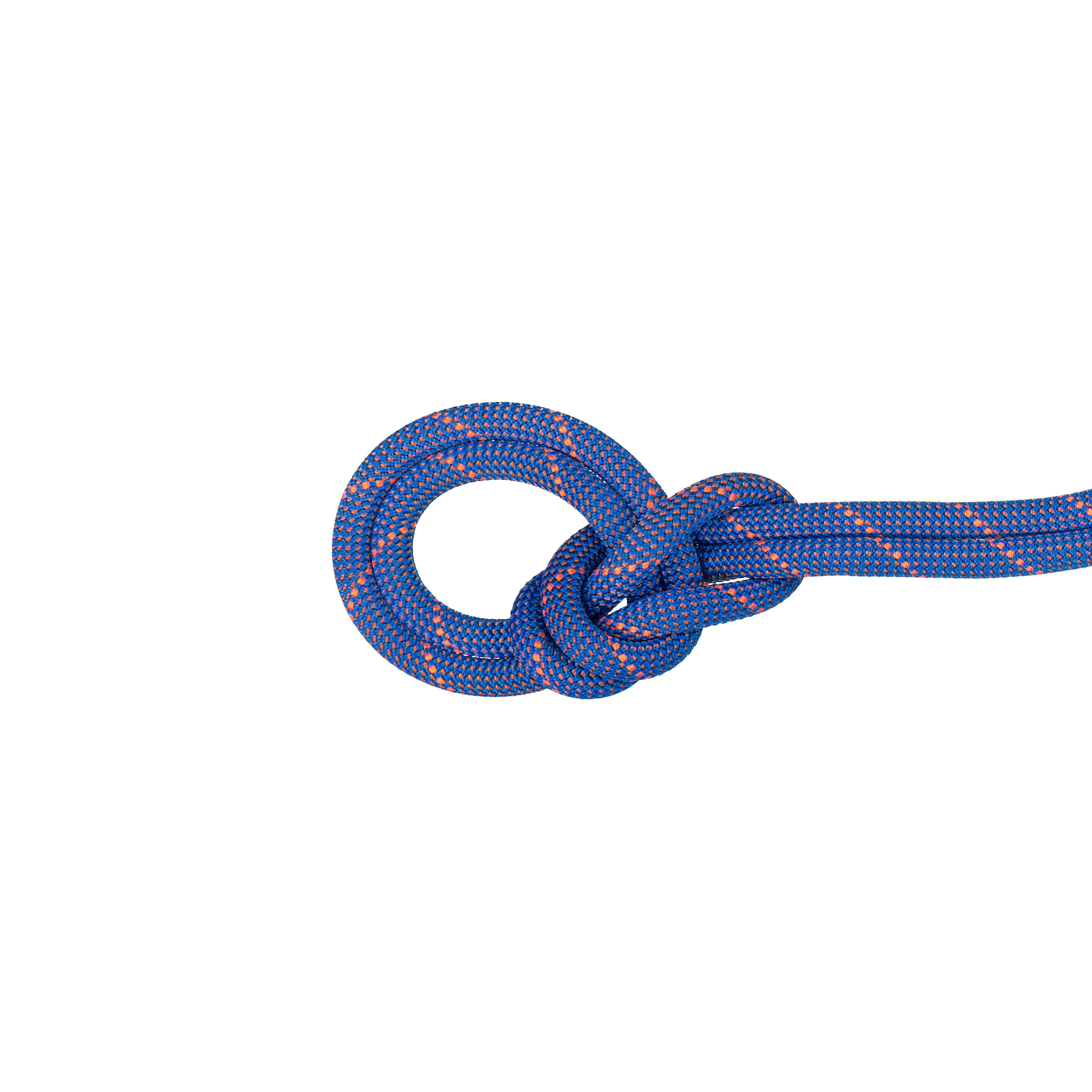
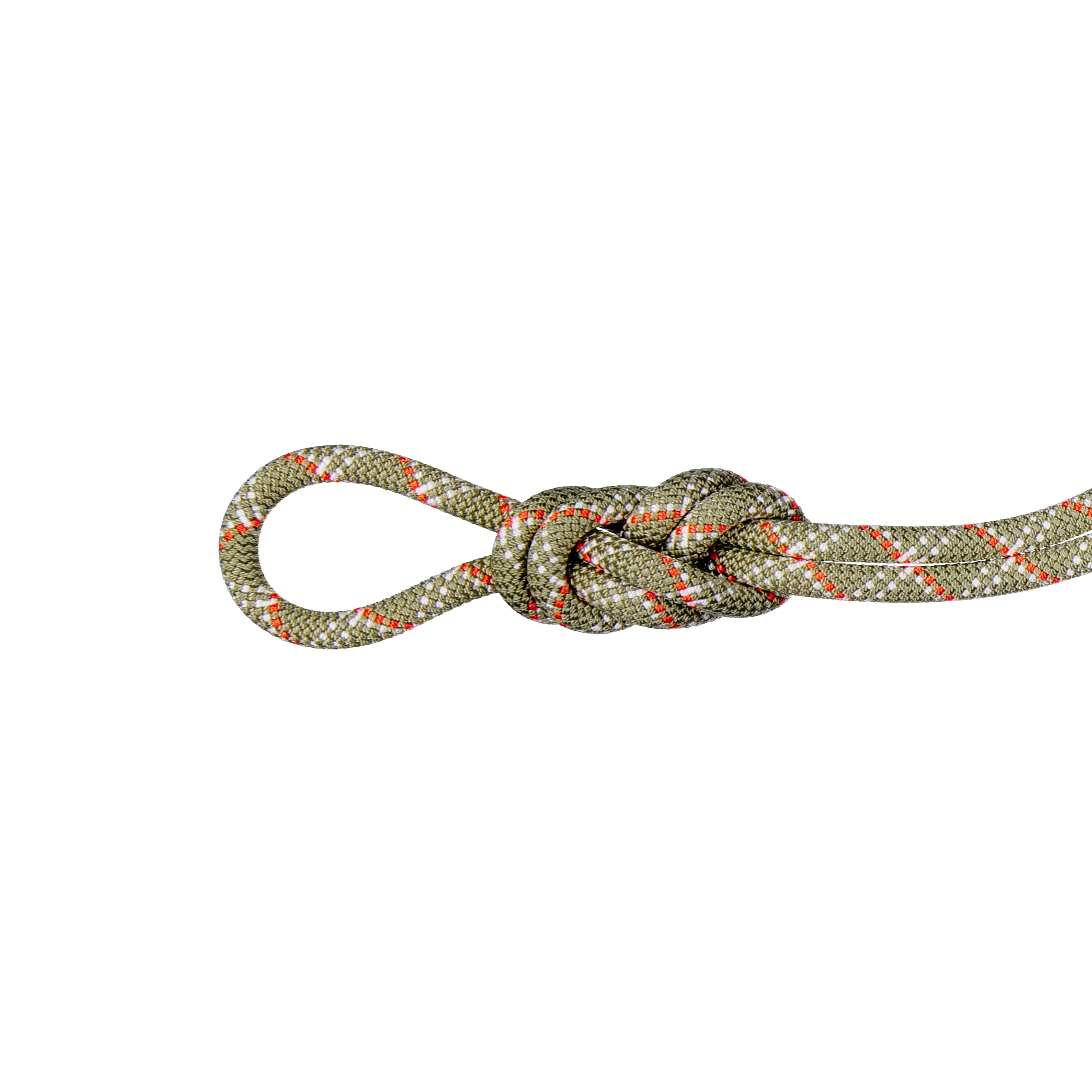
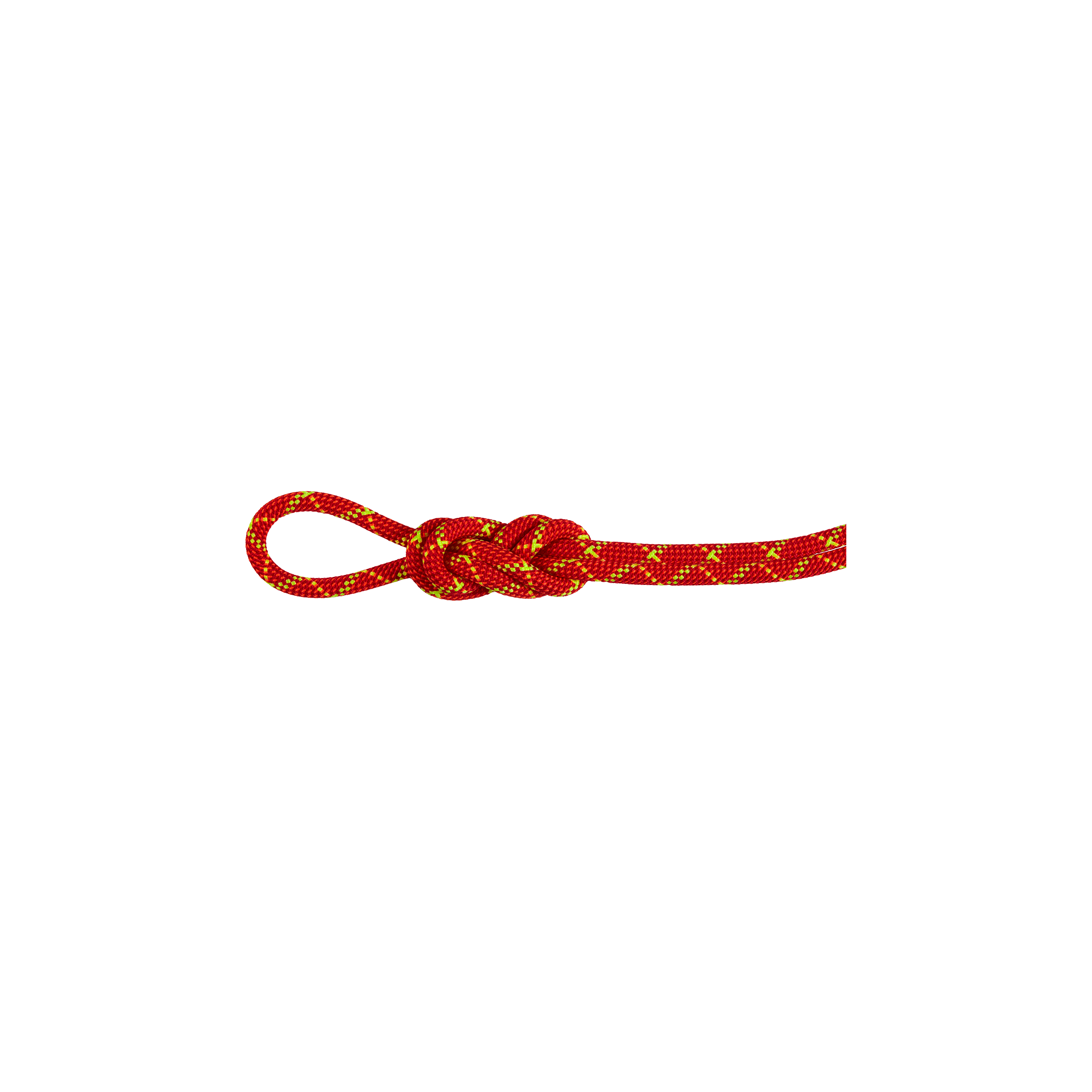
Glacier & Expedition Ropes
Rope selection must match team size, route system, rescue plan and operator requirements. Gear ownership never substitutes for crevasse-rescue practice.
Glacier & Expedition Ropes
Denali Makes You Move the Expedition Uphill
This is one of the largest practical gaps between the two mountains.
Sleds, Packs & Camp Moves
Climbers still move personal and group equipment, but Antarctic infrastructure shortens the expedition and reduces the scale of the total carrying problem.
Pack + Sled + Cache
Teams repeatedly haul food, fuel, tents and equipment, cache loads, descend, recover and move again.
Cumulative Work
Denali fitness is not one enormous day. It is the ability to repeat heavy work while becoming colder, higher and more fatigued.
Compare Aconcagua With Denali.
Aconcagua is the larger pure-altitude test. Denali adds glacier systems, sleds and more self-sufficiency.
Vinson Is a Shorter Climbing Expedition Wrapped Inside Uncertain Aviation
Scheduled itinerary length and actual time away from home are not always the same thing on either mountain.
Roughly 12–20 Days by Program
ALE currently markets its direct Vinson climb as a 12-day program. Other international operators build longer schedules around Punta Arenas, Antarctic transfers and weather contingency.
The mountain phase is relatively compact. The aviation system creates the schedule uncertainty.
Roughly 17–24 Days
Denali requires time for repeated carries, acclimatization, camp progression and weather holds. The long schedule is not merely flight contingency— it is part of how the mountain is climbed.
Vinson Is the Logistics Winner—and That Is Why It Costs So Much
Few famous mountains have an access system as specialized as Vinson.
Punta Arenas → Union Glacier → Vinson
- Stage in Punta Arenas, Chile.
- Antarctic intercontinental flight.
- Union Glacier infrastructure.
- Interior ski-aircraft transfer.
- Vinson Base Camp.
- Return flights remain weather dependent.
ALE controls the core Antarctic logistics network used by commercial Vinson programs.
Anchorage → Talkeetna → Kahiltna
- Travel to Alaska.
- Stage in Talkeetna.
- NPS orientation and registration.
- Ski-plane flight to Kahiltna Glacier.
- Begin self-supported expedition.
- Weather can delay glacier flights.
Denali access is logistically serious, but comparatively routine beside flying into the Antarctic interior.
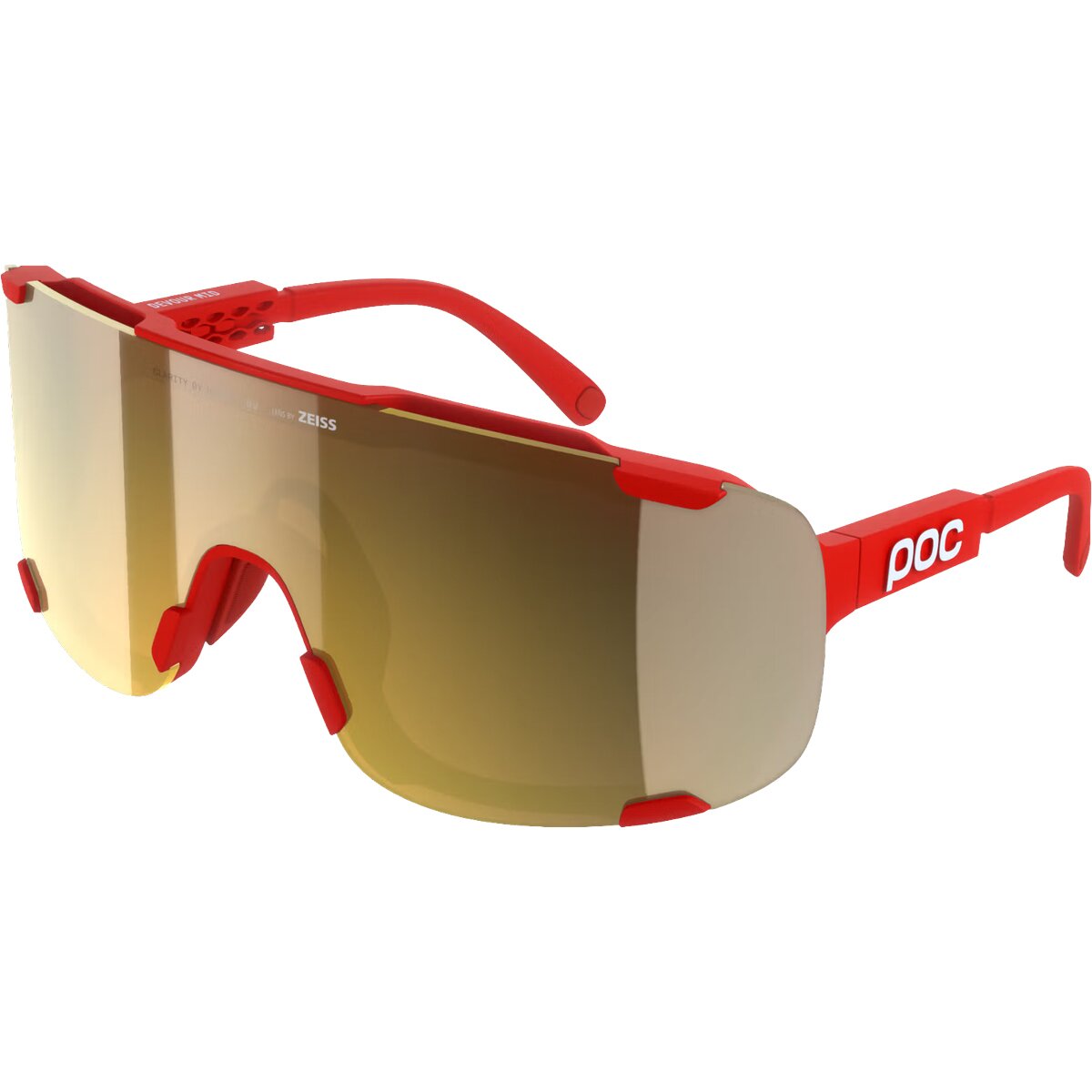
Glacier Sunglasses & Expedition Eyewear
Long days over snow and glacier create intense reflected light on both expeditions. Vinson adds near-continuous austral-summer daylight.
Glacier Sunglasses & Expedition Eyewear
Vinson Is in a Completely Different Price Category
This may be the clearest numerical difference on the page.
$50,000+ Is Normal
Current examples include:
- ALE direct: $57,900
- Adventure Consultants: $56,600
- Alpine Ascents: $55,500
Current GSG cost research places standard commercial Vinson broadly around $45,000–$65,000, before every possible travel, insurance and personal-gear expense.
Low Five Figures Guided
Guided Denali still represents a major financial commitment, but the commercial program price is generally dramatically below Vinson.
Add:
- Alaska travel
- ski-plane logistics
- NPS mountaineering fee
- hotels
- food / group expedition costs
- personal cold-weather gear
- insurance
Expedition Duffels for Alaska & Antarctica
Both trips move large cold-weather systems through airports, staging hotels and aircraft. Durable, highly identifiable duffels become part of the expedition logistics system.
Rescue Exists on Both Mountains. Neither Expedition Should Be Planned Around It.
Remote rescue depends on weather, aircraft, location and operational judgment.
Antarctica Controls the Timeline
ALE infrastructure creates an unusually capable Antarctic support system. But distance, weather and aviation constraints make evacuation fundamentally different from a mountain near ordinary transport infrastructure.
NPS Capability Does Not Remove Delay
Denali has ranger infrastructure, seasonal patrols and helicopter rescue capability. Weather, altitude and mountain position can still make rescue delayed or impossible.
Verify Mountaineering, Search-and-Rescue and Evacuation Coverage
Vinson especially requires reading polar and Antarctic wording carefully. Denali climbers should also confirm mountaineering altitude, technical-activity and evacuation provisions. Policy wording matters more than marketing labels.
Should You Climb Vinson Before Denali?
It can make sense. It is not a complete Denali progression.
Build the Glacier Foundation
Rainier, Baker or equivalent terrain should establish crampons, rope-team movement, arrest and crevasse systems.
Prove Altitude Separately
Aconcagua or another appropriate 5,500–7,000 metre expedition can reveal how your body, appetite and judgment perform at altitude.
Prove Cold-Camp Systems
Winter camping should no longer feel like an experiment. Boots, gloves, stoves, sleep systems and moisture management need to work repeatedly.
Vinson Can Fit Here
Vinson can integrate glacier movement, polar cold, fixed lines and expedition camping inside a highly supported Seven Summits objective.
Add Denali-Specific Load Training
Heavy packs, sled hauling, cache carries and repeated work must be trained separately. Vinson does not automatically prove this gate.
Climb Denali When the Full System Is Familiar
Arrive on the Kahiltna with no major capability being tested for the first time.
Use the Denali Progression Plan.
Glacier competence, altitude, cold, heavy loads, fixed lines and judgment are separated into readiness gates.
Vinson and Denali Play Very Different Roles in a Seven Summits Plan
One is often a logistical and financial hurdle. The other is one of the major technical-expedition hurdles.
The Antarctic Summit
- Antarctica continent requirement
- Extreme logistical cost
- Polar environment
- Moderate standard-route technical demand
- Strong dependence on ALE infrastructure
- Shorter altitude ladder
The Expedition Proving Ground
- Major glacier systems
- 6,190 m altitude
- Heavy-load movement
- Self-supported camps
- Fixed lines
- Multi-week cumulative difficulty
Choose Vinson or Denali Based on the Expedition You Actually Want
These are not interchangeable cold mountains.
Antarctica Is Part of the Goal
- You are pursuing the Seven Summits.
- You already possess glacier fundamentals.
- You want a polar expedition without Denali-scale altitude.
- You prefer a highly organized logistics system.
- You can absorb a $50,000+ trip cost.
- You want one of mountaineering’s most remote destinations.
You Want the Bigger Mountaineering Test
- Your glacier skills are already competent.
- You have strong altitude experience.
- You can operate independently in severe cold.
- You have trained with heavy packs and sleds.
- You want a more self-sufficient expedition.
- You are building toward larger Himalayan objectives.
Compare Both in the Peak Comparison Tool.
Put elevation, cost, route character, duration, technical demand and progression role side by side.
Antarctic Interior vs Alaska Range
Geography explains why two glacier expeditions with similar cold-weather skills can have radically different logistics and budgets.
Approx. 78.525° S, 85.617° W. Commercial climbers normally stage through Punta Arenas and Union Glacier.
Approx. 63.069° N, 151.007° W. West Buttress teams normally stage through Talkeetna and fly to the Kahiltna Glacier.
If the Choice Still Feels Unclear, Solve the Capability Gap
The missing answer is probably readiness, glacier competence or risk planning— not another mountain ranking.
Vinson vs Denali FAQ
Direct answers to the expedition decisions behind this comparison.
Which is higher, Vinson or Denali?
Denali is significantly higher. Denali reaches 6,190 metres / 20,310 feet. Mount Vinson reaches 4,892 metres / 16,050 feet. Denali is approximately 1,298 metres, or 4,260 feet, higher.
Which is harder, Vinson or Denali?
Denali is harder overall on the standard routes. It combines higher altitude, more extensive glacier travel, heavy packs, sled hauling, repeated cache cycles, fixed lines, a longer expedition and greater self-sufficiency. Vinson is extremely remote and cold, but its normal route is comparatively straightforward for a prepared expedition climber.
Is Vinson more technical than Denali?
No. The standard Vinson route involves glacier travel, crampons, fixed ropes and moderate snow climbing. Denali’s West Buttress adds larger glacier systems, more complex expedition movement, fixed-line climbing and more exposed upper-mountain terrain.
Is Vinson colder than Denali?
Both can be extremely cold, and a simple temperature comparison is not very useful. Vinson is an Antarctic interior expedition with polar conditions and 24-hour summer daylight. Denali combines severe Alaska cold with greater altitude, longer exposure and more cumulative work.
Which expedition lasts longer?
Denali usually requires the longer climbing expedition. Standard West Buttress schedules commonly run roughly 17 to 24 days. Vinson programs commonly run around 12 to 20 days depending on operator and contingency structure.
Which mountain costs more to climb?
Vinson costs dramatically more. Antarctic Logistics & Expeditions currently lists its Mount Vinson program at $57,900. Current commercial Denali expeditions generally sit in a much lower low-five-figure range.
Why is Vinson so expensive?
The price is driven primarily by Antarctic logistics. Climbers stage through Punta Arenas, use specialized intercontinental flights to the Antarctic interior, rely on Union Glacier infrastructure and then use ski aircraft to reach the Vinson area. The cost reflects access more than technical climbing difficulty.
Do you haul a sled on Vinson?
Yes. Sled hauling is part of standard Vinson glacier travel. Denali, however, makes sled hauling and heavy load movement a substantially larger and more repetitive part of the expedition.
Do you need crevasse rescue skills for Vinson?
Climbers should arrive with strong glacier fundamentals appropriate to the operator’s prerequisites, including rope-team competence and understanding of crevasse systems. Vinson should not be treated as a first exposure to glacier mountaineering.
Do you need crevasse rescue skills for Denali?
Yes. West Buttress teams need real competence in glacier travel and crevasse rescue. Denali is not the place for an independent team to learn those systems for the first time.
Should I climb Vinson before Denali?
Vinson can be useful before Denali, particularly for cold-weather expedition systems, glacier movement and fixed-line familiarity. It does not reproduce Denali’s 6,190-metre altitude or its sustained heavy pack-and-sled workload. Denali-specific preparation is still required.
Can I climb Denali before Vinson?
Yes. A climber who is properly prepared for Denali will generally have a technical and expedition foundation that transfers strongly to Vinson. Antarctica still requires specific cold, logistics and equipment preparation.
Which is better preparation for Everest?
Denali generally provides the broader expedition preparation because it combines high altitude, glacier travel, fixed lines, heavy loads, severe cold and multi-week self-sufficiency. Vinson offers valuable cold and glacier experience, but its lower altitude and greater logistical support make it less complete as an Everest preparation test.
What is the best season for Vinson?
Vinson is climbed during the austral summer, broadly from late November through January, when Antarctic aviation and interior expedition operations are active.
What is the best season for Denali?
Standard West Buttress expeditions normally operate from late April through early July, with most commercial departures concentrated during the Alaska spring and early-summer climbing season.
What was the Denali climbing fee in 2026?
The National Park Service listed the 2026 mountaineering special-use fee at $450 for adults and $350 for climbers age 24 or younger. A separate $15 park entrance fee also applied unless covered by an accepted pass. Future-year fees should be verified with NPS.
Research-Based Comparison Using Current Official Logistics and Permit Data
Global Summit Guide does not claim first-hand Vinson or Denali summit experience on this comparison page.
ALE + Current Operators
Current pricing, duration and Antarctic logistics are checked against Antarctic Logistics & Expeditions and current commercial programs.
National Park Service
Registration, fees, route framework and current expedition requirements are checked against Denali National Park.
Recheck Before Booking
- 2027 Denali fee
- operator pricing
- ALE flight schedule
- Antarctic baggage rules
- Denali registration
- guide authorization
- insurance wording
Turn the Comparison Into the Next Planning Decision
Visitors should leave this page knowing exactly what to research next.
Vinson Is Harder to Reach. Denali Is Harder to Climb.
Choose Mount Vinson when Antarctica itself is part of the objective: the Seven Summits, the polar environment, enormous remoteness and a rare expedition supported by one of the world’s most specialized logistics systems.
Choose Denali when you are ready for the larger mountaineering test: 6,190 metres, crevassed glacier travel, fixed lines, heavy packs, sleds, cache cycles, severe cold and weeks of expedition self-sufficiency.
Vinson may cost four or five times more. That does not make it four or five times harder. The money buys access to Antarctica. Denali demands more from the climber.
Plan Mount Vinson Plan Denali Compare More MountainsWas this helpful?
🏔Related peaks nearby
🧭Explore & compare
Global Summit Guide is an independent mountaineering resource founded in 2026. The team combines first-hand trekking and climbing experience with in-depth research and professional health and nutrition review to help climbers choose objectives, prepare properly, and stay safe.
Health, altitude, and nutrition content is reviewed by Taylor Ludlow (Registered Nurse) and Brigg Hoopes (Nutritionist).
What We Don't Know Yet
Mountain information changes quickly. This box explains the limits of what this page can responsibly promise.
- Comparisons simplify complex decisions; the better mountain depends on current conditions, skills, timing, budget, and risk tolerance.
- Route conditions, snowpack, closures, and weather can change quickly after this page is updated.
- Permit rules, fees, quotas, and reservation windows may change between review cycles.
- Operator availability, pricing, guide ratios, and cancellation terms can change by season.
- Your fitness, altitude response, risk tolerance, and experience level may change what is safe or realistic.
Verify current conditions with official land managers, guide services, local forecasts, and current route reports before booking or climbing.
Mountaineering, rock and ice climbing, glacier travel, and high-altitude activity are inherently dangerous and can result in serious injury or death. The information on Global Summit Guide is provided for general informational and educational purposes only and is not a substitute for professional instruction, qualified guiding, proper equipment, or your own judgment and experience.
Route conditions, weather, snowpack, permits, regulations, and hazards change constantly and may differ from what is described here. Details may be incomplete, out of date, or contain errors. Always verify current information with local authorities, certified guides, and official sources before making any decision in the mountains.
Nothing on this site is medical, legal, or financial advice. Our fitness, acclimatization, altitude, and nutrition content is general in nature; consult a qualified physician before beginning any strenuous exercise program or exposing yourself to high altitude.
You are solely responsible for your own safety and decisions. To the fullest extent permitted by law, Global Summit Guide and its team accept no liability for any loss, injury, damage, or expense arising from use of, or reliance on, this information. By using this site you acknowledge these risks and accept these terms.
Some links on this site may be affiliate links. If you buy through them we may earn a small commission at no extra cost to you; this never affects our recommendations.
Global Summit Guide recommendation path
Next Best Mountain to Research
Use these recommendations to continue the right planning path instead of stopping on one page.
Use current permit, weather, route, and operator information before booking or climbing.