Last updated October 7, 2026


Pico de Orizaba vs Mount Rainier: Which Volcano Should You Climb Next?
Pico de Orizaba is much higher. Mount Rainier is the harder complete glacier-mountaineering objective for most climbers. Orizaba reaches 5,636 m / 18,491 ft— about 1,244 metres higher than Rainier— and is the better pure altitude test. Rainier counters with more than 9,000 feet of total ascent, heavily crevassed glaciers, rope-team systems, changing summit routes, multi-day loaded movement and Pacific Northwest weather.
Orizaba Tests Thin Air. Rainier Tests the Whole Glacier System.
Pico de Orizaba is harder physiologically. Its 5,636-metre summit is dramatically higher than Rainier, and poor acclimatization can erase the advantage of excellent fitness.
Mount Rainier is harder technically and operationally for most climbers. Standard Rainier routes require sustained roped glacier travel, management of crevasses and snow bridges, loaded movement, high-camp systems, changing route lines and a very long descent after summit day.
That makes Orizaba a useful high-altitude progression objective before Rainier— but only if glacier competence is built separately when needed.
Prime Season Is Approaching
November through February remains the strongest default period in current GSG planning. The north glacier route is still commercially climbed, but the surviving Glaciar Norte continues to retreat. Get recent local surface and road information before departure.
Normal Summer Season Is Finished
The main May–September climbing period has ended. NPS winter self-registration rules now apply, normal seasonal ranger infrastructure has wound down, and most climbers planning a conventional guided Rainier attempt should now be thinking about 2027.
Pico de Orizaba vs Rainier
Pico de Orizaba vs Mount Rainier at a Glance
Orizaba wins the altitude contest. Rainier wins almost every glacier-system and expedition-style comparison.
| Factor | Pico de Orizaba | Mount Rainier | What It Means |
|---|---|---|---|
| Elevation | 5,636 m / 18,491 ft | ~4,392 m / 14,410 ft | Orizaba by ~1,244 m. |
| Country | Mexico | United States | Different seasons and logistics. |
| Mountain type | Glaciated stratovolcano | Heavily glaciated stratovolcano | Rainier carries the larger glacier system. |
| Standard route | North / Jamapa-Glaciar Norte | Disappointment Cleaver / Muir corridor | Both change with conditions. |
| Altitude difficulty | Very high · 5,636 m | High · ~4,392 m | Orizaba |
| Glacier complexity | Moderate and condition-dependent | Major crevasse and snow-bridge systems | Rainier |
| Rope-team demand | Depends on current line and support model; rope systems used on standard north glacier climb | Central to every standard summit route | Rainier |
| Total vertical | ~1,376 m / 4,515 ft from Piedra Grande to summit | 9,000+ ft total from Paradise on standard summit climb | Rainier |
| Summit-day duration | Often ~6–9 hours up + 3–4 down | Often ~8–12 hours round trip from high camp | Both demand real endurance. |
| Multi-day load carrying | Lower on many guided north-route itineraries | Major feature of Rainier programs | Rainier |
| Main glacier issue | Retreating ice, hard surfaces, changing glacier entry | Crevasses, bridges, route re-routing and broken glacier terrain | Different glacier problems. |
| Weather | Cold fronts, Norte winds, high-altitude exposure | Pacific storms, whiteout, rapid route deterioration | Rainier more weather-complex. |
| Best season | Nov–Feb strongest default | Late Jun–mid Jul strongest broad first-climb window | Excellent seasonal complements. |
| Permit / fee | CONANP protected-area entry system | $82 2026 climbing fee + registration / wilderness system | Rainier more administratively involved. |
| Best progression role | Altitude + first major 5,000 m glacier volcano | Major glacier-mountaineering proving ground | They build different capabilities. |

Orizaba Is the Better Pure-Altitude Test.
The north-side summit climb combines a real glacier, sustained crampon movement and an altitude more than a kilometre above Rainier’s summit.
Which Is Harder: Pico de Orizaba or Mount Rainier?
Rainier is the harder complete mountaineering objective for most climbers. Orizaba is the harder altitude test.
Orizaba
At 5,636 m, Orizaba introduces a physiological problem Rainier cannot reproduce.
Rainier
Broken glaciers, crevasses, bridges, route changes and rope-team systems define the standard climb.
Rainier
More than 9,000 feet of total vertical plus loaded multi-day movement creates a much larger climbing system.
Orizaba
The summit sits so much higher that a thoughtful Mexico acclimatization ladder becomes essential.
Compare Mount Shasta With Rainier.
Shasta removes much of Rainier’s glacier complexity while preserving the big Cascade volcano experience.

On Rainier, the Rope Is Not an Accessory to the Route.
Crevasses, snow bridges and moving glacier terrain make rope-team travel a defining part of the standard ascent.
Rainier Requires a Broader Glacier Skill Set
Both mountains use crampons and an ice axe. That does not make the glacier problem equivalent.
Movement on High, Retreating Ice
- Mountaineering crampons
- Ice axe
- Harness / rope systems as team plan requires
- Secure movement on firm snow or ice
- Long-fall awareness
- Current glacier-entry judgment
- Pre-dawn cold
- Altitude management
The modern problem increasingly includes glacier retreat and hard surface ice. Old route descriptions should not be treated as current surface reports.
Full Rope-Team Glacier Travel
- Mountaineering crampons
- Ice axe
- Harness
- Roped glacier movement
- Crevasse awareness
- Snow-bridge assessment
- Crevasse-response systems
- Team communication under load
Independent teams must own these systems. Guided climbers still need the fitness, movement competence and ability to execute guide instructions reliably.
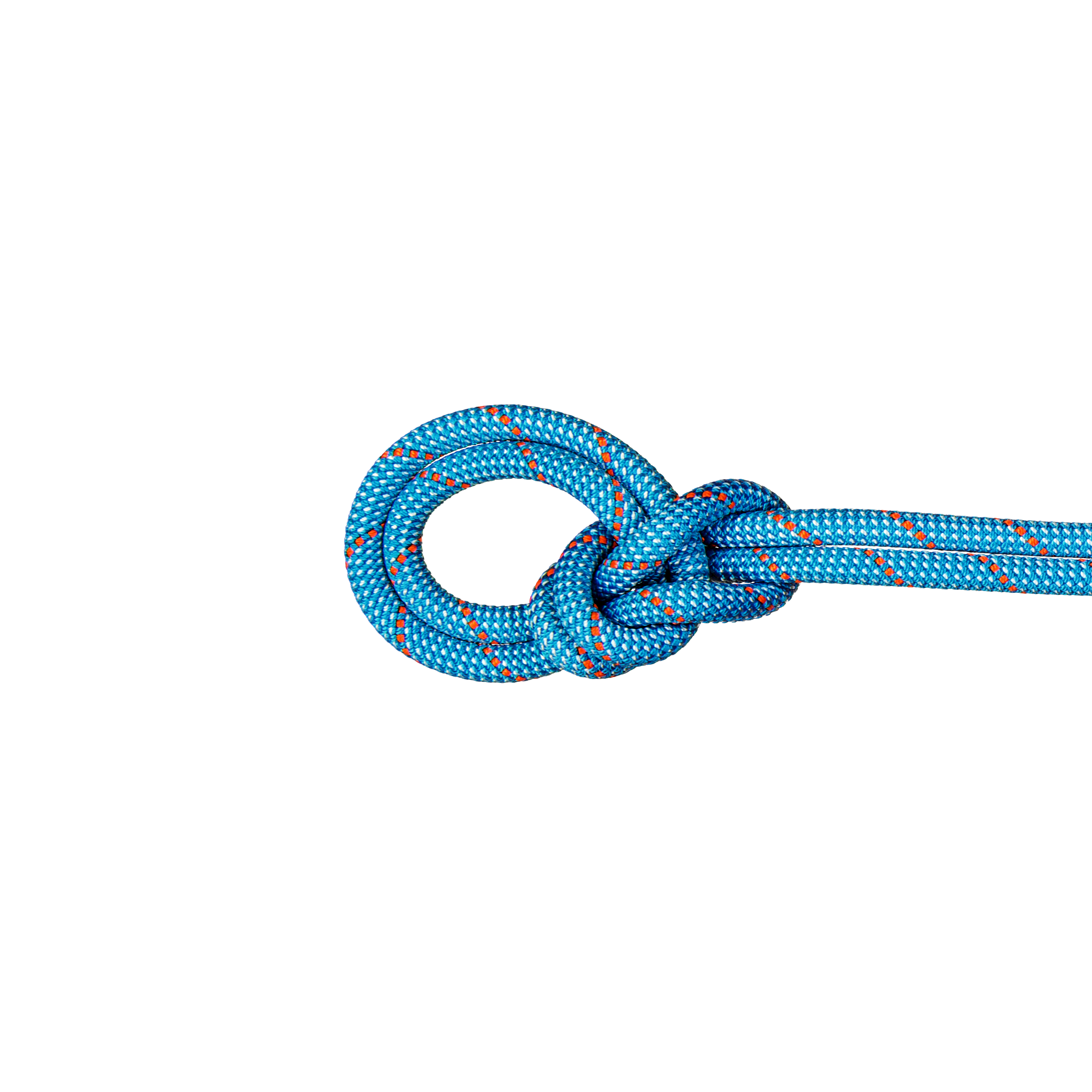
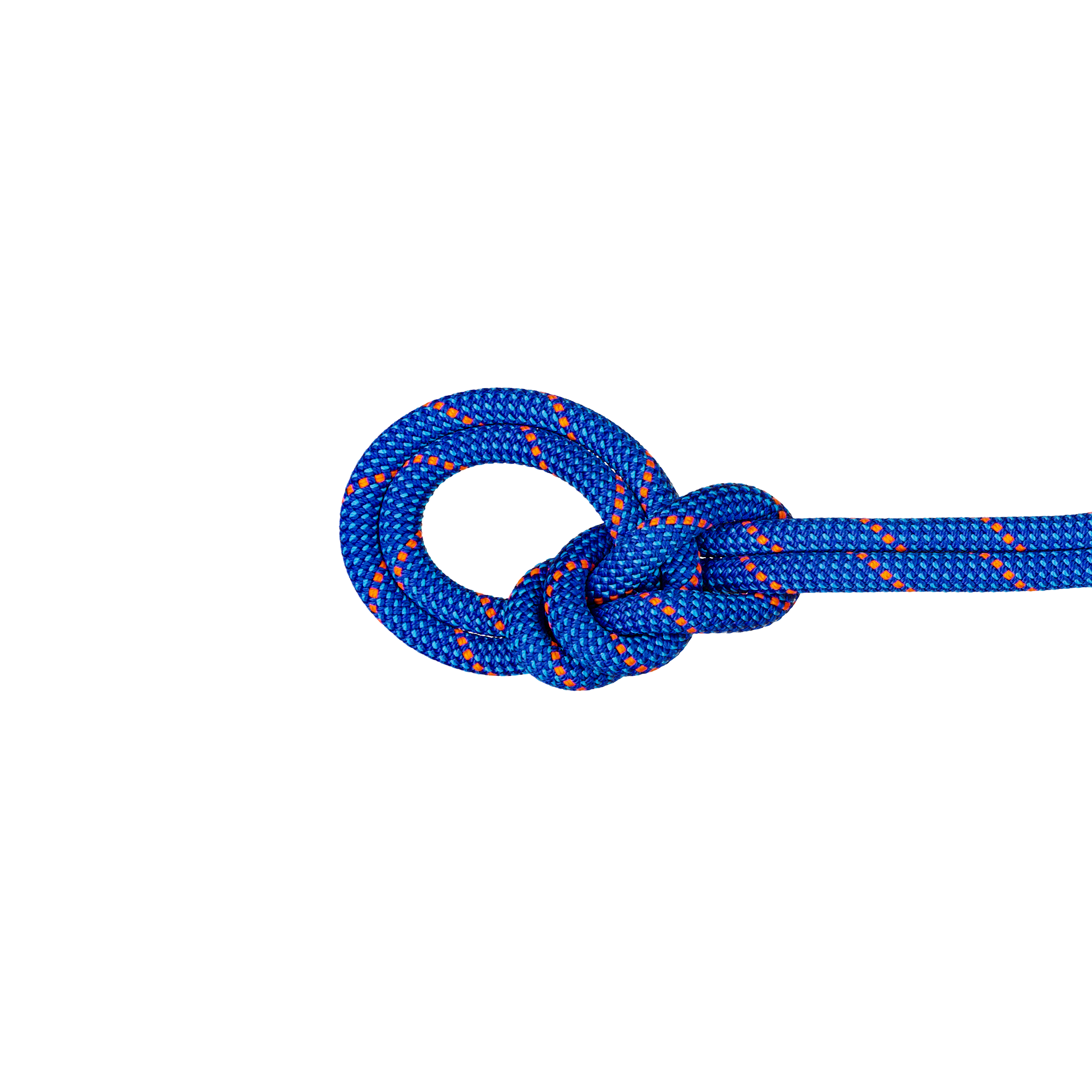
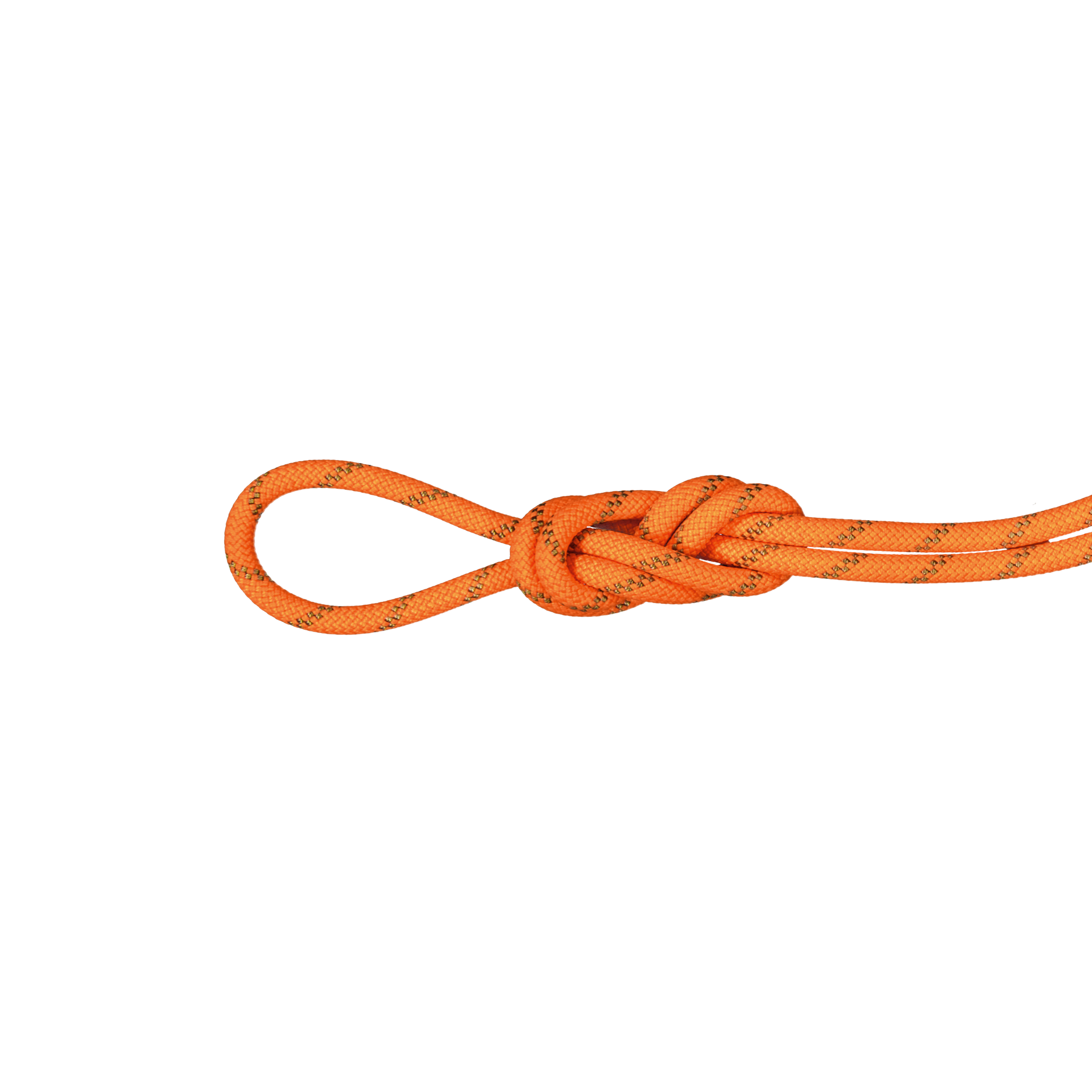
Glacier Rope Systems
Rope choice belongs to the team system, route and guide plan. Use this buying moment only after the reader understands that owning a rope is not the same as knowing how to build and operate a glacier system.
Affiliate disclosure: Global Summit Guide may earn a commission from qualifying purchases at no additional cost to you.
Glacier Rope Systems
We may earn a commission if you buy through these links, at no extra cost to you. Affiliate disclosure

Orizaba’s Extra 4,081 Feet of Summit Elevation Changes the Physiological Game.
A climber who feels strong at Rainier’s elevation may still struggle badly above 5,000 metres. Higher is not automatically more technical— but it is physiologically different.
Orizaba Is in a Different Acclimatization Category
Rainier is high enough for altitude to matter. Orizaba is high enough for acclimatization to become one of the primary trip-design problems.
~4,392 m
Altitude affects summit-day pace, appetite, sleep and recovery, but most standard programs do not require a long international-style acclimatization ladder.
5,636 m
The mountain sits more than 1,200 metres higher. Mexico’s La Malinche and Iztaccíhuatl progression is valuable precisely because the summit is so high.
Orizaba Gives Altitude Data
Eating, pacing, sleeping, decision-making and movement above 5,000 metres provide information Rainier cannot replicate.
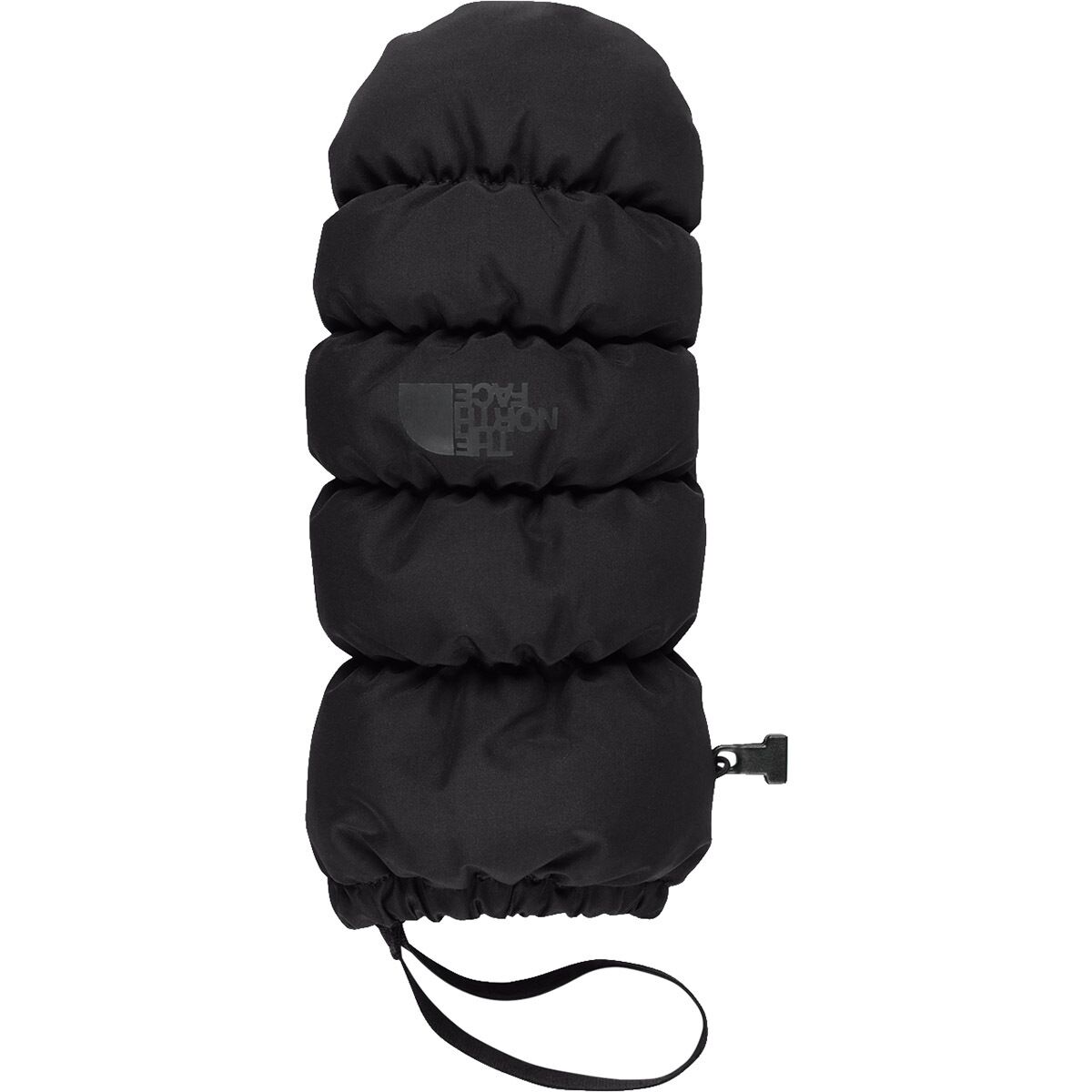
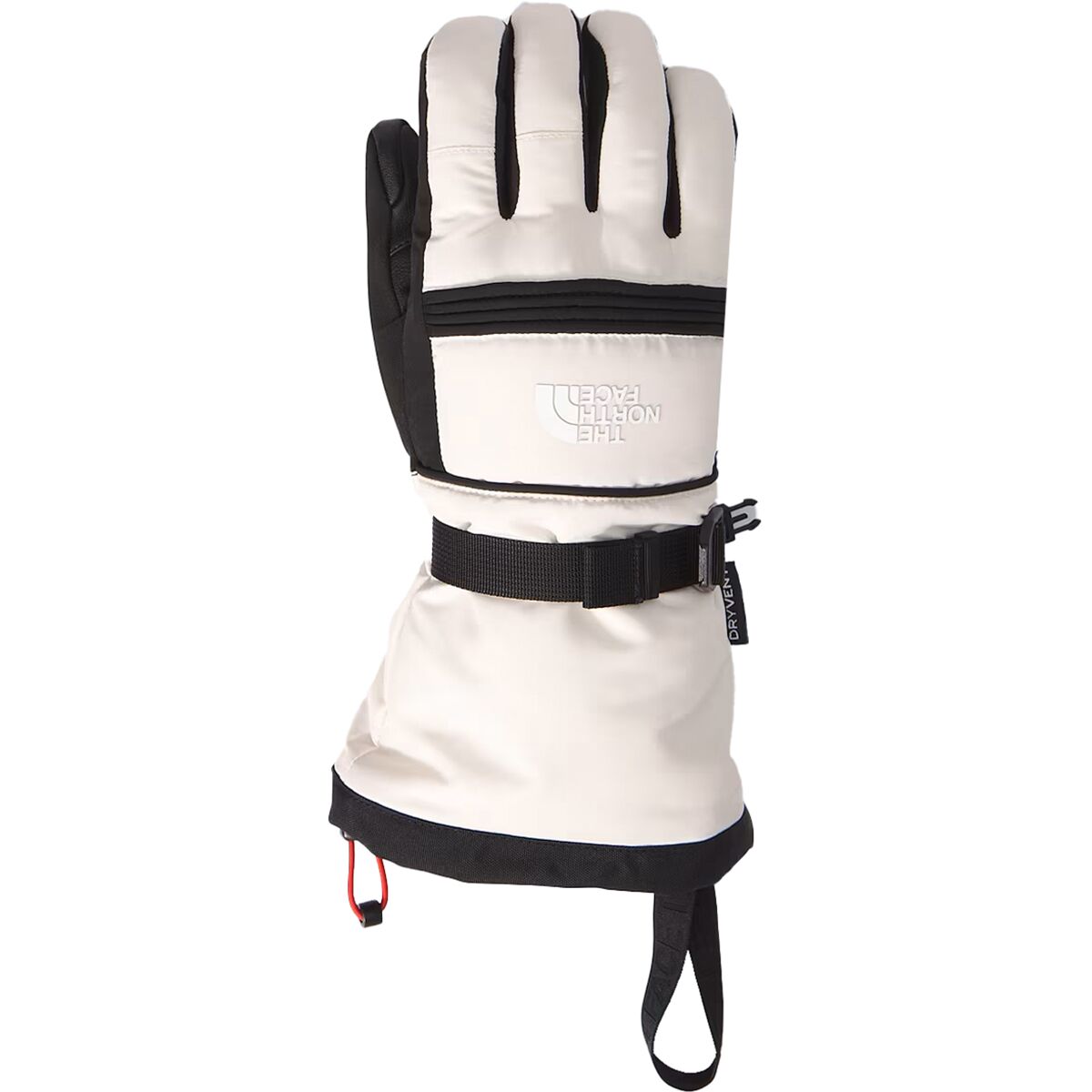
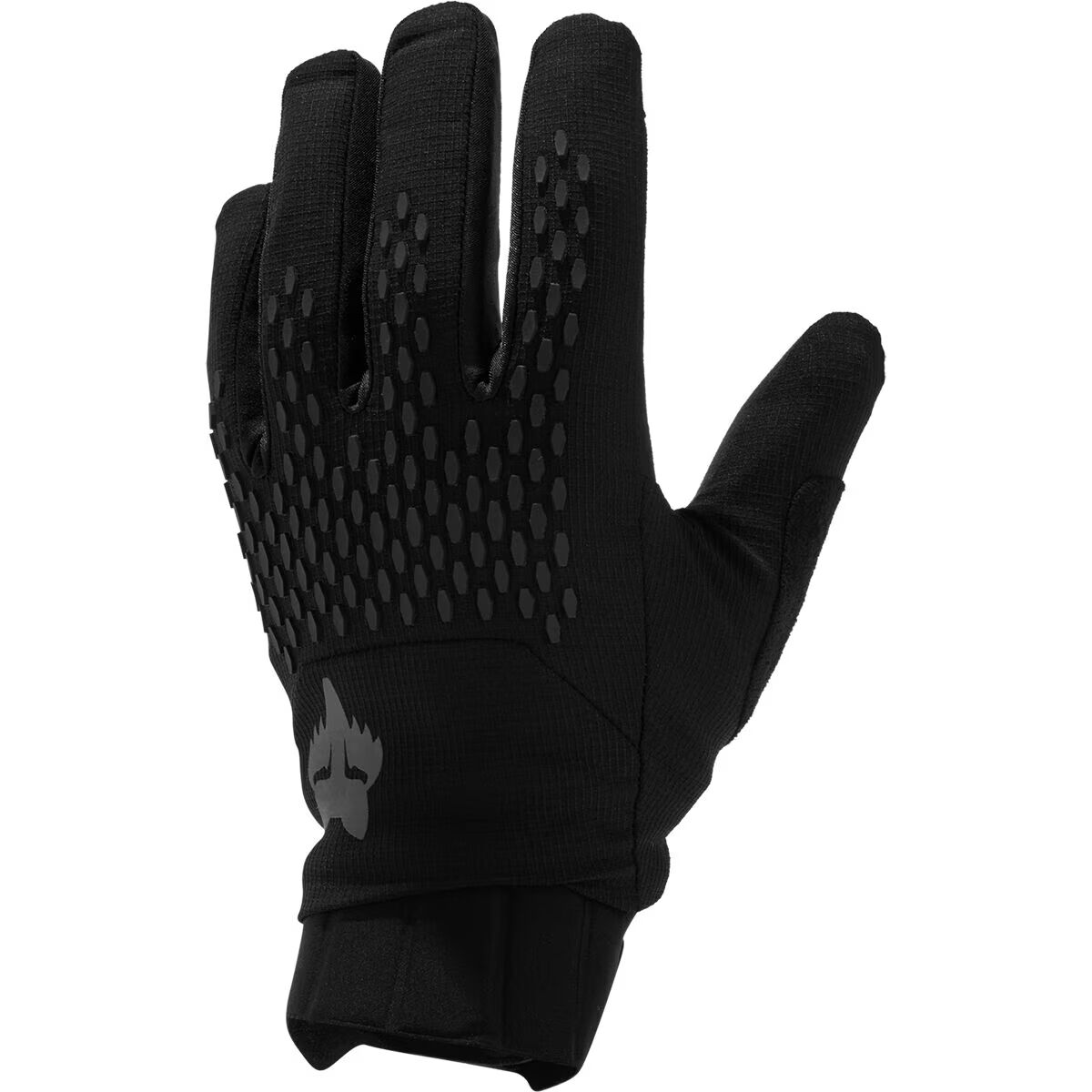
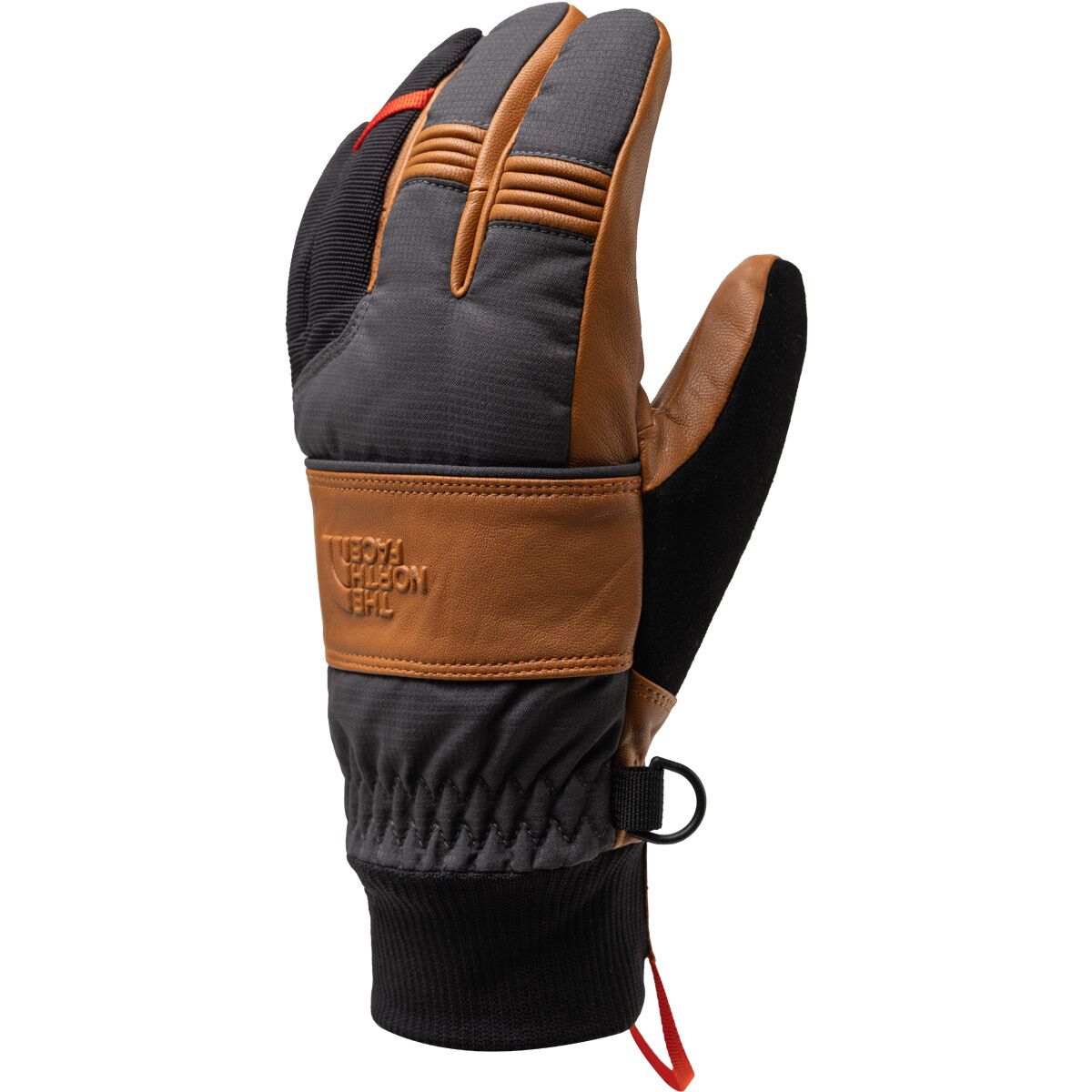
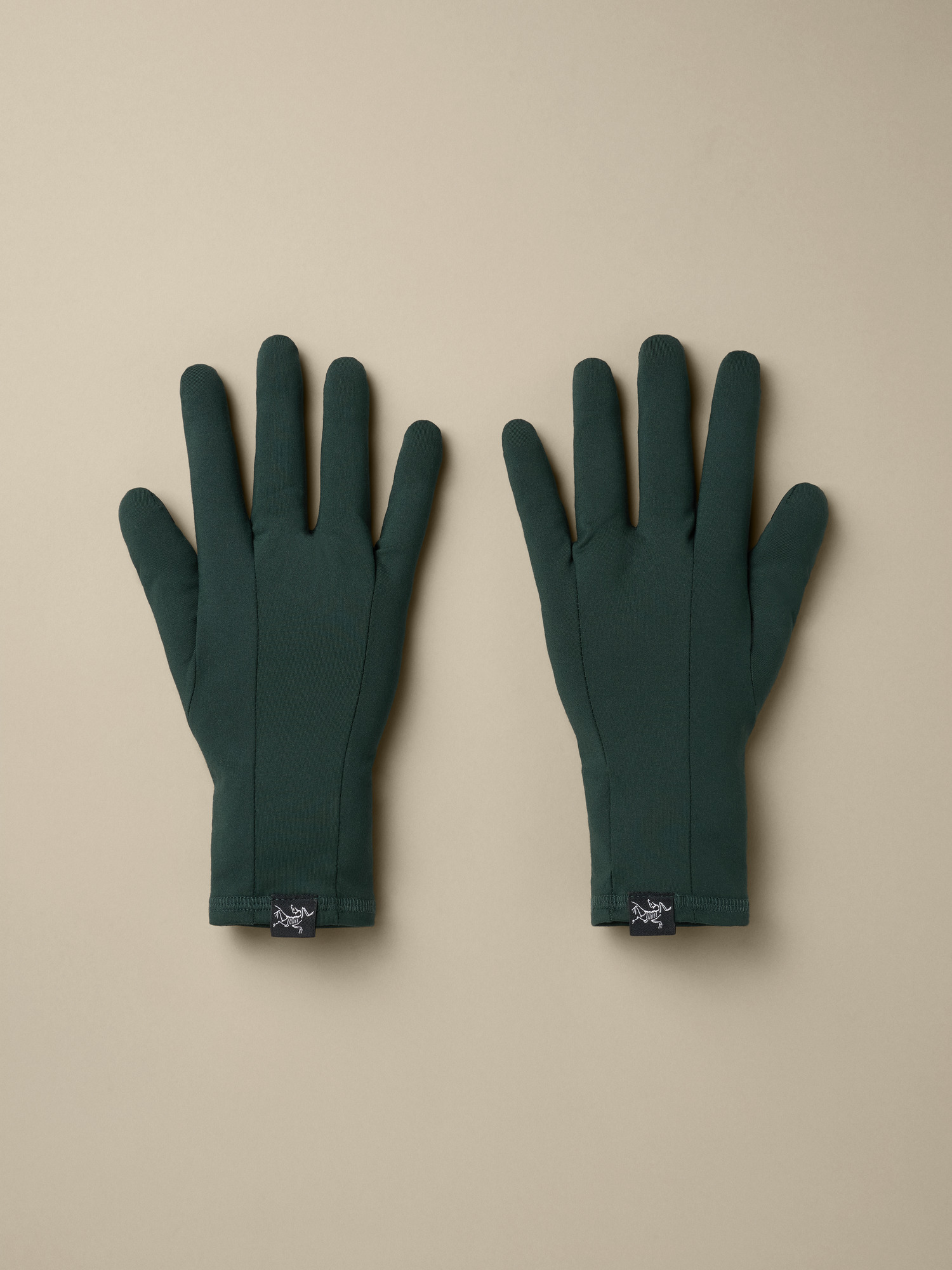
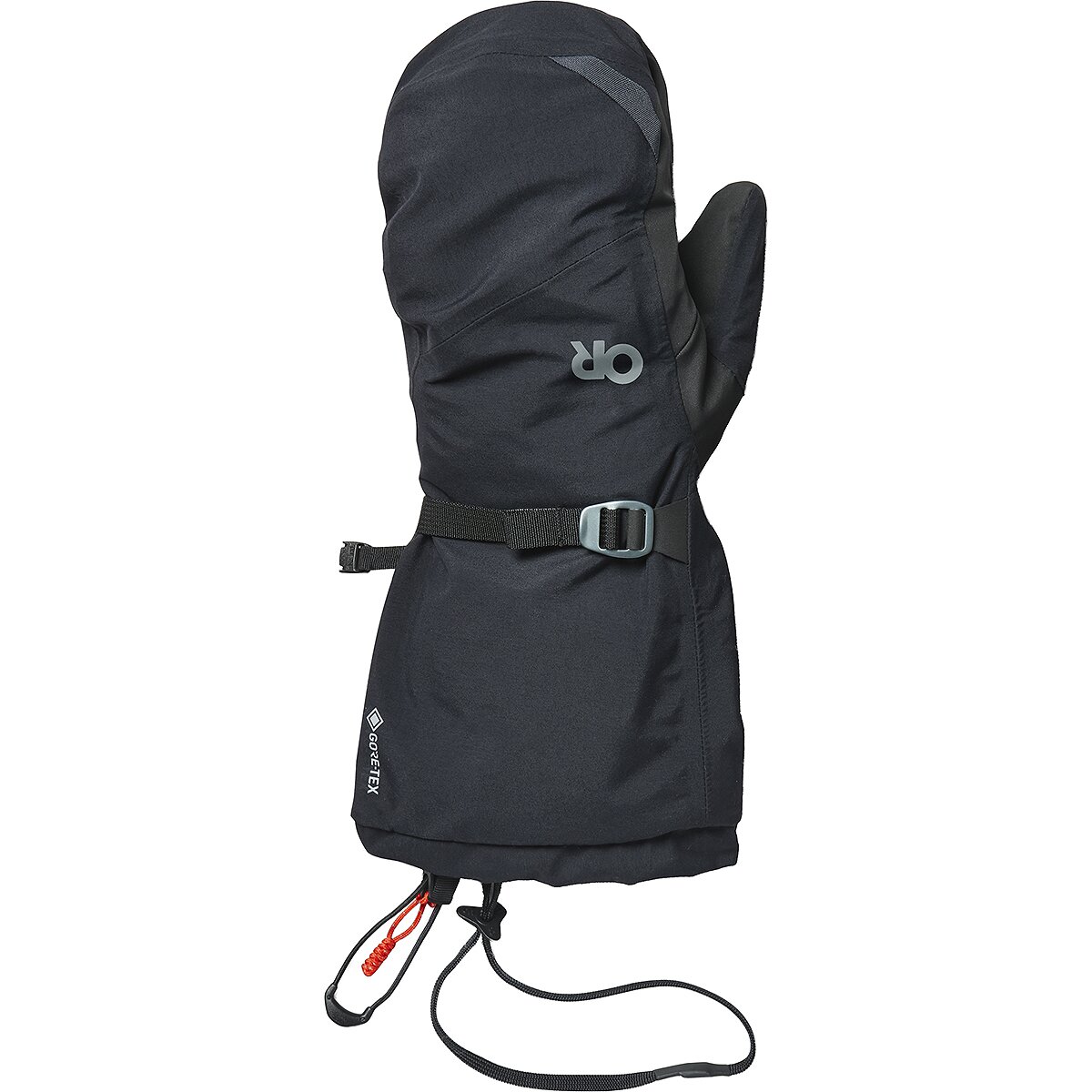
Glacier & Summit Gloves
Both mountains demand dexterity while handling crampons, poles, axe, rope and clothing systems in pre-dawn cold.
Glacier & Summit Gloves
- The North FaceThe North Face Montana Puffer MittenFrom $39
$70Check price at Back Country (opens in a new tab) - The North FaceThe North Face Montana Ski Glove – Women's$45.50
$65Check price at Back Country (opens in a new tab) - The North FaceThe North Face Montana Pro SG GTX Glove$84.50
$130Check price at Back Country (opens in a new tab)

Rainier’s Difficulty Is Built Into a Glacier That Keeps Moving.
A familiar route name does not mean the climber walks the same line each year— or even throughout the same summer.
Rainier Is Lower—and Still the Larger Physical Mountain System
Summit elevation and total climbing workload are two different measurements.
Long Summit Day at Extreme Altitude
- ~4,515 ft gain from Piedra Grande to summit
- 6–9 hours ascent common
- 3–4 hours descent common
- Midnight-to-2 AM starts
- Very high altitude
- Less multi-day load movement on many guided programs
More Than 9,000 Feet of Total Climbing
- Paradise to high camp under load
- Camp Muir around 10,000 ft
- Midnight summit start
- 8–12 hour high-camp summit round trip
- 40-lb pack benchmarks on some guided programs
- Long descent after summit effort

Orizaba Works Best as the End of a Progression—Not a Flight-to-Summit Weekend.
Mexico’s advantage is the ability to build altitude deliberately before reaching Piedra Grande and the glacier.
Should You Climb Pico de Orizaba Before Rainier?
Often useful. Never automatically sufficient.
Build Long-Mountain Endurance
Prove that sustained uphill movement, pack carrying, fueling and controlled descending are repeatable.
Learn Snow and Glacier Skills
Crampon movement, ice axe, roped glacier travel and crevasse-response systems should be learned through qualified hands-on instruction.
Use Mexico for Altitude
La Malinche and Iztaccíhuatl can build altitude exposure before the 5,636-metre Pico de Orizaba summit.
Evaluate What Orizaba Actually Proved
If Orizaba proved altitude, crampon movement and endurance but not complex rope-team systems, close that gap before Rainier.
Add Baker or Equivalent if Glacier Systems Remain Weak
Mount Baker or another appropriate instructional glacier objective can be a cleaner Rainier bridge when crevasse systems remain the missing capability.
Climb Rainier When All Four Gates Are Proven
Endurance. Snow movement. Glacier systems. Judgment. Move to Rainier when none of those is being attempted for the first time.
Use the Rainier Progression Plan Instead of Guessing.
The readiness framework separates endurance, snow, glacier systems and judgment into individual gates.

Rainier Starts Testing You Before Summit Night Begins.
The approach to high camp is part of the climb. Loaded uphill movement, camp routine and recovery determine how much is left for summit day.
Both Mountains Prove Why a Route Name Is Not a Permanent Line
This is one of the most useful similarities between Orizaba and Rainier.
The Glacier Is Retreating
Climbers still use “Jamapa Glacier Route” as the familiar route name. The surviving northern ice body, Glaciar Norte, has retreated enough that old approach points, snow descriptions and glacier geometry can mislead.
The Glacier Route Moves During the Season
In 2026, the standard Muir corridor transitioned from Ingraham Direct to the Disappointment Cleaver and later used a traverse toward the Emmons Shoulder. The name “DC” never guarantees one fixed GPS track.
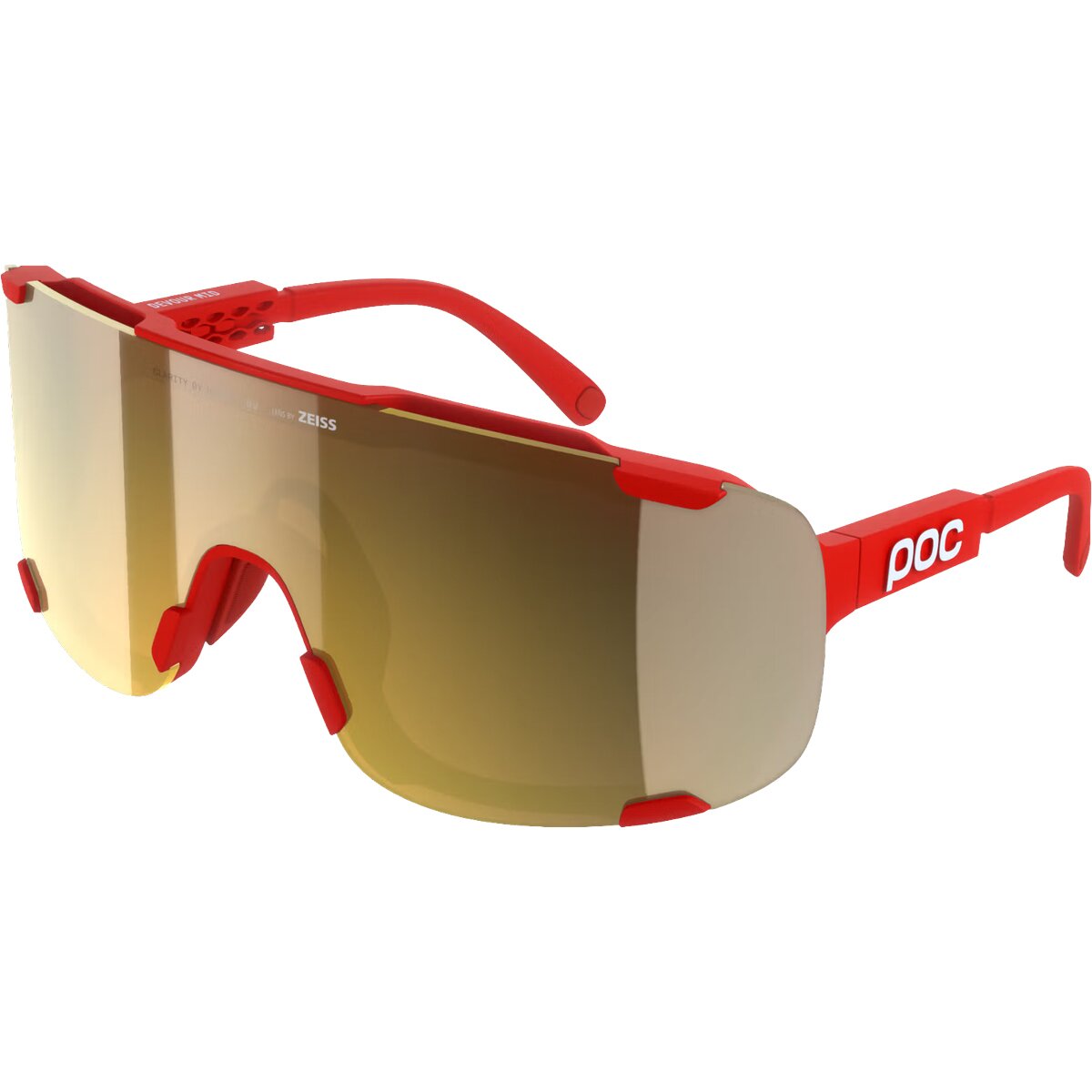
Glacier Sunglasses & High-Altitude Eyewear
Orizaba adds strong high-altitude UV. Rainier adds long hours over snow and ice. Quality eyewear transfers directly between both objectives.
Glacier Sunglasses & High-Altitude Eyewear
Rainier Can Be Cheaper to Guide—Orizaba Can Deliver More Altitude Per Dollar
Package price alone is a poor way to compare the two trips.
International Programs Often Include the Altitude Ladder
Current named GSG benchmarks include:
- CTSS Orizaba Express · about $3,395
- RMI Mexico Volcanoes · about $4,300
- Local Mexican operators · commonly quote custom itineraries
Compare itinerary length, Iztaccíhuatl or other acclimatization, hotels, food, 4WD logistics and guide ratio before comparing prices.
Three Recurring NPS Concession Guide Services
Current GSG 2026 benchmark:
- RMI · $2,595
- IMG · $2,595 non-peak / $2,995 peak
- Alpine Ascents · $3,475
Package structure differs: actual mountain days, camps, transportation, meals, training and guide ratios are not identical.
Mountain Travel Duffels
Orizaba involves international mountain travel and rough 4WD logistics. Rainier climbers frequently arrive with technical gear, rentals and multiple packs. Durable travel organization earns repeat use.
Rainier Has the More Formal Climbing Administration
Orizaba’s hardest logistical problem is often local transport. Rainier adds a formal climbing-registration and wilderness-permit system.
CONANP + 4WD Logistics
- Protected-area entry fee applies.
- Current GSG research: MXN $125 per person/day.
- Visitor registration applies.
- No ordinary summit lottery shown on current public guidance.
- North-side access normally stages through Tlachichuca.
- High-clearance 4WD is central to Piedra Grande access.
- CONANP recommends an authorized guide.
Climbing Fee + Registration + High-Camp Capacity
- 2026 climbing fee: $82 per person per climb.
- Pay fee before arriving.
- Summer climbs use ranger registration.
- Reservations and walk-up capacity exist.
- High-camp / wilderness capacity matters.
- Winter season uses self-registration.
- Guided clients operate through permitted guide systems.
Orizaba’s Biggest Risk Is Altitude Plus Surface Condition. Rainier Adds an Entire Glacier System.
Neither mountain should be reduced to a route grade.
Altitude + Ice + Wind
- Acute mountain sickness
- HACE / HAPE risk
- Hard upper ice
- Crampon slips
- Long-fall exposure
- Norte wind events
- Fresh snow over hard surface
- Changing glacier geometry
Glacier + Weather + Fatigue
- Crevasses
- Weak snow bridges
- Seracs / icefall exposure
- Rockfall
- Whiteout
- Rapid route deterioration
- Altitude
- Fatigue on a long descent
Read the High-Altitude and Technical-Activity Exclusions
International Orizaba travel especially warrants careful review of high-altitude mountaineering, evacuation and repatriation coverage. For Rainier, do not assume ordinary health or travel coverage solves every mountain-rescue expense.
These Two Volcanoes Fit Almost Opposite Calendars
That makes them especially useful in a one-year progression.
November–February
Current GSG weather research treats November through February as the strongest default window for most north-route climbers.
- Broader commercial season roughly Oct–Mar.
- Norte winds remain significant.
- Fresh snow can conceal hard ice.
- Glacier surface requires recent local beta.
Late June–Mid July
For many first-time Disappointment Cleaver climbers, current GSG research favors late June through mid-July as the strongest broad window.
- Main season broadly May–September.
- Early season brings more snow and cold.
- Late season brings wider crevasses and changing lines.
- Pacific storms can close any forecast window.
Compare Mount Hood With Rainier.
Hood removes some of Rainier’s multi-day glacier complexity while still demanding serious snow and crampon movement.
Choose Orizaba or Rainier Based on the Capability You Need Next
The higher mountain is not automatically the better progression mountain.
Your Missing Capability Is Altitude
- You want your first major summit above 5,000 m.
- You already have basic crampon and axe training.
- You want a structured Mexico acclimatization ladder.
- You want to learn how your body functions in much thinner air.
- You are building toward Aconcagua or higher international objectives.
- You want a winter objective before a summer Cascade climb.
Your Missing Capability Is Major Glacier Mountaineering
- You want a major rope-team glacier climb.
- You can handle long loaded uphill days.
- You want multi-day Cascade systems.
- You need crevasse and snow-bridge experience.
- You are considering Denali later.
- You have already proved the prerequisite technical gates.
Compare Rainier With Denali.
Denali adds far more altitude, cold, weight, sled hauling and expedition self-sufficiency.
Two North American Volcanoes—Separated by Climate, Latitude and Climbing Style
Mexico supplies the altitude. Washington supplies the enormous glacier system.
Approx. 19.03° N, 97.27° W. Tlachichuca is the classic north-side logistics gateway.
Approx. 46.852° N, 121.760° W. Paradise is the principal gateway for the standard Muir / Disappointment Cleaver corridor.
If You Still Cannot Choose, the Missing Answer Is Probably a Skill Gap
Move away from another mountain comparison and solve the underlying problem.
Pico de Orizaba vs Mount Rainier FAQ
Direct answers to the questions behind this progression decision.
Which is higher, Pico de Orizaba or Mount Rainier?
Pico de Orizaba is much higher. Orizaba reaches 5,636 metres / 18,491 feet, while Mount Rainier reaches approximately 4,392 metres / 14,410 feet. Orizaba is therefore about 1,244 metres, or 4,081 feet, higher.
Which is harder, Pico de Orizaba or Rainier?
Mount Rainier is the harder overall mountaineering objective for most climbers because it combines more total vertical, loaded multi-day movement, complex crevassed glaciers, rope-team systems and rapidly changing routes. Pico de Orizaba is the harder altitude challenge.
Is Pico de Orizaba good preparation for Mount Rainier?
Yes, particularly for altitude, crampon movement, pre-dawn summit pacing and long-day endurance. It does not automatically replace dedicated glacier-team and crevasse-rescue preparation for Rainier.
Should I climb Pico de Orizaba before Rainier?
It can be an excellent progression. A useful sequence for some climbers is glacier training, Mexico acclimatization, Pico de Orizaba, a glacier application climb such as Mount Baker if needed, and then Rainier. The correct order depends on which capabilities are still unproven.
Can I climb Rainier before Pico de Orizaba?
Yes. A climber focused first on glacier systems may reasonably climb Rainier before tackling Orizaba. Orizaba can later provide a much stronger pure-altitude test.
Which mountain has more difficult glaciers?
Mount Rainier. Standard routes involve much larger and more complex crevassed glacier systems, snow bridges and route changes. Orizaba’s retreating north glacier can still present difficult hard ice and meaningful fall consequences.
Which mountain requires more acclimatization?
Pico de Orizaba. Its 5,636-metre summit is more than 1,200 metres above Rainier, making a staged altitude progression much more important.
Which climb has more vertical gain?
Mount Rainier. NPS describes standard summit routes as involving more than 9,000 feet of vertical gain. Orizaba gains approximately 4,515 feet from Piedra Grande to the summit.
Which has the longer summit day?
The ranges overlap. Pico de Orizaba commonly requires about 6–9 hours ascending and 3–4 hours descending from Piedra Grande. Rainier’s standard high-camp summit round trip commonly runs roughly 8–12 hours, after the previous day’s loaded climb to camp.
How much does a guided Rainier climb cost?
Global Summit Guide’s current 2026 operator audit puts standard published products from the three recurring NPS concession guide services at approximately $2,595 to $3,475, depending on company and program.
How much does a guided Pico de Orizaba climb cost?
Products vary widely because some are short summit programs while others include a full Mexico acclimatization progression. Current named international examples include roughly $3,395 for CTSS Orizaba Express and about $4,300 for RMI’s broader Mexico Volcanoes program.
What is the best season for Pico de Orizaba?
November through February is Global Summit Guide’s strongest current default window, with a broader commercial season extending approximately from October through March.
What is the best season for Mount Rainier?
The main season is approximately May through September. For many first-time Disappointment Cleaver climbers, late June through mid-July is the strongest broad planning window.
What is the 2026 Mount Rainier climbing fee?
The National Park Service lists the 2026 climbing fee as $82 per person per climb. Paying the fee does not replace required climbing registration or applicable wilderness-permit procedures.
Do I need a guide on Pico de Orizaba?
Current public CONANP guidance recommends an authorized guide, while Global Summit Guide’s current review does not identify a universal legal guide requirement for every ordinary climber. Climbers without strong glacier, altitude and local-logistics experience should seriously consider professional support.
Can a beginner climb Mount Rainier with a guide?
Some guided standard-route programs accept very fit climbers with limited prior technical experience and provide instruction. Guided does not mean fitness is optional, and independent Rainier teams require a substantially higher glacier-system readiness standard.
Which is better preparation for Denali?
Rainier is the more direct technical glacier preparation because it develops rope-team movement, crevasse systems, loaded travel and Cascade weather judgment. Orizaba contributes stronger altitude exposure. Neither mountain alone reproduces Denali’s cold, sled hauling, expedition duration or self-sufficiency.
Which is better preparation for Aconcagua?
Pico de Orizaba is generally the more direct pure-altitude preparation because its summit is substantially higher than Rainier. Rainier contributes broader mountaineering systems that Aconcagua’s Normal Route may not require.
Stable Comparison Facts vs Fast-Changing Mountain Conditions
The mountain elevations are stable. Glacier surfaces, route lines, access and prices are not.
Current GSG Cluster
Research checked against current operator use, CONANP logistics and modern glacier science.
NPS-Controlled Logistics
Climbing fee, registration, camp capacity and current access are checked against Mount Rainier National Park.
Route Names Are Not Live Conditions
Global Summit Guide does not use an evergreen comparison page to claim today’s bridge, crevasse, ice, road or forecast condition.
Do Not Stop at “Orizaba or Rainier?”
Move directly into the planning question created by your decision.
Orizaba Goes Higher. Rainier Asks More of the Mountaineer.
Choose Pico de Orizaba when the unanswered question is altitude: can you move, eat, think and keep good technique above 5,000 metres?
Choose Mount Rainier when the unanswered question is whether endurance, glacier systems, rope-team movement, loaded climbing and alpine judgment can all work together.
For many climbers, Orizaba can be an excellent step toward Rainier. Just do not confuse “I summited a higher mountain” with “I have proved every skill Rainier requires.”
Plan Pico de Orizaba Plan Mount Rainier Compare More MountainsWas this helpful?
🏔Related peaks nearby
🧭Explore & compare
Global Summit Guide is an independent mountaineering resource founded in 2026. The team combines first-hand trekking and climbing experience with in-depth research and professional health and nutrition review to help climbers choose objectives, prepare properly, and stay safe.
Health, altitude, and nutrition content is reviewed by Taylor Ludlow (Registered Nurse) and Brigg Hoopes (Nutritionist).
What We Don't Know Yet
Mountain information changes quickly. This box explains the limits of what this page can responsibly promise.
- Comparisons simplify complex decisions; the better mountain depends on current conditions, skills, timing, budget, and risk tolerance.
- Route conditions, snowpack, closures, and weather can change quickly after this page is updated.
- Permit rules, fees, quotas, and reservation windows may change between review cycles.
- Operator availability, pricing, guide ratios, and cancellation terms can change by season.
- Your fitness, altitude response, risk tolerance, and experience level may change what is safe or realistic.
Verify current conditions with official land managers, guide services, local forecasts, and current route reports before booking or climbing.
Mountaineering, rock and ice climbing, glacier travel, and high-altitude activity are inherently dangerous and can result in serious injury or death. The information on Global Summit Guide is provided for general informational and educational purposes only and is not a substitute for professional instruction, qualified guiding, proper equipment, or your own judgment and experience.
Route conditions, weather, snowpack, permits, regulations, and hazards change constantly and may differ from what is described here. Details may be incomplete, out of date, or contain errors. Always verify current information with local authorities, certified guides, and official sources before making any decision in the mountains.
Nothing on this site is medical, legal, or financial advice. Our fitness, acclimatization, altitude, and nutrition content is general in nature; consult a qualified physician before beginning any strenuous exercise program or exposing yourself to high altitude.
You are solely responsible for your own safety and decisions. To the fullest extent permitted by law, Global Summit Guide and its team accept no liability for any loss, injury, damage, or expense arising from use of, or reliance on, this information. By using this site you acknowledge these risks and accept these terms.
Some links on this site may be affiliate links. If you buy through them we may earn a small commission at no extra cost to you; this never affects our recommendations.
Global Summit Guide recommendation path
Next Best Mountain to Research
Use these recommendations to continue the right planning path instead of stopping on one page.
Use current permit, weather, route, and operator information before booking or climbing.