Last updated November 15, 2026


Manaslu vs Cho Oyu: Which 8,000m Peak Should You Climb First?
Cho Oyu is the cleaner theoretical first-8,000m progression peak: slightly higher, generally lower-angle and historically favored as preparation for Everest. Manaslu is the more practical Nepal-based commercial objective when Tibet access is uncertain, but it carries more complicated objective hazards and a busier fixed-line environment.
Cho Oyu Is the Better Progression Peak—When Tibet Is Actually Open.
If both mountains were equally available, Cho Oyu would usually be the stronger choice for a climber deliberately seeking a first 8,000m expedition. The standard Northwest Ridge from Tibet is comparatively direct, lower-angle and commercially structured around learning how your body performs above 8,000 metres.
Manaslu is more operationally straightforward from Nepal, with mature commercial logistics and a large autumn expedition scene. But the normal route contains more meaningful avalanche, serac, crevasse and traffic exposure.
The 2026 catch is access: Cho Oyu was reported closed to foreign climbers for both spring and autumn. So the better theoretical progression peak was not the more dependable practical option.
Manaslu vs Cho Oyu at a Glance
The hardest distinction is not altitude. It is route character, objective hazard and access.
| Factor | Manaslu | Cho Oyu | Edge |
|---|---|---|---|
| Elevation | 8,163 m | 8,201 m | Cho Oyu slightly higher |
| World rank | #8 | #6 | Cho Oyu |
| Standard side | Northeast / Nepal | Northwest / Tibet | Different logistics |
| Technical difficulty | Moderate fixed-rope snow/ice expedition | Generally lower-angle snow/ice with short steeper sections | Cho Oyu |
| Objective hazards | Greater serac / avalanche / crevasse concern | Lower overall normal-route hazard profile | Cho Oyu |
| Altitude challenge | Extreme | Extreme | Essentially equal |
| First 8000m reputation | Common modern choice | Classic first-8000m choice | Cho Oyu |
| Commercial traffic | High in autumn | Dependent on Tibet access | Situational |
| Current 2026 access | Season operated, now finished | Closed for fall 2026 | Manaslu |
| Nepal-only logistics | Yes | No — Tibet/China access required on standard route | Manaslu |
| Everest preparation | Excellent | Excellent, especially altitude-focused | Cho Oyu |
Cho Oyu Is Less Technical. Neither Is Easy.
“Easiest 8,000er” describes comparison within an extreme category.
More Complicated Mountain Movement
The standard route involves repeated fixed-rope climbing, heavily crevassed glacier terrain, ladders or crossings where needed, serac exposure and steep snow/ice sections.
Crowded rotations can add another layer of difficulty that pure route grades do not show.
More Straightforward Normal Route
The Northwest Ridge is generally lower-angle with broad snow slopes, glacier travel and limited steeper fixed-rope sections.
That does not reduce the physiological seriousness of climbing above 8,000 metres.

Manaslu’s Final Metres Matter.
Modern Manaslu expeditions need to distinguish the true summit from lower fore-summit points. That is not a semantic detail when evaluating summit claims.
Manaslu Generally Exposes Climbers to More Complex Normal-Route Hazard
This is the strongest mountain-specific argument for Cho Oyu.
Avalanche Exposure
Fresh snow, wind loading and unstable slopes can rapidly change the route’s risk profile.
Seracs & Glacier Hazard
Large glacial features make route timing and exposure management important.
Traffic
Large commercial teams can create fixed-line queues and congestion at exactly the wrong places.
Ice Cliff / Serac Sections
The route is not hazard-free, and short steeper ice features still require fixed-line competence.
Summit Plateau Navigation
Weather, visibility and identifying the true summit area can complicate the final section.
Death Zone
Neither mountain allows a large physiological margin once climbers enter the highest camps.
The 38-Metre Summit Difference Is Almost Meaningless Physiologically
Both force the climber into essentially the same altitude category.
First Real Exposure Above 8,000 m
Manaslu has become a common place to discover how a climber responds to the combination of supplemental oxygen, extreme cold and prolonged hypoxia.
Slightly Higher—But Not Meaningfully Different
The 38 metres between summits should not drive the decision. Route quality, weather, acclimatization and operational execution matter far more.
Cho Oyu Is the Cleaner Altitude Test. Manaslu Is the Better Modern Commercial-System Test.
Both can teach you something useful before Everest.
Test Your Body at 8,000 m
Because the route itself is comparatively straightforward, the expedition isolates altitude performance more cleanly.
Can you eat, sleep, move, use oxygen and make decisions at 7,000–8,000 metres?
Learn the Commercial 8,000m Machine
Rotations, Sherpa support, oxygen, fixed lines, crowded camps, summit-window timing and patience all resemble parts of a major Everest expedition.
Compare Each Peak Against Everest Directly.
See what Manaslu and Cho Oyu actually teach that transfers to Everest.
This Is Where Manaslu Currently Has the Biggest Practical Advantage
Cho Oyu can be the better mountain and still be the worse expedition choice if access disappears.
Nepal-Based Expedition System
Kathmandu logistics, Nepal permits, domestic approach systems and a large local expedition industry make Manaslu operationally familiar.
Tibet Is the Gatekeeper
The commercially favored Northwest Ridge requires Chinese/Tibetan authorization and access through Tibet.
A beautifully published operator itinerary does not guarantee the mountain will actually open.
Cho Oyu Is Often More Expensive at the Premium Guided Level
Price only matters when the permit and access system actually runs.
Wider Price Spectrum
Nepal supports a very broad operator market, from locally run logistics through Western-led premium expeditions.
Tibet Raises Complexity
Chinese permits, overland logistics, Tibetan authority requirements and a smaller operator pool can push premium pricing higher.
Premium 2026 Listings Reached ~$50k+
Several international operators advertised Cho Oyu around the upper-$40,000 to low-$50,000 range before 2026 access changed.
The Core 8,000m Kit Is Nearly the Same
The route changes details, not the expedition category.
8000m Double Boots
Expedition-grade warmth is not optional on either summit attempt.
Down Suit / System
Extreme cold management dominates summit-night clothing.
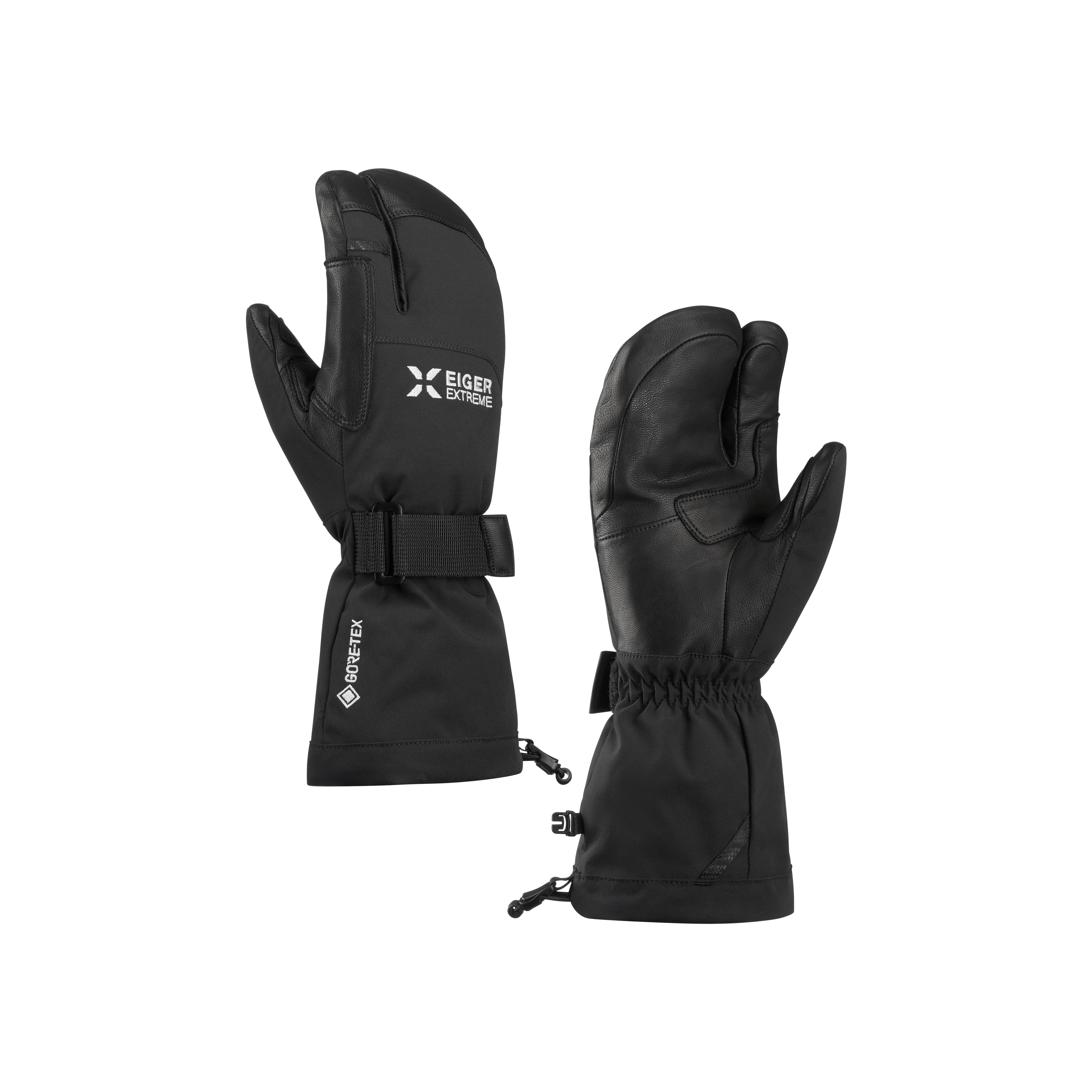
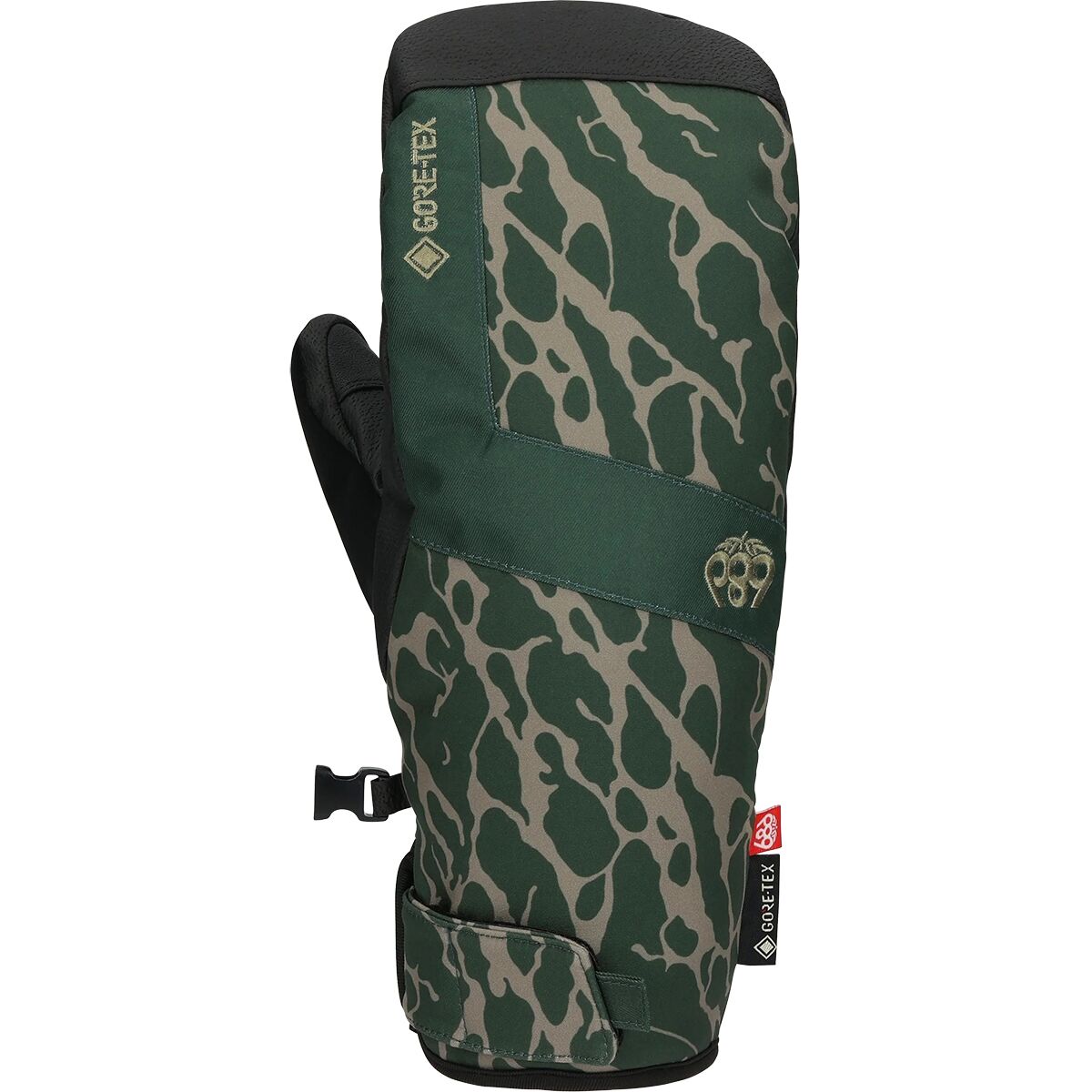
Expedition Mitts
Hand protection should be selected for failure tolerance, not minimum weight.
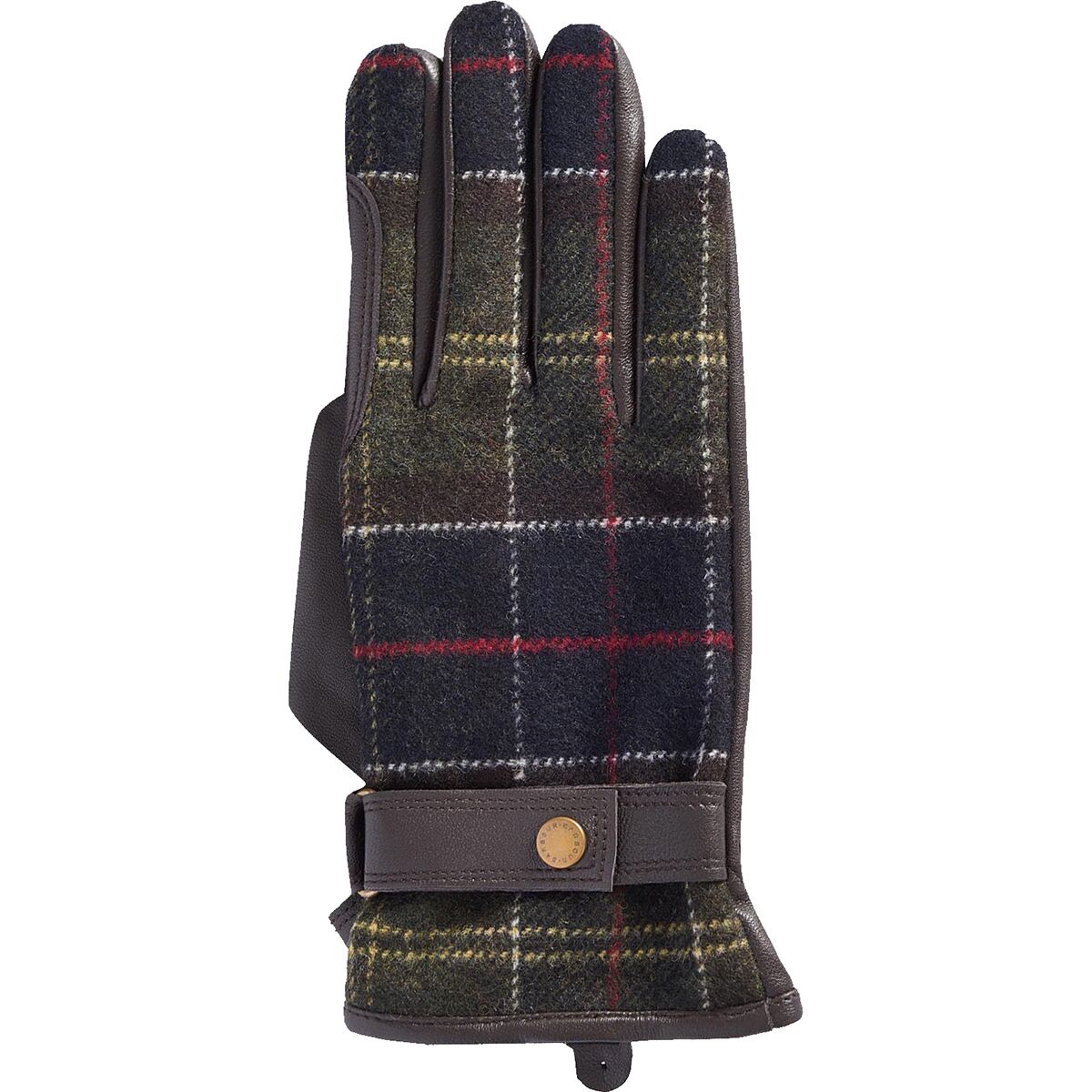
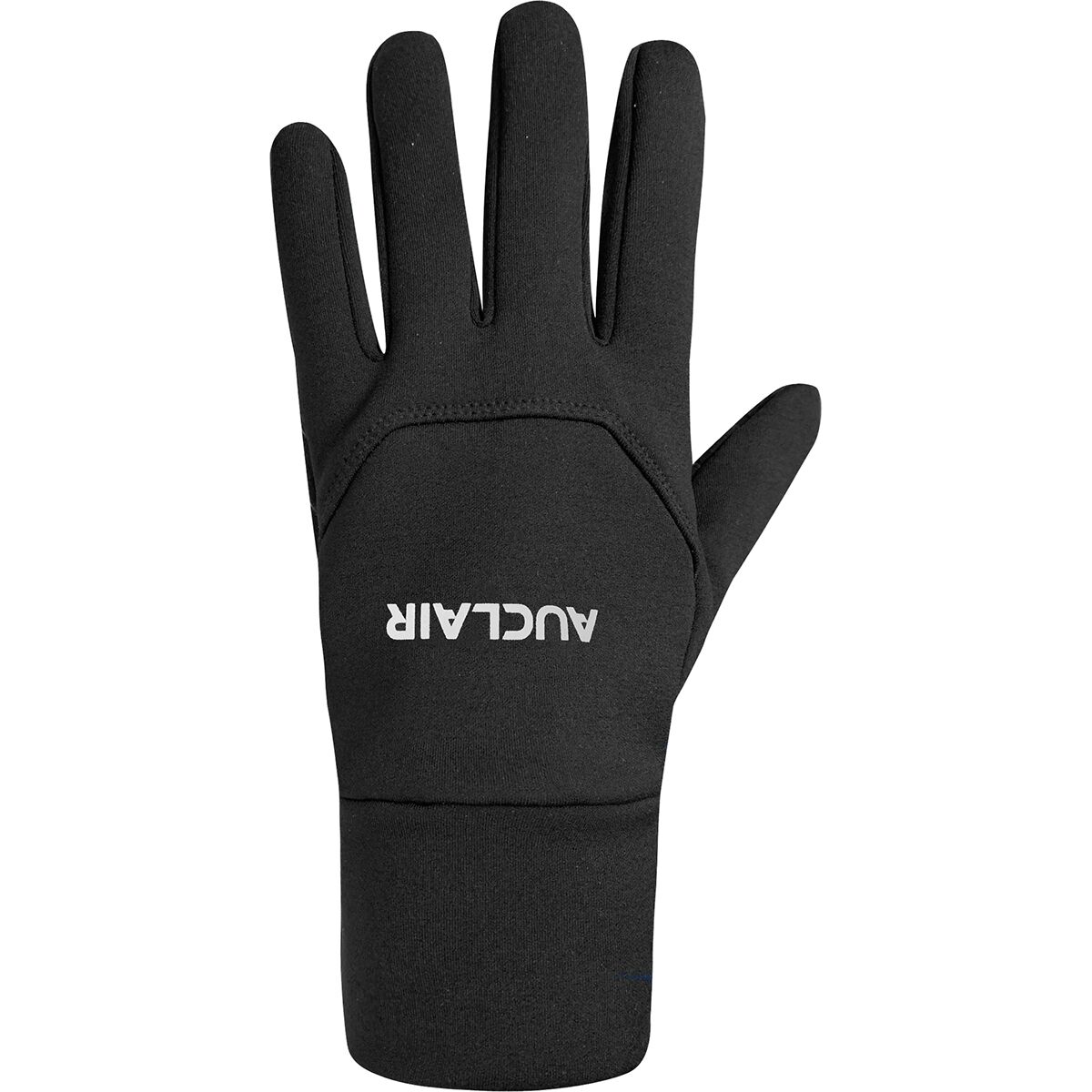
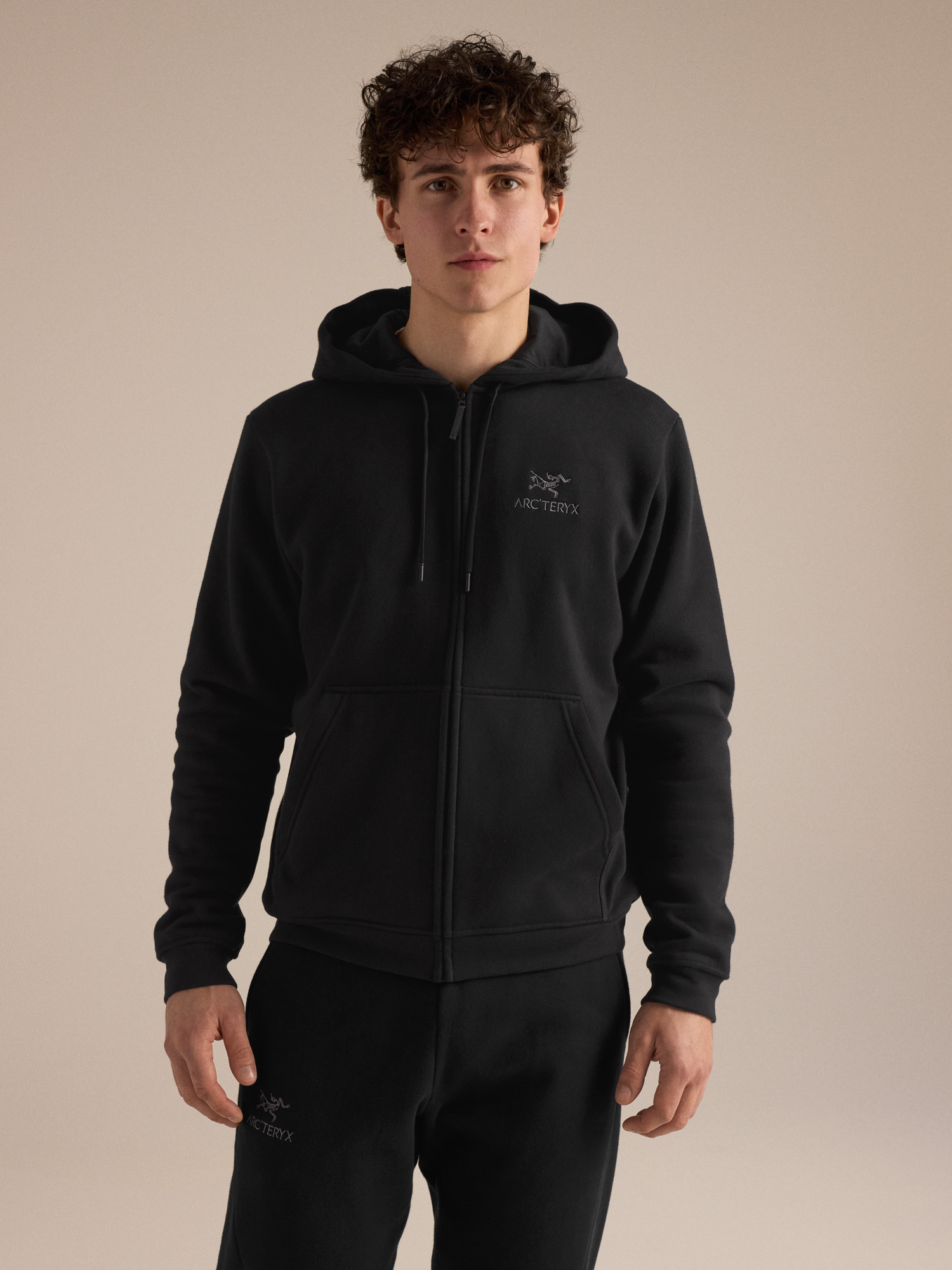
Expedition Gloves & Mittens
Warmth margin matters on both mountains. Choose a layered glove system that still works when wind, oxygen handling and fixed-line transitions reduce dexterity.
Affiliate disclosure: Global Summit Guide may earn a commission from qualifying purchases at no additional cost to you.
8000m Expedition Gloves & Mittens
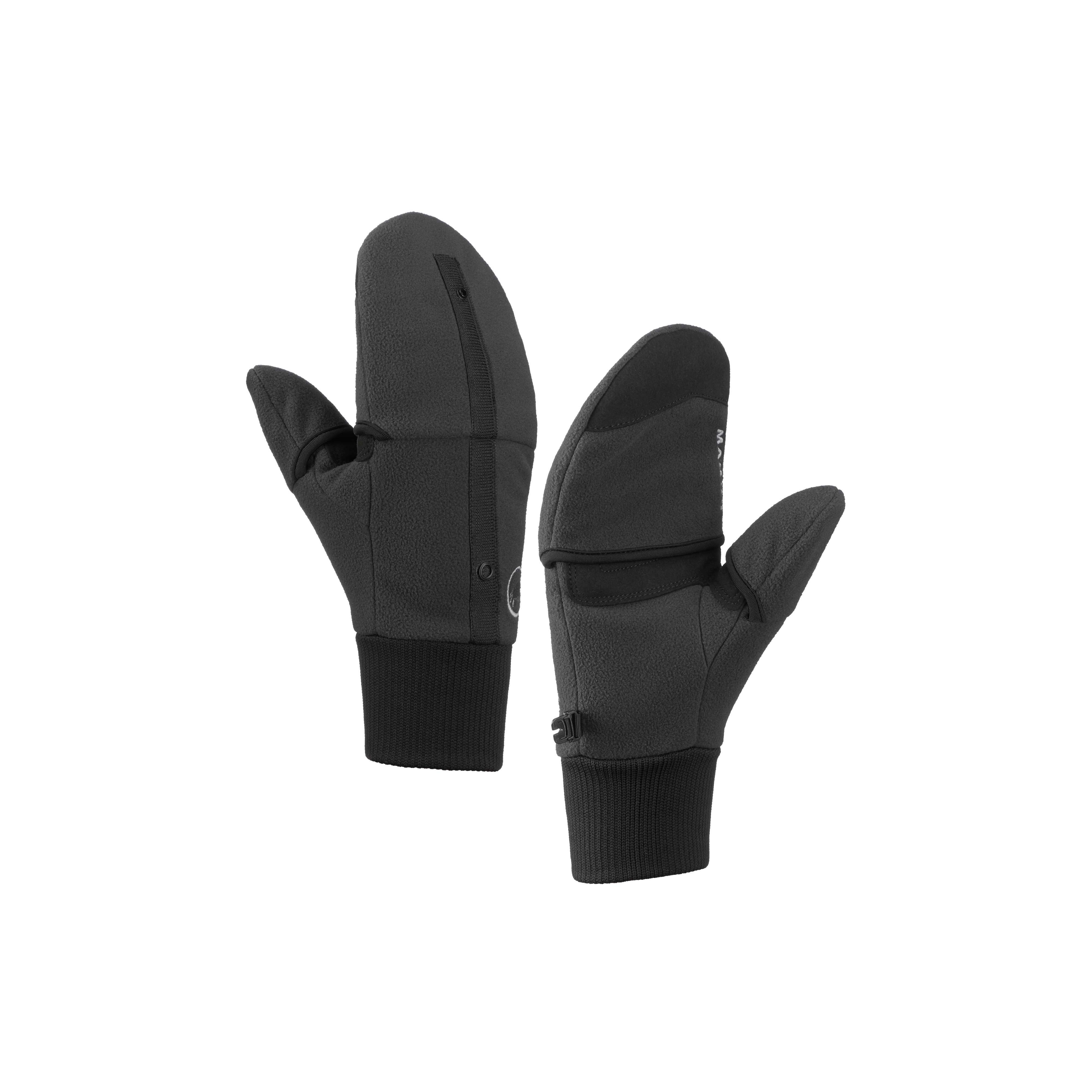
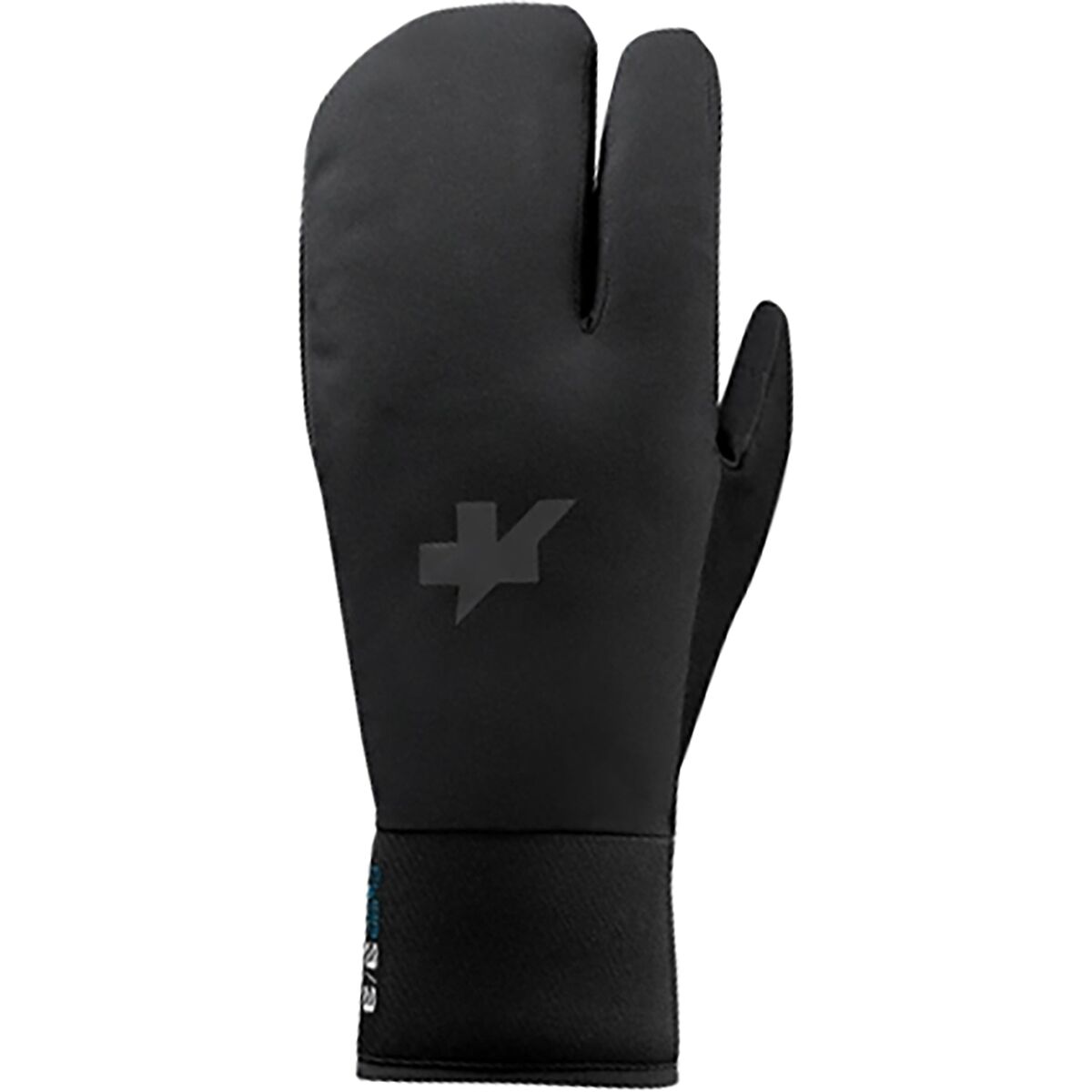
We may earn a commission if you buy through these links, at no extra cost to you. Affiliate disclosure
Use the Individual Expedition Gear Lists.
The comparison should not duplicate full packing lists.
Operator Quality Matters More Than a Small Route-Grade Difference
This is where commercial-intent readers should move next.
Large Commercial Market
Compare guide ratios, true-summit policy, oxygen, camp support, rope strategy and evacuation systems.
Access Handling Is Part of Operator Quality
The company must manage not only high-altitude climbing, but Tibet permits, China logistics and rapidly changing access conditions.
Standard Travel Insurance Is Not an 8,000m Expedition Policy
Elevation exclusions and mountaineering exclusions are the first things to read.
Choose the Peak by the Expedition You Actually Need
The right first 8,000er depends on your next objective, not prestige.
I want the cleanest first exposure to 8,000 metres.
Cho Oyu has the stronger route-character argument if Tibet access is confirmed.
I want Nepal-only logistics.
Manaslu avoids the separate Tibet access problem.
I am specifically training for Everest altitude.
Cho Oyu isolates high-altitude performance particularly well.
I want to learn crowded commercial expedition systems.
Manaslu more closely replicates the traffic and logistics reality of a heavily used 8,000m route.
I want the lower objective-hazard normal route.
Cho Oyu has the advantage.
I cannot accept permit uncertainty.
Manaslu is the cleaner planning choice.
Tibet is officially open for my exact season.
Re-run the comparison— Cho Oyu becomes much more compelling.
I have never climbed a 7,000m peak.
Neither mountain should be treated as a shortcut around progression.
Build the Missing Skills Before Buying the Expedition.
A strong progression should expose weaknesses below 8,000 metres, not discover them in the death zone.
Manaslu vs Cho Oyu FAQ
Direct answers for climbers deciding between the two.
Which is harder, Manaslu or Cho Oyu?
Manaslu’s normal route is generally the more complicated climb because of greater glacier, serac, avalanche and congestion exposure. Cho Oyu’s standard Northwest Ridge is usually considered the more straightforward normal route.
Which is higher, Manaslu or Cho Oyu?
Cho Oyu is higher at approximately 8,201 m, while Manaslu is 8,163 m. The 38-metre difference is not meaningful enough to drive an expedition decision.
Which is better as a first 8,000m peak?
If both are reliably open, Cho Oyu has the stronger claim because its normal route is comparatively direct and less technical. Manaslu is currently the more familiar Nepal-based commercial alternative.
Is Cho Oyu easier than Manaslu?
On their normal commercial routes, Cho Oyu is generally considered less technically complicated. But both require serious high-altitude experience, fixed-line competence, extreme fitness and sound judgment.
Is Cho Oyu open in 2026?
Cho Oyu was reported closed to foreign climbers from Tibet for both spring and autumn 2026. Future access should be confirmed directly with the operator and the relevant authorities.
Is Manaslu open in 2026?
The autumn 2026 Manaslu season operated, but late-season heavy snowfall ended remaining summit attempts. The season is now effectively finished.
Which is better preparation for Everest?
Cho Oyu is arguably the cleaner test of altitude performance because the route is comparatively straightforward. Manaslu is excellent preparation for managing a large commercial 8,000m expedition environment.
Does Cho Oyu require technical climbing?
Yes, but the standard Northwest Ridge is generally less technical than many other 8,000m normal routes. Climbers still use crampons, ascenders, fixed ropes and high-altitude snow and ice skills.
Does Manaslu require technical climbing?
The normal route is commonly climbed in a commercial fixed-rope style, but climbers still need competent crampon technique, fixed-line movement, glacier awareness and the ability to function independently at altitude.
Which mountain has more objective hazard?
Manaslu generally has the more complicated objective-hazard profile on the normal route, particularly from avalanche, serac, crevasse and traffic exposure.
Which is more expensive?
Pricing varies dramatically by operator and support level. Premium Cho Oyu programs can be expensive because Tibet permits and logistics add complexity. Manaslu has a wider operator market and therefore a broader price range.
Should I climb Manaslu before Cho Oyu?
Not necessarily. If Cho Oyu is open and your primary goal is a clean first 8,000m altitude test, Cho Oyu may make more sense first. If Tibet access is uncertain, Manaslu becomes the more practical option.
Should I climb either mountain before Everest?
For many climbers, completing a lower 7,000m progression and then an 8,000m peak before Everest provides valuable evidence about altitude tolerance, equipment, oxygen use and expedition decision-making.
Choose the Mountain—Then Move Into the Expedition Cluster
This page owns the decision. The parent pages own the actual climb.
Cho Oyu Is the Cleaner First 8,000er. Manaslu Is the More Dependable Nepal Option.
On route character alone, Cho Oyu has the stronger first-8,000m argument: lower-angle terrain, fewer major technical complications and a long history as an altitude progression peak before Everest.
Manaslu asks for more acceptance of glacier hazard, avalanche exposure, commercial traffic and route complexity— but it has the huge practical advantage of operating inside Nepal’s established expedition system.
In 2026, that access distinction became decisive. Cho Oyu’s Tibet side did not open for the expected foreign climbing seasons.
If Tibet reliably reopens: Cho Oyu. If you want the more dependable Nepal-based progression: Manaslu.
Plan Manaslu Plan Cho OyuExplore both sides of the comparison
To go deeper after “Manaslu vs Cho Oyu,” use the individual guides below to examine both routes and the assumptions behind the comparison.
Was this helpful?
🏔Related peaks nearby
🧭Explore & compare
Global Summit Guide is an independent mountaineering resource founded in 2026. The team combines first-hand trekking and climbing experience with in-depth research and professional health and nutrition review to help climbers choose objectives, prepare properly, and stay safe.
Health, altitude, and nutrition content is reviewed by Taylor Ludlow (Registered Nurse) and Brigg Hoopes (Nutritionist).
What We Don't Know Yet
Mountain information changes quickly. This box explains the limits of what this page can responsibly promise.
- Comparisons simplify complex decisions; the better mountain depends on current conditions, skills, timing, budget, and risk tolerance.
- Visa, passport, vaccination, border, insurance, and local transportation rules may change before your trip.
- Route conditions, snowpack, closures, and weather can change quickly after this page is updated.
- Permit rules, fees, quotas, and reservation windows may change between review cycles.
- Operator availability, pricing, guide ratios, and cancellation terms can change by season.
Verify current conditions with official land managers, guide services, local forecasts, and current route reports before booking or climbing.
Mountaineering, rock and ice climbing, glacier travel, and high-altitude activity are inherently dangerous and can result in serious injury or death. The information on Global Summit Guide is provided for general informational and educational purposes only and is not a substitute for professional instruction, qualified guiding, proper equipment, or your own judgment and experience.
Route conditions, weather, snowpack, permits, regulations, and hazards change constantly and may differ from what is described here. Details may be incomplete, out of date, or contain errors. Always verify current information with local authorities, certified guides, and official sources before making any decision in the mountains.
Nothing on this site is medical, legal, or financial advice. Our fitness, acclimatization, altitude, and nutrition content is general in nature; consult a qualified physician before beginning any strenuous exercise program or exposing yourself to high altitude.
You are solely responsible for your own safety and decisions. To the fullest extent permitted by law, Global Summit Guide and its team accept no liability for any loss, injury, damage, or expense arising from use of, or reliance on, this information. By using this site you acknowledge these risks and accept these terms.
Some links on this site may be affiliate links. If you buy through them we may earn a small commission at no extra cost to you; this never affects our recommendations.
Global Summit Guide recommendation path
Next Best Mountain to Research
Use these recommendations to continue the right planning path instead of stopping on one page.
Use current permit, weather, route, and operator information before booking or climbing.