Last updated October 6, 2026


Manaslu vs Dhaulagiri: Which 8,000m Peak Should You Climb?
The summits are separated by only four metres. The expeditions are not. Choose Manaslu for a more established first-8,000m progression, deeper commercial support and a clearer bridge toward Everest. Choose Dhaulagiri if you already have serious high-altitude experience and specifically want a quieter, more remote and less forgiving expedition.
Manaslu Is the Better First 8,000er. Dhaulagiri Is the Bigger Step Up.
Choose Manaslu if you are moving from 6,000–7,000m peaks into your first commercial 8,000m expedition. Its normal Northeast Face route is relatively direct, the commercial system is mature and it is widely used as preparation for Everest.
Choose Dhaulagiri if you already understand how your body, equipment and decision-making behave at extreme altitude. Its Northeast Ridge is more remote, generally less forgiving, more weather-sensitive and asks more from the climber than its 4-metre elevation advantage suggests.
This is not really 8,163 m vs 8,167 m. It is structured progression vs advanced commitment.
The Two Mountains Are Ending 2026 Very Differently
Autumn Season Effectively Over
The large commercial Manaslu season was disrupted by severe late-September weather. After heavy snow buried camps and left the mountain in poor condition, remaining summit attempts were abandoned.
Teams Are Still Climbing
Dhaulagiri teams waited out the storm, reassessed conditions and returned to the mountain. As of October 5, climbers were moving toward Camp 3 and some teams hoped to push before mid-October.
Manaslu vs Dhaulagiri at a Glance
Four metres of elevation difference hides a much larger difference in expedition seriousness.
| Factor | Manaslu | Dhaulagiri | Edge |
|---|---|---|---|
| Elevation | 8,163 m | 8,167 m | Essentially equal |
| World rank | #8 | #7 | Dhaulagiri |
| Standard route | Northeast Face | Northeast Ridge | — |
| Overall difficulty | Advanced | More serious | Manaslu easier |
| First 8000m suitability | Strong | Usually not the best first choice | Manaslu |
| Route complexity | Established fixed-line commercial route | Longer, steeper and less forgiving | Manaslu simpler |
| Objective hazard | Significant | Significant + more remote consequences | Dhaulagiri harder |
| Commercial traffic | Very high in autumn | Much smaller field | Preference |
| Operator choice | Broad | Smaller specialist pool | Manaslu |
| Solitude | Low during peak season | Much higher | Dhaulagiri |
| Everest preparation | Excellent | Useful, but beyond what most need first | Manaslu |
| Weather sensitivity | High | Very high | Manaslu more forgiving |
| Best climber profile | Experienced 7000m climber moving up | Experienced 8000m climber | Different stages |
Dhaulagiri Is the Harder Mountain Even Though It Is Only Four Metres Higher
Elevation alone is one of the worst ways to compare these peaks.
A More Direct Commercial 8,000m Route
The Northeast Face follows generally moderate snow slopes, with fixed lines, glacier movement and shorter steeper ice sections higher on the mountain.
It is still an advanced expedition, but its modern commercial system makes the progression relatively legible: acclimatize, rotate, establish high camps, wait for a window and execute the summit push.
Longer, Steeper & Less Forgiving
The Northeast Ridge begins on broad snow slopes but becomes increasingly serious. Above the middle camps, the route follows long arêtes and sustained high-altitude terrain.
Summit day includes ridge climbing, rock-and-snow shelves and a steep final gully before reaching the broad summit.

Manaslu Teaches How a Modern 8,000m Expedition Works.
Camps, rotations, fixed lines, Sherpa support, supplemental oxygen, summit windows and large-team logistics make Manaslu a useful bridge into the modern Everest expedition environment.
Manaslu’s Route Is More Commercially Standardized
Dhaulagiri’s standard route requires more respect for conditions than a route diagram can communicate.
Four-Camp Commercial System
- Glacier and crevasse travel
- Moderate snow slopes
- Fixed ropes through steeper sections
- Ice bulges higher on the route
- Steep final snow arête
- Very narrow true summit
Longer High-Altitude Ridge Climbing
- Broad lower snow slopes
- Longer arêtes above middle camps
- Steepening terrain at altitude
- Mixed rock-and-snow shelves near summit
- Steep final gully
- Broad summit plateau
Use this once Dhaulagiri is the chosen objective. The comparison page should not duplicate full route engineering.
Move here for camps, terrain, fixed-line sections and alternative-route context.

The Normal Route Is Visible. That Does Not Make It Simple.
Dhaulagiri’s Northeast Ridge is the standard expedition line, but weather, accumulated snow and avalanche conditions can shut down a technically manageable route very quickly.
Both Mountains Carry Serious Avalanche Risk—But Dhaulagiri Gives You Less Margin
The difference is not “safe mountain vs dangerous mountain.”
Avalanche Loading
Fresh snow and wind loading repeatedly create problems on the normal route.
Seracs & Crevasses
The route passes through heavily glaciated terrain where icefall and crevasse management matter.
Congestion
Crowds can create fixed-line delays, summit bottlenecks and exposure while waiting.
Avalanche Consequences
Large storm cycles and deep snow can shut the route for days or end an expedition completely.
Smaller Rescue Margin
A quieter, more remote mountain does not offer the same density of commercial support around you.
Death-Zone Decision Making
Above 8,000 metres, hypoxia, cold, exhaustion and descent speed become hazards independent of route grade.

Manaslu Is Remote—But Its Expedition Infrastructure Is No Longer Small.
The mountain rises from a spectacular and still geographically remote landscape, yet peak autumn seasons now support one of Nepal’s largest commercial 8,000m operations.
Dhaulagiri’s Reputation Is Built as Much on Conditions as Technical Grade
The Himalayan Database repeatedly shows weather and mountain conditions as major expedition-ending factors in this part of Nepal.
Large Teams Can Move Fast When the Window Opens
Rope fixing, forecasting and a large Sherpa workforce can help hundreds of climbers position for the same summit window.
The downside is obvious: congestion can become a risk factor when everyone moves at once.
Fewer Climbers Cannot Manufacture Better Conditions
Deep snow, high winds and unstable slopes can force teams to wait long after the calendar says a summit window should exist.
The 2026 autumn season demonstrated exactly that problem: teams waited, retreated and returned only after conditions improved.

Dhaulagiri Feels Like a Bigger Mountain Than Four Metres Should Allow.
Massive faces, long ridges, a smaller climbing population and fewer nearby resources create an expedition atmosphere very different from peak-season Manaslu.
Manaslu Is a Commercial Highway. Dhaulagiri Still Feels Like an Expedition.
Neither description is automatically good or bad.
Hundreds of Climbers
The 2026 autumn permit field reached roughly 493 foreign clients. That scale brings multiple operators, shared rope systems, substantial Sherpa support and a very large Base Camp.
It also creates queues, social pressure and summit-window congestion.
A Fraction of the Traffic
Dhaulagiri’s autumn 2026 field was dramatically smaller. Fewer teams mean fewer crowds and more solitude.
They also mean less redundancy if something goes wrong.
Manaslu Is Usually a Gateway. Dhaulagiri Is Usually a Step Beyond the Gateway.
This is the comparison’s most important practical distinction.
Build Technical Foundations
Crampons, ice axe, fixed lines, glacier travel, self-management and winter systems should already be normal.
Prove Yourself at 6,000–7,000 m
Learn how your body acclimatizes, sleeps, eats and recovers on a multi-week expedition.
Manaslu
A common first exposure to a full 8,000m expedition system.
Review Performance
Did you move strongly? Manage oxygen? Recover? Descend efficiently? Make good decisions while hypoxic?
Dhaulagiri
A logical later objective for climbers seeking more remoteness, harder conditions and a smaller expedition system.
Everest
Climbers focused specifically on Everest may move there rather than choosing Dhaulagiri.
Start With Manaslu’s Full Planning Cluster.
Route, gear, operators, training, success data and current conditions should be evaluated together.

A First 8,000er Should Teach You More Than Whether You Reached the Summit.
What matters afterward is how much margin remained: movement speed, appetite, recovery, oxygen management, judgment and the quality of your descent.
Manaslu Has More Price Competition. Dhaulagiri Has Fewer Comparable Products.
Do not compare expedition quotes without comparing what is actually included.
Broad Operator Market
Many Nepal-based and international companies sell Manaslu, producing a wide spread of support levels and prices.
Smaller Specialist Market
Fewer commercial teams and more remote logistics mean there are fewer truly comparable packages.
Support, Not Just Price
Oxygen, Sherpa ratio, high-camp carries, rope fixing, weather forecasting, evacuation and extra summit days can materially change value.
Both Mountains Require a True 8,000m Cold-Weather System
Dhaulagiri’s harder reputation does not mean Manaslu allows lighter summit gear.
8,000m Double / Triple Boots
High-altitude warmth and crampon compatibility are fundamental.
Expedition Down
Down suit or equivalent expedition system must preserve margin during slow summit-night movement.
Redundant Glove System
Fixed-line work and oxygen handling must remain possible without sacrificing warmth.
8,000m Expedition Gloves & Mittens
For either peak, build redundancy: dexterous inner gloves, insulated climbing gloves and expedition mitts with enough warmth margin for summit-night delays.
Affiliate disclosure: Global Summit Guide may earn a commission from qualifying purchases at no additional cost to you.
8000m Expedition Gloves & Mittens
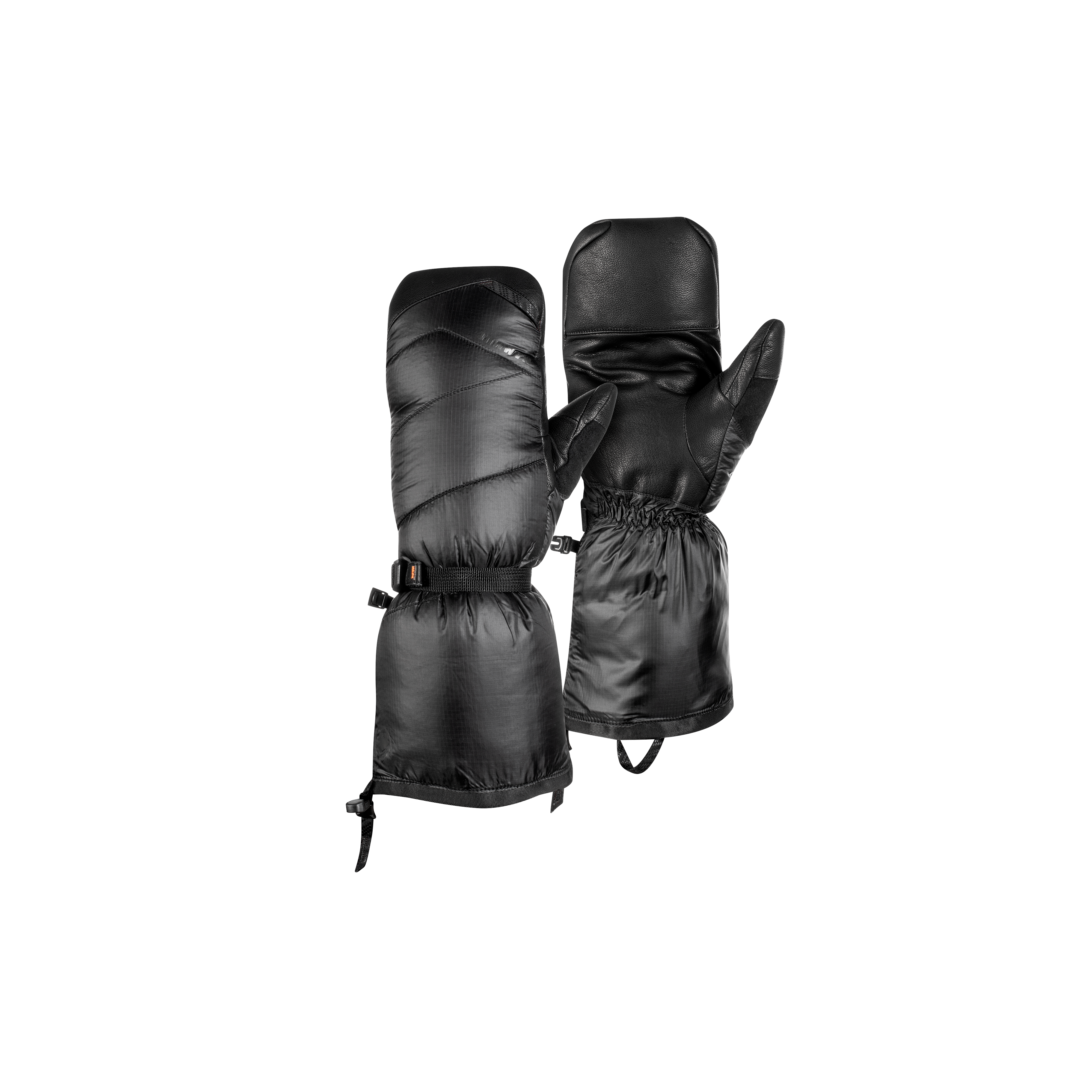
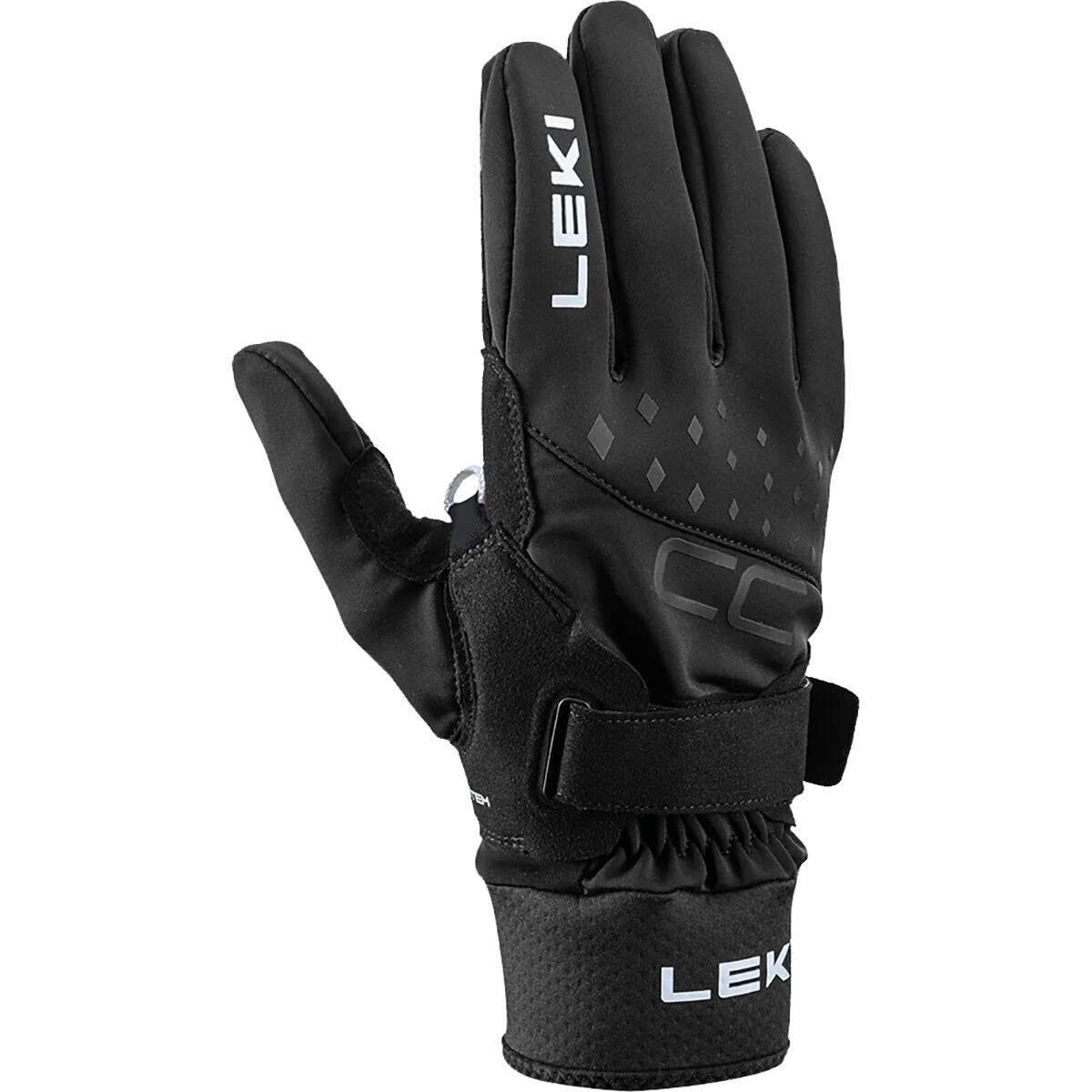
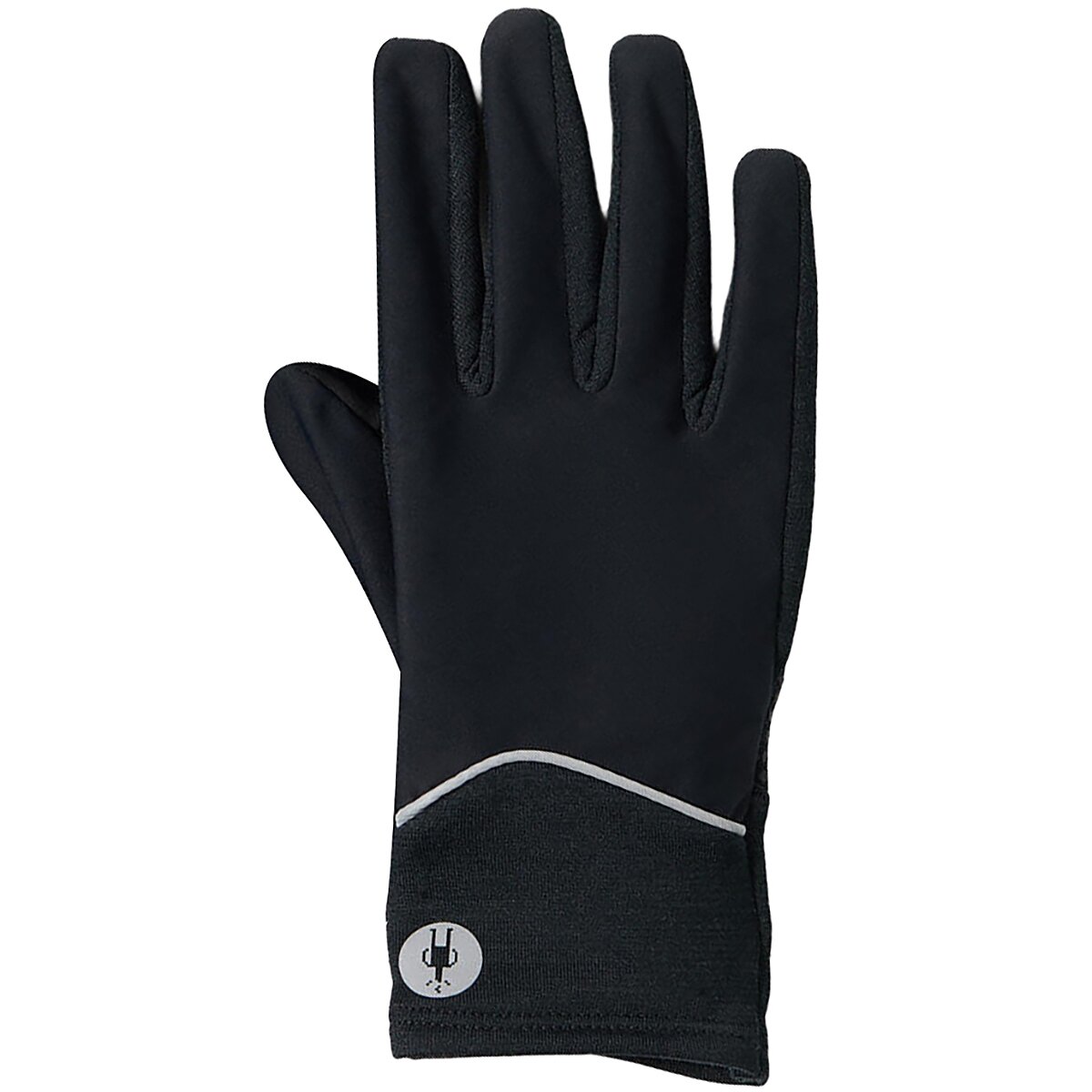
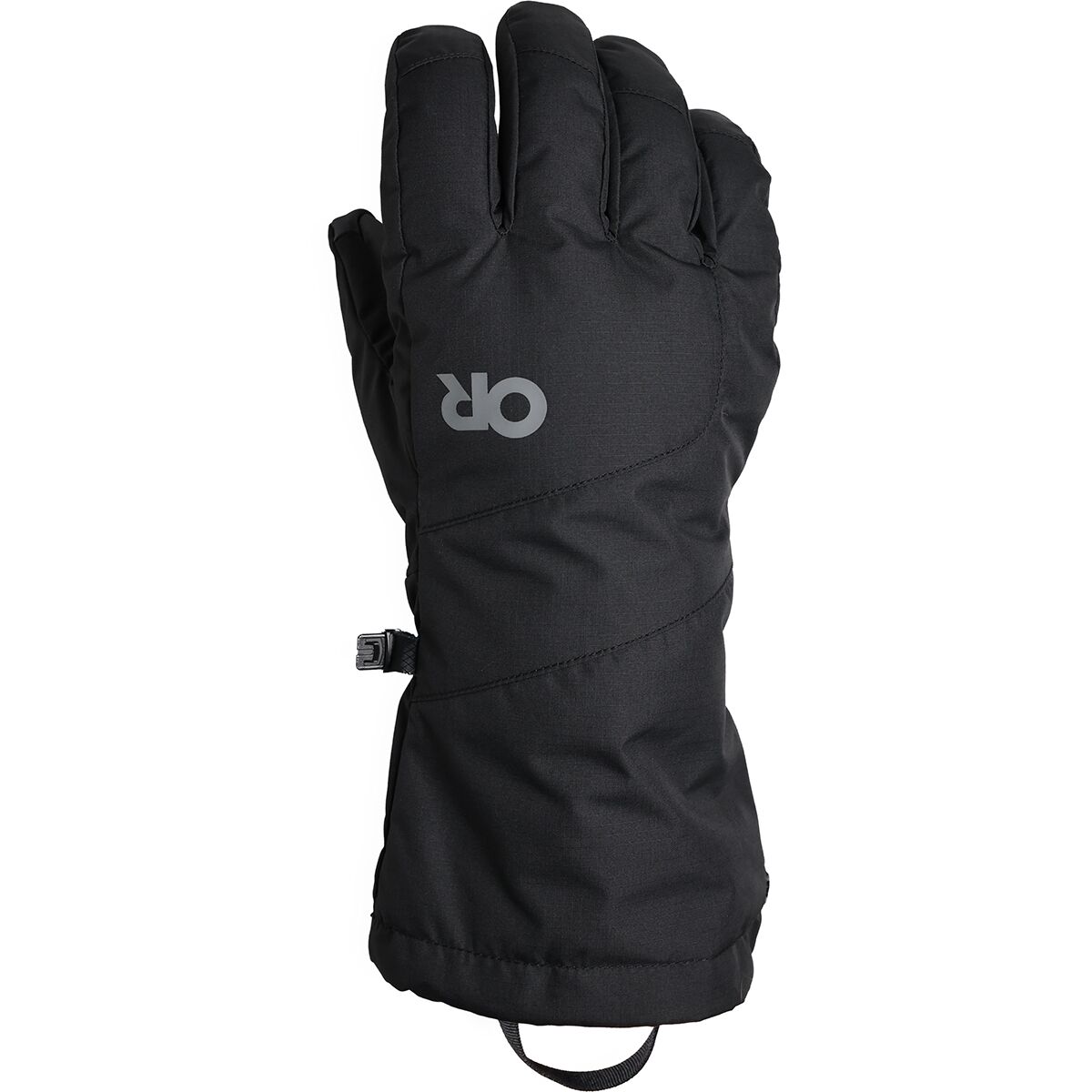
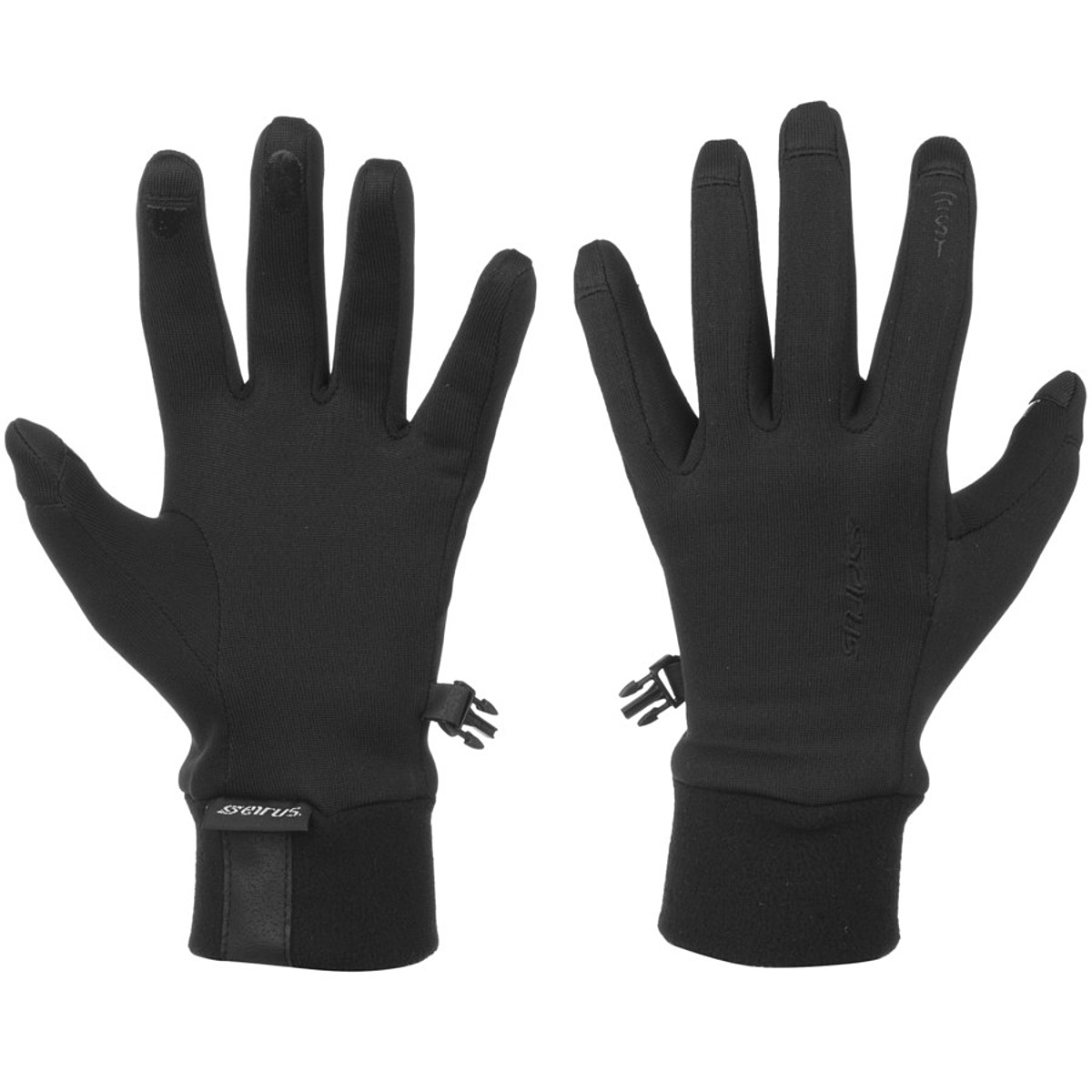
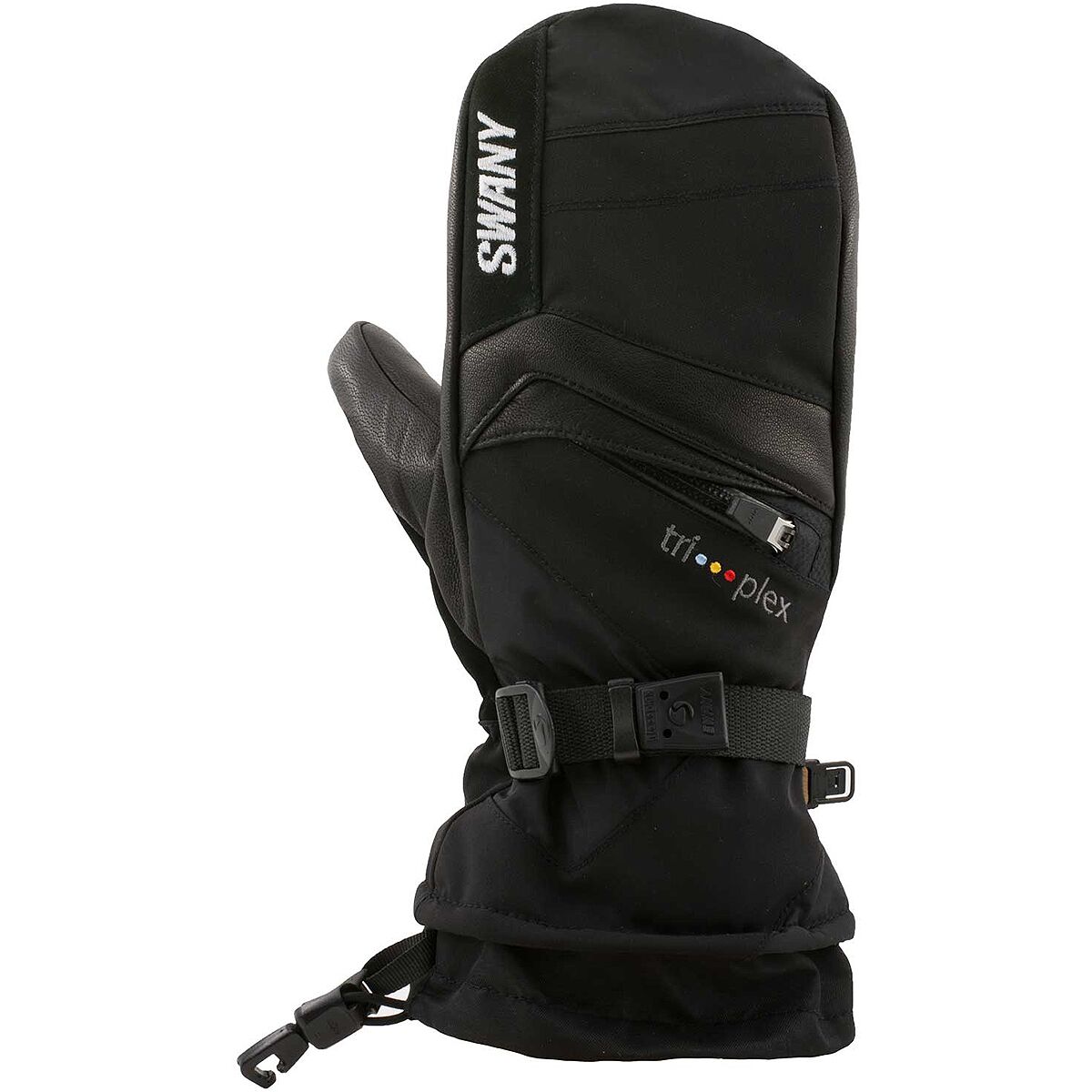
We may earn a commission if you buy through these links, at no extra cost to you. Affiliate disclosure
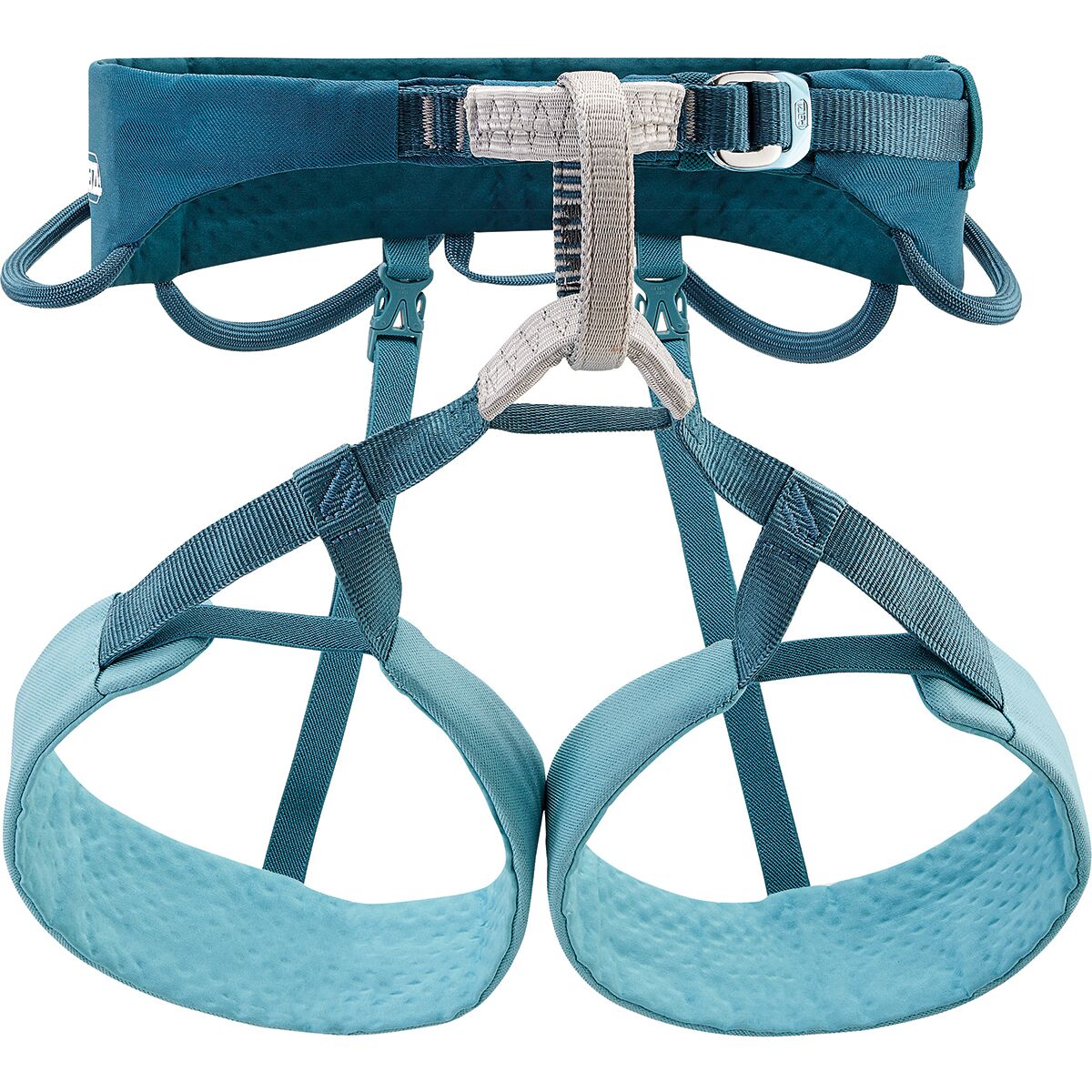
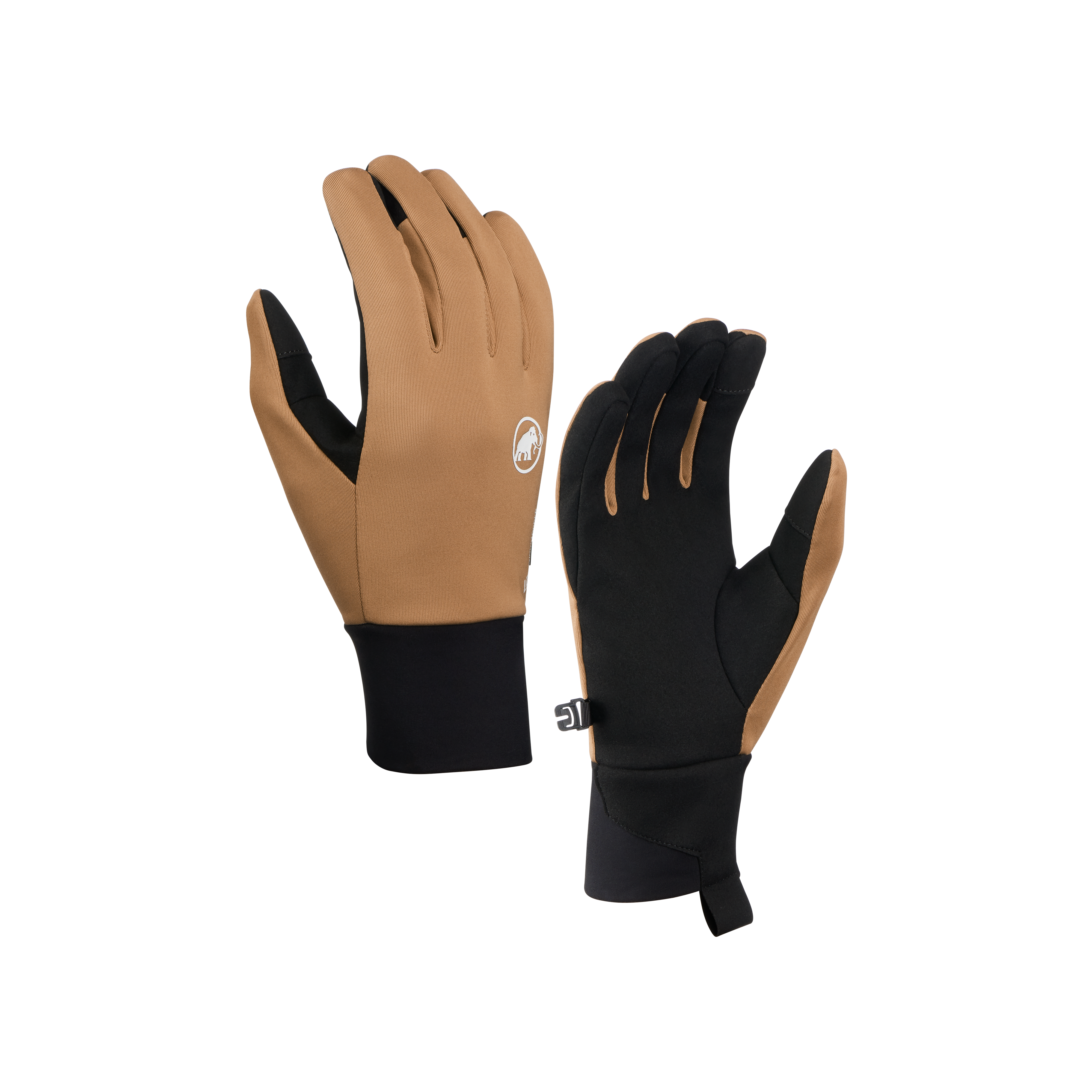
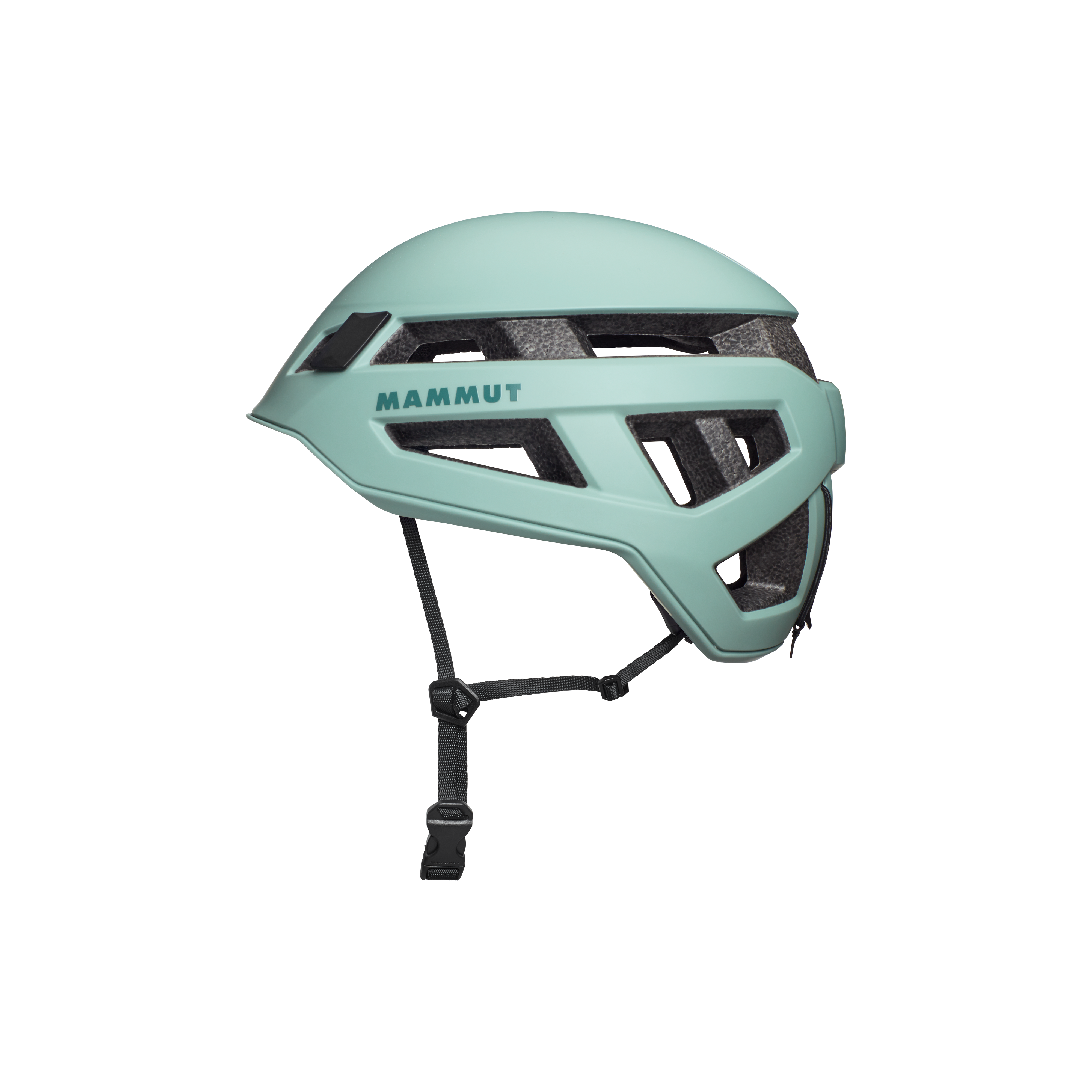
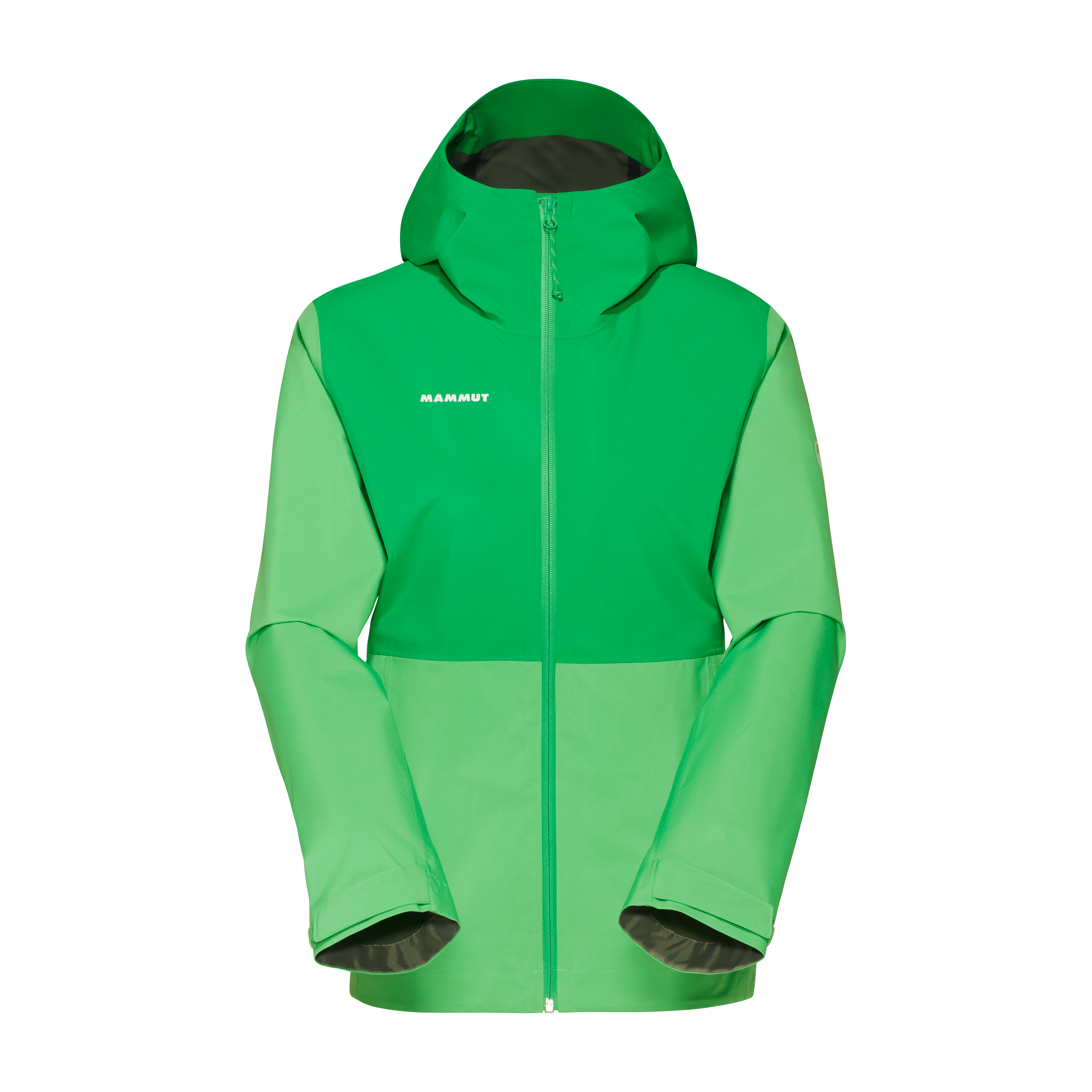
Use the Dedicated Gear Lists After You Choose the Peak.
The comparison identifies the system. The route pages own the exact packing list.

Less Crowded Does Not Mean Less Complicated.
Dhaulagiri attracts climbers precisely because it feels different from the commercial traffic of Everest and Manaslu. The trade is simple: more space, fewer backup systems.
Operator Selection Matters More on Dhaulagiri Than the Logo on the Tent
Ask what the company can actually execute when conditions become difficult.
Compare the Big Commercial Variables
Ask about: true-summit policy, oxygen, Sherpa ratios, fixed-line strategy, queue management, acclimatization and weather forecasting.
Ask About Expedition Depth
Ask how many Dhaulagiri seasons the company has actually operated, who leads on the mountain, how camps are supplied, who fixes or shares the route and what happens after a major storm.
Do Not Assume a Mountaineering Policy Covers 8,000m
Elevation exclusions are where many apparently suitable policies fail.
Check altitude limits, rescue coverage and expedition exclusions before treating any policy as suitable.
Choose the Mountain by the Climber You Actually Are
This is the decision section. Do not choose by summit height.
This would be my first 8,000m peak.
Manaslu provides the cleaner commercial progression.
I already climbed an 8,000er strongly.
Dhaulagiri becomes a realistic next-level objective.
Everest is my next major goal.
Manaslu reproduces more of the modern commercial-system experience.
I strongly dislike crowded mountains.
Dhaulagiri provides much more solitude, with less operational redundancy.
I want the largest operator selection.
Manaslu has the deeper commercial market.
I want a more expeditionary 8,000m experience.
Dhaulagiri is the stronger fit.
My 7,000m progression was marginal.
Neither is the correct next step yet.
I barely survived my first 8,000m summit.
That is evidence to consolidate, not evidence to move immediately to Dhaulagiri.
Move Into the Mountain-Specific Planning Cluster.
The comparison ends here. Route, gear, operators, weather and training belong to the chosen mountain.
Both Are in Nepal—but They Live in Different Expedition Worlds
Manaslu sits east of the Annapurna region. Dhaulagiri rises west of the Kali Gandaki.

Dhaulagiri Is What You Choose When “Less Commercial” Is Worth More Responsibility.
That is why the mountain makes more sense after a successful 8,000m experience than before one.
Manaslu vs Dhaulagiri FAQ
Direct answers for climbers choosing between the two peaks.
Which is harder, Manaslu or Dhaulagiri?
Dhaulagiri is generally the more serious expedition. Its Northeast Ridge is longer, steeper at altitude, more remote and less supported by a large commercial climbing population. Manaslu remains a serious 8,000m climb but is more commonly used as a first-8,000m progression peak.
Which is higher, Manaslu or Dhaulagiri?
Dhaulagiri is 8,167 metres and Manaslu is 8,163 metres. Dhaulagiri is only four metres higher, so elevation should not determine which mountain you choose.
Which is better for a first 8,000m peak?
Manaslu is generally the stronger choice. It has a mature commercial expedition system, a more direct standard route and is widely used as preparation for Everest.
Is Dhaulagiri technically difficult?
The standard Northeast Ridge is not among the most technically extreme 8,000m normal routes, but that does not make Dhaulagiri easy. Long high-altitude climbing, steep sections, snow conditions, avalanche risk, weather and remoteness make it a serious expedition.
Is Manaslu technically difficult?
Manaslu’s normal Northeast Face route uses fixed ropes across glacier, snow and ice terrain. Climbers still need crampon competence, ascender skills, glacier awareness and the ability to operate safely at extreme altitude.
Which mountain has more avalanche risk?
Both have serious avalanche exposure and both can become dangerous after major snowfall. Dhaulagiri’s remoteness, smaller climbing population and sensitivity to snow conditions generally make avalanche-related decisions more consequential.
Which mountain is more crowded?
Manaslu is dramatically more crowded during its main autumn commercial season. Dhaulagiri normally attracts a much smaller expedition field.
Is Dhaulagiri a good second 8,000m peak?
It can be. For climbers who performed strongly on a first 8,000m peak and want greater remoteness and expedition seriousness, Dhaulagiri is a logical progression.
Should I climb Manaslu before Dhaulagiri?
For many climbers, yes. Manaslu can provide evidence about altitude tolerance, oxygen use, fixed-line movement, recovery and summit-day decision-making before moving to Dhaulagiri.
Which is better preparation for Everest?
Manaslu is usually the more direct Everest progression peak. Its commercial structure, oxygen systems, camps, rotations, fixed ropes and summit-window dynamics transfer well to Everest preparation.
Which is cheaper, Manaslu or Dhaulagiri?
Exact expedition costs vary by operator, support level and season. Manaslu has a much larger commercial market and therefore a broader price range. Dhaulagiri has fewer specialist operators and more remote logistics, so like-for-like comparisons matter more than headline prices.
Which has better operator choice?
Manaslu. The mountain supports a much larger Nepalese and international operator market. Dhaulagiri has fewer teams, making previous mountain-specific experience especially important when choosing an operator.
What gear is different between Manaslu and Dhaulagiri?
The core personal system is very similar: 8,000m boots, expedition down, high-altitude gloves and mitts, crampons, harness, ascender, helmet and supplemental-oxygen integration. Operator-specific requirements and route conditions should determine the final list.
What happened on Manaslu in autumn 2026?
Severe late-September weather brought heavy snow and poor mountain conditions. Remaining teams ultimately abandoned further summit attempts, bringing the main autumn season to an end.
Is Dhaulagiri still being climbed in autumn 2026?
As of early October, yes. Teams returned after the severe storm and climbers were moving back toward the higher camps, with some hoping to attempt the summit before mid-October.
Choose the Peak—Then Move Into Its Expedition Cluster
This comparison owns the decision. The mountain pages own the climb.
Sources Behind the 2026 Comparison
Route character is relatively stable. Expedition status, weather and current access require active updating.
Adventure Consultants
Current route description for the Northeast Face, four-camp structure, moderate snow slopes, ice bulges and Everest-progression positioning.
Adventure Consultants
Route description for the Northeast Ridge and its longer, steeper high-altitude climbing.
Himalayan Database
Long-term Nepal expedition records and regional analysis of weather, bad conditions, accidents and expedition outcomes.
ExplorersWeb
Current reporting for the end of Manaslu’s autumn season and Dhaulagiri teams returning toward Camp 3 in early October.
Global Summit Guide
Route, permit, gear, operator and true-summit planning remain with the Manaslu cluster.
Global Summit Guide
Route, weather, gear, success and operator planning remain with the Dhaulagiri cluster.
Manaslu Is the Progression Peak. Dhaulagiri Is the Commitment Peak.
If you are looking for your first serious test above 8,000 metres, Manaslu is the stronger answer. It gives you altitude, rotations, oxygen, fixed lines, high camps and summit-window decision making inside a mature commercial structure.
Dhaulagiri asks for more independence. It is only four metres higher, yet its remoteness, smaller expedition field, weather sensitivity and longer high-altitude route create a substantially more committing objective.
First 8,000er or Everest progression? Manaslu. Already proven above 8,000m and want the harder Nepal expedition? Dhaulagiri.
Plan Manaslu Plan DhaulagiriWas this helpful?
🏔Related peaks nearby
🧭Explore & compare
Global Summit Guide is an independent mountaineering resource founded in 2026. The team combines first-hand trekking and climbing experience with in-depth research and professional health and nutrition review to help climbers choose objectives, prepare properly, and stay safe.
Health, altitude, and nutrition content is reviewed by Taylor Ludlow (Registered Nurse) and Brigg Hoopes (Nutritionist).
What We Don't Know Yet
Mountain information changes quickly. This box explains the limits of what this page can responsibly promise.
- Total trip cost can change with flights, lodging, guide pricing, permits, gear rentals, transportation, and exchange rates.
- Comparisons simplify complex decisions; the better mountain depends on current conditions, skills, timing, budget, and risk tolerance.
- Visa, passport, vaccination, border, insurance, and local transportation rules may change before your trip.
Verify current conditions with official land managers, guide services, local forecasts, and current route reports before booking or climbing.
Mountaineering, rock and ice climbing, glacier travel, and high-altitude activity are inherently dangerous and can result in serious injury or death. The information on Global Summit Guide is provided for general informational and educational purposes only and is not a substitute for professional instruction, qualified guiding, proper equipment, or your own judgment and experience.
Route conditions, weather, snowpack, permits, regulations, and hazards change constantly and may differ from what is described here. Details may be incomplete, out of date, or contain errors. Always verify current information with local authorities, certified guides, and official sources before making any decision in the mountains.
Nothing on this site is medical, legal, or financial advice. Our fitness, acclimatization, altitude, and nutrition content is general in nature; consult a qualified physician before beginning any strenuous exercise program or exposing yourself to high altitude.
You are solely responsible for your own safety and decisions. To the fullest extent permitted by law, Global Summit Guide and its team accept no liability for any loss, injury, damage, or expense arising from use of, or reliance on, this information. By using this site you acknowledge these risks and accept these terms.
Some links on this site may be affiliate links. If you buy through them we may earn a small commission at no extra cost to you; this never affects our recommendations.
Global Summit Guide recommendation path
Next Best Mountain to Research
Use these recommendations to continue the right planning path instead of stopping on one page.
Use current permit, weather, route, and operator information before booking or climbing.