Last updated October 7, 2026


Aconcagua vs Chimborazo: Which High-Altitude Andes Climb Comes Next?
Aconcagua is the bigger altitude expedition. Chimborazo is the more technical standard climb. Aconcagua reaches roughly 698 metres higher and asks you to function for weeks in a dry, windy, near-7,000-metre environment. Chimborazo is lower, but its summit route requires crampons, ice axe, harness, rope-team movement and current glacier judgment.
Aconcagua Tests Your Altitude System. Chimborazo Tests Your Glacier System.
Aconcagua is harder overall for most climbers because its Normal Route turns a non-technical line into a multi-week expedition to almost 7,000 metres. Altitude, repeated carries, high camps, cold, wind and cumulative fatigue are the central problem.
Chimborazo is more technically demanding on the normal summit objective. The mountain is glaciated. Rope travel, crampons, ice axe use and awareness of crevasses, avalanche terrain, seracs and changing snow conditions are part of the climb.
For a broad mountaineering progression, Chimborazo before Aconcagua often makes sense because it develops real glacier competence above 6,000 metres before Aconcagua adds another roughly 700 metres of altitude and a much larger expedition system.
Aconcagua vs Chimborazo at a Glance
These are both high Andean objectives, but the similarities mostly end with altitude, cold and thin air.
| Factor | Aconcagua | Chimborazo | Advantage / Meaning |
|---|---|---|---|
| Elevation | 6,961 m / 22,838 ft | 6,263 m / 20,548 ft | Aconcagua is ~698 m higher. |
| Country | Argentina | Ecuador | Both Andes; very different trip architecture. |
| Mountain type | High Andean massif | Glaciated stratovolcano | Chimborazo feels more like a glacier climb. |
| Standard objective | Normal Route via Horcones / Plaza de Mulas | Current southwest glacier route system from Carrel / Whymper zone | Route character differs dramatically. |
| Technical demand | Low on Normal Route | Moderate glacier mountaineering | Chimborazo |
| Altitude burden | Extreme · nearly 7,000 m | Very high · above 6,200 m | Aconcagua |
| Glacier travel | Not core to Normal Route | Core skill | Chimborazo |
| Rope-team skills | Not central on Normal Route | Expected on glacier | Chimborazo |
| Expedition systems | Major component | Much smaller mountain-specific package | Aconcagua |
| Responsible trip length | About 18–21 days for a full first expedition | 7–10+ days for a first 6,000er progression; shorter if already acclimatized | Aconcagua requires much more time. |
| Summit workload | Long summit push after multiple high camps | ~1,450 m+ gain; official routes roughly 8–10 hours ascent | Both demand real endurance. |
| Typical climate problem | Dry cold + severe wind | Glacier cold + equatorial UV + snow / wind | Different clothing problems. |
| Cost | Much higher | Usually substantially lower | Chimborazo is easier financially. |
| Core season | Austral summer · Dec–Feb core | Year-round possible; Jun–Aug and Nov–Jan commonly favored | Chimborazo has broader calendar flexibility. |
| Best progression use | Near-7,000 m expedition readiness | 6,000 m glacier competence | Choose based on what you still need to learn. |

Aconcagua Is a Walking Route That Becomes an Expedition Problem.
On the Normal Route, the lack of sustained technical climbing can make Aconcagua sound deceptively simple. The mountain replaces technical difficulty with altitude, camp movement, wind, load management and accumulated fatigue.
Which Is Harder: Aconcagua or Chimborazo?
There is no useful one-word answer until “harder” is divided into separate systems.
Aconcagua
Nearly 700 metres higher, with more time spent sleeping, carrying and recovering at very high elevation.
Chimborazo
Glacier travel, crampons, ice axe, rope system and changing ice hazards are integral to the objective.
Aconcagua
Longer trip, more camp transitions, more cumulative fatigue and more days exposed to high-altitude stress.
Chimborazo
A very large overnight ascent concentrates altitude, glacier technique and fatigue into one demanding push.
Compare It With Denali Before Deciding What Skill You Actually Need Next.
Denali adds glacier travel, sled hauling, cold and much greater self-sufficiency even though its summit is lower.

Chimborazo Is Shorter as a Trip—but Not Simpler as a Climb.
The summit sits lower than Aconcagua, but reaching it requires real movement on glaciated terrain. The route can change as snow, crevasses, seracs, ice and rockfall patterns change.
Chimborazo Requires the Broader Standard-Route Mountaineering Skill Set
This is where the comparison reverses the elevation ranking.
High-Altitude Expedition Movement
- Efficient uphill pacing
- Heavy pack management
- Camp movement
- Trekking-pole efficiency
- Cold-weather systems
- High-altitude self-care
- Turnaround discipline
Depending on snow and conditions, traction may be used, but glacier rope systems are not the defining technical requirement of the Normal Route.
Glacier Mountaineering
- Crampon movement
- Ice axe competence
- Harness use
- Roped glacier travel
- Crevasse awareness
- Snow / ice route judgment
- Cold pre-dawn movement
Chimborazo should not be where a climber discovers these systems for the first time without hands-on instruction.
High-Altitude Approach & Expedition Footwear
Both mountains involve substantial time on foot before the summit push. A reliable boot-and-sock system matters before the technical or extreme-altitude problem even begins.
Affiliate disclosure: Global Summit Guide may earn a commission from qualifying purchases at no additional cost to you.
High-Altitude Approach & Expedition Footwear
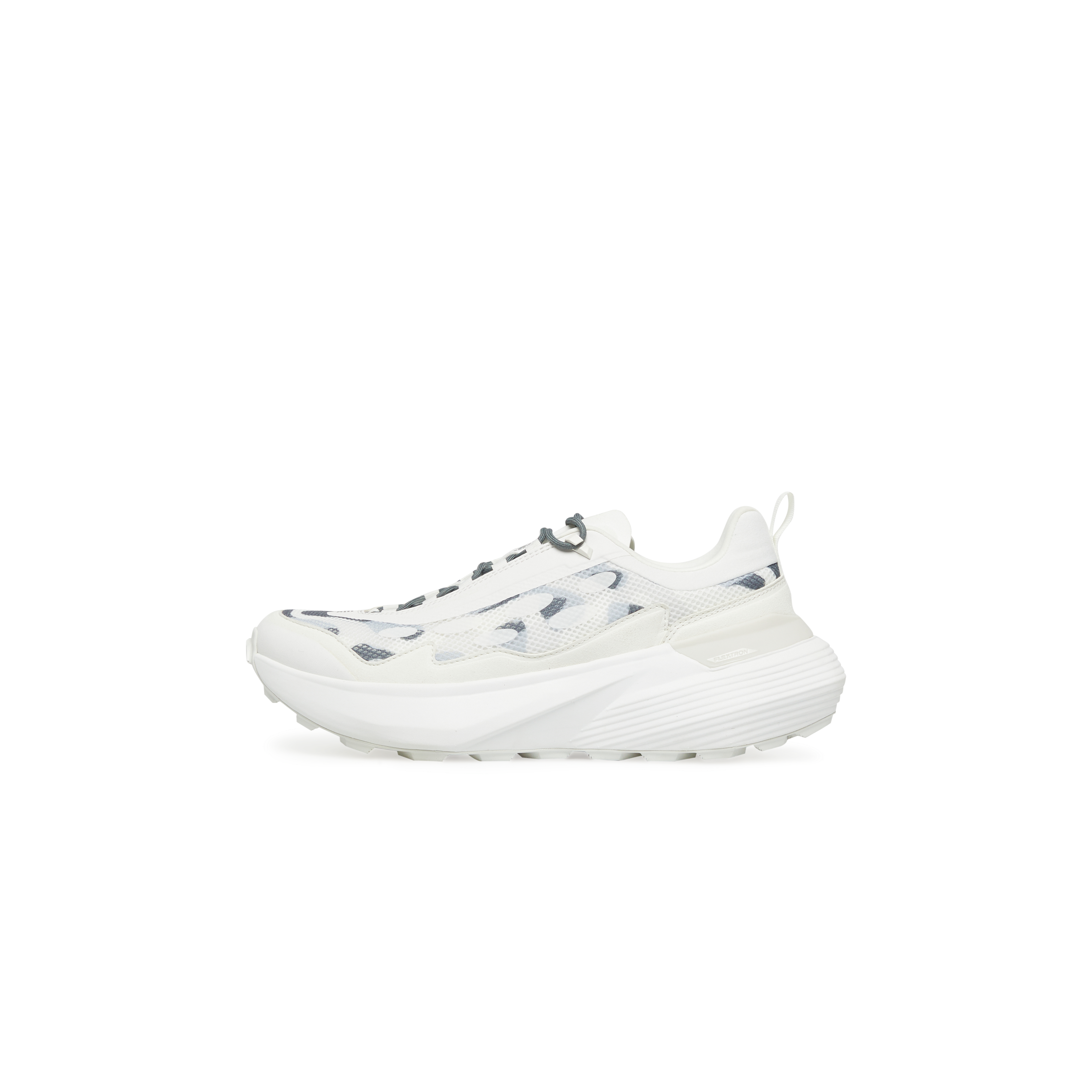
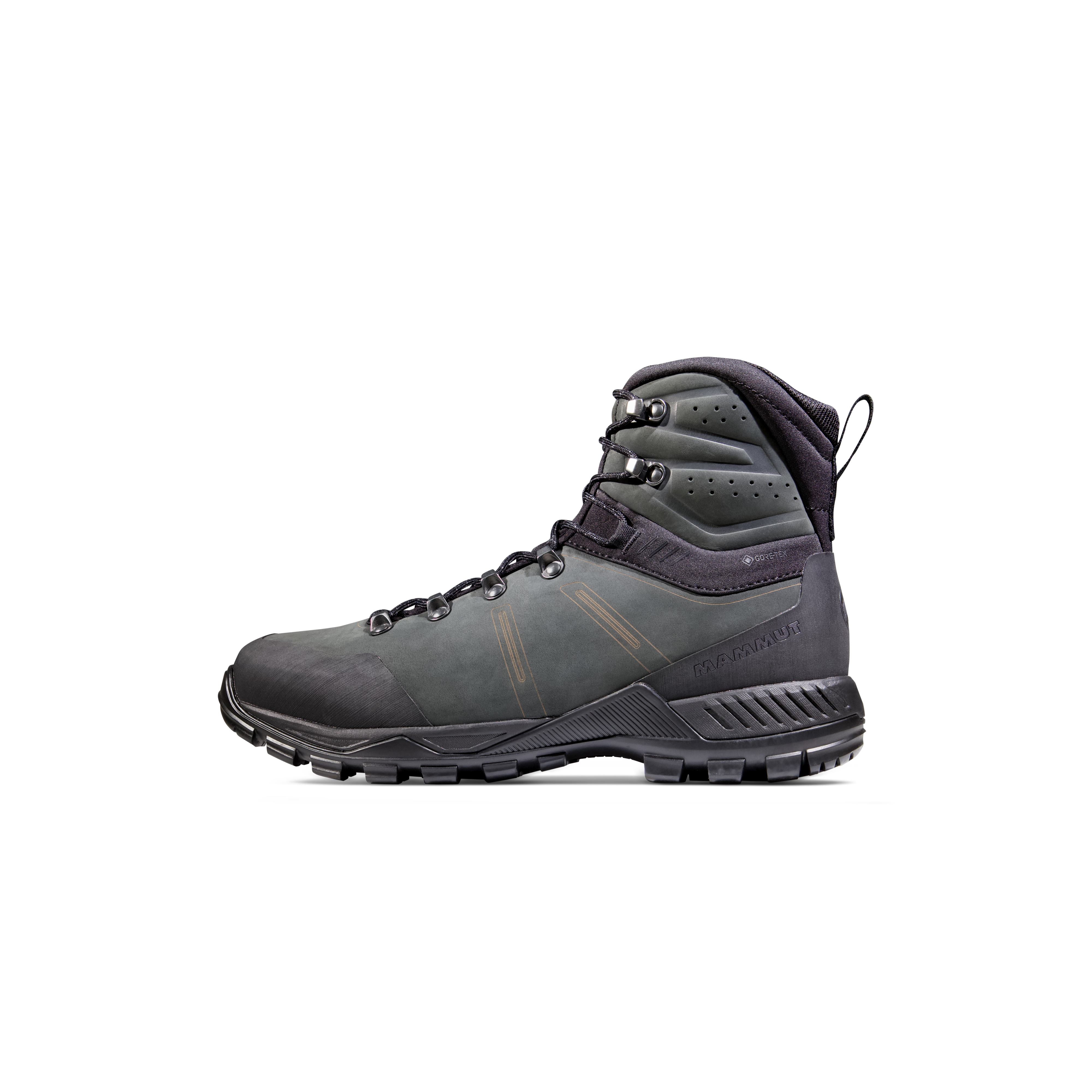
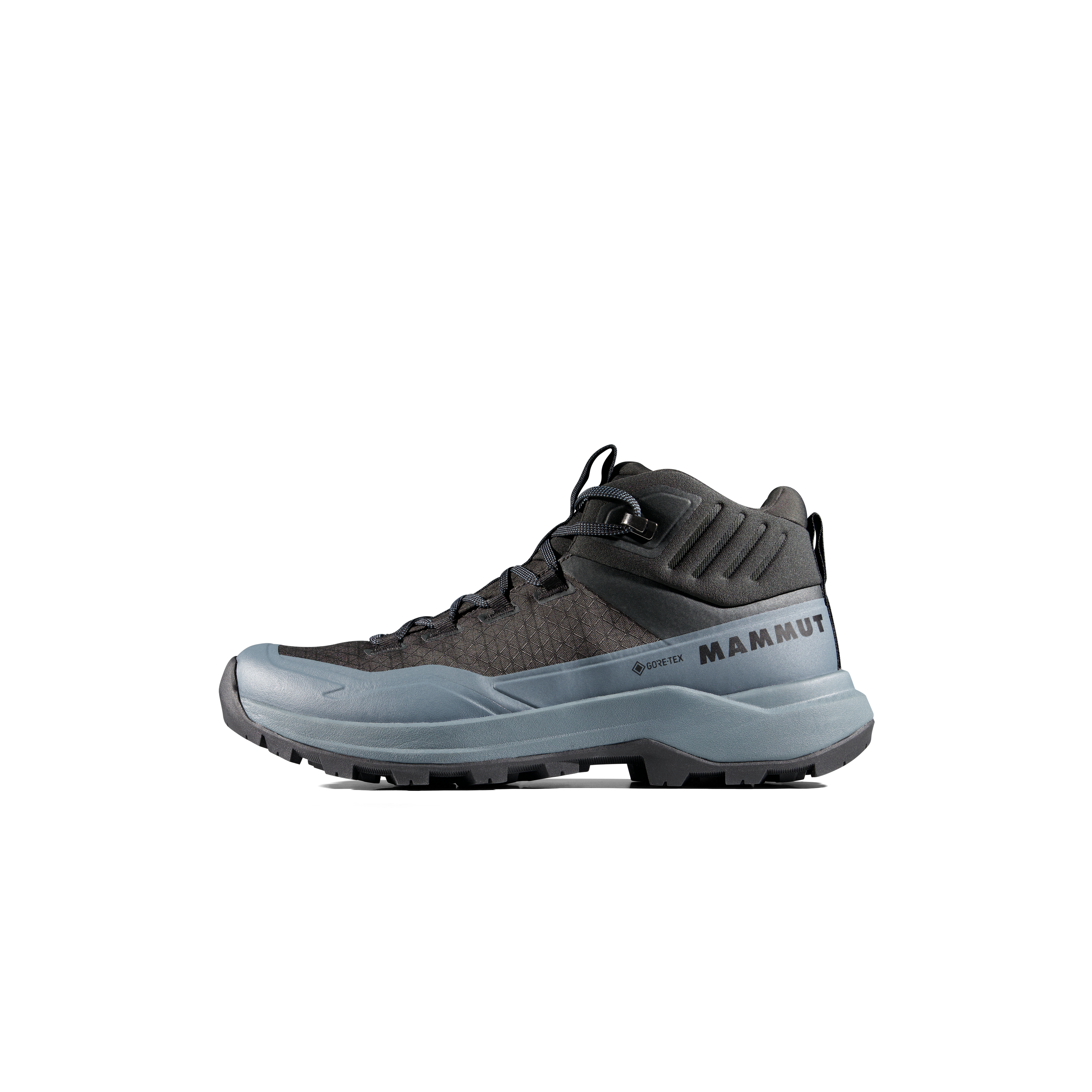
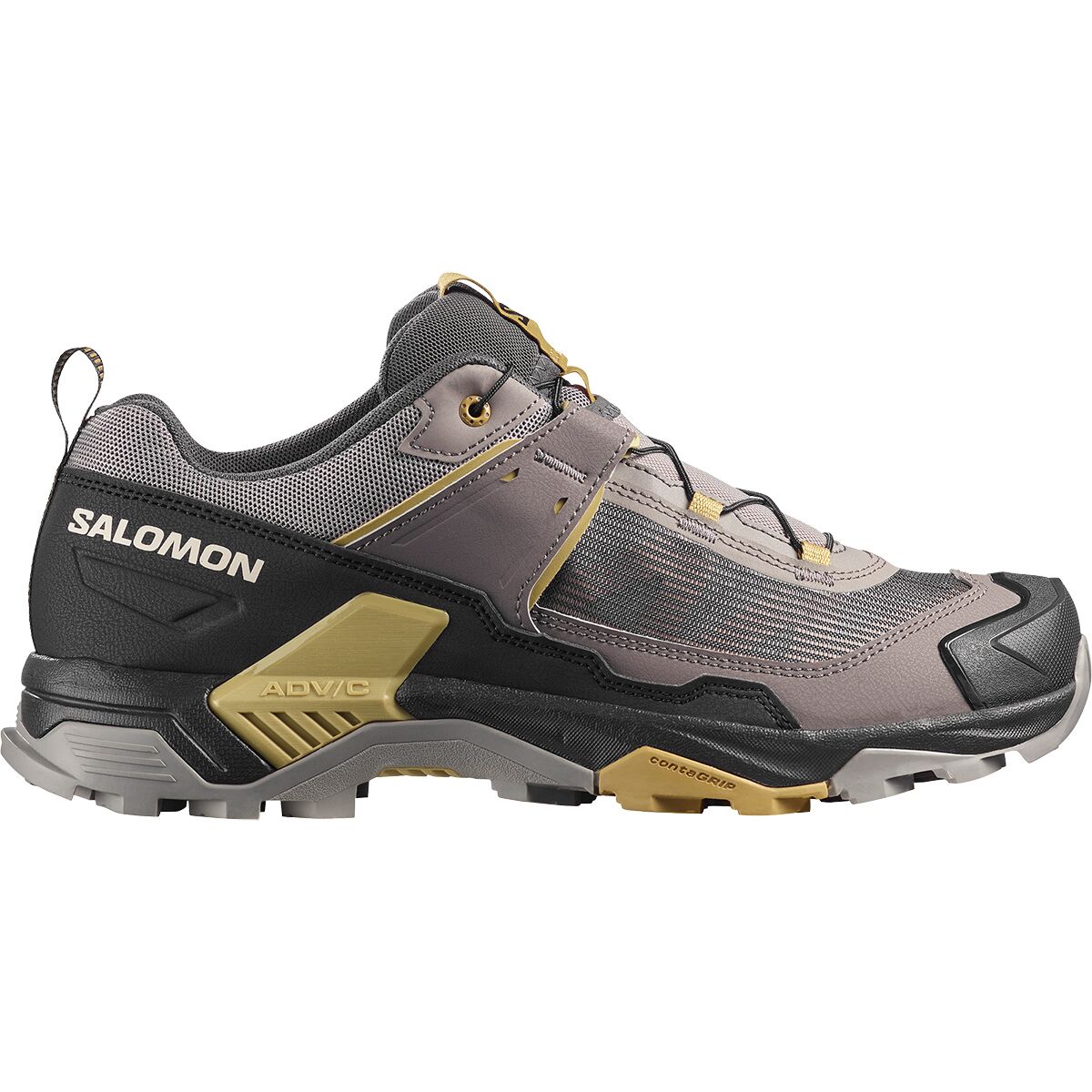
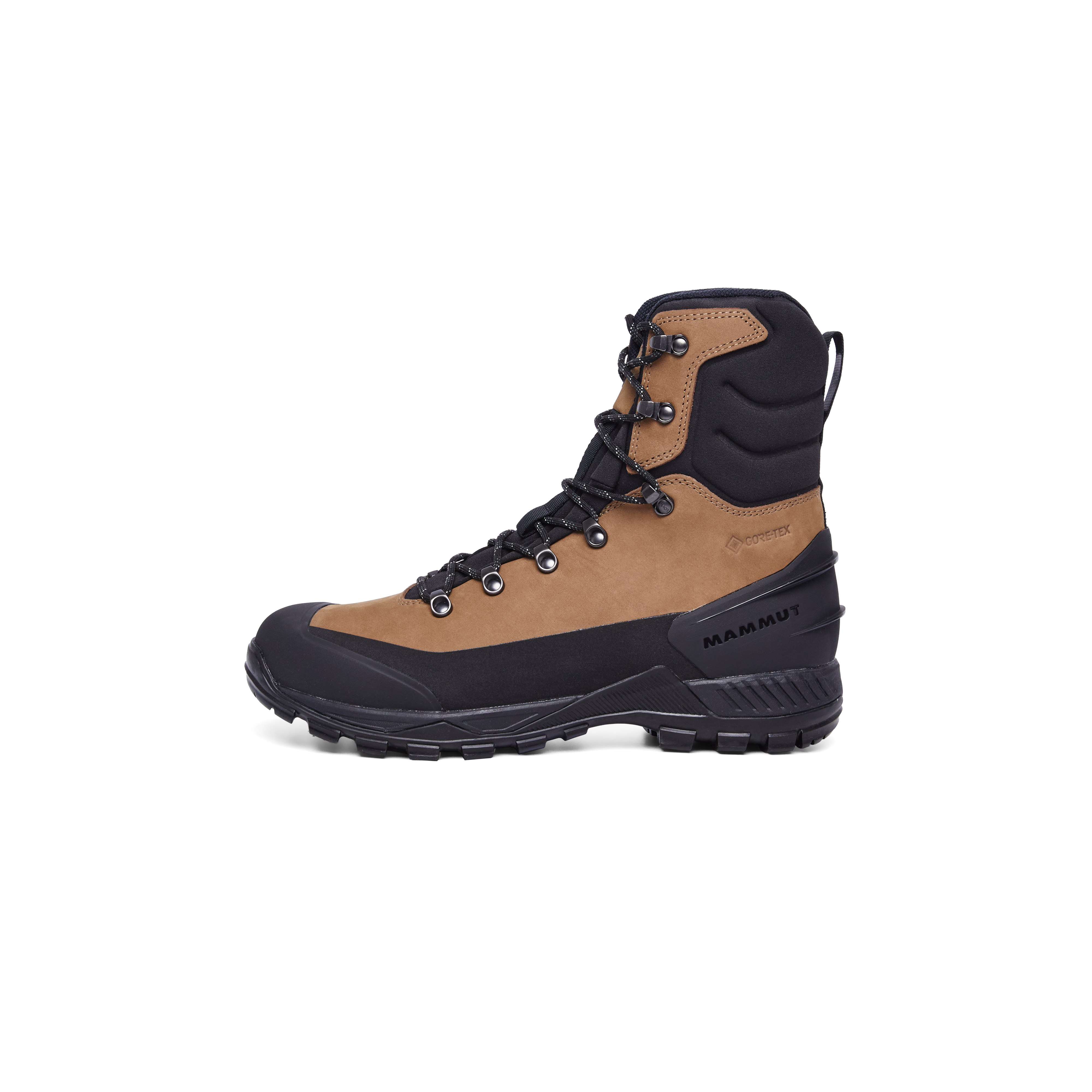
We may earn a commission if you buy through these links, at no extra cost to you. Affiliate disclosure

Aconcagua’s Last 700 Metres of Altitude Are the Entire Point of the Comparison.
Chimborazo is already a true high-altitude mountain. Aconcagua pushes the climber into another physiological tier, where pace slows, recovery deteriorates and small problems become expensive.
Aconcagua Is the More Valuable Pure-Altitude Test
Strong fitness helps you climb. It does not make acclimatization optional.
First 6,000 m Test
The true summit at 6,263 m is high enough to expose poor acclimatization very quickly.
Near-7,000 m Test
The additional altitude is physiologically meaningful, especially because the expedition keeps you high for many more days.
Altitude Response Is Data
How you eat, sleep, recover, think and move above 6,000 m becomes useful information for a future expedition.
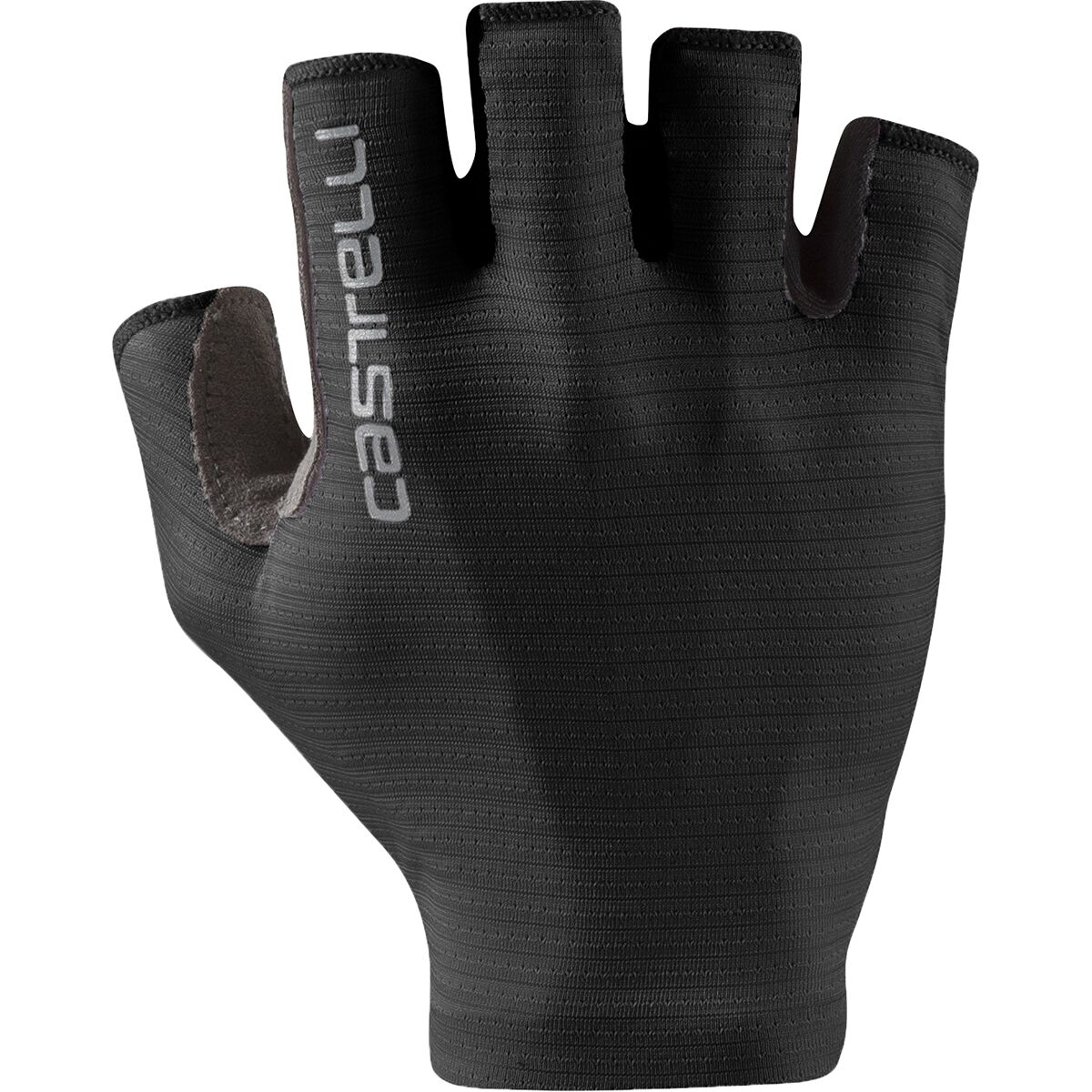
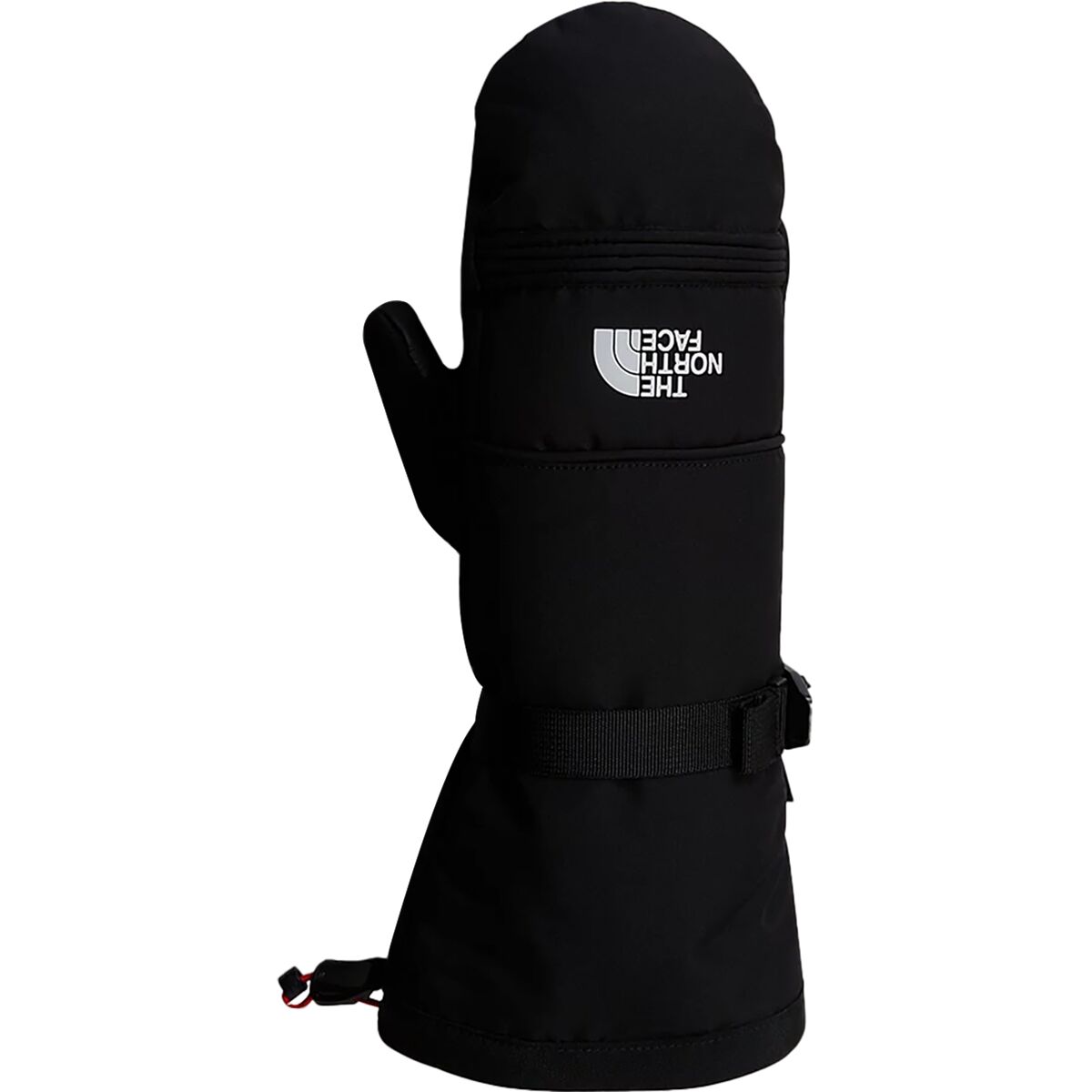
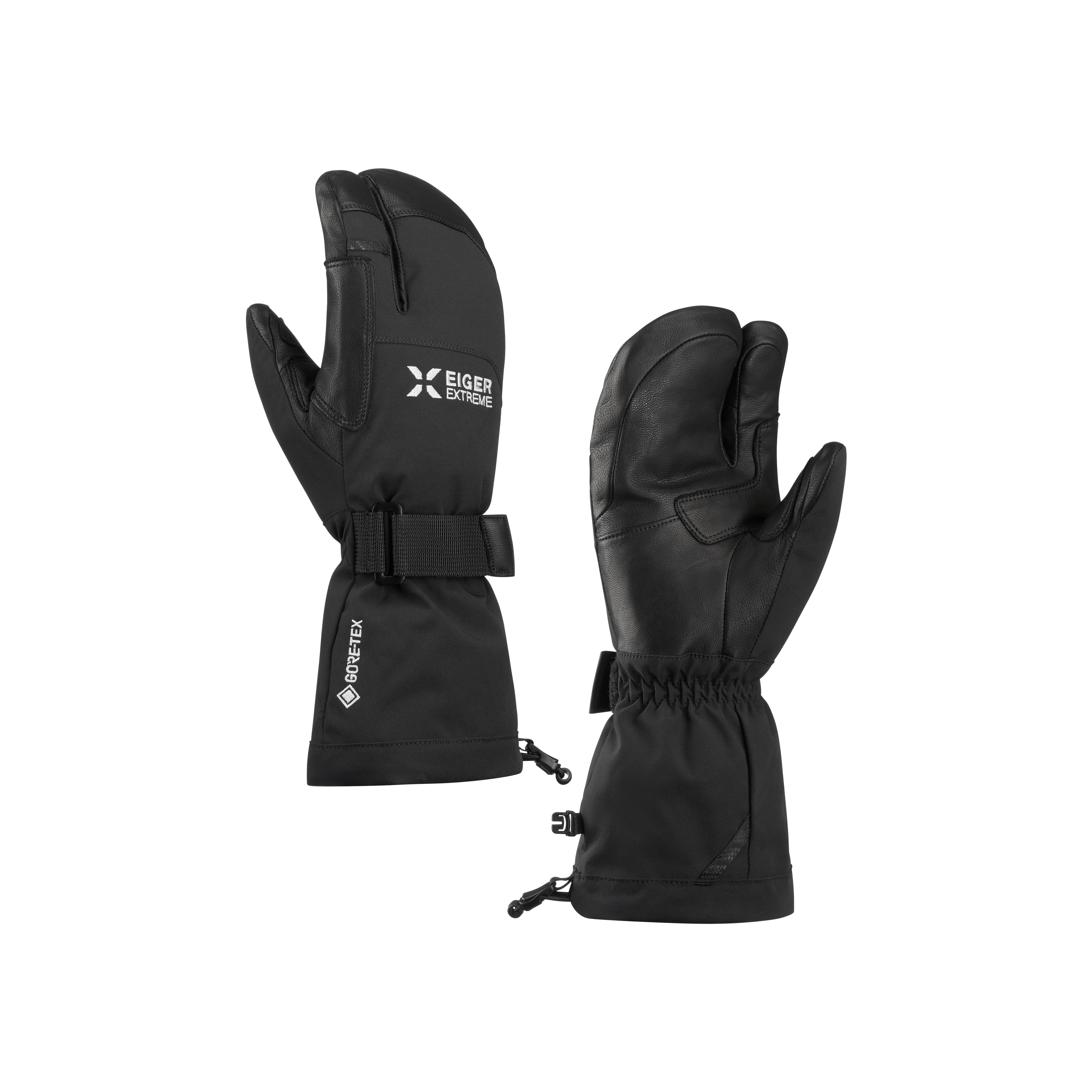
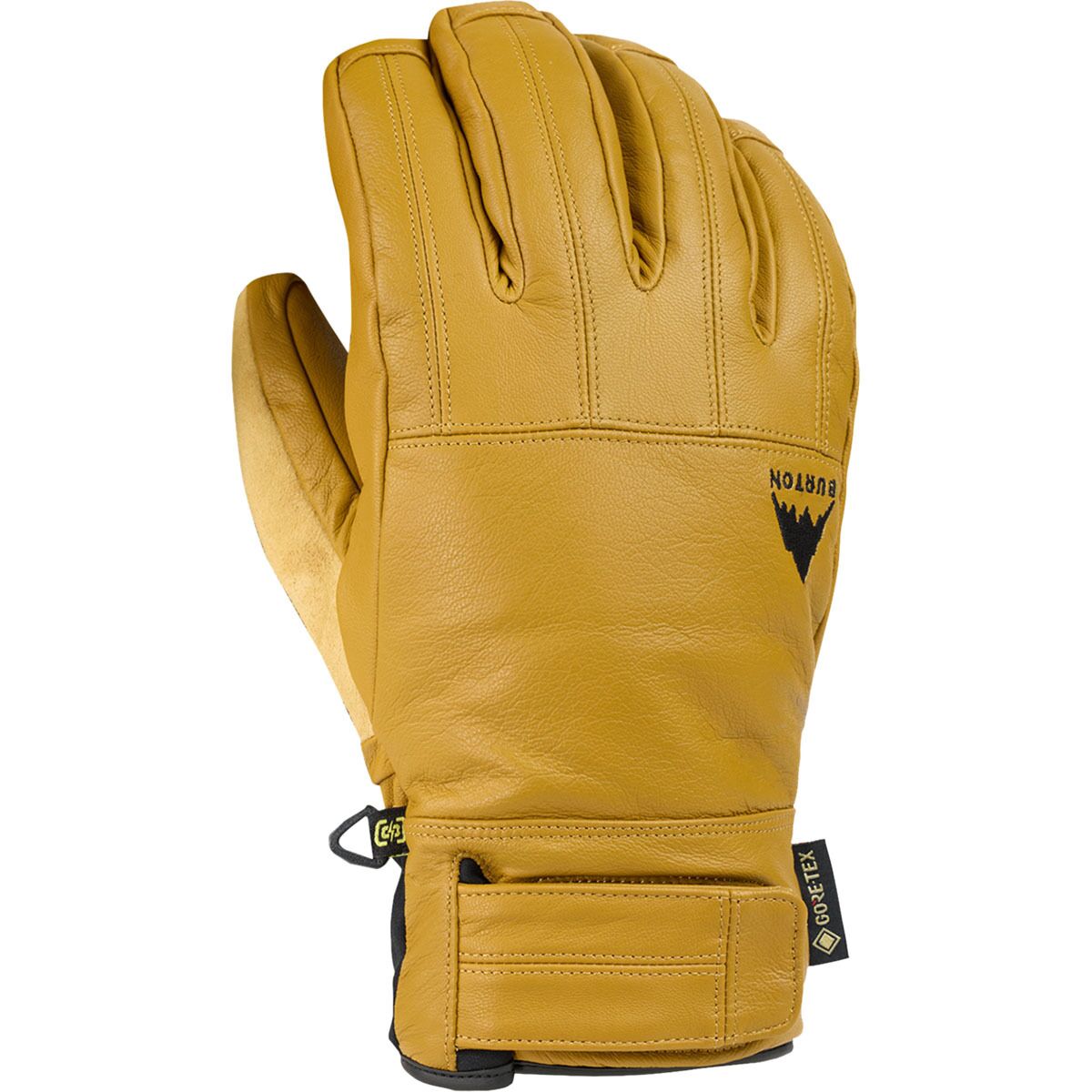
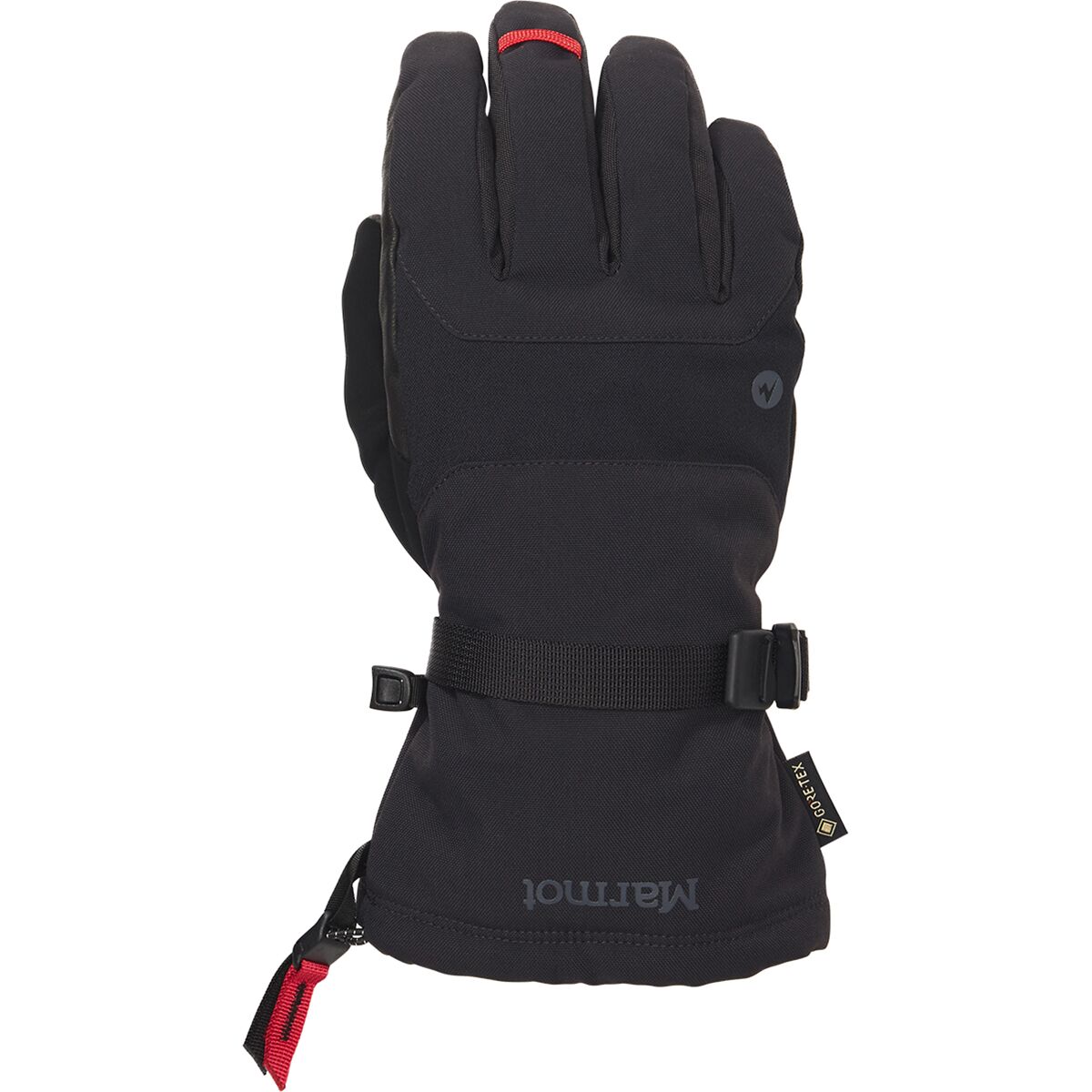
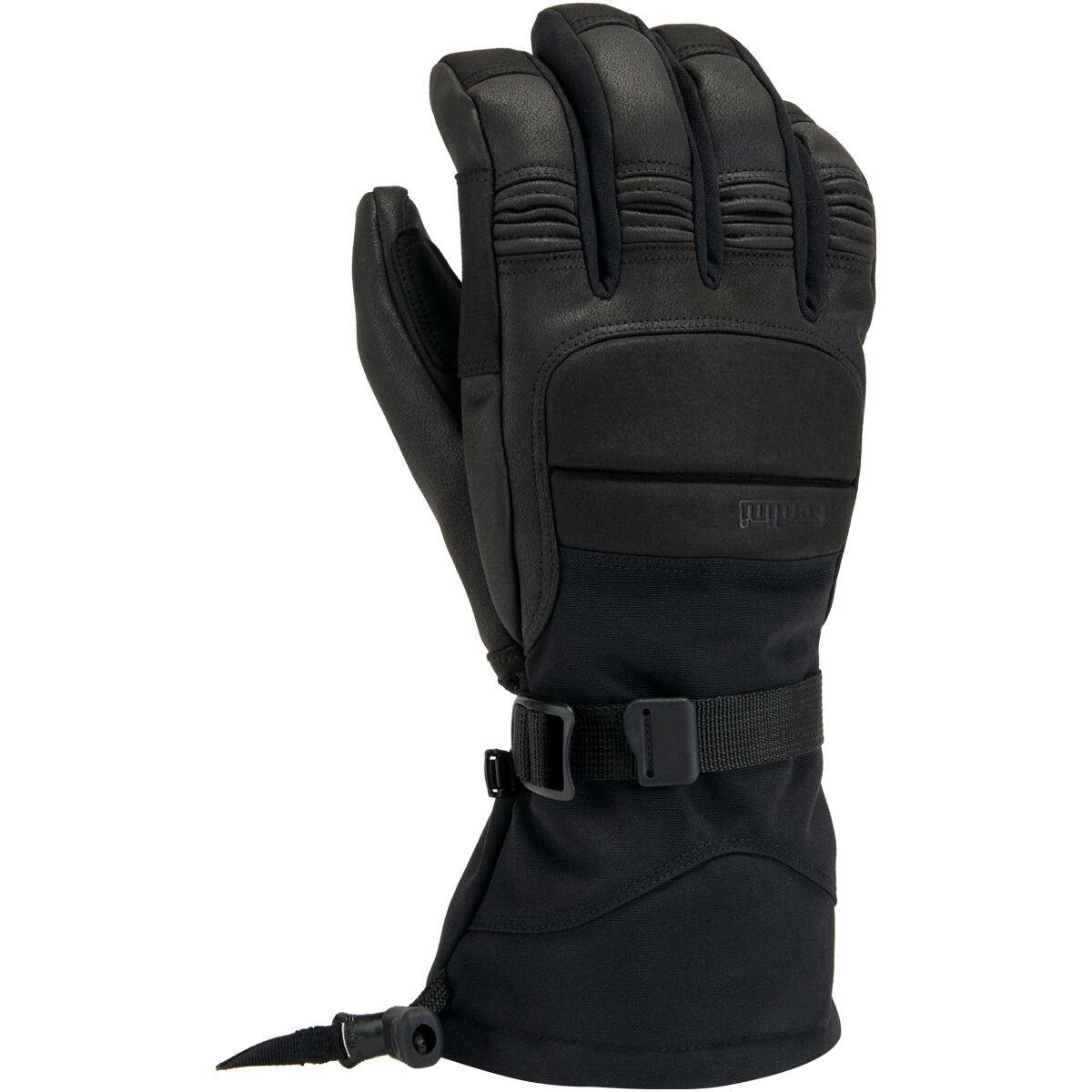
Cold-Weather & Glacier Gloves
Chimborazo adds rope, ice axe and crampon work. Aconcagua adds prolonged cold and very high-altitude dexterity loss. Gloves become a real system, not an accessory.
Cold-Weather & Glacier Gloves
- The North FaceThe North Face Montana Ski Mitten – Women'sFrom $39
$65Check price at Back Country (opens in a new tab)

Chimborazo Compresses a Huge Amount of Work Into One Night.
The mountain-specific climb may be short on a calendar, but the summit push is not. A large vertical gain, darkness, glacier travel and extreme altitude arrive at the same time.
Should You Climb Chimborazo Before Aconcagua?
For many climbers: yes. But the correct sequence depends on the capability already present.
Learn Glacier Systems Below Your Limit
Build crampon, ice axe, rope-team and crevasse-rescue competence in training and on more recoverable objectives.
Use Ecuador to Build Progressive Altitude
Quito, hiking objectives, Illiniza Norte and appropriate Ecuador glacier peaks can create a staged adaptation instead of jumping directly to 6,263 m.
Climb Chimborazo
Combine 6,000 m altitude with real glacier movement and a long summit night.
Move to Aconcagua
Add nearly 700 metres, a multi-week expedition, repeated high camps, load movement, severe wind and much greater cumulative altitude stress.
Choose the Next Gap
Aconcagua does not teach the full glacier / sled / cold system of Denali. Chimborazo does not test 7,000-metre expedition living. Decide what still needs work before moving higher.
Compare Chimborazo With Cotopaxi First.
Cotopaxi offers a lower-altitude glacier objective before Chimborazo’s 6,263-metre summit workload.

On Aconcagua, the Calendar Is Part of the Difficulty.
The responsible plan is not simply a summit day. Approach, acclimatization, carries, camp moves, recovery and weather buffer are all part of the climb.
Aconcagua Needs Weeks. Chimborazo Needs an Acclimatization Plan.
A short commercial package does not mean the mountain safely fits into a short overall trip.
Protect 18–21 Days
The GSG Aconcagua parent uses a full 18–21-day itinerary as the responsible first-climb default.
- Approach to base camp
- Acclimatization
- High-camp carries
- Camp movement
- Weather buffer
- Summit push
Separate Acclimatization From Summit Service
A two-day Chimborazo service makes sense only when the climber arrives already acclimatized.
- 2-day climb: already acclimatized
- 5–7 days: shorter Ecuador progression
- 7–10+ days: stronger first-6,000er plan
- Use lower objectives first

Reaching Veintimilla Is Not the Same as Reaching Chimborazo’s True Summit.
The Whymper summit is Chimborazo’s highest point. Climbers should distinguish it from the lower Veintimilla summit when discussing outcomes and trip objectives.
Chimborazo Is Usually the Much Cheaper Way to Build High-Altitude Experience
The price difference reflects expedition scale as much as mountain height.
Multi-Week Expedition Budget
Current GSG operator research shows published guided programs roughly in the $4,500–$11,000+ range before every possible personal travel, gear and contingency expense.
Costs reflect lengthy logistics, base-camp support, mule transport, guiding, high camps and the expedition timeline.
Much Smaller Local Trip Architecture
Chimborazo-specific and multi-volcano Ecuador programs are generally much less expensive than a full Aconcagua expedition.
The key is comparing like with like: transportation, acclimatization days, guide ratio, technical equipment, refuge or high camp, meals and authorization can all alter the quote.
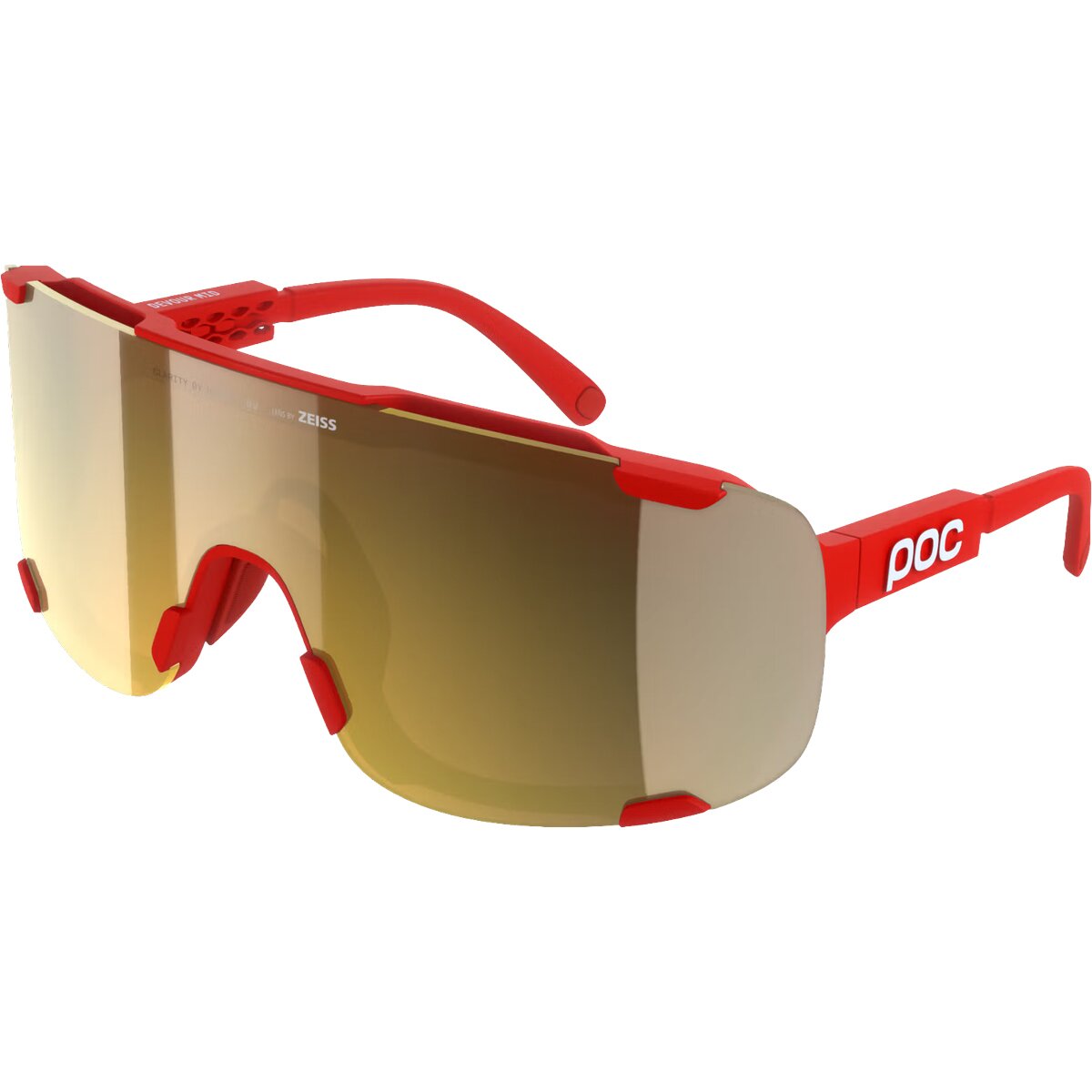
High-Altitude & Glacier Sunglasses
Aconcagua brings high Andean UV and long exposure. Chimborazo adds direct glacier reflection. Eye protection is a real need on both mountains.
High-Altitude & Glacier Sunglasses
The Mountains Fail in Different Ways
A climber prepared for one hazard system can still be poorly prepared for the other.
Altitude + Wind + Delayed Descent
- AMS / HACE / HAPE
- Viento Blanco and severe wind
- Extreme cold
- Dehydration
- Exhaustion
- Slow evacuation from high camps
- Summit-pressure decisions
Glacier + Altitude + Route Change
- AMS / HACE / HAPE
- Crevasses and snow bridges
- Serac exposure
- Avalanche terrain
- Rockfall
- Wind and whiteout
- Glacier-route change
Verify Rescue and Evacuation Coverage Above 6,000 m
Do not assume ordinary travel insurance covers high-altitude mountaineering, technical glacier activity, search and rescue, evacuation or repatriation. Read the altitude ceiling and activity exclusions in writing.
Aconcagua Has the Tighter Season. Chimborazo Offers More Calendar Flexibility.
Conditions still matter more than the name of the month.
Austral Summer
The core commercial season centers on December through February, with some operators beginning departures in late November.
Wind, snow and temperature can still eliminate an otherwise good summit window.
Potentially Year-Round
Ecuador tourism guidance treats the country’s high mountains as potentially climbable year-round when actual weather and mountain conditions permit.
June–August and November–January are commonly highlighted periods, but glacier condition still controls the real route decision.
Expedition Duffels for the Andes
Both trips involve international travel and mountain logistics. Aconcagua especially rewards a durable duffel system for mule transport and expedition camp organization.
Choose Aconcagua or Chimborazo Based on What You Need to Prove
The better mountain is the one that exposes your next useful weakness.
Your Missing Skill Is Expedition Altitude
- You already move confidently on basic alpine terrain.
- You want your first major near-7,000 m objective.
- You need to learn multi-week expedition pacing.
- You want to test eating and recovering very high.
- You are considering higher Andes or Himalaya objectives.
- You can protect roughly three weeks.
Your Missing Skill Is High-Altitude Glacier Movement
- You have trained basic glacier systems.
- You want a first summit above 6,000 m.
- You want crampons and rope travel to matter.
- You want a shorter and less expensive Andes trip.
- You can acclimatize through Ecuador first.
- You may later progress toward Aconcagua, Rainier or similar objectives.
Put Both Mountains Into the GSG Peak Comparison Tool.
Compare elevation, route type, objective hazards, logistics and progression context side by side.
Same Mountain Chain. Very Different Andes.
Aconcagua sits in the dry central Andes near the Argentina–Chile border. Chimborazo rises almost on the equator in Ecuador.
Approx. 32.6533° S, 70.0109° W. The mountain rises close to the Chilean border in the arid central Andes.
Approx. 1.4692° S, 78.8175° W. Its location near the equator is why its summit is the point on Earth’s surface farthest from Earth’s center.
Three Foundations Matter More Than Another Mountain Comparison
Use these when the real problem is physiology, glacier competence or insurance—not peak selection.
Aconcagua vs Chimborazo FAQ
The practical questions behind the progression decision.
Which is harder, Aconcagua or Chimborazo?
Aconcagua is harder overall as a sustained high-altitude expedition because it reaches nearly 7,000 metres and normally requires weeks of acclimatization, carries and high-camp living. Chimborazo is more technically demanding on the standard climb because glacier travel, crampons, ice axe and rope systems are integral to the objective.
How much higher is Aconcagua than Chimborazo?
Using Global Summit Guide’s current working elevations of 6,961 metres for Aconcagua and 6,263 metres for Chimborazo, Aconcagua is approximately 698 metres, or about 2,290 feet, higher.
Is Chimborazo technical?
Chimborazo is a glacier mountaineering objective. Climbers should be comfortable with crampons, ice axe, harness, roped travel and movement around glacier hazards. Current conditions and route choice matter.
Is Aconcagua technical?
Aconcagua’s Normal Route is generally considered non-technical, but that does not make the mountain easy. Extreme altitude, wind, cold, load carries and multi-week expedition fatigue are its defining challenges.
Should I climb Chimborazo before Aconcagua?
For many developing mountaineers, Chimborazo before Aconcagua is a logical progression because it combines a 6,000-metre summit with real glacier systems. Aconcagua can then add nearly 700 metres of altitude and a much larger expedition commitment.
Can I climb Aconcagua before Chimborazo?
Yes. A climber who already possesses glacier and technical competence but needs a larger pure-altitude test may reasonably choose Aconcagua first. Progression should be based on missing skills, not a rigid universal sequence.
Which mountain takes longer?
Aconcagua by a large margin. A responsible first Aconcagua expedition commonly protects about 18–21 days. Chimborazo-specific summit packages can be much shorter, but first-time 6,000-metre climbers should build several acclimatization days into the broader Ecuador trip.
Which mountain is cheaper?
Chimborazo is generally much cheaper. Aconcagua requires a larger, longer expedition infrastructure. Current Global Summit Guide research shows published Aconcagua programs roughly from $4,500 to $11,000+ before every personal expense.
Which mountain is better preparation for Denali?
Neither reproduces Denali completely. Chimborazo contributes glacier and rope-team experience. Aconcagua contributes major altitude and expedition endurance. Denali adds heavy packs, sled hauling, severe cold, crevasse systems and much greater self-sufficiency.
Which is better preparation for Everest?
Aconcagua is generally the stronger pure-altitude and expedition test because it approaches 7,000 metres. Chimborazo can strengthen glacier movement and high-altitude technical habits. Neither mountain alone establishes Everest readiness.
When is Aconcagua climbed?
Aconcagua’s main commercial climbing window centers on the Southern Hemisphere summer, especially December through February, with some programs beginning in late November.
When is Chimborazo climbed?
Ecuador’s official tourism guidance treats its high mountains as potentially climbable year-round when weather and mountain conditions permit. June through August and November through January are commonly highlighted periods.
Do I need a guide on Chimborazo?
Current Ecuador protected-area guidance includes an authorization process for high-mountain activities and references independent persons as well as agencies and operators. Ecuador tourism guidance recommends an authorized operator or recognized mountaineering club. Confirm the current procedure directly with the Chimborazo Wildlife Reserve before departure.
Why is Chimborazo famous if Aconcagua is higher?
Aconcagua is higher above sea level. Chimborazo holds a different geographic distinction: because Earth bulges at the equator, Chimborazo’s summit is the point on Earth’s surface farthest from Earth’s center.
What Is Stable—and What Needs Rechecking Before You Book
Route identity changes slowly. Glacier conditions, pricing, permits and weather do not.
Canonical GSG Parent
Current route architecture, itinerary, permit status, costs, operators and expedition planning.
Canonical GSG Parent
Rebuilt September 2026 around Ecuador official route, access and protected-area guidance.
Current Route Owners
Do not make current route decisions from this comparison alone.
Your Next Page Should Match Your Decision
Do not leave this comparison with only a mountain name. Move directly into the planning question that comes next.
Choose the Mountain That Tests What You Have Not Yet Proven.
Choose Chimborazo when you need a high-altitude glacier objective, rope-team practice and your first serious test above 6,000 metres.
Choose Aconcagua when your movement skills are already adequate and the unanswered question is whether you can function for weeks on a near-7,000-metre expedition.
For many developing mountaineers, the cleaner broad progression is: glacier skills → Chimborazo → Aconcagua.
But progression is not a trophy ladder. The right next mountain is the one that fills the most important gap before you climb higher.
Plan Chimborazo Plan Aconcagua Compare More MountainsWas this helpful?
🏔Related peaks nearby
🧭Explore & compare
Global Summit Guide is an independent mountaineering resource founded in 2026. The team combines first-hand trekking and climbing experience with in-depth research and professional health and nutrition review to help climbers choose objectives, prepare properly, and stay safe.
Health, altitude, and nutrition content is reviewed by Taylor Ludlow (Registered Nurse) and Brigg Hoopes (Nutritionist).
What We Don't Know Yet
Mountain information changes quickly. This box explains the limits of what this page can responsibly promise.
- Comparisons simplify complex decisions; the better mountain depends on current conditions, skills, timing, budget, and risk tolerance.
- Visa, passport, vaccination, border, insurance, and local transportation rules may change before your trip.
- Route conditions, snowpack, closures, and weather can change quickly after this page is updated.
- Permit rules, fees, quotas, and reservation windows may change between review cycles.
- Operator availability, pricing, guide ratios, and cancellation terms can change by season.
Verify current conditions with official land managers, guide services, local forecasts, and current route reports before booking or climbing.
Mountaineering, rock and ice climbing, glacier travel, and high-altitude activity are inherently dangerous and can result in serious injury or death. The information on Global Summit Guide is provided for general informational and educational purposes only and is not a substitute for professional instruction, qualified guiding, proper equipment, or your own judgment and experience.
Route conditions, weather, snowpack, permits, regulations, and hazards change constantly and may differ from what is described here. Details may be incomplete, out of date, or contain errors. Always verify current information with local authorities, certified guides, and official sources before making any decision in the mountains.
Nothing on this site is medical, legal, or financial advice. Our fitness, acclimatization, altitude, and nutrition content is general in nature; consult a qualified physician before beginning any strenuous exercise program or exposing yourself to high altitude.
You are solely responsible for your own safety and decisions. To the fullest extent permitted by law, Global Summit Guide and its team accept no liability for any loss, injury, damage, or expense arising from use of, or reliance on, this information. By using this site you acknowledge these risks and accept these terms.
Some links on this site may be affiliate links. If you buy through them we may earn a small commission at no extra cost to you; this never affects our recommendations.
Global Summit Guide recommendation path
Next Best Mountain to Research
Use these recommendations to continue the right planning path instead of stopping on one page.
Use current permit, weather, route, and operator information before booking or climbing.