Technical climbing vs extreme altitude · Progression · 2026
Ama Dablam vs Manaslu:
Technical Climb or 8,000m Expedition?
Ama Dablam is harder move-for-move. Its Southwest Ridge demands exposed rock, fixed-line efficiency, mixed climbing, crampon precision and controlled rappelling. Manaslu is harder physiologically. It rises 1,351 metres higher, enters the death zone, normally involves supplemental oxygen and asks you to function for days in a true 8,000-metre expedition system.
Ama Dablam + Manaslu · Wikimedia Commons · licensed imagery
The direct answer
Ama Dablam Tests Your Climbing. Manaslu Tests Your Altitude System.
Choose Ama Dablam when the next thing you need to prove is technical: exposed fixed-line movement, efficient rock climbing in mountain boots, mixed-terrain transitions, crampon control and rappelling while tired and cold.
Choose Manaslu when those technical foundations are already dependable and the next unknown is extreme altitude: multi-week rotations, high camps, oxygen management, death-zone pacing, severe cold and decision-making above 8,000 metres.
The most useful question is therefore not “Which mountain is harder?” It is “Which weakness do I still need to expose before my bigger objective?”
6,812 mAma Dablam
8,163 mManaslu
1,351 mElevation gap
2 skillsTechnical + altitude
2026 expedition context · reviewed October 6
In 2026, Their Seasons Are Passing the Baton
Manaslu
Main Commercial Autumn Season Effectively Finished
Manaslu’s large September-focused commercial season was severely disrupted by late-September snowfall and avalanche conditions. Major teams dismantled operations and the principal commercial season was effectively over by the end of September.
Ama Dablam
Later-Autumn Technical Phase Is Beginning
Ama Dablam normally matures later in autumn, with October and November forming the central commercial period. For 2026, snow on the Southwest Ridge, rope fixing and the effect of the September storm cycle are the variables to watch.
Season note: this page owns the evergreen Ama Dablam-vs-Manaslu decision. Daily rope fixing, summit attempts and current mountain conditions belong in
Expedition Updates
.
“Harder” Depends on Whether You Mean Climbing or Surviving Altitude
A single difficulty rating hides the most important difference between these peaks.
Ama Dablam
Harder Move for Move
Above Camp 1, the Southwest Ridge becomes a sequence of exposed rock, fixed-line climbing, ridge traverses, steep transitions, mixed ground and technical descent.
The famous Yellow Tower is only the most recognizable feature. The real difficulty is sustaining precise movement for hours while wearing mountain boots, gloves and expedition clothing at altitude.
HARD?
Manaslu
Harder on the Human Body
Manaslu’s normal route is more standardized commercially, but the summit is above 8,000 metres. That changes everything: pace, recovery, sleep, appetite, cold management, oxygen decisions and descent margin.
The route can be technically easier while the expedition as a whole remains physiologically more severe.
Do not use summit height as a technical grade. A climber can be strong enough to tolerate Manaslu’s altitude and still lack the technical fluency for Ama Dablam. The reverse can also happen: a strong rock-and-ice climber may move beautifully on Ama Dablam yet discover that 8,000 metres is an entirely different physiological problem.
Ama Dablam Looks Technical Because It Is Technical.
The narrow Southwest Ridge, rock towers, exposed camp positions and upper snow-and-ice terrain create a mountain where movement skill stays relevant almost all the way to the summit.
Ama Dablam above Pheriche Valley · Wikimedia Commons
03 · Route character
Southwest Ridge Technique vs Northeast Expedition Systems
Route architecture explains why the same climber can find one mountain easy and the other overwhelming.
Manaslu’s Real Crux Begins When Recovery Stops Working Normally.
At high camps, ordinary tasks become slower, appetite deteriorates, sleep becomes poor and small mistakes become expensive. That is the education an 8,000-metre mountain provides.
Manaslu high camp · Wikimedia Commons
04 · Altitude
The 1,351-Metre Gap Is the Biggest Difference on the Page
Above 8,000 metres, the physiological problem changes category.
Ama Dablam
Serious 6,800m Altitude
Ama Dablam is high enough for altitude illness, reduced recovery, slower movement and impaired decision-making to matter enormously.
Manaslu
Death-Zone Exposure
Manaslu’s summit lies above 8,000 metres, where acclimatization cannot fully compensate for the lack of oxygen.
The difference
Recovery Margin
The higher you go, the harder it becomes to recover from cold, dehydration, exertion, poor sleep and small tactical mistakes.
Ama Dablam can teach you how to climb high. Manaslu teaches you what happens when altitude itself becomes one of the dominant hazards.
Next: now separate fitness from actual climbing competence →
required skills
.
05 · Skills
Ama Dablam Requires More Technique. Manaslu Requires More Altitude Experience.
Neither mountain should be where you first learn its defining skill.
Ama Dablam readiness
Technical Fluency Before Nepal
Comfort on exposed terrain
Efficient crampon movement
Fixed-line ascender use
Anchor transitions
Rappelling while fatigued
Rock climbing in mountain footwear
Mixed snow / ice / rock transitions
Strong movement with a pack
SKILL
Manaslu readiness
Expedition Fluency Before 8,000m
Prior high-altitude expeditions
Strong crampon fundamentals
Fixed-line efficiency
Glacier awareness
Multi-day high-camp living
Cold-management discipline
Altitude pacing
Conservative turnaround judgment
Building toward Ama Dablam?
Fill the Missing Skill Before You Book the Mountain.
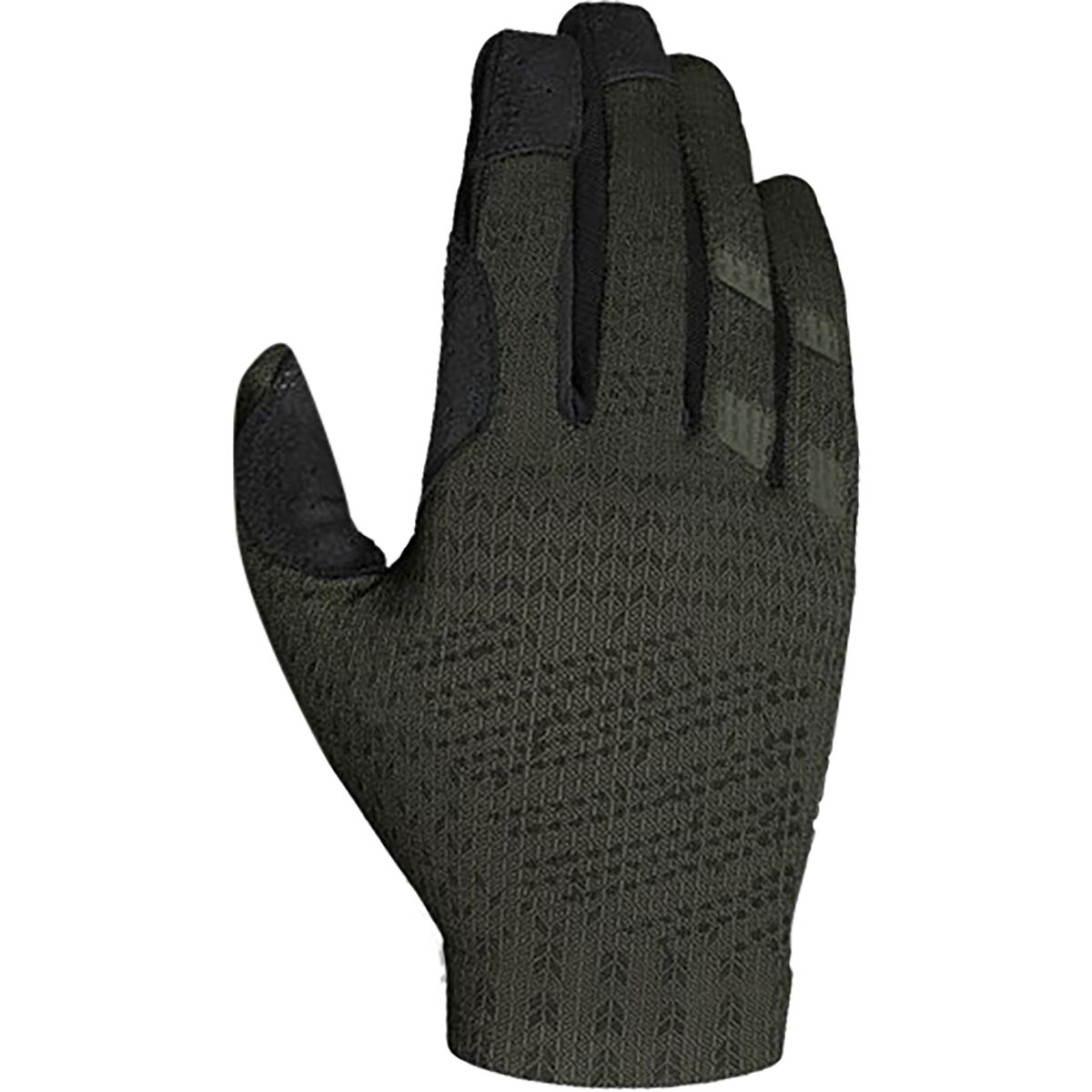
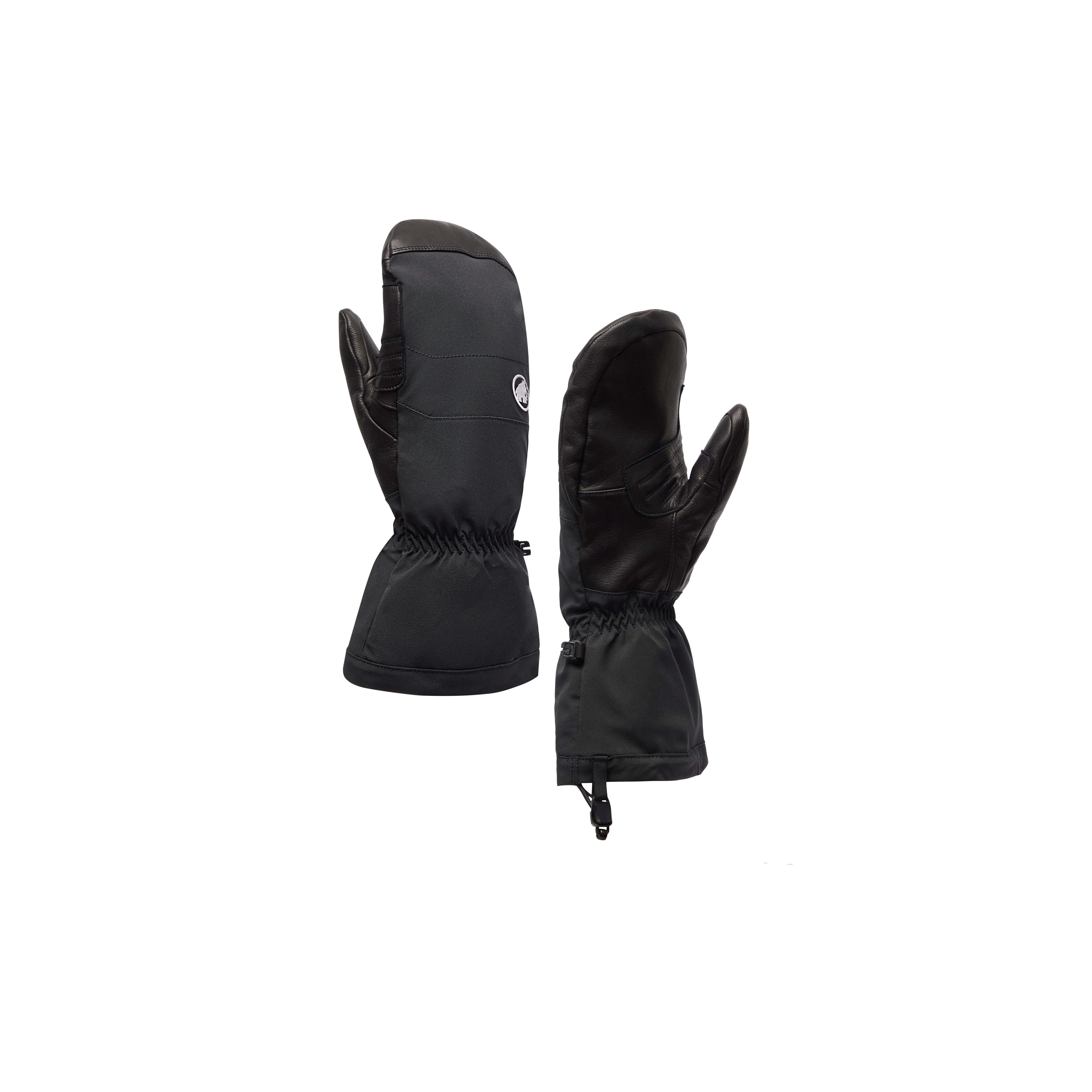
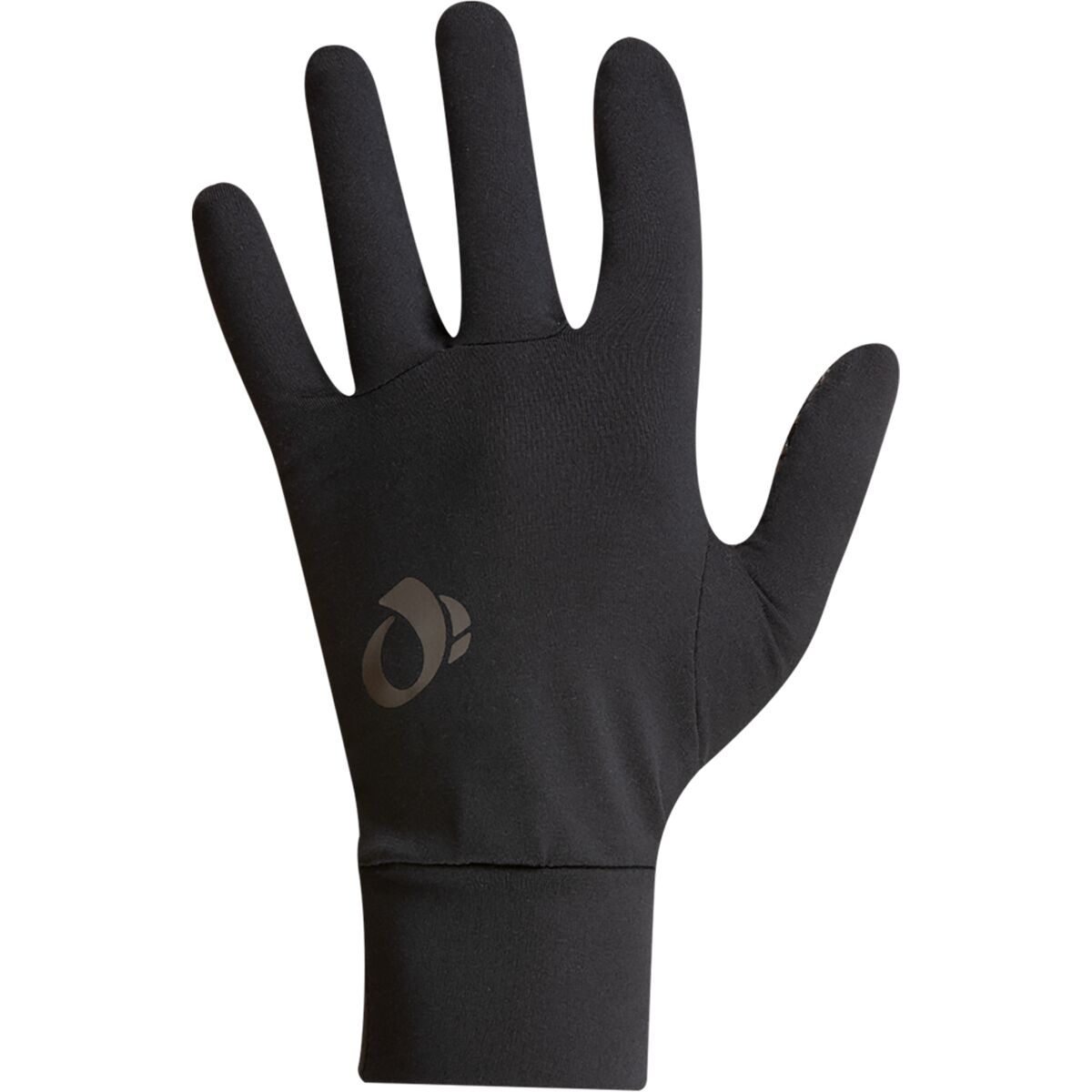
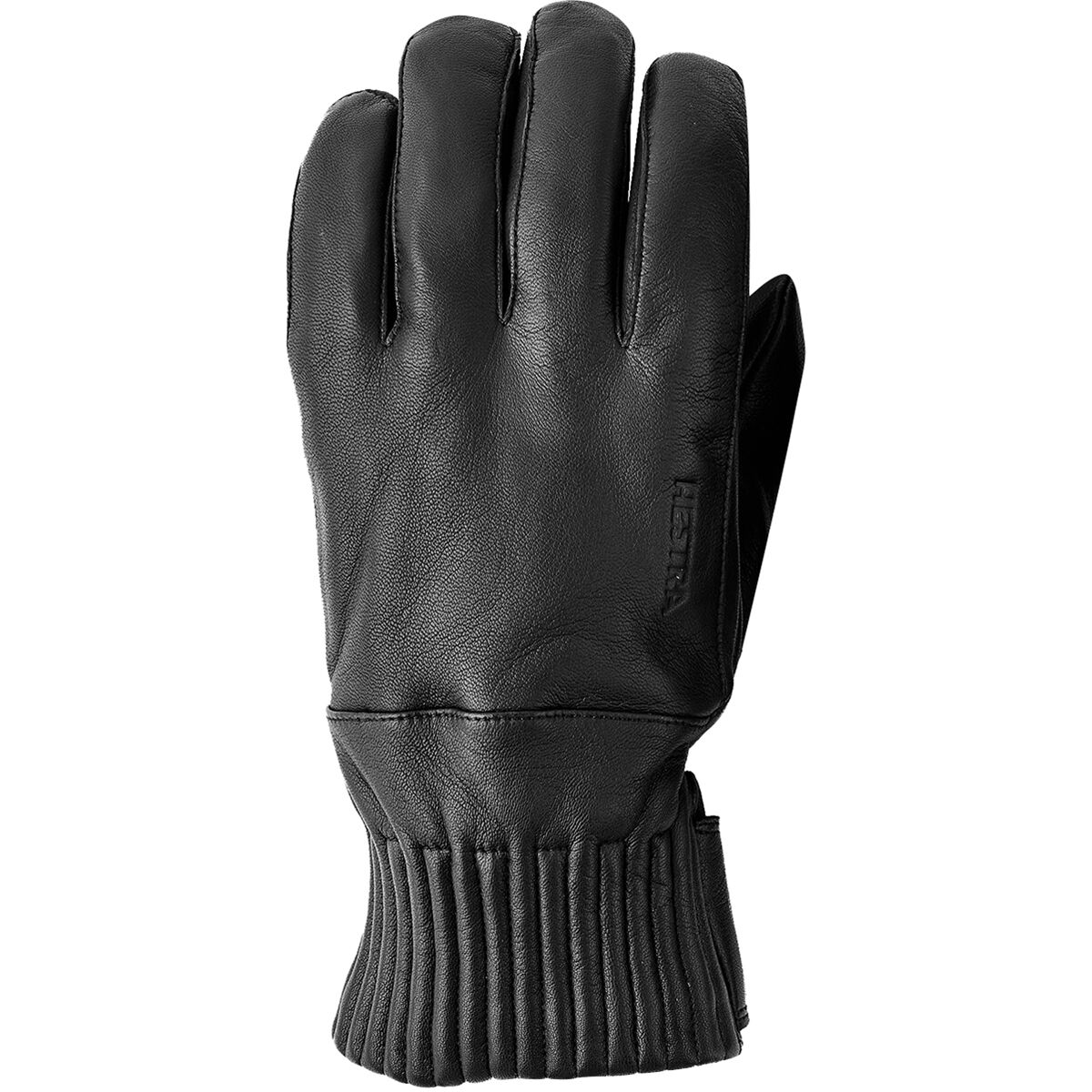
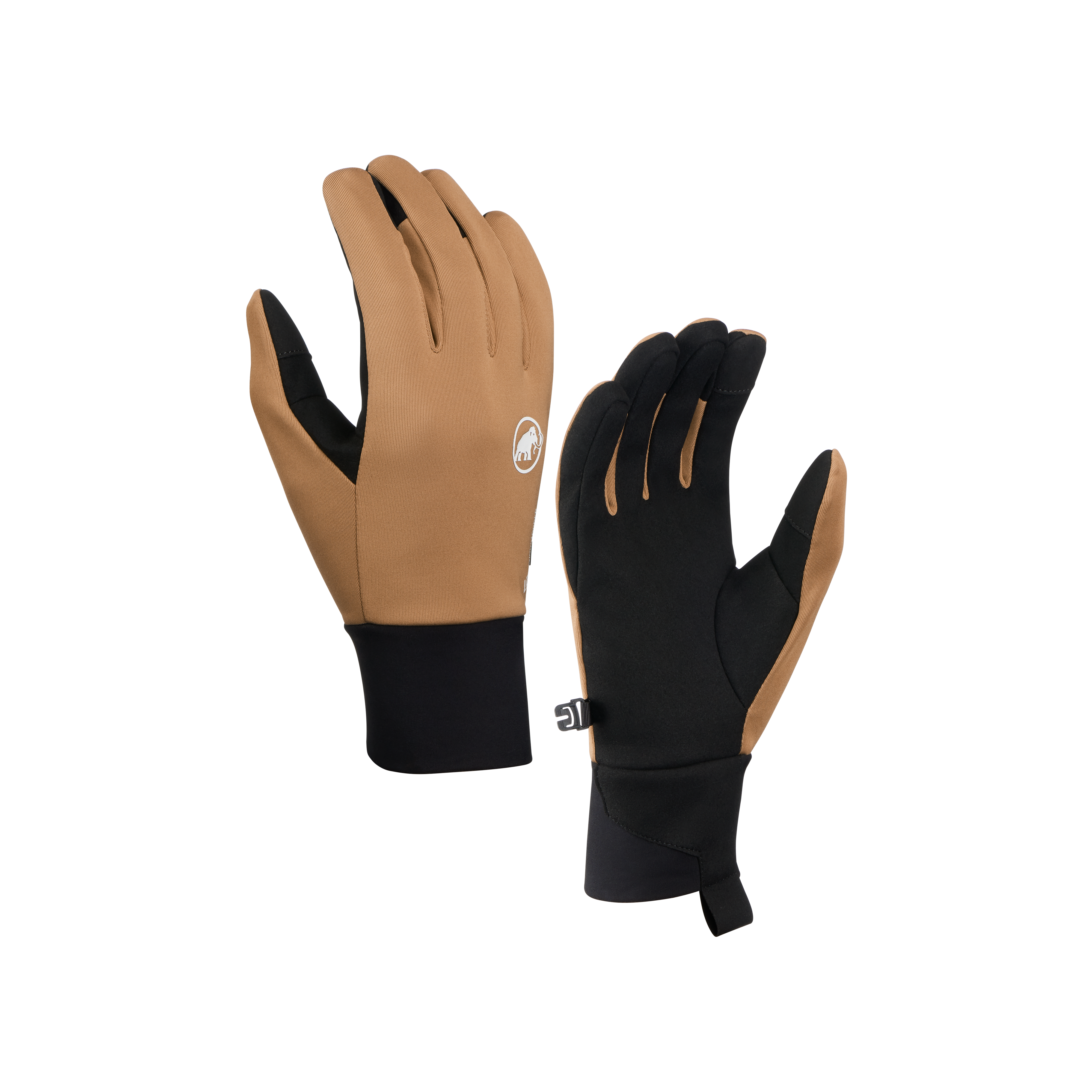
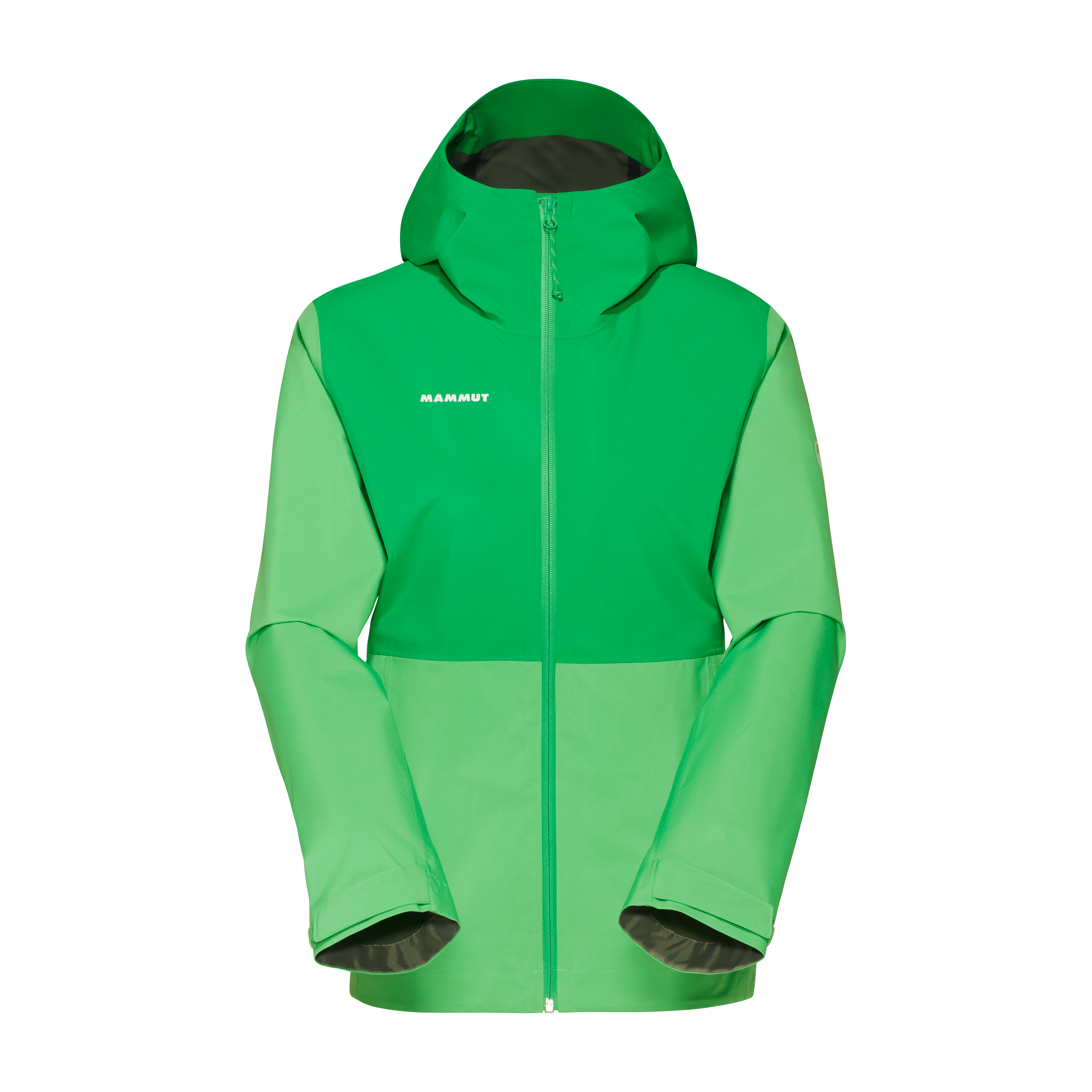
Ama Dablam demands dexterity for hardware and rappels. Manaslu demands extreme warmth. For either objective, the useful solution is a layered hand system rather than one pair of gloves.
Affiliate disclosure:Global Summit Guide may earn a commission from qualifying purchases at no additional cost to you.
On Ama Dablam, the technical terrain continues after the summit. Rappels, exposed ridge movement and fatigue make descent competence part of the objective—not an afterthought.
Ama Dablam · Vyacheslav Argenberg / Wikimedia Commons
06 · Risk profile
The Hazards Are Serious on Both Mountains—But They Arrive Differently
Technical difficulty and objective danger are not the same measurement.
Ama Dablam
Exposure & Technical Error
Poor clipping, weak rappel systems, slow anchor transitions and technical mistakes can become consequential quickly on the Southwest Ridge.
Ama Dablam
Snow, Ice & Serac Hazard
Technical skill does not remove objective snow, ice or hanging-glacier hazards. Current conditions matter.
Manaslu
Avalanche & Serac Exposure
Heavy snowfall and unstable snow can make a commercially established route unacceptable regardless of fixed ropes.
Commercial infrastructure can make routes more manageable while also concentrating climbers at cruxes and summit windows.
Both
Weather Overrides the Plan
A guide, permit, fixed line and paid expedition do not guarantee usable mountain conditions.
Expedition risk · compact partner pathway
Verify High-Altitude Rescue Coverage Before the Deposit.
Technical mountaineering, remote rescue, medical evacuation and maximum-altitude rules should be checked explicitly. A generic travel policy may not cover the activity or altitude you are planning.
Global Summit Guide is a Global Rescue partner and may earn compensation from qualifying referrals. Verify current membership terms and high-altitude requirements directly.
Next: the right mountain depends heavily on what you have already done →
build the progression
.
Manaslu · altitude objective
Commercial Infrastructure Does Not Make 8,163 Metres Ordinary.
Manaslu may be one of the most established commercial 8,000-metre objectives, but fixed ropes, oxygen and strong operators cannot remove avalanche hazard, weather or death-zone physiology.
Birendra Lake and Manaslu · Wikimedia Commons
07 · Progression
For Many Climbers, Ama Dablam Comes Before Manaslu—but Not Automatically
Progression should close skill gaps, not simply collect taller summits.
Prove acclimatization, pacing and movement skills on increasingly serious mountains.
Stage 3
Ama Dablam or Equivalent
Add sustained exposure, technical fixed-line movement and demanding descent systems.
Stage 4
7,000m Consolidation
Extend expedition duration, altitude, cold and recovery demands before entering the death zone.
Stage 5
Manaslu
Learn the realities of a commercial 8,000m expedition: rotations, oxygen, high camps, death-zone pace and compressed summit windows.
Stage 6
Everest or Harder 8,000ers
Move higher or harder only after earlier objectives show genuine margin, not merely survival.
Ama Dablam is not a mandatory ticket to Manaslu. A climber with equivalent alpine rock, ice, fixed-line and high-altitude experience may not need this exact sequence. The principle is what matters: prove technique before relying on altitude tolerance to hide technical gaps.
Everest is the long-term objective?
Manaslu Is the More Direct 8,000m Systems Rehearsal.
Ama Dablam develops technical competence. Manaslu more directly tests the oxygen, camps, rotations, fixed ropes and death-zone dynamics that matter on Everest.
Manaslu Peaks Earlier. Ama Dablam Often Extends Deeper Into Autumn.
That timing difference is useful—but never a guarantee of conditions.
Ama Dablam
October–November Focus
Ama Dablam’s commercial autumn rhythm typically develops later, after much of the September-focused 8,000-metre activity has already matured or ended.
Snow coverage, ice, fixed-line setup and wind can dramatically alter technical difficulty.
SEASON
Manaslu
September–Early October Focus
Manaslu’s commercial season normally builds immediately after the monsoon, with large teams converging on a relatively compressed autumn period.
The 2026 season demonstrated why climatology must never be confused with a guaranteed summit window.
2026 planning lesson: commercial readiness does not equal mountain readiness. Manaslu had permits, Base Camp infrastructure and fixed ropes, yet severe snow conditions still ended the principal season.
Khumbu approach
Ama Dablam Adds One Advantage Manaslu Cannot Copy: the Khumbu Classroom.
The approach through the Everest region naturally exposes climbers to progressive altitude, major Himalayan terrain and a climbing culture that can become part of the preparation for larger objectives.
Ama Dablam and Khumjung · Wikimedia Commons
09 · Cost & operators
Manaslu Usually Costs More Because You Are Buying a Larger Expedition System
Do not compare two headline prices as though the products are equivalent.
Ama Dablam
Technical Guide Value
Guide ratios, route leadership, technical coaching, fixed-line procedures and descent management deserve more attention than the cheapest price.
Manaslu
Expedition-System Value
Oxygen, Sherpa support, camp carries, high-camp infrastructure, forecasting and summit contingencies materially affect both safety and price.
Both
Compare the Actual Product
Clarify guide ratios, personal support, rescue procedures, extra summit days, weather support, lodging and what happens when the plan changes.
Ama Dablam operators
Ask About Technical Systems
How are fixed lines managed? What does the guide expect you to do independently? How is the Yellow Tower descended? Does the team use Camp 3? What happens if technical speed is inadequate?
The useful question: “What support disappears when the price drops?”
10 · Gear
Ama Dablam Prioritizes Precision. Manaslu Prioritizes Extreme-Altitude Margin.
There is substantial overlap, but the weighting changes.
Ama Dablam
Hardware Fluency
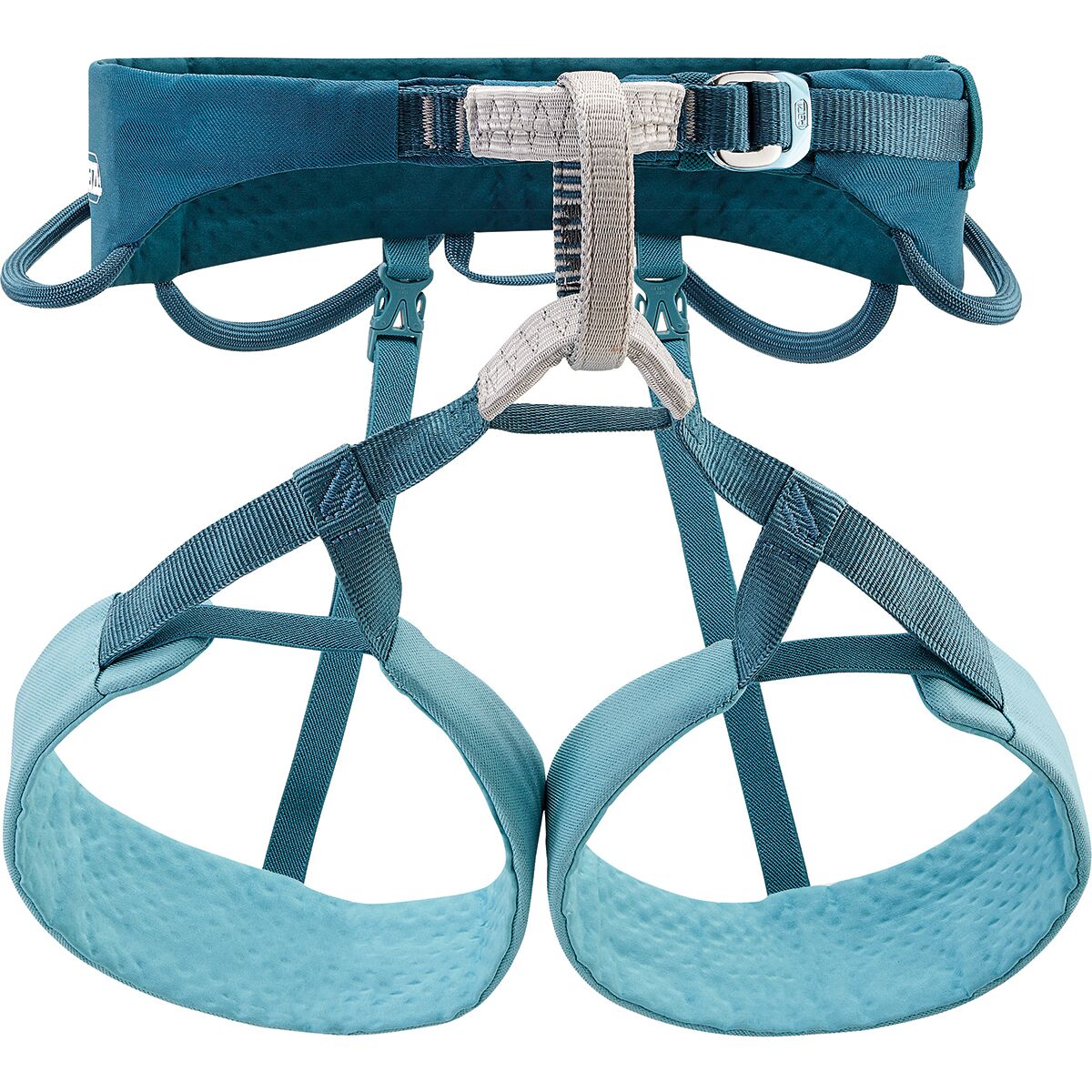
Harness, ascender, rappel device, carabiners, crampons and the operator’s exact attachment system need to feel familiar before the expedition.
Manaslu
Extreme Cold System
Boots, insulation, mitts, sleep systems, oxygen integration and redundancy become more important as the route enters the death zone.
Both
Eye & Hand Protection
UV, glare, wind, cold and long periods on snow make redundant hand and eye protection essential.
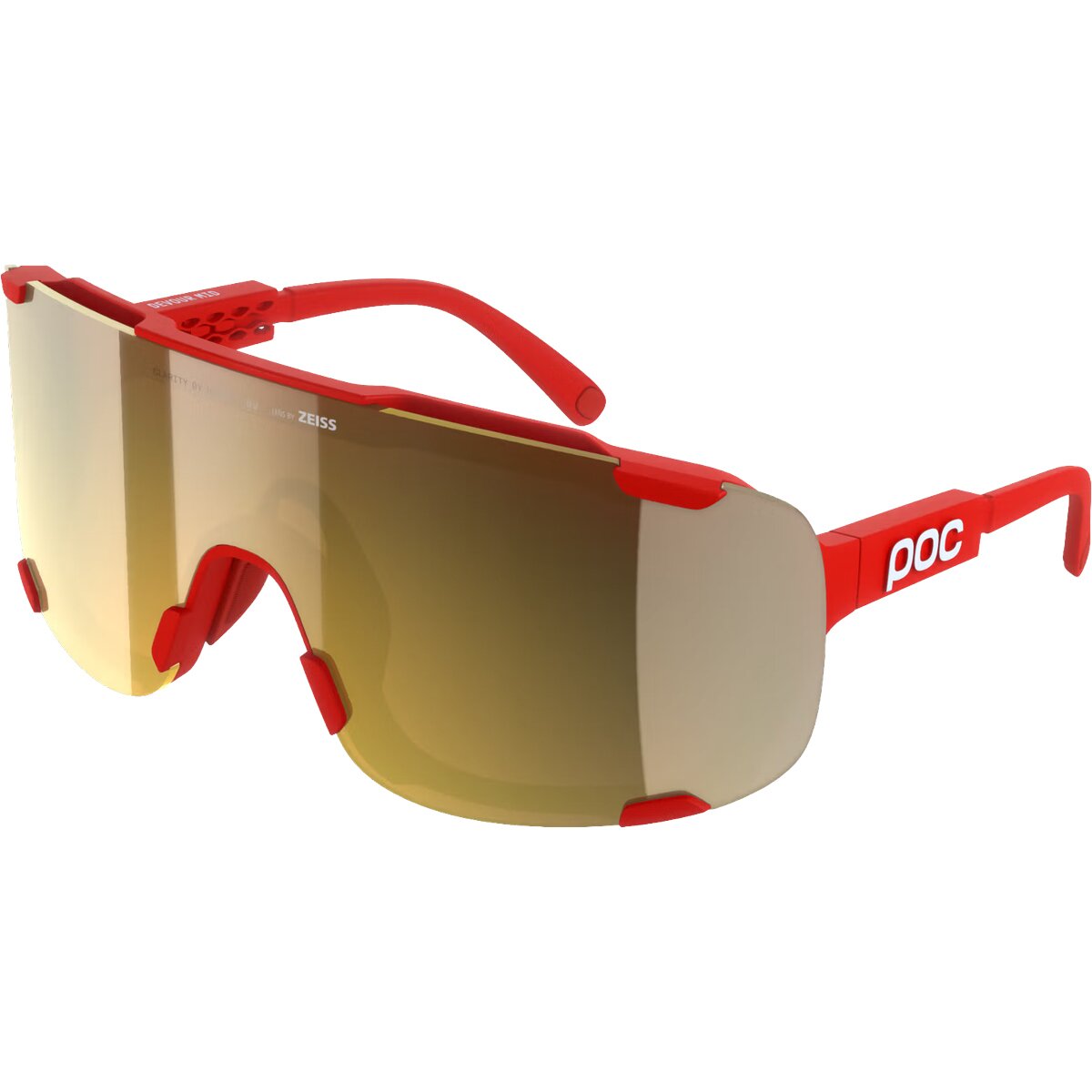
GSG Gear · glacier eye protection
Glacier Sunglasses & High-Altitude Eyewear
Snow glare, high UV exposure and wind make quality mountain eyewear relevant on both objectives. Many climbers also carry goggles as a separate summit-weather system.
International travel, approach luggage, Base Camp storage and porter or yak transport make durable expedition duffels part of the logistics system.
GSG Gear · expedition logistics
Expedition Duffels for Nepal
Use durable, weather-resistant expedition luggage that can tolerate airports, vehicle transfers, animals, porters and weeks of Base Camp handling.
Manaslu · the altitude step
The Goal Is Not to Reach 8,000 Metres Once. It Is to Still Have Margin There.
A successful progression should leave enough physical and decision-making reserve for the descent, changing weather, equipment problems and an imperfect summit day.
Manaslu from Samdo · Wikimedia Commons
12 · Decision engine
Choose the Mountain by the Weakness You Still Need to Test
This is the section that should decide the comparison.
I am strong at altitude but weak on exposed technical terrain.
Do not hide the technical gap by choosing the taller but simpler standard route.
AMA DABLAM
My technical climbing is solid, but I have never been above 7,000 metres.
Manaslu may eventually be the correct altitude step—but a 7,000m consolidation peak may still be smarter first.
BUILD ALTITUDE
I want the better technical Himalayan training climb.
Ama Dablam is the clearer answer.
AMA DABLAM
Everest is my next major goal.
Manaslu more directly reproduces the commercial 8,000m systems that transfer to Everest.
MANASLU
I have never rappelled efficiently while tired and wearing gloves.
Neither the Yellow Tower nor the upper Southwest Ridge should be your classroom.
TRAIN FIRST
My highest summit is around 6,000 metres and altitude was already marginal.
Manaslu is too large a physiological jump merely because the route is commercially supported.
CONSOLIDATE
I prefer technical climbing to prolonged extreme-altitude suffering.
Ama Dablam better matches the experience you are seeking.
AMA DABLAM
I specifically want my first real death-zone education.
Manaslu is the objective that answers that question.
MANASLU
I am choosing based mostly on which mountain sounds more prestigious.
Neither. Build the progression around capability instead of status.
REASSESS
Decision made?
Leave the Comparison and Enter the Mountain-Specific Cluster.
Route, training, acclimatization, operators, gear, permits and current conditions now belong to the chosen mountain.
Same Country. Completely Different Himalayan Regions.
Ama Dablam is in the Khumbu near Everest. Manaslu rises much farther west in the Mansiri Himal.
Ama Dablam lies in eastern Nepal’s Khumbu region near the Everest approach corridor. Manaslu lies much farther west in the Mansiri Himal. The difference affects access, acclimatization, expedition culture, season timing and the surrounding mountain infrastructure.
Frequently asked questions
Ama Dablam vs Manaslu FAQ
Direct answers for climbers choosing between technical progression and extreme-altitude progression.
Which is harder, Ama Dablam or Manaslu?
Ama Dablam is generally harder technically. Its Southwest Ridge requires sustained exposed climbing, fixed-line efficiency, rock and mixed movement and technical descent. Manaslu is much harder physiologically because its 8,163-metre summit lies in the death zone. There is no useful single-word winner without defining what kind of difficulty you mean.
Which is more technical, Ama Dablam or Manaslu?
Ama Dablam. The Southwest Ridge includes exposed rock, the Yellow Tower, mixed terrain, steep fixed-line climbing and rappelling. Manaslu’s standard commercial route is technically more straightforward, although it remains a serious mountaineering expedition.
Which is higher, Ama Dablam or Manaslu?
Manaslu is 8,163 metres. Ama Dablam is 6,812 metres. Manaslu is therefore approximately 1,351 metres higher.
Should I climb Ama Dablam before Manaslu?
For many climbers, Ama Dablam can be a useful earlier technical objective before moving into an 8,000-metre expedition. It is not mandatory. Equivalent alpine rock, ice, fixed-line and high-altitude experience may fill the same preparation role.
Is Ama Dablam good preparation for Manaslu?
Yes for technical systems, exposure, crampon movement, fixed lines, expedition routines and operating above 6,000 metres. It does not reproduce Manaslu’s death-zone physiology, oxygen management or prolonged 8,000-metre summit environment.
Is Manaslu good preparation for Everest?
Yes. Manaslu is commonly used as an Everest-progression peak because it introduces 8,000-metre altitude, oxygen systems, high camps, fixed lines, commercial expedition logistics and death-zone summit decision-making.
Is Ama Dablam a beginner technical mountain?
No. Commercial guiding and fixed ropes do not turn the Southwest Ridge into a beginner route. Climbers should arrive with technical mountain skills, comfort with exposure and practiced fixed-line and rappel systems.
Is Manaslu a beginner 8,000m peak?
Manaslu is often described as one of the more commercially accessible 8,000-metre peaks, but “accessible” should not be confused with beginner. Avalanche hazard, extreme cold, death-zone exposure and prolonged expedition demands require substantial prior preparation.
Does Ama Dablam use supplemental oxygen?
Supplemental oxygen is not normally the defining commercial system on Ama Dablam in the way it is on major 8,000-metre expeditions. Individual medical, operator or emergency practices can differ, so climbers should confirm the current program directly.
Is supplemental oxygen normally used on Manaslu?
Supplemental oxygen is common on commercial Manaslu expeditions, particularly for the highest camps and summit push. Exact bottle allocations, flow rates and Sherpa support vary by operator.
Which mountain has more exposure?
Ama Dablam usually feels more continuously exposed because of its narrow ridge, rock towers, steep fixed-line sections and technical descent. Manaslu has major exposure of a different kind: glaciers, avalanche terrain, high camps and extreme altitude.
Which mountain is better for technical training?
Ama Dablam is the stronger choice if the goal is to develop or prove technical Himalayan climbing capability. Manaslu is more useful for learning 8,000-metre expedition systems.
Which mountain is more useful before Everest?
Manaslu is the more direct Everest systems rehearsal because it includes a real death-zone summit, oxygen use, high camps and commercial 8,000-metre logistics. Ama Dablam can still be extremely valuable for building technical competence before that stage.
What happened to Manaslu in autumn 2026?
Severe late-September snowfall and avalanche conditions disrupted the commercial season. Major teams ended summit programs and the principal commercial season was effectively finished by the end of September.
Is Ama Dablam still part of the autumn 2026 season?
Yes. Ama Dablam normally becomes a larger commercial focus later in autumn, particularly during October and November. Current rope fixing, snow conditions and route status should be verified before climbing.
14 · Rescue & insurance
The Policy Has to Cover the Mountain You Actually Climb
Technical activity and maximum altitude can create separate exclusions.
Before final payment: verify the policy or membership against technical mountaineering, maximum altitude, field rescue, helicopter or other evacuation, medical treatment, trip interruption and Nepal-specific exclusions.
Internal-link priority after publishing: link directly to this page from the Ama Dablam parent, Manaslu parent, both operator pages, Ama Dablam progression content, Everest-vs-Manaslu, Manaslu-vs-Dhaulagiri, Mountain Comparisons and relevant Himalayan progression pages.
Research record
Sources Behind the 2026 Comparison
Route character is relatively stable. Conditions, permit reporting, operator departures and seasonal status require updating.
Ama Dablam route
Adventure Consultants
Current expedition documentation describes Ama Dablam as a technical Himalayan objective requiring confidence on steep, exposed fixed-rope terrain.
Last substantive review: October 6, 2026. Before booking either mountain, recheck operator prerequisites, permit rules, expedition dates, technical-equipment requirements, current route conditions, avalanche or serac concerns, rescue systems and weather.
Final verdict
Ama Dablam Builds the Climber. Manaslu Builds the 8,000m Expeditioner.
Choose Ama Dablam when the missing proof is technical: exposure, rock, mixed terrain, fixed-line fluency and controlled descent.
Choose Manaslu when those fundamentals are already dependable and the missing proof is extreme altitude: high camps, oxygen, death-zone pacing, cold, recovery and judgment above 8,000 metres.
Need better climbing skills? Ama Dablam. Need a real 8,000m systems test? Manaslu. Missing both? Build more mountain first.
Global Summit Guide is an independent mountaineering resource founded in 2026. The team combines first-hand trekking and climbing experience with in-depth research and professional health and nutrition review to help climbers choose objectives, prepare properly, and stay safe.
Travis LudlowFounder & Head of Research · Master's in Business
Dawson LudlowClimbing & Mountaineering Lead
Walker LudlowClimber & Contributor
Health, altitude, and nutrition content is reviewed by Taylor Ludlow (Registered Nurse) and Brigg Hoopes (Nutritionist).
?
What We Don't Know Yet
Mountain information changes quickly. This box explains the limits of what this page can responsibly promise.
Fitness and altitude response vary by person; no guide, itinerary, or training plan can guarantee acclimatization or summit success.
Comparisons simplify complex decisions; the better mountain depends on current conditions, skills, timing, budget, and risk tolerance.
Visa, passport, vaccination, border, insurance, and local transportation rules may change before your trip.
Confidence: Medium
Verify current conditions with official land managers, guide services, local forecasts, and current route reports before booking or climbing.
Safety, medical & liability disclaimer
Mountaineering, rock and ice climbing, glacier travel, and high-altitude activity are inherently dangerous and can result in serious injury or death. The information on Global Summit Guide is provided for general informational and educational purposes only and is not a substitute for professional instruction, qualified guiding, proper equipment, or your own judgment and experience.
Route conditions, weather, snowpack, permits, regulations, and hazards change constantly and may differ from what is described here. Details may be incomplete, out of date, or contain errors. Always verify current information with local authorities, certified guides, and official sources before making any decision in the mountains.
Nothing on this site is medical, legal, or financial advice. Our fitness, acclimatization, altitude, and nutrition content is general in nature; consult a qualified physician before beginning any strenuous exercise program or exposing yourself to high altitude.
You are solely responsible for your own safety and decisions. To the fullest extent permitted by law, Global Summit Guide and its team accept no liability for any loss, injury, damage, or expense arising from use of, or reliance on, this information. By using this site you acknowledge these risks and accept these terms.
Some links on this site may be affiliate links. If you buy through them we may earn a small commission at no extra cost to you; this never affects our recommendations.
Global Summit Guide recommendation path
Next Best Mountain to Research
Use these recommendations to continue the right planning path instead of stopping on one page.