
Last updated October 4, 2026
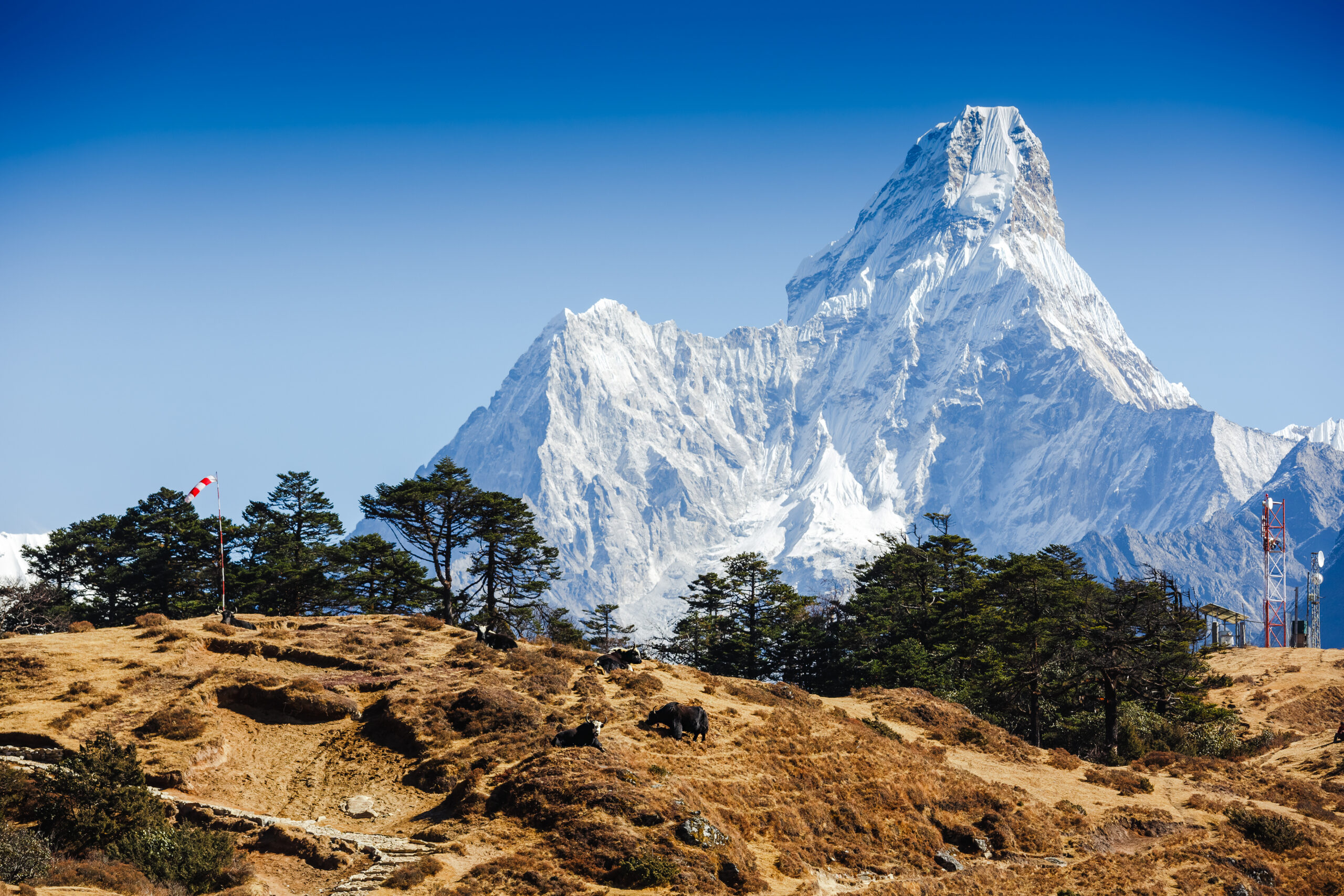
Everest vs Annapurna I: Which Is Harder & More Dangerous?
Annapurna I has the harsher historical death-to-ascent ratio and more dominant avalanche/serac exposure; Everest is taller, has more total recorded deaths and creates a longer extreme-altitude problem. On the standard expedition routes, Annapurna is generally the more technically complex and objectively hazardous mountain, while Everest has a far larger support system, much greater climbing volume and a more standardized commercial route.
Reviewed August 15, 2026 · Himalayan Database/Guinness context · Summit-expedition comparison, not EBC vs ABC trekking
Which is more dangerous: Everest or Annapurna?
If you mean historical fatalities relative to successful ascents, Annapurna I is worse. Guinness World Records currently publishes 75 fatalities from 559 ascents = 13.42% for Annapurna I and 344 deaths from 13,752 climbs = 2.50% for Everest in the same comparison table.
If you mean total deaths, Everest is worse because vastly more people have climbed it. If you mean altitude burden, Everest is worse because it is 757.86 m higher. If you mean objective avalanche and serac hazard, Annapurna is generally worse. The answer changes with the metric.
- Higher death-to-ascent ratio: Annapurna I.
- More total deaths: Everest.
- Higher mountain: Everest.
- More standardized commercial infrastructure: Everest.
- More dominant avalanche/serac problem: Annapurna I.
- More technically complex normal expedition: Annapurna I.
“Deadlier” Depends on the Metric
Comparisons become misleading when total deaths, deaths per summit, participant mortality and objective hazard are treated as the same statistic.
| Metric | Winner / worse mountain | What it answers | What it does not answer |
|---|---|---|---|
| Total recorded deaths | Everest | Absolute historical toll | Risk after adjusting for climbing volume |
| Deaths ÷ successful ascents | Annapurna I | Historical severity relative to summit volume | Personal odds or per-attempt mortality |
| Objective avalanche / serac exposure | Annapurna I | How dominant uncontrollable terrain hazard is | Complete expedition risk |
| Altitude burden | Everest | Height and time in extreme hypoxia | Technical terrain or avalanche hazard |
| Commercial support | Everest has more | Infrastructure, camps, fixed ropes and operator depth | Whether Everest is “safe” |
Everest vs Annapurna I Side by Side
Difficulty, danger and support are separated instead of compressed into one score.
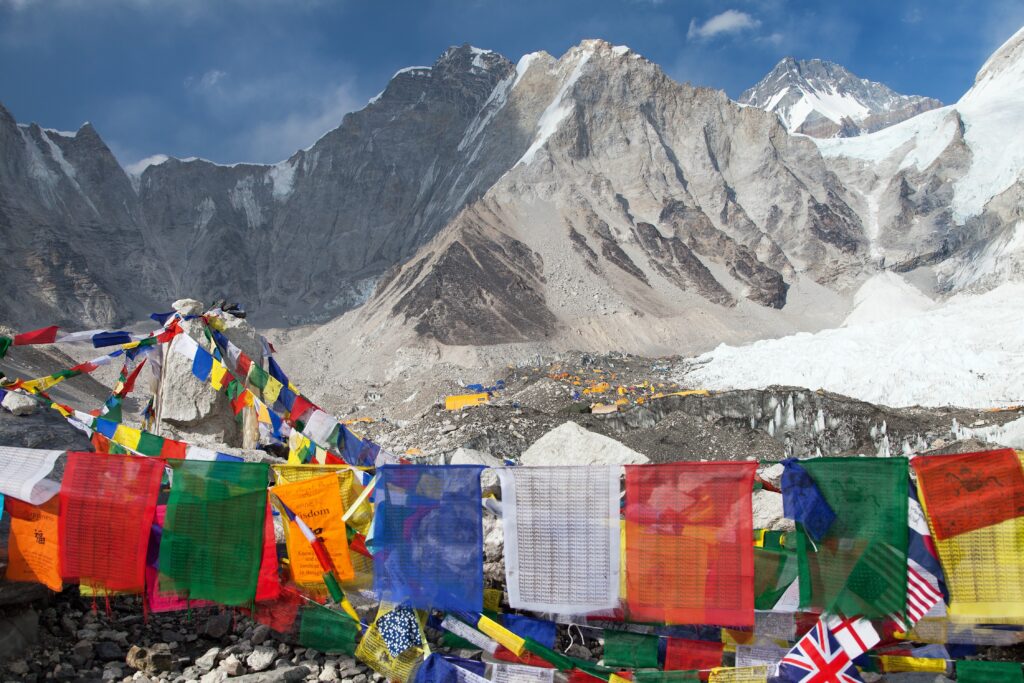
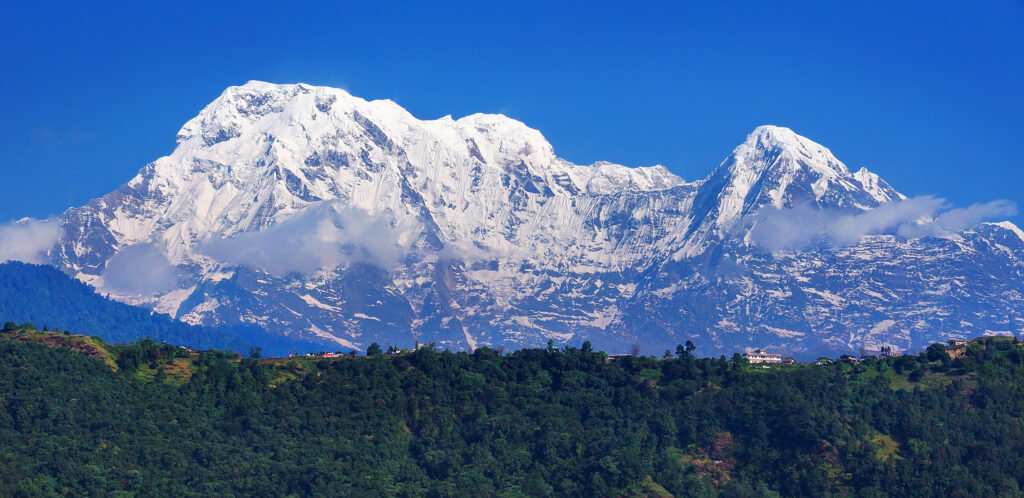
| Dimension | Mount Everest | Annapurna I |
|---|---|---|
| Elevation | 8,848.86 m / 29,032 ft | 8,091 m / 26,545 ft |
| World height rank | #1 | #10 |
| Standard expedition comparison | Nepal South Col / Southeast Ridge | Common north-side / northwest-ridge systems |
| Primary challenge | Extreme altitude, long summit day, system dependence | Steeper terrain plus avalanche and serac exposure |
| Historical Guinness ratio | 2.50% | 13.42% |
| Total deaths in Guinness comparison | 344 | 75 |
| Commercial infrastructure | Extensive | Smaller and less standardized |
| Fixed-line/camp repetition | Highly standardized on normal route | More route- and season-dependent |
| Supplemental oxygen | Used by most commercial clients | Used by many teams; less standardized |
| Climbing volume | Far higher | Much lower |
| Objective avalanche/serac hazard | Serious, especially Khumbu Icefall | More dominant route-defining problem |
| Technical complexity | Lower on standard commercial line | Generally higher |
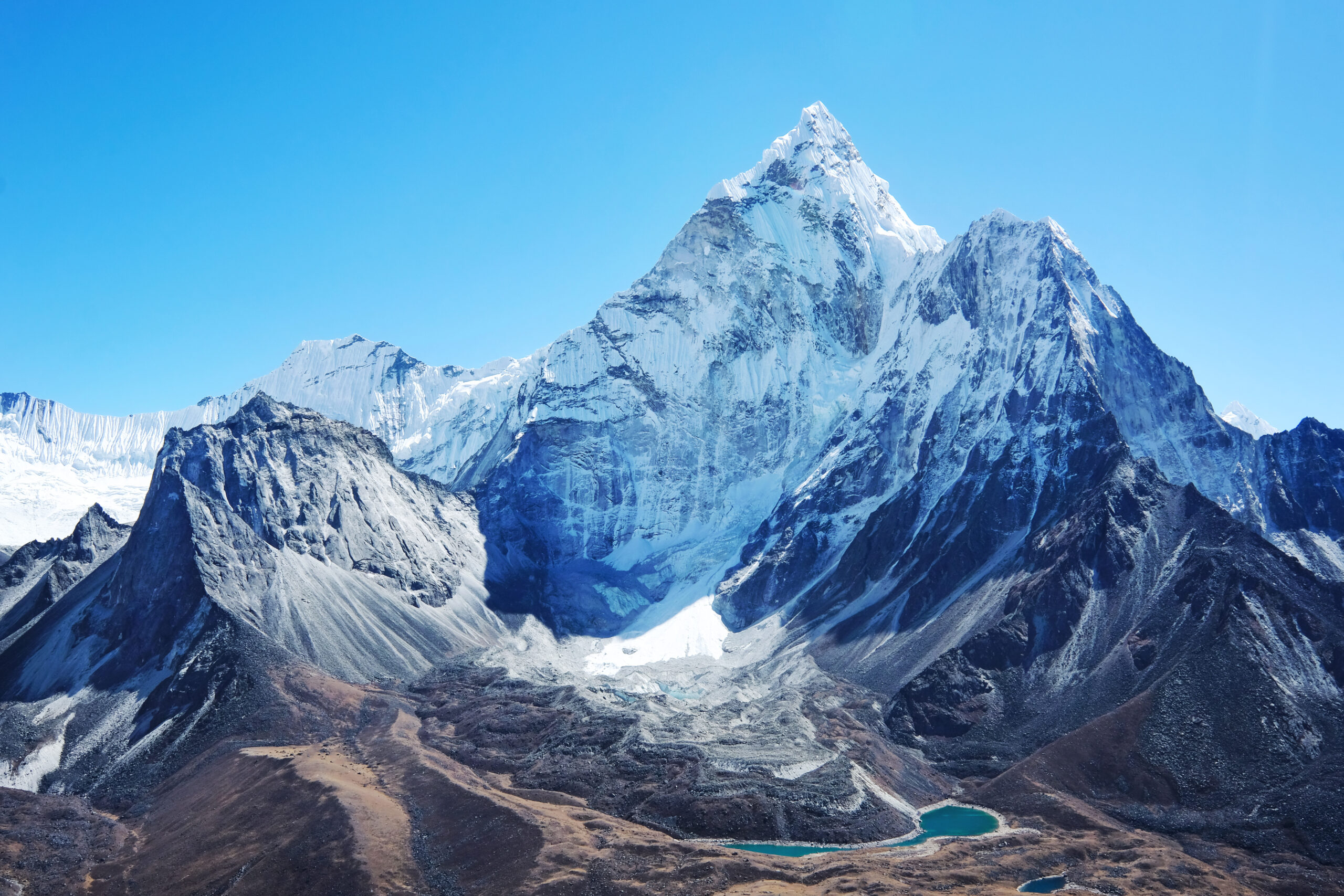
Annapurna is generally the harder standard expedition; Everest is the bigger altitude problem.
Everest’s commercial South Col route is highly standardized. Annapurna’s route demands and avalanche exposure are less forgiving, while Everest’s additional 758 meters create a longer, more physiologically destructive summit environment.
Why Annapurna is technically harder
- Steeper and less standardized upper-mountain terrain.
- Greater dependence on current snow and serac condition.
- Smaller commercial footprint and fewer route repetitions.
- More complex retreat through avalanche-exposed terrain.
- Less of the route can be reduced to a repeatable commercial system.
Why Everest is physiologically harder
- 757.86 m higher summit.
- Longer exposure in extreme hypoxia.
- Very long South Col summit day.
- Heavy dependence on oxygen systems for most commercial climbers.
- Large crowds can consume weather and oxygen margin.
For an all-14 context, see Eight-Thousanders Ranked by Difficulty.
Everest Is Altitude-Dominant; Annapurna Is Objective-Hazard Dominant
This distinction explains why the mountains can produce different answers to “which is more dangerous?”
Khumbu Icefall
Everest’s Nepal route crosses active serac and crevasse terrain repeatedly during acclimatization and logistics.
Extreme Hypoxia
Everest’s additional height makes deterioration, oxygen failure and descent exhaustion central to summit-day risk.
Crowding
Narrow weather windows can concentrate climbers at fixed-line bottlenecks and consume turnaround margin.
Avalanche Paths
Annapurna’s standard expedition terrain repeatedly exposes teams to unstable snow and avalanche runout.
Hanging Seracs
Objective ice hazard can strike excellent climbers regardless of technical ability.
Retreat
Turning around can still require re-crossing the same unstable terrain that made the ascent dangerous.
Routes, Fixed Lines & Camp Systems
Everest is one of the most standardized extreme-altitude expeditions; Annapurna remains more condition-driven.
Everest South Col system
The Nepal route moves through the Khumbu Icefall, Western Cwm, Lhotse Face, South Col and Southeast Ridge. Large teams share seasonal route infrastructure, fixed lines and established camps. That support reduces some technical burden but introduces dependence on ropes, oxygen, camp systems and crowd management.
Compare Everest routes →Annapurna expedition systems
Annapurna’s north-side and northwest-ridge systems vary more by snow, serac and operator strategy. Fixed lines and camps exist, but the route is less standardized from one season to the next. The mountain therefore demands more current terrain judgment rather than simply repeating last year’s commercial line.
Compare Annapurna routes →Everest’s Advantage Is Infrastructure; Its Disadvantage Is Altitude
Everest’s standardized route does not cancel the physiological cost of 8,848.86 m.
| Altitude factor | Everest | Annapurna I |
|---|---|---|
| Summit | 8,848.86 m | 8,091 m |
| Difference | Everest is 757.86 m higher | |
| Death-zone summit exposure | Longer | Shorter, though still extreme |
| Supplemental oxygen dependence | Highly integrated for commercial clients | Common but less standardized |
| Primary physiological concern | Hypoxia, exhaustion, cold and oxygen-system failure | Hypoxia layered onto more technical/objective-hazard terrain |
13.42% vs 2.50%: What Does That Actually Mean?
The comparison is useful only when the same source, statistic type and limitation are stated.
Guinness publishes Annapurna I at about 5.4× Everest’s ratio in its current comparison.
Guinness World Records lists Annapurna I at 75 deaths / 559 ascents = 13.42% and Everest at 344 deaths / 13,752 climbs = 2.50%. Dividing those published ratios gives roughly 5.4×.
This is a useful historical death-to-ascent comparison. It is not a participant mortality study and should not be translated into “your chance of dying.” It also does not prove that one route, operator, year or climber profile carries the historical average.
- Same source: Guinness comparison table.
- Same general historical statistic: deaths relative to ascents/climbs.
- Useful for historical severity.
- Not personal probability.
- Not route-specific.
- Not a substitute for current-season conditions.
For the detailed Annapurna denominator work, use Annapurna Death Rate. For the multi-mountain methodology, use Death Rates by Mountain.
Oxygen, Rescue & Commercial Infrastructure
Everest’s huge commercial ecosystem is one of the largest differences between the two mountains.
| System | Everest | Annapurna I |
|---|---|---|
| Operator depth | Very large | Much smaller |
| Fixed-line standardization | High | Lower / condition dependent |
| Base Camp medical/logistics | Extensive | More limited |
| Oxygen logistics | Highly standardized | Available, but smaller system |
| Helicopter access | Strongest lower on route / Base Camp | Useful lower, but terrain and weather still constrain access |
| Death-zone rescue | Neither mountain has a guaranteed high-altitude rescue system | |
More rescue infrastructure does not make Everest low-risk.
At extreme altitude, climbers and nearby team members often provide the only immediate help available. Helicopter performance, terrain, weather and landing/long-line feasibility make “rescue” a conditional capability, not a promise.
Who Should Consider Everest or Annapurna?
Everest may come earlier in an elite high-altitude progression; Annapurna should usually come later.
Before Everest
- Strong glacier and fixed-line systems.
- 6,000–7,000 m expedition experience.
- Documented cold and altitude tolerance.
- Ability to manage high camps and oxygen systems.
- Conservative summit-day decision making.
Before Annapurna
- Everything required for Everest-level altitude.
- Stronger avalanche and serac judgment.
- More technical ice/snow experience.
- Experience on less standardized Himalayan routes.
- Comfort accepting irreducible objective-hazard exposure.
Continue Through the Everest–Annapurna Cluster
This comparison owns the head-to-head decision. Supporting pages own their narrower evidence.
Mount Everest Guide
Routes, permits, cost, season, logistics and complete expedition planning.
Open Everest → Annapurna parentAnnapurna I Guide
Routes, season, difficulty and expedition planning.
Open Annapurna → MortalityAnnapurna Death Rate
75 deaths, 559 ascents and the 13.42% Guinness ratio in depth.
Read Annapurna data → Fatality geographyEverest Death Map
Where Everest fatalities cluster by route and altitude.
Open Everest map → Data parentDeath Rates by Mountain
Compare Annapurna, Everest, K2 and other major peaks with stated denominators.
Compare rates → Difficulty parent8,000ers Ranked by Difficulty
Separate technical/overall difficulty from mortality.
See difficulty ranking → ComparisonK2 vs Annapurna
Two hazard-heavy 8,000ers with very different technical systems.
Compare K2 & Annapurna → ComparisonEverest vs K2
Compare Everest’s altitude/infrastructure problem with K2’s technical commitment.
Compare Everest & K2 →Strengthen the Comparison Without Adding More Body
After publishing, push contextual authority into this comparison from the two parent mountain guides and the two data hubs.
Death Rates by Mountain
Its Everest/Annapurna table should link directly here when explaining why total deaths and ratios produce different answers.
Open Death-Rate Hub →Eight-Thousanders Ranked by Difficulty
Use its Everest and Annapurna rows to send readers here when they want the direct two-mountain explanation.
Open Difficulty Ranking →Everest vs Annapurna FAQ
The answers distinguish climbing expeditions from trekking and ratios from personal probability.
Is Annapurna more dangerous than Everest?
By the historical deaths-to-ascents ratio and by objective avalanche/serac exposure, Annapurna I has the more severe record. Everest has more total recorded deaths and creates greater altitude exposure. The answer depends on the metric.
What is the death-rate difference between Everest and Annapurna?
Guinness currently publishes Annapurna I at 75 deaths from 559 ascents (13.42%) and Everest at 344 deaths from 13,752 climbs (2.50%). These are historical aggregate ratios, not a climber’s personal probability of dying.
Which is harder to climb, Everest or Annapurna?
Annapurna I is generally the more technically complex and objectively hazardous standard expedition. Everest is higher and creates a more severe altitude burden but benefits from more standardized fixed lines, camps, oxygen and commercial support.
Why does Everest have more deaths if Annapurna has a higher ratio?
Everest has vastly greater climbing volume. A mountain can have more total deaths while a different mountain has a much higher ratio relative to successful ascents.
Which mountain is taller?
Everest is 8,848.86 m; Annapurna I is 8,091 m. Everest is 757.86 m higher.
What is the main danger on Annapurna?
Avalanche and serac exposure dominate Annapurna I’s risk profile. Technical skill and fitness cannot eliminate those objective hazards.
What is the main danger on Everest?
Everest combines extreme altitude, prolonged summit-day exposure, exhaustion, weather, cold, oxygen-system dependence, fixed-line bottlenecks and Khumbu Icefall exposure on the Nepal route.
Is this comparison about Everest Base Camp vs Annapurna Base Camp?
No. This page compares summit expeditions on Mount Everest and Annapurna I. Trekking comparisons should live on a separate EBC-vs-ABC page.
How Global Summit Guide Compares Everest and Annapurna
The comparison uses same-source statistics where available and avoids translating historical aggregates into personal odds.
Core evidence
- Guinness World Records — Deadliest Himalayan Mountain: Annapurna I 75 / 559 = 13.42%; Everest 344 / 13,752 = 2.50% in the published comparison.
- The Himalayan Database: expedition, ascent and fatality archive used across GSG’s Himalayan research.
- Everest by the Numbers 2026: closed-through-2025 Everest context and denominator definitions.
- Global Summit Guide Annapurna Death Rate and Everest Death Map pages for the detailed single-mountain methodology.
August 15, 2026 rebuild corrections
- Removed the incorrect Patagonia lead image from the live Everest–Annapurna comparison.
- Restored verified GSG Everest and Annapurna image assets from the July 30 rebuild source.
- Kept the July 30 denominator standard: never call deaths ÷ successful ascents a personal “per-attempt” probability.
- Added a same-source Guinness comparison for CTR/snippet clarity: 13.42% Annapurna vs 2.50% Everest.
- Changed the SEO title to answer the SERP question instead of merely listing “Death Rate, Difficulty & Risk.”
- Preserved summit-expedition intent and explicit separation from EBC-vs-ABC trekking.
Interpretation rule
Never compare a recent participant-mortality rate on one mountain with an all-time deaths-to-summits ratio on the other. Use identical denominators and periods—or state that the comparison is directional rather than precise.
Annapurna Has the Harsher Fatality Ratio. Everest Has the Greater Altitude Burden and Total Toll.
If you are comparing climbing difficulty and objective hazard, Annapurna I is generally the more serious standard expedition. If you are comparing height and prolonged death-zone exposure, Everest remains unmatched.
Everest vs Annapurna: The Highest vs the Deadliest
The tallest against the deadliest is one of the sharpest 8000er contrasts. See both in the full set, or compare further below.
Was this helpful?
🏔Related peaks nearby
🧭Explore & compare
Global Summit Guide is an independent mountaineering resource founded in 2026. The team combines first-hand trekking and climbing experience with in-depth research and professional health and nutrition review to help climbers choose objectives, prepare properly, and stay safe.
Health, altitude, and nutrition content is reviewed by Taylor Ludlow (Registered Nurse) and Brigg Hoopes (Nutritionist).
What We Don't Know Yet
Mountain information changes quickly. This box explains the limits of what this page can responsibly promise.
- Comparisons simplify complex decisions; the better mountain depends on current conditions, skills, timing, budget, and risk tolerance.
- Visa, passport, vaccination, border, insurance, and local transportation rules may change before your trip.
- Route conditions, snowpack, closures, and weather can change quickly after this page is updated.
- Permit rules, fees, quotas, and reservation windows may change between review cycles.
- Operator availability, pricing, guide ratios, and cancellation terms can change by season.
Verify current conditions with official land managers, guide services, local forecasts, and current route reports before booking or climbing.
Mountaineering, rock and ice climbing, glacier travel, and high-altitude activity are inherently dangerous and can result in serious injury or death. The information on Global Summit Guide is provided for general informational and educational purposes only and is not a substitute for professional instruction, qualified guiding, proper equipment, or your own judgment and experience.
Route conditions, weather, snowpack, permits, regulations, and hazards change constantly and may differ from what is described here. Details may be incomplete, out of date, or contain errors. Always verify current information with local authorities, certified guides, and official sources before making any decision in the mountains.
Nothing on this site is medical, legal, or financial advice. Our fitness, acclimatization, altitude, and nutrition content is general in nature; consult a qualified physician before beginning any strenuous exercise program or exposing yourself to high altitude.
You are solely responsible for your own safety and decisions. To the fullest extent permitted by law, Global Summit Guide and its team accept no liability for any loss, injury, damage, or expense arising from use of, or reliance on, this information. By using this site you acknowledge these risks and accept these terms.
Some links on this site may be affiliate links. If you buy through them we may earn a small commission at no extra cost to you; this never affects our recommendations.
Global Summit Guide recommendation path
Next Best Mountain to Research
Use these recommendations to continue the right planning path instead of stopping on one page.
Use current permit, weather, route, and operator information before booking or climbing.
Explore Travel Options for Your Destination
Once your mountain, dates and route are taking shape, compare flights, hotels and other travel options that fit the trip.
Affiliate link. We may earn a commission at no additional cost to you.