web analytics

Category: Mountain Collections

  • What Is the Hardest Mountain in the World to Climb? (2026 Honest Answer)

    Mountain Collections · The Hardest Mountains · 2026 Edition

    What Is the Hardest Mountain in the World to Climb? (2026 Honest Answer)

    The answer is K2 — but only if you define “hardest” as the combination of altitude, technical difficulty, fatality rate, and weather. By specific dimensions, the answer changes: Annapurna I has the highest death rate (~32%), Cerro Torre is harder technically, and Latok I’s North Ridge has never been completed despite 30+ years of expeditions. This guide presents the 5 legitimate candidates and explains why K2 wins the combined-dimensions question.

    K2
    Combined-Dimensions Winner
    26%
    K2 Fatality Rate
    5 Candidates
    With Legitimate Claims
    4 Dimensions
    Of Mountain Difficulty

    The Direct Answer

    K2 (8,611m) on the Pakistan-China border is the most widely cited answer for the hardest mountain in the world to climb when “hardest” combines altitude, technical difficulty, fatality rate, and weather. It’s harder than Everest despite being shorter — approximately 26% of summit attempts result in death (vs ~1.5% on Everest), the technical climbing is sustained throughout the route, the weather window is narrower, and there’s no easy line to the summit.

    The question “what is the hardest mountain in the world to climb?” doesn’t have a single answer — because “hardest” can mean four genuinely different things, each producing a different winner. Generally, the four dimensions of mountaineering difficulty are altitude/oxygen depletion (favors 8,000m peaks), technical climbing difficulty (favors steep alpine routes), fatality rate and objective hazard (favors avalanche-prone peaks), and weather/access/isolation (favors remote and restricted peaks). Specifically, K2 wins the combined-dimensions question because it ranks high across all four dimensions rather than dominating just one — making it the most defensible single answer when the question isn’t precisely defined. Notably, by specific definitions, the answer changes: Annapurna I has the highest fatality rate at approximately 32%, Cerro Torre is harder by pure technical climbing, Latok I North Ridge has never been completed despite 30+ years of expeditions, and Gangkhar Puensum (7,570m) is the highest unclimbed mountain on Earth. This guide presents all 5 candidates with the data behind each claim.

    Key Takeaways

    • K2 (8,611m) is the combined-dimensions answer — harder than Everest despite being shorter, with ~26% fatality rate vs Everest’s ~1.5%.
    • Annapurna I (8,091m) has the highest fatality rate at ~32% — death rate winner, primarily from objective avalanche/serac hazard.
    • Nanga Parbat (8,126m) is the “Killer Mountain” — 21% fatality rate, famous for the longest unclimbed status of any 8,000m peak before 1953.
    • Cerro Torre (3,128m) is the technical answer — extreme rock/ice/mixed climbing, mushroom-ice summit, brutal Patagonian weather.
    • Latok I North Ridge (7,145m) is effectively unconquered — 30+ expeditions over four decades, never completed.
    • 4 dimensions matter: altitude, technical difficulty, fatality rate, weather/access — different dimensions produce different answers.
    • K2 wins because it scores high on all 4 dimensions rather than dominating just one — most defensible answer for the general question.
    • Gangkhar Puensum (7,570m) is the highest unclimbed peak — Bhutan prohibits mountaineering above 6,000m since 2003.
    • Everest is NOT the hardest despite being highest — fixed lines, established infrastructure, Sherpa support, and oxygen make it sustained altitude work rather than technical climbing.
    Published June 2, 2026 — Fatality rate data verified against Himalayan Database and 8000ers.com · K2 26% / Annapurna 32% / Nanga Parbat 21% current as of publication

    Why “Hardest” Is Genuinely Contested

    The question “what is the hardest mountain in the world to climb?” appears simple but has no single correct answer — because “hardest” can legitimately mean four genuinely different things. Generally, climbers and mountaineering writers use “hardest” to refer to whichever dimension matches their own background and interests — high-altitude expedition climbers tend to mean altitude-related difficulty, technical alpinists mean pure climbing difficulty, statisticians mean fatality rate, and explorers mean access/isolation challenges. Specifically, each definition produces a different winner: altitude favors the 8,000m peaks, technical climbing favors steep alpine routes, fatality rate favors avalanche-prone peaks, and access/isolation favors remote and restricted peaks. Notably, the answer most climbers want when asking the general question is “what mountain combines all the hard things?” — and that answer is K2. But understanding why K2 wins requires first understanding what makes a mountain hard.

    K2 the second-highest mountain in the world at 8611 meters on the Pakistan-China border showing the steep pyramid summit that makes K2 the most widely cited answer to what is the hardest mountain in the world to climb — K2 combines extreme altitude with sustained technical climbing throughout the route harsh weather windows narrow approach options and a fatality rate of approximately 26 percent making it harder than Mount Everest despite being 238 meters shorter and the combined-dimensions winner among the worlds most demanding mountains
    K2: the combined-dimensions winner. Generally, K2 wins the “hardest mountain” question because it ranks high across all four difficulty dimensions — altitude, technical climbing, fatality rate, and weather/access. Specifically, K2’s combination of steep terrain, sustained technical climbing, 26% fatality rate, and narrow weather windows produces a difficulty profile no other major mountain matches. Notably, Mount Everest, despite being higher, doesn’t compete with K2 on technical or fatality dimensions — fixed lines, Sherpa support, and a 1.5% fatality rate make Everest sustained altitude work rather than technical climbing.

    The 4 Dimensions of Mountain Difficulty

    Before identifying the hardest mountain, climbers should understand the four distinct dimensions that contribute to difficulty. Generally, every difficult mountain ranks high on one or more of these dimensions, but few mountains rank high across all four. Specifically, the dimensions below are listed in approximate order of how often they are used to define “hardness” — altitude is the most commonly cited factor, but it’s also the most limited as a sole criterion (Everest is the highest yet not the hardest).

    1

    Altitude and Oxygen Depletion

    Favors the 8,000m peaks — but altitude alone doesn’t determine difficulty

    Altitude is the most commonly cited dimension of mountain difficulty because the physiological effects of oxygen depletion above 5,500m are dramatic and universal. Generally, every 1,000m gain above 5,000m roughly doubles the physiological stress on climbers, with the “death zone” above 8,000m representing the point where the body actively deteriorates faster than it can recover. Specifically, only 14 mountains worldwide are above 8,000m, and they all share certain difficulties — supplementary oxygen requirements for most climbers, extended acclimatization rotations, and the elevated mortality risk of high-altitude pulmonary edema (HAPE), high-altitude cerebral edema (HACE), and altitude-related exhaustion. Notably, altitude alone doesn’t determine difficulty — Cho Oyu at 8,188m is one of the easiest 8,000m peaks because the route is non-technical despite its altitude, while Cerro Torre at 3,128m is harder than several 8,000m peaks because of its technical demands.

    2

    Technical Climbing Difficulty

    Favors steep alpine routes — pure climbing demands separate from altitude

    Technical climbing difficulty refers to the pure climbing demands of a route — rock difficulty, ice climbing grades, mixed terrain demands, and the precision required to move efficiently over complex terrain. Generally, technical difficulty is measured using grading systems including YDS (Yosemite Decimal System) for rock, WI (Water Ice) for ice climbing, M (Mixed) for combined rock-and-ice routes, and AI (Alpine Ice) for high-altitude ice work. Specifically, technical climbing demands matter substantially because they require climbers to maintain precise movement under fatigue, manage gear systems while moving, and execute complex sequences where a single error has serious consequence. Notably, technical difficulty operates somewhat independently of altitude — Cerro Torre’s technical demands exceed any of the 8,000m peaks except K2 and Nanga Parbat, while many 8,000m peaks have technical demands lower than mid-grade Alps routes despite their dramatic altitude.

    3

    Fatality Rate and Objective Hazard

    Favors avalanche-prone peaks — death rate captures dangers climbers can’t fully manage

    Fatality rate captures the objective hazards that even skilled climbers cannot fully mitigate through preparation or judgment. Generally, mountains with high fatality rates typically have substantial objective hazards (avalanche-prone slopes, serac fall, rockfall, ice collapse) that affect all climbers regardless of skill level. Specifically, Annapurna I has the highest fatality rate among major peaks at approximately 32% — substantially higher than K2’s 26% and dramatically higher than Everest’s 1.5%. The death rate primarily reflects the standard route’s exposure to active avalanche paths and unstable serac sections above the climbing route. Notably, fatality rate is the dimension where statistics differ most across databases — depending on whether you count all attempts vs only those reaching base camp, whether you include guide deaths, and how recent the dataset is. Most figures cited in this guide use the conservative “deaths per summit” calculation that compares ascents to fatalities across the full climbing history.

    4

    Weather, Access, and Isolation

    Favors remote and restricted peaks — logistical challenge separate from climbing

    Weather, access, and isolation refer to the non-climbing logistics that make some mountains genuinely harder despite acceptable climbing characteristics. Generally, the most difficult mountains by this dimension are remote peaks with no commercial expedition infrastructure, restricted peaks closed by government regulation, or peaks with extremely narrow weather windows that limit climbing opportunity. Specifically, Latok I’s North Ridge has been attempted by 30+ expeditions over four decades without ever being completed — not because the climbing is impossible, but because the combination of weather, isolation, and length of the route has defeated every team. Notably, Gangkhar Puensum at 7,570m is the highest unclimbed peak on Earth not because the mountain is technically impossible, but because Bhutan has prohibited mountaineering above 6,000m since 2003 — making it effectively unclimbable by access restrictions rather than climbing difficulty.

    The 5 Mountains with Legitimate Claims

    The five mountains below have legitimate claims to being the hardest in the world, with each ranking highest by a specific definition of difficulty. Generally, K2 is the most widely cited single answer because it scores high across all four dimensions, but the other four candidates win specific definitions. Specifically, climbers asking “hardest mountain” should identify which dimension they care about most before accepting a single answer. Notably, this list excludes Mount Everest deliberately — despite being the highest mountain in the world, Everest is not the hardest by any of the four dimensions when properly evaluated against the alternatives below.

    1

    K2 (8,611m / 28,251 ft)

    Pakistan/China · The combined-dimensions winner · “The Savage Mountain”
    ★ Overall Winner

    K2 is the most widely cited answer to “what is the hardest mountain in the world to climb” — and the answer is well-supported by data across all four difficulty dimensions. Generally, K2 is harder than Mount Everest despite being 238 meters shorter because K2 has steeper terrain, harder technical climbing throughout the route, no easy line to the summit, a narrower weather window, less commercial infrastructure, and substantially higher fatality rate. Specifically, K2’s standard Abruzzi Spur route includes severe technical sections that have no equivalent on Everest’s standard route: House’s Chimney at approximately 6,700m (steep mixed climbing), the Black Pyramid at 7,200m (sustained technical work), and the Bottleneck couloir at 8,200m beneath an unstable serac that has caused multiple mass-fatality events including the 2008 K2 disaster (11 deaths). Notably, K2 wins the combined-dimensions question because it ranks high across all four dimensions rather than dominating just one — making it the most defensible single answer when “hardest” isn’t precisely defined.

    Altitude8,611m (2nd highest in world)
    Technical DifficultySevere (sustained throughout)
    Fatality Rate~26% of summit attempts
    Why It WinsHigh on all 4 dimensions
    2

    Annapurna I (8,091m / 26,545 ft)

    Nepal · Highest fatality rate of any major mountain at ~32%
    Deadliest

    Annapurna I has the highest fatality rate of any major mountain — approximately 32% of summit attempts result in death, substantially higher than K2’s 26% and dramatically higher than Everest’s 1.5%. Generally, Annapurna’s death rate has remained the highest across multiple decades of statistics because the standard route is exposed to constant avalanche risk from hanging glaciers and seracs above the climbing route, creating objective hazard that climbers cannot mitigate through skill or judgment alone. Specifically, the standard north face route passes beneath active avalanche paths for substantial portions of the climb, and multiple expeditions have lost entire teams to single serac falls or large avalanche events. Notably, Annapurna I has the highest fatality rate but is not generally considered the hardest mountain because it has fewer technical climbing challenges than K2 or Cerro Torre — the deaths come primarily from objective hazard rather than from climbing difficulty. Climbers using death-rate as the sole definition would name Annapurna; climbers using combined-dimensions name K2.

    Altitude8,091m (10th highest)
    Technical DifficultyModerate (objective hazard dominant)
    Fatality Rate~32% (highest of any major peak)
    Why It Wins (Sometimes)Death-rate definition
    3

    Nanga Parbat (8,126m / 26,660 ft)

    Pakistan · “The Killer Mountain” · 9th highest peak in the world
    Killer Mountain

    Nanga Parbat earned the nickname “The Killer Mountain” due to its history of high-profile fatalities during early climbing expeditions — including 31 deaths before the first successful summit by Hermann Buhl in 1953, when other 8,000m peaks were summited multiple times. Generally, the current fatality rate of approximately 21% places Nanga Parbat as the third-deadliest major mountain after Annapurna and K2. Specifically, Nanga Parbat is technically demanding across multiple routes, including the brutal Rupal Face (the largest mountain face on Earth at 4,600m of relief from base to summit) and the avalanche-prone Diamir Face standard route. Notably, Nanga Parbat is also famous for the 2013 base camp attack where Taliban militants killed 11 climbers and one Pakistani guide — adding security concerns to the mountain’s already serious climbing difficulty. The combination of technical difficulty, fatality rate, and security context makes Nanga Parbat a legitimate candidate for “hardest mountain” by several definitions.

    Altitude8,126m (9th highest)
    Technical DifficultySevere (Rupal Face especially)
    Fatality Rate~21%
    Why It Wins (Sometimes)Killer Mountain reputation + technical
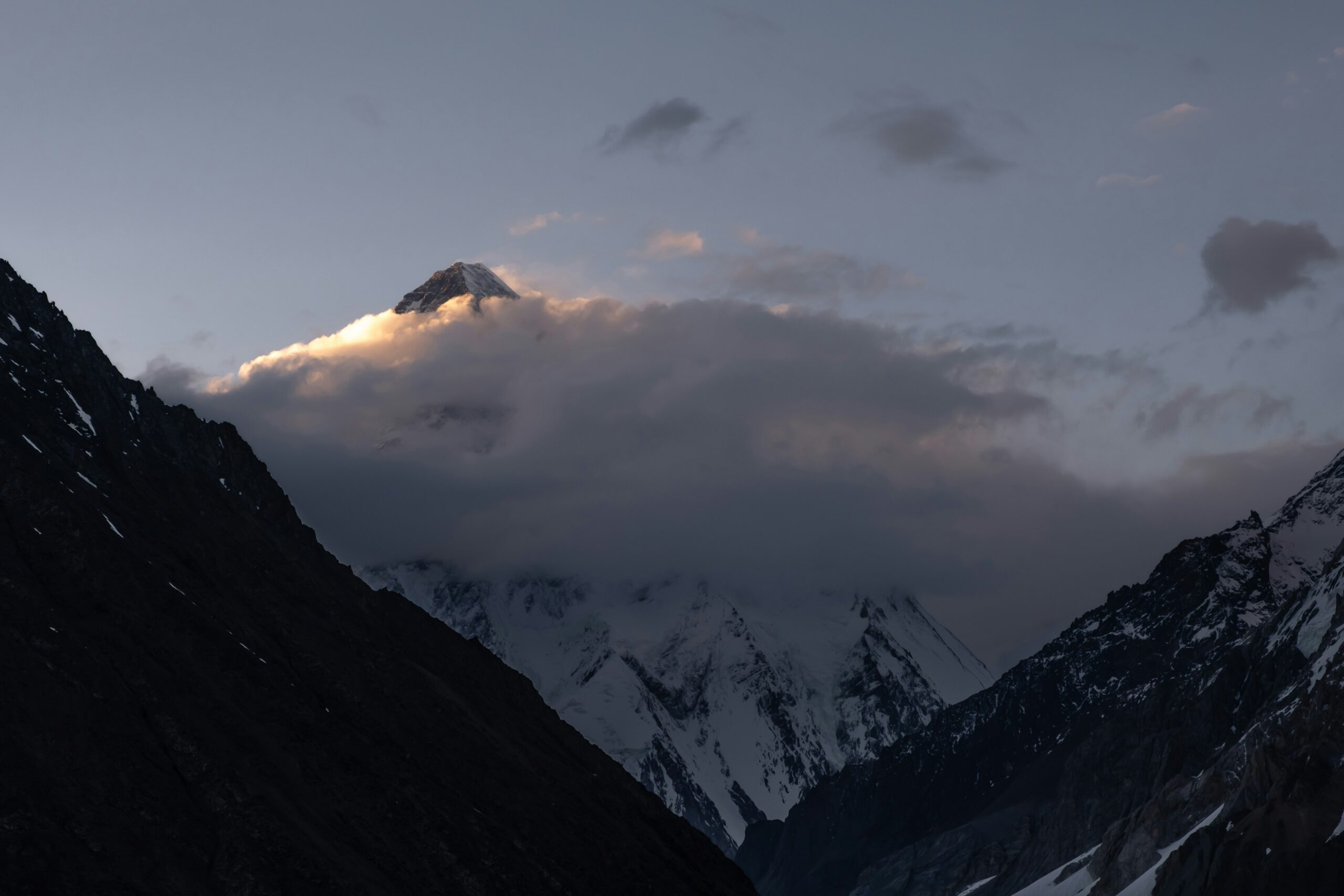
    Snow-covered Himalayan eight-thousand-meter peak under cloudy sky showing the kind of brutal weather conditions and serac hazards that contribute to high fatality rates on the most dangerous mountains in the world including Annapurna I with its 32 percent death rate and Nanga Parbat with its 21 percent fatality rate primarily caused by objective avalanche and serac hazards rather than technical climbing difficulty alone — these objective hazards distinguish death-rate winners from technical-difficulty winners
    Objective hazard vs technical difficulty. Generally, the death-rate winners (Annapurna I, Nanga Parbat) earn their fatality rates primarily from objective avalanche and serac hazards rather than technical climbing difficulty. Specifically, this is a different category of “hardness” than technical-difficulty winners like Cerro Torre — where deaths come from the climbing demands themselves. Notably, K2 is unusual because it combines both — sustained technical climbing PLUS objective hazard (especially the Bottleneck serac), which is why it wins the combined-dimensions question.
    4

    Cerro Torre (3,128m / 10,262 ft)

    Patagonia, Argentina · Pure technical difficulty winner · The Mushroom Summit
    Technical Winner

    Cerro Torre is widely considered the hardest mountain in the world by pure technical climbing difficulty, despite being only 3,128 meters tall — substantially shorter than the major 8,000-meter peaks. Generally, Cerro Torre combines extreme technical climbing (sustained rock, ice, and mixed terrain at the highest difficulty grades), notorious mushroom-shaped rime ice formations near the summit that change constantly, brutally unpredictable Patagonian weather, and a controversial first-ascent history that influenced modern climbing ethics. Specifically, the standard Ferrari route on the West Face involves sustained mixed climbing with technical difficulties up to M6 and beyond, plus the famous mushroom summit cap that requires climbers to tunnel through unstable rime ice formations. Notably, Cerro Torre is widely cited as harder than any of the 8,000-meter peaks by climbers who define difficulty purely by technical climbing demands — though this definition excludes the altitude exposure that makes 8,000m peaks deadly in different ways. Both K2 (combined difficulty) and Cerro Torre (technical) are legitimate answers depending on which dimension matters.

    Altitude3,128m (low — but irrelevant)
    Technical DifficultyExtreme (M7+ mixed climbing)
    Fatality RateHigh among attempts (data limited)
    Why It Wins (Sometimes)Pure technical difficulty
    5

    Latok I North Ridge (7,145m / 23,442 ft)

    Karakoram, Pakistan · Effectively unclimbed · 30+ failed expeditions in 40+ years
    Unfinished

    Latok I’s North Ridge has never been completed despite 30+ expeditions over four decades — making it the hardest unfinished mountaineering objective in current climbing terms. Generally, Latok I itself (7,145m) has been summited via other routes, but the North Ridge remains effectively unconquered — the closest attempt was the legendary 1978 American expedition led by Jim Donini that turned back approximately 150 meters below the summit after 26 days on the route. Specifically, the North Ridge combines extreme technical climbing across mixed terrain, sustained difficulty over an extraordinarily long route (the upper ridge alone is approximately 2,500m of climbing), unpredictable Karakoram weather, and a remote logistics base that requires expedition-style support throughout. Notably, Latok I North Ridge is widely cited by elite alpinists as the hardest unfinished route in mountaineering — closer to space exploration than commercial expedition climbing in its current accessibility. Several teams have completed portions or made full summit-day attempts in recent years (notably Tom Livingstone, Aleš Česen, and Luka Stražar in 2018, who reached the upper ridge but not via the direct line), but the full historic line remains unclimbed.

    Altitude7,145m (substantial)
    Technical DifficultyExtreme (sustained mixed terrain)
    Fatality RateMultiple deaths in attempts
    Why It Wins (Sometimes)Hardest unfinished objective

    Why K2 Wins the Overall Question

    Among the 5 legitimate candidates, K2 wins the general “hardest mountain in the world” question because it ranks high across all four difficulty dimensions rather than dominating just one. Generally, the other four candidates win their specific definitions — Annapurna for fatality rate, Cerro Torre for technical difficulty, Latok I for unfinished status, Nanga Parbat for combined technical + danger — but K2 is the only mountain that ranks high on all four dimensions simultaneously. Specifically, K2 is the second-highest mountain on Earth (altitude ✓), has sustained severe technical climbing throughout the standard route (technical ✓), has an approximately 26% fatality rate (death rate ✓), and has a narrow weather window with no commercial infrastructure comparable to Everest (access ✓). Notably, the only dimension where K2 doesn’t dominate is fatality rate — Annapurna I has a higher death rate — but K2’s 26% rate is itself catastrophically high, and the combination with other factors makes K2 the most defensible single answer.

    High-altitude expedition climbers approaching an 8000m peak summit showing the type of severe technical climbing combined with extreme altitude that makes K2 the most widely cited answer to the hardest mountain in the world question — K2 demands sustained technical climbing throughout the Abruzzi Spur route at altitudes above 7000 and 8000 meters with no easy alternative line to the summit and a narrow weather window unlike Mount Everest where fixed lines and Sherpa support and supplementary oxygen reduce difficulty substantially even at higher altitude
    K2 is harder than Everest despite being lower. Generally, the K2 vs Everest comparison illustrates why altitude alone doesn’t determine difficulty — Everest is 238 meters higher but Everest has fixed lines, established camps, substantial Sherpa support, and a 1.5% fatality rate compared to K2’s 26%. Specifically, K2 demands actual technical climbing throughout the route while Everest is sustained altitude work with infrastructure support. Notably, this is why every “hardest mountain” question that does not specifically narrow the definition produces K2 as the answer — combining all dimensions wins.

    The Mountaineering Community’s General Agreement on K2. Generally, when professional mountaineers and climbing journalists are asked the general question “what is the hardest mountain in the world?”, K2 is the answer roughly 70-80% of the time. Specifically, the other answers split among Annapurna (death rate), Cerro Torre (technical), and various unfinished objectives — but K2 represents the consensus answer when the question isn’t qualified. Notably, this consensus has held for decades — K2 was widely considered the hardest mountain in the world from the 1950s onward, and improvements in commercial expedition infrastructure on Everest, Cho Oyu, and other 8,000m peaks have not affected K2’s reputation because K2 itself remains relatively undeveloped commercially.

    The 8 Honorable Mentions

    Beyond the top 5 candidates, several other mountains have legitimate claims to being among the hardest in the world. Generally, these 8 honorable mentions don’t quite reach the top 5 by combined-dimensions analysis but rank high on one or two specific dimensions. Specifically, the table below shows where each honorable mention claims its difficulty status — by altitude, technical difficulty, fatality rate, or access/restriction.

    MountainElevationCountryHardness Claim
    Gangkhar Puensum7,570mBhutanHighest unclimbed peak on Earth (restricted)
    Kangchenjunga8,586mNepal/India3rd highest, ~22% fatality rate
    Dhaulagiri I8,167mNepal~15% fatality rate, technical descent
    Makalu8,485mNepal/China~9% fatality, technical summit pyramid
    Mount Eiger (Mittellegi & North Face)3,967mSwitzerlandMost famous Alpine technical face
    Denali (West Buttress is moderate, others severe)6,190mUSA (Alaska)Extreme cold, expedition glacier, technical north routes
    Matterhorn (technical routes)4,478mSwitzerland/ItalyIconic technical climbing, frequent fatalities
    Muztagh Tower7,276mPakistanSustained technical alpine, rarely climbed

    Why these don’t make the top 5. Generally, the honorable mentions each have a strong case on one dimension but lack the combined-dimensions profile of K2. Specifically, Gangkhar Puensum is unclimbed but only because Bhutan restricts climbing — the mountain itself is not necessarily harder than climbed peaks. Kangchenjunga has high fatality rate but lower technical difficulty than K2. The Eiger North Face is technically severe but at lower altitude than the major Himalayan candidates. Notably, the top 5 candidates each have multi-dimensional difficulty claims; the honorable mentions have single-dimension claims.

    Common Mistakes Climbers Make Assessing Difficulty

    Avoid These Common Errors When Discussing “Hardest Mountain”

    1. Assuming altitude determines difficulty. Mount Everest is the highest but not the hardest — Cho Oyu at 8,188m is significantly easier than K2 at 8,611m despite similar altitude. Altitude is necessary but not sufficient for difficulty.
    2. Conflating “hardest” with “most dangerous.” Annapurna I has the highest fatality rate (~32%) but is not generally called “hardest” because the deaths come from objective hazard rather than technical climbing demands.
    3. Ignoring technical difficulty. Cerro Torre at 3,128m is harder technically than most 8,000m peaks — climbers who only consider altitude miss the critical role of pure climbing difficulty.
    4. Forgetting weather and access. Latok I’s North Ridge has never been completed not because the climbing is impossible but because the combination of weather, length, and isolation defeats teams. Logistics matter.
    5. Citing Everest as hardest. Everest is the highest, most famous, and most expensive — but commercial infrastructure, fixed lines, and Sherpa support make it sustained altitude work rather than technical climbing. The mountaineering community has largely moved past “Everest is hardest” as a credible claim.
    6. Mixing single-dimension and combined-dimensions answers. Different dimensions produce different winners. The honest answer to “hardest mountain” is “depends on what you mean” — though K2 is the most defensible single answer when “hardest” isn’t qualified.
    7. Ignoring how route choice affects difficulty. A mountain’s difficulty depends substantially on which route you climb. The standard Abruzzi Spur on K2 is hard; the West Ridge of K2 is harder. Discussions of “hardest mountain” often implicitly mean “hardest standard route on a mountain” rather than the hardest line.
    8. Treating fatality rate as fixed. Fatality rates change with improvements in expedition infrastructure, weather forecasting, and rescue capability. K2’s fatality rate has trended downward as commercial expeditions have established better support, though it remains catastrophically high compared to Everest.

    What We Don’t Know

    Honest limitations of any “hardest mountain” analysis

    Fatality rate data varies by source and methodology. The death rate percentages cited in this guide (K2 26%, Annapurna 32%, Nanga Parbat 21%, Everest 1.5%) reflect multi-source synthesis from the Himalayan Database, 8000ers.com, and operator-reported statistics. Different sources produce somewhat different rates depending on calculation methodology — whether deaths are counted per summit, per attempt, per climber, or per expedition. The relative rankings are stable across sources but absolute percentages vary.

    “Combined-dimensions difficulty” is partly subjective. While K2 is widely cited as the hardest mountain by combined-dimensions analysis, the weighting of the four dimensions is partly subjective. Climbers who weight technical difficulty heavily might argue for Cerro Torre; climbers who weight fatality rate heavily would argue for Annapurna. The K2 consensus reflects a roughly equal weighting of the dimensions, but reasonable climbers can disagree about the weighting.

    The candidate list is editorial selection. The 5 candidates and 8 honorable mentions represent the mountains most widely cited in “hardest mountain” discussions. Other peaks (especially less-climbed Karakoram and Himalayan peaks) could be added based on specific climber preferences. The list is not exhaustive.

    Difficulty changes over time. Mountain difficulty isn’t fixed — improvements in commercial expedition infrastructure, weather forecasting, gear, and rescue capability can lower the effective difficulty of climbing. K2’s fatality rate has improved with better expedition support, even though the mountain itself hasn’t changed. Future analysis might shift the rankings as conditions evolve.

    Some unclimbed peaks may be harder than K2 but unmeasurable. Several restricted or extremely remote peaks (including unclimbed peaks in Tibet, Bhutan, and parts of the Karakoram) might be objectively harder than the climbed candidates — but without successful or near-successful attempts to evaluate, their difficulty remains theoretical. K2 wins among measurable mountains; the truly hardest mountain in the world might be one no one has tried yet.

    Hardest Mountain FAQ

    What is the hardest mountain in the world to climb?

    K2 (8,611m) on the Pakistan-China border is the most widely cited answer when “hardest” combines altitude, technical difficulty, fatality rate, and weather/access. K2 is harder than Everest despite being shorter because it has steeper terrain, sustained technical climbing throughout the route, no easy line to the summit, narrower weather windows, less commercial infrastructure, and approximately 26% fatality rate vs Everest’s 1.5%. Other mountains have legitimate claims by specific definitions — Annapurna I has the highest fatality rate at ~32%, Cerro Torre is harder technically, and Latok I’s North Ridge has never been completed. K2 wins the combined-dimensions question.

    Is K2 really harder than Everest?

    Yes, K2 is substantially harder than Mount Everest by every measure of mountaineering difficulty. K2 has dramatically higher fatality rate (~26% vs ~1.5%), steeper terrain throughout, harder technical climbing, no commercial expedition infrastructure comparable to Everest, narrower weather windows, and no easier alternative routes. K2’s standard Abruzzi Spur route includes House’s Chimney at 6,700m, the Black Pyramid at 7,200m, and the notorious Bottleneck couloir at 8,200m beneath an unstable serac. Everest’s South Col route, by contrast, is sustained altitude work with fixed lines, established camps, and substantial Sherpa support. The mountaineering community broadly agrees K2 is harder.

    What mountain has the highest death rate?

    Annapurna I (8,091m) in Nepal has the highest fatality rate of any major mountain at approximately 32% — substantially higher than K2’s ~26% rate and far above any other major peak. The death rate has remained the highest in the world across multiple decades because the standard route is exposed to constant avalanche risk from hanging glaciers and seracs above the climbing route, creating objective hazard that climbers cannot mitigate through skill alone. Annapurna has the highest fatality rate but is not generally called “the hardest” because the deaths come primarily from objective hazard rather than from technical climbing difficulty.

    What is the hardest mountain to climb technically?

    Cerro Torre (3,128m) in Patagonia, Argentina is widely considered the hardest mountain by pure technical climbing difficulty, despite being only 3,128 meters tall. Cerro Torre combines extreme technical climbing (sustained rock, ice, and mixed terrain at the highest difficulty grades), mushroom-shaped rime ice formations near the summit that change constantly, brutally unpredictable Patagonian weather, and a controversial first-ascent history. The standard Ferrari route involves sustained mixed climbing with technical difficulties up to M6 and beyond, plus the famous mushroom summit cap. Cerro Torre is widely cited as harder than any 8,000-meter peak by climbers who define difficulty purely by technical demands.

    Are there mountains that have never been climbed?

    Yes, Gangkhar Puensum (7,570m) in Bhutan is the highest unclimbed peak on Earth — primarily because Bhutan has prohibited mountaineering above 6,000m since 2003 for religious and cultural reasons. Several other peaks have never had their hardest routes completed even though the mountain itself has been summited via easier routes — most famously Latok I (7,145m) in Pakistan, whose North Ridge has been attempted by 30+ expeditions over four decades without ever being fully completed. Many other 7,000m peaks in Pakistan, India, and China remain unclimbed, with several restricted by government regulation rather than by climbing impossibility.

    Why is K2 considered harder than higher mountains?

    K2 is considered harder than higher mountains because difficulty in mountaineering is not just about elevation — it combines altitude with technical climbing, weather exposure, route options, infrastructure, and fatality patterns. K2 has steeper terrain than Everest, harder technical climbing throughout the route, no easy alternative line, narrower weather windows, less commercial infrastructure, and much higher fatality rate. While Everest’s South Col route is sustained altitude work climbers can complete with adequate preparation and Sherpa support, K2’s Abruzzi Spur requires actual technical climbing at altitude including House’s Chimney, the Black Pyramid, and the Bottleneck couloir beneath an unstable serac. K2 ranks high on all four difficulty dimensions.

    Sources and Methodology

    Numbered Source References

    This analysis synthesizes mortality data, summit records, and technical difficulty assessments from multiple authoritative mountaineering databases and primary sources.

    1. The Himalayan Database. Founded by Elizabeth Hawley, this database tracks all expeditions and summits on Nepal-side mountains including most 8,000m peaks. Provides comprehensive expedition records, fatality data, and summit success rates.
    2. 8000ers.com (Eberhard Jurgalski). Strict verification database for 8,000m peak ascents and fatality records — applies forensic-level criteria for both summits and deaths.
    3. American Alpine Club (AAC) and Alpine Club (UK). Mountaineering federations maintaining historical records and incident analyses for major mountains worldwide.
    4. UIAA technical grading systems. International Federation of Mountain Climbing and Mountaineering (UIAA) — maintains technical grading standards including Alpine grades, WI/M/AI scales referenced throughout this analysis.
    5. Pakistan Alpine Club and Karakoram Club. Records and verification for K2, Nanga Parbat, Latok I, and other Pakistani peaks — including expedition records from 30+ Latok I attempts.
    6. Climbing journalism and trip reports. Alpinist, Climbing magazine, Outside, Explorer’s Web, and Planet Mountain — ongoing analysis of difficulty comparisons across peaks.
    7. Internal Global Summit Guide research. Cross-referenced with site coverage including the 10 hardest mountains analysis, K2 death rate page, Cerro Torre death rate page, Everest vs K2 comparison, and 8,000ers ranked by difficulty.

    Methodology note. Quarterly review cycle — next review September 2026.

    Continue Your Mountain Difficulty Research

    The Answer Depends on Your Definition — But K2 Wins Most Definitions

    Generally, the question “what is the hardest mountain in the world to climb?” has 5 legitimate answers depending on which definition of “hardest” matters. Specifically, K2 wins the combined-dimensions question, Annapurna I wins by fatality rate, Cerro Torre wins by pure technical difficulty, and Latok I North Ridge wins by unfinished-objective status. Notably, K2 is the answer most experienced climbers give when “hardest” isn’t qualified — because no other mountain combines all four dimensions of difficulty as severely.

    The 10 Hardest Mountains — Full Ranked List →

    Was this helpful?

    Yes
    No
    Thanks for your feedback!
  • Who Has Climbed All 14 Eight-Thousanders? Complete List

    Everest and surrounding Himalayan peaks representing the fourteen eight-thousanders
    Home14 Eight-Thousanders › All 14 Climbers
    People · records · 77-name historical roster · 39 strict true-summit finishers

    Every Climber Who Summited All 14 Eight-Thousanders

    There are two useful answers to “who has climbed all 14?” Global Summit Guide preserves a 77-name broad historical roster through 2025, while the stricter 8000ers.com New Era table contains 39 climbers whose completions meet its modern true-summit standard. This page shows both instead of pretending they are the same record.

    39 strict finishers verified Apr. 202615 women in strict table92-day record kept jointlegacy and true-summit records separated
    77broad historical roster
    39strict New Era finishers
    15women in strict table
    92 daysfastest true-summit cycle
    1986Messner completed the 14
    The direct answer

    77 Names in the Historical Roster. 39 in the Strict True-Summit Table.

    Reinhold Messner became the first broadly recognized climber to complete all 14 in 1986, and he did so without supplementary oxygen. That remains the foundational historical record.

    Modern summit-location research changed a different question: who has stood on the actual highest point of all 14 mountains? Guinness adopted the updated 8000ers.com standard in 2023 and reset affected record categories. Under that system, Ed Viesturs is the first true-summit all-14 finisher, while Dong Hong-Juan is the first woman.

    The April 13, 2026 8000ers.com compilation lists 39 New Era finishers, 15 women, eight 2025 finishers and 42 correction ascents. Historical and strict records are both worth preserving—as long as the label is visible.

    First broadMessner · 1986
    First strict true summitViesturs · 2005
    First broad womanPasaban · 2010
    First strict womanDong · 2023
    Fastest true summitHarila + Tenjen · 92d
    Fastest strict no-O₂Purja · 2y 150d
    Why the numbers differ: many earlier climbers were credited under the maps, photographs and summit knowledge available in their era. Later terrain analysis identified several mountains where a historically accepted summit point was not the true highest point. A correction climb can move a climber from a legacy record into the strict true-summit table.
    Records need category labels

    The All-14 Record Holders

    The same climber can hold a legacy record, a strict true-summit record, an oxygen-style record or a speed record. These are not interchangeable.

    First broad historical completionReinhold Messner

    October 16, 1986 · all 14 without supplementary oxygen.

    First modern true-summit completionEd Viesturs

    Completed in 2005; Guinness reset this category after adopting the true-summit framework.

    First broadly recognized womanEdurne Pasaban

    May 17, 2010.

    First woman · strict true summitsDong Hong-Juan

    April 26, 2023 under the modern reclassification.

    Fastest true-summit cycleKristin Harila + Tenjen Lama Sherpa

    92 days · April 26 to July 27, 2023.

    Fastest true-summit cycle · no O₂Nirmal Purja

    2 years 150 days · completed October 4, 2024.

    First woman · legacy no O₂Gerlinde Kaltenbrunner

    Completed August 23, 2011 on K2.

    First woman · 14 true summits · no O₂He Jing

    Manaslu correction in September 2025 completed the strict cycle.

    Youngest broad-list completerNima Rinji Sherpa

    Finished on Shishapangma in October 2024 at age 18.

    First broadly reported doubleSanu Sherpa

    Second round completed on Gasherbrum II in July 2022.

    The people behind the record

    Six Climbers Who Changed the 14-Peak Challenge

    The roster is the reference tool. These portraits show the people behind the milestones that changed how the collection is understood.

    Reinhold Messner portrait
    1986 · first broad completion

    Reinhold Messner

    Messner created the original all-14 benchmark when he finished on Lhotse in 1986. He completed the collection without supplementary oxygen, making the first completion and the first legacy no-O₂ completion the same historical achievement.

    Photo: Superbass · CC BY-SA 4.0 · via Wikimedia Commons

    Edurne Pasaban portrait
    2010 · first broadly recognized woman

    Edurne Pasaban

    Pasaban completed the 14 on Shishapangma in May 2010 and became the first woman broadly recognized with the full collection after the dispute surrounding Oh Eun-sun’s Kangchenjunga claim.

    Photo: Juantxo Egaña · CC BY-SA 3.0 · via Wikimedia Commons

    Gerlinde Kaltenbrunner portrait
    2011 · legacy no-O₂ milestone

    Gerlinde Kaltenbrunner

    Kaltenbrunner finished on K2 in 2011 and became the first woman in the legacy record to complete all 14 without supplementary oxygen. Modern true-summit rules are a separate category.

    Photo: Franz Johann Morgenbesser · CC BY-SA 2.0 · via Wikimedia Commons

    Nirmal Purja portrait
    2019 / 2024 · speed changed scale

    Nirmal “Nimsdai” Purja

    Purja compressed the public idea of the challenge to six months and six days in 2019. He later completed a true-summit no-O₂ cycle in 2 years 150 days, creating a distinct strict record. He died in the July 30, 2026 Broad Peak avalanche.

    Photo: Thaneswar Guragai · CC BY-SA 4.0 · via Wikimedia Commons

    Kristin Harila during her 2023 eight-thousander project
    2023 · 92-day joint record

    Kristin Harila

    Harila and Tenjen Lama Sherpa climbed all 14 true summits in 92 days. The record belongs to both climbers; describing it as Harila’s solo achievement erases the partner who completed every mountain with her.

    Photo: Iamthanes · CC BY-SA 4.0 · via Wikimedia Commons

    Nima Rinji Sherpa on Shishapangma in October 2024
    2024 · youngest completer

    Nima Rinji Sherpa

    Nima Rinji finished his 14-peak project on Shishapangma in October 2024 at age 18. The summit photograph used here was taken on the day of his final 8,000-metre ascent.

    Photo: Thanes977 · CC BY-SA 4.0 · via Wikimedia Commons

    1986 → 2026

    How the All-14 Record Changed

    The history is easier to understand as a sequence of changing milestones rather than one permanent leaderboard.

    1986

    Messner establishes the historical benchmark

    First broadly recognized completion of all 14; no supplementary oxygen.

    1987

    Jerzy Kukuczka becomes the second

    His collection is remembered for winter ascents and new routes; oxygen use on Everest keeps him out of the all-14 no-O₂ category.

    2005

    Ed Viesturs completes the collection

    Years later, the true-summit reclassification makes Viesturs the first recognized strict true-summit all-14 finisher. He also climbed without supplementary oxygen.

    2010

    Edurne Pasaban becomes the first broadly recognized woman

    Her finish ends the public race after Oh Eun-sun’s Kangchenjunga claim is disputed.

    2011

    Gerlinde Kaltenbrunner completes the legacy no-O₂ women’s record

    K2 is her fourteenth 8,000er.

    2019

    Nirmal Purja finishes the 14 in six months and six days

    The project changes expectations around speed, logistics and coordinated expedition support.

    2022

    Sanu Sherpa completes a second broad historical round

    Gasherbrum II completes the first broadly reported double of the classic 14.

    2023

    True-summit records are formally reset

    Guinness adopts the updated summit-location framework: Viesturs becomes the first strict finisher, Dong Hong-Juan the first strict woman, and Harila with Tenjen sets a 92-day true-summit speed record.

    2024

    Nima Rinji finishes at 18; Purja completes strict no-O₂ cycle

    October becomes one of the most consequential months in recent all-14 history.

    2025

    He Jing corrects Manaslu

    8000ers.com records her completion of all 14 true summits without supplementary oxygen; its strict New Era total reaches 39.

    2026

    The record history gains a tragic final chapter for Nirmal Purja

    Purja dies in the July 30 Broad Peak avalanche. His records remain part of the chronology.

    Broad historical record

    Search the Complete 77-Name Roster

    This table preserves the broader historical record. Inclusion here does not automatically mean the climber is one of the 39 finishers in the strict 8000ers.com New Era table.

    Showing 77 of 77 broad historical roster entries.

    #ClimberNationalityCompletion periodYearOxygen classification
    1Reinhold MessnerFirst broadly recognized completer; all 14 without supplementary oxygenItalian1970–19861986No O₂ on all 14
    2Jerzy KukuczkaSecond overall; new routes and winter ascentsPolish1979–19871987O₂ on Everest only
    3Erhard LoretanSwiss1982–19951995No O₂ on all 14
    4Carlos CarsolioMexican1985–19961996Mixed / broad record
    5Krzysztof WielickiPolish1980–19961996Mixed / broad record
    6Juanito OiarzabalSpanish1985–19991999No O₂ on all 14
    7Sergio MartiniItalian1983–20002000Mixed / broad record
    8Park Young-seokSouth Korean1993–20012001Mixed / broad record
    9Um Hong-gilSouth Korean1988–20012001Mixed / broad record
    10Alberto IñurrategiSpanish1991–20022002No O₂ on all 14
    11Han Wang-yongSouth Korean1994–20032003Mixed / broad record
    12Ed ViestursFirst true-summit completion under modern Guinness/8000ers reclassificationAmerican1989–20052005No O₂ on all 14
    13Silvio MondinelliItalian1993–20072007No O₂ on all 14
    14Iván VallejoEcuadorian1997–20082008No O₂ on all 14
    15Denis UrubkoConfirmed in 2026 by 8000ers.com as a true-summit legacy-era finisherKazakhstani2000–20092009No O₂ on all 14
    16Ralf DujmovitsGerman1990–20092009Mixed / broad record
    17Veikka GustafssonFinnish1993–20092009No O₂ on all 14
    18Andrew LockAustralian1993–20092009Mixed / broad record
    19João GarciaPortuguese1993–20102010No O₂ on all 14
    20Piotr PustelnikPolish1990–20102010Mixed / broad record
    21Edurne PasabanFirst broadly recognized womanSpanish2001–20102010O₂ on Everest; other peaks without
    22Abele BlancItalian1992–20112011Mixed / broad record
    23Mingma SherpaNepali2000–20112011Mixed / broad record
    24Gerlinde KaltenbrunnerFirst woman in the legacy category to complete all 14 without O₂Austrian1998–20112011No O₂ on all 14
    25Vassily PivtsovKazakhstani2001–20112011Mixed / broad record
    26Maxut ZhumayevKazakhstani2001–20112011No O₂ on all 14
    27Kim Jae-sooSouth Korean2000–20112011Mixed / broad record
    28Mario PanzeriItalian1988–20122012No O₂ on all 14
    29Hirotaka TakeuchiJapanese1995–20122012Mixed / broad record
    30Chhang Dawa SherpaNepali2001–20132013Mixed / broad record
    31Kim Chang-hoFormer fastest no-O₂ completionSouth Korean2005–20132013No O₂ on all 14
    32Jorge EgocheagaSpanish2002–20142014Mixed / broad record
    33Radek JarošCzech1998–20142014No O₂ on all 14
    34Nives MeroiCompleted with Romano BenetItalian1998–20172017No O₂ on all 14
    35Romano BenetCompleted with Nives MeroiItalian / Slovenian1998–20172017No O₂ on all 14
    36Peter HámorSlovak1998–20172017Mixed / broad record
    37Azim GheychisazIranian2008–20172017No O₂ on all 14
    38Ferran LatorreSpanish1999–20172017No O₂ on all 14
    39Òscar CadiachSpanish1984–20172017No O₂ on all 14
    40Kim Mi-gonSouth Korean2000–20182018Mixed / broad record
    41Sanu SherpaFirst person broadly reported to complete all 14 twice; second round completed in 2022Nepali2006–20192019Mixed / broad record
    42Nirmal Purja2019 six-month project; 2024 strict no-O₂ speed recordNepali / British2014–20192019O₂ in 2019; no-O₂ true-summit cycle in 2024
    43Mingma Gyabu SherpaNepali2010–20192019Mixed / broad record
    44Kim Hong-binFirst disabled climber broadly recognized with all 14South Korean2006–20212021Mixed / broad record
    45Nima Gyalzen SherpaNepali2004–20222022Mixed / broad record
    46Dong Hong-JuanFirst woman recognized by Guinness under the modern true-summit standardChinese2013–20232023Mixed / broad record
    47Kristin Harila92-day true-summit record with Tenjen Lama SherpaNorwegian2021–20232023Supplementary oxygen used
    48Sophie LavaudSwiss / French / Canadian2012–20232023Mixed / broad record
    49Tunç FındıkTurkish2001–20232023Mixed / broad record
    50Tenjen Lama Sherpa92-day true-summit record with Kristin HarilaNepali2016–20232023Supplementary oxygen used
    51Gelje SherpaNepali2017–20232023Mixed / broad record
    52Chris WarnerAmerican1999–20232023Mixed / broad record
    53Marco CamandonaItalian2000–20242024No O₂ on all 14
    54Naoki IshikawaJapanese2001–20242024Mixed / broad record
    55Tracee MetcalfeAmerican2016–20242024Mixed / broad record
    56Sirbaz KhanPakistani2017–20242024No O₂ on all 14
    57Dawa Gyalje SherpaNepaliUnknown–20242024Mixed / broad record
    58Mingma Gyalje SherpaNepaliUnknown–20242024No O₂ on all 14
    59Mario VielmoItalian1998–20242024No O₂ on all 14
    60Naoko WatanabeFirst Japanese woman broadly recognized with all 14Japanese2006–20242024Mixed / broad record
    61Adrian LazaRomanian2016–20242024Mixed / broad record
    62Pasang Nurbu SherpaNepali2016–20242024Mixed / broad record
    63Shehroze KashifPakistani2019–20242024Mixed / broad record
    64Dorota Rasińska-SamoćkoPolish2021–20242024Mixed / broad record
    65Adriana BrownleeYoungest woman in broad-list recognition when completedBritish2021–20242024Mixed / broad record
    66Nima Rinji SherpaYoungest broad-list completer; finished at age 18Nepali2022–20242024Mixed / broad record
    67Alasdair McKenzieFrench / British2022–20242024Mixed / broad record
    68Alina PekovaGuinness youngest woman record under its published categoryRussian / UAE2023–20242024Mixed / broad record
    69Ko-Erh “Grace” TsengTaiwaneseUnknown–20242024Mixed / broad record
    70Mingtemba SherpaNepali2013–20242024Mixed / broad record
    71Tejan GurungNepali / British2022–20242024Mixed / broad record
    72Pasang TendiNepali2011–20242024Mixed / broad record
    73Uta IbrahimiKosovar2017–20252025Mixed / broad record
    74Saško KedevMacedonian2009–20252025Mixed / broad record
    75Afsane HesamifardIranian2021–20252025Mixed / broad record
    76Chhiring SherpaNepaliUnknown–20252025Mixed / broad record
    77Nikol KovalchukListed in the 2026 8000ers.com New Era tableAmerican / Russian2023–20252025Mixed / broad record
    How to read this table: “broad historical roster” preserves the completion record commonly used across decades of mountaineering history. The oxygen wording follows the reviewed historical roster and is not a substitute for the stricter true-summit/no-O₂ classification used by 8000ers.com and Guinness.
    K2 in the Karakoram representing the technical and verification demands of the fourteen eight-thousanders
    The mountain did not move. The standard did.

    “Summited All 14” Can Mean Two Different Historical Things.

    A climber can remain a legitimate historical all-14 finisher while not satisfying the later true-summit standard on one or more peaks. The solution is not to erase the old record; it is to state which record system is being used.

    Modern summit verification

    What Changed With “True Summits”?

    Modern researchers can compare GPS tracks, high-resolution photography, route positions, terrain models and historical expedition evidence at a level that was impossible for many early ascents.

    Legacy recognition

    The Standard Used in the Climber’s Era

    Early records were accepted with the maps, route descriptions, witness accounts and summit knowledge available at the time. That historical recognition still matters when discussing pioneers and chronology.

    True-summit recognition

    The Actual Highest Point

    The modern standard asks whether the climber reached the highest geographical point of the mountain. This matters on peaks where a fore-summit, subsidiary top or broad summit ridge was historically mistaken for the highest point.

    Correction climbs

    Returning Can Change the Category

    8000ers.com reported 42 correction ascents in its 2025 compilation. A climber can return to a mountain, reach the verified high point and enter the strict New Era record.

    2026 strict table

    39 Finishers · 15 Women

    The April 13, 2026 review recorded eight 2025 finishers, four of them women. It also added Denis Urubko to the verified true-summit history after additional research.

    Two firsts are therefore both meaningful: Messner remains the first broadly recognized climber to complete all 14 in mountaineering history. Viesturs is the first climber Guinness recognizes as having completed all 14 true summits under the later reclassification.
    Style changes the record

    All 14 Without Supplementary Oxygen

    No-O₂ status should always be paired with the summit-verification standard. A historical no-O₂ completion and a strict true-summit no-O₂ completion are not automatically the same category.

    Historical first

    Reinhold Messner

    Messner completed all 14 without supplementary oxygen by 1986, establishing the foundational no-O₂ collection record.

    Legacy women’s first

    Gerlinde Kaltenbrunner

    Guinness’ archived legacy record credits Kaltenbrunner as the first woman to complete all 14 without supplementary oxygen, finishing on K2 in August 2011.

    Strict speed record

    Nirmal Purja · 2 Years 150 Days

    Guinness records Purja’s true-summit/no-O₂ cycle from Kangchenjunga on May 7, 2022 to Shishapangma on October 4, 2024.

    Strict women’s milestone

    He Jing · 2025

    He Jing returned to Manaslu and reached its verified true summit in September 2025. 8000ers.com records the correction as completing all 14 true summits without supplementary oxygen.

    Nirmal Purja · 1983–2026

    His Death Changed the Chronology, Not the Records

    Purja died after an avalanche struck his Broad Peak expedition on July 30, 2026. Elite Exped confirmed his death on August 1; his body was later recovered from the mountain.

    Purja’s place in the all-14 history comes from more than one cycle. His 2019 Project Possible run completed the 14 in six months and six days under the record standard then in use and brought the challenge to a much larger public audience. Later summit verification created different strict categories, and Purja responded with correction climbs and a separate no-supplementary-oxygen true-summit cycle.

    Guinness now lists that strict no-O₂ cycle at 2 years 150 days, completed on Shishapangma on October 4, 2024. Guinness also recorded 49 true-summit ascents of 8,000ers by Purja through September 25, 2025.

    Keep the avalanche separate from the roster count. Purja’s death belongs in the historical chronology, but it does not change whether he completed the 14 or the records he established. Current accident reporting belongs on the Broad Peak and 2026 season coverage.
    Primary record references

    Where the Counts & Records Come From

    Strict roster

    8000ers.com 2025 Tables Review

    The April 13, 2026 update reports 39 New Era finishers, 15 women, eight 2025 finishers and 42 correction ascents.

    Open 8000ers.com →
    True-summit framework

    Guinness Reclassification

    Guinness explains why it reset affected 8,000er record categories and recognizes Viesturs and Dong Hong-Juan as the first male and female true-summit finishers.

    Open reclassification →
    Speed record

    Harila + Tenjen · 92 Days

    Guinness lists the 2023 true-summit record as a joint achievement by Kristin Harila and Tenjen Lama Sherpa.

    Open record →
    No-O₂ speed

    Nirmal Purja · 2 Years 150 Days

    Guinness records the true-summit/no-O₂ cycle ending October 4, 2024.

    Open record →
    Historical double

    Sanu Sherpa

    Associated Press and Reuters reported Sanu as the first climber to complete all 14 twice when he finished his second Gasherbrum II ascent in July 2022.

    Open Sanu record →
    2025 women’s strict record

    He Jing

    8000ers.com confirms her Manaslu correction completed all 14 true summits without supplementary oxygen; Seven Summit Treks describes it as the first verified women’s completion of that category.

    Open 8000ers.com →
    Direct answers

    All 14 Eight-Thousanders FAQ

    How many people have climbed all 14 eight-thousanders?

    Global Summit Guide preserves a 77-name broad historical roster through 2025. The stricter 8000ers.com New Era true-summit table contains 39 finishers in its April 13, 2026 compilation. The two totals use different recognition standards.

    Who was the first person to climb all 14?

    Reinhold Messner became the first broadly recognized climber to complete all 14 on October 16, 1986, and completed them without supplementary oxygen. Under the later true-summit reclassification adopted by Guinness, Ed Viesturs is recognized as the first true-summit finisher, completing the collection in 2005.

    Who was the first woman to complete all 14?

    Edurne Pasaban became the first broadly recognized woman in 2010. Under the modern true-summit reclassification, Guinness recognizes Dong Hong-Juan of China as the first woman to complete all 14 true summits, finishing in 2023.

    Who completed all 14 fastest?

    Kristin Harila and Tenjen Lama Sherpa completed all 14 true summits in 92 days in 2023. Guinness treats the achievement as a joint record.

    Who holds the fastest no-oxygen true-summit record?

    Nirmal Purja completed a no-supplementary-oxygen true-summit cycle in 2 years and 150 days, finishing on October 4, 2024.

    Who was the first woman to complete all 14 true summits without oxygen?

    He Jing of China completed the strict category after returning to Manaslu and reaching its true summit in September 2025.

    Who is the youngest person to complete all 14?

    Nima Rinji Sherpa finished the collection on Shishapangma in October 2024 at age 18, becoming the youngest broadly recognized all-14 completer.

    Who was the first person to climb all 14 twice?

    Sanu Sherpa was broadly reported as the first, completing his second round on Gasherbrum II in July 2022. Later strict true-summit verification creates separate record categories for repeat cycles.

    Why do lists disagree?

    Older expeditions were judged using the summit knowledge and evidence available at the time. Modern researchers can compare GPS, photography and terrain models and may conclude that an earlier climber stopped at a fore-summit or subsidiary point. That produces separate broad historical and strict true-summit lists.

    What happened to Nirmal Purja in 2026?

    Purja died after an avalanche struck his Broad Peak expedition on July 30, 2026. His death was confirmed on August 1 and his body was later recovered. His all-14 records remain part of mountaineering history.

    One collection · two verification systems

    The Names Matter. So Do the Rules Behind the Names.

    Use the 77-name table when the question is broad mountaineering history. Use the 39-person New Era count when the question is modern true-summit verification. Then label oxygen, speed and repeat-cycle records separately. That preserves the pioneers without pretending later summit research never happened.

    Was this helpful?

    Yes
    No
    Thanks for your feedback!
  • The 12 Active Volcanoes in Europe You Can Climb: 2026 Ranked Guide

    Mountain Collections · Active Volcanoes · 2026 Edition

    The 12 Active Volcanoes in Europe You Can Climb: 2026 Ranked Guide

    Europe has approximately 22-30 active or potentially active volcanoes — but only 12 are reasonable climbing objectives for everyday climbers. This guide ranks them from most accessible (Mount Etna’s cable car routes) to most expert (Beerenberg in Arctic Norway) with current 2026 eruption status, difficulty ratings, climb durations, access requirements, and best seasons for each.

    12 Volcanoes
    Climbable in 2026
    3,715m
    Highest (Mt Teide, Spain)
    5 Countries
    Italy, Iceland, Spain, Greece, Norway
    2,000+ Years
    Stromboli’s Continuous Activity

    Europe’s active volcanoes range from tourist-grade walkable cones (Vesuvius, Santorini) to genuinely serious expedition objectives (Beerenberg in Arctic Norway) — and the 12 climbable ones span 4 difficulty tiers, 5 countries, and elevations from 367m to 3,715m. Generally, climbers researching European volcanoes consistently underestimate how different the experiences are — Mount Etna is the most-climbed active volcano in Europe but Stromboli requires authorized guides and has produced fatal eruptions in recent years, Mount Teide is the highest at 3,715m but a free permit limits 200 climbers per day to the summit, Iceland’s glaciated volcanoes (Eyjafjallajökull, Snæfellsjökull, Katla) require genuine mountaineering competency, and Beerenberg on Jan Mayen Island requires special Norwegian government permission and Arctic-grade expedition logistics. Specifically, this ranked list orders the 12 from most accessible to most demanding rather than by elevation or eruption activity, so climbers can identify the right volcano for their experience, schedule, and risk tolerance. Notably, eruption status changes — climbers should verify current conditions with the relevant national geological authority before traveling, regardless of which volcano they target.

    Key Takeaways

    • Europe has 12 climbable active volcanoes across Italy, Iceland, Spain, Greece, and Arctic Norway.
    • Mount Etna is the most active and most climbed — frequent eruptions, multiple route options, guides required above 2,700m.
    • Mount Teide is the highest at 3,715m — also the highest point in Spain, requires free summit permit.
    • Stromboli has continuous activity for 2,000+ years — famous night ascents but recent eruptions have temporarily closed summit access.
    • 4 difficulty tiers: Easy (Vesuvius, Vulcano, Santorini), Moderate (Etna, Stromboli, Teide, Hekla), Hard (Iceland glaciated peaks), Expert (Beerenberg Arctic).
    • Italy dominates the list with 4 climbable active volcanoes (Etna, Vesuvius, Stromboli, Vulcano).
    • Iceland has 4 climbable active volcanoes with most requiring glacier travel competency.
    • Best seasons: Mediterranean volcanoes year-round (summer peak), Icelandic June-August, Beerenberg July-August only.
    • Check current eruption status before traveling — INGV (Italy), Icelandic Met Office, or relevant national geological authority.
    Published June 2, 2026 — Complete 2026 climber’s guide · Current eruption status verified · INGV / Icelandic Met Office data current as of publication

    Why Climb European Volcanoes?

    Europe is home to some of the most active and accessible volcanoes in the world — and unlike the remote stratovolcanoes of South America or the technically demanding Cascade peaks of North America, many European volcanoes can be climbed in a single day with reasonable preparation. Generally, what makes European volcanoes distinctive is the combination of accessibility, dramatic geology, and rich human history layered on top — Vesuvius destroyed Pompeii in 79 AD, Santorini’s eruption around 1610 BC ended the Minoan civilization, Eyjafjallajökull halted European air travel in 2010, and Mount Etna has been continuously active for over 500,000 years. Specifically, the 12 volcanoes on this list are climbable in the practical sense — meaning climbers can reach the summit or active crater area through documented routes, with reasonable risk management possible through current monitoring and access regulations. Notably, climbing an active volcano is fundamentally different from climbing other mountains — volcanic gas, fresh lava flows, ash, sudden activity changes, and rapidly shifting access regulations all require climbers to adapt their planning beyond standard mountaineering practice.

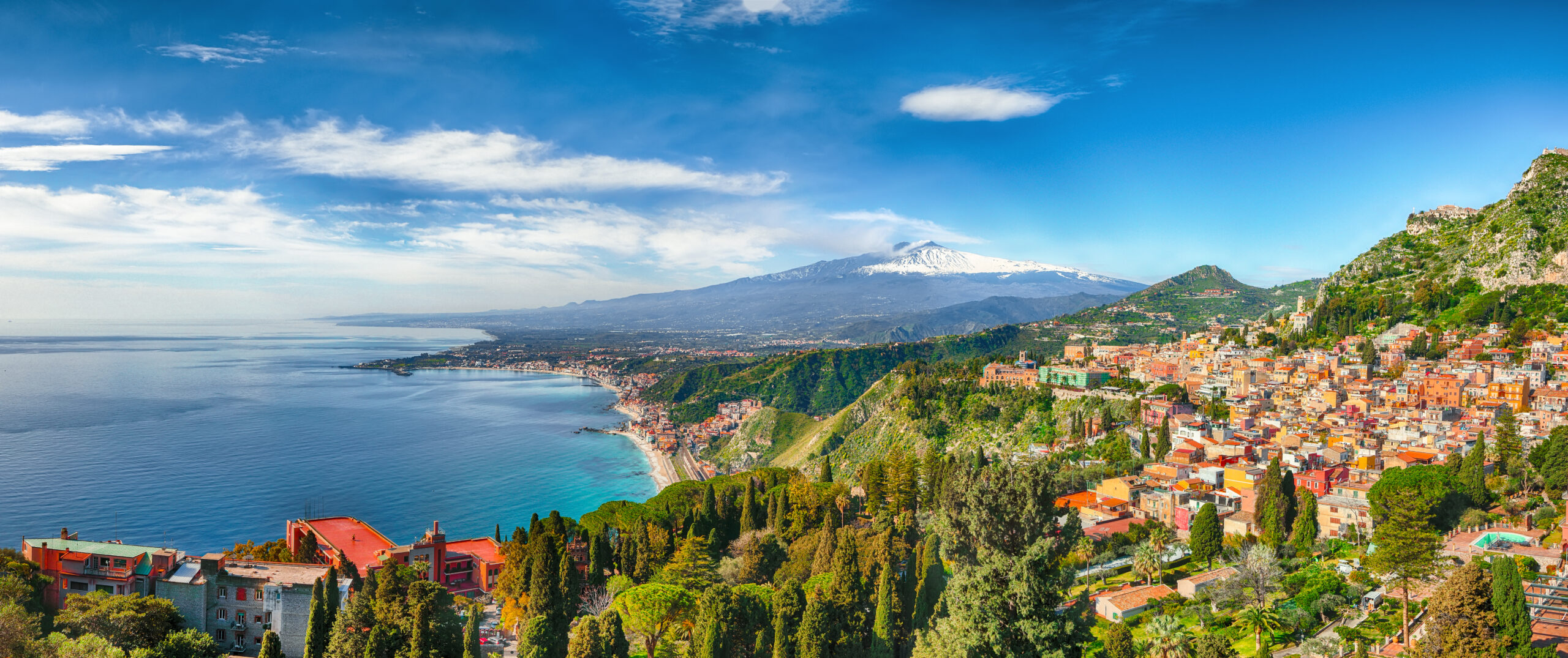
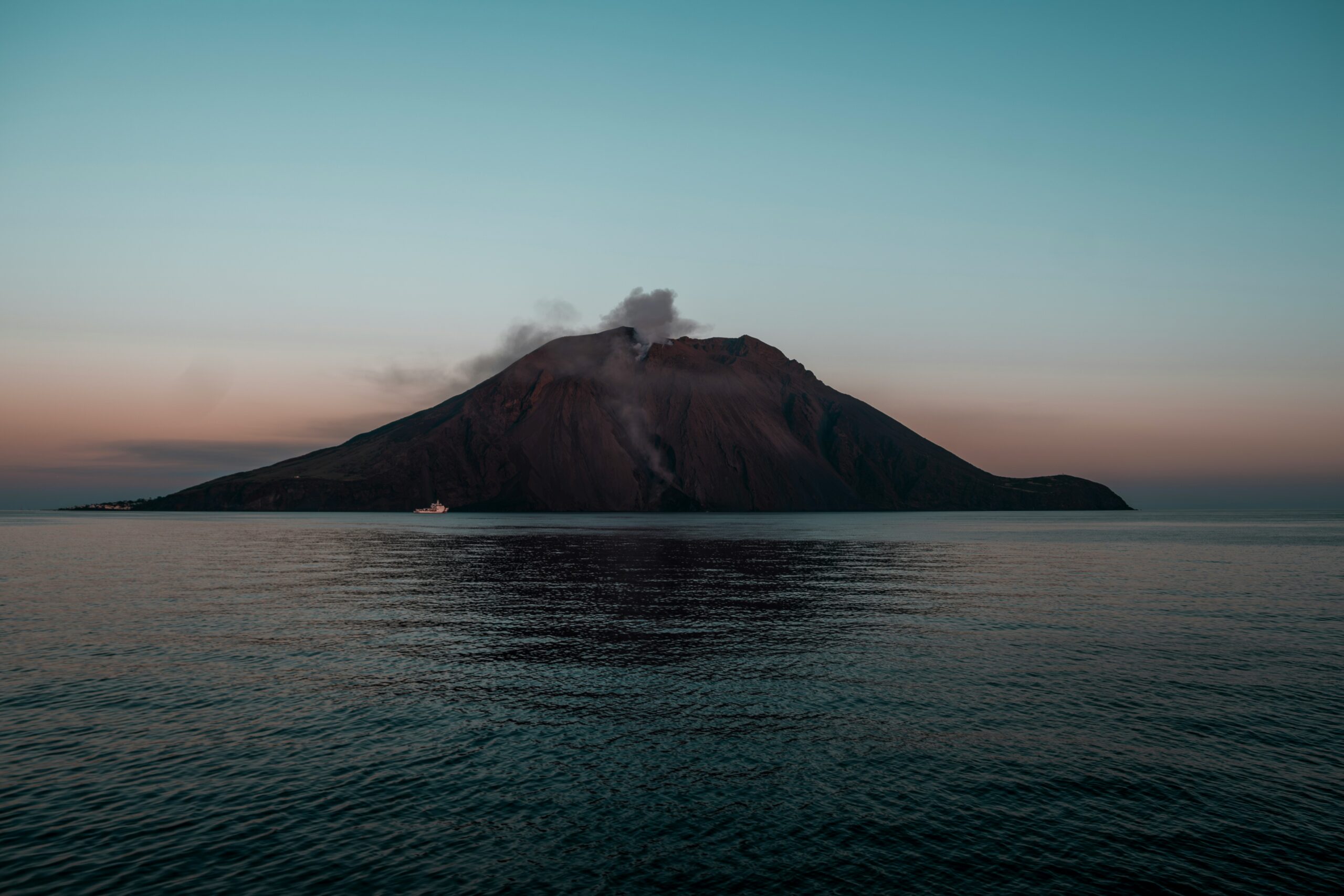
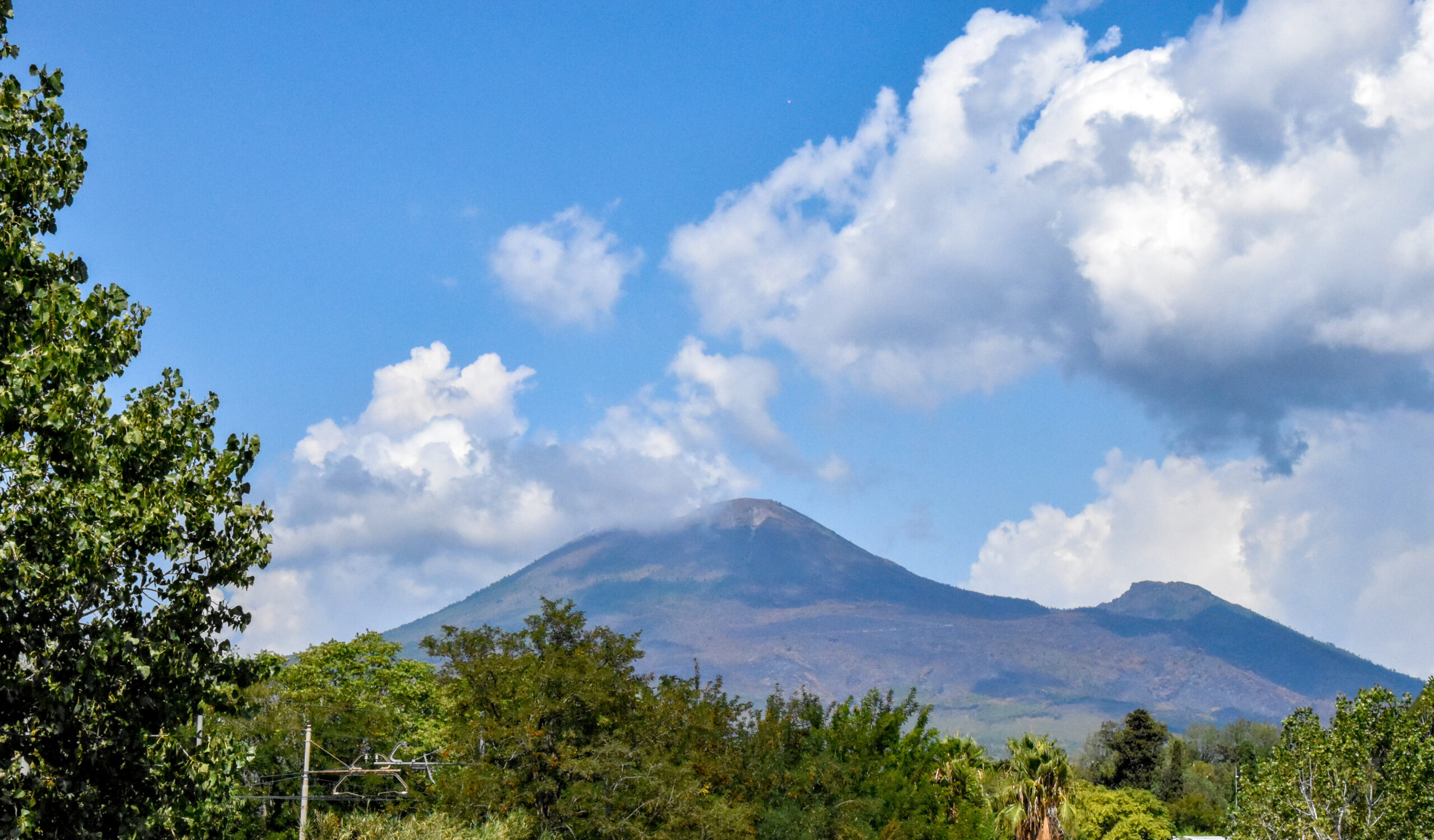
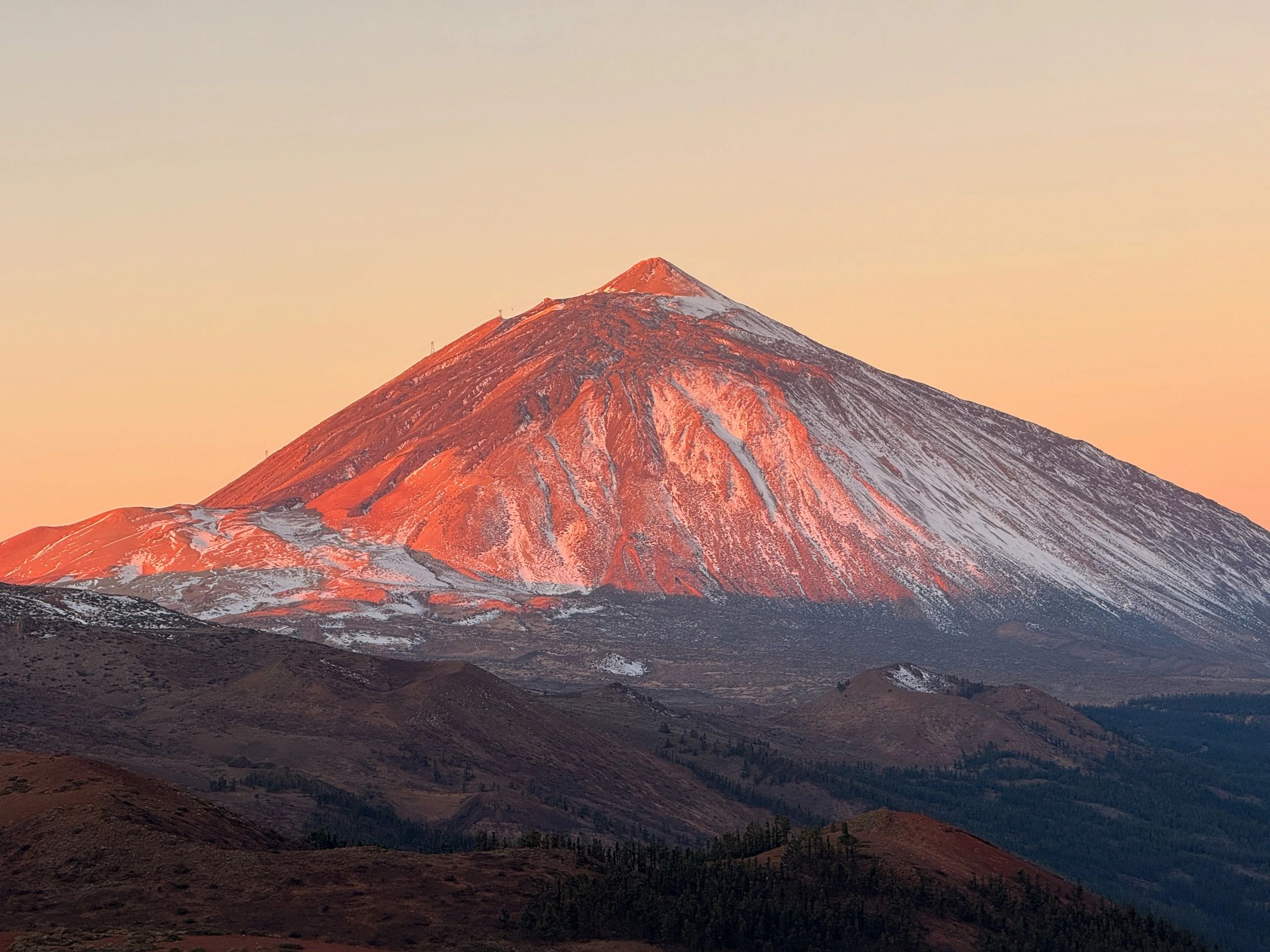
    Active European volcano with characteristic volcanic peak showing the type of dramatic geological landscape climbers encounter on Mount Etna, Stromboli, Mount Teide, and other active volcanoes across Italy, Iceland, Spain, Greece, and Arctic Norway — climbing active volcanoes in Europe requires understanding both standard mountaineering principles and the unique hazards of volcanic activity including gas emissions, ash, route changes from fresh lava flows, and the need to monitor current eruption status with national geological authorities before traveling
    Europe’s active volcanoes span 4 difficulty tiers. Generally, climbers should not assume all active volcanoes are similar — Mount Vesuvius is a tourist-grade walkable cone while Beerenberg in Arctic Norway is an expert expedition. Specifically, this guide ranks the 12 by accessibility and popularity rather than by activity level or elevation. Notably, eruption status changes regularly — always verify current conditions with the relevant national geological authority before committing to a climbing trip.

    The 4 Difficulty Tiers for European Volcanoes

    European active volcanoes fall into four distinct difficulty tiers based on technical demands, altitude, access requirements, and the experience needed to climb them safely. Generally, climbers should choose volcanoes within their tier rather than jumping difficulty levels, particularly given the unique hazards active volcanoes present beyond standard mountain risk. Specifically, the tiers below describe what climbers need rather than just route grades — accessible tier volcanoes can be done as part of a regular European trip, while expert tier volcanoes require dedicated expedition planning.

    • EASY TIER: Mount Vesuvius, Vulcano, Santorini Nea Kameni — walkable cones or short hikes accessible to anyone with general hiking fitness
    • MODERATE TIER: Mount Etna, Stromboli (guide required), Mount Teide (permit required), Hekla — full-day climbs requiring solid hiking fitness and basic preparation
    • HARD TIER: Eyjafjallajökull, Snæfellsjökull, Pico Viejo — glacier travel competency, crampons, and ideally guide support
    • EXPERT TIER: Katla (restricted), Beerenberg (Arctic remote expedition) — serious mountaineering experience and dedicated trip planning required

    The 12 Active Volcanoes Ranked

    The ranking below orders the 12 climbable active European volcanoes from most accessible and popular (Mount Etna at #1) to most expert and remote (Beerenberg at #12). Generally, the ranking reflects a combination of accessibility, popularity, infrastructure, and how widely climbed each volcano is — rather than ranking purely by elevation or activity level. Specifically, each card includes elevation, last eruption, climb difficulty, typical climb duration, best season, and access requirements as of 2026. Notably, climbers should treat this list as a starting point for further research rather than a definitive ranking — individual preferences and travel constraints will shift which volcano matches best.

    1

    Mount Etna (3,357m / 11,014 ft)

    Sicily, Italy · The most active and most climbed volcano in Europe
    Moderate

    Mount Etna is the icon of European volcanism — the most active and most climbed volcano on the continent, with documented eruptive activity for over 500,000 years and current ongoing eruptions throughout most years. Generally, the standard climber’s approach starts at Rifugio Sapienza on the south side (around 1,900m), then uses a cable car to approximately 2,500m, followed by 4WD vehicles or hiking to around 2,900m, then a final authorized-guide-led hike to the summit craters at 3,357m. Specifically, certified Etna mountain guides are required above approximately 2,700-2,900m due to volcanic risk, eruptive activity, and route changes from fresh lava flows that constantly reshape the terrain. Notably, Etna’s height fluctuates between approximately 3,329m and 3,357m depending on recent eruptive activity reshaping the summit cone — climbers should not be surprised by variable summit elevation readings.

    Last EruptionOngoing (continuous since 2011)
    Climb Time4-7 hours (cable car assisted)
    Best SeasonApril-October (year-round possible)
    AccessGuides required above 2,700m
    2

    Mount Vesuvius (1,281m / 4,203 ft)

    Naples, Italy · The most historically famous European volcano
    Easy

    Mount Vesuvius is the most historically famous volcano in Europe — the 79 AD eruption that destroyed Pompeii and Herculaneum is among the most studied events in volcanology. Generally, the modern climb is straightforward tourist-grade hiking on a maintained path that ascends from the parking area at approximately 1,000m to the crater rim at 1,281m in about 30-45 minutes one way. Specifically, the crater rim walk takes another 30-45 minutes, with a small admission fee (~€10) and the path open year-round subject to weather. Notably, Vesuvius’s last eruption was in 1944 — making it the longest-dormant of the major Italian active volcanoes, though geological monitoring continues to classify it as active with potential for future eruption. The path is suitable for any reasonable-fitness climber but offers little technical challenge.

    Last Eruption1944 (currently dormant)
    Climb Time2 hours total (round trip)
    Best SeasonYear-round (April-October optimal)
    AccessNational park, small fee, no guide needed
    3

    Stromboli (924m / 3,031 ft)

    Aeolian Islands, Italy · Continuous activity for 2,000+ years
    Moderate

    Stromboli is one of the most uniquely active volcanoes in the world — it has continuously produced Strombolian eruptions (small lava ejections every 10-20 minutes) for over 2,000 years. Generally, the standard climber’s experience is a night ascent to authorized observation areas where climbers watch lava ejections illuminating the night sky. Specifically, Italian Civil Protection regulations require authorized local guides above 290m, with the standard summit observation point at approximately 400m for routine activity and the upper sections (up to 924m) accessible only during periods of calm activity. Notably, Stromboli has produced major paroxysmal eruptions in recent years (July and August 2019 caused fatalities and temporary upper-mountain closure) and routine activity changes can prompt access restrictions. Climbers should verify current access conditions with local guides before traveling.

    Last EruptionContinuous (Strombolian)
    Climb Time6-7 hours round trip
    Best SeasonMay-October
    AccessMandatory authorized guides above 290m
    4

    Mount Teide (3,715m / 12,188 ft)

    Tenerife, Canary Islands, Spain · The highest active volcano in Europe
    Moderate

    Mount Teide is the highest active volcano in Europe at 3,715m and also the highest point in all of Spain. Generally, the climb combines a cable car to approximately 3,555m followed by a final summit cone hike that requires a free permit limited to 200 climbers per day. Specifically, climbers without permits can hike to the cable car upper station but cannot continue to the summit cone — the permit system is enforced by the Spanish National Park Service and bookings open up to 90 days in advance. Notably, despite Teide’s height, the last eruption was in 1909 and the volcano is currently considered geologically dormant though still classified as active due to its young eruptive history. The altitude (3,715m) makes Teide the only European active volcano where AMS (acute mountain sickness) becomes a meaningful planning concern.

    Last Eruption1909 (currently dormant)
    Climb Time4-8 hours (cable car or full hike)
    Best SeasonYear-round (winter requires snow gear)
    AccessFree permit required for summit cone
    5

    Hekla (1,491m / 4,892 ft)

    Southern Iceland · Famously called the “Gateway to Hell” in medieval Europe
    Moderate

    Hekla is Iceland’s most famous historic volcano — medieval Europeans called it the “Gateway to Hell” and it has erupted more than 20 times since 874 AD. Generally, the standard climb is a 6-8 hour round trip on a non-technical route from the standard trailhead, suitable for fit hikers with appropriate weather preparation. Specifically, Hekla can be climbed independently in good summer conditions, though winter ascents require ski mountaineering equipment and Icelandic mountain guides. Notably, Hekla is widely cited as “overdue” for eruption — geological monitoring suggests the volcano builds pressure between eruptions, and the last major eruption was in 2000 (relatively short for Hekla’s pattern of 1-2 eruptions per century). Climbers should monitor Icelandic Met Office reports for any pre-eruption signals before traveling.

    Last Eruption2000 (considered “overdue”)
    Climb Time6-8 hours round trip
    Best SeasonJune-August
    AccessFree, no guide required summer
    6

    Vulcano (500m / 1,640 ft)

    Aeolian Islands, Italy · The volcano that gave its name to “volcano”
    Easy

    Vulcano is the volcano whose Italian name became the English word “volcano” — it gives the entire category its name. Generally, the modern climb is a short 1-2 hour hike up the Gran Cratere (main crater rim) from the Porto di Levante harbor area, suitable for any reasonable-fitness climber. Specifically, the trail ascends through volcanic landscape with active fumaroles, sulfur deposits, and views into the crater — a fascinating but olfactorily intense experience. Notably, Vulcano’s last eruption was 1888-1890, making it dormant but still classified as active with ongoing fumaroles and hydrothermal activity. The Aeolian Islands location pairs well with a Stromboli visit (boat connections between islands), making the two volcanoes a natural combination trip.

    Last Eruption1888-1890 (dormant)
    Climb Time1-2 hours round trip
    Best SeasonApril-October
    AccessFree, no guide needed
    7

    Eyjafjallajökull (1,651m / 5,417 ft)

    Southern Iceland · The 2010 eruption that grounded European aviation
    Hard

    Eyjafjallajökull became globally famous in 2010 when its eruption produced an ash cloud that grounded European aviation for weeks. Generally, the modern climb is a glaciated stratovolcano ascent requiring crampons, ice axes, and ideally a glacier rope team — making it substantially more technical than Mediterranean active volcanoes. Specifically, the standard route follows the Fimmvörðuháls path or approaches via the southern glacier with Icelandic mountain guide support recommended for climbers without prior glacier travel experience. Notably, Eyjafjallajökull has been quiet since the 2010 eruption ended but remains an active stratovolcano under geological monitoring. The glaciated terrain on the upper mountain means climbers should treat it as a real mountaineering objective rather than a casual hike.

    Last Eruption2010 (major ash event)
    Climb Time10-14 hours round trip
    Best SeasonJune-August
    AccessGuide strongly recommended
    8

    Snæfellsjökull (1,446m / 4,744 ft)

    Western Iceland · The volcano from Jules Verne’s “Journey to the Center of the Earth”
    Hard

    Snæfellsjökull is the volcanic stratovolcano under a permanent glacier cap on Iceland’s Snæfellsnes Peninsula — famous as the entry point to the center of the earth in Jules Verne’s 1864 novel. Generally, the climb requires glacier travel competency, crampons, and ideally a guided ascent with an Icelandic mountain guide familiar with current ice conditions. Specifically, the standard route ascends from the southwest with approximately 7-10 hours round trip required depending on conditions and snow coverage. Notably, Snæfellsjökull’s last confirmed eruption was around 200 AD, making it geologically dormant for nearly 2,000 years, though it’s still classified as active. The glacier is shrinking due to climate change, which is changing the route conditions year-by-year and may eventually expose the underlying volcanic rock that has been ice-covered for centuries.

    Last Eruption~200 AD (long dormant)
    Climb Time7-10 hours round trip
    Best SeasonApril-June (snow climb)
    AccessGlacier travel competency required
    9

    Santorini Nea Kameni (367m / 1,204 ft)

    Cyclades, Greece · The Aegean caldera that ended Minoan civilization
    Easy

    Santorini is one of the most consequential volcanoes in human history — the Minoan eruption around 1610 BC devastated the eastern Mediterranean civilization and may have inspired the Atlantis legend. Generally, the modern “climb” is a short 1-2 hour walk on the volcanic island Nea Kameni in the center of the Santorini caldera, reached by tour boat from Fira or other Santorini towns. Specifically, the trail crosses recent lava flows, active fumaroles, and provides views of the caldera walls (the dramatic Santorini cliffs are essentially the inner walls of the caldera). Notably, while the elevation of 367m makes this the lowest “climb” on the list, the geological significance and the dramatic Aegean setting make it a worthwhile addition to any European volcano list. Tour boats run year-round with peak crowds June-September.

    Last Eruption1950 (Nea Kameni dome growth)
    Climb Time1-2 hours total
    Best SeasonApril-October
    AccessTour boat from Santorini, small fee
    10

    Pico Viejo (3,135m / 10,285 ft)

    Tenerife, Spain · Teide’s secondary cone for climbers seeking less-crowded ascent
    Hard

    Pico Viejo is the secondary cone of the Mount Teide volcanic complex on Tenerife, often climbed by climbers seeking a less-crowded alternative to Teide itself. Generally, the route is longer and more demanding than the standard Teide cable-car-assisted climb, with approximately 1,600m of elevation gain from the standard Teide National Park trailheads. Specifically, the climb requires good hiking fitness, navigation capability across the volcanic plateau, and ideally combination with Teide as a 2-3 day trip. Notably, Pico Viejo last erupted in 1798, making it the most recently erupted vent in the Teide complex and the source of the “Narices del Teide” (Nostrils of Teide) lava field that climbers cross on the route. The volcano remains under active monitoring as part of the broader Teide complex.

    Last Eruption1798
    Climb Time8-12 hours round trip
    Best SeasonApril-October (winter snow possible)
    AccessFree, navigation skills required
    11

    Katla (1,512m / 4,961 ft)

    Southern Iceland · Subglacial volcano under Mýrdalsjökull glacier
    Expert

    Katla is one of Iceland’s most dangerous active volcanoes — a massive subglacial volcano hidden under the Mýrdalsjökull ice cap. Generally, climbers cannot reach the volcanic crater directly because it lies beneath approximately 700m of glacier ice; the practical objective is climbing the glacier above (typically the highest point of Mýrdalsjökull at 1,512m). Specifically, this requires serious glacier travel competency including crevasse rescue, ideally with Icelandic mountain guides familiar with current ice conditions and crevasse mapping. Notably, Katla is widely cited as “overdue” for eruption — historical patterns suggest 2-3 major eruptions per century, but the last confirmed major eruption was 1918. Geological monitoring of Mýrdalsjökull is ongoing, and a Katla eruption would likely produce a substantial jökulhlaup (glacial flood) affecting the surrounding landscape.

    Last Eruption1918 (considered “overdue”)
    Climb Time8-12 hours (glacier traverse)
    Best SeasonApril-July (firmer snow)
    AccessIcelandic guide essential
    12

    Beerenberg (2,277m / 7,470 ft)

    Jan Mayen Island, Arctic Norway · The northernmost active subaerial volcano in the world
    Expert

    Beerenberg is the most remote and most expert objective on this list — the northernmost active subaerial volcano in the world, located on Jan Mayen Island in the Arctic Ocean approximately 600km northeast of Iceland. Generally, climbing Beerenberg requires special permission from the Norwegian government (Jan Mayen is a restricted military and meteorological station), Arctic-grade expedition logistics, and serious mountaineering experience. Specifically, the climb involves glaciated terrain, severe Arctic weather, and a 5-7 day expedition just to reach and ascend the volcano. Notably, Beerenberg last erupted in 1985 and remains an active stratovolcano with ongoing geological monitoring. Only a handful of climbers attempt Beerenberg each year, typically as part of specialized Arctic expeditions through dedicated polar operators rather than standard mountain guides.

    Last Eruption1985
    Climb Time5-7 day expedition
    Best SeasonJuly-August (very narrow window)
    AccessNorwegian government permission required

    Comparison Table — All 12 at a Glance

    The table below summarizes all 12 active European volcanoes for quick comparison. Generally, climbers should use this table to identify candidates that match their experience and travel constraints before researching individual volcanoes in detail. Specifically, the “Difficulty” column reflects the experience required for the standard climbing route in good conditions — actual difficulty can shift substantially with weather, eruption activity, or off-season conditions.

    VolcanoCountryElevationDifficultyClimb TimeGuide Required?
    1. Mount EtnaItaly3,357mModerate4-7 hrsYes, above 2,700m
    2. Mount VesuviusItaly1,281mEasy2 hrsNo
    3. StromboliItaly924mModerate6-7 hrsYes, above 290m
    4. Mount TeideSpain3,715mModerate4-8 hrsPermit, no guide
    5. HeklaIceland1,491mModerate6-8 hrsNo (summer)
    6. VulcanoItaly500mEasy1-2 hrsNo
    7. EyjafjallajökullIceland1,651mHard10-14 hrsRecommended
    8. SnæfellsjökullIceland1,446mHard7-10 hrsRecommended
    9. Santorini Nea KameniGreece367mEasy1-2 hrsNo (tour boat)
    10. Pico ViejoSpain3,135mHard8-12 hrsNot required
    11. KatlaIceland1,512mExpert8-12 hrsEssential
    12. BeerenbergNorway (Arctic)2,277mExpert5-7 daysNorwegian permit + expedition

    How to Choose Which European Volcano to Climb

    Choosing among 12 climbable European volcanoes can feel overwhelming — but the right choice typically emerges from a systematic match between current eruption status, climber experience, schedule flexibility, and travel budget. Generally, climbers should follow the 4-step protocol below rather than choosing volcanoes based on social media imagery or geographic convenience alone. Specifically, the protocol prevents two common mistakes: choosing volcanoes outside the climber’s experience band, and traveling to volcanoes that have closed due to current eruption activity.

    The 4-Step Volcano Selection Protocol

    1. Check current eruption status. Verify activity with INGV (Italy), Icelandic Met Office, IGN (Spain), or relevant national geological authority. Active eruption phases can close upper sections of any volcano regardless of climber experience.
    2. Match difficulty to your experience. Beginners: Vesuvius, Vulcano, Santorini Nea Kameni. Intermediate hikers: Mount Etna, Stromboli (with guide), Mount Teide (with permit), Hekla. Glacier-experienced climbers: Eyjafjallajökull, Snæfellsjökull, Pico Viejo. Expert remote: Katla, Beerenberg.
    3. Verify regulatory requirements. Stromboli requires authorized guides above 290m. Mount Etna requires guides above 2,700m during activity. Mount Teide requires a free permit for the summit cone. Beerenberg requires Norwegian government permission for Jan Mayen access.
    4. Plan around the climbing season. Mediterranean volcanoes year-round with summer peak. Icelandic volcanoes June-August optimal. Mount Teide year-round (winter requires snow gear). Beerenberg essentially July-August only.

    The eruption-status check matters more than climbers think. Generally, active volcanoes close their upper sections during eruptive phases — sometimes with only a few hours notice. Specifically, Stromboli closed its upper mountain during the 2019 paroxysmal eruptions, Etna has closed its summit craters multiple times during recent activity, and Cumbre Vieja in La Palma was effectively closed from September to December 2021 during its eruption. Notably, climbers planning Mediterranean volcano trips should build flexibility into their itineraries — having a backup volcano option in mind protects against trip-killing closures.

    Common Mistakes Climbers Make on Active Volcanoes

    Active volcanoes punish unique mistakes that don’t apply on standard mountains.

    Active volcanoes present hazards that standard mountaineering experience doesn’t fully prepare climbers for. Generally, the most common mistakes climbers make on European volcanoes include underestimating volcanic gas exposure (sulfur dioxide can affect breathing even when climbers feel fine), trying to bypass authorized-guide requirements on Stromboli or Etna during activity periods, climbing without checking current eruption status, ignoring the unique footing challenges of fresh ash or lava terrain, and treating volcanoes like regular mountains in terms of route persistence — active volcanoes can change their terrain dramatically between climbing seasons as new lava flows reshape the landscape. Specifically, the regulations requiring guides on Stromboli and Etna exist because of multiple climber deaths from volcanic events — climbers who try to bypass these regulations risk both legal consequences and serious injury. Notably, climbers should also be aware that “dormant” classifications don’t mean safe — Vesuvius has been dormant since 1944 but the surrounding 600,000 residents are monitored under ongoing geological observation because the volcano remains active in the scientific sense.

    What We Don’t Know

    Honest limitations of any volcano list

    Eruption activity changes constantly. The information in this guide reflects 2026 status but volcano activity can change overnight. Climbers should verify current conditions with the relevant national geological authority before traveling — INGV for Italian volcanoes, Icelandic Met Office for Iceland, IGN for Spain. The list of 12 may shift if other volcanoes become more active or if currently-climbable peaks become restricted due to eruption activity.

    The 12-volcano list is editorial selection, not exhaustive. Europe has 22-30 active or potentially active volcanoes depending on definition. The 12 selected for this list are those most widely considered climbable destinations — others like Methana, Nisyros, Hverfjall, Bárðarbunga, and Grímsvötn could be added but typically aren’t standard climbing objectives due to remoteness, restriction, or technical impossibility.

    Difficulty ratings are subjective and condition-dependent. The Easy/Moderate/Hard/Expert ratings reflect typical experience under standard route conditions in good weather. Difficulty can shift substantially with off-season conditions, fresh eruption activity, ash terrain, or unusual weather. Climbers should treat ratings as starting points rather than guarantees.

    Cumbre Vieja and other recently-erupted volcanoes are deliberately omitted. La Palma’s Tajogaite (Cumbre Vieja) erupted September-December 2021 producing a new volcanic cone — but the area remains in post-eruption recovery and is not yet a standard climbing destination. Climbers interested in this peak should monitor Canary Islands government access updates as conditions stabilize.

    Local guide availability varies seasonally. The authorized-guide requirements on Stromboli, Etna, and other regulated volcanoes mean climbers depend on local guide availability — which is high in summer peak season but limited in winter. Climbers planning shoulder-season visits should book guides 4-8 weeks in advance rather than expecting day-of arrangements.

    European Volcanoes FAQ

    How many active volcanoes are there in Europe?

    Europe has approximately 22-30 active or potentially active volcanoes depending on how “active” is defined — geologically, a volcano is typically considered active if it has erupted in the past 10,000 years (Holocene era). The figure of 12 reflects the subset that are accessible, popular climbing destinations with manageable risk. Italy hosts the largest concentration (Etna, Vesuvius, Stromboli, Vulcano), Iceland has Hekla, Eyjafjallajökull, Snæfellsjökull, Katla among others, Spain has Mount Teide and Pico Viejo, Greece has Santorini Nea Kameni, and Arctic Norway has Beerenberg on Jan Mayen.

    Which is the most active volcano in Europe?

    Mount Etna in Sicily, Italy is by far the most active volcano in Europe — one of the most active volcanoes in the world with documented continuous eruptive activity for over 500,000 years. Etna erupts in some form every few months, with major eruptions every 10-15 years and lava flows or Strombolian activity from the summit craters often visible at any time. Etna’s 2026 activity continues a pattern of summit eruptions, lava flows, and ash emissions that has been continuous since 2011. Despite this activity, Etna is also the most-climbed active volcano in Europe — the upper sections are closed only during major eruptive phases. Stromboli is the second most active with continuous Strombolian eruptions for over 2,000 years.

    Can you climb Mount Etna in 2026?

    Yes, Mount Etna can be climbed in 2026 with multiple route options ranging from cable-car-assisted approaches to full self-organized hikes from the base. The standard climber’s approach starts at Rifugio Sapienza on the south side (around 1,900m) where a cable car ascends to approximately 2,500m, then 4WD vehicles or hiking to around 2,900m, then guided hike to the summit craters. The upper sections above 2,700-2,900m typically require certified Etna mountain guides due to volcanic risk and route changes from fresh lava flows. Etna routinely closes the upper crater area during active eruption phases — check current activity through Italy’s INGV before traveling. Total climb time varies from 4-7 hours (cable car assisted) to 10-14 hours (full base-to-summit).

    Is Stromboli safe to climb?

    Stromboli is generally safe to climb with authorized guides above 290m, but the volcano has continuous eruptive activity that requires constant management. The Stromboli summit at 924m requires hiring authorized local guides for any ascent above 290m, with regulations enforced by Italian Civil Protection. The standard night ascent takes approximately 6-7 hours round-trip and provides views of continuous Strombolian eruptions every 10-20 minutes. Stromboli produced major paroxysmal eruptions in July and August 2019 which closed the upper mountain temporarily. Verify current access conditions with local guides before traveling, and accept that itineraries may change based on volcanic activity. Lower-altitude observation points (around 400m) remain accessible during most periods of restricted summit access.

    What is the highest active volcano in Europe?

    Mount Teide on Tenerife in Spain’s Canary Islands is the highest active volcano in Europe at 3,715 meters (12,188 feet), and the highest point in all of Spain. Despite its height, Mount Teide last erupted in 1909 and is currently considered geologically dormant but still classified as active. Climbing Mount Teide to the actual summit cone requires a free permit from the Spanish National Park Service that limits daily visitors to 200. Mount Etna at 3,357m is the second-highest active European volcano and is far more geologically active than Teide. Pico Viejo at 3,135m is the third-highest and shares the Teide volcanic complex on Tenerife.

    Do I need a guide to climb European volcanoes?

    Whether you need a guide depends on the specific volcano, the route, and current eruption status. Mount Etna requires authorized Etna guides above approximately 2,700-2,900m due to volcanic risk. Stromboli requires authorized local guides above 290m by Italian Civil Protection regulation. Mount Teide requires a free permit (but not necessarily a guide) for the summit cone. The easier volcanoes can be climbed independently: Mount Vesuvius, Vulcano, and Santorini’s Nea Kameni. Icelandic volcanoes vary — Hekla can be climbed independently in good conditions, while glaciated volcanoes (Eyjafjallajökull, Snæfellsjökull, Katla) typically require glacier travel competency and ideally Icelandic mountain guides. Even where guides aren’t required, local expertise is particularly valuable for active volcanoes.

    Sources and Methodology

    Numbered Source References

    This guide synthesizes current 2026 volcanic activity data, official access regulations, and climber-tested route information from multiple authoritative sources.

    1. Italian volcano monitoring. Istituto Nazionale di Geofisica e Vulcanologia (INGV) — official monitoring authority for Italian volcanoes including Mount Etna, Mount Vesuvius, Stromboli, and Vulcano. Provides current activity bulletins and access regulations.
    2. Icelandic volcano monitoring. Icelandic Met Office (Veðurstofa Íslands) — official monitoring authority for Icelandic volcanoes including Hekla, Eyjafjallajökull, Snæfellsjökull, Katla, and others.
    3. Spanish volcano monitoring. Instituto Geográfico Nacional (IGN) — official monitoring for Spanish volcanoes including Mount Teide and Pico Viejo on Tenerife, and the recent Cumbre Vieja eruption on La Palma.
    4. Teide National Park access. Teide National Park Authority (Spain) — manages the free permit system limiting 200 climbers per day to the summit cone of Mount Teide.
    5. Jan Mayen (Beerenberg) access. Norwegian Polar Institute — manages access to Jan Mayen Island, which requires special government permission for non-research visits. Norwegian Met Office maintains the meteorological station on the island.
    6. Global Volcanism Program. Smithsonian Institution Global Volcanism Program — comprehensive database of all known volcanoes worldwide including detailed eruption history for European volcanoes covered in this guide.
    7. Internal Global Summit Guide research. Mountain Collections page for European Volcanoes plus individual mountain pages for Mount Etna, Mount Vesuvius, and other featured peaks.

    Methodology note. Quarterly review cycle — next review September 2026. Climbers should always verify current eruption status with the relevant national geological authority before traveling.

    Continue Your Volcano Climbing Research

    Active Volcanoes Reward Discipline, Not Optimism

    Generally, the climbers who successfully climb European active volcanoes are not the most ambitious — they’re the ones who verify current eruption status, match difficulty to their proven experience, respect access regulations, and travel during appropriate seasons. Specifically, the 12-volcano framework on this page replaces social-media-driven destination selection with structured planning that produces safer and more rewarding climbs across all four difficulty tiers. Notably, eruption activity changes — always verify current conditions before traveling.

    Full European Volcanoes Collection →

    Was this helpful?

    Yes
    No
    Thanks for your feedback!
Language »