<

Category: mountain climbing guide

  • Altitude Sickness: Symptoms, Prevention, and Treatment Guide

    Altitude Sickness: Symptoms, Prevention, and Treatment Guide

    Altitude Sickness: Comprehensive Symptoms, Prevention, and Treatment Guide

    Altitude sickness, also known as acute mountain sickness (AMS), occurs when individuals ascend to high altitudes too quickly without proper acclimatization. This condition can lead to a range of symptoms, including headaches, nausea, and dizziness, which can significantly impact one’s ability to enjoy mountain activities. Understanding altitude sickness is crucial for anyone planning to engage in mountain climbing or other high-altitude adventures. This guide will provide insights into the symptoms, prevention strategies, and treatment options for altitude sickness, ensuring that adventurers can safely enjoy their experiences at high elevations. We will explore the importance of gradual ascent, hydration, and recognizing symptoms early, as well as the medical interventions available for severe cases.

    For more detailed information on planning your next high-altitude adventure, Global Summit Guide offers resources to help you prepare.

    Symptoms

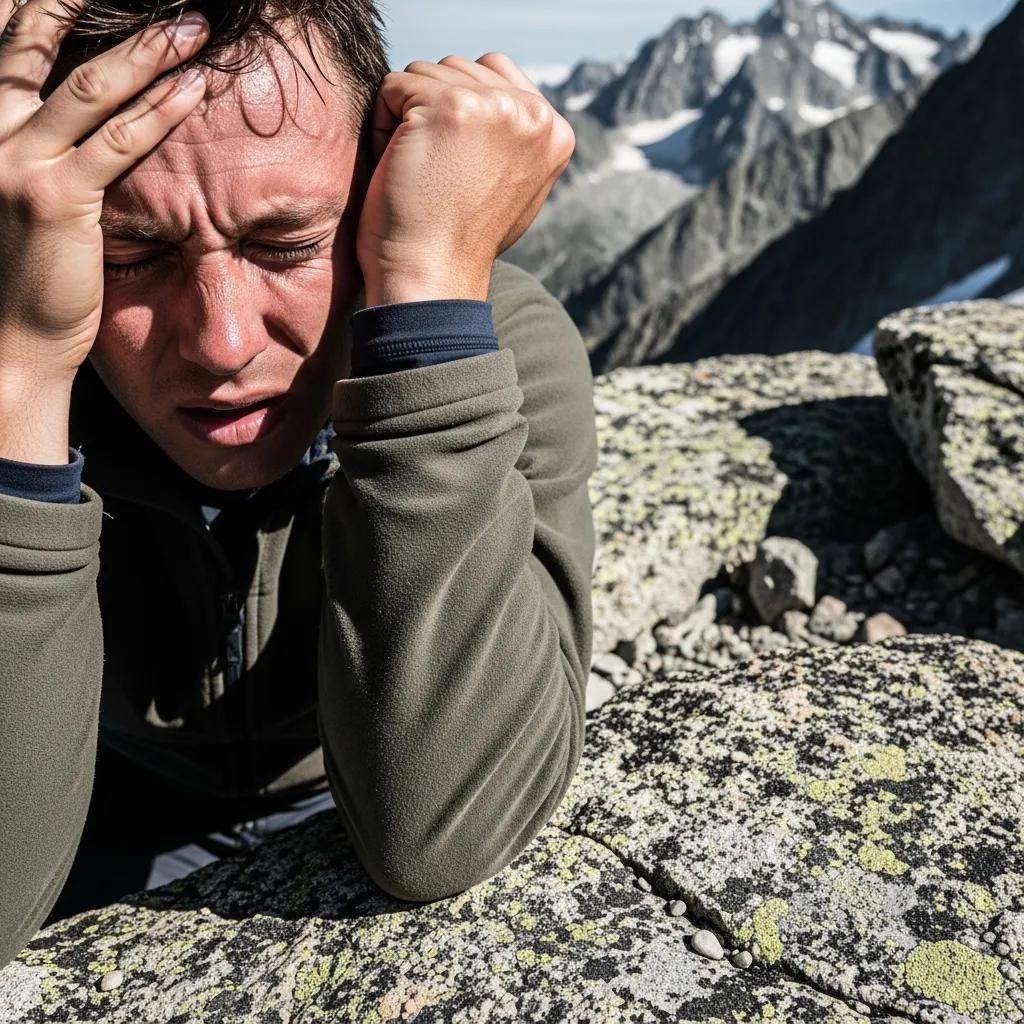
    Person showing symptoms of altitude sickness on a mountain trail

    Altitude sickness manifests through various symptoms that can range from mild to severe. Common symptoms include:

    1. Severe Headache: Often the first sign, headaches can be debilitating and are typically exacerbated by physical exertion.
    2. Nausea and Vomiting: Many individuals experience gastrointestinal distress, which can lead to dehydration if not managed properly.
    3. Dizziness and Fatigue: A feeling of lightheadedness and extreme tiredness can hinder one’s ability to perform daily activities.
    4. Sleep Disturbances: Insomnia or disrupted sleep patterns are common at high altitudes due to lower oxygen levels.

    Recognizing these symptoms early is vital for effective management and prevention of more severe conditions, such as high altitude pulmonary edema (HAPE) or high altitude cerebral edema (HACE).

    Prevention

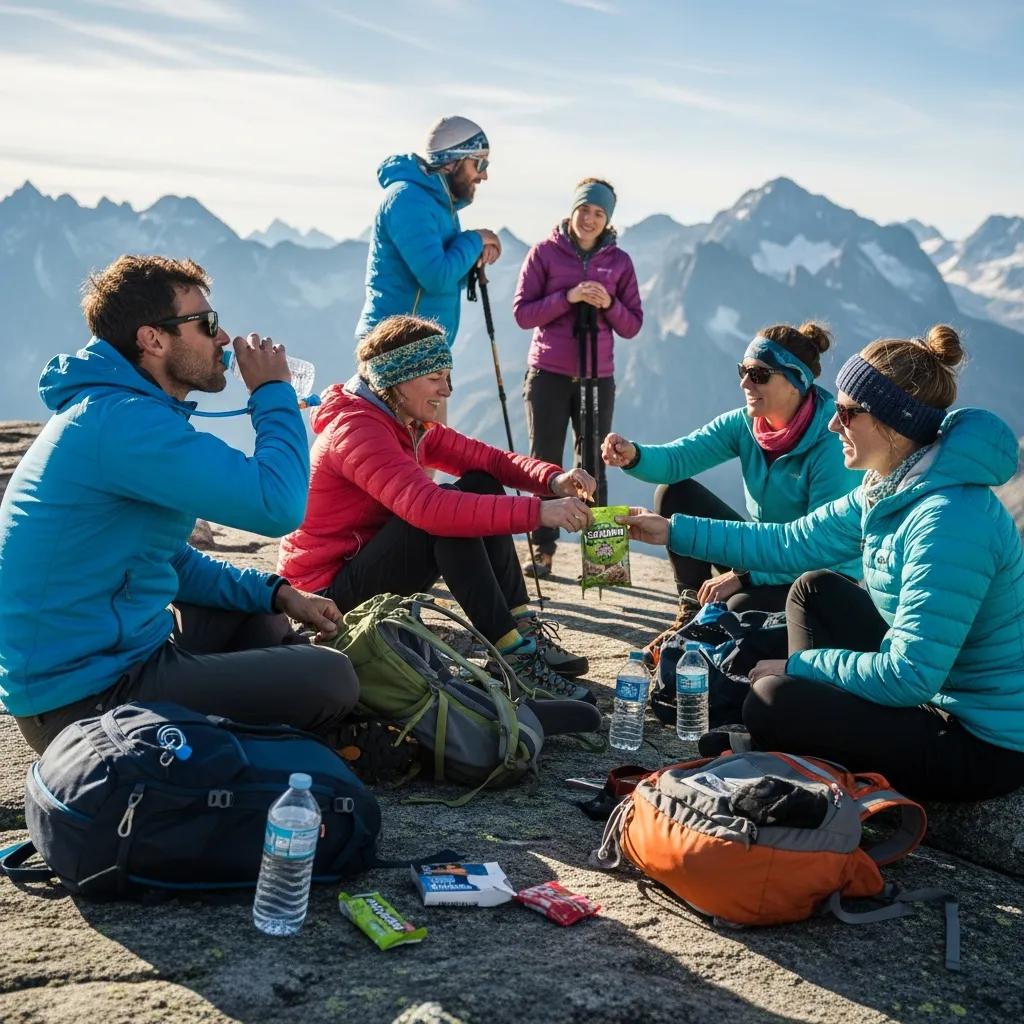
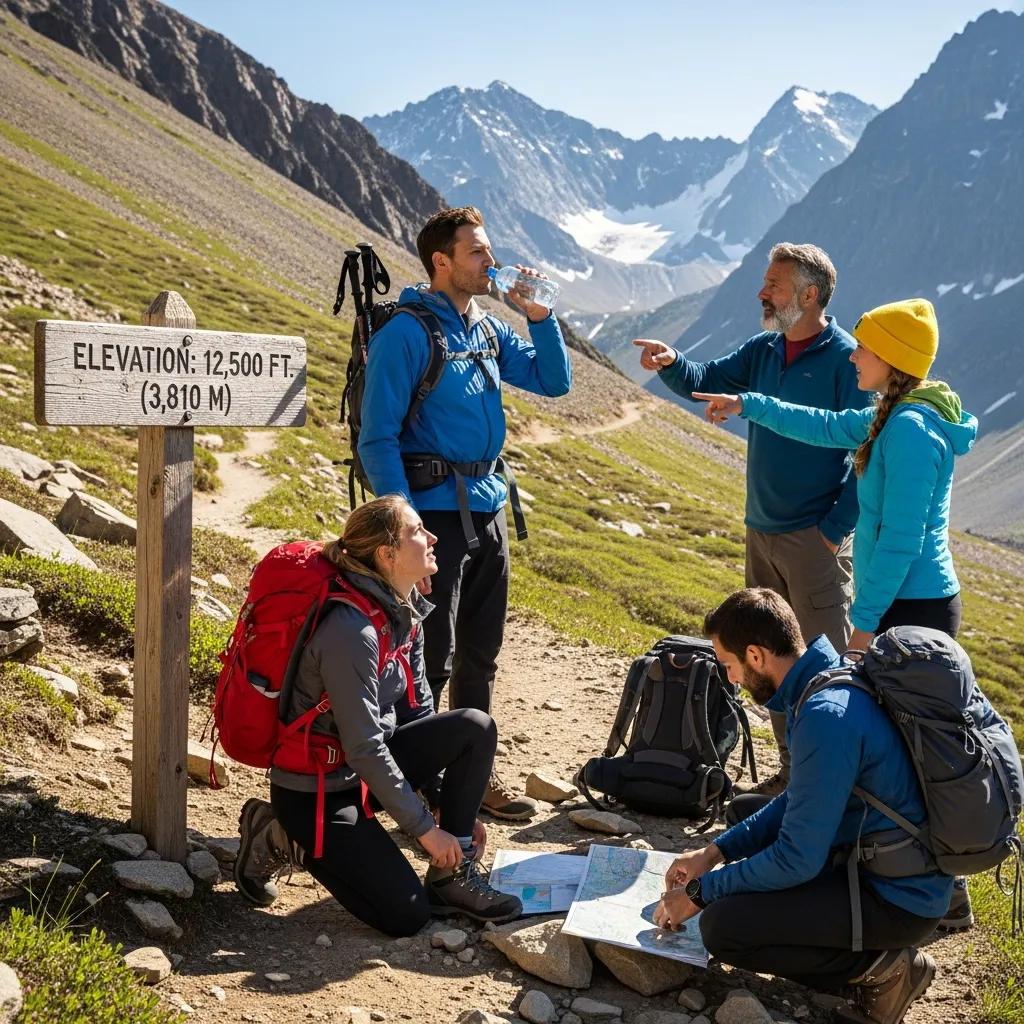
    Hikers practicing prevention strategies against altitude sickness in a mountain setting

    Preventing altitude sickness is primarily about acclimatization and awareness. Here are key strategies to minimize the risk:

    1. Gradual Ascent: Ascend slowly, allowing your body time to adjust to the decrease in oxygen levels. A general guideline is to increase altitude by no more than 1,000 feet (300 meters) per day above 8,000 feet (2,400 meters).
    2. Stay Hydrated: Drink plenty of fluids to help your body acclimatize. Dehydration can exacerbate symptoms of altitude sickness.
    3. Avoid Alcohol and Sedatives: These substances can interfere with your body’s ability to acclimatize and may worsen symptoms.
    4. Know the Symptoms: Being aware of the signs of altitude sickness can help you take action before the condition worsens.

    For those looking for additional support, Information Hub offers resources and products designed to assist with altitude acclimatization, ensuring a safer and more enjoyable experience in high-altitude environments.

    For information about gear safety, Global Summit Guide provides essential tips and recommendations.

    Treatment

    Treatment for altitude sickness varies based on the severity of symptoms. The most effective treatment is to descend to a lower altitude as quickly as possible. Other treatment options include:

    1. Oxygen Therapy: Supplemental oxygen can alleviate symptoms by increasing the amount of oxygen available to the body.
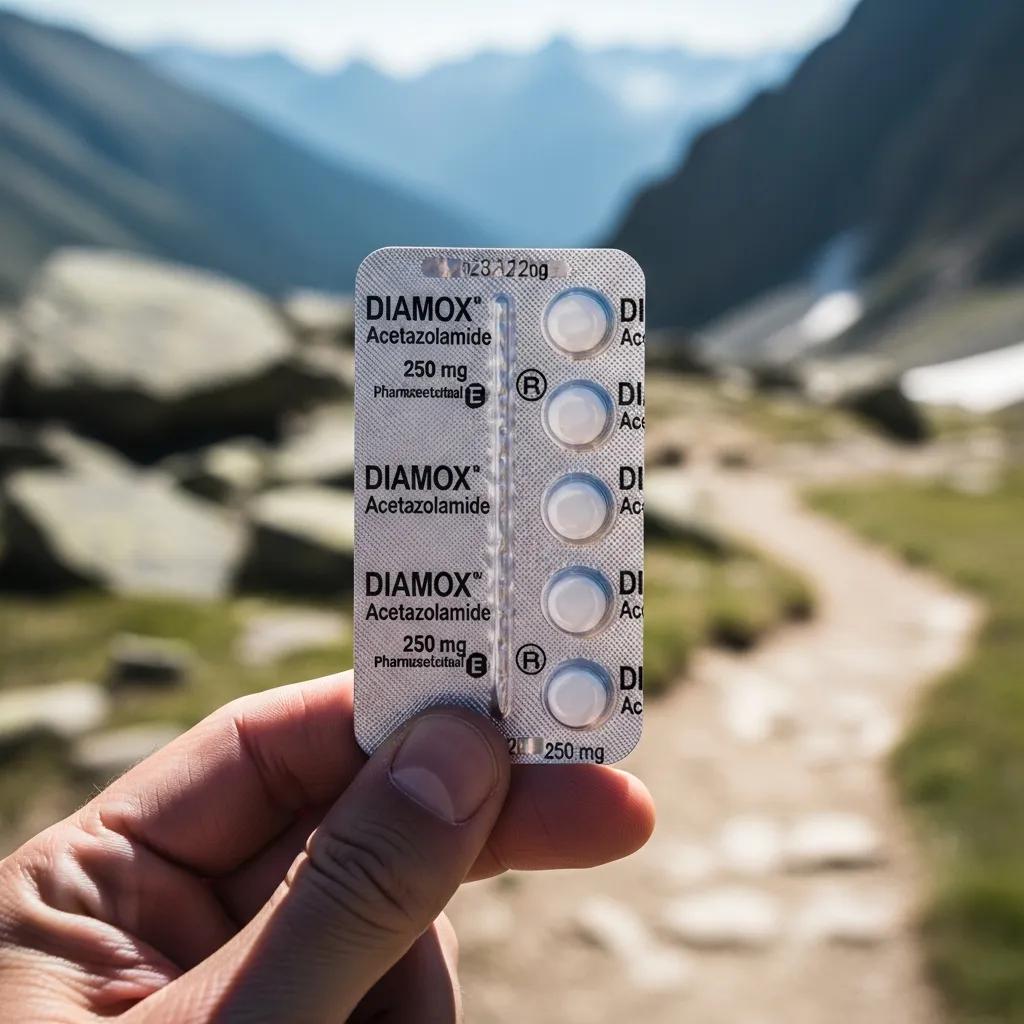
    2. Medications: Acetazolamide (Diamox) can help speed up acclimatization and reduce symptoms. It is often recommended for those who are prone to altitude sickness.
    3. Rest and Hydration: Ensuring adequate rest and fluid intake can help the body recover from mild symptoms.

    Recognizing severe symptoms early is crucial, as untreated altitude sickness can lead to life-threatening conditions like HAPE and HACE.

    General Guidelines

    When venturing into high-altitude areas, following general safety guidelines can enhance your experience:

    1. Pace Yourself: Take your time and listen to your body. Avoid overexertion, especially in the first few days at altitude.
    2. Use Offline Maps: In remote areas, ensure you have offline maps available, as cell service may be unreliable.
    3. Monitor Weather Conditions: Be aware of changing weather patterns, as they can impact your safety and comfort.

    These guidelines can help ensure a safer and more enjoyable experience while exploring high-altitude environments.

    Risk Factors

    Certain individuals may be more susceptible to altitude sickness due to various risk factors:

    1. Previous History: Those who have experienced altitude sickness in the past are at a higher risk of recurrence.
    2. Rapid Ascent: Ascending too quickly without proper acclimatization increases the likelihood of developing symptoms.
    3. Physical Condition: Individuals with pre-existing health conditions, such as respiratory or cardiovascular issues, may be more vulnerable.

    Understanding these risk factors can help individuals prepare better for high-altitude adventures and take necessary precautions.

    Frequently Asked Questions

    How can I recognize symptoms of altitude sickness?

    Recognizing symptoms early is crucial. Common signs include severe headaches, nausea, dizziness, and fatigue. If you experience these symptoms, it is essential to take action immediately.

    When should I seek medical help for altitude sickness?

    Seek medical help if symptoms worsen or if you experience severe symptoms such as confusion, inability to walk, or persistent vomiting. These may indicate a more serious condition requiring immediate attention.

    What are effective prevention methods for altitude sickness?

    Effective prevention methods include gradual ascent, staying hydrated, avoiding alcohol, and being aware of the symptoms. Taking these steps can significantly reduce the risk of altitude sickness.

  • Best Sleeping Bags for High Altitude Camping 2026

    Best Sleeping Bags for High Altitude Camping 2026

    Best Sleeping Bags for High Altitude Camping 2026: Expert Reviews and Safety-Focused Buying Guide

    When it comes to high altitude camping, selecting the right sleeping bag is crucial for ensuring a comfortable and safe experience. High altitude environments present unique challenges, including extreme temperatures and unpredictable weather conditions. This guide will explore the essential features of sleeping bags designed for high altitude camping, helping you make an informed decision. You will learn about temperature ratings, insulation types, and the best-rated sleeping bags for 2026. Additionally, we will discuss the benefits of ultralight sleeping bags and how leading brands compare in terms of quality and performance. By the end of this article, you will be equipped with the knowledge to choose the perfect sleeping bag for your next alpine adventure.

    What Are the Essential Features of High Altitude Sleeping Bags?

    High altitude sleeping bags are specifically designed to provide warmth and comfort in extreme conditions. The essential features include insulation type, temperature rating, and weight considerations. Insulation is critical as it determines how well the bag retains heat. Temperature ratings indicate the lowest temperature at which the bag will keep you warm, while weight is a significant factor for backpackers who need to minimize their load.

    FeatureDescriptionImportance
    Insulation TypeDown or synthetic materialsAffects warmth and packability
    Temperature RatingComfort and limit ratingsEnsures safety in cold conditions
    WeightTotal weight of the bagCritical for backpacking and climbing

    These features collectively ensure that a sleeping bag can withstand the rigors of high altitude camping, providing safety and comfort.

    How Do Temperature Ratings Affect Sleeping Bag Selection?

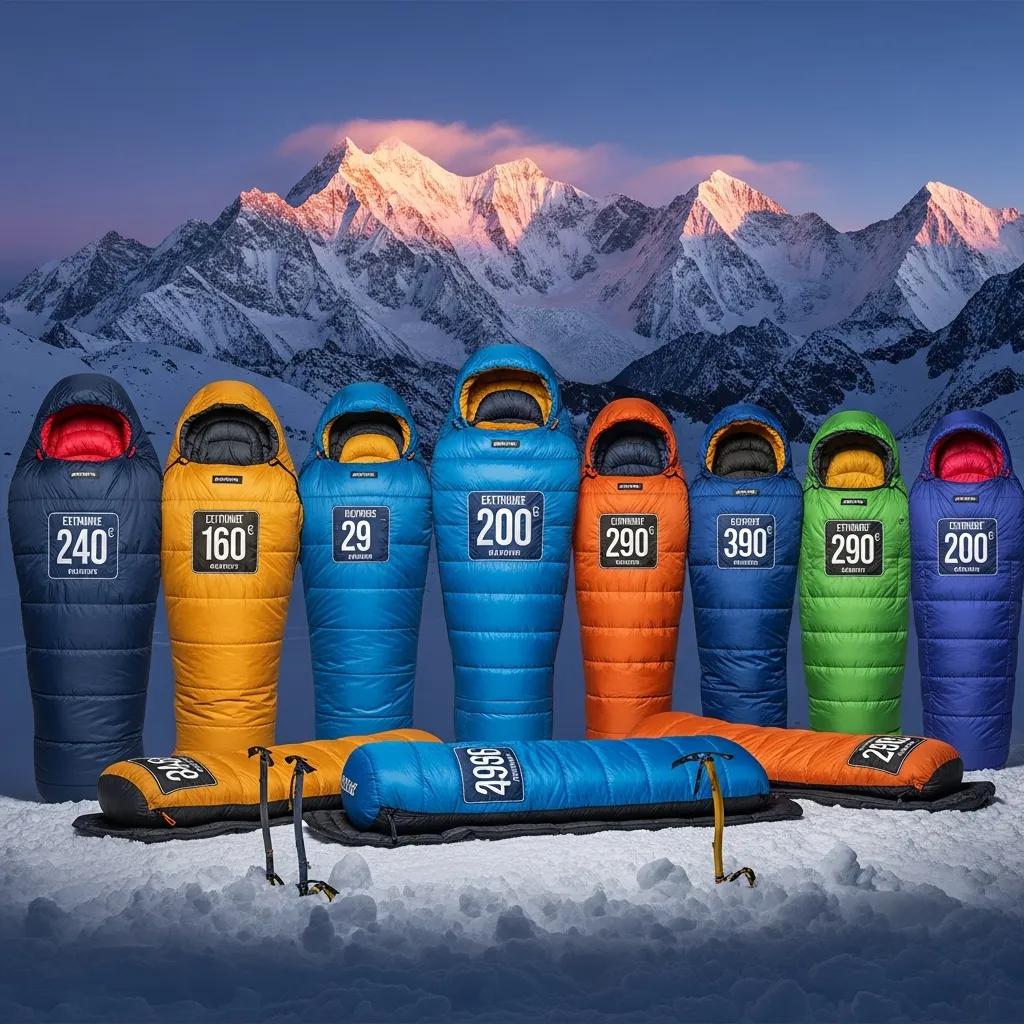
    Different sleeping bags with temperature rating tags in a snowy mountain setting

    Temperature ratings are a vital aspect of selecting a sleeping bag for high altitude camping. They are typically categorized into three ratings: comfort, limit, and extreme. The comfort rating indicates the lowest temperature at which a sleeper can expect to be comfortable, while the limit rating is the lowest temperature at which a sleeper can expect to survive. The extreme rating is the temperature at which the bag will keep a user alive for a limited time.

    Understanding these ratings helps campers choose the right sleeping bag based on the expected weather conditions. For instance, if you plan to camp in areas where temperatures can drop below freezing, selecting a bag with a lower limit rating is essential for safety and comfort.

    Further research underscores the critical link between accurate temperature ratings and preventing hypothermia, especially when selecting sleeping bags for challenging conditions.

    Sleeping Bag Thermal Comfort & Hypothermia Risk

    Six models for determining air temperatures for thermal comfort of people using sleeping bags were reviewed. These models were based on distinctive metabolic rates and mean skin temperatures. All model predictions of air temperatures are low when the insulation values of the sleeping bag are high. Nevertheless, prediction variations are greatest for the sleeping bags with high insulation values, and there is a high risk of hypothermia if an inappropriate sleeping bag is chosen for the intended conditions of use.

    Prediction of air temperature for thermal comfort of people using sleeping bags: a review, 2008

    What Insulation Types Are Best for Extreme Cold Conditions?

    When it comes to insulation types for extreme cold conditions, there are two primary options: down insulation and synthetic insulation.

    1. Down Insulation: Known for its excellent warmth-to-weight ratio, down insulation is highly compressible and provides superior insulation. However, it loses its insulating properties when wet, making it less suitable for damp conditions unless treated with water-resistant coatings.
    2. Synthetic Insulation: This type of insulation retains its insulating properties even when wet, making it a reliable choice for unpredictable weather. While generally heavier than down, synthetic options have improved significantly in terms of warmth-to-weight ratios.

    Choosing between these insulation types depends on the specific conditions you expect to encounter during your high altitude camping trip.

    Which Sleeping Bags Are Top-Rated for High Altitude Camping in 2026?

    Several sleeping bags stand out for high altitude camping in 2025, offering a combination of warmth, weight, and durability. Here are some top-rated options:

    1. The North Face Summit Series: Renowned for its down insulation and lightweight design, this bag is generally reviewed as perfect for extreme conditions.
    2. Marmot Lithium: This sleeping bag features a high warmth-to-weight ratio and is designed for sub-zero temperatures, making it ideal for high altitude.
    3. Mountain Hardwear Ghost Whisperer: Known for its ultralight design, this bag is praised by backpackers who prioritize weight without sacrificing warmth.

    These options have been highly rated by users for their performance in extreme conditions, making them excellent choices for high altitude camping.

    For those seeking high-quality sleeping bags, Information Hub offers a selection of top-rated options that cater to various needs and preferences.

    What Are the Benefits of Ultralight Sleeping Bags for Mountaineering?

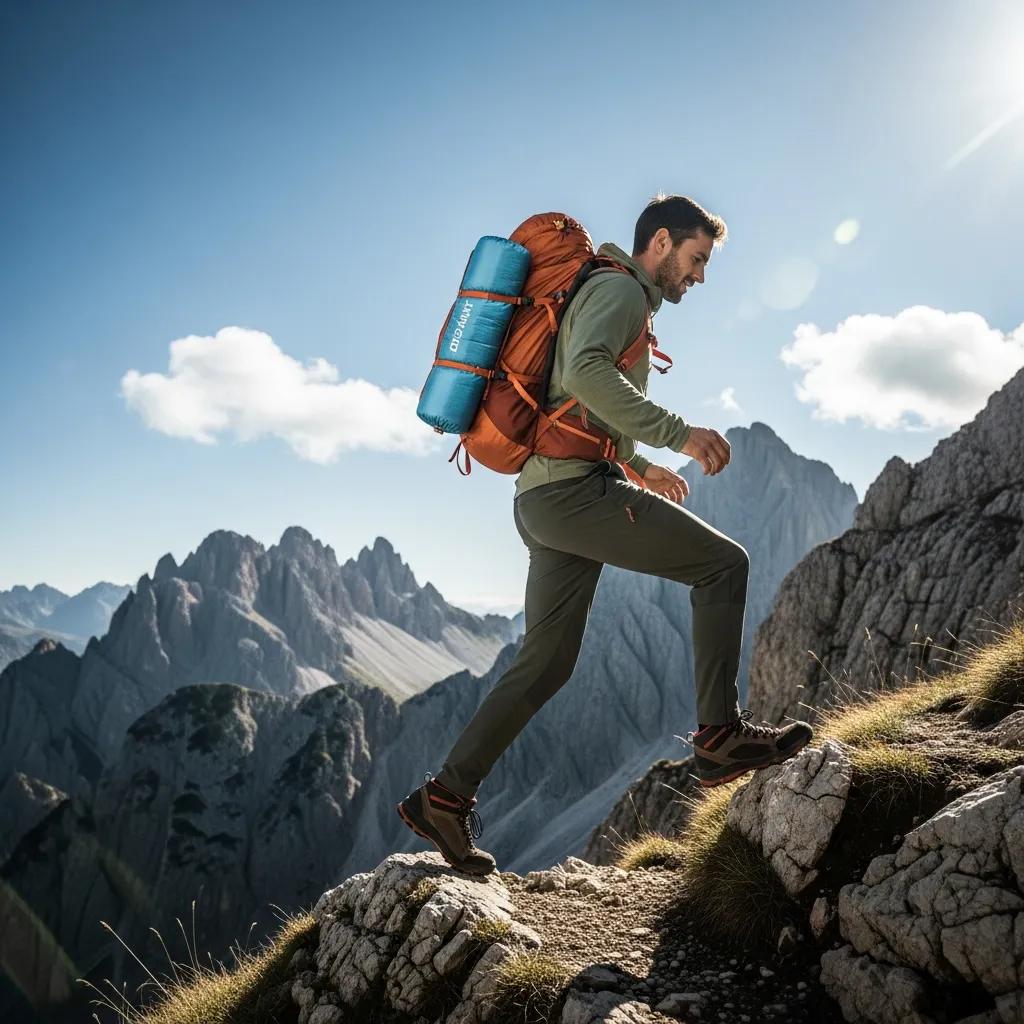
    Hiker carrying an ultralight sleeping bag on a mountain trail

    Ultralight sleeping bags are specifically designed for mountaineering and long treks where every ounce counts. The primary benefits include:

    1. Weight Savings: Ultralight bags are significantly lighter than traditional options, making them easier to carry during long hikes.
    2. Packability: These bags compress down to a small size, allowing for more efficient packing in your backpack.
    3. Comfort in Extreme Conditions: Despite their lightweight design, many ultralight bags still provide excellent insulation, ensuring warmth during cold nights.

    These advantages make ultralight sleeping bags a popular choice among serious mountaineers and backpackers.

    How Do Leading Brands Compare: The North Face, Marmot, and Mountain Hardwear?

    When comparing leading brands like The North Face, Marmot, and Mountain Hardwear, several factors come into play, including brand reputation, product range, and customer satisfaction.

    • The North Face: Known for its innovative designs and high-quality materials, The North Face offers a wide range of sleeping bags suitable for various conditions.
    • Marmot: This brand is celebrated for its commitment to performance and durability, with many bags featuring advanced insulation technologies.
    • Mountain Hardwear: Focused on the needs of serious adventurers, Mountain Hardwear provides sleeping bags that excel in extreme conditions.

    Each brand has its strengths, making it essential for campers to consider their specific needs when choosing a sleeping bag.

    How to Choose Between Down and Synthetic Sleeping Bags for Mountain Camping?

    Choosing between down and synthetic sleeping bags involves weighing the pros and cons of each type.

    • Down Sleeping Bags:Pros: Lightweight, compressible, and excellent warmth-to-weight ratio.Cons: Expensive and loses insulation when wet.
    • Synthetic Sleeping Bags:Pros: Retains warmth when wet, generally more affordable.Cons: Heavier and bulkier compared to down.

    Ultimately, the choice depends on the expected weather conditions and personal preferences regarding weight and insulation performance.

    What Are the Durability and Maintenance Differences?

    Durability and maintenance are crucial factors to consider when selecting a sleeping bag. Down sleeping bags require more careful handling and maintenance, as they can be damaged by moisture and require special washing techniques. In contrast, synthetic bags are generally more durable and easier to clean, making them a practical choice for frequent use.

    To ensure longevity, it is essential to follow the manufacturer’s care instructions, including proper washing and storage techniques.

    How Does Moisture Impact Insulation Performance?

    Moisture can significantly impact the performance of insulation in sleeping bags. When down insulation becomes wet, it loses its ability to trap heat, leading to a cold and uncomfortable experience. Synthetic insulation, while more resistant to moisture, can also suffer in terms of insulation efficiency when saturated.

    To mitigate moisture issues, it is advisable to use a waterproof stuff sack and consider the weather conditions when choosing a sleeping bag.

    What Packing and Maintenance Tips Ensure Sleeping Bag Longevity at High Altitudes?

    Proper packing and maintenance are essential for ensuring the longevity of your sleeping bag, especially in high altitude conditions. Here are some tips:

    1. Use a Compression Sack: This helps reduce the bag’s volume for easier packing.
    2. Store Loosely: When not in use, store your sleeping bag in a loose cotton sack to maintain loft.
    3. Regular Cleaning: Follow the manufacturer’s instructions for cleaning to prevent buildup of dirt and oils.

    These practices will help maintain the performance and lifespan of your sleeping bag.

    How Should You Properly Store and Clean Your Sleeping Bag?

    Proper storage and cleaning of your sleeping bag are vital for maintaining its insulation properties.

    • Storage: Always store your sleeping bag in a cool, dry place, preferably in a loose storage sack to avoid compression.
    • Cleaning: Use a front-loading washing machine on a gentle cycle with mild detergent. Avoid fabric softeners, and dry the bag on low heat with dryer balls to restore loft.

    Following these guidelines will help keep your sleeping bag in optimal condition for your next adventure.

    What Are Essential Packing Strategies for Alpine Expeditions?

    Packing for alpine expeditions requires careful consideration to ensure you have all necessary gear while minimizing weight. Here are some essential strategies:

    1. Prioritize Gear: Focus on essential items that provide the most utility.
    2. Use Multi-Functional Items: Choose gear that serves multiple purposes to save space and weight.
    3. Organize Efficiently: Use packing cubes or dry bags to keep your gear organized and accessible.

    These strategies will help you pack efficiently for your alpine adventure.

    What Safety Considerations Should You Know When Using Sleeping Bags in Extreme Conditions?

    Safety is paramount when using sleeping bags in extreme conditions. Here are some key considerations:

    1. Choose the Right Bag: Ensure your sleeping bag is rated for the temperatures you expect to encounter.
    2. Use Insulated Pads: An insulated sleeping pad can provide additional warmth and comfort.
    3. Stay Hydrated: Dehydration can lead to increased heat loss, so ensure you drink enough water.

    By following these safety tips, you can enhance your comfort and reduce risks during high altitude camping.

    How to Assess Risk and Choose Appropriate Temperature Ratings?

    Assessing risk and choosing the right temperature ratings involves understanding the conditions you will face. Consider factors such as altitude, expected weather, and personal comfort levels.

    • Research Conditions: Look into the typical weather patterns for your camping location.
    • Personal Comfort: Some individuals may require warmer bags than others based on their comfort levels.

    By carefully evaluating these factors, you can select a sleeping bag that meets your needs.

    What Are Common Mistakes to Avoid in High Altitude Camping Gear?

    When preparing for high altitude camping, avoiding common mistakes can enhance your experience. Here are some pitfalls to watch out for:

    1. Overpacking: Bringing too much gear can weigh you down and complicate your journey.
    2. Ignoring Weather Conditions: Failing to check the weather can lead to inadequate gear choices.
    3. Neglecting Gear Maintenance: Not maintaining your gear can lead to failures when you need them most.

    By being aware of these mistakes, you can better prepare for your high altitude adventure.

    Where Can You Find Reliable User Reviews and Structured Data for Sleeping Bags?

    Finding reliable user reviews and structured data is essential for making informed purchasing decisions. Look for reviews on reputable outdoor gear websites, forums, and social media platforms. Structured data can often be found on product pages, providing insights into user experiences and product specifications.

    How Do User Ratings Influence Sleeping Bag Selection?

    User ratings play a significant role in selecting sleeping bags. High ratings often indicate a product’s reliability and performance, while low ratings can highlight potential issues.

    • Research Reviews: Look for detailed reviews that discuss specific features and user experiences.
    • Consider the Volume of Reviews: A product with many reviews may provide a more accurate picture of its performance.

    By considering user ratings, you can make a more informed choice when selecting a sleeping bag.

    What Role Does Schema.org Markup Play in Gear Information Accuracy?

    Schema.org markup is essential for enhancing the accuracy of gear information online. It helps search engines understand the content of product pages, leading to better visibility and more accurate search results.

    • Improved Indexing: Proper markup can enhance how products are indexed by search engines.
    • Enhanced User Experience: Users benefit from structured data that provides clear and concise information about products.

    Utilizing Schema.org markup can significantly improve the quality of information available to consumers.

    To further enhance your trip planning, consider visiting Global Summit Guide’s trip planning resources.

    When it comes to high altitude camping, selecting the right sleeping bag is crucial for ensuring a comfortable and safe experience. High altitude environments present unique challenges, including extreme temperatures and unpredictable weather conditions. This guide will explore the essential features of sleeping bags designed for high altitude camping, helping you make an informed decision. You will learn about temperature ratings, insulation types, and the best-rated sleeping bags for 2025. Additionally, we will discuss the benefits of ultralight sleeping bags and how leading brands compare in terms of quality and performance. By the end of this article, you will be equipped with the knowledge to choose the perfect sleeping bag for your next alpine adventure.

    For more information on gear and safety, Global Summit Guide offers valuable insights.

    For those seeking high-quality sleeping bags, Information Hub offers a selection of top-rated options that cater to various needs and preferences. To explore various mountain destinations, check out Global Summit Guide.

    If you have any questions or need further assistance, don’t hesitate to contact us at Global Summit Guide.

    Conclusion

    Choosing the right sleeping bag for high altitude camping is essential for ensuring warmth, comfort, and safety in extreme conditions. By understanding key features such as insulation types and temperature ratings, you can make an informed decision that enhances your outdoor experience. Explore our curated selection of top-rated sleeping bags to find the perfect fit for your next adventure. For more insights and gear recommendations, visit Global Summit Guide today.

  • Best Mountaineering Crampons: Buyer’s Guide

    Best Mountaineering Crampons: Buyer’s Guide

    Best Mountaineering Crampons: A Complete Buyer’s Guide 2025

    Mountaineering crampons are essential tools for climbers, providing the necessary traction on icy and snowy terrains. These specialized devices attach to boots, enhancing safety and performance during challenging climbs. In this comprehensive guide, we will explore the various types of crampons, their materials, and how to choose the best ones for your mountaineering adventures in 2025. Many climbers face difficulties in selecting the right crampons that balance weight, durability, and safety features. This guide aims to simplify that process by detailing the key aspects of crampons, including their types, maintenance, and the latest innovations in the market. We will also discuss how to assess your specific needs based on terrain and climbing style.

    What Are Mountaineering Crampons and Why Are They Essential?

    Mountaineering crampons are metal spikes attached to the soles of boots, designed to provide grip on ice and snow. They work by digging into the surface, preventing slips and falls, which is crucial for safety in mountaineering. The primary benefit of using crampons is the enhanced stability they offer on slippery surfaces, allowing climbers to navigate challenging terrains with confidence. Understanding their importance is vital for anyone looking to engage in mountaineering or ice climbing.

    Defining crampons: Types and primary uses in mountaineering

    Various types of mountaineering crampons displayed on rocky terrain, highlighting their unique designs

    Crampons come in various types, each suited for specific mountaineering activities. The main categories include:

    1. General Mountaineering Crampons: Designed for a variety of snow and ice conditions, these are versatile and suitable for most climbing situations.
    2. Ice Climbing Crampons: These crampons feature longer and more aggressive spikes for better penetration into hard ice, making them ideal for vertical ice climbing.
    3. Lightweight Crampons: Often made from aluminum, these are designed for alpine and mixed terrain, prioritizing weight savings for long ascents.

    Choosing the right type of crampon is essential for optimizing performance and safety during climbs.

    How crampons enhance safety and performance on ice and snow

    Crampons significantly enhance safety by providing superior traction on icy surfaces. Their design allows climbers to maintain stability, reducing the risk of slips and falls. Additionally, they improve performance by enabling climbers to ascend steeper slopes that would otherwise be impossible without proper gear. The right crampons can also help distribute weight evenly, allowing for more efficient movement across challenging terrains.

    Which Types of Crampons Are Best for Different Mountaineering Activities?

    Selecting the best crampons depends on the specific mountaineering activity you plan to undertake. Here are some recommendations:

    1. Best Crampons for Snow Travel: General mountaineering crampons are ideal for snow-covered trails and moderate slopes.
    2. Best Crampons for Glacier Travel: Crampons with a mix of horizontal and vertical points provide stability on glaciers, where conditions can vary.
    3. Best Crampons for Ice Climbing: Ice climbing crampons, with their aggressive spike design, are essential for tackling vertical ice routes.

    For those looking to purchase high-quality crampons, Information Hub offers a range of options tailored to different climbing needs.

    Ice climbing crampons vs. general mountaineering crampons: Key differences

    Ice climbing crampons differ from general mountaineering crampons primarily in their design and intended use. Ice climbing crampons feature longer, sharper spikes that provide better penetration into hard ice, making them suitable for vertical climbs. In contrast, general mountaineering crampons are designed for versatility, with shorter spikes that perform well on both snow and ice. Understanding these differences is crucial for selecting the right equipment based on your climbing objectives.

    Specialized designs are indeed crucial for the demands of technical ice climbing, as further emphasized by experts.

    Technical Crampon Design for Ice Climbers

    most ice climbers now use a twopiece style of crampon. Crampons designed for technical terrain will have more.

    Rucksack Guide-Winter Mountaineering, 2013

    Lightweight crampons for alpine and mixed terrain: Benefits and trade-offs

    Lightweight crampons are particularly beneficial for alpine and mixed terrain, where minimizing weight is essential for long ascents. These crampons often use aluminum, which reduces overall weight but may sacrifice some durability compared to steel options. The trade-off is that while they are easier to carry, they may not perform as well in extremely icy conditions. Climbers must consider their specific needs and the conditions they will face when choosing between lightweight and traditional steel crampons.

    How Do Materials Affect Crampon Performance and Durability?

    The materials used in crampon construction significantly impact their performance and durability. Steel crampons are known for their strength and longevity, making them ideal for challenging conditions. However, they can be heavier than aluminum options. On the other hand, aluminum crampons are lighter and suitable for less demanding environments but may not withstand the same level of wear and tear.

    Material TypeStrengthWeightDurability
    SteelHighHeavyLong-lasting
    AluminumModerateLightLess durable

    This comparison highlights the importance of selecting the right material based on your climbing style and the conditions you expect to encounter.

    Steel crampons for climbing: Strength, durability, and maintenance

    Steel crampons are favored for their exceptional strength and durability, making them suitable for technical climbs and harsh conditions. They can withstand significant wear and tear, ensuring longevity even with frequent use. However, proper maintenance is essential to keep them in optimal condition. Regular inspections, cleaning after use, and proper storage can extend the life of steel crampons significantly.

    Aluminum and lightweight materials: When to choose and safety considerations

    Aluminum crampons are an excellent choice for climbers looking to reduce weight without compromising too much on performance. They are particularly useful for long treks where every ounce counts. However, climbers should be aware of their limitations, especially in extremely icy conditions where steel may perform better. Safety considerations include ensuring that the crampons fit securely on your boots and are compatible with your climbing style.

    What Binding Systems Are Available and How Do They Impact Compatibility?

    Crampons come with various binding systems that affect their compatibility with different types of mountaineering boots. The main binding systems include:

    1. Step-in Bindings: These provide a secure fit and are ideal for technical climbing.
    2. Strap-on Bindings: These are versatile and can fit a range of boot types, making them suitable for general mountaineering.
    3. Hybrid Bindings: Combining features of both step-in and strap-on systems, these offer flexibility for various climbing scenarios.

    Choosing the right binding system is crucial for ensuring that your crampons perform effectively and safely.

    Adjustable crampons: Features and fitting advantages

    Adjustable crampons offer several advantages, particularly in terms of fit and versatility. They can be modified to accommodate different boot sizes, making them a practical choice for climbers who may share gear or experience changes in footwear. Features such as adjustable heel and toe pieces enhance comfort and security, allowing for a more customized fit during climbs.

    Compatibility with mountaineering boots: Step-in, strap-on, and hybrid bindings

    The compatibility of crampons with mountaineering boots is essential for effective performance. Step-in bindings require specific boot types designed for technical climbing, while strap-on bindings can fit a wider range of boots. Hybrid bindings offer the best of both worlds, allowing for flexibility in gear choices. Ensuring that your crampons are compatible with your boots will enhance safety and performance on the mountain.

    How Should You Maintain and Care for Your Mountaineering Crampons?

    Climber maintaining and inspecting mountaineering crampons in a cozy indoor setting, emphasizing gear care

    Proper maintenance of mountaineering crampons is vital for ensuring their longevity and performance. Regular inspections and cleaning can prevent rust and damage, extending the life of your gear. Here are some essential maintenance tips:

    1. Routine Inspection: Check for any signs of wear or damage before and after each use.
    2. Cleaning: Remove any snow or ice buildup after use to prevent corrosion.
    3. Storage: Store crampons in a dry place to avoid rust and deterioration.

    By following these maintenance practices, climbers can ensure their crampons remain in top condition for many adventures to come.

    Routine inspection and cleaning tips to extend crampon life

    To extend the life of your crampons, implement a routine inspection and cleaning regimen. Inspect the spikes for any signs of bending or wear, and ensure that all components are secure. After each use, clean the crampons with warm water to remove any ice or debris, and dry them thoroughly before storing. Proper storage in a cool, dry place will help prevent rust and prolong the lifespan of your equipment.

    Safety checks before and after use: Preventing accidents and equipment failure

    Conducting safety checks before and after using your crampons is crucial for preventing accidents. Before heading out, ensure that the crampons are securely attached to your boots and that all components are functioning correctly. After use, inspect for any damage or wear that may have occurred during your climb. Addressing any issues promptly can prevent equipment failure and enhance safety on future climbs.

    Which Brands and Models Are Recommended for 2025?

    When selecting crampons, it’s essential to consider reputable brands known for quality and performance. Some of the top-rated brands for 2025 include:

    1. Petzl: Renowned for their innovative designs and reliability.
    2. Black Diamond: Offers a wide range of models suitable for various climbing styles.
    3. Grivel: Known for their durable and high-performance crampons.

    These brands provide options that cater to different climbing needs, ensuring that climbers can find the right gear for their adventures.

    Top-rated crampon brands: Petzl, Black Diamond, and others

    Petzl and Black Diamond are among the most trusted names in the mountaineering community, offering a variety of crampons that cater to both beginners and experienced climbers. Petzl’s designs often focus on innovation and user-friendliness, while Black Diamond is known for its robust construction and performance in extreme conditions. Other brands like Grivel also offer excellent options, making it essential for climbers to explore various models to find the best fit for their needs.

    Comparative features and price ranges for popular models

    When comparing crampons, it’s important to consider features such as weight, material, and binding systems. Popular models from leading brands typically range in price from $150 to $300, depending on their specifications and intended use. Here’s a brief overview of some popular models:

    BrandModelPrice RangeKey Features
    PetzlIrvis Hybrid$200-$250Lightweight, versatile binding
    Black DiamondSabretooth Pro$250-$300Aggressive spikes for ice climbing
    GrivelG12 New-Matic$160-$220Durable steel construction

    This comparison helps climbers make informed decisions based on their budget and climbing requirements.

    What Are the Latest Trends and Innovations in Mountaineering Crampons for 2025?

    The mountaineering gear market is continually evolving, with new trends and innovations enhancing performance and safety. In 2025, some notable trends include:

    1. Anti-balling Plates: These features prevent snow from accumulating under the crampons, improving traction and safety.
    2. Adjustable Features: Many new models offer adjustable components for a better fit and increased versatility.
    3. Integration with Modern Gear: New crampons are designed to work seamlessly with the latest mountaineering boots and equipment.

    These innovations reflect the ongoing commitment to improving climber safety and performance in challenging environments.

    Anti-balling plates and adjustable features: Enhancing performance and safety

    Anti-balling plates are a significant innovation in crampon design, preventing snow from building up underfoot, which can lead to slips and falls. Additionally, adjustable features allow climbers to customize the fit of their crampons, ensuring maximum comfort and security during climbs. These enhancements contribute to overall safety and performance, making modern crampons more effective than ever.

    Indeed, the importance of these features for safety cannot be overstated, as highlighted by expert sources.

    Essential Anti-Balling Plates for Crampons

    Anti-balling plates are essential to prevent the buildup of snow on the underside of crampons, especially in wet snow conditions.

    Rucksack Guide-Winter Mountaineering, 2013

    Integration with modern mountaineering boots and gear

    The integration of crampons with modern mountaineering boots and gear is crucial for optimal performance. Many new crampons are designed to work with the latest boot technologies, ensuring a secure fit and efficient energy transfer during climbs. This compatibility enhances the overall climbing experience, allowing climbers to focus on their ascent rather than worrying about gear issues.

    How Can You Choose the Right Crampons for Your Specific Mountaineering Expedition?

    Choosing the right crampons for your mountaineering expedition involves assessing several factors, including terrain, climate, and technical difficulty. Here are some key considerations:

    1. Terrain: Identify the type of terrain you will encounter, such as snow, ice, or mixed conditions.
    2. Climate: Consider the weather conditions, as this will influence the type of crampon needed.
    3. Technical Difficulty: Evaluate the difficulty level of your climb to determine the appropriate crampon type.

    By carefully considering these factors, climbers can select the most suitable crampons for their specific needs.

    Assessing terrain, climate, and technical difficulty

    When planning a mountaineering expedition, assessing the terrain, climate, and technical difficulty is essential for selecting the right gear. For example, if you anticipate climbing on steep ice, ice climbing crampons with aggressive spikes will be necessary. Conversely, for less technical snow travel, general mountaineering crampons may suffice. Understanding these elements will help ensure a safe and successful climbing experience.

    Balancing weight, durability, and safety features for your needs

    Finding the right balance between weight, durability, and safety features is crucial when selecting crampons. Lightweight options are ideal for long treks but may sacrifice some durability. Conversely, heavier steel crampons offer superior strength but can be cumbersome. Climbers should evaluate their specific needs and preferences to find the best combination of these factors for their expeditions.

    To further assist in planning your next adventure, consider these trip planning resources.

    For more information on gear and safety, explore our gear and safety guides.

    If you have any questions or need assistance, please contact us.

    For those interested in exploring different mountain destinations, consider visiting Global Summit Guide for inspiration and resources.

    Conclusion

    Choosing the right mountaineering crampons is essential for enhancing safety and performance on icy terrains, allowing climbers to navigate challenging conditions with confidence. By understanding the various types, materials, and features available, you can make informed decisions that align with your specific climbing needs. Explore our curated selection of top-rated crampons to find the perfect fit for your next adventure. Start your journey towards safer climbs today by visiting our gear section.

  • Atlas Mountains Hiking: Complete Guide for Trekkers

    Atlas Mountains Hiking: Complete Guide for Trekkers

    Atlas Mountains Hiking: The Complete Guide for Trekkers

    Hiking in the Atlas Mountains is an unforgettable blend of high peaks, green valleys, and authentic Berber villages. This guide gives you the practical route choices, gear advice, and safety essentials you need to plan a successful trek. Stretching across Morocco, the Atlas range offers varied terrain—from gentle valleys to steep, rocky summits—so choosing the right route and preparing properly is key. We walk you through top routes, why Mount Toubkal matters, seasonal weather, and the gear and precautions that make a trek both safe and memorable.

    What Are the Best Trekking Routes in the Atlas Mountains?

    Trekkers on a scenic Atlas Mountains trail, showing the region's varied terrain

    The Atlas Mountains offer routes for every level of hiker, from relaxed valley walks to demanding alpine ascents. Popular choices include:

    • Toubkal Circuit: A demanding loop around Mount Toubkal, North Africa’s highest peak, with sweeping views and chances to visit traditional Berber villages.
    • Imlil to Toubkal Base Camp: A moderate, direct approach to the Toubkal summit that balances serious trekking with accessible terrain.
    • Ait Bouguemez Valley: Nicknamed the “Happy Valley,” this gentler route is great for relaxed trekking, scenic meadows, and cultural encounters.

    Each route highlights different sides of the Atlas—landscape, culture, and climbing challenge—so pick one that matches your goals and fitness.

    How Do Mount Toubkal and Other Peaks Define Trekking Options?

    Mount Toubkal anchors many trekking itineraries in the High Atlas. As the region’s highest summit, it draws climbers and trekkers seeking a clear alpine objective. Nearby peaks like Mount Ouanoukrim and Jbel Mgoun add variety—offering longer ridge traverses, different approaches, and alternative challenges. Together, these mountains shape the route choices, logistics, and acclimatization plans you’ll need.

    Knowing difficulty and elevation gain is essential when choosing a trek. The table below compares some well-known routes so you can match them to your fitness and experience.

    RouteDifficulty LevelElevation Gain
    Toubkal CircuitHard1,200 meters
    Imlil to Toubkal Base CampModerate1,000 meters
    Ait Bouguemez ValleyEasy600 meters

    Use this comparison to gauge which routes fit your conditioning and to plan training and acclimatization accordingly.

    When Is the Best Time to Hike the Atlas Mountains for Optimal Conditions?

    Timing depends on your route and tolerance for heat or cold. In general, the best windows are April–June and September–October. During these months temperatures are milder, trails are usually clearer, and crowds are lower than in peak summer.

    How Do Seasonal Weather Patterns Affect Trekking Safety and Experience?

    The Atlas follows a Mediterranean-influenced climate: hot summers, cold winters, and wetter periods in spring and autumn. Rain or late snow can make trails muddy or treacherous, so check conditions before you go. Planning around seasonal patterns reduces risk and improves comfort on the trail.

    Route-specific timing helps you match conditions to objectives:

    • Toubkal Circuit: Best April–June and September–October for stable weather and good visibility.
    • Imlil to Toubkal Base Camp: Late spring and early autumn are ideal to avoid summer heat and winter snow.
    • Ait Bouguemez Valley: Spring to early summer, when the valley is green and lively.

    Choosing the right season will improve trail conditions and overall enjoyment.

    What Gear Is Essential for Atlas Mountains Trekking?

    Hiking boots and navigation tools laid out for an Atlas Mountains trek

    Good gear makes the difference between a tough day and a manageable one. Don’t skip these basics:

    • Hiking Boots: Waterproof, supportive boots for uneven, rocky terrain.
    • Clothing Layers: Moisture-wicking base layers, insulating mid-layers, and a waterproof outer shell to handle changing conditions.
    • Navigation Tools: A reliable map and compass or a GPS device are essential where tracks are faint.

    Pack smart—prioritize safety, comfort, and weather protection.

    For mountain trekking, pick durable, tested brands and proper fits:

    • Hiking Boots: Models from Salomon and Merrell are popular for their support and durability.
    • Clothing: Breathable, quick-dry layers from Patagonia and The North Face work well across conditions.
    • Equipment: Trekking poles from Black Diamond help with steep ascents and descents.

    Quality gear improves safety and reduces fatigue on long days.

    How to Prepare a Comprehensive Gear Checklist for Safety and Comfort?

    Create a checklist that covers essentials without overpacking. Key categories to include are:

    • Clothing: Base layers, insulating layers, a waterproof jacket, and spare socks.
    • Footwear: Sturdy hiking boots plus camp shoes.
    • Navigation: Map, compass, and a GPS device or offline map app.
    • Safety Gear: First aid kit, headlamp, and a multi-tool.

    Check and test gear before you leave—small fixes at home beat big problems on the trail.

    How Can Trekkers Assess and Manage Atlas Mountains Hiking Difficulty?

    Match the route to your fitness and skills by evaluating these factors:

    • Elevation Gain: Routes with steep, sustained gain demand more stamina and acclimatization time.
    • Technical Skills: Some paths require scrambling or careful route-finding—know when a guide is needed.
    • Weather Conditions: Sudden changes can increase difficulty—plan for contingencies.

    Plan conservatively and give yourself time to adapt during the trek.

    What Factors Influence Trekking Difficulty Ratings?

    Difficulty ratings combine several elements:

    • Steepness of Trails: Steep sections increase exertion and risk.
    • Technical Skills Required: Routes with exposed sections or scrambling raise the difficulty.
    • Weather Conditions: Wind, rain, or snow can turn a moderate route into a challenging one.

    Use ratings as a guide—always cross-check with recent trail reports and local advice.

    How to Match Trekking Routes to Your Fitness and Experience Level?

    Choose routes that build on your current fitness and skill level:

    • Evaluate Your Fitness: Be honest about endurance, recent hikes, and altitude experience.
    • Research Routes: Look at elevation gain, daily distances, and technical sections.
    • Start Gradually: Begin with easier treks and increase difficulty as your fitness and confidence grow.

    Progressive steps reduce injury risk and make the experience more enjoyable.

    What Safety Protocols and Health Considerations Are Critical for Atlas Treks?

    Prioritize safety with these core practices:

    • Acclimatization: Allow time to ascend gradually to lower the risk of altitude sickness.
    • Emergency Planning: Know nearest medical facilities and have a clear emergency plan.
    • Hydration and Nutrition: Regular fluid and calorie intake keeps energy steady on long days.

    Good planning is the best safety tool on the mountain.

    How to Recognize and Prevent Altitude Sickness During Trekking?

    Altitude sickness can appear quickly. Watch for these signs:

    • Headaches: Often the earliest warning—stop and assess.
    • Nausea: Rest and hydrate; severe symptoms require descent.
    • Fatigue: Unusual tiredness is a sign to slow your ascent.

    Preventive steps: ascend gradually, stay hydrated, eat well, and listen to your body. If symptoms worsen, descend and seek help.

    What Emergency Preparedness and Local Support Resources Are Available?

    Prepare for the unexpected by tapping into local resources:

    • Emergency Contacts: Learn local emergency numbers and the location of medical centers.
    • Guided Tours: Local guides provide route knowledge and emergency assistance when needed.
    • First Aid Kits: Carry a stocked kit and the basic skills to use it.

    Combining local support with basic preparedness increases safety on remote routes.

    How Do Guided Tours Enhance the Atlas Mountains Hiking Experience?

    Guided tours add value beyond navigation:

    • Local Knowledge: Guides point out routes, history, and hidden viewpoints you’d likely miss.
    • Safety Benefits: Experienced guides handle logistics and emergency response.
    • Cultural Insights: Guides connect you with Berber traditions and local hosts.

    For many trekkers, a guide transforms a good trip into a richer, safer experience.

    What Are the Benefits of Hiring Local Guides and Organized Trekking Services?

    Hiring local professionals brings clear advantages:

    • Expertise: Guides know terrain, weather patterns, and the best daily routes.
    • Safety: They’re trained to manage emergencies and tricky trail sections.
    • Cultural Immersion: Local guides open doors to authentic experiences and hospitality.

    These benefits make guided options particularly valuable for first-time visitors or challenging routes.

    How to Choose Reliable Guided Tours and Understand Permit Requirements?

    Pick reputable providers and sort permits before you go:

    • Researching Guides: Read recent reviews and ask for references.
    • Understanding Permits: Check whether your route requires permits and how to obtain them.
    • Planning Ahead: Book in advance to secure guides and any necessary paperwork.

    Due diligence pays off—especially in busy seasons or for popular peaks like Toubkal.

    What Local Culture and Accommodation Options Should Trekkers Know?

    Exploring local culture adds depth to any trek. Key points:

    • Berber Traditions: Respectful engagement with local customs makes interactions smoother and more meaningful.
    • Accommodation Types: Choices range from family-run guesthouses to simple mountain refuges and modern lodges.
    • Cultural Experiences: Meals, music, and village visits provide memorable cultural context.

    Staying in local accommodations supports communities and enriches your trip.

    How Does Understanding Berber Traditions Enrich the Trekking Journey?

    Learning about Berber ways enhances connection and respect on the trail:

    • Hospitality: The Berber tradition of welcoming guests makes village stays especially rewarding.
    • Cultural Practices: Observing local crafts, music, and daily life deepens your appreciation of the region.
    • Culinary Experiences: Trying traditional dishes gives insight into local flavors and hospitality.

    Engaging with tradition turns a hike into a richer cultural exchange.

    How to Plan and Prepare for an Atlas Mountains Trekking Trip Effectively?

    Successful trips start with clear goals and logistics:

    • Choosing the Right Objective: Decide whether your focus is summiting, scenery, or cultural visits.
    • Logistics and Itinerary: Book accommodations, transport, and time your days realistically.
    • Emergency Planning: Have contacts, a simple contingency plan, and a communication method.

    Practical planning reduces stress and lets you enjoy the mountains.

    What Are the Key Steps in Trip Planning and Logistics Management?

    Manage the details so the trek runs smoothly:

    • Permits and Regulations: Confirm any route-specific requirements before you travel.
    • Acclimatization Strategy: Build in rest days and gradual altitude increases.
    • Packing and Weight Management: Pack light but smart—essential gear only.

    Good logistics free you to focus on the hike itself.

    How to Use Maps, Elevation Data, and Weather Forecasts for Route Planning?

    Use tools to reduce uncertainty:

    • Downloading Offline Maps: Carry offline maps so you can navigate without cell coverage.
    • Tracking Weather Forecasts: Check forecasts regularly and be ready to adjust plans.
    • Using Elevation Data: Study elevation profiles to set realistic daily targets.

    Combining these tools gives you a clearer picture of each day on the trail.

    To ensure you’re fully prepared, consider visiting Global Summit Guide’s gear and safety section for expert advice.

    Many trekkers find that proper trip planning is essential for a safe and enjoyable experience in the Atlas Mountains.

    For those interested in exploring other mountain ranges, Global Summit Guide offers resources on various destinations.

    If you have any questions or need further assistance, don’t hesitate to contact us at Global Summit Guide.

    For more information on trekking and hiking, visit our website.

    Frequently Asked Questions

    What wildlife can trekkers expect to see in the Atlas Mountains?

    The Atlas hosts a variety of wildlife, including the Barbary macaque, birds of prey, and several reptiles. Spring brings vivid plant life and flowers, increasing chances for wildlife sightings. Always observe from a distance, avoid feeding animals, and respect their habitats to keep both you and the wildlife safe.

    Are there any cultural events or festivals that trekkers can participate in?

    Yes—local festivals tied to Berber culture happen throughout the year. Events like the Imilchil Marriage Festival and seasonal harvest celebrations offer music, dance, and local food, giving trekkers a rare window into regional traditions. Check local calendars or ask guides for timing and respectful participation tips.

    What are the best practices for Leave No Trace while trekking?

    Protect the mountains by following Leave No Trace principles: carry out all rubbish, stay on marked trails, avoid picking plants, and use biodegradable soap away from streams. Small habits—like packing out toilet paper and minimizing campfire impact—help preserve these landscapes for future visitors.

    How can trekkers ensure they are physically prepared for the hike?

    Train with a mix of cardiovascular workouts, strength training, and practice hikes carrying a loaded pack. Hiking with weight simulates real conditions and helps build endurance. Gradually increase distance and elevation in the months before your trip to reduce injury risk and improve enjoyment on the trail.

    What are the common challenges trekkers face in the Atlas Mountains?

    Common challenges include steep ascents, sudden weather changes, and potential altitude effects. Rugged terrain demands good footwear and conditioning, while unpredictable weather means packing layers and planning alternatives. Acclimatization and pacing are key to avoiding altitude-related issues.

    What should trekkers know about local customs and etiquette?

    Respect local customs by greeting people with “Salam,” dressing modestly in rural areas, and asking permission before photographing individuals or private property. Polite behavior and interest in local culture are appreciated and make interactions smoother and more rewarding.

    How can trekkers stay connected while hiking in remote areas?

    Coverage can be limited—download offline maps and bring a power bank to keep devices charged. For added safety consider a satellite phone or a personal locator beacon. Always leave your itinerary with someone and check in when you can to keep friends or family informed.

    Conclusion

    Trekking the Atlas Mountains is a chance to see striking scenery, meet welcoming communities, and challenge yourself on varied terrain. With the right route choice, sensible gear, and careful planning, your trek will be safer and more rewarding. Use the resources here to start planning, prepare deliberately, and enjoy every step of the journey—those mountains are ready to reward you with unforgettable moments.

    The 10 Hardest Mountains to Climb in the World
    The 10 Hardest Mountains to Climb in the World (2026 Guide) | …
    Unforgettable Views Await on Your Mount Fuji Climb
    Experience breathtaking landscapes and unforgettable views on your Mount Fuji climb. Reach …
  • Tour du Mont Blanc: Complete Trekker’s Guide

    Tour du Mont Blanc: Complete Trekker’s Guide

    Tour du Mont Blanc: Complete Trekker’s Guide

    The Tour du Mont Blanc is one of the most iconic alpine hiking routes in the world, attracting trekkers from all corners of the globe. This comprehensive guide will provide you with essential information about the trek, including its geographical scope, key features, and practical tips for planning your adventure. As you embark on this journey, you will learn about the breathtaking landscapes, the unique flora and fauna, and the cultural highlights that make this trek a must-do for outdoor enthusiasts. Many hikers face challenges in planning their itineraries and ensuring they have the right gear for high-altitude trekking. This guide aims to equip you with the knowledge needed to navigate these challenges effectively. We will cover everything from daily stages of the trek to essential gear and safety tips, ensuring you are well-prepared for your adventure on the Tour du Mont Blanc.

    What is the Tour du Mont Blanc and why is it a premier alpine hiking route?

    The Tour du Mont Blanc is a renowned long-distance hiking trail that encircles the Mont Blanc massif, spanning approximately 170 kilometers (106 miles) across three countries: France, Italy, and Switzerland. This trail is celebrated for its stunning alpine scenery, diverse landscapes, and rich cultural heritage. The trek offers a unique opportunity to experience the majestic beauty of the Alps while traversing through charming villages and picturesque valleys. Its popularity among trekkers stems from the combination of challenging terrain and breathtaking views, making it a premier destination for outdoor adventurers seeking both physical challenge and natural beauty.

    Overview of the Tour du Mont Blanc trail and its geographic scope

    The Tour du Mont Blanc trail is divided into several stages, each offering distinct landscapes and experiences. The trek typically takes around 10 to 12 days to complete, depending on the chosen itinerary and pace. The trail covers a variety of terrains, including rocky paths, lush meadows, and steep ascents, with an elevation gain of over 10,000 meters (32,800 feet) throughout the journey. Key landmarks along the route include the stunning Aiguille du Midi, the picturesque village of Chamonix, and the serene Lac Blanc. The trail’s geographic scope encompasses diverse ecosystems, from alpine meadows to glacial landscapes, providing trekkers with a rich tapestry of natural beauty.

    Key features of Mont Blanc and surrounding alpine regions

    Mont Blanc, standing at 4,808 meters (15,774 feet), is the highest peak in the Alps and a central feature of the Tour du Mont Blanc. The mountain is surrounded by a unique geographical landscape characterized by its glacial formations, rocky outcrops, and vibrant alpine flora. The region is home to a variety of wildlife, including chamois, ibex, and golden eagles, making it a haven for nature enthusiasts. The diverse ecosystems found in the surrounding alpine regions contribute to the area’s ecological significance, with numerous hiking trails offering access to breathtaking vistas and hidden gems. The combination of Mont Blanc’s towering presence and the rich biodiversity of the region makes this trek an unforgettable experience for all who venture into its embrace.

    How to plan your Mont Blanc trek: Itinerary and daily stages explained

    Illustrated trekking itinerary map for the Tour du Mont Blanc

    Planning your Mont Blanc trek requires careful consideration of your itinerary and daily stages. A typical itinerary includes the following stages:

    1. Stage 1: Les Houches to Les Contamines – This stage covers approximately 15 kilometers (9 miles) and includes a moderate ascent, offering stunning views of the Mont Blanc massif.
    2. Stage 2: Les Contamines to Courmayeur – Spanning around 22 kilometers (13.6 miles), this stage features a challenging ascent and descent, with opportunities to explore the Italian Alps.
    3. Stage 3: Courmayeur to Rifugio Bonatti – This 12-kilometer (7.5 miles) stage is known for its breathtaking views and relatively easy terrain, making it a favorite among trekkers.
    4. Stage 4: Rifugio Bonatti to La Fouly – Covering approximately 22 kilometers (13.7 miles), this stage includes a mix of ascents and descents, with picturesque landscapes along the way.
    5. Stage 5: La Fouly to Champex – This stage is approximately 15 kilometers (9 miles) and offers a more relaxed pace, allowing trekkers to enjoy the serene surroundings.

    Each stage presents unique challenges and rewards, making it essential to plan your daily distances and rest days accordingly.

    For those looking to enhance their trekking experience, Information Hub offers tailored itineraries and support for mountain hut reservations, ensuring a seamless adventure on the Tour du Mont Blanc.

    What gear and safety equipment are essential for the Tour du Mont Blanc?

    Essential trekking gear for the Tour du Mont Blanc displayed outdoors

    When embarking on the Tour du Mont Blanc, having the right gear and safety equipment is crucial for a successful trek. Essential items include:

    • Clothing Layers: Dress in moisture-wicking base layers, insulating mid-layers, and waterproof outer layers to adapt to changing weather conditions.
    • Footwear: Invest in high-quality hiking boots with good ankle support and traction to navigate the diverse terrain.
    • Navigation Tools: Carry a reliable map, compass, and GPS device to ensure you stay on track throughout the trek.
    • Emergency Equipment: A first aid kit, whistle, and headlamp are vital for safety in case of emergencies.

    These items will help ensure your comfort and safety while trekking through the stunning alpine landscapes.

    Comprehensive gear list tailored for alpine trekking conditions

    A well-prepared gear list is essential for tackling the challenges of the Tour du Mont Blanc. Here’s a comprehensive list of items to consider:

    1. Backpack: A comfortable, lightweight backpack with a capacity of 40-60 liters for carrying your gear.
    2. Sleeping Bag: A compact sleeping bag suitable for alpine conditions, rated for temperatures you may encounter.
    3. Trekking Poles: Adjustable trekking poles to provide stability and reduce strain on your joints during steep ascents and descents.
    4. Hydration System: A hydration bladder or water bottles to ensure you stay hydrated throughout the trek.
    5. Sun Protection: Sunglasses, sunscreen, and a wide-brimmed hat to protect against UV rays at high altitudes.

    This gear list will help you stay comfortable and safe while enjoying the breathtaking views along the Tour du Mont Blanc.

    Safety tips and emergency procedures for high-altitude hiking

    Safety is paramount when trekking in high-altitude environments like the Tour du Mont Blanc. Here are some essential safety tips:

    • Acclimatization: Gradually increase your altitude to allow your body to adjust and reduce the risk of altitude sickness.
    • Emergency Planning: Familiarize yourself with emergency procedures and the location of nearby mountain huts for shelter.
    • Navigation Skills: Develop strong navigation skills to avoid getting lost, especially in poor weather conditions.

    While acclimatization is key, specific strategies like hypoxia conditioning are being explored to further prepare trekkers for high-altitude challenges.

    High-Altitude Trekking: Pre-Acclimatization Strategies

    Main purposes of pre-acclimatization by hypoxia conditioning (HC) are the prevention of high-altitude illnesses and maintenance of aerobic exercise performance. However, robust evidence for those effects or evidence-based guidelines for exposure strategies, including recommendations to ensure safety, are largely lacking. Therefore, we summarize the current knowledge on the physiology of acclimatization to hypoxia and HC with the aim to derive implications for pre-acclimatization strategies before going on high-altitude treks and expeditions.

    Hypoxia conditioning for high-altitude pre-acclimatization, M Burtscher, 2022

    By following these safety tips, you can enhance your trekking experience and ensure a safer journey through the stunning alpine landscapes.

    Further research underscores the lasting advantages of prior altitude exposure, even after a period of de-acclimatization, in improving performance and outcomes at high altitudes.

    Acclimatization Benefits for High-Altitude Trekkers

    In mountaineers, recent altitude exposure has been shown to improve climbing performance and clinical outcomes during re-exposure to high altitude. However, the timing of previous altitude exposure has not been clearly reported and previous findings might be driven by individuals who were still acclimatised at the time of re-exposure. Our goal was to determine whether recent altitude exposure would confer an advantage even in individuals who had de-acclimatised for ≥1 week before being re-exposure.

    Acclimatisation in trekkers with and without recent exposure to high altitude, PB Laursen, 2012

    Where to stay: Mountain huts and accommodation options along the route

    Accommodation options along the Tour du Mont Blanc range from mountain huts to hotels, catering to various budgets and preferences. Mountain huts, known as “refuges,” provide a unique experience, allowing trekkers to immerse themselves in the alpine environment. These huts typically offer dormitory-style accommodations, meals, and a chance to connect with fellow hikers.

    The enduring role of mountain huts in alpine trekking is further highlighted by their historical significance and evolving purpose.

    Alpine Hut Network: Essential for Mountain Trekkers

    Mountain huts form a continuous network throughout the alps. Originally built as a support for scientific exploration, it continues to serve as a vital resource for mountain visitors, maintaining much of their original form. Over time, the motives driving people to visit huts diversified, encompassing sport activity, tourism and scientific research. This trend has led to an increasing number of people visiting the mountains.

    Making mountain huts future-proof–consistency data analysis to improve adaptation and resilience of the mountain hut network, G Salvalai, 2024

    When planning your stay, consider the following:

    • Types of Mountain Huts: Some huts are more basic, while others offer additional amenities such as private rooms and hot showers.
    • Booking Procedures: It is advisable to book your accommodations in advance, especially during peak trekking seasons, to secure your spot.
    • Capacity Considerations: Be aware of the capacity of each hut, as some may fill up quickly, particularly in popular areas.

    By understanding your accommodation options, you can ensure a comfortable and enjoyable experience on your trek.

    When is the best time to hike the Tour du Mont Blanc?

    The best time to hike the Tour du Mont Blanc is typically from mid-June to mid-September, when the weather is most favorable for trekking. During this period, the trails are generally free of snow, and the mountain huts are open for accommodation.

    Key considerations for timing your trek include:

    • Seasonal Weather Patterns: Summer months offer warmer temperatures and longer daylight hours, making for more enjoyable hiking conditions.
    • Impact on Trail Conditions: Early summer may still have some snow on higher passes, while late summer can bring dry conditions and potential heat.
    • Best Months to Hike: July and August are peak months, attracting many trekkers, so consider starting your trek in June or September for a quieter experience.

    By choosing the right time to hike, you can maximize your enjoyment of the Tour du Mont Blanc.

    How to navigate the Tour du Mont Blanc: Maps, GPS, and trail markers

    Navigating the Tour du Mont Blanc requires a combination of maps, GPS devices, and an understanding of trail markers. The trail is well-marked, but having additional navigation tools can enhance your trekking experience.

    • Using Maps and GPS: Carry a detailed topographic map of the area and a GPS device or smartphone app to track your location and route.
    • Trail Markers: Familiarize yourself with the trail markers, which are typically painted on rocks and trees, to ensure you stay on the correct path.
    • Navigation Skills: Develop your navigation skills to confidently traverse the terrain, especially in areas with limited visibility.

    By mastering navigation techniques, you can confidently explore the stunning landscapes of the Tour du Mont Blanc.

    What flora, fauna, and cultural highlights can trekkers expect on the route?

    The Tour du Mont Blanc is rich in biodiversity, offering trekkers a chance to encounter a variety of flora and fauna. The alpine meadows are adorned with vibrant wildflowers, while the forests are home to diverse wildlife.

    • Common Alpine Plants: Look out for species such as edelweiss, gentians, and alpine roses, which thrive in the high-altitude environment.
    • Wildlife Encounters: Keep an eye out for chamois, ibex, and various bird species, including golden eagles and alpine choughs.
    • Cultural Landmarks: Along the route, you will encounter charming villages, historic churches, and local markets that showcase the rich cultural heritage of the region.

    These natural and cultural highlights contribute to the unique experience of trekking the Tour du Mont Blanc.

    How to practice sustainable trekking on the Tour du Mont Blanc?

    Practicing sustainable trekking is essential to preserve the natural beauty of the Tour du Mont Blanc for future generations. Here are some key practices to consider:

    • Environmental Impact Considerations: Stay on marked trails to minimize your impact on fragile ecosystems and avoid disturbing wildlife.
    • Responsible Hiking Practices: Carry out all trash, respect local regulations, and avoid picking plants or disturbing natural habitats.
    • Supporting Local Communities: Choose local accommodations and services to support the communities along the trail, contributing to their economic sustainability.

    By adopting sustainable trekking practices, you can enjoy your adventure while protecting the environment and supporting local communities.

    To further enhance your understanding and preparation, consider visiting Global Summit Guide for comprehensive gear and safety advice tailored for mountain expeditions.

    For more information about the mountains and trekking routes, explore Global Summit Guide’s mountain section, offering insights into various alpine destinations.

    If you have any questions or need personalized assistance, don’t hesitate to contact us at Global Summit Guide for expert advice and support.

  • Best Trekking Poles for Mountain Hiking: Complete Guide 2026

    Best Trekking Poles for Mountain Hiking: Complete Guide 2026

    Best Trekking Poles for Mountain Hiking: Complete Guide 2026

    Trekking poles are essential tools for mountain hikers, providing stability, support, and safety on challenging terrains. This comprehensive guide will explore the best trekking poles available in 2025, detailing their features, benefits, and how to choose the right ones for your hiking adventures. Many hikers struggle with balance and joint strain, especially on steep or uneven trails. The right trekking poles can alleviate these issues, enhancing your overall hiking experience. In this article, we will cover the types of trekking poles, their core features, comparisons between materials, and tips for maintenance and usage techniques.

    Indeed, research supports the notion that trekking poles are effective in preventing muscle injury during strenuous mountain activities.

    Prevent Muscle Injury with Trekking Poles on Mountain Hikes

    Temporary muscle damage precipitated by downhill walking affects muscle function and potentially exposes muscle to further musculoskeletal injury. We hypothesized that the use of trekking poles would help maintain muscle function and reduce indices of muscle damage after a day’s mountain trekking.

    Trekking poles reduce exercise-induced muscle injury during mountain walking, G Howatson, 2011

    What Are Trekking Poles and Why Are They Essential for Mountain Hiking?

    Trekking poles are lightweight, adjustable sticks used by hikers to provide additional support and stability while navigating various terrains. They work by distributing weight more evenly across the body, reducing strain on joints and improving balance. The essential benefit of using trekking poles is their ability to enhance stability, especially on steep or uneven ground, making them invaluable for mountain hiking. This guide will delve into the different types of trekking poles and their specific advantages for hikers.

    Defining Trekking Poles: Types and Core Features

    Trekking poles come in various types, each designed to cater to different hiking needs. The primary types include:

    1. Carbon Fiber Trekking Poles: Known for their lightweight and durability, these poles are ideal for long-distance hikes where every ounce counts.
    2. Aluminum Trekking Poles: These poles are heavier but offer greater durability and resistance to bending, making them suitable for rugged terrains.
    3. Adjustable Trekking Poles: These poles can be lengthened or shortened, allowing for customization based on the user’s height and the terrain.

    Each type features core components such as grips, baskets, and tips, which contribute to their overall functionality and user experience.

    How Trekking Poles Enhance Stability and Safety on Mountain Trails

    Trekking poles significantly enhance stability on mountain trails by providing additional points of contact with the ground. This increased contact helps distribute weight more evenly, reducing the risk of falls and injuries. Moreover, they assist in maintaining balance on uneven surfaces, allowing hikers to navigate tricky sections with confidence. The use of trekking poles can also alleviate joint strain by shifting some of the load from the legs to the arms, making long hikes more comfortable and less taxing on the body.

    Studies further confirm that using trekking poles, especially during uphill backpacking, can significantly reduce muscle activity and enhance overall comfort.

    Uphill Backpacking: Trekking Poles Reduce Muscle Activity & Boost Comfort

    The results showed that although imposing no metabolic consequence, pole use elicited a longer stride length (1.27 vs 1.19 m), kinematics that were more similar to those of unloaded walking, and reduced activity in several lower extremity muscles. Although pole use evoked a greater heart rate (113.5 vs 107 bpm), subjects were backpacking more comfortably as indicated by their ratings of perceived exertion (10.8 vs 11.6).

    Muscular and metabolic costs of uphill backpacking: are hiking poles beneficial?, CA KNIGHT, 2000

    Which Types of Trekking Poles Are Best for Mountain Hiking in 2026?

    When selecting trekking poles for mountain hiking in 2025, consider the following options based on user reviews and expert recommendations:

    1. Black Diamond Trail Pro Shock: Known for its shock-absorbing features, this pole is perfect for those seeking comfort on long hikes.
    2. LEKI Micro Vario Ti: This adjustable pole is praised for its lightweight design and durability, making it a favorite among serious hikers.
    3. MSR DynaLock Ascent: Ideal for steep terrains, this pole offers excellent stability and is built to withstand harsh conditions.

    These poles have been highlighted for their performance, user satisfaction, and value for money.

    Comparing Carbon Fiber and Aluminum Poles: Weight, Durability, and Cost

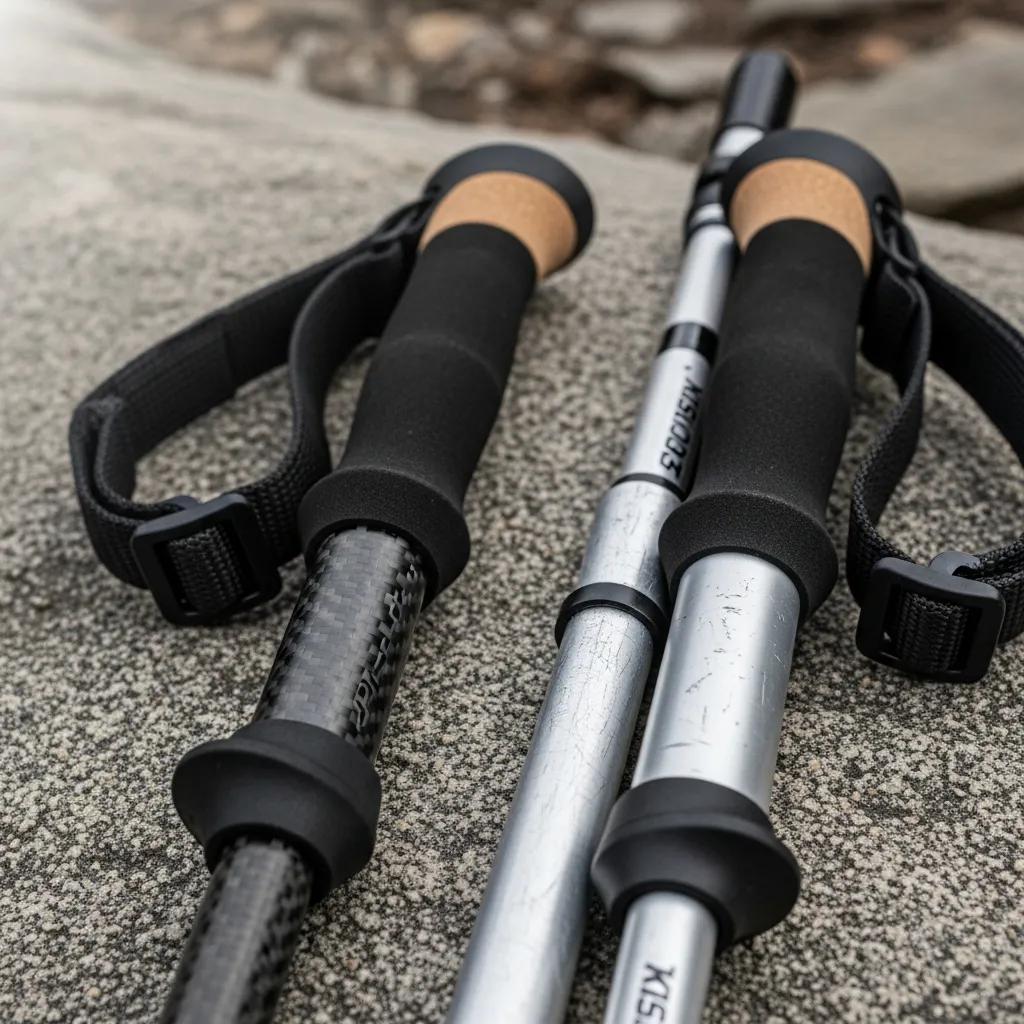
    Close-up comparison of carbon fiber and aluminum trekking poles, highlighting material differences and features

    When choosing between carbon fiber and aluminum trekking poles, it’s essential to consider their respective advantages and disadvantages. The following table summarizes the key differences:

    MaterialWeightDurabilityCost
    Carbon FiberLightweightModerateHigher
    AluminumHeavierHighLower

    Carbon fiber poles are favored for their lightweight nature, making them ideal for long hikes. However, they can be more expensive and less durable than aluminum poles, which are heavier but offer greater strength and resistance to bending. Understanding these differences can help hikers make informed decisions based on their specific needs and budget.

    Adjustable vs. Fixed-Length Poles: Choosing Based on Terrain and User Needs

    Choosing between adjustable and fixed-length trekking poles depends on the terrain and personal preferences. Adjustable poles are versatile, allowing users to modify the length based on the incline or their height. This feature is particularly beneficial for hikers who traverse varied terrains. Conversely, fixed-length poles are often lighter and more robust, making them suitable for specific hiking conditions where stability is paramount. Evaluating the pros and cons of each type can guide hikers in selecting the best option for their adventures.

    How to Choose Lightweight Trekking Poles Without Compromising Strength?

    Selecting lightweight trekking poles without sacrificing strength involves considering the materials and construction methods used. Look for poles made from high-quality carbon fiber or aluminum alloys that provide a balance between weight and durability. Additionally, consider the pole’s locking mechanism; twist locks tend to be lighter, while lever locks offer more security. It’s crucial to test the poles for comfort and stability before making a purchase, ensuring they meet your hiking needs without adding unnecessary weight.

    Evaluating Pole Weight and Material for Long-Distance Mountain Hiking

    For long-distance mountain hiking, the weight and material of trekking poles play a critical role in overall performance. Lightweight poles reduce fatigue over extended periods, allowing hikers to maintain energy levels. Carbon fiber poles are often preferred for their minimal weight, but aluminum poles can provide the necessary durability for rugged trails. Hikers should also consider the pole’s grip and shock absorption features, as these elements contribute to comfort during long treks.

    Incorporating Shock Absorption Features for Enhanced Comfort

    Shock absorption features in trekking poles can significantly enhance comfort during hikes. These features work by reducing the impact on joints when descending steep trails, minimizing fatigue and discomfort. Look for poles with built-in shock-absorbing mechanisms, such as springs or flexible shafts, which can provide a smoother hiking experience. Incorporating these features into your trekking pole selection can lead to a more enjoyable and less strenuous hiking adventure.

    Scientific investigations have specifically demonstrated the effectiveness of trekking poles in mitigating muscle and cartilage damage during downhill walking.

    Trekking Poles Reduce Downhill Muscle & Cartilage Damage

    This study investigated the effect of the use of trekking poles on muscle and cartilage damage and fatigue during downhill walking in obese women. Subjects performed downhill walking without a trekking pole (NP) and with a trekking pole (TP) at 50% heart rate reserve for 30 minutes on a treadmill.

    Trekking poles reduce downhill walking-induced muscle and cartilage damage in obese women, 2016

    What Are the Best Usage Techniques for Trekking Poles on Mountain Terrain?

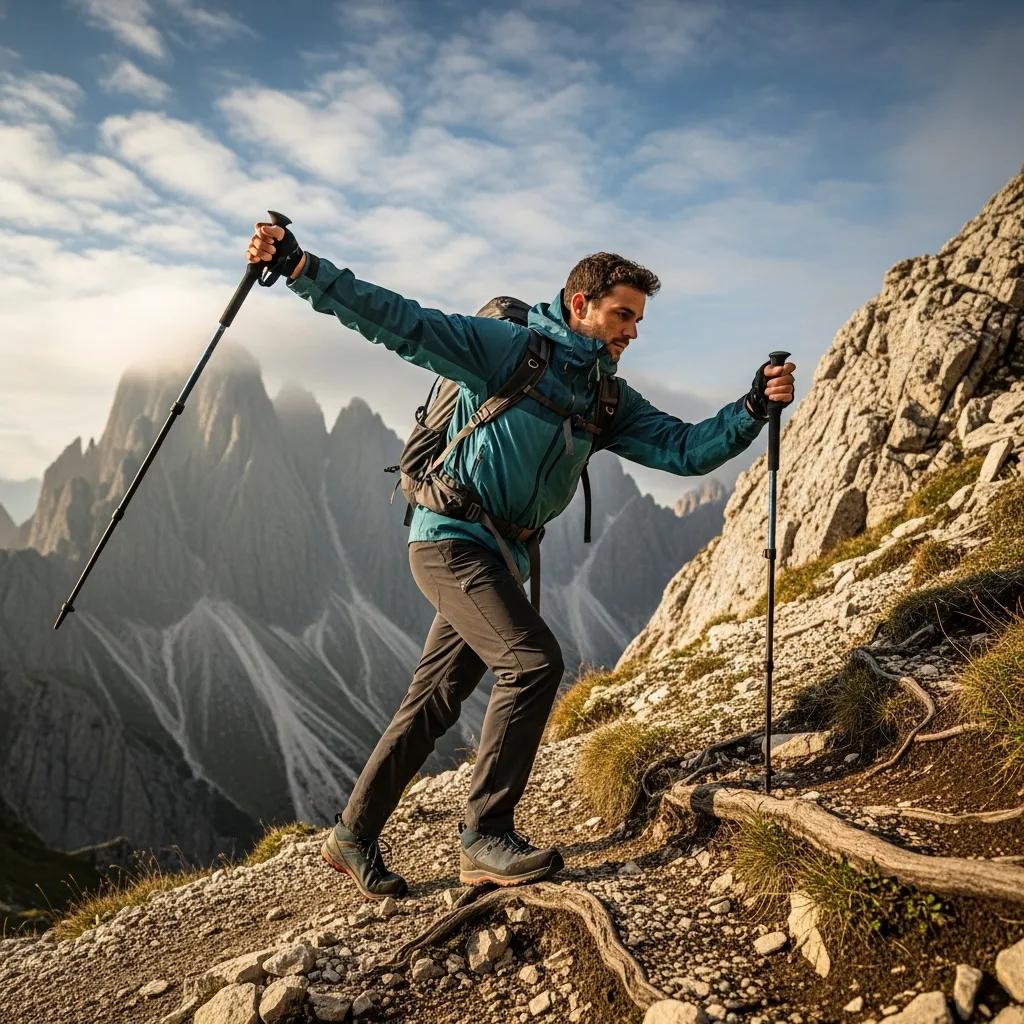
    Hiker demonstrating proper usage techniques for trekking poles on a mountain trail, emphasizing stability and balance

    To maximize the benefits of trekking poles, it’s essential to use them correctly. Here are some effective techniques:

    1. Adjust the Length: Ensure the poles are adjusted to the correct height for your body, typically at a 90-degree angle when holding the grips.
    2. Plant the Poles Ahead: Use the poles to probe the ground ahead of you, providing stability and balance before stepping.
    3. Use a Natural Rhythm: Coordinate your pole planting with your steps to maintain a natural rhythm, enhancing your overall balance and efficiency.

    These techniques can help hikers utilize their trekking poles effectively, improving their stability and safety on mountain trails.

    How to Maintain and Care for Your Trekking Poles to Ensure Longevity?

    Proper maintenance of trekking poles is crucial for ensuring their longevity and performance. Here are some essential care tips:

    1. Clean Regularly: After each hike, wipe down the poles to remove dirt and moisture, preventing corrosion and wear.
    2. Inspect for Damage: Regularly check for any signs of wear or damage, particularly at the joints and tips, to ensure they remain safe to use.
    3. Store Properly: When not in use, store the poles in a cool, dry place to prevent material degradation.

    By following these maintenance tips, hikers can extend the life of their trekking poles and ensure they are always ready for the next adventure.

    Which Trekking Poles Are Recommended for Specific Mountain Conditions and Peaks?

    Selecting the right trekking poles for specific mountain conditions is vital for safety and performance. Here are some recommendations based on various conditions:

    1. For Snowy Conditions: Look for poles with wider baskets to prevent sinking into the snow, such as the Black Diamond Expedition 3.
    2. For Rocky Terrain: Choose durable aluminum poles like the MSR DynaLock Ascent, which can withstand impacts.
    3. For Steep Climbs: Lightweight carbon fiber poles, such as the LEKI Micro Vario Ti, are ideal for maintaining energy on steep ascents.

    These recommendations can help hikers choose the best trekking poles tailored to their specific hiking conditions and challenges.

    What Safety Benefits Do Trekking Poles Provide During Mountain Hiking?

    Trekking poles offer several safety benefits that enhance the hiking experience. They help reduce the risk of falls by providing additional points of contact with the ground, improving balance on uneven surfaces. Furthermore, they can alleviate joint stress by redistributing weight, making descents less taxing on the knees. In emergency situations, trekking poles can also serve as makeshift splints or support devices, adding an extra layer of safety for hikers navigating challenging terrains.

    For more detailed information on planning your next adventure, visit this resource.

    Before embarking on any mountain hike, it’s crucial to prioritize gear and safety. Proper equipment and knowledge can significantly reduce risks and ensure a safer experience.

    If you have any questions or need further assistance, feel free to contact us. We’re here to help you prepare for your next mountain adventure.

    To discover incredible mountain destinations and expert guidance, explore our mountains section. Find the perfect peak for your next challenge.

    For comprehensive resources and expert advice on mountain hiking, check out Global Summit Guide. Your ultimate resource for mountain adventures.

    Conclusion

    Utilizing trekking poles can significantly enhance your mountain hiking experience by providing stability, reducing joint strain, and preventing injuries. With the right selection of poles tailored to your specific needs, you can navigate challenging terrains with confidence and comfort. Explore our curated collection of trekking poles to find the perfect fit for your next adventure. Start your journey towards safer and more enjoyable hikes today!

  • K2 Base Camp Trek: Complete Guide for Trekkers

    K2 Base Camp Trek: Complete Guide for Trekkers

    K2 Base Camp Trek: Complete Guide for Trekkers

    The K2 Base Camp Trek is one of the most exhilarating and challenging trekking experiences in the world, attracting adventurers and mountaineering enthusiasts alike. This comprehensive guide will delve into the significance of the K2 Base Camp Trek, its unique features, and essential information for trekkers. As you embark on this journey, you will learn about the trek’s challenges, the breathtaking landscapes of the Karakoram Range, and the cultural richness of the region. Many trekkers face difficulties in planning and executing their trek due to a lack of information. This guide aims to provide you with the necessary insights to ensure a safe and successful adventure. We will cover various aspects, including the trek’s itinerary, altitude considerations, weather conditions, required permits, and essential gear recommendations.

    What is the K2 Base Camp Trek and Why is it Significant?

    The K2 Base Camp Trek is a high-altitude trekking route that leads adventurers to the base of K2, the second-highest mountain in the world. This trek is significant not only for its breathtaking views but also for its historical and cultural importance in the mountaineering community. The trek offers a unique opportunity to experience the rugged beauty of the Karakoram Range while challenging trekkers with its demanding terrain and altitude. The K2 Base Camp serves as a gateway for climbers attempting to summit K2, making it a pivotal point in the world of high-altitude mountaineering.

    Research further highlights the unique aspects of mountaineering tourism in the Gilgit-Baltistan region, where K2 is located.

    K2 Mountaineering Tourism in Gilgit-Baltistan: Facilities & Experiences

    Gilgit-Baltistan, renowned as a “Mountain Paradise,” hosts three of the world’s highest mountain ranges the Karakoram, Himalayas, and Hindu Kush including five peaks above 8,000 meters, such as K2 (8,611m) and Nanga Parbat. This study explores mountaineering tourism in the region, examining existing facilities, accessibility, and the lived experiences of mountaineers and porters through qualitative research employing phenomenology.

    Beyond the Peaks: Exploring the Socio-Spatial Dynamics of Mountaineering Tourism in Gilgit-Baltistan, 2025

    For those looking to enhance their trekking experience, planning provides valuable resources and insights on the K2 Base Camp Trek, ensuring trekkers are well-prepared for their journey.

    Where is K2 Located and What are Its Key Geographic Features?

    K2 is located in the Karakoram Range, straddling the border between Pakistan and China. It is renowned for its steep, pyramid-like shape and is surrounded by some of the world’s highest peaks, including Gasherbrum I and Broad Peak. The geographic features of the region include glacial valleys, towering cliffs, and expansive ice fields, which create a stunning backdrop for trekkers. The trek to K2 Base Camp traverses diverse landscapes, from lush green valleys to stark, rocky terrains, providing trekkers with a rich visual experience.

    What Makes the K2 Trek Unique Compared to Other High-Altitude Treks?

    The K2 Trek stands out among other high-altitude treks due to its combination of extreme altitude, technical challenges, and breathtaking scenery. Unlike the more popular Everest Base Camp Trek, the K2 Trek is less crowded, offering a more remote and authentic trekking experience. The trek also presents unique challenges, such as navigating through glacial fields and dealing with unpredictable weather conditions. Additionally, the cultural interactions with local communities, such as the Balti people, add a rich layer of experience that is often absent in other treks.

    How is the K2 Trek Route Structured?

    The K2 Trek route is meticulously structured to guide trekkers through the diverse landscapes of the Karakoram Range. The trek typically begins in Skardu, where trekkers acclimatize before embarking on the journey to the base camp. The route includes several key stops, such as Askole, Jhola, and Concordia, each offering unique views and experiences. The trek is designed to gradually increase in altitude, allowing trekkers to acclimatize effectively and reduce the risk of altitude sickness.

    What are the Day-by-Day Trek Itinerary and Key Landmarks?

    Illustration of K2 Base Camp Trek itinerary with key landmarks and scenic views

    The K2 Base Camp Trek usually spans around 12 to 14 days, depending on the chosen itinerary. Here’s a general breakdown of the day-by-day itinerary:

    1. Day 1: Arrival in Skardu and acclimatization.
    2. Day 2: Drive to Askole, the starting point of the trek.
    3. Day 3: Trek to Jhola, crossing the Braldu River.
    4. Day 4: Continue to Paiju, with views of the Baltoro Glacier.
    5. Day 5: Trek to Urdukas, enjoying stunning mountain vistas.
    6. Day 6: Reach Goro II, a key landmark on the trek.
    7. Day 7: Arrive at Concordia, the confluence of several glaciers.
    8. Day 8: Trek to K2 Base Camp, experiencing the grandeur of K2.
    9. Day 9: Rest day at Base Camp for acclimatization and exploration.
    10. Day 10: Return trek to Goro II.
    11. Day 11: Trek back to Paiju.
    12. Day 12: Return to Jhola and then to Askole.
    13. Day 13: Drive back to Skardu.
    14. Day 14: Departure from Skardu.

    This itinerary allows trekkers to experience the majestic landscapes and key landmarks of the K2 region while ensuring adequate acclimatization.

    What Are the Distance, Elevation Gain, and Terrain Characteristics?

    The K2 Base Camp Trek covers a total distance of approximately 90 kilometers (56 miles) one way, with significant elevation gain as trekkers ascend to the base camp at around 5,600 meters (18,372 feet). The terrain varies from lush valleys to rocky paths and glacial fields, presenting a mix of challenges. Trekkers should be prepared for steep ascents, rocky descents, and potential river crossings, making proper footwear and trekking poles essential for navigating the diverse landscape.

    What are the Altitude and Weather Conditions on the K2 Base Camp Trek?

    Altitude plays a crucial role in the K2 Base Camp Trek, as trekkers ascend to high elevations where the air is thinner. This can lead to altitude sickness if proper acclimatization is not followed. The trek typically begins at around 3,000 meters (9,842 feet) and reaches the base camp at around 5,600 meters (18,372 feet). Trekkers should be aware of the symptoms of altitude sickness, such as headaches, nausea, and dizziness, and take necessary precautions.

    Weather conditions in the K2 region can be unpredictable, with temperatures ranging from about -10°C (14°F) at night to around 20°C (68°F) during the day in the summer months. The best time to trek is from June to August when the weather is relatively stable, although sudden storms can occur.

    What is the K2 Base Camp Altitude and How Does It Affect Trekkers?

    The K2 Base Camp is situated at an altitude of approximately 5,600 meters (18,372 feet), which significantly impacts trekkers’ physical performance and health. At this elevation, the oxygen levels are considerably lower, making it essential for trekkers to acclimatize properly. Failure to do so can result in altitude sickness, which can be severe and even life-threatening. Trekkers are advised to ascend slowly, stay hydrated, and be aware of their bodies’ responses to the altitude.

    What Weather Patterns and Seasonal Conditions Should Trekkers Expect?

    Trekkers should expect a range of weather patterns during the K2 Base Camp Trek. The summer months of June to August generally offer the best conditions, with clear skies and moderate temperatures. However, trekkers should be prepared for sudden weather changes, including rain, snow, and strong winds. It is crucial to monitor weather forecasts and be flexible with plans to ensure safety during the trek.

    What Permits and Regulations Are Required for the K2 Base Camp Trek?

    Trekking to K2 Base Camp requires several permits and adherence to local regulations. The primary permits include the K2 Trekking Permit and the National Park Entry Permit. These permits are essential for ensuring the safety and preservation of the region. Trekkers should apply for these permits well in advance, as processing can take time.

    Which Permits Are Needed and How to Obtain Them?

    To trek to K2 Base Camp, trekkers need the following permits:

    1. K2 Trekking Permit: This permit is mandatory for all trekkers and can be obtained through the Ministry of Tourism in Pakistan.
    2. National Park Entry Permit: Required for entering the protected areas of the Karakoram National Park.

    Trekkers can apply for these permits through local trekking agencies or directly with the relevant authorities. It is advisable to check the latest regulations and fees before planning the trek.

    What Are the Local Regulations and Environmental Guidelines?

    Local regulations and environmental guidelines are crucial for preserving the natural beauty of the K2 region. Trekkers are encouraged to follow the “Leave No Trace” principles, which include:

    • Packing out all waste: Trekkers should carry all trash back to the nearest waste disposal site.
    • Respecting local cultures: Engaging with local communities respectfully and understanding their customs is essential.
    • Minimizing campfire impact: Using portable stoves instead of open fires helps protect the fragile environment.

    By adhering to these guidelines, trekkers can contribute to the conservation of the K2 region.

    What Gear and Safety Measures Are Essential for the K2 Trek?

    Essential trekking gear for K2 Base Camp Trek displayed in an outdoor setting

    Proper gear and safety measures are vital for a successful K2 Base Camp Trek. Essential gear includes:

    1. Trekking Boots: Sturdy, waterproof boots with good ankle support are crucial for navigating rocky terrains.
    2. Clothing Layers: Layering is essential to adapt to changing weather conditions. Include thermal base layers, insulating mid-layers, and waterproof outer layers.
    3. Trekking Poles: These provide stability and reduce strain on the knees during steep ascents and descents.

    Additionally, trekkers should carry a first aid kit, hydration systems, and navigation tools to ensure safety throughout the trek.

    What Trekking Gear is Recommended for High-Altitude Conditions?

    When trekking at high altitudes, specific gear is recommended to ensure safety and comfort:

    • Insulated Sleeping Bag: A sleeping bag rated for sub-zero temperatures is essential for cold nights at high altitudes.
    • Gaiters: These protect against snow and mud, keeping your legs dry and warm.
    • Sunglasses and Sunscreen: Protecting against UV rays is crucial, as exposure increases at higher elevations.

    Investing in high-quality gear can significantly enhance the trekking experience and ensure safety.

    How to Prepare for and Manage Altitude Sickness and Other Health Risks?

    Preparing for altitude sickness involves several strategies:

    1. Gradual Ascent: Ascend slowly to allow your body to acclimatize to the altitude.
    2. Stay Hydrated: Drink plenty of water to prevent dehydration, which can exacerbate altitude sickness.
    3. Know the Symptoms: Be aware of the signs of altitude sickness, such as headaches, nausea, and fatigue, and descend if symptoms worsen.

    Additionally, trekkers should consider consulting with a healthcare professional before the trek to discuss altitude sickness management strategies.

    Further emphasizing the importance of safety, studies underscore the critical role of risk management and first aid knowledge for trekkers in high-altitude environments.

    Trekking Safety: Risk Management, AMS, and First Aid

    Background: Trekking in Nepal is popular and generally safe. However preventable trekking injuries and deaths are often the result of poor risk managementand lack of skills – i.e. acute mountain sickness (AMS) and specific First Aid (FA). Shlim and Gallie’s reviews in 1992 and 2004 of trekking deaths here found a fivefold higher risk for fatal outcomes in organized trekking tours (OT) compared to independently organised trekkers (IT), including preventable deaths (i.e. AMS).

    Risk management and first aid knowledge of trekkers in Nepal, 2020

    How to Plan and Execute a Safe and Successful K2 Base Camp Trek?

    Planning a successful K2 Base Camp Trek involves several key steps:

    1. Choose the Right Time: The best time to trek is during the summer months when weather conditions are more favorable.
    2. Select a Reliable Trekking Agency: Partnering with a reputable trekking agency can provide valuable support and guidance throughout the trek.
    3. Prepare Physically: Engage in a training regimen that includes cardiovascular exercises, strength training, and hiking to build endurance.

    By following these steps, trekkers can enhance their chances of a safe and enjoyable experience.

    What Are the Best Practices for Acclimatization and Physical Preparation?

    Acclimatization is crucial for high-altitude trekking. Best practices include:

    • Spending Extra Days at Key Elevations: Allowing time for your body to adjust to higher altitudes can prevent altitude sickness.
    • Staying Active: Light physical activity during acclimatization days can help your body adjust.
    • Monitoring Health: Regularly check for symptoms of altitude sickness and be prepared to descend if necessary.

    Physical preparation should also include strength training and cardiovascular exercises to build endurance for the trek.

    How to Use Maps, Guides, and Local Resources Effectively?

    Using maps and guides effectively is essential for navigating the K2 Base Camp Trek. Here are some tips:

    • Study the Route: Familiarize yourself with the trek’s route and key landmarks before departure.
    • Use GPS Devices: Carrying a GPS device can help track your location and ensure you stay on course.
    • Engage Local Guides: Hiring a local guide can provide valuable insights into the terrain and cultural aspects of the region.

    Utilizing these resources can enhance your trekking experience and ensure safety.

    What Environmental and Cultural Insights Should Trekkers Know?

    Understanding the environmental and cultural context of the K2 region is vital for trekkers. Key insights include:

    • Cultural Practices: Respect local customs and traditions, particularly when interacting with the Balti people.
    • Environmental Conservation: Be aware of the fragile ecosystems in the region and take steps to minimize your impact.
    • Wildlife Awareness: Familiarize yourself with the local wildlife and understand how to coexist safely.

    By being informed, trekkers can contribute positively to the region’s cultural and environmental preservation.

    How Does Trekking Impact the Karakoram Environment?

    Trekking can have both positive and negative impacts on the Karakoram environment. While it promotes awareness and conservation efforts, it can also lead to environmental degradation if not managed properly. Key impacts include:

    • Erosion: Foot traffic can lead to soil erosion and damage to vegetation.
    • Waste Management: Improper disposal of waste can harm local ecosystems.
    • Wildlife Disruption: Increased human activity can disturb local wildlife habitats.

    To mitigate these impacts, trekkers should adhere to environmental guidelines and practice responsible trekking.

    What Cultural Practices and Communities Will Trekkers Encounter?

    During the K2 Base Camp Trek, trekkers will encounter the Balti people, known for their hospitality and rich cultural heritage. Key cultural practices include:

    • Traditional Cuisine: Enjoying local dishes made from locally sourced ingredients.
    • Festivals and Celebrations: Participating in local festivals can provide insight into the Balti culture.
    • Craftsmanship: Observing traditional crafts, such as weaving and pottery, showcases the region’s artistic heritage.

    Engaging with local communities enriches the trekking experience and fosters cultural exchange.

    Where Can Trekkers Find Additional Resources and Updates on the K2 Base Camp Trek?

    Trekkers can find additional resources and updates on the K2 Base Camp Trek through various channels:

    • Online Forums: Engaging with fellow trekkers on platforms like trekking forums can provide valuable insights and tips.
    • Local Trekking Agencies: Consulting with local agencies can offer the latest information on trekking conditions and permits.
    • Social Media Groups: Joining social media groups focused on trekking can help trekkers stay informed about recent developments.

    These resources can enhance the trekking experience and ensure trekkers are well-prepared.

    Which Authoritative Organizations and Reports Provide Trekking Updates?

    Several authoritative organizations provide updates and information on trekking conditions in the K2 region. Key organizations include:

    • Pakistan Tourism Development Corporation (PTDC): Offers official information on permits and regulations.
    • Karakoram National Park Authority: Provides updates on environmental conditions and conservation efforts.
    • Local Trekking Agencies: Often have the latest information on trail conditions and safety advisories.

    Staying informed through these organizations can help trekkers navigate the complexities of the K2 Base Camp Trek.

    How to Monitor Trek Conditions and Permit Changes?

    Monitoring trek conditions and permit changes is essential for a successful K2 Base Camp Trek. Here are some strategies:

    • Check Official Websites: Regularly visit the websites of relevant authorities for updates on permits and conditions.
    • Follow Local News: Stay informed about local news that may impact trekking conditions, such as weather changes or natural events.
    • Engage with Local Guides: Local guides can provide real-time information about trail conditions and any necessary adjustments to plans.

    By actively monitoring these factors, trekkers can ensure a safer and more enjoyable experience on the K2 Base Camp Trek.

    To ensure you have the right equipment, it’s important to consider gear and safety measures.

    For more information, you can contact us.

    If you’re interested in other destinations, consider exploring other mountains.

    For a comprehensive overview, visit Global Summit Guide.

    Conclusion

    The K2 Base Camp Trek offers an unparalleled adventure, combining breathtaking landscapes with rich cultural experiences. By understanding the trek’s challenges and preparing adequately, you can ensure a safe and memorable journey to one of the world’s most iconic mountains. Embrace the opportunity to connect with nature and local communities while navigating this remarkable terrain. Start planning your K2 Base Camp adventure today and discover the beauty that awaits you.

  • Torres del Paine Trek: W Circuit vs O Circuit C

    Torres del Paine Trek: W Circuit vs O Circuit C

    Torres del Paine Trek: Complete Guide to W Circuit vs O Circuit for Effective Planning and Safety

    The Torres del Paine National Park in Patagonia, Chile, is renowned for its breathtaking landscapes and diverse ecosystems, making it a premier destination for trekking enthusiasts. This guide provides a comprehensive comparison of the W Circuit and O Circuit, two of the most popular trekking routes in the park. Readers will learn about the key differences, duration, difficulty levels, and essential planning tips for both circuits. Many trekkers face challenges in choosing the right route and preparing adequately for their adventure. This article aims to equip you with the necessary knowledge to make informed decisions and ensure a safe and enjoyable trekking experience. We will explore the unique features of each circuit, recommended itineraries, essential gear, and safety precautions, helping you navigate the stunning trails of K2 climb.

    What Are the Key Differences Between the W Circuit and O Circuit in Torres del Paine?

    The W Circuit and O Circuit are two distinct trekking routes in Torres del Paine, each offering unique experiences and challenges. The W Circuit is shorter, typically completed in 4-5 days, while the O Circuit spans about 8-9 days, providing a more immersive experience in the park. The W Circuit is famous for its iconic viewpoints, such as the Torres del Paine themselves, while the O Circuit offers a more remote and varied landscape, including less-trafficked trails and stunning vistas of the park’s diverse ecosystems. Understanding these differences is crucial for trekkers to choose the route that best aligns with their preferences and fitness levels.

    How Do Duration and Distance Compare Between the W and O Circuits?

    When planning your trek, it’s essential to consider the duration and distance of each circuit. The W Circuit covers approximately 70 kilometers (43 miles) and can be completed in 4-5 days, depending on your pace and chosen itinerary. In contrast, the O Circuit is about 110 kilometers (68 miles) long and typically requires 8-9 days to complete. Trekkers should factor in their fitness levels and experience when deciding which circuit to undertake, as the longer O Circuit demands more endurance and time commitment.

    What Are the Difficulty Levels and Elevation Gains of Each Circuit?

    The difficulty levels of the W and O Circuits vary significantly, with the W Circuit generally considered more accessible for novice trekkers. The W Circuit features well-marked trails and moderate elevation gains, making it suitable for those with basic hiking experience. In contrast, the O Circuit presents more challenging terrain, including steeper ascents and descents, which may require advanced trekking skills. The elevation gain on the W Circuit is approximately 2,500 meters (8,200 feet), while the O Circuit has a total elevation gain of around 3,700 meters (12,139 feet). Understanding these factors is vital for trekkers to prepare adequately for their chosen route.

    How to Plan Your Itinerary for the W Circuit and O Circuit Treks?

    Hiker on the W Circuit trail in Torres del Paine with mountains and lakes in the background

    Planning your itinerary is crucial for a successful trekking experience in Torres del Paine. For the W Circuit, a typical itinerary includes:

    • Day 1: Start at Refugio Torre Central, hike to Base Torres.
    • Day 2: Trek to Refugio Los Cuernos.
    • Day 3: Hike to Refugio Paine Grande.
    • Day 4: Visit Grey Glacier and return to Paine Grande.
    • Day 5: Return to the park entrance.

    For the O Circuit, a multi-day itinerary might look like this:

    • Day 1: Start at the park entrance, hike to Refugio Serón.
    • Day 2: Trek to Refugio Dickson.
    • Day 3: Hike to Refugio Los Perros.
    • Day 4: Ascend to Paso John Gardner, then descend to Refugio Grey.
    • Day 5: Explore Grey Glacier, return to Refugio Grey.
    • Day 6: Hike to Paine Grande.
    • Day 7: Complete the circuit back to the park entrance.

    Integrating your trekking plans with the right gear and safety measures is essential for a successful adventure. For those looking for expert advice and resources, Information Hub offers valuable insights and planning tools to enhance your trekking experience.

    Effective planning for multi-day treks often involves optimizing logistics, including gear weight and energy expenditure, as highlighted by recent research.

    Multi-Day Trekking Logistics & Energy Cost Optimization

    We propose here a set of mathematical model used to predict optimum logistic preparation for multi-day climbing in a tropical mountain. The model is developed based on energy cost paid for the climbing and its corresponding optimum logistic demand where both depend on climbing track profile and necessity to stay overnight. To calculate the energy cost, we need to formulate energy expenditure (EE) based on the track profiles and climber heart rates during the climbing. Moreover, the logistic demand is optimized by using objective functions which are dedicated to fulfill the energy cost with logistic weight and volume of climbing backpack as their main constraints.

    Modeling Optimum Logistic For Multi-day Climbing In Tropical Mountain By Considering Geometrical Constraint, S Waluyo, 2024

    What Are Recommended Daily Itineraries and Rest Points for the W Circuit?

    When trekking the W Circuit, it’s important to plan daily itineraries that allow for adequate rest and recovery. Recommended daily distances typically range from 10 to 15 kilometers (6 to 9 miles), depending on the terrain and your fitness level. Key rest points along the W Circuit include:

    • Refugio Torre Central: Ideal for the first night after hiking to Base Torres.
    • Refugio Los Cuernos: A scenic stop with stunning views of Lake Nordenskjöld.
    • Refugio Paine Grande: A great base for exploring Grey Glacier.

    These rest points provide opportunities to recharge and enjoy the breathtaking scenery of Torres del Paine.

    How to Structure a Multi-Day Itinerary for the O Circuit Including the W Circuit Segment?

    For trekkers interested in the O Circuit, incorporating the W Circuit segment can enhance the experience. A suggested multi-day itinerary might include:

    • Days 1-4: Complete the W Circuit as outlined previously.
    • Days 5-9: Continue on the O Circuit, starting from Paine Grande and following the previously mentioned itinerary.

    This structure allows trekkers to experience the highlights of both circuits while ensuring a manageable pace and ample time for exploration.

    What Gear and Safety Equipment Are Essential for Torres del Paine Treks?

    Essential trekking gear and safety equipment for Torres del Paine displayed against a natural backdrop

    Having the right gear and safety equipment is crucial for a successful trek in Torres del Paine. Essential items include:

    • Clothing Layers: Waterproof and breathable outer layers, thermal base layers, and insulating mid-layers.
    • Navigation Tools: Maps, compasses, and GPS devices to ensure you stay on track.
    • Emergency Kits: First aid supplies, emergency blankets, and signaling devices for safety.

    Investing in high-quality gear can significantly enhance your trekking experience and ensure your safety on the trails.

    Which Trekking Gear Is Recommended for Variable Weather Conditions?

    The weather in Torres del Paine can be unpredictable, so it’s essential to prepare for various conditions. Recommended trekking gear includes:

    • Waterproof Jacket: A lightweight, breathable jacket to protect against rain and wind.
    • Insulated Pants: Warm, quick-drying pants for colder temperatures.
    • Sturdy Footwear: Waterproof hiking boots with good ankle support for rugged terrain.

    These items will help trekkers stay comfortable and safe, regardless of the weather conditions encountered on the trails.

    What Safety Precautions and Emergency Equipment Should Hikers Carry?

    Safety should always be a priority when trekking in remote areas like Torres del Paine. Essential safety precautions and emergency equipment include:

    • Navigation and Communication Tools: A reliable map, compass, and a fully charged mobile phone with emergency contact numbers.
    • Emergency Readiness Items: A whistle, headlamp, and multi-tool for unexpected situations.
    • Weather Protection: Extra layers and a waterproof cover for your backpack to protect against sudden weather changes.

    By being prepared with the right equipment and knowledge, trekkers can minimize risks and enjoy their adventure safely.

    When Is the Best Time to Hike Torres del Paine’s W and O Circuits?

    The best time to hike the W and O Circuits in Torres del Paine is during the spring and summer months, from October to April. During this period, the weather is generally milder, with longer daylight hours and less chance of snow. However, trekkers should be aware that conditions can still vary significantly, and it’s essential to check forecasts before embarking on your journey.

    How Do Seasonal Weather Patterns Affect Trekking Conditions?

    Seasonal weather patterns play a crucial role in determining trekking conditions in Torres del Paine. Spring (October to December) typically offers mild temperatures and blooming flora, while summer (January to March) provides the warmest weather, ideal for trekking. However, autumn (March to May) can bring stunning fall colors, albeit with cooler temperatures and increased precipitation. Understanding these patterns helps trekkers prepare adequately for their chosen season.

    What Are the Advantages of Hiking in Shoulder Seasons Versus Peak Season?

    Hiking during shoulder seasons (spring and autumn) offers several advantages compared to peak season (summer):

    • Fewer Crowds: Enjoy a more tranquil experience with fewer fellow trekkers on the trails.
    • Cost Savings: Accommodation and travel costs may be lower during shoulder seasons.
    • Unique Scenery: Experience the beauty of changing landscapes, such as vibrant autumn foliage or blooming wildflowers in spring.

    These factors can enhance the overall trekking experience, making it more enjoyable and memorable.

    What Accommodation and Camping Options Are Available Along the W and O Circuits?

    Accommodation options along the W and O Circuits range from basic campsites to more comfortable refugios. Key options include:

    • Refugios: Provide dormitory-style lodging, meals, and basic amenities. Reservations are recommended, especially during peak season.
    • Campsites: Offer a more rugged experience, allowing trekkers to immerse themselves in nature. Campsites are often located near key trailheads and scenic viewpoints.

    Choosing the right accommodation depends on your preferences for comfort and adventure.

    What Are the Differences Between Refugios and Campsites on Each Circuit?

    Refugios and campsites differ significantly in terms of amenities and experience. Refugios typically offer:

    • Amenities: Meals, hot showers, and communal areas for relaxation.
    • Comfort: Dormitory-style beds and a more sheltered environment.

    In contrast, campsites provide:

    • Rugged Experience: A closer connection to nature and the opportunity to camp under the stars.
    • Self-Sufficiency: Trekkers must carry their own camping gear and prepare their own meals.

    Understanding these differences can help trekkers choose the best option for their needs.

    How to Reserve Accommodation and Plan Overnight Stops Effectively?

    To ensure a smooth trekking experience, it’s essential to reserve accommodation in advance, especially during peak season. Here are some tips for effective planning:

    • Book Early: Secure your spots at refugios and campsites as soon as possible to avoid disappointment.
    • Check Availability: Use official park websites or trusted travel agencies to confirm availability and make reservations.
    • Plan Your Stops: Consider daily distances and rest points when planning your itinerary to ensure a manageable pace.

    By following these steps, trekkers can enjoy a well-organized and stress-free adventure in Torres del Paine.

    How Does Environmental Conservation Impact Trekking in Torres del Paine?

    Environmental conservation is a critical aspect of trekking in Torres del Paine. The park’s management emphasizes sustainable practices to protect its unique ecosystems and wildlife. Trekkers are encouraged to follow Leave-No-Trace principles, which include minimizing waste, staying on designated trails, and respecting wildlife habitats. Understanding these conservation efforts is essential for preserving the natural beauty of the park for future generations.

    This commitment to conservation is further supported by research exploring how ecotourism route planning can maximize cultural transmission and sustainable development within natural parks.

    Ecotourism Route Planning in Nature Parks

    The main objective of the Nature Parks is to preserve the diversity and integrity of biotic communities for present and future use. Additionally, the Nature Parks can contribute to the invigoration of the sustainable development and culture heritage of its neighboring regions, as well as to the strengthening of the environmental education for visitors by means of direct experiences. From this double point of view, ecotourism is gaining acceptance as a tool for sustainable development since the income of visitors to protected areas can contribute significantly to support the economy of these areas and of the rural communities. This article proposes different methodologies for determining efficient routes of ecotourism where the main objective is the maximization of the cultural transmission experienced by the visitors along the path traveled.

    Planning ecotourism routes in nature parks, G Laporte, 2016

    What Are the Park Regulations and Leave-No-Trace Principles to Follow?

    When trekking in Torres del Paine, it’s vital to adhere to park regulations and Leave-No-Trace principles. Key regulations include:

    • Stay on Designated Trails: Protect fragile ecosystems by avoiding off-trail hiking.
    • Pack Out Waste: Carry out all trash and waste to minimize environmental impact.
    • Respect Wildlife: Observe animals from a distance and do not feed them.

    Following these guidelines helps ensure a safe and responsible trekking experience while preserving the park’s natural beauty.

    How Can Trekkers Minimize Their Environmental Footprint on the Circuits?

    Trekkers can take several steps to minimize their environmental footprint while enjoying the W and O Circuits:

    • Use Reusable Gear: Opt for reusable water bottles and containers to reduce single-use plastics.
    • Choose Eco-Friendly Products: Select biodegradable soaps and toiletries to minimize pollution.
    • Support Local Conservation Efforts: Consider donating to local organizations focused on preserving the park’s ecosystems.

    By adopting these practices, trekkers can contribute to the conservation of Torres del Paine while enjoying their adventure.

    What Are Common Challenges and Safety Risks on the W and O Circuits?

    Trekking in Torres del Paine presents several challenges and safety risks that trekkers should be aware of. Common hazards include:

    • Weather Changes: Sudden weather shifts can lead to dangerous conditions, including strong winds and heavy rain.
    • Trail Conditions: Some trails may be steep or rocky, requiring careful navigation and proper footwear.
    • Wildlife Encounters: While rare, encounters with wildlife can pose risks, so it’s essential to maintain a safe distance.

    Being aware of these challenges allows trekkers to prepare adequately and stay safe on the trails.

    How to Prepare for Weather-Related Risks and Trail Difficulties?

    Preparation is key to managing weather-related risks and trail difficulties. Here are some essential tips:

    • Check Weather Forecasts: Stay informed about current weather conditions and forecasts before and during your trek.
    • Pack Accordingly: Bring appropriate clothing and gear for varying weather conditions, including waterproof layers and warm clothing.
    • Know Your Limits: Be honest about your fitness level and experience when choosing trails and planning your itinerary.

    By taking these precautions, trekkers can enhance their safety and enjoyment while exploring Torres del Paine.

    What Emergency Procedures and Contact Resources Are Available?

    In case of emergencies, it’s crucial to know the procedures and resources available in Torres del Paine. Key contacts include:

    • Park Rangers: Available at various points throughout the park for assistance and guidance.
    • Emergency Services: Familiarize yourself with local emergency numbers and procedures for contacting help if needed.
    • First Aid Stations: Located at refugios and key trailheads, these stations can provide immediate assistance for minor injuries.

    Understanding these resources can help trekkers respond effectively in emergencies.

    How to Choose Between the W Circuit and O Circuit Based on Personal Preferences and Fitness?

    Choosing between the W Circuit and O Circuit depends on personal preferences and fitness levels. Consider the following factors:

    • Experience Level: The W Circuit is more suitable for novice trekkers, while the O Circuit is better for those with advanced skills.
    • Time Commitment: If you have limited time, the W Circuit offers a shorter, yet equally rewarding experience.
    • Scenic Preferences: If you prefer iconic views and well-trodden paths, the W Circuit is ideal. For a more remote experience, opt for the O Circuit.

    By assessing these factors, trekkers can select the route that best aligns with their goals and abilities.

    What Are the Scenic Highlights and Unique Features of Each Circuit?

    Both the W and O Circuits offer stunning scenic highlights and unique features. Key highlights include:

    • W Circuit: Iconic views of the Torres del Paine, the French Valley, and Grey Glacier.
    • O Circuit: Remote landscapes, including the Southern Patagonian Ice Field and diverse wildlife encounters.

    These features make both circuits exceptional choices for nature lovers and adventure seekers alike.

    How to Assess Your Fitness Level and Trekking Experience for Each Route?

    Assessing your fitness level and trekking experience is essential for choosing the right circuit. Consider the following:

    • Physical Fitness: Evaluate your endurance and strength through regular hiking or physical activities.
    • Trekking Experience: Reflect on past hiking experiences, including trail difficulty and duration.
    • Health Considerations: Consult with a healthcare professional if you have any health concerns that may affect your trekking ability.

    By honestly assessing these factors, trekkers can make informed decisions about their trekking plans in Torres del Paine.

    Many resources are available to help you plan your trip. For more information on trip planning, visit Global Summit Guide.

    Before embarking on your trek, it’s crucial to understand the gear and safety considerations. Global Summit Guide offers comprehensive guides to ensure you’re well-prepared.

    To make the most of your adventure, consider exploring additional mountains and trekking destinations. Global Summit Guide provides a wealth of information to inspire your next journey.

    For any inquiries or further assistance, feel free to contact us at Global Summit Guide. We’re here to help you plan your perfect trek.

    Global Summit Guide is your go-to resource for all things trekking. Visit Global Summit Guide today to start planning your next adventure.

    Conclusion

    Choosing between the W Circuit and O Circuit in Torres del Paine allows trekkers to tailor their adventure to their preferences and fitness levels, ensuring a memorable experience. Each route offers unique scenic highlights and challenges, making informed planning essential for safety and enjoyment. By utilizing the resources available, you can optimize your trekking experience and embrace the stunning beauty of Patagonia. Start planning your trek today with Global Summit Guide to make the most of your adventure.

  • Best Mountaineering Boots: Complete Guide and Reviews 2025

    Best Mountaineering Boots: Complete Guide and Reviews 2025

    Best Mountaineering Boots: Complete Guide and Reviews 2025

    Choosing the right mountaineering boots is crucial for any climber, as they directly impact performance, safety, and comfort on the mountain. In 2025, the market offers a variety of options, each designed to meet specific needs and conditions. This comprehensive guide will explore the key types and materials of mountaineering boots, how they affect performance, and the latest technologies in insulation and waterproofing. Additionally, we will review the best practices for fit and sizing, ensuring that you find the perfect pair for your next adventure. By understanding the nuances of mountaineering boots, you can make an informed decision that enhances your climbing experience.

    This article will cover essential topics, including the types of mountaineering boots available, the impact of materials on performance, and the latest advances in insulation and waterproofing technologies. We will also discuss how to choose the right boot size and care for your boots to extend their lifespan. Finally, we will review the top brands and models in 2025, providing insights into their features and user experiences.

    The rigorous evaluation of such equipment under real-world conditions has long been a cornerstone of ensuring reliability and safety for climbers.

    Mountaineering Equipment Testing & Performance Evaluation

    Pursuant to a request from US Army Natick Laboratories, the Arctic Institute of North America carried out testing and evaluation of certain commercially available mountaineering equipment, considered by the project investigator to be the best available on the commercial market today. This equipment was tested under varying climatic conditions and extremes in the St. Elias Mountains of the southwestern Yukon Territory, Canada.

    Mountaineering Equipment Evaluation, 1972

    What Are the Key Types and Materials of Mountaineering Boots in 2025?

    Mountaineering boots are categorized into several types based on their intended use and the materials used in their construction. The primary types include:

    1. Alpine Boots: Designed for technical climbing, these boots offer a stiff sole for optimal support and precision.
    2. Expedition Boots: Built for extreme conditions, these boots provide insulation and are compatible with crampons for ice climbing.
    3. Approach Shoes: These versatile shoes are suitable for hiking to climbing routes, offering comfort and grip on varied terrain.

    The materials used in mountaineering boots significantly influence their performance and durability. Common materials include leather, synthetic fabrics, and rubber. Leather offers excellent durability and water resistance, while synthetic materials are lighter and often provide better breathability. Rubber soles, such as those made from Vibram, enhance traction on rocky surfaces.

    How Do Boot Materials Affect Performance and Durability?

    Different mountaineering boot materials including leather, synthetic fabric, and rubber, highlighting their textures and colors

    The choice of materials in mountaineering boots directly impacts their performance and longevity. For instance, leather boots tend to be more durable and provide better insulation, making them ideal for cold weather conditions. However, they can be heavier and less breathable than synthetic options.

    Synthetic materials, on the other hand, are often lighter and dry faster, which can be advantageous in wet conditions. They also tend to be more flexible, allowing for greater comfort during long hikes. However, they may not offer the same level of insulation as leather boots.

    Ultimately, the best choice depends on the specific conditions you expect to encounter and your personal preferences regarding weight, comfort, and durability.

    Which Boot Types Suit Different Mountaineering Activities?

    Selecting the right boot type is essential for various mountaineering activities. Here’s a breakdown of which boots are best suited for specific climbing scenarios:

    1. Alpine Climbing: Stiff alpine boots are recommended for technical ascents, providing the necessary support and precision for challenging climbs.
    2. Ice Climbing: Insulated expedition boots are ideal for ice climbing, as they offer warmth and compatibility with crampons.
    3. Mixed Terrain: For routes that involve both hiking and climbing, approach shoes or flexible boots can provide the comfort and grip needed for varied surfaces.

    Understanding the specific requirements of your climbing activity will help you choose the most suitable boot type.

    How Do Insulation and Waterproofing Technologies Enhance Mountaineering Boots?

    Insulation and waterproofing are critical features in mountaineering boots, enhancing their performance in harsh conditions. Insulation technologies, such as Thinsulate, provide warmth without adding excessive weight, making them ideal for cold weather climbs. These materials trap heat while allowing moisture to escape, keeping your feet warm and dry.

    Further research highlights the critical role of advanced polymeric materials in optimizing both the thermal and ergonomic properties of mountaineering footwear.

    Polymeric Materials for Mountaineering Boot Comfort & Insulation

    The study of the influence on mechanical, thermal and ergonomic properties of advanced polymeric materials used to produce outdoors gear and footwear has been the topic of the present PhD thesis. The study has addressed several aspects of ergonomics, safety and mechanical properties of sport equipment: – The evaluation of thermo-physiological comfort of soft-shell back protectors, investigating how design and materials can affect moisture management and heat loss. Heat retention has been identified using infrared thermography. Testers have answered a questionnaire to take into account their subjective sensations.- The effect of liners used in ski boots. Three different ski boot liners have been tested to evaluate the insulating behaviour and the moisture management capability of the materials used.

    High Performance Polymeric Materials for Sport Equipment, Functional Clothing and Footwear: Interactions of Materials, Human Body and Environment in Terms of …, 2017

    Waterproofing technologies, such as Gore-Tex, create a barrier against water while maintaining breathability. This is essential for keeping feet dry during wet conditions, which can significantly impact comfort and safety on the mountain. The combination of insulation and waterproofing ensures that climbers can focus on their ascent without being hindered by cold or wet feet.

    The continuous evolution of functional finishes further underscores their importance in enhancing the overall comfort and protective capabilities of outdoor footwear.

    Functional Finishes for Outdoor Footwear Comfort & Performance

    Outdoor textiles provide protection, comfort, and functionality during various outdoor activities. This chapter explores the importance of functional treatments in enhancing outdoor textiles’ performance to meet consumers’ evolving demands and the challenges of modern lifestyles. Functional treatments such as moisture-wicking, thermoregulation, UV protection, antimicrobial properties, and durable water-repellent (DWR) coatings are crucial for creating high-performance fabrics that offer environmental protection, improved comfort, and enhanced user experience.

    Enhancing Comfort Through Functional Finishes in Outdoor Textiles, 2025

    What Are the Latest Advances in Lightweight Insulation?

    Recent advancements in lightweight insulation technologies have transformed the design of mountaineering boots. Innovations such as Aerogel and advanced synthetic fibers provide exceptional warmth-to-weight ratios, allowing for lighter boots that do not compromise on insulation. These materials are designed to trap air effectively, providing warmth while minimizing bulk.

    Additionally, manufacturers are increasingly focusing on sustainable materials, which not only reduce environmental impact but also enhance the overall performance of the boots. As technology continues to evolve, climbers can expect even more efficient and effective insulation options in the coming years.

    How Does Waterproofing Impact Safety and Comfort?

    Waterproofing plays a vital role in ensuring both safety and comfort during mountaineering. A well-designed waterproof boot prevents water from entering while allowing moisture from sweat to escape. This balance is crucial for maintaining foot health and comfort during long climbs.

    Inadequate waterproofing can lead to wet feet, increasing the risk of blisters and frostbite in cold conditions. Furthermore, wet boots can become heavy and cumbersome, affecting overall performance. Therefore, investing in high-quality waterproofing technologies is essential for any serious mountaineer.

    What Are the Best Practices for Fit and Sizing of Mountaineering Boots?

    Achieving the right fit and sizing for mountaineering boots is crucial for comfort and performance. Here are some best practices to consider:

    1. Try Before You Buy: Always try on boots with the socks you plan to wear while climbing. This ensures a more accurate fit.
    2. Check for Toe Space: Your toes should lightly touch the front of the boot when standing, but not be cramped. This allows for proper circulation and comfort during descents.
    3. Heel Fit: Ensure that your heel is snug in the boot to prevent slipping, which can lead to blisters.

    A proper fit is essential for maximizing performance and minimizing discomfort on the mountain.

    How to Measure and Choose the Right Boot Size for Alpine Conditions?

    Measuring your foot accurately is the first step in choosing the right boot size. Here’s how to do it:

    1. Foot Length: Stand on a piece of paper and trace your foot. Measure the longest distance from heel to toe.
    2. Width Measurement: Measure the widest part of your foot to determine the width.
    3. Sizing Charts: Use the measurements to consult sizing charts provided by manufacturers, as sizes can vary between brands.

    Choosing the right size is particularly important for alpine conditions, where a snug fit can enhance control and reduce the risk of injury.

    What Are Common Fit Issues and How to Address Them?

    Common fit issues in mountaineering boots include:

    1. Heel Slippage: This can be addressed by trying different lacing techniques or using thicker socks.
    2. Toe Cramping: If your toes feel cramped, consider a half size up or a different model with a wider toe box.
    3. Arch Support: If you experience discomfort in the arch, custom insoles can provide additional support.

    Addressing these fit issues early can prevent discomfort and enhance your climbing experience.

    Which Mountaineering Boots Are Compatible with Crampons and Why Does It Matter?

    Compatibility with crampons is a crucial factor when selecting mountaineering boots. Crampons are essential for providing traction on ice and snow, and not all boots are designed to accommodate them. Here are the key considerations:

    1. Rigid Soles: Boots with stiffer soles are generally more compatible with crampons, providing better support and stability.
    2. Attachment Points: Ensure that the boot has the necessary attachment points for the type of crampon you plan to use.
    3. Fit: A snug fit is essential to ensure that the crampon remains securely attached during use.

    Choosing boots that are compatible with crampons enhances safety and performance on icy terrain.

    What Types of Crampons Are Available and Their Compatibility Features?

    Crampons come in various types, each designed for specific conditions and boot compatibility:

    1. 12-Point Crampons: Ideal for general mountaineering and mixed terrain, providing good traction on snow and ice.
    2. 10-Point Crampons: Suitable for less technical climbs, offering a balance between weight and performance.
    3. Automatic Crampons: Designed for rigid-soled boots, these crampons provide a secure fit and are ideal for technical climbing.

    Understanding the different types of crampons and their compatibility with your boots is essential for safe climbing.

    How to Ensure Secure Crampon Attachment for Safety?

    To ensure a secure attachment of crampons, follow these guidelines:

    1. Check Fit: Ensure that the crampon fits snugly against the boot sole without any gaps.
    2. Tighten Straps: Make sure all straps are tightened properly to prevent movement during use.
    3. Regular Inspections: Regularly inspect the crampons for wear and tear, replacing any damaged components.

    A secure attachment is vital for safety, especially on steep or icy terrain.

    How Should You Care for and Maintain Your Mountaineering Boots?

    Person cleaning mountaineering boots outdoors, demonstrating care and maintenance practices

    Proper care and maintenance of mountaineering boots can significantly extend their lifespan. Here are some best practices:

    1. Cleaning: After each use, clean the boots with a damp cloth to remove dirt and debris. Avoid using harsh chemicals that can damage materials.
    2. Drying: Allow boots to dry naturally at room temperature. Avoid direct heat sources, as they can warp the materials.
    3. Storage: Store boots in a cool, dry place, and consider using boot trees to maintain their shape.

    Regular maintenance not only prolongs the life of your boots but also ensures optimal performance on the mountain.

    What Cleaning and Storage Practices Extend Boot Lifespan?

    To extend the lifespan of your mountaineering boots, consider the following cleaning and storage practices:

    1. Use a Soft Brush: Gently brush off dirt and mud after each use to prevent buildup.
    2. Waterproofing Treatments: Apply waterproofing treatments periodically to maintain water resistance.
    3. Avoid Compression: Store boots upright and avoid stacking heavy items on top to prevent deformation.

    Implementing these practices will help keep your boots in top condition for many climbs to come.

    How to Perform Repairs and When to Replace Boots?

    Knowing how to perform basic repairs can save your boots from premature retirement. Here are some tips:

    1. Sole Repairs: If the sole begins to separate, use a strong adhesive designed for footwear to reattach it.
    2. Upper Repairs: Small tears in the upper can often be patched with specialized repair tape.
    3. Replacement Signs: If the boots show significant wear, such as deep cracks or loss of insulation, it may be time to replace them.

    Regularly assessing the condition of your boots will help you determine when repairs are necessary and when it’s time for a new pair.

    Which Are the Top Mountaineering Boot Brands and Models in 2025?

    In 2025, several brands stand out for their quality and performance in mountaineering boots. Here are some of the top brands and their notable models:

    1. La Sportiva: Known for their durable and high-performance boots, models like the Nepal Cube GTX are favored by serious climbers.
    2. Scarpa: The Phantom 8000 is a popular choice for high-altitude expeditions, offering excellent insulation and support.
    3. Salewa: Their Raven 3 GTX model is praised for its versatility and comfort, making it suitable for various climbing activities.

    These brands have established themselves as leaders in the mountaineering boot market, providing options for every type of climber.

    What Are the Features and Reviews of Leading Brands Like La Sportiva and Scarpa?

    La Sportiva and Scarpa are renowned for their innovative designs and high-quality materials.

    • La Sportiva Nepal Cube GTX: This boot features a Gore-Tex lining for waterproofing, a Vibram sole for traction, and a lightweight design that does not compromise on warmth. Users praise its comfort and performance in technical climbs.
    • Scarpa Phantom 8000: Designed for extreme conditions, this boot offers exceptional insulation and a secure fit. Reviews highlight its durability and effectiveness in high-altitude environments.

    Both brands continue to receive positive feedback for their commitment to quality and performance, making them top choices for mountaineers.

    How Do Price, Weight, and Performance Compare Across Models?

    When comparing mountaineering boots, it’s essential to consider price, weight, and performance. Here’s a breakdown of how these factors vary among popular models:

    BrandModelPriceWeightPerformance
    La SportivaNepal Cube GTX$5991,560gExcellent for technical climbs
    ScarpaPhantom 8000$7491,300gIdeal for high-altitude expeditions
    SalewaRaven 3 GTX$3991,500gVersatile for various terrains

    This comparison illustrates the trade-offs between price, weight, and performance, helping climbers make informed decisions based on their specific needs.

    How Do Mountaineering Conditions Influence Boot Selection?

    Mountaineering conditions play a significant role in boot selection. Factors such as temperature, terrain, and weather conditions should be considered:

    1. Cold Weather: Insulated boots are essential for maintaining warmth during frigid temperatures.
    2. Wet Conditions: Waterproof boots are crucial for keeping feet dry in rainy or snowy environments.
    3. Rocky Terrain: Stiffer soles provide better support and traction on rocky surfaces.

    Understanding the conditions you will face allows you to choose the most appropriate boots for your climbing adventures.

    What Boots Are Best for Cold Weather and High Altitude?

    For cold weather and high-altitude climbing, the following boots are highly recommended:

    1. Scarpa Phantom 8000: Offers superior insulation and is designed for extreme conditions.
    2. La Sportiva Spantik: Known for its warmth and lightweight design, making it suitable for high-altitude climbs.
    3. Mammut Kento High GTX: Provides excellent waterproofing and insulation, ideal for cold and wet conditions.

    These boots are specifically engineered to handle the challenges of cold weather and high-altitude environments, ensuring climbers remain comfortable and safe.

    How to Choose Boots for Different Terrain and Climate Challenges?

    Selecting the right boots for varying terrain and climate challenges involves considering several factors:

    1. Terrain Type: For rocky or technical terrain, opt for boots with a stiffer sole for better support.
    2. Climate Conditions: In wet climates, prioritize waterproof boots to keep your feet dry.
    3. Weight Considerations: Lighter boots are preferable for long hikes, while heavier boots may be necessary for technical climbs.

    By assessing the specific challenges of your climbing environment, you can choose boots that enhance your performance and comfort.

    What Are Frequently Asked Questions About Mountaineering Boots in 2025?

    As climbers prepare for their adventures, several common questions arise regarding mountaineering boots:

    1. How long do mountaineering boots last?: With proper care, high-quality mountaineering boots can last several years, depending on usage and conditions.
    2. Are insulated boots necessary for all alpine climbs?: Insulated boots are recommended for cold weather climbs, but may not be necessary for warmer conditions.
    3. Can I use regular hiking boots for mountaineering?: While some hiking boots may be suitable for light mountaineering, specialized mountaineering boots provide better support and safety for technical climbs.

    These FAQs address common concerns and help climbers make informed decisions about their footwear.

    How to Choose Mountaineering Boots for Specific Needs?

    When selecting mountaineering boots, consider your specific needs based on the following criteria:

    1. Type of Climbing: Determine whether you will be doing technical climbing, ice climbing, or general mountaineering.
    2. Foot Shape: Different brands offer various fits, so it’s essential to try on multiple options to find the best fit for your foot shape.
    3. Budget: Set a budget that aligns with your climbing goals, as prices can vary significantly among brands and models.

    By evaluating these factors, you can choose boots that meet your unique climbing requirements.

    Are Insulated Boots Necessary for All Alpine Climbs?

    Insulated boots are not necessary for all alpine climbs, but they are highly recommended for specific conditions. Here are some considerations:

    1. Cold Weather: If you expect to encounter freezing temperatures, insulated boots will help maintain warmth and prevent frostbite.
    2. High Altitude: At higher elevations, temperatures can drop significantly, making insulation crucial for comfort and safety.
    3. Personal Preference: Some climbers may prefer the added warmth of insulated boots, while others may opt for lighter, uninsulated options in milder conditions.

    Ultimately, the decision to use insulated boots should be based on the expected conditions and personal comfort preferences.

    For those planning their next adventure, trip planning is essential to ensure a safe and enjoyable experience.

    Before embarking on any mountaineering journey, it’s crucial to understand the gear and safety considerations to mitigate potential risks.

    To further enhance your mountaineering knowledge and skills, consider exploring resources like mountain guides and educational materials.

    For any inquiries or assistance with your mountaineering endeavors, feel free to contact us for expert guidance and support.

    For a comprehensive overview of mountaineering, visit Global Summit Guide, your ultimate resource for all things related to climbing and exploration.

    Conclusion

    Choosing the right mountaineering boots is essential for enhancing your climbing experience, ensuring safety, comfort, and performance on the mountain. By understanding the various types, materials, and technologies available, you can make an informed decision that meets your specific needs. Explore our curated selection of top-rated mountaineering boots to find the perfect fit for your next adventure. Start your journey today and elevate your climbing experience with the right footwear.

  • Patagonia Trekking: Best Routes, Tips

    Patagonia Trekking: Best Routes, Tips

    Patagonia Trekking: Best Routes, Essential Tips & Complete Safety Guide

    Patagonia, a breathtaking region in South America, is renowned for its stunning landscapes and diverse trekking opportunities. This comprehensive guide will explore the best trekking routes in Patagonia, essential tips for planning your adventure, and crucial safety information to ensure a memorable experience. Many trekkers face challenges in selecting the right routes and preparing adequately for the unique conditions of Patagonia. By understanding the terrain, weather patterns, and necessary gear, you can navigate these challenges effectively. This article will cover the best trekking routes, compare popular trails like the W Trek and O Circuit, and provide insights into essential gear and safety protocols. Whether you’re a seasoned hiker or a novice adventurer, this guide will equip you with the knowledge needed for a successful Patagonia trekking experience.

    What Are the Best Trekking Routes in Patagonia?

    Patagonia offers a variety of trekking routes that cater to different skill levels and preferences. Among the most popular are the W Trek and the O Circuit, both located in Torres del Paine National Park. The W Trek is a shorter, more accessible route that showcases stunning views of the park’s iconic granite peaks, while the O Circuit provides a more challenging experience with a longer duration and a chance to explore less-traveled areas.

    The Fitz Roy trekking trail is another highlight, known for its breathtaking views of Mount Fitz Roy and the surrounding landscapes. Each of these routes offers unique scenic highlights, making them must-visit destinations for trekking enthusiasts. The combination of diverse terrains, from glacial lakes to rugged mountains, ensures that trekkers will have an unforgettable experience.

    How Do the W Trek and O Circuit Compare in Difficulty and Duration?

    Comparison of W Trek and O Circuit in Patagonia, showcasing different trekking environments

    The W Trek and O Circuit differ significantly in terms of difficulty and duration. The W Trek typically takes about 4-5 days to complete, making it suitable for those with moderate trekking experience. It features well-marked trails and established campsites, providing a more comfortable trekking experience.

    In contrast, the O Circuit is a more demanding trek that usually takes 8-10 days to finish. It involves more challenging terrain and requires a higher level of fitness and experience. Trekkers on the O Circuit will encounter fewer crowds and have the opportunity to explore the park’s remote areas, making it a rewarding choice for seasoned hikers.

    What Are the Key Features of the Fitz Roy Trekking Trail?

    The Fitz Roy trekking trail is renowned for its stunning vistas and unique geological features. This trail offers trekkers the chance to witness the majestic Mount Fitz Roy, which towers over the landscape at 3,405 meters (11,171 feet). The trail is characterized by its diverse ecosystems, ranging from lush forests to arid landscapes, providing a rich experience for nature lovers.

    Key features of the Fitz Roy trail include the Laguna de los Tres, a breathtaking glacial lake that offers stunning views of the mountain, and the various viewpoints along the way that showcase the dramatic scenery. The trail is well-maintained, making it accessible for trekkers of varying skill levels, although some sections can be steep and challenging.

    How to Plan Your Patagonia Trekking Trip Effectively?

    Planning a trekking trip in Patagonia requires careful consideration of several factors to ensure a successful adventure. Here are some essential strategies to keep in mind:

    1. Choose the Right Trek: Assess your experience level and select a trek that matches your skills. The W Trek is ideal for beginners, while the O Circuit is better suited for experienced trekkers.
    2. Understand Seasonal Weather Patterns: Patagonia’s weather can be unpredictable, so it’s crucial to research the best times to visit. The summer months (December to February) generally offer the most favorable conditions.
    3. Plan for Permits and Regulations: Some trails require permits, and it’s essential to familiarize yourself with the regulations regarding group sizes and camping restrictions.

    For those looking to enhance their planning process, Information Hub offers resources and guidance on trekking in Patagonia, ensuring you have all the necessary information for a successful trip.

    What Permits and Regulations Are Required for Patagonia Treks?

    When trekking in Patagonia, it’s important to be aware of the necessary permits and regulations. Most popular trails, such as the W Trek and O Circuit, require a park entrance fee, which can be paid at the park entrance. Additionally, some areas have specific regulations regarding group sizes and camping locations to protect the environment.

    Trekkers should also familiarize themselves with the Leave No Trace principles to minimize their impact on the delicate ecosystems. This includes proper waste disposal, respecting wildlife, and staying on designated trails.

    When Is the Best Season to Trek in Patagonia for Safety and Weather?

    The best season for trekking in Patagonia is during the summer months, from December to February. During this time, temperatures are milder, and the days are longer, providing optimal conditions for hiking. However, it’s essential to be prepared for sudden weather changes, as Patagonia is known for its unpredictable climate.

    In the shoulder seasons of spring (September to November) and autumn (March to May), trekkers can enjoy fewer crowds and beautiful landscapes, but they should be prepared for cooler temperatures and potential rain. Winter trekking is possible but requires advanced skills and equipment due to snow and harsh conditions.

    Understanding the unpredictable nature of Patagonian mountain weather, alongside potential health concerns like altitude sickness, is crucial for safe mountaineering and trekking.

    Patagonian Mountain Weather & Altitude Sickness

    stormy weather of the Patagonian mountains, Egger had For obvious reasons, mountaineers avoid close inspection of The boy and his father retreated because of altitude sickness

    A semiannual review of mountaineering in the greater ranges

    What Essential Gear and Equipment Are Needed for Patagonia Trekking?

    Having the right gear is crucial for a successful trekking experience in Patagonia. Essential items include:

    • Backpack: A comfortable, durable backpack with enough capacity to carry your gear.
    • Tent: A lightweight, weather-resistant tent suitable for the conditions.
    • Sleeping Bag: A sleeping bag rated for the temperatures you may encounter.
    • Clothing: Layered clothing, including moisture-wicking base layers, insulating mid-layers, and waterproof outer layers.

    Essential Gear Comparison Table

    Gear ItemTypeRecommended Features
    BackpackHiking50-70L capacity, adjustable straps
    TentCamping3-season, lightweight, waterproof
    Sleeping BagCampingRated for -5°C (23°F), compressible
    ClothingApparelMoisture-wicking, breathable, waterproof

    This table highlights the importance of selecting high-quality gear that meets the demands of Patagonia’s diverse environments.

    Which Clothing and Footwear Are Recommended for Variable Patagonia Weather?

    Patagonia’s weather can change rapidly, making it essential to choose the right clothing and footwear. Recommended clothing includes:

    • Base Layers: Moisture-wicking shirts and thermal leggings to keep you dry.
    • Insulating Layers: Fleece or down jackets for warmth.
    • Outer Layers: Waterproof and windproof jackets to protect against the elements.

    Footwear is equally important; sturdy, waterproof hiking boots with good ankle support are essential for navigating the rugged terrain. Additionally, consider bringing gaiters to keep debris and moisture out of your boots.

    What Safety Gear Should Trekkers Carry to Mitigate Risks?

    Essential safety gear for trekking in Patagonia, including navigation tools and first aid kit

    Safety gear is vital for ensuring a safe trekking experience in Patagonia. Essential items include:

    • Navigation Tools: A map, compass, or GPS device to help you stay on track.
    • First Aid Kit: A well-stocked first aid kit for treating minor injuries.
    • Emergency Supplies: A whistle, flashlight, and multi-tool for unexpected situations.

    Safety Gear Table

    Safety GearPurposeRecommended Features
    Navigation ToolsStay on courseMap, compass, GPS
    First Aid KitTreat injuriesBandages, antiseptic, pain relievers
    Emergency SuppliesHandle emergenciesWhistle, flashlight, multi-tool

    This table emphasizes the necessity of being prepared for any situation that may arise during your trek.

    How to Stay Safe While Trekking in Patagonia?

    Staying safe while trekking in Patagonia involves several key practices:

    1. Stay Informed: Keep up to date with weather forecasts and trail conditions.
    2. Travel with a Buddy: Trekking with a partner can enhance safety and provide support in case of emergencies.
    3. Know Your Limits: Be aware of your physical capabilities and choose routes that match your fitness level.

    By following these safety tips, trekkers can enjoy a more secure and enjoyable experience in the stunning landscapes of Patagonia.

    What Are Common Risks and How to Prevent Altitude Sickness?

    Altitude sickness is a common concern for trekkers in Patagonia, especially on higher trails. Symptoms can include headaches, nausea, and dizziness. To prevent altitude sickness, consider the following strategies:

    • Acclimatization: Gradually ascend to higher altitudes to allow your body to adjust.
    • Stay Hydrated: Drink plenty of water to help your body cope with altitude changes.
    • Monitor Symptoms: Be aware of your body’s signals and descend if symptoms worsen.

    Further emphasizing the importance of gradual acclimatization and local guidance, expert sources highlight the need to adjust to altitude while exploring the Patagonian mountains.

    Patagonia Trekking Safety & Altitude Acclimatization

    but take local advice about the current situation and avoid any dangerous areas. In the mountains While your body gets used to the altitude you can climb lower peaks, trek, or enjoy the

    Patagonia (Patagonia North, Patagonia South): The Andes-A Guide for Climbers and Skiers, 2021

    Altitude Sickness Prevention Table

    StrategyDescriptionImpact Level
    AcclimatizationGradual ascent to higher altitudesHigh
    HydrationDrinking sufficient waterHigh
    MonitoringKeeping track of symptomsMedium

    This table highlights the importance of proactive measures to mitigate the risks associated with altitude sickness.

    Which Safety Protocols and Emergency Procedures Should Trekkers Follow?

    Trekkers should be familiar with safety protocols and emergency procedures to ensure a safe experience. Key protocols include:

    • Navigation Protocols: Always carry a map and compass, and know how to use them.
    • Emergency Readiness: Have a plan in place for emergencies, including knowing the nearest evacuation routes.
    • Weather Awareness: Monitor weather conditions and be prepared to change plans if necessary.

    By adhering to these protocols, trekkers can enhance their safety and preparedness while exploring Patagonia’s stunning landscapes.

    What Is the Local Environment Like on Patagonia Trekking Trails?

    The local environment in Patagonia is characterized by its diverse ecosystems, ranging from lush forests to arid steppe. Trekkers can expect to encounter a variety of flora and fauna, including unique species that thrive in this rugged landscape.

    Conservation efforts are crucial in preserving the delicate ecosystems of Patagonia. Trekkers should respect the environment by following Leave No Trace principles and minimizing their impact on the natural surroundings.

    Which Flora and Fauna Should Trekkers Expect and Respect?

    Patagonia is home to a rich variety of flora and fauna. Common species include:

    • Flora: Lenga and coihue trees, along with vibrant wildflowers that bloom in the spring.
    • Fauna: Guanacos, Andean condors, and the elusive puma, which are often spotted in the region.

    Respecting local wildlife is essential for maintaining the ecological balance. Trekkers should observe animals from a distance and avoid feeding them to prevent habituation.

    How Do Conservation Efforts Impact Trekking Practices in Patagonia?

    Conservation efforts in Patagonia play a vital role in shaping trekking practices. National parks and reserves implement regulations to protect the environment and ensure sustainable tourism. These efforts include:

    • Trail Maintenance: Regular upkeep of trails to minimize erosion and preserve natural habitats.
    • Visitor Education: Programs aimed at educating trekkers about the importance of conservation and responsible trekking practices.
    • Wildlife Protection: Initiatives to safeguard endangered species and their habitats.

    By participating in these conservation efforts, trekkers can contribute to the preservation of Patagonia’s stunning landscapes for future generations.

    Are Guided Tours Recommended for Patagonia Trekking?

    Guided tours can offer several advantages for those trekking in Patagonia. Benefits include:

    • Expert Knowledge: Guides provide valuable insights into the local environment, history, and culture.
    • Safety: Experienced guides can enhance safety by navigating challenging terrain and managing emergencies.
    • Convenience: Guided tours often include logistics such as transportation, meals, and accommodations, making the experience more seamless.

    However, independent trekking can also be rewarding for those seeking a more personal adventure. It allows for greater flexibility and the opportunity to explore at your own pace.

    What Are the Benefits and Drawbacks of Guided Versus Independent Treks?

    When considering guided versus independent treks, it’s essential to weigh the benefits and drawbacks of each approach.

    Benefits of Guided Treks

    1. Expert Guidance: Knowledgeable guides enhance the trekking experience with insights and support.
    2. Safety Assurance: Guides are trained to handle emergencies and navigate challenging conditions.
    3. Logistical Support: Guided tours often include transportation, meals, and accommodations.

    Drawbacks of Guided Treks

    1. Cost: Guided tours can be more expensive than independent trekking.
    2. Less Flexibility: Set itineraries may limit spontaneous exploration.
    3. Group Dynamics: Trekking with a group may not suit everyone’s preferences.

    Benefits of Independent Treks

    1. Flexibility: Trekkers can set their own pace and choose their routes.
    2. Cost-Effective: Independent trekking can be more budget-friendly.
    3. Personal Experience: Solo trekking allows for a more intimate connection with nature.

    Drawbacks of Independent Treks

    1. Safety Risks: Lack of guidance can increase risks, especially in remote areas.
    2. Logistical Challenges: Managing transportation and accommodations can be more complex.
    3. Limited Knowledge: Trekkers may miss out on valuable insights without a guide.

    How to Choose Reliable Trekking Tour Operators in Patagonia?

    Selecting a reliable trekking tour operator is crucial for a successful experience. Consider the following factors:

    1. Reputation: Research reviews and testimonials from previous clients to gauge the operator’s reliability.
    2. Experience: Choose operators with a proven track record in Patagonia trekking.
    3. Safety Standards: Ensure the operator adheres to safety protocols and has qualified guides.

    By taking the time to choose a reputable operator, trekkers can enhance their overall experience and ensure a safe adventure in Patagonia.

    How to Use Maps, Route Diagrams, and Visual Aids for Patagonia Trekking?

    Effective navigation is essential for a successful trekking experience. Utilizing maps, route diagrams, and visual aids can significantly enhance your journey. Here are some tips for using these tools:

    • Familiarize Yourself with the Map: Before your trek, study the map to understand the terrain and key landmarks.
    • Use Route Diagrams: These can provide a visual representation of the trail, helping you anticipate challenges and plan your route.
    • Carry a Compass: Always have a compass on hand to assist with navigation, especially in areas with limited visibility.

    Where to Find Detailed and Updated Maps of Patagonia Trekking Routes?

    Accessing accurate and up-to-date maps is crucial for successful trekking in Patagonia. Here are some resources to consider:

    • National Park Websites: Official park websites often provide downloadable maps and trail information.
    • Local Map Shops: Visiting local shops in towns near trekking areas can yield high-quality, detailed maps.
    • Online Resources: Various websites and apps offer interactive maps and user-generated content to help trekkers navigate the trails.

    How Do Visual Route Guides Enhance Trekking Safety and Planning?

    Visual route guides can significantly enhance trekking safety and planning. These guides often include detailed maps, photographs, and descriptions of key landmarks, making it easier for trekkers to navigate unfamiliar terrain.

    Additionally, visual guides can provide insights into trail conditions, potential hazards, and recommended gear, helping trekkers prepare adequately for their journey. By utilizing these resources, trekkers can enhance their overall experience and ensure a safer adventure in Patagonia.

    What Are Recent Trends and Statistics in Patagonia Trekking Tourism?

    Trekking tourism in Patagonia has seen significant growth in recent years. Recent statistics indicate that the number of visitors to national parks has increased by over 20% since 2019, highlighting the region’s growing popularity among outdoor enthusiasts.

    This trend has led to increased awareness of sustainable practices, with many trekkers seeking eco-friendly options and responsible tourism initiatives. As the demand for trekking experiences continues to rise, it is essential for both trekkers and operators to prioritize conservation efforts to protect Patagonia’s unique ecosystems.

    A recent study further explores the dynamic tourism industry in Patagonia, identifying key trends and opportunities shaping trekking adventures in the region.

    Patagonia Trekking Adventures & Tourism Trends

    of activities, from trekking adventures to city tours, this strategy study has explored the tourism industry in Patagonia, with a employed by tourism firms, the trends shaping tourism in

    Punta Arenas: Challenges and Opportunities of Adventure, Sustainability, and

    Heritage in Patagonian Tourism, E Santos, 2024

    How Has Trekking Tourism Evolved in Patagonia from 2023 to 2026?

    From 2023 to 2026, trekking tourism in Patagonia has evolved significantly. The rise of social media and online platforms has made it easier for trekkers to share their experiences, leading to increased interest in lesser-known trails and remote areas.

    Additionally, there has been a growing emphasis on sustainable tourism practices, with many operators adopting eco-friendly initiatives to minimize their impact on the environment. This evolution reflects a broader trend in the travel industry, where travelers are increasingly seeking authentic experiences that prioritize conservation and community engagement.

    What Sustainable Practices Are Being Adopted by Trekkers and Authorities?

    Sustainable practices are becoming increasingly important in Patagonia trekking. Both trekkers and authorities are adopting measures to protect the environment and promote responsible tourism. Key practices include:

    • Leave No Trace Principles: Trekkers are encouraged to minimize their impact by following guidelines for waste disposal and respecting wildlife.
    • Eco-Friendly Gear: Many trekkers are opting for sustainable gear made from recycled materials and environmentally friendly processes.
    • Conservation Initiatives: Authorities are implementing programs to protect natural habitats and promote biodiversity, ensuring that Patagonia remains a pristine destination for future generations.

    By embracing these sustainable practices, trekkers can contribute to the preservation of Patagonia’s breathtaking landscapes while enjoying their adventures.

    To ensure you’re fully prepared for your adventure, consider consulting trip planning resources for detailed guidance.

    For those seeking to explore beyond the well-trodden paths, mountain destinations offer unparalleled experiences.

    Before embarking on your trek, it’s crucial to prioritize safety. Gear and safety considerations are paramount for a secure and enjoyable journey.

    For any inquiries or further assistance, don’t hesitate to contact our team.

    For a comprehensive overview of trekking and mountaineering, visit Global Summit Guide, your ultimate resource for adventure planning.

    Conclusion

    Embarking on a trekking adventure in Patagonia offers unparalleled experiences, from breathtaking landscapes to diverse ecosystems. Understanding the best routes, essential gear, and safety protocols enhances your journey, ensuring a memorable exploration of this stunning region. By prioritizing sustainable practices and responsible trekking, you can contribute to the preservation of Patagonia’s natural beauty for future generations. Start planning your adventure today and discover the wonders that await in Patagonia.