
Last updated October 12, 2026
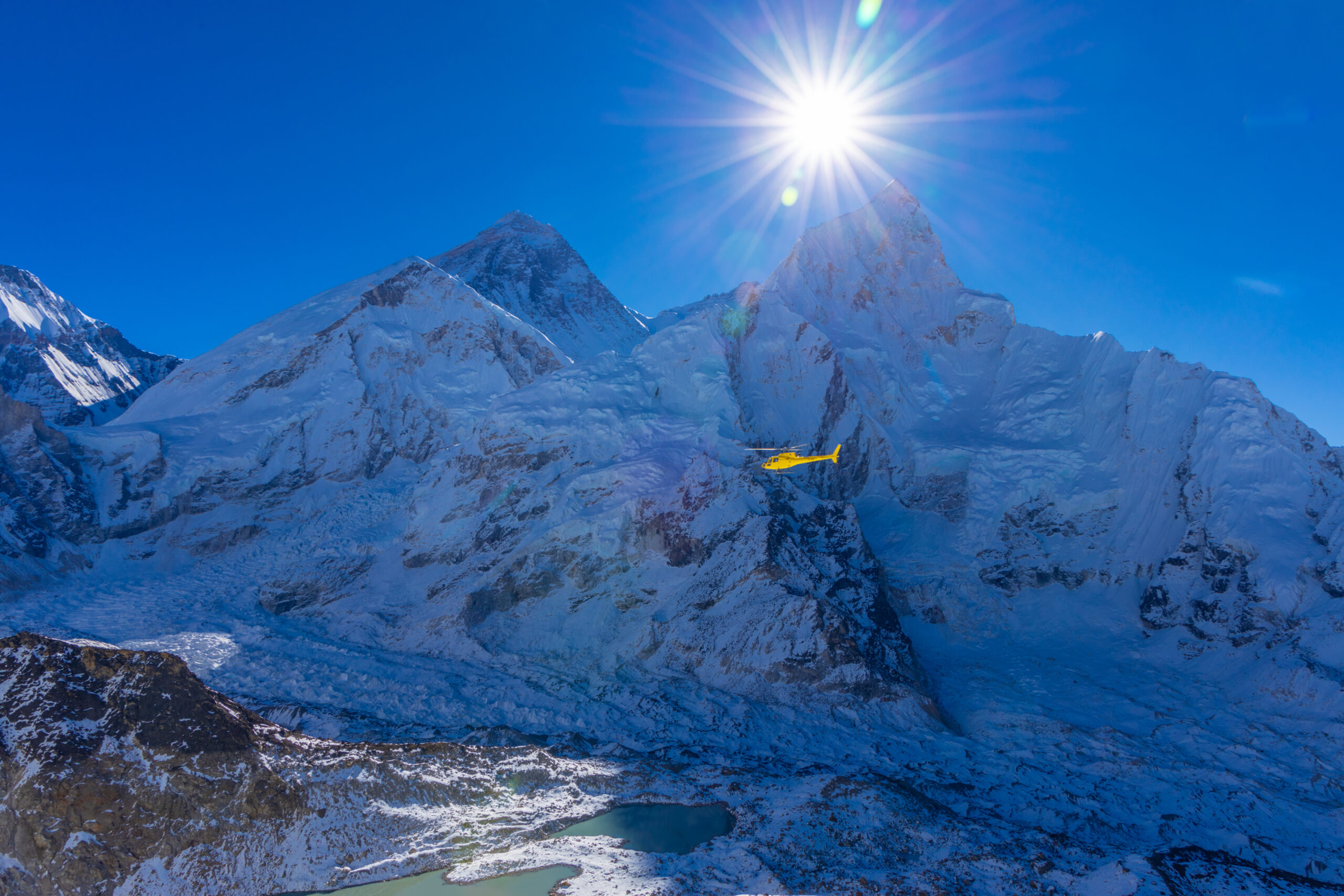
How Much Does It Cost to Climb Mount Everest in 2026? Permit Fees & Total Cost
Published 2026 Everest expeditions range from roughly $30,000 to more than $300,000. Nepal’s spring normal-route climbing royalty is $15,000 per foreign climber, while current South Side published pricing has a $54,995 median and $61,267 average. The real budget depends on what the operator quote includes—and what gear, insurance, flights, tips, oxygen, schedule changes and personal costs still sit outside it.
The Permit Is $15,000. The Expedition Costs Tens of Thousands More.
For the route used by most foreign Everest climbers, Nepal’s spring normal-route royalty is $15,000 per climber. That is the government permit component—not the total cost of climbing Mount Everest.

ExpedReview’s August 2026 market analysis found a $54,995 median and $61,267 average for published Nepal South Side expedition prices. Across the broader market, advertised products stretch from roughly $30,000 to $300,000+.
Your final personal cost can be higher than the operator’s headline number because technical gear, international travel, personal insurance, tips and bonuses, Kathmandu expenses, schedule changes and contingency may be excluded.
Do not automatically add $15,000 to an operator quote. Many full-service Everest prices already include the government royalty. Confirm the inclusion list first.
What Does a Full Everest Expedition Cost?
One Everest price does not exist. The same South Col route can be sold as a relatively autonomous Sherpa-supported expedition or as a private, highly staffed premium program.
| 2026 Price Signal | Published Price | What It Means | How to Use It |
|---|---|---|---|
| Broad published market | $30,000–$300,000+ | Lower-priced commercial products through ultra-premium programs. | Outer market range—not a recommended personal budget. |
| Nepal South Side median | $54,995 | ExpedReview August 2026 published-price midpoint. | Useful benchmark for comparing quotes. |
| Nepal South Side average | $61,267 | Average across the published market. | Pulled upward by private and premium programs. |
| Without private / flash products | $51,000 median $55,380 average | ExpedReview’s adjusted conventional-market figures. | Helpful when comparing standard full-length expeditions. |
| Nepali operator median | ≈$45,250 | Current ExpedReview segmentation. | Shows the lower-cost local-operator market. |
| International-team median | ≈$76,000 | Published Nepal-side international-team midpoint. | Illustrates the premium for international guiding structures. |
Published operator figures may include the Nepal royalty, oxygen and Kathmandu logistics—or leave some of them outside the quote. Compare inclusion lists before comparing totals.
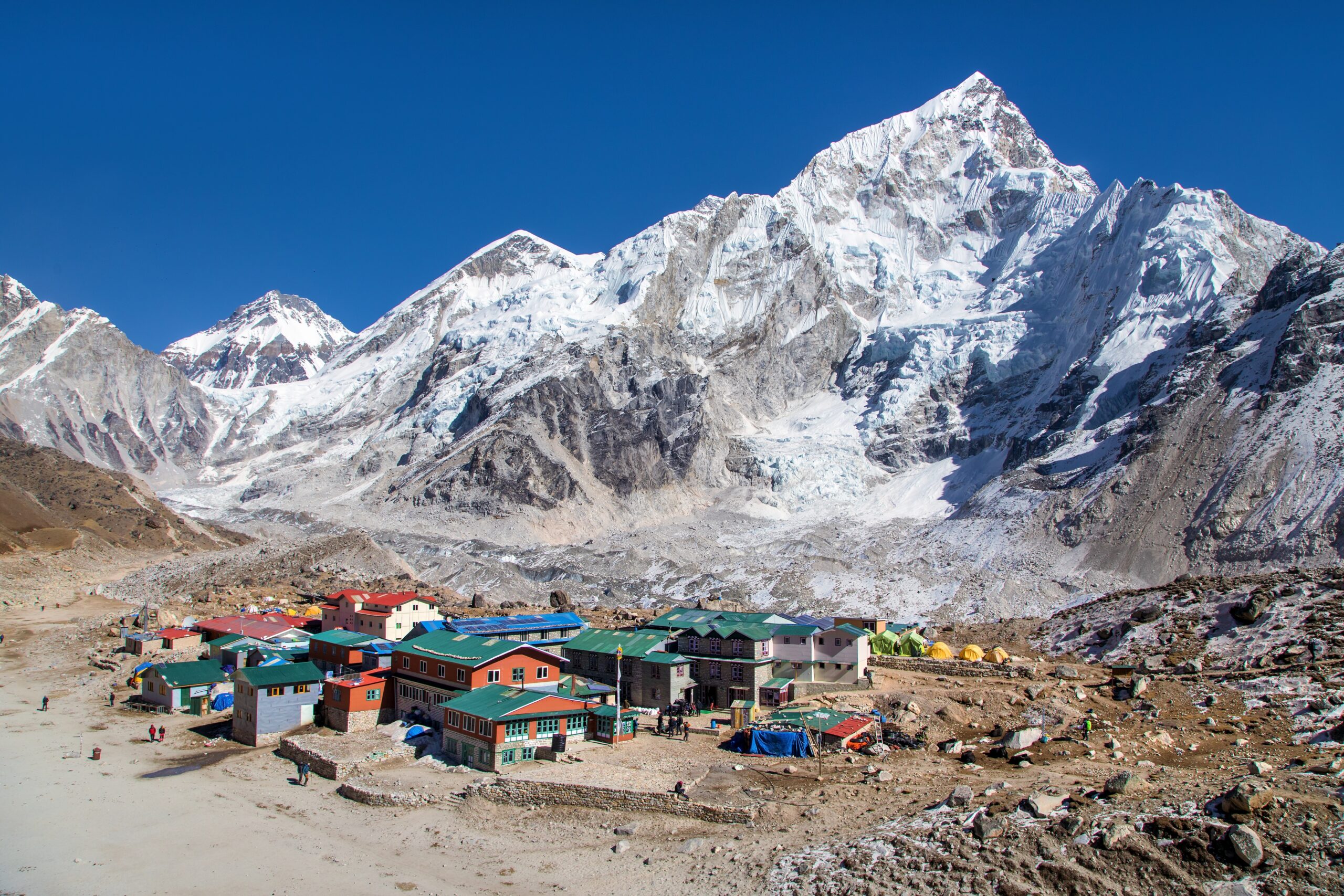
You Are Buying an Expedition System—not Just a Guide.
Base Camp food and power, high camps, route access, high-altitude workers, communications, oxygen movement, weather decisions, medical capacity and nearly two months of logistics explain why the commercial expedition costs several times more than the government royalty.
How Much Is the Everest Permit in 2026?
Nepal publishes separate foreign-climber royalties by route category and season. The revised tariff became effective September 1, 2025.
| Everest Route Category | Spring | Autumn | Winter / Summer |
|---|---|---|---|
| Normal route | $15,000 | $7,500 | $3,750 |
| Other Everest route | $10,000 | $5,000 | $2,500 |
Spring + Normal Route
The standard commercial Nepal expedition uses the South Col / Southeast Ridge during the spring season. That makes the $15,000 per-climber royalty the figure most relevant to foreign Everest clients.
It Is Not a Discount Button.
Nepal’s “other route” category is tied to the approved expedition route. A climber cannot simply choose the lower royalty while climbing the standard South Col line.
This is a separate team-level garbage-management deposit. It should not be presented as another $4,000 permit charge for every climber.

Some of the Everest Invoice Pays for a Route That Must Be Built Every Season.
The Khumbu Icefall is not a permanent trail. Icefall Doctors establish and maintain the route through moving crevasses and seracs, while other teams establish fixed systems higher on the mountain.
What Different Everest Price Tiers Usually Buy
These are broad planning categories, not guarantees about the quality of any individual operator.
~$30K–$45K+
Usually the most inclusion-sensitive tier. Carefully verify government fees, oxygen, staffing, hotels, transport, bonuses, camp services and backup systems.
~$45K–$65K+
This range surrounds the current industry median. Two quotes at similar prices can still have very different support ratios and oxygen strategies.
~$65K–$100K+
Smaller teams, international guides, expanded high-altitude support, deeper logistics and private weather or medical systems often raise the price.
$100K–$300K+
Private guides, dedicated Sherpa support, accelerated programs, extensive oxygen and private Base Camp services create a fundamentally different product.
Price alone is not a safety score. The correct comparison is what the money actually buys: staff depth, oxygen, guide access, communications, weather support, medical capability, decision authority, redundancy and contingency.

High Camps, Oxygen and Staff Must Move Through the Mountain Before You Do.
A climber’s summit attempt depends on weeks of load carries, camp construction, fixed systems and oxygen positioning. Higher package prices may reflect deeper logistical capacity— but the written inclusion list is the only reliable way to know.
The Operator Fee Is Only One Layer of the Real Everest Budget.
This is the most useful material preserved from the old cost-breakdown page: build the budget outward from the operator quote rather than treating the quote as the final number.
| Budget Layer | What Can Sit Here | What to Verify |
|---|---|---|
| Government | $15,000 spring royalty plus team-level regulatory costs handled through the expedition. | Is the royalty already included in the operator price? |
| Expedition package | Guides, Sherpas, Base Camp, high camps, food, communications, route support and oxygen. | Exactly what does “full service” mean in writing? |
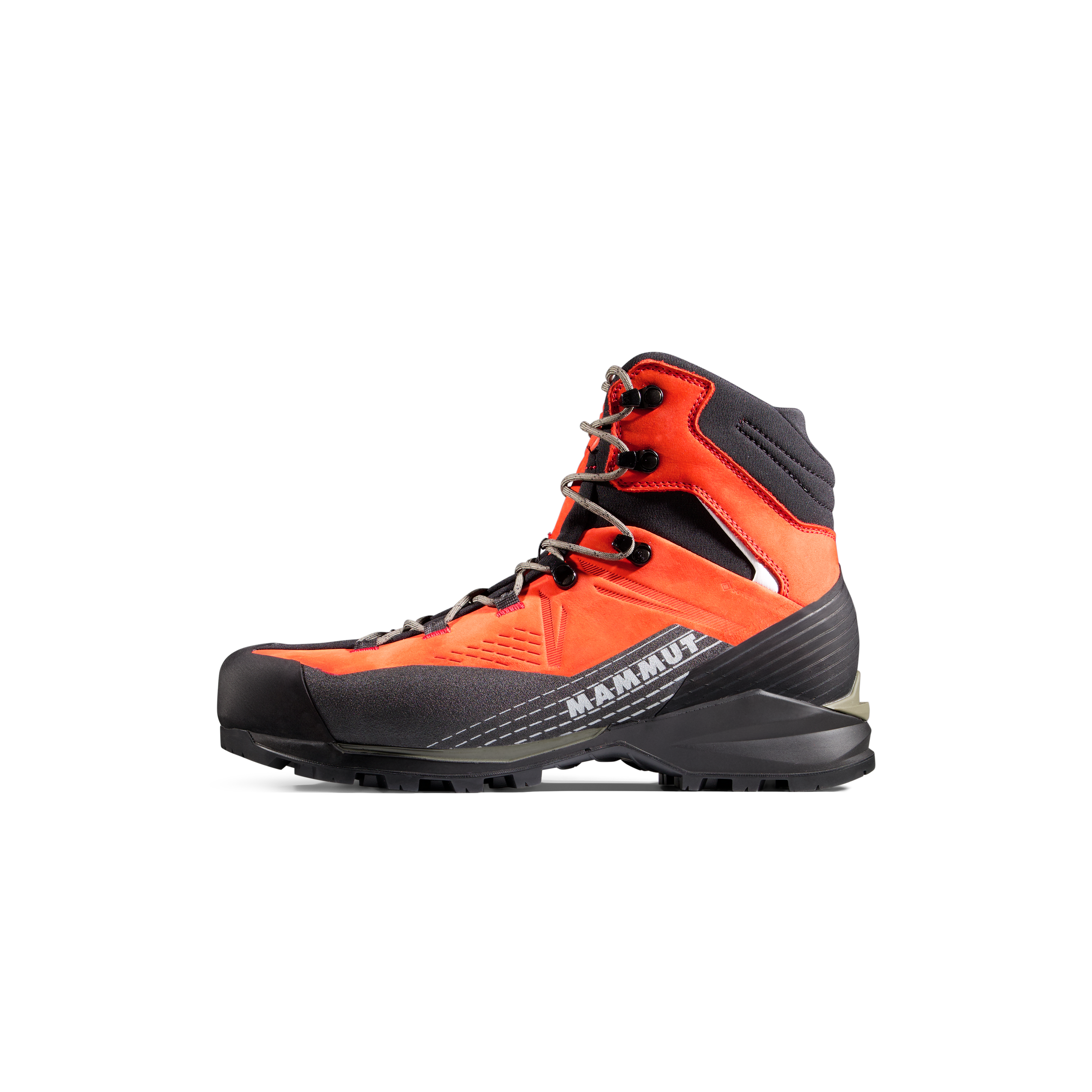
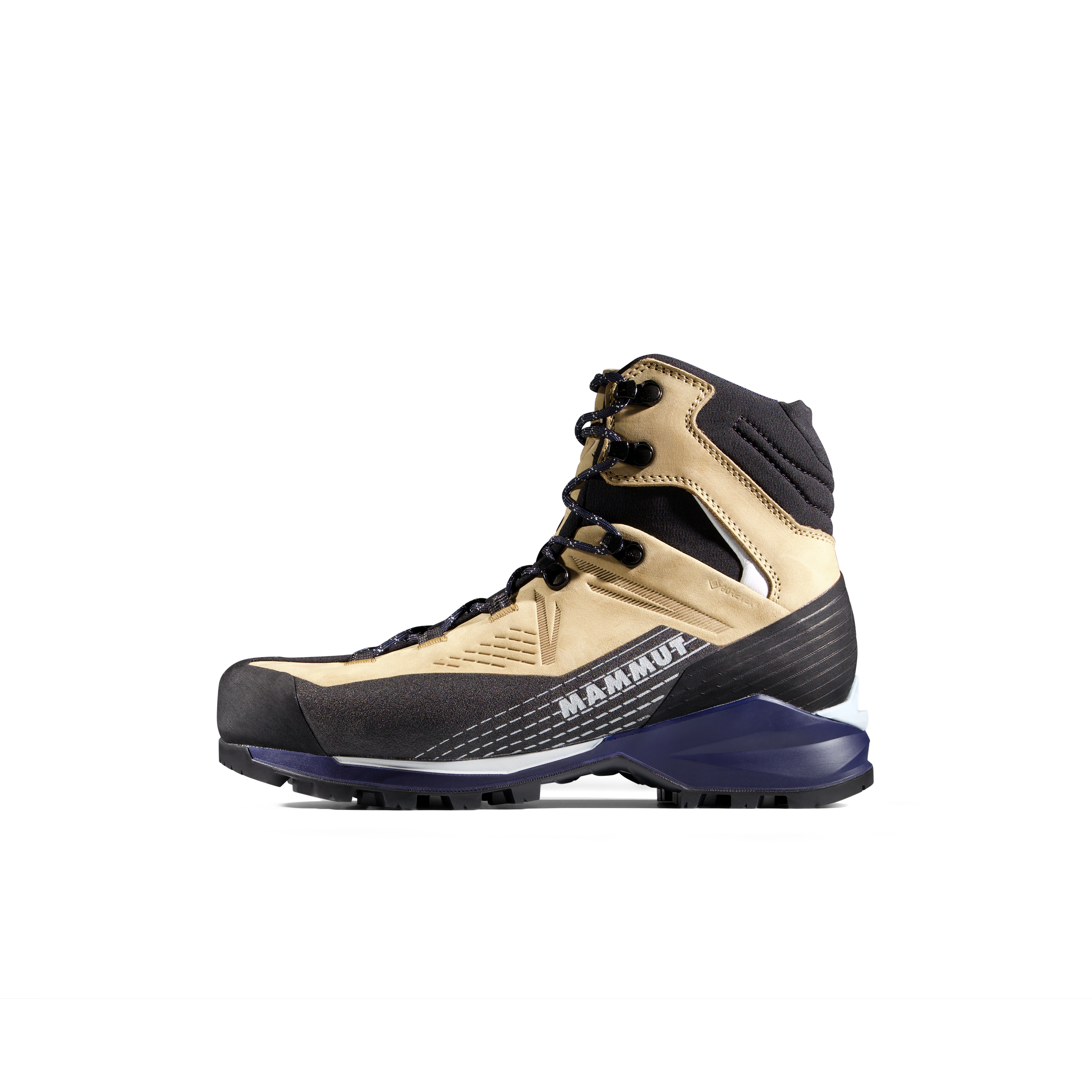
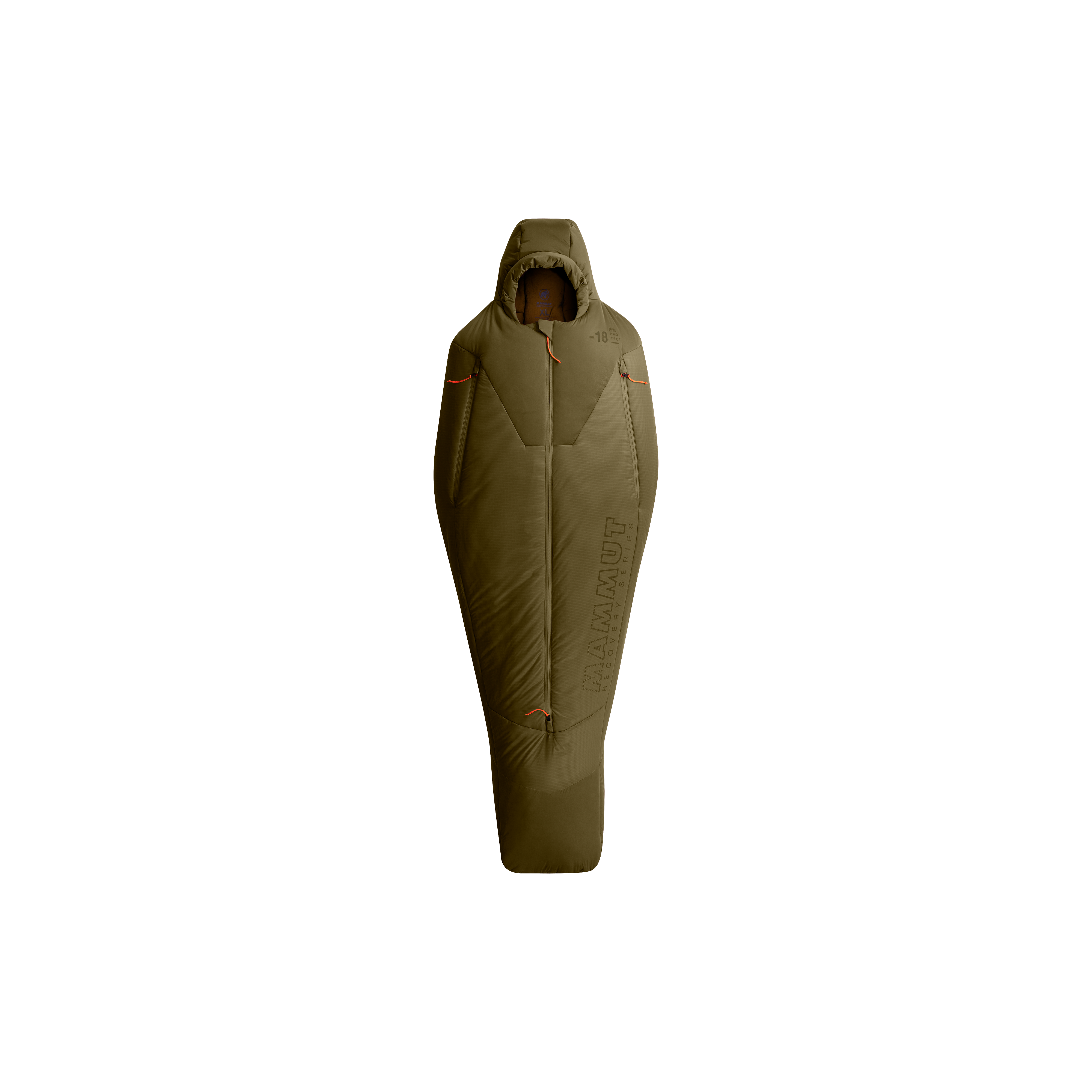
| Personal equipment | 8,000m boots, high-altitude insulation, sleeping system, technical gear and personal electronics. | What do you already own and what must be replaced? |
| Insurance / rescue | Personal medical, rescue, evacuation, trip protection and repatriation coverage as required by the operator and your risk plan. | Does the contract explicitly cover Everest, 8,848.86 m and expedition mountaineering? |
| International travel | Flights, baggage, Nepal visa, Kathmandu nights and domestic transfers. | Which gateway costs are inside the expedition package? |
| Tips / bonuses | Guide, Sherpa, kitchen and support-staff gratuities or summit bonuses where customary or contractually expected. | Ask for the operator’s current written guidance. |
| Schedule change | Extra Kathmandu hotels, domestic flight changes, additional oxygen, replacement equipment or changed transport. | Who pays when the published itinerary moves? |
| Contingency | A personal reserve for the expenses the brochure cannot predict. | Do not use the last dollar in your available budget to pay the original expedition invoice. |
This is a budgeting heuristic—not a government fee. Everest schedules move, equipment breaks and international travel does not always follow the original itinerary. Your actual reserve should reflect what your operator already absorbs.
“Oxygen Included” Is Not a Complete Answer.
Oxygen is both an expense and an expedition system. Compare allocation, flow strategy, redundancy and the support required to move cylinders up the mountain.
About $650 per Bottle in Current Cost Analysis
ExpedReview’s 2026 analysis uses approximately $650 per oxygen bottle as a market benchmark and notes that several bottles can be consumed by one climber.
Do not multiply that figure into your budget automatically: many full-service operator prices already include an oxygen allocation.
Allocation Can Be Far More Important Than Bottle Price
Current CTSS Everest guidance describes a generous expedition oxygen system with dedicated climber and Sherpa allocation plus cached redundancy.
The useful comparison is therefore not merely “does the package include oxygen?” Ask exactly how much is allocated, where it is cached, what flow rates are planned and what an extra supply costs.
How many bottles are assigned to you? Is your Sherpa’s oxygen separate? What flow strategy is assumed? What happens financially and operationally if you need more?

The Most Expensive Systems Matter Most Where the Margin Is Smallest.
Oxygen reserves, high-altitude staffing, communications, weather forecasting and turnaround decisions become most consequential above Camp III and at the South Col. That is why comparing only the Base Camp experience misses the most important differences between operator packages.
Your Gear Bill Depends on How Much of an 8,000m System You Already Own.
A climber arriving from previous 7,000–8,000-metre expeditions may already own most of the expensive items. Someone assembling an Everest kit from scratch will not.
Items Worth Owning and Testing Yourself
- 8,000-metre mountaineering boots.
- Technical socks and foot-management system.
- Harness and personal attachment system.
- Gloves and mittens.
- High-altitude eyewear.
- Base layers and insulation sized correctly.
- Headlamp system you know how to operate with gloves.
Confirm What Your Operator Supplies
- Expedition down suit or extreme insulation.
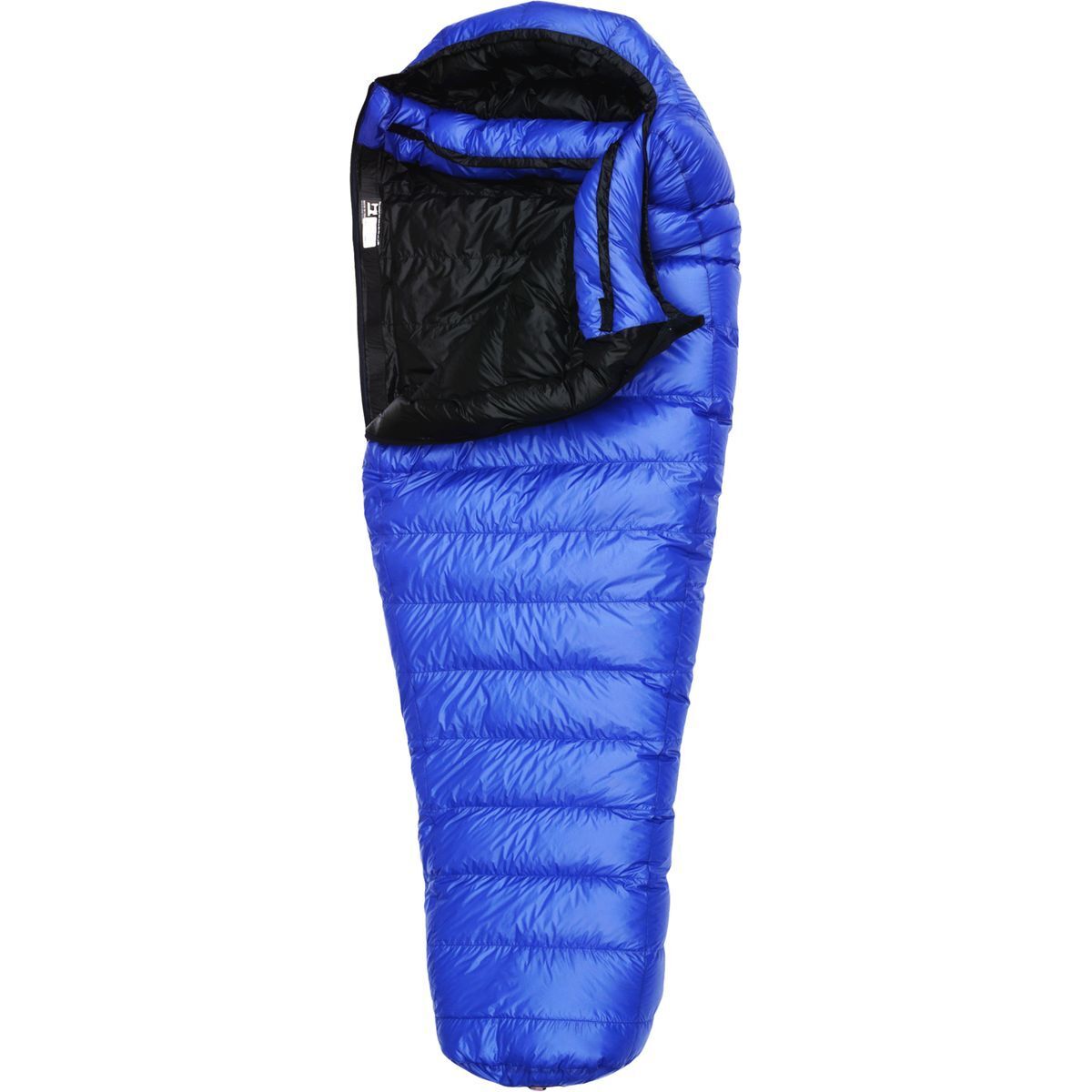
- High-altitude sleeping bags and pads.
- Crampons.
- Ice axe.
- Jumar / ascender and rappel equipment.
- Oxygen mask and regulator system.
- High-camp equipment.
Everest Expedition Gear
Compare current mountaineering boots, crampons, sleeping bags and headlamps after checking what your operator requires and what your expedition package supplies.
Everest Expedition Gear
- Western MountaineeringWestern Mountaineering UltraLite Sleeping Bag: 20F DownFrom $659
$706Check price at Back Country (opens in a new tab)
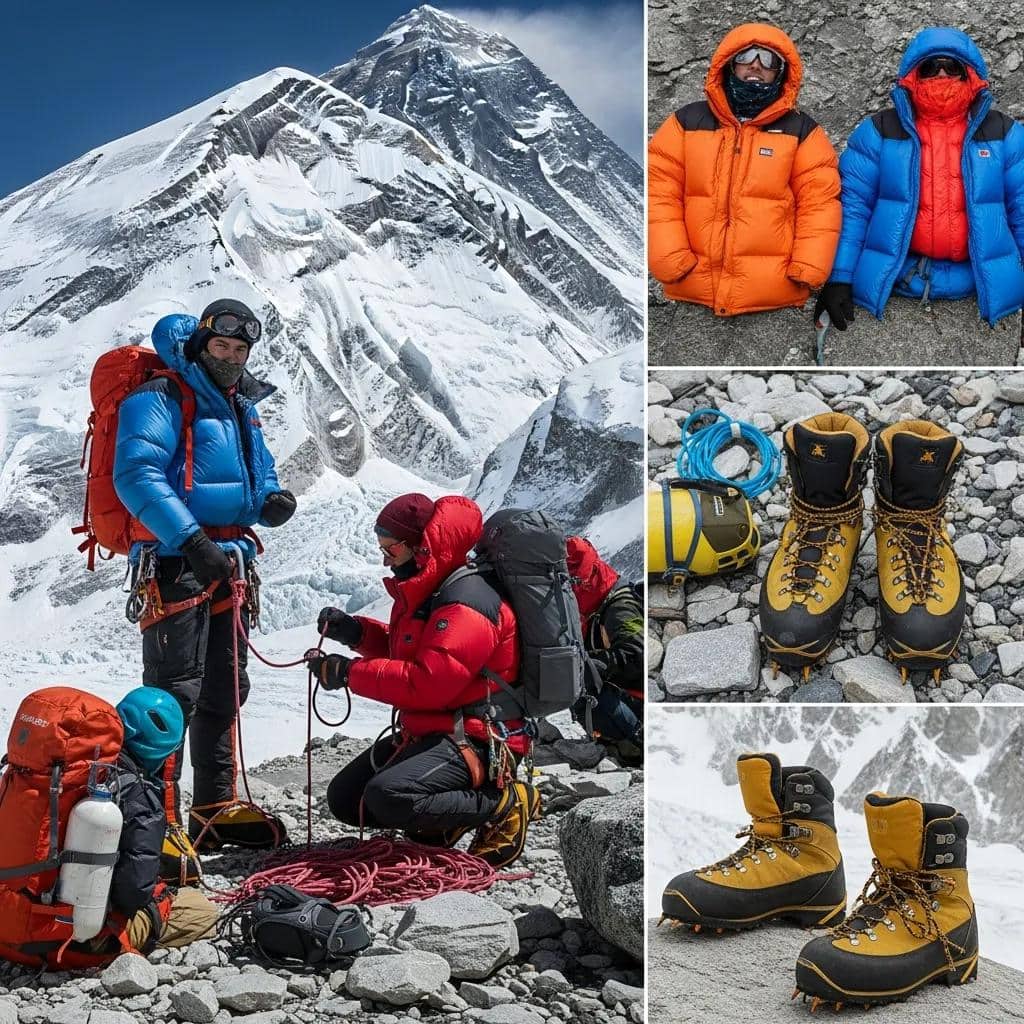
Two Climbers on the Same $55,000 Expedition Can Have Different All-In Budgets.
The climber who already owns proven 8,000-metre boots, insulation and sleeping equipment may spend relatively little before departure. A climber replacing an entire expedition system can add thousands before reaching Kathmandu.
Price Is Not a Safety Score—but Support Resources Matter.
The strongest useful point from the old cost page is not “expensive equals safe.” It is that price often reflects systems that can affect margin.
23 of 26 Recent Fatalities
ExpedReview’s 2026 Everest cost analysis reports that 23 of 26 deaths in the 2023–2024 seasons occurred with operators priced below the industry median.
That is a meaningful correlation worth considering when evaluating expedition structure.
Price Did Not Necessarily Cause Those Deaths.
Climbers, weather, route conditions, medical events, operator systems and individual decisions vary. The statistic cannot establish that paying more would have changed any specific outcome.
Use it as a reason to compare support—not as a reason to treat the highest quote as automatically safest.
Oxygen redundancy, high-altitude worker ratios, guide experience, medical capability, communications, forecasting, climber vetting, spare equipment and turnaround authority matter more than whether the marketing calls a package “budget,” “premium” or “luxury.”

The Best Quote Is the One Whose High-Altitude System You Understand.
A heated dining tent is easy to see. Oxygen redundancy, competent turnaround decisions, spare equipment and the person assigned to you above the South Col are harder to see—but far more important.
Do Not Add a “Mandatory 7,000m Qualifying Climb” to the Budget Yet.
The old `/everest-cost-breakdown/` page treated a proposed requirement as enacted law. The current legal audit separates what is actually in force from the Tourism Bill.
| Rule / Claim | October 2026 Planning Status | Cost Implication |
|---|---|---|
| $15,000 spring royalty | In force | Use in the current Everest budget. |
| 1 worker / guide per 2 members above 8,000 m | In force | Staffing floor affects expedition structure, but does not equal 1:1 personal support. |
| $4,000 garbage deposit | In force · per team | Do not multiply it by number of climbers. |
| Prior Nepal 7,000 m summit | Pending legislation | Do not budget a mandatory qualifying expedition as settled law unless the final rule changes. |
| Operator experience prerequisites | Contract-specific | An operator may require prior 7,000–8,000 m experience even when government legislation does not. |
| Personal climbing insurance | Operator / policy specification matters | Obtain written confirmation that Everest, activity and altitude are actually covered. |
There Was No Normal Foreign Tibet-Side Everest Market to Price in 2026.
A published operator price is not the same thing as legal access to the mountain.
South Col Was the Practical Foreign Commercial Route
Nepal issued hundreds of Everest permits during the 2026 spring season, with foreign commercial teams operating from the South Side.
North Side Closed to Foreign Expeditions
China did not operate a normal 2026 foreign Everest North Side season. Do not use an advertised Tibet-side package as an available 2026 comparison product simply because a price appeared online.
Tibet access is controlled separately from Nepal’s permit system. For a future season, confirm that foreign teams are actually being authorized before comparing North Side and South Side prices.
The Nepal Expedition Begins Long Before the South Col.
Kathmandu, Lukla, the Khumbu approach, Everest Base Camp and the high camps all sit inside the logistical product an Everest operator must manage.
Hotels, team meetings, equipment checks and expedition administration.
Weather-dependent domestic flight logistics affect schedules.
Multi-day acclimatization trek through the Everest region.
The logistics system remains active for most of the climbing season.

A Two-Month Expedition Has Costs Every Day—even When Nobody Climbs.
Weather days and acclimatization days still require food, staff, communications, electricity, medical resources and camp infrastructure. That is one reason shortening an itinerary can change both price and the expedition strategy.
Compare Everest Quotes Line by Line.
A $5,000 price difference matters much less than a $5,000 difference created by missing inclusions.
Is the $15K Included?
Ask the operator to identify government royalties and team-level regulatory charges in writing.
What Is the Allocation?
Get bottle count, flow strategy, Sherpa allocation and extra-oxygen cost.
Dedicated or Shared?
Clarify who is assigned to you above Base Camp and on summit day.
Who Makes the Turnaround Call?
Understand lead-guide structure, authority and who is physically present high on the route.
What Is at Base Camp?
Ask about expedition medical staffing, communications and escalation procedures.
What Forecasting Is Used?
Determine whether forecasting is dedicated, shared or dependent on public products.
Who Pays When Plans Change?
Hotels, flights, staff days and oxygen can change when the weather window moves.
What Is Actually Refundable?
Read deposit, cancellation, transfer and insurance conditions before paying.
Eight Everest Budget Mistakes to Avoid
These preserve the useful planning logic of the old page without carrying its outdated regulatory claims into the canonical guide.
| Mistake | Why It Creates a Bad Budget | Better Approach |
|---|---|---|
| 1 · Shopping by lowest price | Headline price does not show oxygen, staffing, redundancy or exclusions. | Compare systems and inclusions. |
| 2 · Adding the permit twice | Many full-service quotes already bundle the $15,000 royalty. | Confirm it before adding it. |
| 3 · Treating oxygen as binary | “Included” does not reveal allocation or redundancy. | Ask for exact oxygen strategy. |
| 4 · Assuming proposed rules are current law | The old page incorrectly budgeted a mandatory qualifying 7,000 m climb. | Check the current Everest rules page. |
| 5 · Buying generic travel insurance | The policy may exclude extreme-altitude expedition mountaineering. | Get the mountain and activity confirmed in writing. |
| 6 · Ignoring personal gear | A first 8,000 m kit can add substantial pre-trip spending. | Inventory what you already own first. |
| 7 · Forgetting tips and schedule changes | These costs can sit entirely outside the operator invoice. | Ask the operator for current guidance and cancellation terms. |
| 8 · Having no contingency | Everest rarely follows a perfect international-travel schedule. | Keep a separate personal reserve. |
Where These 2026 Numbers Come From
Government fees, market-price analysis, individual operator products and access status answer different questions and should not be mixed together.
Nepal Department of Tourism
Current Everest royalties and team garbage-management deposit.
Official Fee Schedule →ExpedReview
August 2026 market analysis: average, median, operator segmentation, oxygen pricing and published range.
2026 Cost Analysis →Climbing the Seven Summits
Published 2026 program tiers and examples of how support structure changes price.
CTSS 2026 Overview →GSG Everest Rules Audit
Separates enacted Nepal rules from the still-pending prior-experience and medical provisions.
Check Everest Rules →Frequently Asked Questions
How much does it cost to climb Mount Everest in 2026?
How much is the Everest permit in 2026?
Is the $15,000 permit the total cost of Everest?
Is the Everest permit already included in operator packages?
How much is the Everest garbage deposit?
Why can one Everest expedition cost $40,000 and another cost $100,000 or more?
What is a useful 2026 Everest price benchmark?
Does cheaper mean less safe on Everest?
Is a previous 7,000-metre Nepal summit legally required before Everest?
How much should I budget for Everest gear?
How much does Everest oxygen cost?
Could foreign climbers use the Everest North Side in 2026?
How much extra money should I hold outside the operator quote?
$15,000 Buys the Permit. The Expedition Costs Tens of Thousands More.
The strongest 2026 planning benchmark is not one universal “Everest price.” It is a market: a $15,000 spring government royalty, a $54,995 published South Side median, a $61,267 average and packages extending well above $100,000. Start with the operator’s written price, identify exactly what it buys, then add only the personal expenses that remain outside it.
Was this helpful?
🏔Related cost guides
🧭Explore & compare
Global Summit Guide is an independent mountaineering resource founded in 2026. The team combines first-hand trekking and climbing experience with in-depth research and professional health and nutrition review to help climbers choose objectives, prepare properly, and stay safe.
Health, altitude, and nutrition content is reviewed by Taylor Ludlow (Registered Nurse) and Brigg Hoopes (Nutritionist).
What We Don't Know Yet
Mountain information changes quickly. This box explains the limits of what this page can responsibly promise.
- Permit availability, reservation windows, quotas, and official fee rules may change after this page is updated.
- Total trip cost can change with flights, lodging, guide pricing, permits, gear rentals, transportation, and exchange rates.
- Route conditions, snowpack, closures, and weather can change quickly after this page is updated.
- Permit rules, fees, quotas, and reservation windows may change between review cycles.
- Operator availability, pricing, guide ratios, and cancellation terms can change by season.
Verify current conditions with official land managers, guide services, local forecasts, and current route reports before booking or climbing.
Mountaineering, rock and ice climbing, glacier travel, and high-altitude activity are inherently dangerous and can result in serious injury or death. The information on Global Summit Guide is provided for general informational and educational purposes only and is not a substitute for professional instruction, qualified guiding, proper equipment, or your own judgment and experience.
Route conditions, weather, snowpack, permits, regulations, and hazards change constantly and may differ from what is described here. Details may be incomplete, out of date, or contain errors. Always verify current information with local authorities, certified guides, and official sources before making any decision in the mountains.
Nothing on this site is medical, legal, or financial advice. Our fitness, acclimatization, altitude, and nutrition content is general in nature; consult a qualified physician before beginning any strenuous exercise program or exposing yourself to high altitude.
You are solely responsible for your own safety and decisions. To the fullest extent permitted by law, Global Summit Guide and its team accept no liability for any loss, injury, damage, or expense arising from use of, or reliance on, this information. By using this site you acknowledge these risks and accept these terms.
Some links on this site may be affiliate links. If you buy through them we may earn a small commission at no extra cost to you; this never affects our recommendations.
Global Summit Guide recommendation path
Next Best Mountain to Research
Use these recommendations to continue the right planning path instead of stopping on one page.
Use current permit, weather, route, and operator information before booking or climbing.
Search Flights, Hotels & Rental Cars
Have the mountain or destination picked? Use Expedia to compare the flights, lodging and rental cars that fit your actual trip dates. For mountain travel, consider arriving early enough for delays and adding a buffer night after the climb before a fixed flight home.
Compare current flight, hotel and car options.
Affiliate disclosure: Global Summit Guide may earn a commission if you book through this link, at no additional cost to you.