<

Category: Global Summit Guide

  • Hiking vs Trekking vs Mountaineering: What’s the Difference?

    Hiking vs Trekking vs Mountaineering: What’s the Difference?

    Hiking vs Trekking vs Mountaineering: Understanding Key Differences and Preparation Strategies

    Hiking, trekking, and mountaineering are popular outdoor activities that attract adventure enthusiasts worldwide. While they may seem similar at first glance, each offers unique experiences, challenges, and requirements. This article will delve into the definitions and core differences between these activities, helping you understand what sets them apart. By exploring the nuances of hiking, trekking, and mountaineering, you will gain insights into the necessary preparations, gear, and safety considerations for each. Whether you’re a beginner or an experienced adventurer, this guide will equip you with the knowledge to choose the right activity for your next outdoor adventure. We will cover essential gear, physical demands, safety protocols, and training strategies to ensure a successful expedition.

    What Are the Definitions and Core Differences Between Hiking, Trekking, and Mountaineering?

    Hiking, trekking, and mountaineering are distinct outdoor activities that vary in intensity, duration, and technical requirements. Hiking typically refers to walking on well-marked trails, often in natural environments, and can range from short day hikes to longer multi-day excursions. Trekking, on the other hand, involves longer journeys that may include multiple days of walking through diverse terrains, often requiring more endurance and preparation. Mountaineering is the most technical of the three, involving climbing mountains and navigating challenging terrains, often requiring specialized skills and equipment. For more information about mountaineering, you can visit our mountains K2 climb guide.

    Indeed, trekking is often formally defined by its multi-day nature and focus on exploring natural landscapes.

    Defining Trekking: Multi-Day Trips in Natural Areas

    Trekking refers to a multi-day trip on the trails of relatively unspoiled natural areas with the purpose of exploring and enjoying natural scenery (Poudel, S. & Nyaupane, GP, 2016).

    Trekking guide contribution in promotion of sustainable tourism practices in EBC trek, 2016

    How Do Hiking, Trekking, and Mountaineering Differ in Activity Type and Terrain?

    The terrain and activity types for hiking, trekking, and mountaineering vary significantly. Hiking usually takes place on established trails in parks or nature reserves, featuring gentle slopes and accessible paths. In contrast, trekking often involves more rugged terrains, such as hills, valleys, and remote areas, where paths may be less defined. Mountaineering typically occurs in high-altitude environments, where climbers face steep ascents, rocky surfaces, and potentially hazardous conditions, requiring advanced navigation and climbing skills.

    What Are the Typical Duration and Intensity Levels for Each Activity?

    The duration and intensity levels of these activities also differ. A typical hiking trip can last anywhere from a few hours to a full day, with moderate intensity levels suitable for most fitness levels. Trekking trips usually span several days, often requiring participants to carry heavier packs and endure more strenuous conditions, making it a more demanding activity. Mountaineering expeditions can last from a few days to weeks, with high intensity and significant physical and mental challenges, as climbers must acclimatize to altitude and navigate difficult terrains.

    What Gear and Equipment Are Essential for Hiking, Trekking, and Mountaineering?

    Choosing the right gear is crucial for a successful outdoor experience. Each activity requires specific equipment tailored to its unique demands. For hiking, essential gear includes sturdy footwear, weather-appropriate clothing, and a reliable backpack. Trekking gear builds on this foundation, often requiring additional items such as trekking poles, a sleeping bag, and a tent for overnight trips. Mountaineering necessitates specialized equipment, including climbing gear, harnesses, and ice axes, to ensure safety and efficiency in challenging conditions.

    Even for seemingly simpler activities like day hikes, careful consideration of essential gear is paramount for comfort and safety.

    Essential Gear for a Day Hike in the Woods

    When we head out for the day, however, we often give much less consideration to our kit. Many will quickly throw, say, a flask of coffee, a couple of sandwiches and a waterproof jacket in a daysack and maybe slip a Swiss Army Knife in a pocket.

    What Gear To Pack For A Day Hike In The Woods, 2014

    Which Footwear and Clothing Are Recommended for Each Activity?

    Footwear and clothing play a vital role in comfort and safety during outdoor activities. For hiking, lightweight, waterproof hiking boots are recommended, along with moisture-wicking clothing layers to regulate body temperature. Trekking requires more robust footwear with better ankle support and durable materials to withstand rough terrains. Mountaineering demands specialized boots designed for climbing, often featuring insulation and compatibility with crampons. Layering is essential for all activities, allowing participants to adapt to changing weather conditions.

    What Specialized Equipment Is Required for Mountaineering Compared to Hiking and Trekking?

    Mountaineering requires a range of specialized equipment that sets it apart from hiking and trekking. Essential mountaineering gear includes:

    EquipmentPurposeImportance
    Climbing HarnessSecures the climber to the ropeCritical for safety
    Ice AxeAids in climbing and self-arrestEssential for icy conditions
    CramponsProvides traction on ice and snowNecessary for steep ascents

    This specialized equipment is crucial for navigating the unique challenges of mountaineering, ensuring safety and success during climbs.

    The rigorous demands of mountaineering necessitate not only specialized equipment but also thorough evaluation and testing, often in extreme environments.

    Mountaineering Equipment Evaluation in Extreme Climates

    Pursuant to a request from US Army Natick Laboratories, the Arctic Institute of North America carried out testing and evaluation of certain commercially available mountaineering equipment, considered by the project investigator to be the best available on the commercial market today. This equipment was tested under varying climatic conditions and extremes in the St. Elias Mountains of the southwestern Yukon Territory, Canada. Tests were carried out in the low altitude forested region near Kluane Lake, in the medium altitude alpine environment of the central St. Elias Mountains, and in the severe high altitude polar environment of Canadas highest mountain, Mt. Logan.

    Mountaineering Equipment Evaluation, 1972

    How Do Physical and Technical Difficulty Levels Compare Among Hiking, Trekking, and Mountaineering?

    The physical and technical difficulty levels of hiking, trekking, and mountaineering vary significantly, impacting the preparation and skills required for each activity. Understanding these differences is essential for selecting the right adventure based on individual fitness levels and experience.

    What Are the Physical Demands and Skill Requirements for Each Activity?

    Hiking generally requires moderate physical fitness, as trails are often well-maintained and accessible. Basic navigation skills are beneficial but not mandatory. Trekking demands higher endurance and stamina, as participants may face longer distances and more challenging terrains. Skills in navigation and basic survival techniques become increasingly important. Mountaineering presents the highest physical demands, requiring advanced climbing skills, knowledge of safety protocols, and the ability to handle extreme weather conditions and altitude sickness.

    How Does Terrain and Altitude Affect Difficulty Levels?

    Terrain and altitude significantly influence the difficulty levels of these activities. Hiking trails are typically designed for accessibility, while trekking routes may include steep ascents and variable weather conditions. Mountaineering involves high-altitude environments where oxygen levels are lower, increasing the risk of altitude sickness. Climbers must acclimatize properly and be prepared for rapidly changing weather, which can complicate navigation and safety.

    What Are the Key Safety and Health Considerations for Hiking, Trekking, and Mountaineering?

    Safety and health considerations are paramount in outdoor activities. Each activity presents unique risks that participants must be aware of to ensure a safe and enjoyable experience.

    How Can Altitude Sickness Be Prevented and Managed Across These Activities?

    Altitude sickness is a common concern for trekkers and mountaineers. To prevent and manage this condition, gradual acclimatization is essential. Participants should ascend slowly, allowing their bodies to adjust to higher elevations. Staying hydrated and recognizing early symptoms, such as headaches and nausea, can help mitigate the effects of altitude sickness. In severe cases, descending to lower altitudes is necessary for recovery.

    What Other Health Risks and Safety Protocols Should Participants Know?

    In addition to altitude sickness, outdoor enthusiasts should be aware of other health risks, such as dehydration, hypothermia, and injuries from falls. Proper hydration, nutrition, and weather preparedness are crucial for all activities. Participants should also familiarize themselves with navigation skills and emergency protocols, ensuring they are equipped to handle unexpected situations.

    Which Popular Global Mountains and Routes Are Suitable for Hiking, Trekking, and Mountaineering?

    Numerous mountains and routes worldwide cater to hikers, trekkers, and mountaineers, each offering unique experiences and challenges.

    What Are Recommended Hiking Trails vs Trekking Routes?

    Popular hiking trails include:

    • Appalachian Trail: A long-distance trail spanning approximately 2,190 miles across the eastern United States, offering diverse landscapes and experiences.
    • Pacific Crest Trail: Stretching from Mexico to Canada, this trail showcases stunning views of the Sierra Nevada and Cascade mountain ranges.
    • Inca Trail: A historic route leading to Machu Picchu, combining cultural heritage with breathtaking scenery.

    Trekking routes, such as the Everest Base Camp Trek and the Annapurna Circuit, provide more challenging experiences, often requiring multi-day excursions through rugged terrains.

    Which Mountains Are Iconic for Mountaineering Expeditions?

    Iconic mountains for mountaineering include:

    • Mount Everest: The highest peak in the world, attracting climbers from around the globe.
    • K2: Known for its technical difficulty, K2 presents significant challenges even for experienced climbers.
    • Denali: The highest peak in North America, offering a demanding ascent with extreme weather conditions.

    These mountains represent the pinnacle of mountaineering challenges, requiring extensive preparation and skill.

    How Should One Train and Prepare for Hiking, Trekking, and Mountaineering Expeditions?

    Training and preparation are essential for success in hiking, trekking, and mountaineering. Each activity requires a tailored approach to ensure participants are physically and mentally ready for the challenges ahead.

    What Training Programs Enhance Physical Fitness and Technical Skills?

    Training programs should focus on building endurance, strength, and technical skills. For hiking, participants can engage in regular walking or jogging, gradually increasing distance and elevation. Trekking requires more intensive training, including long-distance hikes with a weighted backpack to simulate trekking conditions. Mountaineering training should incorporate climbing techniques, strength training, and altitude acclimatization practices to prepare for the unique demands of high-altitude climbing.

    How Can Gear Selection and Safety Planning Improve Expedition Success?

    Proper gear selection and safety planning are critical for successful expeditions. Participants should invest in high-quality equipment suited to their specific activity, ensuring it meets safety standards and performance requirements. Additionally, thorough safety planning, including route mapping, weather assessments, and emergency protocols, can significantly enhance the chances of a successful and enjoyable outdoor experience.

    What Are Common Frequently Asked Questions About Hiking, Trekking, and Mountaineering?

    Understanding common questions can help clarify the distinctions between hiking, trekking, and mountaineering, guiding individuals in their outdoor pursuits.

    What Is the Difference Between Hiking and Trekking?

    Hiking typically refers to shorter, less strenuous walks on established trails, while trekking involves longer journeys through more challenging terrains, often requiring overnight camping and greater physical endurance.

    Is Mountaineering More Difficult Than Trekking?

    Yes, mountaineering is generally considered more difficult than trekking due to the technical skills required, the need for specialized equipment, and the challenges posed by high-altitude environments.

    What Gear Is Essential for Mountaineering Safety?

    Essential gear for mountaineering safety includes a climbing harness, ice axe, crampons, and a reliable helmet. These items are crucial for navigating challenging terrains and ensuring safety during climbs.

    How Do Hiking Trails Differ From Trekking Routes?

    Hiking trails are usually well-marked and accessible, while trekking routes may be less defined and require more navigation skills. Trekking often involves longer distances and more rugged terrains compared to typical hiking trails.

    Hiking vs Trekking vs Mountaineering

    Conclusion

    Understanding the distinctions between hiking, trekking, and mountaineering empowers outdoor enthusiasts to choose the right adventure tailored to their skills and preferences. Each activity offers unique challenges and rewards, from the accessibility of hiking trails to the technical demands of mountaineering. By preparing adequately and selecting the appropriate gear, you can enhance your outdoor experience significantly. Discover more about our recommended gear and training tips to elevate your next expedition.

  • 10 Best Mountains to Climb for Beginners

    10 Best Mountains to Climb for Beginners

    10 Best Mountains to Climb for Beginners

    10 Best Mountains to Climb for Beginners: Ranked by Difficulty

    Mountain climbing is rewarding, but picking the right peak matters for safety and enjoyment. This guide ranks ten beginner-friendly mountains by difficulty and explains the criteria used, safety considerations, practical preparation steps, and recommended gear. Use the route features and checklists here to choose appropriate peaks and arrive prepared.

    “Beginner-friendly” in this guide means routes where navigation is straightforward, technical moves are minimal or avoidable, and the objective hazards can be managed with basic skills and the right preparation. Typical beginner objectives are day hikes or short overnight routes with clear trails, modest elevation gain, and predictable exit options. When starting out, favour shorter circuits or out-and-back routes that let you test pace and kit without committing to long, exposed ridgelines.

    What Criteria Define the Difficulty Levels of Beginner-Friendly Mountains?

    Difficulty is based on measurable factors: route grade (the technical moves required), elevation gain (vertical metres you ascend), and objective hazards such as rockfall, exposure to drops, and local weather. Use these criteria to match a route to your skills and fitness.

    How Are Climbing Difficulty Levels Categorized for New Climbers?

    Routes are categorised by access, navigation ease and technical demand. “Day-hike friendly” typically means reachable in a day with clear navigation. Read route overviews and safety notes to confirm a peak fits your experience.

    Which Safety Factors Influence Mountain Difficulty Ratings?

    Safety factors change how difficult a route feels and how you should prepare. Key considerations include:

    • Steepness : The angle of the terrain can greatly affect the difficulty of a climb. Steeper slopes require more technical skills and physical endurance.
    • Exposure : Areas with significant drops or cliffs can pose serious risks, especially in adverse weather conditions.
    • Technical Skills Required : Some climbs may require specific skills, such as rock climbing or navigating icy surfaces, which can increase the difficulty level.

    Know these factors before you pick a route so you can assess readiness and plan mitigations. about

    Which Are the Top 10 Easy Hiking Mountains Suitable for Beginners?

    Below are ten easy hiking mountains suitable for beginners, ranked by difficulty and noted for accessible routes:

    • Mount Monadnock (New Hampshire) – A popular choice for beginners, offering well-marked trails and stunning views.
    • Mount Tamalpais (California) – Known for its scenic vistas and moderate trails, ideal for novice climbers.
    • Pikes Peak (Colorado) – Accessible via a paved road, making it a great option for those looking to experience high elevation without technical climbing.
    • Mount Hood (Oregon) – Offers beginner-friendly routes with beautiful landscapes and a variety of trails.
    • Mount Washington (New Hampshire) – While challenging, it has easier trails that provide a taste of mountain climbing.
    • Mount Rainier (Washington) – Features beginner routes that allow climbers to experience the beauty of this iconic peak.
    • Mount Shasta (California) – Offers a range of trails suitable for beginners, with breathtaking views.
    • Mount St. Helens (Washington) – Known for its unique landscape, it has accessible trails for novice climbers.
    • Mount Katahdin (Maine) – The highest peak in Maine, with beginner-friendly trails that showcase the beauty of Baxter State Park.
    • Mount Adams (Washington) – Provides a variety of routes, including easier paths for those new to climbing.

    For planning resources and step-by-step summit guides, the Information Hub provides detailed route notes, timing estimates and gear suggestions.

    When choosing among these ten, compare travel logistics (access roads, permits and parking), time available for the trip, and how much altitude you will gain on the route. Some novices prefer peaks where a clear trail reaches the summit plateau; others use cable cars or paved roads for partial access and to practise coping with higher elevations in a controlled way.

    What Are the Key Features of Each Beginner-Friendly Peak?

    Each peak has features that affect trip planning. Focus on three practical items when comparing mountains:

    • Elevation : Most of these mountains have elevations ranging from 3,000 to 14,000 feet, providing a variety of experiences.
    • Best Season : The ideal climbing season varies by location, with summer being the most popular time for many of these peaks.
    • Safety Level : Each mountain has been assessed for safety, with many offering well-maintained trails and clear signage to guide climbers.

    Compare elevation, season and safety level to choose a peak that matches your goals and ability.

    Practical comparison checklist: before you commit, note the expected hiking time, total elevation gain, trail surface (rocky, packed dirt, scree), navigation complexity (marked trail versus route-finding), and availability of services (parking, ranger station, water sources). Ranking these items for each peak helps you pick the one that fits your experience and travel plans.

    How Do Elevation and Location Affect Climbing Difficulty?

    Elevation reduces available oxygen and can cause altitude sickness; location influences weather and storm frequency. Consider both when choosing a climb and plan acclimatisation and contingency time.

    How to Prepare Effectively for Climbing Beginner Summits Safely?

    Preparation reduces risk and improves success. Key steps are:

    • Choosing the Right Objective : Select a mountain that matches your skill level and physical fitness.
    • Weather Considerations : Always check the weather forecast before your climb and be prepared for changing conditions.
    • Logistics Planning : Plan your route, including starting times and estimated return times, to ensure a safe and enjoyable experience.

    Follow these steps to lower risk and increase the chance of a successful, enjoyable climb.

    Sample day-of-climb timeline: the evening before, check gear, charge electronics and prepare food; the morning of, review the route, notify a contact of your plan, and start early to avoid afternoon storms. During the ascent, monitor pace and hydration, pause for short breaks, and reassess conditions at key waypoints. On descent, maintain awareness even when tired and allow extra time for slower travel back to the trailhead.

    What Essential Gear Is Recommended for New Climbers?

    The right gear keeps you safe and comfortable. Prioritise layers, reliable boots, and navigation tools, then add items specific to the route and season.

    • Clothing Layers : Dress in layers to adapt to changing weather conditions, including moisture-wicking base layers and insulated outer layers.
    • Footwear : Invest in sturdy hiking boots that provide support and traction on various terrains.
    • Navigation Tools : Carry a map, compass, or GPS device to help navigate the trails effectively.
    Gear TypeRecommended ItemPurpose
    ClothingMoisture-wicking base layersKeeps you dry and comfortable
    FootwearSturdy hiking bootsProvides support and traction
    NavigationMap or GPS deviceHelps with route navigation

    The table summarises core items; pack appropriately for distance, season and expected hazards.

    Pack organisation tips: keep frequently used items (map, sunglasses, snacks, headlamp) in easily accessible pockets. Use dry bags or liners to separate clothing from electronics. Aim to balance weight by placing heavier items close to your back and in the middle of the pack. For water, plan for at least a litre per two hours of moderate hiking in summer conditions and adjust for effort and temperature.

    Which Training Plans Improve Readiness for Easy Mountain Climbs?

    Training builds the fitness you’ll need. A balanced plan targets endurance, strength and flexibility:

    • Cardiovascular Training : Engage in activities like running, cycling, or swimming to improve endurance.
    • Strength Training : Focus on exercises that build leg and core strength, such as squats and lunges.
    • Flexibility Training : Incorporate stretching or yoga to enhance flexibility and reduce the risk of injury.

    Follow these elements consistently and increase intensity gradually to reduce injury risk and improve performance on the trail.

    Example weekly progression for beginners: Week 1 combine two 30–45 minute cardio sessions with one strength session focused on legs and core, plus one longer hike of 60–90 minutes. Each successive week add 10–20% more time or slightly increase intensity, and include one flexibility session. Before a chosen objective, include at least one training hike with similar elevation gain and footwear to familiarise yourself with the demands.

    What Are the Best Seasons and Weather Conditions for Beginner Mountain Climbs?

    Spring and summer usually offer the most stable conditions and accessible trails. Still, check local forecasts and avoid climbing in unstable weather; clear conditions reduce objective hazards.

    How Do Seasonal Changes Impact Safety and Accessibility?

    Seasons change hazards: winter brings snow and ice; spring brings melt and higher stream flows. Always verify current trail conditions and pack season-appropriate gear.

    Which Mountains Offer Optimal Conditions for Novice Climbers?

    Choose peaks with maintained trails, clear signage and straightforward routes. Examples known for these conditions include Mount Monadnock, Mount Tamalpais and Pikes Peak.

    • Mount Monadnock : Offers a variety of trails with clear markings and stunning views.
    • Mount Tamalpais : Known for its moderate trails and beautiful scenery.
    • Pikes Peak : Accessible via a paved road, making it easy for beginners to experience high elevation.

    Those peaks provide forgiving terrain and clear wayfinding, which helps novices build skills safely.

    What Safety Protocols Should Beginners Follow When Climbing Mountains?

    Follow a few core safety protocols on every trip:

    • Planning Smart : Always inform someone of your climbing plans and expected return time.
    • Acclimatization : Gradually adjust to higher elevations to prevent altitude sickness.
    • Emergency Preparedness : Carry a first aid kit and know basic first aid procedures.

    These protocols reduce risk and give you clear actions to follow if conditions change.

    How to Assess and Mitigate Risks on Easy Hiking Mountains?

    Assess risks by researching the route, current conditions and likely hazards. Mitigate them by carrying essential gear, having a plan B and keeping informed on weather and trail reports.

    • Planning and Preparation : Research the mountain and its trails to understand potential hazards.
    • Emergency Preparedness : Carry essential gear, including a first aid kit and navigation tools.
    • Stay Informed : Keep up to date with weather conditions and trail reports.

    Use these strategies to lower your exposure to hazards and make safer decisions on the trail.

    What Emergency Preparedness Measures Are Essential for New Climbers?

    Build a compact emergency kit, practise navigation skills and know basic signalling methods. These measures shorten response time if something goes wrong.

    • Building a Reliable Kit : Carry a first aid kit, extra food, and water.
    • Navigation Skills : Familiarize yourself with map reading and compass use.
    • Emergency Readiness : Know how to signal for help and what to do in case of an emergency.

    Implementing these steps increases safety margins and helps you manage unexpected situations.

    Communication and evacuation planning: carry a fully charged phone in a waterproof sleeve and consider backup power. Wherever possible identify local emergency contact numbers and the nearest access road or pickup point before you go. Discuss an evacuation plan with your party so everyone understands the quickest way off the mountain if conditions deteriorate.

    How Do Beginner Climbers Choose the Right Mountain Based on Difficulty and Safety?

    Match the mountain’s technical demands and hazards to your experience and fitness. Review trail ratings, recent condition reports and trip times before committing to an objective.

    Research shows a structured decision process can simplify mountain selection for new climbers.

    Beginner Mountain Selection Criteria

    Selecting a mountain for first-time climbers is challenging. The Simple Additive Weighting (SAW) method offers a structured way to compare options by scoring factors such as campsite availability, mountain height, natural resources, scenic value and terrain difficulty. Use weighted criteria to rank peaks against your priorities.

    Mountain Selection for Beginner Climbers: a Simple Additive Weighting (SAW)

    Method, L Wikarsa, 2024

    A simple decision workflow you can use: list potential objectives, note the highest-risk factors for each (exposure, remoteness, expected weather), and eliminate any peak where at least one risk is beyond your comfort level. Prioritise routes with bailout options and shorter objective times while you build experience.

    What Tools and Resources Help Compare Mountain Difficulty Levels?

    Use a mix of resources to compare difficulty: online route guides, climbing apps and advice from local clubs. Each gives different data points—use them together for a fuller picture.

    • Online Climbing Guides : Websites that provide detailed information about various mountains and their difficulty ratings.
    • Climbing Apps : Mobile applications that offer trail maps, user reviews, and difficulty ratings.
    • Local Climbing Clubs : Organizations that can provide insights and recommendations based on personal experiences.

    Combine these sources to make data-informed choices about routes and timings.

    How to Use Difficulty Rankings and Safety Data to Make Informed Decisions?

    Use rankings and safety reports as decision tools, not absolutes. Cross-check trail grades with recent condition reports and local advice before you go.

    • Review Trail Ratings : Understand the grading system used to assess mountain difficulty.
    • Analyze Safety Reports : Look for information on recent accidents or hazards associated with specific trails.
    • Consult Experienced Climbers : Seek advice from those who have climbed the mountains you are considering.

    When you combine these sources you’ll pick routes that match your skill level and acceptable risk.

    What Common Questions Do Beginners Have About Climbing Easy Mountains?

    Beginners often ask practical questions about clothing, preparation and weather. Clear answers reduce uncertainty and improve safety.

    • What should I wear? : Dress in layers and wear sturdy footwear.
    • How do I prepare? : Train physically and plan your route in advance.
    • What if I encounter bad weather? : Always check the forecast and be prepared to turn back if conditions worsen.

    Answering these basics before you leave will make your climb more predictable and safer. K2 climb guide

    Frequently Asked Questions

    What should beginners know about altitude sickness when climbing?

    Altitude sickness commonly occurs above about 8,000 feet and can cause headache, nausea and dizziness. Prevent it by ascending slowly, allowing time to acclimatise, staying well hydrated and avoiding alcohol. If symptoms appear, descend to lower elevation immediately.

    How can beginners find climbing partners or groups?

    Find partners through local climbing gyms, outdoor clubs and online forums. Attend organised meetups or guided trips to connect with experienced climbers and build a reliable support network.

    What are the best practices for navigating trails as a beginner?

    Learn the route before you go and carry a map and compass or GPS. Stay on marked trails, note key landmarks, and if you get off-route retrace to the last known point. Practice navigation on short day hikes first.

    What should beginners do if they encounter wildlife on the trail?

    Stay calm and keep distance. Do not approach or feed animals. Make noise while hiking to avoid surprise encounters and back away slowly if an animal approaches. Know local wildlife guidelines for the area you’re visiting.

    How can beginners improve their physical fitness for climbing?

    Build endurance with cardio, increase leg and core strength with targeted exercises, and include flexibility work to reduce injury risk. Set a regular schedule and raise intensity gradually.

    What are the common mistakes beginners make when climbing mountains?

    Common errors include poor preparation, underestimating route difficulty, and not telling someone your plan. Avoid these by planning, packing properly and choosing objectives that match your skills.

    How can beginners stay motivated during their climbing journey?

    Set realistic, measurable goals and track progress. Join groups, find a mentor and celebrate small milestones to maintain momentum and build confidence.

    How Can Beginners Overcome Common Challenges on Their First Climbs?

    Address common challenges with clear strategies: pick appropriate objectives, use an acclimatisation plan and seek guidance when needed.

    • Choosing the Right Objective : Select a mountain that matches your skill level.
    • Acclimatization Strategy : Gradually increase elevation to adapt to higher altitudes.
    • Seeking Guidance : Consider hiring a guide or joining a group for your first climb.

    Apply these strategies to reduce risk and increase your chance of a successful first climb.

    How to Access Detailed Summit Guides and Resources for Beginner Mountains?

    Find detailed summit guides on reputable climbing websites, in local guidebooks and through gear shops or apps that include route maps and trip reports.

    • Online Climbing Websites : Many sites offer comprehensive guides and user reviews.
    • Local Outdoor Stores : Staff can provide recommendations and resources for beginner climbers.
    • Climbing Apps : Mobile applications often include detailed trail information and maps.

    Use these resources to confirm route details, timing and hazards before you depart.

    Where to Find Comprehensive Climbing Guides for Each Top Beginner Peak?

    Look for peak-specific guides on outdoor recreation websites, regional guidebooks and from local clubs or ranger stations that offer current trail information.

    • Outdoor Recreation Websites : Many provide detailed information on specific mountains and trails.
    • Guidebooks : Look for books dedicated to hiking and climbing in your region.
    • Local Climbing Clubs : These organizations often have resources and experienced members who can offer guidance.

    Gathering information from multiple trusted sources gives you the detail needed to plan a safe trip.

    How Do Structured Data and Maps Enhance Climber Preparation?

    Maps and structured data provide elevation profiles, trail gradients and known hazards. Use them to plan pacing, identify bailout points and check real-time trail and weather updates.

    Conclusion

    Climbing gives beginners a way to connect with nature while building confidence and fitness. Choose beginner-friendly peaks such as Mount Monadnock or Pikes Peak, prepare with clear safety protocols and the right gear, and use detailed summit guides to plan your trip. Start planning your next climb with the resources and checklists provided here.

    Begin with conservative objectives, practise the essential skills on shorter outings and gradually step up to longer routes. Use the checklists and training suggestions in this guide to create a repeatable, safe process for selecting and completing beginner climbs. Over time you will build the judgement and experience needed to tackle more challenging objectives.

  • Altitude Sickness Treatment: How to Recover Safely

    Altitude Sickness Treatment: How to Recover Safely

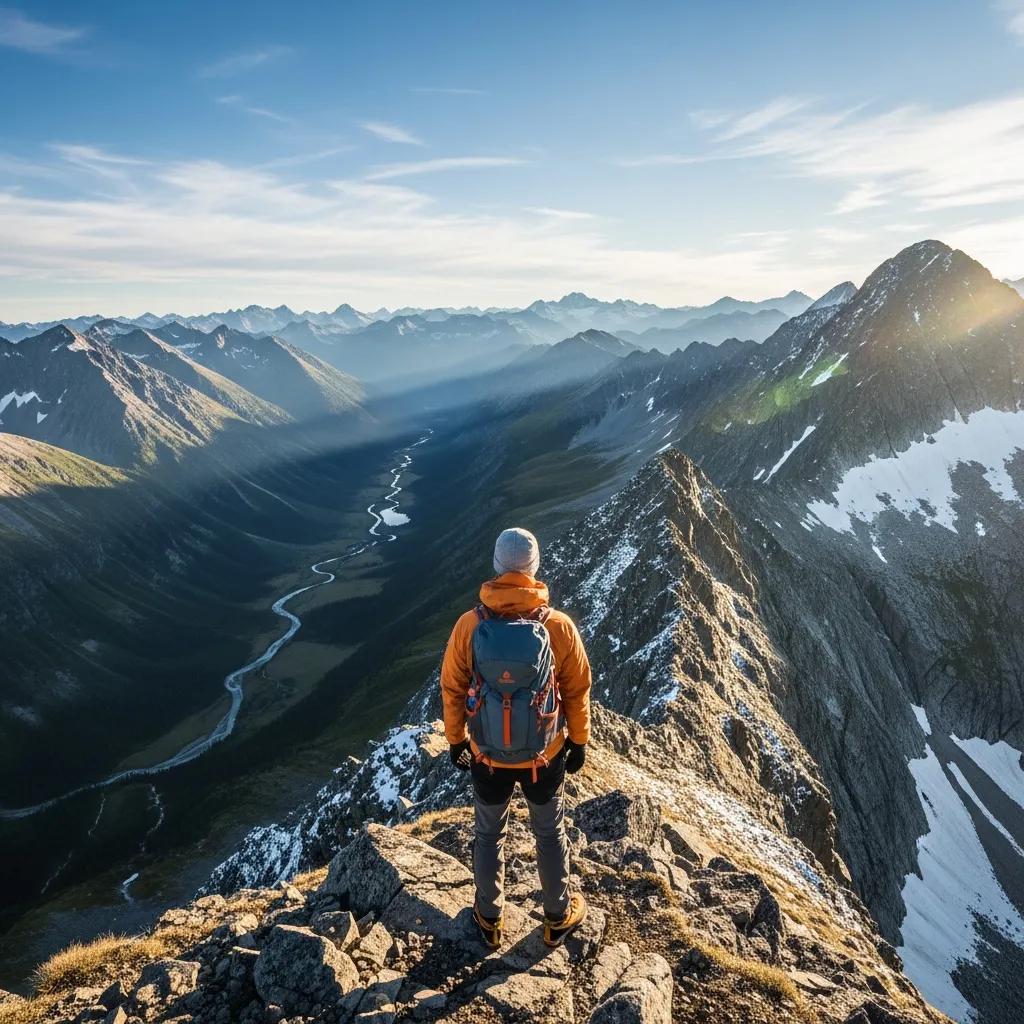
    Mountain landscape with hiker at high elevation, representing altitude sickness treatment

    Altitude Sickness Treatment: How to Recover Safely at High Elevation

    Altitude sickness, also known as acute mountain sickness (AMS), occurs when individuals ascend to high elevations too quickly, leading to a range of symptoms that can affect their health and well-being. This comprehensive guide will explore effective treatments and recovery strategies for altitude sickness, ensuring that adventurers can enjoy their high-altitude experiences safely. Readers will learn about the symptoms of altitude sickness, the role of medications like Diamox, and various remedies and acclimatization techniques. Understanding these aspects is crucial for anyone planning to travel to high elevations, as it can significantly impact their safety and enjoyment. This article will cover the symptoms and early warning signs, the use of Diamox, effective remedies, acclimatization techniques, emergency treatments, and mountain-specific risks.

    What Are the Symptoms and Early Warning Signs of Altitude Sickness?

    Altitude sickness manifests through various symptoms that can escalate if not addressed promptly. Recognizing these early warning signs is essential for effective treatment and recovery. Common symptoms include headaches, nausea, dizziness, and fatigue, which can significantly hinder one’s ability to enjoy high-altitude activities.

    Which Symptoms Indicate Acute Mountain Sickness?

    Acute mountain sickness (AMS) is characterized by specific symptoms that can vary in severity. Key indicators include:

    • Severe Headache: Often described as a throbbing pain, this is one of the most common symptoms.
    • Confusion: Cognitive impairment can occur, making it difficult to think clearly.
    • Loss of Coordination: Difficulty in maintaining balance or performing physical tasks can signal worsening conditions.

    Recognizing these symptoms early can prompt timely intervention, preventing the progression to more severe forms of altitude sickness.

    Indeed, understanding the prevalence and severity of acute mountain sickness is crucial for effective intervention.

    Acute Mountain Sickness: Prevention & Treatment Interventions

    Up to half of people who ascend to heights above 2500 m may develop acute mountain sickness, pulmonary oedema, or cerebral oedema, with the risk being greater at higher altitudes, and with faster rates of ascent. We conducted a systematic review and aimed to answer the following clinical questions: What are the effects of interventions to prevent, and to treat, acute mountain sickness?

    Altitude sickness, 2010

    How to Recognize Severe Conditions: HAPE and HACE?

    High altitude pulmonary edema (HAPE) and high altitude cerebral edema (HACE) are severe forms of altitude sickness that require immediate attention.

    • Symptoms of HAPE: This condition is marked by shortness of breath, a persistent cough, and fluid retention, which can lead to respiratory failure if untreated.
    • Symptoms of HACE: Key signs include severe headaches, confusion, and loss of consciousness, indicating swelling in the brain.
    • Importance of Immediate Descent: Both HAPE and HACE are life-threatening and necessitate immediate descent to lower altitudes for recovery.

    Understanding these severe conditions is vital for anyone venturing into high-altitude environments, as early recognition can save lives.

    How Does Diamox Dosage Aid in Altitude Sickness Treatment?

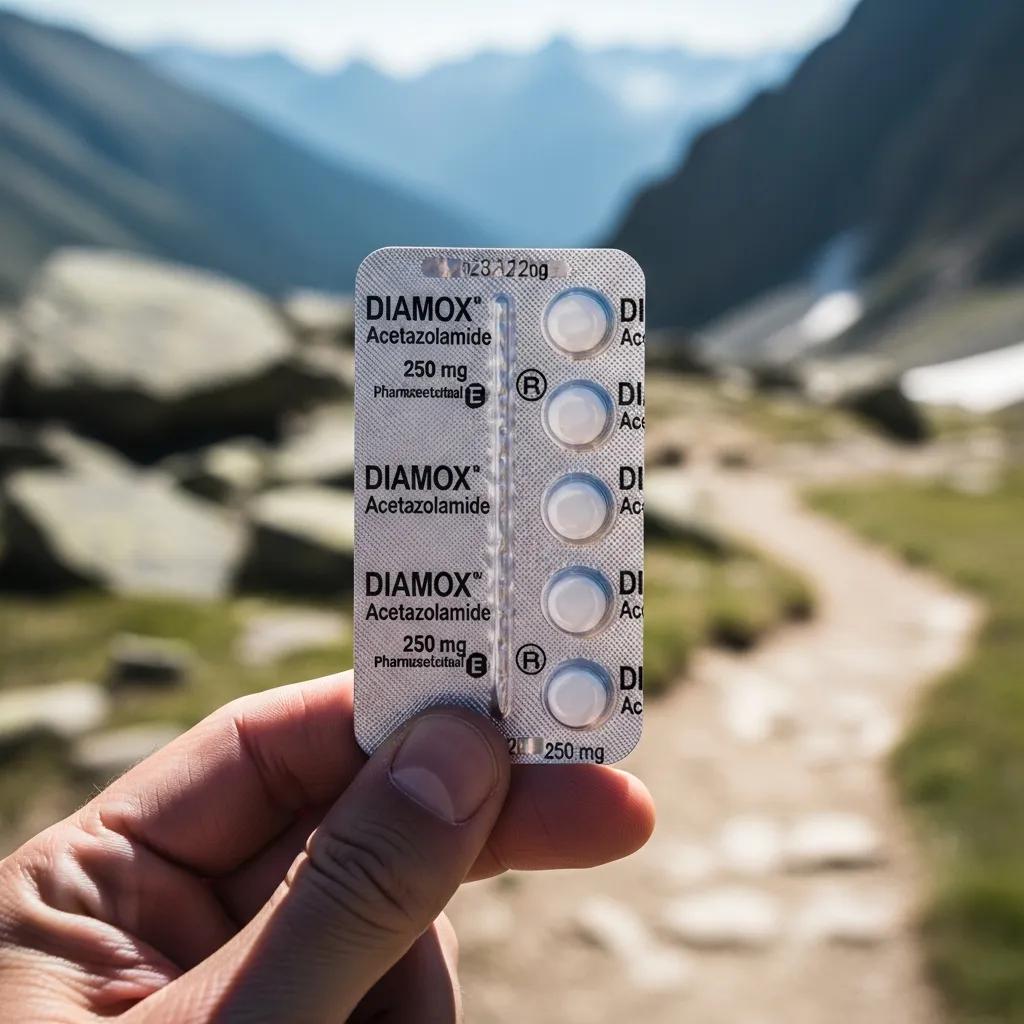
    Close-up of Diamox tablets with mountain trail background, highlighting altitude sickness treatment

    Diamox, or acetazolamide, is a medication commonly used to prevent and treat altitude sickness. It works by accelerating the acclimatization process, allowing the body to adjust to lower oxygen levels more effectively.

    What Is the Recommended Diamox Dosage for Prevention and Recovery?

    For effective altitude sickness management, the recommended Diamox dosage varies based on individual needs:

    • Dosage for Prevention: Typically, a dose of 125-250 mg taken twice daily is advised for those ascending to high altitudes.
    • Dosage for Recovery: If symptoms develop, increasing the dosage to 250 mg twice daily can help alleviate symptoms.
    • Timing of Administration: It is best to start taking Diamox at least 24 hours before ascending to high altitudes for optimal effectiveness.

    Following these guidelines can significantly enhance the body’s ability to cope with altitude changes.

    What Are the Side Effects and Contraindications of Diamox?

    While Diamox is effective, it is essential to be aware of its potential side effects and contraindications:

    • Common Side Effects: These may include tingling in the fingers and toes, increased urination, and gastrointestinal disturbances.
    • Severe Reactions: Allergic reactions, though rare, can occur and may require immediate medical attention.
    • Who Should Avoid Diamox: Individuals with a known allergy to sulfa drugs or those with certain medical conditions should consult a healthcare provider before use.

    Understanding these factors can help individuals make informed decisions about using Diamox for altitude sickness.

    What Are Effective High Altitude Sickness Remedies and Medical Treatments?

    In addition to medications like Diamox, several remedies and medical treatments can aid in the recovery from altitude sickness.

    How Does Oxygen Therapy Support Recovery from Altitude Sickness?

    • Mechanism of Oxygen Therapy: By providing supplemental oxygen, it helps alleviate symptoms by increasing the amount of oxygen available to the body.
    • When to Use Oxygen Therapy: It is particularly beneficial for individuals experiencing severe symptoms or those with pre-existing respiratory conditions.
    • Benefits of Oxygen Therapy: This treatment can lead to rapid symptom relief and improved overall well-being, allowing individuals to acclimatize more effectively.

    Utilizing oxygen therapy can be a game-changer for those struggling with altitude sickness.

    Further research underscores the efficacy of oxygen therapy, comparing it favorably with other advanced treatments.

    Hyperbaric & Oxygen Therapy for AMS Treatment

    This study demonstrated that hyperbaric therapy was as effective as oxygen therapy for the immediate treatment of AMS. Both methods were successful in resolving or improving the symptoms of AMS.

    Treatment of acute mountain sickness: hyperbaric versus oxygen therapy, 1991

    What Alternative Medications and Natural Remedies Are Available?

    Several alternative treatments and natural remedies can complement traditional medical approaches to altitude sickness:

    • Ginger: Known for its anti-nausea properties, ginger can help alleviate gastrointestinal symptoms associated with altitude sickness.
    • Ginkgo Biloba: This herb may improve blood circulation and oxygen delivery, potentially reducing the risk of altitude sickness.
    • Hydration: Staying well-hydrated is crucial, as dehydration can exacerbate symptoms.

    These remedies can provide additional support for individuals seeking to manage altitude sickness effectively.

    How to Acclimatize to High Altitude: Prevention Tips and Techniques

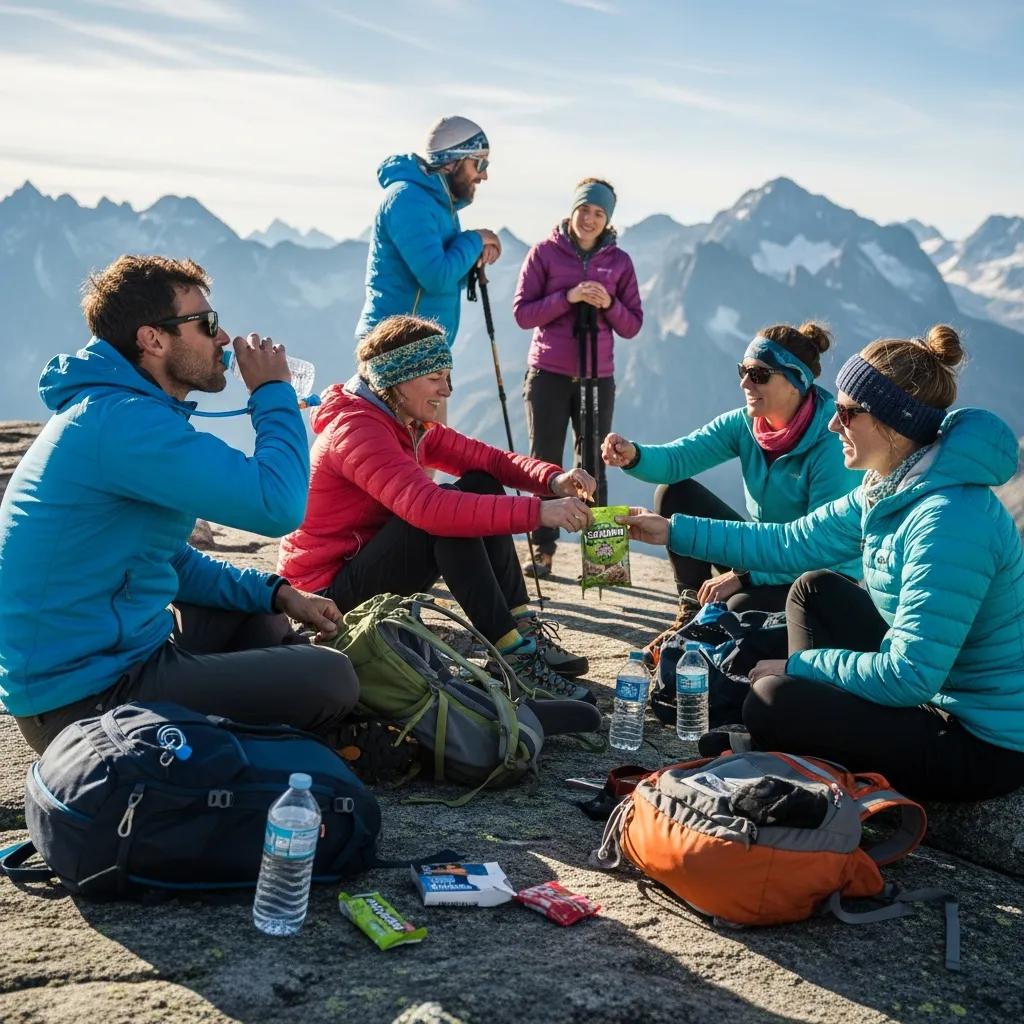
    Climbers resting at high altitude, emphasizing acclimatization techniques for altitude sickness prevention

    Acclimatization is a vital process for preventing altitude sickness. Gradual ascent and proper preparation can significantly reduce the risk of developing symptoms.

    Effective prevention strategies often combine environmental adjustments with pharmacological support to enhance the body’s adaptation.

    Altitude Sickness Prevention: Acclimatization & Medications

    Acute exposure to high altitude can cause acute altitude illnesses and is associated with impaired cognitive and physical performance. The most effective preventive strategies currently recommended include environmental acclimatization (slow ascent and/or pre-acclimatization) or pharmacological support of acclimatization using acetazolamide.

    Dexamethasone for prevention of AMS, HACE, and

    HAPE and for limiting impairment of performance after rapid ascent to high altitude: a narrative review, H Gatterer, 2025

    What Are Best Practices for Gradual Acclimatization?

    To acclimatize effectively, consider the following best practices:

    • Adding Rest Days: Incorporate rest days into your itinerary to allow your body to adjust to higher elevations.
    • Climb High, Sleep Low: Ascend to higher altitudes during the day but return to lower elevations to sleep, promoting acclimatization.
    • Monitoring Symptoms: Pay close attention to how your body responds to altitude changes and be prepared to descend if symptoms arise.

    Implementing these strategies can enhance your body’s ability to adapt to high altitudes.

    How Do Hydration, Nutrition, and Rest Prevent Altitude Sickness?

    Proper hydration, nutrition, and rest are essential components of altitude sickness prevention:

    • Hydration Strategies: Drink plenty of fluids to maintain hydration levels, as dehydration can worsen symptoms.
    • Nutritional Needs: Consuming a balanced diet rich in carbohydrates can provide the energy needed for physical exertion at high altitudes.
    • Importance of Rest: Adequate rest is crucial for recovery and acclimatization, allowing the body to adapt to lower oxygen levels.

    By prioritizing these factors, individuals can significantly reduce their risk of altitude sickness.

    What Emergency Treatments and Descent Protocols Ensure Safe Recovery?

    In the event of altitude sickness, knowing the appropriate emergency treatments and descent protocols is critical for ensuring safety.

    When and How Should Descent Be Initiated?

    Descent should be initiated as soon as severe symptoms are recognized.

    • Setting Objective Cutoffs: Establish clear criteria for when to descend, such as the onset of severe headaches or confusion.
    • Turnaround Time: Implement a turnaround time to ensure that individuals do not push themselves beyond safe limits.
    • Safety Measures: Always prioritize safety by descending to lower altitudes where symptoms can be managed more effectively.

    Understanding when and how to descend can prevent complications associated with altitude sickness.

    What Are the Guidelines for Using Portable Oxygen and Medical Support?

    Using portable oxygen and seeking medical support can be lifesaving in severe cases of altitude sickness.

    • When to Use Portable Oxygen: If symptoms persist despite descent, using portable oxygen can provide immediate relief.
    • Benefits of Portable Oxygen: It helps restore oxygen levels in the body, alleviating symptoms and improving overall function.
    • Medical Support Considerations: Always have a plan for accessing medical support in remote areas, as timely intervention can be crucial.

    These guidelines can enhance safety and recovery for those affected by altitude sickness.

    How Do Mountain-Specific Risks Affect Altitude Sickness Treatment and Recovery?

    Different mountains present unique risks that can influence altitude sickness treatment and recovery strategies.

    What Are the Unique Altitude Sickness Risks on Everest, Kilimanjaro, and Denali?

    • Risks on Everest: Extreme altitude and harsh weather conditions increase the likelihood of severe altitude sickness.
    • Risks on Kilimanjaro: Rapid ascent without proper acclimatization can lead to AMS, HAPE, or HACE.
    • Risks on Denali: The combination of extreme cold and high altitude can exacerbate symptoms and complicate recovery.

    Understanding these risks is essential for developing effective treatment plans.

    How Should Treatment and Recovery Plans Be Tailored to Specific Mountains?

    Tailoring treatment and recovery plans to specific mountains involves considering various factors:

    • Acclimatization Strategies: Adjust ascent rates and rest days based on the mountain’s elevation and conditions.
    • Weather Considerations: Monitor weather patterns that may impact safety and recovery.
    • Logistical Planning: Ensure access to medical support and resources during the climb.

    By customizing plans to the specific challenges of each mountain, climbers can enhance their safety and recovery outcomes.

    Frequently Asked Questions

    What is the difference between Acute Mountain Sickness (AMS) and High Altitude Pulmonary Edema (HAPE)?

    Acute Mountain Sickness (AMS) is a common condition that occurs when individuals ascend to high altitudes too quickly, leading to symptoms like headaches, nausea, and fatigue. In contrast, High Altitude Pulmonary Edema (HAPE) is a more severe condition characterized by fluid accumulation in the lungs, resulting in symptoms such as shortness of breath and a persistent cough. While AMS can often be managed with acclimatization and hydration, HAPE requires immediate medical attention and descent to lower altitudes.

    How can I prepare for a high-altitude trek to minimize the risk of altitude sickness?

    Preparation for a high-altitude trek involves several key strategies. First, ensure you are physically fit and accustomed to hiking. Gradual ascent is crucial; plan your itinerary to include rest days and avoid rapid elevation changes. Staying well-hydrated and consuming a diet rich in carbohydrates can also help. Additionally, consider pre-acclimatization techniques, such as spending time at intermediate altitudes before your trek, and consult a healthcare provider about medications like Diamox for preventive measures.

    What should I do if I experience symptoms of altitude sickness while hiking?

    If you experience symptoms of altitude sickness while hiking, the first step is to stop ascending and rest. Monitor your symptoms closely; if they worsen, initiate a descent to lower altitudes immediately. Hydration is essential, so drink plenty of fluids. If symptoms persist or become severe, such as confusion or difficulty breathing, seek medical assistance as soon as possible. Always prioritize safety and do not push through severe symptoms.

    Are there specific foods or drinks that can help prevent altitude sickness?

    Yes, certain foods and drinks can aid in preventing altitude sickness. Staying well-hydrated is crucial, so drink plenty of water and consider electrolyte-rich beverages. Foods high in carbohydrates, such as pasta, rice, and fruits, can provide the necessary energy for physical exertion at high altitudes. Additionally, ginger tea may help alleviate nausea, while foods rich in antioxidants, like berries, can support overall health during your trek.

    What role does physical fitness play in preventing altitude sickness?

    Physical fitness plays a significant role in preventing altitude sickness. Individuals who are physically fit tend to have better cardiovascular health, which can enhance oxygen delivery to tissues during high-altitude activities. Regular aerobic exercise can improve your body’s ability to acclimatize to lower oxygen levels. However, even fit individuals can experience altitude sickness, so it’s essential to combine fitness with proper acclimatization strategies and hydration to minimize risks.

    How can I recognize when to seek medical help for altitude sickness?

    Recognizing when to seek medical help for altitude sickness is crucial for safety. If you experience severe symptoms such as persistent headaches, confusion, loss of coordination, or difficulty breathing, it’s essential to descend immediately and seek medical assistance. Additionally, if symptoms do not improve with rest and hydration, or if they worsen, do not hesitate to contact a healthcare professional. Early intervention can prevent serious complications associated with altitude sickness.

    Conclusion

    Effectively managing altitude sickness is essential for ensuring a safe and enjoyable high-altitude experience. By understanding symptoms, utilizing medications like Diamox, and implementing acclimatization strategies, adventurers can significantly reduce their risk of severe complications. Prioritizing preparation and awareness can enhance overall well-being during mountain treks. For more insights and resources on altitude sickness prevention and treatment, explore our comprehensive guides today.

  • The 7 Summits: Climbing Every Continent’s Highest Peak

    The 7 Summits: Climbing Every Continent’s Highest Peak

    The 7 Summits: Complete Guide to Climbing Every Continent’s Highest Peak with Expert Mountain Climbing Advice

    Climbing the highest peaks on each continent, known as the 7 Summits, represents one of the ultimate challenges in mountaineering. This guide will provide you with essential insights into the significance of the 7 Summits, preparation strategies, and the unique characteristics of each peak. Many climbers aspire to conquer these formidable mountains, but understanding the preparation, equipment, and conditions is crucial for success. In this article, we will explore the mountains that make up the 7 Summits, the historical context of this challenge, and the necessary steps to prepare for such expeditions. Additionally, we will discuss the geographic and climatic profiles of each summit, the climbing routes, and safety considerations, as well as the latest trends in expeditions.

    What Are the 7 Summits and Why Is the Continental Summits Challenge Important?

    The 7 Summits challenge consists of climbing the highest peak on each of the seven continents. This challenge is not only a test of physical endurance but also a journey through diverse cultures and environments. The significance of the 7 Summits lies in its representation of human achievement and the spirit of adventure. Climbers who complete this challenge often gain a profound sense of accomplishment and a deeper appreciation for the natural world.

    The 7 Summits include:

    • Mount Everest (Asia) – 8,848.86 meters
    • Aconcagua (South America) – 6,961 meters
    • Denali (North America) – 6,190 meters
    • Kilimanjaro (Africa) – 5,895 meters
    • Mount Elbrus (Europe) – 5,642 meters
    • Vinson Massif (Antarctica) – 4,892 meters
    • Puncak Jaya (Carstensz Pyramid) (Oceania) – 4,884 meters

    The precise elevation of Vinson Massif, along with its historical ascents, has been a subject of detailed study and re-measurement, highlighting its status as a significant mountaineering objective.

    Vinson Massif: Antarctica’s Highest Peak & Mountaineering Objective

    The highest peak in Antarctica, the Vinson Massif (78º35’S, 85º25’W), is at an elevation of 4892 m (16,046 ft), as determined in 2004. Measurements of the elevation have fluctuated over the years, from its earliest surveyed elevation of 5140 m (16,859 ft), to its present height. Vinson Massif and three of its near neighbors in the Sentinel Range of the Ellsworth Mountains are the highest peaks in Antarctica, making them a favorite objective of mountaineers. Well over 1,100 people have climbed Vinson since the first ascent by a team in the 1966-67 austral summer.

    Craddock Massif and Vinson Massif remeasured, 2007

    These peaks not only challenge climbers physically but also offer unique experiences that contribute to the rich tapestry of mountaineering history.

    Which Mountains Constitute the 7 Summits Challenge?

    The 7 Summits challenge is comprised of the tallest mountains on each continent, each presenting its own unique challenges and characteristics.

    • Mount Everest: The highest peak in the world, located in the Himalayas, is known for its extreme altitude and harsh weather conditions.
    • Aconcagua: The tallest mountain in South America, located in the Andes, is famous for its non-technical routes, making it accessible to many climbers.
    • Denali: Known for its severe weather and technical climbing routes, Denali is the highest peak in North America.
    • Kilimanjaro: This iconic mountain in Tanzania is a popular trekking destination, known for its diverse ecosystems and relatively straightforward ascent.
    • Mount Elbrus: The highest mountain in Europe, located in the Caucasus, offers a mix of technical and non-technical routes.
    • Vinson Massif: The highest peak in Antarctica, it is remote and requires careful planning and logistics to access.
    • Puncak Jaya (Carstensz Pyramid): Located in Papua Province, Indonesia, this peak is known for its challenging climbing conditions and unique tropical environment.

    The historical context of Vinson Massif’s discovery further underscores the challenges of its remote location and the complex logistics involved in early expeditions.

    Mt. Vinson: Discovery, First Ascent Competition & Expedition Logistics

    These explorations revealed the range to be twenty miles in length, with a large number of high peaks culminating in Mt. Vinson, the highest on the Antarctic continent at nearly 4900 meters. The discoveries captured the interest of the U.S. and world mountaineering communities setting off a competition to achieve the first climb of Vinson. The challenge was tempered only by the range’s remoteness from the coast of Antarctica and the formidable logistics of mounting a mountaineering expedition.

    Mt. Vinson and the evolution of US policy on Antarctic mountaineering, 1960–1966, J Evans, 1960

    What Is the Historical and Mountaineering Significance of the 7 Summits?

    The 7 Summits challenge has historical significance as it represents the pinnacle of mountaineering achievements. The concept was popularized in the 1980s, with climbers like Richard Bass being the first to complete the challenge in 1985. This accomplishment inspired many others to pursue their own climbing goals, leading to a surge in interest in high-altitude mountaineering. The challenge not only highlights individual perseverance but also fosters a sense of community among climbers who share their experiences and knowledge.

    How to Prepare for Mountaineering Expeditions on the 7 Summits?

    Climbers preparing for an expedition with essential gear in a mountainous landscape

    Preparing for the 7 Summits requires a comprehensive approach that includes physical training, mental preparation, and logistical planning. Each mountain presents unique challenges, and climbers must be equipped to handle varying conditions. More information can be found on the global summit guide.

    What Training Plans and Physical Conditioning Are Required?

    Physical conditioning is crucial for successfully climbing the 7 Summits. A well-rounded training plan should include:

    • Cardiovascular Training: Activities like running, cycling, and swimming to build endurance.
    • Strength Training: Focus on core, legs, and upper body to handle the physical demands of climbing.
    • Altitude Training: Gradual exposure to high altitudes to acclimatize the body to lower oxygen levels.
    • Technical Skills: Practice climbing techniques, including the use of crampons and ice axes.

    A structured training regimen can take several months to prepare adequately for the physical demands of these climbs.

    Which Essential Equipment and Gear Are Needed for Safety and Success?

    Having the right equipment is vital for safety and success on the 7 Summits. Essential gear includes:

    • Climbing Boots: Insulated and waterproof boots designed for high-altitude conditions.
    • Clothing Layers: Base layers, insulation layers, and waterproof outer layers to adapt to changing weather.
    • Climbing Gear: Crampons, harnesses, ropes, and ice axes for technical climbs.
    • Safety Equipment: First aid kits, oxygen systems for high altitudes, and communication devices.

    Investing in high-quality gear can significantly enhance safety and performance during expeditions.

    What Are the Geographic and Climatic Profiles of Each Summit?

    Understanding the geographic and climatic profiles of each summit is essential for planning successful climbs. Each mountain has distinct weather patterns and terrain features that climbers must consider. mountains k2 climb guide pakistan china

    How Do Elevation, Weather Patterns, and Seasons Affect Climbing Conditions?

    Elevation plays a critical role in climbing conditions. As altitude increases, temperatures drop, and weather can become unpredictable. Climbers must be aware of seasonal variations, as certain times of the year may offer more favorable conditions. For example, the best time to climb Mount Everest is typically in the spring, while Aconcagua is best climbed in the summer months.

    What Are the Specific Geographic Locations and Terrain Features of Each Peak?

    Each of the 7 Summits has unique geographic features that influence climbing routes and conditions. For instance:

    • Mount Everest: Features the Khumbu Icefall, a treacherous section of the climb.
    • Aconcagua: Offers a variety of routes, with the Normal Route being the most popular.
    • Denali: Known for its rugged terrain and extreme weather conditions.
    • Kilimanjaro: Features diverse ecosystems, from rainforest to alpine desert.
    • Mount Elbrus: Has a mix of glacier and rocky terrain.
    • Vinson Massif: Remote and challenging, requiring careful logistical planning.
    • Puncak Jaya (Carstensz Pyramid): Features steep rock faces and tropical conditions.

    What Are the Climbing Routes, Difficulty Ratings, and Safety Considerations for Each Summit?

    Climbers navigating a challenging route on a high-altitude mountain

    Each of the 7 Summits presents different climbing routes and difficulty levels, requiring climbers to assess their skills and experience.

    Which Routes Are Most Common and What Are Their Technical Challenges?

    The most common routes for each summit vary in technical difficulty:

    • Mount Everest: The South Col Route is the most popular, but it requires advanced climbing skills and acclimatization.
    • Aconcagua: The Normal Route is non-technical but still requires good physical fitness.
    • Denali: The West Buttress Route is the most frequently used, but climbers must be prepared for severe weather.
    • Kilimanjaro: The Machame Route is popular for its scenic views and gradual ascent.
    • Mount Elbrus: The South Route is the easiest, but climbers should still be prepared for changing conditions.
    • Vinson Massif: The standard route requires technical climbing skills and experience in extreme conditions.
    • Puncak Jaya (Carstensz Pyramid): The Normal Route is challenging due to its steep rock faces.

    What Safety Protocols and Risk Mitigation Strategies Should Climbers Follow?

    Safety is paramount when climbing the 7 Summits. Climbers should adhere to the following protocols:

    • Acclimatization: Gradually ascend to higher altitudes to prevent altitude sickness.
    • Weather Monitoring: Stay informed about weather conditions and be prepared to change plans if necessary.
    • Emergency Preparedness: Carry essential safety equipment and have a plan for emergencies.

    Research into high-altitude physiology further emphasizes the importance of pre-acclimatization strategies, including hypoxia conditioning, to mitigate the risks of altitude sickness and enhance performance.

    High-Altitude Pre-Acclimatization Strategies for Mountaineering

    Main purposes of pre-acclimatization by hypoxia conditioning (HC) are the prevention of high-altitude illnesses and maintenance of aerobic exercise performance. Therefore, we summarize the current knowledge on the physiology of acclimatization to hypoxia and HC with the aim to derive implications for pre-acclimatization strategies before going on high-altitude treks and expeditions. When going to high altitudes, proper acclimatization by slow ascent rates is a prerequisite in order to avoid high-altitude illnesses. This process can be supported by preceding hypoxia exposures at real altitude and/or in simulated altitude.

    Hypoxia conditioning for high-altitude pre-acclimatization, M Burtscher, 2022

    By following these safety protocols, climbers can mitigate risks and enhance their chances of a successful summit.

    How to Obtain Required Permits and Navigate Legal Regulations for the 7 Summits?

    Navigating the legal requirements for climbing the 7 Summits is crucial for a successful expedition. Each country has specific regulations regarding permits and climbing access. Learn more at about us.

    What Are the Permit Requirements for Each Continent’s Highest Peak?

    Permit requirements vary by mountain:

    • Mount Everest: Requires a climbing permit from the Nepalese government, which can be costly.
    • Aconcagua: Climbers must obtain a permit from the provincial government of Mendoza.
    • Denali: A National Park Service permit is required for climbing.
    • Kilimanjaro: Climbers must book through a registered guide service, which includes permit fees.
    • Mount Elbrus: No special permits are required, but climbers should register with local authorities.
    • Vinson Massif: Requires a permit from the Antarctic program, which involves logistical planning.
    • Puncak Jaya (Carstensz Pyramid): Climbers need a permit from the Indonesian government.

    How Do Regulations Impact Expedition Planning and Timing?

    Regulations can significantly impact expedition planning. Climbers must consider the timing of their climbs, as certain seasons may have stricter regulations or limited access. Additionally, understanding the application processes for permits is essential to avoid delays.

    What Are the Latest Expedition Statistics and Trends from 2024 to 2026?

    Recent trends in climbing expeditions reveal valuable insights into the evolving landscape of mountaineering.

    What Are the Recent Success Rates and Climbing Season Data?

    Success rates for climbing the 7 Summits have varied over the years, influenced by factors such as weather conditions and climber preparedness. Recent data indicates that climbers who adequately prepare and choose optimal seasons have higher success rates. For instance, the success rate for summiting Mount Everest has improved with advancements in gear and training.

    How Are Sustainable Mountaineering Practices and Technological Advances Influencing Expeditions?

    Sustainable practices are becoming increasingly important in mountaineering. Climbers are now more aware of their environmental impact and are adopting practices that minimize waste and preserve natural habitats. Technological advances, such as improved climbing gear and weather forecasting, are also enhancing safety and success rates in expeditions.

    Which Mountain Climbing Guides and Resources Provide the Best Support for the 7 Summits?

    Choosing the right resources and guides is essential for climbers aiming to conquer the 7 Summits.

    What Are the Recommended Guidebooks, Maps, and Route Diagrams?

    Several guidebooks and resources are highly recommended for climbers:

    • “The 7 Summits” by Dick Bass: A comprehensive guide detailing the climbs and experiences of the first person to complete the challenge.
    • “Mountaineering: The Freedom of the Hills”: A classic resource for climbing techniques and safety.
    • Topographic maps: Essential for understanding the terrain and planning routes.

    How Can Climbers Access Expert Advice and Community Forums?

    Climbers can benefit from expert advice and community support through various platforms:

    • Online forums: Websites like Mountain Project and SummitPost offer valuable insights and experiences from fellow climbers.
    • Social media groups: Many climbers share tips and advice through dedicated Facebook groups and Instagram communities.
    • Climbing clubs: Joining local climbing clubs can provide access to experienced climbers and organized expeditions.

    The 7 Summits

    Frequently Asked Questions

    What Is the Best Time of Year to Climb Each of the 7 Summits?

    The best time to climb each of the 7 Summits varies based on geographic location and weather patterns. For Mount Everest, the ideal climbing window is typically in May, while Aconcagua is best tackled in January and February. Denali is most accessible in late spring and early summer, whereas Kilimanjaro sees optimal conditions from June to October. Mount Elbrus is best climbed in the summer months, while Vinson Massif is typically ascended during the Antarctic summer from December to January. Puncak Jaya is best climbed in the dry season, from May to September.

    How Can Climbers Manage Altitude Sickness During Expeditions?

    Managing altitude sickness is crucial for climbers attempting the 7 Summits. To mitigate risks, climbers should ascend gradually, allowing their bodies to acclimatize to higher elevations. Staying hydrated and maintaining a balanced diet can also help. It’s essential to recognize early symptoms of altitude sickness, such as headaches and nausea, and to descend if symptoms worsen. Some climbers use medications like acetazolamide to aid acclimatization. Regularly monitoring one’s physical condition and being prepared to adjust plans is key to a successful summit attempt.

    What Are the Environmental Considerations for Climbing the 7 Summits?

    Environmental considerations are increasingly important for climbers on the 7 Summits. Climbers should practice Leave No Trace principles, which include minimizing waste, respecting wildlife, and avoiding damage to fragile ecosystems. Each mountain has unique environmental challenges, such as glacial melt on Everest or the delicate flora on Kilimanjaro. Climbers are encouraged to use eco-friendly gear and to participate in clean-up efforts when possible. Understanding the environmental impact of their expeditions helps climbers contribute positively to the areas they explore.

    What Role Do Local Guides Play in Climbing Expeditions?

    Local guides play a vital role in climbing expeditions on the 7 Summits. They possess in-depth knowledge of the terrain, weather patterns, and cultural aspects of the regions. Guides enhance safety by providing expertise in navigation and technical climbing skills. They also assist with logistics, including permits and local regulations, ensuring a smoother experience for climbers. Additionally, hiring local guides supports the local economy and fosters cultural exchange, enriching the overall climbing experience.

    How Do Climbers Prepare Mentally for the Challenges of the 7 Summits?

    Mental preparation is as crucial as physical training for climbers tackling the 7 Summits. Climbers can enhance their mental resilience through visualization techniques, where they imagine themselves successfully summiting each peak. Setting realistic goals and maintaining a positive mindset can help manage stress and anxiety during challenging climbs. Additionally, practicing mindfulness and stress-reduction techniques, such as meditation or breathing exercises, can improve focus and decision-making in high-pressure situations. Building a strong support network of fellow climbers can also provide encouragement and motivation.

    What Are the Most Common Injuries Sustained During Climbing Expeditions?

    Common injuries sustained during climbing expeditions include sprains, fractures, and altitude-related illnesses. Sprains often occur due to uneven terrain or falls, while fractures can result from falls or accidents with climbing gear. Climbers are also at risk for altitude sickness, which can lead to severe complications if not addressed promptly. To minimize injury risks, climbers should engage in proper training, use appropriate gear, and follow safety protocols. Regularly assessing one’s physical condition and being aware of the environment can further reduce the likelihood of injuries.

    Which Summit Is Considered the Easiest and Why?

    Kilimanjaro is often regarded as the easiest of the 7 Summits due to its non-technical routes and accessibility. Many climbers can reach the summit without extensive mountaineering experience, making it a popular choice for those new to high-altitude climbing.

    What Are the Common Challenges and How Can They Be Overcome?

    Common challenges faced by climbers include altitude sickness, unpredictable weather, and physical exhaustion. To overcome these challenges, climbers should:

    • Acclimatize properly: Gradual ascent helps the body adjust to high altitudes.
    • Stay hydrated: Proper hydration is crucial for maintaining energy levels.
    • Listen to your body: Recognizing signs of fatigue or altitude sickness can prevent serious complications.

    By preparing adequately and understanding the challenges, climbers can enhance their chances of successfully completing the 7 Summits challenge.

    Conclusion

    Successfully conquering the 7 Summits not only tests your physical limits but also enriches your understanding of diverse cultures and environments. Each peak offers unique challenges and rewards, making the journey as significant as the destination. By preparing thoroughly and utilizing expert resources, you can enhance your chances of achieving this remarkable feat. Start planning your adventure today and take the first step towards summiting the world’s highest peaks.

  • What Is Altitude Sickness? Symptoms, Causes, How to Treat It

    What Is Altitude Sickness? Symptoms, Causes, How to Treat It

    What Is Altitude Sickness? Comprehensive Guide to Symptoms, Causes, and Effective Treatments

    Altitude sickness, also known as acute mountain sickness (AMS), is a condition that arises when individuals ascend to high altitudes too quickly, leading to a range of symptoms due to reduced oxygen levels. This guide will delve into the symptoms, causes, and effective treatments for altitude sickness, providing valuable insights for those planning high-altitude adventures. Many travelers and mountaineers experience discomfort or health issues when exposed to elevations above 8,000 feet, making it crucial to understand how to recognize and manage these symptoms. We will explore common symptoms, the physiological mechanisms behind altitude sickness, prevention techniques, and treatment options. Additionally, we will identify high-risk locations and answer frequently asked questions to equip you with the knowledge needed for safe mountain excursions.

    Further research provides a comprehensive overview of acute mountain sickness, detailing its underlying mechanisms, preventive measures, and therapeutic approaches.

    Acute Mountain Sickness: Pathophysiology, Prevention & Treatment

    In this article, we describe the setting and clinical features of acute mountain sickness and high-altitude cerebral edema, including an overview of the known pathophysiology, and practical recommendations for prevention and treatment.

    Acute mountain sickness: pathophysiology, prevention, and treatment, C Imray, 2010

    What Are the Common Symptoms of Acute Mountain Sickness and High Altitude Illness?

    Altitude sickness manifests through various symptoms that can range from mild to severe. Recognizing these symptoms early is essential for effective management and prevention of complications. mountains k2 climb guide pakistan china

    How to Recognize Headache, Nausea, and Dizziness as Early Warning Signs

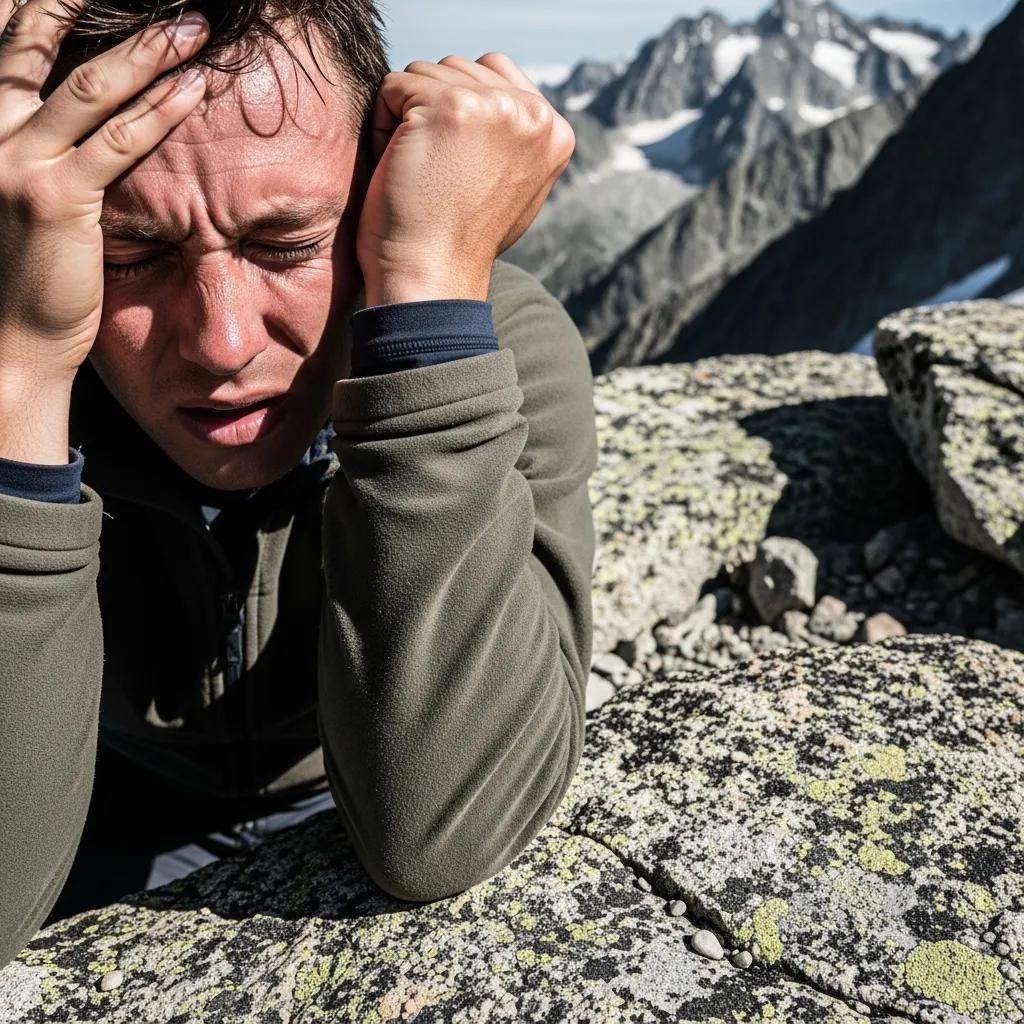
    Person experiencing headache and nausea at high altitude, illustrating early signs of altitude sickness

    The initial symptoms of altitude sickness often include headache, nausea, and dizziness. These early warning signs typically occur within hours of ascending to high altitudes. A headache may feel similar to a tension headache, while nausea can lead to vomiting if not addressed promptly. Dizziness often accompanies these symptoms, making it difficult for individuals to maintain balance or focus. If you experience these symptoms, it is crucial to descend to a lower altitude and rest to alleviate discomfort.

    What Are the Differences Between Mild and Severe Symptoms?

    Mild symptoms of altitude sickness may include fatigue, loss of appetite, and sleep disturbances. In contrast, severe symptoms can escalate to high altitude pulmonary edema (HAPE) or high altitude cerebral edema (HACE), which are life-threatening conditions. HAPE is characterized by shortness of breath, a persistent cough, and fluid accumulation in the lungs, while HACE involves confusion, ataxia, and altered consciousness. Understanding these differences is vital for recognizing when to seek medical attention.

    The complex interplay between HACE, AMS, and HAPE, including their pathophysiology and individual susceptibility, continues to be a subject of ongoing study.

    HACE & AMS: Pathophysiology, Susceptibility & Prevention

    The diagnosis, treatment and prevention of high altitude cerebral edema (HACE) are fairly well established. The major unresolved issues are 1) the pathophysiology, 2) the individual susceptibility, and 3) the relationship of HACE to acute mountain sickness (AMS) and to high altitude pulmonary edema (HAPE).

    High altitude cerebral edema and acute mountain sickness: a pathophysiology update, 1999

    What Causes Altitude Sickness? Understanding Hypoxia and Rapid Ascent Effects

    Altitude sickness primarily results from hypoxia, a condition where the body receives insufficient oxygen due to lower atmospheric pressure at high altitudes.

    How Does Low Oxygen at High Altitude Trigger Mountain Sickness?

    As altitude increases, the partial pressure of oxygen decreases, leading to reduced oxygen saturation in the blood. This lack of oxygen can impair cellular function and lead to symptoms associated with altitude sickness. The body struggles to adapt to these changes, resulting in physiological stress that manifests as headaches, nausea, and fatigue. Understanding the mechanisms of hypoxia is crucial for preventing altitude sickness.

    Why Does Rapid Ascent Increase Risk of Acute Mountain Sickness?

    Rapid ascent to high altitudes significantly increases the risk of developing altitude sickness. When individuals ascend too quickly, the body does not have adequate time to acclimatize to the lower oxygen levels. Studies indicate that ascending more than 1,000 feet per day without proper acclimatization can lead to a higher incidence of AMS. To mitigate this risk, it is essential to plan gradual ascents and incorporate rest days into your itinerary.

    How Can You Prevent Altitude Sickness? Proven Acclimatization and Safety Techniques

    Preventing altitude sickness involves a combination of acclimatization strategies and lifestyle adjustments.

    What Are Stepwise Acclimatization Schedules to Reduce Risk?

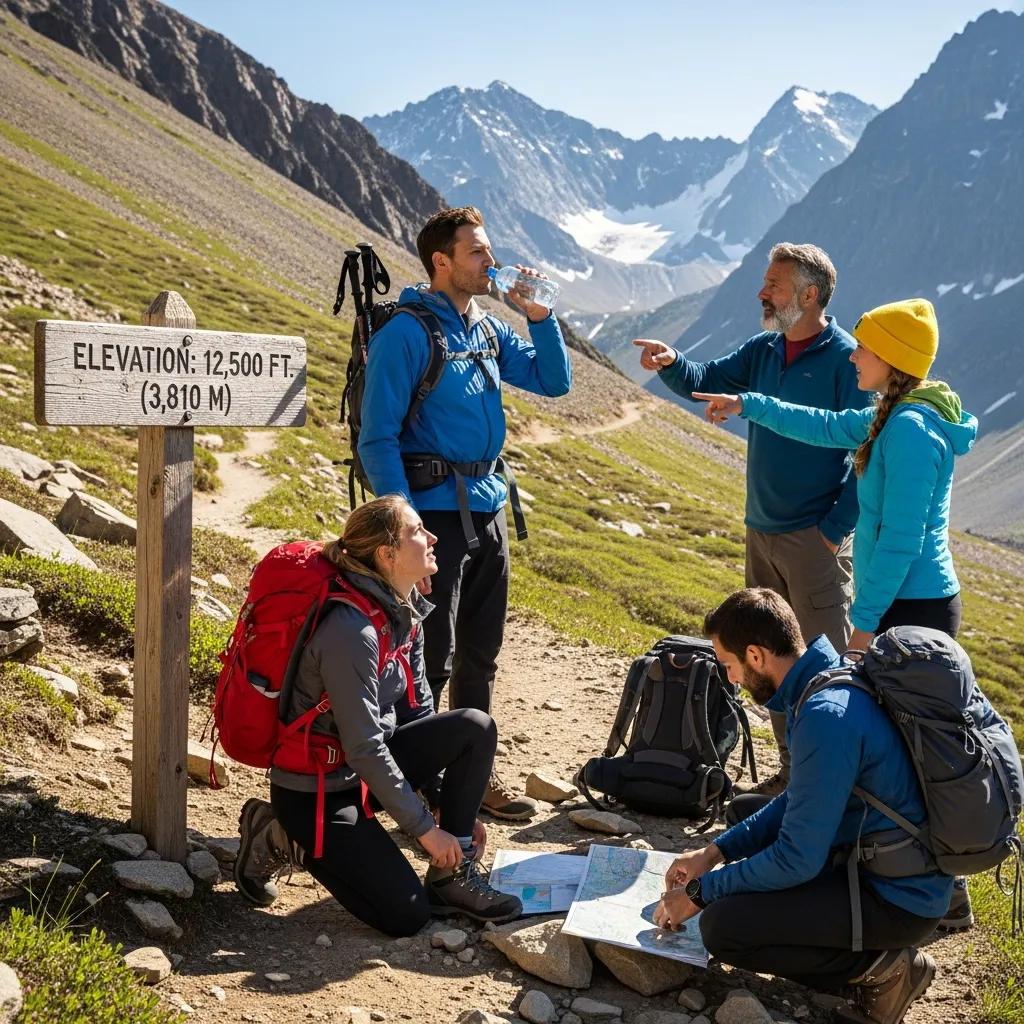
    Hikers discussing acclimatization strategies on a mountain trail, emphasizing prevention of altitude sickness

    A stepwise acclimatization schedule is vital for reducing the risk of altitude sickness. This approach involves ascending gradually, allowing the body to adjust to changes in oxygen levels. A common recommendation is to ascend no more than 1000 feet per day after reaching 8,000 feet, with additional rest days for every 3,000 feet gained. This method helps the body adapt and can significantly decrease the likelihood of developing AMS.

    Effective acclimatization strategies are crucial for anyone venturing to high altitudes, ensuring the body can adapt to reduced oxygen levels.

    High-Altitude Acclimatization for Travelers

    adaptation at high altitudes is vital for soldiers, travelers, and athletes to avoid high-altitude sickness.

    A study of survival strategies for improving acclimatization of lowlanders at high-altitude, 2023

    Which Lifestyle and Medication Strategies Help in Prevention?

    In addition to acclimatization, certain lifestyle changes and medications can aid in preventing altitude sickness. Staying well-hydrated, avoiding alcohol, and consuming a high-carbohydrate diet can enhance oxygen delivery and energy levels. Medications such as acetazolamide (Diamox) can also be prescribed to help prevent AMS by promoting acclimatization. Consulting with a healthcare provider before your trip can help determine the best prevention strategies for your specific needs.

    What Are the Recommended Treatments for Mountain Sickness? Comparing Medications and Methods

    When altitude sickness occurs, prompt treatment is essential to prevent complications.

    How Do Acclimatization and Oxygen Therapy Aid Recovery?

    Acclimatization remains the most effective treatment for altitude sickness. Descending to a lower altitude can alleviate symptoms significantly. In cases of severe altitude sickness, supplemental oxygen therapy may be necessary to restore adequate oxygen levels in the body. This therapy can provide immediate relief and is often used in conjunction with descent to ensure a safe recovery.

    What Medications Are Effective for High Altitude Pulmonary and Cerebral Edema?

    For severe cases of altitude sickness, particularly HAPE and HACE, medications such as dexamethasone may be administered to reduce inflammation and swelling in the brain and lungs. These medications can be life-saving when used in conjunction with immediate descent. Understanding the appropriate use of these treatments is crucial for anyone venturing into high-altitude environments.

    When Should You Seek Emergency Help for Severe Altitude Sickness?

    Recognizing when to seek emergency help is critical for individuals experiencing severe altitude sickness.

    What Are the Signs of High Altitude Pulmonary Edema and Cerebral Edema?

    Signs of HAPE include a persistent cough, difficulty breathing, and chest tightness, while HACE symptoms may involve confusion, severe headache, and loss of coordination. If these symptoms occur, it is imperative to seek medical assistance immediately. Delaying treatment can lead to serious complications or even death.

    What Immediate Actions Should Be Taken in Emergency Situations?

    In emergency situations, the first step is to descend to a lower altitude as quickly as possible. Administering supplemental oxygen, if available, can also provide immediate relief. It is essential to remain calm and ensure that the affected individual is monitored closely until help arrives.

    Which Mountains Pose the Highest Risk for Altitude Sickness? Identifying High-Risk Locations

    Certain mountains are known for their increased risk of altitude sickness due to their elevation and accessibility.

    What Are the Characteristics of High-Risk Mountains Worldwide?

    Mountains such as Mount Everest, K2, and Denali are notorious for their high altitudes and challenging conditions. These peaks often exceed 8,000 feet, where the risk of altitude sickness significantly increases. Understanding the characteristics of these high-risk mountains can help climbers prepare adequately for their expeditions.

    How to Prepare Specifically for High-Risk Mountain Expeditions?

    Preparation for high-risk mountain expeditions should include thorough research, physical conditioning, and a well-structured acclimatization plan. Engaging in pre-expedition training, such as hiking at increasing elevations, can enhance physical fitness and improve the body’s ability to adapt to high altitudes. Additionally, carrying essential supplies, including medications and oxygen, can be crucial for safety.

    Frequently Asked Questions

    What Are the Long-Term Effects of Altitude Sickness?

    While most individuals recover from altitude sickness without lasting effects, some may experience long-term complications, particularly if they have suffered from severe forms like HAPE or HACE. These complications can include persistent respiratory issues or cognitive difficulties. It’s essential to monitor any ongoing symptoms after descending and consult a healthcare professional if concerns arise. Understanding the potential long-term effects can help individuals make informed decisions about future high-altitude activities.

    How Can You Differentiate Between Altitude Sickness and Other Illnesses?

    Altitude sickness can mimic other conditions such as dehydration, flu, or food poisoning. Key differentiators include the timing of symptoms, which typically arise within hours of ascent, and their correlation with altitude gain. Symptoms like headache, nausea, and dizziness are common in altitude sickness but may not be present in other illnesses. If symptoms persist or worsen with altitude, it is crucial to descend and seek medical advice to rule out other serious conditions.

    Are Certain Individuals More Susceptible to Altitude Sickness?

    Yes, susceptibility to altitude sickness can vary significantly among individuals. Factors such as age, pre-existing health conditions, and previous experiences with altitude can influence risk. For instance, individuals with respiratory or cardiovascular issues may be at higher risk. Additionally, those who have previously experienced altitude sickness are more likely to encounter it again. Understanding personal risk factors can help in planning safer high-altitude excursions.

    What Role Does Hydration Play in Preventing Altitude Sickness?

    Hydration is crucial in preventing altitude sickness, as it helps maintain blood volume and supports overall physiological function. At high altitudes, the body loses moisture more rapidly due to increased respiration and lower humidity levels. Staying well-hydrated can enhance oxygen delivery to tissues and reduce the likelihood of symptoms. It is recommended to drink plenty of fluids, particularly water, and to avoid alcohol and caffeine, which can contribute to dehydration.

    Can You Develop Altitude Sickness After Acclimatizing?

    Yes, it is possible to develop altitude sickness even after a period of acclimatization. Factors such as rapid ascent, individual susceptibility, and the altitude reached can all contribute to the onset of symptoms. Acclimatization helps reduce the risk but does not eliminate it entirely. Continuous monitoring of symptoms and readiness to descend if they occur is essential, even for those who have acclimatized successfully.

    What Should You Do If Symptoms of Altitude Sickness Persist?

    If symptoms of altitude sickness persist despite descending to a lower altitude, it is crucial to seek medical attention. Persistent symptoms may indicate a more severe condition, such as HAPE or HACE, which require immediate treatment. Healthcare professionals can provide necessary interventions, including supplemental oxygen or medications, to address complications. Being proactive about health and safety is vital when dealing with altitude-related issues.

    How Long Does It Take to Recover from Altitude Sickness?

    Recovery from altitude sickness typically occurs within 24-48 hours after descending to a lower altitude. However, the duration may vary depending on the severity of symptoms and individual health factors. It is essential to monitor symptoms closely and seek medical attention if they persist.

    Can Altitude Sickness Occur at Moderate Elevations?

    Yes, altitude sickness can occur at moderate elevations, particularly for individuals who ascend rapidly or have a history of AMS. Symptoms may arise at elevations as low as 6,000 feet, especially in those unaccustomed to high altitudes. Awareness of this risk is crucial for anyone planning to travel to elevated regions.

    Conclusion

    Understanding altitude sickness is essential for anyone planning high-altitude adventures, as it can significantly impact your experience and safety. By recognizing symptoms, implementing effective prevention strategies, and knowing when to seek treatment, you can enjoy your journey with confidence. Equip yourself with the knowledge to tackle high elevations and ensure a safe expedition. Explore our resources for more tips and guidance on high-altitude travel today.

  • Vinson Massif: Complete Guide to Climbing Antarctica’s Highest Peak

    Vinson Massif: Complete Guide to Climbing Antarctica’s Highest Peak

    Aerial view of Vinson Massif showcasing its rugged terrain and snow-covered peaks

    Vinson Massif Climbing Guide: Complete Expedition Planning for Antarctica’s Highest Peak

    Climbing Vinson Massif, the highest peak in Antarctica, presents a unique challenge for mountaineers seeking adventure in one of the most remote locations on Earth. This comprehensive guide will equip you with essential knowledge about the mountain’s geographic features, climbing routes, expedition logistics, and safety measures. As climbers often face harsh conditions and logistical hurdles, understanding the intricacies of planning an expedition to Vinson Massif is crucial for success. This article will delve into the key geographic and geological features of Vinson Massif, the available climbing routes and their difficulty levels, essential logistics and permits, weather conditions, safety measures, recommended gear, insights from recent expeditions, and how to stay updated on conditions.

    What Are the Key Geographic and Geological Features of Vinson Massif?

    Vinson Massif is a prominent mountain located in the Sentinel Range of the Ellsworth Mountains in Antarctica. It stands at an impressive elevation of 4,892 meters (16,050 feet), making it the highest peak on the continent. The mountain is characterized by its rugged terrain, which includes steep ice slopes, crevasses, and rocky outcrops. The unique geological features of Vinson Massif are a result of its formation during the last major glaciation, which shaped its current landscape.

    Where Is Vinson Massif Located Within Antarctica?

    Vinson Massif is situated in the remote Ellsworth Mountains, specifically within the Sentinel Range. The mountain’s geographical coordinates are approximately 78° 35′ S latitude and 85° 25′ W longitude. It is located about 1,200 kilometers (750 miles) from the South Pole and is surrounded by other notable peaks, including Mount Tyree and Mount Vinson’s neighboring summits. The isolation of Vinson Massif contributes to its challenging climbing conditions, making it a coveted destination for experienced mountaineers.

    What Are the Elevation and Terrain Characteristics of Vinson Massif?

    The elevation of Vinson Massif reaches 4,892 meters (16,050 feet), making it a formidable challenge for climbers. The terrain is characterized by a combination of steep ice slopes, rocky ridges, and deep crevasses, which require technical climbing skills and careful navigation. The mountain’s summit is often covered in snow and ice, creating additional challenges for climbers. Understanding the elevation and terrain characteristics is essential for planning a successful ascent and ensuring climbers are adequately prepared for the conditions they will face.

    Which Climbing Routes Are Available on Vinson Massif and What Are Their Difficulty Levels?

    Climbers on the West Face Route of Vinson Massif, showcasing the steep ice slopes and challenging terrain

    Vinson Massif offers several climbing routes, each with varying levels of difficulty. The most popular routes include the West Face Route and the Vinson Massif Normal Route, which are frequently chosen by climbers due to their accessibility and established paths.

    What Are the Most Common Vinson Massif Climbing Routes?

    The West Face Route is one of the most commonly used paths for ascending Vinson Massif. This route involves a series of steep ice and snow slopes, requiring climbers to utilize technical skills and equipment. The Vinson Massif Normal Route, on the other hand, is considered less technical but still presents challenges due to its elevation and weather conditions. Both routes provide climbers with breathtaking views of the surrounding Antarctic landscape, making the effort worthwhile.

    How Do Difficulty Levels Vary Among Vinson Massif Routes?

    The difficulty levels of climbing routes on Vinson Massif can vary significantly. The West Face Route is often rated as a Grade III climb, indicating a high level of technical skill is required. In contrast, the Normal Route is generally considered a Grade II climb, making it more accessible for climbers with less experience. Factors such as weather conditions, ice stability, and individual climber experience can also influence the perceived difficulty of each route.

    How Should You Plan Expedition Logistics and Obtain Required Permits for Vinson Massif?

    Planning an expedition to Vinson Massif involves careful consideration of logistics and obtaining the necessary permits. Climbers must navigate the complexities of Antarctic regulations and ensure they are fully prepared for the challenges ahead.

    What Are the Step-by-Step Procedures for Securing Antarctic Climbing Permits?

    To secure climbing permits for Vinson Massif, climbers must first submit an application to the appropriate authorities, detailing their expedition plans and team composition. This process typically involves providing information about the climbing route, expected duration, and safety measures in place. It is essential to allow sufficient time for permit approval, as the process can take several weeks.

    What Are the Essential Logistics Considerations for a Vinson Massif Expedition?

    Climbers preparing gear at a base camp on Vinson Massif, illustrating expedition logistics

    Logistical considerations for a Vinson Massif expedition include arranging transportation to Antarctica, securing appropriate gear, and planning for food and shelter during the climb. Climbers often rely on specialized expedition companies that provide support services, including transportation to the mountain base and assistance with gear rental. Proper planning is crucial to ensure a successful and safe expedition.

    What Weather and Environmental Conditions Affect Vinson Massif Climbing?

    The weather conditions on Vinson Massif can be extreme and unpredictable, significantly impacting climbing safety and success. Understanding these environmental factors is essential for climbers preparing for their ascent.

    When Is the Best Time to Climb Vinson Massif Based on Weather Patterns?

    The best time to climb Vinson Massif is during the Antarctic summer months, typically from November to January. During this period, temperatures are relatively milder, and daylight hours are extended, providing climbers with optimal conditions for their ascent. However, even during this time, climbers should be prepared for sudden weather changes, including snowstorms and high winds.

    How Do Antarctic Environmental Factors Impact Climbing Safety?

    Antarctic environmental factors, such as extreme cold, high winds, and rapidly changing weather conditions, can pose significant risks to climbers. It is crucial for climbers to be aware of these factors and to have contingency plans in place. Proper gear, including insulated clothing and reliable navigation tools, is essential for ensuring safety during the climb. For more information, visit about us.

    What Safety Measures and Altitude Sickness Management Are Essential for Vinson Massif Climbers?

    Safety measures and altitude sickness management are critical components of any successful expedition to Vinson Massif. Climbers must be prepared to address potential health risks associated with high-altitude climbing.

    What Are the Symptoms and Prevention Strategies for Altitude Sickness on Vinson Massif?

    Altitude sickness can affect climbers at elevations above 2,500 meters (8,200 feet). Symptoms may include headaches, nausea, dizziness, and fatigue. To prevent altitude sickness, climbers should ascend gradually, allowing their bodies to acclimatize to the changing altitude. Staying hydrated and maintaining a balanced diet can also help mitigate the risk of altitude-related issues.

    Which Mountaineering Safety Protocols Should Be Followed During the Expedition?

    Climbers should adhere to established mountaineering safety protocols, including using proper equipment, maintaining communication with team members, and regularly assessing weather conditions. It is essential to have a well-defined plan for emergencies, including evacuation procedures and access to medical assistance if needed.

    What Gear and Equipment Are Recommended for a Successful Vinson Massif Climb?

    Having the right gear and equipment is vital for a successful climb of Vinson Massif. Climbers must be equipped to handle the unique challenges posed by the Antarctic environment.

    Which Mountaineering Gear Is Essential for Antarctic Conditions?

    Essential mountaineering gear for climbing Vinson Massif includes high-quality insulated clothing, crampons, ice axes, and a reliable tent. Additionally, climbers should invest in a good sleeping bag rated for extreme temperatures and a portable stove for cooking. Proper gear not only enhances comfort but also ensures safety during the expedition.

    How Should Climbers Prepare Their Gear Checklist for Vinson Massif?

    Preparing a gear checklist for Vinson Massif involves considering the specific needs of the expedition and the expected weather conditions. Climbers should create a comprehensive list that includes clothing layers, technical equipment, food supplies, and safety gear. Regularly reviewing and updating the checklist can help ensure that no essential items are overlooked.

    What Recent Expedition Case Studies and Success Rates Provide Insights Into Climbing Vinson Massif?

    Recent expeditions to Vinson Massif have provided valuable insights into climbing success rates and the challenges faced by climbers. Analyzing these case studies can help future climbers better prepare for their own expeditions.

    What Do Recent Vinson Massif Expeditions Reveal About Climbing Success and Challenges?

    Recent expeditions have shown that climbers who adequately prepare for the unique challenges of Vinson Massif tend to have higher success rates. Factors such as physical fitness, experience, and thorough planning play a significant role in determining the outcome of an expedition. Climbers are encouraged to learn from past experiences and adapt their strategies accordingly.

    How Are Emerging Technologies Influencing Vinson Massif Expedition Planning?

    Emerging technologies, such as advanced weather forecasting tools and GPS navigation systems, are revolutionizing expedition planning for Vinson Massif. These technologies enable climbers to make informed decisions based on real-time data, enhancing safety and efficiency during their climbs. As technology continues to evolve, it is likely to play an increasingly important role in the future of mountaineering.

    How Can Climbers Stay Updated on Vinson Massif Conditions and Expedition News?

    Staying informed about current conditions and expedition news is crucial for climbers planning to ascend Vinson Massif. Access to reliable information can significantly impact the success of an expedition.

    Which Authoritative Sources Provide Reliable Updates on Antarctic Expeditions?

    Climbers can access reliable updates on Antarctic expeditions through various authoritative sources, including government agencies, expedition companies, and mountaineering organizations. These sources often provide real-time information about weather conditions, climbing routes, and safety alerts, helping climbers make informed decisions.

    How to Monitor Weather and Safety Alerts for Vinson Massif Climbers?

    Monitoring weather and safety alerts for Vinson Massif climbers can be done through specialized weather services and mobile applications designed for mountaineering. These tools provide climbers with up-to-date information on weather patterns, potential hazards, and safety recommendations, ensuring they are well-prepared for their ascent.

    Vinson Massif

    Frequently Asked Questions

    What is the best way to train for climbing Vinson Massif?

    Training for Vinson Massif requires a comprehensive approach that includes both physical conditioning and technical skills. Climbers should focus on building cardiovascular endurance, strength training, and flexibility. Activities such as hiking, running, and climbing on varied terrains can enhance fitness levels. Additionally, practicing technical skills like ice climbing and crevasse rescue is crucial. It’s also beneficial to simulate high-altitude conditions through training at elevation, if possible, to help acclimatize the body to lower oxygen levels.

    What are the potential risks associated with climbing Vinson Massif?

    Climbing Vinson Massif presents several risks, including altitude sickness, extreme weather conditions, and the potential for avalanches. The harsh Antarctic environment can lead to frostbite and hypothermia if climbers are not adequately prepared. Additionally, the remote location means that access to medical assistance is limited. Climbers must be aware of these risks and take appropriate safety measures, such as proper acclimatization, using reliable gear, and having contingency plans in place for emergencies.

    How can climbers ensure their safety during the expedition?

    Ensuring safety during a Vinson Massif expedition involves thorough preparation and adherence to safety protocols. Climbers should conduct regular risk assessments, maintain open communication with team members, and monitor weather conditions closely. It is essential to have a well-defined emergency plan, including evacuation routes and access to medical support. Additionally, climbers should use high-quality gear and equipment, practice proper mountaineering techniques, and be prepared to turn back if conditions become unsafe.

    What role do guides play in Vinson Massif expeditions?

    Guides play a crucial role in Vinson Massif expeditions by providing expertise, ensuring safety, and enhancing the overall experience. Experienced guides are familiar with the mountain’s terrain, weather patterns, and potential hazards, which can significantly increase the chances of a successful ascent. They also assist with logistics, such as route planning and gear management, and can offer valuable training and support to climbers. Hiring a reputable guide service is often recommended for those unfamiliar with high-altitude climbing.

    What should climbers know about environmental conservation while on Vinson Massif?

    Climbers on Vinson Massif should prioritize environmental conservation to minimize their impact on this fragile ecosystem. This includes following Leave No Trace principles, such as packing out all waste, avoiding damage to vegetation, and minimizing noise pollution. Climbers should also be aware of local wildlife and avoid disturbing their habitats. Respecting the natural environment not only preserves the beauty of Antarctica but also ensures that future climbers can enjoy the same pristine conditions.

    How can climbers prepare for the psychological challenges of high-altitude climbing?

    Preparing for the psychological challenges of high-altitude climbing is as important as physical training. Climbers should develop mental resilience through techniques such as visualization, mindfulness, and stress management strategies. Setting realistic goals and maintaining a positive mindset can help climbers cope with the physical and emotional demands of the ascent. Additionally, team dynamics play a significant role; fostering strong communication and support among team members can alleviate stress and enhance overall morale during the expedition.

    Conclusion

    Successfully climbing Vinson Massif requires thorough preparation, understanding of the mountain’s unique challenges, and adherence to safety protocols. By equipping yourself with the right knowledge and gear, you can enhance your chances of a successful ascent while enjoying the breathtaking Antarctic landscape. Take the next step in your climbing journey by exploring our expert resources and gear recommendations. Prepare wisely and embark on your Vinson Massif adventure today!


  • Conquer Peaks: Global Summit Guide for Mountain Climbing

    Conquer Peaks: Global Summit Guide for Mountain Climbing

    Mountain climbers ascending a peak in a stunning mountain landscape, representing adventure and nature

    Global Summit Guide: Your Complete Resource for Mountain Climbing Routes and Expedition Preparation Worldwide

    Mountain climbing is an exhilarating adventure that offers breathtaking views and a profound connection with nature. However, it requires thorough preparation and knowledge of various climbing routes and techniques. This comprehensive guide serves as your ultimate resource for mountain climbing worldwide, detailing essential information about famous peaks, expedition preparation, and safety protocols. Many climbers face challenges in planning their expeditions, from selecting the right gear to understanding the best climbing techniques. This guide aims to address these challenges by providing insights into the most famous mountain peaks, essential gear checklists, high altitude climbing tips, and the latest technology enhancing climbing safety. We will explore key topics such as famous mountain peaks, expedition logistics, climbing techniques, and sustainable practices, ensuring you are well-equipped for your next adventure.

    What Are the Most Famous Mountain Peaks to Climb Worldwide?

    Climbing famous mountain peaks is a dream for many adventurers, offering not only physical challenges but also cultural significance and stunning vistas. These iconic summits attract climbers from around the globe, each with unique characteristics and climbing histories. Understanding these peaks is crucial for any climber looking to embark on a memorable expedition.

    Which World Famous Mountain Peaks Should Every Climber Know?

    Some of the most renowned mountain peaks that every climber should be familiar with include Mount Everest, K2, and Kilimanjaro. Mount Everest, the highest peak in the world, stands at 8,848.86 meters and is known for its challenging conditions and breathtaking views. K2, often regarded as the most difficult mountain to climb, reaches 8,611 meters and presents significant technical challenges. Kilimanjaro, while less technically demanding, is famous for its diverse ecosystems and is a popular choice for trekkers seeking to experience high-altitude climbing.

    What Are the Key Climbing Routes and Difficulty Levels for Major Summits?

    Each famous peak has its own set of climbing routes, each varying in difficulty and required skills. For instance, the South Col route on Mount Everest is the most popular, but it requires climbers to be well-acquainted with high altitude conditions and technical climbing skills. K2’s Abruzzi Spur is known for its steep ascents and harsh weather, making it suitable only for experienced climbers. Kilimanjaro offers several routes, such as the Marangu and Machame routes, which cater to different skill levels, allowing both novice and experienced climbers to enjoy the ascent.

    How to Prepare for Your Mountain Climbing Expedition: Essential Gear and Checklist

    Preparing for a mountain climbing expedition involves careful planning and the right gear. A comprehensive gear checklist is essential to ensure climbers are equipped for the challenges they will face. Proper preparation can significantly enhance safety and success during the climb.

    What Is Included in a Comprehensive Expedition Gear Checklist?

    Essential mountain climbing gear including ropes, harnesses, and climbing shoes, emphasizing expedition preparation

    A comprehensive expedition gear checklist typically includes the following essential items:

    1. Climbing Gear: Ropes, harnesses, carabiners, and climbing shoes are crucial for safety and performance.
    2. Clothing: Layered clothing, including moisture-wicking base layers, insulating mid-layers, and waterproof outer layers, is essential for varying weather conditions.
    3. Safety Equipment: Helmets, first aid kits, and navigation tools like GPS devices are vital for ensuring safety during the climb.

    How to Choose the Right Equipment for High Altitude Climbing?

    Selecting the right equipment for high altitude climbing involves considering several factors, including the specific mountain conditions, personal experience, and budget. Climbers should prioritize gear that offers durability and performance under extreme conditions. For instance, high-quality down jackets provide insulation, while technical climbing boots ensure stability on rocky terrains. Additionally, climbers should consider brands known for their reliability in extreme conditions, such as “The North Face” and Black Diamond.

    What Are the Best High Altitude Climbing Tips for Safe and Successful Summits?

    A climber acclimatizing at high altitude, surrounded by majestic mountains, highlighting safety and strategy in climbing

    High altitude climbing presents unique challenges that require specific strategies for safety and success. Understanding acclimatization and safety protocols is essential for any climber aiming to reach the summit.

    How Does Acclimatization Improve Climbing Safety and Performance?

    Acclimatization is the process by which climbers adapt to high altitudes, allowing their bodies to function effectively in lower oxygen environments. This adaptation is crucial for preventing altitude sickness, which can severely impact performance and safety. Climbers should gradually ascend to higher altitudes, allowing their bodies time to adjust. Research indicates that spending extra days at intermediate camps can significantly enhance acclimatization and overall climbing success.

    Which Safety Protocols and Techniques Are Essential for High Altitude Climbers?

    Safety protocols for high altitude climbing include regular monitoring of physical conditions, maintaining hydration, and recognizing the signs of altitude sickness. Climbers should also practice effective communication with their team and establish emergency procedures. Techniques such as using supplemental oxygen at extreme altitudes can further enhance safety and performance, allowing climbers to focus on their ascent without compromising their health.

    The importance of maintaining proper hydration, as mentioned, is further underscored by studies on high-altitude physiology.

    High-Altitude Hydration for Mountaineering Safety

    Hydration is important in high altitude mountaineering because dehydration causes fluid changes in the body which results in cardiovascular strain as plasma volume decreases.

    A study of survival strategies for improving acclimatization of lowlanders at high-altitude, 2023

    How to Plan Your Summit Preparation: Expedition Logistics and Seasonal Guides

    Effective expedition planning is crucial for a successful summit attempt. Understanding the logistics involved and the best seasons for climbing can significantly impact the overall experience.

    What Are the Key Steps in Expedition Planning and Permit Acquisition?

    Planning an expedition involves several key steps, including selecting the mountain, determining the route, and acquiring necessary permits. Climbers should research the specific requirements for each mountain, as some may require permits that can take weeks to obtain. Additionally, creating a detailed itinerary that includes acclimatization days and contingency plans is essential for a successful climb.

    When Is the Best Season to Climb Major Mountains Worldwide?

    The best season to climb major mountains varies by location. For instance, the spring months of April and May are ideal for climbing Mount Everest, while the summer months of June to August are preferred for K2. Kilimanjaro is best climbed during the dry seasons of January to March and June to October. Understanding these seasonal patterns helps climbers prepare adequately for their expeditions.

    Which Climbing Techniques and Training Are Recommended for Different Mountain Routes?

    Different mountain routes require specific climbing techniques and training regimens. Understanding these techniques is essential for climbers to enhance their skills and ensure safety during their expeditions.

    What Are the Fundamental Climbing Techniques for Various Terrain Types?

    Fundamental climbing techniques vary based on the terrain. For rocky terrains, climbers should master techniques such as foot placements and handholds, while snow and ice climbing require skills in using crampons and ice axes. Additionally, understanding how to navigate mixed terrains is crucial for climbers tackling diverse routes.

    How to Train Effectively for Endurance and Technical Challenges?

    Training for endurance and technical challenges involves a combination of cardiovascular exercises, strength training, and specific climbing drills. Climbers should focus on building stamina through long hikes and runs, while also incorporating strength training to enhance muscle endurance. Practicing climbing techniques on varied terrains can further prepare climbers for the challenges they will face on their expeditions.

    How Does Technology Enhance Mountain Climbing Safety and Navigation?

    Advancements in technology have significantly improved safety and navigation for climbers. Understanding how to leverage these tools can enhance the overall climbing experience.

    What Role Do GPS Tracking and Weather Forecasting Play in Expeditions?

    GPS tracking devices are essential for navigation in remote areas, allowing climbers to track their routes and ensure they stay on course. Additionally, weather forecasting tools provide real-time updates on changing conditions, enabling climbers to make informed decisions about their ascent. Utilizing these technologies can greatly enhance safety and efficiency during expeditions.

    Further research emphasizes the critical role of GPS tracking in not only navigation but also facilitating rescue operations.

    GPS Tracking for Enhanced Mountain Climbing Safety

    Navigation and rescues are facilitated by the GPS tracking complimented by the night vision. Thus, field tests show system performance in terms of reliability, accuracy, and efficiency

    Elevating Adventure: An IoT-based Mountain Climbing and Tracking System for Enhanced Safety and Health Monitoring., A Shrivastava, 2025

    How Are Interactive Route Maps and Digital Tools Improving Climber Experience?

    Interactive route maps and digital tools have revolutionized the climbing experience by providing climbers with detailed information about routes, including difficulty levels and potential hazards. These tools allow climbers to plan their expeditions more effectively and enhance their overall safety. Many climbing apps also offer community features, enabling climbers to share experiences and tips with others.

    What Are Sustainable Climbing Practices and Their Importance in Global Expeditions?

    Sustainable climbing practices are essential for preserving the natural environment and ensuring that future generations can enjoy these majestic mountains. Understanding how to minimize environmental impact is crucial for responsible climbers.

    How Can Climbers Minimize Environmental Impact on Mountain Ecosystems?

    Climbers can minimize their environmental impact by following Leave No Trace principles, which include packing out all waste, staying on designated trails, and respecting wildlife. Additionally, climbers should be mindful of their water usage and avoid disturbing fragile ecosystems. Educating fellow climbers about sustainable practices can further promote responsible mountaineering.

    Which Organizations Promote Responsible Mountaineering Worldwide?

    Several organizations, such as the International Mountaineering and Climbing Federation (UIAA) and the American Alpine Club, promote responsible mountaineering practices. These organizations provide resources, guidelines, and support for climbers seeking to minimize their environmental impact and enhance safety. Engaging with these organizations can help climbers stay informed about best practices and contribute to the global climbing community.

    Where Can You Find Authoritative Mountain Profiles and Expedition Resources?

    Accessing reliable information about mountain profiles and expedition resources is crucial for climbers. Understanding where to find this information can enhance preparation and safety.

    How Do Global Summit Guides Integrate Data from Trusted Knowledge Bases?

    Global Summit Guides utilize data from trusted knowledge bases to provide climbers with accurate and up-to-date information about various mountains and routes. This integration of data ensures that climbers have access to the latest insights, enhancing their expedition planning and safety.

    What Are the Benefits of Using Structured Data and Entity Linking in Climbing Resources?

    Using structured data and entity linking in climbing resources allows for better organization and retrieval of information. This approach enhances user experience by providing climbers with relevant data quickly and efficiently. As technology continues to evolve, these methods will play an increasingly important role in the climbing community.

    Frequently Asked Questions

    What are the common risks associated with mountain climbing?

    Mountain climbing involves several risks, including altitude sickness, falls, avalanches, and extreme weather conditions. Altitude sickness can occur when climbers ascend too quickly, leading to symptoms like headaches and nausea. Falls can happen due to unstable footing or equipment failure, while avalanches pose a significant threat in certain terrains. Additionally, climbers must be prepared for rapidly changing weather, which can lead to hypothermia or frostbite. Understanding these risks and taking appropriate safety measures is essential for a successful climbing experience.

    How can climbers ensure their physical fitness before an expedition?

    Ensuring physical fitness before a mountain climbing expedition is crucial for performance and safety. Climbers should engage in a well-rounded training program that includes cardiovascular exercises, strength training, and flexibility workouts. Activities like hiking, running, and cycling can improve endurance, while weight training can enhance muscle strength. Additionally, incorporating climbing drills on varied terrains helps develop specific skills needed for the expedition. It’s advisable to start training several months in advance to build stamina and prepare the body for the physical demands of climbing.

    What should climbers know about weather conditions before climbing?

    Understanding weather conditions is vital for mountain climbers, as they can significantly impact safety and success. Climbers should monitor forecasts for temperature, precipitation, and wind speeds, as these factors can change rapidly in mountainous regions. It’s essential to be aware of seasonal weather patterns, such as monsoon seasons or winter storms, which can affect climbing conditions. Additionally, climbers should be prepared for sudden weather changes by carrying appropriate gear and having contingency plans in place. Knowledge of local weather patterns can enhance decision-making during expeditions.

    What are the best practices for climbing in groups?

    Climbing in groups requires effective communication and teamwork to ensure safety and success. Best practices include establishing clear roles and responsibilities for each member, maintaining regular check-ins, and using hand signals or radios for communication in noisy environments. It’s also important to set a comfortable pace that accommodates all climbers’ skill levels and fitness. Group members should be aware of each other’s physical and emotional states, providing support when needed. Lastly, having a designated leader can help make decisions and navigate challenges during the climb.

    How can climbers prepare for emergencies during an expedition?

    Preparing for emergencies during a mountain climbing expedition is crucial for safety. Climbers should carry a well-stocked first aid kit, including supplies for treating common injuries and altitude sickness. It’s also essential to have emergency communication devices, such as satellite phones or personal locator beacons, to call for help if needed. Climbers should establish emergency protocols, including evacuation plans and designated meeting points. Additionally, practicing rescue techniques and ensuring all team members are familiar with the plan can enhance preparedness for unexpected situations.

    What role does mental preparation play in mountain climbing?

    Mental preparation is a critical aspect of mountain climbing that can significantly influence performance and safety. Climbers should develop mental resilience to cope with the physical and psychological challenges of high-altitude environments. Techniques such as visualization, mindfulness, and positive self-talk can help climbers manage stress and maintain focus during difficult moments. Setting realistic goals and maintaining a flexible mindset can also enhance adaptability in changing conditions. Mental preparation not only boosts confidence but also fosters a positive team dynamic, contributing to a successful expedition.

    Conclusion

    Embarking on a mountain climbing expedition offers unparalleled adventure, breathtaking views, and a deep connection with nature. By understanding key peaks, essential gear, and safety protocols, climbers can enhance their experience and ensure a successful ascent. Prioritize preparation and leverage technology to navigate challenges effectively. Start planning your next climbing adventure today and explore our comprehensive resources for a safe and memorable journey.