<

Category: Global Summit Guide

  • Mountain Climbing Gear List: Everything You Need

    Mountain Climbing Gear List: Everything You Need

    Mountain Climbing Gear List: Essential Equipment and Safety Checklist for Every Peak

    Mountain climbing is an exhilarating adventure that requires careful preparation and the right gear to ensure safety and success. Whether you’re a seasoned climber or a beginner, understanding the essential mountain climbing gear is crucial for tackling any peak. This comprehensive guide will provide you with a detailed list of necessary equipment, tips for selecting the best gear, and insights into safety practices. As you prepare for your next expedition, knowing what gear you need and how to use it effectively can make all the difference in your climbing experience.

    In this article, we will cover the essential mountain climbing gear items, how to choose the best climbing gear for high altitude and alpine conditions, key safety and emergency gear items, efficient packing strategies, innovations in climbing gear, and best practices for selecting gloves and accessories.

    What Are the Essential Mountain Climbing Gear Items for Any Expedition?

    When preparing for a mountain climbing expedition, having the right gear is essential for both safety and performance. The essential mountain climbing gear items include clothing layers, footwear, and emergency kits. Each of these components plays a critical role in ensuring that climbers are equipped to handle the challenges of varying terrains and weather conditions.

    Which Footwear Options Provide Optimal Support and Traction?

    Climber wearing approach shoes and mountaineering boots on rocky terrain

    Footwear is one of the most critical components of climbing gear. The right shoes can provide the necessary support and traction needed for different terrains. Climbers should consider options such as: about

    • Approach Shoes: Ideal for rocky trails, offering a balance of comfort and grip.
    • Mountaineering Boots: Designed for high-altitude climbs, these boots provide insulation and support for technical ascents.
    • Crampons: Essential for icy conditions, they attach to boots to enhance grip on snow and ice.

    Choosing the right footwear based on the terrain can significantly impact climbing performance and safety.

    What Clothing Layers Are Necessary for Variable Mountain Conditions?

    Clothing layers are vital for adapting to changing weather conditions during a climb. A proper layering system typically includes: K2 climb guide

    • Base Layer: This layer wicks moisture away from the skin, keeping climbers dry and comfortable.
    • Mid Layer: Insulating materials like fleece or down provide warmth without adding bulk.
    • Shell Layer: A waterproof and windproof outer layer protects against the elements.

    By understanding the function of each layer, climbers can effectively manage their body temperature and stay comfortable throughout their expedition.

    How to Choose the Best Climbing Gear for High Altitude and Alpine Conditions?

    Selecting the right climbing gear for high altitude and alpine conditions is crucial for safety and performance. Climbers must consider factors such as temperature fluctuations, altitude sickness, and the technical demands of the climb.

    What Technical Gear Is Required for Alpine and Glacier Travel?

    For alpine and glacier travel, specific technical gear is necessary to ensure safety and efficiency. Essential items include:

    • Harness: A well-fitted harness is crucial for safety during climbs and descents.
    • Rope: Dynamic climbing ropes are essential for protection against falls.
    • Ice Axe: This tool aids in climbing steep ice and provides support during descents.

    Having the right technical gear can make a significant difference in navigating challenging alpine environments.

    Which Safety Equipment Enhances Protection in High Altitude Environments?

    Safety equipment is paramount when climbing at high altitudes. Key items include:

    • Pulse Oximeter: This device monitors oxygen levels, helping climbers assess their acclimatization.
    • Emergency Shelter: Lightweight and compact, these shelters provide protection in case of unexpected weather changes.
    • First Aid Kit: A well-stocked first aid kit is essential for treating injuries and managing emergencies.

    Investing in quality safety equipment can enhance climber protection and preparedness in high-altitude environments.

    What Are the Key Safety and Emergency Gear Items Every Climber Must Carry?

    Every climber should carry essential safety and emergency gear to handle unforeseen situations. This gear includes first-aid supplies, communication devices, and survival kits.

    How Do Emergency Communication Devices Improve Summit Safety?

    Emergency communication devices, such as satellite phones or personal locator beacons, are vital for maintaining contact in remote areas. These devices allow climbers to:

    • Send SOS Signals: In case of emergencies, climbers can alert rescue teams.
    • Check-In Plans: Regular check-ins with a designated contact can ensure safety during climbs.

    Having reliable communication tools can significantly enhance safety during mountain expeditions.

    What First Aid and Survival Kits Are Recommended for Mountain Climbing?

    A comprehensive first aid and survival kit should include:

    • Bandages and Dressings: For treating cuts and scrapes.
    • Pain Relievers: To manage discomfort during climbs.
    • Emergency Blanket: Provides warmth in case of exposure.

    A well-prepared first aid kit can be a lifesaver in emergencies, making it essential for every climber.

    How Should You Prepare and Pack Your Mountain Climbing Gear Efficiently?

    Efficient packing of climbing gear is crucial for a successful expedition. Proper organization can save time and ensure that climbers have everything they need.

    What Are Best Practices for Organizing and Maintaining Climbing Equipment?

    To keep climbing gear organized and in good condition, climbers should:

    • Regularly Inspect Gear: Check for wear and tear to ensure safety.
    • Document Gear: Keep a log of equipment and maintenance schedules.
    • Organize by Function: Group similar items together for easy access.

    These practices can help climbers maintain their gear and ensure it is ready for use.

    How to Pack Gear for Different Mountain Types and Climbing Durations?

    Packing strategies should vary based on the type of mountain and the duration of the climb. Key considerations include:

    • Layering Systems: Pack clothing layers based on expected weather conditions.
    • Technical Gear Considerations: Include specific tools based on the terrain, such as crampons for icy climbs.

    Adapting packing strategies to specific conditions can enhance efficiency and preparedness.

    Which Gear Innovations and Technologies Are Shaping Modern Mountaineering?

    Modern climbing gear including a lightweight harness and ice axe on a wooden surface

    The mountaineering industry is continually evolving, with innovations that enhance safety and performance. Understanding these advancements can help climbers make informed gear choices.

    What Are the Benefits of Lightweight and High-Performance Materials?

    Modern climbing gear often utilizes lightweight materials that offer several advantages:

    • Reduced Weight: Lighter gear reduces fatigue during climbs.
    • Enhanced Durability: High-performance materials withstand harsh conditions.
    • Improved Functionality: Innovative designs enhance usability and comfort.

    These advancements in gear technology can significantly improve the climbing experience.

    How Are Smart Wearable Devices Enhancing Climber Safety and Performance?

    Smart wearable devices, such as GPS watches and health monitors, are becoming increasingly popular among climbers. These devices provide:

    • Real-Time Monitoring: Track vital signs and performance metrics.
    • Navigation Assistance: Help climbers navigate challenging terrains.

    Incorporating smart technology into climbing gear can enhance safety and performance.

    How Does Mountain Type and Climbing Condition Influence Gear Selection?

    The type of mountain and climbing conditions greatly influence gear selection. Climbers must adapt their equipment to suit specific environments.

    What Gear Adjustments Are Needed for Rock, Ice, and Mixed Terrain?

    Different terrains require specific gear adjustments. For example:

    • Rock Climbing: Use climbing shoes and harnesses designed for grip and flexibility.
    • Ice Climbing: Equip crampons and ice axes for traction and support.
    • Mixed Terrain: Combine gear suitable for both rock and ice conditions.

    Understanding these adjustments can help climbers prepare effectively for diverse climbing environments.

    How Do Weather and Altitude Affect Equipment Choices?

    Weather and altitude significantly impact gear choices. Climbers should consider:

    • Layering for Weather Changes: Prepare for sudden temperature drops or storms.
    • Altitude Considerations: Select gear that accommodates reduced oxygen levels and extreme conditions.

    Adapting gear choices based on weather and altitude can enhance safety and performance.

    What Are the Best Practices for Selecting and Using Mountaineering Gloves and Accessories?

    Selecting the right gloves and accessories is essential for maintaining dexterity and warmth during climbs. Climbers should consider several factors when making their choices.

    How to Choose Gloves for Insulation and Dexterity at High Altitude?

    When selecting gloves for high altitude, climbers should look for:

    • Insulation: Ensure gloves provide adequate warmth without sacrificing dexterity.
    • Grip: Choose materials that enhance grip for handling gear.
    • Water Resistance: Opt for gloves that repel moisture to keep hands dry.

    Finding the right balance between insulation and dexterity is crucial for effective climbing.

    Which Accessories Enhance Climbing Efficiency and Safety?

    Several accessories can enhance climbing efficiency and safety, including:

    • Microspikes: Provide additional traction on icy surfaces.
    • Trekking Poles: Offer stability and support during ascents and descents.
    • Climbing Chalk: Improves grip on holds, especially in rock climbing.

    Incorporating these accessories can significantly improve climbing performance.

    Where Can Climbers Find Authoritative Resources and Guides for Gear Selection?

    Climbers seeking authoritative resources for gear selection can benefit from various guides and checklists. These resources provide valuable insights into choosing the right equipment for specific conditions.

    What Are Trusted Sources for Mountain Climbing Equipment Checklists?

    Several trusted sources offer comprehensive equipment checklists, including: globalsummitguide

    • Global Summit Guide: Provides tailored checklists for different climbing conditions.
    • Climbing Magazines: Feature expert reviews and recommendations for gear.
    • Outdoor Retailers: Offer guides on selecting the best equipment for various terrains.

    Utilizing these resources can help climbers make informed decisions about their gear.

    How to Use Structured Data and Reviews to Inform Gear Purchases?

    When purchasing climbing gear, climbers should consider:

    • Structured Data: Look for detailed product specifications and comparisons.
    • User Reviews: Read feedback from other climbers to gauge performance and reliability.
    • Expert Recommendations: Seek advice from experienced climbers and professionals.

    Incorporating structured data and reviews into the purchasing process can lead to better gear choices.

    Frequently Asked Questions

    What should I consider when selecting climbing gear for beginners?

    When selecting climbing gear for beginners, focus on comfort, safety, and versatility. Look for a well-fitted harness that is easy to adjust, and choose climbing shoes that provide a snug fit without being overly tight. A basic set of gear should include a helmet, a dynamic rope, and a reliable belay device. Additionally, consider investing in a comprehensive guide or taking a class to learn about gear usage and safety practices. Starting with quality equipment can enhance the climbing experience and build confidence.

    How can I ensure my climbing gear is safe and in good condition?

    To ensure your climbing gear is safe and in good condition, conduct regular inspections for wear and tear. Check for frayed ropes, damaged harnesses, and worn-out shoes. Clean your gear after each use to remove dirt and moisture, which can degrade materials over time. Store gear in a cool, dry place away from direct sunlight. Additionally, follow manufacturer guidelines for maintenance and replacement schedules. Keeping a log of inspections and maintenance can help track the condition of your equipment effectively.

    What are the best practices for acclimatization during high-altitude climbs?

    Acclimatization is crucial for high-altitude climbs to prevent altitude sickness. Start by ascending gradually, allowing your body to adjust to lower oxygen levels. Spend extra days at intermediate altitudes to help your body acclimatize. Stay hydrated and maintain a balanced diet rich in carbohydrates. Monitor your body for symptoms of altitude sickness, such as headaches or nausea, and descend if symptoms worsen. Consider using supplemental oxygen if climbing above 8,000 feet. Proper acclimatization can significantly enhance your climbing experience and safety.

    How do I choose the right climbing route for my skill level?

    Choosing the right climbing route for your skill level involves assessing your experience, physical fitness, and comfort with various climbing techniques. Beginners should start with easier routes, often rated 5.0 to 5.7, which offer less technical challenges. Intermediate climbers can tackle routes rated 5.8 to 5.10, while advanced climbers can explore more difficult climbs. Research the route’s grading system, read climber reviews, and consult local climbing guides for recommendations. Always prioritize safety and choose routes that match your abilities to ensure an enjoyable experience.

    What role does weather play in mountain climbing gear selection?

    Weather plays a significant role in mountain climbing gear selection, as it can impact safety and performance. Climbers should check weather forecasts before their expedition and prepare for sudden changes in temperature, precipitation, and wind. For cold and wet conditions, pack waterproof and insulated clothing layers, while hot weather may require breathable fabrics. Additionally, consider the potential for storms or high winds, which may necessitate extra safety gear like emergency shelters. Adapting your gear to expected weather conditions is essential for a successful climb.

    How can I improve my climbing skills and techniques?

    Improving your climbing skills and techniques requires practice, education, and feedback. Start by taking climbing classes or workshops to learn proper techniques from experienced instructors. Regularly practice climbing at different gyms or outdoor locations to build strength and confidence. Focus on specific skills, such as footwork, body positioning, and route reading. Additionally, seek feedback from more experienced climbers or coaches to identify areas for improvement. Joining a climbing community can also provide support and motivation to enhance your skills over time.

    Conclusion

    Equipping yourself with the right mountain climbing gear is essential for ensuring safety and enhancing performance on your expeditions. From selecting appropriate footwear to understanding layering systems, each piece of equipment plays a vital role in your climbing success. By investing in quality gear and following best practices, you can confidently tackle any peak. Explore our comprehensive gear selection to prepare for your next adventure today.

  • Trekking in Nepal: The 10 Best Routes for Every Level

    Trekking in Nepal: The 10 Best Routes for Every Level

    Trekking in Nepal: The 10 Best Routes for Every Level with Essential Planning and Safety Guidance

    Trekking in Nepal offers an unparalleled adventure through some of the most breathtaking landscapes on Earth. This comprehensive guide will explore the ten best trekking routes suitable for every skill level, from beginners to seasoned trekkers. Each route presents unique challenges and rewards, making it essential for adventurers to choose wisely based on their experience and physical condition. Many trekkers face difficulties in selecting the right path, understanding the necessary permits, and preparing adequately for the journey. This article will provide insights into the best trekking routes, the ideal times to trek, essential permits, preparation tips, cultural highlights, and accommodation options. By the end, you will be well-equipped to embark on your trekking adventure in Nepal.

    What Are the Top 10 Trekking Routes in Nepal for All Skill Levels?

    Nepal is home to numerous trekking routes that cater to various skill levels, each offering unique experiences and stunning views. The following are the top ten trekking routes in Nepal, categorized by skill level:

    1. Everest Base Camp Trek: A challenging trek that takes you to the base of the world’s highest peak, offering breathtaking views and a glimpse into Sherpa culture.
    2. Annapurna Circuit: Known for its diverse landscapes and rich cultural experiences, this trek is suitable for intermediate trekkers.
    3. Langtang Valley Trek: A moderate trek that provides stunning views of the Langtang range and opportunities to experience local Tamang culture.
    4. Ghorepani Poon Hill Trek: An excellent choice for beginners, this trek offers spectacular sunrise views over the Annapurna range.
    5. Manaslu Circuit: A challenging trek that takes you around the eighth highest mountain in the world, ideal for experienced trekkers.
    6. Everest Gokyo Lakes Trek: A less crowded alternative to the Everest Base Camp trek, featuring stunning glacial lakes.
    7. Makalu Base Camp Trek: A remote and challenging trek that offers a unique experience away from the crowds.
    8. Upper Mustang Trek: A culturally rich trek that takes you through ancient Tibetan villages and stunning landscapes.
    9. Tamang Heritage Trail: A moderate trek that showcases the rich culture of the Tamang people and offers beautiful mountain views.
    10. Khopra Danda Trek: A lesser-known trek that provides stunning views of the Annapurna range and is suitable for beginners.

    For those looking to explore these routes, Information Hub offers detailed guides and support services to enhance your trekking experience.

    Which Trekking Routes Suit Beginners, Intermediates, and Experts?

    Collage of trekking routes in Nepal for beginners, intermediates, and experts

    When selecting a trekking route, it’s crucial to consider your skill level. Beginners may find the Ghorepani Poon Hill Trek ideal due to its manageable length and stunning views. Intermediate trekkers can challenge themselves with the Langtang Valley Trek, which offers a balance of adventure and cultural immersion. For expert trekkers, the Manaslu Circuit presents a demanding journey with high altitudes and rugged terrain, rewarding those who complete it with breathtaking vistas and a sense of accomplishment.

    How Do Route Difficulty, Length, and Elevation Compare Across the Top Treks?

    Understanding the difficulty, length, and elevation of each trek is essential for proper preparation. Here’s a comparison of some of the top treks:

    Trek RouteDifficulty LevelLength (Days)Maximum Elevation (m)
    Everest Base Camp TrekChallenging12-145,364
    Annapurna CircuitModerate15-205,416
    Langtang Valley TrekModerate7-104,850
    Ghorepani Poon Hill TrekEasy4-53,210
    Manaslu CircuitChallenging14-185,160

    This table illustrates the varying challenges each trek presents, helping trekkers choose a route that aligns with their abilities and goals.

    When Is the Best Time to Trek in Nepal?

    The best time to trek in Nepal largely depends on the weather and seasonal conditions. Generally, the ideal trekking seasons are spring (March to May) and autumn (September to November). During these months, the weather is typically stable, and the views are clear, making for an enjoyable trekking experience.

    What Are the Seasonal Weather Patterns Affecting Trekking Conditions?

    Seasonal weather patterns significantly impact trekking conditions in Nepal. In spring, temperatures are mild, and flowers bloom, creating picturesque landscapes. Conversely, autumn offers clear skies and cooler temperatures, ideal for trekking. However, winter (December to February) can bring heavy snowfall, making high-altitude treks challenging, while the monsoon season (June to August) often results in heavy rain, leading to slippery trails and potential landslides.

    Beyond typical seasonal variations, broader environmental shifts also play a significant role in shaping Nepal’s trekking landscape.

    Climate Change Effects on Nepal Trekking Seasons

    Climate change is a burning issue which had affected different sectors of the environment. It is observed in Nepal in the form of increased frequency of natural disasters, rise in temperature and change in rainfall patterns, shifting of tree line and unfavorable weather change phenomena. It had affected agriculture, hydropower, tourism and livelihood of people in Nepal.

    Climate change and its impact on tourism in Nepal, KC Anup, 2017

    How Do Different Seasons Impact Trekking Safety and Accessibility?

    Safety and accessibility are crucial considerations when planning a trek. During the monsoon season, trails can become treacherous due to mudslides and flooding, making some routes impassable. In contrast, trekking during the winter months may require additional gear to combat the cold and snow. Understanding these seasonal impacts allows trekkers to prepare adequately and choose the best time for their adventure.

    What Trekking Permits Are Required for Nepal’s Popular Routes?

    Trekking in Nepal requires specific permits, which vary depending on the route. It is essential to obtain these permits to ensure a smooth trekking experience.

    Which Permits Are Needed for Everest Base Camp, Annapurna Circuit, and Langtang Valley?

    The following permits are typically required for popular trekking routes:

    Trek RouteRequired Permits
    Everest Base Camp TrekTIMS Card, Sagarmatha National Park Permit
    Annapurna CircuitTIMS Card, Annapurna Conservation Area Permit
    Langtang Valley TrekTIMS Card, Langtang National Park Permit

    These permits ensure that trekkers contribute to the conservation of Nepal’s natural beauty while also providing necessary support for local communities.

    How to Obtain and Prepare Trekking Permits Legally and Efficiently?

    Obtaining trekking permits can be done through various means, including local trekking agencies or directly at the relevant offices in Nepal. It is advisable to plan ahead and gather all necessary documentation, such as identification and photographs, to streamline the process. Additionally, working with a reputable trekking agency can simplify the permit acquisition process and ensure compliance with local regulations.

    How to Prepare for Trekking in Nepal: Gear and Safety Essentials

    Essential trekking gear including boots, clothing, map, and first aid kit for Nepal treks

    Proper preparation is vital for a successful trekking experience in Nepal. This includes selecting the right gear and understanding safety protocols.

    What Trekking Gear Is Recommended for Different Routes and Seasons?

    The gear you choose will depend on the specific trek and the season. Essential items include:

    • Footwear: Sturdy trekking boots with good ankle support are crucial for all treks.
    • Clothing: Layered clothing is recommended to adapt to changing temperatures, including moisture-wicking base layers, insulating mid-layers, and waterproof outer layers.
    • Navigation Tools: A reliable map and compass or GPS device are essential for navigating remote trails.

    Investing in high-quality gear can significantly enhance your trekking experience and ensure your safety.

    How to Prevent Altitude Sickness and Manage Health Risks on Nepal Treks?

    Altitude sickness is a common concern for trekkers in Nepal, especially at higher elevations. To prevent altitude sickness, it is essential to acclimatize properly by ascending gradually and allowing your body time to adjust. Staying hydrated and recognizing early symptoms, such as headaches or nausea, can help manage health risks. If symptoms worsen, descending to a lower altitude is crucial.

    Further research emphasizes the critical importance of understanding and mitigating the health risks associated with high-altitude trekking in Nepal.

    High Altitude Sickness Risks for Nepal Trekkers

    High elevation adventures are popular among travelers; however, they carry significant health risks, such as altitude sickness. This study aims to identify risk factors associated with high altitude sickness among travelers to Mustang district.

    Risk factors associated with high altitude sickness among travelers: A case control study in Himalaya district of Nepal, L Wagle, 2025

    What Cultural and Environmental Highlights Should Trekkers Expect in Nepal?

    Trekking in Nepal is not just about the physical journey; it also offers rich cultural and environmental experiences. Trekkers can expect to encounter diverse cultures, traditions, and stunning natural landscapes.

    Which Cultural Sites and Traditions Are Encountered on Major Trekking Routes?

    Along the trekking routes, trekkers will encounter various cultural sites, including ancient monasteries, traditional villages, and local festivals. The Sherpa culture in the Everest region and the Tamang culture in Langtang Valley provide unique insights into the lives of the local people. Engaging with these communities enriches the trekking experience and fosters a deeper appreciation for Nepal’s heritage.

    How to Minimize Environmental Impact While Trekking in Nepal?

    Minimizing environmental impact is essential for preserving Nepal’s natural beauty. Trekkers can adopt sustainable practices such as:

    • Leave No Trace: Carry out all waste, including food scraps and packaging.
    • Stay on Designated Trails: This helps prevent soil erosion and protects local flora.
    • Support Local Economies: Purchase goods from local vendors and use local guides to contribute to the community.

    By following these principles, trekkers can enjoy their adventure while protecting the environment.

    Where to Find Accommodation and Support Services Along Nepal’s Trekking Routes?

    Accommodation options vary along trekking routes, ranging from basic teahouses to more comfortable lodges. Understanding what is available can help trekkers plan their journey effectively.

    What Types of Lodging Are Available on Popular Trekking Trails?

    On popular trekking trails, trekkers can find various lodging options, including:

    • Teahouses: Basic accommodations offering meals and a place to sleep, ideal for budget travelers.
    • Lodges: More comfortable options with better amenities, suitable for those seeking a bit more comfort.
    • Camping: For remote treks, camping may be necessary, requiring trekkers to carry their own gear.

    Choosing the right type of accommodation can enhance the trekking experience and provide necessary rest after long days on the trail.

    How to Access Emergency and Support Services During Treks?

    Accessing emergency services while trekking can be challenging due to remote locations. It is essential to have a plan in place, including:

    • Emergency Contacts: Keep a list of local emergency numbers and contacts for your trekking agency.
    • First Aid Kit: Carry a well-stocked first aid kit to address minor injuries and health issues.
    • Communication Devices: Consider carrying a satellite phone or a personal locator beacon for emergencies.

    Being prepared for emergencies can make a significant difference in ensuring safety during your trek.

    Conclusion

    Trekking in Nepal offers a unique blend of adventure, cultural immersion, and breathtaking landscapes, making it an unforgettable experience for all skill levels. By understanding the best routes, necessary permits, and essential preparations, you can ensure a safe and enjoyable journey. Embrace the opportunity to explore Nepal’s stunning trails and connect with its rich heritage. Start planning your trekking adventure today and discover the beauty that awaits you in the Himalayas.

  • Everest Base Camp Trek: Complete Itinerary, and Cost Guide

    Everest Base Camp Trek: Complete Itinerary, and Cost Guide

    Everest Base Camp Trek: Complete Itinerary, Cost, and Difficulty Guide

    The Everest Base Camp Trek is a thrilling adventure that attracts trekkers from around the globe, offering breathtaking views and a unique cultural experience. This comprehensive guide will provide you with essential information about the trek, including a detailed itinerary, cost breakdown, and insights into the trek’s difficulty. Many adventurers face challenges in planning their trek, from understanding the best time to go to managing costs effectively. This guide aims to address these concerns, ensuring you are well-prepared for your journey to one of the world’s most iconic destinations. We will explore the best trekking seasons, a day-by-day itinerary, the costs involved, the trek’s difficulty, essential gear, cultural insights, and the latest regulations for 2026.

    What is the Best Time to Trek Everest Base Camp for Optimal Conditions?

    Choosing the right time to trek to Everest Base Camp is crucial for ensuring a safe and enjoyable experience. The best seasons for trekking are typically spring (March to May) and autumn (September to November), when the weather is relatively stable, and the views are spectacular. During these months, trekkers can expect clear skies and moderate temperatures, making it ideal for hiking.

    How Do Seasonal Weather Patterns Affect Trekking Safety and Experience?

    Seasonal weather patterns significantly impact trekking conditions. In spring, temperatures range from 10°C to 15°C during the day, while nights can be quite cold, dropping to around -5°C. Conversely, autumn offers similar temperatures but with a higher chance of rain. Understanding these patterns helps trekkers prepare adequately, ensuring safety and comfort throughout the journey. Additionally, tracking weather forecasts is essential, as unexpected changes can pose risks.

    When Are Permits and Trekking Services Most Accessible?

    Permits and trekking services are most accessible during the peak trekking seasons. It is advisable to apply for permits well in advance, especially during the busy months of April and October. Early planning allows trekkers to secure necessary permits and book accommodations, ensuring a smoother experience. Trekking agencies often recommend starting the application process at least two months before the intended trek date.

    How to Plan a Detailed Everest Base Camp Trek Itinerary?

    Planning a detailed itinerary for the Everest Base Camp Trek involves understanding the daily stages and altitude profiles. A well-structured itinerary not only enhances the trekking experience but also ensures proper acclimatization to prevent altitude sickness.

    What Are the Day-by-Day Trekking Stages and Altitude Profiles?

    Visual representation of Everest Base Camp trekking stages with scenic landscapes

    The Everest Base Camp Trek typically spans 12 to 14 days, covering approximately 130 kilometers. The journey begins in Lukla, where trekkers ascend through picturesque villages and lush forests. Key stages include:

    • Lukla to Phakding: A gentle descent to Phakding, at an altitude of 2,610 meters.
    • Phakding to Namche Bazaar: A challenging ascent to Namche Bazaar, the gateway to Everest, at 3,440 meters.
    • Namche Bazaar to Tengboche: Trekking to Tengboche, known for its monastery, at 3,867 meters.
    • Tengboche to Dingboche: A gradual ascent to Dingboche, at 4,410 meters, allowing for acclimatization.

    Each stage is designed to help trekkers adjust to the increasing altitude, with rest days incorporated to enhance acclimatization.

    How to Incorporate Acclimatization Days to Prevent Altitude Sickness?

    Incorporating acclimatization days is vital for preventing altitude sickness. The general principle of “climb high, sleep low” is essential. For instance, after reaching Namche Bazaar, it is advisable to spend an extra day exploring the area while staying at the same altitude. This practice allows the body to adjust to the elevation, reducing the risk of altitude-related illnesses. Monitoring symptoms and staying hydrated are also crucial during this phase.

    What Are the Comprehensive Costs Involved in the Everest Base Camp Trek?

    Understanding the costs associated with the Everest Base Camp Trek is essential for effective budgeting. The total cost can vary significantly based on factors such as the trekking agency, duration, and personal preferences.

    Which Permits, Guides, and Accommodation Expenses Should You Budget For?

    When budgeting for the trek, consider the following expenses:

    • Trekking Permits: The TIMS (Trekkers’ Information Management System) card costs approximately $10, while the Sagarmatha National Park entry fee is around $30.
    • Guides and Porters: Hiring a guide typically costs between $25 to $30 per day, while porters charge around $15 to $20 per day.
    • Accommodation: Expect to pay $10 to $15 per night for teahouses in lower regions, with prices increasing to $20 or more in higher altitudes.

    These costs can add up, so it’s essential to plan accordingly.

    How to Manage Gear and Miscellaneous Costs Effectively?

    Managing gear and miscellaneous costs effectively involves careful planning and prioritization. Essential gear, such as trekking boots, sleeping bags, and clothing, can be rented or purchased based on individual needs. Budgeting for gear can range from $200 to $500, depending on quality and brand. Additionally, setting aside funds for unexpected expenses, such as medical emergencies or additional nights in teahouses, is advisable to ensure a smooth trekking experience.

    How Difficult is the Everest Base Camp Trek and What Are the Health Risks?

    The Everest Base Camp Trek is considered moderately difficult, requiring a good level of physical fitness and mental resilience. Understanding the trek’s difficulty and associated health risks is crucial for preparation.

    What Are the Physical Fitness Requirements and Trek Difficulty Levels?

    To successfully complete the trek, trekkers should engage in regular cardiovascular and strength training exercises. A fitness regimen that includes hiking, running, and strength training for at least three months prior to the trek is recommended. The trek involves long days of walking, often exceeding six hours, with significant elevation gains, particularly on the ascent to Namche Bazaar and beyond.

    How to Recognize and Prevent Altitude Sickness During the Trek?

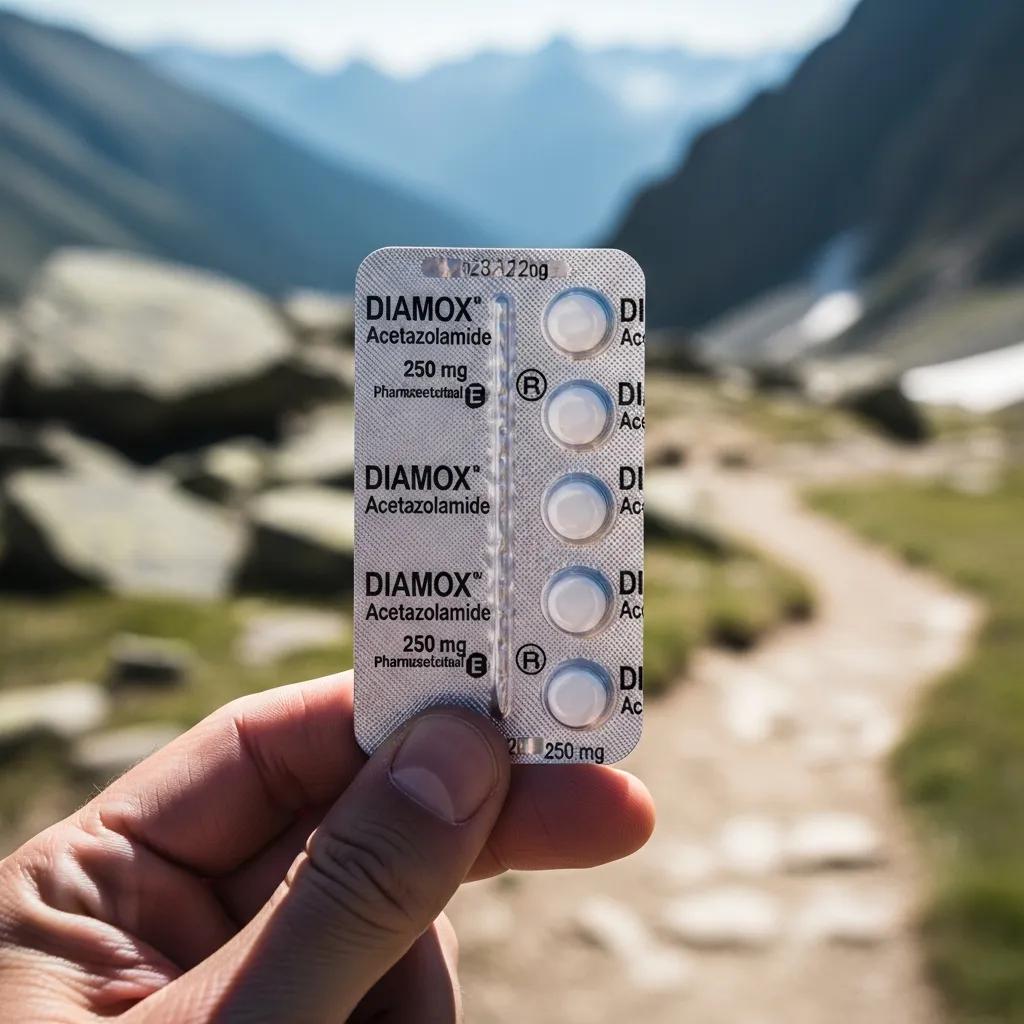
    Recognizing and preventing altitude sickness is vital for a safe trekking experience. Symptoms may include headaches, nausea, and dizziness. To prevent altitude sickness, trekkers should ascend gradually, stay hydrated, and be aware of their body’s signals. If symptoms arise, descending to a lower altitude is the most effective remedy. It is also advisable to carry medication such as Diamox, which can help alleviate symptoms.

    What Essential Gear and Packing List Are Recommended for Everest Base Camp?

    Essential trekking gear for Everest Base Camp including clothing and equipment

    Having the right gear is crucial for a successful trek to Everest Base Camp. Proper preparation can significantly enhance comfort and safety during the journey.

    Which Clothing and Equipment Are Crucial for Varying Weather Conditions?

    Essential clothing and equipment for the trek include:

    • Layered Clothing: Base layers, insulating layers, and waterproof outer layers are essential for adapting to changing weather conditions.
    • Trekking Boots: Sturdy, comfortable boots are crucial for navigating rugged terrain.
    • Sleeping Bag: A high-quality sleeping bag rated for cold temperatures is necessary for comfortable nights at higher altitudes.

    These items ensure trekkers are well-equipped to handle the diverse weather conditions encountered on the trek.

    How to Prepare for Emergency and Safety Situations on the Trek?

    Preparation for emergencies is a critical aspect of trekking. Building a reliable emergency kit that includes first aid supplies, a whistle, and a multi-tool can be invaluable. Understanding weather conditions and setting turnaround times for daily treks are also essential safety measures. Trekkers should familiarize themselves with the nearest medical facilities and emergency evacuation procedures in case of serious health issues.

    What Cultural and Environmental Insights Should Trekkers Know About the Everest Region?

    The Everest region is rich in culture and environmental significance. Understanding these aspects enhances the trekking experience and fosters respect for the local communities.

    How Does Sherpa Culture Influence the Trekking Experience?

    Sherpa culture plays a vital role in the trekking experience. Sherpas are known for their hospitality and expertise in navigating the mountainous terrain. Engaging with Sherpa traditions, such as their unique customs and festivals, enriches the journey. Trekkers often find that learning about Sherpa culture fosters a deeper appreciation for the region and its people.

    What Conservation Efforts Are Important for Sustainable Trekking?

    Sustainable trekking practices are essential for preserving the fragile environment of the Everest region. Key conservation efforts include minimizing waste, respecting local customs, and supporting eco-friendly trekking agencies. Trekkers are encouraged to carry out what they bring in and to use biodegradable products whenever possible. These practices help protect the natural beauty of the region for future generations.

    What Are the Latest Updates and Regulations for Everest Base Camp Trekking in 2026?

    Staying informed about the latest updates and regulations is crucial for a successful trek. Changes in policies can impact trekking plans significantly.

    How Have Trekking Permits and Costs Changed Recently?

    Recent updates indicate that trekking permit fees have increased slightly, with the TIMS card now costing $20 and the Sagarmatha National Park entry fee at $30. These changes reflect the growing demand for trekking in the region and the need for enhanced management of tourist activities.

    What New Safety Protocols and Health Advisories Are in Place?

    New safety protocols emphasize the importance of health advisories, particularly concerning altitude sickness and environmental conservation. Trekkers are encouraged to undergo health checks before embarking on the trek and to adhere to guidelines set by local authorities. Staying informed about health advisories ensures a safer trekking experience.

    How to Use Interactive Maps and Resources for Effective Trek Planning?

    Utilizing interactive maps and resources can significantly enhance trek planning. These tools provide valuable insights into routes, altitudes, and potential hazards.

    Where to Find Altitude Profiles and Route Difficulty Visualizations?

    Interactive maps available through trekking agencies and online platforms offer detailed altitude profiles and route difficulty visualizations. These resources help trekkers understand the challenges they may face and plan their itineraries accordingly. Familiarizing oneself with these tools can lead to better preparation and a more enjoyable trekking experience.

    How to Access Real-Time Weather and Trekking Condition Updates?

    Accessing real-time weather updates is essential for ensuring safety during the trek. Various mobile applications and websites provide current weather conditions and forecasts for the Everest region. Staying informed about weather changes allows trekkers to adjust their plans and ensure a safe journey.

    Conclusion

    The Everest Base Camp Trek offers an unparalleled adventure, combining breathtaking scenery with rich cultural experiences. By understanding the best trekking seasons, costs, and necessary preparations, you can ensure a safe and enjoyable journey to this iconic destination. Embrace the challenge and immerse yourself in the beauty of the Himalayas. Start planning your trek today and explore our comprehensive resources for a successful adventure.

  • How Long Does It Take to Climb Kilimanjaro? Route-by-Route

    How Long Does It Take to Climb Kilimanjaro? Route-by-Route

    How Long Does It Take to Climb Kilimanjaro? Comprehensive Route-by-Route Duration and Preparation Guide

    Climbing Mount Kilimanjaro is a dream for many adventurers, but understanding the time commitment involved is crucial for proper planning. This guide will provide a detailed breakdown of the various routes to the summit, their typical durations, and the preparation needed for a successful ascent. Whether you’re a seasoned climber or a first-time trekker, knowing how long it takes to climb Kilimanjaro can help you choose the right route and prepare effectively.

    In this article, we will explore the main climbing routes, including the Machame, Marangu, Lemosho, Rongai, and Umbwe routes, and their respective durations. We will also discuss the importance of acclimatization, the impact of seasonal weather on climbing times, and practical preparation steps to ensure a successful summit. By the end of this guide, you will have a comprehensive understanding of how long it takes to climb Kilimanjaro and what you need to do to prepare.

    What Are the Main Kilimanjaro Climbing Routes and Their Typical Durations?

    Scenic view of the Machame route on Kilimanjaro, illustrating diverse ecosystems

    Kilimanjaro offers several popular climbing routes, each with its unique characteristics and duration. Understanding these routes is essential for planning your trek effectively. The main routes include the Machame, Marangu, Lemosho, Rongai, and Umbwe routes, each varying in length and difficulty.

    • Machame Route: Known for its scenic views, the Machame route typically takes 6-7 days to complete. It is considered moderately difficult, with a high success rate due to its gradual ascent, allowing for better acclimatization.
    • Marangu Route: Often referred to as the “Coca-Cola” route, the Marangu route is the only one with hut accommodations. It usually takes 5-6 days and is considered easier than other routes, but it has a lower success rate due to its rapid ascent.
    • Lemosho Route: This route is favored for its stunning scenery and diverse landscapes. It generally takes 7-8 days, providing ample time for acclimatization and a higher chance of reaching the summit.
    • Rongai Route: Starting from the north, the Rongai route takes about 6-7 days. It is less crowded and offers a unique perspective of the mountain, though it is considered moderately difficult.
    • Umbwe Route: The Umbwe route is the shortest and most challenging, typically taking 6-7 days. It is recommended for experienced climbers due to its steep ascent and lower acclimatization opportunities.

    Understanding these routes and their durations is crucial for selecting the best option for your climbing experience.

    How Long Does the Machame Route Take and What Is Its Difficulty Level?

    The Machame route usually takes 6-7 days to complete, making it one of the most popular choices for climbers. This route is known for its breathtaking views and diverse ecosystems, ranging from lush rainforests to alpine deserts. The difficulty level is moderate, which means that while it is accessible to most trekkers, it still requires a good level of fitness and preparation.

    The gradual ascent of the Machame route allows climbers to acclimatize effectively, which is essential for reducing the risk of altitude sickness. The route includes several camps, providing opportunities for rest and recovery, which further enhances the chances of a successful summit.

    What Is the Duration and Characteristics of the Marangu Route?

    The Marangu route typically takes 5-6 days to reach the summit. It is the only route that offers hut accommodations, making it a more comfortable option for climbers. However, the Marangu route is often criticized for its rapid ascent, which can lead to a higher incidence of altitude sickness.

    Further research confirms the specific details of the Marangu route’s duration and accommodation structure.

    Kilimanjaro Marango Route: Duration & Summit Success

    The study group comprised 312 trekkers attempting Mt Kilimanjaro summit by the Marango Route. Trekkers ascended over 4 or 5 days along a fixed ascent profile, stopping at 3 huts on the way.

    Determinants of summiting success and acute mountain sickness on Mt Kilimanjaro (5895 m), AJ Davies, 2009

    The characteristics of the Marangu route include well-maintained paths and a straightforward itinerary, making it suitable for less experienced climbers. Despite its ease of access, the success rate for reaching the summit is lower compared to longer routes that allow for better acclimatization.

    How Do Lemosho, Rongai, and Umbwe Routes Compare in Duration and Difficulty?

    When comparing the Lemosho, Rongai, and Umbwe routes, it’s essential to consider both duration and difficulty. Each route offers a unique experience and varying levels of challenge.

    • Lemosho Route: This route takes 7-8 days, providing ample time for acclimatization. It is considered one of the most scenic routes, with diverse landscapes and a high success rate.
    • Rongai Route: The Rongai route typically takes 6-7 days and is less crowded than other routes. It is moderately difficult, making it a good option for climbers looking for a quieter experience.
    • Umbwe Route: The Umbwe route is the most challenging, taking 6-7 days. It is steep and requires a high level of fitness, making it suitable for experienced climbers only.

    What Are the Typical Trek Durations for Lemosho and Rongai Routes?

    The Lemosho route generally takes 7-8 days, allowing climbers to acclimatize properly and enjoy the stunning scenery. In contrast, the Rongai route takes about 6-7 days, offering a less crowded experience but still providing a moderate challenge. Both routes are excellent choices for climbers seeking a balance between adventure and safety.

    How Challenging Is the Umbwe Route and How Long Does It Take?

    The Umbwe route is considered the most challenging option, typically taking 6-7 days to reach the summit. Its steep ascent and limited acclimatization opportunities make it suitable only for experienced climbers. The difficulty level is high, and climbers should be prepared for a physically demanding trek.

    What Is the Role of Acclimatization in Kilimanjaro Trek Duration?

    Climbers at high-altitude camp on Kilimanjaro, emphasizing acclimatization activities

    Acclimatization plays a crucial role in the duration and success of a Kilimanjaro trek. It refers to the body’s ability to adjust to higher altitudes, which is essential for preventing altitude sickness. Proper acclimatization can significantly impact the overall duration of the climb and the likelihood of reaching the summit.

    Experts emphasize that a gradual ascent and proper acclimatization are fundamental to mitigating the risks associated with high-altitude climbing.

    High-Altitude Acclimatization & Slow Ascent Strategies

    When going to high altitudes, proper acclimatization by slow ascent rates is a prerequisite in order to avoid high-altitude illnesses. This process can be supported by preceding hypoxia exposures at real altitude and/or in simulated altitude. We here define “modern” pre-acclimatization strategies as approaches that do not require actual high-altitude environments but rather take ad

    Hypoxia conditioning for high-altitude pre-acclimatization, M Burtscher, 2022

    How Many Days Are Recommended for Altitude Acclimatization on Each Route?

    The recommended acclimatization days vary by route. For example, the Machame and Lemosho routes typically include 1-2 extra days for acclimatization, while the Marangu route may not provide sufficient time for adjustment. It is generally advised to take at least one additional day for acclimatization on any route to enhance the chances of a successful summit.

    What Are Effective Strategies to Prevent Altitude Sickness During the Climb?

    To prevent altitude sickness, climbers should consider the following strategies:

    • Gradual Ascent: Choose a route that allows for gradual elevation gain to give your body time to adjust.
    • Stay Hydrated: Drink plenty of water to stay hydrated, as dehydration can exacerbate symptoms of altitude sickness.
    • Listen to Your Body: Pay attention to any signs of altitude sickness and descend if symptoms worsen.

    Implementing these strategies can help climbers manage altitude-related challenges effectively.

    How Does Seasonal Weather Affect Kilimanjaro Climb Duration and Success Rates?

    Seasonal weather significantly impacts the duration and success rates of Kilimanjaro climbs. The mountain experiences two main climbing seasons: the dry season and the rainy season. Understanding these patterns is essential for planning your trek.

    Which Months Offer the Best Conditions for a Timely Kilimanjaro Summit?

    The best months for climbing Kilimanjaro are typically January to March and June to October. During these periods, the weather is generally dry, providing optimal conditions for a successful summit. Climbers should avoid the rainy season, which can lead to difficult trekking conditions and increased risks.

    How Do Weather Variations Influence Trek Duration and Safety?

    Weather variations can influence trek duration and safety in several ways. Rain can make trails slippery and challenging, while strong winds and low temperatures can increase the risk of hypothermia. Climbers should be prepared for changing weather conditions and adjust their plans accordingly to ensure safety.

    What Are the Summit Success Rates by Route and How Do They Relate to Duration?

    Summit success rates vary by route and are closely related to the duration of the trek. Longer routes that allow for better acclimatization generally have higher success rates.

    What Are the Latest Summit Success Statistics for Each Route?

    Recent statistics indicate that the success rates for reaching the summit are as follows:

    • Machame Route: Approximately 85%
    • Marangu Route: Approximately 65%
    • Lemosho Route: Approximately 90%
    • Rongai Route: Approximately 85%
    • Umbwe Route: Approximately 50%

    These statistics highlight the importance of choosing a route that aligns with your experience level and acclimatization needs.

    How Does Trek Duration Influence Summit Success and Safety?

    Trek duration plays a critical role in summit success and safety. Longer treks provide more time for acclimatization, reducing the risk of altitude sickness and increasing the likelihood of reaching the summit. Climbers should prioritize routes that allow for adequate acclimatization to enhance their chances of success.

    What Practical Preparation Steps Should Climbers Take Based on Route Duration?

    Preparing for a Kilimanjaro climb involves several practical steps that vary based on the chosen route’s duration. Proper preparation can significantly impact the overall experience and success of the trek. globalsummitguide

    How to Plan Your Kilimanjaro Trek Itinerary According to Route Duration?

    When planning your Kilimanjaro trek itinerary, consider the following steps:

    • Choose Your Route: Select a route that matches your experience level and desired duration.
    • Allocate Extra Days: Include additional days for acclimatization, especially on shorter routes.
    • Create a Packing List: Ensure you have all necessary gear and supplies for the duration of your trek.

    By following these steps, climbers can create a well-structured itinerary that maximizes their chances of success.

    What Gear and Fitness Preparations Are Essential for Longer vs. Shorter Routes?

    The gear and fitness preparations required can differ based on the route’s duration. For longer routes, climbers should focus on: about

    • High-Quality Gear: Invest in durable and weather-resistant clothing and equipment.
    • Fitness Training: Engage in cardiovascular and strength training to build endurance for the trek.

    For shorter routes, while fitness is still important, the focus may be more on ensuring you have the right gear for changing weather conditions.

    How Can Climbers Use Route Maps and Altitude Profiles to Estimate Trek Duration?

    Route maps and altitude profiles are valuable tools for estimating trek duration and planning your climb effectively. Understanding these resources can help climbers make informed decisions.

    Where to Find Detailed Kilimanjaro Route Maps and Altitude Gain Charts?

    Detailed Kilimanjaro route maps and altitude gain charts can be found through various trekking companies and online resources. These maps provide essential information about the terrain, elevation changes, and estimated durations for each section of the trek.

    How to Interpret Altitude Profiles to Manage Daily Trek Duration?

    Interpreting altitude profiles involves understanding the elevation changes throughout the trek. Climbers should pay attention to steep sections and plan their daily durations accordingly to ensure they can acclimatize effectively and reach the summit safely.

    What Are Common FAQs About Kilimanjaro Climb Duration and Route Selection?

    As climbers prepare for their Kilimanjaro adventure, several common questions arise regarding duration and route selection.

    How Many Days Does It Typically Take to Reach the Summit?

    Typically, it takes between 5 to 9 days to reach the summit of Kilimanjaro, depending on the chosen route. Longer routes generally provide better acclimatization opportunities, increasing the chances of success.

    Which Route Is the Fastest and Which Offers the Best Acclimatization?

    The Marangu route is the fastest, taking about 5-6 days, but it offers the least acclimatization. In contrast, the Lemosho route, taking 7-8 days, provides the best acclimatization opportunities, making it a preferred choice for many climbers.

    Conclusion

    Climbing Mount Kilimanjaro offers a unique adventure that requires careful planning and understanding of the various routes and their durations. By choosing the right path, climbers can enhance their chances of success while enjoying the breathtaking landscapes and experiences the mountain has to offer. Prioritize acclimatization and preparation to ensure a safe and memorable ascent. Start planning your Kilimanjaro trek today and explore the routes that best suit your adventure goals.

  • Aconcagua Routes: Complete Guide to All Major

    Aconcagua Routes: Complete Guide to All Major

    Aconcagua Routes: Complete Guide to All Major Climbing Routes

    Climbing Aconcagua, the highest peak in South America, presents a thrilling challenge for mountaineers. This comprehensive guide explores the various routes available for climbers, detailing their unique features, difficulties, and essential planning tips. Whether you are a seasoned climber or a novice adventurer, understanding the Aconcagua routes is crucial for a successful expedition. Many climbers face challenges in selecting the right route, managing acclimatization, and ensuring safety during their ascent. This article will provide insights into the main climbing routes, technical challenges, necessary permits, and gear recommendations, helping you prepare for an unforgettable experience on Aconcagua.

    What Are the Main Climbing Routes on Aconcagua?

    Aconcagua offers several primary climbing routes, each with distinct characteristics and challenges. The most popular routes include the Normal Route, the Polish Glacier Route, and the South Face Route.

    1. Normal Route: This is the most frequently used path, known for its relative ease and accessibility. It is a non-technical route that allows climbers to reach the summit without advanced mountaineering skills.
    2. Polish Glacier Route: This route is more technical and requires climbers to have experience with ice and snow climbing. It offers stunning views and a more challenging ascent.
    3. South Face Route: This is one of the most difficult routes, requiring advanced climbing skills and experience in high-altitude conditions.

    Each route has its own appeal, catering to different skill levels and preferences among climbers.

    How Does the Normal Route Compare in Difficulty and Popularity?

    Climbers on the Normal Route of Aconcagua, showcasing the accessibility and beauty of the ascent

    The Normal Route is the most popular choice for climbers aiming to summit Aconcagua. Its popularity stems from its relatively straightforward path and lower technical demands.

    • Difficulty Rating: The Normal Route is rated as a Class 2 climb, making it suitable for climbers with basic mountaineering skills. In contrast, the Polish Glacier Route is rated as Class 4, requiring technical climbing abilities.
    • Popularity: Approximately 70% of climbers choose the Normal Route, while the Polish Glacier Route attracts a smaller percentage due to its technical challenges.

    The Normal Route’s accessibility makes it an ideal choice for those looking to experience the thrill of summiting Aconcagua without extensive technical training.

    What Are the Technical Challenges of the Polish Glacier Route?

    Climbers tackling the technical challenges of the Polish Glacier Route on Aconcagua

    The Polish Glacier Route presents several technical challenges that require climbers to be well-prepared.

    • Technical Skills Required: Climbers must be proficient in using crampons and ice axes, as well as navigating crevasses and steep ice sections.
    • Common Challenges: The route features sections of mixed climbing, where rock and ice are encountered, demanding versatility and skill.
    • Safety Considerations: Due to the technical nature of this route, climbers should be aware of the risks of avalanches and falling ice, making proper gear and experience essential.

    Understanding these challenges is crucial for climbers considering the Polish Glacier Route.

    How to Plan Your Aconcagua Expedition: Permits, Timing, and Acclimatization

    Planning an Aconcagua expedition involves several key steps, including obtaining permits, choosing the right timing, and ensuring proper acclimatization.

    1. Permits: Climbers must secure a permit from the provincial government of Mendoza, which can be obtained online or in person. The cost of the permit varies depending on the climbing season.
    2. Timing: The best time to climb Aconcagua is during the summer months, from December to February, when weather conditions are more favorable.
    3. Acclimatization: Proper acclimatization is vital to prevent altitude sickness. Climbers should plan for extra days to adjust to the high altitude before attempting the summit.

    By following these guidelines, climbers can enhance their chances of a successful and safe ascent.

    What Permits Are Required and How to Obtain Them?

    To climb Aconcagua, obtaining the necessary permits is essential.

    • Types of Permits: Climbers need a climbing permit, which is mandatory for all routes. Additionally, a fee is required, which varies based on the climbing season.
    • Application Process: Permits can be applied for online or at the provincial government office in Mendoza. It is advisable to apply well in advance, especially during peak climbing season.
    • Fees Involved: The permit fees can range from approximately $100 to $300, depending on the time of year and the route chosen.

    Understanding the permit requirements is crucial for a smooth expedition.

    When Is the Best Season to Climb Aconcagua?

    The best season for climbing Aconcagua is during the summer months, specifically from December to February.

    • Seasonal Weather Patterns: During this period, temperatures are milder, and the likelihood of storms decreases, making conditions more favorable for climbing.
    • Best Months for Climbing: January is often considered the peak month for climbers, as it typically offers the best weather conditions.
    • Impact of Weather on Climbing Conditions: Climbers should be aware that weather can change rapidly in the mountains, and it is essential to monitor forecasts closely.

    Choosing the right season can significantly impact the success of the climb.

    What Gear and Safety Measures Are Essential for Aconcagua Climbers?

    Having the right gear and safety measures is critical for a successful Aconcagua expedition. Essential gear includes:

    1. Climbing Equipment: Crampons, ice axes, and harnesses are necessary for technical routes.
    2. Clothing: Layered clothing, including thermal base layers, waterproof jackets, and insulated pants, is essential for varying weather conditions.
    3. Safety Gear: First aid kits, communication devices, and emergency supplies should be included in every climber’s pack.

    Which Climbing Gear Is Recommended for Each Route?

    Different routes on Aconcagua require specific gear to ensure safety and success.

    • Normal Route: Basic mountaineering gear, including trekking poles and a good pair of hiking boots, is sufficient.
    • Polish Glacier Route: Climbers should carry technical gear such as crampons, ice axes, and ropes.
    • South Face Route: Advanced climbing gear, including specialized climbing shoes and protection equipment, is necessary.

    Selecting the appropriate gear for each route is vital for climbers’ safety and performance.

    How to Manage Altitude Sickness and Emergency Situations?

    Altitude sickness is a common concern for climbers on Aconcagua, and managing it effectively is crucial.

    • Acclimatization Strategies: Gradual ascent and spending extra days at higher camps can help climbers adjust to the altitude.
    • Emergency Protocols: Climbers should be familiar with emergency procedures, including descent routes and communication methods.
    • Signs of Altitude Sickness: Symptoms such as headaches, nausea, and dizziness should be monitored closely, and climbers should descend if they experience severe symptoms.

    Being prepared for altitude sickness can make a significant difference in the climbing experience.

    How Do Other Major Routes on Aconcagua Compare?

    Comparing the major routes on Aconcagua reveals distinct differences in difficulty, scenery, and climber experiences.

    • Normal Route vs. Polish Glacier Route: The Normal Route is more accessible, while the Polish Glacier Route offers a more challenging and scenic experience.
    • Unique Features of Each Route: The South Face Route is known for its dramatic views and technical challenges, appealing to experienced climbers.
    • Climber Experiences: Feedback from climbers often highlights the camaraderie and shared experiences on the Normal Route, while the Polish Glacier Route is praised for its breathtaking landscapes.

    Understanding these comparisons can help climbers choose the route that best fits their skills and preferences.

    What Are the Features and Difficulties of the Polish Glacier Traverse?

    The Polish Glacier Traverse is a unique and challenging route on Aconcagua.

    • Features of the Traverse: This route offers stunning views of the surrounding peaks and glaciers, making it visually rewarding.
    • Difficulties Faced: Climbers encounter steep ice sections and crevasses, requiring technical skills and careful navigation.
    • Safety Measures: Proper gear and experience are essential to safely navigate the challenges presented by this route.

    The Polish Glacier Traverse is ideal for climbers seeking a more adventurous experience.

    Are There Lesser-Known Routes Worth Considering?

    While the Normal and Polish Glacier Routes are popular, several lesser-known routes on Aconcagua offer unique experiences.

    • Overview of Lesser-Known Routes: Routes such as the Vacas Valley and the Polish Glacier Traverse provide alternative paths to the summit.
    • Benefits of Exploring These Routes: These routes often have fewer climbers, allowing for a more solitary and immersive experience in nature.
    • Safety Considerations: Climbers should ensure they are adequately prepared and informed about the challenges of these lesser-known paths.

    Exploring these routes can lead to a more personalized climbing adventure.

    What Are the Weather and Environmental Conditions Affecting Aconcagua Climbs?

    Weather conditions play a significant role in the success of Aconcagua climbs.

    • Impact of Weather on Climbing: Climbers must be prepared for sudden weather changes, including storms and temperature drops.
    • Seasonal Changes: Understanding the seasonal weather patterns can help climbers plan their expeditions more effectively.
    • Environmental Considerations: Climbers should be aware of the environmental impact of their activities and practice Leave No Trace principles.

    Being informed about weather and environmental conditions is essential for a safe and responsible climb.

    How Do Seasonal Weather Changes Influence Route Safety?

    Seasonal weather changes can significantly influence the safety of climbing routes on Aconcagua.

    • Seasonal Weather Patterns: Each season brings different weather conditions, affecting route accessibility and safety.
    • Safety Implications: Climbers should be aware of the risks associated with climbing during certain times of the year, such as increased avalanche danger in winter.
    • Planning Considerations: Monitoring weather forecasts and being flexible with climbing plans can enhance safety.

    Understanding these factors is crucial for climbers aiming to summit Aconcagua safely.

    What Environmental Sustainability Practices Should Climbers Follow?

    Climbers on Aconcagua should prioritize environmental sustainability to protect the natural landscape.

    • Sustainable Climbing Practices: Using established trails and minimizing waste are essential practices for preserving the environment.
    • Environmental Impact: Climbers should be aware of their impact on local ecosystems and strive to minimize it.
    • Best Practices for Climbers: Carrying out all trash, respecting wildlife, and following local regulations contribute to sustainable climbing.

    Adopting these practices ensures that Aconcagua remains a pristine environment for future climbers.

    What Are Common Questions About Climbing Aconcagua?

    Climbers often have several common questions regarding their Aconcagua expeditions.

    1. What is the easiest route to reach Aconcagua’s summit? The Normal Route is considered the easiest and most accessible for climbers.
    2. How long does it take to climb Aconcagua? Most expeditions take around 10-14 days, depending on acclimatization and weather conditions.
    3. What is the best time to climb Aconcagua? The summer months of December to February are ideal for climbing due to favorable weather.

    Addressing these questions can help climbers prepare effectively for their journey.

    What Is the Easiest Route to Reach Aconcagua’s Summit?

    The easiest route to reach Aconcagua’s summit is the Normal Route.

    • Overview of the Easiest Route: This route is non-technical and allows climbers to ascend without advanced skills.
    • Difficulty Level: Rated as Class 2, it is suitable for climbers with basic mountaineering experience.
    • Climber Experiences: Many climbers report a sense of accomplishment and camaraderie on this popular route.

    Choosing the Normal Route can provide a rewarding experience for those looking to summit Aconcagua with less technical difficulty.

    How Do Climbing Difficulty Ratings Affect Route Choice?

    Climbing difficulty ratings play a crucial role in determining which route climbers should choose.

    • Understanding Difficulty Ratings: Routes are rated based on technical challenges, exposure, and required skills.
    • Matching Routes to Climber Skills: Climbers should assess their abilities and select routes that align with their experience levels.
    • Safety Implications: Choosing a route that matches a climber’s skill set can significantly enhance safety and enjoyment during the expedition.

    Being aware of difficulty ratings helps climbers make informed decisions about their Aconcagua adventure.

    To further enhance your climbing knowledge and preparation, consider exploring resources like Global Summit Guide, which offers extensive information on various mountaineering topics.

    For those planning their ascent, understanding the intricacies of trip planning is essential to ensure a smooth and safe expedition.

    Additionally, selecting the right gear and safety equipment is paramount for tackling the challenges of Aconcagua’s diverse routes.

    If you have any questions or need personalized advice, don’t hesitate to contact us for expert guidance on your Aconcagua adventure.

    Conclusion

    Climbing Aconcagua offers a unique opportunity to experience breathtaking landscapes and personal achievement, regardless of your skill level. Understanding the various routes, their challenges, and essential preparations can significantly enhance your climbing experience. For those ready to embark on this adventure, exploring our comprehensive resources will ensure you are well-equipped for your journey. Start planning your ascent today and take the first step towards conquering South America’s highest peak!

  • Patagonia Hiking: Guide to Trekking in Torres del Paine

    Patagonia Hiking: Guide to Trekking in Torres del Paine

    Patagonia Hiking: The Ultimate Guide to Trekking in Torres del Paine and Beyond

    Patagonia, a region renowned for its breathtaking landscapes and diverse ecosystems, offers some of the most exhilarating hiking experiences in the world. This guide delves into the best trekking routes, essential gear, and safety measures for exploring the stunning Torres del Paine National Park and beyond. Whether you’re a seasoned hiker or a novice adventurer, understanding the intricacies of Patagonia hiking will enhance your journey. Many trekkers face challenges in selecting the right routes and preparing adequately for the variable weather conditions. This guide aims to equip you with the knowledge to navigate these challenges effectively. We will explore the best trekking routes, essential gear, weather considerations, safety measures, and the benefits of guided hikes, ensuring you are well-prepared for your Patagonia adventure.

    What Are the Best Trekking Routes in Patagonia?

    Patagonia boasts a variety of trekking routes that cater to different skill levels and preferences. Among the most popular are the W Trek and the O Circuit in Torres del Paine National Park, each offering unique experiences and stunning vistas.

    How Do the W Trek and O Circuit Compare in Torres del Paine?

    The W Trek spans approximately 75 kilometers and typically takes 4-5 days to complete, making it a favorite for those seeking a shorter yet rewarding experience. In contrast, the O Circuit is a more challenging 108-kilometer trek that usually requires 8-10 days, offering a deeper immersion into the park’s natural beauty. Hikers on the W Trek can expect breathtaking views of the granite towers, glacial lakes, and lush valleys, while the O Circuit includes additional highlights such as the John Gardner Pass, which provides panoramic views of the Southern Patagonian Ice Field.

    What Are the Key Features of the Paine Circuit Trail?

    The Paine Circuit, also known as the O Circuit, is characterized by its diverse terrain and stunning landmarks. This trail features rugged mountains, glacial lakes, and unique wildlife, making it a paradise for nature lovers. Key landmarks along the trail include the Grey Glacier, the French Valley, and the Cuernos del Paine. Hikers should prepare for varying difficulty levels, as some sections involve steep ascents and challenging weather conditions. Proper preparation and physical fitness are essential for a successful trek on this circuit.

    What Essential Gear Is Required for Patagonia Hiking?

    Essential hiking gear for Patagonia including waterproof jacket and trekking boots

    When hiking in Patagonia, having the right gear is crucial for ensuring safety and comfort. The region’s weather can be unpredictable, with rapid changes in temperature and conditions. Essential gear includes layered clothing, sturdy footwear, navigation tools, and safety equipment.

    Which Patagonia Hiking Gear Is Recommended for Variable Weather?

    For variable weather conditions, a layering system is recommended. This includes a moisture-wicking base layer, an insulating mid-layer, and a waterproof outer layer. Additionally, hikers should invest in high-quality trekking boots with good traction, as well as gaiters to keep feet dry in wet conditions. Emergency gear, such as a first aid kit, a whistle, and a multi-tool, is also essential for safety.

    Gear TypeRecommended ItemPurpose
    ClothingWaterproof jacketProtects against rain and wind
    FootwearSturdy trekking bootsProvides support and traction
    NavigationTrail mapsHelps in route planning and navigation

    How to Prepare a Comprehensive Gear Checklist for Torres del Paine Treks?

    Creating a comprehensive gear checklist involves organizing items by function and ensuring all essentials are included. Start with the “10 essentials,” which cover navigation, hydration, nutrition, clothing, and emergency gear. Review and adjust the checklist based on the specific trek and expected weather conditions. Regularly checking gear before departure can prevent last-minute surprises.

    How Do Weather and Seasonal Conditions Affect Patagonia Trekking?

    Weather plays a significant role in the trekking experience in Patagonia. Understanding seasonal variations and their impact on trail conditions is essential for planning a successful hike.

    What Are the Typical Weather Patterns in Torres del Paine Throughout the Year?

    Torres del Paine experiences a range of weather patterns throughout the year. Summer (December to February) offers the warmest temperatures, averaging 15-20°C (59-68°F), but can also bring strong winds and sudden rain showers. Autumn (March to May) sees cooler temperatures and beautiful fall foliage, while winter (June to August) can bring snow and freezing temperatures, making trails more challenging. Spring (September to November) is marked by blooming flora and gradually warming weather, ideal for trekking.

    How to Plan Your Trekking Schedule Based on Patagonia Weather Conditions?

    To plan your trekking schedule effectively, identify optimal trekking windows based on weather forecasts. Monitoring local weather reports and being flexible with your itinerary can help you avoid adverse conditions. Setting decision points along your route allows for adjustments based on real-time weather changes, ensuring safety and enjoyment during your trek.

    What Safety Measures and Permits Are Necessary for Trekking in Torres del Paine?

    Safety is paramount when trekking in Patagonia. Understanding the necessary permits and best practices can enhance your hiking experience.

    Which Permits Are Required for Torres del Paine National Park Treks?

    To trek in Torres del Paine National Park, hikers must obtain a permit, which can be acquired at park entrances or online. The permits help manage visitor numbers and protect the park’s natural resources. It’s essential to check for any specific regulations or fees associated with the chosen trekking route.

    What Are the Best Practices for Ensuring Safety on Patagonia Hiking Routes?

    Hiker using a map and compass on a Patagonia trail, emphasizing safety practices

    Best practices for ensuring safety include packing smart, staying on marked trails, and informing someone of your itinerary. Carrying a map and compass, or a GPS device, is crucial for navigation. Additionally, being prepared for sudden weather changes and knowing how to respond to emergencies can significantly enhance safety on the trails.

    How Can Guided Hikes Enhance Your Torres del Paine Experience?

    Choosing guided hikes can provide numerous benefits, especially for those unfamiliar with the region.

    What Are the Benefits of Choosing Guided Hikes in Patagonia?

    Guided hikes offer expert knowledge of the terrain, local flora and fauna, and cultural insights that enhance the trekking experience. Guides can also assist with navigation and safety, making the trek more enjoyable and less stressful. Furthermore, they often know the best spots for photography and can help avoid crowded areas.

    How to Select Reputable Guided Trekking Services in Torres del Paine?

    When selecting a guided trekking service, research their qualifications, read reviews, and inquire about their safety protocols. Look for companies that prioritize sustainable practices and have knowledgeable guides familiar with the local environment. Ensuring that the service aligns with your trekking goals will enhance your overall experience.

    What Flora and Fauna Will You Encounter While Hiking in Patagonia?

    Patagonia is home to a rich diversity of flora and fauna, making it a unique destination for nature enthusiasts.

    Which Native Species Are Common Along Torres del Paine Trails?

    Common species along the trails include guanacos, Andean condors, and the elusive puma. The region’s vegetation ranges from lenga forests to alpine meadows, providing habitats for various wildlife. Understanding the local ecosystem enhances the trekking experience and fosters appreciation for conservation efforts.

    How to Practice Sustainable Trekking to Protect Patagonia’s Ecosystem?

    Practicing sustainable trekking involves adhering to the “Leave No Trace” principles, which include minimizing campfire impact, respecting wildlife, and staying on designated trails. Supporting local conservation efforts and being mindful of your environmental footprint can help preserve Patagonia’s natural beauty for future generations.

    How to Plan a Detailed Itinerary for Your Patagonia Trekking Adventure?

    Creating a detailed itinerary is essential for a successful trekking adventure in Patagonia.

    What Are Recommended Daily Distances and Accommodation Options?

    Recommended daily hiking distances vary based on trail difficulty and personal fitness levels. Generally, 15-20 kilometers (9-12 miles) per day is a manageable target for most trekkers. Accommodation options range from campsites to refugios, providing various levels of comfort and amenities. Planning resupply points along the route is also crucial for longer treks.

    How to Integrate Weather and Safety Considerations into Your Itinerary?

    Integrating weather and safety considerations into your itinerary involves monitoring forecasts and being prepared for changes. Setting flexible daily goals allows for adjustments based on conditions. Including rest days in your plan can also help manage fatigue and ensure a more enjoyable experience.

    What Are the Latest Trends and Technologies in Patagonia Trekking?

    The trekking landscape is continually evolving, with new trends and technologies enhancing the experience.

    How Are Digital Summit Tracking and Navigation Aids Used in Patagonia?

    Digital tracking and navigation aids, such as GPS devices and mobile apps, have become increasingly popular among trekkers. These tools provide real-time location tracking, route planning, and safety features, making navigation easier and more efficient. Many hikers now rely on these technologies to enhance their trekking experience.

    What Sustainable Trekking Initiatives Are Active in Torres del Paine?

    Sustainable trekking initiatives in Torres del Paine focus on minimizing environmental impact and promoting conservation. Programs that involve local communities in tourism and conservation efforts help protect the park’s ecosystems while providing economic benefits. Engaging with these initiatives can enhance your trekking experience and contribute to the preservation of this stunning region.

    Conclusion

    Embarking on a hiking adventure in Patagonia not only immerses you in breathtaking landscapes but also enhances your physical and mental well-being. By understanding the best trekking routes, essential gear, and safety measures, you can ensure a rewarding experience in this stunning region. Consider exploring guided hikes for expert insights and a more enriching journey. Start planning your Patagonia trek today and discover the wonders that await you.

  • Mont Blanc Climbing Guide: Summit Europe’s Highest Peak

    Mont Blanc Climbing Guide: Summit Europe’s Highest Peak

    Mont Blanc Climbing Guide: How to Safely Summit Europe’s Highest Peak

    Climbing Mont Blanc, the highest peak in Western Europe, is a thrilling adventure that attracts mountaineers from around the globe. This comprehensive guide will equip you with essential knowledge about the various climbing routes, preparation strategies, and safety protocols necessary for a successful ascent. Many climbers face challenges such as altitude sickness and unpredictable weather, but with the right preparation and understanding, these obstacles can be effectively managed. In this article, we will explore the main climbing routes, essential gear, weather conditions, acclimatization strategies, guided tour options, and the latest safety technologies. By the end, you will be well-prepared to tackle the majestic Mont Blanc.

    What Are the Main Mont Blanc Climbing Routes and Their Difficulty Levels?

    Mont Blanc offers several climbing routes, each with unique challenges and varying difficulty levels. The two most popular routes are the Gouter Route and the Trois Monts Route. Understanding these routes is crucial for climbers to choose the one that best fits their skill level and experience.

    How Does the Gouter Route Compare in Difficulty and Duration?

    Climbers on the Gouter Route of Mont Blanc, showcasing the path and mountain huts, emphasizing the accessibility of this climbing route

    The Gouter Route is often considered the most accessible path to the summit of Mont Blanc. It has a moderate difficulty rating, making it suitable for climbers with basic mountaineering skills. The average duration for this route is approximately 2 days, allowing climbers to acclimatize properly. Key features of the Gouter Route include its well-marked path and the availability of mountain huts for overnight stays, which provide essential rest and recovery.

    However, even on more accessible routes like the Gouter, specific hazards like rockfall in the Grand Couloir du Goûter demand careful attention and preparation.

    Mont Blanc Rockfall Hazard: Grand Couloir du Goûter Safety

    There are on average 35 fatal mountaineering accidents per summer in France. On average, since 1990, 3.7 of them have occurred every summer in the Grand Couloir du Goûter, on the classic route up Mont Blanc (4809 m a.s.l.). Rockfall is one of the main factors that explain this high accident rate and contribute to making it one of the most accident-prone areas in the Alps for mountaineers. In this particular context, the objective of this study is to document the rockfall activity and its triggering factors in the Grand Couloir du Goûter in order to disseminate the results to mountaineers and favour their adaptation to the local rockfall hazard.

    Rockfall and vulnerability of mountaineers on the west face of the Aiguille du Goûter (classic route up Mont Blanc, France), an interdisciplinary study, P Lacroix, 2021

    What Are the Features of the Trois Monts Route for Experienced Climbers?

    The Trois Monts Route is designed for more experienced climbers, featuring technical sections that require advanced skills. This route demands proficiency in glacier travel and the use of technical climbing gear. Climbers can expect to encounter challenging conditions, including steep ascents and potential crevasses. Safety considerations are paramount, as the route’s complexity increases the risk of accidents, making it essential for climbers to be well-prepared and experienced.

    How Should You Prepare and What Gear Is Essential for Mont Blanc?

    Preparation is key to a successful climb of Mont Blanc. Essential gear includes appropriate clothing layers, navigation tools, and emergency equipment. Climbers should invest in high-quality gear to ensure safety and comfort during their ascent.

    Gear TypeDescriptionImportance
    Clothing LayersInsulated and waterproof layers to protect against cold and wet conditionsEssential for maintaining body temperature
    Navigation ToolsGPS devices and maps for route planningCrucial for safe navigation in challenging terrain
    Emergency GearFirst aid kits, communication devices, and extra foodVital for handling emergencies and unexpected situations

    For those looking to enhance their climbing experience, Information Hub offers a range of climbing gear tailored for Mont Blanc expeditions.

    What Are the Typical Weather Conditions and Best Seasons to Climb Mont Blanc?

    Weather conditions on Mont Blanc can be unpredictable, making it essential for climbers to be aware of seasonal patterns. The best months to climb are typically June to September, when the weather is more stable and temperatures are milder, generally ranging from -10°C to 5°C (14°F to 41°F).

    How Do Seasonal Weather Patterns Affect Climbing Safety?

    Seasonal weather patterns significantly impact climbing safety. Climbers should monitor weather forecasts closely and be prepared to adjust their plans based on changing conditions. Understanding the importance of weather tracking can help climbers make informed decisions about when to proceed or retreat.

    What Are the Latest Weather Advisories and Forecast Resources?

    Reliable weather resources are crucial for climbers. Recommended websites and apps provide up-to-date weather advisories, helping climbers stay informed about potential storms or temperature drops. Utilizing these resources can enhance safety and improve the chances of a successful summit.

    How Can Acclimatization and Safety Protocols Improve Your Summit Success?

    Acclimatization is vital for preventing altitude sickness, which can severely impact climbers’ performance and safety. Implementing effective acclimatization strategies and safety protocols can significantly enhance summit success.

    What Are Effective Acclimatization Strategies for Altitude Sickness Prevention?

    To prevent altitude sickness, climbers should incorporate rest days into their itinerary, allowing their bodies to adjust to higher elevations. The “climb high, sleep low” principle is also effective, as it encourages climbers to ascend to higher altitudes during the day and return to lower elevations for sleep.

    Studies emphasize the critical importance of these acclimatization strategies, as a rapid ascent significantly increases the risk of acute mountain sickness.

    Mont Blanc Altitude Sickness Risk & Prevention

    Despite a large variability in the scores of the participants, this study showed that a rapid ascent of Mount Blanc induces a high risk of acute mountain sickness since the prevalence

    Prevention of acute mountain sickness by low positive end-expiratory pressure in field conditions, 2004

    Which Safety Measures and Emergency Procedures Should Climbers Know?

    Essential climbing safety gear including first aid kit and communication devices, emphasizing the importance of safety measures for Mont Blanc climbers

    Climbers should be familiar with essential safety measures, including navigation and communication tools. Emergency readiness is crucial, as it prepares climbers to respond effectively to unexpected situations, such as injuries or severe weather changes.

    What Guided Tour Options and Permits Are Available for Mont Blanc Climbers?

    For those who prefer a guided experience, various tour options are available. Guided tours provide expert knowledge and support, enhancing the overall climbing experience.

    How to Select a Qualified Mont Blanc Guided Tour Service?

    When selecting a guided tour service, consider factors such as the guide’s experience, safety protocols, and group size. A qualified guide can significantly improve your chances of a successful summit while ensuring safety throughout the journey.

    Further research into guided mountaineering preparation highlights the comprehensive strategies professionals employ to mitigate risks and enhance overall safety for climbers. K2 Climb Guide

    Mountaineering Safety Strategies: Guide Preparation Model

    This paper examines an issue that has been little explored in ergonomics: safety in outdoor activities. Drawing on an analysis of guided mountaineering preparation, the paper focuses on studying and modelling feedback from professionals. Our premise is that preparation can be analyzed as a process of constraint satisfaction aimed at constructing manageable situations. This proposal is explored through a qualitative study conducted with mountain guides. Data were collected from 17 semi-structured interviews and 10 full days of filmed field observations, followed by individual and collective confrontation. The analysis focuses mainly on identifying the constraints of the preparation and the types of variables related to them. Five main types of variables which can be generalized were defined. A descriptive model was then produced, and safety issues were identified, along with corresponding strategies to improve safety.

    Safety Issues and Strategies for Outdoor Activities: A General Model Based on Guided Mountaineering Preparation, A Girard, 2024

    What Are the Permit Requirements and How to Obtain Them?

    Climbers must obtain the necessary permits to access certain routes on Mont Blanc. The application process typically involves submitting forms and paying fees. It’s essential to plan ahead to ensure all permits are secured before the climb.

    Where Can You Find Mountain Huts and Accommodation Along Mont Blanc Routes?

    Mountain huts provide essential accommodation for climbers along the Mont Blanc routes. Knowing where to find these huts can enhance the climbing experience by offering rest and recovery opportunities.

    What Are the Key Mountain Huts on the Gouter and Trois Monts Routes?

    Key mountain huts along the Gouter and Trois Monts Routes include the Tête Rousse Hut and the Cosmiques Hut. These huts offer basic amenities and shelter, making them ideal stopping points for climbers.

    How to Book Accommodation and What Facilities Are Provided?

    Booking accommodation in advance is recommended, especially during peak climbing seasons. Facilities typically include dormitory-style sleeping arrangements, meals, and access to essential services, ensuring climbers are well-prepared for their ascent. About

    What Are the Latest Safety Technologies and Climbing Statistics for Mont Blanc?

    Recent advancements in safety technologies have significantly improved climber safety on Mont Blanc. Understanding these technologies can help climbers make informed decisions about their gear and safety measures.

    How Have Recent Advances Improved Climber Safety on Mont Blanc?

    Recent safety technologies include improved communication devices and advanced weather tracking systems. These innovations enhance climbers’ ability to stay connected and informed, reducing risks associated with climbing in challenging conditions.

    What Do 2024-2026 Climbing Success and Incident Rates Indicate?

    Climbing statistics from recent years indicate a steady increase in summit success rates, attributed to better preparation and safety measures. However, incident rates also highlight the importance of adhering to safety protocols and being aware of environmental conditions.

    How to Use Interactive Maps and Multimedia Resources for Mont Blanc Planning?

    Interactive maps and multimedia resources can greatly enhance your planning process for climbing Mont Blanc. Utilizing these tools allows climbers to visualize routes and understand the terrain better.

    Where to Access Detailed Route Maps and Elevation Profiles?

    Detailed route maps and elevation profiles are available through various online platforms. These resources provide climbers with essential information about the terrain, helping them prepare for the challenges ahead. For more information, visit Globalsummitguide.

    How Can Videos and Gear Diagrams Enhance Climbing Preparation?

    Videos and gear diagrams offer valuable insights into climbing techniques and gear usage. These visual resources can enhance understanding and preparation, ensuring climbers are well-equipped for their journey.

    Conclusion

    Successfully summiting Mont Blanc requires thorough preparation, understanding of routes, and adherence to safety protocols. By equipping yourself with the right gear and knowledge, you can enhance your climbing experience and increase your chances of reaching the peak. Explore our comprehensive resources and expert-guided tours to ensure a safe and memorable adventure. Start planning your Mont Blanc expedition today!

  • How Much Does It Cost to Climb Everest? Full Breakdown

    How Much Does It Cost to Climb Everest? Full Breakdown

    How Much Does It Cost to Climb Everest? Full Expense Breakdown for 2026 Expeditions

    Climbing Mount Everest is a dream for many adventurers, but the financial commitment can be daunting. Understanding the costs associated with an Everest expedition is crucial for anyone considering this monumental challenge. This article provides a comprehensive breakdown of the expenses involved in climbing Everest in 2026, including permits, guide fees, equipment, travel, insurance, and training. By the end, readers will have a clear picture of the financial landscape and how to budget effectively for their expedition. We will explore the official permit costs, the fees for Sherpa guides, essential gear expenses, travel and accommodation costs, insurance requirements, and training expenses. Additionally, we will provide insights into how to manage these costs without compromising safety.

    What Are the Official Permit Costs and Regulations for Climbing Mount Everest in 2026?

    The official permit costs for climbing Mount Everest are a significant part of the overall budget. In 2026, climbers must navigate various regulations and fees set by the Nepalese government. These permits are essential for legal access to the mountain and are subject to change based on governmental policies and demand.

    How Have Everest Climbing Permit Fees Changed in 2026?

    In 2026, the cost of an Everest climbing permit has seen an increase compared to previous years. The standard fee for a climbing permit is now approximately $11,000 per person, reflecting the growing popularity of the expedition and the associated administrative costs. This increase is part of a broader trend where permit fees have risen steadily over the past decade, making it essential for climbers to factor this into their budget.

    What Are the Requirements and Validity Periods for Everest Permits?

    To obtain a climbing permit for Everest, climbers must meet specific requirements. These include proof of previous high-altitude climbing experience, a medical certificate, and a completed application form. The validity period for these permits typically spans the climbing season, which runs from late April to early June. It is crucial for climbers to ensure that all documentation is in order well before their intended ascent.

    How Much Do Sherpa Guides and Expedition Support Services Cost on Everest?

    Hiring a Sherpa guide is another critical expense for those looking to summit Everest. Sherpas are invaluable for their expertise and support throughout the expedition, and their fees can vary based on experience and the level of service provided.

    What Are Typical Sherpa Guide Fees and Service Levels?

    Sherpa guide assisting climbers on rocky terrain, illustrating the importance of support in Everest expeditions

    Typical fees for Sherpa guides range from $3,000 to $6,000 for the climbing season. This cost often includes not just the guide’s services but also their food, accommodation, and insurance. More experienced guides may charge higher fees, reflecting their extensive knowledge and skills in navigating the mountain’s challenges. For more information, visit our about page.

    How Do Additional Support Services Affect Overall Expedition Pricing?

    In addition to guide fees, climbers may opt for various support services, such as additional porters, cooking staff, and logistical support. These services can add anywhere from $1,000 to $3,000 to the overall cost, depending on the size of the team and the level of support required. Understanding these additional costs is essential for creating a comprehensive budget for the expedition.

    What Are the Essential Equipment and Gear Expenses for an Everest Climb?

    The right equipment is vital for a successful and safe ascent of Everest. Climbers must invest in high-quality gear that can withstand extreme conditions.

    Which High-Altitude Climbing Equipment Is Required and What Are Their Price Ranges?

    Essential high-altitude climbing gear displayed on snow, highlighting the necessary equipment for Everest expeditions

    Essential equipment for climbing Everest includes items such as high-altitude boots, climbing harnesses, ice axes, and tents. The total cost for necessary gear can range from $3,000 to $7,000, depending on the quality and brand of the equipment. Investing in reliable gear is crucial for safety and performance during the climb.

    How Can Climbers Optimize Gear Costs Without Compromising Safety?

    Climbers can optimize their gear costs by renting certain items instead of purchasing them outright. Many expedition companies offer rental services for high-altitude gear, which can significantly reduce upfront costs. Additionally, purchasing used equipment or seeking out sales can help climbers stay within budget while ensuring they have the necessary gear for a safe ascent. K2 climb guide

    What Are the Travel and Accommodation Costs Associated with Everest Expeditions?

    Traveling to Everest Base Camp involves additional expenses that climbers must consider. These costs can vary based on the mode of transportation and accommodation choices.

    How Much Does Transportation to Everest Base Camp Typically Cost?

    Transportation to Everest Base Camp typically costs between $1,000 and $2,000, depending on whether climbers choose to fly to Lukla or trek from a nearby town. The flight to Lukla is the most common route, but it can be subject to weather delays, which may affect travel plans.

    What Are the Accommodation Options and Their Price Ranges Along the Route?

    Accommodation options along the route to Everest Base Camp range from basic tea houses to more comfortable lodges. Prices can vary significantly, with basic accommodations costing around $10 to $30 per night, while more comfortable options may range from $50 to $100 per night. Climbers should budget for these costs as they can add up over the duration of the trek.

    How Do Insurance and Emergency Medical Services Impact Everest Climbing Costs?

    Insurance is a critical component of any Everest expedition, as it protects climbers from unforeseen circumstances.

    What Types of Insurance Are Recommended for Everest Climbers?

    Climbers are advised to obtain comprehensive travel insurance that covers high-altitude climbing, medical emergencies, and evacuation. Policies typically range from $200 to $500, depending on coverage levels and the duration of the trip. Ensuring adequate insurance coverage is essential for peace of mind during the expedition.

    How Much Should Climbers Budget for Emergency Medical Support and Rescue Services?

    In addition to standard insurance, climbers should budget for emergency medical support and rescue services, which can be costly. It is recommended to set aside at least $1,000 for potential rescue operations, as these can be necessary in case of altitude sickness or other emergencies. Understanding these costs is vital for comprehensive expedition planning.

    What Are the Training and Preparation Costs Before Attempting Everest?

    Proper training is essential for a successful Everest climb, and this preparation comes with its own set of costs.

    Which Training Programs and Courses Are Essential for Everest Climbers?

    Climbers should consider enrolling in specialized training programs that focus on high-altitude mountaineering. These programs can cost between $500 and $1,500, depending on the duration and intensity of the training. Investing in proper training is crucial for building the necessary skills and endurance for the climb.

    How Much Do Equipment Testing and Acclimatization Trips Typically Cost?

    Equipment testing and acclimatization trips are also important aspects of preparation. These trips can range from $1,000 to $2,500, depending on the location and duration. Such trips help climbers adjust to high altitudes and ensure their gear is suitable for the conditions they will face on Everest.

    What Is the Total Estimated Budget to Climb Everest in 2026?

    Calculating the total budget for climbing Everest involves adding up all the individual costs discussed.

    How Do All Expense Categories Combine into a Full Everest Climbing Cost Breakdown?

    The total estimated budget for climbing Everest in 2026 can range from $30,000 to $60,000 per person, depending on the choices made regarding guides, equipment, and support services. This comprehensive breakdown includes permits, guide fees, gear, travel, insurance, and training costs, providing a clear picture of the financial commitment required.

    What Strategies Can Reduce Overall Expedition Costs Without Sacrificing Safety?

    To reduce overall expedition costs, climbers can consider group bookings for guides and support services, which often come with discounts. Additionally, planning the expedition during the shoulder seasons can lead to lower permit fees and accommodation costs. By being strategic about their choices, climbers can manage their budgets effectively while ensuring a safe and successful ascent.

    Where Can Climbers Find Authoritative Resources and Updates on Everest Climbing Costs?

    Staying informed about the latest costs and regulations is crucial for prospective climbers.

    Which Official Government and Mountaineering Association Websites Provide Permit and Fee Updates?

    Climbers can find authoritative resources on official government websites and mountaineering associations, which regularly update information regarding permits and fees. These resources are invaluable for ensuring that climbers have the most current information as they plan their expeditions.

    How to Monitor Changes in Everest Expedition Pricing and Regulations for 2026 and Beyond?

    Monitoring changes in Everest expedition pricing and regulations can be done through various online forums, social media groups, and newsletters from reputable climbing organizations. Staying connected with the climbing community can provide insights and updates that are essential for planning a successful expedition.

    Conclusion

    Understanding the costs associated with climbing Mount Everest is essential for any adventurer looking to undertake this monumental challenge. By breaking down expenses such as permits, guide fees, equipment, and training, climbers can effectively budget for their expedition and ensure a safe ascent. Staying informed about the latest regulations and costs will empower climbers to make strategic decisions that enhance their experience. Begin planning your Everest adventure today by exploring our comprehensive resources and expert advice.

  • Best Time to Climb Kilimanjaro: Month-by-Month Guide

    Best Time to Climb Kilimanjaro: Month-by-Month Guide

    Best Time to Climb Kilimanjaro: Comprehensive Month-by-Month Weather and Seasonal Guide for Optimal Summit Planning

    Climbing Mount Kilimanjaro is a dream for many adventurers, but understanding the best time to embark on this journey is crucial for a successful summit. This guide provides a detailed month-by-month analysis of Kilimanjaro’s weather patterns, helping climbers choose the optimal season for their expedition. With varying conditions throughout the year, climbers must consider factors such as temperature, precipitation, and trail accessibility to ensure a safe and enjoyable experience. This article will explore the key weather patterns affecting climbing seasons, the best months for climbing, and essential gear recommendations tailored to each season. By the end, you’ll have a comprehensive understanding of how to plan your Kilimanjaro adventure effectively.

    What Are the Key Kilimanjaro Weather Patterns Affecting Climbing Seasons?

    Kilimanjaro’s weather is characterized by distinct dry and rainy seasons, which significantly influence climbing conditions. The dry season, typically from June to October, offers clear skies and stable weather, making it the most popular time for climbers. Conversely, the rainy season, from March to May and October to December, brings increased precipitation and cloud cover, which can complicate climbing efforts. Understanding these patterns is essential for climbers to prepare adequately and choose the right time for their ascent.

    How Do Dry and Rainy Seasons Influence Kilimanjaro Climbing Conditions?

    The dry season provides optimal climbing conditions, with well-defined trails and minimal risk of altitude sickness due to stable weather. Climbers can expect clear views and lower humidity, which enhances the overall experience. In contrast, the rainy season can lead to muddy trails, increased risk of landslides, and challenging visibility. These conditions can hinder progress and pose safety risks, making it crucial for climbers to assess their readiness for such challenges.

    What Are the Typical Temperature and Precipitation Trends by Month?

    Kilimanjaro experiences significant temperature variations throughout the year, with average temperatures ranging from 20°C (68°F) at the base to below freezing at the summit. Precipitation also varies, with the wettest months typically being April and November. Understanding these trends helps climbers prepare for the conditions they will face during their ascent.

    MonthAverage Temperature (°C)Average Precipitation (mm)
    January20-2530
    February20-2520
    March18-23120
    April15-20200
    May15-20150
    June15-2010
    July10-155
    August10-155
    September15-2010
    October20-2530
    November18-23180
    December20-25100

    This table illustrates the temperature and precipitation trends, allowing climbers to make informed decisions about their climbing schedule.

    Which Months Offer the Best Weather for Climbing Kilimanjaro?

    The best months for climbing Kilimanjaro are generally from June to October, coinciding with the dry season. During this period, climbers can expect stable weather, clear skies, and lower humidity, which contribute to a more enjoyable trekking experience.

    What Are the Advantages of Climbing During the Dry Season Months?

    Climbers on a clear trail during the dry season on Mount Kilimanjaro

    Climbing during the dry season offers several advantages, including:

    1. Clear Weather: The likelihood of clear skies enhances visibility and the overall experience.
    2. Better Trail Conditions: Dry trails reduce the risk of slips and falls, making the ascent safer.
    3. Higher Success Rates: Climbers are more likely to reach the summit during this period due to favorable weather conditions.

    These factors make the dry season the preferred choice for many climbers aiming for the summit.

    How Does the Rainy Season Impact Climbing Success and Safety?

    Climber navigating a muddy trail on Mount Kilimanjaro during the rainy season

    The rainy season presents unique challenges that can impact climbing success and safety. Increased rainfall can lead to slippery trails, reduced visibility, and a higher risk of altitude sickness due to rapid weather changes. Climbers should be prepared for these conditions and consider their experience level before attempting to climb during this time.

    How Do Seasonal Changes Affect Kilimanjaro Summit Conditions and Trekking Routes?

    Seasonal changes significantly impact summit conditions and the accessibility of trekking routes. Understanding these variations is crucial for climbers to choose the best path for their ascent.

    What Are the Seasonal Variations in Trail Accessibility and Difficulty?

    During the dry season, trails are generally well-maintained and accessible, allowing for a smoother climbing experience. In contrast, the rainy season can lead to trail erosion and increased difficulty, particularly on less-traveled routes. Climbers should be aware of these changes and select their routes accordingly.

    How Do Summit Temperatures and Weather Hazards Vary Throughout the Year?

    Summit temperatures can drop significantly, especially during the night, with averages often falling below freezing. Weather hazards, such as sudden storms or high winds, can also occur, particularly during the rainy season. Climbers must be prepared for these conditions by bringing appropriate gear and monitoring weather forecasts closely.

    What Are the Altitude Sickness Risks on Kilimanjaro by Season?

    Altitude sickness is a significant concern for climbers on Kilimanjaro, and its incidence can vary by season. Understanding these risks is essential for ensuring a safe climbing experience.

    How Does Weather Influence Altitude Sickness Incidence?

    Weather conditions, particularly during the rainy season, can exacerbate the symptoms of altitude sickness. Rapid changes in temperature and humidity can affect climbers’ acclimatization processes, increasing the likelihood of experiencing altitude-related issues.

    What Precautionary Measures Should Climbers Take in Different Seasons?

    To mitigate the risks of altitude sickness, climbers should:

    1. Acclimatize Properly: Gradually ascend to higher altitudes to allow the body to adjust.
    2. Stay Hydrated: Drink plenty of water to maintain hydration levels.
    3. Monitor Symptoms: Be vigilant for signs of altitude sickness and descend if symptoms worsen.

    These precautions can help climbers navigate the challenges posed by altitude sickness effectively.

    What Gear and Preparation Are Recommended for Each Kilimanjaro Climbing Season?

    Choosing the right gear is crucial for a successful climb. Different seasons require specific equipment to ensure climbers are prepared for varying conditions.

    Which Clothing and Equipment Are Essential for Dry Season Climbs?

    For dry season climbs, climbers should consider the following essential gear:

    1. Layered Clothing: Lightweight, moisture-wicking layers for daytime and warmer layers for nighttime.
    2. Sturdy Footwear: Well-fitted hiking boots with good traction for rocky terrain.
    3. Sun Protection: Hats, sunglasses, and sunscreen to protect against UV rays.

    These items will help climbers stay comfortable and safe during their ascent.

    How Should Gear Be Adjusted for Rainy Season Conditions?

    During the rainy season, climbers should adjust their gear to include:

    1. Waterproof Clothing: Rain jackets and pants to stay dry in wet conditions.
    2. Waterproof Footwear: Boots that can handle muddy trails and keep feet dry.
    3. Navigation Tools: Maps and GPS devices to assist in navigating through foggy conditions.

    These adjustments are vital for ensuring safety and comfort while climbing during the rainy season.

    What Recent Weather Trends Affect Kilimanjaro Climbing Seasons?

    Recent weather trends have shown shifts in traditional climbing windows, impacting climbers’ plans and preparations.

    How Are Shifting Weather Patterns Changing Traditional Climbing Windows?

    Shifting weather patterns have led to unpredictable climbing conditions, with some climbers experiencing unexpected rain during traditionally dry months. This variability necessitates careful planning and flexibility in climbing schedules.

    What Updated Climbing Success Rates and Safety Data Should Climbers Consider?

    Recent studies indicate that climbing success rates have improved during the dry season, with climbers reporting higher satisfaction and fewer incidents of altitude sickness. Staying informed about these trends can help climbers make better decisions regarding their climbing plans.

    How Can Climbers Use Month-by-Month Weather Data to Plan Their Kilimanjaro Expedition?

    Utilizing month-by-month weather data is essential for climbers to plan their expeditions effectively.

    What Are the Best Practices for Interpreting Weather Forecasts and Seasonal Guides?

    Climbers should:

    1. Consult Reliable Sources: Use trusted weather services and climbing guides for accurate forecasts.
    2. Monitor Trends: Keep an eye on long-term weather patterns to anticipate changes.
    3. Be Flexible: Adjust plans based on current weather conditions to ensure safety.

    These practices will help climbers navigate the complexities of Kilimanjaro’s weather.

    How to Integrate Weather Data with Route Selection and Timing Decisions?

    Integrating weather data with route selection involves:

    1. Choosing Optimal Routes: Select paths that are less affected by seasonal weather changes.
    2. Timing Ascents: Plan climbs during periods of expected good weather for the best chance of success.
    3. Preparing for Contingencies: Have backup plans in case of sudden weather changes.

    This strategic approach will enhance climbers’ chances of a successful summit.

    What Frequently Asked Questions Do Climbers Have About Kilimanjaro Weather and Seasons?

    Climbers often have questions regarding the best times to climb Kilimanjaro and how weather impacts their journey.

    What Is the Best Month to Climb Kilimanjaro for Beginners?

    For beginners, the best months to climb Kilimanjaro are typically from June to October. These months offer the most favorable weather conditions, making it easier for novice climbers to acclimatize and reach the summit successfully.

    How Does Weather Affect Climbing Success and Safety?

    Weather plays a critical role in climbing success and safety. Favorable conditions during the dry season enhance the likelihood of reaching the summit, while adverse weather during the rainy season can increase risks and complicate the climbing experience. Climbers must be prepared for these variations to ensure a safe and enjoyable ascent.

    Conclusion

    Understanding the best time to climb Kilimanjaro is essential for ensuring a safe and successful ascent, with the dry season from June to October offering optimal conditions. By considering weather patterns, temperature trends, and necessary gear, climbers can enhance their overall experience and increase their chances of reaching the summit. Preparing adequately for the challenges posed by seasonal variations will lead to a more enjoyable adventure. Start planning your Kilimanjaro expedition today to make your dream climb a reality!

  • Denali Climbing Guide

    Denali Climbing Guide

    Denali Climbing Guide: Comprehensive Routes, Permits, Costs, and Preparation for a Safe Summit Experience

    Climbing Denali, the highest peak in North America, is a formidable challenge that attracts mountaineers from around the globe. This comprehensive guide will equip you with essential information about the various climbing routes, the permit application process, estimated costs, and preparation strategies to ensure a successful summit experience. Many climbers face uncertainty regarding the best routes, necessary permits, and the financial implications of such an expedition. This guide addresses these concerns, providing clarity and actionable insights. We will explore the main climbing routes, the step-by-step process for obtaining permits, a detailed cost breakdown for 2023, preparation and training tips, and crucial weather and safety considerations. By the end of this article, you will be well-prepared to embark on your Denali adventure.

    What Are the Main Denali Climbing Routes and Their Characteristics?

    Denali offers several climbing routes, each with unique characteristics and challenges. Understanding these routes is crucial for climbers to choose the one that best fits their skills and experience levels. The most popular routes include the West Buttress, Muldrow, and Cassin routes, each presenting distinct features and difficulties. The West Buttress is renowned for its accessibility and is the most frequently climbed route, while the Muldrow and Cassin routes offer more technical challenges and require advanced mountaineering skills.

    How Does the West Buttress Route Compare in Difficulty and Length?

    The West Buttress Route is the most popular choice for climbers due to its relatively moderate difficulty and established path. It spans approximately 20,310 feet, making it a significant ascent but manageable for those with adequate preparation. Climbers typically take around 12 to 14 days to complete the ascent, depending on weather conditions and individual pacing. In contrast, the Muldrow and Cassin routes are more challenging, requiring advanced technical skills and experience in high-altitude climbing. The Muldrow route is longer and less frequently traveled, while the Cassin route is known for its steep and technical sections, making it suitable for experienced climbers only.

    Effective camping and travel strategies are crucial for managing the multi-day ascent on routes like the West Buttress.

    Denali West Buttress: Camping & Travel Strategies

    having carefully observed other guides who have climbed it three times more than I, I know there are camping and traveling strategies unique to McKinley and, specifically, to the West

    Denali’s West Buttress: A Climber’s Guide to Mt. McKinley’s Classic Route, 1997

    What Are the Features of the Muldrow and Cassin Routes?

    The Muldrow Route offers a more remote experience, starting from the north side of the mountain. It is less crowded than the West Buttress, providing a sense of solitude for climbers. However, it requires navigating complex glacier terrain and is often subject to unpredictable weather conditions. The Cassin Route, on the other hand, is known for its technical challenges, including steep ice and rock sections. Climbers on this route must possess advanced skills in mixed climbing and be prepared for a more demanding ascent. Both routes offer stunning views and unique experiences, but they are best suited for climbers with significant mountaineering experience.

    How Do You Obtain Denali Climbing Permits: Step-by-Step Application Process?

    Obtaining a climbing permit for Denali is a crucial step in planning your expedition. The Denali National Park Service requires all climbers to secure a permit before attempting to summit the mountain. The application process involves several steps, including understanding the requirements, submitting the necessary documentation, and paying the associated fees.

    What Are the Permit Requirements and Deadlines Set by Denali National Park Service?

    To obtain a climbing permit, climbers must provide proof of experience and a detailed climbing plan. The Denali National Park Service requires climbers to submit their applications at least 60 days before their intended climbing date. Additionally, climbers must pay a non-refundable application fee of $35, along with additional fees that vary based on the size of the climbing party. It is essential to check the official Denali National Park website for the most current requirements and deadlines, as these can change annually.

    How Can Climbers Navigate Permit Fees and Regulations Effectively?

    Navigating the permit fees and regulations can be daunting for first-time climbers. To streamline the process, it is advisable to plan ahead and gather all necessary documentation before applying. Climbers should also familiarize themselves with the park’s regulations regarding waste management and safety protocols. Utilizing resources such as climbing forums and local mountaineering clubs can provide valuable insights and tips for successfully obtaining permits.

    What Is the Estimated Cost Breakdown for a Denali Expedition in 2023?

    Planning a Denali expedition requires careful budgeting to account for various expenses. The estimated costs for climbing Denali in 2023 include gear, guide fees, travel expenses, and permit fees. Understanding these costs will help climbers prepare financially for their adventure.

    How Do Gear, Guide Fees, and Travel Expenses Contribute to Total Costs?

    The cost of gear can vary significantly based on quality and brand. Essential climbing gear includes high-altitude boots, tents, sleeping bags, and technical climbing equipment. On average, climbers can expect to spend between $1,500 to $3,000 on gear alone. Additionally, hiring a guide service can range from $6,000 to $12,000, depending on the level of support and experience provided. Travel expenses, including flights and accommodations, can add another $1,000 to $3,000 to the total cost. For more information, visit about our services.

    Expense CategoryEstimated Cost Range
    Gear$1,500 – $3,000
    Guide Fees$6,000 – $12,000
    Travel Expenses$1,000 – $3,000
    Permit Fees$35 + additional fees based on party size

    This breakdown highlights the importance of thorough financial planning for a successful Denali expedition.

    What Are Budgeting Tips to Manage Denali Climbing Expenses?

    To manage expenses effectively, climbers should consider renting gear instead of purchasing it, especially if they do not plan to climb frequently. Additionally, booking flights and accommodations well in advance can lead to significant savings. Joining a group expedition can also help reduce costs, as many guide services offer discounts for larger parties. Finally, keeping track of all expenses during the planning phase will help climbers stay within their budget.

    How Should Climbers Prepare and Train for a Successful Denali Summit?

    Preparation and training are critical components of a successful Denali climb. Climbers must focus on physical conditioning, altitude acclimatization, and acquiring the necessary skills for high-altitude mountaineering. A well-structured training plan will enhance performance and increase the chances of reaching the summit.

    What Are Effective Altitude Acclimatization and Physical Training Strategies?

    Effective acclimatization strategies include gradual exposure to higher altitudes, allowing the body to adapt to decreased oxygen levels. Climbers should incorporate training hikes at increasing elevations into their preparation. Physical training should focus on building endurance, strength, and cardiovascular fitness. Activities such as running, cycling, and weight training can help climbers develop the necessary physical attributes for the climb.

    Which Equipment and Checklist Items Are Essential for Denali Climbing?

    A comprehensive equipment checklist is vital for a successful Denali expedition. Essential items include:

    • Climbing Gear: Crampons, ice axes, and harnesses.
    • Camping Equipment: High-altitude tents, sleeping bags rated for extreme temperatures, and cooking gear.
    • Clothing: Layered clothing systems, including base layers, insulation layers, and waterproof outer layers.
    • Safety Gear: First aid kits, communication devices, and navigation tools.

    Having the right equipment ensures climbers are prepared for the harsh conditions they may encounter on Denali.

    Proper acclimatization and the right equipment are paramount for a safe and successful Denali expedition.

    Denali West Buttress: Acclimatization & Equipment

    There are few variations of the West Buttress route that allot adequate time for acclimatization. Equipment and modifications were a more robust portion of the project and accounted for

    Denali Expedition 2016, The West Buttress, 2016

    What Weather Conditions and Safety Considerations Affect Denali Expeditions?

    Weather conditions on Denali can be unpredictable and extreme, significantly impacting climbing plans. Understanding these conditions and implementing safety protocols is essential for a successful and safe expedition.

    How Do Seasonal Weather Patterns Impact Climbing Windows?

    The best climbing season for Denali typically runs from late April to early July. During this period, weather conditions are generally more stable, with longer daylight hours and milder temperatures. However, climbers should remain vigilant, as sudden weather changes can occur, leading to dangerous conditions. Monitoring weather forecasts and being prepared to adjust plans is crucial for safety.

    What Safety Protocols and Risk Mitigation Strategies Should Climbers Follow?

    Climbers should adhere to several safety protocols to mitigate risks during their expedition. These include: K2 climb guide

    • Regular Weather Monitoring: Stay updated on weather conditions and be prepared to change plans if necessary.
    • Emergency Preparedness: Carry essential safety gear, including a first aid kit and communication devices.
    • Team Communication: Maintain clear communication with team members regarding plans and safety measures.

    Implementing these strategies will enhance safety and increase the likelihood of a successful summit.

    What Are Common Questions About Denali Climbing: FAQs and Expert Answers?

    As climbers prepare for their Denali expedition, they often have questions regarding the challenges and logistics of the climb. Addressing these common inquiries can provide valuable insights for prospective climbers.

    How Hard Is It to Climb Denali Compared to Other Peaks?

    Climbing Denali is considered one of the more challenging ascents in the world due to its high altitude, extreme weather conditions, and technical sections. Compared to other peaks, such as Mount Rainier or Mount Kilimanjaro, Denali requires a higher level of technical skill and physical fitness. Climbers should be well-prepared and possess experience in high-altitude mountaineering.

    What Are the Latest Success Rates and Permit Issuance Statistics?

    Recent statistics indicate that the success rate for summiting Denali hovers around 50-60%, depending on the route and weather conditions. The Denali National Park Service issues approximately 1,200 climbing permits each year, with the majority of climbers opting for the West Buttress Route. Understanding these statistics can help climbers set realistic expectations for their expedition.

    How Can Climbers Access Updated Resources and Support for Denali Expeditions?

    Accessing reliable resources and support is essential for climbers preparing for their Denali expedition. Staying informed about the latest updates and best practices can enhance the overall climbing experience.

    Where to Find Official National Park Service Announcements and Permit Updates?

    Climbers can find official announcements and permit updates on the Denali National Park Service website. This resource provides essential information regarding climbing regulations, safety guidelines, and any changes to permit requirements. Regularly checking this site will ensure climbers have the most current information.

    What Are Recommended Tools for Monitoring Weather and Climbing Conditions?

    Several tools can assist climbers in monitoring weather and climbing conditions effectively. Recommended resources include: globalsummitguide

    • Climbing Gear: Crampons, ice axes, and harnesses.
    • Camping Equipment: High-altitude tents, sleeping bags rated for extreme temperatures, and cooking gear.
    • Clothing: Layered clothing systems, including base layers, insulation layers, and waterproof outer layers.
    • Safety Gear: First aid kits, communication devices, and navigation tools.

    These tools will help climbers stay informed and prepared for their Denali adventure.

    Conclusion

    Successfully climbing Denali requires thorough preparation, understanding of routes, and effective budgeting to ensure a safe and rewarding experience. By familiarizing yourself with the necessary permits, costs, and training strategies, you can enhance your chances of reaching the summit. Embrace the adventure and take the first step by exploring our comprehensive resources on Denali expeditions. Start planning your unforgettable journey today!