Person byline (Travis Ludlow, Founder & Head of Research)
+ Dawson (safety) review. Parent pillar: /expedition-updates/. Breadcrumb depth 4.
Units: METRES-primary (feet parens) – Himalaya. MAP + WEATHER: OSM + Windy (live single-mountain data page).
Schema 4 (Article + BreadcrumbList[depth 4] + FAQPage + ItemList). Revenue = AdSense +
ONE disclosed Expedia affiliate link + operator internal links.
Prefix eve. SQUARE corners. No filler, no em/en dashes. Style cloned from the mountain-navigation pillar. CLUSTER MESH: links back to the pillar (/expedition-updates/) + all 12 Himalaya siblings (region cluster).
ORPHAN LINKS (owner requested 2-3; real live slugs via site search – swap if a GSC list differs):
– best-mountains-to-climb-before-the-seven-summits
– beginner-climbing-guide-first-summit-training-plan
– nepal-trekking-peaks-the-gateway IMAGES (real AdobeStock, owner-provided):
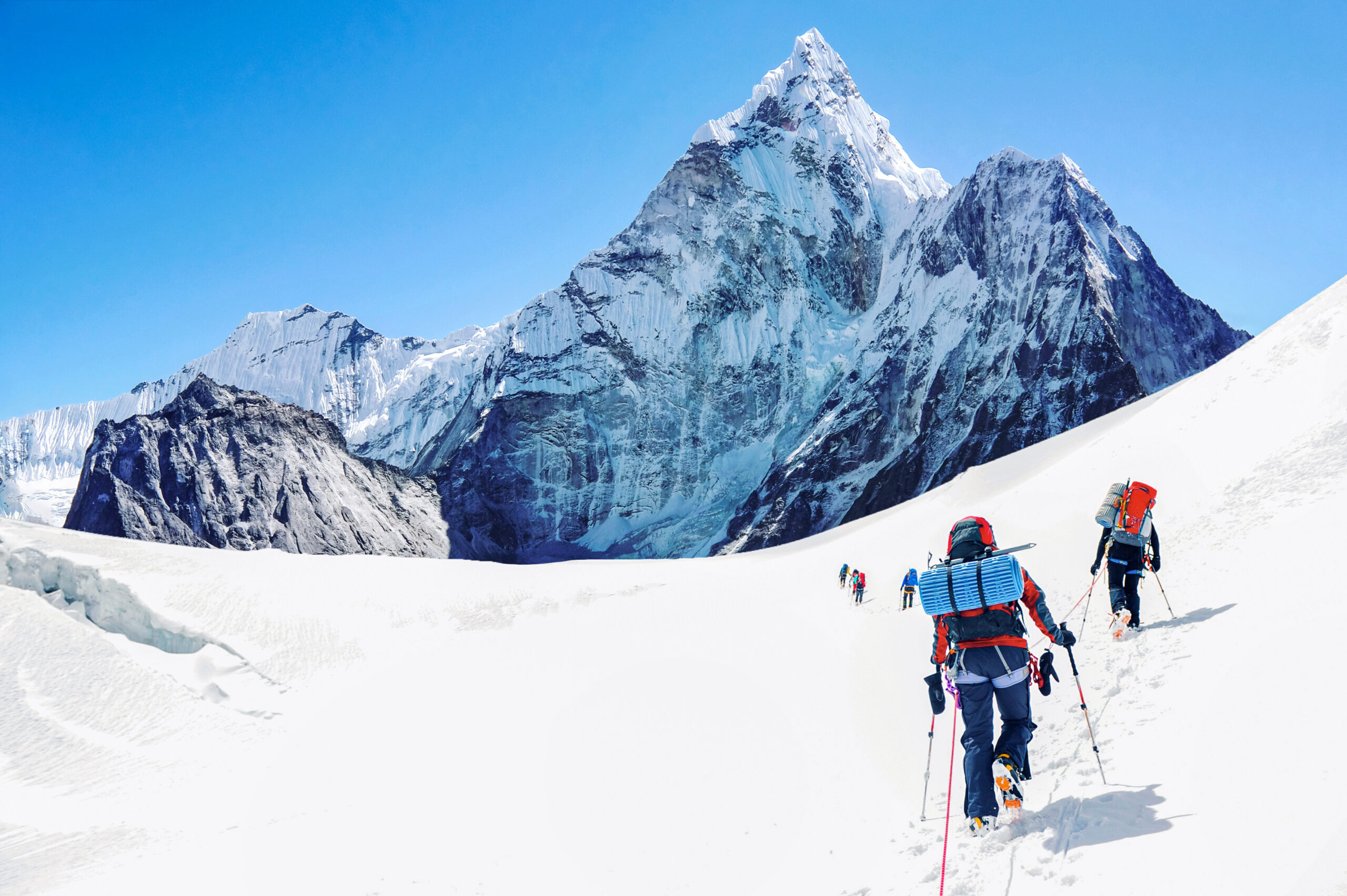
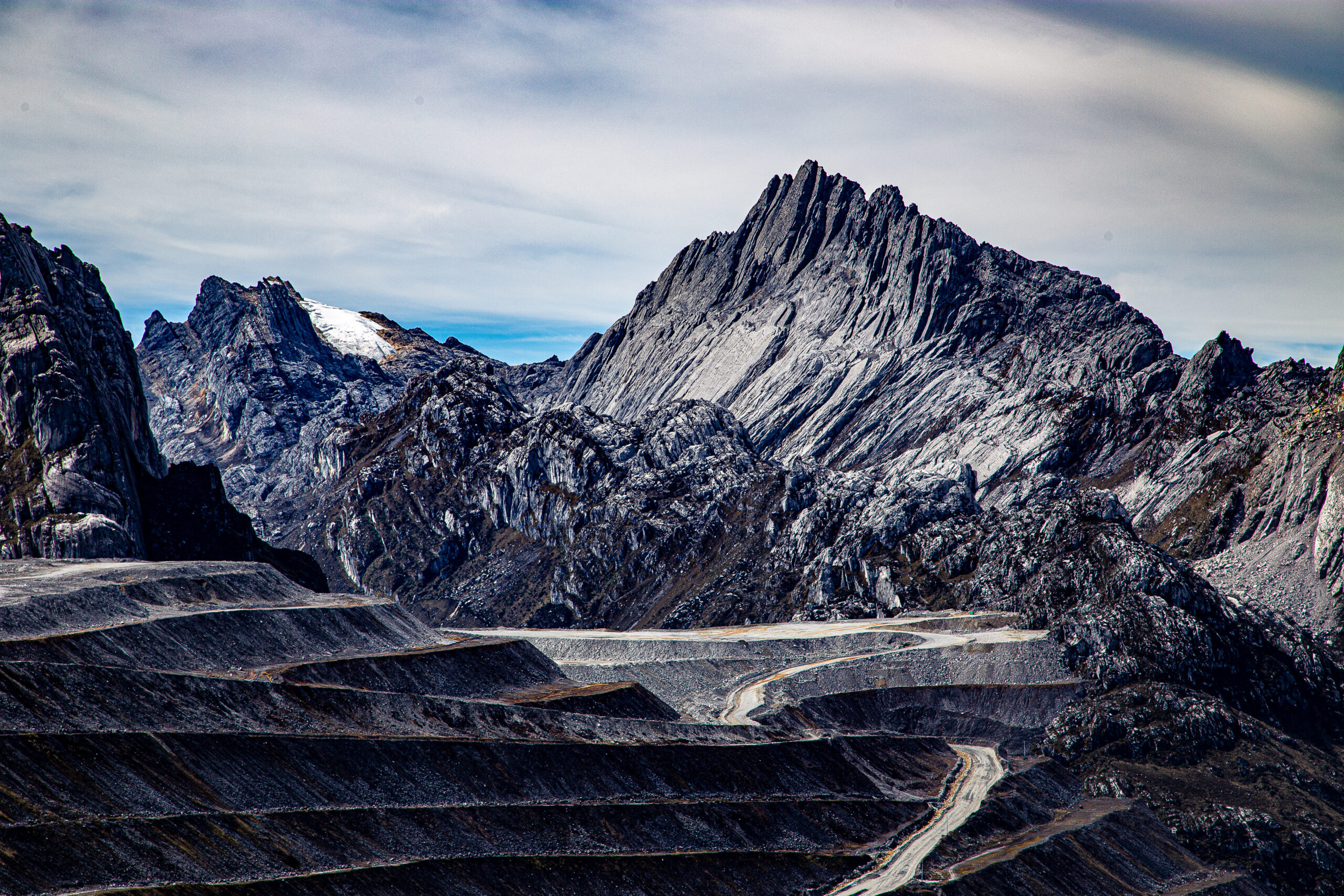
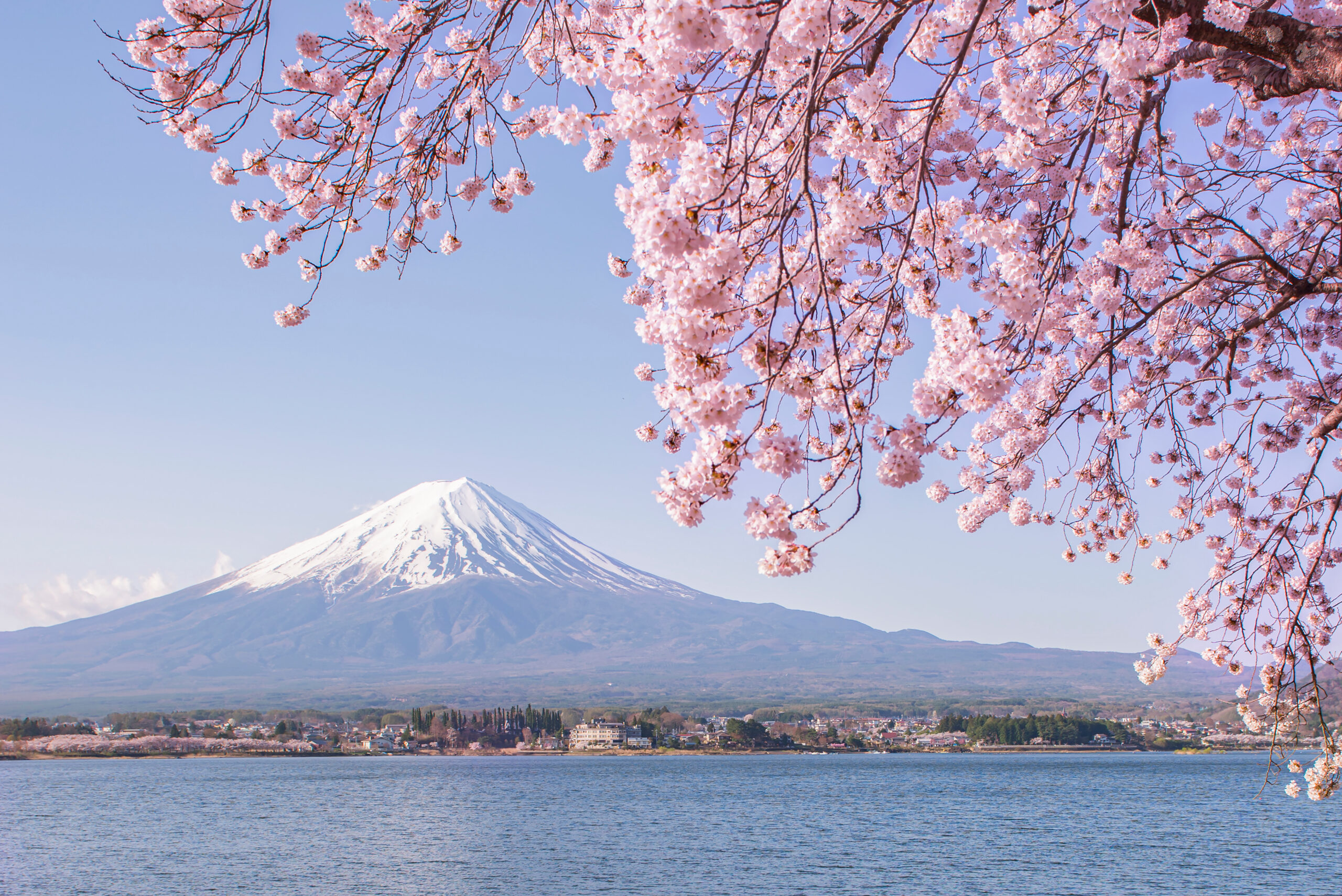
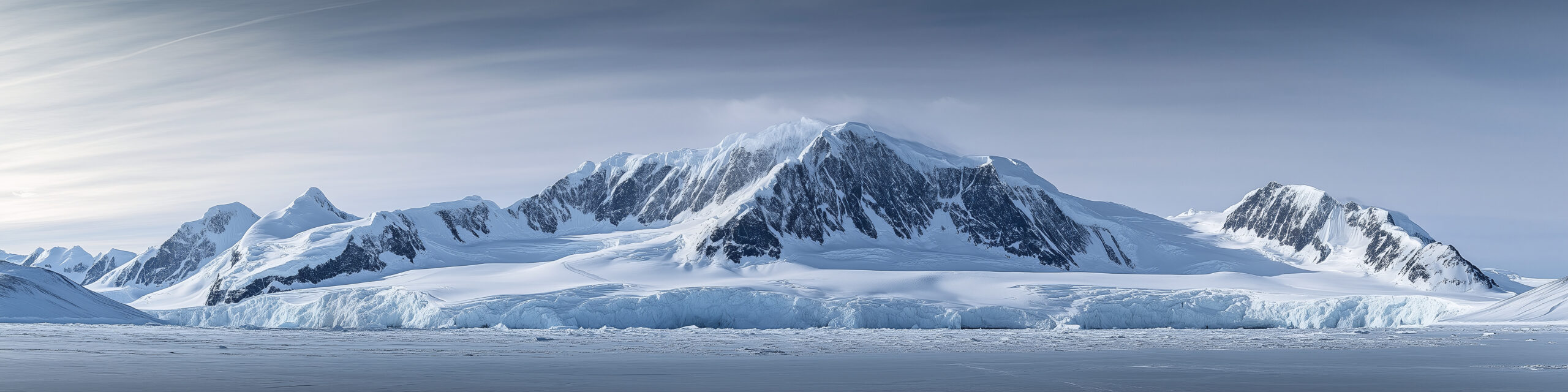
– Hero: AdobeStock_360778654-scaled.jpeg
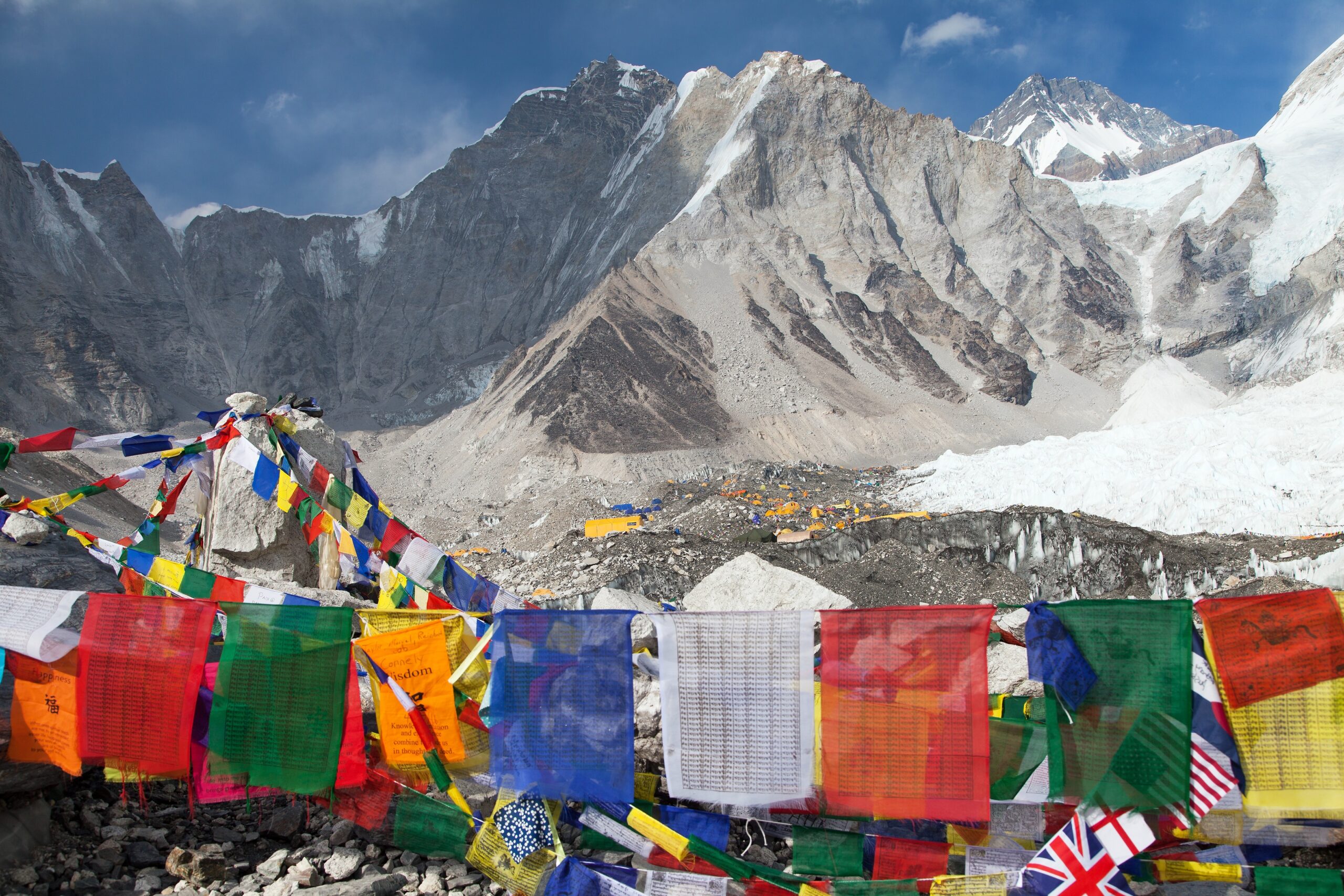
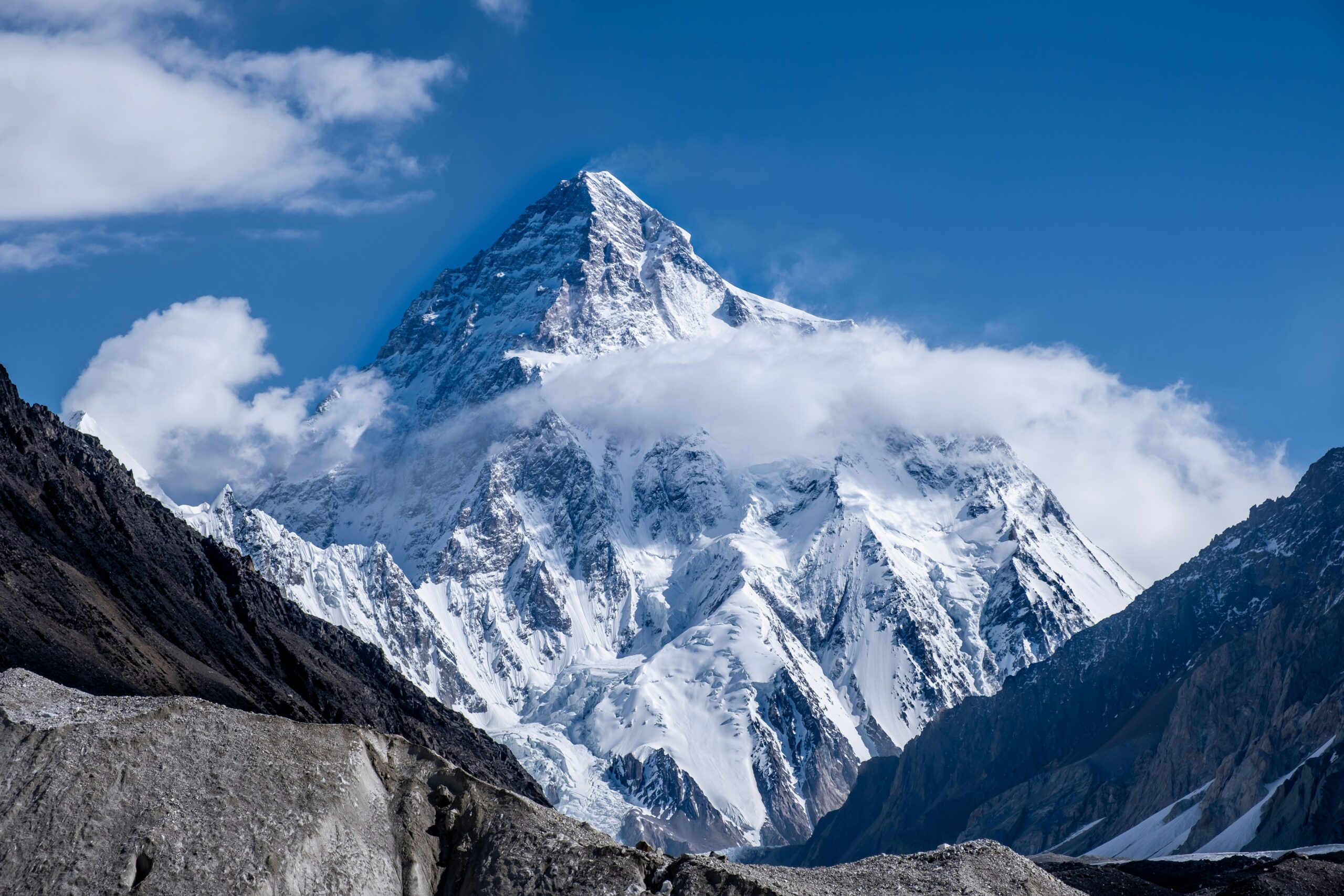
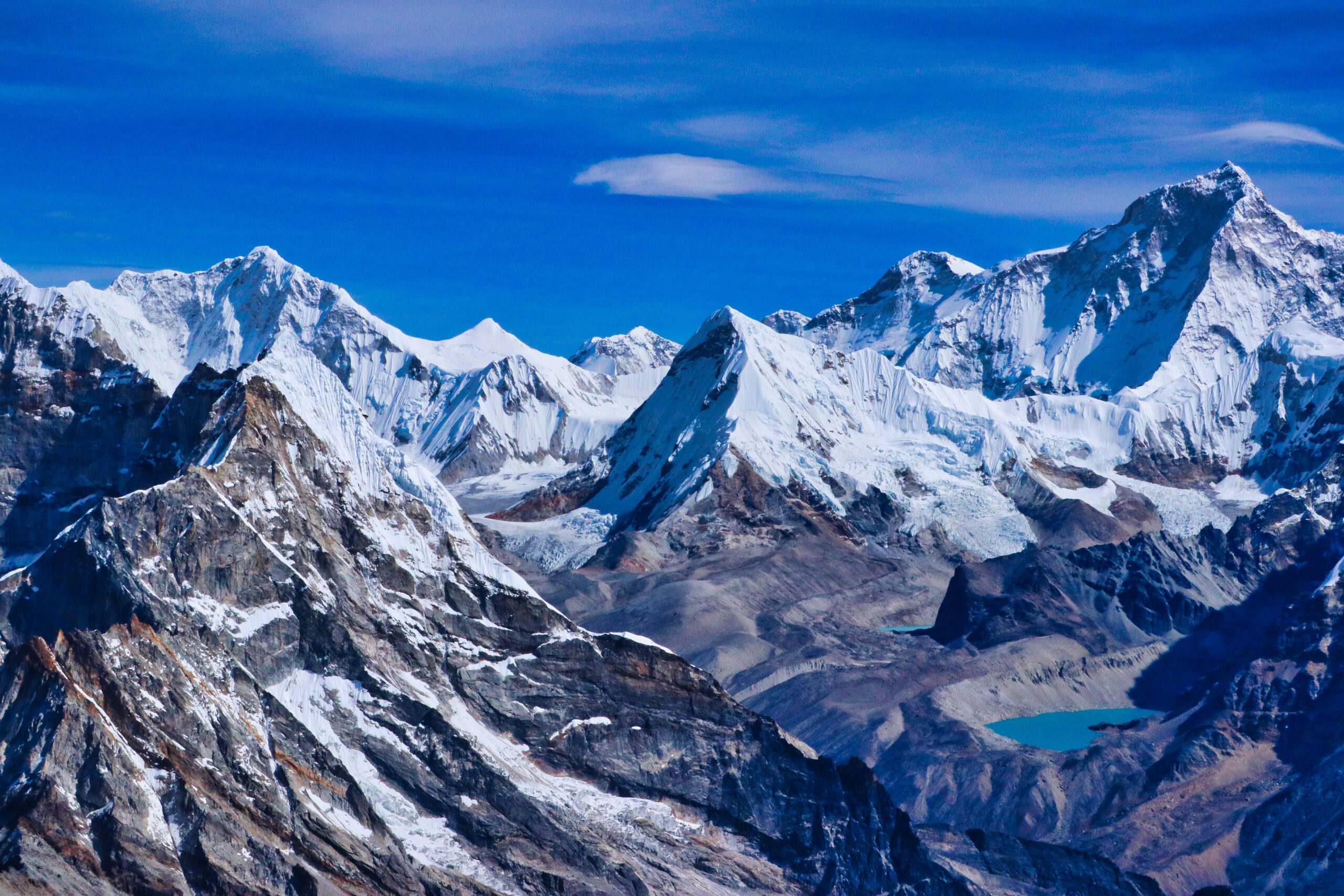
– Inline: AdobeStock_123289367-scaled.jpeg
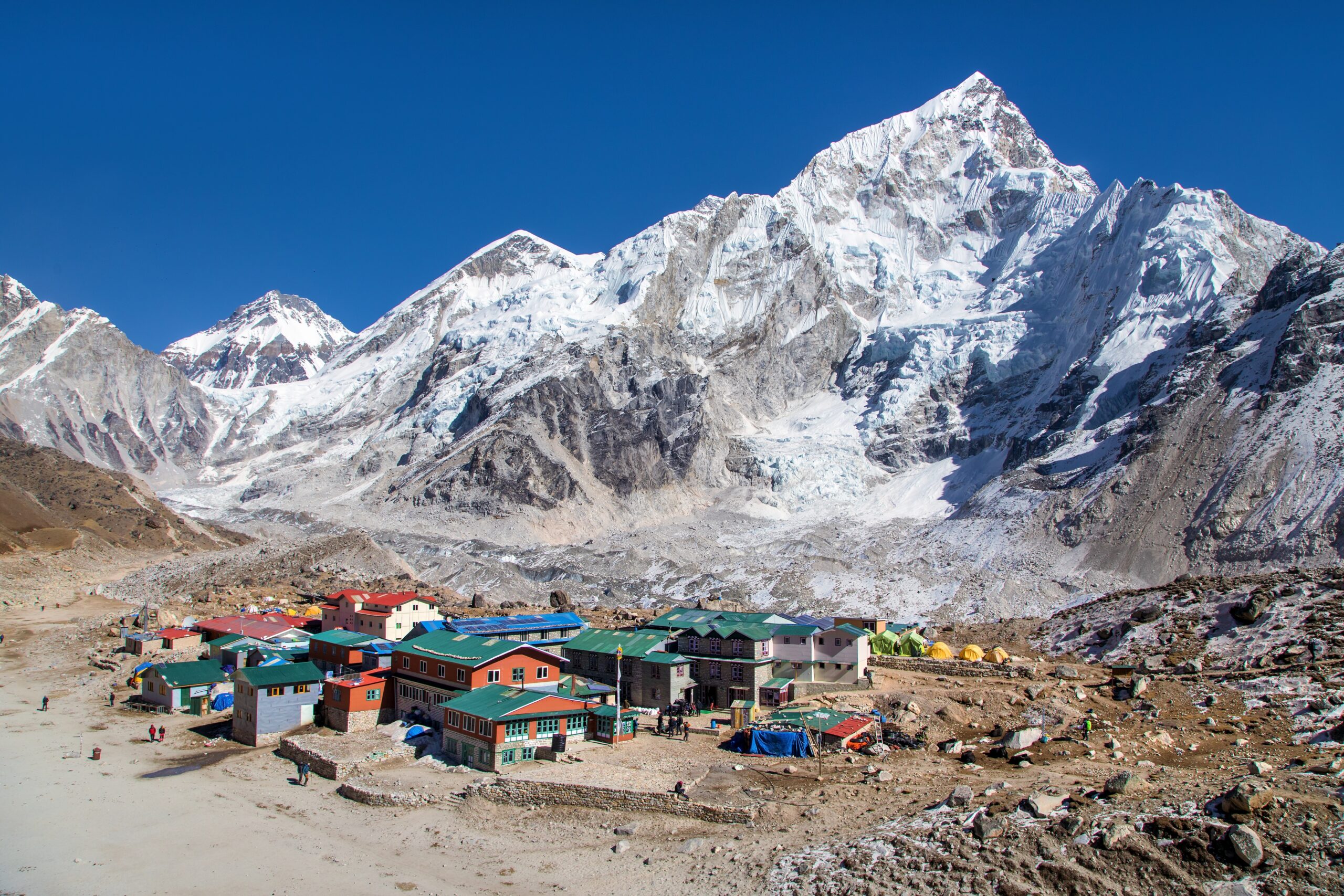
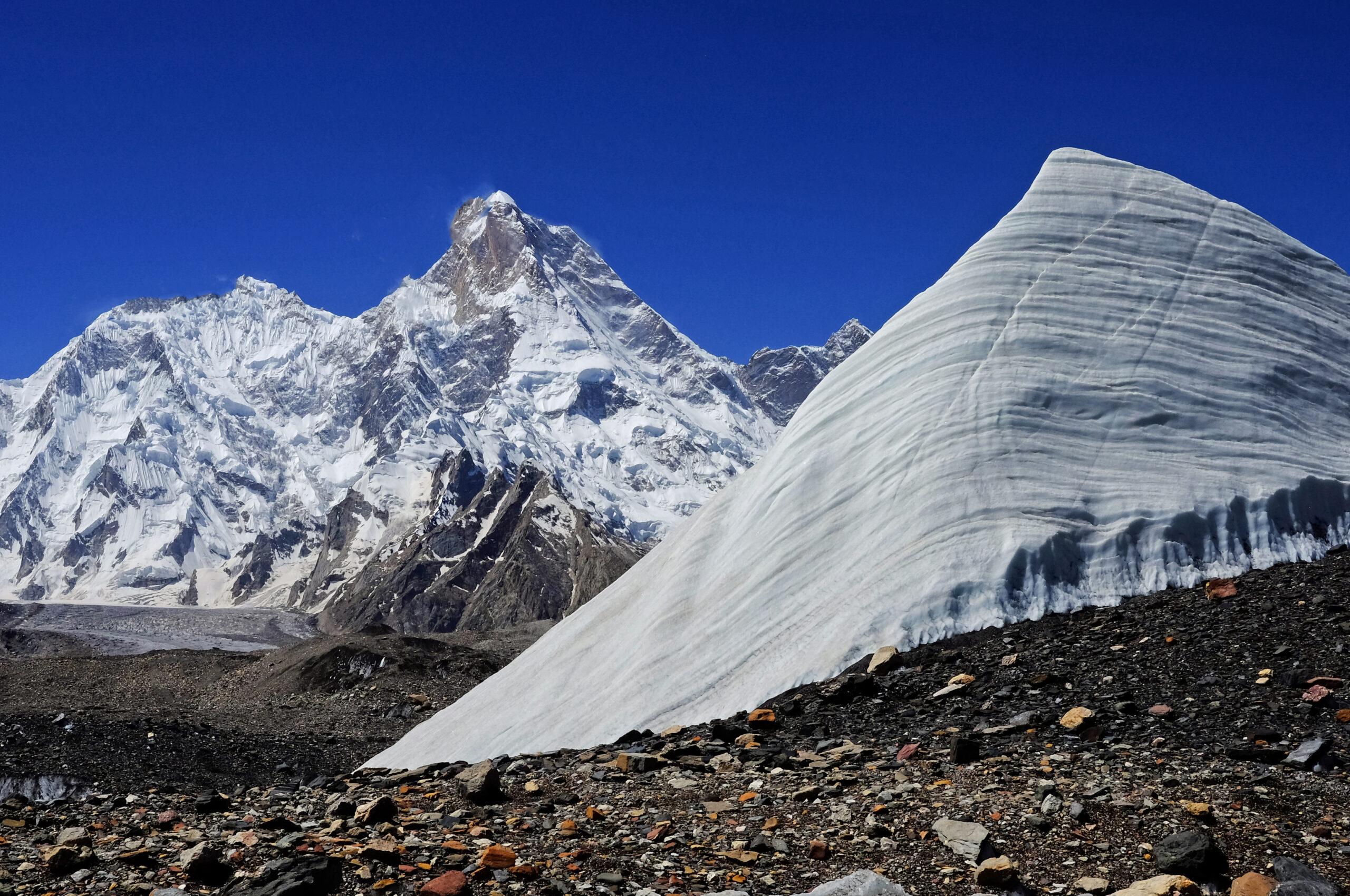
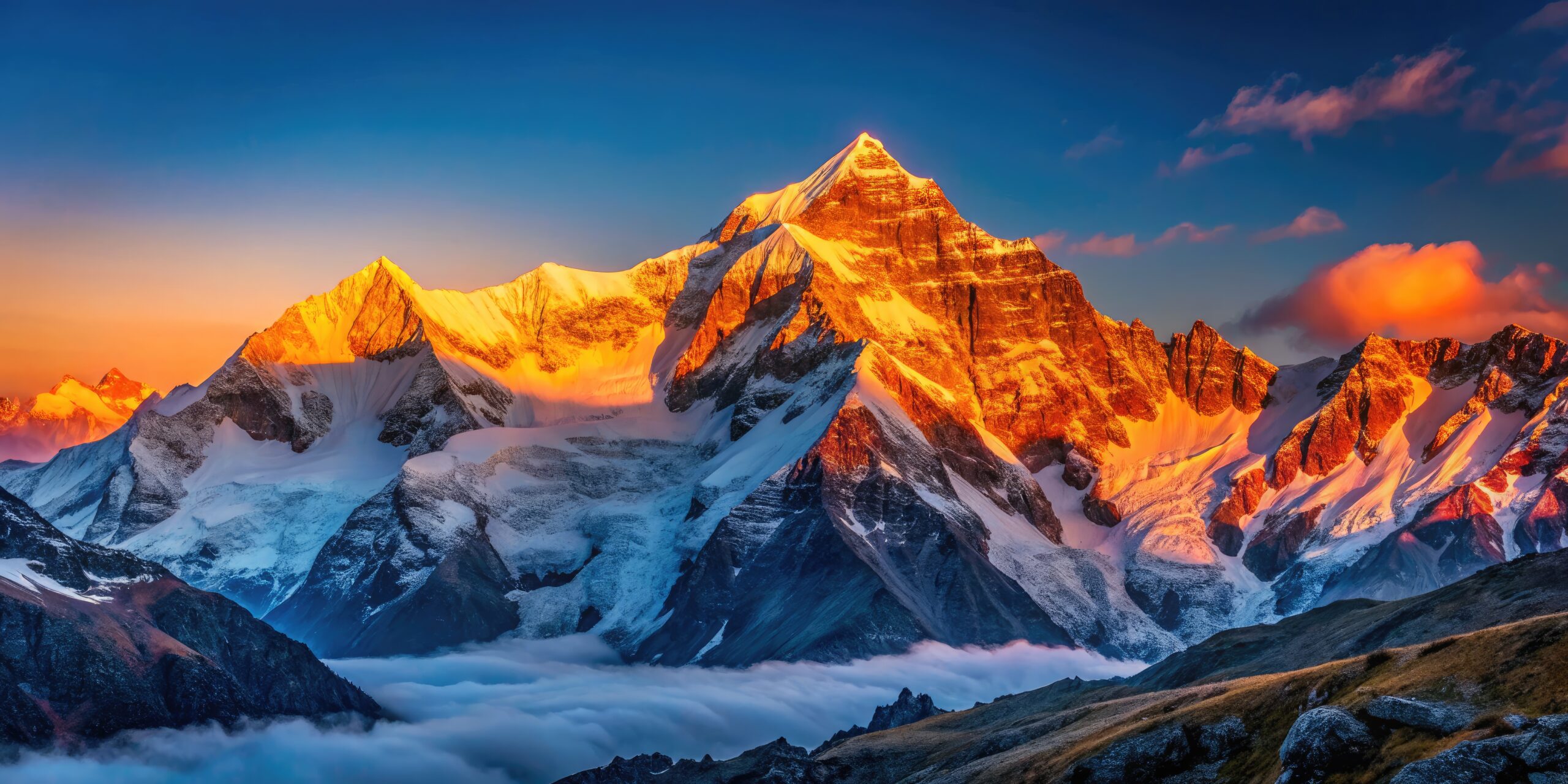
– Inline: AdobeStock_1888071831-scaled.jpeg
OWNER: og:image = AdobeStock_360778654. Captions neutral on location. SEO TITLE: Mount Everest Expedition Update 2026: Season, Routes, Permits & Conditions
META: A grounded Everest expedition update – current season status, the 2026 spring recap, routes and conditions, weather windows, the new $15,000 permit rules, and safety.
CATEGORY: Expedition Updates
TAGS: Everest, Himalaya, 8000ers, Nepal, expedition updates, climbing season, South Col route, altitude
============================================================ –> {
“@context”: “https://schema.org”,
“@type”: “Article”,
“headline”: “Mount Everest Expedition Update: Season Status, Routes, Permits and Conditions”,
“description”: “A grounded expedition update for Mount Everest (8,849 m): current season status, the 2026 spring recap, routes and conditions, weather windows, the new permit rules, and safety, with sources named.”,
“author”: {
“@type”: “Person”,
“name”: “Travis Ludlow”,
“jobTitle”: “Founder & Head of Research”,
“url”: “https://globalsummitguide.com/about/”
},
“reviewedBy”: [
{
“@type”: “Person”,
“name”: “Dawson Ludlow”,
“jobTitle”: “Climbing & Mountaineering Lead”
}
],
“publisher”: {
“@type”: “Organization”,
“name”: “Global Summit Guide”,
“url”: “https://globalsummitguide.com/”,
“logo”: {
“@type”: “ImageObject”,
“url”: “https://globalsummitguide.com/wp-content/uploads/2026/02/global-logo-new-2.png”
}
},
“datePublished”: “2026-07-21”,
“dateModified”: “2026-07-21”,
“mainEntityOfPage”: “https://globalsummitguide.com/expedition-updates/everest/”,
“articleSection”: “Expedition Updates”,
“image”: [
“https://globalsummitguide.com/wp-content/uploads/2026/04/AdobeStock_360778654-scaled.jpeg”
],
“keywords”: [
“Everest expedition update”,
“Everest season 2026”,
“Everest permit fee”,
“South Col route”,
“Everest weather window”,
“climbing Everest”
]
} {
“@context”: “https://schema.org”,
“@type”: “BreadcrumbList”,
“itemListElement”: [
{
“@type”: “ListItem”,
“position”: 1,
“name”: “Home”,
“item”: “https://globalsummitguide.com/”
},
{
“@type”: “ListItem”,
“position”: 2,
“name”: “Trip Planning”,
“item”: “https://globalsummitguide.com/trip-planning/”
},
{
“@type”: “ListItem”,
“position”: 3,
“name”: “Expedition Updates”,
“item”: “https://globalsummitguide.com/expedition-updates/”
},
{
“@type”: “ListItem”,
“position”: 4,
“name”: “Everest”
}
]
} {
“@context”: “https://schema.org”,
“@type”: “ItemList”,
“name”: “Everest expedition update – what this page tracks”,
“itemListElement”: [
{
“@type”: “ListItem”,
“position”: 1,
“name”: “Current status and next window”
},
{
“@type”: “ListItem”,
“position”: 2,
“name”: “The 2026 spring season”
},
{
“@type”: “ListItem”,
“position”: 3,
“name”: “Routes and conditions”
},
{
“@type”: “ListItem”,
“position”: 4,
“name”: “Weather and summit windows”
},
{
“@type”: “ListItem”,
“position”: 5,
“name”: “Permits and access”
},
{
“@type”: “ListItem”,
“position”: 6,
“name”: “Safety and rescue”
},
{
“@type”: “ListItem”,
“position”: 7,
“name”: “Everest by the numbers”
}
]
} {
“@context”: “https://schema.org”,
“@type”: “FAQPage”,
“mainEntity”: [
{
“@type”: “Question”,
“name”: “When is the best time to climb Everest?”,
“acceptedAnswer”: {
“@type”: “Answer”,
“text”: “Spring pre-monsoon (April to May) is the main season, when the jet stream lifts to open summit windows. Roughly 80 percent of the 2026 summits fell between May 17 and 26, a normal pattern. A smaller autumn window (September to November) exists. July is the monsoon, so the mountain is off-season.”
}
},
{
“@type”: “Question”,
“name”: “How much does an Everest permit cost now?”,
“acceptedAnswer”: {
“@type”: “Answer”,
“text”: “Since September 1, 2025, Nepal’s royalty for a foreign climber on the standard south route is $15,000 in spring, up from $11,000. Autumn is $7,500 and winter or monsoon is $3,750. Permits are valid for 55 days. With logistics, a full expedition runs from about $45,000 to over $200,000.”
}
},
{
“@type”: “Question”,
“name”: “Can you climb Everest from the Tibet side in 2026?”,
“acceptedAnswer”: {
“@type”: “Answer”,
“text”: “For the 2026 season China closed its side of Everest to foreign climbers, so nearly all foreign expeditions used the Nepal South Col route. Access on the Tibet side changes year to year, so confirm the current position with your operator and the authorities before planning around it.”
}
},
{
“@type”: “Question”,
“name”: “How high is Everest and where is it?”,
“acceptedAnswer”: {
“@type”: “Answer”,
“text”: “Everest is 8,849 m (29,032 ft), on the Nepal to Tibet border at the head of the Khumbu. The summit and the upper camps sit in the death zone above 8,000 m, where the body cannot acclimatize and time without oxygen is limited.”
}
},
{
“@type”: “Question”,
“name”: “How dangerous was the 2026 spring season?”,
“acceptedAnswer”: {
“@type”: “Answer”,
“text”: “Season chroniclers recorded around five fatalities in spring 2026, with a sixth unconfirmed as the season closed, within a normal range for the mountain. Reported causes included a fall on the Lhotse Face and illness during descent. As on most 8000ers, the descent after the summit is the highest-risk phase.”
}
},
{
“@type”: “Question”,
“name”: “What is the current status of Everest?”,
“acceptedAnswer”: {
“@type”: “Answer”,
“text”: “As of July the mountain is off-season under the monsoon, and the spring 2026 season has closed. The next window is a minor autumn season, then the main spring 2027 season. Check this page and the linked sources for the latest before planning.”
}
}
]
} @import url(‘https://fonts.googleapis.com/css2?family=Outfit:wght@300;400;500;600;700&family=DM+Serif+Display:ital@0;1&display=swap’); .eve-page{font-family:’Outfit’,sans-serif;color:#122a44;line-height:1.68;margin:0 auto;padding:0}
.eve-page *{box-sizing:border-box}
.eve-page h1,.eve-page h2,.eve-page h3,.eve-page h4{font-family:’DM Serif Display’,serif;font-weight:400;color:#091a2d;line-height:1.16}
.eve-page p{font-size:1.02rem;margin:0 0 1.08em}
.eve-page a{color:#245c8e;text-decoration:none;border-bottom:1px solid #b9cad9}
.eve-page a:hover{color:#c8812d;border-bottom-color:#c8812d} .eve-hero{overflow:hidden;background:#081826;color:#fff;margin-bottom:18px}
.eve-hero-img{position:relative}
.eve-hero-img img{width:100%;height:360px;object-fit:cover;display:block}
.eve-hero-img .cap{position:absolute;bottom:0;left:0;right:0;background:linear-gradient(transparent,rgba(8,24,38,.85));color:#dfeaf3;font-size:.72rem;font-style:italic;padding:22px 16px 8px}
.eve-hero-copy{padding:32px 40px;background:linear-gradient(135deg,#081826,#102e49 55%,#1c4a6e)}
.eve-kicker{font-size:.82rem;color:#e3a249;text-transform:uppercase;letter-spacing:1.8px;font-weight:700;margin-bottom:10px}
.eve-hero h1{color:#fff!important;font-size:1.95rem;margin:0 0 13px}
.eve-hero h1 em{color:#e3a249;font-style:italic}
.eve-hero p{color:#edf5fb;font-size:1.02rem;max-width:960px;margin:0} .eve-figure{margin:24px 0;overflow:hidden;border:1px solid #dfe6ec}
.eve-figure img{width:100%;height:auto;display:block}
.eve-figure figcaption{font-size:.82rem;color:#5e6b78;padding:10px 15px;background:#f7f9fb;font-style:italic} .eve-embed{margin:22px 0;border:1px solid #dfe6ec;background:#f7f9fb}
.eve-embed iframe{width:100%;height:400px;border:0;display:block}
.eve-embed figcaption{font-size:.82rem;color:#5e6b78;padding:10px 15px;font-style:italic} .eve-byline{background:#f7f3e9;border:1px solid #e4d5af;padding:15px 20px;margin:18px 0}
.eve-byline-top{display:flex;justify-content:space-between;gap:12px;flex-wrap:wrap}
.eve-author{font-weight:700;color:#0a1c30}
.eve-author a{border-bottom:none}
.eve-meta{font-size:.82rem;color:#74684e}
.eve-credentials{border-top:1px solid #e4d5af;margin-top:8px;padding-top:8px;font-size:.84rem;color:#5e543e;font-style:italic}
.eve-credentials strong{color:#0a1c30;font-style:normal} .eve-verdict{background:linear-gradient(135deg,#0d2e3a,#15607a);color:#fff;border:4px solid #d58a32;padding:26px 32px;margin:24px 0;box-shadow:0 8px 24px rgba(13,46,58,.28)}
.eve-verdict h2{color:#fff!important;margin:0 0 12px!important;font-size:1.3rem!important}
.eve-verdict p{color:#e9f3f6;margin-bottom:8px}
.eve-verdict p:last-child{margin-bottom:0}
.eve-verdict strong{color:#ffd683}
.eve-verdict a{color:#ffe4b0;border-bottom-color:#d58a32}
.eve-verdict a:hover{color:#fff}
.eve-tag{display:inline-block;background:#d58a32;color:#20130a;padding:4px 11px;text-transform:uppercase;letter-spacing:.6px;font-size:.76rem;font-weight:700;margin:0 6px 6px 0} .eve-stack{display:grid;grid-template-columns:repeat(3,1fr);gap:11px;margin:22px 0}
.eve-layer{background:#091a2d;border:1px solid #d58a32;padding:16px 14px;color:#fff}
.eve-layer .n{font-family:’DM Serif Display’,serif;color:#e6a750;font-size:1.35rem;line-height:1.05}
.eve-layer h4{color:#fff!important;font-size:1rem;margin:6px 0 4px}
.eve-layer p{font-size:.8rem;color:#c9d7e2;margin:0} .eve-info{padding:16px 20px;margin:20px 0;font-size:.94rem;background:#e7f0f8;border-left:5px solid #245c8e}
.eve-info strong{color:#091a2d} .eve-danger{background:#f7ddd7;border:2px solid #a63e32;border-left:7px solid #a63e32;padding:18px 22px;margin:22px 0}
.eve-danger strong{display:block;margin-bottom:5px;color:#7a2018;font-size:1.03rem}
.eve-danger p{margin:0;font-size:.93rem;color:#5c2a22} .eve-toc{background:#f7f3e9;border:1px solid #e4d5af;padding:19px 24px;margin:23px 0}
.eve-toc strong{font-family:’DM Serif Display’,serif;font-size:1.1rem;color:#091a2d}
.eve-toc ol{columns:2;column-gap:30px;padding-left:22px;margin:10px 0 0}
.eve-toc li{font-size:.9rem;margin-bottom:5px} .eve-section{background:linear-gradient(135deg,#102e49,#1c4a6e);border-left:8px solid #d58a32;color:#fff;padding:24px 30px;margin:36px 0 20px;box-shadow:0 6px 18px rgba(18,42,68,.24)}
.eve-section h2{color:#e6a750!important;font-size:1.5rem!important;margin:0 0 6px!important}
.eve-section h2 em{color:#ffd683;font-style:italic}
.eve-section p{color:#edf5fb;margin:0;font-size:.95rem}
.eve-content h3{font-size:1.2rem;margin:22px 0 8px;color:#091a2d} .eve-card{background:#f7f9fb;border:1px solid #dfe6ec;border-left:6px solid #245c8e;padding:16px 20px;margin:13px 0}
.eve-card h3{margin:0 0 6px;font-size:1.08rem}
.eve-card p{font-size:.94rem;margin:0} .eve-table{width:100%;border-collapse:collapse;margin:18px 0;font-size:.92rem}
.eve-table caption{text-align:left;font-size:.82rem;color:#5e6b78;font-style:italic;margin-bottom:6px}
.eve-table th{background:#102e49;color:#fff;text-align:left;padding:10px 14px;font-weight:600;font-family:’Outfit’,sans-serif}
.eve-table td{padding:9px 14px;border-bottom:1px solid #e4d5af}
.eve-table tbody tr:nth-child(odd){background:#f7f3e9} .eve-check{background:#eef4ee;border:1px solid #cfe0cf;padding:18px 22px;margin:20px 0}
.eve-check h3{margin:0 0 8px}
.eve-check ul{margin:0;padding-left:20px}
.eve-check li{font-size:.93rem;margin-bottom:6px}
.eve-check li strong{color:#2e6b3e} .eve-cluster{background:#f7f3e9;border:1px solid #e4d5af;border-left:6px solid #d58a32;padding:20px 24px;margin:26px 0}
.eve-cluster h3{margin:0 0 3px;font-size:1.2rem;color:#091a2d}
.eve-cluster .sub{font-size:.85rem;color:#5e6b78;margin:0 0 13px}
.eve-cluster-grid{display:grid;grid-template-columns:1fr 1fr;gap:10px}
.eve-cluster-grid a{display:block;background:#fff;border:1px solid #e4d5af;padding:12px 15px;color:#091a2d;font-weight:600;font-size:.95rem}
.eve-cluster-grid a:hover{border-color:#d58a32;color:#b06a15}
.eve-cluster-grid a span{display:block;font-weight:400;font-size:.82rem;color:#5e6b78;margin-top:3px} .eve-cta{background:linear-gradient(135deg,#102e49,#1c4a6e);border-left:8px solid #d58a32;color:#fff;padding:24px 30px;margin:28px 0;box-shadow:0 6px 18px rgba(18,42,68,.24)}
.eve-cta h2{color:#e6a750!important;font-size:1.5rem!important;margin:0 0 8px!important}
.eve-cta p{color:#edf5fb;margin:0 0 10px}
.eve-cta a{color:#ffe4b0;border-bottom-color:#d58a32}
.eve-cta a:hover{color:#fff}
.eve-disclose{font-size:.78rem;color:#9db6cd;margin:0} .eve-eeat{background:#f1f5f8;border:1px solid #cbd9e5;border-left:5px solid #245c8e;padding:19px 22px;margin:22px 0}
.eve-eeat h3{margin:0 0 8px;font-size:1.08rem}
.eve-eeat p{font-size:.9rem;margin:0} .eve-sources{background:#f7f3e9;border:1px solid #e4d5af;padding:19px 24px;margin:22px 0}
.eve-sources h3{margin:0 0 8px;font-size:1.08rem}
.eve-sources ul{margin:0;padding-left:20px}
.eve-sources li{font-size:.87rem;margin-bottom:6px;color:#4a5b6d} .eve-faq{background:#f7f3e9;margin-bottom:10px;padding:14px 18px}
.eve-faq h3{font-size:1.05rem;margin:0 0 7px}
.eve-faq p{font-size:.93rem;margin:0} .eve-related{background:#f7f3e9;padding:22px 24px;margin:26px 0}
.eve-related h3{margin:0 0 10px}
.eve-related ul{columns:2;column-gap:26px;padding-left:20px;margin:0}
.eve-related li{margin-bottom:8px;font-size:.92rem} @media(max-width:820px){
.eve-hero-img img{height:210px}
.eve-hero-copy{padding:22px 20px}
.eve-hero h1{font-size:1.4rem}
.eve-stack,.eve-cluster-grid{grid-template-columns:1fr}
.eve-toc ol,.eve-related ul{columns:1}
.eve-section,.eve-cta{padding:20px}
.eve-embed iframe{height:320px}
}
Everest is 8,849 m (29,032 ft), the highest point on earth, on the Nepal to Tibet border. This page tracks its season, and links to live weather below.
Expedition Updates · Himalaya
Mount Everest expedition update
Where Everest stands this season, plus routes, weather windows, the new permit rules, and what the 2026 spring season told us. A single-mountain page in our Expedition Updates directory. Elevations in metres (feet).
By Travis Ludlow, Founder & Head of Research · Safety review: Dawson Ludlow
Updated Jul 21, 2026 · Season status refreshed monthly · ~10 min read
Single-mountain expedition update. Figures are grounded in Nepal Department of Tourism data, the Himalayan Database, and season reporting, with sources named below. Reviewed for safety by Dawson Ludlow, Climbing & Mountaineering Lead (Wilderness First Aid). Seasonal status is a planning signal, not a live safety clearance; confirm conditions with your operator before committing.
Current statusOff-season8,849 m (29,032 ft)
Off-season now. The spring 2026 season has closed.
July is the monsoon in the Nepal Himalaya, so Everest is off-season and quiet. The main climbing window is spring (April to May); a smaller autumn window runs September to November. The next real opportunity is a minor autumn 2026 season, then the main spring 2027 season.
Spring 2026 was, by the reckoning of season chroniclers, a fairly normal year despite early delays and erratic winds. The detail is below, and live weather sits further down the page.
8,849 m
Summit (29,032 ft)
The highest point on earth, in the death zone above 8,000 m.
Apr to May
Main season
Spring pre-monsoon, when the jet stream lifts off the summit.
South Col
Standard route
The Nepal side line; the Tibet North Ridge was closed to foreigners in 2026.
Everest sits on the border of Nepal and Tibet at the head of the Khumbu, and it is the most watched mountain on earth each spring. This page is the update view: where the mountain is in its calendar right now, what the last season showed, and the practical rules that changed. For the full background guide to routes, history, and preparation, see our Everest guide, and for the wider picture across ranges, the Expedition Updates dashboard.
Where the mountain is today, and when the next real climbing window opens.
Right now Everest is out of season. The summer monsoon brings heavy snow and unstable conditions to the Nepal Himalaya, and no commercial expeditions run on the standard route in July. The mountain reopens in stages: a modest autumn window (September to November), which sees far fewer climbers than spring, and then the main event, the spring pre-monsoon season (April to May), when the great majority of ascents happen. If you are planning, spring 2027 is the season to build toward, with autumn 2026 an option for those who want a quieter mountain and can accept a lower success rate.
Planning horizon. Most operators open spring bookings a year or more ahead, and Nepal now caps permit validity at 55 days, so build your acclimatization and travel schedule around a late-April arrival for a mid-to-late-May summit push. Start with altitude acclimatization and fitness standards.
The 2026 spring season
The most recent completed season, and what it tells planners.
The 2026 spring season closed as what independent chroniclers called a fairly normal year, even though the headlines were dramatic. It opened with a problem in the Khumbu Icefall, where a large, unstable serac blocked the route below Camp I and held up operations for weeks while the icefall doctors reworked the line. Winds were awkward through much of May, with an erratic jet stream that kept the summit forecast shifting. Once a window opened, the crowds moved fast: around 1,000 summits were recorded for the season, with roughly 80 percent of them falling between May 17 and 26, and one day alone seeing well over 250 people top out. Those totals are preliminary, and the Himalayan Database publishes the definitive figures later in the year.
Two access stories shaped the season. Nepal’s higher permit fee, in force since September 2025, took effect for a full season for the first time, and permit numbers held steady while revenue set a record. On the other side of the mountain, China closed the Tibet approach to foreign climbers, which pushed nearly all foreign expeditions onto the Nepal South Col route. A rapid-ascent method using xenon gas to speed acclimatization also drew scrutiny after a small team completed the climb in a matter of days.
Mount Everest, at the head of the Khumbu on the Nepal to Tibet border. Map: OpenStreetMap contributors.
Routes and conditions
The two standard lines, and where each stood this year.
South Col, Southeast Ridge (Nepal)
The standard commercial route and the line of the 1953 first ascent. It climbs through the Khumbu Icefall, the Western Cwm, and the Lhotse Face to the South Col at about 7,900 m (25,900 ft), then up past the Balcony and the Hillary Step to the summit. In 2026 this carried nearly all foreign traffic. The Icefall serac early in the season was the main conditions story.
North Ridge, Northeast Ridge (Tibet)
The other standard line, from the Tibetan side via the North Col and the ridge above. It avoids the Khumbu Icefall but is colder and more exposed to wind. For the 2026 season China closed this side to foreign climbers, so plan around the Nepal route and confirm the Tibet position before counting on it.
Weather and summit windows
How the window works, plus a live forecast for the summit area.
Everest’s season is dictated by the jet stream. Through winter, jet-stream winds scour the summit at speeds no climber can survive. In spring, as the monsoon approaches from the south, that wind lifts away for short spells, opening the summit windows teams wait for at high camp. Those windows are brief and often bunched, which is why the 2026 summits clustered so tightly in the second half of May. The live map below shows current wind and conditions for the summit area; treat it as a starting point and rely on a dedicated expedition forecast for any real decision.
Live wind and weather for the Everest summit area. Source: Windy.com. For how to read it, see our mountain-weather guide.
For a fuller explanation of jet-stream timing, pressure, and reading a mountain forecast, see mountain weather for climbers.
Permits and access
The rules changed in 2025. Here is what a foreign climber pays and needs now.
Nepal raised its Everest royalty on September 1, 2025, the first increase since 2015. For a foreign climber on the standard south route, the spring fee rose from $11,000 to $15,000 per person, with the other seasons increased in step. The royalty is the government fee only; it is separate from operator, Sherpa, oxygen, and logistics costs, which bring a full expedition to roughly $45,000 at the budget end and well over $200,000 for a luxury service.
Nepal Everest royalty, foreign climber, standard south route, per person (from Sep 1, 2025).
Season
Royalty
Spring (Mar to May) – main season
$15,000
Autumn (Sep to Nov)
$7,500
Winter (Dec to Feb)
$3,750
Monsoon (Jun to Aug)
$3,750
What else changed
Permit validity cut to 55 days – down from 75, so plan a tighter schedule.
Guide mandate above 8,000 m – a licensed guide is required, at a ratio of one per two climbers.
Waste rules – climbers must carry out their own waste, with biodegradable bags checked at base camp.
Tibet side – closed to foreign climbers for the 2026 season; confirm the current position before planning that route.
Safety and rescue
What the 2026 season showed about where the risk really sits.
Season chroniclers recorded around five fatalities on Everest in spring 2026, with a sixth unconfirmed as the season closed, within a normal range for a busy year. Reported causes included a fall on the Lhotse Face below Camp 3 and illness striking a climber during the descent after a successful summit. That pattern is the enduring lesson of the mountain: the descent, when climbers are exhausted, low on oxygen, and past their summit goal, is the highest-risk phase, and most trouble happens on the way down rather than up.
⚠ The death zone is not a place to improvise
Everything above 8,000 m sits in the death zone, where the body cannot acclimatize and every hour without supplemental oxygen erodes judgment and strength. Turn-around times, oxygen planning, and a guide who will enforce both matter more than summit fever. This page is not medical advice; build your altitude plan with our acclimatization guide and a physician.
Summit windows on Everest are brief and often bunched, which concentrates traffic on a handful of days each May.
Everest by the numbers
The context behind a single season, from grounded records.
1953
First ascent
Tenzing Norgay and Edmund Hillary, May 29, via the South Col.
9,800+
Ascents from Nepal
Total summits from the Nepal side since 1953, per the Department of Tourism.
~1,000
Summits in 2026
Preliminary spring total; the Himalayan Database confirms figures later.
The Everest massif sits among the highest peaks on earth, several of which share its approaches and seasons.
Everest update FAQ
The questions planners ask most about timing, cost, and conditions.
When is the best time to climb Everest?
Spring pre-monsoon (April to May) is the main season, when the jet stream lifts to open summit windows. Roughly 80 percent of the 2026 summits fell between May 17 and 26, a normal pattern. A smaller autumn window (September to November) exists. July is the monsoon, so the mountain is off-season.
How much does an Everest permit cost now?
Since September 1, 2025, Nepal’s royalty for a foreign climber on the standard south route is $15,000 in spring, up from $11,000. Autumn is $7,500 and winter or monsoon is $3,750. Permits are valid for 55 days. With logistics, a full expedition runs from about $45,000 to over $200,000.
Can you climb Everest from the Tibet side in 2026?
For the 2026 season China closed its side of Everest to foreign climbers, so nearly all foreign expeditions used the Nepal South Col route. Access on the Tibet side changes year to year, so confirm the current position with your operator and the authorities before planning around it.
How high is Everest and where is it?
Everest is 8,849 m (29,032 ft), on the Nepal to Tibet border at the head of the Khumbu. The summit and the upper camps sit in the death zone above 8,000 m, where the body cannot acclimatize and time without oxygen is limited.
How dangerous was the 2026 spring season?
Season chroniclers recorded around five fatalities in spring 2026, with a sixth unconfirmed as the season closed, within a normal range for the mountain. Reported causes included a fall on the Lhotse Face and illness during descent. As on most 8000ers, the descent after the summit is the highest-risk phase.
What is the current status of Everest?
As of July the mountain is off-season under the monsoon, and the spring 2026 season has closed. The next window is a minor autumn season, then the main spring 2027 season. Check this page and the linked sources for the latest before planning.
📋 How this update is built
This page is compiled by Travis Ludlow, Founder and Head of Research at Global Summit Guide, from Nepal Department of Tourism figures, the Himalayan Database, and independent season reporting, with sources named below. It was reviewed for safety by Dawson Ludlow, our Climbing & Mountaineering Lead (Wilderness First Aid), whose highest first-hand summit is Kilimanjaro. Where our team has no first-hand experience of Everest, we report the cited records rather than personal anecdote, and we mark preliminary figures as preliminary.
Sources and further reading
Nepal Department of Tourism, Mountaineering Section – climbing permits, royalty rates, and regulations.
The Himalayan Database – the definitive record of Everest ascents and fatalities, published after each season.
Kathmandu Post – reporting on the 2025 royalty revision and 2026 permit figures.
Alan Arnette – independent Everest season coverage and by-the-numbers analysis for 2026.
Sagarmatha Pollution Control Committee – Khumbu waste management and season operations.
We report published figures and named sources rather than posting unverified live conditions.
Iceland in March is the last true month of winter. Beautiful, empty, and windier than any blog seems willing to admit.
Trip Reports · Iceland
Iceland in March: what hikers should actually expect (and what the travel blogs get wrong)
We went to Iceland in March and based ourselves in Vik, on the south coast. It was cold. More than that, it was windy, and then it was cold again. The scenery was worth every gust, but almost nothing about the trip matched the green, sunlit hiking photos that fill the travel blogs. Here is the honest version, so you can plan around the Iceland that actually shows up in March.
By Travis Ludlow, Founder & Head of Research · Global Summit Guide
Published Jul 20, 2026 · Trip report · ~9 min read
First-hand trip report. Written from our own March trip to Iceland’s south coast, based in Vik, and cross-checked against current conditions, daylight, and road-closure information. Iceland’s weather changes fast, so always check vedur.is, safetravel.is, and road.is before you head out.
There is a version of Iceland that lives on travel blogs: emerald valleys, a lone hiker on a ridge in a light jacket, waterfalls under a midnight sun. It is real, and it is wonderful. It also does not exist in March. What exists in March is a low, silver light, black-and-white coastlines, and a wind that turns a short walk to a waterfall into a genuine physical effort. We loved it. But we loved it because we went in knowing what it was, and plenty of visitors do not. So before you book, here is what hiking in Iceland in March is actually like.
The honest verdict
March is winter day-hiking, not summer trekking. Plan for wind above all.
The Highlands and all the famous multi-day treks are closed and snowbound until summer. What you get instead is spectacular winter day-hiking near the open roads, the northern lights, and almost no crowds. The single biggest thing the blogs undersell is the wind, which matters more than the temperature and can flatten your plans entirely.
Go in expecting that, and Iceland in March is superb. Expect the summer postcard, and you will be cold, frustrated, and locked out of half your itinerary.
-2 to 3 C
Coastal temps
28 to 37 F, but the wind chill is the real story.
10-13 hrs
Daylight
Rising fast through the month; not the polar night.
Not lies, exactly. Just summer photos attached to a winter month.
The myth
“Iceland is a hiker’s paradise”
In summer, absolutely. In March, the interior Highlands, where the iconic multi-day treks live, are completely snowbound and the roads to them are legally closed. The hiking that remains is winter day-hiking near the coast. It is beautiful, but it is a different sport.
The myth
“It’s cold, so pack warm layers”
True but incomplete. The temperature is manageable, often hovering near freezing on the coast. The wind is what defines the day. It drives the wind chill down hard and, in a storm, can stop you walking outright. Check the wind speed as carefully as the temperature.
The myth
“Winter means barely any daylight”
That is December, not March. Daylight expands quickly through March, from about 10 hours early in the month to roughly 13 by the end, with the equinox around the 21st. You have ample time for day hikes, and the dark evenings still deliver the northern lights.
The myth
“Just follow the itinerary”
Iceland does not care about your itinerary in March. Storms close roads and cancel tours at short notice, and the local saying that if you do not like the weather you should wait five minutes is not a joke. Flexibility is not a nice-to-have. It is the plan.
The weather, honestly
March is the last true winter month, and it behaves like one.
On the south coast, where we were, daytime temperatures mostly sat between about -2 and 3 C (28 to 37 F). That sounds mild, and on a still day it is. But still days are rare. The wind is nearly constant, and it turns a pleasant reading on the thermometer into something that bites through anything not properly windproof. We had snow, rain, and sudden sun within the same hour more than once, which is entirely normal here. Inland and up high it is far colder, with the Highlands sitting well below -10 C (14 F) and storms adding snow by the metre. If you take one thing from this report, let it be that in Iceland in March you dress for and plan around the wind first, and the temperature second.
Snow, rain, and sun in the same hour is normal in March. Waterproof and windproof shells are not optional here; they are the difference between a good day and a miserable one.
What’s open and closed
The single most important planning fact: the interior is shut.
The main roads do the heavy lifting in March. The Ring Road, the Golden Circle, and the South Coast route are usually kept open and cleared, though storms can close sections temporarily and without much warning. What is firmly closed is the entire Highland interior: every F-road stays shut until summer, typically not reopening until June or July, because of deep snow and ice. That closure is what rules out the famous treks. Laugavegur, Fimmvorduhals, and the other classic multi-day hut routes are summer-only, and in March they are buried and inaccessible. If a Highland hut trek is your dream, that is a July-to-September trip, and our guides to the best first hut-to-hut hikes and one-week circuits cover Laugavegur for when you go back in the right season.
What you can actually hike
Plenty, as long as you think day hikes near the open roads, and carry traction.
South Coast waterfalls: Seljalandsfoss and Skogafoss
Short walks to two of Iceland’s great waterfalls, both just off the South Coast road. Expect sheet ice on the paths and spray that freezes fast, so microspikes and a windproof shell are essential. The staircase beside Skogafoss may be icy or partly closed.
Reykjadalur hot-spring valley
A popular day hike up a geothermal valley to a warm bathing river, doable in winter but often snowy and icy underfoot. A rewarding half day with traction and a check of conditions first.
Coastal walks near Vik: Dyrholaey and Reynisfjara
The black-sand coast around Vik is dramatic in winter and easy to reach. But treat Reynisfjara with real caution: its sneaker waves are powerful, unpredictable, and have killed visitors. Stay well back from the water and never turn your back on the sea.
Solheimajokull glacier (guided only)
You can walk on a glacier tongue in March, but only on a guided tour with crampons and a certified guide. Do not venture onto glacier ice alone; crevasses and thin snow bridges make it lethal without training and gear.
Mount Esja, near Reykjavik
The capital’s local mountain is a popular hike, but in March it is a genuine winter ascent: snow, ice, and wind increase with height. Fine for a lower stretch with traction; the full climb needs winter skills and honest judgment about conditions.
⚠ Two hazards the blogs skip
Sneaker waves. On south-coast beaches like Reynisfjara, surges rush far up the sand without warning and drag people in. People die here most years. Keep a big margin from the water.
Wind and storms. If the forecast shows a storm, do not hike, and do not drive to a trailhead to “see how it is.” Iceland’s emergency services repeat the same message every winter: when the weather says stay put, stay put.
What to bring
Get the shell and the traction right and the rest follows.
March hiking kit for Iceland
A fully windproof and waterproof shell – jacket and trousers. This is the most important item.
Microspikes or trail crampons – paths, car parks, and trails are routinely iced over.
Warm insulating layers – merino base, mid-layer, insulated jacket; wind drives the real cold.
Hat, warm gloves, and a buff – wind protection for hands and face.
Sturdy waterproof boots – with good tread under the spikes.
Daily weather and road checks – vedur.is for weather, safetravel.is for alerts, road.is for closures.
Vik, our base on the south coast. A small, snug town within easy reach of the waterfalls, black beaches, and glacier tours, and a good place to wait out a storm.
Base yourself well. We stayed in Vik and loved it. As a small south-coast town, it puts the waterfalls, black beaches, and glacier tours within an easy drive, and it is a snug place to retreat to when a storm rolls through. Pair this trip with our mountain weather and navigation guides, and browse the wider best hiking regions for when you plan the summer return.
Plan the trip
Where to stay on the south coast
Basing yourself in a town like Vik or Reykjavik keeps you close to the open roads and gives you somewhere warm to wait out a storm. Booking flexible lodging and your flights early makes a weather-dependent trip far less stressful.
Disclosure: the link below is an affiliate link. If you book through it, Global Summit Guide may earn a small commission at no extra cost to you. It does not affect what we recommend.
The questions hikers ask most before a March trip.
Can you hike in Iceland in March?
Yes, but it is winter day-hiking, not summer trekking. The Highlands and all F-roads are closed until summer, so multi-day routes like Laugavegur are out. You can do day hikes and walks near the open main roads, mostly along the South Coast and around Reykjavik, with traction for ice and a close eye on the weather.
How cold is Iceland in March?
Coastal temperatures hover around -2 to 3 C (28 to 37 F), but wind is relentless and the wind chill makes it feel far colder. The Highlands are much colder, often -10 to -20 C (14 to -4 F). The wind matters more than the number on the forecast.
How much daylight does Iceland get in March?
Far more than its reputation suggests: about 10 hours early in the month rising to around 13 by the end, with the equinox near March 21. That is plenty for day hikes, and the dark evenings still offer the northern lights, especially early in the month.
Is the Laugavegur trek open in March?
No. Laugavegur and the other famous Highland treks are summer routes, typically walkable only from around late June to September. In March the interior is snowbound and the F-roads are closed. For a hut trek, come back in summer.
Do you need microspikes or crampons?
Yes. Trails, paths, and even car parks are frequently iced over, so microspikes or trail crampons over sturdy waterproof boots are close to essential, paired with a fully windproof and waterproof shell. Wind protection matters as much as insulation.
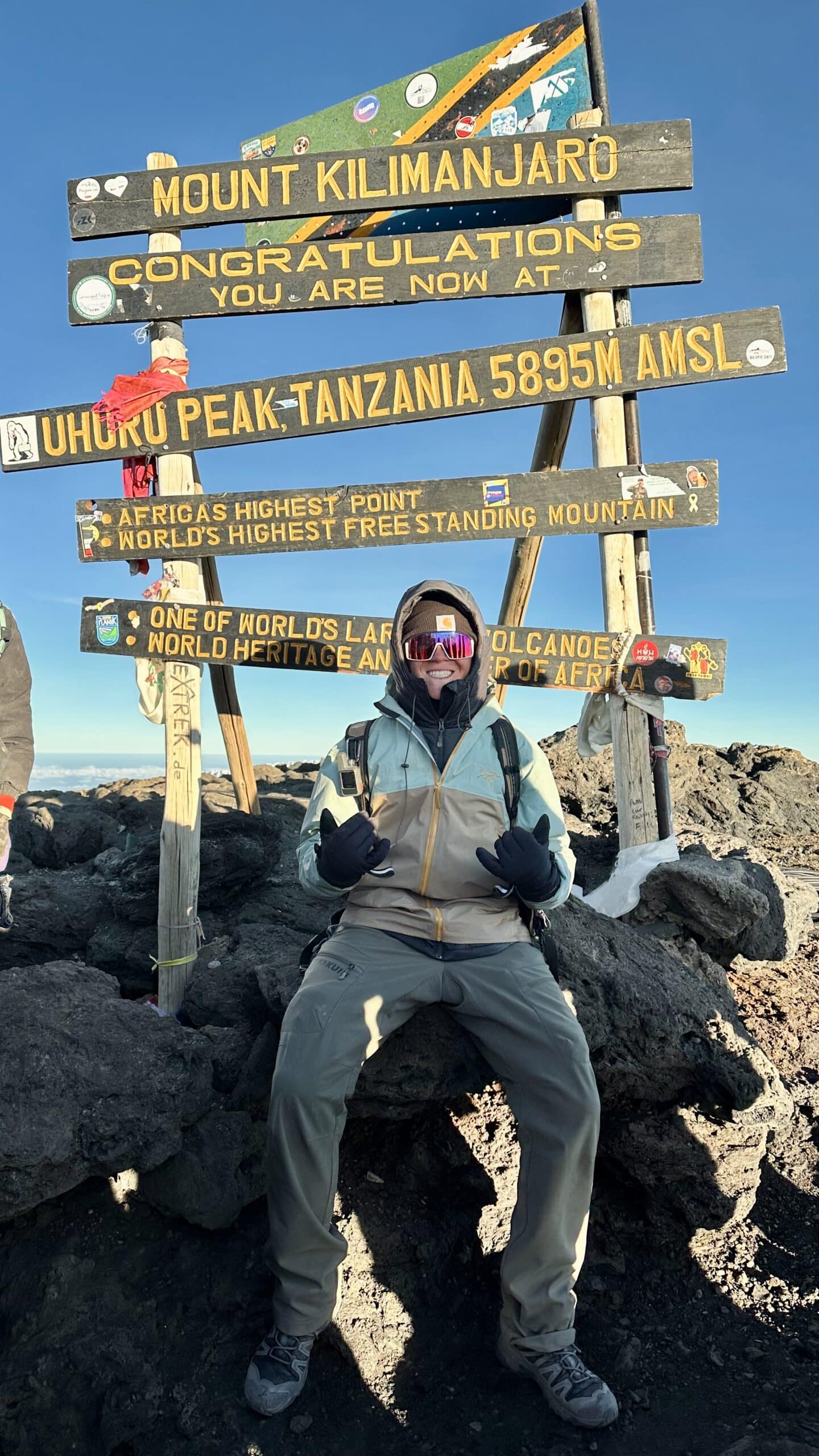
Kilimanjaro, 19,341 ft (5,895 m), via Lemosho. The roof of Africa and the highest point we have reached.
About · Our Field Experience
The real climbs behind our guides
Anyone can write about mountains. We think you deserve to know who is actually doing the climbing. This is our honest first-hand record: two dozen summits and more than forty ascents from Utah’s Wasatch Range to the roof of Africa, climbs in Patagonia and Iceland, and the high-altitude progression we are on right now. Where our guides go beyond what we have personally climbed, we tell you, and we cite our sources.
Updated Jul 27, 2026 · Our experience record · ~9 min read
Every climb on this page is first-hand and real. Elevations are verified against current geographic records. Where we have not personally climbed a peak we cover, we say so, and those guides are clearly research-based. We would rather earn your trust with an honest record than an inflated one.
The honest summary
Deep experience up to 19,000 feet, and honest about the rest.
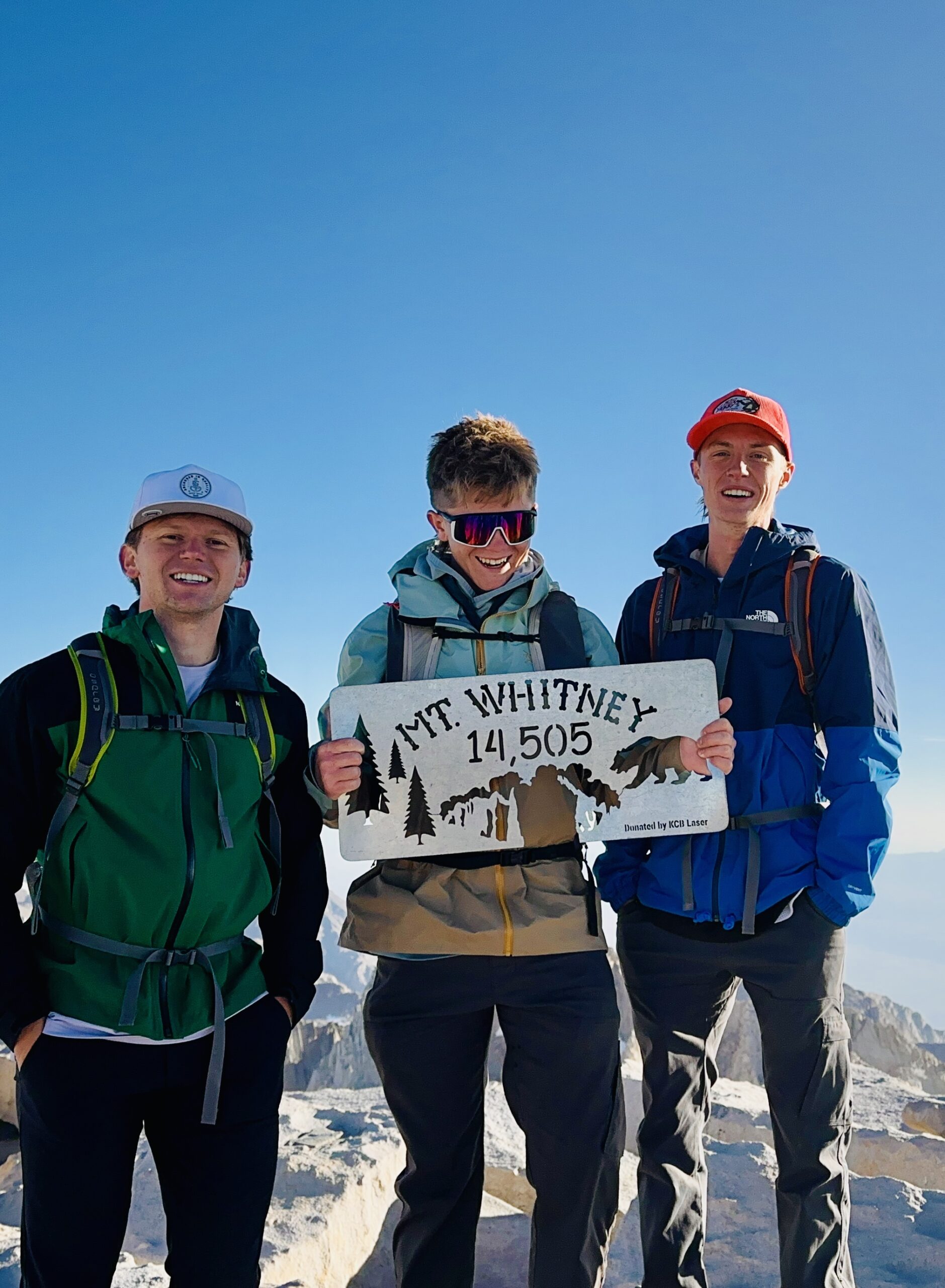
Our Climbing & Mountaineering Lead, Dawson Ludlow, has summited more than twenty distinct peaks across more than forty ascents, from repeated Wasatch classics to Kilimanjaro (19,341 ft), Mount Whitney (14,505 ft), and the glaciated Mount Hood.
With founder Travis Ludlow he has also climbed Pikes Peak, climbed in Patagonia and Iceland, and stood at the foot of Mount Fuji.
We have not summited Everest or any 8,000-meter peak, and we never pretend otherwise. Next up is a deliberate high-altitude progression: Orizaba, Cotopaxi, and Chimborazo.
The climbs that anchor our altitude and glacier experience, and inform how we write about the bigger peaks.
Kilimanjaro · via the Lemosho route
19,341 ft (5,895 m) · Tanzania · our highest summit
The roof of Africa and the highest point we have reached. A non-technical but serious high-altitude trek that taught us first-hand how altitude, pacing, and multi-day fatigue actually feel above 15,000 feet, lessons that shape our Kilimanjaro and altitude guides.
Mount Whitney
14,505 ft (4,421 m) · California · highest in the lower 48
The highest summit in the contiguous United States, a long, demanding day at altitude on the classic route.
Pikes Peak · Travis and Dawson
14,115 ft (4,302 m) · Colorado
A Colorado 14er climbed together, one of several climbs Travis and Dawson have done side by side.
Mount Hood · via Timberline
11,249 ft (3,429 m) · Oregon · glaciated volcano
Our introduction to a glaciated Cascade volcano: crampons, an alpine start, and real snow-and-ice terrain, and a direct stepping stone toward the volcanoes we are climbing next.
The Wasatch record
Utah’s Wasatch Range is our home range and the foundation of everything else. Repeated ascents in every season are where judgment is actually built.
The bulk of our experience is earned close to home, on the peaks of Utah’s Wasatch Range, climbed and re-climbed across seasons and conditions. This is where the unglamorous work of mountaineering happens: learning to read weather, pace a long climb, move on snow, and turn around when a day goes wrong. Highlights include Mount Nebo, the highest peak in the Wasatch, climbed six times; Mount Timpanogos by two different routes including the Everest Ridge; Lone Peak three times via the committing Jacob’s Ladder approach; and Kyhv Peak above Provo four times. These are not exotic objectives, but the accumulated mileage across dozens of ascents is exactly the kind of experience that makes the difference between writing about mountains and knowing them.
Out on the mountain. First-hand time in real terrain, across seasons and conditions, is where the judgment behind our guides is actually built.
The full summit table
Every peak in our first-hand record, with verified elevations and the number of ascents. Grouped by elevation band.
Twenty-four distinct summits, forty-two total ascents. The repeated climbs matter as much as the list: six trips up Mount Nebo and four up Kyhv Peak represent real, seasonal familiarity, not a one-time tick. Elevations are verified against current records; Big Baldy is listed without a precise figure rather than guess at which of Utah’s several Big Baldys applies.
International climbing
Beyond the summits above, Travis and Dawson have sought out mountain terrain around the world.
Our experience is not confined to North America. Together, Travis and Dawson have climbed in Patagonia, the wild, weather-battered mountains at the southern end of South America, and in Iceland, a landscape of glaciers, volcanoes, and fast-changing conditions. They have also spent time at the base of Mount Fuji in Japan. We are precise about that last one on purpose: we explored Fuji’s lower slopes rather than standing on its summit, and it matters to us to describe experience exactly as it happened. Time in these ranges, on very different rock, ice, and weather than Utah’s, broadens the judgment we bring to writing about mountains everywhere.
What we are climbing next
Our experience is not a finished list. We are on a deliberate progression toward higher, glaciated, high-altitude volcanoes, and we will document it as it happens.
The high-altitude progression, 2026 to 2027
December 2026
Pico de Orizaba
18,491 ft (5,636 m) · Mexico
North America’s highest volcano and our next high-altitude glacier objective, building on Mount Hood.
2027
Cotopaxi
19,347 ft (5,897 m) · Ecuador
A classic glaciated Andean volcano and a step up in sustained altitude and glacier travel.
2027
Chimborazo
20,548 ft (6,263 m) · Ecuador
Ecuador’s highest peak and the farthest point from the center of the Earth, our first objective above 20,000 feet.
These are goals, not achievements, and we will report honestly on how the preparation and the climbs actually go. Follow the same path in our progression plans and expedition training guides.
Our honesty policy
Global Summit Guide covers mountains far higher and more technical than we have personally climbed, including Everest, K2, and the 8,000-meter peaks. We will never blur the line between what we have done and what we have researched. Our first-hand summits top out at Kilimanjaro; everything above that is research-based synthesis drawn from the Himalayan Database, the American Alpine Club, expedition operators, and published accounts, and we cite those sources.
We believe this honesty makes us more useful, not less. It means you can trust that when we describe how something feels, we have felt it, and when we are working from research, we say so. That is the standard we hold every page on this site to.
Experience FAQ
The questions readers ask about who is behind the guides.
Has the team summited Everest or the 8,000-meter peaks?
No, and we say so plainly. Our highest summit is Kilimanjaro at 19,341 feet. Our 8,000-meter guides are research-based syntheses from the Himalayan Database, the American Alpine Club, operators, and published accounts, with sources cited.
What is the team’s highest summit?
Kilimanjaro, 19,341 feet (5,895 m), via Lemosho. Then Mount Whitney (14,505 ft), Pikes Peak (14,115 ft), and Mount Hood (11,249 ft), plus more than twenty Wasatch summits.
How does this experience make your guides more reliable?
First-hand time teaches what no database can: how altitude feels, how fast weather turns, how fatigue erodes judgment on descent. That shapes how we frame difficulty, training, and risk, even for peaks higher than we have climbed, where we are transparent that the work is research-based.
What are you climbing next?
A high-altitude progression: Pico de Orizaba (18,491 ft) in December 2026, then Cotopaxi (19,347 ft) and Chimborazo (20,548 ft) in 2027. Glaciated volcanoes that build directly on Kilimanjaro and Mount Hood.
Who does the climbing?
Primarily Dawson Ludlow, our Climbing & Mountaineering Lead, with founder Travis Ludlow climbing alongside him, including Pikes Peak and climbs in Patagonia and Iceland. Health and altitude content is reviewed by Taylor Ludlow, RN.
About Global Summit Guide
Dawson Ludlow, Climbing & Mountaineering Lead · Travis Ludlow, Founder & Head of Research
Global Summit Guide is an independent mountaineering resource built on a simple principle: earn trust by being honest about what we know first-hand and what we have researched. This page is our experience record, and we keep it current as we climb. Health and altitude content is reviewed by Taylor Ludlow (Registered Nurse), and gear by Walker Ludlow. Read more about the team and mission.
Current access · Central Papua · Updated September 4, 2026
Puncak Jaya 2026: Permit Realities, Helicopter Access and the Go/No-Go Decision
Carstensz Pyramid is operating commercially in 2026, but it is not an ordinary open-trailhead climb. A viable expedition depends on operator-managed permissions, a legal Indonesia entry status, current Central Papua security acceptance, helicopter movement from Timika, weather and insurance that actually covers the trip.
Carstensz is operating. Access is still conditional.
Successful expeditions in 2026 and multiple September–October departures show that Puncak Jaya is not universally closed. But “an operator is selling a date” and “your expedition is cleared to move” are different facts. The final trip still depends on the exact team, current local permissions, the security environment, aircraft availability and weather.
For most international climbers, the practical route to a legal expedition is to book a reputable operator that controls the local permit and helicopter workflow. The climber still owns personal entry compliance, truthful documents, insurance and the decision to accept or reject the regional risk.
2026 teams have summitedFall departures advertisedNo guarantee from a departure calendar
What “ready” should mean
Your operator identifies the local operating partner and current approach.
Your passport and Indonesian entry permission fit the itinerary.
The operator confirms the team’s expedition permissions are in order.
The helicopter plan and contingency days are written down.
Your insurer confirms technical climbing, altitude, region and evacuation in writing.
You accept the cancellation and security risk after reading the contract.
Important for U.S. travelers: the U.S. State Department currently lists Central Papua and Highland Papua at Level 4 — Do Not Travel. Commercial expeditions operating in the region do not change that government advisory. Other governments also describe serious violence, attacks on aircraft and limited consular or medical support in parts of Central Papua.
The access ladder
“Open” is not one yes-or-no status.
Carstensz access moves through several gates. The farther right your expedition gets, the more useful the evidence becomes.
AdvertisedAn operator publishes a departure date and accepts inquiries or deposits.
Documents filedPassport data, photos and other team information have been submitted.
Permissions acceptedThe operator confirms the current team’s required local and expedition permissions are in place.
OperationalSecurity, aircraft, local access and weather allow movement toward the mountain.
Team movesThe helicopter actually departs Timika or the approved overland approach begins.
The first step is easy to verify online. Steps three through five are often expedition-specific and can change quickly. That is why a climber should ask for a dated operational update close to departure rather than relying on a sales page saved months earlier.
2026 field evidence
What proves that climbing is actually happening?
Successful teams are stronger evidence than marketing language. Current schedules then show whether operators intend to keep running the model into the coming months.
Adventure Indonesia summit
The local operator reported a successful international Carstensz team, evidence that legal commercial movement was taking place early in the year.
International expedition cycle
Madison Mountaineering reported another successful 2026 expedition, adding a second operating window.
Full Madison team summits
Madison reported 100% summit success. Its June 14 dispatch described Timika staging and a weather-dependent helicopter move to Yellow Valley.
Fall departures on sale
Local and international companies list helicopter-based departures from Timika, including dates from late September through late October.
Read these signals correctly: a successful June expedition proves June operations occurred. An October departure calendar proves an operator intends to run in October. Neither one guarantees your specific October flight, permit acceptance or local security condition.
Published fall 2026 operating signals
The market is unusually easy to verify this fall because several unrelated companies are publishing overlapping Carstensz windows. That does not create a government guarantee, but it is strong evidence that the Timika–Yellow Valley commercial system is actively being planned rather than merely discussed.
Operator
Published 2026 window
Current access model
What the listing proves
Summit Carstensz
Sept. 28; Oct. 2, 5, 11, 23
Helicopter from Timika
A local operator is advertising multiple near-term helicopter departures and tells clients to arrive in Timika 1–2 days early.
Alpine Ascents
Oct. 9–19
Heli in / heli out
The date is sold out, showing active client demand. Its page still warns that permitting can change at any time.
CTSS
Oct. 14–24
Shared Timika–Yellow Valley helicopter
The company is selling a current team climb while explicitly acknowledging Central Papua travel warnings.
Adventure Consultants
Oct. 14–24
Timika to base camp helicopter
The 11-day itinerary includes a contingency day and labels dates as subject to factors outside the operator’s control.
Madison Mountaineering
Oct. 15–25
Timika to Yellow Valley helicopter
The company lists a current 2026 departure after operating successful Carstensz teams earlier in the year.
Why this matters: five published schedules clustered in the same season make “Carstensz is operating commercially” a defensible statement. The correct next question is not “Is anyone climbing?” but “Has my team passed the remaining permission, security, aircraft and insurance gates?”
The mountain sits inside a complicated operating landscape
Permissions, security and aviation matter before the first fixed rope.
The technical summit is only one part of a Carstensz expedition. Reaching the climbing route requires moving through a remote Central Papua environment where local permissions, industrial infrastructure, aircraft operations and security can change the itinerary.
Who handles what
There is no useful “just buy the permit” shortcut.
Public sources do not present Carstensz as a simple self-service mountain permit with one fixed universal fee. Current commercial access is built around operators and local partners.
Item
Usually led by
What the climber should verify
Passport / identity
Climber
Validity, blank pages, names matching bookings and clean digital copies.
Indonesia visa / entry permission
Climber, with operator guidance
The visa or visitor status fits nationality, trip duration and actual activity.
Expedition / mountain permissions
Operating company / local partner
Ask for written confirmation that the current team is cleared under the operator’s legal process.
Central Papua local coordination
Local operating partner
Who is responsible for local approvals, movements and contacts if conditions change?
Helicopter movement
Operator / aviation provider
Departure point, baggage allowance, return-to-base terms, weather rules and who pays extra charter costs.
Emergency plan
Operator + climber + insurer
Who initiates rescue, who fronts payment, and what happens during a security event or non-medical extraction?
Good evidence
Full-service legal operation
A current operator states that permits, local logistics and helicopter movement are included, identifies where the expedition meets and explains what documents it needs from you.
Needs proof
“Permit is possible”
A seller says access is available but cannot identify the operating partner, exact staging city, helicopter plan, refund rules or when final clearance is expected.
Red flag
Permit-only offer
Someone offers a standalone document while leaving you to independently solve local security coordination and aviation. Current mainstream Carstensz access is not structured like a normal national-park permit purchase.
Entry is a separate gate
An Indonesia visa is not a Carstensz climbing permit.
Immigration controls entry and stay in Indonesia. The expedition operator controls or coordinates the mountain-access process. Treat them as two separate checklists.
Indonesia entry status
Indonesia currently offers multiple visitor pathways. Its official eVisa system describes a 30-day visitor/eVOA option for eligible travelers and a C1 visitor visa with an initial stay of up to 60 days. Eligibility and the correct category depend on nationality and circumstances.
Confirm the current category on the official immigration portal.
Do not assume a tourism entry product automatically authorizes every activity.
Keep the passport validity and onward/return requirements current.
Carstensz expedition access
Separate permissions and local coordination govern the expedition movement in Central Papua. Current operators commonly request passport copies and photos so the local operating team can process its requirements.
Ask the operator exactly what it files for you.
Ask when the operator considers your paperwork accepted.
Do not interpret an issued Indonesia visa as proof the mountain trip itself is cleared.
Best practice: send the operator the visa category you plan to use and ask for written confirmation that it is compatible with the trip as sold. Then verify that category independently on Indonesia’s official immigration site. If the answers conflict, resolve the conflict before flying.
Current commercial model
Timika to Yellow Valley is the critical logistics link.
Most current international programs meet in Timika and use a helicopter to reach high base camp. That shortens the expedition but concentrates risk into one weather-sensitive aviation movement.
TimikaTeam arrival, hotel, paperwork, gear check and final operational briefing.Helicopter holdAircraft waits for acceptable visibility, weather, local authorization and operational conditions.Yellow ValleyCurrent programs place base camp around 4,200–4,300 m, creating a rapid altitude jump.Summit + returnClimb, descend, then wait for the helicopter to extract the team when conditions permit.
Helicopter question
Why it matters
Get this in writing
Is the round trip included?
Some program prices include shared helicopter transport; extra or private aircraft may not be included.
Timika→base camp and base camp→Timika, plus any repositioning.
What is the baggage limit?
High-altitude aircraft payload is constrained and operator limits vary.
Your personal allowance and overweight charges.
What if weather delays the flight?
Low cloud and rain can leave a healthy team waiting in Timika or at base camp.
Included hotel/meals, maximum included delay days and costs after that point.
What if the helicopter returns to base?
A flight can launch and still be unable to complete the mission.
Return-to-base charges and who bears a second attempt.
What about emergency evacuation?
Scheduled expedition transport is not the same thing as a medically or security-driven evacuation.
Activation procedure, payment guarantee and insurer involvement.
Altitude matters immediately: current helicopter programs move from low-elevation Timika to a base camp around 4,200–4,300 m. The time saved on the approach does not create acclimatization. Current 10–11 day programs therefore build in acclimatization and several contingency days.
Security is not a footnote
An operating expedition can still sit inside a severe government warning.
This is the central Carstensz planning tension in 2026. Operator risk acceptance and government travel advice are different systems.
United States
Central Papua: Level 4
The State Department says Do Not Travel to Central Papua and Highland Papua due to civil unrest and notes limited U.S. ability to provide emergency services there.
Australia
Violence and aviation risk
Smartraveller describes regular violence in Central and Highland Papua, attacks at remote airstrips, attacks on the Grasberg–Timika road and statements that foreigners are targets.
United Kingdom
Unpredictable regional security
FCDO notes regular clashes, attacks on commercial aircraft, foreign casualties and kidnapping, limited hospital capacity and limited consular presence in the region.
These warnings do not automatically answer whether every traveler will proceed. They do change the quality of the decision. They can affect insurance validity, employer rules, evacuation options, consular expectations and the amount of financial loss a traveler should be willing to absorb.
Insurance test
“Adventure travel covered” is not enough.
Carstensz combines technical climbing, a high base camp, remote aviation and a region under serious government warnings. Each one can trigger different exclusions.
1. Is technical rock climbing covered?Ask whether fixed ropes, rappels, jumaring and the summit ridge fit the policy definition.
2. Is rescue above 4,000 m covered?Look for an explicit altitude ceiling for medical evacuation and search/rescue benefits.
3. Is Central Papua covered under the current advisory?Get a written answer that cites the exact destination and current advisory level.
4. What about civil unrest or security evacuation?Medical evacuation and security evacuation are not always the same benefit.
5. Does permit cancellation trigger trip cancellation?Many policies exclude government action, regulatory changes or foreseeable events.
6. Does weather-only helicopter delay count?A healthy climber stuck at base camp may face costs that are not medical.
7. Is the full prepaid expedition value insurable?A $25,000+ non-refundable program may exceed default trip-cost limits.
8. Who must authorize evacuation?Know whether the insurer, assistance provider or expedition leader must approve spending first.
Do not rely on a phone representative saying “yes.” Request written confirmation from the insurer or assistance provider that addresses Carstensz/Puncak Jaya, Central Papua, technical climbing, your maximum altitude, current government advice, medical evacuation and security evacuation.
Financial exposure
Permit risk can become a full-payment risk.
Current Carstensz operators publish unusually strict terms because much of the trip cost is committed to permits, local operations and aviation before the climber reaches Timika.
Current example: Alpine Ascents
Its current Carstensz page lists a $26,000 non-refundable expedition price, a $5,000 non-refundable deposit and the non-refundable balance due 120 days before departure. It also explicitly warns that permit changes can cancel an expedition and climbers may incur a full loss of payment.
Current example: CTSS
CTSS lists a $24,995 October 2026 team climb, requires trip insurance and warns that Central Papua is subject to ongoing travel warnings. A traveler should read the complete cancellation terms before treating insurance as a guaranteed refund mechanism.
Contract clause
Question to answer before paying
Permit denial / change
Refund, credit, reschedule or full loss?
Security deterioration
Who decides the trip cannot operate, and what happens to prepaid money?
Helicopter cancellation
How many flight attempts are included and who pays extra charter?
Force majeure
Does the operator owe services, credit or nothing if conditions are beyond its control?
Early extraction
Who pays if you leave the mountain healthy but early?
Extra delay days
When do hotels, meals, staff and aircraft charges become your responsibility?
Normalize the quote before comparing prices
Two Carstensz proposals can both say “permits and helicopter included” and still leave very different amounts of risk with the climber. A useful quote names the service, the limit and the party responsible when the plan changes.
Quote line
Weak wording
Useful wording to ask for
Permissions
“All permits included.”
Which expedition/local permissions are handled, which are personal, and what happens financially if a required approval is not issued?
Helicopter
“Helicopter included.”
Round trip from Timika, baggage allowance, number of planned movements, return-to-base treatment and extra-charter responsibility.
Timika delays
“Contingency days included.”
How many hotel nights, meals and staff days are included before additional charges begin?
Base-camp delays
“Weather days included.”
How many extra mountain days are supported with food, staff and communications, and what happens if extraction is delayed beyond them?
Evacuation
“Emergency assistance provided.”
Who contacts the aircraft/assistance provider, who guarantees payment, and which expenses remain the client’s responsibility?
Security change
“Itinerary subject to change.”
Who makes the go/no-go decision, whether an alternate date or route is possible and what credit/refund rules apply.
Insurance
“Travel insurance required.”
Minimum medical evacuation, rescue, trip-cost and security coverage, plus any operator-required insurer or assistance contact details.
Alpine Ascents provides a useful example of this level of specificity: its current inclusion list covers the Timika helicopter and climbing/trekking permits, while exclusions separately identify insurance, rescue, extra helicopters, flight-delay costs and expenses caused by delays outside the expedition’s control. That is the level of separation a climber should look for in any proposal.
Verification cadence
Re-check access as the departure gets closer.
Carstensz planning should not be a one-time permit check. The most useful questions change as the trip moves from deposit to departure.
90+ days before
Contract and insurability
Identify the local operating partner.
Read permit, security and force-majeure clauses.
Confirm current government advice.
Get written insurer answers before major non-refundable balances are due.
Verify the Indonesia visa path for your passport.
14 days before
Operational confirmation
Ask whether the team paperwork is accepted.
Confirm Timika hotel and meeting details.
Confirm helicopter provider, baggage limit and planned flight date.
Request the latest security update from the local partner.
Recheck flight and visa requirements.
72 hours before
Final movement check
Recheck State Department/FCDO/Smartraveller advice relevant to you.
Confirm no itinerary or staging-city change.
Confirm aircraft and weather outlook.
Carry insurer emergency contacts and payment instructions offline.
Know the trigger for delaying or cancelling the move.
Interactive readiness check
Carstensz go/no-go verification
This does not declare the trip safe. It checks whether the major access and financial questions have actually been answered.
0 of 8 checks completeVerification is incomplete. Do not treat a booked expedition as operationally ready yet.
Plan for a trip that changes
What if access fails?
The practical question is not only “Can Carstensz operate?” It is “What happens to me if one of the gates closes?”
Permit or local approval fails
The team may not move even if flights and weather are good. Your financial outcome follows the operator contract and any applicable insurance—not the fact that you were ready to climb.
Security deteriorates
The operator may alter timing, access or cancel movement. Government warnings can also affect an insurer or your own willingness to proceed.
Helicopter cannot fly
Teams may wait in Timika or Yellow Valley. The key contract questions are how many days and flight attempts are included and when extra expenses become personal.
Weather holds extraction
A healthy climber may be stranded at base camp without a medical emergency. Confirm whether non-medical delay costs are covered anywhere.
Insurer denies the scenario
A policy may cover injury but not permit cancellation, civil unrest, security evacuation or a weather-only aviation delay. This is why written pre-trip confirmation matters.
You choose not to proceed
Your own risk decision may not trigger a refund. Read the difference between operator cancellation, government prohibition and voluntary withdrawal.
The wider Carstensz plan
Keep access separate from route, cost and operator choice.
Once the access question is credible, use the specialist pages below for the rest of the expedition.
Commercial expeditions have operated successfully in 2026 and multiple companies are advertising fall departures. Access remains conditional on the exact team, permissions, regional security, aircraft and weather. “Operating” is more accurate than “fully open.”
Can I get a Puncak Jaya climbing permit by myself?
Current international access is generally operator-managed. Public government/tourism information does not present one simple self-service Carstensz permit purchase with one universal public fee. Ask the operator to identify what permissions it handles and when your team is considered cleared.
Does an Indonesian visitor visa let me climb Carstensz?
No. Immigration permission governs your entry and stay in Indonesia. It does not replace the expedition permissions and local coordination required for Carstensz. Indonesia currently has 30-day and 60-day visitor pathways, but the correct option depends on your passport and trip circumstances.
Where do current Carstensz expeditions meet?
Timika is the main staging point in current helicopter-based programs. Madison Mountaineering, CTSS, Adventure Consultants and local operators all publish Timika-based expedition models.
How high is Yellow Valley Base Camp?
Current operators place Yellow Valley around 4,200–4,300 m. Madison’s June 2026 dispatch described base camp at about 4,285 m; other current programs use approximately 4,200–4,250 m. The exact camp location can vary slightly.
Can low cloud stop the trip even after permits are approved?
Yes. Helicopter access is weather dependent. A team can have documents and local support ready and still wait for a suitable aviation window. Build enough schedule and financial contingency for holds on both the inbound and outbound flight.
Is Central Papua under a current U.S. warning?
Yes. As of September 4, 2026, the U.S. State Department lists Central Papua and Highland Papua at Level 4, Do Not Travel, because of civil unrest. The advisory also notes limited U.S. ability to provide emergency services in these provinces.
Will trip insurance refund me if the permit changes?
Do not assume it will. Permit changes, government action, civil unrest and known travel warnings can fall under exclusions. Ask the insurer in writing about the exact Carstensz scenario before your operator balance becomes non-refundable.
What should I ask the operator about helicopter costs?
Confirm that the round trip is included, your baggage allowance, the number of included flight attempts, who pays for extra charter or return-to-base costs, how long hotels/meals are covered during delays, and how emergency evacuation is funded.
Does a sold-out October expedition prove access will stay open?
No. It proves demand and an operator’s intention to run. Final movement can still be affected by permissions, security, aviation and weather. Use a dated operational update from the operator near departure.
Can I still approach Carstensz on foot?
Indonesia’s official tourism site lists four walking approaches. Current international commercial programs usually prefer helicopter access because overland approaches add local logistics, security exposure, health and evacuation complexity. Do not assume a historic walking route is currently available to your party without direct operator confirmation.
Current sources
Where to verify the trip before you pay or fly.
Access conditions change faster than route descriptions. Recheck the live sources rather than relying on an old screenshot.
Travis Ludlow develops Global Summit Guide’s peak-by-peak planning resources. For Carstensz, current access information is cross-checked against government travel guidance, Indonesian immigration information, official tourism sources and current expedition schedules. Access can change after publication, so the final decision should use live sources and the operating company’s written confirmation.
Treat Carstensz as a live access decision.
The mountain can be climbable while a permit, helicopter, security or insurance gate remains unresolved. Verify each gate separately before committing non-refundable money or boarding the flight to Timika.
Access, travel advice, visa rules, insurance terms, aviation and security conditions can change without notice. This resource is for trip research and does not replace current government guidance, legal advice, an insurer’s written coverage confirmation or the judgment of a qualified local operating team.
The Seven Summits · Oceania
Carstensz / Puncak Jaya: Permits & Access
Access is the crux of Carstensz. Go deeper on the climb, and see the Oceania Seven-Summit context below.
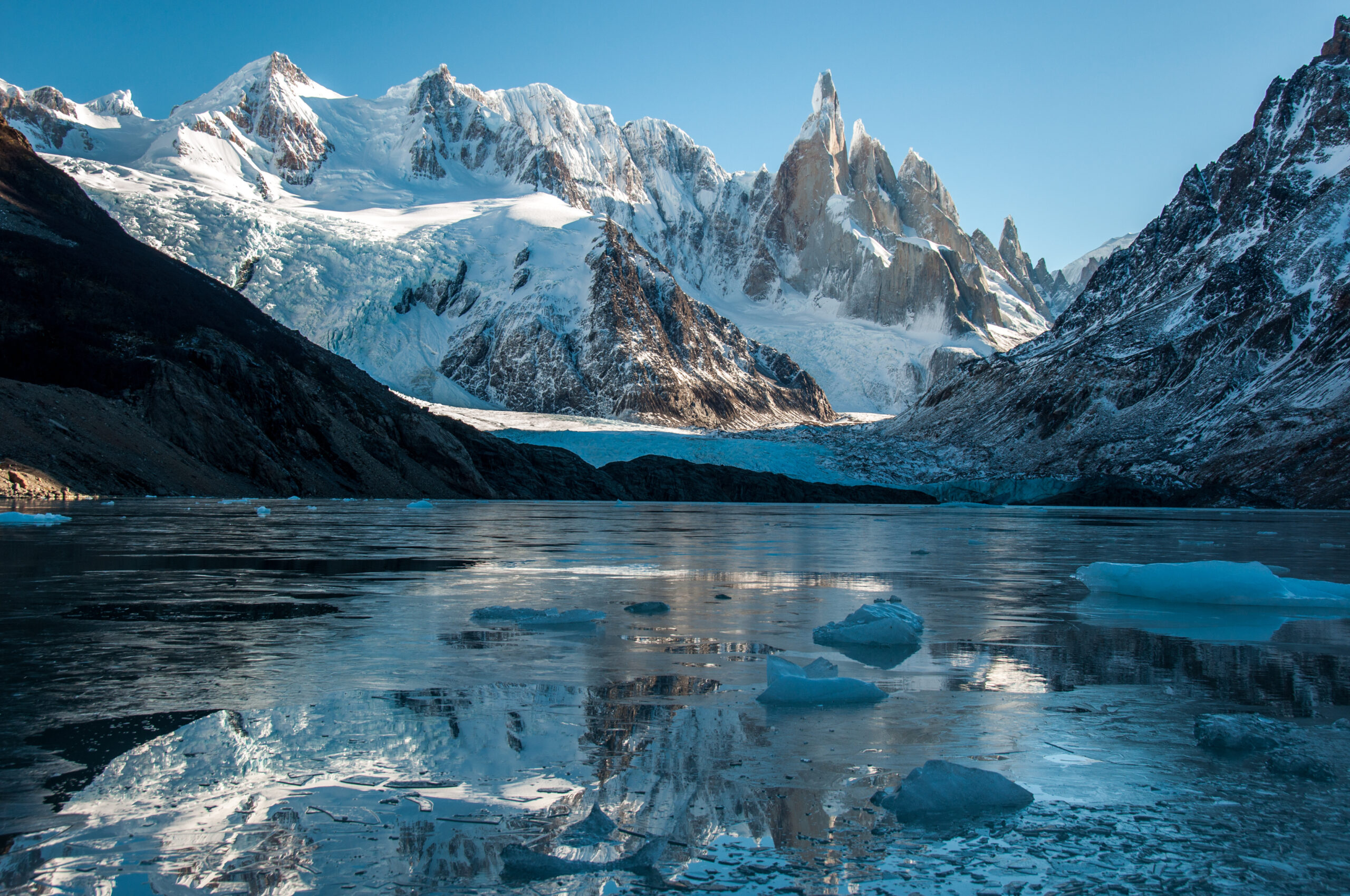
Cerro Torre Death Rate: How Deadly Is Patagonia’s Hardest Spire?
Barely 3,128 metres tall, yet one of the most feared mountains on Earth. Cerro Torre’s danger has nothing to do with altitude and everything to do with vertical granite, rime ice, and the worst weather in the inhabited world. Here’s the real death rate, what it means, and the deaths that built the legend.
By Travis Ludlow · Reviewed by Dawson Ludlow, Safety & Altitude
Published Jul 17, 2026 · Verified Jul 17, 2026 · ~8 min read
Editorial approach – research-based safety data: this page explains relative risk, not to sensationalise tragedy. Figures are drawn from Patagonian climbing records, alpine journals, and accident reporting, cross-checked against our death rates by mountain hub. Cerro Torre sees far fewer attempts than the 8,000ers, so its rate is a directional risk band, not an exact ratio.
The short answer
Around 6% per climber among serious attempts – extreme for a peak under 3,200 m.
Cerro Torre’s estimated fatality rate is roughly 6% per climber among serious attempts – far below the deadliest 8,000ers (Annapurna ~27-32%, K2 ~22-25%), but severe for its modest height. Its danger is technical, not altitudinal: vertical granite, rime ice, and ferocious weather.
The number works differently here than on commercial 8,000ers. Cerro Torre is an elite objective attempted by relatively few, where most attempts are turned back by storms rather than reaching the top – so read it as danger-per-attempt, not a death-to-summit ratio. For where it sits among all peaks, see our most dangerous mountains ranking.
3,128 mSummit (10,262 ft)
~6%Per-climber fatality (serious attempts)
1959First death (Toni Egger)
1974First undisputed ascent
Rime iceThe signature hazard
Fatality Snapshot
As of Jul 17, 2026 · directional risk band · few attempts, elite objective
On the 8,000ers, “death rate” almost always means deaths divided by successful summits. Cerro Torre can’t be measured that cleanly: it’s an elite technical objective climbed by comparatively few people, and on any given expedition most attempts are turned back by weather without reaching the summit. So its estimated ~6% per-climber fatality rate among serious attempts is best read as danger-per-attempt. That’s low next to Annapurna or K2 – but for a peak barely 3,128 m high, it reflects just how unforgiving the climbing is.
Why it’s so dangerous
Everything hard about mountaineering, minus the altitude.
Cerro Torre rises as a near-vertical granite spire straight out of the Southern Patagonian Ice Field, and its danger is a stack of technical hazards rather than thin air:
Hazard
Why it kills
Rime ice
Fragile, feathery ice mushrooms cap the spire; climbers must tunnel through unstable, unprotectable rime
Patagonian weather
Among the fiercest on Earth – violent storms arrive fast, and windows are measured in hours
Vertical granite
Sustained hard rock and mixed climbing where a fall is typically fatal
Rockfall
Warming has increased rockfall on some sections – a factor in recent deaths
No rescue
Remote, committing terrain; if a storm traps you high, there is often no safe retreat and no help
The tiny-window trap. More than almost any mountain, Cerro Torre punishes impatience. Climbers wait days or weeks for a narrow good-weather window, then move fast and commit – and a window that closes early can leave a party high on the spire in a full Patagonian storm. That combination of extreme difficulty and unforgiving weather is exactly what the death rate is measuring.
The signature hazard. The summit mushrooms of Cerro Torre – unstable, feathery rime ice that can’t be reliably protected – are the crux and the reason the mountain resisted an undisputed ascent until 1974. Terrain like this is why a slip here is rarely survivable.
The deaths that defined it
From the disputed first ascent to a modern tragedy.
Cerro Torre’s reputation was forged in controversy and loss. In 1959, Cesare Maestri claimed the first ascent with Austrian climber Toni Egger – but Egger was swept to his death on the descent, taking the only camera and with it the proof. When later expeditions failed to repeat the line and brought further deaths, doubt hardened into one of climbing’s most famous disputes; the first undisputed ascent came only in 1974, by Casimiro Ferrari’s Ragni di Lecco team via the west face. Decades later, in 2022, the accomplished alpinist Korra Pesce was struck by rockfall while descending and died – a reminder that even for the world’s best, the mountain’s margins are razor-thin.
Cerro Torre vs the 8000ers
A different kind of deadly.
Comparing Cerro Torre’s rate to an 8,000er’s is almost comparing two different sports. The great Himalayan and Karakoram killers – Annapurna, K2, Nanga Parbat – are lethal through a mix of extreme altitude and objective hazard on expeditions that many attempt. Cerro Torre is lethal through pure technical difficulty and weather on a peak few can even seriously try. It’s why it appears near the top of every “hardest mountain” list but well down the fatality-rate table.
Deadly through difficulty
Cerro Torre
~6% per attempt · technical climbing + Patagonian weather, not altitude.
Deadly through altitude & hazard
Annapurna / K2
~22-32% death-to-summit · thin air, avalanche, serac on commercial expeditions.
The modern fatality rate is dramatically lower than during the 1959-1980s era. Better equipment, vastly improved forecasting, refined technique, and accumulated route knowledge have all cut the risk for skilled parties who wait for the right window. But the mountain hasn’t changed: the rime, the storms, and the exposure remain, and warming has increased rockfall on some sections. Cerro Torre rewards experience and patience – and still humbles the best climbers alive.
Planning a Patagonia trip? Compare flights and lodging via the Global Summit Guide Expedia travel shop. Disclosure: affiliate link; we may earn a small commission at no extra cost to you, and it never affects our reporting.
Cerro Torre death rate FAQ
The questions people search right after “cerro torre death rate.”
What is Cerro Torre’s death rate?
Roughly 6% per climber among serious attempts – far below Annapurna (~27-32%) or K2 (~22-25%), but extreme for a 3,128 m peak. It’s danger-per-attempt, not death-to-summit, since most attempts are turned back by weather. The modern rate is far lower than the 1959-1980s era.
Why is it so dangerous under 3,200 m?
Its danger is technical and weather-driven, not altitude: vertical granite, fragile rime ice, violent Patagonian storms, rockfall, and no rescue. A fall on this terrain is typically fatal.
How many have died on it?
There’s no official tally as for the 8,000ers, but deaths have accumulated since the first-ascent era. The most famous is Toni Egger (1959); more recently, Korra Pesce died in 2022 from rockfall on the descent.
Is it the deadliest mountain?
No – by rate it’s well below the deadliest 8,000ers, and Mont Blanc has a far higher total toll. It’s among the most feared for difficulty, not for topping the death charts. See most dangerous mountains.
Has it become safer?
Yes – modern gear, forecasting, and technique have cut the rate sharply since the 1980s. But the rime, storms, and exposure are unchanged, so it’s safer, not safe.
How we built this
Patagonian climbing records, alpine journals, and accident reporting for fatality context
First-ascent history (Maestri 1959 dispute; Ferrari / Ragni di Lecco 1974) for the historical record
GSG house estimate of ~6% per-climber fatality among serious attempts, cross-checked against the most-dangerous ranking
Presented as a directional risk band, since Cerro Torre sees far fewer attempts than the 8,000ers
Last updated: July 17, 2026. Next review: January 2027. Research-based safety data, not a record of personal ascents; figures are directional, not exact probabilities.
About the author
Travis Ludlow · Founder & Head of Research · Safety review: Dawson Ludlow
Travis leads research at Global Summit Guide, which maintains a safety-data hub covering fatality patterns across the world’s major peaks. This Cerro Torre page sits within that hub – a single-peak deep dive that points up to the cross-mountain ranking.
July forecast revisited · Manaslu · Dhaulagiri · Tibet · Ama Dablam
Autumn Himalaya 2026 Preview Revisited: What Actually Happened
In July,
Global Summit Guide published a forward-looking preview
of Nepal’s post-monsoon climbing season.
Some of the big calls held: Manaslu became the center of gravity
and Dhaulagiri remained the serious alternative. Others changed dramatically.
Cho Oyu and Shishapangma stayed closed,
Manaslu attracted record-scale demand
and then deteriorating snow and avalanche conditions
effectively ended its commercial season.
This is the forecast versus reality.
Manaslu · Wang Lama Humla / CC BY-SA 4.0 · Wikimedia Commons
The October 5 answer
Autumn 2026 Became a Weather Story More Than a Summit Story.
The original preview correctly identified Manaslu as the season’s commercial anchor,
but underestimated how concentrated that demand would become.
By September 29,
Nepal reported 500 permitted Manaslu climbers across 43 teams.
Yet permit volume did not translate into a normal summit cycle.
Heavy precipitation,
dangerous snow loading
and avalanche conditions forced most teams down,
and major operators closed their Manaslu programs.
Meanwhile,
the preview’s inclusion of Cho Oyu as an active fall option proved wrong:
the Tibetan normal route remained closed to foreign expeditions.
Dhaulagiri,
however,
remained in play and on October 5 climbers were again
moving toward Camp 3.
637Nepal permits by Sep 29
500Manaslu permits
43Manaslu teams
34Dhaulagiri permits
18Nepal peaks permitted
Live season
This URL now owns the July forecast versus October reality.
For ongoing rope fixing,
summit pushes,
current mountain status
and new expedition developments,
use the separate live 2026 season page.
A useful seasonal preview should be accountable
after the mountain starts producing real data.
July call
What we expected
What happened
Verdict
Manaslu leads autumn
Manaslu would be Nepal’s dominant commercial
8,000-meter expedition.
Correct—and much more strongly than expected.
By Sept. 29,
500 climbers across 43 teams had permits.
Right
October provides the stable center
Post-monsoon conditions would settle
into the traditional autumn climbing pattern.
The late-September storm cycle instead produced
heavy snowfall,
avalanche risk
and major disruption before October.
Wrong
Cho Oyu remains an autumn option
Tibet access was presented as variable
but Cho Oyu remained part of the likely peak set.
Cho Oyu and Shishapangma were kept closed
to foreign autumn expeditions.
Wrong
Dhaulagiri is the quieter serious 8,000er
Fewer climbers,
more commitment
and greater sensitivity to conditions.
Accurate.
Nepal listed only 34 Dhaulagiri permits
and teams spent much of late September waiting on conditions.
Right
Ama Dablam owns the later technical season
October–November would become increasingly important
after the 8,000-meter phase.
Still the correct structural expectation,
but the late-September storm delayed the overall
transition into later-autumn operations.
Still developing
Why keep this URL? Because a preview that never revisits its predictions
is just archived speculation.
Converting the page into a forecast review creates
a useful historical record
while your separate live-season page owns current reporting.
The mountain that defined the season
Manaslu Drew the Climbers. Weather Decided Whether They Could Use the Mountain.
The 2026 story is a reminder that
commercial scale,
fixed ropes
and a complete Base Camp do not create stable snow.
Manaslu Circuit · Nrik kiran / CC BY-SA 4.0
02 · How the season changed
From Record Demand to an Abrupt Manaslu Shutdown
The important story is not one day’s headline.
It is how quickly operational reality changed.
Global Summit Guide publishes the preview
Manaslu,
Cho Oyu,
Dhaulagiri
and Ama Dablam are presented as the principal autumn storylines.
Tibet closes Cho Oyu and Shishapangma to foreign teams
The normal Tibetan autumn 8,000-meter options disappear,
increasing pressure on available Nepal objectives.
Manaslu permit count reaches 422
Base Camp fills while route fixers work above
the heavily crevassed lower mountain.
Rope-fixing team reaches Manaslu’s true summit
The commercial route is officially open,
but unstable snow and forecast deterioration
compress the usable summit opportunity.
Avalanche fatalities deepen concern
Heavy snowfall and avalanche conditions
have already driven many climbers back down the mountain.
Major operators call off Manaslu
High avalanche risk
and continuing weather instability
lead commercial teams to dismantle operations.
Nepal reaches 637 autumn climbing permits
The Department of Tourism reports
500 Manaslu climbers from 43 teams,
34 Dhaulagiri climbers
and permits on 18 total peaks.
Manaslu is effectively over
Remaining climbers also abandon attempts
while Dhaulagiri teams continue to wait for improvement.
Dhaulagiri movement resumes
Improved weather sends teams upward again,
with climbers moving toward Camp 3
as route fixers reassess the mountain.
03 · Manaslu
The Commercial Winner Became the Season’s Biggest Failure Point
Manaslu proved the demand forecast
and broke the weather assumption.
Demand
500 permitted climbers
Nepal’s Sept. 29 permit reporting lists
500 climbers across 43 Manaslu teams—
overwhelmingly the largest share of Nepal’s autumn expedition market.
Infrastructure
Route fixed September 17
The EOA rope-fixing team reached
Manaslu’s 8,163-meter true summit,
theoretically clearing the commercial route
for the main summit cycle.
Outcome
Commercial season effectively shut
Dangerous snow loading,
avalanche activity
and continued precipitation
caused major teams to descend
and dismantle Base Camp operations.
The lesson is not that Manaslu suddenly became an impossible mountain. It is that a normal route’s commercial maturity
cannot neutralize snowpack instability.
Hundreds of climbers,
extensive oxygen support
and fully fixed ropes become liabilities
if everyone is compressed toward the same short window.
Continue into the evergreen Manaslu Climb Guide for route,
permit,
difficulty
and long-term planning information.
The smaller expedition that kept waiting
Dhaulagiri Did What Serious Autumn Expeditions Often Have to Do: Stop and Wait.
Instead of forcing a summit schedule through the storm,
remaining teams protected the possibility
of a later October opportunity.
Dhaulagiri · Sudippradhan / Wikimedia Commons
04 · Dhaulagiri
The Quiet 8,000er Stayed Alive After Manaslu Shut Down
Only 34 permitted climbers created
a very different operational problem from Manaslu’s crowding.
Permits
34 climbers
Nepal reported four Dhaulagiri teams
with 34 permits by September 29,
dramatically smaller than Manaslu’s 500-climber field.
Storm strategy
Wait instead of dismantle
Several Dhaulagiri climbers and staff
remained at or returned to Base Camp,
allowing time for heavy snowfall to settle
before reassessing the route.
October 5
Teams moving again
ExplorersWeb reported
that improved weather had brought teams back upward,
following route fixers toward Camp 3.
Whether that movement becomes a rotation
or summit push remained uncertain.
Dhaulagiri now owns the most interesting 8,000-meter question of early October: can the snowpack stabilize sufficiently
to create a defensible summit window
before late-autumn cold and wind close the opportunity?
Its 6,800-meter elevation reduces the death-zone problem,
but the Southwest Ridge adds sustained technical
fixed-line climbing,
exposure
and complex descent systems.
Ama Dablam · Dnor / CC BY-SA 3.0 · Wikimedia Commons
05 · The biggest preseason reversal
Cho Oyu and Shishapangma Never Entered the Foreign Autumn Season
This is where the July preview needs the clearest correction.
Cho Oyu
Tibetan normal route closed
Despite operator hopes earlier in the year,
foreign teams were told that
Cho Oyu would remain closed for fall 2026.
Nepal’s southern route exists,
but it is a far more technical proposition
and not an equivalent commercial substitute
for Cho Oyu’s Tibetan normal route.
Shishapangma
Also closed to foreign expeditions
Shishapangma remained unavailable,
removing another autumn 8,000-meter option
for climbers pursuing the fourteen highest peaks.
The practical result:
Nepal absorbed even more of the commercial autumn market.
Correction to the July preview: Cho Oyu should no longer appear in a list of
“2026 autumn peaks in play”
without an explicit CLOSED label.
The Tibet-access risk was not a footnote;
it changed the entire season structure.
Autumn Nepal was broader than four headline mountains
Smaller Permit Numbers Do Not Mean Smaller Mountains.
Makalu,
Baruntse,
Pumori,
Annapurna IV
and a range of 6,000–7,000-meter peaks
appeared in Nepal’s autumn permit totals—
but without Manaslu’s commercial scale.
Makalu from southwest · Ben Tubby / CC BY 2.0
06 · Himlung and the 7,000-meter layer
The Storm Did Not Only Affect the 8,000ers
Autumn Nepal’s growing 7,000-meter market
was exposed to the same late-September weather system.
Before the storm
Himlung was part of the next commercial wave
Rope fixing and commercial programs
were scheduled as Manaslu operations wound down,
reflecting growing demand for
high Himalayan objectives below 8,000 meters.
Late September
Base Camp was hit by avalanche
Severe snowfall produced a major incident
at Himlung Base Camp,
demonstrating that autumn expedition risk
was widespread rather than isolated to Manaslu.
One useful market trend survives the storm: Nepal’s 7,000-meter peaks increasingly fill the space
between technical 6,000ers and full 8,000-meter expeditions.
But the 2026 season is a reminder that “lower than 8,000 m”
does not mean protected from major Himalayan weather.
One weather system can reshape multiple ranges at once
Expedition Calendars Are Regional. Storm Consequences Are Terrain Specific.
The same broad precipitation event
can close one mountain,
bury another Base Camp
and simply delay a third.
Himlung–Manaslu region from ISS · NASA · public domain
07 · The later-autumn phase
Ama Dablam Still Matters—but Its Season Should Be Treated Separately
The end of Manaslu does not mean
Nepal’s autumn climbing season is over.
Timing
October–November
Ama Dablam’s commercial rhythm typically matures
later than Manaslu’s September-focused cycle.
Route character
Technical Southwest Ridge
Yellow Tower,
fixed-line movement,
steep mixed terrain
and exposed rappels define the mountain
more than extreme altitude alone.
2026 question
How does the storm affect setup?
Rope fixing,
access,
snow on technical terrain
and the timing of incoming teams
remain the useful variables to watch.
Autumn 2026 Was More Concentrated Than the Preview Suggested
Nepal’s Sept. 29 reporting shows
how overwhelmingly the market clustered around Manaslu.
Peak / category
Reported permits by Sept. 29
What it tells us
All Nepal autumn peaks
637 climbers · 68 teams · 18 peaks
The autumn expedition market was active,
but highly concentrated.
Manaslu
500 climbers · 43 teams
Roughly four out of every five permits
in the published total were for Manaslu.
Dhaulagiri I
34 climbers · 4 teams
A much smaller,
more isolated expedition environment.
Putha Hiunchuli
20 climbers · 2 teams
Evidence of the growing autumn interest
below the main 8,000-meter tier.
Danga Himchuli
16 climbers · 2 teams
Smaller Himalayan objectives remain part
of the expedition economy.
Baruntse
10 climbers · 1 team
A high but quieter alternative,
without Manaslu’s commercial crowding.
Do not reuse the July permit estimates in this article. The old preview showed rough figures such as
Manaslu around $1,800.
Global Summit Guide’s current permit hub lists $3,000 as the 2026 autumn Manaslu government royalty. Permit detail should now live in the dedicated permit owner page
instead of being duplicated here.
Five Hundred Permits Do Not Create Five Hundred Safe Places in One Weather Window.
The narrower the usable period becomes,
the more commercial scale itself
becomes part of the operational risk model.
Manaslu from Samdo · Wikimedia Commons
09 · What 2026 teaches climbers
Five Planning Lessons From a Preview That Changed Fast
These lessons matter more than trying
to perfectly predict next September from one July forecast.
1
Access is part of the mountain
Cho Oyu did not become harder in August.
It became unavailable.
Political and administrative access
can completely override a climber’s preferred objective.
2
Commercial infrastructure does not remove objective hazard
Manaslu had operators,
fixed ropes,
high camps,
oxygen
and hundreds of support staff.
None of that could make unstable snow safe.
3
Crowding is most dangerous when the window compresses
A large permit total can be manageable
if attempts spread across time.
The problem intensifies when storms force
hundreds of climbers toward the same short window.
4
Expedition length creates strategic options
Dhaulagiri teams that retained time
were able to wait out the major storm
and reassess the mountain in October.
A schedule with no slack removes that option.
5
A preview should describe uncertainty—not hide it
“October is normally stable”
is useful climatology.
It is not a promise that
the coming October will produce stable climbing.
On October 5, Dhaulagiri Was Still Asking the Question Manaslu Could No Longer Ask.
Is there enough time,
snowpack stability
and weather margin left
to build a safe summit attempt?
Dhaulagiri · Thapaliyashreeram / CC BY-SA 4.0
10 · October–November watch
What Still Matters in the Rest of Autumn 2026?
The season is not over.
Its center of gravity is shifting.
Watch now
Dhaulagiri
Teams are again moving upward.
Route stability,
new snow
and the next summit window
will determine whether the autumn 8,000-meter season
gets one more major chapter.
Next commercial phase
Ama Dablam
Rope fixing
and the condition of the Southwest Ridge
become increasingly important
as October progresses.
High-altitude alternatives
7,000-meter peaks
Himlung,
Baruntse
and other high Nepal objectives
remain part of the autumn calendar,
though storm impacts must be evaluated mountain by mountain.
Do not wait for
Manaslu commercial restart
By the end of September,
the main 2026 commercial Manaslu season
was effectively finished.
Access
Cho Oyu / Shishapangma
Foreign teams should treat the Tibetan peaks
as unavailable for the remainder
of the autumn 2026 commercial season.
Editorial signal
Final Nepal permit totals
September 29 numbers were still interim.
Final autumn totals will show
how much later-season demand shifts toward
Ama Dablam and Nepal’s 7,000-meter objectives.
The End of Manaslu Is Not the End of Nepal’s Autumn Climbing Season.
The later season increasingly shifts
toward Ama Dablam
and smaller high-altitude objectives
with different route,
crowding
and weather problems.
Ama Dablam from Dingboche · Wikimedia Commons
Frequently asked questions
Autumn Himalaya 2026 FAQ
Current answers through October 5,
separated from the original July forecast.
What happened to the autumn 2026 Manaslu season?
Manaslu attracted a record-scale commercial field,
with Nepal reporting 500 permitted climbers across 43 teams by September 29.
Heavy snowfall,
avalanche danger
and unstable conditions caused major operators to cancel summit attempts
and dismantle camps by late September.
Did the Manaslu route get fixed to the summit?
Yes.
The EOA rope-fixing team reached Manaslu’s true 8,163-meter summit
on September 17,
opening the route before the major weather deterioration.
How many climbers had Manaslu permits in autumn 2026?
Nepal’s Department of Tourism reporting cited
500 Manaslu climbers from 43 teams
as of September 29.
Is Dhaulagiri still being climbed in October 2026?
Yes as of October 5.
After waiting through the major storm,
Dhaulagiri teams were again moving upward toward Camp 3
while evaluating whether conditions would support a summit push.
Is Cho Oyu open to foreign climbers in autumn 2026?
No.
The China-Tibet Mountaineering Association kept
Cho Oyu and Shishapangma closed to foreign expeditions
for the fall 2026 season.
How many climbers had Nepal autumn permits by late September?
Nepal reported 637 climbers from 68 teams
permitted for 18 mountains
as of September 29, 2026.
How many Dhaulagiri permits were issued?
Nepal reported 34 climbers across four Dhaulagiri I teams
by September 29.
Is Ama Dablam still relevant for autumn 2026?
Yes.
Ama Dablam normally becomes a major commercial focus
later in autumn than Manaslu,
particularly through October and November.
The main questions now concern route fixing,
snow conditions
and the effect of late-September storms.
Was the original Autumn Himalaya 2026 preview wrong?
Partly.
It correctly identified Manaslu as the season’s dominant 8,000-meter peak
and Dhaulagiri as a smaller,
more serious alternative.
It was too optimistic about stable post-monsoon weather
and included Cho Oyu as an autumn option
before Tibet access was ultimately denied.
Where should I follow live autumn 2026 climbing news?
Use Global Summit Guide’s Autumn Himalayan Climbing Season 2026 page
for current season reporting
and the Expedition Updates dashboard
for mountain-specific update pages.
Continue the 2026 story
Preview, Live Status and Evergreen Planning Now Have Separate Jobs
This structure prevents a dated news preview
from fighting the permanent mountain guides
or the active-season page.
Current expedition reporting is separated
from evergreen mountain facts.
Permit totals
Nepal Department of Tourism reporting
Nepal News reported Department of Tourism figures
of 637 climbers,
68 teams
and 18 permitted mountains as of September 29,
including 500 Manaslu climbers.
Freshness boundary: this page was rebuilt October 5, 2026.
Any expedition development after that date belongs first
on the live autumn-season page
and mountain-specific update pages.
The lesson from the 2026 preview
A Season Calendar Tells You When to Look. The Mountain Still Decides What You Find.
July correctly told us to watch
Manaslu,
Dhaulagiri
and Ama Dablam.
It could not guarantee Tibetan access,
stable October snow
or a usable summit window.
The 2026 autumn season is a strong reminder
to separate climatology from forecast,
permits from conditions
and commercial readiness from mountain readiness.
Mount Fuji 2026 Season Status: Closed for the Season
Mount Fuji’s official 2026 summit climbing season ended September 10.
The four summit routes are now closed for the normal season.
This page explains what closed, which 2026 rules applied, and what travelers
should know before planning a 2027 climb.
3,776 m / 12,388 ft2026 season ended Sept. 10all summit trails closedofficial sources checked2027 rules not yet confirmed
Closed now
Is Mount Fuji Open Right Now?
No. As of September 21, 2026, Mount Fuji’s official summer
climbing season is over. The official Mount Fuji climbing portal states that
the 2026 season has ended and the summit routes are closed for the off-season.
This does not mean every road, sightseeing area or lower station around Fuji is
closed. It means the normal summit climbing routes above the official
trailheads are no longer operating as summer climbing routes.
Do not substitute an improvised off-season summit attempt for a missed summer climb. Mountain huts, toilets, trail maintenance and the normal summer safety system
are reduced or unavailable after the official climbing season.
Sept. 102026 summit season ended
4 trailsYoshida, Subashiri, Fujinomiya and Gotemba closed
¥4,0002026 hiking fee — not yet confirmed for 2027
2027Next-season rules still pending official announcement
2026 season record
When Did Each Mount Fuji Trail Open and Close?
The 2026 season was unusual because Subashiri opened earlier than its traditional
July 10 schedule. All four summit routes finished their normal season on September 10.
Trail
2026 opening
2026 closing
Status now
Character
Yoshida
July 1
September 10
Closed
Most popular; easiest Tokyo access; most mountain huts.
Subashiri
July 1
September 10
Closed
Quieter forested approach before merging high with Yoshida.
Fujinomiya
July 10
September 10
Closed
Highest starting elevation and shortest standard summit route.
Gotemba
July 10
September 10
Closed
Longest route with the lowest starting point and fewer crowds.
What changes after September 10
The Summer Climbing System Does Not Continue Into Autumn.
During the open season Fuji has staffed gates, huts, toilets, first-aid points,
transport systems and thousands of other climbers. After closure, travelers should
not assume those systems remain available simply because the mountain is still visible
and roads at lower elevations may remain open.
What applied this summer
The 2026 Mount Fuji Rules Were Much Stricter Than the Old Walk-Up System.
These rules explain how the 2026 season worked. They are useful for understanding
the direction of Fuji management—but should not automatically be treated as confirmed
2027 rules.
All routes
¥4,000 Hiking Fee
The 2026 season used a ¥4,000 per-person hiking fee on both the Yamanashi
and Shizuoka sides.
Night entry
2 PM–3 AM Restrictions
Climbers entering during the overnight restriction window needed qualifying
mountain-hut accommodation.
Yoshida
4,000 Climbers / Day
Yamanashi retained a 4,000-person daily entry ceiling on the Yoshida Trail.
Shizuoka
FUJI NAVI Registration
Subashiri, Gotemba and Fujinomiya required registration, safety learning
and an entry permit; Shizuoka did not set a daily numerical cap.
2027 warning: do not book flights or build an itinerary assuming every 2026 rule will remain unchanged.
Wait for Yamanashi and Shizuoka to publish their next-season dates, fees and entry procedures.
August 2026
Sunrise Climbs Depend on the Seasonal Infrastructure.
The classic overnight-hut itinerary works because mountain huts, gates,
trail staff and transport are operating together. That supported system is
one reason a normal summer climb should not be confused with an off-season ascent.
September 11 onward
What Does “Closed” Actually Mean?
The official Mount Fuji climbing portal treats the period outside the designated
climbing season as a fundamentally different environment—not simply a quieter
version of the summer climb.
TrailsThe official summit routes are closed above their seasonal entry points.
Mountain hutsNormal summer hut support does not continue through the off-season.
ToiletsMany high-mountain toilets close with or before the season ends.
WeatherCold, wind, snow and ice increasingly replace summer hiking conditions.
Trail maintenanceThe normal summer maintained environment no longer applies.
Rescue environmentDo not assume the normal summer safety network remains available.
Road accessLower mountain access follows separate road and facility schedules.
PlanningFor most visitors, postpone the summit until the official season reopens.
Summit closure
The Crater Rim Is Part of the Seasonal Mountain Too.
Reaching the top is not the only issue. The crater-rim circuit, Kengamine high point
and summit facilities all sit inside the same seasonal high-mountain environment.
Plan them as part of an official summer ascent.
Looking ahead
Planning Mount Fuji for 2027? Wait for the Rules—But Start With the Right Framework.
Shizuoka’s official site states that information for the following year will be
announced once decisions are made. Until that happens, 2026 rules are historical
reference points rather than promises.
Step 1
Choose Your Trail
Yoshida is easiest from Tokyo; Fujinomiya is shortest; Subashiri is quieter;
Gotemba is longest and usually least crowded.
Step 2
Wait for Official Dates
Do not assume every route will reopen on exactly the same dates as 2026.
Step 3
Watch the Fee System
The 2026 fee was ¥4,000, but the 2027 tariff and reservation procedures
should be verified when officially published.
Step 4
Book the Hut Early
Sunrise-oriented itineraries depend heavily on mountain-hut availability,
especially around weekends and Japanese holiday periods.
Step 5
Build a Two-Day Plan
A staged ascent offers a more sensible altitude and fatigue profile than
trying to rush from trailhead to summit and back.
Step 6
Keep a Weather Buffer
Fuji’s exposed cone can experience severe wind and late-summer typhoon disruption
even when conditions look pleasant below.
Goraikō
If Sunrise Is the Goal, Build the Trip Around the Hut—not Around Midnight.
The better Fuji itinerary is normally a staged climb with a mountain-hut stay,
then a summit push timed around weather, fatigue and sunrise rather than an
unsupported overnight “bullet climb.”
Choose before booking
The Four Mount Fuji Routes Solve Different Problems.
The summit may be the same, but transport, starting elevation, hiking time,
crowding and hut density vary substantially.
Most popular
Yoshida
Best-established Tokyo access, the largest hut network and the greatest
crowd pressure.
Quieter start
Subashiri
Forested lower route with fewer climbers before joining the Yoshida corridor higher up.
Shortest
Fujinomiya
Starts highest and reaches the summit by the shortest standard trail,
but climbs more steeply.
Longest
Gotemba
Longest ascent, lowest trailhead and generally the quietest option for strong hikers.
Route choice begins with geography. Yoshida approaches from Yamanashi on the north,
while Subashiri, Gotemba and Fujinomiya approach from Shizuoka.
Yoshida TrailNorth side · Yamanashi · Fuji Subaru Line 5th Station.
Subashiri TrailEast side · Shizuoka · forested lower route.
Gotemba TrailSoutheast side · lowest starting elevation and longest climb.
Fujinomiya TrailSouth side · highest starting elevation and shortest standard route.
The evergreen lesson
Fuji Is Easy to Reach—but Its Summit Season Is Short.
The mountain’s accessibility can hide how seasonal the supported climb really is.
The smartest plan starts with official opening dates, then works backward through
route, hut, transport and weather.
Current search answers
Mount Fuji 2026 Season FAQ.
These answers reflect the season status after the September 10, 2026 closure.
Is Mount Fuji open right now?
No. The official 2026 Mount Fuji summit climbing season ended September 10.
The normal summit routes are now closed for the off-season.
When did the 2026 Mount Fuji season close?
The four normal summit trails ended their 2026 operating season on September 10.
Yoshida and Subashiri opened July 1; Fujinomiya and Gotemba opened July 10.
Can I climb Mount Fuji after September 10?
The official summit routes are closed outside the designated climbing season.
The official Mount Fuji climbing portal warns that off-season conditions are
substantially more dangerous and normal summer facilities and support are unavailable.
When will Mount Fuji open in 2027?
The official 2027 trail dates have not yet been announced. Do not assume that
every 2026 opening date or regulation will carry forward unchanged.
How much did it cost to climb Mount Fuji in 2026?
The 2026 hiking fee was ¥4,000 per person on all four official routes.
Mountain-hut accommodation and transport were separate costs.
Was there a daily limit on Mount Fuji in 2026?
The Yoshida Trail had a 4,000-climber daily limit. Shizuoka Prefecture stated
that Subashiri, Gotemba and Fujinomiya did not have a daily numerical limit,
although climbers still had registration and entry requirements.
Did Mount Fuji require reservations in 2026?
Yoshida used its own access system, while the three Shizuoka routes used FUJI NAVI
registration and safety learning. A mountain-hut reservation was separate and was
particularly important for climbers entering during restricted overnight hours.
What is the best Mount Fuji route for a first climb?
Yoshida is the most straightforward for many Tokyo-based visitors because it has
the most developed transport and hut infrastructure. Stronger hikers seeking fewer
crowds may prefer Subashiri or Gotemba, while Fujinomiya offers the shortest ascent.
Continue planning Mount Fuji
Use This Page for Status—Then Move Into the Evergreen Guides.
This URL owns the date-specific 2026 question. Route choice, weather, operators
and the full mountain guide live on their own evergreen pages.
This page is intentionally built around official prefectural and Mount Fuji
climbing sources because season dates, entry rules and closure status can change.
Last status check: September 21, 2026.
The 2026 summit season is closed. Update this page again when official 2027
dates and regulations are published.
Current answer
Mount Fuji Is Closed for the 2026 Summit Season.
If you missed the September 10 closure, do not turn a normal summer hiking plan
into an improvised off-season ascent. Use the winter to choose your route,
prepare for altitude and watch for the official 2027 announcement.
Karakoram Weather Window: How K2 Summit Timing Really Works
Why do K2, Broad Peak and the Gasherbrums wait all season for a handful of usable days? The answer is more than a forecast: monsoon moisture, jet-stream position, upper-mountain wind, fresh snow, route readiness and descent margin all have to align at once.
Late July is the historical centerNot a fixed calendar windowForecast ≠ summit window2026 season separated as a case study
Jun–AugPractical Karakoram expedition season
Late JulHistorical center of the strongest summit period
4 peaksK2, Broad Peak, Gasherbrum I & II share the Baltoro weather system
39%1986–2016 years with no K2 summit in ExplorersWeb analysis
0 K2Successful summer summits in the completed 2026 season
The direct answer
When is the Karakoram weather window?
The historical center of the Karakoram 8,000-meter summit window is late July, sometimes extending into early August—but there is no guaranteed date. Meteorologist-supported analysis published by ExplorersWeb describes the last two weeks of July as the typical best period, when the polar jet tends to move north and the monsoon circulation changes enough to reduce upper-mountain wind and precipitation.
A weather window becomes a summit window only when the mountain is ready too. Fixed lines must be high enough, climbers must be acclimatized, snow must be acceptably stable, camps and oxygen/support systems must be in place, and the forecast must leave enough margin for the descent. In some years, that full combination never forms.
Four 8,000ers Share One Tight Baltoro Weather System
K2, Broad Peak, Gasherbrum I and Gasherbrum II sit within a compact part of the central Karakoram. Their summit days can differ, but they often experience the same large-scale wind and storm cycle.
Interactive orientation map
Baltoro · Concordia · K2 & Gasherbrums
The map shows the central cluster. It is for weather/geographic orientation, not climbing navigation.
Large-scale weather can affect the whole Baltoro cluster while local terrain still creates very different wind, snow and route conditions on each mountain.
One weather system, four very different mountains
Regional Calm Does Not Make Every Route Usable.
The Baltoro cluster is compact enough that teams watch the same synoptic weather pattern, but route geometry, snow loading and fixed-line progress decide whether a specific mountain can use the same forecast break.
02 · The atmosphere
The Window Is a Temporary Gap Between Bigger Systems
The simplified picture is useful: summer monsoon moisture pushes toward the region while the upper-level jet shifts position. Late July can briefly produce lower wind and less precipitation over the highest peaks.
Moisture
Monsoon Influence
Warm, moist South Asian air can reach the Karakoram and produce rain at lower elevations and heavy snow higher on the mountains.
Upper air
Jet-Stream Position
When the strongest upper-level flow lifts away from the peaks, summit wind can fall enough to create a possible climbing period.
Transition
Late-July Truce
Historically, the best overlap often occurs in the second half of July. It is a tendency, not an appointment on the calendar.
Useful model, not a complete atmospheric forecast
The monsoon/jet-stream explanation describes the broad seasonal pattern. Specialist forecasters still analyze multiple pressure levels, model runs, wind profiles, precipitation, temperature and mountain-specific effects before an expedition commits upward.
03 · Seasonal rhythm
The Window Usually Emerges Late—After Weeks of Preparation
The Karakoram season is built backward from a possible late-July summit cycle. Teams arrive much earlier because route fixing and acclimatization have to be complete before the forecast improves.
Season phase
Typical expedition work
Weather role
Main failure mode
Late June / early July
Baltoro approach, Base Camp setup, lower route work.
Summer pattern is established but upper wind and snowfall can remain disruptive.
Route progress falls behind before the key period arrives.
Teams look for shorter breaks rather than the final summit window.
Repeated storms or wind prevent enough high exposure and fixing.
Late July
Final recovery, forecast watching, summit-cycle positioning.
Historically the strongest probability of a broader usable break.
The forecast improves before the mountain or team is ready.
Early August
Late summit attempts or exit decisions.
Some seasons remain usable; others close abruptly.
Warming, instability, fresh snow or renewed wind erodes the remaining margin.
After the core window
Teams weigh another attempt against route deterioration and expedition limits.
Possible but increasingly season-specific.
Calendar pressure encourages a push into marginal conditions.
A clear sky can arrive too soon
Fresh Snow Can Consume the First Days of a Forecast Break.
After a storm, teams may still need to break trail, assess snow stability, repair camps and extend fixed lines. A favorable forecast is useful only if the route can be climbed and descended within it.
04 · Why dates fail
“July 20 to August 10” Is a Historical Pattern, Not a Booking Guarantee
The old page treated that span too much like a fixed prime window. A better interpretation is that late July and early August contain many successful summit dates—but some years move later, and some produce no usable K2 window at all.
Pattern
Late July Matters
Historical summit timing and meteorological analysis both support the second half of July as the center of the Karakoram 8,000-meter season.
Exception
August Can Work
K2 has had successful summer summit days well into August. A late window is unusual enough to matter, but not unprecedented.
Failure
Some Years Never Align
ExplorersWeb’s meteorological review found 12 of 30 seasons from 1986–2016 had no K2 summit in the back half of July because weather did not cooperate.
05 · Forecast reading
What Expedition Teams Actually Need From a Forecast
There is no single universal “safe wind speed” or one number that defines a summit window. Teams compare several variables and then cross-check the model with what is happening on the mountain.
Summit wind
Sustained wind and gusts strongly affect cold stress, balance, rope work and pace. What is tolerable depends on route exposure, temperature, oxygen use, climber strength and the descent.
Precipitation
Fresh snow changes far more than visibility. It can increase avalanche loading, hide crevasses, slow trail-breaking and bury fixed-line anchors or tents.
Temperature
Temperature matters together with wind, sun and exposure. A colder calm day and a warmer windy day can create very different frostbite and energy-management problems.
Cloud & visibility
Whiteout or cloud can slow travel, complicate navigation and make descent more difficult even when wind is manageable.
Forecast consistency
A window is more convincing when multiple model runs and forecasting sources converge. Large run-to-run swings signal greater uncertainty.
Duration
The forecast must cover the complete high-camp cycle and descent—not just a calm summit morning.
Forecast farther out = planning signal, not commitment signal
Longer-range guidance helps teams position resources and recovery. Final summit decisions depend on shorter-range specialist forecasts, observed conditions and route readiness. Global model output near Base Camp is not a substitute for summit-altitude forecasting.
The forecast has to match the mountain
Base Camp Sunshine Can Coexist With Unusable Upper-Mountain Wind.
The summit is more than 3,000 vertical meters above K2 Base Camp. Teams care about the atmosphere at the climbing elevations, not simply whether the Baltoro looks calm.
06 · The summit-window chain
Seven Things Have to Align at the Same Time
This is the most useful correction to the old version of the page: good weather is only one link in the system.
1 · Route
Fixed Lines
The upper route must be established far enough for teams to move and descend efficiently.
2 · People
Acclimatization
Climbers must already be physiologically ready. The forecast cannot create acclimatization after it arrives.
3 · Atmosphere
Wind & Weather
Upper-mountain wind, precipitation, visibility and temperature must support the full high-camp cycle.
4 · Surface
Snow Stability
Fresh loading can make a clear forecast unusable until the route settles—or longer.
5 · Camps
High-Camp System
Tents, caches, fixed ropes, oxygen and staff must be in place and functioning.
6 · Time
Descent Margin
A window that closes immediately after the predicted summit time is not the same as a window with a safe return margin.
7 · Human priorities
Emergency response, illness, injuries or events on a neighboring mountain can change the expedition even when the forecast improves. The 2026 season demonstrated this clearly.
07 · Same range, different usability
Why K2, Broad Peak and the Gasherbrums Can Have Different Outcomes
The large-scale forecast may be shared, but a window can be usable on one mountain and not another because route preparation, slope loading and terrain are different.
Peak
What can delay a weather window
Why the same forecast can produce a different result
K2
Slow upper-route fixing, wind exposure, snow loading, rockfall and the need for a long complete high-camp cycle.
The route must be ready high enough before the short calm period begins.
Broad Peak
Fresh snow, avalanche conditions and the long summit ridge.
A team may reach high while K2 is still fixing, but the summit ridge can consume the window.
Gasherbrum I
Technical upper route, snow condition and smaller teams.
Fewer climbers can mean slower trail-breaking and less redundancy after storms.
Gasherbrum II
Fresh snow, crevasses and route work.
Its standard route can sometimes become usable earlier than K2 when conditions cooperate.
Neighboring peak, different decision
Broad Peak Can Be Climbable While K2 Is Still Waiting—or the Reverse.
The range-scale window creates opportunity. Route-specific snow, traffic, fixing and hazard decide whether a particular peak can use it.
08 · The hidden limiter
Snow Can Outlast the Storm That Delivered It
This is why “sunny for three days” is an incomplete description of a high-altitude summit window.
Trail breaking
Movement Slows
Deep fresh snow can turn a forecast day into route-opening work rather than summit progress.
Stability
Loading Persists
New snow can remain unstable after precipitation stops. Clear weather does not instantly reset avalanche risk.
Infrastructure
Camps & Lines Suffer
Snow and wind can damage tents, bury caches and force teams to re-establish parts of the route before moving higher.
09 · Completed season case study
2026: A Window Can Form Without Producing a K2 Summit
The 2026 summer season is now history, not a live forecast. It is useful precisely because it shows how weather, route progress and human events can fail to align.
K2 finished summer 2026 with no successful summit.
Final season reporting described repeated high winds, fresh and unstable snow, rockfall and slow route development. By July 24, ropes were reported around 7,000 meters, leaving upper-route work to complete as the historical summit period arrived.
A late-July forecast improvement triggered a real summit push, but the forecast deteriorated again. Then the July 30 avalanche on neighboring Broad Peak killed ten climbers and changed the priorities of the small high-altitude community. K2 teams abandoned remaining summit plans and assisted the response. Final August reporting recorded no K2 or Gasherbrum I summit for the summer; Broad Peak and Gasherbrum II had seen successful summits earlier in the season.
The lesson is not that the late-July pattern stopped existing. It is that the complete summit-window chain never aligned on K2.
Gasherbrum I, one of the four Karakoram 8,000ers sharing the Baltoro summer weather regime. Image via Wikimedia Commons; see source file for license and attribution.
11 · Frequently asked questions
Karakoram Weather Window FAQ
Short answers to the questions that matter most when interpreting the Karakoram summer season.
When is the best weather window for K2?
Historically, the strongest summit period is often in the second half of July, sometimes extending into early August. It is a seasonal tendency, not a fixed annual date.
Why is the Karakoram climbed in summer instead of spring?
The very high Karakoram peaks are normally attempted in the Northern Hemisphere summer because upper-level wind and temperature become comparatively more manageable during the June–August expedition season.
What creates the Karakoram summit window?
The broad seasonal explanation is a temporary alignment in which the strongest jet-stream flow shifts away from the peaks while monsoon-related precipitation becomes less dominant, producing a period with potentially lower wind and less snowfall.
Is there a safe wind-speed cutoff for K2?
No single wind number guarantees safety. Teams consider sustained wind, gusts, temperature, exposure, route terrain, oxygen use, climber condition and the complete descent. Specialist forecasting and on-mountain judgment are required.
Why can a clear forecast still fail?
Fresh snow may remain unstable, the route may not be fixed high enough, climbers may not be acclimatized, camps may be damaged, or the forecast may be too short to cover the ascent and descent.
Do K2, Broad Peak and the Gasherbrums share the same window?
They often share the same large-scale weather pattern because they are clustered around the Baltoro, but local route condition, snow loading and logistics can make the same regional window usable on one peak and not another.
What happened on K2 in 2026?
The completed 2026 summer season ended without a successful K2 summit. Wind, snow, rockfall and slow upper-route progress compressed the remaining opportunity, and the July 30 Broad Peak avalanche caused K2 teams to abandon the final push and assist the response.
Should climbers use public weather apps to time a K2 summit?
Public weather can provide broad context, but summit decisions on an 8,000-meter Karakoram peak require specialist high-altitude forecasting, multiple models and current observations from the route.
12 · Sources & methodology
Evergreen Meteorology, Dated Expedition Results
The page separates seasonal weather mechanics from individual expedition seasons. A completed year is used as a case study, not as a forecast for the next year.
This page explains the weather-window concept. It is not a summit forecast. K2 and the neighboring 8,000ers require specialist high-altitude forecasting, current route observations and experienced expedition leadership.
About this explainer
Global Summit Guide
This page combines published Karakoram meteorology with dated expedition reporting. Historical weather patterns are presented as planning tendencies, while current-season outcomes are kept in separate trackers and archives.
This page owns the weather-window concept. Use the parent guides and peak-specific pages below for route, season, current archive and mountain-by-mountain planning.
The Forecast Opens the Door. The Mountain Decides Whether You Can Use It.
Plan around the late-July pattern, arrive ready before it, and let current wind, snow, route readiness and descent margin—not the calendar—decide whether a summit push is actually viable.
West Antarctica · Ellsworth Mountains · Geography & Exploration
Sentinel Range, Antarctica: Mountains, Geography, History & Exploration
The Sentinel Range is the high northern half of Antarctica’s
Ellsworth Mountains — a roughly 115-mile chain containing Mount
Vinson, Mount Tyree and many of the continent’s highest summits.
This guide explains where the range is, how it fits into the
Ellsworth Mountains, its major peaks, its map and the remarkable
history that took it from a line of mountains seen from an aircraft
in 1935 to the center of Antarctic mountaineering.
~115 mi / 185 km long15–30 mi widenorthern Ellsworth Mountainshighest point: 4,892 mfirst sighted: 1935
The direct answer
What and Where Is the Sentinel Range?
The Sentinel Range is a major mountain range in
West Antarctica. It forms the northern half of the
Ellsworth Mountains, north of Minnesota Glacier. The
Heritage Range forms the southern half.
The range trends roughly north-northwest to south-southeast for
about 115 miles (185 km) and is approximately 15–30 miles (24–48 km) wide. Many of its peaks
exceed 4,000 metres, including Mount Vinson —
Antarctica’s highest summit at 4,892 m.
The range rises abruptly from the Antarctic interior in West
Antarctica. Its southern high mountains contain Vinson, while
the chain continues for more than a hundred miles toward the north.
The high half of the Ellsworth Mountains
The Sentinel Range Contains the Mountains Most Climbers Associate With Interior Antarctica.
Vinson receives the attention because it is a Seven Summit, but
the range contains a remarkable concentration of high Antarctic
mountains — from technically severe Mount Tyree to Shinn,
Gardner and Epperly.
A common geography question
Sentinel Range vs Ellsworth Mountains vs Heritage Range
These names describe different levels of the same mountain
system. Understanding the hierarchy makes maps and expedition
reports much easier to read.
Parent system
Ellsworth Mountains
Northern half
Sentinel Range
Higher and more rugged. Contains Mount Vinson, Mount Tyree,
Mount Shinn, Mount Gardner, Mount Epperly and numerous other
peaks above 4,000 m.
Southern half
Heritage Range
Lies south of Minnesota Glacier. It is lower and more
topographically complex, with ridges, nunataks, hills and
glaciers rather than the same concentration of very high peaks.
The high summits
Major Mountains of the Sentinel Range
The range is much more than Mount Vinson. Several of Antarctica’s
highest mountains rise close together in the southern Sentinel Range.
The southern Sentinel Range contains the highest concentration of
major summits in Antarctica.
Peak
Elevation
Why It Matters
Continue Research
Mount Vinson
4,892 m
Highest mountain in Antarctica and the continent’s
Seven Summits objective.
Why the Sentinel Range Was Such a Powerful Antarctic Landmark
Much of the surrounding Antarctic interior presents a vast,
comparatively featureless surface of snow and ice. Against that
setting, the Sentinel Range forms an unmistakable mountain wall.
That visual contrast explains its name: Lincoln Ellsworth saw
the peaks standing prominently above the ice during his 1935
trans-Antarctic flight.
The range’s relief is also unusual in Antarctic mountaineering
terms. Numerous summits rise above 4,000 metres, glaciers divide
the major massifs and steep rock-and-ice faces give peaks such
as Tyree a climbing character very different from Vinson’s
standard commercial route.
USGS research describes the Sentinel Range as being composed in
large part of resistant Crashsite quartzite. That geology helps
explain the steep, durable profiles seen across many of the
high peaks.
November 23, 1935
Lincoln Ellsworth Sees the Sentinel Range From the Air
The range entered the modern geographic record through aviation,
not an overland expedition.
American explorer Lincoln Ellsworth sighted and
photographed the range during his trans-Antarctic flight on
November 23, 1935. The official Antarctic gazetteer records that
he named it for its prominent position as a landmark above an
otherwise largely featureless ice surface.
The sighting did not immediately produce the detailed geographic
understanding we now associate with the Sentinel Range. Aviation
revealed the existence of the range; accurate surveying,
photogrammetry and field geology would come later.
This distinction is important when discussing Mount Vinson.
Ellsworth discovered the mountain system, but the highest southern
part of the range was not fully identified and mapped until the
International Geophysical Year era more than two decades later.
From sighting to mapped mountain system
How the Sentinel Range Became a Map
1935
Ellsworth sights and photographs the range
Lincoln Ellsworth sees the northern Sentinel Range from the
air on November 23 during his trans-Antarctic flight.
1958
The first partial ground survey
The Marie Byrd Land Traverse party led by Charles R. Bentley
reaches the Ellsworth Mountains and begins the first partial
on-the-ground survey of the range.
1958–61
U.S. Navy aerial photography expands coverage
Aerial photography provides the imagery USGS uses to map the
full Sentinel Range far more accurately.
Early 1960s
Topographic sheets turn white space into named terrain
Glaciers, massifs, passes and high peaks can now be discussed
as parts of one connected mountain system rather than distant
silhouettes.
1966
Mountaineers enter the high range
The American Antarctic Mountaineering Expedition arrives with
the logistics, mapping and institutional support necessary to
attempt the great unclimbed summits.
The highest point emerges
From Vinson Massif to Mount Vinson
Modern surveying changed both the map and the numbers attached
to Antarctica’s highest mountain.
Mount Vinson is the highest summit in the Sentinel Range and on
the Antarctic continent.
The highest southern portion of the Sentinel Range became much
clearer through the surveys and aerial reconnaissance of the late
1950s. The massif was named for U.S. Representative Carl G. Vinson, who supported American Antarctic
research.
Early surveys gave Vinson a substantially higher elevation than
the figure used today. Modern GPS work established 4,892 metres as the current measured height.
That is why older maps, histories and gazetteer narratives may
still show figures around 5,140 metres.
Modern naming also distinguishes Mount Vinson —
the principal 4,892-metre summit — from Vinson Massif,
the larger mountain block surrounding it.
Pete Schoening, John Evans, Barry Corbet and Bill Long formed the
advance party that reached Vinson’s summit on December 18, 1966.
The remaining expedition members followed over the next two days,
so that all ten members of the American Antarctic Mountaineering
Expedition had reached the summit by December 20.
American Antarctic Mountaineering Expedition
A Ten-Person Team Opens the High Sentinel Range
Vinson was the primary objective, but the expedition quickly
became a much broader first-ascent campaign across the range.
Dec. 18–20, 1966
Mount Vinson
All ten expedition members reached Antarctica’s highest summit
over three consecutive days.
Dec. 21–24, 1966
Mount Shinn
The team shifted immediately to Shinn, with all expedition
members eventually making the first ascent over several summit days.
Dec. 31 onward
Mount Gardner
Gardner became part of the approach and climbing program as the
expedition pushed north toward the far harder Mount Tyree.
Jan. 6, 1967
Mount Tyree
Barry Corbet and John Evans completed the first ascent of
Antarctica’s second-highest mountain.
Jan. 12, 1967
Long Gables
Bill Long, Pete Schoening, Eiichi Fukushima and Brian Marts
completed another first ascent.
Jan. 12, 1967
Mount Ostenso
John Evans, Dick Wahlstrom, Charles Hollister and Sam Silverstein
added the expedition’s sixth first ascent.
The range beyond Vinson
Mount Tyree Shows Why Elevation Alone Does Not Define the Sentinel Range.
Mount Tyree rises only about 40 metres lower than Vinson, yet
it represents a completely different mountaineering problem.
Its technical terrain and tiny number of ascents make it a
specialist alpine objective rather than a standard commercial
Seven Summits climb.
The contrast between Vinson and Tyree is one of the clearest
reasons to treat the Sentinel Range as its own geographic and
mountaineering entity. One range contains both Antarctica’s
most established high-altitude climbing objective and some of
its least-climbed major peaks.
From Exploration History to Modern Antarctic Mountaineering
This page stops where mountain-specific planning begins. Use the
Sentinel Range to understand the geography; use the individual
mountain clusters to plan an expedition.
Modern climbing in the Sentinel Range depends on specialized
Antarctic logistics as much as the climbing itself.
The Sentinel Range Is the Geographic Layer Above the Individual Mountains.
Antarctica is the continental collection. The Sentinel Range is
the mountain-range entity. Vinson, Tyree, Shinn, Gardner and
Epperly are individual objectives. Keeping those roles separate
lets each page answer a different question without competing for
the same search intent.
Sentinel Range FAQ
Frequently Asked Questions
Where is the Sentinel Range?
The Sentinel Range is in West Antarctica. It forms the northern
half of the Ellsworth Mountains and lies north of Minnesota
Glacier. The Heritage Range forms the southern half of the
Ellsworth Mountains.
Is the Sentinel Range part of the Ellsworth Mountains?
Yes. The Ellsworth Mountains are the larger mountain system.
Minnesota Glacier divides them into the Sentinel Range to the
north and the Heritage Range to the south.
What is the highest mountain in the Sentinel Range?
Mount Vinson is the highest summit in the Sentinel Range and
the highest mountain in Antarctica. Modern GPS measurements
place its elevation at 4,892 metres.
What are the major mountains in the Sentinel Range?
Major high mountains include Mount Vinson, Mount Tyree,
Mount Shinn, Mount Gardner and Mount Epperly. Numerous other
named peaks, ridges and massifs extend north through the range.
Who discovered the Sentinel Range?
Lincoln Ellsworth first sighted and photographed the range
from the air on November 23, 1935 during his trans-Antarctic
flight. He named it because the mountain chain stood as such
a prominent landmark above the surrounding ice.
When was the Sentinel Range first surveyed?
The range was first visited and partially surveyed in January
1958 by the Marie Byrd Land Traverse party led by Charles R.
Bentley. USGS subsequently mapped the full range using U.S.
Navy aerial photography collected from 1958 through 1961.
Who made the first ascent of Mount Vinson?
Pete Schoening, John Evans, Barry Corbet and Bill Long reached
the summit on December 18, 1966. Other members of Nicholas
Clinch’s ten-person American Antarctic Mountaineering Expedition
climbed the peak on December 19 and 20, so every expedition
member reached the summit.
Why do older sources give Mount Vinson a different elevation?
Early surveys placed Vinson above 5,100 metres. Later
measurements progressively revised the figure, and modern GPS
work established 4,892 metres. Older Antarctic gazetteer
narratives may therefore retain historical elevation figures
even though the modern measured elevation is lower.
Can you climb mountains in the Sentinel Range?
Yes, but the objectives vary enormously. Mount Vinson has an
established expedition infrastructure and is climbed regularly
as a Seven Summit. Peaks such as Mount Tyree are rare, highly
technical objectives requiring a much stronger alpine climbing
background and specialized logistics.
Research & verification
Primary and Authoritative Sources
Geography, naming, survey history, modern elevation and the
1966–67 first-ascent chronology were checked against Antarctic
geographic records, USGS research and the original American
Alpine Journal expedition account.
Editorial note: historical elevation figures are
retained only when discussing the evolution of Antarctic mapping.
Current references on this page use the modern 4,892 m measurement
for Mount Vinson.
Continue through Antarctica
From the Range to the Mountain.
Use the Sentinel Range to understand the geography. Then move into
Mount Vinson, Mount Tyree, the Antarctic peaks collection or the
Seven Summits when the question changes from “Where is this range?”
to “What would it take to climb here?”
Antarctica’s highest mountains, all in one range. Tap any peak for its elevation, first ascent and story — from Mount Vinson, roof of the continent, to the technical giant Mount Tyree.
4,892 mHighest point (Vinson)
20Named peaks mapped
185 kmRange length
1966First ascent of Vinson
1Mount VinsonHighest in Antarctica4,892 m16,050 ft▼
Elevation
4,892 m (16,050 ft)
First ascent
18 December 1966
By
Barry Corbet, John Evans, Bill Long, Pete Schoening (Nicholas Clinch expedition)
The roof of Antarctica and one of the Seven Summits. The high point of the Vinson Massif, first climbed by the American Antarctic Mountaineering Expedition in December 1966. The modern normal route is a non-technical but brutally cold snow climb.
2Mount Tyree2nd highest4,852 m15,919 ft▼
Elevation
4,852 m (15,919 ft)
First ascent
6 January 1967
By
Barry Corbet & John Evans
Second-highest peak in Antarctica and far harder than Vinson — steep, exposed and seldom climbed. A true mountaineer’s objective rather than a guided walk-up.
3Clinch PeakVinson Massif4,841 m15,883 ft▼
Elevation
4,841 m (15,883 ft)
A high summit on the Vinson Massif, named for expedition leader Nicholas Clinch.
4Corbet PeakVinson Massif4,822 m15,820 ft▼
Elevation
4,822 m (15,820 ft)
Named for Barry Corbet, one of the four first ascensionists of Vinson.
5Schoening PeakVinson Massif4,743 m15,561 ft▼
Elevation
4,743 m (15,561 ft)
Named for Pete Schoening, legendary for ‘The Belay’ on K2 in 1953 and a member of the first Vinson team.
6Hollister PeakVinson Massif4,729 m15,515 ft▼
Elevation
4,729 m (15,515 ft)
A named summit on the Vinson Massif, honouring expedition geologist Charles Hollister.
7Príncipe de Asturias PeakVinson Massif4,680 m15,354 ft▼
Elevation
4,680 m (15,354 ft)
A summit on the Vinson Massif, named for the Spanish royal title.
8Mount Shinn4,660 m15,289 ft▼
Elevation
4,660 m (15,289 ft)
First ascent
December 1966
By
1966 American Antarctic Mountaineering Expedition
The third major summit climbed by the 1966 team, over several days in late December. Named for Rear Admiral Conrad Shinn, who made the first aircraft landing at the South Pole.
9Fukushima Peak4,634 m15,203 ft▼
Elevation
4,634 m (15,203 ft)
Named for Eiichi Fukushima, a member of the 1966–67 expedition.
10Mount Gardner4,587 m15,049 ft▼
Elevation
4,587 m (15,049 ft)
Discovered by the Marie Byrd Land Traverse party of 1957–58 and named for US Navy pilot Lt. Harvey E. Gardner, lost in a 1959 crash at Marble Point.
11Marts Peak4,551 m14,931 ft▼
Elevation
4,551 m (14,931 ft)
Named for Brian Marts of the 1966–67 expedition.
12Branscomb PeakVinson route4,520 m14,829 ft▼
Elevation
4,520 m (14,829 ft)
A shoulder of the Vinson Massif. The modern normal route to Vinson climbs the Branscomb Glacier and passes over this ground.
13Opalchenie Peak4,503 m14,774 ft▼
Elevation
4,503 m (14,774 ft)
A surveyed summit in the high Sentinel Range.
14Mount Rutford4,477 m14,688 ft▼
Elevation
4,477 m (14,688 ft)
Named for glaciologist Robert Rutford; the Rutford Ice Stream nearby also bears his name.
15Mount Craddock4,368 m14,331 ft▼
Elevation
4,368 m (14,331 ft)
A major Sentinel summit; its west face was a notable later objective recorded by the American Alpine Club.
16Mount Epperly4,359 m14,301 ft▼
Elevation
4,359 m (14,301 ft)
First ascent
1 December 1994
By
Erhard Loretan (solo, south face)
First climbed solo by Swiss alpinist Erhard Loretan via the 2,100 m south face. GPS surveys in 2007 suggest the true height may be as much as 4,512 m.
17Mount Anderson4,254 m13,957 ft▼
Elevation
4,254 m (13,957 ft)
A named peak of the central Sentinel Range.
18Mount Bentley4,245 m13,927 ft▼
Elevation
4,245 m (13,927 ft)
Named for geophysicist Charles R. Bentley, who led the 1957–58 traverse that mapped much of the range.
19Mount Ostenso4,180 m13,714 ft▼
Elevation
4,180 m (13,714 ft)
First ascent
12 January 1967
By
John Evans, Richard Wahlstrom, Charles Hollister, Samuel Silverstein
Climbed by a party of the 1966–67 expedition on the same day as Long Gables.
20Mount Giovinetto4,090 m13,419 ft▼
Elevation
4,090 m (13,419 ft)
Discovered 1957–58 and named for Byrd Station glaciologist Mario Giovinetto.
Elevations are the best published survey figures and can vary a few metres between surveys. Sources: Wikipedia (Sentinel Range), the American Alpine Club, and ExplorersWeb. Verified October 2026.
Antarctica · The Sentinel Range
History of the Sentinel Range & Antarctic Climbing
The Sentinel Range holds Antarctica's highest peaks. Explore the modern objectives and the polar collection below.
Pakistan · western Himalaya · Diamir summit wave · Rupal finale
Nanga Parbat 2026 Season Wrap: Who Summited & What Happened
Nanga Parbat opened Pakistan’s 2026 summer 8,000-meter season with a crowded late-June summit window, then produced one of the year’s biggest ski-mountaineering stories. Andrzej Bargiel climbed and skied the mountain without supplemental oxygen, Liliya Ianovskaia set a women’s age record, Kili Pemba Sherpa completed all fourteen 8,000ers, and the season stayed alive into August through a serious new-route attempt on the Rupal Face.
major summit parties cross-checkedrecord claims sourced separatelylate Rupal activity included
8,126 mSummit
June 30Opening Wave
3,700+ mBargiel Ski Vertical
July 3Kili Pemba 14×8000
Aug. 7Rupal Project Ends
By Travis Ludlow · Global Summit GuidePublished July 11, 2026 · Fully reconciled September 4, 2026
The season in one minute
What defined Nanga Parbat’s 2026 season?
The season was short, concentrated and unusually rich in distinct climbing stories. The supported Diamir Face / Kinshofer system carried the main commercial summit traffic. Contemporary reporting tied to Seven Summit Treks and 14 Peaks Expedition described more than 20 summiters on June 30, including the rope-fixing party and separate operator teams. Andrzej Bargiel summited the same day and completed a first full ski descent without supplemental oxygen.
On July 1, 8K Expeditions reported two more summit groups. Liliya Ianovskaia, age 66 according to her own expedition record, became the oldest woman reported to have summited Nanga Parbat. On July 3, Imagine Nepal’s Kili Pemba Sherpa reached the top with Lakpa Chhiri Sherpa and Wang Zhong, completing all fourteen 8,000-meter peaks.
The commercial season then faded quickly, but Nanga Parbat was not finished. Marek Holeček and Tomáš Petreček spent July acclimatizing for a new alpine-style line on the Rupal Face. Their August attempt encountered dangerous avalanche, rockfall and melt conditions, and both ultimately abandoned the project.
Main supported sideDiamir Face
Main route systemKinshofer
Ski routeMessner Route
Late alpine projectRupal Face
Summit windowJune 30–July 3
Final major activityEarly August
Geography check: Nanga Parbat stands in the western Himalaya, not the Karakoram. It is routinely covered alongside K2, Broad Peak and the Gasherbrums because all five are Pakistan’s 8,000-meter peaks, but the mountain belongs to a different range.
Why the summit total is presented as a ledger, not one headline number: operator dispatches document the major parties well, but public lists can overlap in high-altitude support roles, spell names differently and report different cutoffs. The table below preserves the strongest named evidence without inventing an audited national registry.
Use the filters to isolate summit activity, ski history, records or the late alpine-style Rupal project.
June 30
SummitOpening window
Route fixers reach the summit and the main Diamir window opens
Reporting based on Seven Summit Treks’ expedition update named Mingtemba Sherpa, Pasang Dukpa Sherpa, Dawa Rinji Sherpa and two climbers named Pasang Nurbu Sherpa among the rope-fixing team that reached the summit before the larger supported groups followed.
Evidence: organizer-linked reporting published June 30.
June 30
Summit20+ reported
Seven Summit Treks and 14 Peaks put large groups on top
The Tourism Times, citing Chhang Dawa Sherpa and Tashi Lakpa Sherpa, reported more than 20 climbers reaching Nanga Parbat during the opening wave. The named parties included Seven Summit Treks clients and guides plus an 11-person 14 Peaks group. This is the largest omission in the earlier version of this season wrap.
Evidence: contemporaneous operator-linked report; named groups reproduced in the ledger below.
June 30
Ski firstNo O₂
Andrzej Bargiel summits and skis the Messner Route
Bargiel reached the summit with Janusz Gołąb after starting the final push from around 6,850 meters. He then skied more than 3,700 vertical meters down the Messner Route on the Diamir side without supplemental oxygen, completing the first continuous full ski descent attributed to Nanga Parbat.
Evidence: Bargiel/Red Bull reporting and ExplorersWeb.
July 1
SummitAge record
8K teams add a second major summit day
8K Expeditions published separate summit updates for an international summer team and a Japanese-led group. Liliya Ianovskaia’s own record lists a 6:50 a.m. summit at age 66, making her the oldest woman reported to have reached Nanga Parbat’s summit. Naoko Watanabe led a separate six-person 8K summit party.
Evidence: 8K Expeditions plus Ianovskaia’s own expedition record.
July 3
Summit14×8000
Kili Pemba Sherpa completes all fourteen 8,000ers
Imagine Nepal reported Kili Pemba Sherpa on the summit at 10:42 a.m. Pakistan time with Lakpa Chhiri Sherpa and Chinese climber Wang Zhong. Nanga Parbat became the final mountain in Kili Pemba’s fourteen-peak set.
Evidence: Imagine Nepal; corroborated by Nepalese reporting.
July
Alpine style
Holeček and Petreček acclimatize for the Rupal Face
The Czech pair moved to the south side with a new-route objective. They acclimatized on neighboring Rakhiot Peak and prepared for an alpine-style attempt with no routine commercial fixed-rope system or high-camp infrastructure.
Evidence: climber dispatches and ExplorersWeb.
Aug. 1–5
Retreat
The new Rupal line proves too unstable
The pair entered the face via a snow gully and rocky terrain, but continuing avalanche activity, wet conditions and rock movement made the chosen line untenable. They retreated and briefly discussed another attempt on a different line.
Evidence: ExplorersWeb, August 5.
Aug. 6–7
Project ends
Petreček stops; Holeček also decides against a solo continuation
Petreček announced he would not return to the face in 2026. Holeček considered continuing alone, but later accounts say he also concluded that he lacked the margin and internal commitment needed for a solo attempt. The expedition ended without a new route.
Evidence: ExplorersWeb August 6; later Czech/European reporting August 7–17.
Named public evidence
Who Summited Nanga Parbat in 2026?
This ledger separates operator reports instead of collapsing them into one unverified total. Search by climber, operator or date.
Opened the supported route to the summit for the season.
Organizer-linked
June 30
Seven Summit Treks · expedition group
Tao Hu; Antonina Samoilova; Mindaugas Satkauskas; Dawa Sherpa (Italian Dawa); Dendi Sherpa; Lakpa Temba Sherpa; Abbas Ali Mehdi
Part of Pakistan’s first reported 8,000 m summit wave of summer 2026.
Named report
June 30
14 Peaks Expedition
Anni Katri Penttila; Ian Fraser; Rebecca Long; Alexander Joseph Hansen; Benjamin Edward Lieber; Phurbu Kusang Sherpa; Pasang Nurbu Sherpa; Dorchi Sherpa; Kusang Sherpa; Serjangbu Sherpa; Mehboob Ali
Separate 11-person group missing from the earlier season-wrap ledger.
Operator-linked
June 30
Bargiel ski project
Andrzej Bargiel; Janusz Gołąb
Bargiel’s summit led directly into the historic ski descent.
First-party + specialist
July 1
8K Expeditions · international summer team
Liliya Ianovskaia; Iryna Karagan; Pavlo Sydrenko; Danylo Yasnyuk; Dawa Ongju Sherpa; Dawa Nupu Sherpa; Muhammad Ali; Ilyas
Separate six-person summit update published by 8K Expeditions.
Operator report
July 3
Imagine Nepal
Kili Pemba Sherpa; Lakpa Chhiri Sherpa; Wang Zhong
Kili Pemba completed all fourteen 8,000 m peaks.
Operator report
No summit-party row matches that search.
Do not add the rows together as an audited unique-person season total. A support climber can appear in more than one operator-linked context, and names transliterated from Nepali or Pakistani sources are not always rendered consistently. The most defensible statement is that the public record documents a large June 30 wave followed by additional July 1 and July 3 summits.
June 30 · the season’s defining individual achievement
Bargiel’s ski descent was more than a summit with skis attached.
Andrzej Bargiel climbed Nanga Parbat without supplemental oxygen, reached the summit with Janusz Gołąb, clicked into his skis and descended the Messner Route on the Diamir side. His own account put the ski line at more than 3,700 vertical meters. Red Bull described it as the first continuous summit-to-snowline descent; Bargiel described skiing all the way to Base Camp. The language differs slightly, but the core event is consistent across the primary and specialist reporting: the first full continuous ski descent credited to Nanga Parbat.
The ski line in four pieces
How the Nanga Parbat ski project worked
The descent should be understood as its own route-and-snow problem, not simply as a faster version of the commercial Kinshofer descent.
ApproachMessner / Diamir
Bargiel used the Diamir side and the route associated with Reinhold Messner’s 1978 solo ascent rather than treating the Kinshofer fixed-line corridor as the ski objective.
High camp strategyCamp 3 · ~6,850 m
ExplorersWeb reported that Bargiel and Gołąb did not establish a Camp 4 for the final push; they left from Camp 3 for the summit.
StyleNo supplemental O₂
The ascent and descent were completed without bottled oxygen, adding a major physiological demand to the skiing and route-reading problem.
Descent3,700+ vertical m
Bargiel’s own account states that he skied more than 3,700 vertical meters via the Messner Route, completing his ski project on all five Pakistani 8,000ers.
Why continuity matters
A full ski descent has a stricter meaning than “skied on the mountain.”
High-altitude ski history is full of descents interrupted by rappels, long downclimbs, bare-rock carries or route discontinuities. The 2026 claim is specifically about linking the summit to the lower snow system in one continuous ski descent. That is why sources emphasize “continuous” and “full,” not just “first skier on Nanga Parbat.”
His previous Pakistani ski descents included Broad Peak, K2, Gasherbrum I and Gasherbrum II. Nanga Parbat closed that five-peak project. It is a different achievement from climbing all five: the line has to be suitable for skiing, connected, and timed to snow conditions that may not match the best conditions for climbers on fixed ropes.
Beyond the summit count
Records and Milestones from 2026
The most useful season summary separates genuine 2026 milestones from impressive resumés that pre-dated the Nanga Parbat ascent.
Ski mountaineering
Andrzej Bargiel
First full continuous ski descent of Nanga Parbat, completed June 30 without supplemental oxygen via the Messner Route. The descent also completed his project to ski all five of Pakistan’s 8,000-meter peaks.
Women’s age record
Liliya Ianovskaia
Reached the summit July 1. Her own expedition record states she was 66, making her the oldest woman reported to have summited Nanga Parbat. Some secondary reporting called her 67; the first-party record is the cleaner age source.
Fourteen peaks
Kili Pemba Sherpa
Summited July 3 with Lakpa Chhiri Sherpa and Wang Zhong, making Nanga Parbat the final mountain in his set of all fourteen 8,000ers.
National milestone
Mindaugas Satkauskas
Lithuanian reporting identified Satkauskas’ June 30 summit as the first Lithuanian ascent of Nanga Parbat. This is a national record claim rather than a mountain-wide world record.
Not a new Nanga record
Naoko Watanabe
Watanabe led an 8K Expeditions summit party on July 1. Her larger record résumé—including completing all fourteen 8,000ers and multiple K2 summits—was established independently of this Nanga Parbat season, so it should not be recast as a new 2026 Nanga record.
Season marker
Pakistan’s first 8,000 m wave
Nanga Parbat delivered the first major successful 8,000-meter summit activity reported in Pakistan’s 2026 summer season, before the later campaigns on K2, Broad Peak and the Gasherbrums developed.
A small but important reporting problem
Why some reports say June 30 and others imply July 2
Season-wrap pages get better when conflicting contemporary reports are preserved rather than silently harmonized.
June 30 evidence
The organizer-linked reporting is specific.
The Tourism Times published on June 30 and attributed the summit information directly to Seven Summit Treks expedition director Chhang Dawa Sherpa and 14 Peaks owner Tashi Lakpa Sherpa. Everest Chronicle also dated the SST success to Tuesday, June 30. Bargiel’s own summit and ski descent is independently fixed to June 30.
For the season chronology, June 30 is therefore the strongest date for the opening commercial wave.
Later newspaper wording
Dawn and Pakistan Today described a Thursday summit.
Articles dated Friday, July 3 described the Seven Summit Treks group as having summited “on Thursday,” which would mean July 2. Those stories name the same seven-person SST party seen in the June 30 reports.
Rather than invent a second ascent for the same named team, this rebuild treats the later weekday reference as a reporting discrepancy and keeps it visible in the source record.
Practical editorial rule: where a first-party or organizer-linked timestamp and a later secondary-news weekday disagree for the same named party, keep the stronger dated evidence and disclose the conflict. Do not manufacture two summit events from one group.
One mountain, two very different 2026 stories
Diamir and Rupal were different sports in 2026
The commercial summit wave and the late new-route attempt shared a mountain, but almost nothing else about their operating systems was the same.
West / northwestDiamir Face
Home of the supported Kinshofer route system and the concentrated June–July summit traffic. Multiple operators shared seasonal route work, high camps and fixed-rope infrastructure.
Diamir variationMessner Route
Bargiel’s ski project used the route associated with Reinhold Messner’s 1978 solo ascent. It belonged to the Diamir side but was not simply a skier following the commercial fixed-line descent.
South / southeastRupal Face
A roughly 4,600-meter wall with no routine commercial system. Holeček and Petreček approached it as an alpine-style new-route problem requiring self-contained movement, sustained stability and a very different retreat calculus.
2026 factor
Diamir / supported season
Rupal / Holeček–Petreček project
Primary objective
Summit via established Kinshofer route system
Open a new alpine-style route
Infrastructure
Seasonal fixing, camps, operator support
No routine commercial fixed-line system
Window required
Enough stability for a coordinated summit push
Longer, more committing stability for an unknown line and retreat
Main 2026 outcome
Multiple successful summit parties
Retreat; no new route
Useful lesson
A shared opening can move many teams quickly
Objective conditions can end a technically possible project before the crux is reached
July–August · after the commercial teams were leaving
The season did not end when the summit traffic stopped.
Marek Holeček and Tomáš Petreček kept Nanga Parbat active well into August with an alpine-style attempt on the Rupal Face. They had tried the face together before, including a 2018 effort that reached high on the mountain. In 2026 they returned looking for a new line, but the lower face repeatedly showed how quickly a huge mixed wall can become unreasonable when snow, meltwater, avalanches and rock movement interact.
The Rupal attempt in detail
What happened to the new-route project?
The key story was not failure to solve a technical crux. The team decided the objective hazard had removed the margin before the main route could develop.
Acclimatization
Rakhiot Peak gave the pair high-altitude preparation.
Before committing to the Rupal Face, Holeček and Petreček acclimatized on neighboring Rakhiot Peak, including high nights. The goal was to arrive at the wall ready for a single-push alpine-style attempt rather than spend weeks building a commercial camp chain.
First attempt
The planned line broke down low on the face.
ExplorersWeb reported that the pair began through a snow gully and rocky terrain, bivouacked around 4,600 meters and then tried to progress through snow ramps toward a couloir. Avalanche activity and unstable conditions forced them out before they could commit to the upper wall.
Decision point
Petreček chose not to return.
On August 6, Petreček publicly said he would not look at the Rupal Face again that year. His decision was framed around cumulative risk rather than the belief that the mountain was literally unclimbable.
Final outcome
Holeček considered soloing, then also stopped.
Later reporting says Holeček briefly considered a solo continuation but concluded that the project no longer justified the commitment. By August 7, the expedition was effectively over. There was no new route and no summit from the Rupal project.
Do not convert one hot, unstable expedition into a permanent climate rule for Nanga Parbat. The 2026 Rupal team reported avalanche, rockfall, meltwater and unusually difficult objective conditions during its own operating window. Those observations belong to this season record. Long-term weather and climate planning belong in the Nanga Parbat weather guide.
What the season actually showed
Six lessons worth carrying forward
A season retrospective earns its place when it separates repeatable planning lessons from one-off headlines.
1 · Window concentration
Many summits can happen in a very short opening.
The major documented success was compressed into June 30 through July 3. Teams that had finished rotations and were positioned for the opening could move; a climber who arrived late or recovered slowly had little spare calendar.
2 · Route infrastructure
Fixing can shape the entire commercial season.
The opening summiters included the fixing team itself. On a route like Kinshofer, who fixes, when the upper line is opened and how shared infrastructure is managed are not background logistics—they directly affect who can use the window.
3 · Style changes the problem
The same mountain can require completely different systems.
A supported Kinshofer expedition, Bargiel’s ski project and a Rupal new-route attempt cannot be compared as if they were three versions of one itinerary. Each depended on different skills, weather needs and retreat options.
4 · Snow is not only a climbing variable
A ski objective needs continuity as well as stability.
Bargiel had to solve both the ascent and a connected descent line. Snow that is acceptable for crampon movement can still be wrong for high-consequence skiing, and a route break that a climber can rappel may end a “continuous descent” claim.
5 · Public counts need caution
Operator lists are useful, but they are not a single database.
The 2026 evidence is rich enough to identify the major parties and records, but not clean enough to publish a supposedly exact unique-person total without a formal reconciliation of duplicated support staff, spellings and late confirmations.
6 · Retreat can define a season too
The Rupal decision belongs beside the summit records.
Holeček and Petreček did not add a new line to the mountain, but their retreat documents the other half of expedition alpinism: deciding that a theoretically possible route no longer offers an acceptable margin.
Planning after the headlines
What should a 2027 Nanga Parbat climber take from 2026?
Not a prediction of next year’s conditions—rather, a short list of questions the 2026 season proved were worth asking.
Operator questions
Ask who carries the route-opening responsibility.
Who is expected to fix the Kinshofer system?
Which operator staffs the fixing team?
How are rope fees and shared infrastructure handled?
Season wraps are not forecasts. June 30 worked in 2026 because route progress, team readiness and conditions aligned. The useful planning lesson is to preserve schedule flexibility and arrive prepared—not to assume June 30 will be “the summit date” next year.
Evidence checked September 4, 2026
Primary and specialist sources behind the season record
The source list is deliberately event-specific. A sponsor release can be useful for a ski project’s details; an operator dispatch is useful for its own summit list; specialist reporting is useful for independent context.
Answers reflect the reconciled public record checked through September 4, 2026.
Who summited Nanga Parbat in 2026?
Several distinct parties summited between June 30 and July 3. The strongest public lists come from Seven Summit Treks, 14 Peaks Expedition, 8K Expeditions, Imagine Nepal and Andrzej Bargiel’s project. Because operator reports can overlap in support roles and name spellings, the summit ledger above is safer than publishing one supposedly exact final unique-person total.
Did Andrzej Bargiel ski Nanga Parbat from the summit?
Yes. Bargiel reached the summit on June 30 without supplemental oxygen and completed what his team and specialist reporting describe as the first full continuous ski descent of Nanga Parbat. He used the Messner Route on the Diamir side and reported more than 3,700 vertical meters of skiing.
Did Bargiel use supplemental oxygen?
No. His 2026 Nanga Parbat ascent and ski descent were completed without bottled oxygen.
What record did Liliya Ianovskaia set?
Ianovskaia summited on July 1 and was reported as the oldest woman to summit Nanga Parbat. Her own expedition record lists her age as 66. Some secondary reports said 67, so this page uses the first-party figure and notes the discrepancy.
Did Kili Pemba Sherpa complete all fourteen 8,000ers on Nanga Parbat?
Yes. Imagine Nepal reported that Kili Pemba Sherpa reached Nanga Parbat’s summit on July 3 with Lakpa Chhiri Sherpa and Wang Zhong, completing his set of all fourteen 8,000-meter mountains.
Was the main 2026 route the Kinshofer Route?
Yes for the supported commercial season. The Kinshofer route system on the Diamir Face carried the main fixed-rope and high-camp infrastructure. Bargiel’s ski project used the Messner Route on the same broad face, while Holeček and Petreček’s August project was on the Rupal Face.
Was a new route completed on the Rupal Face in 2026?
No. Marek Holeček and Tomáš Petreček attempted a new alpine-style route, but dangerous avalanche, rockfall and melt conditions forced a retreat. Petreček ended his participation on August 6, and Holeček also decided against continuing solo.
Is Nanga Parbat in the Karakoram?
No. Nanga Parbat is part of the western Himalaya. It is often grouped with K2, Broad Peak and the Gasherbrums in Pakistan summer-season reporting because those are the country’s five 8,000-meter peaks.
Why do some reports date the first summit wave differently?
Organizer-linked reports published June 30 say the Seven Summit Treks and 14 Peaks groups summited that morning. Later newspaper stories dated July 3 describe the same named SST party as summiting “on Thursday,” which would imply July 2. This page keeps June 30 as the stronger timestamp and discloses the later conflict rather than creating a second event for the same team.
2026 in one sentence
A short summit window, a major ski first and a long tail of serious alpinism.
Nanga Parbat’s 2026 story was not simply how many people stood on top. The season compressed large supported teams into a few days, produced a first continuous ski descent, closed one climber’s fourteen-peak quest, set a women’s age record and ended with two elite alpinists deciding that the Rupal Face no longer offered enough margin to continue.