
Last updated May 25, 2026
Kilimanjaro Routes Current Conditions 2026: Best Time to Climb, Route Comparison & What to Expect This Season
Everything you need to know about climbing Mount Kilimanjaro in the 2026 season. Current conditions across all seven routes (Lemosho, Machame, Marangu, Rongai, Northern Circuit, Umbwe, Shira). The June-October dry season opens now. TANAPA fees, summit success rates, recent climber reports, and the new 2026 Leave No Trace regulations.
If you’re planning to climb Kilimanjaro this season, several specific things have changed for 2026. TANAPA has implemented strict Leave No Trace regulations, including a ban on plastic packaging and digital waste tracking. Park fees now total $1,000-$1,400 USD per climber depending on route length. The long dry season opens in June, with peak conditions running through October. Routes vary significantly in their current state — some handle the upcoming shoulder season better than others. This page covers all seven climbing routes, current 2026 conditions on each, recent climber reports, and what to expect for the rest of the season.
Kilimanjaro climbing in 2026 happens primarily in two dry windows. The long dry season runs late June through October — July and August represent peak conditions with the most reliable weather, the firmest trails, and the clearest summit views. The short dry season runs January through early March, with February typically the driest month. The April-May long rains and the November short rains are the wet seasons; first-time climbers should avoid both. Success rates during the dry seasons average 85-95% on 7-9 day routes, dropping to 60-70% during the wet seasons.
The Tanzania National Parks Authority (TANAPA) maintains seven climbing routes to the summit. Lemosho, Machame, Marangu, Rongai, and Northern Circuit are the standard options. Umbwe and Shira see less traffic and serve specific climber profiles. Mweka is descent-only — no operator offers ascents on Mweka. Each route has its own current condition profile that climbers should understand before booking the 2026 season.
Kilimanjaro Live Conditions Snapshot
Here’s the current status of Kilimanjaro climbing conditions as of May 24, 2026, verified against TANAPA, recent operator advisories, and the Kilimanjaro Porters Assistance Project (KPAP).
2026 Season Status — Updated May 24, 2026
2026 booking timing matters. Lemosho and Machame routes during the prime July-August window typically book out 6-8 months in advance. Climbers planning peak-season 2026 trips should already have operator reservations confirmed. Last-minute bookings (1-3 months out) are possible for September-October dates and for less popular routes (Rongai, Northern Circuit). Avoid booking through any operator that cannot demonstrate KPAP partnership — porter welfare violations have triggered TANAPA enforcement actions in recent seasons.
Kilimanjaro Location & Live Weather
Mount Kilimanjaro sits in northeastern Tanzania near the Kenyan border, about 300 km south of the equator. Uhuru Peak coordinates: 3.0674°S, 37.3556°E. The climbing routes start from various gates around the base: Londorossi (Lemosho), Machame Gate (Machame), Marangu Gate (Marangu and Mweka exit), Rongai (northern side), and Lemosho Gate for Shira. Climbers fly into Kilimanjaro International Airport (JRO) near Moshi or Arusha, then drive 1-2 hours to the trailhead.
Live weather data from Open-Meteo at Moshi, Tanzania (910m). Summit-night temperatures at Uhuru Peak (5,895m) typically run -15°F to -20°F (-26 to -29°C) with significant wind chill, regardless of base camp conditions. Always check your operator’s pre-climb weather briefing.
Kilimanjaro At a Glance
| Summit elevation | 5,895 m (19,341 ft) — Uhuru Peak; Africa’s highest peak; one of the Seven Summits |
|---|---|
| Location | Northeastern Tanzania, near Kenyan border |
| Coordinates | 3.0674°S, 37.3556°E |
| Park authority | Tanzania National Parks Authority (TANAPA) / Kilimanjaro National Park (KINAPA) |
| Climbing routes | 7 ascent routes: Lemosho, Machame, Marangu, Rongai, Northern Circuit, Umbwe, Shira (Mweka is descent-only) |
| Technical grade | Non-technical trek; no climbing equipment required; altitude is the primary challenge |
| 2026 dry seasons | Long: late June through October; Short: January through early March |
| 2026 wet seasons | Long rains: April-May; Short rains: November |
| Peak season | July-August (most stable weather, maximum crowds) |
| Expedition length | 5-9 days depending on route; 7-9 days strongly recommended |
| 2026 TANAPA park fees | $70/day + $50/night camping ($60 hut) + $20 rescue + 18% VAT = $1,000-$1,400 per climber |
| 2026 guided trip cost | $2,200-$6,000+ USD per climber (group budget to private premium) |
| Summit success rate | 85-95% on 7-9 day routes during dry season; 50-70% on 5-6 day routes or wet season |
| Solo climbing | Illegal — all climbers must book through licensed operator with registered guide team |
| Required crew per climber | 1 guide + 1 assistant guide + 1 cook + 2-3 porters (4-5 team members standard) |
| 2026 regulations | Leave No Trace mandate; plastic packaging banned; KPAP partner verification |
| Summit night temperatures | -15°F to -20°F (-26 to -29°C) with wind chill regardless of season |
| First ascent | October 6, 1889 — Hans Meyer, Ludwig Purtscheller, and Chagga guide Yohani Lauwo |
| Airport | Kilimanjaro International (JRO), 1-2 hours from trailheads via Moshi or Arusha |
| Crew tipping | $250-350 USD per climber, split among guides, cook, and porters |
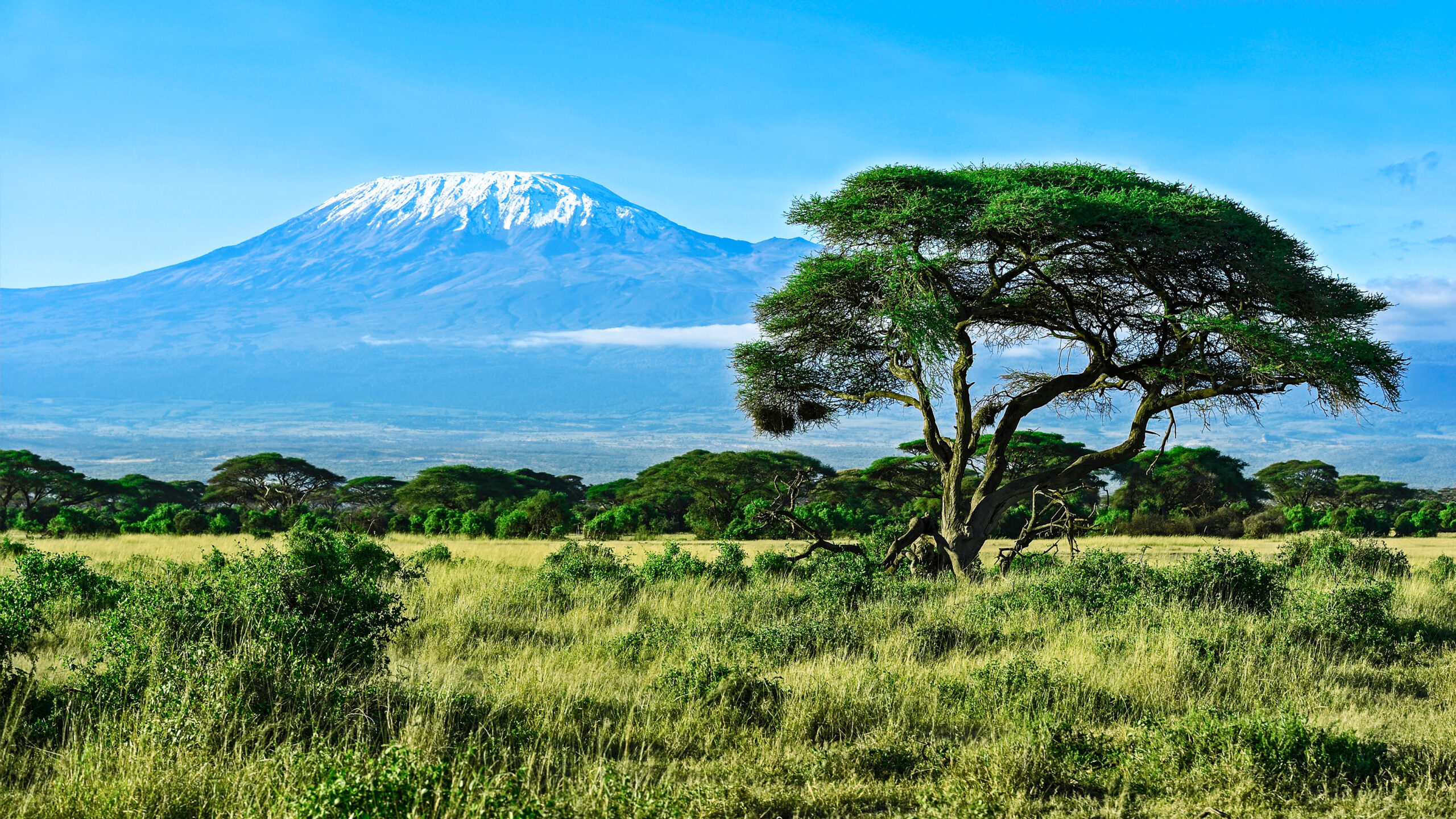
The 7 Kilimanjaro Routes: Current 2026 Conditions on Each
Each Kilimanjaro route offers a different climbing experience, different success rate, and different current conditions for the 2026 season. Here’s the breakdown of all seven routes with what climbers should expect right now.
| Route | Days | 2026 Success Rate | Cost Range | Best Season |
|---|---|---|---|---|
| Lemosho | 7-8 | 85-90% | $2,700-$4,500 | Jun-Oct, Jan-Mar (year-round capable) |
| Machame | 6-7 | 80-85% | $2,400-$4,000 | Jun-Oct, Jan-Mar (avoid wet season) |
| Northern Circuit | 9 | 95%+ | $3,800-$6,000 | Jun-Oct (peak season optimal) |
| Marangu | 5-6 | 50-70% | $2,200-$3,500 | Year-round (huts provide weather protection) |
| Rongai | 6-7 | 75-80% | $2,500-$4,000 | Year-round; best in shoulder seasons |
| Umbwe | 5-6 | 50-65% | $2,400-$3,800 | Dry season only (Jun-Oct, Jan-Mar) |
| Shira | 7-8 | 80-85% | $2,700-$4,200 | Dry season; merges with Lemosho |
Lemosho Route — Best Overall 2026 Conditions
The Lemosho route starts on Kilimanjaro’s western side at the Londorossi Gate (2,250 m), traversing through pristine montane rainforest before reaching the Shira Plateau. The first two days are notably quieter than the more popular Machame route, with climbers often having stretches of trail to themselves. After crossing the Shira Plateau, Lemosho merges with the Machame route at Lava Tower, then continues to the dramatic Barranco Wall and the summit approach via Barafu Camp.
Current 2026 conditions: Excellent. Lemosho handles rain well thanks to good drainage, making it the most reliable route across seasons. The 8-day variant adds an extra acclimatization day that pushes summit success rates to 85-90%. The 7-day variant remains popular but cuts acclimatization tight for some climbers. Lemosho campsites have transitioned to 70%+ solar-powered lighting under the 2026 TANAPA mandate.
Machame Route — Most Popular (“The Whiskey Route”)
The Machame route handles approximately 35% of all Kilimanjaro climbers and offers the most varied scenery of any route. The trail passes through five distinct ecological zones from rainforest at the base to alpine desert near the summit. The famous Barranco Wall, Lava Tower, and Karanga Valley are all on this route. Camping only — no hut accommodation. Standard 7-day version follows the “climb high, sleep low” pattern that aids acclimatization.
Current 2026 conditions: Good but crowded. Machame is the most heavily used route on the mountain, and July-August traffic reaches 100+ climbers starting per day. The route becomes very muddy during the wet season transitions (early April, early November), making it less pleasant in shoulder periods. The 7-day Machame is the standard recommendation for budget-conscious climbers seeking strong success rates. The 6-day Machame compresses acclimatization to a margin many climbers can’t sustain.
Northern Circuit — Highest Success Rate
The Northern Circuit is Kilimanjaro’s longest route and offers the highest summit success rate of any climbing path. Starting from the Londorossi Gate, the route traverses to the Shira Plateau, then continues around the northern slopes of the mountain — passing through terrain that 95% of Kilimanjaro climbers never see. The summit approach uses Pofu, Third Cave, and School Hut camps before joining the Barafu summit route.
Current 2026 conditions: Excellent. The Northern Circuit’s 9-day length provides exceptional acclimatization, which is why success rates exceed 95% during the dry season. Crowds are minimal compared to Machame and Marangu. The northern side stays drier in shoulder seasons. Cost is higher due to additional park fees (9 days × $70 + 8 nights × $50 = significant), but the success rate justifies the premium for climbers committed to summiting.
Marangu Route — “The Coca-Cola Route”
The Marangu route is the only path on Kilimanjaro with hut accommodation instead of tents. Mandara Hut, Horombo Hut, and Kibo Hut provide weather-protected sleeping with shared dormitories for 4-8 climbers. The route uses the same trail for ascent and descent (the “Coca-Cola” nickname comes from this directness and the soft-drink stand at Marangu Gate). The 5-day version is the cheapest and shortest Kilimanjaro option, which explains its persistent popularity despite the low success rates.
Current 2026 conditions: Open year-round due to hut protection, but with caveats. The 5-day Marangu has a 50-60% summit success rate due to compressed acclimatization — many climbers attempt it and fail. The 6-day Marangu adds an acclimatization day at Horombo and improves success to 65-70%. The huts can be very crowded in peak season. Hut fees are $60/night (vs $50 camping on other routes). Marangu is best for climbers with weather concerns who need hut shelter or for those genuinely on a tight schedule. Most experienced trekkers recommend choosing Lemosho or Machame instead.
Rongai Route — The Drier Northern Side
The Rongai route is the only path that approaches Kilimanjaro from the northern side, near the Kenyan border. The northern slope receives less rainfall than the southern side, making Rongai the most reliable route during shoulder seasons (March-April transition, late October-November) when other routes turn muddy. The route is quieter than Machame or Marangu and offers wilderness terrain reminiscent of the African plains rather than the cloud forest of southern routes.
Current 2026 conditions: Reliable. Rongai handles shoulder seasons better than any other Kilimanjaro route. The 7-day variant offers 75-80% success rates with good acclimatization. The 6-day version compresses acclimatization but is still competitive with the standard Machame timing. The route’s lower-altitude approach is gentler than Machame’s early rainforest climb, which some climbers prefer for their first day. Crowds are moderate but never reach Machame levels.
Umbwe Route — Steepest & Most Technical
The Umbwe route is the steepest and most direct path to Kilimanjaro’s summit. The first two days involve a relentless climb up a narrow, forested ridge with significant elevation gain. Some sections require hands-on scrambling, and the early acclimatization is aggressive compared to other routes. Umbwe joins the Machame route at Barranco Camp before continuing to the summit via the standard southern approach.
Current 2026 conditions: Dry season only. Umbwe is not recommended during wet season due to safety concerns on the steep early sections. The route attracts experienced trekkers seeking solitude — daily climber counts are a small fraction of Machame or Marangu numbers. Success rates are lower because the route compresses acclimatization. Only climbers with previous high-altitude trekking experience should consider Umbwe.
Shira Route — Plateau Start (Less Common)
The Shira route is similar to Lemosho but starts higher — climbers drive directly to the Shira Plateau (3,500 m) rather than hiking up from Londorossi Gate. This high start saves a day of trekking but compresses acclimatization significantly during the early route. Shira eventually merges with Lemosho at Shira Camp 2 and continues identically to the summit. Most operators have phased out Shira in favor of Lemosho due to the acclimatization concerns.
Current 2026 conditions: Decreasing operator support. Some operators still offer Shira as a budget alternative for climbers without time for the full Lemosho ascent. The high-altitude vehicle start can trigger altitude symptoms earlier than other routes. Success rates depend heavily on the climber’s pre-trip acclimatization plan. If your operator offers Lemosho at similar price, choose Lemosho instead.
Month-by-Month 2026 Kilimanjaro Conditions
| Month | Season | Conditions | Crowds | Best For |
|---|---|---|---|---|
| January | Short dry | Mild days (20-25°C), clear mornings, freezing summit nights | Moderate | First-timers, photographers, balanced trip |
| February | Short dry | Warm, dry, clear weather; typically driest month | Moderate | Photography, clear summit views, prime conditions |
| Early March | End short dry | Stable early; transitions to rain late month | Moderate | Early-month climbers; avoid late March |
| April | Long rains | Heavy rainfall; muddy trails; only Lemosho/Machame remain open | Minimal | Not recommended for first-time climbers |
| May | Long rains | Continued heavy rainfall; safety concerns | Minimal | Experienced climbers only with proper gear |
| June | Start long dry | Conditions stabilize; trails dry out; cooler temperatures | Building | Climbers wanting quieter routes before peak crowds |
| July | Long dry peak | Most reliable weather; firm trails; clearest views | Maximum | First-time climbers seeking highest success |
| August | Long dry peak | Continued stable conditions; warmest dry season month | Maximum | Peak conditions; book 6-8 months ahead |
| September | Long dry | Stable; thinning crowds; excellent visibility | Building down | Climbers wanting prime conditions with fewer crowds |
| October | End long dry | Conditions remain stable through mid-month | Reducing | Last reliable month before short rains |
| November | Short rains | Lighter rains than April-May but still risky; trails muddy | Minimal | Solitude seekers; success rates drop to 60-70% |
| December | End short rains | Stabilizing late month; holiday-season climbing begins | Building | Late-December climbers riding the dry-season opening |
July-August 2026: Peak Season
July and August are statistically the most reliable months for Kilimanjaro summits. Weather windows are consistent, trails are firm, and summit-day temperatures remain manageable. The trade-off is maximum crowding — Machame route can see 100+ climbers starting per day. Operator packages for these months frequently sell out by January 2026. Climbers planning peak-season trips should already have reservations confirmed.
September-October 2026: Quieter Prime Window
September and early October offer dry-season conditions with significantly reduced crowds. The Northern Circuit and Rongai routes particularly benefit from this window — fewer climbers at remote camps and clearer trail conditions. Operator pricing during September-October is often 10-15% lower than July-August peak. Late October transitions toward the short rains; book early to mid-October dates for the best balance of conditions and crowds.
January-March 2026: Short Dry Season
The short dry season in early 2026 produced stable conditions for climbers with several operators reporting 85%+ summit success during the prime February window. Crowds are moderate, weather is reliable, and temperatures are warmer than during the long dry season. The trade-off is summit nights are colder than July-August in absolute terms despite warmer daytime temperatures. Equipment selection matters more in January-February than in July-August.
Recent Kilimanjaro Trip Reports (2025 Season Synthesis)
The 2025 Kilimanjaro season followed standard dry-season patterns with several notable trends that carry forward to 2026 planning.
2025 Operator Recap
Major operators (Ultimate Kilimanjaro, Altezza Travel, Tanzania Trail, African Scenic Safaris, Climbing Kilimanjaro) reported strong booking volumes throughout the 2025 dry seasons. KPAP partner verification became a stronger selection factor for climbers, with non-KPAP operators losing bookings to certified competitors. Operator packages with crew-tip transparency saw increased market share. The trend continues into 2026.
2025 Trail Condition Patterns
The 2025 dry seasons saw exceptionally firm trail conditions, particularly on Lemosho and Northern Circuit. Mid-July through mid-September provided continuous good weather windows with few rain interruptions. The April-May long rains were heavier than the 5-year average, with some operators reporting Machame and Marangu route closures for 2-3 days during the peak rainy periods.
2025 Summit Success Patterns
Successful climber reports from 2025 emphasized several common patterns: 7-9 day routes performed much better than 5-6 day routes regardless of operator, “climb high, sleep low” acclimatization profiles worked even on shorter trips, and Diamox (acetazolamide) prescribed before the climb (rather than in response to altitude symptoms) improved success rates among first-time high-altitude trekkers.
Independent Climber Notes from 2025
- Summit night timing: Most operators depart Barafu Camp (4,673m) at midnight for the 6-7 hour push to Uhuru Peak. Some operators have shifted to 23:00 departures during peak season to manage trail congestion.
- Kosovo Camp option: Some climbers stay at Kosovo Camp (4,870m) instead of Barafu, shortening summit day by roughly 30 minutes but at the cost of less rest at lower altitude.
- Cell signal: Inconsistent above 4,000m. Most camps have spotty coverage. Garmin InReach is the reliable communication method.
- Helicopter rescue: Kilimanjaro Search and Rescue Trust (KILISAR) operates helicopter evacuations. Travel insurance with high-altitude rescue coverage is essential.
- WAG bags not yet required: Unlike the Matterhorn in 2026, Kilimanjaro does not require WAG bags. Operators handle waste management through TANAPA-approved methods, but a personal waste-bag protocol may be added in future seasons.
- Drone restrictions: Drone use requires TCAA + TANAPA permits, applied 4-6 weeks before climb dates. Casual drone use is prohibited.
Required Gear for the 2026 Kilimanjaro Climb
Kilimanjaro is a non-technical trek but the altitude and summit-night cold demand quality gear. Most operators provide tents, sleeping pads, cooking equipment, and dining gear, so the personal kit you bring focuses on clothing, footwear, and altitude essentials. Here’s the standard 2026 equipment list.
Footwear
| Item | Spec | Notes |
|---|---|---|
| Waterproof hiking boots | B0 or B1 rated; ankle support | Broken in; no technical boots needed |
| Camp shoes | Lightweight sneakers or sandals | For evenings at camp |
| Hiking socks | Merino wool | 4-5 pairs for trek |
| Liner socks | Thin synthetic | Blister prevention |
| Gaiters | Light to mid-weight | Keep dust and snow out |
Clothing System
| Layer | Item | Notes |
|---|---|---|
| Base | Top and bottom (merino or synthetic) | 2-3 sets |
| Mid | Fleece | Chilly camp evenings |
| Light insulation | Synthetic or down sweater | Active climbing layer |
| Heavy insulation | Down parka | -10°C rated minimum for summit night |
| Hardshell jacket | Gore-Tex or equivalent | Wind + rain protection |
| Hardshell pants | Full side-zip or rain pants | Rain + summit night |
| Soft shell pants | 2 pairs for the trek | Active hiking days |
| Hiking shorts | Quick-dry | Warm rainforest days |
| Hat + buff | Warm hat + buff + neck gaiter | Frostbite protection |
| Sun hat or cap | Light + breathable | UV severe at altitude |
| Gloves (2 pairs) | Light + insulated/mittens | Active vs summit night |
Sleeping Gear
| Item | Spec | Notes |
|---|---|---|
| Sleeping bag | -10°C rated or colder | Operator rental usually available |
| Sleeping bag liner | Silk or synthetic | Adds warmth + protects bag |
| Inflatable pillow | Compressible camp pillow | Optional but improves sleep |
Backpacks & Bags
| Item | Spec | Notes |
|---|---|---|
| Daypack | 30-35L | Water, layers, rain gear, snacks |
| Duffel bag | 75-90L | Porters carry; gear + sleeping bag |
| Dry bags / stuff sacks | Waterproof | Organize gear inside duffel |
| Rain cover | For daypack | Rainforest section + storms |
Hydration & Food
| Item | Spec | Notes |
|---|---|---|
| Water capacity | 3L total | Split bladder + bottle |
| Insulated bottles | Nalgenes with insulating sleeves | Bladder hoses freeze summit night |
| Water purification | Tablets or filter | Backup; operators provide treated water |
| Snacks + energy bars | Reusable containers only | 2026 plastic ban enforced |
| Electrolyte tablets / mix | Nuun, Liquid IV, or similar | Hydration + altitude support |
Personal Items & Safety
| Item | Spec | Notes |
|---|---|---|
| Headlamp + spare batteries | Lithium for cold | Essential for midnight summit start |
| Sunscreen + lip balm | SPF 50+ with SPF lip balm | UV severe at altitude |
| Sunglasses | Cat 3 minimum, Cat 4 ideal | UV + glare protection |
| First aid kit | Blister care, ibuprofen, electrolytes, AMS meds | Customize to team needs |
| Diamox / acetazolamide | 250mg twice daily typical | Discuss with doctor; common preventive |
| Hand + toe warmers | Chemical warmers | 5-10 pairs for summit night |
| Trekking poles | Adjustable, 3-section | Essential for steep Mweka descent |
| Passport + Tanzania visa | Visa on arrival available | Required at JRO entry |
| Travel insurance | Mountain rescue coverage | Required for high-altitude evac |
| Yellow fever certificate | If arriving from yellow fever zone | Most US/EU direct flights exempt |
| Cash (USD) | $400-600 | Tips, drinks, emergencies |
2026 TANAPA Regulations & New Requirements
The Tanzania National Parks Authority implemented several new regulations for the 2026 climbing season, primarily focused on environmental protection and porter welfare.
Leave No Trace Mandate
The 2026 season operates under strict Leave No Trace rules enforced at every gate and campsite:
- Plastic packaging ban: All plastic packaging is prohibited on the mountain. Snacks must be packed in reusable containers. Disposable water bottles are confiscated at gates. Operators provide reusable food containers as part of standard service.
- Digital waste tracking: Operators log all waste brought on and off the mountain using TANAPA digital tracking systems. Verification at gates ensures waste accounting matches climber count.
- Solar power transition: Over 70% of campsites have transitioned to solar-powered lighting and lithium-rechargeable systems. Diesel generators are being phased out, reducing campsite carbon emissions by approximately 40%.
Porter Welfare Standards (KPAP)
The Kilimanjaro Porters Assistance Project (KPAP) sets ethical standards that TANAPA increasingly enforces. Key 2026 requirements:
- Maximum porter load: 20 kg per porter, verified digitally at the gate
- Minimum daily wage: Operators must pay the KPAP-recommended minimum
- Required equipment: Porters must have boots, sleeping bag, and adequate clothing — climbers should verify this with their operator
- Climber-to-porter ratio: Reasonable ratios enforced; over-loading is penalized
Climbers should verify their operator is a KPAP partner before booking. The Ultimate Kilimanjaro KPAP partner designation has become a key trust signal for 2026 bookings.
Drone Restrictions
Drone use on Kilimanjaro requires both Tanzania Civil Aviation Authority (TCAA) and TANAPA permits, applied 4-6 weeks before climb dates. Casual drone use is prohibited and aggressively enforced. Drones brought to the gate without permits are confiscated. Most operators advise leaving drones at home unless you have a specific commercial need with permits processed in advance.
Solo Climbing Prohibition
Solo climbing remains illegal on Kilimanjaro. Every climber must book through a licensed operator with a registered guide team. Standard crew sizes run 4-5 local team members per climber, including one guide, one assistant guide, one cook, and 2-3 porters. The 2026 enforcement is stricter than previous years, with TANAPA verifying licensed operator registration at every gate.
2026 Booking Strategy
Kilimanjaro permits are arranged through licensed operators — climbers cannot pay TANAPA directly. Here’s the practical booking timeline for the 2026 season.
For Remaining 2026 Dates (June-December)
If you haven’t booked yet for 2026, your options depend on your target month:
- June 2026: Wide operator availability. Some shoulder-season pricing remaining.
- July-August 2026: Largely fully booked. Limited availability with premium operators. Check 1-2 weeks out for cancellations.
- September 2026: Moderate availability. Strong conditions with fewer crowds.
- October 2026: Wide availability through mid-month. Late October becomes risky due to short rains transition.
- December 2026: Holiday-season climbers face premium pricing. Avoid Christmas-New Year peak unless willing to pay 30-50% premium.
For 2027 Booking
Climbers planning 2027 trips should start research in October-November 2026, with operator deposits typically locked in 6-9 months ahead of climb dates. Peak 2027 season (July-August 2027) will sell out by January-February 2027.
Guide Service Selection
The Kilimanjaro guide service market is large and quality varies significantly. Standard 2026 selection criteria:
- KPAP partnership: Verify on the official KPAP partner list
- License verification: TANAPA-licensed operators only
- Crew transparency: Operator should disclose crew size and tip recommendations
- Insurance coverage: Operator should provide expedition insurance documentation
- Track record: Operator should publish summit success rates by route and year
- Reviews: Recent verified reviews on TripAdvisor, Trustpilot, and climbing-specific forums
Frequently Asked Questions About Kilimanjaro Routes Current Conditions
When is the best time to climb Kilimanjaro in 2026?
The two dry seasons offer the best Kilimanjaro climbing conditions in 2026. The long dry season runs late June through October, with July and August representing peak conditions. The short dry season runs January through early March, with February typically the driest month. June-October generally has the most reliable weather, the firmest trails, and the clearest summit views. April-May (long rains) and November (short rains) are the wet seasons and are not recommended for first-time climbers. Success rates during the dry season average 85-95% on 7-9 day routes, dropping to 60-70% during the wet seasons.
Which Kilimanjaro route has the best conditions right now?
For the 2026 dry season, Lemosho 8-day offers the best overall conditions: 85-90% summit success rate, excellent scenery, good acclimatization, and lower crowds than Machame for the first two days. Northern Circuit 9-day has the highest summit success rate (95%+) at premium cost. Machame 7-day remains the most popular route with 80-85% success at moderate cost. Rongai is the best option for shoulder seasons because the northern side stays drier when other routes are wet. Avoid Marangu 5-day — the lower success rate (50-60%) is not worth the price advantage. Umbwe is recommended only for experienced climbers seeking solitude.
How much do Kilimanjaro park fees cost in 2026?
TANAPA park fees for the 2026 Kilimanjaro climbing season run approximately $1,000 to $1,400 USD per person depending on route length. Daily breakdown: conservation fee $70 per person per day, camping fee $50 per night (or $60 hut fee on Marangu), one-time rescue fee $20 per climber, plus 18% VAT on all fees. A 7-day Machame or Lemosho climb generates roughly $1,210 in park fees alone. The 9-day Northern Circuit exceeds $1,400 in fees. Park fees represent 30-50% of your total trip cost and are non-negotiable.
Can I climb Kilimanjaro independently in 2026?
No. Solo climbing is illegal on Kilimanjaro. The Tanzania National Parks Authority requires every climber to book through a licensed operator with a registered guide team. The 2026 regulations are strictly enforced at the park gates. Your operator handles permit applications, fee payments, equipment, food, porters, and guides. Standard crew sizes run 4-5 local team members per climber. Tipping the crew is customary and adds $250-350 per climber to your total trip cost.
What 2026 regulations changed on Kilimanjaro?
TANAPA implemented strict Leave No Trace regulations for the 2026 season. Three key changes affect every climber. First, a waste-free mandate bans all plastic packaging on the mountain. Climbers must pack snacks in reusable containers. Second, 70% of campsites have transitioned to solar-powered lighting and lithium-rechargeable systems, reducing carbon emissions by 40%. Third, porter welfare standards are tighter, with KPAP-partner operators carrying digital crew weight checks. Climbers should verify their operator is a KPAP partner before booking.
How much does climbing Kilimanjaro cost in 2026?
Climbing Kilimanjaro in 2026 typically costs $2,200-$6,000 USD per climber for the trek itself. Budget group climbs (large operators, basic service) run $2,200-$3,000. Mid-range operators with KPAP certification and good crew ratios run $3,000-$4,500. Private premium expeditions with experienced guides run $4,500-$6,000+. Park fees ($1,000-$1,400) and crew tips ($250-350) are typically included in operator package pricing. International flights to Kilimanjaro International Airport (JRO) add $800-$2,000. Total trip budget including flights, gear, vaccinations, and tips typically runs $4,000-$8,000 per climber.
How many days do I need to climb Kilimanjaro?
Climbing Kilimanjaro takes 5-9 days on the mountain plus 2-3 days for travel, briefing, and recovery. Most operators recommend 7-9 day routes for the highest success rates. The 5-day Marangu has a 50-60% summit success rate due to compressed acclimatization. The 7-day Lemosho or Machame route delivers 80-90% success. The 9-day Northern Circuit produces 95%+ success rates. Climbers should plan their total Tanzania trip for 9-13 days including arrival, climbing, and recovery before flights home.
Do I need to be in great shape to climb Kilimanjaro?
You need to be reasonably fit, but Kilimanjaro is a non-technical trek rather than a technical climb. The standard fitness benchmark: hike 6-8 hours per day with a daypack for multiple consecutive days. Cardio fitness equivalent to running 5K in 30-35 minutes provides solid base. Most climbers train with hill walking, stair climbing, and weighted backpack hikes for 8-12 weeks before the climb. The challenge is altitude rather than physical difficulty — even fit climbers can fail to summit if their body doesn’t acclimatize. Diamox prescription before the climb helps many climbers succeed.
What is summit night like on Kilimanjaro?
Summit night is the hardest part of the Kilimanjaro climb. Most groups depart Barafu Camp (4,673 m) at midnight for the 6-7 hour push to Uhuru Peak. Temperatures drop to -15°F to -20°F (-26 to -29°C) with significant wind chill. Your water bottle freezes. The trail switchbacks endlessly up loose scree to Stella Point (5,756 m) on the crater rim, then traverses 45-60 minutes to Uhuru Peak. Most climbers reach the summit between 06:00 and 08:00 for sunrise. Descent to Barafu takes 3-4 hours. Total summit day is typically 14-16 hours.
What vaccinations do I need for Kilimanjaro in 2026?
Standard Tanzania vaccinations apply for Kilimanjaro climbers. Yellow fever vaccination certificate is required only if you’re arriving from a yellow fever zone (most travelers from the US and Europe do not need it for direct flights). Routine vaccinations (MMR, DTaP, polio) should be current. Recommended for Tanzania travel: typhoid, hepatitis A, hepatitis B, and rabies. Malaria prophylaxis is recommended for the trip — Kilimanjaro itself is above the malaria zone, but base towns Moshi and Arusha are not. Consult a travel medicine specialist 6-8 weeks before your trip for personalized recommendations.
Kilimanjaro Planning Resources
Sources & Further Reading
- Tanzania National Parks Authority (TANAPA) — official 2026 park fees, regulations, and route information
- Kilimanjaro National Park (KINAPA) — current conditions and entry requirements
- Kilimanjaro Porters Assistance Project (KPAP) — partner operator list and porter welfare standards
- Ultimate Kilimanjaro — 2026 trip pricing and route success rate data
- Altezza Travel — 2026 itinerary recommendations and TANAPA fee breakdowns
- Tanzania Trail — 2026-2027 climbing season cost analysis
- African Scenic Safaris — month-by-month climbing condition analysis
- Climbing Kilimanjaro — TANAPA fee structure documentation
- Mount Kilimanjaro Climb — 2026 permit cost analysis
- Blessing Safaris — month-by-month route condition guidance
- Duma Explorer — 2026 route guide with TANAPA regulation details
- AJ Kenya Safaris — 2026 climbing route comparison
- Kilimanjaro Climb Guide (kilimanjaropark.org) — first ascent history and park overview
- Wikipedia — Mount Kilimanjaro, Uhuru Peak references
Last updated: May 24, 2026. Next scheduled update: June 30, 2026 (long dry season opening verification).
Planning a 2026 Kilimanjaro Climb?
For the complete Kilimanjaro climbing guide including route comparisons, training plans, costs, and operator selection, see our pillar guide.
Read the Full Kilimanjaro Guide →