web analytics

Tag: Machame route

  • Kilimanjaro Routes Current Conditions 2026: Best Time to Climb, Route Comparison & What to Expect This Season

    Home · Mountains · Kilimanjaro · Routes Current Conditions

    Kilimanjaro Routes Current Conditions 2026: Best Time to Climb, Route Comparison & What to Expect This Season

    Everything you need to know about climbing Mount Kilimanjaro in the 2026 season. Current conditions across all seven routes (Lemosho, Machame, Marangu, Rongai, Northern Circuit, Umbwe, Shira). The June-October dry season opens now. TANAPA fees, summit success rates, recent climber reports, and the new 2026 Leave No Trace regulations.

    5,895m
    Uhuru Peak Summit
    Jun-Oct
    Long Dry Season 2026
    85-95%
    Dry Season Success Rate
    7 routes
    Climbing Paths to Summit
    2026 Long Dry Season Opens · Lemosho 8-Day Best Conditions · TANAPA Park Fees $1,000-$1,400 · Leave No Trace Mandate Active · Full Kilimanjaro Guide →
    Last updated May 24, 2026 — verified for the 2026 long dry season (June-October) climbing window

    If you’re planning to climb Kilimanjaro this season, several specific things have changed for 2026. TANAPA has implemented strict Leave No Trace regulations, including a ban on plastic packaging and digital waste tracking. Park fees now total $1,000-$1,400 USD per climber depending on route length. The long dry season opens in June, with peak conditions running through October. Routes vary significantly in their current state — some handle the upcoming shoulder season better than others. This page covers all seven climbing routes, current 2026 conditions on each, recent climber reports, and what to expect for the rest of the season.

    Kilimanjaro climbing in 2026 happens primarily in two dry windows. The long dry season runs late June through October — July and August represent peak conditions with the most reliable weather, the firmest trails, and the clearest summit views. The short dry season runs January through early March, with February typically the driest month. The April-May long rains and the November short rains are the wet seasons; first-time climbers should avoid both. Success rates during the dry seasons average 85-95% on 7-9 day routes, dropping to 60-70% during the wet seasons.

    The Tanzania National Parks Authority (TANAPA) maintains seven climbing routes to the summit. Lemosho, Machame, Marangu, Rongai, and Northern Circuit are the standard options. Umbwe and Shira see less traffic and serve specific climber profiles. Mweka is descent-only — no operator offers ascents on Mweka. Each route has its own current condition profile that climbers should understand before booking the 2026 season.

    Kilimanjaro Live Conditions Snapshot

    Here’s the current status of Kilimanjaro climbing conditions as of May 24, 2026, verified against TANAPA, recent operator advisories, and the Kilimanjaro Porters Assistance Project (KPAP).

    2026 Season Status — Updated May 24, 2026

    Long Dry Season
    Opens late June, runs through October. July-August peak conditions. Booked operators report 90%+ summit success during this window.
    Opens Jun
    Park Fees (TANAPA)
    $70/day conservation + $50/night camping ($60/night Marangu hut) + $20 one-time rescue + 18% VAT. Roughly $1,000-$1,400 per climber.
    Required
    Lemosho Route
    Best overall 2026 conditions. 7-8 day options. 85-90% success rate. Western start, joins Machame at Shira Plateau.
    Optimal
    Machame Route
    Most popular route (35% of climbers). 6-7 day options. 80-85% success. Can become very muddy during wet season transitions.
    Good
    Northern Circuit
    Longest route (9 days). Highest success rate (95%+). All four slopes traversed. Quietest of the popular routes.
    Excellent
    Marangu Route
    5-6 day options. 50-70% success rate. Hut accommodation only. Coca-Cola route. Lower success but cheaper, weather-protected huts.
    Open
    Rongai Route
    Drier northern approach. 6-7 day options. 75-80% success rate. Best for shoulder season and rainy periods.
    Good
    Umbwe Route
    Steepest, most technical route. 5-6 days. 50-65% success. Dry season only. Experienced climbers seeking solitude.
    Limited
    Leave No Trace 2026
    Plastic packaging banned. Digital waste tracking active. 70% campsites solar-powered. KPAP partner verification required.
    Enforced
    Solo Climbing
    Illegal. All climbers must book through licensed operator. Standard crew: guide, assistant guide, cook, 2-3 porters per climber.
    Prohibited

    2026 booking timing matters. Lemosho and Machame routes during the prime July-August window typically book out 6-8 months in advance. Climbers planning peak-season 2026 trips should already have operator reservations confirmed. Last-minute bookings (1-3 months out) are possible for September-October dates and for less popular routes (Rongai, Northern Circuit). Avoid booking through any operator that cannot demonstrate KPAP partnership — porter welfare violations have triggered TANAPA enforcement actions in recent seasons.

    Kilimanjaro Location & Live Weather

    Mount Kilimanjaro sits in northeastern Tanzania near the Kenyan border, about 300 km south of the equator. Uhuru Peak coordinates: 3.0674°S, 37.3556°E. The climbing routes start from various gates around the base: Londorossi (Lemosho), Machame Gate (Machame), Marangu Gate (Marangu and Mweka exit), Rongai (northern side), and Lemosho Gate for Shira. Climbers fly into Kilimanjaro International Airport (JRO) near Moshi or Arusha, then drive 1-2 hours to the trailhead.

    Moshi (Base) Temp
    Loading…
    Wind
    Conditions
    Tomorrow

    Live weather data from Open-Meteo at Moshi, Tanzania (910m). Summit-night temperatures at Uhuru Peak (5,895m) typically run -15°F to -20°F (-26 to -29°C) with significant wind chill, regardless of base camp conditions. Always check your operator’s pre-climb weather briefing.

    Kilimanjaro At a Glance

    Summit elevation5,895 m (19,341 ft) — Uhuru Peak; Africa’s highest peak; one of the Seven Summits
    LocationNortheastern Tanzania, near Kenyan border
    Coordinates3.0674°S, 37.3556°E
    Park authorityTanzania National Parks Authority (TANAPA) / Kilimanjaro National Park (KINAPA)
    Climbing routes7 ascent routes: Lemosho, Machame, Marangu, Rongai, Northern Circuit, Umbwe, Shira (Mweka is descent-only)
    Technical gradeNon-technical trek; no climbing equipment required; altitude is the primary challenge
    2026 dry seasonsLong: late June through October; Short: January through early March
    2026 wet seasonsLong rains: April-May; Short rains: November
    Peak seasonJuly-August (most stable weather, maximum crowds)
    Expedition length5-9 days depending on route; 7-9 days strongly recommended
    2026 TANAPA park fees$70/day + $50/night camping ($60 hut) + $20 rescue + 18% VAT = $1,000-$1,400 per climber
    2026 guided trip cost$2,200-$6,000+ USD per climber (group budget to private premium)
    Summit success rate85-95% on 7-9 day routes during dry season; 50-70% on 5-6 day routes or wet season
    Solo climbingIllegal — all climbers must book through licensed operator with registered guide team
    Required crew per climber1 guide + 1 assistant guide + 1 cook + 2-3 porters (4-5 team members standard)
    2026 regulationsLeave No Trace mandate; plastic packaging banned; KPAP partner verification
    Summit night temperatures-15°F to -20°F (-26 to -29°C) with wind chill regardless of season
    First ascentOctober 6, 1889 — Hans Meyer, Ludwig Purtscheller, and Chagga guide Yohani Lauwo
    AirportKilimanjaro International (JRO), 1-2 hours from trailheads via Moshi or Arusha
    Crew tipping$250-350 USD per climber, split among guides, cook, and porters
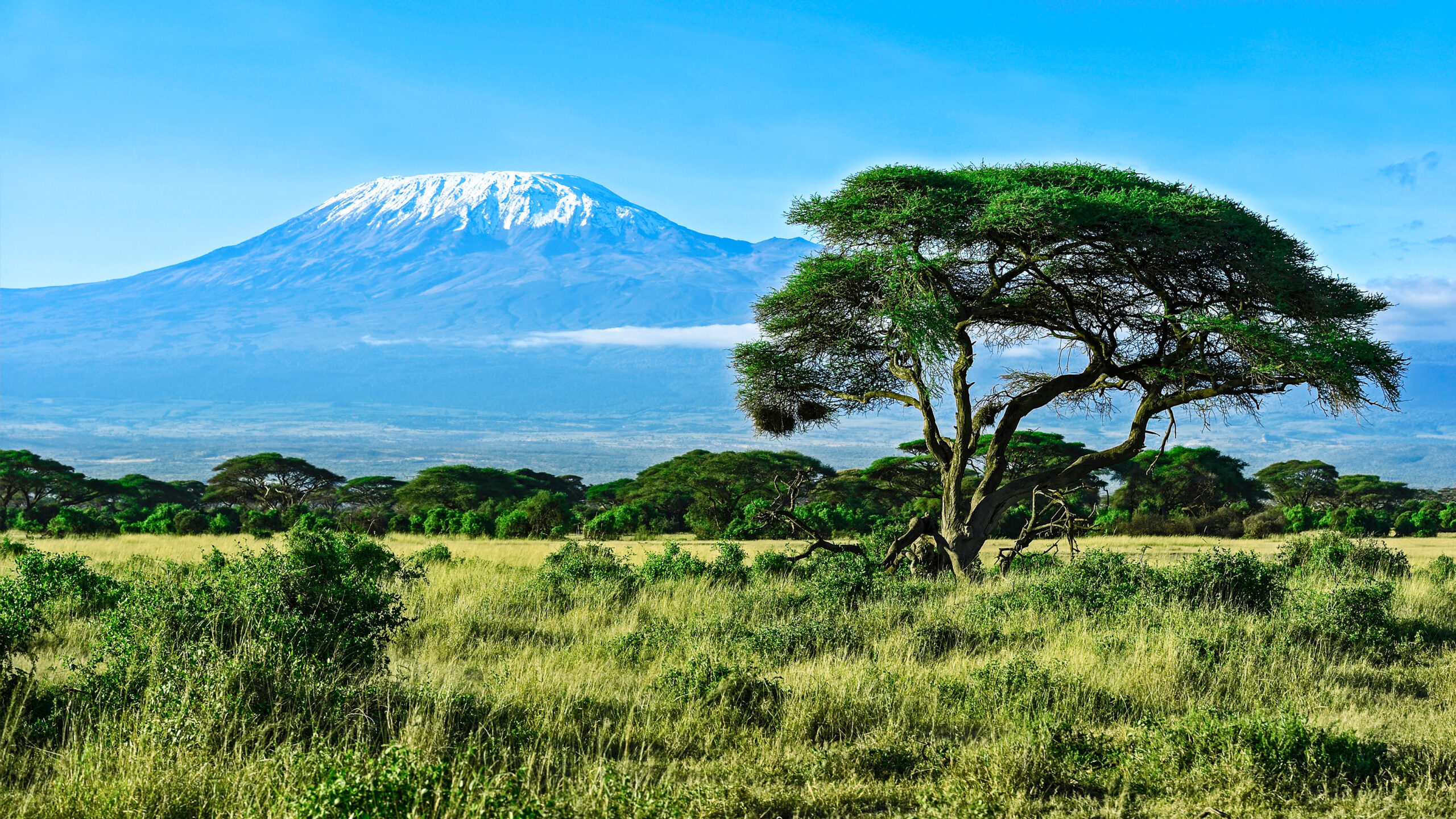
    Mount Kilimanjaro Uhuru Peak summit 5895 meters showing Africa highest peak with snow glaciers and the 2026 climbing routes from base in Moshi Tanzania
    Mount Kilimanjaro and Uhuru Peak (5,895 m) — Africa’s highest summit and one of the Seven Summits. The 2026 climbing season uses seven established routes ranging from the 5-day Marangu (lowest success rate) to the 9-day Northern Circuit (highest success rate). The long dry season opens late June and runs through October.

    The 7 Kilimanjaro Routes: Current 2026 Conditions on Each

    Each Kilimanjaro route offers a different climbing experience, different success rate, and different current conditions for the 2026 season. Here’s the breakdown of all seven routes with what climbers should expect right now.

    RouteDays2026 Success RateCost RangeBest Season
    Lemosho7-885-90%$2,700-$4,500Jun-Oct, Jan-Mar (year-round capable)
    Machame6-780-85%$2,400-$4,000Jun-Oct, Jan-Mar (avoid wet season)
    Northern Circuit995%+$3,800-$6,000Jun-Oct (peak season optimal)
    Marangu5-650-70%$2,200-$3,500Year-round (huts provide weather protection)
    Rongai6-775-80%$2,500-$4,000Year-round; best in shoulder seasons
    Umbwe5-650-65%$2,400-$3,800Dry season only (Jun-Oct, Jan-Mar)
    Shira7-880-85%$2,700-$4,200Dry season; merges with Lemosho

    Lemosho Route — Best Overall 2026 Conditions

    7-8 days · Western approach · 85-90% summit success · $2,700-$4,500 · Best balance of scenery and acclimatization

    The Lemosho route starts on Kilimanjaro’s western side at the Londorossi Gate (2,250 m), traversing through pristine montane rainforest before reaching the Shira Plateau. The first two days are notably quieter than the more popular Machame route, with climbers often having stretches of trail to themselves. After crossing the Shira Plateau, Lemosho merges with the Machame route at Lava Tower, then continues to the dramatic Barranco Wall and the summit approach via Barafu Camp.

    Current 2026 conditions: Excellent. Lemosho handles rain well thanks to good drainage, making it the most reliable route across seasons. The 8-day variant adds an extra acclimatization day that pushes summit success rates to 85-90%. The 7-day variant remains popular but cuts acclimatization tight for some climbers. Lemosho campsites have transitioned to 70%+ solar-powered lighting under the 2026 TANAPA mandate.

    Days
    7-8
    Success rate
    85-90%
    Cost
    $2,700-$4,500
    2026 status
    Best overall

    Machame Route — Most Popular (“The Whiskey Route”)

    6-7 days · Southern approach · 80-85% summit success · $2,400-$4,000 · Camping only, scenic, well-supported

    The Machame route handles approximately 35% of all Kilimanjaro climbers and offers the most varied scenery of any route. The trail passes through five distinct ecological zones from rainforest at the base to alpine desert near the summit. The famous Barranco Wall, Lava Tower, and Karanga Valley are all on this route. Camping only — no hut accommodation. Standard 7-day version follows the “climb high, sleep low” pattern that aids acclimatization.

    Current 2026 conditions: Good but crowded. Machame is the most heavily used route on the mountain, and July-August traffic reaches 100+ climbers starting per day. The route becomes very muddy during the wet season transitions (early April, early November), making it less pleasant in shoulder periods. The 7-day Machame is the standard recommendation for budget-conscious climbers seeking strong success rates. The 6-day Machame compresses acclimatization to a margin many climbers can’t sustain.

    Days
    6-7
    Success rate
    80-85%
    Cost
    $2,400-$4,000
    2026 status
    Standard

    Northern Circuit — Highest Success Rate

    9 days · Northern circumnavigation · 95%+ summit success · $3,800-$6,000 · Longest route, fewest crowds

    The Northern Circuit is Kilimanjaro’s longest route and offers the highest summit success rate of any climbing path. Starting from the Londorossi Gate, the route traverses to the Shira Plateau, then continues around the northern slopes of the mountain — passing through terrain that 95% of Kilimanjaro climbers never see. The summit approach uses Pofu, Third Cave, and School Hut camps before joining the Barafu summit route.

    Current 2026 conditions: Excellent. The Northern Circuit’s 9-day length provides exceptional acclimatization, which is why success rates exceed 95% during the dry season. Crowds are minimal compared to Machame and Marangu. The northern side stays drier in shoulder seasons. Cost is higher due to additional park fees (9 days × $70 + 8 nights × $50 = significant), but the success rate justifies the premium for climbers committed to summiting.

    Days
    9
    Success rate
    95%+
    Cost
    $3,800-$6,000
    2026 status
    Best success

    Marangu Route — “The Coca-Cola Route”

    5-6 days · Southeast approach · 50-70% summit success · $2,200-$3,500 · Only route with hut accommodation

    The Marangu route is the only path on Kilimanjaro with hut accommodation instead of tents. Mandara Hut, Horombo Hut, and Kibo Hut provide weather-protected sleeping with shared dormitories for 4-8 climbers. The route uses the same trail for ascent and descent (the “Coca-Cola” nickname comes from this directness and the soft-drink stand at Marangu Gate). The 5-day version is the cheapest and shortest Kilimanjaro option, which explains its persistent popularity despite the low success rates.

    Current 2026 conditions: Open year-round due to hut protection, but with caveats. The 5-day Marangu has a 50-60% summit success rate due to compressed acclimatization — many climbers attempt it and fail. The 6-day Marangu adds an acclimatization day at Horombo and improves success to 65-70%. The huts can be very crowded in peak season. Hut fees are $60/night (vs $50 camping on other routes). Marangu is best for climbers with weather concerns who need hut shelter or for those genuinely on a tight schedule. Most experienced trekkers recommend choosing Lemosho or Machame instead.

    Days
    5-6
    Success rate
    50-70%
    Cost
    $2,200-$3,500
    2026 status
    Open, cheap

    Rongai Route — The Drier Northern Side

    6-7 days · Northern approach · 75-80% summit success · $2,500-$4,000 · Year-round capability

    The Rongai route is the only path that approaches Kilimanjaro from the northern side, near the Kenyan border. The northern slope receives less rainfall than the southern side, making Rongai the most reliable route during shoulder seasons (March-April transition, late October-November) when other routes turn muddy. The route is quieter than Machame or Marangu and offers wilderness terrain reminiscent of the African plains rather than the cloud forest of southern routes.

    Current 2026 conditions: Reliable. Rongai handles shoulder seasons better than any other Kilimanjaro route. The 7-day variant offers 75-80% success rates with good acclimatization. The 6-day version compresses acclimatization but is still competitive with the standard Machame timing. The route’s lower-altitude approach is gentler than Machame’s early rainforest climb, which some climbers prefer for their first day. Crowds are moderate but never reach Machame levels.

    Days
    6-7
    Success rate
    75-80%
    Cost
    $2,500-$4,000
    2026 status
    Shoulder season pick

    Umbwe Route — Steepest & Most Technical

    5-6 days · Southwestern approach · 50-65% summit success · $2,400-$3,800 · Experienced climbers only

    The Umbwe route is the steepest and most direct path to Kilimanjaro’s summit. The first two days involve a relentless climb up a narrow, forested ridge with significant elevation gain. Some sections require hands-on scrambling, and the early acclimatization is aggressive compared to other routes. Umbwe joins the Machame route at Barranco Camp before continuing to the summit via the standard southern approach.

    Current 2026 conditions: Dry season only. Umbwe is not recommended during wet season due to safety concerns on the steep early sections. The route attracts experienced trekkers seeking solitude — daily climber counts are a small fraction of Machame or Marangu numbers. Success rates are lower because the route compresses acclimatization. Only climbers with previous high-altitude trekking experience should consider Umbwe.

    Days
    5-6
    Success rate
    50-65%
    Cost
    $2,400-$3,800
    2026 status
    Dry season only

    Shira Route — Plateau Start (Less Common)

    7-8 days · Western plateau approach · 80-85% summit success · $2,700-$4,200 · Drives to high start

    The Shira route is similar to Lemosho but starts higher — climbers drive directly to the Shira Plateau (3,500 m) rather than hiking up from Londorossi Gate. This high start saves a day of trekking but compresses acclimatization significantly during the early route. Shira eventually merges with Lemosho at Shira Camp 2 and continues identically to the summit. Most operators have phased out Shira in favor of Lemosho due to the acclimatization concerns.

    Current 2026 conditions: Decreasing operator support. Some operators still offer Shira as a budget alternative for climbers without time for the full Lemosho ascent. The high-altitude vehicle start can trigger altitude symptoms earlier than other routes. Success rates depend heavily on the climber’s pre-trip acclimatization plan. If your operator offers Lemosho at similar price, choose Lemosho instead.

    Days
    7-8
    Success rate
    80-85%
    Cost
    $2,700-$4,200
    2026 status
    Less common

    Month-by-Month 2026 Kilimanjaro Conditions

    MonthSeasonConditionsCrowdsBest For
    JanuaryShort dryMild days (20-25°C), clear mornings, freezing summit nightsModerateFirst-timers, photographers, balanced trip
    FebruaryShort dryWarm, dry, clear weather; typically driest monthModeratePhotography, clear summit views, prime conditions
    Early MarchEnd short dryStable early; transitions to rain late monthModerateEarly-month climbers; avoid late March
    AprilLong rainsHeavy rainfall; muddy trails; only Lemosho/Machame remain openMinimalNot recommended for first-time climbers
    MayLong rainsContinued heavy rainfall; safety concernsMinimalExperienced climbers only with proper gear
    JuneStart long dryConditions stabilize; trails dry out; cooler temperaturesBuildingClimbers wanting quieter routes before peak crowds
    JulyLong dry peakMost reliable weather; firm trails; clearest viewsMaximumFirst-time climbers seeking highest success
    AugustLong dry peakContinued stable conditions; warmest dry season monthMaximumPeak conditions; book 6-8 months ahead
    SeptemberLong dryStable; thinning crowds; excellent visibilityBuilding downClimbers wanting prime conditions with fewer crowds
    OctoberEnd long dryConditions remain stable through mid-monthReducingLast reliable month before short rains
    NovemberShort rainsLighter rains than April-May but still risky; trails muddyMinimalSolitude seekers; success rates drop to 60-70%
    DecemberEnd short rainsStabilizing late month; holiday-season climbing beginsBuildingLate-December climbers riding the dry-season opening

    July-August 2026: Peak Season

    July and August are statistically the most reliable months for Kilimanjaro summits. Weather windows are consistent, trails are firm, and summit-day temperatures remain manageable. The trade-off is maximum crowding — Machame route can see 100+ climbers starting per day. Operator packages for these months frequently sell out by January 2026. Climbers planning peak-season trips should already have reservations confirmed.

    September-October 2026: Quieter Prime Window

    September and early October offer dry-season conditions with significantly reduced crowds. The Northern Circuit and Rongai routes particularly benefit from this window — fewer climbers at remote camps and clearer trail conditions. Operator pricing during September-October is often 10-15% lower than July-August peak. Late October transitions toward the short rains; book early to mid-October dates for the best balance of conditions and crowds.

    January-March 2026: Short Dry Season

    The short dry season in early 2026 produced stable conditions for climbers with several operators reporting 85%+ summit success during the prime February window. Crowds are moderate, weather is reliable, and temperatures are warmer than during the long dry season. The trade-off is summit nights are colder than July-August in absolute terms despite warmer daytime temperatures. Equipment selection matters more in January-February than in July-August.

    Recent Kilimanjaro Trip Reports (2025 Season Synthesis)

    The 2025 Kilimanjaro season followed standard dry-season patterns with several notable trends that carry forward to 2026 planning.

    2025 Operator Recap

    Major operators (Ultimate Kilimanjaro, Altezza Travel, Tanzania Trail, African Scenic Safaris, Climbing Kilimanjaro) reported strong booking volumes throughout the 2025 dry seasons. KPAP partner verification became a stronger selection factor for climbers, with non-KPAP operators losing bookings to certified competitors. Operator packages with crew-tip transparency saw increased market share. The trend continues into 2026.

    2025 Trail Condition Patterns

    The 2025 dry seasons saw exceptionally firm trail conditions, particularly on Lemosho and Northern Circuit. Mid-July through mid-September provided continuous good weather windows with few rain interruptions. The April-May long rains were heavier than the 5-year average, with some operators reporting Machame and Marangu route closures for 2-3 days during the peak rainy periods.

    2025 Summit Success Patterns

    Successful climber reports from 2025 emphasized several common patterns: 7-9 day routes performed much better than 5-6 day routes regardless of operator, “climb high, sleep low” acclimatization profiles worked even on shorter trips, and Diamox (acetazolamide) prescribed before the climb (rather than in response to altitude symptoms) improved success rates among first-time high-altitude trekkers.

    Independent Climber Notes from 2025

    • Summit night timing: Most operators depart Barafu Camp (4,673m) at midnight for the 6-7 hour push to Uhuru Peak. Some operators have shifted to 23:00 departures during peak season to manage trail congestion.
    • Kosovo Camp option: Some climbers stay at Kosovo Camp (4,870m) instead of Barafu, shortening summit day by roughly 30 minutes but at the cost of less rest at lower altitude.
    • Cell signal: Inconsistent above 4,000m. Most camps have spotty coverage. Garmin InReach is the reliable communication method.
    • Helicopter rescue: Kilimanjaro Search and Rescue Trust (KILISAR) operates helicopter evacuations. Travel insurance with high-altitude rescue coverage is essential.
    • WAG bags not yet required: Unlike the Matterhorn in 2026, Kilimanjaro does not require WAG bags. Operators handle waste management through TANAPA-approved methods, but a personal waste-bag protocol may be added in future seasons.
    • Drone restrictions: Drone use requires TCAA + TANAPA permits, applied 4-6 weeks before climb dates. Casual drone use is prohibited.
    Kilimanjaro Machame Route Barranco Wall climbing 2026 dry season showing climbers ascending the steep section between Karanga Valley and Barafu Camp on the way to Uhuru Peak summit
    The Machame Route — most popular path on Kilimanjaro — handles about 35% of all climbers. The route passes through five ecological zones and crosses the famous Barranco Wall. The 2026 dry season (June-October) offers peak conditions on this route with 80-85% summit success rates on the 7-day variant.

    Required Gear for the 2026 Kilimanjaro Climb

    Kilimanjaro is a non-technical trek but the altitude and summit-night cold demand quality gear. Most operators provide tents, sleeping pads, cooking equipment, and dining gear, so the personal kit you bring focuses on clothing, footwear, and altitude essentials. Here’s the standard 2026 equipment list.

    Footwear

    ItemSpecNotes
    Waterproof hiking bootsB0 or B1 rated; ankle supportBroken in; no technical boots needed
    Camp shoesLightweight sneakers or sandalsFor evenings at camp
    Hiking socksMerino wool4-5 pairs for trek
    Liner socksThin syntheticBlister prevention
    GaitersLight to mid-weightKeep dust and snow out

    Clothing System

    LayerItemNotes
    BaseTop and bottom (merino or synthetic)2-3 sets
    MidFleeceChilly camp evenings
    Light insulationSynthetic or down sweaterActive climbing layer
    Heavy insulationDown parka-10°C rated minimum for summit night
    Hardshell jacketGore-Tex or equivalentWind + rain protection
    Hardshell pantsFull side-zip or rain pantsRain + summit night
    Soft shell pants2 pairs for the trekActive hiking days
    Hiking shortsQuick-dryWarm rainforest days
    Hat + buffWarm hat + buff + neck gaiterFrostbite protection
    Sun hat or capLight + breathableUV severe at altitude
    Gloves (2 pairs)Light + insulated/mittensActive vs summit night

    Sleeping Gear

    ItemSpecNotes
    Sleeping bag-10°C rated or colderOperator rental usually available
    Sleeping bag linerSilk or syntheticAdds warmth + protects bag
    Inflatable pillowCompressible camp pillowOptional but improves sleep

    Backpacks & Bags

    ItemSpecNotes
    Daypack30-35LWater, layers, rain gear, snacks
    Duffel bag75-90LPorters carry; gear + sleeping bag
    Dry bags / stuff sacksWaterproofOrganize gear inside duffel
    Rain coverFor daypackRainforest section + storms

    Hydration & Food

    ItemSpecNotes
    Water capacity3L totalSplit bladder + bottle
    Insulated bottlesNalgenes with insulating sleevesBladder hoses freeze summit night
    Water purificationTablets or filterBackup; operators provide treated water
    Snacks + energy barsReusable containers only2026 plastic ban enforced
    Electrolyte tablets / mixNuun, Liquid IV, or similarHydration + altitude support

    Personal Items & Safety

    ItemSpecNotes
    Headlamp + spare batteriesLithium for coldEssential for midnight summit start
    Sunscreen + lip balmSPF 50+ with SPF lip balmUV severe at altitude
    SunglassesCat 3 minimum, Cat 4 idealUV + glare protection
    First aid kitBlister care, ibuprofen, electrolytes, AMS medsCustomize to team needs
    Diamox / acetazolamide250mg twice daily typicalDiscuss with doctor; common preventive
    Hand + toe warmersChemical warmers5-10 pairs for summit night
    Trekking polesAdjustable, 3-sectionEssential for steep Mweka descent
    Passport + Tanzania visaVisa on arrival availableRequired at JRO entry
    Travel insuranceMountain rescue coverageRequired for high-altitude evac
    Yellow fever certificateIf arriving from yellow fever zoneMost US/EU direct flights exempt
    Cash (USD)$400-600Tips, drinks, emergencies

    2026 TANAPA Regulations & New Requirements

    The Tanzania National Parks Authority implemented several new regulations for the 2026 climbing season, primarily focused on environmental protection and porter welfare.

    Leave No Trace Mandate

    The 2026 season operates under strict Leave No Trace rules enforced at every gate and campsite:

    • Plastic packaging ban: All plastic packaging is prohibited on the mountain. Snacks must be packed in reusable containers. Disposable water bottles are confiscated at gates. Operators provide reusable food containers as part of standard service.
    • Digital waste tracking: Operators log all waste brought on and off the mountain using TANAPA digital tracking systems. Verification at gates ensures waste accounting matches climber count.
    • Solar power transition: Over 70% of campsites have transitioned to solar-powered lighting and lithium-rechargeable systems. Diesel generators are being phased out, reducing campsite carbon emissions by approximately 40%.

    Porter Welfare Standards (KPAP)

    The Kilimanjaro Porters Assistance Project (KPAP) sets ethical standards that TANAPA increasingly enforces. Key 2026 requirements:

    • Maximum porter load: 20 kg per porter, verified digitally at the gate
    • Minimum daily wage: Operators must pay the KPAP-recommended minimum
    • Required equipment: Porters must have boots, sleeping bag, and adequate clothing — climbers should verify this with their operator
    • Climber-to-porter ratio: Reasonable ratios enforced; over-loading is penalized

    Climbers should verify their operator is a KPAP partner before booking. The Ultimate Kilimanjaro KPAP partner designation has become a key trust signal for 2026 bookings.

    Drone Restrictions

    Drone use on Kilimanjaro requires both Tanzania Civil Aviation Authority (TCAA) and TANAPA permits, applied 4-6 weeks before climb dates. Casual drone use is prohibited and aggressively enforced. Drones brought to the gate without permits are confiscated. Most operators advise leaving drones at home unless you have a specific commercial need with permits processed in advance.

    Solo Climbing Prohibition

    Solo climbing remains illegal on Kilimanjaro. Every climber must book through a licensed operator with a registered guide team. Standard crew sizes run 4-5 local team members per climber, including one guide, one assistant guide, one cook, and 2-3 porters. The 2026 enforcement is stricter than previous years, with TANAPA verifying licensed operator registration at every gate.

    2026 Booking Strategy

    Kilimanjaro permits are arranged through licensed operators — climbers cannot pay TANAPA directly. Here’s the practical booking timeline for the 2026 season.

    For Remaining 2026 Dates (June-December)

    If you haven’t booked yet for 2026, your options depend on your target month:

    • June 2026: Wide operator availability. Some shoulder-season pricing remaining.
    • July-August 2026: Largely fully booked. Limited availability with premium operators. Check 1-2 weeks out for cancellations.
    • September 2026: Moderate availability. Strong conditions with fewer crowds.
    • October 2026: Wide availability through mid-month. Late October becomes risky due to short rains transition.
    • December 2026: Holiday-season climbers face premium pricing. Avoid Christmas-New Year peak unless willing to pay 30-50% premium.

    For 2027 Booking

    Climbers planning 2027 trips should start research in October-November 2026, with operator deposits typically locked in 6-9 months ahead of climb dates. Peak 2027 season (July-August 2027) will sell out by January-February 2027.

    Guide Service Selection

    The Kilimanjaro guide service market is large and quality varies significantly. Standard 2026 selection criteria:

    • KPAP partnership: Verify on the official KPAP partner list
    • License verification: TANAPA-licensed operators only
    • Crew transparency: Operator should disclose crew size and tip recommendations
    • Insurance coverage: Operator should provide expedition insurance documentation
    • Track record: Operator should publish summit success rates by route and year
    • Reviews: Recent verified reviews on TripAdvisor, Trustpilot, and climbing-specific forums

    Frequently Asked Questions About Kilimanjaro Routes Current Conditions

    When is the best time to climb Kilimanjaro in 2026?

    The two dry seasons offer the best Kilimanjaro climbing conditions in 2026. The long dry season runs late June through October, with July and August representing peak conditions. The short dry season runs January through early March, with February typically the driest month. June-October generally has the most reliable weather, the firmest trails, and the clearest summit views. April-May (long rains) and November (short rains) are the wet seasons and are not recommended for first-time climbers. Success rates during the dry season average 85-95% on 7-9 day routes, dropping to 60-70% during the wet seasons.

    Which Kilimanjaro route has the best conditions right now?

    For the 2026 dry season, Lemosho 8-day offers the best overall conditions: 85-90% summit success rate, excellent scenery, good acclimatization, and lower crowds than Machame for the first two days. Northern Circuit 9-day has the highest summit success rate (95%+) at premium cost. Machame 7-day remains the most popular route with 80-85% success at moderate cost. Rongai is the best option for shoulder seasons because the northern side stays drier when other routes are wet. Avoid Marangu 5-day — the lower success rate (50-60%) is not worth the price advantage. Umbwe is recommended only for experienced climbers seeking solitude.

    How much do Kilimanjaro park fees cost in 2026?

    TANAPA park fees for the 2026 Kilimanjaro climbing season run approximately $1,000 to $1,400 USD per person depending on route length. Daily breakdown: conservation fee $70 per person per day, camping fee $50 per night (or $60 hut fee on Marangu), one-time rescue fee $20 per climber, plus 18% VAT on all fees. A 7-day Machame or Lemosho climb generates roughly $1,210 in park fees alone. The 9-day Northern Circuit exceeds $1,400 in fees. Park fees represent 30-50% of your total trip cost and are non-negotiable.

    Can I climb Kilimanjaro independently in 2026?

    No. Solo climbing is illegal on Kilimanjaro. The Tanzania National Parks Authority requires every climber to book through a licensed operator with a registered guide team. The 2026 regulations are strictly enforced at the park gates. Your operator handles permit applications, fee payments, equipment, food, porters, and guides. Standard crew sizes run 4-5 local team members per climber. Tipping the crew is customary and adds $250-350 per climber to your total trip cost.

    What 2026 regulations changed on Kilimanjaro?

    TANAPA implemented strict Leave No Trace regulations for the 2026 season. Three key changes affect every climber. First, a waste-free mandate bans all plastic packaging on the mountain. Climbers must pack snacks in reusable containers. Second, 70% of campsites have transitioned to solar-powered lighting and lithium-rechargeable systems, reducing carbon emissions by 40%. Third, porter welfare standards are tighter, with KPAP-partner operators carrying digital crew weight checks. Climbers should verify their operator is a KPAP partner before booking.

    How much does climbing Kilimanjaro cost in 2026?

    Climbing Kilimanjaro in 2026 typically costs $2,200-$6,000 USD per climber for the trek itself. Budget group climbs (large operators, basic service) run $2,200-$3,000. Mid-range operators with KPAP certification and good crew ratios run $3,000-$4,500. Private premium expeditions with experienced guides run $4,500-$6,000+. Park fees ($1,000-$1,400) and crew tips ($250-350) are typically included in operator package pricing. International flights to Kilimanjaro International Airport (JRO) add $800-$2,000. Total trip budget including flights, gear, vaccinations, and tips typically runs $4,000-$8,000 per climber.

    How many days do I need to climb Kilimanjaro?

    Climbing Kilimanjaro takes 5-9 days on the mountain plus 2-3 days for travel, briefing, and recovery. Most operators recommend 7-9 day routes for the highest success rates. The 5-day Marangu has a 50-60% summit success rate due to compressed acclimatization. The 7-day Lemosho or Machame route delivers 80-90% success. The 9-day Northern Circuit produces 95%+ success rates. Climbers should plan their total Tanzania trip for 9-13 days including arrival, climbing, and recovery before flights home.

    Do I need to be in great shape to climb Kilimanjaro?

    You need to be reasonably fit, but Kilimanjaro is a non-technical trek rather than a technical climb. The standard fitness benchmark: hike 6-8 hours per day with a daypack for multiple consecutive days. Cardio fitness equivalent to running 5K in 30-35 minutes provides solid base. Most climbers train with hill walking, stair climbing, and weighted backpack hikes for 8-12 weeks before the climb. The challenge is altitude rather than physical difficulty — even fit climbers can fail to summit if their body doesn’t acclimatize. Diamox prescription before the climb helps many climbers succeed.

    What is summit night like on Kilimanjaro?

    Summit night is the hardest part of the Kilimanjaro climb. Most groups depart Barafu Camp (4,673 m) at midnight for the 6-7 hour push to Uhuru Peak. Temperatures drop to -15°F to -20°F (-26 to -29°C) with significant wind chill. Your water bottle freezes. The trail switchbacks endlessly up loose scree to Stella Point (5,756 m) on the crater rim, then traverses 45-60 minutes to Uhuru Peak. Most climbers reach the summit between 06:00 and 08:00 for sunrise. Descent to Barafu takes 3-4 hours. Total summit day is typically 14-16 hours.

    What vaccinations do I need for Kilimanjaro in 2026?

    Standard Tanzania vaccinations apply for Kilimanjaro climbers. Yellow fever vaccination certificate is required only if you’re arriving from a yellow fever zone (most travelers from the US and Europe do not need it for direct flights). Routine vaccinations (MMR, DTaP, polio) should be current. Recommended for Tanzania travel: typhoid, hepatitis A, hepatitis B, and rabies. Malaria prophylaxis is recommended for the trip — Kilimanjaro itself is above the malaria zone, but base towns Moshi and Arusha are not. Consult a travel medicine specialist 6-8 weeks before your trip for personalized recommendations.

    Kilimanjaro Planning Resources

    Kilimanjaro summit night climbing Barafu Camp to Uhuru Peak with headlamps and warm gear in -20 Celsius temperatures during 2026 dry season midnight summit push
    Summit night on Kilimanjaro — the hardest part of the climb. Most groups depart Barafu Camp (4,673 m) at midnight for the 6-7 hour push to Uhuru Peak. Summit-night temperatures drop to -15°F to -20°F (-26 to -29°C) with wind chill. The 2026 climbing season operates under TANAPA Leave No Trace rules with mandatory KPAP porter welfare standards.

    Sources & Further Reading

    • Tanzania National Parks Authority (TANAPA) — official 2026 park fees, regulations, and route information
    • Kilimanjaro National Park (KINAPA) — current conditions and entry requirements
    • Kilimanjaro Porters Assistance Project (KPAP) — partner operator list and porter welfare standards
    • Ultimate Kilimanjaro — 2026 trip pricing and route success rate data
    • Altezza Travel — 2026 itinerary recommendations and TANAPA fee breakdowns
    • Tanzania Trail — 2026-2027 climbing season cost analysis
    • African Scenic Safaris — month-by-month climbing condition analysis
    • Climbing Kilimanjaro — TANAPA fee structure documentation
    • Mount Kilimanjaro Climb — 2026 permit cost analysis
    • Blessing Safaris — month-by-month route condition guidance
    • Duma Explorer — 2026 route guide with TANAPA regulation details
    • AJ Kenya Safaris — 2026 climbing route comparison
    • Kilimanjaro Climb Guide (kilimanjaropark.org) — first ascent history and park overview
    • Wikipedia — Mount Kilimanjaro, Uhuru Peak references

    Last updated: May 24, 2026. Next scheduled update: June 30, 2026 (long dry season opening verification).

    Planning a 2026 Kilimanjaro Climb?

    For the complete Kilimanjaro climbing guide including route comparisons, training plans, costs, and operator selection, see our pillar guide.

    Read the Full Kilimanjaro Guide →

    Was this helpful?

    Yes
    No
    Thanks for your feedback!
  • Kilimanjaro Climbing Guide: Routes, Costs, Difficulty

    Kilimanjaro Climbing Guide: Routes, Costs & Difficulty (2026) | Global Summit Guide {“@context”:”https://schema.org”,”@type”:”Article”,”headline”:”Kilimanjaro Climbing Guide: Routes, Costs & Difficulty (2026)”,”description”:”Complete Kilimanjaro climbing guide covering all 6 major routes, 2026 park fees, success rates by route and duration, difficulty framework, and planning for Africa’s highest peak.”,”image”:”https://globalsummitguide.com/wp-content/uploads/2026/03/kilimanjaro-climbing-guide.jpg”,”author”:{“@type”:”Organization”,”name”:”Global Summit Guide Editorial Team”,”url”:”https://globalsummitguide.com/about/”},”publisher”:{“@type”:”Organization”,”name”:”Global Summit Guide”,”url”:”https://globalsummitguide.com”,”logo”:{“@type”:”ImageObject”,”url”:”https://globalsummitguide.com/wp-content/uploads/2026/02/global-logo-new-2.png”,”width”:”300″,”height”:”100″}},”datePublished”:”2026-03-08T08:00:00-07:00″,”dateModified”:”2026-04-19T12:00:00-06:00″,”mainEntityOfPage”:{“@type”:”WebPage”,”@id”:”https://globalsummitguide.com/kilimanjaro-climbing-guide-routes-costs-difficulty/”},”isPartOf”:{“@type”:”CollectionPage”,”@id”:”https://globalsummitguide.com/#hub”,”name”:”Conquer Peaks: Your Global Summit Guide for Mountain Climbing”}} {“@context”:”https://schema.org”,”@type”:”FAQPage”,”mainEntity”:[ {“@type”:”Question”,”name”:”How much does it cost to climb Kilimanjaro in 2026?”,”acceptedAnswer”:{“@type”:”Answer”,”text”:”Climbing Kilimanjaro in 2026 typically costs between $1,500 and $7,500 per person, varying significantly by operator tier and route length. Cost breakdown: (1) Budget operators: $1,500-$2,500 — typically local Tanzanian companies with minimal overhead. Safety and porter welfare concerns at this tier. (2) Mid-range operators: $2,500-$4,500 — reputable international and local companies with KPAP partnership for porter welfare, experienced guides, good equipment. (3) Premium operators: $4,500-$7,500 — full-service international companies with comprehensive safety systems, top-tier guides, quality gear, and excellent logistics. TANAPA park fees alone are approximately $820 plus 18% VAT (~$955-$1,000 total) for a standard 7-day climb, set by the Tanzanian government and identical across all operators. Park fees include $70/day conservation, $50/night camping, $20 rescue fee. Additional costs not always included: flights ($1,200-$2,200 from North America), tips ($250-$400 for guides and porters), travel insurance ($100-$300), gear rental or purchase ($150-$800), visa and hotel nights before/after climb ($150-$400). Total trip budget: $3,500-$10,000+ from North America. Never climb with operators offering under $1,500 — corners will be cut on safety or porter welfare.”}}, {“@type”:”Question”,”name”:”What is the best route to climb Kilimanjaro?”,”acceptedAnswer”:{“@type”:”Answer”,”text”:”The best route to climb Kilimanjaro depends on your priorities, but the 8-day Lemosho route is widely considered the optimal choice for most climbers. Why Lemosho 8-day is the best: (1) 90-95% summit success rate — among the highest of all routes. (2) Excellent ‘climb high, sleep low’ acclimatization profile. (3) Beautiful scenery through five distinct ecosystems. (4) Less crowded than Machame (Lemosho joins Machame on Day 4). (5) Western approach provides fresh perspective. Alternative best choices: (a) 9-day Northern Circuit — highest success rate (95%+) and most comprehensive acclimatization, ideal for cautious climbers with extra time. (b) 7-day Machame — 85% success rate, most popular route (~35% of climbers), good balance of time, cost, and scenery. (c) 7-day Rongai — 85% success rate, northern approach, fewer crowds, better in rainy season. Routes to avoid: (1) 5-day Marangu — only 27% summit success, too rushed for acclimatization. (2) 6-day Umbwe — 50% success, steepest route on the mountain. (3) 6-day variants of any route — too compressed for safe acclimatization. Choose 7+ days minimum; 8+ days strongly preferred for summit success.”}}, {“@type”:”Question”,”name”:”How difficult is climbing Kilimanjaro?”,”acceptedAnswer”:{“@type”:”Answer”,”text”:”Kilimanjaro is rated as moderately difficult — the easiest of the Seven Summits but significantly harder than typical hiking due to altitude. Difficulty factors: (1) No technical climbing required — it’s a trek, not a climb. No ropes, crampons, or ice axes needed on standard routes. (2) Altitude is the primary challenge — Uhuru Peak at 5,895 m means 50% less oxygen than sea level. Approximately 77% of climbers experience some altitude sickness symptoms. (3) Distance and elevation gain — 50-70 km total with 4,000 m elevation gain over 5-9 days depending on route. (4) Physical demand — 5-8 hours hiking per day with a daypack (porters carry main gear). Summit day is 10-14 hours with pre-dawn start. (5) Weather — temperatures range from +30°C in rainforest to -15°C at summit. Fitness requirement: Ability to hike 6-8 hours per day with a daypack for 7+ consecutive days. Training: 3-6 months of cardio (hiking, running, cycling) plus strength work builds appropriate fitness. Success rate across all routes averages 65% — primarily determined by route length rather than fitness level. Longer routes (8+ days) dramatically improve summit odds.”}}, {“@type”:”Question”,”name”:”How many days do you need to climb Kilimanjaro?”,”acceptedAnswer”:{“@type”:”Answer”,”text”:”Most climbers need 7-9 days to climb Kilimanjaro safely and successfully. Day requirements by route: (1) Marangu — 5 or 6 days (5-day option has only 27% summit success and is strongly discouraged). (2) Machame — 6 or 7 days (7-day much better with 85% success vs 44% for 6-day). (3) Rongai — 6 or 7 days (7-day recommended). (4) Lemosho — 7 or 8 days (8-day has 90-95% success). (5) Northern Circuit — 9 days only (95%+ success). (6) Umbwe — 6 or 7 days (steep, lower success rates overall). Why duration matters so much: Each additional day above 3,000 m adds approximately 5-7 percentage points to summit success. The difference between 6-day and 9-day climbs is primarily physiological — your body needs time to produce additional red blood cells and adapt to reduced oxygen. Industry average success: 5-day routes 27%, 6-day 44%, 7-day 64-85%, 8-day 85-95%, 9-day 95%+. Budget minimum 7 days on the mountain; prefer 8-9 days if budget and time allow. The extra days pay for themselves in dramatically higher summit probability and much more enjoyable experience with less altitude suffering.”}}, {“@type”:”Question”,”name”:”Can you climb Kilimanjaro without a guide?”,”acceptedAnswer”:{“@type”:”Answer”,”text”:”No, you cannot legally climb Kilimanjaro without a guide. Tanzanian law requires all climbers to book through licensed tour operators and be accompanied by registered guides. Key regulations: (1) Only KINAPA-licensed (Kilimanjaro National Park Authority) operators can obtain climbing permits. (2) All climbers must be accompanied by registered Tanzanian mountain guides. (3) Independent or solo trekking is strictly prohibited — violations result in deportation, fines, or imprisonment. (4) Every climber requires a support team of at least 3-5 staff including guide, assistant guide, cook, and porters. (5) Rangers check permits and guide credentials at park entrances and along trails. Why the rule exists: safety (altitude rescue, navigation), environmental protection (pack-out requirements), and economic support for local Tanzanian communities. Porter-to-climber ratios typically range from 3:1 to 5:1 by regulation. Groups must include certified first aid personnel and maintain guide-to-climber ratios of 1:3 or better for safety. All operator packages include guides, permits, and crew as standard — there is no legal way to attempt Kilimanjaro independently. Budget appropriately for this regulatory structure which adds significant cost but ensures safety and fair employment for ~10,000 Tanzanians who work annually as mountain crew.”}}, {“@type”:”Question”,”name”:”What is the success rate on Kilimanjaro?”,”acceptedAnswer”:{“@type”:”Answer”,”text”:”The overall Kilimanjaro summit success rate is approximately 65% across all routes and durations — meaning roughly 1 in 3 climbers does not reach Uhuru Peak. However, success varies dramatically by route length and quality: (1) By days on mountain: 5-day routes 27%, 6-day 44%, 7-day 64-85%, 8-day 85-95%, 9-day 95%+. (2) By specific route (industry average): Northern Circuit 9-day 92%+, Lemosho 8-day 90%, Lemosho 7-day 85%, Machame 7-day 85%, Rongai 7-day 85%, Machame 6-day 73%, Lemosho 6-day 75%, Rongai 6-day 70%, Marangu 6-day 50-60%, Marangu 5-day 27%, Umbwe 6-day 50%. (3) Top-quality operators report 90-97% success rates on their 8-day Lemosho and 9-day Northern Circuit programs, vs industry averages 80-92%. Main failure cause: 77% of unsuccessful climbs result from inadequate acclimatization rather than fitness. Other failure causes: severe altitude sickness (AMS/HAPE/HACE), injury, illness, mental fatigue, weather. Maximize your success: (1) Choose 8+ day route. (2) Select quality operator with experienced guides. (3) Arrive 2-3 days before climb to start acclimatization. (4) Train specifically for multi-day hiking. (5) Hydrate aggressively (4-5 L/day on mountain). (6) Consider Diamox on doctor’s recommendation. (7) Walk slowly — ‘pole pole’ in Swahili is the summit motto.”}}, {“@type”:”Question”,”name”:”What should I pack for Kilimanjaro?”,”acceptedAnswer”:{“@type”:”Answer”,”text”:”Packing for Kilimanjaro requires gear for 5 distinct climate zones from tropical rainforest to arctic summit. Essential gear categories: (1) Boots and footwear — Waterproof hiking boots (broken in), camp shoes/sandals, gaiters for wet sections. (2) Layering system — Base layers (wool/synthetic, 3 sets), insulating mid-layers (fleece + down puffy jacket), hardshell jacket and pants (waterproof/windproof). (3) Summit layers — Heavy down jacket (-15°C rated), warm hat, balaclava, insulated mittens + liner gloves. (4) Sleeping — Sleeping bag rated to -10°C or warmer, inflatable sleeping pad (if camping route). (5) Head and eyes — Sun hat, headlamp + spare batteries, quality sunglasses (UV 400, glacier protection). (6) Hydration — 3 L water capacity (Nalgene + hydration bladder), water purification tablets as backup. (7) Small daypack — 25-35 L for daily items (main gear carried by porters up to 15 kg limit per porter). (8) Trekking poles (essential for descents), first aid kit including Diamox prescription, blister treatment, personal medications. (9) Snacks and electrolyte supplements. (10) Duffel bag for porter gear (most operators provide). Gear rental is widely available in Moshi and Arusha — budget $150-$300 for full kit rental. Operators typically provide detailed packing lists; follow them carefully as weather conditions vary dramatically across the climb.”}}, {“@type”:”Question”,”name”:”When is the best time to climb Kilimanjaro?”,”acceptedAnswer”:{“@type”:”Answer”,”text”:”The best time to climb Kilimanjaro is during the two dry seasons: January through mid-March and mid-June through October. Detailed monthly breakdown: (1) January-mid March: Dry season, warmer, clearer skies on summit nights, ideal for photography. Increasing crowds toward February-March peak. Snow on summit more common. (2) Mid-March to late May: Long rainy season. Heavy rainfall on lower mountain, trails muddy, cloud cover obscures views. Not recommended for most climbers. (3) June: Rain easing, cooler temperatures, preparing for peak season. Good shoulder month. (4) July-October: Main dry season and peak climbing season. Busy trails, best weather, cold but clear. July-August see highest volumes. (5) November-December: Short rainy season, less intense than spring rains but still challenging. December becomes drier toward month-end. (6) Late December: Christmas and New Year’s climbs popular despite occasional rain. Best months for summit weather: January (warmer, clearer), August-September (reliable dry conditions), late December-early January (peak conditions). Full moon considerations: Summit nights near full moon provide natural light on final summit push (04:00-06:00 ascent to watch sunrise from Uhuru). Book 4-6 months ahead for peak season; 2-3 months for shoulder seasons.”}} ]} *,*::before,*::after{box-sizing:border-box;margin:0;padding:0} :root{–pine:#0a1929;–forest:#122a44;–mist:#dde5ee;–snow:#f4f6f9;–stone:#485460;–pebble:#8a95a3;–ink:#0f1a26;–cream:#fafaf7;–white:#ffffff;–gold:#d4913a;–gold-light:#f5e4c8;–denali:#1e3a5c;–denali-mid:#2e5986;–denali-light:#e8eef5;–ready:#2d6e4e;–ready-light:#e8f1ec;–caution:#b86a15;–caution-light:#f7ece0;–danger:#a83a2b;–danger-light:#f5e8e5;–great-black:#2b2318;–great-black-light:#e8e3d8;–serif:’DM Serif Display’,Georgia,serif;–sans:’Outfit’,system-ui,sans-serif} html{scroll-behavior:smooth} body{font-family:var(–sans);background:var(–cream);color:var(–ink);line-height:1.75;font-size:17px;-webkit-font-smoothing:antialiased} h1,h2,h3,h4{font-family:var(–serif);font-weight:400;line-height:1.2} a{color:var(–denali-mid);text-decoration:underline;text-underline-offset:3px;transition:color .15s} a:hover{color:#b8701f} .btn{display:inline-flex;align-items:center;gap:8px;padding:13px 26px;border-radius:6px;font-family:var(–sans);font-size:15px;font-weight:500;text-decoration:none;transition:all .2s ease} .btn-primary{background:var(–gold);color:var(–pine)} .btn-primary:hover{background:#bd8030;transform:translateY(-1px);text-decoration:none} .breadcrumb{background:var(–pine);padding:10px 0;font-size:13px} .breadcrumb__inner{max-width:1200px;margin:0 auto;padding:0 24px;display:flex;align-items:center;gap:8px;color:rgba(255,255,255,.5);flex-wrap:wrap} .breadcrumb a{color:rgba(255,255,255,.65);text-decoration:none} .breadcrumb a:hover{color:var(–gold)} .breadcrumb__sep{color:rgba(255,255,255,.25)} .breadcrumb__current{color:rgba(255,255,255,.85)} .article-header{background:linear-gradient(135deg,var(–pine),var(–forest));padding:52px 0 44px;color:var(–white)} .article-header__inner{max-width:1200px;margin:0 auto;padding:0 24px} .article-header__label{font-size:11px;font-weight:600;letter-spacing:.14em;text-transform:uppercase;color:var(–gold);margin-bottom:18px;display:flex;align-items:center;gap:10px} .article-header__label::before{content:”;width:36px;height:2px;background:var(–gold)} .article-header h1{font-size:clamp(30px,4.4vw,52px);color:var(–white);max-width:1000px;margin-bottom:20px} .article-header h1 em{font-style:italic;color:var(–gold)} .article-header__sub{font-size:17px;color:rgba(255,255,255,.82);font-weight:300;max-width:900px;line-height:1.7;margin-bottom:28px} .byline{display:flex;flex-wrap:wrap;align-items:center;gap:20px 28px;padding:18px 22px;background:rgba(255,255,255,.06);border:1px solid rgba(255,255,255,.1);border-radius:10px;margin-bottom:28px;font-size:13.5px} .byline__item{display:flex;align-items:center;gap:8px;color:rgba(255,255,255,.85)} .byline__item strong{color:var(–white);font-weight:500} .byline__label{font-size:10px;letter-spacing:.1em;text-transform:uppercase;color:var(–gold);font-weight:600;margin-right:4px} .byline__item a{color:rgba(255,255,255,.85);text-decoration:underline;text-underline-offset:2px} .byline__item a:hover{color:var(–gold)} .hero__stats{display:grid;grid-template-columns:repeat(4,1fr);gap:18px;max-width:900px} .hero__stat{padding:16px 20px;background:rgba(10,25,41,.4);border:1px solid rgba(255,255,255,.12);border-radius:10px} .hero__stat-num{font-family:var(–serif);font-size:30px;color:var(–gold);line-height:1;margin-bottom:4px} .hero__stat-lbl{font-size:11px;letter-spacing:.08em;text-transform:uppercase;color:rgba(255,255,255,.72);font-weight:500} .hub-strip{background:var(–gold-light);border-bottom:1px solid rgba(212,145,58,.3);padding:12px 0} .hub-strip__inner{max-width:1200px;margin:0 auto;padding:0 24px;display:flex;align-items:center;gap:16px;flex-wrap:wrap;font-size:13px} .hub-strip__label{font-family:var(–serif);color:var(–pine);font-weight:600;font-size:14px;display:flex;align-items:center;gap:8px} .hub-strip__label::before{content:’★’;color:var(–gold);font-size:13px} .hub-strip__cluster{color:var(–stone);font-weight:400} .hub-strip__cluster strong{color:var(–pine);font-weight:600} .hub-strip__link{margin-left:auto;color:var(–pine);font-weight:500;text-decoration:none;font-size:11px;letter-spacing:.08em;text-transform:uppercase;padding:6px 12px;background:var(–white);border:1px solid rgba(212,145,58,.35);border-radius:6px;transition:all .15s} .hub-strip__link:hover{background:var(–pine);color:var(–gold-light);border-color:var(–pine)} @media(max-width:700px){.hub-strip__link{margin-left:0}.hub-strip__inner{gap:10px}} .page-wrap{max-width:1200px;margin:0 auto;padding:0 24px;display:grid;grid-template-columns:1fr 300px;gap:56px;align-items:start} .sidebar{padding-top:52px} .sidebar__block{background:var(–white);border:1px solid var(–mist);border-radius:12px;padding:22px;margin-bottom:20px} .sidebar__block–dark{background:var(–pine);color:var(–white);border-color:var(–pine)} .sidebar__block–dark .sidebar__label{color:rgba(255,255,255,.4)} .sidebar__block–gold{background:var(–gold-light);border-color:rgba(212,145,58,.3)} .sidebar__toc{position:sticky;top:24px;max-height:calc(100vh – 48px);overflow-y:auto} .sidebar__label{font-size:11px;font-weight:600;letter-spacing:.1em;text-transform:uppercase;color:var(–pebble);margin-bottom:14px} .toc-list{list-style:none;display:flex;flex-direction:column;gap:2px} .toc-link{display:block;padding:7px 10px;border-radius:6px;text-decoration:none;color:var(–stone);font-size:13px;border-left:2px solid transparent;transition:all .15s;line-height:1.4} .toc-link:hover{color:var(–denali-mid);background:var(–snow);border-left-color:var(–denali-light);text-decoration:none} .quickfact-row{display:flex;justify-content:space-between;align-items:baseline;padding:10px 0;border-bottom:1px solid rgba(255,255,255,.08);font-size:13px;gap:12px} .quickfact-row:last-child{border-bottom:none} .quickfact-row__name{color:rgba(255,255,255,.72);font-weight:300} .quickfact-row__val{color:var(–gold);font-weight:500;font-family:var(–serif);font-size:15px;text-align:right} .sidebar__block–gold h4{font-family:var(–serif);font-size:17px;color:var(–pine);margin-bottom:8px;line-height:1.3} .sidebar__block–gold p{font-size:13px;color:var(–stone);font-weight:300;margin-bottom:14px;line-height:1.55} .sidebar__cta-btn{display:flex;align-items:center;justify-content:center;gap:6px;padding:11px 16px;background:var(–pine);color:var(–white);border-radius:6px;text-decoration:none;font-size:13px;font-weight:500} .sidebar__cta-btn:hover{background:var(–denali-mid);color:var(–white);text-decoration:none} .article{padding:52px 0 80px} .article section{scroll-margin-top:24px} .article__lead{font-size:19px;color:var(–stone);font-weight:300;line-height:1.75;border-left:3px solid var(–gold);padding-left:22px;margin-bottom:48px} .article__lead em{color:var(–pine);font-style:italic} .article h2{font-size:clamp(24px,3.2vw,34px);color:var(–pine);margin-top:64px;margin-bottom:18px} .article h2:first-child{margin-top:0} .article h2 em{font-style:italic;color:var(–denali-mid)} .article h3{font-size:21px;color:var(–pine);margin-top:32px;margin-bottom:12px} .article p{color:var(–stone);margin-bottom:18px;font-weight:300} .article p strong{color:var(–ink);font-weight:500} .article p em{color:var(–pine);font-style:italic;font-weight:400} .article ul,.article ol{color:var(–stone);font-weight:300;margin:0 0 20px 22px} .article li{margin-bottom:8px;line-height:1.7} .section-rule{border:none;border-top:1px solid var(–mist);margin:48px 0} .callout{border-radius:10px;padding:22px 24px;margin:28px 0;display:flex;gap:18px;align-items:flex-start} .callout–insight{background:var(–denali-light);border:1px solid rgba(46,89,134,.15)} .callout–gold{background:var(–gold-light);border:1px solid rgba(212,145,58,.25)} .callout–caution{background:var(–caution-light);border:1px solid rgba(184,106,21,.25)} .callout–danger{background:var(–danger-light);border:1px solid rgba(168,58,43,.2)} .callout–methodology{background:var(–great-black-light);border:1px solid rgba(43,35,24,.2)} .callout__icon{flex-shrink:0;font-size:22px;line-height:1} .callout__body{flex:1} .callout__title{font-family:var(–serif);font-size:17px;margin-bottom:6px;color:var(–pine)} .callout__text{font-size:14.5px;color:var(–stone);font-weight:300;line-height:1.7;margin:0} .callout__text a{color:var(–denali-mid);font-weight:500} /* Route profile cards */ .route-profile{background:var(–white);border:1px solid var(–mist);border-radius:14px;padding:30px 32px;margin:22px 0;border-left:4px solid var(–gold)} .route-profile–machame{border-left-color:var(–caution)} .route-profile–lemosho{border-left-color:var(–gold)} .route-profile–marangu{border-left-color:var(–stone)} .route-profile–rongai{border-left-color:var(–ready)} .route-profile–northern{border-left-color:var(–denali-mid)} .route-profile–umbwe{border-left-color:var(–danger)} .route-profile__header{display:grid;grid-template-columns:auto 1fr auto;gap:20px;align-items:baseline;margin-bottom:18px;padding-bottom:14px;border-bottom:1px solid var(–mist)} .route-profile__num{font-family:var(–serif);font-style:italic;font-size:44px;color:var(–gold);line-height:1;opacity:.7} .route-profile__titleblock{min-width:0} .route-profile__label{font-size:10px;letter-spacing:.12em;text-transform:uppercase;color:var(–gold);font-weight:700;margin-bottom:4px} .route-profile__name{font-family:var(–serif);font-size:clamp(22px,3vw,26px);color:var(–pine);margin-bottom:4px;line-height:1.2} .route-profile__name em{font-style:italic;color:var(–denali-mid)} .route-profile__nickname{font-size:13px;color:var(–pebble);font-weight:500;font-style:italic} .route-profile__success{font-family:var(–serif);font-size:28px;color:var(–ready);font-weight:600;white-space:nowrap;text-align:right} .route-profile__success small{display:block;font-family:var(–sans);font-size:10px;letter-spacing:.1em;text-transform:uppercase;color:var(–pebble);font-weight:700;margin-top:2px} .route-profile__body{font-size:14.5px;color:var(–stone);font-weight:300;line-height:1.7;margin-bottom:16px} .route-profile__body p{margin-bottom:12px} .route-profile__body p:last-child{margin-bottom:0} .route-profile__body strong{color:var(–ink);font-weight:500} .route-profile__body em{color:var(–pine);font-style:italic;font-weight:400} .route-profile__stats{background:var(–snow);border-radius:10px;padding:14px 18px;display:grid;grid-template-columns:repeat(4,1fr);gap:10px 18px;font-size:12.5px} .route-profile__stat{display:flex;flex-direction:column;gap:2px} .route-profile__stat-label{font-size:10px;letter-spacing:.08em;text-transform:uppercase;color:var(–pebble);font-weight:700} .route-profile__stat-val{font-family:var(–serif);font-size:14px;color:var(–pine);font-weight:600} /* Cost tier cards */ .cost-tier-grid{display:grid;grid-template-columns:repeat(3,1fr);gap:16px;margin:28px 0} .cost-tier{background:var(–white);border:1px solid var(–mist);border-radius:12px;padding:24px 26px;border-top:4px solid var(–gold)} .cost-tier–budget{border-top-color:var(–stone)} .cost-tier–mid{border-top-color:var(–denali-mid)} .cost-tier–premium{border-top-color:var(–gold)} .cost-tier__label{font-size:10px;letter-spacing:.12em;text-transform:uppercase;color:var(–gold);font-weight:700;margin-bottom:4px} .cost-tier__name{font-family:var(–serif);font-size:20px;color:var(–pine);margin-bottom:4px;line-height:1.2} .cost-tier__price{font-family:var(–serif);font-size:28px;color:var(–pine);font-weight:600;margin-bottom:12px;padding-bottom:12px;border-bottom:1px solid var(–mist)} .cost-tier__list{list-style:none;margin:0;padding:0;font-size:13px} .cost-tier__list li{padding:4px 0 4px 16px;position:relative;color:var(–stone);font-weight:300;line-height:1.55} .cost-tier__list li::before{content:’▸’;position:absolute;left:0;color:var(–gold);font-size:11px;top:5px} .cost-tier__list li strong{color:var(–ink);font-weight:500} /* Peak facts */ .peak-facts{background:linear-gradient(135deg,#fdf5e8,var(–white));border:1px solid rgba(212,145,58,.25);border-radius:14px;padding:32px 36px;margin:32px 0;display:grid;grid-template-columns:1fr 1fr;gap:24px} .peak-facts__col h3{font-family:var(–serif);font-size:18px;color:var(–pine);margin-bottom:10px;padding-bottom:8px;border-bottom:1px solid rgba(212,145,58,.3)} .peak-facts__col dl{margin:0;font-size:13.5px;color:var(–stone);font-weight:300} .peak-facts__col dt{font-weight:500;color:var(–ink);margin-top:8px;font-family:var(–serif);font-size:13px} .peak-facts__col dt:first-child{margin-top:0} .peak-facts__col dd{margin-left:0;margin-bottom:4px;font-weight:300} /* Success rate visual */ .success-viz{background:var(–white);border:1px solid var(–mist);border-radius:12px;padding:28px 32px;margin:28px 0} .success-viz h3{font-family:var(–serif);font-size:19px;color:var(–pine);margin-bottom:14px;margin-top:0} .success-bar-row{display:grid;grid-template-columns:110px 1fr 60px;gap:12px;align-items:center;margin-bottom:10px;font-size:13px} .success-bar-row:last-child{margin-bottom:0} .success-bar-label{color:var(–ink);font-weight:500;font-family:var(–serif);font-size:14px} .success-bar-label small{display:block;font-family:var(–sans);font-size:10px;color:var(–pebble);font-weight:500;letter-spacing:.05em;text-transform:uppercase} .success-bar-track{background:var(–snow);border-radius:4px;height:18px;overflow:hidden;position:relative} .success-bar-fill{height:100%;border-radius:4px;transition:width .3s;background:linear-gradient(90deg,var(–gold),var(–ready))} .success-bar-fill–low{background:linear-gradient(90deg,var(–danger),var(–caution))} .success-bar-fill–mid{background:linear-gradient(90deg,var(–caution),var(–gold))} .success-bar-fill–high{background:linear-gradient(90deg,var(–gold),var(–ready))} .success-bar-fill–top{background:linear-gradient(90deg,var(–ready),#1e854b)} .success-bar-pct{font-family:var(–serif);font-size:15px;color:var(–pine);font-weight:600;text-align:right} /* Ecosystem grid */ .ecosystem-grid{display:grid;grid-template-columns:repeat(5,1fr);gap:10px;margin:24px 0} .ecosystem-card{background:var(–white);border:1px solid var(–mist);border-radius:10px;padding:14px 12px;text-align:center;border-top:3px solid var(–gold)} .ecosystem-card–farm{border-top-color:#5e8844} .ecosystem-card–rainforest{border-top-color:var(–ready)} .ecosystem-card–heather{border-top-color:#8b9b6e} .ecosystem-card–alpine{border-top-color:var(–caution)} .ecosystem-card–arctic{border-top-color:var(–denali-mid)} .ecosystem-card__name{font-family:var(–serif);font-size:14px;color:var(–pine);margin-bottom:2px;line-height:1.2} .ecosystem-card__alt{font-size:10px;color:var(–pebble);font-weight:600;letter-spacing:.04em;margin-bottom:6px} .ecosystem-card__desc{font-size:11px;color:var(–stone);line-height:1.45;font-weight:300} /* Comparison table */ .compare-wrap{overflow-x:auto;margin:28px 0 36px;border-radius:14px;border:1px solid var(–mist);box-shadow:0 4px 24px rgba(11,31,53,.05)} .compare-table{width:100%;border-collapse:collapse;font-size:14px;min-width:680px;background:var(–white)} .compare-table thead th{text-align:left;padding:14px 12px;font-size:10px;font-weight:700;letter-spacing:.08em;text-transform:uppercase;color:var(–white);background:var(–pine);white-space:nowrap} .compare-table thead th:first-child{padding-left:22px} .compare-table tbody tr{border-bottom:1px solid var(–mist)} .compare-table tbody tr:last-child{border-bottom:none} .compare-table tbody tr:nth-child(even){background:var(–snow)} .compare-table tbody td{padding:14px 12px;color:var(–stone);vertical-align:top;font-weight:300;line-height:1.5} .compare-table tbody td:first-child{padding-left:22px;font-weight:500;color:var(–ink);font-family:var(–serif);font-size:14.5px} .pct-pill{display:inline-block;padding:2px 8px;border-radius:4px;font-size:11px;font-weight:700;color:var(–white);font-family:var(–sans)} .pct-pill–low{background:var(–danger)} .pct-pill–mid{background:var(–caution)} .pct-pill–high{background:var(–ready)} .pct-pill–top{background:#1e854b} .faq{margin:28px 0} .faq__item{background:var(–white);border:1px solid var(–mist);border-radius:10px;margin-bottom:12px;overflow:hidden;transition:border-color .15s} .faq__item:hover{border-color:rgba(46,89,134,.35)} .faq__item[open]{border-color:var(–denali-mid);box-shadow:0 4px 20px rgba(11,31,53,.06)} .faq__summary{padding:18px 24px;cursor:pointer;font-family:var(–serif);font-size:17px;color:var(–pine);display:flex;justify-content:space-between;align-items:center;gap:16px;list-style:none;user-select:none} .faq__summary::-webkit-details-marker{display:none} .faq__summary::after{content:’+’;font-family:var(–sans);font-size:24px;color:var(–denali-mid);font-weight:300;line-height:1;transition:transform .2s} .faq__item[open] .faq__summary::after{content:’−’} .faq__body{padding:0 24px 22px} .faq__body p{font-size:15px;color:var(–stone);font-weight:300;line-height:1.75;margin:0} .internal-links{background:var(–snow);border-radius:12px;padding:28px 30px;margin:32px 0} .internal-links__label{font-size:11px;font-weight:600;letter-spacing:.1em;text-transform:uppercase;color:var(–pebble);margin-bottom:16px} .internal-links h3{font-family:var(–serif);font-size:22px;color:var(–pine);margin-bottom:8px;margin-top:0} .internal-links__grid{display:grid;grid-template-columns:repeat(2,1fr);gap:12px;margin-top:20px} .internal-link{display:flex;align-items:center;padding:14px 16px;background:var(–white);border:1px solid var(–mist);border-radius:8px;font-size:14px;font-weight:500;color:var(–denali-mid);text-decoration:none;transition:all .15s} .internal-link:hover{border-color:var(–denali-mid);background:var(–denali-light);transform:translateX(2px);text-decoration:none} .internal-link::after{content:’→’;margin-left:auto;color:var(–pebble)} .internal-link:hover::after{color:var(–denali-mid)} .internal-link–hub{background:var(–gold-light);border-color:rgba(212,145,58,.3);color:var(–pine);font-weight:600} .internal-link–hub::before{content:’★’;color:var(–gold);margin-right:8px} .internal-link–hub:hover{background:var(–pine);color:var(–gold-light);border-color:var(–pine)} .related-grid{display:grid;grid-template-columns:repeat(3,1fr);gap:18px;margin:28px 0} .related-card{background:var(–white);border:1px solid var(–mist);border-radius:12px;padding:22px;text-decoration:none;display:block;transition:all .2s} .related-card:hover{border-color:rgba(46,89,134,.35);box-shadow:0 4px 20px rgba(0,0,0,.06);text-decoration:none} .related-card__type{font-size:10px;font-weight:600;letter-spacing:.1em;text-transform:uppercase;color:var(–pebble);margin-bottom:8px} .related-card__title{font-family:var(–serif);font-size:17px;color:var(–pine);margin-bottom:6px;line-height:1.3} .related-card__desc{font-size:13.5px;color:var(–stone);font-weight:300;line-height:1.55} .guide-cta{background:linear-gradient(135deg,var(–pine),var(–denali));border-radius:16px;padding:44px;margin:48px 0;display:grid;grid-template-columns:1fr auto;gap:32px;align-items:center} .guide-cta__label{font-size:11px;font-weight:600;letter-spacing:.12em;text-transform:uppercase;color:var(–gold);margin-bottom:12px} .guide-cta h2{font-family:var(–serif);font-size:clamp(22px,2.8vw,30px);color:var(–white);margin:0 0 12px;padding:0} .guide-cta p{font-size:15px;color:rgba(255,255,255,.72);font-weight:300;line-height:1.7;margin:0} .guide-cta p a{color:var(–gold)} .sources-block{background:var(–snow);border-radius:12px;padding:28px 32px;margin:32px 0;border:1px solid var(–mist)} .sources-block h3{font-family:var(–serif);font-size:20px;color:var(–pine);margin-top:0;margin-bottom:12px} .sources-block p{font-size:14.5px;color:var(–stone);line-height:1.7;margin-bottom:16px;font-weight:300} .sources-block ul{margin:0;padding-left:22px;font-size:13.5px;color:var(–stone);font-weight:300;line-height:1.7} .sources-block li{margin-bottom:6px} .sources-block a{color:var(–denali-mid);font-weight:500} .sources-block__meta{display:flex;flex-wrap:wrap;gap:16px 24px;padding-top:16px;margin-top:16px;border-top:1px solid var(–mist);font-size:12.5px;color:var(–pebble)} .sources-block__meta strong{color:var(–ink);font-weight:500} @media(max-width:960px){.page-wrap{grid-template-columns:1fr}.sidebar{display:none}.hero__stats{grid-template-columns:repeat(2,1fr)}.route-profile{padding:22px}.route-profile__header{grid-template-columns:auto 1fr;gap:14px}.route-profile__success{grid-column:1 / -1;text-align:left}.route-profile__stats{grid-template-columns:repeat(2,1fr)}.cost-tier-grid{grid-template-columns:1fr}.peak-facts{grid-template-columns:1fr;padding:26px}.ecosystem-grid{grid-template-columns:repeat(2,1fr)}.success-bar-row{grid-template-columns:90px 1fr 50px;gap:8px;font-size:12px}.internal-links__grid,.related-grid{grid-template-columns:1fr}.guide-cta{grid-template-columns:1fr}.byline{gap:12px 18px}} @media(max-width:600px){.hero__stats{grid-template-columns:1fr 1fr}.route-profile__num{font-size:36px}.route-profile__stats{grid-template-columns:1fr 1fr}}
    Cluster 06 · Kilimanjaro · Anchor · Updated April 2026

    Kilimanjaro Climbing Guide: Routes, Costs & Difficulty

    The complete 2026 guide to climbing Africa’s highest peak — all seven routes compared, $70/day park fees, the 8-day Lemosho vs 7-day Machame decision, success rates from 27% to 95%, and everything you need to know before booking the most-climbed peak in the Seven Summits.

    5,895 m
    Uhuru Peak
    summit
    7
    Climbing
    routes
    ~65%
    Overall
    success rate
    $1,500–$7,500
    Total cost
    range 2026
    Global Summit Guide Anchor guide for Cluster 06 · Kilimanjaro View master hub →

    Kilimanjaro is the world’s tallest freestanding mountain, the highest peak in Africa, and the most-climbed of the Seven Summits — approximately 40,000 people attempt it each year. But for a mountain often dismissed as “just a walk,” Kilimanjaro’s reality is more complex: roughly 1 in 3 climbers fails to summit, primarily due to altitude sickness compounded by route choice. This anchor guide covers everything you need to plan a successful Kilimanjaro climb in 2026 — the seven routes, the cost structure, the success rate math, and the critical decisions that separate summit-day celebrations from helicopter evacuations.

    How this guide was built

    Content reflects 2026 regulations from KINAPA (Kilimanjaro National Park Authority) and TANAPA (Tanzania National Parks), current operator pricing from KPAP-partnered companies, and Wilderness and Environmental Medicine research on Kilimanjaro altitude sickness and summit success determinants. Route statistics compiled from Altezza Travel, Climb Kilimanjaro Guide, Mount Kilimanjaro Climb, and independent operator data. Reviewed by Tanzanian KINAPA-licensed mountain guides. Fact-check date: April 19, 2026.

    Kilimanjaro: What You’re Actually Climbing

    Kilimanjaro is a dormant stratovolcano in northern Tanzania, standing 5,895 meters (19,341 feet) above sea level. It comprises three distinct volcanic cones — Kibo (the summit), Mawenzi, and Shira — though only Kibo is climbed via standard routes. The mountain rises approximately 4,900 m directly from the surrounding plains, making it the world’s tallest freestanding peak (peaks like Everest and Denali rise from already-elevated plateaus).

    The Summit & Geography

    Uhuru Peak
    5,895 m (19,341 ft) — the highest point in Africa
    Volcanic cones
    Kibo (climbed), Mawenzi (technical), Shira (collapsed)
    Location
    Tanzania · 3°S of the equator
    National park
    Kilimanjaro National Park — UNESCO World Heritage 1987
    Glaciers
    Shrinking — may be ice-free by 2040-2050

    The Climbing Picture

    Annual climbers
    ~35,000-40,000 attempting per year
    Total all-time summits
    Estimated 380,000+ since first ascent
    First ascent
    Hans Meyer & Ludwig Purtscheller, 1889
    Seven Summits status
    Africa’s Seven Summit — one of seven continental highs
    Climbing style
    Trek (no technical climbing on standard routes)

    The climb passes through five distinct ecosystems — a ecological traverse unmatched by most mountains in the world. Each zone presents different challenges, temperatures, and scenery:

    Cultivation

    800–1,800 m

    Farmland, coffee & banana plantations, Chagga villages

    Rainforest

    1,800–2,800 m

    Dense canopy, monkeys, waterfalls, heavy humidity

    Heather/Moorland

    2,800–4,000 m

    Giant heather, lobelia, groundsels, sweeping views

    Alpine Desert

    4,000–5,000 m

    Barren volcanic terrain, extreme UV, thin air

    Arctic Summit

    5,000–5,895 m

    Glaciers, freezing temps, 50% oxygen, summit zone

    Why Kilimanjaro is the accessible Seven Summit

    Among the Seven Summits, Kilimanjaro stands alone as a genuine non-technical peak — no ropes, no crampons, no ice axes on the standard routes. This is why it’s the most popular of the seven. But its accessibility masks altitude challenges equivalent to any 5,000 m+ trek. The dropout rate from altitude sickness is comparable to much more technical peaks. Respect the altitude, choose the right route, and the summit is genuinely achievable for most reasonably fit adults.


    The Seven Routes Up Kilimanjaro: Detailed Profiles

    Kilimanjaro has seven established routes to the summit plus the Mweka trail used for descent only. Choosing the right route is the single most important decision in planning your climb — it determines success probability, cost, scenery, and physical demands more than any other factor.

    01
    Most Popular · “The Whiskey Route”

    Machame Route

    ~35% of all climbers · Southern approach
    85%7-day success

    Machame is Kilimanjaro’s most popular route — used by approximately one-third of all climbers. The nickname “Whiskey Route” reflects its reputation as tougher than Marangu’s “Coca-Cola Route.” Southern approach from Machame Gate, ascending through rainforest to Shira Plateau, then Lava Tower (4,630 m), Barranco Camp with its famous Barranco Wall (a non-technical scramble), Karanga Camp, Barafu summit base camp, and final push to Uhuru Peak.

    Excellent “climb high, sleep low” acclimatization profile makes the 7-day version highly successful. Trekkers pass all five ecosystem zones with dramatic scenery throughout. Camping only — no hut option. Can get crowded at peak times. The 7-day version is strongly preferred; 6-day Machame drops success to just 44-73%.

    Days6 or 7
    Distance~62 km
    AccommodationCamping
    Best forPopular choice
    02
    Best Success Rate · “Lemosho Gold Standard”

    Lemosho Route

    Western approach · Most scenic
    90–95%8-day success

    Lemosho is the preferred route for most serious climbers and has become the “gold standard” for Kilimanjaro ascents. Western approach starting at Londorossi Gate, traversing the stunning Shira Plateau from west to east, then joining the Machame route on Day 4 at Barranco Camp. Remote opening days offer some of the best scenery on any route, with fewer climbers until the Machame merger.

    The 8-day version provides excellent acclimatization — extra day at high altitude before summit attempt dramatically improves success. This is the route recommended by most experienced operators. The 7-day variant still achieves 85% success. The 6-day compressed version is not recommended — too rushed for safe acclimatization despite costing less.

    Days7 or 8
    Distance~70 km
    AccommodationCamping
    Best forMost climbers
    03
    Highest Success · “The Long Circuit”

    Northern Circuit

    Longest route · Newest option
    95%+9-day success

    The Northern Circuit is Kilimanjaro’s newest and longest route, approved in 2010. It follows Lemosho for the first days, then breaks off to circle the mountain’s northern slopes — terrain no other route visits. At 9 days minimum, it provides the best acclimatization of any Kilimanjaro route with success rates above 95%.

    Significantly less crowded than Machame or Lemosho’s shared sections. The extra days mean higher cost ($3,500-$6,500 typical) but also dramatically higher summit probability. Best choice for cautious climbers, older trekkers, or anyone prioritizing summit success over cost. Also ideal if you have 10+ days available in Tanzania and want a fully comprehensive experience.

    Days9 days
    Distance~90 km
    AccommodationCamping
    Best forHighest success
    04
    Hut Accommodation · “The Coca-Cola Route”

    Marangu Route

    Only hut route · Lowest success rates
    27–60%5-6 day success

    Marangu is Kilimanjaro’s oldest and only hut-based route — climbers sleep in dormitory huts (Mandara, Horombo, Kibo) rather than tents. Often marketed as the “easiest” route due to its shorter duration and hut comforts, but the 5-day version has only 27% summit success — by far the lowest of any option. Only Marangu uses the same trail for ascent and descent.

    The 6-day version improves success to 50-60% but still trails other routes significantly. Avoid Marangu unless you specifically need hut accommodations for medical reasons or strongly dislike tents. The compressed schedule provides inadequate acclimatization. Cheaper than most routes (~$1,800-$3,500) but success rate reflects the cost compromise. Often chosen by price-first climbers who later regret not completing.

    Days5 or 6
    Distance~72 km
    AccommodationHuts
    Best forHut preference only
    05
    Northern Side · Quieter Alternative

    Rongai Route

    Only northern approach · Wildlife potential
    85%7-day success

    Rongai is the only route approaching Kilimanjaro from the north, starting near the Kenyan border. Significantly less crowded than southern routes, with occasional wildlife sightings (elephants, buffalo) in the lower forest sections. Drier than southern routes — good choice during the short rainy season (November).

    The main weakness is acclimatization profile — Rongai doesn’t offer the classic “climb high, sleep low” pattern of Machame/Lemosho. This makes the 7-day version strongly preferred over 6-day (85% vs 70% success). Descends via the southern Marangu route, so you see both sides of the mountain. Good option for returning climbers seeking quieter experience.

    Days6 or 7
    Distance~65 km
    AccommodationCamping
    Best forQuieter experience
    06
    Steepest · For Experienced Climbers Only

    Umbwe Route

    Most direct · Lowest success rate
    50–70%6-7 day success

    Umbwe is Kilimanjaro’s steepest and most challenging route — a direct southern approach that gains altitude rapidly through dense rainforest. Less than 2% of climbers choose Umbwe. The route’s speed and direct path mean poor acclimatization profile and correspondingly lower summit success.

    Joins the Machame route at Barranco Camp. Recommended only for experienced mountain climbers with prior altitude exposure — ideally those with Mt. Meru (4,566 m) or similar acclimatization before Kilimanjaro. The solitude and challenge appeal to some climbers but the summit success drops to 50% on 6-day Umbwe, making it a poor choice for first-time Kilimanjaro climbers regardless of fitness.

    Days6 or 7
    Distance~53 km
    AccommodationCamping
    Best forExperienced only
    07
    Rarely Used Ascent · Mostly Joined with Lemosho

    Shira Route

    High starting altitude · Risky profile
    60–70%Estimated

    The Shira route is essentially a Lemosho variant that drives climbers to Shira Gate at 3,600 m, skipping the rainforest walking days. The high starting altitude without prior acclimatization makes Shira risky — many climbers experience immediate altitude sickness on Day 1. Now rarely offered by reputable operators.

    Most modern Shira-branded packages are actually Lemosho 7-day trips that start at Lemosho Glades. The true Shira drop-off approach should be avoided unless you have specific prior altitude acclimatization. If your operator offers “Shira Route,” clarify which version — legitimate Lemosho at lower start or risky 3,600 m drop-off.

    Days6–7
    Distance~56 km
    AccommodationCamping
    Best forNot recommended

    Success Rates: The Math of Summit Success

    Kilimanjaro summit success depends primarily on days spent above 3,000 m rather than fitness or operator quality. The data shows a remarkably linear relationship between duration and success:

    Kilimanjaro Success Rate by Route & Duration (Industry Averages)

    Marangu 5-dayNot recommended
    27%
    Machame 6-dayCompressed
    44%
    Marangu 6-dayAdequate acc.
    55%
    Rongai 6-dayNorthern
    70%
    Machame 7-dayStandard
    85%
    Lemosho 7-dayScenic
    85%
    Rongai 7-dayQuieter
    85%
    Lemosho 8-dayGold standard
    90%+
    Northern Circuit 9-daySafest
    95%+

    The pattern is unambiguous: each additional day above 3,000 m adds approximately 5-7 percentage points to summit probability. This is physiology, not fitness — your body needs time to produce additional red blood cells and adapt to reduced oxygen. See our Altitude Acclimatization Explained guide for the full physiological picture.

    Research published in Wilderness and Environmental Medicine confirms that 77% of unsuccessful climbs result from inadequate acclimatization rather than fitness failure. Fit climbers on compressed schedules fail; moderately fit climbers on 8-9 day routes succeed. The route choice matters more than training.


    Kilimanjaro Costs in 2026: What You’ll Actually Pay

    Kilimanjaro costs cluster into three distinct tiers based on operator quality and inclusions. Total trip costs range from $1,500 to $7,500 per person, with major variations in safety, porter welfare, and summit success.

    Avoid this tier

    Budget

    $1,500–$2,500
    • Local Tanzanian companies, minimal overhead
    • Safety concerns: reduced guide training, limited oxygen
    • Porter welfare issues — often not KPAP-certified
    • Lower-quality gear and food
    • Compressed itineraries (6-day routes common)
    • Success rates 50-65%
    • Not recommended for first climb
    Recommended tier

    Mid-Range

    $2,500–$4,500
    • Reputable international + local operators
    • KPAP-partnered — ethical porter treatment
    • Experienced guides, good safety systems
    • Quality meals, modern tents
    • 7-8 day route options preferred
    • Success rates 80-90%
    • Best value for most climbers
    Full-service tier

    Premium

    $4,500–$7,500
    • Top international operators
    • IFMGA guides, medical certification
    • Best equipment, private toilets, gourmet meals
    • Pulse oximeter monitoring twice daily
    • Helicopter evacuation access
    • Success rates 92-97%
    • Includes hotel nights, transfers, some gear

    Park fees: the mandatory baseline

    TANAPA/KINAPA park fees are identical across all operators — set by the Tanzanian government. For a standard 7-day Kilimanjaro climb (2026 rates):

    Fee ComponentRateCalculationTotal
    Conservation fee$70/day7 days × $70$490
    Camping fee$50/night6 nights × $50$300
    Rescue fee$20 one-timePer climber$20
    Support team feesVariableGuides + porters (3-5 crew per climber)~$50
    Subtotal (pre-VAT)Per climber~$860
    VAT (18%)Added to all fees~$155
    Total park feesPer climber, 7 days~$1,015

    Park fees alone represent approximately 25-40% of your total climb cost. Operators below $2,000 total are either compressing the itinerary to reduce fees, cutting operator margins dangerously thin, or underpaying porters. See our Kilimanjaro Cost 2026 deep-dive for complete cost breakdown including hidden expenses and tipping protocols.

    Why porter welfare matters for your choice

    Kilimanjaro porters — typically 2-4 per climber — carry up to 15 kg of gear plus their personal items, often up to 6,000 m. Historically, porters were paid $3-5/day, many suffering exposure injuries in inadequate gear. KPAP (Kilimanjaro Porters Assistance Project) partner operators commit to ethical standards: proper pay ($10-20/day), provided shelter and food, weight limits enforced, appropriate gear. Budget operators frequently violate these standards. Choosing KPAP-partnered companies directly improves the lives of ~10,000 Tanzanians working on the mountain annually. Look for the KPAP logo when comparing operators.


    How Hard Is Kilimanjaro? The Difficulty Framework

    Kilimanjaro occupies a unique position in mountaineering difficulty — easier than most 5,000 m+ peaks technically, but altitude-equivalent to many that require more skill. Understanding the specific demands helps calibrate preparation.

    The four difficulty factors

    • 1. Altitude (the primary challenge): Uhuru at 5,895 m means ~50% oxygen of sea level. Approximately 77% of climbers experience some AMS symptoms. This is the dominant difficulty factor on all routes.
    • 2. Physical endurance: 5-8 hours of hiking per day for 5-9 consecutive days, with summit day reaching 10-14 hours. Cumulative fatigue matters more than peak intensity.
    • 3. Weather exposure: Temperature range from +30°C (rainforest) to -15°C (summit). Rain common on lower mountain, snow possible at altitude year-round. Proper layering essential.
    • 4. Mental resilience: Summit day starts at midnight with 7-8 hours of uphill hiking in darkness and cold, at maximum altitude. Many climbers reach their psychological breaking point here.

    Fitness requirements

    Baseline fitness for Kilimanjaro:

    • Minimum: Ability to hike 6-8 hours with a daypack on consecutive days without injury
    • Recommended: Multiple training hikes of 8+ miles with 1,000 m+ elevation gain in preceding months
    • Optimal: Prior experience at altitude (3,000 m+ even briefly) and running/cycling base of 30-40 km/week

    See our 12-Week Kilimanjaro Training Plan for a structured program that prepares you specifically for the demands of Kilimanjaro.

    The Seven Summits ranking

    Among the Seven Summits, Kilimanjaro ranks #6 in difficulty — easier only than Kosciuszko (walk-up). It’s significantly easier than Elbrus (5,642 m glaciated, requires crampons), Aconcagua (6,961 m, altitude extreme), Denali (6,190 m, technical + extreme cold), Carstensz Pyramid (4,884 m, D+ technical climbing), Vinson (4,892 m, Antarctica logistics), and Everest (8,849 m, death zone). But don’t misread this: Kilimanjaro still has a ~35% failure rate. It’s the accessible Seven Summit, not a trivial one.


    When to Climb: Best Seasons Overview

    Kilimanjaro sits 3° south of the equator — temperature is less seasonal than rainfall. The two dry seasons are the primary climbing windows.

    • Primary dry season (January–mid March): Warmer, clearer summit nights, best photography. Growing crowds toward March.
    • Main climbing season (June–October): Peak crowds but most reliable weather. Cold but clear summits. August is busiest.
    • Avoid long rains (mid-March to late May): Heavy rainfall on lower mountain, muddy trails, obscured views.
    • Short rains (November–December): Less intense, often climbable, less crowded.

    See our Best Time to Climb Kilimanjaro month-by-month guide for detailed seasonal analysis including weather patterns, crowd levels, moon phases, and optimal booking strategies.


    Kilimanjaro Climbing FAQ: Your Common Questions Answered

    How much does it cost to climb Kilimanjaro in 2026?

    Climbing Kilimanjaro in 2026 typically costs between $1,500 and $7,500 per person, varying significantly by operator tier and route length. Cost breakdown: (1) Budget operators: $1,500-$2,500 — typically local Tanzanian companies with minimal overhead. Safety and porter welfare concerns at this tier. (2) Mid-range operators: $2,500-$4,500 — reputable international and local companies with KPAP partnership for porter welfare, experienced guides, good equipment. (3) Premium operators: $4,500-$7,500 — full-service international companies with comprehensive safety systems, top-tier guides, quality gear, and excellent logistics. TANAPA park fees alone are approximately $820 plus 18% VAT (~$955-$1,000 total) for a standard 7-day climb, set by the Tanzanian government and identical across all operators. Park fees include $70/day conservation, $50/night camping, $20 rescue fee. Additional costs not always included: flights ($1,200-$2,200 from North America), tips ($250-$400 for guides and porters), travel insurance ($100-$300), gear rental or purchase ($150-$800), visa and hotel nights before/after climb ($150-$400). Total trip budget: $3,500-$10,000+ from North America. Never climb with operators offering under $1,500 — corners will be cut on safety or porter welfare.

    What is the best route to climb Kilimanjaro?

    The best route to climb Kilimanjaro depends on your priorities, but the 8-day Lemosho route is widely considered the optimal choice for most climbers. Why Lemosho 8-day is the best: (1) 90-95% summit success rate — among the highest of all routes. (2) Excellent “climb high, sleep low” acclimatization profile. (3) Beautiful scenery through five distinct ecosystems. (4) Less crowded than Machame (Lemosho joins Machame on Day 4). (5) Western approach provides fresh perspective. Alternative best choices: (a) 9-day Northern Circuit — highest success rate (95%+) and most comprehensive acclimatization, ideal for cautious climbers with extra time. (b) 7-day Machame — 85% success rate, most popular route (~35% of climbers), good balance of time, cost, and scenery. (c) 7-day Rongai — 85% success rate, northern approach, fewer crowds, better in rainy season. Routes to avoid: (1) 5-day Marangu — only 27% summit success, too rushed for acclimatization. (2) 6-day Umbwe — 50% success, steepest route on the mountain. (3) 6-day variants of any route — too compressed for safe acclimatization. Choose 7+ days minimum; 8+ days strongly preferred for summit success.

    How difficult is climbing Kilimanjaro?

    Kilimanjaro is rated as moderately difficult — the easiest of the Seven Summits but significantly harder than typical hiking due to altitude. Difficulty factors: (1) No technical climbing required — it’s a trek, not a climb. No ropes, crampons, or ice axes needed on standard routes. (2) Altitude is the primary challenge — Uhuru Peak at 5,895 m means 50% less oxygen than sea level. Approximately 77% of climbers experience some altitude sickness symptoms. (3) Distance and elevation gain — 50-70 km total with 4,000 m elevation gain over 5-9 days depending on route. (4) Physical demand — 5-8 hours hiking per day with a daypack (porters carry main gear). Summit day is 10-14 hours with pre-dawn start. (5) Weather — temperatures range from +30°C in rainforest to -15°C at summit. Fitness requirement: Ability to hike 6-8 hours per day with a daypack for 7+ consecutive days. Training: 3-6 months of cardio (hiking, running, cycling) plus strength work builds appropriate fitness. Success rate across all routes averages 65% — primarily determined by route length rather than fitness level. Longer routes (8+ days) dramatically improve summit odds.

    How many days do you need to climb Kilimanjaro?

    Most climbers need 7-9 days to climb Kilimanjaro safely and successfully. Day requirements by route: (1) Marangu — 5 or 6 days (5-day option has only 27% summit success and is strongly discouraged). (2) Machame — 6 or 7 days (7-day much better with 85% success vs 44% for 6-day). (3) Rongai — 6 or 7 days (7-day recommended). (4) Lemosho — 7 or 8 days (8-day has 90-95% success). (5) Northern Circuit — 9 days only (95%+ success). (6) Umbwe — 6 or 7 days (steep, lower success rates overall). Why duration matters so much: Each additional day above 3,000 m adds approximately 5-7 percentage points to summit success. The difference between 6-day and 9-day climbs is primarily physiological — your body needs time to produce additional red blood cells and adapt to reduced oxygen. Industry average success: 5-day routes 27%, 6-day 44%, 7-day 64-85%, 8-day 85-95%, 9-day 95%+. Budget minimum 7 days on the mountain; prefer 8-9 days if budget and time allow. The extra days pay for themselves in dramatically higher summit probability and much more enjoyable experience with less altitude suffering.

    Can you climb Kilimanjaro without a guide?

    No, you cannot legally climb Kilimanjaro without a guide. Tanzanian law requires all climbers to book through licensed tour operators and be accompanied by registered guides. Key regulations: (1) Only KINAPA-licensed (Kilimanjaro National Park Authority) operators can obtain climbing permits. (2) All climbers must be accompanied by registered Tanzanian mountain guides. (3) Independent or solo trekking is strictly prohibited — violations result in deportation, fines, or imprisonment. (4) Every climber requires a support team of at least 3-5 staff including guide, assistant guide, cook, and porters. (5) Rangers check permits and guide credentials at park entrances and along trails. Why the rule exists: safety (altitude rescue, navigation), environmental protection (pack-out requirements), and economic support for local Tanzanian communities. Porter-to-climber ratios typically range from 3:1 to 5:1 by regulation. Groups must include certified first aid personnel and maintain guide-to-climber ratios of 1:3 or better for safety. All operator packages include guides, permits, and crew as standard — there is no legal way to attempt Kilimanjaro independently. Budget appropriately for this regulatory structure which adds significant cost but ensures safety and fair employment for ~10,000 Tanzanians who work annually as mountain crew.

    What is the success rate on Kilimanjaro?

    The overall Kilimanjaro summit success rate is approximately 65% across all routes and durations — meaning roughly 1 in 3 climbers does not reach Uhuru Peak. However, success varies dramatically by route length and quality: (1) By days on mountain: 5-day routes 27%, 6-day 44%, 7-day 64-85%, 8-day 85-95%, 9-day 95%+. (2) By specific route (industry average): Northern Circuit 9-day 92%+, Lemosho 8-day 90%, Lemosho 7-day 85%, Machame 7-day 85%, Rongai 7-day 85%, Machame 6-day 73%, Lemosho 6-day 75%, Rongai 6-day 70%, Marangu 6-day 50-60%, Marangu 5-day 27%, Umbwe 6-day 50%. (3) Top-quality operators report 90-97% success rates on their 8-day Lemosho and 9-day Northern Circuit programs, vs industry averages 80-92%. Main failure cause: 77% of unsuccessful climbs result from inadequate acclimatization rather than fitness. Other failure causes: severe altitude sickness (AMS/HAPE/HACE), injury, illness, mental fatigue, weather. Maximize your success: (1) Choose 8+ day route. (2) Select quality operator with experienced guides. (3) Arrive 2-3 days before climb to start acclimatization. (4) Train specifically for multi-day hiking. (5) Hydrate aggressively (4-5 L/day on mountain). (6) Consider Diamox on doctor’s recommendation. (7) Walk slowly — ‘pole pole’ in Swahili is the summit motto.

    What should I pack for Kilimanjaro?

    Packing for Kilimanjaro requires gear for 5 distinct climate zones from tropical rainforest to arctic summit. Essential gear categories: (1) Boots and footwear — Waterproof hiking boots (broken in), camp shoes/sandals, gaiters for wet sections. (2) Layering system — Base layers (wool/synthetic, 3 sets), insulating mid-layers (fleece + down puffy jacket), hardshell jacket and pants (waterproof/windproof). (3) Summit layers — Heavy down jacket (-15°C rated), warm hat, balaclava, insulated mittens + liner gloves. (4) Sleeping — Sleeping bag rated to -10°C or warmer, inflatable sleeping pad (if camping route). (5) Head and eyes — Sun hat, headlamp + spare batteries, quality sunglasses (UV 400, glacier protection). (6) Hydration — 3 L water capacity (Nalgene + hydration bladder), water purification tablets as backup. (7) Small daypack — 25-35 L for daily items (main gear carried by porters up to 15 kg limit per porter). (8) Trekking poles (essential for descents), first aid kit including Diamox prescription, blister treatment, personal medications. (9) Snacks and electrolyte supplements. (10) Duffel bag for porter gear (most operators provide). Gear rental is widely available in Moshi and Arusha — budget $150-$300 for full kit rental. Operators typically provide detailed packing lists; follow them carefully as weather conditions vary dramatically across the climb.

    When is the best time to climb Kilimanjaro?

    The best time to climb Kilimanjaro is during the two dry seasons: January through mid-March and mid-June through October. Detailed monthly breakdown: (1) January-mid March: Dry season, warmer, clearer skies on summit nights, ideal for photography. Increasing crowds toward February-March peak. Snow on summit more common. (2) Mid-March to late May: Long rainy season. Heavy rainfall on lower mountain, trails muddy, cloud cover obscures views. Not recommended for most climbers. (3) June: Rain easing, cooler temperatures, preparing for peak season. Good shoulder month. (4) July-October: Main dry season and peak climbing season. Busy trails, best weather, cold but clear. July-August see highest volumes. (5) November-December: Short rainy season, less intense than spring rains but still challenging. December becomes drier toward month-end. (6) Late December: Christmas and New Year’s climbs popular despite occasional rain. Best months for summit weather: January (warmer, clearer), August-September (reliable dry conditions), late December-early January (peak conditions). Full moon considerations: Summit nights near full moon provide natural light on final summit push (04:00-06:00 ascent to watch sunrise from Uhuru). Book 4-6 months ahead for peak season; 2-3 months for shoulder seasons.


    Authoritative Sources & Further Reading

    Content reflects current 2026 regulations and peer-reviewed mountaineering research:

    • KINAPA (Kilimanjaro National Park Authority) — tanzaniaparks.go.tz — Official park authority and regulations
    • TANAPA (Tanzania National Parks) — tanzaniaparks.go.tz — National park fee structure and climbing permits
    • KPAP (Kilimanjaro Porters Assistance Project) — kiliporters.org — Porter welfare standards and certified operators
    • Wilderness and Environmental Medicine journal — “Determinants of Summiting Success and Acute Mountain Sickness on Mt. Kilimanjaro (5895m)”
    • International Porter Protection Group (IPPG) — ippg.net — Porter safety guidelines
    • UIAA (International Climbing and Mountaineering Federation) — altitude acclimatization research
    • Operator websites: Altezza Travel, Climbing Kilimanjaro, Mount Kilimanjaro Climb, African Scenic Safaris, Tranquil Kilimanjaro, Eco-Africa Climbing, Mountain Madness, Alpine Ascents International, REI Adventures
    • Reference texts: Kilimanjaro and Mount Kenya: A Climbing and Trekking Guide (Cameron Burns), Kilimanjaro: The Trekking Guide (Henry Stedman), Mountaineering in Kilimanjaro National Park (TANAPA publications)
    Published: March 8, 2026
    Last updated: April 19, 2026
    Next review: July 2026
    Part of the Global Summit Guide

    Back to the Master Hub

    This guide is one of 71 across 12 thematic clusters on Global Summit Guide. The master hub organizes every guide by experience tier, specific peak, skill area, and region.

    View the Hub →

    Was this helpful?

    Yes
    No
    Thanks for your feedback!
  • Language »