Global Summit Guide logo featuring mountain imagery, symbolizing hiking and mountaineering resources for trip planning and safety.

Tag: high altitude climbing

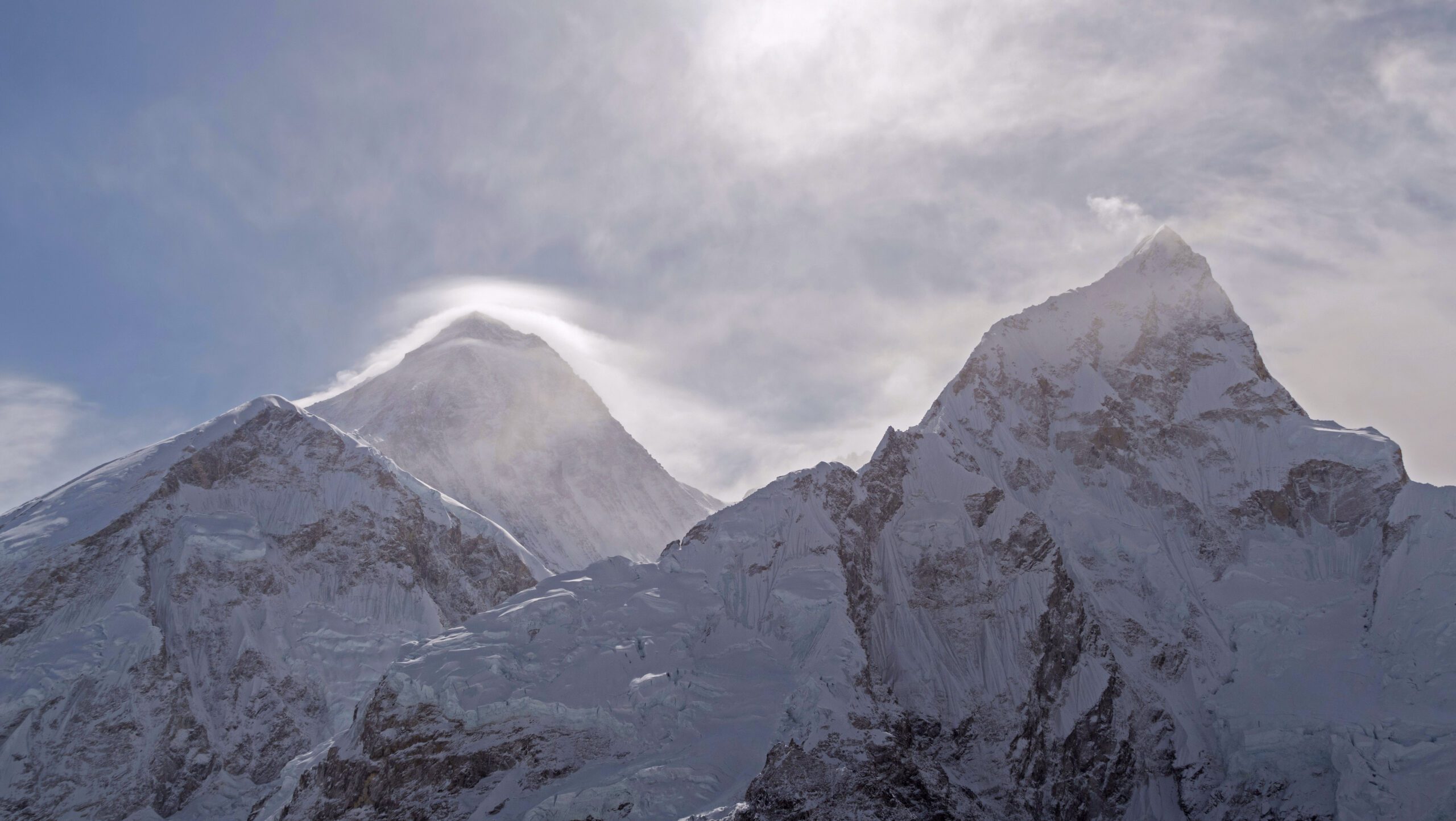
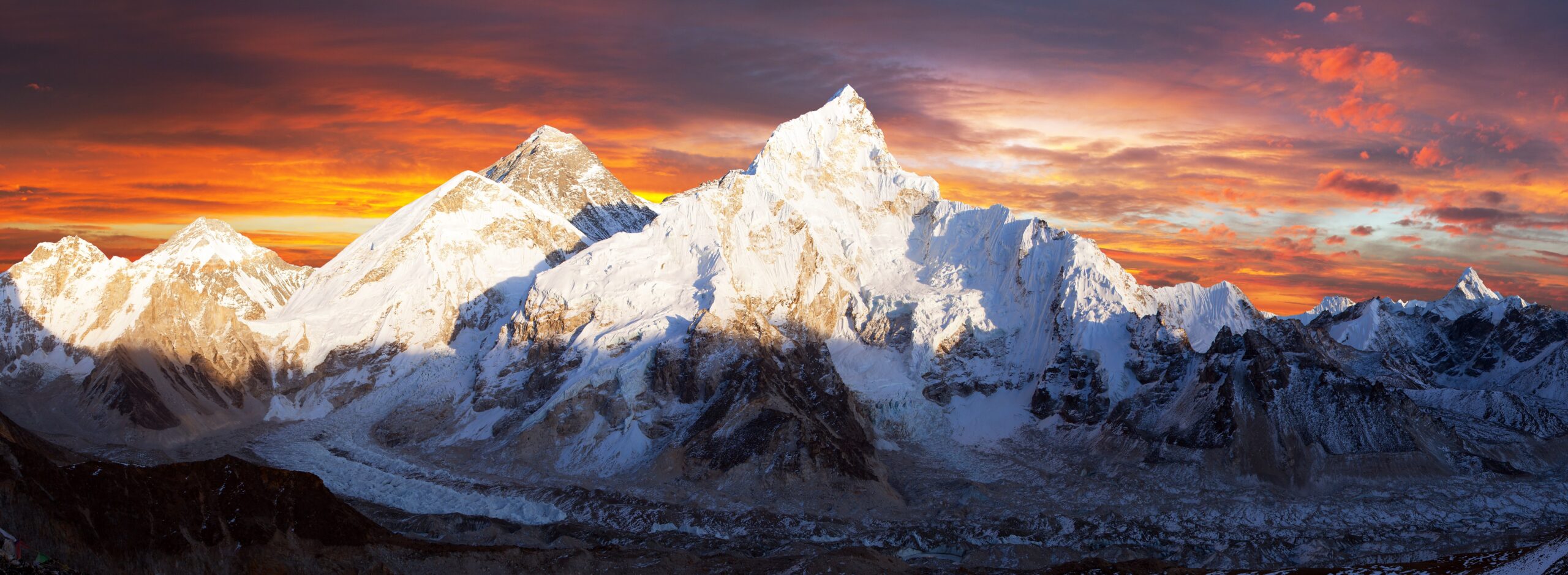
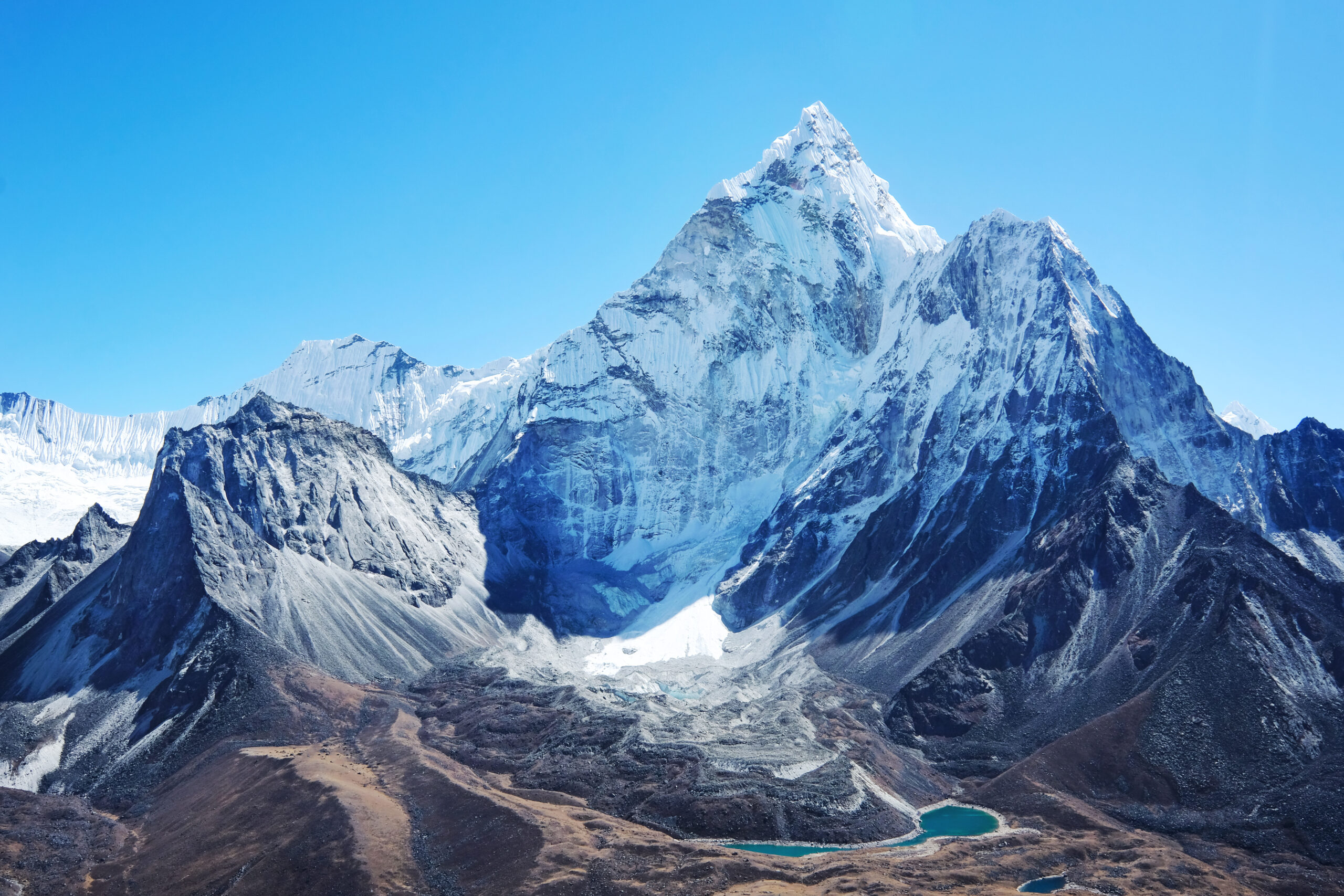
  • Mount Everest and Nuptse at sunrise in Nepal
    Home › CTSS › Everest Prerequisites
    CTSS Everest Readiness · Experience · Skills · Fitness · Mindset

    Are You Ready to Climb Everest? CTSS Prerequisites & Readiness

    Climbing the Seven Summits does not treat Everest as a first mountaineering objective. CTSS publishes a clear entry bar: meaningful high-altitude experience, proven crampon and glacier competence, fixed-line confidence, steep-terrain comfort, Everest-specific fitness and the mental resilience to function inside a long expedition.

    CTSS primary-source requirements used 7,000 m altitude benchmark technical systems separated from fitness updated September 29, 2026
    Partnership disclosure: This article is part of a sponsored editorial pilot with Climbing the Seven Summits (CTSS). CTSS may provide source material and factual corrections, but Global Summit Guide retains editorial control. Sponsorship does not determine rankings, operator scores or conclusions.

    Everest readiness is easy to oversimplify. A climber can be exceptionally fit and still lack the altitude résumé, fixed-line repetition or expedition judgment CTSS expects. Another climber can have several big summits but still arrive physically underprepared for repeated long carries and summit-day effort.

    CTSS solves that problem by separating readiness into different categories. Its published prerequisites do not ask only whether you have climbed a famous mountain. They ask whether you have performed at serious altitude, used the systems Everest requires, trained specifically enough for the workload and shown the temperament to function inside a team for weeks.

    This page is designed to answer one question: does your current résumé meet the CTSS Everest entry bar? It does not replace a training program, progression plan or operator comparison. Those are linked where the next decision belongs.

    Global Rescue · GSG Safe Travel Partner Everest readiness also includes a rescue and evacuation plan.

    Global Rescue membership and travel insurance are separate products. High-altitude climbers should verify current altitude, activity and evacuation terms before departure.

    Review Global Rescue Options →
    The direct answer

    CTSS Does Not Accept Beginner Everest Climbers.

    If you have not yet demonstrated high-altitude performance and technical mountaineering competence, the next step is not simply “train harder for Everest.” It is to build the missing experience first. CTSS states that Everest climbers should have at least 7,000 m altitude experience, proven familiarity with crampons, glaciers and fixed lines, comfort on steep exposed rock and ice, and a well-rounded climbing résumé.

    Fitness is a separate gate. CTSS also expects a long, mountain-specific build and the ability to tolerate back-to-back long days. Cardiovascular fitness alone does not replace the climbing résumé.

    7,000 m+CTSS altitude-experience benchmark; Aconcagua is explicitly accepted
    9–12 moCTSS recommended Everest-specific training runway
    5–6 daysweekly training commitment CTSS says climbers should have time for
    10+ hrlong mountain days CTSS says climbers should be prepared to repeat
    The CTSS admission logic

    Five Gates Have to Be Open at the Same Time.

    A climber can be excellent in one category and still be underprepared overall. CTSS separates experience, technical competence, physical capacity and expedition mindset rather than treating “fit” as a synonym for “ready.”

    Gate 1

    Altitude

    Real experience high enough to know how you function when sleep, appetite, pace and recovery deteriorate.

    Gate 2

    Technical

    Confident cramponing, glacier travel, fixed-line movement and comfort on steep exposed rock and ice.

    Gate 3

    Fitness

    Mountain-specific aerobic durability, weighted uphill capacity and back-to-back long-day resilience.

    Gate 4

    Mindset

    Patience, adaptability, stress regulation and the ability to tolerate weeks of uncertainty and downtime.

    Gate 5

    Team

    Humility, communication, guide deference and the ability to support teammates under pressure.

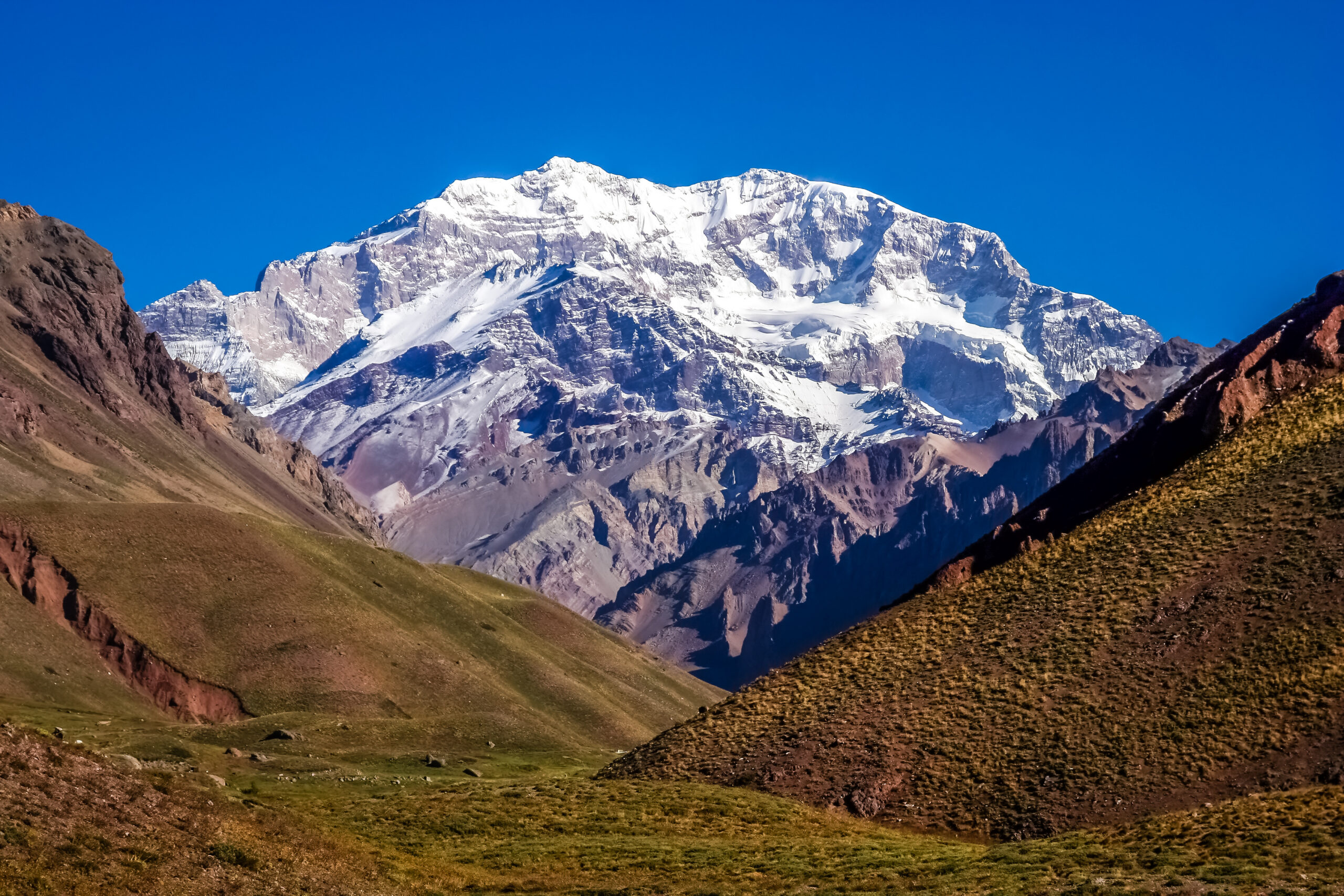
    Aconcagua in Argentina, an accepted CTSS Everest altitude prerequisite
    Gate 1 · altitude experience

    CTSS Wants Proof Above the Trekking Zone.

    CTSS publishes a baseline of at least 7,000 m of altitude experience. It specifically notes that a summit of Aconcagua is sufficient for this requirement. The important idea is not the exact name of the mountain—it is demonstrated performance at serious altitude.

    That means you have already learned something about your own pacing, appetite, sleep, recovery, cold tolerance, decision-making and symptom response where small mistakes become much more expensive.

    Useful bridge: CTSS states that its Everest Camp 3 climb reaches about 7,500 m and satisfies the company’s 7,000 m Everest prerequisite. It also gives future Everest climbers direct experience with the Khumbu Icefall, Western Cwm and Lhotse Face.
    Gate 2 · technical competence

    “I Have Used Crampons” Is Not the Same as Technical Readiness.

    CTSS asks for familiarity, confidence and proven experience—not first exposure on the expedition. Everest adds altitude, cold, gloves, fatigue, congestion and consequential terrain to systems that should already feel routine.

    CTSS requirementWhat “ready” should mean in practiceWhat does not prove readiness by itself
    CramponingEfficient movement on firm snow and ice, including while tired and wearing expedition footwear.One introductory snow climb or a single skills day.
    Glacier experienceComfort functioning in roped glaciated terrain and understanding the team’s movement/rescue system.Walking near a glacier or trekking on non-glaciated terrain.
    Fixed-line climbingRepeated use of an ascender, attachment system and transitions under supervision until the process is calm and repeatable.Watching a video or practicing once indoors.
    ExposureRemaining deliberate on steep rock/ice and exposed traverses when the terrain feels consequential.General hiking confidence on trails.
    Climbing résuméA broad enough history that your guides can see repeated evidence—not a single lucky summit.One large peak without supporting technical progression.
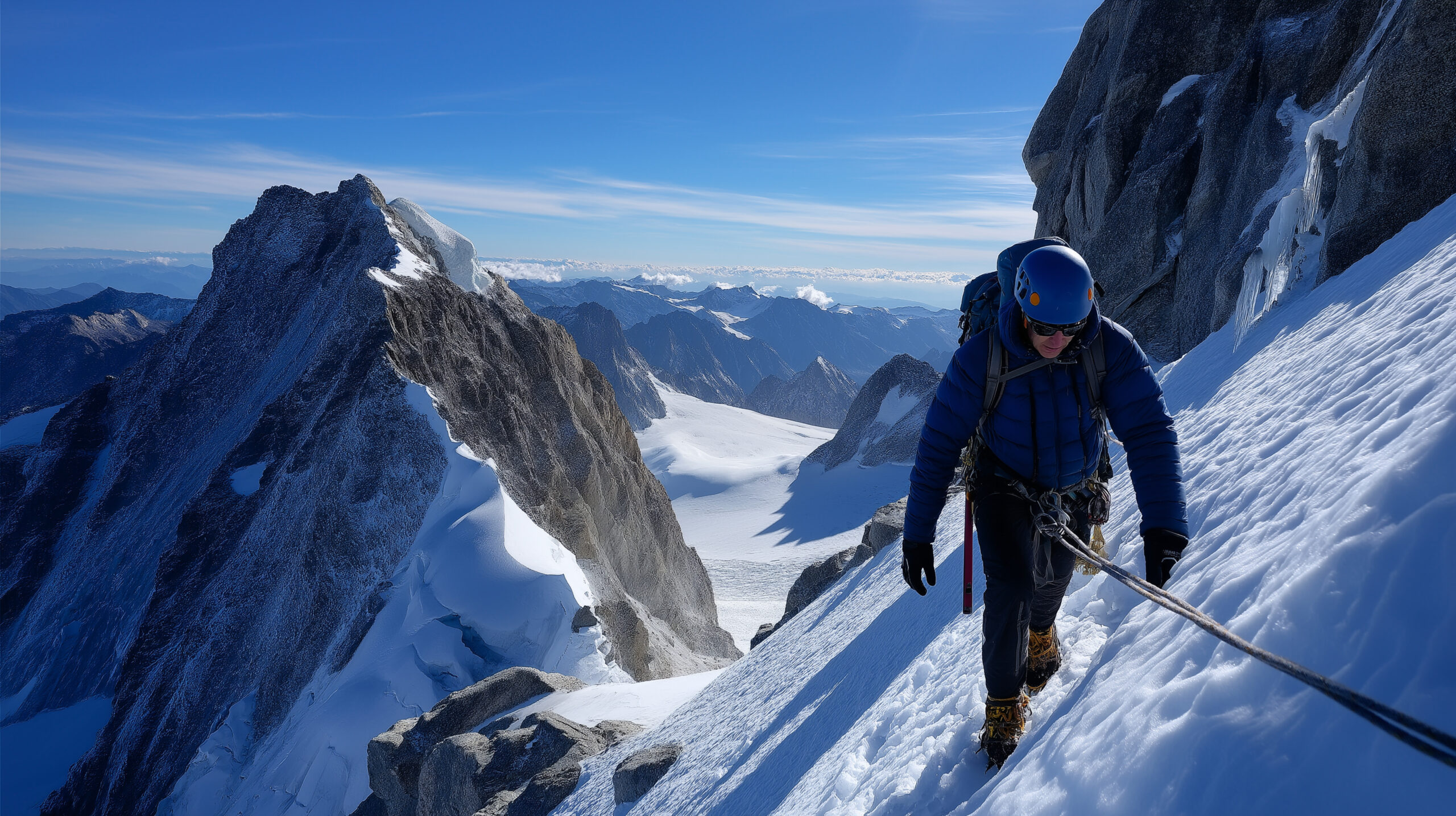
    High-altitude mountaineer using crampons and a fixed rope on steep snow
    Everest is not where basic fixed-line skills should become automatic

    CTSS Is Looking for Competence You Can Still Execute When Cold, Hypoxic and Fatigued.

    The Everest environment amplifies ordinary errors. The goal before arrival is not merely to understand the hardware—it is to have enough repetition that movement systems remain disciplined when your attention is degraded.

    Gate 3 · Everest-specific fitness

    CTSS Publishes a Concrete Physical Bar.

    CTSS recommends beginning Everest-specific training 9–12 months before departure, having enough time to train 5–6 days per week, and building toward long mountain days that resemble expedition work rather than general gym fitness.

    • Be comfortable hiking about 1,500 vertical feet per hour with a 20 lb pack.
    • Prepare for 10+ hour mountain days, including back-to-back efforts.
    • Emphasize high-volume, lower-intensity endurance rather than making every workout hard.
    • Make training increasingly specific to uphill movement, load carriage and recovery.
    This page does not own the workout program. Once the experience and technical gates are realistic, use the dedicated Global Summit Guide Everest training plan for the 12-month physical build.
    High-altitude Everest climbers working together near the summit
    Gates 4 & 5 · mindset and team behavior

    CTSS Treats Expedition Temperament as a Prerequisite.

    Everest is a long campaign, not a continuous climb. CTSS explicitly asks clients to be ready for stress, monotony, uncertainty, guide direction and the social reality of living inside an expedition team for weeks.

    1
    Be ready for a long expedition window.

    Work, family and travel commitments have to accommodate the full schedule and uncertainty around weather.

    2
    Be patient with Base Camp downtime.

    CTSS warns that extended waiting can feel monotonous. Boredom tolerance is part of expedition readiness.

    3
    Defer to guide judgment.

    Even experienced climbers must be willing to receive and follow direction from the expedition leadership.

    4
    Regulate stress.

    Everest adds uncertainty, fatigue, altitude, crowding and weather. CTSS expects clients to manage their response.

    5
    Communicate openly.

    Problems become harder when clients hide fatigue, symptoms, fear or equipment issues from their guides.

    6
    Make the team better.

    CTSS explicitly calls for supportive, humble, respectful and considerate behavior under pressure.

    A practical pre-application audit

    Can You Answer “Yes” Without Explaining Away the Gaps?

    This is not an admission decision—CTSS makes that call after reviewing your experience. It is a useful way to decide whether contacting the company about an Everest summit program makes sense now or after another progression season.

    Readiness questionCTSS-published basisIf your answer is “not yet”
    Have I performed well at approximately 7,000 m?CTSS asks for at least 7,000 m altitude experience and explicitly accepts Aconcagua.Choose a progression objective that tests altitude without stacking unnecessary new technical difficulty.
    Can I use crampons confidently on real mountain terrain?CTSS asks for proven crampon familiarity and confidence.Get guided snow/ice mileage and repeat the skill until it is routine.
    Do I have glacier and fixed-line experience?Both are named prerequisites.Build supervised glacier and fixed-line experience before Everest.
    Am I comfortable on steep exposed rock and ice?CTSS specifically names exposure and steep terrain.Choose progression climbs where exposure is real but the overall objective remains manageable.
    Can I sustain long uphill days with a training pack?CTSS publishes the 1,500 vertical ft/hour with 20 lb benchmark and 10+ hour mountain-day expectation.Use the dedicated Everest training plan rather than adding random intensity.
    Can I train consistently for 9–12 months?CTSS recommends a long Everest-specific build and 5–6 training days per week.Delay the expedition rather than compressing the final preparation.
    Can I function well inside a team for weeks?CTSS asks for patience, communication, humility and adaptability.Gain more expedition experience where weather delays and shared decisions are part of the process.
    The résumé is broader than one summit

    Three Types of Experience CTSS Is Really Looking For.

    The specific mountains can vary, but the résumé should show altitude, technical systems and expedition behavior—not simply a list of famous names.

    Mount Everest at sunset from the Khumbu region
    High AltitudeExperience where pace, sleep, appetite and recovery change meaningfully.
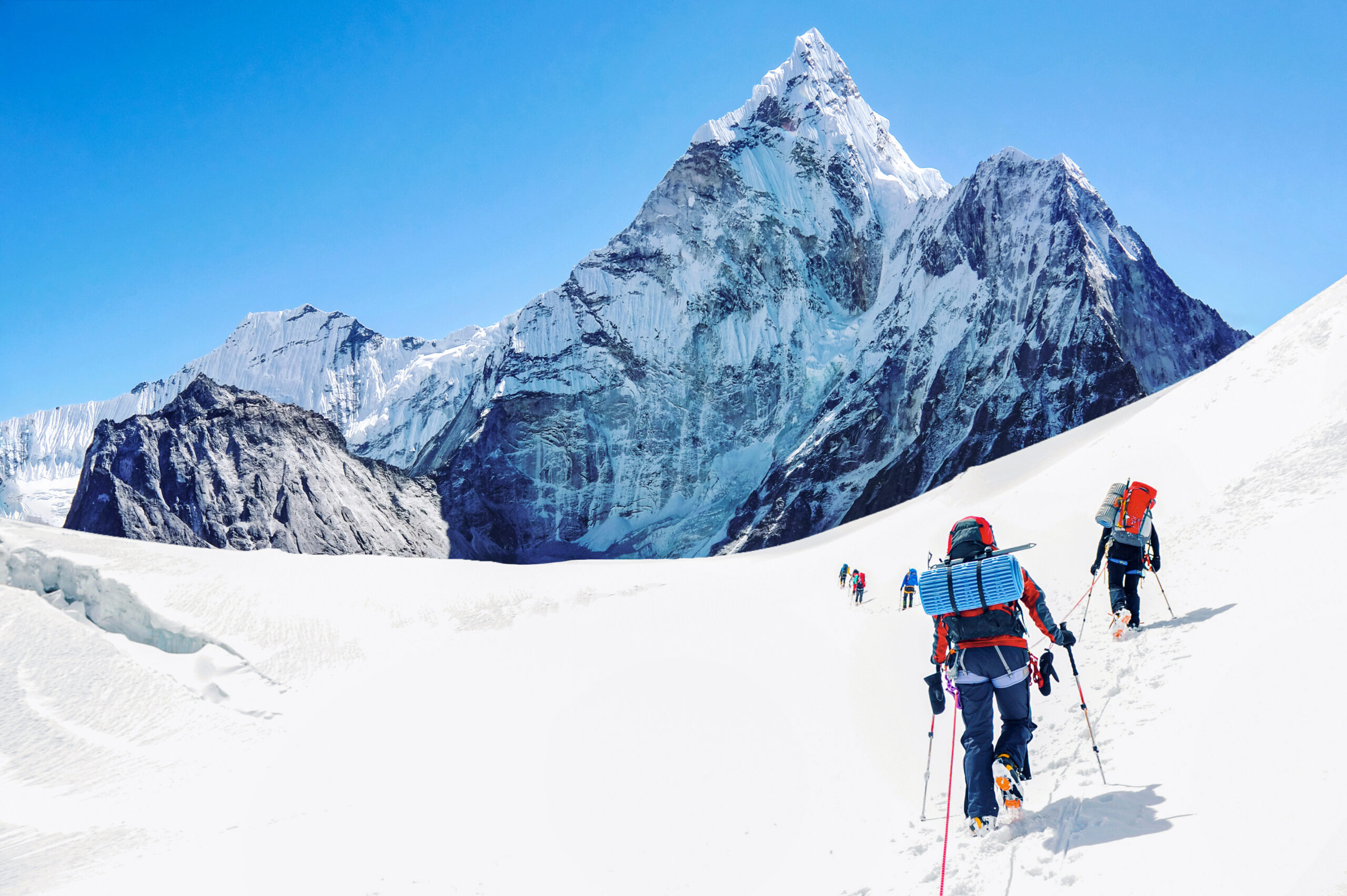
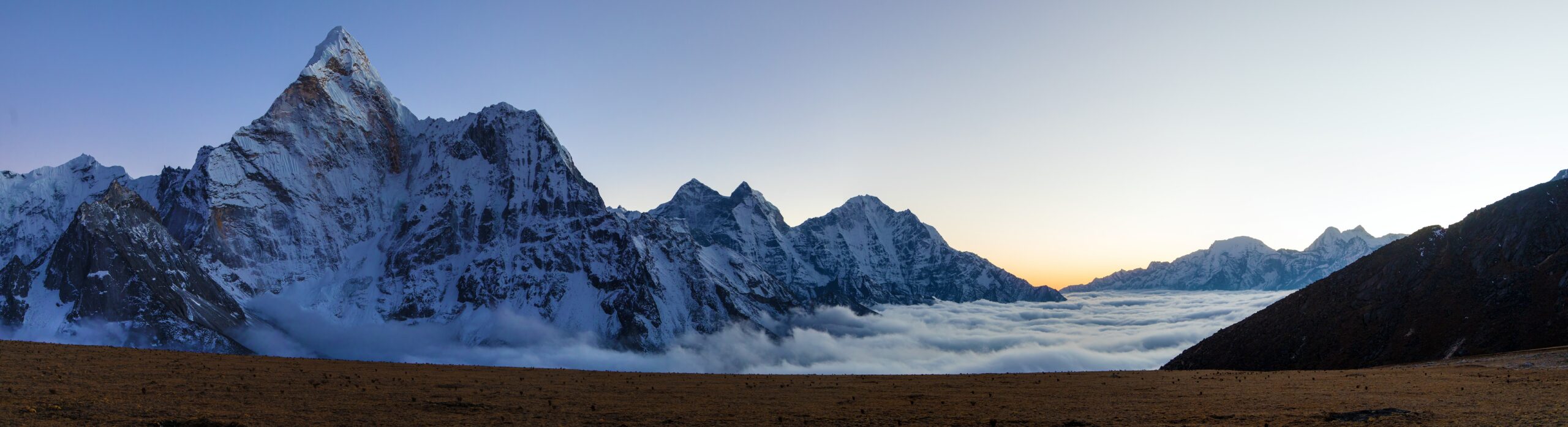
    Ama Dablam in Nepal, a technical progression objective
    Technical ProgressionMountains that require real crampon, rope and exposure management.
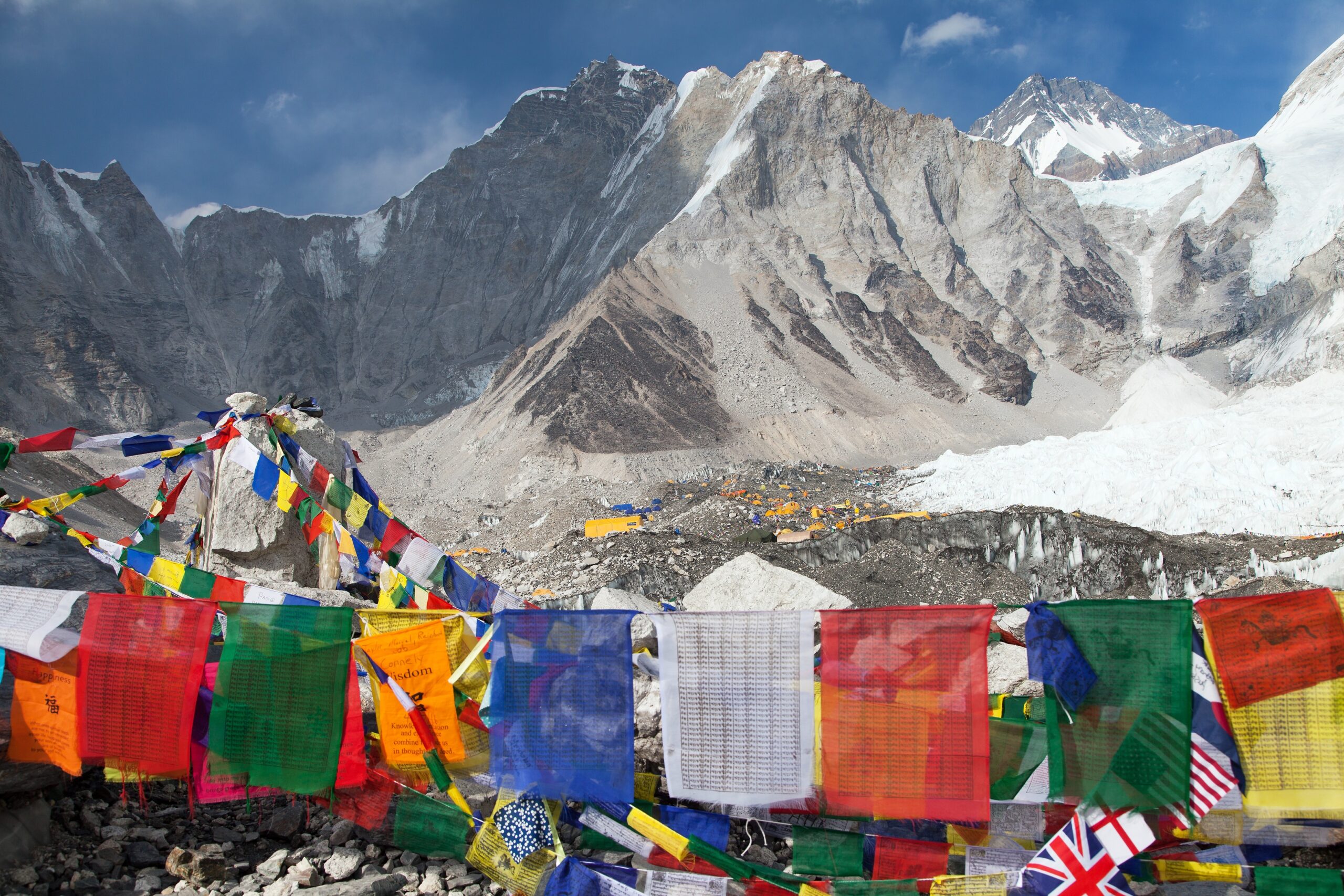
    Everest Base Camp tents and prayer flags in Nepal
    Expedition LivingRepeated days of waiting, recovering, communicating and making conservative decisions.
    Where the prerequisite becomes real

    Everest Readiness Gets Tested Across the Khumbu.

    On the South Col route, the skills CTSS asks for are not abstract. Climbers move through the Khumbu Icefall, across the Western Cwm and onto fixed lines above Camp 2 toward the Lhotse Face.

    A climber who reaches Nepal still needing to learn basic crampon movement, fixed-line transitions or expedition self-management is trying to close the wrong gap in the wrong place.

    Compare Everest Operators
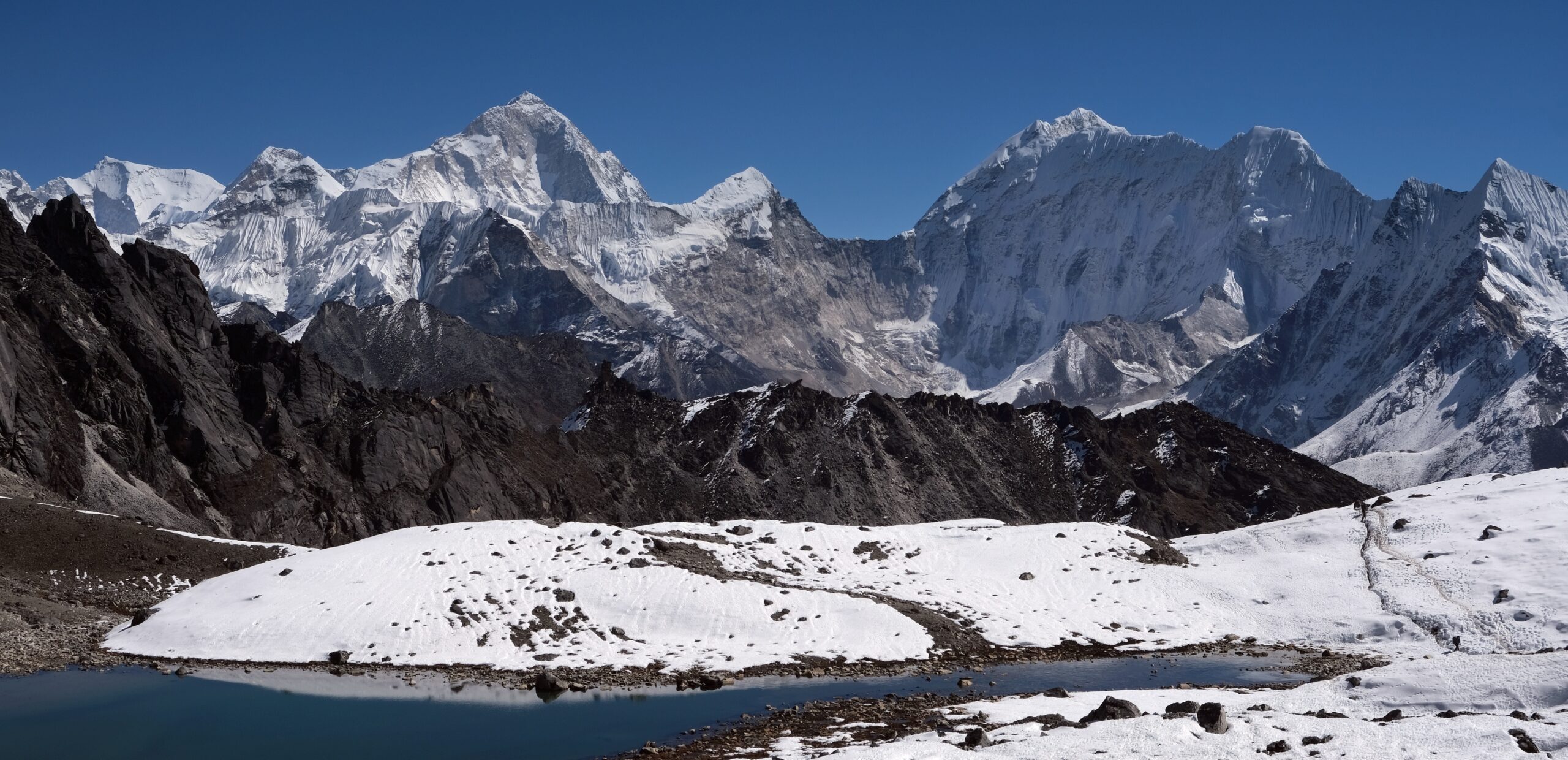
    High Himalayan terrain near the Everest region in Nepal
    If one gate is still closed

    Do Not Solve Every Weakness With Another Workout.

    The next move depends on the missing gate. Fitness problems need training; technical problems need instruction and mileage; altitude problems need appropriate high-altitude objectives; expedition-behavior problems need more time in real expedition environments.

    • Altitude gap: choose a progression climb that tests high-altitude performance.
    • Technical gap: build fixed-line, crampon and glacier mileage under qualified instruction.
    • Fitness gap: use a long Everest-specific training plan rather than compressing the build.
    • Expedition gap: choose an objective long enough to test recovery, patience and team behavior.
    CTSS offers a direct conversation path: its prerequisite page invites climbers who are unsure about their résumé to contact the company so it can evaluate their experience and help identify an appropriate progression.
    A note on speed ascents

    A Faster Everest Program Does Not Lower the Prerequisite Bar.

    CTSS describes speed-ascent programs as options for qualified climbers using advanced pre-acclimatization and customized logistics. They are not a shortcut around experience. If the standard Everest prerequisites are still a stretch, compressing the expedition timeline is not the next step.

    Primary sources

    Where the CTSS Readiness Standards Come From

    This page separates CTSS’s own published requirements from Global Summit Guide’s editorial routing and interpretation.

    CTSS Everest Training & Prerequisites

    Primary source for the published experience, technical, fitness and mindset requirements used on this page.

    Read CTSS source →

    CTSS Everest Camp 2 / Camp 3

    Primary source for CTSS’s statement that its Camp 3 climb satisfies the 7,000 m Everest prerequisite and provides Everest-route familiarity.

    Read CTSS source →

    CTSS Everest Programs

    Primary program hub for current Everest support models, expedition options and program-level information.

    Read CTSS source →
    FAQ

    CTSS Everest Readiness Questions

    The shortest answers to the prerequisite questions climbers ask before contacting an operator.

    Does CTSS accept beginner climbers on Everest?

    No. CTSS explicitly states that it does not accept beginner climbers on its Everest programs.

    What altitude experience does CTSS require?

    CTSS publishes a baseline of at least 7,000 m of altitude experience and specifically states that a summit of Aconcagua is sufficient.

    Is Everest Base Camp enough?

    No. Everest Base Camp is valuable altitude trekking experience, but CTSS’s Everest summit prerequisites separately require advanced climbing experience, crampon competence, glacier and fixed-line experience, and comfort on steep exposed terrain.

    How fit should I be?

    CTSS recommends 9–12 months of specific training, enough schedule capacity for 5–6 training days per week, comfort hiking around 1,500 vertical feet per hour with a 20 lb pack, and preparation for repeated mountain days of 10 hours or more.

    Does CTSS Camp 3 satisfy the 7,000 m prerequisite?

    Yes. CTSS states that its Everest Camp 3 climb, reaching approximately 7,500 m, satisfies the 7,000 m Everest prerequisite.

    Can elite fitness make up for limited mountaineering experience?

    No. CTSS lists technical competence and altitude experience separately from physical conditioning. Everest-specific fitness should sharpen an experienced climber, not replace the climbing résumé.

    Was this helpful?

    Yes
    No
    Thanks for your feedback!
  • Who’s Chasing the 14 Eight-Thousanders in 2026? Tibet Changes the Race

    Himalayan 8000 meter peaks representing the 2026 race to complete all fourteen eight-thousanders
    14×8,000ers · Record Watch · Tibet Closures · Autumn 2026

    Who’s Chasing the 14 Eight-Thousanders in 2026? The Race Is Now Blocked by Tibet

    The biggest 2026 development in the 14×8,000er race is not a summit—it is a closure. Cho Oyu and Shishapangma will remain closed to foreign expeditions this fall, blocking climbers who need one or both Tibetan peaks and freezing some record pursuits until at least 2027.

    14 recognized 8,000m peaksTibet closure confirmedSanu Sherpa record watchEvergreen 14 Peaks owner
    14Recognized 8,000m peaks
    2Tibetan peaks closed
    12/14 ×3Sanu Sherpa third-round status
    2027Next realistic Tibet hope
    8,188 mCho Oyu
    The short answer

    Who Is Still in the 14×8,000er Race in 2026?

    The clearest active record pursuit is Sanu Sherpa’s attempt to become the first person to summit all 14 eight-thousanders three times. After Lhotse in May, reporting placed him at 12 of 14 on his third round, with Cho Oyu and Shishapangma remaining.

    That pursuit is now blocked for fall 2026 because both Tibetan peaks are closed to foreign climbers. The same problem affects any aspirant—first completion, repeat completion or no-oxygen project—who still needs either mountain.

    Biggest obstacleTibet access
    Key record pursuitSanu Sherpa
    ClosedCho Oyu
    ClosedShishapangma
    Open alternativeManaslu
    Next window2027
    Freshness note: This story changes whenever Tibet access changes or a climber publicly updates a record pursuit. Do not treat commercial operator calendars as proof that a Tibetan expedition is actually permitted.
    Current status

    The 2026 Race Has Become an Access Problem

    For climbers missing Cho Oyu or Shishapangma, fitness and funding are no longer the immediate bottleneck.

    Sanu Sherpa

    Third 14×8,000er Round

    Sanu Sherpa has already completed all 14 twice and is pursuing an unprecedented third round. Current reporting leaves only Cho Oyu and Shishapangma on that third cycle.

    Cho Oyu

    Closed to Foreign Teams

    Despite operators advertising autumn programs, current reporting says the China-Tibet Mountaineering Association will not open the normal Tibet side to foreign expeditions this fall.

    Shishapangma

    Also Closed

    Shishapangma lies entirely in Tibet. For climbers who still need it, there is no equivalent normal-route Nepal alternative.

    Manaslu

    The Available Autumn Pivot

    Manaslu is the obvious accessible Nepal 8,000er and may absorb climbers displaced from Tibet, but it cannot solve a 14-peak list that specifically lacks Cho Oyu or Shishapangma.

    Key dates and signals

    How the 2026 Record Race Changed

    SignalWhat happenedWhy it matters
    Apr.–MaySanu Sherpa climbed Dhaulagiri and then Lhotse in his third 14×8,000er round.Left Cho Oyu and Shishapangma as the two remaining peaks in that record pursuit.
    Aug. 19–24Nepal and ExplorersWeb reporting confirmed foreign climbers would not get Cho Oyu or Shishapangma access this fall.Turned an autumn summit race into a permit/access stalemate.
    Aug. 2026Phur Galjen Sherpa completed his first 14×8,000er set on Gasherbrum I.Shows the list continues to grow even while Tibet access blocks others.
    NextAttention shifts to 2027 Tibet openings and any Nepal-side experimental Cho Oyu attempts.The race now depends as much on geopolitics and permits as climbing readiness.
    The bottleneck

    Why Cho Oyu and Shishapangma Matter So Much

    Two of the fourteen peaks sit behind a permit system climbers do not control.

    Completing all 14 is not simply a matter of choosing fourteen expeditions. Ten of the peaks are in the Himalaya and four in the Karakoram, and the routes cross Nepal, Pakistan and Tibet/China. When Tibet closes to foreign teams, two specific checkboxes become impossible to complete by their normal commercial routes.

    Cho Oyu is especially important because its standard Northwest Ridge from Tibet is the mountain’s commercially established route. The Nepal side is considerably harder and is not a routine substitute. Shishapangma is entirely in Tibet, so a foreign-climber closure removes the normal autumn option altogether.

    SEO/editorial point: this means a “who will finish all 14 this autumn?” article can become inaccurate overnight. The more durable 2026 story is who remains blocked, what peak they need and why access—not climbing ability—is deciding the timeline.
    What to watch next

    The 2027 Questions Already Matter

    The next decisive news may arrive before anyone sets foot on the mountain.

    QuestionWhy it matters
    Will Tibet reopen Cho Oyu?It is the normal commercial route and the most important missing peak for many aspirants.
    Will Shishapangma reopen?There is no normal foreign-access alternative outside Tibet.
    Will fees or quotas change?Reopening may come with higher costs or tighter team limits.
    Will Nepal-side Cho Oyu develop?A viable route could reduce dependence on Tibet, but it remains far more technical than the normal north side.
    Which record pursuits continue?Repeat rounds, no-oxygen rounds and speed projects create different definitions of “the race.”
    Manaslu landscape representing an accessible Nepal 8000m alternative during the 2026 autumn season
    Manaslu · The available pivot

    You Can Change Mountains. You Cannot Change the 14-Peak List.

    Manaslu can absorb displaced autumn climbers, but anyone missing Cho Oyu or Shishapangma remains stuck until those specific mountains become accessible.

    Editorial boundary

    • This is a dated 2026 news/season explainer.
    • Current conditions, permits, access and race status can change after publication.
    • GSG links readers into evergreen mountain pages for route and planning depth.
    • We distinguish confirmed reporting from interpretation and avoid claiming unverified outcomes.
    Direct search answers

    14 Eight-Thousanders 2026 FAQ

    How many eight-thousanders are there?

    There are 14 universally recognized mountains above 8,000 metres.

    Are Cho Oyu and Shishapangma open to foreign climbers in autumn 2026?

    Current reporting says no. Both Tibetan peaks are closed to foreign expeditions for the fall 2026 season.

    Who is pursuing a major 14×8,000er record in 2026?

    Sanu Sherpa is pursuing an unprecedented third complete round of all 14 and has been reported with Cho Oyu and Shishapangma remaining on that third cycle.

    Can climbers substitute another peak if Cho Oyu is closed?

    No. The 14-peak achievement requires those exact fourteen mountains. Manaslu can be an expedition alternative but does not replace Cho Oyu on the list.

    Can Cho Oyu be climbed from Nepal?

    Yes, but the Nepal side is significantly more technical and is not the established commercial equivalent of the Tibet-side Northwest Ridge.

    Why is Shishapangma especially difficult for the race?

    Shishapangma lies entirely in Tibet, so foreign-climber access depends directly on Chinese/Tibetan authorities.

    Did anyone complete all 14 in 2026?

    Yes. Phur Galjen Sherpa was reported to have completed the 14 eight-thousanders on Gasherbrum I in August 2026.

    When might the blocked climbers try again?

    The next realistic opportunity depends on Tibet reopening to foreign expeditions, with attention now shifting toward 2027.

    14×8,000ers · 2026

    The Hardest Peak May Be the One You Cannot Get a Permit For.

    The 2026 record race is a reminder that modern high-altitude mountaineering depends on access, politics and permits as much as weather, money and physical capability.

    The 14 Eight-Thousanders · The chase

    The 2026 Race to Climb All 14 Eight-Thousanders

    The 14x8000er chase runs through every 8000er season. See who has completed it and the live season trackers below.

    Was this helpful?

    Yes
    No
    Thanks for your feedback!
  • We summited Aconcagua in January. Here’s what no one tells you.

    Trip Reports / Aconcagua

    We summited Aconcagua in January. Here’s what no one tells you.

    6,961m
    Summit altitude
    21 days
    Expedition length
    4 of 4
    Team summit rate
    Jan 2024
    Climb date
    ★Part of the Master Guide This trip report is part of our comprehensive mountaineering reference. Browse all guides from one hub. Visit the Hub →

    Most Aconcagua trip reports skip the parts that actually matter. They tell you the days, the camps, the altitudes, and the summit photo. They don’t tell you how it felt to lie awake at 5,500m with a heart rate of 110 trying to catch your breath, or how the mules at Plaza de Mulas would walk through your tent vestibule at 4 a.m. looking for food, or how the Canaleta is one of the few places on a non-technical mountain where you genuinely think about whether you have the legs left to finish. This is a January 2024 expedition told the way it actually happened, with the parts most articles leave out. For the route comparison and broader 7-Summits decision context, our Aconcagua routes guide, our Seven Summits guide, and the master mountaineering hub set the broader frame.

    Why January

    The expedition booked for January 8-30, 2024. We picked January for the same reason most climbers do. December and January are the prime weather windows in the Argentine summer, and the upper-mountain temperatures are tolerable rather than vicious. The tradeoff is that you share Plaza de Mulas with 200 other climbers and the upper camps feel busy. We accepted that tradeoff. February is colder, March is essentially closed, and earlier than December the weather windows are unpredictable.

    Our team was four climbers and two guides. Two of us had been on Kilimanjaro the previous year, one had climbed Mont Blanc, and one had done Rainier and Hood multiple times. Reasonable preparation, no Everest veterans. The full background context for picking the second 7-Summit lives in our Kilimanjaro vs Aconcagua comparison.

    Mendoza, the permit, and the strange luxury before the climb

    Mendoza in January feels nothing like a high-altitude staging town. The full Mendoza guide-economy backstory lives in our Aconcagua Mendoza guide economy story. It’s hot, wine country, sidewalk cafés open until midnight, lined with sycamore trees. We spent two days there picking up our climbing permits at the provincial office (a one-hour bureaucratic slog), eating ribeye and Malbec, and adjusting to the time zone. The permit cost in 2024 was around 800 USD for the high season, paid in cash and in pesos at official exchange rates. By 2026 the figure has shifted with Argentina’s currency adjustments. Anyone reading this should verify the current high-season rate at the Mendoza tourism office before flying. The full pre-departure planning framework lives in our master mountaineering hub.

    The strange thing about Mendoza is that it lulls you. You forget you’re going to be cold for three weeks. You eat too much. You stay up too late. We had a guide who’d done Aconcagua 18 times tell us, on day two, to go home and sleep. He was right. That advice ranks among the most useful we got on the entire trip.

    The approach: Penitentes to Plaza de Mulas

    Day 03 · Approach

    Penitentes to Confluencia (3,400m)

    Start: 2,700mEnd: 3,400mDistance: 14 kmTime: 5 to 6 hr

    The bus drops you at Punta de Vacas. You shoulder a daypack, hand your duffels to the mule team, and start walking up the Horcones Valley. The first day is gentle. Wide open valley, the Vacas River alongside the trail, occasional llamas grazing in the distance. We reached Confluencia camp by mid-afternoon and pitched tents in the operator’s allocated zone. There’s a permanent ranger station here. They check your permit, check your insurance, and ask how you’re feeling.

    The acclimatization day at Confluencia is non-negotiable. We did the standard hike up to Plaza Francia (4,200m) the next morning, returning to Confluencia to sleep. This is climb-high-sleep-low protocol applied early, and it pays off three weeks later when summit night is the only night above 6,000m.

    Day 05 · Approach

    Confluencia to Plaza de Mulas (4,300m)

    Start: 3,400mEnd: 4,300mDistance: 17 kmTime: 8 to 9 hr

    The long approach day. You walk for nine hours through a barren, rocky, increasingly thin-aired landscape, climbing roughly 900m of net elevation across switchbacks and boulder fields. Most of it is exposed to direct sun and the Andean wind. You arrive at Plaza de Mulas tired, dusty, and slightly headachy. This is where the expedition starts in earnest.

    Plaza de Mulas in season is essentially a small city. There are 8-12 operator camps, a permanent ranger station, a high-altitude medical post, communal dining tents, and at certain operators hot showers. The internet works most of the time. There is a small store where you can buy candy bars and Nesquik and lukewarm beer for prices that would horrify you at sea level. The mules walk freely through camp.

    The acclimatization rotations: where most climbs are won

    Day 06 · Rest at base

    First rest day at Plaza de Mulas

    Camp: Plaza de Mulas, 4,300mActivity: Rest, gear sort

    You have to resist the urge to do something. The brain wants to climb higher, faster. The body needs to adjust. We slept 11 hours, drank water until our cheeks hurt, ate everything the dining tent put in front of us, and did almost nothing physical. By evening the headaches that some of us had on arrival had faded. Pulse oximeter readings ranged 78-86% across the team, which is normal at this altitude.

    Day 07 · Acclim rotation 1

    Carry to Camp Canada (5,050m), descend to base

    Climb to: 5,050mSleep at: 4,300mLoad: 35 lb

    The first carry day. You take a 35-pound load up to Camp Canada, leave it cached, and descend back to Plaza de Mulas to sleep. Carry-high, sleep-low again. The full physiology of why this protocol works is in our altitude acclimatization explainer. The altitude hits at Camp Canada in a way it didn’t at Plaza de Mulas. Your breathing is fast. Your heart rate is high even when you stop. You think about whether you really need everything you packed. Spoiler: you don’t, and shaving 5 lb off your high-camp kit between Plaza de Mulas and the actual carry days is something experienced climbers do quietly while their first-time partners pack everything.

    Day 08 · Rest day

    Second rest at Plaza de Mulas

    You sleep, eat, and force water. The mules outside the tent are louder than you expect. The medical staff make their rounds and check pulse-ox readings. One person on our team had readings dropping into the low 70s and was placed on Diamox at higher dose. The medical infrastructure at Plaza de Mulas is genuinely good, run by experienced high-altitude doctors. Our altitude acclimatization explainer covers the physiology of why these rotation rest days matter so much.

    Day 09 · Move up

    Plaza de Mulas to Camp Canada (5,050m), sleep there

    Up to Camp Canada with the rest of our gear. This is the first night above 5,000m for the trip. Sleep was rough. Heart rates stayed elevated, breathing was light and frequent, and several team members reported the strange dreams that come with altitude. By morning everyone was functional but no one felt rested.

    Day 10 · Acclim rotation 2

    Carry to Nido de Cóndores (5,560m), return to Camp Canada

    Climb to: 5,560mSleep at: 5,050m

    The second carry day. Climbing 500m above Camp Canada, dropping the load at Nido de Cóndores, then descending. The route is straightforward terrain but the altitude is doing things to your body that you can feel. Headaches return mid-afternoon. Appetite continues to fade. Two team members had mild AMS symptoms that evening and dosed extra hydration with Diamox unchanged. Standard protocol. Detailed symptom progression sits in our altitude sickness guide.

    Day 11 · Move up

    Camp Canada to Nido de Cóndores (5,560m)

    Moving up with our remaining gear. We slept at Nido that night. The wind picked up around 6 p.m. and pushed past 50 mph by midnight. The tent walls hammered. Sleep was effectively zero. By 4 a.m. the wind dropped, and by 7 we were able to cook breakfast and reassess. Aconcagua weather doesn’t broadcast itself politely. It announces.

    Day 12 · Rest day

    Rest at Nido de Cóndores

    A rest day at 5,560m is not really a rest day. Your body is working at maximum just to maintain itself. We ate, drank, slept in fits, and waited for the next weather forecast from base camp radio check. The forecast called for a possible summit window in 3 days, with a marginal day in 5. Our guides started talking about contingencies.

    By day 12 you stop counting the days. You count the meters above sea level you can sleep at without your heart rate spiking. The mountain has become a series of breathing problems to solve.

    Day 13 · Move up

    Nido de Cóndores to Camp Cólera (5,970m)

    The push to high camp. Camp Cólera sits just below 6,000m and is the staging point for summit night. The terrain is straightforward but the altitude is brutal. Each step requires a deliberate breath. We carried lighter loads up, having cached at Nido, but everyone arrived spent. The wind at Cólera was constant, the temperatures had dropped past freezing during the day, and the night ahead was the coldest we’d faced.

    Day 14 · Rest before push

    Resting at Camp Cólera, summit attempt tomorrow

    The day before summit night. You can’t sleep, you can’t eat much, you can’t really do anything productive. You melt snow. You sort gear. You re-pack your summit pack four times. The forecast is now firmly green for tomorrow. Wind under 30 mph, temperatures of -25°C at the summit, light cloud expected by mid-afternoon. Our guides briefed us on the timeline and turn-around protocols. Wake up at 5 a.m., depart at 6, summit by 1-2 p.m., back at Cólera by 6 p.m. Anything outside that envelope and we descend.

    Summit day

    Day 15 · Summit attempt

    Camp Cólera to Aconcagua summit (6,961m), and back

    Start: 5,970mSummit: 6,961mTotal time: 12 hours

    The 5 a.m. wake-up was rougher than expected. Sleep was maybe 90 minutes total. The vestibule of the tent was glazed in ice. The water bottle next to the sleeping bag had partially frozen overnight despite being inside the tent. We boiled water for instant oatmeal nobody really wanted, drank as much as we could force down, and were on the trail by 6:10 a.m.

    The first three hours climb steady switchbacks above Cólera, gaining 400m to a feature called Independencia (6,400m), where there’s a wrecked emergency shelter. The wind here was around 25 mph, biting through every layer of the system covered in our layering systems for mountaineering guide. Hands cycled between cold and warm depending on whether they were buried in mittens or holding a trekking pole. We did not stop long. The traverse from Independencia to the base of the Canaleta is a long, rising, exposed slope above 6,500m. You can see the summit pyramid the entire time. It does not get visibly closer for what feels like an hour. Cold-injury risk at this altitude in this wind is real, and our frostbite prevention guide covers the specific signs to watch for.

    And then the Canaleta. The final 200m up Aconcagua is a steep gully of loose scree and snow, frequently described as the hardest hour of any of the 7 Summits’ standard routes. You take three steps, you slide back one. Your lungs are operating at 40% of their normal effective oxygen. The slope is around 35-40 degrees and your body weight is fighting you the whole way. Two members of the team shifted to a step-and-rest pattern: 10 steps, then breathe for 15 seconds. The guides did not. They moved at a pace that seemed inhuman. They were not fitter than us. They were just acclimatized differently and had done this 18 times.

    We summited at 1:42 p.m., behind schedule but inside the turn-around envelope. The summit itself is small. There’s a Catholic cross. There’s a worn metal box with summit register cards. The view across the Andes runs in every direction and is genuinely stunning, though by then the cognitive bandwidth to appreciate it is limited. We took photos. We hugged. We started down within 20 minutes because that’s the rule and because the team understood that the summit isn’t the goal. The descent is the goal.

    The descent of the Canaleta was almost as difficult as the ascent. Loose scree under tired legs, fading cognition, the body just wants to sit down. By the time we reached Cólera at 6:30 p.m., we’d been moving for 12 hours straight at altitude. We ate, drank, and crawled into sleeping bags. Whether we slept or not, no one is sure.

    The descent

    You descend Aconcagua fast once the summit is done. We went Cólera to Plaza de Mulas the next day, a 1,700m drop in five hours. Your body recovers visibly with each elevation step down. By the evening at base camp you can eat real food again. Plaza de Mulas to Penitentes the day after is another long walk but at lower altitude, and the bus to Mendoza puts you back in restaurants and beds within 36 hours of the summit. The whiplash from 6,961m to a sidewalk café is psychologically strange.

    What worked, what we’d change

    Looking back, three things worked. The acclimatization rotation profile was conservative and paid off. Every team member who summited had used carry-high-sleep-low protocols across all three rotations. The gear was right. Double boots, a good parka, mittens with hand warmers, and a -20°F bag let us function in summit-night cold that would have ended a lighter kit. Our gear breakdown lives in the complete climbing gear list, with detailed boot guidance in the mountaineering boots guide. And the team had honest conversations about turn-around criteria before the summit attempt, which made the actual day calmer than it could have been.

    What we’d change. Pack lighter for the upper mountain. We carried 5-7 lb more gear than necessary above Camp Canada and paid for it on summit day. The right pack-selection framework is laid out in our expedition pack guide, and our sleeping bags for altitude guide covers the bag rating tradeoffs that matter at Aconcagua high camps. Train more for the Canaleta specifically. The slog at the top was the section we were least prepared for, and the only training that simulates it is sustained uphill scree-work at altitude. And spend an extra rest day at Plaza de Mulas. We had a 2-day rest at base camp; we’d take 3 next time. The cumulative deficit of inadequate sleep at 4,300m amplified everything that came later. Detailed Aconcagua-specific training adjustments live in our high-altitude training program, and the master hub indexes related guides.

    The honest summary

    Aconcagua is the hardest non-technical climb most recreational mountaineers will ever do. It is not technically demanding the way Everest or Denali are. It is logistically demanding, weather-dependent, cold, and long. The summit success rate of 30-40% is not an accident. It reflects what the mountain actually requires. Anyone walking into an Aconcagua expedition expecting it to be a bigger Kilimanjaro is going to find themselves at Camp Cólera wondering what they got themselves into.

    That said, it is summittable. The single most common failure point for first-time Aconcagua climbers is detailed in our Camp 2 mistake guide, with cost reality in our Aconcagua cost breakdown. With the right preparation, the right operator, the right gear, and a willingness to turn around when conditions don’t cooperate, the success rate climbs to 50-60%. Our January 2024 expedition put 4 of 4 climbers on the summit. The mountain doesn’t owe you that, but the preparation puts the odds in the right place. The complete operator-selection and expedition-planning framework lives in the master mountaineering hub, with peak-specific costs in our complete mountain climbing costs reference.

    ★ Master Resource

    Plan your Aconcagua expedition with the full guide

    The complete reference covers operator selection, training timelines, gear lists, permit logistics, and the full 7-Summits progression framework all in one hub.

    Visit the Master Hub →

    Common questions about climbing Aconcagua

    Is January a good time to climb Aconcagua?

    January is the second-best month behind December. Days are long, temperatures at high camps run -10°C to -20°C rather than the -30°C of November or February shoulder weeks, and summit windows tend to come every 4-6 days. The tradeoff is crowding. Plaza de Mulas runs at full capacity in January, permit costs are at peak season rates, and the upper camps can feel busy. Climbers seeking quieter conditions go in late February, accepting colder weather and fewer summit windows.

    How long does an Aconcagua expedition take?

    A standard Normal Route expedition runs 18-21 days door-to-door. The breakdown looks like 2 days approach trek to Plaza de Mulas, 6-9 days of acclimatization rotations, 2-4 day weather window for the summit attempt, and 2 days descent and exit. Add 2-3 days on each side for Mendoza logistics and recovery. The trip rarely runs short. It often runs long when weather windows close.

    What’s the success rate on Aconcagua?

    Aconcagua’s overall summit success rate runs 30-40% across all climbers. Quality guided expeditions push that to 50-60%. Independent climbers without local support and previous high-altitude experience often see rates below 25%. The mountain’s success rate is a function of altitude exposure, weather windows, and the willingness to turn around when conditions don’t cooperate.

    What was the hardest part of the climb?

    Summit night, by a wide margin. The day starts around 5 a.m. at Camp Cólera (5,970m), runs roughly 9-12 hours of climbing in temperatures of -20°C to -30°C with wind, includes the steep Canaleta scree gully in the final 200m, and ends with a long descent in oxygen-starved exhaustion. The Canaleta itself is the section most climbers describe as the hardest single hour of any 7-Summits climb.

    Did you carry your own gear?

    Yes, above Plaza de Mulas. The mules carry duffels to base camp at 4,300m. Above that, climbers carry their own loads of 35-50 lb between camps in coordinated team rotations. Most climbers cache gear at Camp 1 or Camp 2 on a carry day, descend to a lower camp for an extra acclimatization night, then return to the higher camp the next day with the next load.

    What was the food like?

    At Plaza de Mulas, the operator dining tent serves three hot meals a day cooked by base camp staff. Pasta, rice, soups, fresh meat, vegetables, fresh bread. The food is a real morale boost. Above base camp, the food shifts to dehydrated meals, oatmeal, soups, instant noodles, candy bars, and whatever each climber packed for snacks. Appetite collapses above 5,500m.

    What gear made the biggest difference?

    Three items stood out. The double mountaineering boots (La Sportiva G2 Evo in our case) kept feet warm through summit night when single boots would have frozen. The expedition mittens with hand warmers were the only thing that prevented cold-injury risk on the Canaleta. The -20°F sleeping bag made the difference between sleeping at high camps and shivering through nights.

    Should I climb Aconcagua before or after Kilimanjaro?

    After. Kilimanjaro is the introduction to high-altitude climbing. Aconcagua is the test of whether your body works at expedition altitudes for 3 weeks at a time. Climbers who do Kilimanjaro first arrive at Aconcagua with the altitude tolerance already proven and the camp craft skills already developed.

    Was this helpful?

    Yes
    No
    Thanks for your feedback!
  • Kilimanjaro vs Aconcagua: which 7-summit should you climb first?

    :root{–pine:#0a1929;–forest:#122a44;–gold:#d4913a;–gold-light:#f5e4c8;–denali-mid:#2e5986;–denali-light:#e8eef5;–ready:#2d6e4e;–caution:#b86a15;–danger:#a83a2b;–stone:#485460;–cream:#fafaf7;–mist:#dde5ee;–snow:#f4f6f9;–emerald:#1e8e7e;–kili:#c97a2b;–aconc:#3a6080} *{margin:0;padding:0;box-sizing:border-box} body{font-family:’Outfit’,-apple-system,sans-serif;font-weight:400;color:var(–pine);background:var(–cream);line-height:1.7;font-size:17px} .container{max-width:1200px;margin:0 auto;padding:0 24px} .hero{background:linear-gradient(135deg,var(–pine) 0%,var(–forest) 100%);color:#ffffff;padding:72px 0 56px;position:relative;overflow:hidden} .hero::before{content:”;position:absolute;top:0;right:0;width:380px;height:100%;background:radial-gradient(circle at 70% 30%,rgba(212,145,58,0.15) 0%,transparent 60%)} .eyebrow{font-size:13px;letter-spacing:3px;text-transform:uppercase;color:var(–gold);font-weight:600;margin-bottom:20px;display:inline-flex;align-items:center;gap:14px} .eyebrow::before{content:”;width:42px;height:1px;background:var(–gold)} h1{font-family:’DM Serif Display’,Georgia,serif;font-size:58px;line-height:1.08;font-weight:400;letter-spacing:-0.01em;margin-bottom:26px;max-width:900px;color:#ffffff} h1 .italic{font-style:italic;color:var(–gold)} .hero h1{color:#ffffff}.hero .eyebrow{color:var(–gold)} .byline{display:grid;grid-template-columns:auto 1fr auto;gap:36px;align-items:center;padding-top:28px;border-top:1px solid rgba(255,255,255,0.15);max-width:900px;color:#ffffff} .byline-item{display:flex;flex-direction:column;gap:2px} .byline-label{font-size:11px;letter-spacing:2px;text-transform:uppercase;color:rgba(255,255,255,0.7);font-weight:500} .byline-value{font-size:15px;color:#ffffff;font-weight:500} .hero .byline-label{color:rgba(255,255,255,0.7)}.hero .byline-value{color:#ffffff} .hero-stats{display:grid;grid-template-columns:repeat(4,1fr);gap:0;margin-top:48px;max-width:900px;border-top:1px solid rgba(255,255,255,0.1)} .hero-stat{padding:24px 20px 0;border-right:1px solid rgba(255,255,255,0.1)} .hero-stat:last-child{border-right:none} .hero-stat-num{font-family:’DM Serif Display’,Georgia,serif;font-size:38px;color:var(–gold);font-style:italic;line-height:1;margin-bottom:4px} .hero-stat-label{font-size:11px;letter-spacing:1.5px;text-transform:uppercase;color:rgba(255,255,255,0.75);font-weight:500} .hero .hero-stat-num{color:var(–gold)}.hero .hero-stat-label{color:rgba(255,255,255,0.75)} .hub-strip{background:var(–gold-light);padding:18px 0;border-bottom:1px solid rgba(10,25,41,0.08)} .hub-strip-inner{display:flex;align-items:center;gap:20px;flex-wrap:wrap;font-size:15px} .hub-star{color:var(–gold);font-size:20px} .hub-strip-label{font-size:12px;letter-spacing:2px;text-transform:uppercase;color:var(–stone);font-weight:600} .hub-strip-text{flex:1;min-width:220px;color:var(–pine)} .hub-btn{background:var(–pine);color:#ffffff;padding:10px 22px;border-radius:4px;text-decoration:none;font-weight:600;font-size:14px;letter-spacing:0.5px;transition:background 0.2s} .hub-btn:hover{background:var(–forest)} .main{display:grid;grid-template-columns:1fr 300px;gap:56px;padding:64px 0 96px} article{max-width:100%;min-width:0} h2{font-family:’DM Serif Display’,Georgia,serif;font-size:38px;line-height:1.2;font-weight:400;color:var(–pine);margin:56px 0 22px;letter-spacing:-0.005em} h2 .italic{font-style:italic;color:var(–gold)} h2:first-child{margin-top:0} h3{font-family:’DM Serif Display’,Georgia,serif;font-size:26px;line-height:1.3;font-weight:400;color:var(–pine);margin:36px 0 14px} h4{font-size:17px;font-weight:600;color:var(–pine);margin:24px 0 10px;letter-spacing:0.2px} p{margin-bottom:18px;color:#1f2e40} article strong{font-weight:600;color:var(–pine)}article em{font-style:italic} .lead{font-size:20px;line-height:1.55;color:#263849;font-weight:400;margin-bottom:28px;padding-bottom:28px;border-bottom:1px solid var(–mist)} article ul,article ol{margin:0 0 20px 24px} article li{margin-bottom:8px;color:#1f2e40} article a{color:var(–denali-mid);text-decoration:underline;text-decoration-color:rgba(46,89,134,0.3);text-underline-offset:3px;transition:all 0.2s} article a:hover{color:var(–gold);text-decoration-color:var(–gold)} .callout{background:var(–denali-light);border-left:4px solid var(–denali-mid);padding:22px 26px;margin:28px 0;border-radius:0 6px 6px 0} .callout-gold{background:var(–gold-light);border-left-color:var(–gold)} .callout-title{font-weight:600;font-size:13px;letter-spacing:2px;text-transform:uppercase;color:var(–stone);margin-bottom:8px} .callout p:last-child{margin-bottom:0} .h2h-grid{display:grid;grid-template-columns:1fr auto 1fr;gap:0;margin:30px 0;background:#fff;border:1px solid var(–mist);border-radius:12px;overflow:hidden;box-shadow:0 1px 3px rgba(10,25,41,0.04)} .h2h-side{padding:32px 30px} .h2h-kili{background:linear-gradient(135deg,#fff8ee,#fff);border-right:1px solid var(–mist)} .h2h-aconc{background:linear-gradient(135deg,#eef2f7,#fff)} .h2h-vs{display:flex;align-items:center;justify-content:center;width:80px;background:var(–pine);color:var(–gold);font-family:’DM Serif Display’,Georgia,serif;font-style:italic;font-size:30px} .h2h-label{font-size:10.5px;letter-spacing:2px;text-transform:uppercase;font-weight:600;margin-bottom:6px} .h2h-kili .h2h-label{color:var(–kili)}.h2h-aconc .h2h-label{color:var(–aconc)} .h2h-side h3{font-family:’DM Serif Display’,Georgia,serif;font-size:30px;font-weight:400;color:var(–pine);margin:0 0 4px;line-height:1.15} .h2h-region{font-size:13px;color:var(–stone);margin-bottom:16px;font-style:italic} .h2h-stats{display:grid;grid-template-columns:1fr 1fr;gap:10px 16px;margin-bottom:14px} .h2h-stat-label{font-size:10.5px;letter-spacing:1.5px;text-transform:uppercase;color:var(–stone);font-weight:600} .h2h-stat-val{font-family:’DM Serif Display’,Georgia,serif;font-style:italic;font-size:18px;color:var(–pine);font-weight:400;line-height:1.2} .h2h-stat-val strong{font-style:normal;color:var(–gold);font-weight:500} .h2h-tagline{font-size:14px;color:#2a3a4d;line-height:1.55;padding-top:14px;border-top:1px dashed var(–mist);margin:0} .crit-card{background:#fff;border:1px solid var(–mist);border-radius:10px;padding:0;margin:22px 0;overflow:hidden;box-shadow:0 1px 3px rgba(10,25,41,0.04)} .crit-header{background:linear-gradient(135deg,var(–pine),var(–forest));color:#fff;padding:18px 26px;display:grid;grid-template-columns:auto 1fr auto;gap:18px;align-items:center} .crit-num{font-family:’DM Serif Display’,Georgia,serif;font-style:italic;font-size:30px;color:var(–gold);line-height:1} .crit-title{font-family:’DM Serif Display’,Georgia,serif;font-size:22px;font-weight:400;color:#fff} .crit-winner{background:rgba(212,145,58,0.2);color:var(–gold);font-size:11px;letter-spacing:1.5px;text-transform:uppercase;font-weight:600;padding:6px 14px;border-radius:4px;border:1px solid rgba(212,145,58,0.4)} .crit-body{display:grid;grid-template-columns:1fr 1fr;gap:0} .crit-side{padding:22px 26px} .crit-kili{background:#fff8ee;border-right:1px solid var(–mist)} .crit-aconc{background:#eef2f7} .crit-side-name{font-size:11px;letter-spacing:2px;text-transform:uppercase;font-weight:600;margin-bottom:10px} .crit-kili .crit-side-name{color:var(–kili)}.crit-aconc .crit-side-name{color:var(–aconc)} .crit-side p{font-size:14.5px;color:#2a3a4d;margin:0;line-height:1.55} .crit-verdict{padding:16px 26px;background:var(–gold-light);font-size:14px;color:#5a3510;border-top:1px solid rgba(212,145,58,0.25)} .crit-verdict strong{color:#4a2a08;font-weight:600} .matrix-card{background:#fff;border:1px solid var(–mist);border-radius:10px;padding:24px 28px;margin-bottom:14px;display:grid;grid-template-columns:1fr auto;gap:24px;align-items:center;box-shadow:0 1px 3px rgba(10,25,41,0.04);border-left:4px solid var(–mist)} .matrix-card.pick-kili{border-left-color:var(–kili)} .matrix-card.pick-aconc{border-left-color:var(–aconc)} .matrix-card.pick-either{border-left-color:var(–ready)} .matrix-q h4{font-family:’DM Serif Display’,Georgia,serif;font-size:20px;font-weight:400;color:var(–pine);margin:0 0 4px;line-height:1.3} .matrix-q p{font-size:14px;color:#2a3a4d;margin:0;line-height:1.5} .matrix-pick{font-family:’DM Serif Display’,Georgia,serif;font-style:italic;font-size:18px;padding:10px 18px;border-radius:6px;font-weight:400;white-space:nowrap} .pick-kili .matrix-pick{background:#fff0db;color:#7a4510} .pick-aconc .matrix-pick{background:#dde7f0;color:#1e3e60} .pick-either .matrix-pick{background:#dceadc;color:#1e4a30} .compare-table{width:100%;border-collapse:collapse;margin:24px 0;font-size:14.5px;background:#fff;border-radius:8px;overflow:hidden;box-shadow:0 1px 3px rgba(10,25,41,0.04)} .compare-table th{background:var(–pine);color:var(–gold);padding:14px 16px;text-align:left;font-size:12px;letter-spacing:1.5px;text-transform:uppercase;font-weight:600} .compare-table td{padding:14px 16px;border-bottom:1px solid var(–mist);color:#1f2e40;vertical-align:top} .compare-table tr:last-child td{border-bottom:none} .compare-table tr:nth-child(even) td{background:var(–snow)} .compare-table td:first-child{font-weight:600;color:var(–pine)} .verdict-block{background:linear-gradient(135deg,var(–pine),var(–forest));color:#fff;border-radius:12px;padding:38px 42px;margin:36px 0;position:relative;overflow:hidden} .verdict-block::before{content:”;position:absolute;top:-50%;right:-10%;width:300px;height:200%;background:radial-gradient(circle,rgba(212,145,58,0.18),transparent 60%)} .verdict-label{font-size:11px;letter-spacing:3px;text-transform:uppercase;color:var(–gold);font-weight:600;margin-bottom:10px;position:relative} .verdict-block h3{font-family:’DM Serif Display’,Georgia,serif;font-size:30px;line-height:1.2;color:#fff;margin-bottom:14px;font-weight:400;position:relative} .verdict-block h3 .italic{font-style:italic;color:var(–gold)} .verdict-block p{color:rgba(255,255,255,0.88);font-size:16px;line-height:1.65;margin-bottom:12px;position:relative} .verdict-block p:last-child{margin-bottom:0} .links-grid{display:grid;grid-template-columns:1fr 1fr;gap:14px;margin:26px 0 40px} .link-card{background:#fff;border:1px solid var(–mist);border-radius:8px;padding:18px 20px;text-decoration:none;color:var(–pine);transition:all 0.2s;display:block} .link-card:hover{border-color:var(–gold);box-shadow:0 4px 14px rgba(212,145,58,0.18);transform:translateY(-1px)} .link-card.hub{border-color:var(–gold);background:var(–gold-light)} .link-card.hub::before{content:’★ ‘;color:var(–gold);font-weight:700} .link-card-cat{font-size:10px;letter-spacing:2px;text-transform:uppercase;color:var(–stone);font-weight:600;margin-bottom:4px} .link-card-title{font-family:’DM Serif Display’,Georgia,serif;font-size:17px;line-height:1.3;font-weight:400;color:var(–pine)} .link-card.hub .link-card-title{font-style:italic} .guide-cta{background:linear-gradient(135deg,var(–pine),var(–forest));color:#ffffff;padding:40px 44px;border-radius:10px;margin:40px 0;position:relative;overflow:hidden} .guide-cta::before{content:”;position:absolute;top:-50%;right:-10%;width:300px;height:200%;background:radial-gradient(circle,rgba(212,145,58,0.2),transparent 60%)} .guide-cta-label{font-size:11px;letter-spacing:3px;text-transform:uppercase;color:var(–gold);font-weight:600;margin-bottom:10px} .guide-cta h3{font-family:’DM Serif Display’,Georgia,serif;font-size:28px;line-height:1.25;color:#ffffff;margin-bottom:12px;font-weight:400} .guide-cta h3 .italic{font-style:italic;color:var(–gold)} .guide-cta p{color:rgba(255,255,255,0.8);margin-bottom:20px;font-size:15.5px} .guide-cta-btn{display:inline-block;background:var(–gold);color:var(–pine);padding:12px 28px;border-radius:4px;text-decoration:none;font-weight:600;font-size:14px;letter-spacing:0.5px;transition:all 0.2s} .guide-cta-btn:hover{background:#e6a552;transform:translateY(-1px)} .sidebar{min-width:0}.sidebar-sticky{position:sticky;top:24px} .toc-box{background:#fff;border:1px solid var(–mist);border-radius:10px;padding:24px;margin-bottom:24px;box-shadow:0 1px 3px rgba(10,25,41,0.04)} .toc-label{font-size:11px;letter-spacing:2px;text-transform:uppercase;color:var(–stone);font-weight:600;margin-bottom:12px} .toc-box h4{font-family:’DM Serif Display’,Georgia,serif;font-size:18px;font-weight:400;margin:0 0 14px;color:var(–pine)} .toc-list{list-style:none;margin:0;padding:0;counter-reset:toc} .toc-list li{padding:7px 0;border-bottom:1px solid var(–snow);font-size:13.5px;counter-increment:toc} .toc-list li::before{content:counter(toc,decimal-leading-zero);color:var(–gold);font-family:’DM Serif Display’,Georgia,serif;font-style:italic;margin-right:10px;font-size:14px} .toc-list li:last-child{border-bottom:none} .toc-list a{color:var(–pine);text-decoration:none} .toc-list a:hover{color:var(–gold)} .facts-box{background:var(–pine);color:#ffffff;border-radius:10px;padding:26px;margin-bottom:24px} .facts-box .eyebrow{color:var(–gold);margin-bottom:16px;font-size:11px} .facts-box h4{font-family:’DM Serif Display’,Georgia,serif;font-size:20px;color:#ffffff;font-weight:400;margin-bottom:14px} .facts-list{list-style:none;margin:0;padding:0} .facts-list li{padding:10px 0;border-bottom:1px solid rgba(255,255,255,0.1);font-size:13.5px;color:rgba(255,255,255,0.85)} .facts-list li:last-child{border-bottom:none} .facts-list strong{color:var(–gold);font-weight:600;display:block;margin-bottom:2px;font-size:11px;letter-spacing:1.5px;text-transform:uppercase} .sidebar-cta{background:var(–gold-light);border:1px solid rgba(212,145,58,0.3);border-radius:10px;padding:24px} .sidebar-cta-label{font-size:10px;letter-spacing:2px;text-transform:uppercase;color:var(–caution);font-weight:600;margin-bottom:10px} .sidebar-cta h4{font-family:’DM Serif Display’,Georgia,serif;font-size:20px;font-weight:400;margin-bottom:10px;color:var(–pine);line-height:1.3} .sidebar-cta p{font-size:13.5px;color:#4a3520;margin-bottom:14px} .sidebar-cta a{display:inline-block;background:var(–pine);color:#ffffff;padding:10px 18px;border-radius:4px;text-decoration:none;font-weight:600;font-size:13px} .sidebar-cta a:hover{background:var(–forest)} .faq-section{background:var(–snow);padding:52px 0;margin-top:56px;border-top:1px solid var(–mist)} .faq-section h2{margin-bottom:30px} .faq-item{background:#fff;border:1px solid var(–mist);border-radius:8px;padding:24px 28px;margin-bottom:14px;box-shadow:0 1px 2px rgba(10,25,41,0.03)} .faq-item h3{font-size:18px;font-family:’Outfit’,sans-serif;font-weight:600;color:var(–pine);margin:0 0 10px} .faq-item p{font-size:15px;color:#2a3a4d;margin:0} .meta-footer{padding:40px 0;background:var(–pine);color:rgba(255,255,255,0.6);font-size:13px;text-align:center} .meta-footer a{color:var(–gold);text-decoration:none} @media(max-width:960px){ h1{font-size:42px}h2{font-size:30px}h3{font-size:22px} .main{grid-template-columns:1fr;gap:40px;padding:48px 0} .hero-stats{grid-template-columns:repeat(2,1fr)} .hero-stat:nth-child(2){border-right:none} .hero-stat{border-bottom:1px solid rgba(255,255,255,0.1);padding:20px} .byline{grid-template-columns:1fr;gap:14px} .h2h-grid{grid-template-columns:1fr}.h2h-vs{width:100%;height:50px;font-size:22px} .h2h-kili{border-right:none;border-bottom:1px solid var(–mist)} .crit-header{grid-template-columns:auto 1fr;gap:14px}.crit-winner{grid-column:1/-1} .crit-body{grid-template-columns:1fr}.crit-kili{border-right:none;border-bottom:1px solid var(–mist)} .matrix-card{grid-template-columns:1fr;gap:14px}.matrix-pick{justify-self:start} .links-grid{grid-template-columns:1fr}.sidebar-sticky{position:static} } {“@context”:”https://schema.org”,”@type”:”Article”,”headline”:”Kilimanjaro vs Aconcagua: Which 7-Summit Should You Climb First? (2026)”,”description”:”Kilimanjaro vs Aconcagua compared: difficulty, cost, altitude, success rate, and which 7-Summit makes sense as your first or second high-altitude climb.”,”image”:”https://globalsummitguide.com/wp-content/uploads/kilimanjaro-vs-aconcagua-hero.jpg”,”author”:{“@type”:”Organization”,”name”:”Global Summit Guide Editorial Team”,”url”:”https://globalsummitguide.com/about/”},”publisher”:{“@type”:”Organization”,”name”:”Global Summit Guide”,”logo”:{“@type”:”ImageObject”,”url”:”https://globalsummitguide.com/wp-content/uploads/gsg-logo.png”}},”datePublished”:”2026-04-25T09:00:00+00:00″,”dateModified”:”2026-04-25T09:00:00+00:00″,”mainEntityOfPage”:{“@type”:”WebPage”,”@id”:”https://globalsummitguide.com/kilimanjaro-vs-aconcagua-which-7-summit-first/”}} {“@context”:”https://schema.org”,”@type”:”FAQPage”,”mainEntity”:[{“@type”:”Question”,”name”:”Should I climb Kilimanjaro or Aconcagua first?”,”acceptedAnswer”:{“@type”:”Answer”,”text”:”For nearly all climbers, Kilimanjaro should come first. It is a non-technical trek to 5,895m with no glacier travel, no rope work, no crampons or ice axe required, and a fully-supported logistics chain. Aconcagua is non-technical on its standard route but climbs to 6,961m, requires you to carry your own gear above base camp, demands real cold-weather mountaineering skills, and exposes climbers to weather windows that can shut the mountain down for days.”}},{“@type”:”Question”,”name”:”How much harder is Aconcagua than Kilimanjaro?”,”acceptedAnswer”:{“@type”:”Answer”,”text”:”Aconcagua is roughly 2-3 times harder than Kilimanjaro. The summit altitude is 1,066m higher, expedition length is 2-3x longer (16-21 days vs 7-9), summit success rates are about half (30-40% vs 85-90% on Lemosho), and climbers must be self-sufficient above base camp. Kilimanjaro’s difficulty comes almost entirely from altitude; Aconcagua adds expedition logistics, cold-weather survival, and load-carrying.”}},{“@type”:”Question”,”name”:”What’s the success rate difference between the two?”,”acceptedAnswer”:{“@type”:”Answer”,”text”:”On Kilimanjaro, success rates run 85-95% on long routes like Lemosho 8-day and 60-65% on the short Marangu route. On Aconcagua, success rates run 30-40% across all climbers and routes. The gap reflects Aconcagua’s higher altitude exposure, summit-day weather windows, and lack of porter support that means physical load-carrying compounds altitude fatigue.”}},{“@type”:”Question”,”name”:”Is Aconcagua technical?”,”acceptedAnswer”:{“@type”:”Answer”,”text”:”Aconcagua’s standard Normal Route is non-technical — no rope work, no glacier travel above 5,500m, no rock climbing. However, it requires real mountaineering competence: confident crampon use on snow slopes, ice axe self-arrest skills, cold-weather camp management at -25C and below, and judgment for high-altitude weather. The False Polish Glacier route adds glacier travel and rope skills.”}},{“@type”:”Question”,”name”:”How long does each climb take?”,”acceptedAnswer”:{“@type”:”Answer”,”text”:”Kilimanjaro climbs run 5-9 days on the mountain. Most quality operators use 7-8 day itineraries. Total trip from a North American departure: 10-14 days. Aconcagua expeditions run 16-21 days on the mountain — the standard Normal Route itinerary is 18-19 days. Total trip length: 21-26 days. The time commitment is the most underappreciated difference.”}},{“@type”:”Question”,”name”:”What does Kilimanjaro vs Aconcagua cost?”,”acceptedAnswer”:{“@type”:”Answer”,”text”:”A guided Kilimanjaro climb runs $2,500-4,500 for the climb plus $300-500 in tipping. Aconcagua runs $5,500-9,500 guided plus $150-300 tipping and an $800-1,000 permit. Total trip cost lands at $4,500-6,500 for Kilimanjaro and $9,500-13,000 for Aconcagua. The cost gap comes from longer expedition length, more substantial gear, permit fees, and higher operator day-rates.”}},{“@type”:”Question”,”name”:”Can I skip Kilimanjaro and go straight to Aconcagua?”,”acceptedAnswer”:{“@type”:”Answer”,”text”:”You can, but most operators advise against it. Aconcagua’s 30-40% success rate punishes climbers who haven’t experienced multi-day exposure to altitude above 5,000m. Climbers who have summited Kilimanjaro know how their body responds to 5,500m sleeping altitude. If you skip Kilimanjaro, plan a serious altitude training trip (Cotopaxi, Pico de Orizaba, or Mount Rainier) before Aconcagua.”}},{“@type”:”Question”,”name”:”Which has better scenery?”,”acceptedAnswer”:{“@type”:”Answer”,”text”:”Kilimanjaro wins on biodiversity — the Lemosho route passes through five distinct ecosystems in seven days. Aconcagua wins on raw mountain scale — climbers spend weeks within sight of 6,000m peaks across the Cordon del Plata range. Both offer summit views among the most striking in mountaineering. Most climbers say they would return to Kilimanjaro for the experience and to Aconcagua for the achievement.”}}]}
    Versus & Decision Guides / 7-Summits

    Kilimanjaro vs Aconcagua: which 7-summit should you climb first?

    5,895m
    Kilimanjaro
    6,961m
    Aconcagua
    7
    Decision Criteria
    2.5×
    Difficulty Gap
    ★ Part of the Master Guide This decision guide is part of our comprehensive mountaineering reference — browse all guides across 12 clusters from one hub. Visit the Hub →

    Kilimanjaro and Aconcagua sit next to each other on every 7-Summits aspirant’s planning list, and the decision between them is the most consequential one a first-time high-altitude climber makes. Get it right and you build experience that carries you through the rest of the 7-Summits. Get it wrong and you either walk away from a $10,000 expedition with nothing, or worse, get evacuated. This guide compares the two peaks across the seven criteria that actually drive the decision — difficulty, altitude, success rate, cost, time commitment, technical demand, and what you learn from each — and tells you which mountain fits your current experience level. It’s part of our comprehensive mountaineering reference, alongside our full Seven Summits guide.

    The peaks at a glance: side-by-side

    Peak 01

    Kilimanjaro

    Tanzania · Africa · Free-standing volcano
    Summit altitude
    5,895m
    Trip length
    7-9 days
    Success rate
    85-95%
    Cost guided
    $2,500-4,500
    Technical grade
    Trek
    Best season
    Jun-Oct

    The introduction to high-altitude climbing. A trek with porter support, hot meals at every camp, and a deliberately-paced acclimatization profile.

    VS
    Peak 02

    Aconcagua

    Argentina · Andes · Highest peak in Americas
    Summit altitude
    6,961m
    Trip length
    16-21 days
    Success rate
    30-40%
    Cost guided
    $5,500-9,500
    Technical grade
    Expedition
    Best season
    Dec-Feb

    The test that decides whether you belong on bigger mountains. Self-supported above base camp, real cold-weather expedition skills required.

    Seven criteria that decide the call

    The difference between these two peaks isn’t summarized by a single number. It’s a constellation of practical factors that compound. Below, we work through the seven criteria that matter most, with a winner called for each. For climbers planning their full 7-Summits sequence, our master mountaineering hub covers every peak in the progression.

    I
    Difficulty & technical demand
    Kilimanjaro · Easier
    Kilimanjaro

    Pure walking from trailhead to summit on every standard route. No rope work, no glacier travel, no crampons or ice axe required. The hardest physical movement on the entire mountain is the Barranco Wall scramble — a 90-minute hands-on section with no exposure consequences. Difficulty comes from altitude and summit-night cold, not technique.

    Aconcagua

    Non-technical on the Normal Route but expedition-level. Crampons mandatory above 5,500m on snow and ice slopes. Self-arrest skills required. Climbers carry 30-40 lb loads to upper camps in multiple rotations. Cold-weather camp management at −25°C and below is a survival skill, not a comfort issue. False Polish Glacier route adds glacier travel and rope skills.

    Verdict: Kilimanjaro is fundamentally easier — the difficulty is altitude, not technique. Aconcagua adds physical load-carrying, cold-weather survival, and weather-window decision-making. Your gear setup matters more on Aconcagua, and our crampons and ice axes guide covers the hardware difference.
    II
    Altitude & physiological demand
    Aconcagua · Higher
    Kilimanjaro

    5,895m summit. Climbers spend 2-3 days above 4,000m and a single night at 4,673m before the summit push. Total time above 5,000m on summit day: 4-6 hours. Acute mountain sickness is the main physiological challenge; pulmonary or cerebral edema cases occur but are uncommon on slow-paced routes.

    Aconcagua

    6,961m summit. Climbers spend 5-6 days sleeping above 5,000m and 2-3 nights above 5,500m. Total time above 5,500m on a typical climb: 4-5 days. The body’s ability to compensate for altitude starts breaking down measurably above 5,800m, and Aconcagua’s high camp at 5,950m sits squarely in that zone. Pulmonary and cerebral edema cases are dramatically more common.

    Verdict: Aconcagua imposes 2-3x the cumulative altitude exposure. The physiological demand isn’t just the summit altitude — it’s the days spent at altitudes that would be a peak experience on Kilimanjaro. Pre-trip altitude exposure matters far more for Aconcagua. See our altitude acclimatization guide.
    III
    Summit success rate
    Kilimanjaro · Higher
    Kilimanjaro

    85-95% on long routes (Lemosho 8-day, Northern Circuit). 65-75% on short routes (Marangu 5-day). Quality operators with 7-day or longer itineraries deliver consistent success because acclimatization is built into the route design and weather rarely shuts down the mountain.

    Aconcagua

    30-40% across all climbers and routes. Top operators improve to 50-60%, but the underlying mountain is far harder. Failure causes split roughly: 40% altitude-related (AMS, exhaustion, appetite collapse), 35% weather-window misses (storms shut the mountain), 25% physical or motivational breakdown.

    Verdict: The success-rate gap is the single biggest data point in the comparison. Climbers booking Aconcagua should plan for the realistic possibility of not summiting. Climbers booking Kilimanjaro on a long route can plan as if summiting is the default outcome. To improve your Kilimanjaro odds, see our Kilimanjaro mistakes that cost the summit guide.
    IV
    Cost & budget
    Kilimanjaro · Cheaper
    Kilimanjaro

    Guided climb $2,500-4,500. Tipping $300-500. International flights $1,200-1,800 from North America. Gear (rented or owned) $500-1,500. Pre/post hotels and meals $300-600. Total trip cost: $4,500-6,500.

    Aconcagua

    Guided climb $5,500-9,500. Tipping $150-300. Permit fee $800-1,000 USD (high season). International flights $1,400-2,200. Gear (substantially more required) $1,500-3,500. Pre/post hotels and meals $400-800. Total trip cost: $9,500-13,000.

    Verdict: Aconcagua is roughly 2x the total trip cost. The gap comes from longer expedition length, higher gear requirements, mandatory permit fees, and the higher operator day-rate for technical guiding. We break this down further in our hidden costs of Kilimanjaro guide.
    V
    Time commitment
    Kilimanjaro · Shorter
    Kilimanjaro

    7-9 days on the mountain. 1-2 days each side for Moshi/Arusha logistics. Total trip 10-14 days. Easily fits inside two weeks of vacation, leaves room for safari extension, and works for working professionals with limited PTO budgets.

    Aconcagua

    16-21 days on the mountain. 2-3 days each side in Mendoza for permits and logistics. Total trip 21-26 days. The time commitment alone disqualifies many working professionals. Successful Aconcagua climbers either negotiate extended leave or take the trip during transitions between jobs.

    Verdict: The time gap is the most under-discussed difference between these peaks. Aconcagua requires nearly four weeks away from work. For climbers with finite vacation budgets, this single factor often forces the decision toward Kilimanjaro.
    VI
    Logistics & support
    Kilimanjaro · Supported
    Kilimanjaro

    Porter and cook teams carry your duffel, pitch your tent, and prepare hot meals at every camp. Climbers carry only a daypack with water, snacks, and a layer. Mess tents are warm. Kitchen tents produce real food. The expedition runs as a guided trek, not a self-supported climb.

    Aconcagua

    Mules carry your gear to Plaza de Mulas (4,300m) base camp. Above base camp, you carry your own gear, set your own tent, and cook your own meals. Cold-weather expedition camping at altitude is a real skill. Climbers spend 10-14 days self-supported above 4,000m. This is the defining experience of Aconcagua.

    Verdict: Kilimanjaro is fully supported throughout. Aconcagua is supported to base camp and self-supported from there. Climbers who haven’t camped at altitude before will find the Aconcagua expedition style a much steeper learning curve than they expect. Our Kilimanjaro porter system history covers what makes Kili’s support model unique.
    VII
    What you learn from each climb
    Different lessons
    Kilimanjaro

    How your body responds to altitude. Whether you tolerate cold-weather summit pushes. How to pace at altitude (pole pole). What the high-altitude appetite collapse feels like. Whether high-altitude climbing is something you actually want to keep doing. These lessons transfer cleanly to every bigger peak.

    Aconcagua

    Self-supported expedition camp life. Cold-weather camp management. Carrying loads at altitude. Multi-day weather-window decision-making. Mental endurance through 16-21 days of unbroken expedition life. These lessons transfer to Denali, the Himalayan trekking peaks, and the rest of the bigger 7-Summits.

    Verdict: Kilimanjaro teaches whether you can tolerate altitude. Aconcagua teaches whether you can run a real expedition. Both lessons matter. The order matters too: Kilimanjaro first means Aconcagua becomes a meaningful test rather than a guess.

    Quick-reference comparison across all factors

    FactorKilimanjaroAconcagua
    Summit altitude5,895m (19,341 ft)6,961m (22,837 ft)
    Days on mountain7-9 days16-21 days
    Total trip length10-14 days21-26 days
    Summit success rate85-95% (long routes)30-40% (all routes)
    Technical gradeTrek (no technical skills)Expedition (cold-weather skills)
    Crampons / ice axeNot requiredRequired above 5,500m
    Glacier travelNoneOptional (False Polish route)
    Porter supportFull (every day)Mules to base camp only
    Climber load above baseDaypack (5-10 lbs)30-40 lbs in rotations
    Sleep altitude maximum4,673m (Barafu)5,950m (Camp Colera)
    Summit night temp-7°C to -20°C-15°C to -30°C
    Weather-window dependencyLowHigh (storms close the mountain)
    Permit feeIncluded in climb cost$800-1,000 USD separately
    Total trip cost$4,500-6,500$9,500-13,000
    Best forFirst major high-altitude climbSecond or third 7-Summit

    Decision matrix: which one fits you?

    Below, the most common climber profiles and which peak fits each. Read the description, find the match, and use the recommendation as a starting point.

    You’ve never been above 4,000m

    You’ve done some hiking, maybe a 14er or two, but you’ve never spent multiple days at altitude. Your altitude tolerance is unknown.

    → Kilimanjaro

    You have 2 weeks of vacation, maximum

    Time off is your binding constraint. You can’t take three full weeks for a single trip and still have leave for the rest of the year.

    → Kilimanjaro

    Your budget is under $7,000

    You want a serious mountain experience but you’re not in a position to spend $10,000+ on a single trip yet.

    → Kilimanjaro

    You’ve already summited Kilimanjaro or similar

    You know how your body handles 5,500m sleeping altitude. You handled cold summit nights without major issues. You’re ready for the next test.

    → Aconcagua

    You’re chasing the 7-Summits and want to know if you belong

    You want a real check on whether bigger objectives (Denali, Himalayan peaks) are realistic for you. You need a true expedition test.

    → Aconcagua

    You have prior cold-weather camping experience

    You’ve winter-camped, done multi-day backcountry trips, and managed cold-weather camp life. The expedition style won’t be the surprise.

    → Aconcagua

    You have time, money, and want both eventually

    If you’re going to do both anyway, Kilimanjaro first is the universal recommendation — but the Kili-Aconcagua sequence works in either order if you bring real prep.

    → Kili first, then Aconcagua
    The standard 7-Summits progression

    Most climbers tackling the 7-Summits sequence them as: Kilimanjaro → Elbrus → Aconcagua → Denali → Vinson → Kosciuszko/Carstensz → Everest. Kilimanjaro is universally the entry point. Aconcagua slots in as the third or fourth peak, after Elbrus has tested European logistics and basic glacier travel. Climbing Aconcagua before any other 7-Summit is doable but punishing — most climbers who try it cold turn around.

    The training and preparation gap

    Kilimanjaro and Aconcagua require fundamentally different training stacks. For Kilimanjaro, the bar is sustained cardio fitness — climbers who can hike 6-8 hours a day with a daypack at sea level will summit if they pace correctly and acclimatize. Our 12-week Kilimanjaro training plan covers the specific build-up. For the broader training, gear, and altitude context across all 7-Summits, see our master mountaineering hub.

    For Aconcagua, the cardio bar rises and three new dimensions appear: load-carrying capability (sustained 30-40 lb pack work), altitude pre-exposure (ideally a peak above 4,500m within 12 months of the climb), and cold-weather camp competence. Our high-altitude training program covers the multi-month build for peaks like Aconcagua.

    For climbers planning a Kilimanjaro-then-Aconcagua progression, the practical training gap is 6-12 months between climbs. That’s enough time to absorb Kilimanjaro lessons, build load-carrying capacity, and add altitude exposure on a training peak (Mount Rainier, Pico de Orizaba, Cotopaxi).

    Gear and cost differences that compound

    Kilimanjaro and Aconcagua share roughly 60% of their gear list — boots, layering system, sleeping bag, headlamp, trekking poles. The other 40% is where Aconcagua becomes meaningfully more expensive and complex.

    • Sleeping bag: Kilimanjaro climbers use a 0°F (−18°C) bag. Aconcagua demands a −20°F (−29°C) expedition bag. The price gap is $300-500. See our sleeping bags for altitude guide.
    • Boots: Kilimanjaro uses B1 or B2 leather/synthetic boots. Aconcagua needs B3 double boots — typically $700-900. Detailed in our mountaineering boots guide.
    • Crampons and ice axe: Not required on Kilimanjaro. Required on Aconcagua. Add $300-500.
    • Tent: Provided by the operator on Kilimanjaro. Often climber-supplied or shared on Aconcagua. A 4-season expedition tent runs $500-1,000.
    • Layering system: Both peaks need full layering, but Aconcagua adds a heavy expedition parka rated for −30°C. Detailed in our layering systems guide.

    The total gear premium for Aconcagua over Kilimanjaro typically runs $1,500-2,500 if buying new. For a complete head-to-toe gear list, see our complete mountain climbing gear list.

    The honest answer for most climbers

    ★ Bottom Line

    Kilimanjaro first, almost always

    For 90% of climbers comparing these peaks, Kilimanjaro is the right first answer. It’s cheaper, shorter, more supported, far higher success rate, and teaches the altitude lessons that make every subsequent climb safer. Aconcagua becomes the right call only after you’ve demonstrated you tolerate altitude well, can handle cold-weather summit pushes, and have the time and budget for a 3-week expedition.

    The 10% exception: climbers with strong cold-weather backcountry experience, prior high-altitude exposure (4,500m+), and the time and budget for a full expedition. Those climbers can skip Kilimanjaro and go directly to Aconcagua. But for everyone else, Kilimanjaro first builds the foundation that makes Aconcagua a meaningful test rather than a roll of the dice.

    Continue your 7-Summits research

    Kilimanjaro vs Aconcagua is the first decision in a longer sequence. If you’re planning to take both peaks on, these are the next guides to read:

    ★ Master Resource

    Every guide, one navigation point

    This Kilimanjaro vs Aconcagua decision guide is part of a comprehensive mountaineering reference covering gear, training, altitude, routes, peak-specific planning, and field reports across all 7-Summits and beyond. Our master hub indexes every guide in one place.

    Browse the Complete Guide →

    Frequently asked questions about Kilimanjaro vs Aconcagua

    Should I climb Kilimanjaro or Aconcagua first?

    For nearly all climbers, Kilimanjaro should come first. It is a non-technical trek to 5,895m with no glacier travel, no rope work, no crampons or ice axe required, and a fully-supported logistics chain. Aconcagua climbs 1,066m higher, requires self-supported expedition camp life above base camp, demands real cold-weather skills, and exposes climbers to weather windows that can shut the mountain down for days.

    How much harder is Aconcagua than Kilimanjaro?

    Aconcagua is roughly 2-3 times harder than Kilimanjaro by most measures. The summit altitude is 1,066m higher, the expedition length is 2-3x longer (16-21 days vs 7-9), summit success rates are about half (30-40% vs 85-90% on Lemosho), and climbers must be self-sufficient above base camp. Kilimanjaro’s difficulty comes almost entirely from altitude; Aconcagua adds expedition logistics, cold-weather survival, and load-carrying.

    What’s the success rate difference?

    On Kilimanjaro, success rates run 85-95% on long routes and 60-65% on short routes. On Aconcagua, success rates run 30-40% across all climbers and routes. The gap reflects Aconcagua’s higher altitude exposure, summit-day weather windows, and lack of porter support that means physical load-carrying compounds altitude fatigue.

    Is Aconcagua technical?

    Aconcagua’s standard Normal Route is non-technical in the climbing sense — no rope work, no glacier travel above 5,500m, no rock climbing. However, it requires real mountaineering competence: confident crampon use on snow slopes, ice axe self-arrest skills, cold-weather camp management, and judgment for high-altitude weather. Climbers describe it as expedition-level non-technical.

    How long does each climb take?

    Kilimanjaro climbs run 5-9 days on the mountain depending on route, with most quality operators using 7-8 day itineraries. Total trip from a North American departure: 10-14 days. Aconcagua expeditions run 16-21 days on the mountain — the standard itinerary is 18-19 days. Total trip length: 21-26 days.

    What does Kilimanjaro vs Aconcagua cost?

    A guided Kilimanjaro climb runs $2,500-4,500 plus tipping, gear, and flights — total trip typically $4,500-6,500. Aconcagua runs $5,500-9,500 guided plus a separate $800-1,000 permit, more substantial gear, and longer flights — total trip typically $9,500-13,000. Aconcagua is roughly 2x the total cost.

    Can I skip Kilimanjaro and go straight to Aconcagua?

    You can, but most operators advise against it. Aconcagua’s 30-40% success rate punishes climbers who haven’t experienced multi-day exposure to altitude above 5,000m. If you skip Kilimanjaro, plan a serious altitude training trip (Cotopaxi, Pico de Orizaba, Mount Rainier) before Aconcagua to build the altitude data point that Kilimanjaro normally provides.

    Which has better scenery?

    Kilimanjaro wins on biodiversity — five distinct ecosystems in seven days. Aconcagua wins on raw mountain scale — climbers spend weeks within sight of 6,000m peaks across the Cordon del Plata range. Most climbers say they would return to Kilimanjaro for the experience and to Aconcagua for the achievement.

    Was this helpful?

    Yes
    No
    Thanks for your feedback!
Language »