
Last updated September 1, 2026
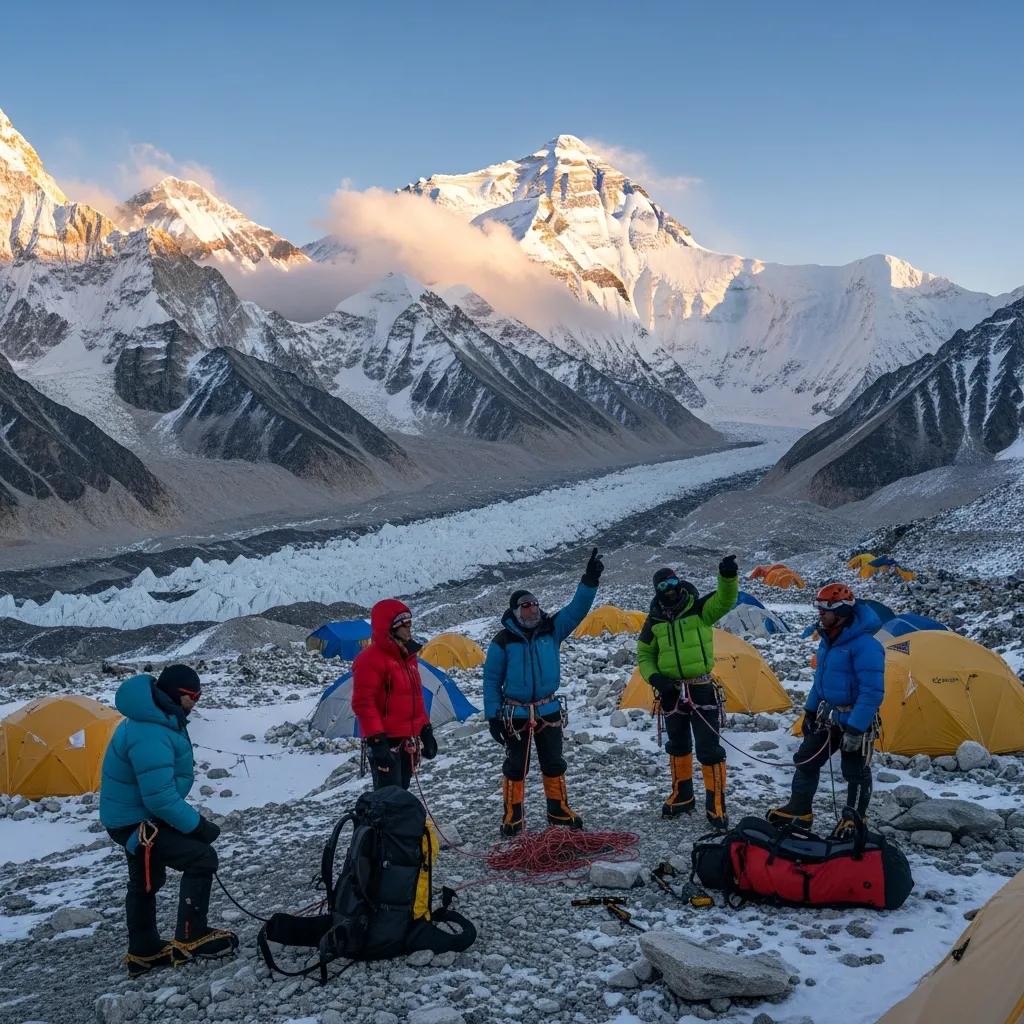
Mount Everest Training Plan: A 12-Month Fitness & Preparation Program
A serious Everest training year should begin about 9–12 months before the expedition—but only after you already have the mountaineering and altitude experience Everest demands. The final year should emphasize aerobic durability, weighted uphill movement, strength-endurance, back-to-back mountain days, recovery and arriving healthy—not maximal gym numbers.
How Should You Train for Everest?
Build a large aerobic base first, then layer in progressive strength, weighted uphill movement and longer vertical days. In the final third of the year, training should look increasingly like expedition work: long climbs, back-to-back days, controlled fatigue, pack carries and disciplined recovery.
Everest training should sharpen an experienced climber. It cannot manufacture years of technical or altitude experience in one season.
12-Month Everest Training Plan
| Phase | Timing | Primary goal | What changes |
|---|---|---|---|
| 1. Foundation | Months 1–3 | Aerobic durability + general strength | Consistent easy volume, movement quality, injury resistance |
| 2. Build | Months 4–7 | Volume + hills + loaded carries | More vertical, longer sessions, progressive pack work |
| 3. Everest-specific | Months 8–11 | Long vertical days + back-to-back efforts | Expedition-like fatigue, mountain weekends, altitude exposure where possible |
| 4. Taper | Final 3–4 weeks | Drop fatigue, preserve fitness | Volume falls sharply, recovery becomes the priority |
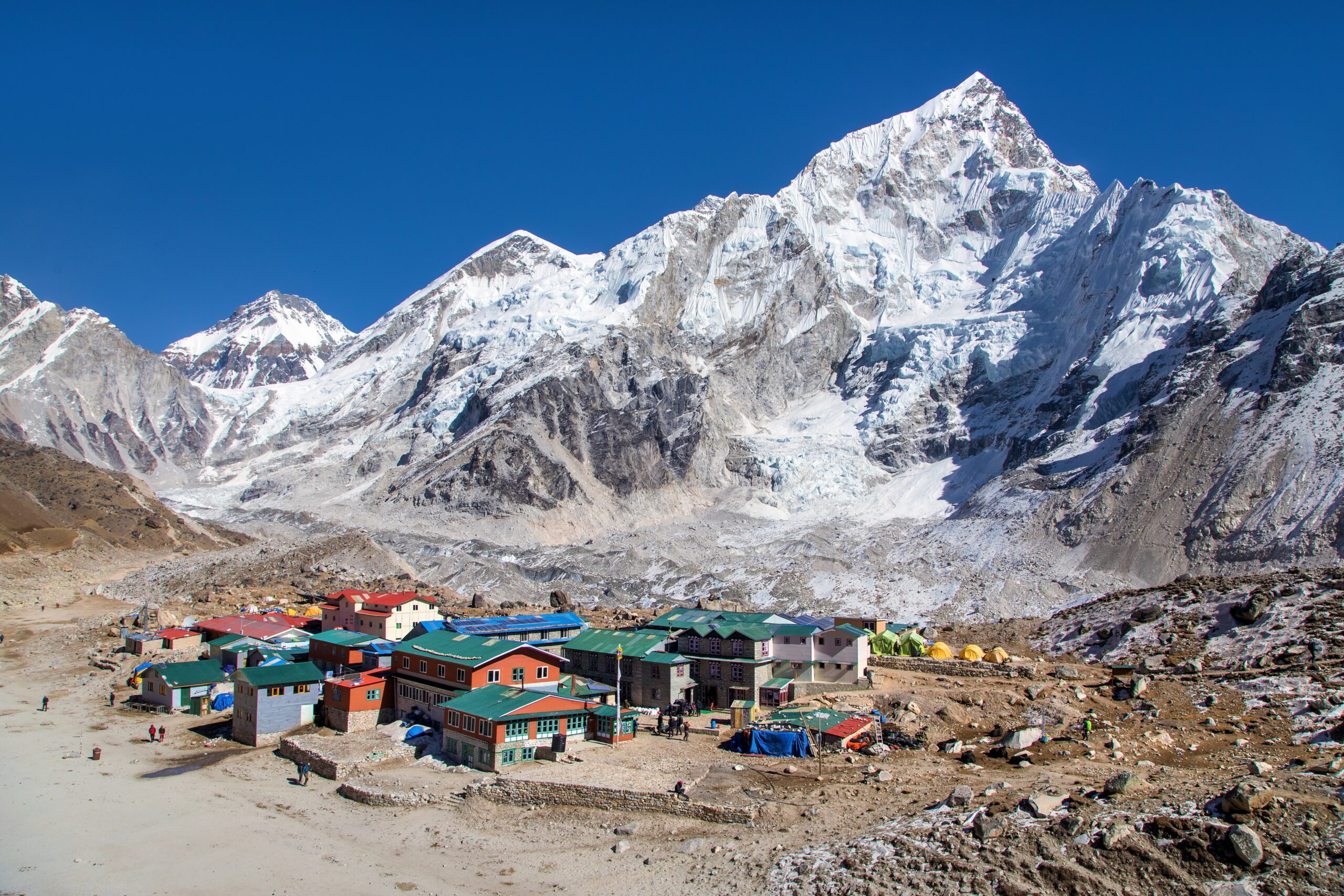
Everest Fitness Is Built on Consistency, Not Hero Workouts.
A single brutal day proves very little. The useful signal is whether you can absorb months of training, handle long mountain days, recover, and repeat the work without injury or chronic fatigue.
Phase 1: Build the Aerobic Foundation
The first quarter should feel almost too easy. The purpose is to create enough durable aerobic capacity that later vertical volume does not break you down.
Mostly easy work
Hiking, uphill treadmill, cycling, running or ski touring at sustainable intensity.
General durability
Squat/lunge patterns, step-ups, posterior chain, calf/ankle strength and trunk control.
Move well first
Fix movement limitations and recurring pain before loading the year.
Build routine
Sleep, fueling and recovery habits matter more as volume rises.
Phase 2: Add Vertical and Load
Now the training becomes more mountain-specific. Increase weekly vertical, lengthen weekend efforts and begin progressive weighted uphill carries. Load should rise gradually enough that posture, pace and recovery remain intact.
| Training element | What to emphasize | Avoid |
|---|---|---|
| Uphill volume | More total vertical across the week | One giant weekend that ruins the next 4 days |
| Pack carries | Progressive, controlled loading | Jumping immediately to expedition-weight loads |
| Strength | Step-ups, split squats, posterior chain, calves, trunk | Chasing one-rep maxes |
| Intensity | Small dose of threshold / uphill tempo | Turning every session into a race |
| Recovery | One or more deliberately easy days | Stacking fatigue without adaptation |
Phase 3: Make Training Look Like Everest
The final major block should prioritize specificity: long uphill days, large vertical totals, back-to-back mountain weekends, efficient movement under load and the ability to recover enough to do meaningful work again the next day.
Long vertical day
Several hours uphill at sustainable effort with a realistic training pack.
Back-to-back days
Repeat long work before full recovery to build expedition durability.
Real exposure when possible
Use appropriate mountain trips to rehearse movement, systems and recovery at altitude.
Skills under fatigue
Technical movement should remain calm and efficient late in the day.
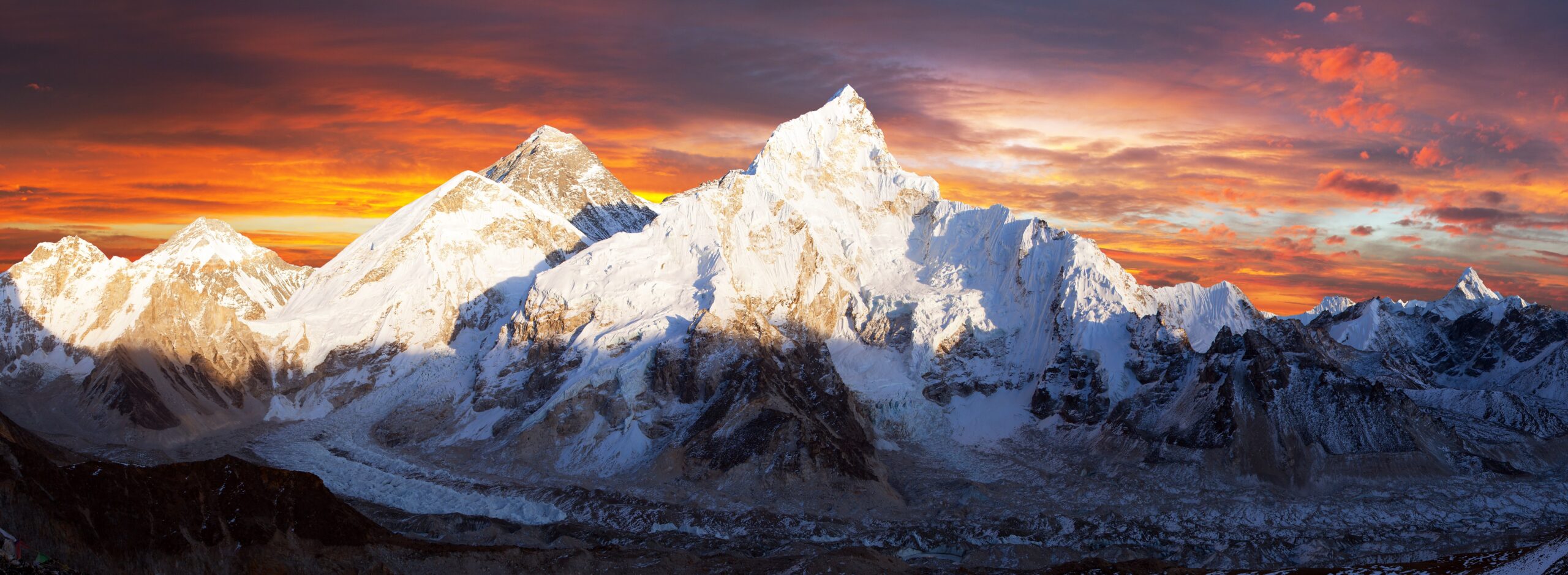
The Goal Is Not to Be Fit in a Gym. It Is to Move Well While Tired.
Everest success depends on maintaining judgment, pacing and movement quality after weeks of cumulative stress. Training should increasingly test durability without turning into reckless exhaustion.
Everest Strength Training Priorities
| Pattern | Why it matters | Examples |
|---|---|---|
| Single-leg strength | Uphill movement and stair-like terrain | Step-ups, split squats, lunges |
| Posterior chain | Uphill power and pack stability | Deadlift variations, hip hinge, bridges |
| Calf / ankle | Long crampon and uphill days | Calf raises, tibialis work, loaded carries |
| Trunk | Load transfer and rope-system stability | Anti-rotation, carries, controlled core work |
| Strength-endurance | Repeatable force late in the day | High-rep step-ups, uphill circuits |
Early in the year, two strength sessions per week is a useful default for many climbers. As mountain-specific volume rises, strength becomes more targeted and lower-volume so it supports—not competes with—the endurance work.
Sample Everest Training Week
| Day | Example focus |
|---|---|
| Monday | Rest or very easy recovery |
| Tuesday | Uphill aerobic + strength |
| Wednesday | Easy aerobic volume |
| Thursday | Weighted uphill / stairs + short strength-endurance |
| Friday | Recovery or easy Zone 1–2 |
| Saturday | Long mountain / vertical day |
| Sunday | Second long day or moderate endurance, depending on phase |
This is a framework, not a prescription. Volume, load and intensity should match the athlete’s history, age, injury profile, expedition date and current recovery capacity.
Are You Physically Ready for Everest?
| Readiness gate | What “ready” should look like |
|---|---|
| Aerobic durability | Long uphill days stay controlled rather than turning into survival efforts |
| Loaded uphill | You can move efficiently for hours with a moderate/heavy training pack |
| Back-to-back recovery | You can perform useful work again the next day |
| Vertical tolerance | Big climbing days do not destroy knees, calves or feet |
| Technical quality | Movement remains deliberate while fatigued |
| Recovery | Sleep, appetite, motivation and resting state remain stable through big blocks |
| Experience | You already have the high-altitude and expedition background appropriate to Everest |
Phase 4: Taper Without Losing Confidence
By the final month, fitness is mostly banked. Reduce training volume sharply, keep a small amount of quality work, protect sleep and stop trying to “prove” fitness with giant last-minute efforts.
Continue Planning
Everest Progression Plan
The multi-year experience pathway and prerequisite peaks.
Build progression →ParentMount Everest Climbing Guide
Routes, costs, permits, operators, season and full planning architecture.
Open Everest guide →Deep recoveryExpedition Training Plans
Compare Everest training specificity with other mountain types.
Compare training →Deep recoveryHigh-Altitude Training
Use the broader physiology and endurance framework behind the Everest plan.
Open high-altitude training →Deep recoveryMountaineering Fitness Standards
Benchmark durable movement before trying to interpret Everest-specific readiness.
Check standards →CurrentEverest Rules & Regulations
Keep changing legal and experience requirements on the current-rules page.
Check current rules →ResearchEverest Summit Success
Understand what the outcome data can and cannot tell you about preparation.
See success data →BookingEverest Operators
Compare program length, support and preparation expectations.
Compare operators →PhysiologyAltitude Acclimatization
Fitness does not replace acclimatization; understand the distinction.
Read acclimatization →JourneyMy Climb
Track the expedition date, training phases, mountain milestones and preparation tasks.
Build my Everest plan →How This Training Plan Is Structured
What this page owns
- The final 9–12 month physical build.
- Aerobic, strength and loaded-uphill structure.
- Back-to-back long-day preparation.
- Readiness gates and tapering.
What this page does not own
- Multi-year prerequisite mountain progression.
- Current Nepal permit or experience legislation.
- Medical clearance or individualized clinical advice.
- Operator-specific training requirements.
Those questions route to their dedicated pages to prevent internal competition and stale regulatory claims.
Everest Training FAQ
How long should I train?
A 9–12 month dedicated build is a strong planning window for an already-experienced mountaineer.
What fitness matters most?
Aerobic durability, loaded uphill movement, strength-endurance and recovery between long days.
How much strength work?
Two weekly sessions is a useful early-phase default for many climbers, then strength volume usually falls as mountain-specific work rises.
Should I train with a pack?
Yes, progressively. The load should increase gradually and never destroy movement quality.
Should I do back-to-back long days?
Yes. They are one of the best ways to prepare for expedition rotations and cumulative fatigue.
Can fitness replace altitude experience?
No. Fitness and mountaineering experience solve different problems.
How should I taper?
Reduce volume over the final three to four weeks while preserving some intensity and prioritizing recovery.
What should I climb before Everest?
Use the Everest Progression Plan; this URL owns training, not the prerequisite-mountain sequence.
Arrive Durable, Experienced and Fresh—not Exhausted From Proving Fitness.
The final year is about turning a capable mountaineer into an expedition-ready one. Build the aerobic engine, add uphill load, rehearse long mountain days, recover well, and taper with discipline.
Was this helpful?
🏔Related training
🧭Explore & compare
Global Summit Guide is an independent mountaineering resource founded in 2026. The team combines first-hand trekking and climbing experience with in-depth research and professional health and nutrition review to help climbers choose objectives, prepare properly, and stay safe.
Health, altitude, and nutrition content is reviewed by Taylor Ludlow (Registered Nurse) and Brigg Hoopes (Nutritionist).
What We Don't Know Yet
Mountain information changes quickly. This box explains the limits of what this page can responsibly promise.
- Fitness and altitude response vary by person; no guide, itinerary, or training plan can guarantee acclimatization or summit success.
- Visa, passport, vaccination, border, insurance, and local transportation rules may change before your trip.
- Route conditions, snowpack, closures, and weather can change quickly after this page is updated.
- Permit rules, fees, quotas, and reservation windows may change between review cycles.
- Operator availability, pricing, guide ratios, and cancellation terms can change by season.
Verify current conditions with official land managers, guide services, local forecasts, and current route reports before booking or climbing.
Mountaineering, rock and ice climbing, glacier travel, and high-altitude activity are inherently dangerous and can result in serious injury or death. The information on Global Summit Guide is provided for general informational and educational purposes only and is not a substitute for professional instruction, qualified guiding, proper equipment, or your own judgment and experience.
Route conditions, weather, snowpack, permits, regulations, and hazards change constantly and may differ from what is described here. Details may be incomplete, out of date, or contain errors. Always verify current information with local authorities, certified guides, and official sources before making any decision in the mountains.
Nothing on this site is medical, legal, or financial advice. Our fitness, acclimatization, altitude, and nutrition content is general in nature; consult a qualified physician before beginning any strenuous exercise program or exposing yourself to high altitude.
You are solely responsible for your own safety and decisions. To the fullest extent permitted by law, Global Summit Guide and its team accept no liability for any loss, injury, damage, or expense arising from use of, or reliance on, this information. By using this site you acknowledge these risks and accept these terms.
Some links on this site may be affiliate links. If you buy through them we may earn a small commission at no extra cost to you; this never affects our recommendations.
Global Summit Guide recommendation path
Next Best Mountain to Research
Use these recommendations to continue the right planning path instead of stopping on one page.
Use current permit, weather, route, and operator information before booking or climbing.