
Last updated September 25, 2026
Climbing the Seven Summits (CTSS): Programs, Guides, Safety & Everest Record
Climbing the Seven Summits has built one of the most customizable Everest program structures in commercial mountaineering. The company combines international and Nepali guiding, multiple support tiers, a large Himalayan logistics system and unusually detailed recent Everest reporting.
Where CTSS Fits in the Everest Operator Market
CTSS currently sits in Tier I of the Global Summit Guide operator methodology. Its strongest evidence is current: CTSS publishes detailed program specifications, guide structures, oxygen strategy and season-end Everest results rather than relying only on company history or marketing language.
CTSS reported that 14 of 16 Everest clients reached the summit in 2026, an 87.5% client summit rate for that season, with 51 total team summits across clients, guides and Sherpa staff. Two clients turned because of illness. Those figures are operator-reported, but the published denominator makes the result more useful than a summit count presented without the number of clients who started the season.
CTSS Is Not a Single Everest Product
Evaluating CTSS by company name alone misses the most important part of its structure: climbers can buy materially different levels of autonomy, Sherpa support and international guide involvement.
Multiple Everest support models
CTSS publishes logistics-oriented, personal Sherpa, IFMGA Sherpa team, private Sherpa, international team-guided and private international-guided options.
International + Nepali command structure
Mike Hamill oversees strategy while senior Nepali guide leadership manages Himalayan logistics and upper-mountain operations.
Detailed current-season reporting
CTSS publishes named summit updates, program documentation and recent client denominators that allow its claims to be examined more closely than a simple marketing success percentage.
CTSS Scores 51 / 60
Global Summit Guide evaluates operators using six evidence categories. Each category is scored from 0–10. The purpose is to reward verifiable operating history, documentation and transparency rather than brand recognition alone.
CTSS publishes detailed Everest program structures, prices, prerequisites, oxygen allocations, staff systems and season updates.
CTSS publishes IFMGA/UIAGM-certified Nepali guide leadership and offers a dedicated IFMGA Sherpa team program.
Founder Mike Hamill brings more than two decades of high-altitude guiding experience, including extensive Everest and 8,000-meter expedition leadership.
CTSS operates a substantial recurring Nepal program with local logistics leadership. Additional primary-source licensing and regulatory documentation can strengthen this category further.
Recent Everest seasons include named summit announcements and, importantly, a complete 2026 client denominator of 14 summits from 16 clients.
CTSS publishes safety systems, annual rescue and medical training, oxygen redundancy and examples of climbers turning for illness. More complete incident case documentation would improve the evidence base.
The 2026 Result Is CTSS’s Strongest Current Data Point
Summit percentages are only useful when the reader knows who was counted. CTSS’s 2026 season-end publication includes both the number of client summits and the number of clients in the season.
14 of 16 reached the summit
CTSS reported an 87.5% client summit rate for its 2026 Everest season. The company also stated that two team members turned because of illness—one from Camp 2 and another after departing the South Col.
51 total team summits
The same season-end report recorded 51 summits across climbers, guides and Sherpa staff. GSG keeps that number separate from the client success statistic so the two measures are not conflated.
CTSS Everest Pricing & Support Levels
CTSS’s current 2027 program guide illustrates why the exact program matters. Two clients booking CTSS can have very different guide ratios, autonomy and summit support. Prices below are published starting prices and should be rechecked directly before booking.
| Program | Starting price | Support model | Who it is built for |
|---|---|---|---|
| Sherpa Supported | $62,995 | Logistics focused; Sherpa support comes late in the climb | Highly experienced, self-sufficient climbers |
| Personal Sherpa | $67,995 | 1:1 Sherpa companion across rotations and summit climb | Highly competent climbers wanting autonomy plus a dedicated partner |
| IFMGA Sherpa Team | $64,995 | Maximum five climbers per IFMGA-certified Sherpa guide; personal Sherpa on summit day | Experienced climbers wanting certified Nepali team guidance |
| Private 1:1 Sherpa Guided | $79,995 | Private Nepali guide throughout plus summit-day Sherpa support | Climbers wanting personalized Himalayan guidance |
| Western / International Guided Team | $79,995 | International guide throughout; personal Sherpa on summit bid | Team-oriented climbers wanting full international guide leadership |
| Private International Guided | $134,995 | Private international guide plus personal summit-day Sherpa | Climbers prioritizing maximum individual guidance and flexibility |
| Everest: The Formula | By request | Bespoke preparation, performance and expedition package | Clients seeking an unusually customized premium program |
Source: CTSS 2027 Everest Program & Cost Guide. Prices, inclusions and program structure can change.
Speed Ascent
CTSS publishes a 20-day Everest speed option requiring an intensive home hypoxic program. The current add-on is listed at $14,000.
Speed Ascent
The 30-day option requires aggressive pre-acclimatization and is currently listed as a $12,000 program add-on.
Speed Ascent
The 40-day model includes a Lobuche rotation and is currently listed as a $10,000 add-on.
Who Makes the Decisions When Conditions Change?
Everest operators should be evaluated on the people, information and redundancy behind the summit decision—not simply the amenities at Base Camp or the headline price.
Mike Hamill, Big Tendi & Little Tendi
CTSS’s published Everest structure distributes strategy, local logistics and upper-mountain operations rather than concentrating every function in one expedition leader.
Mike Hamill
CTSS reports six Everest summits, six Seven Summits circuits and more than 20 years of high-altitude guiding experience for Hamill. He is also the author of Climbing the Seven Summits.
The company’s current Everest material places Hamill in the strategic expedition-leadership role.
Pasang Tendi Sherpa — “Little Tendi”
CTSS’s 2027 guide lists Little Tendi as an IFMGA/UIAGM guide with 18 Everest summits from the north and south sides.
CTSS describes him as a key leader of upper-mountain operations and Himalayan logistics.
Tendi Sherpa — “Big Tendi”
CTSS’s current program guide lists Big Tendi as an IFMGA guide with more than 30 years of guiding experience and a long-standing technical leadership role within Nepal’s mountain-guide community.
His role includes local logistics planning and coordination.
CTSS Publishes a Specific Oxygen Strategy
Oxygen is one of the areas where operator marketing can be vague. CTSS publishes bottle counts, flow assumptions and staff policy.
11 bottles
CTSS states that its standard Everest allocation is eight bottles for the climber and three for the climber’s Sherpa.
3 L/min or more
CTSS describes a planned climbing flow of approximately 3 L/min or higher, with approximately 1 L/min while sleeping during the summit bid.
Guides use oxygen
CTSS explicitly states that its guides climb on supplemental oxygen on Everest rather than preserving bottles by having guides climb without it.
Training, Rescue & Operational Redundancy
No Everest operator can remove objective risk. The meaningful comparison is whether the company publishes systems designed to recognize problems early and respond when the plan changes.
Annual staff training
CTSS says it funds an annual mountain-safety course for climbing staff and Sherpa personnel consisting of three days of technical and high-mountain rescue training plus two days of medical training.
The company states that three technical climbing instructors and two doctors teach the program.
Client skills refreshers
Everest climbers receive technical refreshers covering fixed-line climbing, rappelling, crampon use, oxygen-system management, troubleshooting and Icefall ladder techniques.
Resource redundancy
CTSS’s current program guide says the Everest operation fields roughly 50–60 Sherpas during the season and caches additional oxygen at multiple camps, allowing different groups to move on staggered schedules.
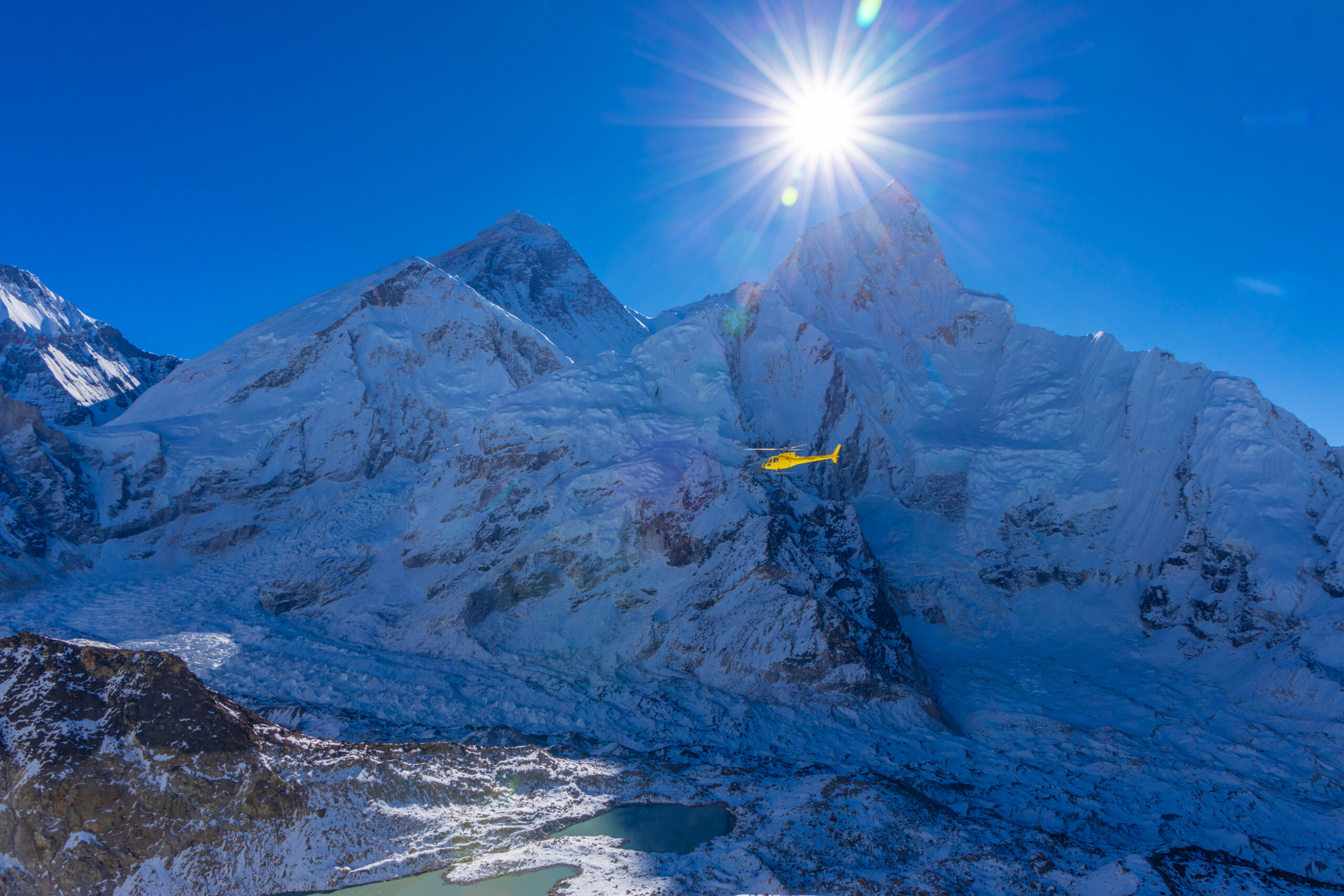
Where the CTSS Everest Expedition Operates
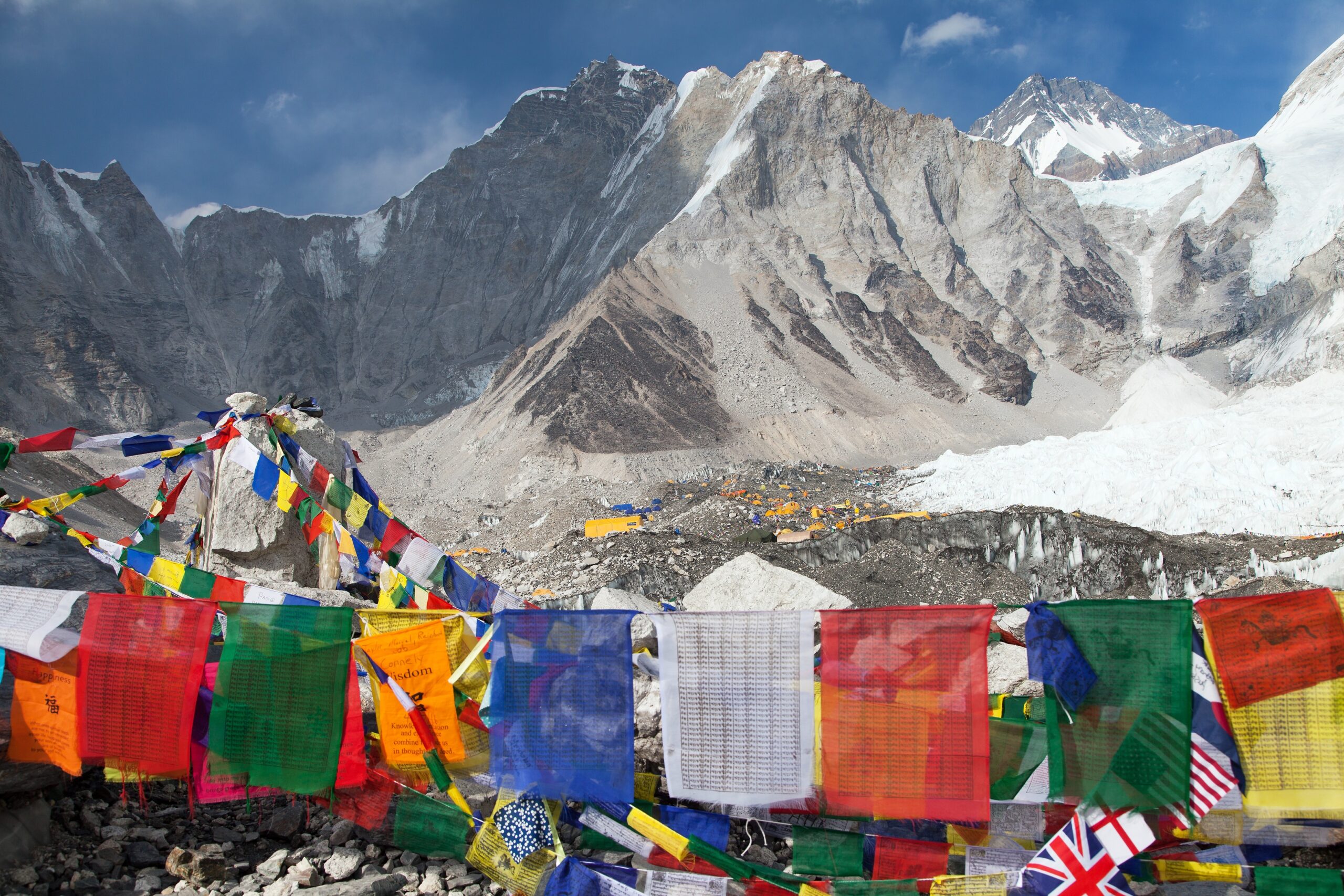
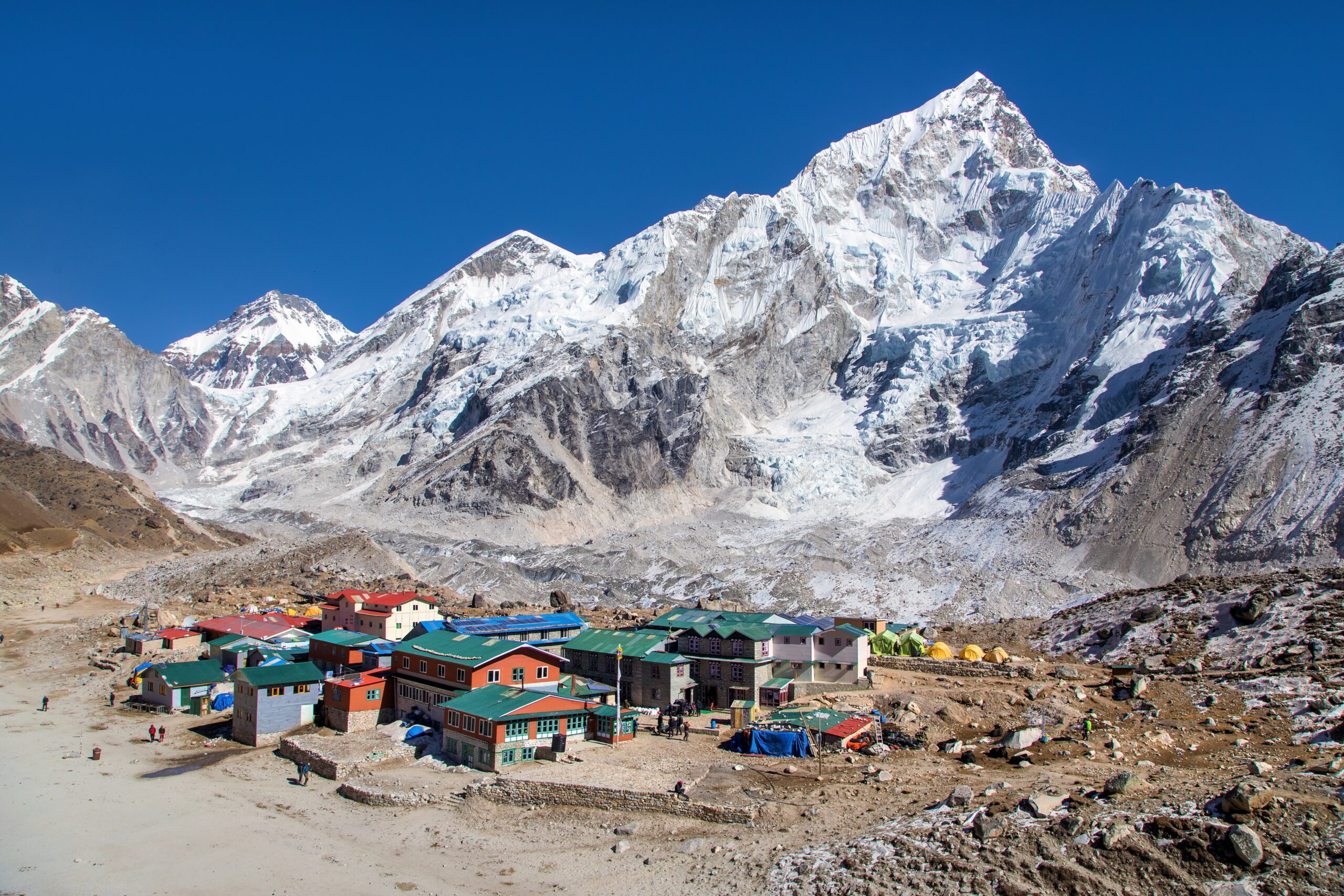
The Nepal South Col expedition moves through the Khumbu to Everest Base Camp before entering the Khumbu Icefall, Western Cwm, Lhotse Face and South Col route system.
Who Should Put CTSS on the Shortlist?
CTSS is particularly relevant if you want
- A choice between Sherpa-led, international-guided and private models.
- Published recent Everest client results rather than only historical reputation.
- Detailed oxygen allocation and upper-mountain support information before booking.
- A progression relationship that can continue across multiple Seven Summits or 8,000-meter objectives.
- The ability to pay for substantially more individual guidance without changing operators.
Verify carefully if you are comparing
- Which CTSS tier provides the guide relationship you actually expect.
- Exactly when a personal Sherpa joins your climbing program.
- What oxygen, carrying support and contingency resources are included.
- Trip cancellation, interruption, evacuation and medical-insurance requirements.
- Whether a speed-ascent model is appropriate for your personal altitude history.
CTSS Is Not Selling Every Everest Program to Every Climber
The lower-support tiers carry the strongest experience requirements. CTSS’s 2027 logistics-only program calls for extensive high-altitude experience and self-sufficiency. The IFMGA Sherpa team option is aimed at climbers with solid technical skills and prior experience above 7,000 meters, preferably including an 8,000-meter peak.
The private and international-guided programs provide more direct guide coverage, but additional guide support does not make Everest a beginner objective. Fitness, altitude history, fixed-line movement, crampon efficiency and judgment remain part of the qualification decision.
Compare Everest Support ModelsCTSS Beyond Everest
CTSS is built around a progression model rather than a single Everest season. Its broader portfolio spans the Seven Summits and additional high-altitude objectives.
Seven Summits progression
CTSS’s company identity is centered on moving climbers through the Seven Summits with continuity in planning, guide relationships and expedition systems.
8,000-meter progression
Everest sits within a larger Himalayan portfolio that includes Lhotse, Manaslu, Cho Oyu and other high-altitude preparation pathways.
Training climbs
CTSS also publishes Everest Camp 2, Camp 3, Lobuche and multi-peak Himalayan programs designed to build experience before a future Everest summit attempt.
How Global Summit Guide Evaluated CTSS
This profile is research-based. Global Summit Guide has not treated CTSS marketing statements as independently verified facts. Company statistics are identified as CTSS-reported where appropriate, and current program pricing is tied to dated operator documentation.
The 51/60 methodology score is based on six areas: transparency, certification, longevity, regulatory standing, summit-data publication and incident-response history. Scores can change when better evidence becomes available.
Primary sources used
CTSS Frequently Asked Questions
What does CTSS stand for?
CTSS stands for Climbing the Seven Summits, a commercial mountaineering operator founded by high-altitude guide and author Mike Hamill.
How successful was CTSS on Everest in 2026?
CTSS reported that 14 of 16 Everest clients reached the summit in 2026, an 87.5% client summit rate for that season. It also reported 51 total team summits across clients, guides and Sherpa staff.
How much does it cost to climb Everest with CTSS?
CTSS’s published 2027 full-Everest programs begin at $62,995 for its Sherpa Supported model. Other options increase with guide coverage, reaching $134,995 for a private international-guided climb. The bespoke Formula program is priced by request.
How much oxygen does CTSS provide on Everest?
CTSS currently publishes a standard allocation of 11 bottles: eight for the climber and three for the climber’s Sherpa. The company also offers additional oxygen as an optional upgrade.
Does CTSS offer private Everest guides?
Yes. CTSS publishes both a private 1:1 Nepali-guided Everest program and a private international-guided program, in addition to team and lower-support models.
Does CTSS require Everest climbers to have previous experience?
Yes. Requirements depend heavily on the program. The lower-support options require substantial self-sufficiency and high-altitude experience, while more guided programs provide greater direct support. Everest should not be treated as an entry-level mountaineering objective under any tier.
Compare CTSS in the Full Everest Decision
An operator profile answers only one part of the Everest decision. Compare CTSS against the full operator field, understand the mountain itself and verify the support model before committing.
CTSS Gives Everest Climbers Something Valuable: Specifics
Its strongest case is not a slogan. It is the amount of current information a prospective climber can examine before signing a contract: support tiers, guide structure, recent summit data, oxygen allocation, prerequisites, staff training and pricing.
Compare All Everest OperatorsWas this helpful?
Global Summit Guide is an independent mountaineering resource founded in 2026. The team combines first-hand trekking and climbing experience with in-depth research and professional health and nutrition review to help climbers choose objectives, prepare properly, and stay safe.
Health, altitude, and nutrition content is reviewed by Taylor Ludlow (Registered Nurse) and Brigg Hoopes (Nutritionist).
What We Don't Know Yet
Mountain information changes quickly. This box explains the limits of what this page can responsibly promise.
- Guide-company prices, departure dates, guide ratios, included services, and cancellation rules can change without notice.
- Visa, passport, vaccination, border, insurance, and local transportation rules may change before your trip.
- Route conditions, snowpack, closures, and weather can change quickly after this page is updated.
- Permit rules, fees, quotas, and reservation windows may change between review cycles.
- Operator availability, pricing, guide ratios, and cancellation terms can change by season.
Verify current conditions with official land managers, guide services, local forecasts, and current route reports before booking or climbing.
Mountaineering, rock and ice climbing, glacier travel, and high-altitude activity are inherently dangerous and can result in serious injury or death. The information on Global Summit Guide is provided for general informational and educational purposes only and is not a substitute for professional instruction, qualified guiding, proper equipment, or your own judgment and experience.
Route conditions, weather, snowpack, permits, regulations, and hazards change constantly and may differ from what is described here. Details may be incomplete, out of date, or contain errors. Always verify current information with local authorities, certified guides, and official sources before making any decision in the mountains.
Nothing on this site is medical, legal, or financial advice. Our fitness, acclimatization, altitude, and nutrition content is general in nature; consult a qualified physician before beginning any strenuous exercise program or exposing yourself to high altitude.
You are solely responsible for your own safety and decisions. To the fullest extent permitted by law, Global Summit Guide and its team accept no liability for any loss, injury, damage, or expense arising from use of, or reliance on, this information. By using this site you acknowledge these risks and accept these terms.
Some links on this site may be affiliate links. If you buy through them we may earn a small commission at no extra cost to you; this never affects our recommendations.
Global Summit Guide recommendation path
Next Best Mountain to Research
Use these recommendations to continue the right planning path instead of stopping on one page.
Use current permit, weather, route, and operator information before booking or climbing.