
Last updated September 25, 2026
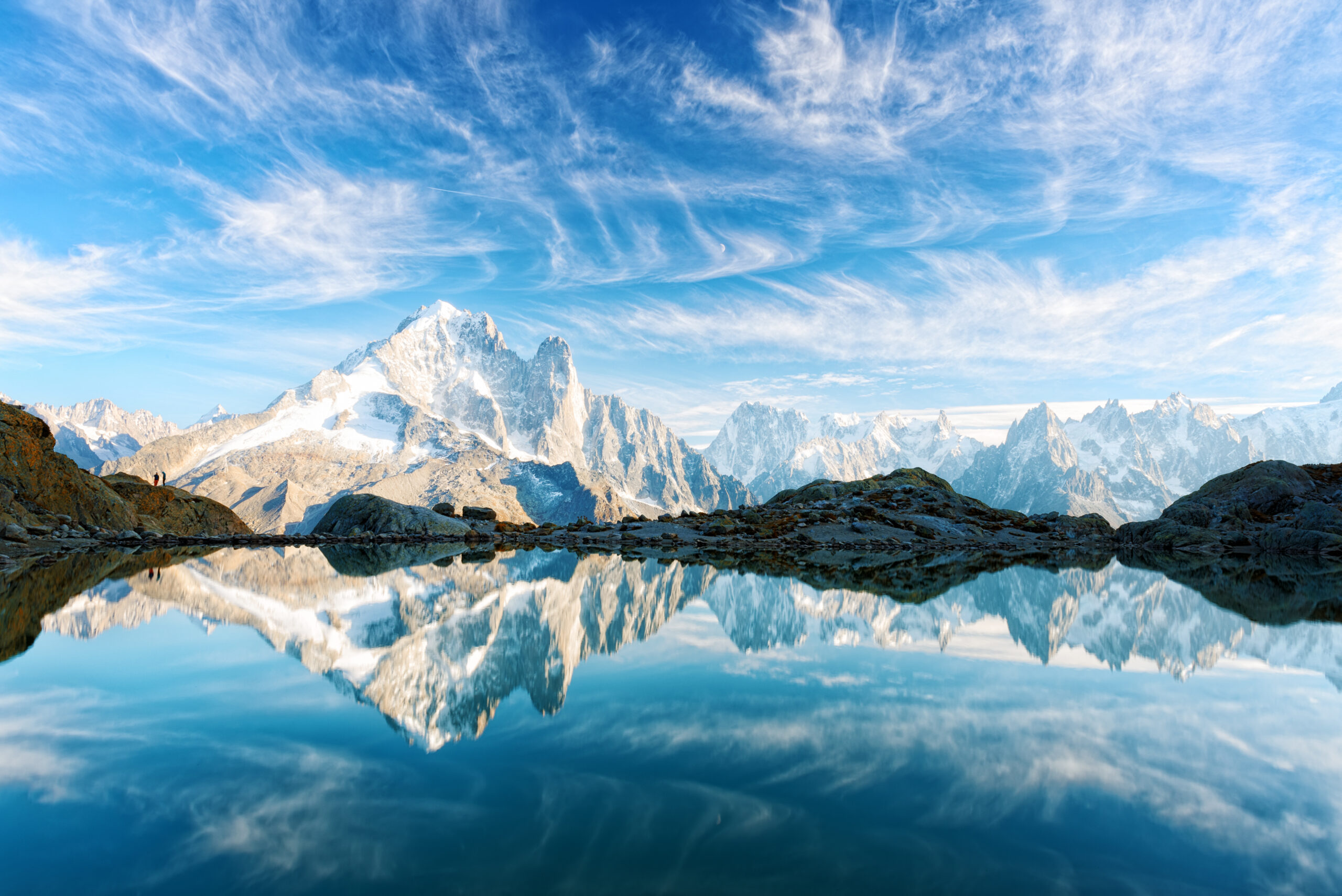

Global Summit Guide Is Now a Global Rescue Safe Travel Partner.
Mountain travel can take you far beyond ordinary roads, hospitals and travel systems. Our new partnership with Global Rescue gives Global Summit Guide readers a direct path to research field rescue, medical evacuation, traveler assistance and separate travel-insurance options before a trip begins.
What Does the Global Rescue Partnership Mean for GSG Readers?
Global Summit Guide is now a Global Rescue Safe Travel Partner. That gives climbers, trekkers and adventure travelers using our site a dedicated Global Rescue landing page where they can evaluate rescue and evacuation membership services as well as separate travel-insurance options.
The partnership does not replace our independent insurance research. Instead, Global Rescue will become one option within the broader rescue, evacuation and travel-protection framework we use throughout the site.
Four Services That Matter in Remote Mountain Travel
Rescue, medical transport, traveler assistance and financial trip protection are different problems. Understanding those differences before departure is especially important when the itinerary includes high altitude or remote terrain.
Field Rescue
Global Rescue describes field rescue as transport from the point of illness or injury to the nearest appropriate facility, subject to membership terms and operational conditions.
Medical Evacuation
Medical evacuation and advisory services can include transport or repatriation for qualifying members requiring hospitalization and continuing care.
24/7 Assistance
Traveler assistance can help with destination health systems, passports, visas, translation and other problems that can become difficult far from home.
Travel Intelligence
Destination reports and event alerts provide another planning layer for travelers researching health, security and changing conditions.
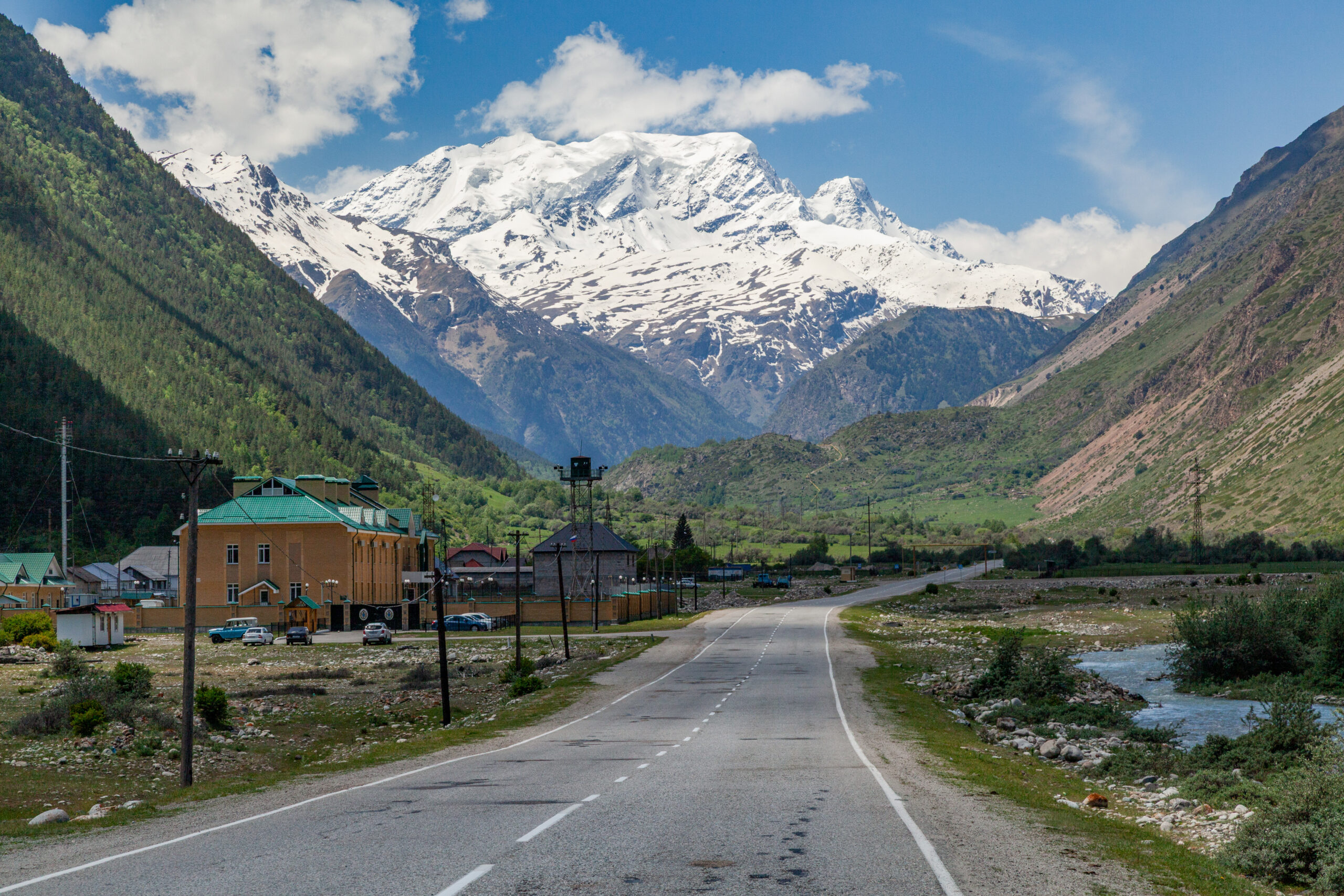
Getting Hurt on a Mountain Is Different From Getting Sick in a City.
Traditional travel planning usually focuses on flights, hotels, medical bills and trip cancellation. A remote mountain can introduce another problem: physically reaching the traveler in terrain where normal transportation does not exist.
For mountaineers, that means rescue planning deserves its own line on the pre-departure checklist alongside medical coverage, trip cancellation and emergency evacuation.
Global Rescue Membership Is Not the Same as Travel Insurance.
Climbers frequently combine rescue, evacuation, medical and cancellation into one idea called “insurance.” They should be evaluated separately.
Global Rescue Membership
Global Rescue describes itself as a membership organization providing advisory, rescue and evacuation services rather than an insurance company.
- Field rescue
- Medical evacuation and advisory
- Traveler assistance
- Destination information and alerts
- Optional security services
- High-altitude evacuation option
Signature Travel Insurance
Global Rescue’s partner portal separately offers travel insurance designed around eligible financial travel losses and medical expenses.
- Trip cancellation
- Trip interruption
- Emergency medical expenses
- Travel delays and missed connections
- Baggage-related benefits
- Optional benefits where available

Coverage on Paper Is Only One Part of the Question.
Mountain travelers should understand who coordinates a rescue, how the rescue is authorized, where the traveler may be transported, what communication is required and which costs are handled directly versus reimbursed later.
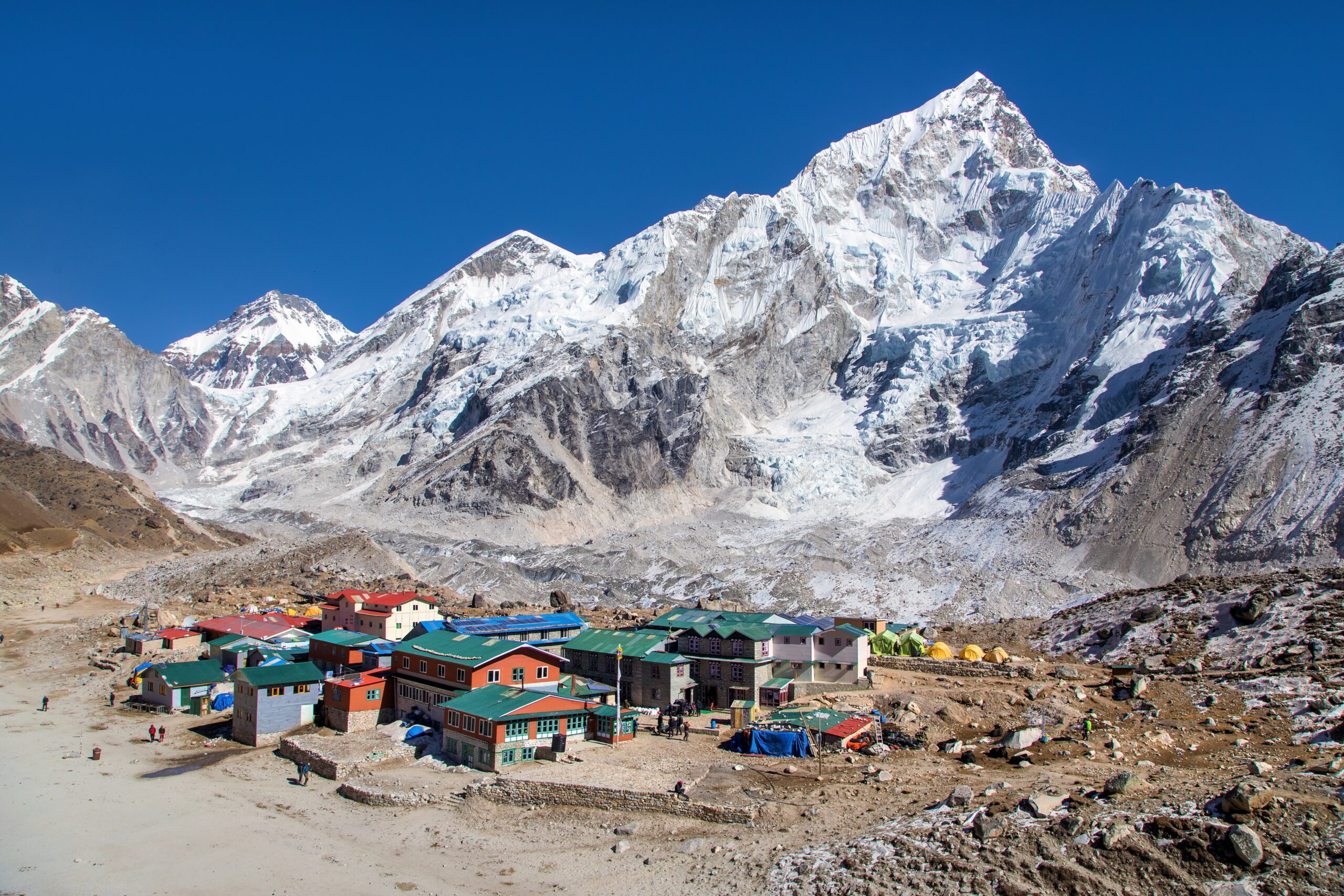
Above 15,000 Feet Requires Extra Attention.
Global Rescue states that its High-Altitude Evacuation Package applies to members traveling above 15,000 feet or 4,600 metres during any part of a trip, excluding air travel, when qualifying emergency transport is required.
That threshold is relevant to many objectives covered by Global Summit Guide: Kilimanjaro, Aconcagua, Denali, Everest, Nepal trekking peaks and many Andean volcanoes.
Do not assume altitude is the only issue. Confirm the current membership agreement, activity, destination and rescue requirements before departure.
The Partnership Will Become Part of the GSG Planning System.
We will not place Global Rescue promotion indiscriminately across the site. The partnership belongs where rescue, evacuation, insurance or expedition risk is already part of the reader’s decision.
Insurance & Rescue Pages
Pages about travel insurance, evacuation, search and rescue and medical transport will connect directly to this partnership resource.
High-Altitude Mountains
Expedition pages where evacuation planning is material will give readers a clear path to research Global Rescue membership options.
Operator Requirements
Where guide services require evacuation or medical coverage, GSG can connect the operator requirement with the broader insurance and rescue framework.
Make Rescue Part of the Expedition Plan.
Insurance should not live in a forgotten email attachment. Record the membership or policy information alongside your operator contacts, emergency numbers, satellite communication plan and home contact.
Global Rescue’s own climber guidance emphasizes contacting Global Rescue at the time of an incident and highlights the importance of reliable communication during backcountry rescue situations.

Headquartered in Lebanon, New Hampshire.
Global Rescue lists its headquarters at 85 Mechanic Street in Lebanon, New Hampshire. Its services are designed for travelers operating far beyond its home office, subject to current membership terms and geographic conditions.
The map provides company-location context only. It does not represent the geographic extent of rescue eligibility.
Start With the Trip. Then Build the Protection Around It.
These Global Summit Guide resources cover the insurance, evacuation, expedition and budget decisions that should be resolved before departure.
Mountain Climbing Insurance
Define altitude, activity, rescue, evacuation and medical requirements before comparing providers.
High altitudeInsurance Above 6,000m
Compare specialist high-altitude options for major expedition objectives.
ExpeditionHigh-Altitude Planning
Connect rescue planning with communications, permits, logistics and summit decision systems.
BudgetExpedition Budget Calculator
Include insurance and travel protection in the complete cost of the expedition.
Know Who You Will Call Before Something Goes Wrong.
Emergency planning is most useful when the decision has already been made: who to contact, how to communicate, what service you have and what your guide or expedition team expects you to carry.
Global Rescue Partnership FAQ
The distinctions below will also guide how we integrate Global Rescue into relevant Global Summit Guide insurance and expedition pages.
What is the Global Summit Guide partnership with Global Rescue?
Is Global Rescue membership travel insurance?
Does Global Rescue cover high-altitude climbing?
Does Global Rescue restrict technical climbing equipment?
Does this partnership change Global Summit Guide’s insurance comparisons?
Where should I start?
Global Summit Guide Safe Travel Partner Plan the Rescue System Before You Need It.
Choose the mountain, understand the risks and make rescue, evacuation and travel protection part of the expedition plan before departure.
Was this helpful?
Global Summit Guide is an independent mountaineering resource founded in 2026. The team combines first-hand trekking and climbing experience with in-depth research and professional health and nutrition review to help climbers choose objectives, prepare properly, and stay safe.
Health, altitude, and nutrition content is reviewed by Taylor Ludlow (Registered Nurse) and Brigg Hoopes (Nutritionist).
What We Don't Know Yet
Mountain information changes quickly. This box explains the limits of what this page can responsibly promise.
- Fitness and altitude response vary by person; no guide, itinerary, or training plan can guarantee acclimatization or summit success.
- Comparisons simplify complex decisions; the better mountain depends on current conditions, skills, timing, budget, and risk tolerance.
- Visa, passport, vaccination, border, insurance, and local transportation rules may change before your trip.
Verify current conditions with official land managers, guide services, local forecasts, and current route reports before booking or climbing.
Mountaineering, rock and ice climbing, glacier travel, and high-altitude activity are inherently dangerous and can result in serious injury or death. The information on Global Summit Guide is provided for general informational and educational purposes only and is not a substitute for professional instruction, qualified guiding, proper equipment, or your own judgment and experience.
Route conditions, weather, snowpack, permits, regulations, and hazards change constantly and may differ from what is described here. Details may be incomplete, out of date, or contain errors. Always verify current information with local authorities, certified guides, and official sources before making any decision in the mountains.
Nothing on this site is medical, legal, or financial advice. Our fitness, acclimatization, altitude, and nutrition content is general in nature; consult a qualified physician before beginning any strenuous exercise program or exposing yourself to high altitude.
You are solely responsible for your own safety and decisions. To the fullest extent permitted by law, Global Summit Guide and its team accept no liability for any loss, injury, damage, or expense arising from use of, or reliance on, this information. By using this site you acknowledge these risks and accept these terms.
Some links on this site may be affiliate links. If you buy through them we may earn a small commission at no extra cost to you; this never affects our recommendations.
Global Summit Guide recommendation path
Next Best Mountain to Research
Use these recommendations to continue the right planning path instead of stopping on one page.
Use current permit, weather, route, and operator information before booking or climbing.
Leave a Reply