
Last updated October 15, 2026
Find Your Next Mountain Challenge.
Some climbs become a lifetime project. Explore twelve organized mountain collections—from the Seven Summits and the fourteen 8,000-meter peaks to the great volcanoes, alpine classics and regional high points.
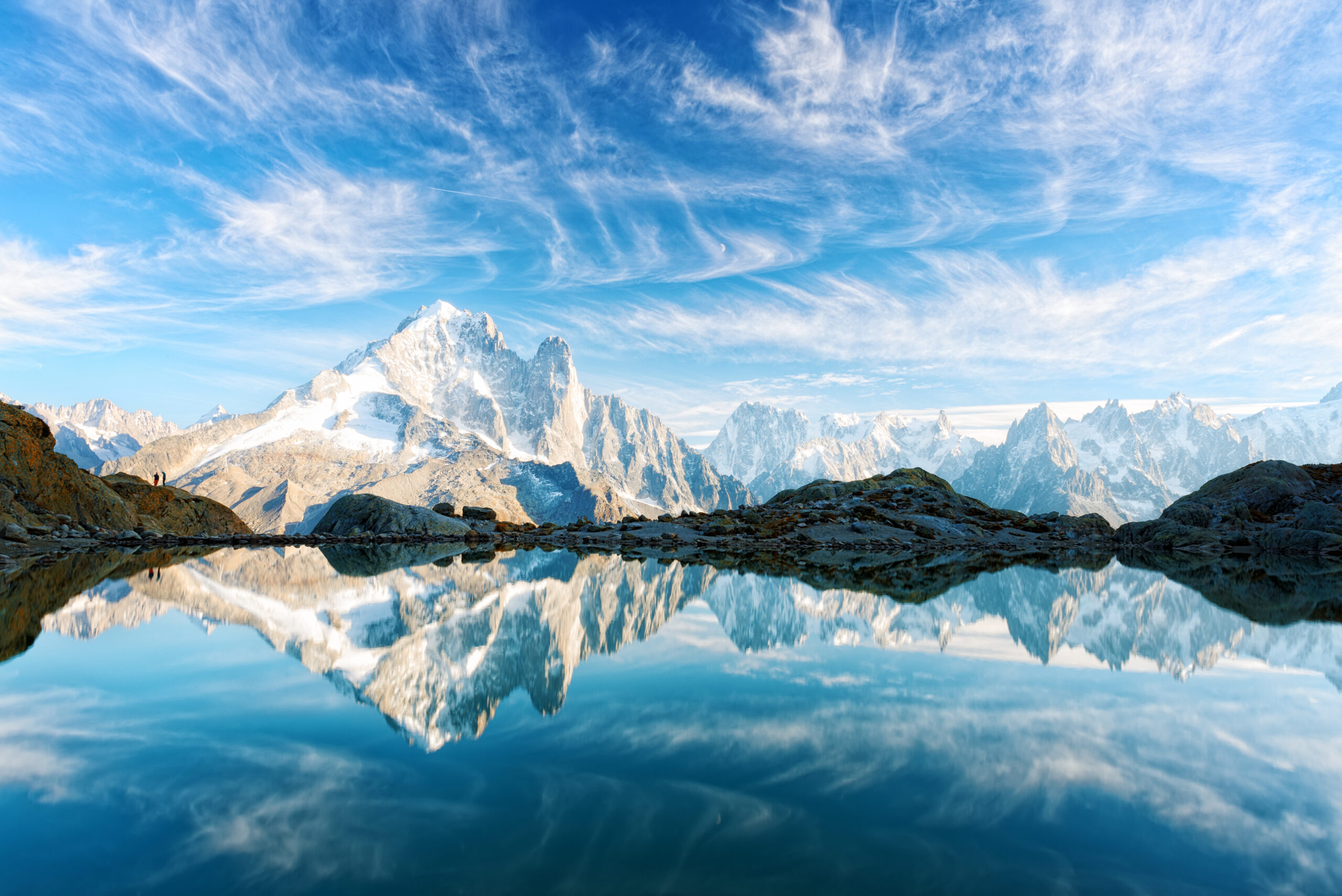 Mont Blanc · One of the Alps Classics
What Is a Mountain Collection?
A mountain collection is an organized set of peaks linked by geography, elevation, history or climbing style. The Seven Summits connect the high point of each continent. The fourteen eight-thousanders share a fixed elevation threshold. The Andes, Cascades and Alps link peaks by landscape, skills and region.
The point is not collecting summits at any price. It’s choosing an achievable direction, building the right experience, and understanding what each mountain asks of you. Start with a region you love—or a skill you want to develop—then open the guide for the collection that fits.
Twelve Ways to Organize a Climbing Life.
Browse all the live collection guides below. Search by mountain type or region, or use the quick filters to find a challenge that fits your interests.
Global challenges
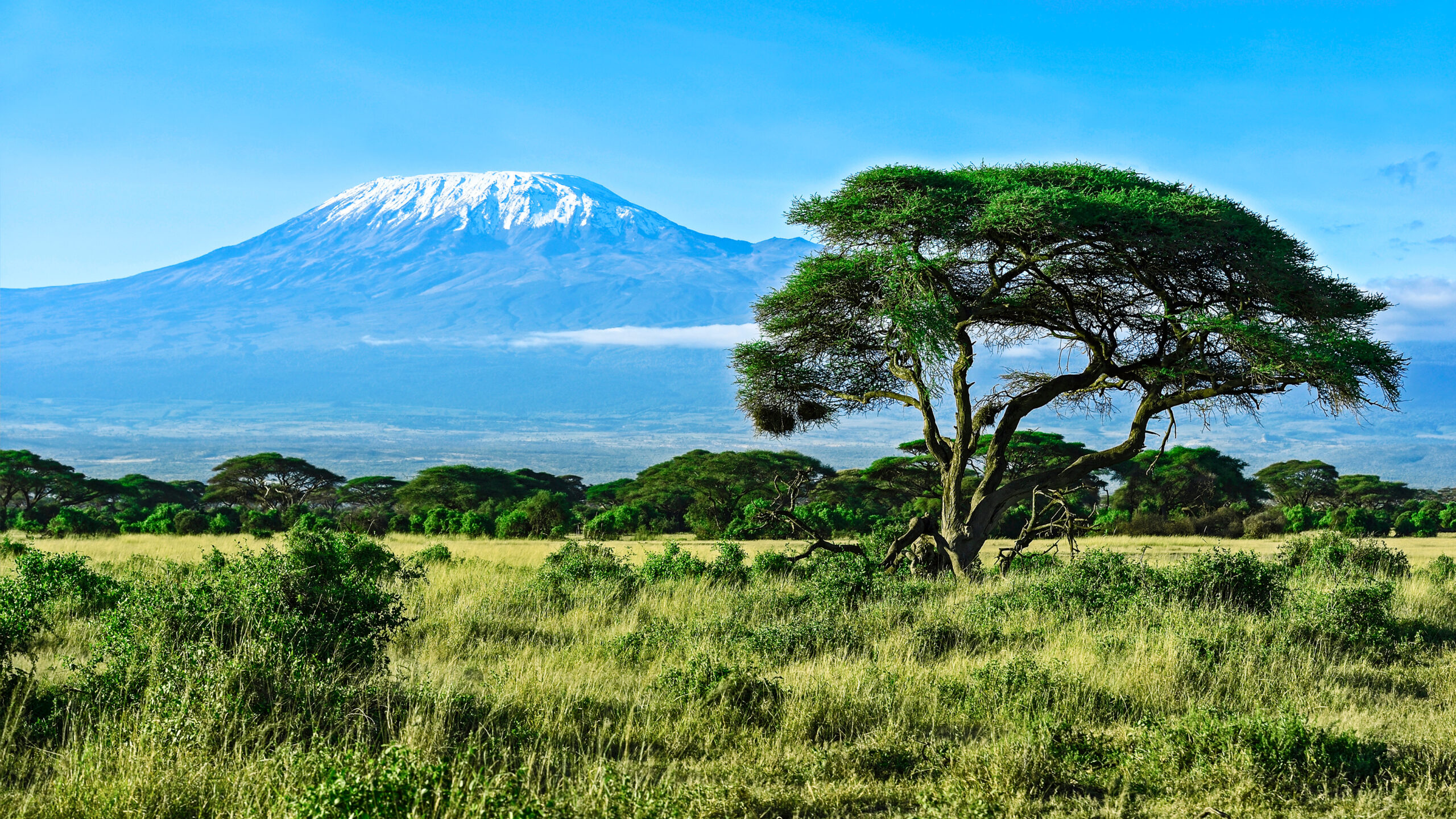
The Seven Summits
Seven continents. One of mountaineering’s most recognizable long-term challenges.
Learn the Bass and Messner list distinction, compare each mountain’s skills and travel demands, and plan a progression that makes sense.
Explore the full guide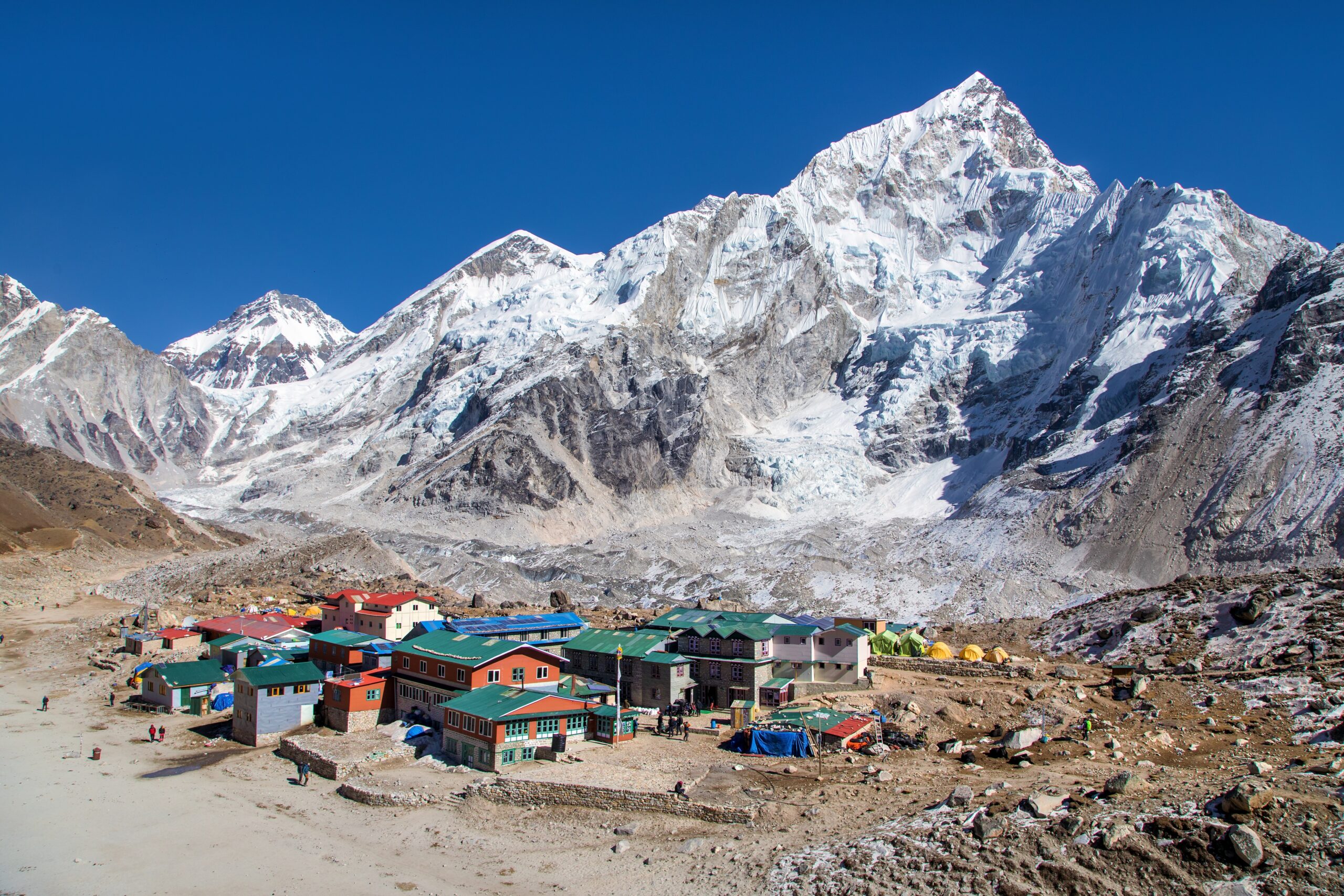
The 14 Eight-Thousanders
The complete set of the world’s fourteen mountains exceeding 8,000 meters.
An advanced expedition project, not a beginner checklist. Compare altitude, experience requirements, logistics, and the different risks each peak presents.
Explore the full guideRegional collections
Alps Classics
Mont Blanc, Matterhorn, Eiger and other landmarks of alpine mountaineering.
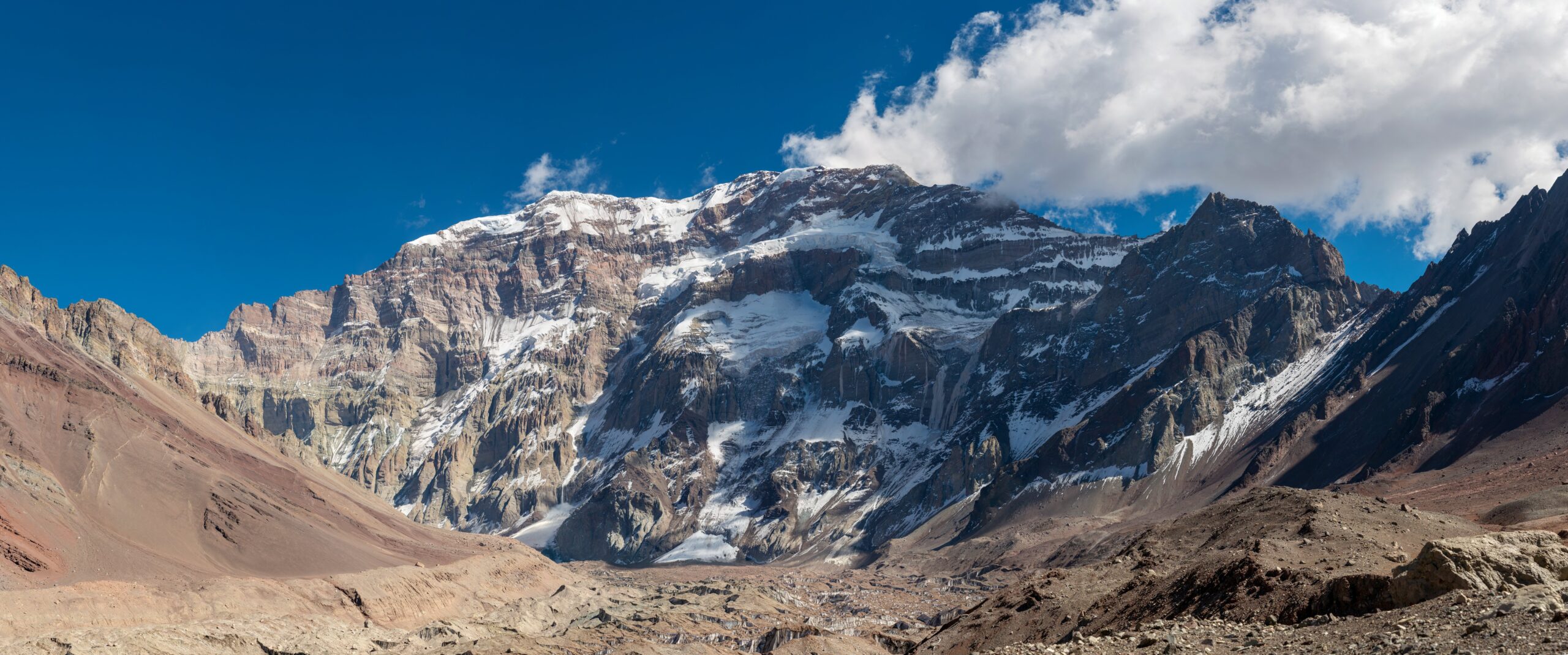
Andes High-Altitude Giants
From Aconcagua to Peru, Bolivia and Ecuador’s extraordinary peaks.
European Volcanoes
Volcanic summits from Etna and Teide to Iceland’s active landscapes.
Cascade Volcanoes
Rainier, Baker, Hood, Adams and the classic glaciated volcanoes.

Patagonia Icons
Fitz Roy, Cerro Torre, Torres del Paine and legendary Patagonian granite.
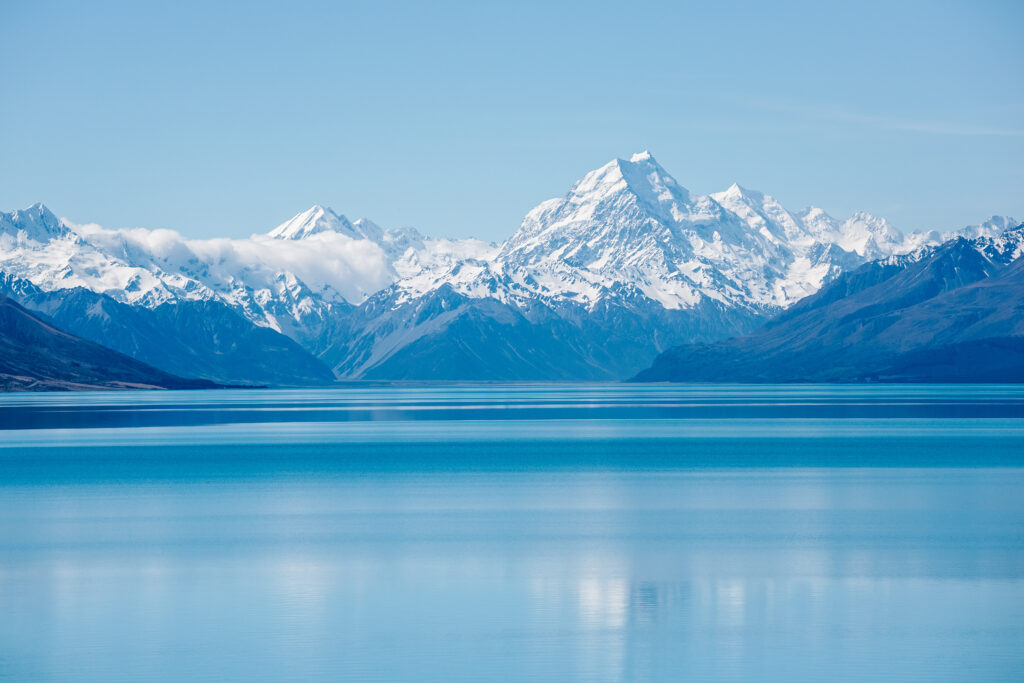
Oceania Icons
From Aoraki / Mount Cook to Kosciuszko and Carstensz Pyramid.
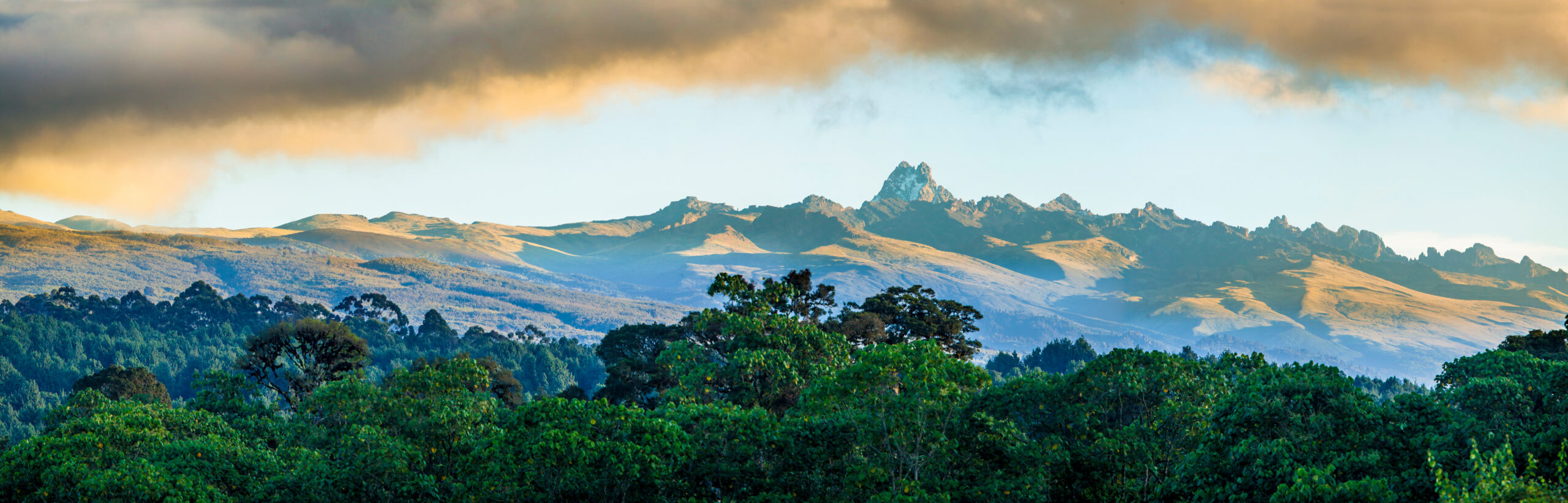
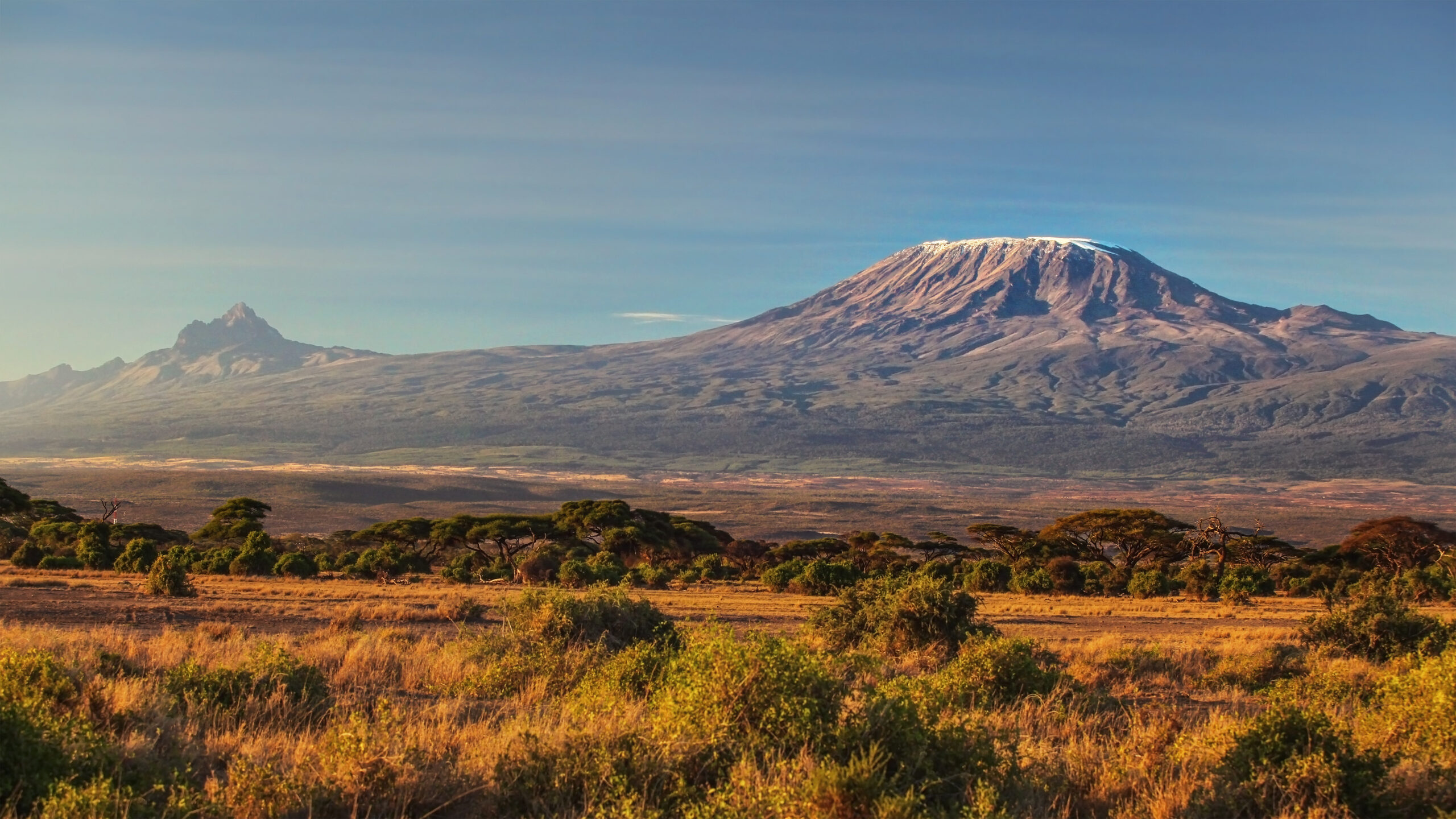
Africa’s Highest Peaks
Kilimanjaro, Mount Kenya, Rwenzori peaks, Toubkal and more.
Mexico Volcanoes
Pico de Orizaba, Iztaccíhuatl and the high volcanoes of Mexico.
Antarctica Polar Peaks
Vinson Massif, Mount Sidley and remote Antarctic mountain objectives.
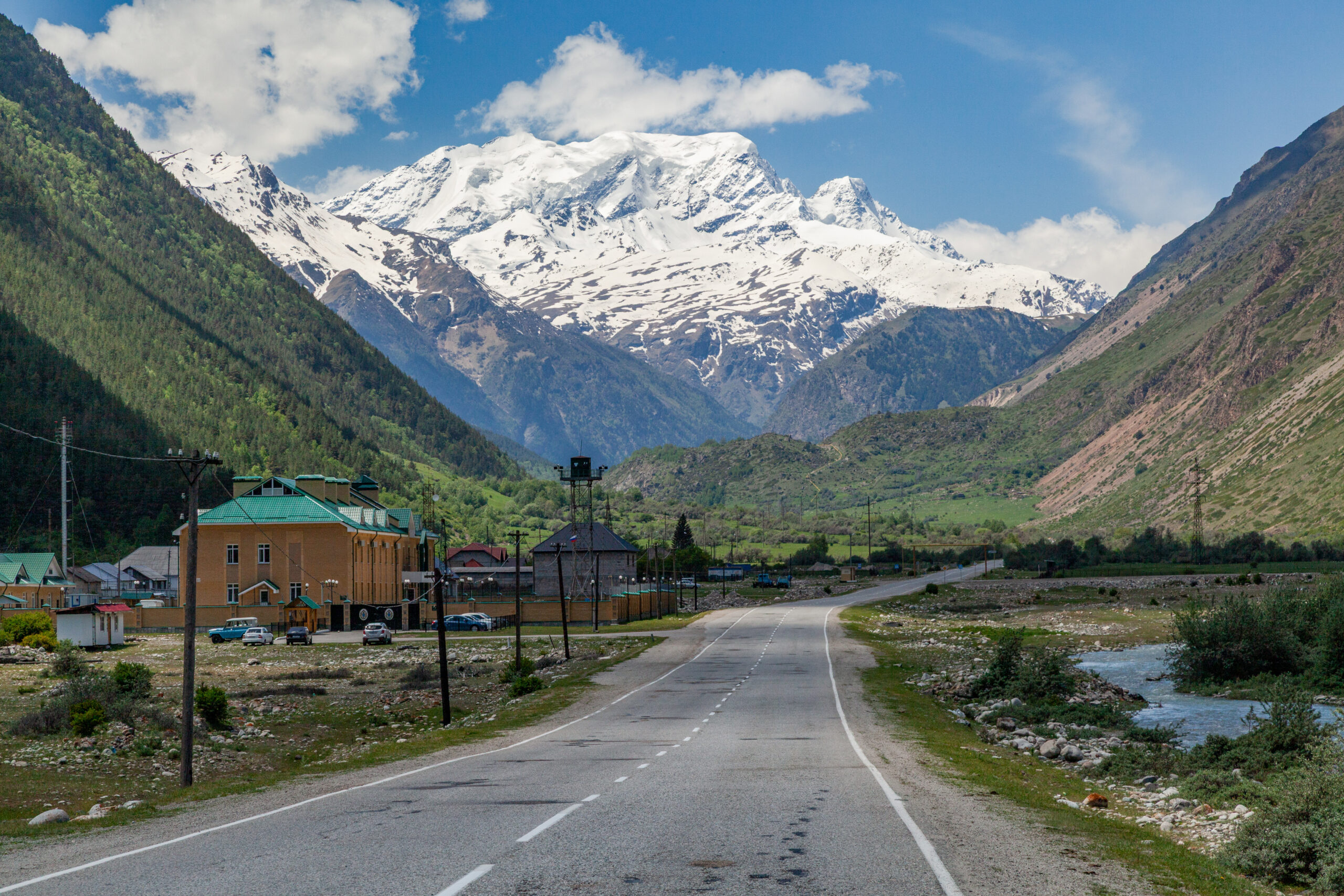
Nepal Trekking Peaks
Island Peak, Mera Peak, Lobuche East and other Nepal climbing objectives.
No collections match this search. Try a region, climbing style, or select “All 12.”
Which Collection Fits Your Experience?
Look for the collection that develops the skills you actually need. Peak lists describe destinations—not automatic indications of safety or readiness.
Experienced Hiker, New Climber
Start with achievable objectives and structured instruction rather than jumping to technical altitude.
- Kilimanjaro for trekking at altitude
- Mexico’s volcanoes where access is allowed
- Introductory Nepal climbing goals with instruction
Developing Alpine Skills
Grow competent with rope teams, crampons, navigation, glacier systems and mountain judgment.
- Cascade glacier climbs with qualified training
- Alps hut-to-hut and progressively technical routes
- Higher Andes objectives once altitude experience is established
Proven Expedition Climber
Specialized preparation, a documented track record, and a realistic plan for remoteness and risk.
- The Seven Summits as a multi-year objective
- Technical Patagonian alpine climbing
- Polar objectives or 8,000-meter expeditions
Build a Progression—Not Just a List.
A mountain should prepare you for the skills, altitude and logistics of the next one. Combine training with gradually harder objectives, and keep room for acclimatization, changing conditions and an honest go/no-go decision.
Compare the Collections by Climbing Character.
No single collection is “best.” This overview helps you choose what you want to learn and where you want to spend your mountain time.
| Collection | Defining character | Progression value | Best first step |
|---|---|---|---|
| Seven Summits | Continental high points across seven regions | Long-term combination of altitude, logistics, cold and skill | Compare the Bass and Messner lists |
| 14 Eight-Thousanders | Extreme-altitude Himalayan and Karakoram expeditions | Advanced expedition-specific competency | Review prerequisites and individual peak hazards |
| Alps Classics | Glacier, rock, snow and mixed alpine routes | Technical movement and alpine decision-making | Match a route to your existing climbing skills |
| Andes Giants | High elevations across South America | Acclimatization and expedition logistics | Compare Ecuador, Peru and Argentina objectives |
| Cascade Volcanoes | Glaciated volcanoes of the Pacific Northwest | Rope teams, snow travel and glacier training | Review Rainier and Baker route requirements |
| Africa’s Peaks | Altitude trekking with selected technical summits | Altitude experience and varied regional objectives | Contrast Kilimanjaro with Mount Kenya |
| Mexico Volcanoes | High volcanoes and glacier objectives | Elevation plus volcano-specific access checks | Investigate Orizaba and permitted routes |
| Nepal Trekking Peaks | High trekking approaches and true alpine summits | Himalayan altitude, trekking and rope systems | Compare Island Peak, Mera Peak and Lobuche East |
| Patagonia Icons | Weather-dependent granite and alpine climbing | Advanced technical rock and planning patience | Separate trekking routes from technical summits |
| Antarctica Polar Peaks | Remote polar expedition objectives | Cold, logistical complexity and self-reliance | Research the Vinson expedition system |
Difficulty varies greatly within each collection. The individual route, season and current access—not the collection label—determine what a specific climb requires.
Seven Summits: Bass vs. Messner.
The two recognized Seven Summits lists include the same six mountains: Everest, Aconcagua, Denali, Kilimanjaro, Elbrus and Vinson. The difference is Kosciuszko (Bass) versus Carstensz Pyramid (Messner).
Both lists use Elbrus for Europe. Mont Blanc is an Alps Classic, not a substitute for Elbrus on either standard list. Climbers seeking to satisfy both recognized lists typically climb eight summits.
How to Choose a Mountain Collection.
What counts as a mountain collection?
A coherent group of peaks linked by an agreed rule or shared geography, such as a continental high point list, mountains above a defined elevation, or a well-known regional group. Some collections have precise membership; others are curated guides rather than official completion challenges.
Which collection is most approachable for beginners?
There is no uniformly easy collection. Hiking objectives in Africa, the European volcanoes, or introductory trekking routes may be approachable with suitable preparation. Technical objectives in those same regions can be serious climbs. Check the actual route, altitude, weather and local regulations.
Are all fourteen eight-thousanders harder than the Seven Summits?
The fourteen eight-thousanders are all extreme-altitude expeditions. The Seven Summits include a very broad range, from the usually nontechnical Kosciuszko walk to Everest. Neither project is a substitute for developing technical skills, sound judgment and expedition experience.
Is Mont Blanc on the Bass Seven Summits list?
No. Both the Bass and Messner Seven Summits lists include Mount Elbrus as Europe’s high point. The recognized difference is the Australia/Oceania entry: Kosciuszko on the Bass list and Carstensz Pyramid on the Messner list.
How do I choose a progression between collections?
Identify your current skill level and the skills required by the next objective. Balance altitude with glacier training, rock skills, winter navigation, fitness, budget and realistic weather windows. Use collection guides to shortlist objectives, then plan each climb using its detailed mountain guide.
Start With the Mountain You’re Ready to Plan.
Browse the complete mountain guide index, narrow objectives in the Peak Database, or find a realistic next step through Mountain Match.
Was this helpful?
🏔Peaks in this region
🧭Explore & compare
Global Summit Guide is an independent mountaineering resource founded in 2026. The team combines first-hand trekking and climbing experience with in-depth research and professional health and nutrition review to help climbers choose objectives, prepare properly, and stay safe.
Health, altitude, and nutrition content is reviewed by Taylor Ludlow (Registered Nurse) and Brigg Hoopes (Nutritionist).
What We Don't Know Yet
Mountain information changes quickly. This box explains the limits of what this page can responsibly promise.
- Visa, passport, vaccination, border, insurance, and local transportation rules may change before your trip.
- Route conditions, snowpack, closures, and weather can change quickly after this page is updated.
- Permit rules, fees, quotas, and reservation windows may change between review cycles.
- Operator availability, pricing, guide ratios, and cancellation terms can change by season.
- Your fitness, altitude response, risk tolerance, and experience level may change what is safe or realistic.
Verify current conditions with official land managers, guide services, local forecasts, and current route reports before booking or climbing.
Mountaineering, rock and ice climbing, glacier travel, and high-altitude activity are inherently dangerous and can result in serious injury or death. The information on Global Summit Guide is provided for general informational and educational purposes only and is not a substitute for professional instruction, qualified guiding, proper equipment, or your own judgment and experience.
Route conditions, weather, snowpack, permits, regulations, and hazards change constantly and may differ from what is described here. Details may be incomplete, out of date, or contain errors. Always verify current information with local authorities, certified guides, and official sources before making any decision in the mountains.
Nothing on this site is medical, legal, or financial advice. Our fitness, acclimatization, altitude, and nutrition content is general in nature; consult a qualified physician before beginning any strenuous exercise program or exposing yourself to high altitude.
You are solely responsible for your own safety and decisions. To the fullest extent permitted by law, Global Summit Guide and its team accept no liability for any loss, injury, damage, or expense arising from use of, or reliance on, this information. By using this site you acknowledge these risks and accept these terms.
Some links on this site may be affiliate links. If you buy through them we may earn a small commission at no extra cost to you; this never affects our recommendations.
Global Summit Guide recommendation path
Next Best Mountain to Research
Use these recommendations to continue the right planning path instead of stopping on one page.
Use current permit, weather, route, and operator information before booking or climbing.