<

Author: Travis Ludlow

  • Matterhorn vs Mont Blanc: which Alpine 4000er should you climb first?

    Matterhorn vs Mont Blanc: Which Alpine 4000er Should You Climb First? | Global Summit Guide
    Mountain Comparisons / Alps

    Matterhorn vs Mont Blanc: which Alpine 4000er should you climb first?

    4,478 m
    Matterhorn summit
    4,810 m
    Mont Blanc summit
    AD vs PD
    Technical grade
    Mont Blanc
    Climb first
    Part of the Alps comparison series This direct comparison supports our Mont Blanc vs Matterhorn master guide and the broader greatest Alps mountains compared. Master comparison →

    If you have spent any time around alpine climbing forums or in the Chamonix and Zermatt valleys, you have heard the question dozens of times: Mont Blanc or Matterhorn first? Both are iconic Alpine 4000ers. Both are achievable for fit climbers with proper preparation. Both are bucket-list peaks that change how you think about mountains. But they are not the same climb. Mont Blanc is bigger, longer, and more about altitude tolerance and endurance. The Matterhorn is smaller, faster, and more about technical commitment and exposure. This is the direct comparison: difficulty, technical grade, training requirements, cost, and the honest answer to which one you should climb first. For the full deep-dive on each side, see our Mont Blanc vs Matterhorn master comparison.

    The head-to-head at a glance

    Mont Blanc

    The Endurance Peak
    Summit elevation4,810 m
    Standard routeGoûter
    Technical gradePD
    Vertical gain~3,800 m total
    Round trip time2-3 days
    Crux characterGlacier walk
    Guided cost€1,500-2,500
    Guide ratio1:2 typical
    Best seasonJul-Aug
    Skills neededGlacier travel

    Matterhorn

    The Technical Peak
    Summit elevation4,478 m
    Standard routeHörnli Ridge
    Technical gradeAD
    Vertical gain1,218 m hut to summit
    Round trip time1 long day
    Crux characterSustained class 3-4 rock
    Guided costCHF 1,400-1,800/day
    Guide ratio1:1 required
    Best seasonMid-Jul to mid-Sep
    Skills neededRock + glacier
    The 30-second answer

    Mont Blanc is bigger but easier. The Matterhorn is smaller but harder.

    For nearly all climbers, the right answer is to climb Mont Blanc first, build the alpine fitness and skill base, then attempt the Matterhorn as the graduation peak. Reversing the order is possible but not recommended — the Matterhorn punishes climbers who underestimate it.

    The difficulty comparison in detail

    The single most important distinction between these two peaks is that they fall on different points of the alpine difficulty spectrum. Mont Blanc is rated PD (Peu Difficile) on the French alpine scale, which translates roughly to “moderate” alpine climbing. The Matterhorn Hörnli Ridge is rated AD (Assez Difficile), which is the next tier up — “fairly difficult.” That one-step grade difference matters more in practice than it sounds in writing.

    What PD means on Mont Blanc

    The Goûter route on Mont Blanc spends most of its time on glaciated terrain at moderate angles. The challenging sections are the Goûter couloir (a stonefall-exposed traverse), some short steep snow slopes, and the final summit ridge in thin air. The route is physically demanding because of distance and altitude, but the climbing itself is mostly walking on a rope team with crampons. A fit hiker with basic crampon and rope-team experience can succeed on Mont Blanc with appropriate guidance. The full breakdown of the Goûter route is in our Mont Blanc Goûter expedition breakdown, with the alternative route framework in our Goûter vs Three Monts comparison.

    What AD means on the Matterhorn

    The Hörnli Ridge is something else entirely. The route involves 1,200+ meters of sustained class 3 and class 4 climbing on loose rock, with fixed ropes and ladders at the technical crux sections, real exposure throughout, and route-finding challenges on the upper shoulder. The cumulative technical demand is substantially higher than Mont Blanc, the consequence of error is higher (falls are catastrophic on most of the route), and the time pressure is real (climbers must be off the upper mountain by 1 PM to avoid afternoon thunderstorms). The full route detail is in our Matterhorn training plan and our Matterhorn route comparison.

    The honest experience difference

    Climbers who complete Mont Blanc often describe it as “the hardest thing I have ever done” but rarely as “scary.” Climbers who complete the Matterhorn often describe it as both. The technical exposure and consequence of error on the Matterhorn put it in a different mental category than Mont Blanc, even though the absolute elevation is lower.

    Training required for each

    Both peaks reward serious preparation, but the training emphasis is meaningfully different.

    Training dimension Mont Blanc focus Matterhorn focus
    Cardiovascular baseCritical — long days at altitudeHigh — sustained 7-10 hour effort
    Strength trainingModerate — leg enduranceHigh — pulling, scrambling power
    Altitude exposureVery high — 4,810 m mattersModerate — 4,478 m is manageable
    Glacier travel skillsEssential — most of the routeLimited — short glacier sections
    Rock scramblingMinimalCritical — most of the route
    Rope team managementEssentialEssential plus short-roping
    Crampon techniqueStandard glacier walkingMixed terrain transitions
    Self-arrest with ice axeEssentialEssential
    Prior alpine experienceHelpful but not requiredRequired (real prior climbs)
    Typical training period3-6 months12-18 months building base

    A reasonable summary: Mont Blanc rewards fitness. The Matterhorn rewards experience. You can train to climb Mont Blanc in 4-6 months from a moderately fit baseline. Training to climb the Matterhorn realistically means building 1-2 years of progressive alpine experience first, with multiple shorter alpine routes before the Matterhorn attempt. The full training framework for the Matterhorn is in our Matterhorn training plan.

    Route character side by side

    Mont Blanc Goûter route — the climber’s day

    The standard Mont Blanc Goûter ascent typically unfolds over three days: drive or train to Chamonix, take the Mont Blanc Tramway to Nid d’Aigle (2,372 m), then hike up to the Tête Rousse refuge at 3,167 m for night one. Day two crosses the infamous Goûter couloir (a rockfall-exposed traverse that demands speed and timing), climbs steeply to the Goûter refuge at 3,835 m, and continues to the Dôme du Goûter and onto the Bosses Ridge for the final summit push at 4,810 m. Total summit day is 8-10 hours from the Goûter hut. Descent follows the same route. Most of the climbing is on snow and glaciated terrain at moderate angles, with rope team travel throughout the upper sections. The infrastructure context is in our Mont Blanc operators guide.

    Matterhorn Hörnli Ridge — the climber’s day

    The standard Matterhorn Hörnli ascent unfolds over a much more intense single day. Climbers stay at the Hörnlihütte at 3,260 m the night before, depart at 4:00 to 5:00 AM in headlamp light, and climb the ridge through sustained class 3-4 scrambling for 7-10 hours round trip. The route has named technical sections — the Moseleyplatte slabs, the step above the Solvay emergency hut at 4,003 m, the Roof traverse, the upper shoulder mixed terrain — each requiring focused attention and competent rope work. The summit register sits at 4,478 m. Descent is on the same route and must be completed before afternoon thunderstorms typically build around 1 PM. The pace is sustained the entire time. The full daily plan is detailed in our Matterhorn training plan.

    The structural difference that matters most

    Mont Blanc is a multi-day expedition where altitude is the main enemy. The Matterhorn is a single-day technical climb where commitment is the main enemy. These are different psychological experiences. Climbers who do well on long endurance objectives often struggle with the focused technical commitment of the Matterhorn. Climbers who excel at technical climbing sometimes underestimate the cumulative altitude exposure of Mont Blanc. Honest self-assessment matters here.

    Cost comparison side by side

    Cost dimension Mont Blanc Matterhorn
    Guide fee (typical)€1,500-2,500 (3 days, 1:2 ratio)CHF 1,400-1,800 per day (1:1)
    Guide ratio1 guide : 2 clients1 guide : 1 client (required)
    Total guide cost (typical climb)€750-1,250 per personCHF 2,800-3,600 per person
    Hut accommodation€80-120/night × 2 nightsCHF 100-150/night × 1 night
    Tramway / lift access~€40 (Mont Blanc Tramway)~CHF 30 (Schwarzsee lift)
    Equipment rental (if needed)€100-200 for the tripCHF 150-250 for the trip
    Accommodation in valley€100-180/night ChamonixCHF 150-300/night Zermatt
    Total for guided climb (per person)€1,500-2,500CHF 4,000-5,500

    The cost difference is substantial. A guided Matterhorn climb runs roughly 2-3x the cost of a guided Mont Blanc climb, primarily because the Matterhorn requires a 1-to-1 guide ratio while Mont Blanc allows 1-to-2 or sometimes 1-to-3. The other significant factor is the Zermatt valley being meaningfully more expensive than Chamonix for accommodation and food. Self-guided climbs (without a hired guide) are possible on both mountains for experienced parties but are not recommended for first-time visitors.

    Safety comparison honest numbers

    Safety metric Mont Blanc Matterhorn
    Approximate annual climbers (standard route)~25,000-30,000~3,000-4,000
    Approximate annual fatalities10-155-10
    Death rate per climber~0.04%~0.2%
    Most common fatal causeStonefall in Goûter couloirFalls on upper ridge
    Most common cause of failureAltitude / weather turn-aroundConditions / weather turn-around
    Helicopter rescue capabilityExcellent (PGHM Chamonix)Excellent (Air Zermatt)

    Both mountains have well-documented fatality histories. The Matterhorn has a higher per-climber death rate primarily because the technical exposure on the route means that the consequence of any error is severe. Mont Blanc has more total deaths annually because of the much larger number of climbers, but the per-climber risk is lower. The Goûter couloir is the most-discussed safety concern on Mont Blanc — French authorities have considered closing the route entirely due to stonefall risk and have issued increasingly strict access controls. The Matterhorn’s technical commitment is its primary risk factor — falls on the upper ridge are typically fatal regardless of party speed or gear. Both are objectively serious mountains. The mountaineering insurance framework that protects high-altitude climbs is in our mountaineering insurance comparison.

    Success rates summit probabilities

    Honest summit success rate data for both peaks:

    • Mont Blanc Goûter route: Approximately 50-60% summit success rate on guided climbs in good conditions. Failure most commonly due to weather (afternoon storm turn-around), altitude sickness, or fitness. Climbers who turn around get a future window — the route stays accessible throughout the season.
    • Matterhorn Hörnli Ridge: Approximately 50-65% summit success rate on guided climbs in good conditions. Failure most commonly due to route conditions (closed for snow, rockfall, fixed protection damage), weather, or fitness. The narrow climbing window (mid-July to mid-September) means a closed week can end an entire trip.

    Both peaks have similar overall success rates on guided climbs, but the reasons for failure are different. Mont Blanc failures typically happen on summit day itself when the climber turns around. Matterhorn failures often happen before the climb starts — the route is closed when the climber arrives at Zermatt and stays closed for the trip duration. This is why experienced Matterhorn climbers build extra buffer days into the trip plan that Mont Blanc climbers do not need.

    Who should climb each first honest assessment

    Climb Mont Blanc first if…

    Most climbers

    — You have not yet climbed a 4,000 meter peak

    — Your alpine experience is limited to single-day routes

    — You want a confidence-building peak before the Matterhorn

    — Your budget is closer to €2,000 than CHF 5,000

    — You prefer endurance over technical commitment

    — You are training toward the broader Alps 4000ers

    Climb Matterhorn first if…

    Experienced climbers only

    — You have multiple prior alpine routes at AD or harder

    — You have led technical rock to 5.7 or higher

    — You have done multi-day glacier travel in expedition style

    — You have experience above 4,000 m without altitude issues

    — You can afford the higher cost and time commitment

    — The Matterhorn is the specific peak you want, not just any 4000er

    The honest reality is that the climbers who climb the Matterhorn first without the Mont Blanc foundation often have one of two profiles: experienced rock climbers from other ranges who have the technical skills but lack alpine glacier experience, or under-prepared climbers who underestimate the Matterhorn’s commitment. The first group typically succeeds. The second group often does not, sometimes with serious consequences.

    Where they sit in the broader Alps

    Peak Elevation Grade Character
    Mont Blanc4,810 mPDEndurance / altitude
    Gran Paradiso4,061 mF+Easiest 4000er, intro peak
    Breithorn4,164 mFEasiest cable-car 4000er
    Monte Rosa (Dufourspitze)4,634 mPDEndurance peer to Mont Blanc
    Weisshorn4,506 mAD+Harder than Matterhorn, less famous
    Matterhorn4,478 mADTechnical / committed
    Eiger Mittellegi Ridge3,967 mADPeer to Matterhorn, lower elevation
    Eiger North Face3,967 mED2Two grade tiers above Matterhorn

    The Alps have over 80 peaks above 4,000 meters, and the Mont Blanc / Matterhorn pairing is the most famous. But it is not the only pairing. Many climbers extend the progression to include Gran Paradiso (the easiest 4000er, a good warmup), Monte Rosa (a peer to Mont Blanc), and the Weisshorn (a harder alternative to the Matterhorn). The full Alps comparison framework is in our greatest Alps mountains compared guide and the broader collection is in our Alps classics collection.

    Mont Blanc and Matterhorn vs bigger mountains

    Two common questions climbers ask when researching these peaks:

    Is the Matterhorn harder than Everest?

    In pure technical difficulty, yes. The Matterhorn Hörnli Ridge involves more sustained technical climbing than Mount Everest via the standard commercial routes. The Hörnli Ridge has class 3-4 climbing throughout, while Everest’s standard routes are mostly snow travel on prepared fixed-rope sections at altitude. However, Everest is dramatically harder in absolute terms because of the altitude (8,849 m vs 4,478 m), the multi-week expedition logistics, and the death zone above 8,000 m where climbers must use supplemental oxygen and operate with severely diminished physical capability. The Matterhorn is a one-day technical climb. Everest is a 6-8 week expedition where altitude drives most of the difficulty.

    Is the Matterhorn harder than K2?

    K2 is dramatically harder than the Matterhorn. K2 is the second-highest mountain in the world at 8,611 meters with sustained technical climbing throughout the Abruzzi Spur and significantly higher objective danger than the Matterhorn. K2 has a death rate of roughly 1 in 4 historically. The Matterhorn is technically challenging at altitude but is climbed by thousands of people each season. K2 is the apex objective in modern mountaineering and is in an entirely different category from any Alps 4000er.

    The natural progression that includes both peaks

    For climbers building toward the full Alps experience or the Seven Summits, the typical progression incorporates both peaks in sequence:

    1. First 4000er: Gran Paradiso or Breithorn as the introduction to glaciated 4,000-meter terrain.
    2. Second 4000er: Mont Blanc as the first major Alps objective. Builds altitude tolerance and glacier travel skills.
    3. Third 4000er: Matterhorn as the technical graduation peak. Requires the prior alpine experience built on Mont Blanc.
    4. Beyond the Alps: Mount Elbrus (5,642 m) for the Seven Summits Europe peak, then Aconcagua or Denali. Elbrus framework in our Elbrus progression plan.

    This four-peak Alps progression typically takes 2-4 years for working climbers and serves as the standard foundation for international high-altitude mountaineering. Climbers who skip Mont Blanc and attempt the Matterhorn first sometimes succeed but often turn around — the technical commitment of the Matterhorn without prior alpine fluency is meaningfully harder than the Matterhorn climbed after Mont Blanc.

    ★ Master Comparison Hub

    The full Mont Blanc vs Matterhorn deep dive

    Route options, training requirements, cost frameworks, and the full decision matrix for choosing between the two most iconic Alps 4000ers.

    Read the master guide →

    The bottom line on Mont Blanc vs Matterhorn

    Mont Blanc and the Matterhorn are the two most famous 4,000-meter peaks in the Alps, but they are not interchangeable objectives. Mont Blanc is the bigger mountain by elevation and total vertical gain, but it is technically easier — graded PD with mostly glaciated terrain accessible to fit climbers with basic alpine skills. The Matterhorn is shorter and lower but technically harder — graded AD with sustained class 3-4 rock climbing on exposed terrain that requires substantial prior alpine experience. For nearly all climbers, the right order is Mont Blanc first, Matterhorn second. The fitness and skills built on Mont Blanc translate directly to the Matterhorn, while the technical commitment of the Matterhorn punishes climbers who lack the prior foundation. The full decision framework with detailed route comparisons and cost breakdowns is in our Mont Blanc vs Matterhorn master guide, with the broader Alps context in our greatest Alps mountains compared.

    Frequently asked questions

    Is the Matterhorn harder than Mont Blanc?

    Yes, the Matterhorn is significantly harder than Mont Blanc on the standard routes. The Matterhorn Hörnli Ridge is graded AD (Assez Difficile) with sustained class 3 to class 4 climbing for over 1,200 meters, while Mont Blanc via the Gouter route is graded PD (Peu Difficile) with predominantly glacier walking and short snow slopes. The Matterhorn requires technical alpine climbing skills, rope team work on exposed terrain, and significantly more prior experience. Mont Blanc is achievable for fit climbers with basic glacier travel skills; the Matterhorn is not.

    Which should you climb first, Mont Blanc or Matterhorn?

    Mont Blanc should be climbed first for nearly all climbers. The standard alpine progression treats Mont Blanc as the introduction to high-altitude glacier climbing in the Alps and the Matterhorn as the graduation peak. Most climbers complete Mont Blanc successfully on their first or second attempt, while the Matterhorn requires substantially more technical experience, fitness, and weather flexibility. Climbing Mont Blanc first builds the fitness baseline, glacier travel skills, and altitude tolerance you need for the Matterhorn.

    What is the Matterhorn climb difficulty?

    The Matterhorn Hörnli Ridge, the standard normal route, is graded AD (Assez Difficile) on the French alpine scale. The route involves sustained class 3 and class 4 climbing on loose rock for over 1,200 meters of vertical, with fixed ropes and ladders at the technical crux sections. The route is physically demanding (7 to 10 hours round trip from the Hörnlihütte at 3,260 m), technically committing (real consequence of error throughout), and weather-sensitive (afternoon thunderstorm risk). The other Matterhorn ridges (Italian, Zmutt, Furggen) are significantly harder.

    What is the height of the Matterhorn in meters?

    The Matterhorn summit elevation is 4,478 meters (14,692 feet). The mountain sits on the border between Switzerland (Zermatt valley) and Italy (Cervinia/Breuil), with the summit straddling the international boundary. The peak’s distinctive pyramidal shape and four prominent ridges make it one of the most recognizable mountains in the world. The Hörnli Ridge, the standard climbing route, starts at the Hörnlihütte at 3,260 m and climbs 1,218 m of vertical to the summit.

    Is the Matterhorn harder than Everest?

    In pure technical difficulty, yes — the Matterhorn Hörnli Ridge involves more sustained technical climbing than Mount Everest via the standard South Col or North Ridge commercial routes. However, Everest is dramatically harder in absolute terms because of the altitude (8,849 m vs 4,478 m), the multi-week expedition logistics, and the death zone above 8,000 m where climbers must use supplemental oxygen and operate with severely diminished physical capability. The Matterhorn is a one-day technical climb. Everest is a 6-8 week expedition where altitude and weather drive most of the difficulty and risk.

    Is the Matterhorn harder than K2?

    K2 is dramatically harder than the Matterhorn. K2 is the second-highest mountain in the world at 8,611 meters with technical climbing throughout the Abruzzi Spur and significantly higher objective danger (avalanche risk, weather, altitude) than the Matterhorn. K2 has a death rate of roughly 1 in 4 historically, making it one of the most dangerous peaks in the world. The Matterhorn is technically challenging at altitude but is climbed by thousands of people each season. K2 is the apex objective in modern mountaineering.

    How much does it cost to climb the Matterhorn vs Mont Blanc?

    A guided Matterhorn climb typically costs CHF 1,400 to 1,800 per day for a 1:1 guide-to-client ratio, with most parties booking 2 to 4 days for the climb plus training (CHF 3,000 to 6,000 total). A guided Mont Blanc climb typically costs EUR 1,500 to 2,500 for a 3-day program including a 1:2 guide ratio. Mont Blanc is materially cheaper because the guide ratio is lower and the climb takes less time. Both costs do not include travel, gear, accommodation in the valley, or insurance.
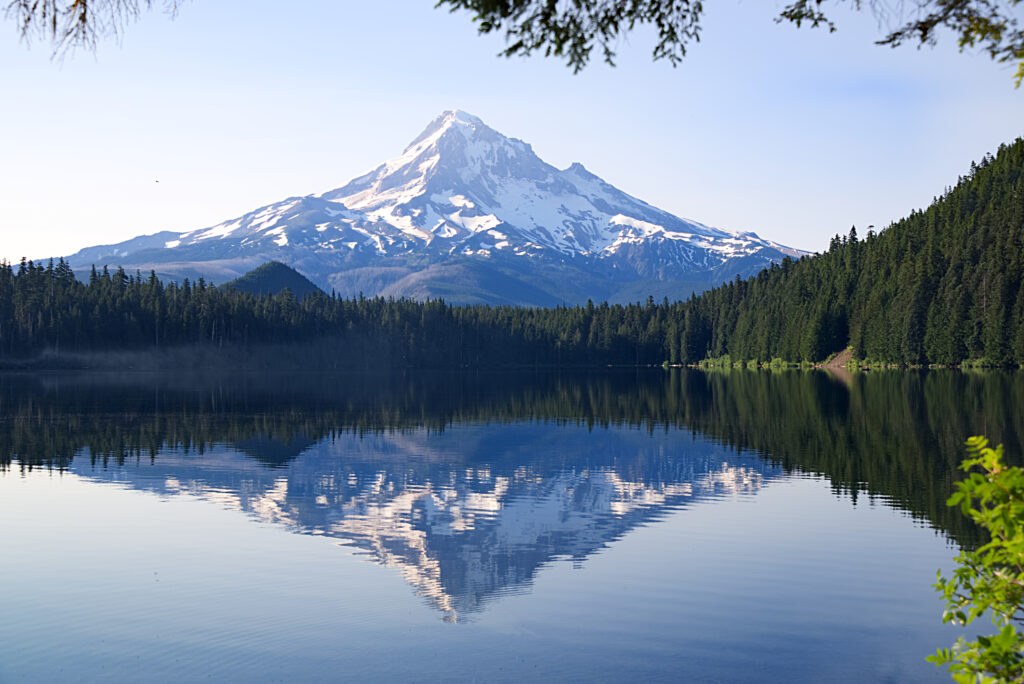
  • Active volcanoes in Europe you can climb: the complete list of climbable European volcanoes

    Active Volcanoes in Europe You Can Climb: Complete List of Climbable European Volcanoes | Global Summit Guide
    Mountain Lists / Europe

    Active volcanoes in Europe you can climb: the complete list of climbable European volcanoes

    ~30
    Active European volcanoes
    3,718 m
    Teide (highest)
    Etna
    Most active
    5+ nations
    Distribution
    Part of the European Volcanoes series This climbable volcanoes list supports our comprehensive European Volcanoes complete collection covering route guides, history, and climbing logistics for the continent’s dramatic volcanic peaks. Full collection →

    Europe is not Hawaii or Indonesia or Iceland-Iceland (geologically speaking, anyway), but the continent does host roughly 30 active and dormant volcanoes that climbers can actually summit. Most are concentrated in Italy and Iceland, with notable peaks in Spain’s Canary Islands, the Greek Aegean, and France’s volcanic central highlands. This is the complete climber-focused list — what to climb, how hard it is, and which ones are currently active versus dormant. For the full context on European volcanism and detailed route guides, see our European Volcanoes collection.

    The four headline European volcanoes

    If you are new to European volcano climbing, four mountains anchor the entire discussion. They are the largest, most famous, and most-climbed active or near-active volcanic peaks on the continent. Most international volcano-climbing trips to Europe target one or more of these four.

    Iceland: a category of its own

    Iceland is technically European (politically and geographically classified as part of Europe), but the country’s volcanic landscape is so extensive that it deserves its own treatment. Iceland sits directly on the Mid-Atlantic Ridge and hosts over 30 active volcanic systems — more than the rest of Europe combined. Several are climbable, with varying levels of access and difficulty.

    5

    Hekla Active

    Location: South Iceland · Elevation: 1,491 m · Last eruption: 2000
    Iceland’s mostFamous volcano

    Hekla is the most famous of Iceland’s volcanoes and one of the country’s most active. The mountain has erupted approximately every 10-20 years on average over the past century and is currently “overdue” by historical patterns — Icelandic volcanologists actively monitor for signs of an impending eruption. Climbing Hekla is permitted when activity is at baseline. The standard route is 18 km round trip with 1,200 m of elevation gain, taking 8-12 hours.

    6

    Fagradalsfjall / Reykjanes systems Recently erupting

    Location: Reykjanes Peninsula · Elevation: ~385 m · Last eruption: Ongoing series
    New activitySince 2021

    The Reykjanes Peninsula southwest of Reykjavík entered a new active phase in 2021 with the Fagradalsfjall eruption, followed by a series of additional eruptions on the same volcanic system through 2024 and 2025. The volcanoes here are small, accessible, and have provided some of the most spectacular safe-viewing opportunities in modern volcanic tourism. When eruptions are active and stable, marked hiking trails allow visitors to view flowing lava from relatively close distances. Access depends entirely on current activity — Icelandic civil defense closes routes when hazards increase.

    7

    Eyjafjallajökull Currently dormant

    Location: South Iceland · Elevation: 1,651 m · Last eruption: 2010
    Famous2010 ash cloud

    The famous Icelandic volcano whose 2010 eruption shut down European air travel for weeks. The mountain is technically a glacier-capped volcano (the name means “island mountains glacier” in Icelandic). Climbing involves crossing glaciated terrain and is typically done as a guided expedition. The volcano has been quiet since 2010 but is closely monitored due to its historical pattern of relatively frequent eruptions.

    The Greek and Mediterranean volcanoes

    8

    Nea Kameni (Santorini) Active

    Location: Santorini, Greece · Elevation: 130 m · Last eruption: 1950
    CalderaFamous tourism

    Santorini is the dramatic caldera in the Greek Aegean, formed by one of the largest volcanic eruptions in human history (the Minoan eruption around 1600 BCE). The currently active vent is Nea Kameni, a small island in the center of the caldera that emerged in the past 500 years and has had multiple historical eruptions. Climbing Nea Kameni is a half-day excursion by boat from the main Santorini island, with a short hike to the active crater area where fumaroles and warm ground demonstrate ongoing activity.

    9

    Nisyros Dormant

    Location: Dodecanese Islands, Greece · Elevation: 698 m · Last eruption: 1888
    Active ventsStefanos crater

    Nisyros is a small Greek volcanic island in the Dodecanese near Kos. The volcano’s main crater, Stefanos, is accessible on foot via a marked trail from the small town of Mandraki. The crater hosts hot fumaroles, sulfur deposits, and steam vents that show the volcano is dormant rather than extinct. Most visitors hike to the crater rim and descend into the crater floor on the marked path.

    10

    Vulcano (Aeolian Islands) Active

    Location: Aeolian Islands, Italy · Elevation: 500 m · Last eruption: 1890
    Sulfur ventsActive fumaroles

    Vulcano gave its name to all volcanoes — the word comes from this Aeolian Island, named after the Roman god of fire whom ancient inhabitants believed lived in its forge under the mountain. The volcano’s main crater, Gran Cratere, can be climbed in about 90 minutes via a marked trail from Porto di Levante. Active fumaroles release sulfur gas around the crater rim, and the lower slopes feature mud baths heated by volcanic geothermal activity.

    The Atlantic European volcanoes

    11

    Pico (Azores) Dormant

    Location: Pico Island, Azores, Portugal · Elevation: 2,351 m · Last eruption: 1720
    Portugal’s highAtlantic peak

    Mount Pico on the Azorean island of the same name is the highest mountain in Portugal at 2,351 m. The stratovolcano dominates the Atlantic island, visible from neighboring Faial and São Jorge. Climbing Pico is a 7-8 hour round trip from the base trailhead, with permits required (managed by the Azores natural park authority). The summit requires the final ascent through a small subsidiary cone (Piquinho) which adds 70 m of vertical and some scrambling. The mountain is currently dormant.

    12

    Other Canary Islands volcanoes Variable

    Location: Spanish Canary Islands · Elevation: Various
    La Palma2021 eruption

    Beyond Teide, the Canary Islands host multiple climbable volcanoes including Caldera de Taburiente on La Palma (the island that hosted the major 2021 Cumbre Vieja eruption), Mount Tindaya on Fuerteventura, and various smaller volcanic cones across the archipelago. Most are accessible via marked trails as part of the islands’ extensive natural park systems. The 2021 La Palma eruption created new lava fields that are now accessible to visitors on guided tours.

    France and the extinct volcanic central highlands

    13

    Massif Central / Chaîne des Puys Extinct

    Location: Auvergne, France · Elevation: Up to 1,886 m · Last eruption: ~4000 BCE
    UNESCO site80+ volcanic cones

    The Chaîne des Puys in France’s Auvergne region is a UNESCO World Heritage site comprising 80+ extinct volcanic cones in a remarkably preserved volcanic landscape. The volcanoes erupted between 8,000 and 95,000 years ago and are now classic French hiking destinations. The most famous is Puy de Dôme at 1,464 m, accessible by funicular and on foot. Puy de Sancy at 1,886 m is the highest of the extinct volcanoes and the highest peak in central France. None of these are currently active — they are extinct rather than dormant.

    Quick reference: all European volcanoes by status

    Volcano Country Elevation Status Climbing difficulty
    Mount EtnaItaly (Sicily)~3,357 mHighly activeModerate, guided required upper
    StromboliItaly (Aeolian)924 mContinuously eruptingModerate, guided required
    Mount TeideSpain (Tenerife)3,718 mDormantEasy with cable car
    Mount VesuviusItaly (Naples)1,281 mActive (dormant)Very easy, road access
    HeklaIceland1,491 mActiveModerate full day hike
    Reykjanes (Fagradalsfjall)Iceland~385 mRecently eruptingEasy when access open
    EyjafjallajökullIceland1,651 mDormantHard, glaciated terrain
    Nea Kameni (Santorini)Greece130 mActiveVery easy
    NisyrosGreece698 mDormantEasy
    VulcanoItaly (Aeolian)500 mActiveEasy 90 min hike
    PicoPortugal (Azores)2,351 mDormantModerate to hard
    La Palma volcanoesSpain (Canaries)VariousActive 2021Variable
    Chaîne des PuysFranceUp to 1,886 mExtinctEasy hiking
    A note on terminology

    “Active” technically means a volcano has erupted within the past 10,000 years and could erupt again. “Dormant” means active but currently quiet. “Extinct” means no expected future activity. The distinctions matter for climbers because access policies follow them: active volcanoes get closed during eruptions, dormant volcanoes are usually open, and extinct volcanoes are just mountains with interesting geology.

    How many active volcanoes are in Europe

    The exact count depends on definitions and which European territories you include, but a reasonable working answer is roughly 25-30 active volcanoes across continental Europe and its outlying territories. The distribution by country:

    • Iceland: 30+ active volcanic systems (counted as roughly 15-20 named volcanoes for climbing purposes)
    • Italy: 5-7 active including Etna, Stromboli, Vesuvius, Vulcano, Campi Flegrei, Ischia, and Lipari
    • Greece: 3-4 active including Santorini (Nea Kameni), Nisyros, Methana, and Yali
    • Spain (Canary Islands): 5-6 active including Teide, Cumbre Vieja (La Palma), and several smaller systems
    • Portugal (Azores): 7-8 active across the Atlantic island chain
    • Norway (Jan Mayen): 1 active (Beerenberg)

    What is striking about European volcanism is how concentrated it is. The Mediterranean activity is driven by the African plate diving under the Eurasian plate, producing the Italian and Greek volcanic arcs. Iceland sits directly on the Mid-Atlantic Ridge where the European and North American plates pull apart. The Canary Islands are oceanic hotspot volcanoes similar to Hawaii. The Azores share oceanic hotspot characteristics. Outside these specific tectonic settings, most of Europe is volcanically quiet. The broader European mountain context including the non-volcanic ranges is in our Alps classics collection.

    European volcanoes vs other regions

    Region Active volcanoes Famous examples Character
    Europe (excluding Iceland)~15Etna, Stromboli, Teide, VesuviusAccessible, well-developed access
    Iceland alone~30 systemsHekla, Fagradalsfjall, EyjafjallajökullRemote, glaciated, dramatic
    Pacific Northwest USA~10Mount Rainier, Mount Hood, Mount St. HelensCascade Range glaciated peaks
    Mexico~10Pico de Orizaba, Iztaccíhuatl, PopocatépetlHigh altitude, glaciated
    Indonesia~130Krakatoa, Merapi, BromoMost active region globally
    Andes (South America)~50Cotopaxi, Villarrica, Cerro NegroSpans Ecuador to Chile

    Europe’s volcanic activity is modest globally — Indonesia alone has more active volcanoes than all of Europe combined — but what Europe lacks in volume it makes up in accessibility. European volcanoes are typically within a 30-60 minute drive of substantial infrastructure (Catania for Etna, Naples for Vesuvius, Reykjavík for Reykjanes, Tenerife airport for Teide). This combination of dramatic geology and easy access makes Europe the best continent for volcano tourism even though it ranks well below the Pacific Ring of Fire in raw count. The comparative Cascades and Mexico contexts are in our Cascade Volcanoes collection and our Mexico Volcanoes collection.

    Volcano climbing safety in Europe

    The volcanic-specific risks every climber should understand

    European volcano climbing is generally well-managed by local authorities, but climbers should understand the specific risks: volcanic gases (sulfur dioxide, hydrogen sulfide, and carbon dioxide can accumulate in low-lying areas around fumaroles and craters), tephra and bomb hazards (active volcanoes can throw rock fragments unpredictably), lahars and pyroclastic flows (rare but catastrophic), and summit access changes (authorities close routes with little notice during heightened activity). These are real hazards that climbers without volcanic experience often underestimate.

    The Italian Civil Protection (Protezione Civile), the Icelandic Met Office, the Spanish Geographical Institute (IGN), and other national authorities monitor European volcanoes continuously and publish status updates and access restrictions. Climbers planning trips should check the current alert level for any active volcano before traveling and again before climbing. The general mountain weather and safety framework that applies to European volcanic climbing is in our mountain weather guide.

    When to climb European volcanoes

    Volcano Primary season Notes
    Mount EtnaMay – OctoberSnow on upper slopes Dec-Apr
    StromboliApril – OctoberSea access difficult in winter storms
    Mount TeideMarch – June, September – NovemberSummer too hot, winter snow possible
    Mount VesuviusYear-roundAvoid rainy days
    Hekla / IcelandJune – AugustShort Iceland summer window
    Greek volcanoesApril – OctoberSummer hot but accessible
    Pico (Azores)May – SeptemberAtlantic weather highly variable

    The Mediterranean volcanoes (Italy, Greece, Spain) are generally accessible spring through autumn. Iceland’s short summer window from June to August is the main climbing season — winter ascents are possible but require expedition-level preparation. Vesuvius and the lower Mediterranean volcanoes can be climbed year-round.

    Where European volcanoes fit in the global progression

    European volcanoes serve a specific and valuable role in the global climbing progression: they offer accessible, manageable introductions to active or formerly-active volcanic terrain without requiring expedition-style logistics. A climber can fly to Catania on a Friday, climb Etna on Saturday, and be home Sunday evening — a depth of experience that would require multi-week trips in most other parts of the world. This makes European volcanoes excellent training ground and weekend objectives for climbers building toward larger volcanic peaks.

    The natural progression path for volcano-focused climbing:

    1. Easy European volcanoes: Vesuvius, Teide cable car, Nea Kameni as accessible introductions.
    2. Moderate European volcanoes: Etna full ascent, Stromboli evening climb, Pico in the Azores.
    3. Iceland progression: Hekla, Eyjafjallajökull, and the Reykjanes systems for more glaciated and remote experience.
    4. Mexico volcanoes: Pico de Orizaba and Iztaccíhuatl. See our Mexico Volcanoes collection.
    5. Cascade volcanoes: Mount Hood, Mount Adams, Mount Rainier. See our Cascade Volcanoes collection.
    6. South American volcanoes: Cotopaxi, Chimborazo, and the Andean volcanic giants. Framework in our Andes high altitude giants.

    Climbers who want to focus specifically on volcanic peaks can build a satisfying global progression that includes objectives on five continents. European volcanoes are the most accessible starting point for this kind of progression, particularly for climbers based in Europe or visiting from North America. The mountaineering-for-beginners framework that applies to first-time volcano climbers is in our mountaineering for beginners guide.

    ★ European Volcanoes Master Collection

    Routes, history, and climbing logistics

    The complete deep guide to climbing Europe’s volcanic peaks: detailed route information, historical eruption context, and the broader European mountain framework.

    Read the full collection →

    The bottom line on European volcano climbing

    Europe hosts around 30 active and dormant volcanoes that climbers can summit, concentrated in Italy, Iceland, Spain (Canary Islands), Greece, and Portugal (Azores). The four headline objectives are Mount Etna (Europe’s most active), Stromboli (continuously erupting), Mount Teide (highest), and Mount Vesuvius (most famous historically). Iceland deserves its own treatment as a category — the country’s 30+ volcanic systems offer some of the most accessible recent-eruption viewing in the world. European volcano climbing is generally well-managed by local authorities, with clearly marked routes, licensed guides for active volcanoes, and ongoing monitoring that closes access when activity increases. For climbers building a global volcano-climbing portfolio, Europe offers the most accessible introduction to volcanic terrain anywhere in the world. The full deep treatment is in our European Volcanoes complete collection.

    Frequently asked questions

    What are the active volcanoes in Europe?

    Europe has several currently active volcanoes, most concentrated in Italy and Iceland. The most notable active European volcanoes are Mount Etna (Sicily, Italy) which is currently the most active in Europe, Stromboli (Aeolian Islands, Italy) which has been continuously erupting for thousands of years, Mount Vesuvius (Naples, Italy), and several Icelandic volcanoes including Hekla, Katla, and the recently active Fagradalsfjall and Sundhnúkur systems on the Reykjanes Peninsula. Greece has Santorini (Nea Kameni) and Methana, while Spain’s Canary Islands include Mount Teide on Tenerife.

    What is the largest active volcano in Europe?

    Mount Etna in Sicily, Italy is both the largest and most active volcano in Europe. The mountain rises to roughly 3,357 meters (11,014 feet) and covers an area of approximately 1,200 square kilometers at its base. Etna has been erupting continuously in various forms for at least 500,000 years and has had nearly constant activity in recorded history. Mount Teide on Tenerife in Spain’s Canary Islands is taller at 3,718 meters but is considered dormant rather than continuously active. Among active volcanoes, Etna is the clear leader in both size and ongoing activity.

    What is the highest volcano in Europe?

    Mount Teide on Tenerife in the Spanish Canary Islands is the highest volcano in Europe at 3,718 meters (12,198 feet). Teide is a dormant stratovolcano that last erupted in 1909. The mountain is also Spain’s highest peak and one of the world’s most-visited volcanic sites due to its accessibility via cable car and the surrounding Teide National Park. Mount Etna in Sicily is the second-highest active European volcano at roughly 3,357 meters, though Etna’s exact height varies year to year due to ongoing eruptive activity.

    How many active volcanoes are there in Europe?

    Europe has approximately 25 to 30 volcanoes currently classified as active or potentially active. The exact count depends on the definition used and which European territories are included. The main concentrations are in Italy (Etna, Stromboli, Vesuvius, Vulcano), Iceland (over 30 active volcanic systems but typically counted as a smaller number of named volcanoes), Greece (Santorini, Methana, Nisyros), and Spain (Canary Islands volcanoes). Other European territories like the Azores (Portugal) and Jan Mayen (Norway) also host active volcanoes.

    Can you climb Mount Etna?

    Yes, Mount Etna is one of the most accessible major active volcanoes in the world for climbers and trekkers. The standard ascent uses cable cars and 4×4 vehicles to reach approximately 2,900 meters, with the final 400 meters to the summit climbed on foot. Access to the summit craters is restricted based on current volcanic activity and requires a licensed guide for the upper sections. The lower approaches can be hiked independently. Most international visitors climb Etna as a half-day or full-day excursion from Catania or Taormina.

    Are there extinct volcanoes in Europe?

    Yes, Europe has many extinct volcanoes. The most famous are in central France (Massif Central, including Puy de Dôme and the Chaîne des Puys UNESCO site), Germany (Eifel volcanic field), and the Auvergne region. The Massif Central volcanoes last erupted thousands to millions of years ago and are popular hiking destinations today. Some volcanoes that appear extinct are actually dormant and could potentially reactivate over geological timescales. The distinction between dormant and extinct depends on definitions of how recently a volcano has erupted, which varies among geologists.

    What is the easiest European volcano to climb?

    Mount Teide on Tenerife is widely considered the easiest major European volcano to climb. The Teide cable car carries visitors to 3,555 meters, leaving only 163 meters of vertical to the 3,718 meter summit on a non-technical hiking trail. Vesuvius near Naples is similarly accessible, with the road reaching to 1,000 meters and a 30-minute walk to the crater rim. Mount Etna and Stromboli are more demanding but still accessible for fit hikers. Etna requires longer walking sections, and Stromboli requires evening summit walks scheduled around safety considerations.

  • The 14 peaks: complete list of all 8,000-meter mountains

    The 14 Peaks: Complete List of All 8,000-Meter Mountains (with Heights and Locations) | Global Summit Guide
    Mountain Lists / Eight-Thousanders

    The 14 peaks: complete list of all 8,000-meter mountains

    14
    Peaks above 8,000m
    8,849 m
    Everest high point
    8,027 m
    Shishapangma low
    < 50
    Climbers completed all 14
    Part of the Eight-Thousanders series This list summary supports our comprehensive 14 Eight-Thousanders complete guide covering routes, history, difficulty, and climbing logistics for every peak. Full guide →

    The 14 peaks — also called the eight-thousanders, the 14 summits, or simply “the 8000ers” — are the mountains on Earth above 8,000 meters in elevation. All 14 are in Asia, distributed across the Himalaya and Karakoram ranges through Nepal, Tibet (China), Pakistan, and the disputed Kashmir region. Climbing all 14 is one of the rarest achievements in mountaineering, accomplished by fewer than 50 climbers in history. This is the complete list with heights, locations, first ascents, and the relative difficulty climbers use to plan their progression. For detailed route guides on individual peaks, see our complete guide to every eight-thousander.

    The 14 peaks in order of height

    1

    Mount Everest

    Location: Nepal / Tibet · Range: Mahalangur Himalaya · First ascent: May 29, 1953 by Edmund Hillary and Tenzing Norgay
    8,849 m
    29,032 ft

    The highest point on Earth and the most-climbed eight-thousander. Standard routes via the South Col (Nepal) and the North Ridge (Tibet) operate as large commercial expeditions during the spring season. See our Everest route comparison.

    2

    K2

    Location: Pakistan / China (Kashmir disputed) · Range: Karakoram · First ascent: July 31, 1954 by Achille Compagnoni and Lino Lacedelli
    8,611 m
    28,251 ft

    “The Savage Mountain.” Second-highest peak in the world but widely considered the hardest of the eight-thousanders. The Abruzzi Spur is the standard route. See our K2 climb guide and K2 route comparison.

    3

    Kangchenjunga

    Location: Nepal / India (Sikkim) · Range: Himalaya · First ascent: May 25, 1955 by George Band and Joe Brown
    8,586 m
    28,169 ft

    The “Five Treasures of the Snow.” Third-highest peak in the world. The first ascent team stopped just short of the true summit out of respect for local religious beliefs — a tradition climbers have continued for decades.

    4

    Lhotse

    Location: Nepal / Tibet · Range: Mahalangur Himalaya · First ascent: May 18, 1956 by Ernst Reiss and Fritz Luchsinger
    8,516 m
    27,940 ft

    Shares the lower portion of Everest’s South Col route — the two peaks are often climbed back-to-back by guided expeditions. See our Lhotse climb guide.

    5

    Makalu

    Location: Nepal / Tibet · Range: Mahalangur Himalaya · First ascent: May 15, 1955 by Lionel Terray and Jean Couzy
    8,485 m
    27,838 ft

    The distinctive four-sided pyramid east of Everest. Considered one of the more technically demanding eight-thousanders despite its standard route. Lower commercial traffic than the nearby Everest-Lhotse-Cho Oyu peaks. See our Makalu permits and cost guide.

    6

    Cho Oyu

    Location: Nepal / Tibet · Range: Mahalangur Himalaya · First ascent: October 19, 1954 by Herbert Tichy, Joseph Jöchler, Pasang Dawa Lama
    8,188 m
    26,864 ft

    Widely considered the easiest of the eight-thousanders and the standard “first 8000er” for climbers progressing toward Everest. The Tibetan north side is the commercial route, though Chinese-side access has varied with geopolitics. See our Cho Oyu climb guide.

    7

    Dhaulagiri I

    Location: Nepal · Range: Himalaya · First ascent: May 13, 1960 by Kurt Diemberger, Peter Diener, Nawang Dorje, Nima Dorje, Albin Schelbert, Ernst Forrer
    8,167 m
    26,795 ft

    “The White Mountain.” Famous for being the first peak ever supported by aerial deposits during a first ascent. Lower commercial popularity than the eastern Nepalese giants but a regular target for serious climbers. See our Dhaulagiri climb guide.

    8

    Manaslu

    Location: Nepal · Range: Himalaya · First ascent: May 9, 1956 by Toshio Imanishi and Gyalzen Norbu
    8,163 m
    26,781 ft

    “Mountain of the Spirit.” Has become the most popular alternative to Cho Oyu as a first eight-thousander since Chinese-side access tightened. The autumn season sees substantial commercial traffic on the standard northeast route.

    9

    Nanga Parbat

    Location: Pakistan · Range: Western Himalaya · First ascent: July 3, 1953 by Hermann Buhl (solo final push)
    8,126 m
    26,660 ft

    “The Killer Mountain.” Westernmost of the eight-thousanders and historically one of the deadliest. The Diamir face is the standard route. See our Nanga Parbat route comparison.

    10

    Annapurna I

    Location: Nepal · Range: Himalaya · First ascent: June 3, 1950 by Maurice Herzog and Louis Lachenal
    8,091 m
    26,545 ft

    The first eight-thousander ever climbed (in 1950) and the one with the highest death rate of all 14 peaks. The standard north face route is heavily exposed to serac fall. Annapurna remains feared even among elite high-altitude mountaineers.

    11

    Gasherbrum I (Hidden Peak)

    Location: Pakistan / China · Range: Karakoram · First ascent: July 5, 1958 by Andy Kauffman and Pete Schoening
    8,080 m
    26,509 ft

    The 11th eight-thousander and the highest peak in the Gasherbrum massif. Climbed via the Japanese Couloir on the southwest face. Often combined with Gasherbrum II as a Karakoram double-summit expedition.

    12

    Broad Peak

    Location: Pakistan / China · Range: Karakoram · First ascent: June 9, 1957 by Marcus Schmuck, Fritz Wintersteller, Kurt Diemberger, Hermann Buhl
    8,051 m
    26,414 ft

    Named for its expansive summit ridge. The standard west face route shares base camp with K2, allowing acclimatization climbs for K2 expeditions. Considered one of the more accessible Karakoram eight-thousanders.

    13

    Gasherbrum II

    Location: Pakistan / China · Range: Karakoram · First ascent: July 7, 1956 by Fritz Moravec, Hans Willenpart, Sepp Larch
    8,035 m
    26,362 ft

    The most-climbed Karakoram eight-thousander and considered the easiest of the four Pakistani 8000ers. Shares the Gasherbrum base camp with GI, making it a logical companion peak for stronger parties.

    14

    Shishapangma

    Location: Tibet (China) · Range: Himalaya · First ascent: May 2, 1964 by Xu Jing and Chinese team of 10
    8,027 m
    26,335 ft

    The 14th and lowest eight-thousander. The only one located entirely in Tibet (China) with no Nepal or Pakistan border. Was the last 8000m peak first-ascended due to Chinese restrictions on foreign climbers. Has a true summit and a slightly lower central summit, which has caused confusion about valid ascents.

    Key facts about the 14 peaks

    The big-picture stats

    All 14 peaks are in Asia. All 14 are in either the Himalaya or the Karakoram. The tallest is Everest at 8,849 m. The shortest is Shishapangma at 8,027 m. The difference between the tallest and shortest is just 822 m. Fewer than 50 climbers have completed all 14. The first to do so was Reinhold Messner in 1986.

    Statistic Detail
    Total number of 8000m peaks14
    TallestMount Everest (8,849 m)
    ShortestShishapangma (8,027 m)
    First climbedAnnapurna I (1950)
    Last first-ascendedShishapangma (1964)
    Highest death rateAnnapurna I
    Considered easiestCho Oyu (with current access limitations: Manaslu)
    Considered hardestK2, Annapurna I, Nanga Parbat (debated)
    First to climb all 14Reinhold Messner (1986)
    Fastest known time all 14Nirmal Purja (6 months, 6 days, 2019)
    Climbers completed all 14Fewer than 50

    Where the 14 peaks are by country

    Country Number of 8000ers Which ones
    Nepal (entirely or partially)8Everest, Kangchenjunga, Lhotse, Makalu, Cho Oyu, Dhaulagiri I, Manaslu, Annapurna I
    Pakistan (entirely or partially)5K2, Nanga Parbat, Gasherbrum I, Broad Peak, Gasherbrum II
    China / Tibet (entirely or partially)9Everest, K2, Lhotse, Makalu, Cho Oyu, Shishapangma, Gasherbrum I, Broad Peak, Gasherbrum II
    India (Kangchenjunga only)1Kangchenjunga (Sikkim side)
    Entirely in one country5Nepal: Dhaulagiri, Manaslu, Annapurna; Pakistan: Nanga Parbat; Tibet: Shishapangma

    The political geography matters because climbing permits, costs, and logistics depend heavily on which country issues the permit. Nepal hosts the most accessible permit regime for foreign climbers, particularly for Everest, Lhotse, Manaslu, and Annapurna. Pakistan offers lower-cost permits for the Karakoram peaks but more complicated visa logistics. Tibet (China) periodically tightens or loosens access for foreign expeditions, with Cho Oyu and Shishapangma typically requiring more advance planning. The full Everest-region context is in our Everest route comparison, and the K2 cost framework is in our K2 climb guide.

    The 14 peaks by climbing difficulty

    The order of difficulty among the eight-thousanders is debated and depends heavily on the chosen route and season. A widely-accepted general ordering for the standard commercial routes, from most accessible to most difficult:

    Tier Peak Why
    Most accessibleCho OyuGentle glaciated slopes, well-established route
    AccessibleManasluStandard commercial route, autumn season
    AccessibleEverest (commercial)Highly resourced but altitude-driven challenge
    ModerateLhotse, Gasherbrum IISolid commercial routes, manageable technical difficulty
    Moderate to hardBroad Peak, DhaulagiriMore objective hazards, less infrastructure
    HardMakalu, Shishapangma, Gasherbrum IGreater technical and route-finding demands
    Very hardKangchenjunga, Nanga ParbatLong, complex routes; high objective danger
    HardestK2, Annapurna IExtreme technical difficulty + high death rate

    This ordering is a general framework, not a strict ranking. Individual seasons can completely change the relative difficulty — a heavy snow year on Annapurna creates much higher avalanche risk, while an unusually dry year on Cho Oyu can expose ice that adds technical difficulty. The cumulative difficulty across all 14 peaks is what makes the full completion such a rare achievement. The broader hardest-mountains context is in our 10 hardest mountains to climb and the death-rate framework is in our death rates by mountain analysis.

    Notable climbers of the 14 peaks

    The list of climbers who have completed all 14 eight-thousanders is short and historically significant:

    • Reinhold Messner (Italy, 1986) — first to complete all 14, and first to do so without supplemental oxygen.
    • Jerzy Kukuczka (Poland, 1987) — second to complete, multiple new routes and winter ascents.
    • Erhard Loretan (Switzerland, 1995) — third to complete, exclusively without supplemental oxygen.
    • Edurne Pasaban (Spain, 2010) — first woman to complete all 14 (verification debated for some ascents).
    • Gerlinde Kaltenbrunner (Austria, 2011) — first woman to complete all 14 without supplemental oxygen.
    • Nirmal “Nims” Purja (Nepal, 2019) — fastest known time, all 14 in 6 months and 6 days. Featured in the documentary “14 Peaks: Nothing Is Impossible.”
    • Kristin Harila (Norway, 2023) — broke Purja’s speed record, all 14 in 92 days.

    The 14 peaks completion list grows slowly. Of those who have attempted it, most expeditions end on the harder peaks — particularly K2, Annapurna, and Nanga Parbat. The combination of cost (potentially over $500,000 USD for a complete tour), time commitment (most completers take 7-15 years), and survival probability (multiple climbers have died on their last few peaks) keeps the achievement rare even as commercial expedition support has expanded. The framework for understanding this scale of objective is in our top 50 technical mountaineering objectives.

    The peaks that just miss the list

    Several mountains exceed 8,000 m in elevation but are not counted in the standard 14 because they are considered subsidiary summits of larger massifs rather than independent peaks. The most commonly discussed of these “near-misses”:

    • Yalung Kang (8,505 m) — western summit of Kangchenjunga.
    • Lhotse Middle (8,410 m) — middle summit of the Lhotse massif.
    • Lhotse Shar (8,383 m) — eastern summit of the Lhotse massif.
    • Kangchenjunga South (8,494 m) — south summit of Kangchenjunga.
    • Kangchenjunga Central (8,482 m) — central summit of Kangchenjunga.
    • Broad Peak Central (8,011 m) — central summit of Broad Peak.

    The line between “independent peak” and “subsidiary summit” depends on topographic prominence — the elevation a peak rises above the lowest col that connects it to a higher peak. The standard threshold for an independent eight-thousander is roughly 500 m of prominence, which excludes the subsidiary summits above. If you used a stricter prominence threshold, the list could be smaller; with a looser threshold, several subsidiary summits would qualify. The 14 peaks list reflects the most widely accepted convention.

    ★ Eight-Thousanders Master Guide

    Routes, history, and difficulty for every peak

    The complete deep guide to all 14 eight-thousanders: route comparisons, first-ascent history, climbing logistics, and the broader Himalaya and Karakoram context.

    Read the full guide →

    How climbers progress toward the eight-thousanders

    The 14 peaks are not entry-level objectives. The standard progression that climbers follow before attempting any eight-thousander typically takes 5-15 years and includes a sequence of progressively harder mountains. The general framework:

    1. Foundational glaciated peaks: Cascade volcanoes (Hood, Rainier), Mexican volcanoes (Pico de Orizaba, Iztaccíhuatl). Framework in our mountaineering for beginners guide.
    2. First 5,000-meter peak: Mount Elbrus or Cotopaxi as the introduction to high-altitude glaciated climbing.
    3. First 6,000-meter peak: Aconcagua or Denali as the next step. See our Aconcagua season guide.
    4. First 7,000-meter peak: typically Aconcagua followed by a Himalayan 7000m peak like Spantik, Khan Tengri, or Mount Manaslu’s lower trekking peaks.
    5. First 8,000-meter peak: usually Cho Oyu or Manaslu. The introduction to true Himalayan expedition climbing.
    6. Everest and beyond: the standard high-volume commercial objective, followed by individual eight-thousanders pursued one at a time based on personal goals.

    Climbers pursuing the full 14 typically have completed several eight-thousanders before formally committing to the all-14 goal. The cost framework, training timeline, and broader expedition planning context that supports this progression is in our full eight-thousanders guide, with the next-step framework in our intermediate climbing guide.

    The bottom line on the 14 peaks

    The 14 eight-thousanders represent the highest mountains on Earth and the highest tier of mountaineering objectives. All 14 are in Asia, distributed across the Himalaya and Karakoram, with Nepal hosting the largest share. The list has been climbed in its entirety by fewer than 50 people in human history, with the first complete ascent by Reinhost Messner in 1986 and the current speed record held by Kristin Harila at 92 days. For climbers building toward 8,000-meter objectives, the standard progression starts with smaller glaciated peaks, builds through 5,000 to 7,000 meter mountains, and graduates to Cho Oyu or Manaslu as the first true eight-thousander. The full route framework, expedition logistics, and historical context for each peak is in our complete eight-thousanders guide.

    Frequently asked questions

    What are the 14 peaks?

    The 14 peaks, also called the eight-thousanders or 14 summits, are the mountains on Earth above 8,000 meters (26,247 feet) in elevation. All 14 are located in the Himalaya and Karakoram ranges of Asia, distributed across Nepal, China (Tibet), Pakistan, and the disputed Kashmir region. The 14 peaks in order of height are: Mount Everest, K2, Kangchenjunga, Lhotse, Makalu, Cho Oyu, Dhaulagiri I, Manaslu, Nanga Parbat, Annapurna I, Gasherbrum I, Broad Peak, Gasherbrum II, and Shishapangma.

    How many 8000m peaks are there?

    There are exactly 14 mountains on Earth above 8,000 meters in elevation. The number is fixed because it depends on the definition of what counts as an independent peak, which is generally measured by topographic prominence. Mountains like Lhotse Middle (8,410 m) or Yalung Kang (8,505 m) exceed 8,000 m in height but are considered subsidiary summits of larger massifs (Lhotse and Kangchenjunga respectively) and are not counted in the standard list of 14.

    Who climbed all 14 eight-thousanders first?

    Reinhold Messner of Italy became the first person to climb all 14 eight-thousanders in 1986 when he summited Lhotse on October 16. Messner climbed all 14 peaks without supplemental oxygen, which remains a defining accomplishment in mountaineering history. The second person to complete the list was Jerzy Kukuczka of Poland in 1987. As of the most recent counts, fewer than 50 climbers have completed the 14 eight-thousanders. The fastest known time for completing all 14 is held by Nirmal Purja, who climbed all 14 in 6 months and 6 days in 2019.

    What is the 14th peak?

    Shishapangma at 8,027 meters (26,335 feet) is the 14th and lowest of the eight-thousanders. Located entirely in Tibet (China), Shishapangma is the only 8000-meter peak not partially in Nepal or Pakistan. It was the last 8000-meter peak to be first ascended, summited by a Chinese team led by Xu Jing in 1964. The mountain has a true main summit and a slightly lower central summit, which has caused historical confusion in determining true ascents of the peak.

    How hard are the 14 peaks to climb?

    The 14 peaks range from technically moderate to extreme depending on route and conditions. The easier eight-thousanders for guided commercial ascents include Cho Oyu, Manaslu, and the trade routes on Everest, Lhotse, and Dhaulagiri. The harder ones for technical difficulty and death rate include K2, Annapurna I, Nanga Parbat, and Kangchenjunga. Annapurna I has the highest death rate of any 8000m peak, while Everest has the largest number of total deaths due to the volume of climbers. All 14 are serious objectives that require multi-week expeditions, significant prior altitude experience, and substantial financial investment.

    Where are the 14 eight-thousanders located?

    All 14 eight-thousanders are located in two adjacent mountain systems in Asia: the Himalaya and the Karakoram. The Himalayan eight-thousanders include Everest, Kangchenjunga, Lhotse, Makalu, Cho Oyu, Dhaulagiri I, Manaslu, Nanga Parbat, Annapurna I, and Shishapangma, distributed across Nepal, Tibet (China), and the western Himalaya in Pakistan. The Karakoram eight-thousanders are K2, Gasherbrum I, Broad Peak, and Gasherbrum II, all located in northern Pakistan and the disputed Kashmir region. No 8000m peaks exist outside this region of Asia.

    How much does it cost to climb an 8000-meter peak?

    Costs for climbing 8000-meter peaks vary dramatically by mountain, country, and service level. Mount Everest from Nepal currently ranges from roughly $45,000 to $130,000 per climber depending on operator and oxygen plan. Less popular peaks like Cho Oyu, Manaslu, and the Pakistani eight-thousanders typically range from $15,000 to $40,000. Permit fees alone range from $250 (Pakistan summer season) to over $11,000 (Everest South Side). Add international flights, equipment, training, and insurance for a full expedition budget.

  • Pico de Orizaba Jamapa Glacier conditions: crampons, route status, and what to know before you climb

    Pico de Orizaba Jamapa Glacier Conditions: Crampons, Route Status, and What to Know Before You Climb | Global Summit Guide
    Route Conditions / Mexico

    Pico de Orizaba Jamapa Glacier conditions: crampons, route status, and what to know before you climb

    5,636 m
    Pico de Orizaba summit
    4,260 m
    Piedra Grande hut
    35-40°
    Steepest glacier angle
    Yes
    Crampons required
    Part of the Pico de Orizaba series This conditions guide supports our Pico de Orizaba progression plan, our routes guide, and our gear list. Progression plan →

    If you are climbing Pico de Orizaba via the normal route, the single most important practical question is the same one local Tlachichuca guides ask every party that arrives in town: what are the Jamapa Glacier conditions right now, and do you have the right crampons. The mountain’s normal route is non-technical in mountaineering terms, but the Jamapa Glacier — which has been shrinking for decades and currently presents as a firm, steep, increasingly crevassed glacier — is what determines whether your climb is straightforward or serious. This is the conditions-focused guide: what the glacier currently looks like, when crampons are necessary (almost always), how to check conditions before your trip, and how the route assessment fits into the broader normal-route plan. The full route framework is in our Pico de Orizaba routes guide and our Orizaba progression plan.

    The Jamapa Glacier as it exists now

    The Jamapa Glacier is the upper-mountain feature that defines the standard climbing route on Pico de Orizaba. Historical photographs and accounts describe a substantially larger glacier extending lower on the mountain, but the glacier has been shrinking steadily for decades — a pattern documented across most tropical glaciers globally. The practical implications for climbers are significant and worth understanding before you arrive at the Piedra Grande hut expecting one route and finding another.

    The glacier currently presents this way to climbing parties:

    • Lower boundary at 4,800 to 4,900 m depending on the season and recent snow cover. The Labyrinth — the rocky scrambling section above the hut — leads to the glacier toe.
    • Steepening from 25 degrees to 35-40 degrees through the middle and upper glacier. The steepest section is roughly between 5,100 m and 5,400 m.
    • Surface alternating between firm ice, refrozen snow, and occasional powder cover depending on the most recent precipitation. Pure ice is increasingly common as the glacier loses snowpack.
    • Crevasse activity in the upper glacier, particularly near the summit cone. Most crevasses are visible and avoidable on the standard line, but rope team travel is strongly recommended in the upper section.
    • A distinct summit cone at 5,500-5,636 m where the angle eases somewhat before the final summit push.
    The conditions reality climbers should expect

    The Jamapa Glacier today is not the deep snow-covered slope of older trip reports and guidebook photographs. It is a smaller, steeper, harder glacier with more exposed ice and more visible crevassing. The route remains accessible to fit climbers with basic glacier skills, but the assumption that you can “just walk up” without proper crampons and ice axe technique is no longer valid for most conditions.

    When crampons are necessary on Pico de Orizaba

    Always

    The short answer: yes, you need crampons

    All standard-season ascents via the Jamapa Glacier normal route
    CriticalNon-negotiable

    For nearly all ascents of Pico de Orizaba via the normal route during the standard climbing season (November to March), crampons are necessary and should not be considered optional gear. The Jamapa Glacier surface refreezes overnight regardless of daytime temperature, and climbers depart the Piedra Grande hut at midnight or 1 AM specifically to traverse the glacier on the firm overnight freeze. By the time the sun reaches the upper glacier, parties should be descending. This means most of the climbing happens on hard, refrozen ice or firmly compacted snow — conditions where crampons are essential for safe travel.

    The few brief exceptions where crampon-free climbing might theoretically be possible (deep fresh powder snow at warm afternoon temperatures) are not the conditions climbers should plan for. Even on warm days, the overnight freeze creates icy travel conditions for the early-morning summit window. Climbers who arrive at the hut without crampons cannot safely climb the route and should not attempt to. The full gear context is in our Pico de Orizaba gear list.

    The crampon spec that works on Pico de Orizaba

    Full rigid-frame or semi-rigid 12-point steel crampons with anti-balling plates, fitted to your mountaineering boot. Aluminum crampons (often sold for ski mountaineering) are not adequate for the firm refrozen glacier surface. Strap-on crampons fitted to lightweight hiking boots are similarly inadequate. The boot-crampon pairing matters: B2 or B3 rated mountaineering boots paired with semi-rigid (C2) or rigid (C3) crampons is the standard. The boot guidance is in our mountaineering boots guide.

    The normal route from Piedra Grande to summit

    Hut
    4,260 m

    The Piedra Grande hut and approach

    Drive in from Tlachichuca · acclimatization base
    ApproachDay -1

    The standard normal-route ascent begins at the Piedra Grande hut at 4,260 m on the north side of the mountain. The hut is accessed by 4-wheel-drive vehicle from Tlachichuca, a small town that has become the established base for international climbing parties heading to Pico de Orizaba. Most parties arrive at the hut in the early afternoon, sleep the rest of the day for acclimatization, eat an early dinner, and try to sleep again before the midnight departure for the summit attempt. The Piedra Grande hut sleeps roughly 30 climbers and has no running water or formal services — it is essentially a refuge structure with sleeping platforms.

    The Labyrinth
    4,260-4,800 m

    The rocky scramble to the glacier

    Class 2-3 scrambling on loose volcanic rock
    VariableHeadlamp

    From the Piedra Grande hut, the route follows a class 2 to class 3 scramble through a section of loose volcanic terrain known locally as “The Labyrinth.” This is the first 500 to 600 m of the climb and is done entirely in the dark on the midnight departure. The terrain is non-technical but route-finding can be challenging in headlamp light, particularly during your first ascent. Most parties hire local guides who know the route well, or climb in the days following a guided trip when the path is well-trodden. The Labyrinth ends at the glacier toe around 4,800-4,900 m, where parties put on crampons and rope up if using rope team travel.

    Glacier
    4,800-5,500 m

    The Jamapa Glacier — the heart of the route

    Firm refrozen snow and ice · 30-40 degree slopes
    Critical3-5 hours

    The Jamapa Glacier itself is the defining section of the normal route and the part where conditions matter most. The glacier starts at moderate angles around 25 degrees in the lower section, steepens to 30-35 degrees through the middle, and reaches 35-40 degrees on the upper steep section approaching the summit cone. Climbers travel in rope teams (recommended) or as individuals on the firmer central line. The crampons-and-ice-axe rhythm is the standard alpine technique: deliberate footwork, ice axe in the uphill hand, regular rest steps to manage breathing at altitude.

    Crevasses become more visible in the upper glacier, particularly above 5,200 m. The standard line avoids the worst crevasse zones, but climbers should be alert for snow bridges and weak ice features, particularly later in the season when snow cover thins. Rope team travel with 30-40 m of rope between climbers is the standard configuration for parties without strong local route knowledge. The general crampons and ice axe context is in our snow travel gear guide.

    The glacier rhythm that gets people up the mountain

    Step. Step. Pause. Breathe. Step. Step. Pause. Breathe. At 5,300 m on a 38-degree slope with crampons biting refrozen ice, the rhythm is the difference between climbers who reach the summit and climbers who turn around. The technique is not complicated. The discipline of holding the rhythm for three hours of glacier travel is what wears most parties down.

    Summit cone
    5,500-5,636 m

    The final summit push

    Easing angle, exposed to wind, crater rim
    RewardFinal 200 m

    The summit cone marks the transition where the glacier angle eases and the climbing simplifies to a final walk-up to the crater rim. The summit itself is on the crater rim at 5,636 m. The view from the summit on a clear morning includes Iztaccíhuatl and Popocatépetl to the west, the Gulf coastal plain stretching east toward Veracruz, and on rare days the higher peaks of the Sierra Madre Oriental. The summit window is brief — most climbers spend 15-30 minutes on top before beginning the descent, which needs to happen on the same firm glacier conditions that allowed the ascent. Late descents on softening afternoon snow are dangerous and increase fall risk significantly.

    How to actually check conditions before your climb

    Source Reliability When to check What it tells you
    Tlachichuca operatorsHigh1-3 days beforeGlacier surface, recent trip outcomes
    Piedra Grande hutHighestDay before summitCurrent conditions, weather
    Mountaineering forumsMedium1-2 weeks beforeTrend data, recent trip reports
    Guide service social mediaMedium1-2 weeks beforeMarketing-tinged but useful
    Mexico weather forecastsMedium3-7 days beforeStorm and precipitation forecast
    Word of mouth at hutHighestNight beforeDefinitive go/no-go signal

    The single most reliable conditions assessment happens in person at the Piedra Grande hut the night before your summit attempt. Climbing parties who summited that day or the day before share their assessment of the glacier surface, the rope-team requirement, and any specific hazards observed. This word-of-mouth network among the international climbing community at the hut is the most accurate real-time conditions information available. Combined with the briefing from your operator in Tlachichuca and the current Mexico weather forecast, you should have enough information to make a confident go or no-go decision for your summit attempt.

    Season-by-month conditions overview

    Month Conditions Crowds Recommended
    OctoberTransitional – variableLightMarginal early season
    NovemberImproving, occasional stormsLight to moderateYes – watch weather
    DecemberReliable, firm conditionsModerateExcellent
    JanuaryPeak season conditionsHeavy (holiday)Excellent
    FebruaryPeak season, stableModerateExcellent
    MarchLate season, warmingLightYes – earlier in month
    April – SeptemberRainy season, unstableVery lightNot recommended

    December through February is the most reliable window. The dry season provides stable weather, the overnight freeze creates predictable glacier conditions for the standard midnight departure, and the operator infrastructure in Tlachichuca runs at full capacity. The rainy season from April through September brings frequent afternoon storms, poor visibility, and unstable conditions on the upper mountain — most international parties avoid this window entirely. The broader Mexico volcanoes context is in our Mexico volcanoes collection.

    When the route is not in shape

    Several scenarios can put the Jamapa Glacier normal route out of climbing condition. Recognizing these in advance prevents wasted trips and dangerous summit attempts:

    • Fresh storm cycle: 48 hours after a significant snowfall, avalanche risk and post-storm instability typically make the route unsafe. Wait for stabilization.
    • Major crevasse opening: warm summer-like periods can open new crevasses that change the standard line. Local operators flag these in real time.
    • Wind events: the upper mountain is exposed to winds funneling through the summit cone. Sustained winds above 50 km/h make the summit ridge dangerous.
    • Verglas (clear ice) conditions: rare but serious — a thin layer of clear ice over rock creates extremely dangerous conditions in The Labyrinth section below the glacier.
    • Climber casualties: after serious incidents on the mountain, local operators sometimes pause guided trips while assessment is conducted.
    When in doubt, do not climb

    Pico de Orizaba is a serious mountain with real consequences for poor decisions. The Mexican Red Cross and local guides have responded to many fatalities on the normal route, most of them involving climbers who proceeded despite marginal conditions or inadequate gear. The mountain will be here next season. Climbers who wait for clear conditions, proper gear, and good weather windows summit safely. Climbers who push through marginal days are the ones in trip reports the rest of us read as cautionary tales.

    Alternatives when the route is not in shape

    If the Jamapa Glacier normal route is closed or out of condition during your trip window, several alternatives near Pico de Orizaba can salvage the trip:

    • La Malinche (4,461 m): a non-glaciated volcano east of Mexico City that serves as an acclimatization peak. Accessible by car, climbed in a single day, useful as both warm-up and backup objective.
    • Iztaccíhuatl (5,230 m): the third-highest peak in Mexico, glaciated, similar technical character to Pico de Orizaba on the standard route. Higher altitude than La Malinche but more accessible than Pico itself.
    • Other Pico de Orizaba routes: the Sur (south side) route is climbed less frequently but can be in shape when the north side is out. Local guides assess this option.
    • Acclimatization-only trip: use the time at altitude to build fitness for a return attempt in a better season window.

    Where Pico de Orizaba fits in the global progression

    Pico de Orizaba serves a specific role in the global high-altitude climbing progression that few other peaks fill quite the same way. It is widely considered the best introduction to glaciated high-altitude climbing in North America: high enough to be meaningfully different from US Cascade peaks (Hood, Rainier), accessible enough to be a long-weekend trip from US cities, and technically simple enough that fit climbers with basic glacier skills can summit safely. The mountain has a long history as the training peak for climbers preparing for bigger objectives.

    The standard progression path that includes Pico de Orizaba:

    1. Foundational glaciated peaks: Mount Hood, Mount Adams, Mount Baker in the Cascades.
    2. First 5,000-meter peak: Pico de Orizaba via the Jamapa Glacier — the affordable, accessible introduction to high-altitude glaciated climbing.
    3. South American progression: Cotopaxi (5,897 m) in Ecuador or Chimborazo (6,263 m) as the next step up.
    4. Aconcagua (6,961 m): the standard South American 7 Summits peak. Framework in our Aconcagua season guide.
    5. Denali (6,190 m): the North American 7 Summits peak with expedition-style logistics.

    The reason Pico de Orizaba works so well as a stepping stone is the cost-to-experience ratio. A complete Pico de Orizaba climb including flights, operator, hut, and meals runs roughly $2,000-3,500 USD per person — significantly less than equivalent trips in South America or Alaska. The trip can be done in 5-7 days from a US city, making it feasible for working climbers who cannot commit to multi-week expeditions. The broader Mexico context is in our Mexico volcanoes collection, with the difficulty framework in our Pico de Orizaba difficulty and safety guide.

    ★ Pico de Orizaba Master Resources

    The full Pico de Orizaba climbing framework

    Progression plan, route guide, gear list, difficulty and safety analysis — everything you need for the full normal route ascent.

    Progression plan →

    The bottom line on Jamapa Glacier conditions

    Pico de Orizaba via the Jamapa Glacier is one of the most accessible high-altitude glaciated climbs in the world, but the route is not the same one described in 1990s guidebooks. The glacier is smaller, steeper, and more crevassed than it used to be, and the conditions assessment matters more than it used to. Crampons are necessary for nearly all standard-season ascents. The midnight departure timing is non-negotiable. Word-of-mouth conditions at the Piedra Grande hut is the most reliable real-time information available. Plan for December through February as the most reliable window, expect to summit at 60-70 percent rates under good conditions, and trust the conditions assessment from local Tlachichuca operators who climb the mountain weekly. The full framework that places this conditions assessment within the broader Pico de Orizaba ascent plan is in our Orizaba progression plan, with the route details in our routes guide and the gear specifics in our gear list.

    Frequently asked questions

    Do you need crampons for Pico de Orizaba?

    Yes, for nearly all current ascents of Pico de Orizaba via the normal route. The Jamapa Glacier is the standard summit route and currently consists of firm glacier ice and refrozen snow for most of the climbing season. Climbers should plan on full rigid-frame crampons compatible with their mountaineering boots, plus an ice axe for self-arrest. Climbing without crampons is dangerous and not recommended even on warm days, because the glacier surface freezes overnight regardless of daytime temperature. The few brief periods where soft snow allows crampon-free climbing are rare exceptions that should not be assumed.

    What are current Jamapa Glacier conditions on Pico de Orizaba?

    The Jamapa Glacier has been shrinking steadily for decades and currently presents as a smaller, steeper, and more crevassed glacier than in historical accounts. The glacier currently starts around 4,800 m to 4,900 m depending on the season and snow cover, with the steepest section between 5,000 m and 5,400 m at angles up to 35-40 degrees. Crevasses are visible in the upper glacier, particularly toward the summit cone, and rope team travel is strongly recommended in the upper section. Specific daily conditions vary, so check recent trip reports from operators in Tlachichuca before climbing.

    How hard is the Jamapa Glacier route on Pico de Orizaba?

    The Jamapa Glacier normal route on Pico de Orizaba is graded PD (Peu Difficile) and is considered the standard mountaineering introduction to high-altitude glaciated climbing in the Americas. The route is non-technical in the climbing sense (no roped pitches, no ice tools required beyond a standard axe) but does require comfort on 30-40 degree snow and ice, basic glacier travel skills, and altitude tolerance to 5,636 m. Most parties climb it in 7 to 10 hours round trip from the Piedra Grande hut at 4,260 m.

    What is the best time to climb Pico de Orizaba?

    The standard climbing season is November through March, with December through February being the most reliable window. The dry season provides the most stable weather and the most reliable snow and ice conditions on the Jamapa Glacier. Summer and early autumn are the rainy season and bring frequent afternoon storms, poor visibility, and unstable conditions on the upper mountain. November can have variable conditions, and March marks the transition to less reliable weather. Most international climbers and guided trips operate in the December to February window.

    How do you check current Pico de Orizaba route conditions?

    The most reliable sources for current Pico de Orizaba conditions are the local operators in Tlachichuca who run regular trips throughout the season and post conditions updates. The Piedra Grande hut hosts climbers nightly during the season and is a good source of word-of-mouth recent conditions. Online sources include trip reports on mountaineering forums and the social media channels of established Mexico-based guide services. Plan to ask in Tlachichuca the day before your hut transfer, as conditions can change with weather events over a 24 to 72 hour window.

    What route do most climbers take on Pico de Orizaba?

    The vast majority of Pico de Orizaba ascents follow the normal route via the Jamapa Glacier from the Piedra Grande hut on the north side. The standard sequence is: drive from Tlachichuca to the Piedra Grande hut at 4,260 m the day before summit, sleep at the hut, start climbing at midnight or 1 AM, reach the Jamapa Glacier around 4,800 m, climb the glacier to the summit at 5,636 m, descend the same route. The summit success rate on this route under good conditions is roughly 60-70 percent, primarily limited by altitude and weather rather than technical difficulty.

    Is Pico de Orizaba a good first 5000-meter mountain?

    Yes, Pico de Orizaba is widely considered one of the best introductions to high-altitude glaciated climbing in North America. The technical difficulty is low (PD grade), the altitude profile is approachable with proper acclimatization, the cost is significantly lower than Andean alternatives like Cotopaxi or Chimborazo, and the access from US cities is straightforward via Mexico City and a few hours of driving. The mountain has a long history as the training peak for North American climbers preparing for Denali, Aconcagua, and the Seven Summits progression.

  • The Caucasus Mountains: a climber’s guide to Europe’s hidden high range

    The Caucasus Mountains: A Climber’s Guide to Europe’s Hidden High Range | Global Summit Guide
    Mountain Ranges / Europe

    The Caucasus Mountains: a climber’s guide to Europe’s hidden high range

    5,642 m
    Mount Elbrus high point
    1,200 km
    Range length
    6 nations
    Span
    5+ 5,000ers
    Major peaks
    Part of the Elbrus series This Caucasus guide supports our Mount Elbrus progression plan and the broader Seven Summits framework covering Europe’s high point and the 7 continental peaks. Elbrus progression →

    The Caucasus Mountains are the great unknown range in international mountaineering. Stretching 1,200 km between the Black Sea and the Caspian Sea, forming the traditional boundary between Europe and Asia, the Caucasus hold the highest peak in Europe — Mount Elbrus at 5,642 m — along with four other 5,000-meter summits and dozens of technical alpine objectives that rival the hardest Alps routes. Yet outside of Elbrus, which sees 30,000+ climbers each year on the standard route, the Caucasus remains lightly visited. This is the climber’s overview of the range: the geography, the political reality, the major peaks, when to go, and where the Caucasus fits in the global mountaineering progression. The Seven Summits framework that places Elbrus as Europe’s high point sits in our Seven Summits collection.

    The Caucasus geography in plain terms

    The Caucasus runs roughly east-west between two seas. The Black Sea anchors the western end, the Caspian Sea anchors the eastern end, and the range itself fills the land bridge between them. The mountains are split into two parallel sub-ranges divided by a central depression: the Greater Caucasus to the north, which holds all the major peaks; and the Lesser Caucasus to the south, which is lower and runs through Armenia and the Azerbaijani highlands. When climbers talk about “the Caucasus,” they almost always mean the Greater Caucasus.

    Politically, the range crosses six countries. The northern side is entirely in Russia, divided between several federal republics including Karachay-Cherkessia, Kabardino-Balkaria, and North Ossetia. The southern side is split between three independent countries: Georgia (the central section, which is where most international climbing happens), Azerbaijan (eastern end), and Armenia (which technically falls within the Lesser Caucasus rather than the Greater). The crest of the Greater Caucasus serves as the international border between Russia and Georgia for most of its length. The full continental peaks framework that places this region globally sits in our Alps classics collection for context on European mountain ranges.

    The major peaks of the Greater Caucasus

    5,642 m

    Mount Elbrus — the high point of Europe

    Dormant stratovolcano · Russia · Karachay-Cherkessia / Kabardino-Balkaria
    StandardF+ / PD

    Elbrus is the headline peak of the Caucasus and the high point of Europe under the standard Europe-Asia boundary definition. The mountain is a dormant stratovolcano with two summits (west at 5,642 m and east at 5,621 m) connected by a saddle at 5,300 m. The standard route on the south side is non-technical glaciated terrain accessed by a cable car system that lifts climbers to roughly 3,800 m, leaving 1,800 m of vertical climbing to the summit. With the prepared infrastructure (huts, cable car, snow cat option to 4,800 m), Elbrus is one of the most accessible 5,000-meter peaks in the world. The north route is meaningfully more remote and committing. The full progression framework is in our Mount Elbrus progression plan, with the full route guide in our Mount Elbrus climb guide.

    5,205 m

    Dykh-Tau — the second high point

    Russia · Kabardino-Balkaria · Bezengi region
    SeriousTD / AD+

    Dykh-Tau is the second-highest peak in the Caucasus and one of the most serious objectives in the range. Unlike Elbrus, there is no easy route on Dykh-Tau. The standard line is the North Ridge at AD+ grade, with the harder routes pushing into TD and TD+ territory. The mountain sits in the Bezengi region of the central Caucasus, which holds five of the range’s peaks above 5,000 m in a single semicircular wall — what climbers call “the Bezengi Wall” — making this region the technical heart of Caucasus mountaineering. Accessing Dykh-Tau requires a multi-day approach to the Bezengi base camp followed by an alpine-style ascent.

    5,193 m

    Shkhara — the long ridge

    Russia / Georgia border · Svaneti region
    SeriousTD

    Shkhara is the third-highest Caucasus peak and the highest summit in Georgia. The mountain straddles the Russia-Georgia border along the main crest of the Greater Caucasus. From the Georgian side, Shkhara is accessed from the Svaneti region, one of the most remarkable mountain cultures in the world with stone defensive towers dating to the medieval period in the village of Ushguli. The standard climbing route is the South Ridge from Georgia at TD grade, with the North Face routes from the Russian Bezengi side being among the hardest objectives in the range.

    5,047 m

    Kazbek — the accessible Georgian high peak

    Georgia · Kazbegi National Park
    ModeratePD+

    Kazbek is the second-highest mountain in Georgia and the most accessible 5,000-meter peak on the Georgian side of the Caucasus. Unlike Dykh-Tau and Shkhara, the standard route on Kazbek (the South Glacier route) is non-technical glaciated climbing comparable in difficulty to Elbrus or Mont Blanc. The mountain is accessed from the town of Stepantsminda (Kazbegi), reachable by a half-day drive from Tbilisi. Kazbek is the natural progression step between Mont Blanc and Elbrus for climbers building toward the Seven Summits, and is often climbed as a confidence-building objective before tackling Elbrus.

    4,710 m

    Ushba — the Matterhorn of the Caucasus

    Georgia · Svaneti · twin-summited
    HardestED1+

    Ushba is not the highest mountain in the Caucasus but is widely considered the most beautiful and one of the most technical objectives in the range. The twin-summited peak rises in dramatic granite walls above the Svaneti region of Georgia and has earned the nickname “the Matterhorn of the Caucasus” for its profile and difficulty. Standard routes are graded ED1 and above, with the North Face climbs reaching some of the most serious alpine difficulty in Europe. Ushba is climbed only by experienced alpine teams with extensive prior big-wall and mixed climbing experience. The broader context of hardest objectives sits in our top 50 technical mountaineering objectives.

    Europe or Asia: the continental boundary debate

    The question of whether the Caucasus belongs to Europe or Asia is a genuinely contested geographic question with practical implications for climbers pursuing the Seven Summits. The disagreement comes from how you draw the Europe-Asia boundary, which is not a clear physical feature like an ocean but a convention that geographers have debated for centuries.

    The three main conventions:

    • The Greater Caucasus crest convention: draws the boundary along the watershed of the Greater Caucasus, which puts Mount Elbrus on the European side. This is the most widely accepted modern convention, used by the International Olympic Committee, the World Geographic Society, and most mountaineering authorities. Under this definition, Elbrus is the highest peak in Europe and one of the Seven Summits.
    • The Kuma-Manych Depression convention: draws the boundary along a geological depression north of the Caucasus, which would place the entire Caucasus range in Asia. Under this older convention, the high point of Europe would be Mont Blanc in the Alps at 4,810 m. This convention has lost favor among most modern geographers but is occasionally cited.
    • The Aras River convention: draws the boundary further south, placing even more of the Caucasus in Europe. This is the least common convention.
    What this means for the Seven Summits

    The standard Seven Summits lists from Reinhold Messner and Pat Morrow both use the Greater Caucasus crest convention and include Mount Elbrus as the European high point. A minority of climbers pursue an “all 7 Summits + Mont Blanc” version to cover both definitions, but the canonical Seven Summits includes Elbrus, not Mont Blanc. The full framework is in our Seven Summits collection.

    The four climbing regions of the Caucasus

    Region Country Major peaks Character
    Elbrus regionRussiaElbrus (5,642 m)Developed infrastructure, busy
    Bezengi regionRussiaDykh-Tau, Shkhara N, Koshtan-TauTechnical heart of the range
    Svaneti regionGeorgiaShkhara S, Ushba, TetnuldiCultural depth, technical climbing
    Kazbegi regionGeorgiaKazbekMost accessible high peak in Georgia

    Each region has its own access logistics and seasonal patterns. The Elbrus region operates as a developed mountaineering destination with infrastructure comparable to Aconcagua: hotels in the valley town of Terskol, a cable car system to high camps, prepared huts at 3,800 m and higher, and a thriving guide industry serving thousands of international climbers each season. The Bezengi region operates at the opposite end of the spectrum: a single basic alpine camp at 2,200 m, multi-day approaches to base camps, and a climbing culture descended from Soviet-era expedition mountaineering. Svaneti sits in the middle — increasingly tourist-friendly with guesthouses in Mestia and Ushguli, but the climbing itself is committed alpine work with limited infrastructure.

    Getting to the Caucasus as a foreign climber

    The practical logistics of reaching the Caucasus depend heavily on which side you climb. The honest assessment of the current situation:

    Georgia

    Southern Caucasus — most accessible side

    Tbilisi International Airport · standard tourist visa for most nationalities
    OpenStandard tourism

    Georgia operates one of the most welcoming visa regimes for international visitors. Citizens of the EU, UK, US, Canada, Australia, and many other countries can enter visa-free for stays up to one year. Tbilisi International Airport serves direct flights from most European hubs and connects to Mestia (in Svaneti) and Kutaisi (gateway to other Georgian regions). The country has invested significantly in its trekking and mountaineering tourism infrastructure over the past decade, with guesthouses, certified guides, and equipment rental available in the main mountain towns. From an access perspective, climbing Kazbek, Shkhara South, or Ushba is comparable in logistics to climbing in the Alps. The progression framework that places these objectives is in our best beginner mountains guide.

    Russia

    Northern Caucasus — complicated for many nationalities

    Mineralnye Vody Airport · visa required · current situation variable
    ComplexCheck current status

    The Russian side of the Caucasus (where Elbrus, Dykh-Tau, and the Bezengi region sit) has historically been the busier mountaineering destination, particularly for Elbrus. The current geopolitical situation has made travel to Russia significantly more complex for many Western nationalities: visa processing is delayed or unavailable in some cases, flight options are reduced, and sanctions implications affect everything from credit card use to insurance coverage. International climbers from non-Western countries face fewer restrictions but still need to navigate the visa process and current border policies. Always check the most recent travel guidance from your government and from mountaineering insurance providers before committing to a Russian-side Caucasus trip. The insurance framework is in our mountaineering insurance comparison.

    When to go climbing in the Caucasus

    Objective Primary season Peak window Notes
    Mount Elbrus standard routeMay – SeptemberLate June – early AugustPrepared infrastructure extends season
    Kazbek (Georgia)June – SeptemberJuly – AugustGlaciated route, weather-dependent
    Shkhara South RidgeJuly – AugustLate July – mid AugustNarrow window for stable rock
    Dykh-Tau, Bezengi peaksJuly – AugustLate July – mid AugustMost reliable alpine window
    UshbaJuly – AugustLate July – mid AugustGranite must be dry, rare
    Caucasus trekkingMay – OctoberJuly – SeptemberLonger non-climbing season

    The Caucasus has a noticeably shorter alpine climbing season than the Alps because of latitude and continental climate. Winter conditions linger into June at altitude, and autumn weather typically arrives by mid-September. The technical peaks have a particularly narrow window — mid-July through mid-August is when the granite is most reliably free of fresh snow on the high routes, and the daily weather pattern is most predictable. Elbrus is the exception, with its prepared infrastructure extending the practical season from May into September. The mountain weather framework that supports this seasonal decision-making is in our mountain weather guide for climbers.

    Where the Caucasus fits in the global progression

    For climbers building toward bigger objectives, the Caucasus offers a specific role that no other range fills quite the same way. Elbrus sits between the Alps 4,000-meter peaks and the higher peaks of South America in terms of altitude and difficulty: substantially higher than Mont Blanc, lower than Aconcagua, and providing the kind of glaciated 5,000-meter experience that bridges them. The standard progression path for many international climbers:

    1. Alpine base building: Mont Blanc or Matterhorn first, covered in our Alps classics collection and our Matterhorn route comparison.
    2. First 5,000er: Mount Elbrus standard route as the introduction to high-altitude glaciated climbing.
    3. Higher 7 Summits objectives: Aconcagua (6,961 m) and Denali (6,190 m) as the next steps.
    4. Himalayan progression: moves into 7,000-meter and 8,000-meter peaks, framework in our 14 Eight-Thousanders collection.

    For climbers focused on technical alpine progression rather than altitude, the Caucasus offers something different: routes in the Bezengi region and on Ushba in Georgia that are comparable to the hardest Chamonix and Mont Blanc range objectives. The granite and mixed climbing in the central Caucasus has been the proving ground for generations of Russian and Soviet alpinists, and the routes remain serious test pieces. The broader hardest mountains context is in our 10 hardest mountains to climb in the world.

    The cultural context that makes Caucasus climbing different

    One thing that separates climbing in the Caucasus from climbing in more developed mountain regions: the cultural depth. The Caucasus is one of the most ethnically and linguistically diverse regions on Earth, with dozens of distinct ethnic groups speaking languages from at least three different language families. The Svaneti region of Georgia has been inhabited continuously for over 2,000 years, with stone defensive towers in the village of Ushguli that date to the medieval period and are still standing alongside the modern guesthouses. The northern Caucasus republics in Russia have their own distinct languages, traditions, and cuisines.

    The practical implication for climbers: trips into the Caucasus involve substantial cultural exposure beyond the climbing itself. This is closer to the experience of trekking in Nepal or climbing in Pakistan than it is to climbing in the Alps. Plan extra days for the cultural context, particularly in Svaneti where the villages themselves are UNESCO World Heritage sites worth seeing on their own merits. The trip planning context that addresses these multi-week expedition logistics sits in our mountaineering for beginners guide.

    ★ Mount Elbrus Master Resources

    The full Elbrus climbing framework

    Route options, training timeline, cost breakdown, and the progression path through Europe’s high point.

    Elbrus progression plan →

    After the Caucasus: where the progression leads

    Climbers who summit Elbrus often use the achievement as confirmation that the Seven Summits is realistic, and pivot toward Aconcagua (South America), Denali (North America), and Kilimanjaro (Africa) as the next objectives. The decision framework for which to attempt next depends on budget, available time, and technical preferences. The full Seven Summits framework is in our Seven Summits collection. The Kilimanjaro vs Aconcagua first-step framework is in our Kilimanjaro training plan.

    For climbers focused on technical alpine progression rather than the Seven Summits, the Caucasus serves as a graduation peak rather than a stepping stone. The skills and confidence built on Dykh-Tau, Ushba, or the Bezengi Wall translate directly to harder objectives in the Himalaya, Karakoram, and Patagonia. The Patagonia parallel is particularly relevant — the granite climbing in Svaneti has direct stylistic similarities to the climbing in Cerro Torre and Fitz Roy regions. The Patagonia context is in our Patagonia icons collection.

    The bottom line on the Caucasus

    The Caucasus Mountains are one of the great underexplored ranges in international mountaineering. The high peaks rival the Alps in technical difficulty and exceed them in altitude. The cultural context — particularly on the Georgian side — offers depth and richness rarely matched in other mountaineering destinations. The accessibility varies dramatically by which side of the range you visit, with Georgia currently being the more straightforward option for most international climbers and Russia being more complicated. For climbers pursuing the Seven Summits, Elbrus is the European objective. For climbers seeking technical alpine challenge in a less-crowded setting, the Bezengi region and Ushba offer some of the most committing climbing in Europe. The range rewards climbers willing to invest the extra logistical effort that working in a less-developed mountaineering region requires. The full Elbrus framework that anchors most Caucasus trips is in our Mount Elbrus progression plan.

    Frequently asked questions

    Where are the Caucasus Mountains?

    The Caucasus Mountains run roughly 1,200 km between the Black Sea and the Caspian Sea, forming the traditional boundary between Europe and Asia. The range spans southern Russia in the north and Georgia, Azerbaijan, and Armenia in the south. The highest peaks sit on the Russia-Georgia border in what is called the Greater Caucasus. The Lesser Caucasus to the south is lower and runs through Armenia and the Azerbaijani highlands. The range is wider in the middle and tapers toward both seas.

    What is the highest mountain in the Caucasus?

    Mount Elbrus is the highest peak in the Caucasus Mountains at 5,642 m (18,510 ft) on its west summit. It is a dormant stratovolcano located in southern Russia near the Georgia border. Elbrus is also recognized as the highest peak in Europe under the most widely accepted definition of the Europe-Asia boundary, which makes it one of the Seven Summits. The second-highest Caucasus peak is Dykh-Tau at 5,205 m, also in Russia, and the third is Shkhara at 5,193 m on the Russia-Georgia border.

    Are the Caucasus Mountains in Europe or Asia?

    The Caucasus Mountains are traditionally considered the boundary between Europe and Asia, and the question of which continent the peaks belong to is the subject of long-standing geographic debate. The most widely accepted modern convention, used by the International Olympic Committee and most geographic authorities, places the boundary along the crest of the Greater Caucasus, which puts Mount Elbrus and the highest peaks on the European side. This is the definition that makes Elbrus the high point of Europe and one of the Seven Summits.

    Can you climb in the Caucasus Mountains as a foreign visitor?

    Yes, but the practical situation depends heavily on which side of the range you climb from. The southern Georgian side (Kazbek, Ushba approaches, the Svaneti region) is broadly accessible to international climbers with standard tourist visas and an established trekking infrastructure. The northern Russian side (Elbrus, Dykh-Tau, the Bezengi wall) historically welcomed international climbers but the current geopolitical situation has made travel logistics more complex for many nationalities, with visa requirements, sanctions implications, and limited flight options. Always check the most recent travel guidance for your nationality before planning a trip.

    What is the climbing season in the Caucasus Mountains?

    The standard climbing season in the Greater Caucasus is June through September, with July and August being the most reliable window. Elbrus has a longer season (May through September for the standard south route) due to its glaciated terrain and prepared infrastructure. The technical peaks like Dykh-Tau, Ushba, and Shkhara have a narrower window, typically late July through August, when the rock is most reliably clear of fresh snow and the weather windows are most predictable. Winter ascents are possible but require expedition-level commitment.

    How does the Caucasus compare to the Alps or Himalaya?

    The Caucasus sits between the Alps and the Himalaya in terms of scale and climbing difficulty. The highest Caucasus peaks (5,000 to 5,642 m) are higher than the Alps (Mont Blanc at 4,810 m is the highest Alps summit) but lower than the major Himalayan and Karakoram peaks. The technical climbing in the Bezengi region of the central Caucasus is comparable to the most serious Alpine routes. The range is less crowded than the Alps, less developed for tourism, and offers committing alpine objectives in a remote setting.

    Is Mount Elbrus considered part of the 7 Summits?

    Yes, Mount Elbrus is recognized as the European high point in the standard Seven Summits framework, which uses the Greater Caucasus crest as the Europe-Asia boundary. This is the convention used by climbers like Reinhold Messner and Pat Morrow in establishing the modern 7 Summits lists. A minority view places the European high point at Mont Blanc (4,810 m) using a different continental boundary definition, but the Elbrus convention is the most widely accepted. Climbers pursuing the 7 Summits standardly include Elbrus as the European objective.

  • Matterhorn Hörnli Ridge current conditions

    Matterhorn Hörnli Ridge Current Conditions: Fixed Ropes, Ladders, and Hörnlihütte Bulletin Guide | Global Summit Guide
    Route Conditions / Alps

    Matterhorn Hörnli Ridge current conditions: fixed ropes, ladders, and the Hörnlihütte bulletin

    4,478 m
    Matterhorn summit
    3,260 m
    Hörnlihütte
    Mid-Jun
    Fixed ropes installed
    Daily
    Bulletin updates
    Part of the Matterhorn series This conditions guide supports our Matterhorn training plan and the Matterhorn route comparison, covering the full preparation and route framework. Training plan →

    The single most important question for anyone planning a Matterhorn Hörnli Ridge climb is not “am I fit enough” or “do I have a guide.” Those are the second and third questions. The first one is: what are the conditions right now? The Hörnli Ridge is the standard normal route up the Matterhorn, and on a good day it is a non-technical class 4 scramble with installed fixed ropes and ladders that thousands of climbers complete each summer. On a bad day — fresh snow on the upper face, rockfall danger, fixed protection damaged, an electrical storm in the forecast — the same route becomes one of the most dangerous mountains in the Alps. This guide explains how to read the current conditions: the fixed ropes status, the ladders, the daily Hörnlihütte bulletin, and what each piece of information actually means for your climb.

    Why Hörnli Ridge conditions matter more than fitness

    The Matterhorn has a well-deserved reputation as one of the deadliest peaks in the Alps. Roughly 500 climbers have died on the mountain since the first ascent in 1865, with the Hörnli Ridge accounting for the majority of fatalities. The most common cause of death is not climber error in absolute terms — it is climber error under deteriorating conditions. A party caught on the upper Hörnli Ridge during a sudden weather shift, with fresh snow making the loose rock treacherous and the fixed ropes iced over, faces a situation that is meaningfully more dangerous than the same route in good shape.

    This is why the Zermatt mountain guide community built a structured conditions reporting system over decades. The Hörnlihütte at 3,260 m is the high base for the route, and the hut team — staffed by certified mountain guides during the summer season — posts a daily conditions bulletin covering the entire route from hut to summit. The Bergführer Zermatt association coordinates the assessment, and the local guides who climb the route every day during the season feed back current information that determines whether the route is open for guided ascents, with restrictions, or closed entirely. The difficulty context that places Matterhorn within the broader Alps comparison sits in our greatest Alps mountains compared guide.

    The Hörnli Ridge route at a glance

    Before diving into conditions, a quick orientation. The Hörnli Ridge starts at the Hörnlihütte at 3,260 m and climbs the northeast ridge of the Matterhorn for roughly 1,200 m of vertical gain to the 4,478 m summit. The full ascent is broken into recognized sections that each have their own conditions concerns:

    • Lower ridge (3,260 m to 3,900 m): Class 3 scrambling on broken rock and ledges. The Moseleyplatte slabs sit in this section with fixed rope protection.
    • Solvay hut section (3,900 m to 4,003 m): Steeper class 3-4 climbing approaching the Solvay emergency hut. The first major ladder section assists across a technical step.
    • Upper ridge to shoulder (4,003 m to 4,250 m): Mixed rock and snow climbing. The Roof traverse is one of the more exposed sections.
    • Final shoulder and summit (4,250 m to 4,478 m): Steep mixed terrain on the upper face. Fixed ropes assist the steepest sections. Snow and ice cover here is the most condition-variable part of the entire route.

    The standard ascent timing from Hörnlihütte to summit is 4 to 5 hours for fit climbers, with the descent taking 3 to 4 hours. Total round trip from the hut is 7 to 10 hours, almost all of it on sustained class 3 to class 4 terrain with the consequence-of-error rating high throughout. The full peak-by-peak route comparison including the Italian, Zmutt, and Furggen ridges sits in our Matterhorn route comparison.

    The fixed ropes on the Hörnli Ridge

    Fixed
    ropes

    What they are, where they are, when they are installed

    Three primary sections, mid-June to mid-September
    CriticalRoute-defining

    The fixed ropes on the Hörnli Ridge are installed climbing ropes anchored to the rock at the most technical sections of the route. They are not handrails to walk along. They are protection that climbers clip into with a personal lanyard, or simply hold for balance on the steepest sections. There are three primary fixed rope sections on the standard route:

    • Moseleyplatte slabs in the lower ridge around 3,500 m. A series of polished slabs that would be class 4 without protection.
    • The Solvay step above the Solvay emergency hut at 4,003 m. A short steep section that is one of the route’s technical cruxes.
    • Upper face fixed ropes on the steepest sections of the final 200 m to the summit. These sections see the most variable conditions through the season.

    The ropes are inspected and replaced each season by Zermatt mountain guides, typically reinstalled in mid-June after the snowline retreats and removed in mid-September before the autumn weather pattern shifts. Outside this window the route is significantly more serious. Climbing the Hörnli Ridge without the fixed protection in place is a fundamentally different undertaking — what was a class 4 scramble becomes a class 5 alpine climb with real protection-placement challenges on loose rock. Most non-guided climbers should consider the route only when the fixed ropes are confirmed in place.

    The fixed rope distinction that matters

    Fixed ropes do not make the Hörnli Ridge easy. They make it accessible to non-expert climbers within a guided context. The ropes manage the consequence of a slip on the technical sections, but the route remains sustained class 3 to class 4 terrain at altitude with serious objective hazards throughout.

    The ladders on the Hörnli Ridge

    Fixed
    ladders

    Three primary ladder sections in the lower and middle route

    Installed each season alongside the fixed ropes
    SeasonalMid-Jun to mid-Sep

    Fixed metal ladders are installed at several short technical steps on the Hörnli Ridge where the rock structure does not lend itself to natural scrambling. These are not the long alpine ladders you might see on a via ferrata — they are short, bolt-anchored ladders typically 2 to 4 meters in length that bridge specific climbing problems on the route:

    • Lower ridge ladders: Two short ladders in the first 200 m above the Hörnlihütte help bypass a steep step that would otherwise require class 4 climbing on loose rock.
    • Solvay area ladder: A single ladder near the Solvay emergency hut at 4,003 m assists across a particularly awkward step on the steepest section of the middle ridge.

    The ladders are installed by Zermatt mountain guides at the start of each climbing season, typically in mid-June, and removed in mid-September as the standard climbing window closes. Like the fixed ropes, the ladders fundamentally change the route’s character. With them in place, the Hörnli Ridge is climbable by competent class 3-4 scramblers under guidance. Without them, the same route requires confident alpine climbing skills and the ability to place protection on loose rock.

    Climbers should note that the ladders can be damaged or partially destroyed by rockfall or seasonal snowmelt. A “ladders installed” status in the daily bulletin does not guarantee they are pristine — it confirms they are in place and rated safe by the inspecting guides. Always assess each ladder visually before committing to it.

    The Hörnlihütte daily bulletin explained

    Daily
    bulletin

    The single most important conditions resource

    Posted at the hut and shared with Zermatt guides
    AuthoritativeDaily updates

    The Hörnlihütte bulletin is the official daily conditions assessment for the Hörnli Ridge, prepared by the hut team in coordination with the Zermatt mountain guides and updated each day during climbing season. It is the single most important piece of information any climbing party can have. The bulletin covers six dimensions of the current route condition:

    1. Route status: open, open with restrictions, or closed. This is the headline answer that determines whether climbing is recommended at all.
    2. Fixed ropes and ladders status: in place and in good condition, in place but damaged, or removed. Damage from rockfall or weather is noted with section specificity.
    3. Snow and ice cover on the upper face: rated by depth and consistency. Fresh snow on the loose rock above the Solvay hut is the most common reason for route closure mid-season.
    4. Rockfall danger: assessed based on temperature, recent precipitation, and observed activity. High rockfall risk closes the route regardless of weather.
    5. Weather window forecast: next 24 to 72 hours, with specific summit-day timing recommendations. Generally requires an early start with summit before 1 PM to avoid afternoon storm patterns.
    6. Recommended summit timing: the suggested start time for safe travel given current conditions, often 4 AM to 5 AM from the hut depending on snow conditions and forecast.

    The bulletin uses color-coded ratings: grün (green) for good conditions, gelb (yellow) for marginal with restrictions, rot (red) for not recommended or closed. Most experienced parties will not climb under a yellow rating without specific guide approval, and will never climb under a red rating. The mountain weather framework that supports reading these forecasts is in our mountain weather guide.

    When the bulletin says rot (red)

    The Matterhorn has killed climbers who ignored red ratings. The bulletin is not advisory — it is the operational conclusion of multiple professional guides who climbed the route within the past 24 hours and assessed the conditions firsthand. A red rating means the local guides who know the mountain best have concluded that the risk-to-benefit ratio is unacceptable for the day. Climbing under a red rating means accepting risk levels that the most experienced people on the mountain have rejected.

    How to actually use the conditions information before your climb

    The practical workflow for using current Hörnli Ridge conditions information goes like this:

    Step 1
    D-30

    30 days before: trip planning

    Confirm the route is in the standard season window
    PlanningLogistics

    Confirm your climbing dates fall within the standard mid-July to mid-September window when fixed ropes and ladders are reliably in place. Outside this window, the route requires expert-level commitment and is not the climb most parties are training for. Book your Hörnlihütte reservation at this point — it sells out 6 to 8 weeks in advance during peak season. If using a guide, confirm the booking. The mountaineering insurance framework that protects high-altitude climbs is in our insurance comparison.

    Step 2
    D-7

    One week before: route conditions check

    Begin monitoring the Hörnlihütte bulletin daily
    MonitoringPre-climb

    Start checking the Hörnlihütte bulletin 7 days before your planned summit day. The bulletin from a week out shows you the conditions trend — is the route improving, deteriorating, or stable. Watch for snow events, temperature swings, and rockfall reports. A green bulletin a week out with stable trends is the strongest signal. A bulletin oscillating between green and yellow indicates marginal conditions that may not stabilize. Also check the SLF (Swiss avalanche and snowpack institute) and MeteoSwiss alpine forecasts for the broader weather pattern.

    Step 3
    D-1

    Day before summit: the go or no-go decision

    Read the bulletin at the hut in person
    DecisionGo / no-go

    You will be at the Hörnlihütte the afternoon before your summit attempt. The current day’s bulletin will be posted at the hut, and the hut team will be available to discuss conditions in person. This is the actual decision point. A green rating with a clear weather window for the next morning is the go signal. A yellow rating requires direct conversation with your guide or the hut team about whether the specific marginal factors apply to your party’s competence and timing. A red rating means you are not climbing the next morning, regardless of weather or your trip schedule. The altitude acclimatization framework that supports the multi-day approach is in our mountaineering for beginners guide.

    The Zermatt guide principle

    Local guides have a simple rule for marginal days: “The mountain will be here next week. You may not be.” Climbers who travel from Asia or North America to attempt the Matterhorn often feel pressure to climb on a marginal day rather than waste the trip. The mountain has killed many of them. Schedule buffer days. Climb on a green day or do not climb.

    Step 4
    D-Day

    Summit morning: final weather check

    Start time confirmed by hut team
    ExecutionClimb day

    The standard departure from Hörnlihütte for a Matterhorn summit attempt is between 4:00 AM and 5:00 AM depending on conditions and party speed. The hut team confirms the morning’s weather status and any overnight changes to the route assessment. If conditions have deteriorated overnight (fresh snow, wind, electrical storm forecast), the planned departure can be delayed or cancelled even after a green bulletin the day before. Trust the local team’s overnight assessment.

    When the route is closed and what to do instead

    The Hörnli Ridge can be closed for several reasons during the climbing season:

    Closure reason Typical duration Recommended action
    Fresh snow on upper face2-5 daysWait for stabilization
    Electrical storm forecast1-2 daysWait for clear window
    Active rockfall3-7 daysClimb alternative objectives
    Damaged fixed protection1-3 daysWait for guide repair
    Extended weather event5-10 daysReassess trip plan
    End-of-season closurePermanent until next yearTrip ends

    If the route is closed during your trip window, the Zermatt area has excellent alternative objectives that do not require waiting for the Matterhorn to come into shape. The Breithorn (4,164 m) is a non-technical 4,000er accessible from the Klein Matterhorn cable car and offers a satisfying summit day even when the Matterhorn is closed. The Riffelhorn provides shorter technical climbing close to Zermatt. The Mont Blanc range is 90 minutes away by train and bus, with the Mont Blanc Gouter route detailed in our Mont Blanc Gouter route expedition guide.

    Reading the bulletin in German and English

    The Hörnlihütte bulletin is published in German first, with English summaries usually available but sometimes abbreviated. A few key terms worth knowing:

    • Begehbar — passable, route open
    • Geschlossen — closed
    • Eingeschränkt — restricted (open with limitations)
    • Eingerichtet — installed (referring to fixed ropes and ladders)
    • Schneefall — snowfall
    • Steinschlag — rockfall
    • Bergführer — mountain guide
    • Wetterfenster — weather window
    • Gewitter — thunderstorm

    The Zermatt mountain guide bureau (Bergführerverein Zermatt) publishes a summary in English on their website during peak season and is the most reliable source for non-German-reading climbers. Multiple commercial Zermatt guide services also publish their own conditions assessments on social media, which generally mirror the official bulletin but sometimes provide additional color from guides who climbed that day.

    How Hörnli Ridge conditions compare to other Matterhorn routes

    The Hörnli Ridge is the only Matterhorn route with installed seasonal fixed protection. The other three main routes — the Italian Ridge (Lion Ridge), the Zmutt Ridge, and the Furggen Ridge — are climbed without the fixed-rope infrastructure and are therefore significantly more serious objectives. Each has its own conditions considerations:

    • Italian Ridge (Lion Ridge): Starts from the Italian side at the Rifugio Carrel. Has some fixed protection installed by Italian guides but less extensive than the Hörnli. Roughly equivalent technical difficulty to the Hörnli but with the additional complexity of the Carrel hut logistics.
    • Zmutt Ridge: The classic alpine line on the Matterhorn. No fixed protection. Sustained class 4 and class 5 climbing for ~1,500 m of vertical. Climbed only by experienced alpine parties.
    • Furggen Ridge: The hardest of the standard ridges. Class 5 mixed climbing. Rarely climbed even by experienced parties.

    The full peak-by-peak comparison sits in our Matterhorn route comparison guide, with the broader Alps context in our Alps classics collection.

    ★ Matterhorn Master Resources

    The full Matterhorn climbing framework

    Training plan, route comparison, conditions, and the broader Alps context. Everything you need to plan a Matterhorn ascent from start to finish.

    Training plan →

    After the Matterhorn: where to next

    The Hörnli Ridge is the standard graduation peak for climbers progressing from non-technical mountaineering into alpine climbing on classic routes. Climbers who summit the Matterhorn typically have completed Mont Blanc and possibly Mount Rainier or similar before the attempt. The natural progression after the Matterhorn depends on which direction you want to grow:

    The bottom line on Hörnli Ridge conditions

    The Matterhorn Hörnli Ridge is climbable for fit, well-prepared parties during the mid-July to mid-September window when the fixed ropes and ladders are installed and the Hörnlihütte bulletin shows green conditions. The conditions information is not optional — it is the single most important factor in deciding whether to climb on a given day. The Zermatt mountain guide community has built a structured, professional conditions reporting system over decades, and the daily bulletin reflects the collective judgment of guides who climb the route every day. Trust it. Check it 7 days out, 3 days out, the day before, and the morning of. Climb on green days. Wait on yellow days. Do not climb on red days. The mountain has killed too many people who treated the conditions information as advisory rather than operational. The broader training framework that prepares climbers for this level of decision-making is in our Matterhorn training plan.

    Frequently asked questions

    How do I check current Hörnli Ridge conditions on the Matterhorn?

    The authoritative source for current Hörnli Ridge conditions is the Hörnlihütte (the high hut at 3,260 m). The hut staff post a conditions bulletin daily during climbing season covering the fixed ropes status, the ladder sections, snow and ice on the upper face, the weather window, and any closures. Bergführer Zermatt (the Zermatt mountain guide association) also issues conditions assessments. Both should be checked the day before any climb. Bulletin language is German first with English summaries. If conditions are marked rot (red) or schlecht (bad), the route is not in shape regardless of weather.

    What are the fixed ropes on the Hörnli Ridge?

    The Hörnli Ridge has installed fixed ropes at several technical sections to make the route accessible to non-expert mountaineers within a guided context. The primary fixed rope sections are at the Moseleyplatte slabs in the lower ridge, the steep step above the Solvay emergency hut at 4,003 m, and the Roof traverse on the upper shoulder. Fixed ropes are inspected and replaced by Zermatt guides each season, typically reinstalled in mid-June and removed in mid-September. Outside of that window the route is significantly more serious and not recommended for non-expert parties.

    When are the ladders installed on the Matterhorn Hörnli Ridge?

    The fixed metal ladders on the Hörnli Ridge are installed by the Zermatt mountain guides typically in mid-June and removed in mid-September, matching the standard summer climbing season. The main ladder sections assist climbers across two technical steps in the lower ridge and one short section near the Solvay hut. Without the ladders, those sections become technical mixed climbing and the route loses its standard normal-route status. Climbers attempting the route outside the installed window need full alpine climbing competence.

    What does the Hörnlihütte bulletin tell you?

    The Hörnlihütte bulletin is a daily conditions assessment posted by the hut team covering: route status (open or closed), the fixed ropes and ladders status, snow and ice cover on the upper face, rock fall danger, the weather window forecast for the next 24 to 72 hours, and the recommended summit-day timing. Color-coded ratings range from green (good conditions) to red (route not recommended). The bulletin is updated daily during climbing season and is the single most important piece of information for any climbing party preparing to go up the next morning.

    What happens if the Hörnli Ridge is closed?

    The Hörnli Ridge can be closed by the Zermatt mountain guides for several reasons: dangerous rock fall conditions, fresh snow on the upper face making climbing unsafe, electrical storm forecast, or damage to the fixed protection. When closed, all guided ascents are cancelled and unguided parties are strongly discouraged from attempting. Alternatives during a closure include lower-altitude objectives in the Zermatt area (Breithorn, Riffelhorn), waiting for conditions to improve, or moving to a different mountain range. Closures typically last 1 to 5 days depending on cause.

    What is the best time of year for the Hörnli Ridge?

    Mid-July through mid-September is the standard climbing season for the Hörnli Ridge. The fixed ropes and ladders are in place, the route is generally clear of snow above the snowline, and the weather windows are most reliable. Late July through early August is the peak window. By late September, fresh snow becomes increasingly likely and the fixed protection is removed. Outside the standard season the route is climbed only by experienced alpine parties operating without the seasonal fixed-protection infrastructure.

    Do I need a guide for the Matterhorn Hörnli Ridge?

    A guide is not legally required but is strongly recommended for any climber without significant prior alpine experience. The Hörnli Ridge is roughly 1,200 m of vertical with sustained class 3 to class 4 terrain on loose rock, route-finding challenges on the upper shoulder, and consequence of error that ranges from severe injury to fatal falls. Guided ratios are typically 1 guide to 1 client on the Matterhorn, with a Zermatt guide cost in the range of CHF 1,400 to 1,800 per day. Unguided climbers should have prior class 4 alpine climbing experience and confident self-rescue skills before attempting.

  • SoCal Six Pack of Peaks training plan: a 12-week schedule for the Southern California challenge

    SoCal Six Pack of Peaks Training Plan: 12-Week Schedule for the Southern California Challenge | Global Summit Guide
    Training Plans / Southern California

    SoCal Six Pack of Peaks training plan: a 12-week schedule for the Southern California challenge

    6 peaks
    In the SoCal series
    11,503 ft
    San Gorgonio high point
    12 weeks
    Pre-season prep
    ~22 mi
    Hardest day
    Part of the Six Pack series This training plan supports our master Six Pack of Peaks guide, covering the full challenge route, peak-by-peak difficulty, and the broader Southern California progression. Six Pack of Peaks guide →

    The SoCal Six Pack of Peaks is the best structured hiking challenge in Southern California, and it is the gateway from weekend day-hiking into real mountain objectives. Six peaks from 5,710 feet to 11,503 feet, ranging from a moderate 14-mile day at Mount Wilson to a genuinely tough 19-to-22-mile San Gorgonio push. Completing all six in a single hiking season requires real preparation. This is the 12-week training plan we recommend before your first peak: weekly mileage progression, elevation gain targets, the gear that matters, and the realistic timeline for going from “I hike sometimes” to “I just finished San Gorgonio.”

    What is the SoCal Six Pack of Peaks and why it matters

    The SoCal Six Pack of Peaks is a structured hiking challenge covering six prominent Southern California summits, originally organized by the Six-Pack of Peaks Challenge community and now one of the most popular regional peak-bagging series in the United States. The peaks span the San Gabriel, San Bernardino, and San Jacinto ranges, with elevations from 5,710 feet up to 11,503 feet. Each peak is non-technical (no climbing, no exposure, no ropes), but the combination of distance, elevation gain, and altitude makes the harder peaks a real fitness test. The full challenge framework, peak-by-peak route details, and difficulty progression sit in our complete Six Pack of Peaks guide.

    The six peaks in the original SoCal series, easiest to hardest:

    1. Mount Wilson (5,710 ft) — 14 miles round trip, ~4,500 ft gain via Sturtevant trail. The introduction peak.
    2. Cucamonga Peak (8,859 ft) — 12 miles, ~4,300 ft gain. Wilderness permit required.
    3. Mount San Antonio / Mount Baldy (10,064 ft) — 11 miles, ~3,900 ft gain via Ski Hut trail. First 10,000-footer.
    4. San Bernardino Peak (10,649 ft) — 16 miles, ~4,700 ft gain from Angelus Oaks.
    5. San Jacinto Peak (10,834 ft) — 11 miles, ~2,400 ft gain from the tramway (or 21 miles, ~10,000 ft from Idyllwild for the full effort).
    6. San Gorgonio Mountain (11,503 ft) — 19-22 miles, ~5,500 ft gain. The crown jewel and the real test.

    The reason this challenge works as a training progression is that each peak is meaningfully harder than the one before it. Mount Wilson is the warm-up, Baldy is your first real altitude exposure, San Gorgonio is the peak you remember for the rest of your life. The fitness, route-finding, and weather-management skills you build on these peaks translate directly to next-step objectives like Mount Whitney, Mount Hood, or international mountains like Kilimanjaro. We cover that step-up framework in our mountaineering for beginners guide and in our best beginner mountains progression.

    Who this 12-week plan is for

    Honest fitness baseline check

    This plan is designed for hikers who can comfortably complete an 8-mile day hike with 2,000 feet of elevation gain right now. If you can do that without being wrecked the next day, 12 weeks is enough to get you ready for all six peaks. If you cannot, you need 6-12 weeks of base building first: shorter weekly hikes (3-5 miles), basic strength training, and consistent walking volume before starting the structured plan.

    The plan assumes you are starting roughly 14 weeks before your target first peak (Mount Wilson), with weeks 11 and 12 serving as a taper. It also assumes you have access to a local hill or trail with 1,000+ feet of gain you can use repeatedly. Most SoCal hikers train on the front-range trails: Eaton Canyon, Mount Wilson Toll Road, Echo Mountain, Bailey Canyon, or the Mount Lukens trails for those in the LA Basin; or the foothill trails near Claremont, Redlands, or Riverside for those further inland.

    Phase 1: building the base (Weeks 1-4)

    Weeks
    1-4

    Foundation: weekly volume and habit

    Building from 8 to 14 weekly miles
    Phase 14 weeks

    The first four weeks are about establishing the rhythm: three sessions per week minimum, one long weekend hike, no heroics. The goal is consistent volume, not intensity. Most hikers blow up Phase 1 by going too hard in week 1 and either injuring themselves or losing motivation by week 3. Keep the weekday sessions easy.

    Weekly structure:

    • 2 weekday sessions, 45-60 minutes each: brisk walking with light pack (5-8 lbs), ideally on rolling terrain or a stair climber.
    • 1 strength session, 30-40 minutes: bodyweight squats, lunges, step-ups, planks. Focus on legs and core.
    • 1 long weekend hike, building from 4 miles in week 1 to 8 miles by week 4, with 800-1,500 feet of elevation gain.

    Total weekly volume by week 4: 12-14 miles, 2,000-2,500 feet of elevation gain. If your weekday weeknight schedule does not allow three midweek sessions, two is the floor. Skipping the long weekend hike is not negotiable.

    Phase 2: elevation gain (Weeks 5-8)

    Weeks
    5-8

    Elevation focus: vertical, vertical, vertical

    Long hikes climbing 2,500-4,000 ft
    Phase 24 weeks

    This is where the plan gets serious. The thing that separates SoCal hikers who finish the Six Pack from those who burn out on Mount Baldy is elevation tolerance. Distance is meaningless if you cannot grind out 4,000 feet of gain in a single day. Phase 2 builds that specifically.

    Weekly structure:

    • 2 weekday sessions, 60 minutes: now with a 10-15 lb pack. One session should be hill-focused (stairmaster, hill repeats, or steep trail) rather than flat walking.
    • 1 strength session, 40-50 minutes: progress to weighted squats and lunges, add deadlifts if you know the form. Calf raises become important here.
    • 1 long weekend hike: 8 miles in week 5 → 12 miles by week 8, with elevation gain progressing from 2,000 ft to 4,000 ft.

    The key Phase 2 test hike: by week 7 or 8, you should be able to complete a 10-mile hike with 3,500-4,000 feet of gain at a steady pace. This is roughly the Mount Wilson via Sturtevant pace. If you cannot do this comfortably, extend Phase 2 by 2 weeks before progressing.

    The Phase 2 test

    If you can hike Mount Wilson via the Sturtevant trail at a steady pace, summit, and descend without being destroyed for two days afterward, you are ready for Phase 3. If Wilson breaks you, the plan needs more time. There is no shame in extending the build.

    Phase 3: peak simulation (Weeks 9-10)

    Weeks
    9-10

    Peak-day simulation

    14-16 mile hikes, 4,500-5,500 ft gain
    Phase 32 weeks

    The final two build weeks before your taper. The goal is to do at least one hike that is genuinely close to your hardest peak day: distance, elevation, total time on feet. For Six Pack hikers, this means a 14-16 mile hike with 4,500-5,500 feet of elevation gain. The Mount Baldy via Bear Canyon loop, the San Bernardino Peak Divide Trail, or the Cucamonga + Etiwanda double work well as simulation hikes.

    Weekly structure:

    • 2 weekday sessions, 60-75 minutes: full pack weight (15-20 lbs), one steep session, one tempo.
    • 1 strength session: maintenance, not progression. Avoid heavy days within 4 days of your simulation hike.
    • 1 simulation hike: 14-16 miles, 4,500-5,500 ft gain, carrying the full pack you will use on peak days.

    What this proves: simulation hikes test the cumulative fatigue that breaks people on the long peaks. Mile 12 of a 16-mile day is what gets you to mile 18 of a 22-mile San Gorgonio day. If you can do 16 miles with 5,000 feet of gain in Phase 3, you can do San Gorgonio. The mountain weather decisions that affect peak-day timing are in our mountain weather guide for climbers.

    Phase 4: taper and first peak (Weeks 11-12)

    Weeks
    11-12

    Taper and Mount Wilson

    Volume drops 30-40%, peak readiness
    Phase 42 weeks

    The taper is the part everyone gets wrong. After 10 weeks of building, the instinct is to keep pushing through week 11 and 12. Don’t. Drop volume by 30-40 percent in the two weeks before your first peak. Your fitness is already in the bank. The taper lets your legs, ankles, and tendons recover so you arrive fresh.

    Week 11:

    • 2 short weekday hikes (45 min each, light pack)
    • 1 strength session (light, maintenance only)
    • 1 weekend hike, 6-8 miles with 1,500 ft gain — moderate, not hard

    Week 12 (peak week):

    • 2 easy 30-minute walks (Monday and Wednesday)
    • Complete rest Thursday and Friday
    • Saturday: Mount Wilson via Sturtevant — your first peak
    Mount Wilson summit — your first peak

    Mount Wilson via Sturtevant is 14 miles round trip with about 4,500 feet of gain. If you have completed the 12-week plan, you will summit comfortably. The peak itself is anticlimactic (a working observatory with parking lots, vending machines, and tourists who drove up the road), but the descent gives you the confidence that the next five peaks are achievable.

    12-week volume summary at a glance

    Week Long hike miles Long hike elev. gain Total weekly miles Pack weight
    Week 14 mi800 ft~8 mi5 lbs
    Week 25 mi1,000 ft~9 mi5 lbs
    Week 36 mi1,200 ft~11 mi8 lbs
    Week 48 mi1,500 ft~14 mi8 lbs
    Week 58 mi2,000 ft~16 mi10 lbs
    Week 610 mi2,800 ft~18 mi12 lbs
    Week 710 mi3,500 ft~20 mi12 lbs
    Week 812 mi4,000 ft~22 mi15 lbs
    Week 914 mi4,500 ft~24 mi15 lbs
    Week 1016 mi5,000+ ft~25 mi18 lbs
    Week 11 (taper)6-8 mi1,500 ft~14 mi10 lbs
    Week 12 (PEAK)14 mi Wilson4,500 ft~18 mi15 lbs

    Gear that makes the Six Pack noticeably easier

    You can hike the SoCal Six Pack in trail runners and a daypack. Most hikers do. But four pieces of gear meaningfully improve the experience, particularly for the longer peaks (San Bernardino, San Jacinto Idyllwild route, and San Gorgonio).

    Trekking poles. The descents from Baldy, San Bernardino, and San Gorgonio are 5,000-foot knee destroyers. Poles take 20-30% of the downhill load off your knees. They also help on the steep climbs. The full breakdown is in our snow travel gear guide which covers poles in context.

    A properly sized daypack. 25-35 liters with a real hipbelt. The peak days require 3 liters of water, layers, food, a first aid kit, and a headlamp. Anything smaller and you start leaving things behind. A solid daypack that distributes weight to your hips (not your shoulders) is the single most-underrated piece of Six Pack gear.

    Layered clothing for elevation. San Gorgonio at 11,503 feet can be 40°F at the summit when it is 75°F at the trailhead. A light insulation layer and a wind shell are mandatory for the high peaks. The layering framework is in our mountaineering for beginners guide.

    Sturdy footwear with ankle support. Trail runners work for Wilson and Cucamonga. For Baldy, San Bernardino, San Jacinto, and San Gorgonio, a more supportive hiking shoe or low-cut boot reduces ankle fatigue significantly. Most local hikers run a hybrid: trail runners for the easy peaks, supportive hikers for the long days.

    Gear weight realistic targets

    Day pack target weight: 15-18 lbs for the long peaks (water is the dominant weight). Cutting below 12 lbs requires sacrificing safety margin on layers, food, or first aid. Cutting above 22 lbs slows you down measurably. Most experienced Six Pack hikers carry 15-17 lbs total at the trailhead and finish with 8-10 lbs after drinking water through the day.

    Recommended peak order across the season

    The easiest-to-hardest order is the standard progression. Each peak builds on the fitness and confidence of the one before. Most hikers spread the six peaks across 6-10 weeks of the active hiking season:

    1. Week 12: Mount Wilson — the warm-up. Confirms your training worked.
    2. Week 14: Cucamonga Peak — first wilderness permit. Similar effort to Wilson but at higher elevation.
    3. Week 16: Mount Baldy — first 10,000-footer. The altitude becomes noticeable above 9,000 feet.
    4. Week 19: San Bernardino Peak — first long day with real altitude. 16 miles is a step up.
    5. Week 22: San Jacinto Peak — choose your route. Tramway start is the friendly option. Idyllwild is the hard option.
    6. Week 26: San Gorgonio Mountain — the crown. 19-22 miles, 11,503 feet, and the test of everything you have built.

    This puts San Gorgonio in late August or September, which is the ideal window: trail snow-free, monsoon thunderstorm risk diminishing, and the cooler high-country temperatures making the long day manageable. Avoid attempting San Gorgonio in July when the heat at lower elevations makes the round trip miserable. The mountain weather framework that drives these timing decisions is in our mountain weather guide.

    After the Six Pack: what comes next

    The SoCal Six Pack is one of the cleanest training progressions in North America for hikers wanting to step up to mountaineering. The fitness, gear familiarity, weather decision-making, and confidence you build during the challenge are foundational for bigger objectives. The natural next steps depend on whether you want to stay non-technical or progress into mountaineering proper.

    Stay non-technical: Mount Whitney (14,505 ft) via the standard trail is the obvious next objective. 22 miles, 6,100 ft gain, permit-required. If you finished San Gorgonio, you can finish Whitney with another 8-12 weeks of training focused on altitude tolerance. From Whitney the progression goes to higher non-technical mountains: Kilimanjaro (19,341 ft) which we cover in our Kilimanjaro training plan, and eventually Aconcagua (22,841 ft).

    Progress into mountaineering: Mount Hood, Mount Adams, or Mount Shasta in the Pacific Northwest introduce snow travel, crampons, and ice axe skills. Mount Rainier is the standard graduation peak that requires real glacier travel and roped climbing. The progression framework for this path is in our best beginner mountains guide and our intermediate climbing guide.

    ★ Six Pack of Peaks Master Guide

    The full Six Pack route guide

    Peak-by-peak route details, difficulty rankings, trailhead access, and the broader Southern California progression. Everything you need to plan all six summits.

    Read the full guide →

    The bottom line on Six Pack training

    The SoCal Six Pack of Peaks is finishable for any moderately active hiker willing to put in 12 weeks of structured preparation. The peaks themselves are not technical. The challenge is the cumulative volume: 4,500 to 5,500 feet of elevation gain in a single day is what separates hikers who finish the challenge from hikers who quit at Mount Baldy. The 12-week plan above is the realistic on-ramp. Build your base in Phase 1, add elevation in Phase 2, simulate peak days in Phase 3, and taper smart in Phase 4. Six peaks across one season, in order, with the Mount Wilson warm-up confirming you are ready and San Gorgonio standing as the test you have earned.

    Frequently asked questions

    How long does it take to complete the SoCal Six Pack of Peaks?

    Most hikers complete the SoCal Six Pack of Peaks across one hiking season, typically April through November, with one peak per month. Aggressive hikers finish in 6 to 8 weeks by stacking two peaks on long weekends. The challenge has no time limit and no required order. The training plan we recommend is 12 weeks of preparation before your first peak, then one peak every 2 to 4 weeks during the season.

    What are the six peaks in the SoCal Six Pack?

    The original SoCal Six Pack of Peaks is Mount Wilson (5,710 ft), Cucamonga Peak (8,859 ft), Mount San Antonio also called Mount Baldy (10,064 ft), San Bernardino Peak (10,649 ft), San Jacinto Peak (10,834 ft), and San Gorgonio Mountain (11,503 ft). The official challenge organized by Six-Pack of Peaks has expanded with additional regional series, but the original SoCal list is these six. Mount Wilson is the easiest and San Gorgonio is the hardest by a meaningful margin.

    How fit do you need to be for the SoCal Six Pack of Peaks?

    You need to be able to hike 12 to 20 miles in a day with 3,000 to 5,000 feet of elevation gain. That is the San Gorgonio standard, which is the hardest of the six. If you can comfortably hike 8 miles with 2,000 feet of gain right now, 12 weeks of progressive training will get you ready. If you are starting from scratch (not currently active), plan on 16 to 20 weeks of base building before starting this 12-week plan.

    What order should I climb the SoCal Six Pack of Peaks in?

    Easiest to hardest is the standard progression: Mount Wilson, Cucamonga, Mount Baldy, San Bernardino Peak, San Jacinto, San Gorgonio. This builds your fitness and confidence as you go. The peaks also align roughly with elevation, so doing them in order gives you a natural acclimatization curve. The hardest peak (San Gorgonio) is best attempted in late summer or early fall when you have full season fitness and the trail is reliably snow-free.

    How much weekly mileage do I need for SoCal Six Pack training?

    The 12-week plan builds from 8 weekly miles in week 1 to 22 to 25 weekly miles by week 10, with the long weekend hike progressing from 4 miles to 14 to 16 miles. Total weekly elevation gain builds from roughly 1,000 feet in week 1 to 5,000 to 6,000 feet by week 10. The two taper weeks before your first hard peak drop volume by 30 to 40 percent to arrive fresh.

    Is the Six Pack of Peaks Challenge worth doing?

    For Southern California hikers wanting a structured progression toward bigger mountain objectives, yes. The challenge takes you from a moderate day hike (Mount Wilson) up to a genuinely difficult one-day mountain (San Gorgonio at 11,503 feet and 19 to 22 miles round trip depending on route). The fitness, route-finding, and weather-management skills you build are foundational for next-step objectives like Mount Whitney, Mount Hood, or international peaks like Kilimanjaro and Aconcagua.

    When is the best time of year for the SoCal Six Pack of Peaks?

    April through November for the lower peaks (Wilson, Cucamonga, Baldy). The high peaks (San Bernardino, San Jacinto, San Gorgonio) are best from June through October when the trails are snow-free. Winter ascents are possible but require crampons, ice axe, and winter mountaineering skills above 9,000 feet. Most challenge completers finish their six peaks between May and October in a single calendar year.

  • Mount Shasta vs Mount Hood: Picking Your Cascades Objective

    Mount Shasta vs Mount Hood: Picking Your Cascades Objective

    Mountain Comparisons · 2026 Guide

    Mount Shasta vs Mount Hood: Picking Your Cascades Objective

    Mount Shasta rises out of Northern California’s high desert at 14,179 feet — the fifth tallest peak in California and the second tallest volcano in the Cascade Range. Mount Hood crowns Oregon’s Cascades at 11,249 feet, just 60 miles east of Portland. Both are iconic stratovolcanoes. Both have well-established commercial guide services, defined standard routes, and decades of climbing history. And both will teach you completely different things about mountaineering. The right choice between them isn’t a matter of which is “better” — it’s about what kind of mountaineer you’re trying to become.

    The Verdict

    For most climbers building toward bigger peaks, Shasta first, Hood second — Shasta’s scale, multi-day commitment, and altitude exposure mirror expedition mountaineering; Hood’s compressed technical demands suit climbers already comfortable on steep snow.

    California · Shasta-Trinity NF

    Mount Shasta

    Northern California’s iconic volcano. The Cascades’ second-tallest peak. Long approach, big elevation, expedition-style commitment.

    Elevation14,179 ft
    Round trip~11 miles
    Elevation gain~7,300 ft
    Typical time2–3 days
    Technical?Moderate (steep snow)
    Annual climbers~5,000–10,000
    Permit cost$25 (3-day)
    Best seasonApr–early Jul
    Oregon · Mt. Hood NF

    Mount Hood

    Oregon’s tallest peak. Most-climbed glaciated peak in North America after Fuji. Short approach, steep upper mountain.

    Elevation11,249 ft
    Round trip~6 miles
    Elevation gain~5,400 ft
    Typical time8–12 hr (1 day)
    Technical?Yes (steep snow chute)
    Annual climbers~10,000
    Permit cost$20 (3-day)
    Best seasonApr–early Jul

    The 2,930-foot height difference matters less than you’d expect

    On paper, Mount Shasta dwarfs Mount Hood. Shasta is nearly 3,000 feet taller — the difference between a “real 14er” and a “second-tier” volcano in many climbers’ mental rankings. The maps suggest a clear hierarchy: Shasta first because it’s bigger, then Hood as a “training peak.”

    That mental model is wrong, and it’s the source of a lot of bad climbing decisions in the Pacific Northwest.

    Mount Shasta’s standard route — Avalanche Gulch from Bunny Flat — is what mountaineers call a “Grade I snow climb” with technical sections rated at the moderate end of alpine difficulty. It’s long: 11 miles round trip with 7,300 feet of elevation gain, typically done as a 2- or 3-day climb with an overnight at Helen Lake (10,400 ft). The route includes sustained 30-35 degree snow slopes up the Gulch itself, a slightly steeper section through the Red Banks (a band of cliffs about halfway up), a traverse across the ridge above, and a final climb up Misery Hill to the summit plateau. The technical demands are real but moderate. Most experienced climbers describe Shasta as “a great route to learn and practice good cramponing technique.”

    Mount Hood’s standard route — the South Side via Hogsback and Pearly Gates — is far shorter but technically harder per vertical foot. The route packs 5,400 feet of elevation gain into less than 3 miles of climbing distance, with the final 700 feet including the Hogsback (a narrow knife-edge between active fumaroles) and the Pearly Gates (a 40-50 degree snow chute through rocks). The U.S. Forest Service notes that Hood’s “relatively low altitude, easy approach, and short hiking/climbing distance makes it much more popular among less experienced climbers” — and that this combination produces a high accident rate.

    The “easy mountain that kills you” pattern

    Both Shasta and Hood share an unfortunate distinction: they are repeatedly described as “easy walk-ups” in popular climbing media, and both produce real fatalities every climbing season as a result. The Mount Shasta Avalanche Center’s official advisory begins with this warning: “Don’t take Mount Shasta lightly. Despite being only 15 minutes off the Interstate, it’s a real mountain with real hazards. It can kill you, even the easiest route.”

    Hood’s accident rate stems from inexperienced climbers attempting technical terrain. Shasta’s stems from underprepared climbers committing to a full alpine objective without the gear, fitness, or skills it demands. The size difference between Shasta and Hood is real, but the danger profile of both is shaped by climbers underestimating what they signed up for.

    mount hood
    Lost Lake in the Oregon Cascades with Mt. Hood in the background

    The data: scale, commitment, and what each demands

    7,300 ft
    Shasta elevation gain
    From Bunny Flat (6,940 ft) to summit (14,179 ft) — the largest vertical climb on any Cascade volcano standard route
    Source: SummitPost Avalanche Gulch
    5,400 ft
    Hood elevation gain
    From Timberline (5,800 ft) to summit (11,249 ft) — compressed into under 3 trail miles
    Source: U.S. Forest Service
    11 mi
    Shasta round trip
    Long approach. Most climbers stage from Helen Lake camp at 10,400 ft and summit on Day 2
    Source: AllTrails, The Mountaineers trip reports
    6 mi
    Hood round trip
    Less than 3 miles from Timberline to summit. The shortest standard route on any major Cascade peak
    Source: SummitPost Mt. Hood

    The numbers reveal the structural difference: Shasta gains 7,300 vertical feet over 11 trail miles — an average grade of roughly 12-13%. Hood gains 5,400 feet over 6 miles — an average grade of about 17%, with the steepest sections approaching 50 degrees. Shasta is bigger; Hood is steeper per foot.

    That difference translates to different lessons. Shasta teaches you to commit to a multi-day objective at altitude: building a camp, melting snow for water, managing fatigue across days, pacing yourself across a long climb. Hood teaches you to climb steep snow safely: front-pointing, self-arrest reflexes, route reading on technical terrain, fast alpine pacing.

    Mount Shasta deep-dive: Avalanche Gulch in detail

    The route in stages

    The Avalanche Gulch route from Bunny Flat to the summit moves through four distinct terrain bands, each presenting different challenges:

    1. Bunny Flat to Horse Camp (6,940–7,900 ft). A 2-mile approach through subalpine forest on the Horse Camp Trail. Mostly snow-covered in early season; dirt and pine duff in late summer. Easy walking with a pack. Horse Camp at 7,900 ft has a Sierra Club cabin, a developed spring with running water (in season), and a latrine. Many climbers camp here as a relaxed start to a multi-day climb.
    2. Horse Camp to Helen Lake (7,900–10,400 ft). The mountain opens up as you climb above treeline. Snow conditions become continuous and the slope steepens gradually. Helen Lake (10,400 ft) is the most popular high camp on the mountain. Note: there is no lake — just a flat snow plateau with established tent platforms used by hundreds of climbers each summer weekend. Climbers melt snow for water and prepare for an alpine start.
    3. Helen Lake through Red Banks (10,400–12,800 ft). The technical heart of the climb. From Helen Lake, climbers ascend Avalanche Gulch on 30-35 degree snow slopes, generally staying to the climber’s right to avoid the slide path. Above the Gulch sits the Red Banks — a band of red volcanic cliffs about 200-400 feet high. The route passes between The Heart (on climber’s left) and The Thumb (on climber’s right) through a gap, then traverses the ridge above. This is the most technically demanding section: steeper snow, real exposure, and rockfall potential from melting cornices above.
    4. Misery Hill and the summit plateau (12,800–14,179 ft). Above the Red Banks, the route crosses the upper mountain plateau and ascends Misery Hill — a long, sustained snow slope named less for its steepness than for the soul-crushing combination of altitude, fatigue, and the long climb still ahead. From the top of Misery Hill, the summit plateau leads to a final pinnacle and the true summit at 14,179 ft.

    Mount Shasta permits and access (2026)

    Shasta’s permit system is among the easiest in the Cascades:

    • Mount Shasta Summit Pass: Required for travel above 10,000 ft. 3-day pass: $25 per person. Annual pass: $30 per person. Available at the Mount Shasta or McCloud Ranger Stations, the Fifth Season outdoor store, or self-issued at trailhead kiosks 24/7. Pay attention: rangers do check permits on the upper mountain, and climbers without a valid pass can be ticketed.
    • Wilderness Permit: Free, self-issued at trailhead kiosks. Required for all entries into the Mount Shasta Wilderness regardless of summit intent.
    • WAG bag: Mandatory for all human waste — required by Forest Order. Free WAG bags are stocked at the Bunny Flat trailhead, ranger stations, and the Fifth Season.
    • Group size limit: 10 climbers maximum per group within the Mt. Shasta Wilderness.

    The Bunny Flat trailhead is accessible year-round by vehicle, just 15 minutes off Interstate 5 from the town of Mount Shasta. The trailhead has restrooms, water, an information desk (staffed in summer), self-issue permit kiosks, and a credit card-enabled summit pass machine. Cell service is generally reliable at the trailhead and intermittent on the mountain itself.

    The “Avalanche Gulch” name is not metaphorical

    The route’s name comes from its history of major avalanche events. The Mount Shasta Avalanche Center documents that “Avalanche Gulch is named because of its tendency to avalanche.” Slide events in the Gulch have killed climbers, including parties who were following standard summit-day protocols.

    The Avalanche Center recommends climbing parties carry “avalanche beacons, probes, and shovels armed with proficient skills in their use” and check the daily avalanche forecast before climbing. Winter and spring see the highest avalanche danger, but the Center notes the hazard can exist year-round under the right conditions, including in late spring during warming cycles. A predawn start — typical for any Shasta climb — is partially motivated by avoiding afternoon wet-snow avalanches.

    Mount Shasta guide services

    Several established guide services hold commercial permits for Mount Shasta. Most offer 2-, 3-, and 4-day programs, with longer programs achieving meaningfully higher success rates:

    • Shasta Mountain Guides — Mount Shasta’s local guide service. Multiple program lengths, AMGA-trained guides.
    • International Alpine Guides — 3-day Avalanche Gulch programs with IFMGA-licensed lead guides. The 3-day program is structured specifically to maximize success rate for first-time mountaineers.
    • Sierra Mountaineering International (SMI) — California-based with extensive Cascade programs.
    • Alpine Skills International — Lake Tahoe-based, runs Shasta as part of broader Sierra Nevada programs.

    Typical 3-day program cost: $700-$1,500 per person depending on group size and ratio. Includes guide fee, group gear, instruction in crampons, ice axe self-arrest, rope team travel, and pacing — but typically excludes personal gear, transportation, food, and the summit pass.

    We believe three days provides more time to properly acclimate and learn all the necessary basic mountaineering skills. The success rate of the 3-day Mt Shasta climb is higher than on the quicker two-day climbs.

    International Alpine Guides — 2026 Mount Shasta program guidance

    Mount Hood deep-dive: South Side in detail

    The route in stages

    The South Side route from Timberline Lodge is compact but technically front-loaded — the difficulty concentrates in the upper 1,000 feet:

    1. Palmer Glacier (5,800–8,500 ft). A moderate, wide snow slope adjacent to the Palmer ski lift. The first 2,700 feet of elevation gain happen here. Snowcat or skier traffic is common during winter and spring. This section gives Hood its “walk-up” reputation — but represents only half the climb.
    2. Triangle Moraine and approach to Crater Rock (8,500–10,500 ft). The slope steepens. Climbers passing through here begin to feel altitude and wind exposure. Most camping climbers stake out the Triangle Moraine area between 8,800 and 9,400 feet for an alpine start.
    3. The Hogsback (10,500–11,000 ft). The narrow snow ridge between the Devil’s Kitchen and Hot Rocks fumaroles. Active sulfur fumaroles flank both sides of the route, emitting gases that can create oxygen-depleted zones in low-wind conditions. The Hogsback shifts position annually as the underlying glacier changes — some seasons offering a comfortable wide platform, other seasons narrowing to a few feet with steep drops on both sides.
    4. Pearly Gates / Old Chute to summit (11,000–11,249 ft). A 40-50 degree snow chute through rocks — the technical crux. The Pearly Gates is the direct line; the Old Chute is wider and used when the Pearly Gates is icy or blocked. This section is what makes Hood’s overall difficulty disproportionate to its elevation. A fall through the Pearly Gates can progress through the Hot Rocks fumaroles into Devil’s Kitchen below — terrain where multiple climbers have died.

    Mount Hood permits and access (2026)

    Hood’s permitting changed substantially in 2024 with the introduction of a mandatory climbing permit. As of 2026:

    • Mt. Hood Climbing Permit: Required for any travel above 9,500 ft elevation. 3-day permit: $20. Annual permit: $50. Available on Recreation.gov. No quota — permits cannot sell out.
    • Wilderness Permit: Required year-round on south side routes. The 3-day climbing permit counts as the wilderness permit.
    • Sno-Park Permit: Required November 1 through April 30 at Timberline parking lots. $25/day or ~$50/season.
    • WAG bag: Free at the Climbers’ Cave at Timberline Lodge. Mandatory for human waste.

    The Climbers’ Cave at Timberline Lodge is open 24/7 year-round with self-issue wilderness permits, blue bags, the climber registration form, and current condition reports. Most climbers register here and start up between midnight and 2:00 a.m. for an alpine start to reach the summit at sunrise and descend before afternoon rockfall makes the upper mountain dangerous.

    Mount Hood guide services

    Two main guide services hold commercial permits for Mount Hood:

    • Timberline Mountain Guides — based at Timberline Lodge. One-day guided climbs typically $400-$600. Group climbs and private programs.
    • KAF Adventures — Pacific Northwest mountaineering instruction and guided climbs. Multi-day programs include skill instruction.

    The Mazamas, a Portland-based climbing club, runs Mount Hood climbs for $78 per member trip — substantially cheaper but requires Mazama membership and is structured as a club climb rather than a guide service.

    The skills gap: what each mountain actually demands

    Mount Shasta’s skill demands

    • Multi-day commitment: Carrying a 35-50 lb pack with tent, sleeping bag, stove, food, and water purification for 2-3 days. Setting up camp at 10,400 ft after a 3,500 ft climb with full pack
    • Sustained aerobic endurance: 7,300 feet of elevation gain across a full climb, with most of the gain happening above 8,000 ft where the air is thinner
    • Solid crampon technique: French technique, flat-footing, and front-pointing on snow ranging from 25° to 40° depending on conditions
    • Self-arrest mastery: Particularly important above Helen Lake where a fall on hard snow can run out for hundreds of feet
    • Altitude tolerance: 14,179 ft is high enough to cause significant AMS in unacclimatized climbers. The standard 2-day climb compresses acclimatization into a single sleep at 10,400 ft
    • Avalanche awareness: Reading slope angles, recognizing dangerous snow conditions, knowing when to turn around
    • Navigation in whiteouts: Shasta’s summit plateau is large and featureless. Climbers regularly descend the wrong side of the mountain when clouds form during the descent. “It happens every year, and can result in lengthy SAR missions” per the Mount Shasta Avalanche Center.

    Mount Hood’s skill demands

    • Confident steep-snow technique: Front-pointing on 40-50° snow, ice axe self-belay, ability to maintain composure on exposed terrain
    • Self-arrest reflexes: A fall on the Pearly Gates or Old Chute progresses to terminal velocity within seconds. Self-arrest must be reflexive, not learned
    • Glacier hazard recognition: Reading the Hogsback’s annual changes, identifying bergschrund cracks, avoiding fumarole-adjacent terrain
    • Fast alpine pacing: The route is short, but speed is essential — afternoon rockfall on the upper mountain has killed climbers descending late
    • Weather decision-making: Hood’s weather changes in minutes; a clear summit at 6 a.m. can become a whiteout by 9 a.m.
    • Alpine start discipline: Midnight or 1 a.m. starts are non-negotiable. Climbers who start at “normal hours” often end up in dangerous descending conditions

    The structural difference: Mount Shasta teaches expedition-style mountaineering — carrying weight, managing camps, pacing across days, dealing with altitude. Mount Hood teaches alpine-style mountaineering — moving fast and light, climbing technical sections decisively, descending before conditions deteriorate. Climbers building toward Rainier, Aconcagua, Denali, or any expedition objective should climb Shasta first. Climbers building toward technical alpine routes (Mt. Stuart, Eiger Ridge, alpine rock objectives) get more transferable lessons from Hood.

    Cost comparison: similar permits, different total commitment

    Mount Shasta costs

    • Summit Pass: $25 (3-day) or $30 (annual)
    • Wilderness permit: free
    • Parking at Bunny Flat: free
    • Pre-climb lodging in Mount Shasta City: $100-$250
    • Camping gear (if not owned): variable; can rent locally
    • Food, gas, and water for 2-3 days: $80-$150
    • Total unguided per person: $200-$500
    • Guided 3-day climb: $700-$1,500 (International Alpine Guides, Shasta Mountain Guides, SMI)
    • Guided 2-day climb: $500-$1,000 (lower success rate)

    Mount Hood costs

    • Climbing Permit: $20 (3-day) or $50 (annual)
    • Wilderness permit: included with climbing permit
    • Parking at Timberline: free with climbing permit
    • Sno-Park permit (Nov-Apr): $25/day or ~$50/season
    • Pre-climb lodging in Portland or Government Camp: $100-$250
    • Food and gas: $50-$100
    • Total unguided per person: $150-$400
    • Guided one-day climb: $400-$700 (Timberline Mountain Guides, KAF Adventures)
    • Mazamas club climb: $78 (members only)

    Total costs are roughly similar between the two peaks for unguided climbers. Guided costs differ substantially: Shasta’s 3-day commitment makes guided programs 2-3x the cost of a Hood guided climb. For climbers on a budget, Hood guided is cheaper; for climbers prioritizing skill-building and acclimatization, Shasta’s longer guided program delivers more learning per dollar. See our guide-pack investigation for the gear list that covers both peaks.

    The honest verdict: when each is the right choice

    Both peaks are excellent objectives. The right choice depends on what you’re training for, where you live, and how much time you have.

    Pick Mount Shasta first if

    You’re building toward expedition objectives (Rainier, Aconcagua, Denali)
    Shasta
    You want to learn multi-day mountaineering on a forgiving objective
    Shasta
    You want a true 14er summit experience without leaving California
    Shasta
    You have 2-3 days to commit and prefer endurance over technical exposure
    Shasta
    You want to test altitude tolerance on a peak above 14,000 ft
    Shasta

    Pick Mount Hood first if

    You’re training for technical alpine objectives (Mt. Stuart, alpine rock, Eiger Ridge)
    Hood
    You’re Portland-based and want a one-day climb close to home
    Hood
    You have only one day available for the climb
    Hood
    You already have steep-snow experience and want to add a classic objective
    Hood
    You want to ski or snowboard from the summit (Hood is the classic Pacific Northwest summit ski)
    Hood

    The “do both” sequence

    For climbers building a Pacific Northwest progression, the canonical sequence is:

    1. Year 1, late spring: Mount St. Helens (8,366 ft) for a non-glaciated introduction to Cascade volcano climbing.
    2. Year 1, summer: Mount Adams via South Spur (12,281 ft) or Mount Shasta via Avalanche Gulch. Both teach big-mountain climbing on forgiving terrain.
    3. Year 2, May-June: Mount Hood via South Side, ideally guided or with a strong partner. Apply the snow skills learned on Adams or Shasta to steeper terrain.
    4. Year 2 or 3: Mount Baker glacier skills course, then Mount Rainier (see our Mount Whitney vs Mount Rainier comparison for the Rainier comparison and the next step).
    Both peaks reward the unglamorous skills

    First-time mountaineers on both Shasta and Hood tend to over-prepare for the technical sections (crampons, ice axe, harness) and under-prepare for the unglamorous skills that actually determine success: pacing, hydration, calorie intake, and the ability to make a hard decision about turning around.

    Both peaks have specific moments where the right decision is to descend without summiting. On Shasta: weather closing in above the Red Banks, AMS symptoms developing, group falling behind a turnaround time. On Hood: bergschrund opening up at the Hogsback, conditions deteriorating on the Pearly Gates, party slowing significantly. “Be willing to turn around if you’re not feeling it. Pick good partners. Don’t get summit fever!” per the Mount Shasta Avalanche Center. The same applies to Hood.

    Best month to climb each: side-by-side

    For the full framework, see Investigation 19: Best month to climb each mountain.

    MonthMount ShastaMount Hood
    JanuaryWinter mountaineering; high avalanche riskWinter mountaineering only
    FebruaryWinter mountaineering; high avalanche riskWinter mountaineering only
    MarchAdvanced winter conditions; long days returningWinter conditions; advanced only
    AprilExcellent — consolidated snow, ski potentialExcellent — consolidated snow, low rockfall
    MayExcellent — peak conditions for most climbersExcellent — peak season begins
    JuneExcellent — peak conditionsExcellent — peak season
    JulyGood — early July still snow-covered; late July rockfall increasesGood — late season; afternoon rockfall increasing
    AugustMarginal — scree and rockfall throughoutMarginal — significant rockfall on upper route
    SeptemberDifficult — limited snow, exposed screeDifficult — technical conditions; most parties avoid
    OctoberFall storms beginning; early snow possibleWinter conditions returning
    NovemberWinter mountaineering onlyWinter mountaineering only
    DecemberWinter mountaineering onlyWinter mountaineering only

    Quick-reference comparison

    FactorMount ShastaMount Hood
    Elevation14,179 ft11,249 ft
    LocationNorthern CaliforniaOregon, Cascades
    Standard routeAvalanche GulchSouth Side / Hogsback
    Route gradeSnow climb (Grade I-II)Technical snow (PD/Grade II)
    Round trip distance~11 miles~6 miles
    Elevation gain~7,300 ft~5,400 ft
    Days required2-3 days typical1 day
    Technical demandsMulti-day camping, sustained snow climbingShort steep snow chute, fast pacing
    Required gearCrampons, ice axe, helmet, tent, sleeping bagCrampons, ice axe, helmet, daypack
    Annual climbers~5,000-10,000~10,000
    Permit cost$25 (3-day) or $30 (annual)$20 (3-day) or $50 (annual)
    Cost (unguided)$200-$500 per person$150-$400 per person
    Cost (guided)$700-$1,500 (3-day)$400-$700 (1 day)
    Best seasonApril-early JulyApril-early July
    CrowdingHeavy on summer weekendsVery crowded (Memorial Day-July)
    Best forExpedition-style trainingTechnical snow training

    Frequently Asked Questions

    Is Mount Shasta harder than Mount Hood?

    Yes, overall. Mount Shasta is meaningfully harder than Mount Hood despite Shasta’s standard route being technically easier than Hood’s.

    Shasta demands 7,300 feet of elevation gain over 11 miles round trip and typically requires a multi-day commitment with overnight camping. Hood gains 5,400 feet over 6 miles in a single day. Shasta tests endurance, altitude, and route-finding; Hood tests steep-snow technique. Different mountains, different lessons — but Shasta’s overall difficulty is higher because of the scale of commitment required.

    Which should I climb first, Shasta or Hood?

    Climb Mount Shasta first if you’re building toward big-mountain objectives like Rainier, Aconcagua, or Denali. Shasta’s structure, scale, and required commitment more closely mirrors what those bigger peaks demand.

    Climb Mount Hood first if you’re training for technical alpine routes (Mt. Stuart, alpine rock, the Eiger Ridge) or if you live in Portland and want a one-day climb close to home. Hood teaches steep-snow technique; Shasta teaches expedition-style climbing.

    How much does it cost to climb Shasta vs Hood?

    Shasta unguided: $25 for a 3-day summit pass, plus parking, food, and lodging. Total under $500 typically.

    Shasta guided: $700-$1,500 for a 2-4 day program with International Alpine Guides, Shasta Mountain Guides, or SMI.

    Hood unguided: $20 for a 3-day climbing permit, plus parking. Total under $400 typically.

    Hood guided: $400-$700 for a one-day climb with Timberline Mountain Guides or KAF Adventures.

    Shasta’s longer commitment makes guided programs 2-3x the cost of Hood guided.

    How long does each climb take?

    Mount Shasta: 2-3 days for most climbers via the Avalanche Gulch route, with an overnight at Helen Lake (10,400 ft). Strong fit climbers can do it as a 1-day push in 16-20 hours, but this is uncommon and increases risk.

    Mount Hood: 8-12 hours round trip from Timberline Lodge as a single-day climb. Most climbers start at midnight or 1 a.m. for an alpine start.

    Are Shasta and Hood beginner mountains?

    Shasta is genuinely beginner-friendly when guided. Major guide services (International Alpine Guides, Shasta Mountain Guides, Sierra Mountaineering International) explicitly run programs for first-time mountaineers, with built-in skills instruction in crampons, ice axe self-arrest, and rope team travel.

    Hood is not a beginner mountain despite its reputation as a “walk-up.” Hood’s technical sections (Hogsback, Pearly Gates) demand confident steep-snow technique that beginners shouldn’t be learning on the route itself. Hood should be climbed after building skills on Adams, St. Helens, or Shasta.

    When is the best time to climb each?

    Mount Shasta: April through July is the prime season, with peak conditions typically in May and June. Earlier in the season the route is fully snow-covered which is generally safer for descent. By August the lower mountain melts out, exposing loose scree and increasing rockfall hazard.

    Mount Hood: late April through early July, with the best window typically May-June. After mid-July the South Side route becomes hazardous due to rockfall on the upper mountain.

    Both peaks require pre-dawn alpine starts in the summer climbing season.

    What gear do I need for Shasta vs Hood?

    Both peaks require crampons, ice axe, mountaineering boots, helmet, and the ability to self-arrest.

    Shasta additionally requires multi-day camping equipment: tent, sleeping bag rated to 20°F or colder, sleeping pad, stove and fuel, food for 2-3 days, water purification or snow-melting capability, and a larger backpack (60-70L).

    Hood is a single-day climb requiring only summit-day essentials in a daypack: water, food, layers, headlamp, basic first aid.

    Both routes can require rope and harness in certain conditions; check current conditions before climbing. Avalanche gear (beacon, probe, shovel) is recommended for both peaks in early season.

    Can I ski or snowboard down from the summit?

    Mount Shasta: Yes — Shasta is one of the classic Pacific Northwest ski descents. The Avalanche Gulch route descends easily, and several variations (Casaval Ridge, Bolam Glacier) offer skiable terrain. Fletcher Hoyt and four others made the first ski descent of Shasta in 1947 via Avalanche Gulch.

    Mount Hood: Yes — experienced skiers and snowboarders regularly descend from the summit, typically using the Old Chute variation rather than the Pearly Gates. The Palmer Glacier offers excellent skiing on the lower mountain. Many climbers ski the Palmer descent only and downclimb the technical sections.

    What to read next

    Sources and Verification

    This comparison was built from primary sources including:

    • U.S. Forest Service, Shasta-Trinity National Forest — Mount Shasta climbing regulations and access
    • U.S. Forest Service, Mt. Hood National Forest — Mount Hood permits and conditions
    • Mount Shasta Avalanche Center — Avalanche advisory, climbing regulations, hazard analysis
    • Recreation.gov — 2026 permit pricing for both peaks
    • SummitPost — Avalanche Gulch and Mt. Hood South Side route descriptions
    • The Mountaineers — Mount Shasta Avalanche Gulch trip reports and route grades
    • AllTrails — Mount Shasta via Avalanche Gulch route details
    • International Alpine Guides — 2026 Shasta program guidance and success rate analysis
    • Shasta Mountain Guides — Mount Shasta guided program information
    • Timberline Mountain Guides — Mount Hood guided program information
    • Mazamas — Mount Hood climb operations and member access
    • U.S. Highpoint Guide — Mount Hood permit and fumarole hazard documentation
    • She Dreams of Alpine — 2026 beginner’s guide to climbing Mount Shasta
    • Backcountry Sights — Avalanche Gulch route description and trip report

    Published June 1, 2026 · Next scheduled review: November 2026 after the 2026 climbing season

    Subscribe to the Mountain Planning Brief

    Get notified when each new mountain comparison publishes. One email per release. No marketing.

    Subscribe →
  • Mount Hood vs Mount Adams: The Pacific Northwest Volcano Showdown

    Mount Hood vs Mount Adams: The Pacific Northwest Volcano Showdown

    Mountain Comparisons · 2026 Guide

    Mount Hood vs Mount Adams: The Pacific Northwest Volcano Showdown

    Mount Adams sits at 12,281 feet in southern Washington. Mount Hood rises to 11,249 feet just across the Columbia River in Oregon. Adams is taller. Adams is bigger by volume — the second-largest volcano in the contiguous United States by bulk. Adams looks, on every metric, like the harder mountain. It isn’t. Hood’s South Side route packs more technical difficulty per vertical foot than almost any other walk-up volcano in the Cascades, and its short approach masks a steep upper mountain that produces multiple fatalities every climbing season. The right answer to “Hood or Adams first?” runs counter to the obvious one.

    The Verdict

    For most climbers, the answer is Adams first, Hood second — Adams teaches snow travel and altitude exposure on forgiving terrain; Hood demands those skills already in place on terrain that punishes mistakes.

    Oregon · Cascades

    Mount Hood

    Oregon’s tallest peak. Short approach, steep upper mountain. The most-climbed glaciated peak in North America after Fuji.

    Elevation11,249 ft
    Round trip~6 miles
    Elevation gain~5,400 ft
    Typical time8–12 hr
    Technical?Yes (steep snow)
    Annual climbers~10,000
    Permit cost$20 (3-day)
    Best seasonApr–early Jul
    Washington · Cascades

    Mount Adams

    Washington’s second-highest peak. The Cascades’ largest volcano by bulk. Long, non-technical snow scramble.

    Elevation12,281 ft
    Round trip~12–14 miles
    Elevation gain~6,700 ft
    Typical time12–16 hr (or 2 days)
    Technical?No (Grade I scramble)
    Annual climbers~5,000–6,000
    Permit cost$15–25
    Best seasonMay–September

    Same range, same volcanic origin, opposite climbing experiences

    Mount Hood and Mount Adams sit just 60 miles apart on opposite sides of the Columbia River Gorge. Both are stratovolcanoes. Both are part of the Cascade Volcanic Arc. Both are climbed by similar gear — boots, crampons, ice axe, helmet. Both can be done in a single day by fit climbers. The visual silhouettes are nearly interchangeable in postcards.

    Then the climbing starts and the two mountains separate completely.

    Mount Hood’s standard route — the South Side via Hogsback and Pearly Gates — is short: less than 6 miles round trip from Timberline Lodge at 5,800 feet to the 11,249-foot summit. The first half of the climb is a moderate snow slope up the Palmer Glacier. The second half — above Crater Rock around 10,500 feet — turns steep, narrow, and exposed. The Hogsback is a knife-edge snow ridge separating two sets of active fumaroles (Devil’s Kitchen and the Hot Rocks). Above the Hogsback, the Pearly Gates section is a 40-50 degree snow chute requiring confident front-pointing and ice axe technique. A fall here typically results in a long sliding fall through the Hot Rocks fumaroles and into Devil’s Kitchen — terrain where multiple climbers have died.

    Mount Adams’s standard route — the South Spur (also called South Climb) — is long: 12-14 miles round trip from Cold Springs trailhead at 5,600 feet to the 12,281-foot summit. The entire route is a sustained snow slope at moderate angle. The Mountaineers grades it “Grade I, moderate snow slopes.” Northwest Mountain School describes it as “basically non-technical.” There are no exposed sections, no narrow ridges, no steep chutes. The challenge is endurance: 6,700 feet of elevation gain over a long day.

    Why Hood’s accident statistics don’t match its reputation

    Mount Hood is consistently listed among the most-climbed glaciated peaks in North America. The SummitPost mountaineering reference describes it as “#2 in the world behind Japan’s Fuji-san” by climber traffic. That popularity is precisely what makes it dangerous. The U.S. Forest Service notes the route’s “relatively low altitude, easy approach, and short hiking/climbing distance makes it much more popular among less experienced climbers. These climbers, lacking experience, and severe weather, which can move in quickly, account for most accidents.”

    The result: Hood produces more rescues and fatalities per year than Adams despite being shorter, having a cheaper permit, and being closer to Portland. The danger isn’t the mountain — it’s the gap between the mountain’s reputation as an “easy walk-up” and the actual technical demands of its upper terrain.

    The data: why Hood looks easier and isn’t

    ~6 mi
    Mount Hood round trip
    Less than 3 miles from Timberline to summit — the shortest standard route on any major Cascade volcano
    Source: SummitPost, Mt. Hood South Side route
    ~12 mi
    Mount Adams round trip
    12-14 miles from Cold Springs trailhead — more than double Hood’s distance
    Source: The Mountaineers, Adams South Spur
    5,400 ft
    Hood elevation gain
    From Timberline Lodge (5,800 ft) to summit (11,249 ft) — gained in under 3 trail miles
    Source: U.S. Forest Service climbing data
    6,700 ft
    Adams elevation gain
    From Cold Springs trailhead (5,600 ft) to summit (12,281 ft) — spread over 6-7 trail miles
    Source: WTA, Adams South Climb route

    The numbers tell the trick: Hood gains 5,400 vertical feet in under 3 trail miles. Adams gains 6,700 vertical feet across 6-7 trail miles. Hood is half the distance with 80% of the elevation — the average slope angle on Hood is roughly twice as steep as Adams.

    That’s why Hood feels harder despite being shorter, and why the Forest Service notes its high accident rate. Steep terrain doesn’t forgive technique errors the way long moderate slopes do. A stumble on Adams’s lower-angle snow becomes a self-arrest exercise. A stumble on Hood’s Pearly Gates becomes a 1,000-foot sliding fall.

    Mount Hood deep-dive: the South Side route in detail

    The route in stages

    The South Side route from Timberline Lodge to the summit runs through four distinct terrain stages, each with different demands:

    1. Palmer Glacier (5,800–8,500 ft). A moderate, wide snow slope alongside the Palmer ski lift. The first 2,700 feet of elevation gain happen here. Snowcat or skier traffic is common. This section is the “easy” part of the climb that gives Hood its walk-up reputation.
    2. Triangle Moraine and the approach to Crater Rock (8,500–10,000 ft). Snow continues but the slope steepens. Climbers passing through here begin to feel the altitude and the wind exposure. Most camping climbers stake out the Triangle Moraine area between 8,800 and 9,400 feet.
    3. The Hogsback (10,500–11,000 ft). The narrow snow ridge between Devil’s Kitchen and Hot Rocks fumaroles. Active sulfur fumaroles flank both sides of the route. Climbers have died from gas asphyxiation in oxygen-depleted zones near the fumaroles, and from sliding falls into the rocks below. The Hogsback shifts position annually as the underlying glacier changes — some seasons it offers a wide, comfortable platform; other seasons it narrows to a few feet wide with steep drops on both sides.
    4. The Pearly Gates / Old Chute (11,000–11,249 ft). A 40-50 degree snow chute through rocks. The Pearly Gates variation is the more direct line; the Old Chute is wider and more often used when the Pearly Gates is icy or blocked. This is the technical crux of the climb. Most experienced climbers solo this section; many parties belay it. A few hundred vertical feet of fall potential.

    Mount Hood permit and access (2026)

    Mount Hood permitting changed substantially in 2024 with the introduction of a mandatory climbing permit for any travel above 9,500 feet. As of 2026:

    • Mt. Hood Climbing Permit: Required for any travel above 9,500 ft elevation. 3-day permit: $20. Annual permit: $50. Available on Recreation.gov anytime before the climb. No quota — permits cannot sell out.
    • Wilderness Permit: Required year-round on south side routes. The 3-day climbing permit counts as the wilderness permit. Annual permit holders must complete a separate online wilderness permit.
    • Sno-Park Permit: Required November 1 through April 30 at Timberline parking lots and other sno-parks. $25/day or ~$50/season.
    • WAG bag: Free at the Climbers’ Cave at Timberline Lodge. Mandatory for human waste — no exceptions.

    The Climbers’ Cave at Timberline Lodge is open 24/7 year-round and has self-issue wilderness permits, blue bags, the climber registration form, and current condition reports. Most climbers register here, sign the climb log, and start up between midnight and 2:00 a.m. for an alpine start to reach the summit at sunrise and descend before afternoon rockfall makes the upper mountain dangerous.

    The fumarole gas hazard is real and underdiscussed

    Mount Hood’s Devil’s Kitchen and Hot Rocks fumaroles emit hydrogen sulfide and other gases that can create oxygen-depleted zones along the Hogsback. Lingering in fumarole areas — especially in low-wind conditions when the gas pools — has caused fatal asphyxiation. The U.S. Highpoint Guide notes: “The fumaroles emit gases that can create oxygen-depleted zones, posing a risk of asphyxiation. It is advisable to avoid lingering in these areas.” Most climbers move through the Hogsback quickly; sitting down to rest near the fumaroles can be fatal.

    Mount Hood guide services

    Two guide services hold commercial permits for Mount Hood South Side climbs:

    • Timberline Mountain Guides — based at Timberline Lodge. One-day guided climbs typically $400-$600. Group climbs and private programs available.
    • KAF Adventures — Pacific Northwest mountaineering instruction and guided climbs. Multi-day programs include skill instruction.

    The Mazamas, a Portland-based climbing club, also runs Mount Hood climbs for $78 per member trip — substantially cheaper but requires Mazama membership and is structured as a club climb rather than a guide service.

    Mount Adams deep-dive: the South Spur route in detail

    The route in stages

    The South Spur route from Cold Springs trailhead is structurally simpler than Hood’s South Side, though substantially longer:

    1. Forest approach (5,600–7,000 ft). The first 2-3 miles climb through forest on the old Bird Creek Trail and the Round-the-Mountain Trail. Snow-covered in early season; bare dirt in late summer. Easy walking with a moderate pack.
    2. Suksdorf Ridge / Crescent Glacier approach (7,000–9,000 ft). Above timberline, the route opens up onto the south-facing snowfields. The Crescent Glacier is now significantly receded and the route mostly crosses scree and snow patches in late summer.
    3. Lunch Counter (9,200–9,400 ft). A broad bench around 9,281 feet where most two-day climbers camp. Water can sometimes be filtered from melt streams; otherwise melt snow. Excellent views and protected campsites.
    4. Piker’s Peak — the false summit (10,000–11,650 ft). The steeper section of the climb. From Lunch Counter, climbers ascend a sustained snow slope to Piker’s Peak, the cruel false summit at 11,657 ft. From Piker’s, you can see the true summit another half-mile away and several hundred feet higher. The realization that you’re not done is famously demoralizing.
    5. True summit (11,657–12,281 ft). A flatter snow plateau leads to the actual summit. Sometimes a tracked-out highway of climbers in mid-season; sometimes deserted. Views to Hood, Rainier, St. Helens, and Baker on clear days.

    Mount Adams permit and access (2026)

    Adams permitting is simpler than Hood’s but requires advance purchase since the ranger station has limited hours:

    • Mount Adams Climbing Activity Pass: Required for travel above 7,000 ft from May 1 to September 30. Available on Recreation.gov. Cost: $15-$25 depending on weekday vs. weekend. Not sold at the ranger station in person — purchase before arriving in Trout Lake.
    • Northwest Forest Pass: Required for parking at Cold Springs Campground year-round. Daily or annual options available.
    • Wilderness Permit: Free, self-issued at the South Climb Trailhead.
    • WAG bag: Mandatory for human waste above 7,000 ft. Available free at the Mount Adams Ranger Station front porch (24-hour self-serve).
    • Sno-Park Permit: Required November 1 through April 30 at Pineside and SnowKing sno-parks (used when Cold Springs road is snowed in). $25/day or ~$50/season plus $2 admin fee.

    The road to Cold Springs Campground is unmaintained and snow-bound from roughly November through late June. Most climbers wait for the road to clear (typically late June or July) before driving to the standard trailhead. In winter and early spring, climbers ski or snowshoe in from the lower sno-parks — adding several miles of approach.

    Mount Adams guide services

    A handful of approved commercial operators run guided climbs on Mount Adams. Key constraint: commercial operators cannot guide the South Climb, North Ridge, or Adams Glacier on trips requiring an overnight stay on Friday, Saturday, or Sunday per Forest Service permit conditions. Most guide services run 2-day midweek programs.

    • Northwest Mountain School (IFMGA / AMGA certified) — 2-day South Spur programs. Custom dates available for groups of 3+.
    • Timberline Mountain Guides — runs select Adams programs in addition to Hood.
    • Various smaller operators — confirm current authorization with the Mount Adams Ranger District.

    Typical guided 2-day program cost: $400-$900 per person depending on group size and ratio.

    South Spur is the easiest way to climb Mt. Adams. The hike to the Lunch Counter takes most groups 5 or 6 hours and has a few short steep sections, but is basically non-technical.

    Northwest Mountain School — Mt. Adams guide service guidance, 2026
    Mount Adams

    The skills gap: what each mountain actually demands

    Mount Hood’s skill demands

    • Confident steep-snow technique: Front-pointing on 40-50 degree snow, ice axe self-belay, ability to maintain composure on exposed terrain
    • Self-arrest mastery: A fall on the Pearly Gates or Old Chute progresses to terminal velocity within seconds. Self-arrest must be reflexive, not learned
    • Glacier hazard recognition: Reading the Hogsback’s annual changes, identifying bergschrund cracks, avoiding fumarole-adjacent terrain
    • Fast alpine pacing: The route is short, but speed is essential — afternoon rockfall on the upper mountain has killed climbers descending late
    • Weather decision-making: Hood’s weather changes in minutes; a clear summit at 6 a.m. can become a whiteout by 9 a.m.
    • Alpine start discipline: Midnight or 1 a.m. starts are non-negotiable for summer climbs. Climbers who start at “normal hours” often end up in dangerous descending conditions

    Mount Adams’s skill demands

    • Sustained aerobic endurance: 12-16 hours of continuous climbing for a single-day push, or two long days for the two-day variant. The mountain rewards engine more than technique
    • Basic crampon and ice axe technique: Flat-footing, French technique, basic self-arrest. The slope angles are forgiving enough to allow learning on the mountain
    • Heavy-pack carrying: For two-day climbers, 35-45 lb packs up to Lunch Counter
    • Altitude tolerance: 12,281 feet is high enough to cause AMS in unacclimatized climbers, particularly on a fast single-day push
    • Long-day pacing: The South Spur is mostly a slog. Climbers who burn out at Lunch Counter rarely summit
    • Route-finding through scree: In late season, the upper mountain has exposed scree fields that hide the trail. Confident navigation matters

    The structural difference: Mount Hood teaches you to climb steep technical snow. Mount Adams teaches you to climb a big mountain. Neither is inherently better — they’re different lessons. For climbers building toward Rainier, Aconcagua, Denali, or expedition objectives, Adams’s “big mountain” lesson is more directly transferable. Hood’s “steep snow” lesson matters more for objectives like Mount Stuart, the Eiger Ridge, or technical alpine routes.

    Cost comparison: both significantly cheaper than Rainier

    Mount Hood costs

    • 3-day climbing permit: $20
    • Wilderness permit: included with climbing permit
    • Sno-Park permit (Nov-Apr): $25/day or ~$50/season
    • Timberline Lodge parking: free with climbing permit
    • Pre-climb lodging (Portland or Government Camp): $100-$250
    • Food and gas: $50-$100
    • Total unguided per person: $150-$400
    • Guided one-day climb: $400-$700 (Timberline Mountain Guides, KAF Adventures)
    • Mazamas club climb: $78 (members only)

    Mount Adams costs

    • Climbing Activity Pass: $15-$25
    • Northwest Forest Pass parking: $5/day or $30/year
    • Wilderness permit: free, self-issued
    • Pre-climb lodging (Trout Lake or Hood River): $100-$250
    • Food, gas, transit (more remote): $80-$150
    • Total unguided per person: $200-$450
    • Guided 2-day climb: $400-$900 (Northwest Mountain School, others)

    Both peaks are substantially cheaper than Mount Rainier ($2,250-$2,995 guided). This makes them excellent training grounds for climbers building toward bigger objectives without the Rainier commitment. See our guide-pack investigation for the gear list that works across all three Cascade volcanoes.

    The honest verdict: when each is the right choice

    Both peaks are excellent Pacific Northwest objectives. The right choice depends on what you’re training for and where your current skills are.

    Pick Mount Adams first if

    You’re building toward bigger mountaineering objectives (Rainier, Aconcagua, Denali)
    Adams
    You want to learn snow travel on forgiving terrain
    Adams
    You prefer endurance over technical exposure
    Adams
    You want a quieter, less crowded climbing experience
    Adams
    You’re willing to drive farther and commit a full weekend to the climb
    Adams

    Pick Mount Hood first if

    You have prior steep-snow or technical alpine experience
    Hood
    You’re training for technical objectives (Mt. Stuart, Eiger Ridge, alpine rock)
    Hood
    You’re Portland-based and want a one-day climb without a long approach
    Hood
    You’re hiring a certified guide who will manage the technical sections for you
    Hood
    You want to ski or snowboard from the summit (Hood’s slopes ski better than Adams’s)
    Hood

    The “do both” sequence

    For climbers building a Pacific Northwest progression, the canonical sequence is:

    1. Year 1, late spring: Mount St. Helens (8,366 ft) for a non-glaciated introduction to Cascade volcano climbing.
    2. Year 1, summer: Mount Adams via South Spur. Learn snow travel and altitude exposure. Two-day climb with Lunch Counter camp.
    3. Year 2, May-June: Mount Hood via South Side, ideally guided or with a strong partner. Apply the snow skills learned on Adams to steeper terrain.
    4. Year 2 or 3: Mount Baker glacier skills course, then Mount Rainier (see our Mount Whitney vs Mount Rainier comparison for what comes next).
    Don’t skip Adams to climb Hood first

    The most common Pacific Northwest mountaineering mistake is climbers attempting Hood as their first “real volcano” because it’s closest to Portland and looks like a walk-up. Hood’s accident rate isn’t random — it’s the predictable result of inexperienced climbers attempting steep technical terrain on a short, accessible route. Adams’s longer drive and bigger commitment filter out underprepared climbers, which is why Adams produces far fewer rescues despite seeing similar-quality terrain at lower angles. Build the skills on Adams; apply them on Hood.

    Glacier recession and the climbing season

    Both Hood and Adams have experienced significant glacier recession over the past two decades, with measurable impacts on the climbing experience. See our investigation on glacier recession and mountaineering routes for the broader picture.

    On Hood, the Hogsback shifts position annually as the underlying Coalman Glacier changes. The bergschrund — the crack between the moving glacier and the upper snow — opens earlier each season and remains open longer. Several recent seasons have required climbers to circumvent open bergschrunds via alternate variations, adding technical difficulty to a climb that historically just followed the Hogsback straight up.

    On Adams, the Crescent Glacier (encountered on the lower South Spur route) has receded so dramatically that the route now crosses mostly rock and scree where snow travel used to be the norm. The South Climb has shifted from a “snow climb” to a “snow-and-scree mix” depending on season. The upper mountain still holds snow but the lower mountain is increasingly dry by August.

    For both mountains, the practical effect is the same: climb early in the season for the best snow conditions. Late April through early July for Hood; May through early August for Adams. After that, both routes degrade as the snow melts out and rockfall becomes a problem.

    Best month to climb each: a comparison

    See our complete best-month-each-mountain framework for the season-by-season approach we use across all major peaks.

    MonthMount HoodMount Adams
    JanuaryWinter mountaineering onlySkis or snowshoes from sno-park; long approach
    FebruaryWinter mountaineering onlySkis or snowshoes from sno-park; long approach
    MarchWinter conditions; advanced onlyLong ski tour; advanced only
    AprilExcellent — consolidated snow, low rockfallRoad still snowed in; ski tour from below
    MayExcellent — peak season beginsGood — depending on road opening
    JuneExcellent — peak seasonExcellent — best balance of snow and access
    JulyGood — late season; afternoon rockfall increasingExcellent — long days, generally stable
    AugustMarginal — significant rockfall on upper routeGood — but scree on upper mountain
    SeptemberDifficult — most parties avoid; technical conditionsFair — weather windows shorten
    OctoberWinter conditions returningMarginal — fall weather; possible early snow
    NovemberWinter mountaineering onlyWinter mountaineering only
    DecemberWinter mountaineering onlyWinter mountaineering only

    Quick-reference comparison

    FactorMount HoodMount Adams
    Elevation11,249 ft12,281 ft
    LocationOregon, CascadesWashington, Cascades
    Standard routeSouth Side / HogsbackSouth Spur / South Climb
    Route gradeTechnical snow (PD/Grade II)Snow scramble (Grade I)
    Round trip distance~6 miles~12-14 miles
    Elevation gain~5,400 ft~6,700 ft
    Days required1 day1 long day or 2 days
    Technical skillsSteep snow, self-arrest, glacier hazard recognitionBasic crampon/ice axe technique
    Required gearCrampons, ice axe, helmet, optional ropeCrampons or microspikes, ice axe, helmet
    Annual climbers~10,000~5,000-6,000
    Permit cost$20 (3-day) or $50 (annual)$15-$25 per climb
    Cost (unguided)$150-$400 per person$200-$450 per person
    Cost (guided)$400-$700 (1 day)$400-$900 (2 days)
    Best seasonApril-early JulyMay-September
    CrowdingVery crowded (Memorial Day-July)Moderate
    Best forTechnical snow trainingBig-mountain endurance training

    Frequently Asked Questions

    Is Mount Hood harder than Mount Adams?

    Yes. Mount Hood is technically harder than Mount Adams despite being 1,032 feet shorter. Hood’s South Side route includes the steep, exposed Hogsback and Pearly Gates section that requires confident crampon and ice axe technique, often with fixed rope or self-belay at the bergschrund.

    Adams’s South Spur route is a long but largely non-technical snow scramble — Grade I per most guide services. Adams demands more endurance; Hood demands more skill.

    Which should I climb first, Hood or Adams?

    Climb Mount Adams first if you’re building toward technical mountaineering. Adams is the better skill-building objective: longer day, more elevation gain, higher altitude exposure, and lower technical demands.

    Climb Mount Hood first only if you have prior glacier or steep-snow experience and can commit to the technical sections of the Hogsback. Hood’s combination of short approach, fast-changing weather, and inexperienced crowds produces a disproportionate number of accidents each year.

    How much does it cost to climb Hood vs Adams?

    Hood unguided: $20 for a 3-day climbing permit (or $50 annual), plus parking and lodging. Total under $400 typically.

    Hood guided: $400-$700 for a one-day climb with Timberline Mountain Guides or KAF Adventures.

    Adams unguided: $15-$25 Climbing Activity Pass plus parking and lodging. Total under $450.

    Adams guided: $400-$900 for a 2-day program with Northwest Mountain School or other approved operators.

    Both peaks are significantly cheaper than Mount Rainier guided programs ($2,250-$2,995).

    How long does each climb take?

    Mount Hood: 8-12 hours round trip from Timberline Lodge for fit climbers on the South Side route. Most climbers start at midnight or 1 a.m. to reach the summit at sunrise and descend before afternoon rockfall.

    Mount Adams: 1-day push or 2-day climb. Single push from Cold Springs is 12-16 hours for fit climbers. Two-day climbers camp at Lunch Counter (9,281 ft) and summit on Day 2.

    Are Hood and Adams beginner mountains?

    Adams is genuinely beginner-friendly with a guide — it teaches snow travel, crampon and ice axe basics, and altitude exposure without committing to technical terrain. A first-time climber with reasonable fitness can summit Adams with a guide.

    Hood is not a beginner mountain despite its reputation. Hood is described as “one of the most climbed glaciated peaks in North America” but its accident statistics reflect that many of those climbers are underprepared for the steep upper sections. The Pearly Gates and Hogsback are not “walk-up” terrain.

    When is the best time to climb each?

    Mount Hood: late April through mid-July. Earlier in the season the snow is consolidated and rockfall is minimal; by August the South Side route becomes hazardous from melted-out rockfall.

    Mount Adams: May through September. Earlier season offers better snow for the descent ski/glissade; late summer offers more stable weather but exposed scree on the upper mountain.

    Both peaks should be climbed pre-dawn to avoid afternoon weather and thermal instability.

    Do I need crampons and an ice axe for either climb?

    Yes for both. Mount Hood requires crampons, ice axe, helmet, and the ability to self-arrest on hard snow. The Hogsback and Pearly Gates section commonly sees fall consequence of 1,000+ vertical feet.

    Mount Adams requires crampons or microspikes (depending on conditions) and an ice axe for the upper mountain above Lunch Counter. Adams’s lower angles forgive technique errors that would be fatal on Hood.

    Can I ski or snowboard down from the summit?

    Mount Hood: Yes — experienced skiers and snowboarders regularly descend from the summit, typically using the Old Chute variation rather than the Pearly Gates. This requires advanced skiing skills on 40+ degree terrain. Many climbers ski the Palmer Glacier descent only and downclimb the technical sections.

    Mount Adams: Yes — Adams is widely considered one of the best ski descents in the Cascades. The South Spur and Southwest Chutes both offer 6,000+ vertical feet of skiable terrain on moderate to steep slopes. Spring corn skiing is the classic Adams experience.

    What to read next

    Sources and Verification

    This comparison was built from primary sources including:

    • U.S. Forest Service, Mt. Hood National Forest — Mount Hood climbing permits and access
    • U.S. Forest Service, Gifford Pinchot National Forest — Mount Adams climbing conditions
    • Recreation.gov — 2026 permit costs and access for both peaks
    • SummitPost — Mount Hood South Side route description and historical traffic data
    • The Mountaineers — Mount Adams South Spur route grade and itinerary
    • Washington Trails Association — Mount Adams South Climb description
    • Northwest Mountain School — 2026 Adams guide service guidance and pricing
    • Timberline Mountain Guides — Mount Hood guided program information
    • Mazamas — Mount Hood climb operations and member access
    • Mountain Shop — Mount Hood route dangers analysis
    • U.S. Highpoint Guide — Mount Hood permit and fumarole hazard documentation
    • Eyehike — Mount Adams logistics, road access, and sno-park information
    • WanderlustHiker — both peaks’ beginner guides and route stages

    Published May 25, 2026 · Next scheduled review: November 2026 after the 2026 climbing season

    Subscribe to the Mountain Planning Brief

    Get notified when each new mountain comparison publishes. One email per release. No marketing.

    Subscribe →
  • Mount Whitney vs Mount Rainier: Which Should You Climb First?

    Mount Whitney vs Mount Rainier: Which Should You Climb First?

    Mountain Comparisons · 2026 Guide

    Mount Whitney vs Mount Rainier: Which Should You Climb First?

    Mount Whitney is the tallest peak in the lower 48 at 14,505 feet. Mount Rainier sits 95 feet shorter at 14,410 feet. By that single metric they look interchangeable. They are not. Whitney is a strenuous hike on a non-technical trail. Rainier is a real glaciated mountaineering expedition that demands rope teams, crampons, ice axes, crevasse rescue training, and a multi-day climb. The honest comparison is not which mountain is taller — it’s which mountain you should attempt first, with what skills, and at what cost.

    The Verdict

    For most climbers, the answer is Whitney first, Rainier second — Whitney tests endurance and altitude tolerance without requiring technical skills; Rainier demands those skills already in place.

    California · Sierra Nevada

    Mount Whitney

    Tallest peak in the contiguous United States. Tests endurance, altitude, distance. Permit lottery required.

    Elevation14,505 ft
    Round trip22 miles
    Elevation gain~6,600 ft
    Typical time12–14 hr
    Technical?No (summer)
    Permit win rate~28%
    Cost (unguided)$15–50
    Best seasonJul–Sep
    Washington · Cascades

    Mount Rainier

    Most glaciated peak in the lower 48. Real expedition mountaineering — crampons, ropes, glacier travel.

    Elevation14,410 ft
    Round trip~14.5 miles
    Elevation gain~9,000 ft
    Typical time2–3 days
    Technical?Yes
    Permit$63 + wilderness
    Cost (guided)$2,250–$2,995
    Best seasonLate Jun–Sep

    The 95-foot height difference is the only thing similar about them

    Both peaks sit at almost exactly 14,400 feet. Both are climbed by tens of thousands of people each year. Both sit in the western United States, accessible from major cities, with established commercial guide services and well-documented standard routes. Almost everything else differs.

    Mount Whitney’s standard route — the Mount Whitney Trail from Whitney Portal — is a 22-mile round-trip hike with approximately 6,600 feet of elevation gain. When the trail is snow-free (typically July through late September), the U.S. Forest Service classifies the route as “non-technical, but strenuous.” Strong day-hikers complete it in 12 to 14 hours. No ropes. No crampons. No ice axes. Just trail running shoes or hiking boots, water, food, and a permit.

    Mount Rainier’s standard route — the Disappointment Cleaver via Camp Muir — is a 14.5-mile round-trip glaciated mountaineering expedition with approximately 9,000 feet of elevation gain. It involves active crevasse fields, collapsing snow bridges, rockfall on the Cleaver, and variable ladder crossings. According to National Park Service data, in 2018, 10,762 climbers attempted the mountain with 5,135 successful summits — a 48% success rate. Guided parties typically summit at around 60%; independent climbers at around 44%. Recent years have shown more month-to-month variability due to climate-affected glacier conditions: per Alpine Ascents International, success rates ranged from 45% to 90% across different months in 2024-2025.

    What “non-technical” actually means for Whitney

    The Whitney Trail is non-technical only when it’s snow-free. From October through June (sometimes longer in heavy snow years), the route requires winter mountaineering skills, traction devices, ice axes, and self-arrest capability. Inyo County Search and Rescue specifies that “May to June tends to have the highest accident and fatality rates in the permit season” — because climbers attempt the route before the snow has cleared but without the technical gear required.

    2025 saw five fatalities on Whitney — the deadliest year of the past decade. The 2026 season has already claimed one life near the summit on January 19. If you’re planning a Whitney attempt outside the July–September window, you’re not on a hike; you’re on a mountaineering route.

    The data: success rates, climbers, fatalities

    ~28%
    Whitney lottery win rate
    Applicants who receive any chosen date for the May 1–Nov 1 quota season
    Source: USDA Inyo National Forest, 2024
    ~48%
    Rainier summit success
    10,762 attempts, 5,135 summits in 2018 — the most recent fully published year
    Source: National Park Service
    ~60%
    Rainier guided success
    Versus ~44% for independent climbers — guided parties summit at a meaningfully higher rate
    Source: NPS, decade average
    5
    Whitney fatalities in 2025
    The deadliest year of the past decade. 2026 has already seen one fatality on January 19
    Source: Inyo County SAR, GearJunkie

    Permits: the lottery for Whitney, the queue for Rainier

    The permit systems are completely different in mechanism, cost, and difficulty of acquisition.

    The Mount Whitney lottery

    Mount Whitney uses a strict lottery system administered through Recreation.gov. The 2026 lottery ran February 1 through March 1, with results posted March 15. Applicants pay a $6 application fee and rank up to 15 preferred dates. If awarded a permit, the holder pays an additional $15 per person to confirm by April 21.

    During quota season (May 1 to November 1), Inyo National Forest issues 100 day-use permits and 60 overnight permits per day for the Mount Whitney Zone. Historical data from the U.S. Forest Service: in 2021, more than 25,000 applications were submitted requesting space for 108,500 people. 72% of applicants were unsuccessful. Peak dates in July and August — particularly the August 5–7 weekend in 2022 — saw success rates as low as 1% for that specific date.

    Unclaimed lottery permits release back to the public on April 22 at 7:00am Pacific. Cancellations open up throughout the season — some climbers monitor Recreation.gov daily during the season for last-minute releases, which often disappear within minutes.

    Outside the quota season (November 2 to April 30), no quota applies, but the Whitney Trail requires winter mountaineering skills and equipment due to snow and ice.

    Mount Rainier permits

    Mount Rainier uses a two-part permit system administered by the National Park Service. Every climber traveling above 10,000 feet or onto any glacier must pay the climbing cost recovery fee, which is currently $63 per climber for the calendar year (regardless of how many trips you make). The fee funds high-camp rangers, lower-mountain ranger stations, and human waste management on the upper mountain.

    In addition to the climbing fee, climbers need a wilderness permit for overnight stays. Wilderness permits are managed through Recreation.gov. About two-thirds of permits are available for advance reservation between May 1 and the first federal holiday in October; the remaining one-third are walk-up only.

    Disappointment Cleaver is the most-climbed route by a substantial margin. Per the National Park Service’s published climbing statistics, the Disappointment Cleaver route receives approximately 2,000+ attempts per year — roughly double the Emmons-Winthrop route (1,478 attempts in 2005 historical data) and an order of magnitude more than technical routes like Liberty Ridge.

    The skills gap: what each mountain actually demands

    The single most important difference between Whitney and Rainier is the gap between what an average fit hiker can handle and what each mountain requires.

    Mount Whitney’s skill demands (standard trail, summer)

    • Aerobic endurance: 22 miles of hiking with 6,600 feet of gain in a day, or split across 2-3 days with a heavy pack
    • Altitude tolerance: 14,505 feet is high enough to cause altitude sickness in unacclimated climbers. AMS symptoms are the leading cause of Whitney rescues during the summer permit season
    • Long-day pacing: 12-14 hour summit day means starting before sunrise and finishing after dark
    • Navigation: The trail is well-marked, but late-season snow patches can obscure the route above Trail Camp
    • Self-care: Hydration, calorie intake, layering for 40°F swings between trailhead and summit

    Mount Rainier’s skill demands (Disappointment Cleaver)

    • Everything Whitney requires, plus:
    • Glacier travel: Roping up in 3-person teams, maintaining proper spacing, recognizing crevasse hazards
    • Crevasse rescue: Z-pulley system, prusik ascending, partner extraction — all should be practiced before the climb, not learned on it
    • Crampon technique: Flat-footing, French technique, front-pointing on steep névé and ice
    • Ice axe technique: Self-arrest, anchoring, plunge-step descent
    • Alpine pacing: Maintaining 1,000 ft/hour ascent rate on the upper mountain at 12,000+ feet altitude
    • Heavy pack carrying: 45-55 lb packs to Camp Muir on Day 1; 10-15 lb summit packs on Day 2
    • Weather decision-making: Turning around at 13,000 feet because the wind has picked up
    • Equipment management: Crampons, ice axe, harness, helmet, rope, prusiks, locking carabiners — all must be set up correctly in cold, dark conditions at high altitude

    This is why guide services exist. The major Rainier guide services (RMI Expeditions, International Mountain Guides, Alpine Ascents International, Northeast Mountaineering) all run instructional climbs that build these skills into the expedition itself — typically with a half-day or full-day skills clinic at the trailhead or low camp before pushing for the summit.

    Mt. Rainier gives you a full on mountaineering experience. It is the perfect training ground for future mountaineering expeditions around the world.

    Northeast Mountaineering — 2026 Mount Rainier program

    Cost comparison: $50 vs. $3,000

    The cost gap is enormous because the climbs are structurally different.

    Mount Whitney costs (unguided, standard trail)

    • Permit application fee: $6
    • Permit confirmation: $15 per person
    • Whitney Portal Hostel (optional pre-climb night): ~$80
    • Lone Pine motel (optional): ~$120-180
    • Food and gas: ~$50-100
    • Total per person: $50-300 typical

    Whitney is rarely climbed with commercial guides. Most climbers do it independently with personal hiking gear they already own.

    Mount Rainier costs (guided 3-day Disappointment Cleaver)

    • Guide service fee (2026): $2,250-$2,995 depending on operator and peak vs. non-peak dates
    • NPS climbing cost recovery fee: $63
    • Wilderness permit: included in guide package
    • Park entrance fee: $30 (or America the Beautiful pass)
    • Pre/post-climb lodging in Ashford or Seattle: ~$200-400
    • Food/gas/transit: ~$100-200
    • Tip for guides (industry standard): ~10% of program cost = $225-300
    • Total per person: $2,800-$4,000

    Independent unguided climbing reduces the cost substantially — typically $200-400 total in fees, lodging, and consumables — but requires either prior glacier mountaineering experience or significant pre-trip training. For first-time mountaineers, the guided pathway is structurally safer per the documented success-rate difference (60% guided vs. 44% independent).

    Gear costs (first-time climber)

    If you don’t already own mountaineering gear, the first-time Rainier kit can add substantially to total cost:

    • Mountaineering boots: $300-500 (La Sportiva Trango, Scarpa Mont Blanc Pro)
    • Crampons: $150-250 (Petzl Vasak, Black Diamond Sabretooth)
    • Ice axe: $80-150 (Petzl Glacier, Black Diamond Raven)
    • Harness: $80-150
    • Helmet: $80-150
    • Sleeping bag rated 0°F: $300-500
    • Sleeping pad (R-value 4+): $150-250
    • Backpack (60-70L): $250-350
    • Hardshell jacket and pants: $400-700 combined
    • Mid-layer fleece and insulating jacket: $200-400
    • Base layers, socks, gloves, headlamp, glacier glasses: $200-350
    • Total first-time gear investment: $2,200-$3,700

    Rainier guide services rent most of the technical gear (crampons, ice axe, harness, helmet, sleeping bag) for around $150-250 per program. Many first-time Rainier climbers rent rather than buy — particularly if they’re not sure they’ll continue mountaineering after the trip. Per our guide-pack investigation, the difference between rented and owned gear is operationally negligible on a single climb; the difference matters more across multiple expeditions where ownership amortizes.

    The honest verdict: when each is the right choice

    Both peaks are excellent objectives. The question isn’t which is “better” — it’s which is right for your current skill level and goals.

    Pick Mount Whitney first if

    You’re a fit day-hiker without prior glacier or technical mountaineering experience
    Whitney
    You want to test altitude tolerance before investing in technical gear or a guide
    Whitney
    You’re building toward bigger mountains and want a “first 14er” benchmark
    Whitney
    Your budget for the climb is under $500
    Whitney
    You don’t yet own crampons, ice axe, harness, helmet, and don’t want to invest until you’re sure you’ll continue
    Whitney

    Pick Mount Rainier first if

    You already have basic mountaineering experience (glacier travel, crampon/ice axe technique) from somewhere else
    Rainier
    You’re specifically training for Denali, Aconcagua, or other expedition objectives
    Rainier
    You’re committed to a guided program with built-in skills instruction
    Rainier
    You have $2,500-$4,000 budgeted for the climb plus gear
    Rainier
    You want to compress your mountaineering progression — Rainier teaches more skills per trip than Whitney
    Rainier

    The “do both” sequence (most common path)

    For climbers building a multi-year mountaineering progression, the canonical sequence is:

    1. Year 1: Day hikes and weekend backpacking to build aerobic base. Climb Mount Whitney as the “altitude test.” If you summit comfortably, your altitude tolerance is good enough to continue.
    2. Year 2: Take a glacier skills course or guided Mount Baker climb to learn technical fundamentals. Climb Mount Rainier guided.
    3. Year 3+: Independent Rainier climbs, then progression to Aconcagua, Denali, or 6,000m peaks abroad (see our first big mountain comparison for the next-step progression).
    Don’t sequence backwards

    The single most common mistake we see is climbers attempting Rainier as their first “real mountain” without prior technical training. Rainier’s 48% success rate is not random — it reflects the gap between what climbers think they’re prepared for and what the mountain actually demands. Independent climbers attempting Rainier without glacier experience contribute disproportionately to the failure rate and to the rescue statistics. The structural advice across all major guide services: build glacier skills somewhere first, then take Rainier as a skill-applying climb rather than a skill-learning climb.

    Quick-reference comparison

    FactorMount WhitneyMount Rainier
    Elevation14,505 ft14,410 ft
    LocationCalifornia, Sierra NevadaWashington, Cascades
    Climb typeStrenuous day hikeGlaciated mountaineering expedition
    Days required1 day (or 2-3 backpack)2-3 days minimum
    Technical skillsNone (snow-free season)Glacier travel, crevasse rescue, rope team
    Required gearHiking boots, daypack, waterMountaineering boots, crampons, ice axe, harness, helmet
    Annual climbers~25,000–30,000 summits~10,000 attempts, ~5,000 summits
    Success rate~70%+ (summer permits)~45–50% (decade avg)
    Permit systemLottery (Feb 1–Mar 1)NPS cost recovery + wilderness
    Cost (unguided)$50–300 per person$200–400 fees + gear
    Cost (guided)Rarely guided$2,250–$2,995 (3-day)
    Best seasonJuly–SeptemberLate June–early September
    Recent fatalities5 in 2025 (decade high)~1-3 per year typical
    Best forFirst “real” mountain testFirst glaciated mountaineering objective

    Frequently Asked Questions

    Is Mount Whitney harder than Mount Rainier?

    No. Mount Rainier is meaningfully harder for most climbers. Whitney is a strenuous hike on a non-technical trail when snow-free. Rainier is real glaciated mountaineering requiring rope teams, crampons, ice axes, crevasse rescue skills, and a multi-day climb.

    Summit success rates reflect this gap: Rainier averages 45-50% historically; Whitney exceeds 70% for summer permit holders on the standard trail. The 95-foot elevation difference is the only thing that’s similar about them.

    Which should I climb first, Whitney or Rainier?

    Climb Whitney first if you’re a strong day-hiker without prior glacier or technical mountaineering experience. The Whitney Trail tests endurance and altitude tolerance without requiring technical skills.

    Climb Rainier first only if you have prior glacier travel experience, basic crampon and ice axe skills, and physical preparation for 8,000-9,000 feet of elevation gain over 2-3 days. For most climbers, the natural sequence is Whitney → glacier skills course → Rainier guided → bigger objectives.

    How much does it cost to climb Mount Rainier vs Mount Whitney?

    Whitney unguided: $15 per person reservation fee plus $6 application fee in the permit lottery, plus gas and food. Total under $50-300 per person typically.

    Rainier guided (3-day Disappointment Cleaver): $2,250-$2,995 with major operators (RMI, IMG, Alpine Ascents). Plus tips, lodging, gear rental or purchase.

    Rainier unguided: $63 NPS climbing cost recovery fee plus wilderness permit fee plus your gear (boots, crampons, ice axe, harness, helmet typically $1,500-3,000 first-time investment).

    How do I get a Mount Whitney permit?

    Apply to the Mount Whitney Lottery on Recreation.gov between February 1 and March 1. Results posted March 15. Pay $15 per person fee by April 21 to confirm.

    Unclaimed permits release April 22 at 7am Pacific. During quota season (May 1 – November 1), 100 day-use permits and 60 overnight permits are issued daily. Historical win rate: approximately 28-29% of applicants receive a permit for one of their chosen dates.

    If you don’t win the lottery, monitor Recreation.gov daily for cancellations. They appear regularly throughout the season but disappear within minutes.

    What is Mount Rainier’s success rate?

    Mount Rainier’s overall summit success rate averages 45-50% based on National Park Service data spanning multiple decades. In 2018, 10,762 climbers attempted the mountain with 5,135 successful summits (48%).

    Guided parties summit at approximately 60%; independent climbers at 44%. Recent years have shown more month-to-month variability due to climate-affected glacier conditions, with success rates ranging from 45% to 90% depending on weather windows.

    Can a beginner climb Mount Whitney?

    Yes — with serious physical preparation, in summer conditions, on the standard Mount Whitney Trail. A fit beginner who has done 10+ mile day hikes with 3,000+ feet of elevation gain can complete the Whitney day hike.

    The mountain is non-technical when snow-free (typically July through September). A beginner should NOT attempt the Mountaineer’s Route (Class 3 technical climb with fatal exposure) or the Whitney Trail outside the summer snow-free window without technical mountaineering training.

    Can a beginner climb Mount Rainier?

    Yes — but only with a guide service, and only on the standard Disappointment Cleaver route. Major guide services (RMI, IMG, Alpine Ascents, Northeast Mountaineering) explicitly run programs for first-time mountaineers, including pre-climb instruction in glacier travel, crampon use, ice axe technique, and crevasse rescue.

    The 3-day instructional programs ($2,250-$2,995) are the standard beginner pathway. Beginner solo attempts on Rainier are dangerous and not recommended.

    How long does it take to climb each mountain?

    Whitney: 12-14 hours for a fit day-hiker on the standard trail (snow-free conditions). Most hikers start between 2-4am to reach the summit by mid-morning and descend before afternoon thunderstorms. Some hikers split it into 2-3 days, camping at Outpost Camp (10,500 ft), Trail Camp (12,000 ft), or other designated sites.

    Rainier: 2-3 days minimum on the Disappointment Cleaver standard. Day 1: Paradise to Camp Muir (4-6 hours). Day 2 (summit night): Midnight or 1am start from Camp Muir, summit by 7-9am, return to Camp Muir by 11am-1pm, then descent to Paradise. Some operators add a day for skills instruction or weather contingency, making it 3-4 days total.

    What to read next

    Sources and Verification

    This comparison was built from primary sources including:

    • USDA Forest Service, Inyo National Forest — Mount Whitney permit and access data
    • U.S. National Park Service, Mount Rainier — climbing statistics and permit framework
    • Recreation.gov — 2026 permit fees and lottery mechanics for both peaks
    • Inyo County Search and Rescue — fatality and accident statistics, season analysis
    • Alpine Ascents International — 2026 Rainier program pricing and success rate analysis
    • International Mountain Guides (IMG) — Rainier program pricing 2026
    • Northeast Mountaineering — 2026 Rainier program guidance
    • RMI Expeditions — Rainier climbing program information
    • GearJunkie — Mount Whitney 2026 lottery and fatality reporting (February 2026)
    • StephAbegg.com Rainier Statistics — historical NPS climber and accident data
    • Sherpa Adventure Gear — 2018 Rainier attempt/summit data

    Published May 18, 2026 · Next scheduled review: November 2026 after the 2026 climbing season

    Subscribe to the Mountain Planning Brief

    Get notified when each new mountain comparison publishes. One email per release. No marketing.

    Subscribe →

Language »