
Last updated October 27, 2026
Cho Oyu Death Rate: What 1.28% Really Means
52 recorded deaths · 4,056 successful summits. Cho Oyu has the lowest historical deaths-to-summits ratio in our matched group of eight major Himalayan 8,000ers. That is not the same as a 1.28% personal chance of dying.
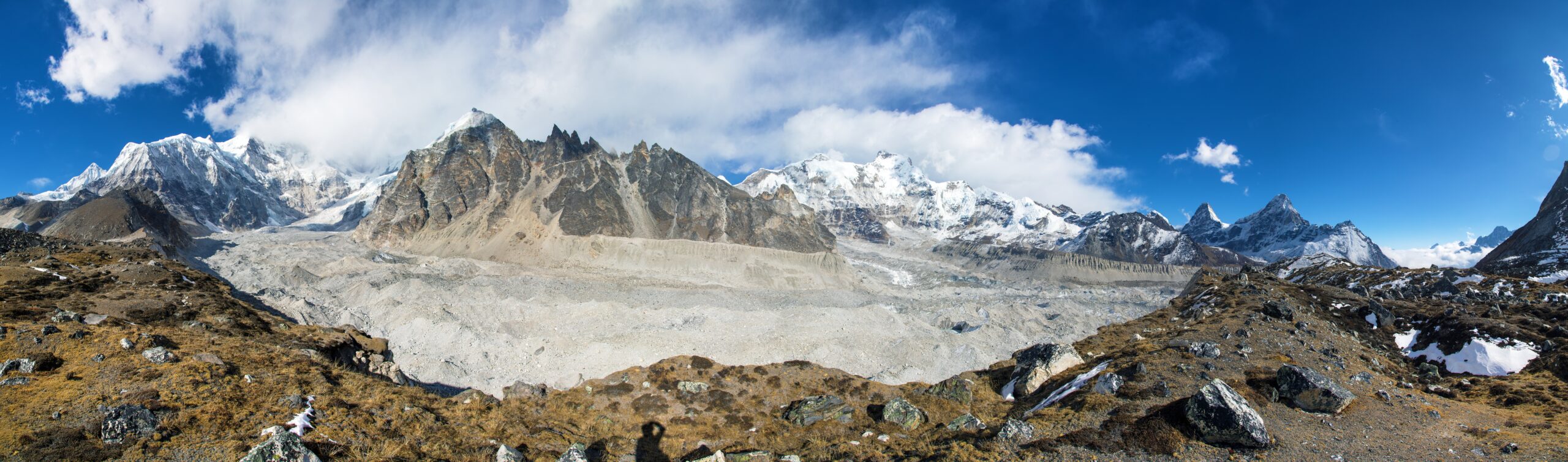
What Is the Death Rate on Cho Oyu?
The Himalayan Database reports 52 fatalities and 4,056 successful summits on Cho Oyu, producing 1.28 deaths per 100 summit events. It also records 9,208 expedition-member records, giving the separate figure of 0.56 deaths per 100 member records.
Bottom line: Cho Oyu’s historical death-to-summit ratio is the lowest in this consistently sourced eight-peak comparison. It is still an 8,188-meter expedition requiring judgment in the death zone, where an uncomplicated route can become deadly because of hypoxia, cold, weather, crevasses or delayed rescue.
For the underlying route and altitude plan, continue to the complete Cho Oyu climbing guide.
The one statistical distinction to remember
A death-to-summit ratio does not count all unsuccessful climbers in its denominator. A death-to-member ratio uses a broader population but can include repeat expedition members and different roles. Neither equals the risk for a specific person on a specific departure.
Source cutoff: the database’s public summary currently covers 1905–2025. The counts are a published cumulative snapshot, not a live accident ticker.

1.28% vs. 0.56%: Both Are Correct, but Answer Different Questions
Deaths per summit
52 ÷ 4,056 × 100 = 1.282%. Useful for comparing peaks using the same methodology. Not individual odds of dying.
Deaths per member
52 ÷ 9,208 × 100 = 0.565%. Broadens the denominator to member records; not a unique-climber risk estimate.
Summits per member record
4,056 ÷ 9,208 × 100 = 44.05%. A historical count ratio, not the probability that you will summit this year.
These ratios cannot be mixed with figures produced from another cutoff year or from a different definition of expedition participation. The mountaineering statistics guide explains why the denominator changes the conclusion.
Interpret the headline figure
Select a measure to see what it can—and cannot—tell you.
A matched historical comparison metric. It does not use all attempts as its denominator.

Cho Oyu vs Everest, Lhotse, Manaslu and the Deadliest 8,000ers
This comparison uses one Himalayan Database public report and the same two fatality-ratio definitions. Cho Oyu is lowest in deaths per successful summit for these eight major peaks. The comparison excludes K2, Nanga Parbat and Gasherbrums because their Pakistan-based records are not covered by the same Nepal/Tibet database sample.
| Mountain | Deaths | Summits | Members | Deaths/summits | Deaths/members |
|---|---|---|---|---|---|
| Cho Oyu | 52 | 4,056 | 9,208 | 1.28% | 0.56% |
| Lhotse | 25 | 1,465 | 3,477 | 1.71% | 0.72% |
| Everest | 344 | 13,550 | 26,316 | 2.54% | 1.31% |
| Manaslu | 90 | 3,238 | 7,085 | 2.78% | 1.27% |
| Makalu | 51 | 886 | 2,898 | 5.76% | 1.76% |
| Kangchenjunga | 54 | 682 | 1,749 | 7.92% | 3.09% |
| Dhaulagiri I | 92 | 706 | 2,999 | 13.03% | 3.07% |
| Annapurna I | 75 | 557 | 2,059 | 13.46% | 3.64% |
Data source: The Himalayan Database, Most Dangerous Peaks. Table covers available records through 2025; figures are cumulative.
Why the rankings are easy to misread
Cho Oyu’s route, logistics, long history of participation and reported summit count differ markedly from Annapurna or Dhaulagiri. Individual risk also shifts with year, route, weather and available support.
Everest has 344 recorded fatalities in the same snapshot—a much larger total—but also 13,550 summits. Absolute deaths and cumulative ratios answer different questions.
For a contrasting explanation, see Annapurna’s death rate and Everest’s death rate.

Why Does Cho Oyu Have a Comparatively Low Historical Fatality Ratio?
The headline has a real basis—but several overlapping factors help explain it, rather than one universal safety advantage.
Northwest Ridge
The established Tibet-side route generally involves less sustained technical climbing than many major Himalayan faces. It still crosses glaciers and reaches extreme altitude.
Repeat operations
Where the route is open and permitted, experienced expedition teams can use a known camp and acclimatization structure. Current access is never assumed.
Thousands of summits
The historical total includes 4,056 summit records, which affects the deaths-per-summit ratio. A large denominator does not eliminate the possibility of fatal incidents.

The conventional route’s relative technical accessibility should never be interpreted as “no objective danger.” Route conditions, avalanche exposure, the use of fixed lines, oxygen plans, and evacuation options may differ substantially between expeditions. Check recent Cho Oyu access and expedition updates before making a booking decision.
What Can Still Kill Climbers on Cho Oyu?
Death-zone hypoxia
At 8,188 m, low oxygen pressure can contribute to severe illness, confusion, exhaustion and poor decisions. Acclimatization and descent decisions are essential.
Glacier and snow risk
Crevasses, weak bridges, wind slabs, avalanche terrain and difficult ice sections change with conditions.
Cold and delayed rescue
Storms, whiteout, frostbite and limited extraction options magnify relatively small problems into serious emergencies.
How to use risk data responsibly
- Compare fatality metrics only when datasets and cutoffs match.
- Ask your operator which route and camp sequence are proposed and whether departures are actually permitted.
- Build conservative turnaround rules into the acclimatization and weather plan.
- Carry suitable personal systems; confirm oxygen, communications and rescue responsibilities in writing.
- Do not treat any historical percentage as a forecast for a particular person.
Continue with mountain weather for climbers and altitude acclimatization explained.
Some GSG gear or rescue recommendations may use affiliate links. No advertiser buys a better risk ranking. Rescue memberships, evacuation arrangements and travel medical policies have different eligibility and benefits; none guarantees extraction from an 8,000-meter summit. Review expedition insurance and rescue coverage →
Access and Expedition Approval Are Part of the Cho Oyu Decision
The Tibet-side Northwest Ridge has historically been the standard route, but an old expedition itinerary does not prove that foreigners can book or climb it in the next season. Permits, cross-border access and expedition approvals can change independently of weather.
The Nepal side offers very different, generally more technically demanding alternatives; its historical death rate must not be copied automatically onto every face or route.
Before putting down a deposit: ask the operator to identify the exact summit route, current government permissions, team composition, evacuation plan, refunds if permits are refused, and latest documented access status. See Cho Oyu operators and Cho Oyu expedition updates.

Is Cho Oyu a Good First 8,000-Meter Mountain?
It can be a more approachable first 8,000er for an already experienced expedition climber, assuming a suitable route is actually open and the climber has appropriate prior altitude experience. It is not a beginner hiking summit. The cumulative 1.28% deaths/summits ratio does not establish a safe personal climbing plan.
Who might consider it?
- Climbers with prior high-altitude expedition experience and glacier competence.
- People comfortable managing long cold days, self-care and retreat at altitude.
- Climbers able to evaluate a qualified expedition team, permits and oxygen options.
When to wait?
- If you have not yet managed extended acclimatization or glaciated terrain.
- If permissions, guide staffing or emergency plans are unclear.
- If summit pressure would override illness symptoms, weather or turnaround decisions.

For a direct objective comparison, read the 8,000-meter peaks ranked by difficulty and the Cho Oyu summit-success analysis.
Methodology, Sources and What We Still Don’t Know
We report the counts exactly as published in the Himalayan Database’s public matched peak reports. We recompute ratios from those counts to two decimals and identify the denominator every time. These are cumulative history measures; they should be rechecked after new database releases.
Published historical counts
52 deaths, 4,056 summits and 9,208 member records for Cho Oyu in the currently available report.
Your personal probability
The report does not reduce risk for a future specific route, operator, year and individual into one reliable probability.
Data and access
Post-cutoff fatalities, corrections, route permissions, summit interpretations and support systems require fresh checks.
- Himalayan Database — Most Dangerous Peaks (source of Cho Oyu 52/4,056/9,208 and matched fatality table).
- Himalayan Database — 8,000m Peak Comparison (summit/member ratios and peak heights).
- Himalayan Database — Database Summary (record scope 1905–2025 and count definitions).
- Himalayan Database — Cho Oyu peak record (height, first ascent and expedition record).
- Global Summit Guide — Cho Oyu expedition updates (separate route/access reporting; check current status before booking).
Cho Oyu Death Rate FAQs
What is Cho Oyu’s death rate?
The Himalayan Database reports a 1.28% cumulative deaths-to-summits ratio: 52 recorded deaths divided by 4,056 summit records. Its separate deaths-to-expedition-member ratio is 0.56%, based on 9,208 member records. Both figures describe history through the available 2025 database cutoff, not an individual climber’s odds.
How many people have died on Cho Oyu?
The public Himalayan Database report currently lists 52 recorded deaths. Figures are cumulative and may change as new seasons and corrections are entered into the database.
Has anyone climbed Cho Oyu successfully?
Yes. The public report lists 4,056 recorded successful summits. These are summit events, not necessarily 4,056 different people.
Is Cho Oyu the safest 8,000-meter mountain?
It has the lowest cumulative deaths-per-summit ratio of the eight major Nepal/Tibet eight-thousanders compared here on the same Himalayan Database basis. That does not make Cho Oyu objectively safe or establish a universal worldwide rank across unrelated data systems.
Is 1.28% the probability of dying on Cho Oyu?
No. Dividing deaths by successful summits does not measure deaths among all people who attempted the mountain. It leaves out unsuccessful ascents from the denominator and may combine different eras, routes and support roles.
What is the 0.56% Cho Oyu statistic?
That is the deaths-per-member-record ratio: 52 deaths divided by 9,208 expedition-member records. It is a broader measure than deaths per summit but still not a personalized forecast.
Is Cho Oyu safer than Mount Everest?
In this historical Himalayan Database comparison, yes on the two listed ratios: Cho Oyu is 1.28% deaths per summit and 0.56% per member, compared with Everest at 2.54% and 1.31%. Comparing individual expeditions requires route, season, experience, objective hazards and team-specific data.
Why is Cho Oyu considered one of the easier 8,000ers?
Its established Northwest Ridge route from Tibet generally requires less sustained technical climbing than many other 8,000-meter objectives, but it remains a very serious expedition in the death zone and access depends on official approvals.
Can a beginner climb Cho Oyu?
Cho Oyu is not a beginner mountain. Competence in glacier travel, expedition systems, self-care at altitude, cold management, retreat decisions and previous high-altitude experience are important even when an operator provides support.
How many climbers summit Cho Oyu compared with expedition members?
The database lists 4,056 summit events against 9,208 member records, approximately 44.0 summits per 100 member records. This is not a chance-of-success estimate for one new climber or one season.
Does using supplemental oxygen remove the risk?
No. Oxygen may be part of an expedition support plan, but exposure, altitude illness, weather, falls, avalanches, exhaustion and difficult evacuation remain serious hazards.
How often should these figures be updated?
Recheck the Himalayan Database after new seasonal releases, recording the report date and cutoff. Never silently combine the latest totals from one source with percentages from an older source.
From the Death Rate to the Next Useful Decision
Use the mortality comparison to ask better questions—not to skip expedition planning. These supporting guides explain routes, operator selection, route-specific data and the practical demands of high-altitude climbing.

How Cho Oyu Compares to the Deadliest Mountains
One peak is only one denominator. See how Cho Oyu compares with the other deadliest mountains, or step up to the ranked overview and the full collection.
Was this helpful?
🏔Related peaks nearby
🧭Explore & compare
Global Summit Guide is an independent mountaineering resource founded in 2026. The team combines first-hand trekking and climbing experience with in-depth research and professional health and nutrition review to help climbers choose objectives, prepare properly, and stay safe.
Health, altitude, and nutrition content is reviewed by Taylor Ludlow (Registered Nurse) and Brigg Hoopes (Nutritionist).
What We Don't Know Yet
Mountain information changes quickly. This box explains the limits of what this page can responsibly promise.
- Visa, passport, vaccination, border, insurance, and local transportation rules may change before your trip.
- Route conditions, snowpack, closures, and weather can change quickly after this page is updated.
- Permit rules, fees, quotas, and reservation windows may change between review cycles.
- Operator availability, pricing, guide ratios, and cancellation terms can change by season.
- Your fitness, altitude response, risk tolerance, and experience level may change what is safe or realistic.
Verify current conditions with official land managers, guide services, local forecasts, and current route reports before booking or climbing.
Mountaineering, rock and ice climbing, glacier travel, and high-altitude activity are inherently dangerous and can result in serious injury or death. The information on Global Summit Guide is provided for general informational and educational purposes only and is not a substitute for professional instruction, qualified guiding, proper equipment, or your own judgment and experience.
Route conditions, weather, snowpack, permits, regulations, and hazards change constantly and may differ from what is described here. Details may be incomplete, out of date, or contain errors. Always verify current information with local authorities, certified guides, and official sources before making any decision in the mountains.
Nothing on this site is medical, legal, or financial advice. Our fitness, acclimatization, altitude, and nutrition content is general in nature; consult a qualified physician before beginning any strenuous exercise program or exposing yourself to high altitude.
You are solely responsible for your own safety and decisions. To the fullest extent permitted by law, Global Summit Guide and its team accept no liability for any loss, injury, damage, or expense arising from use of, or reliance on, this information. By using this site you acknowledge these risks and accept these terms.
Some links on this site may be affiliate links. If you buy through them we may earn a small commission at no extra cost to you; this never affects our recommendations.
Global Summit Guide recommendation path
Next Best Mountain to Research
Use these recommendations to continue the right planning path instead of stopping on one page.
Use current permit, weather, route, and operator information before booking or climbing.