
Last updated July 18, 2026
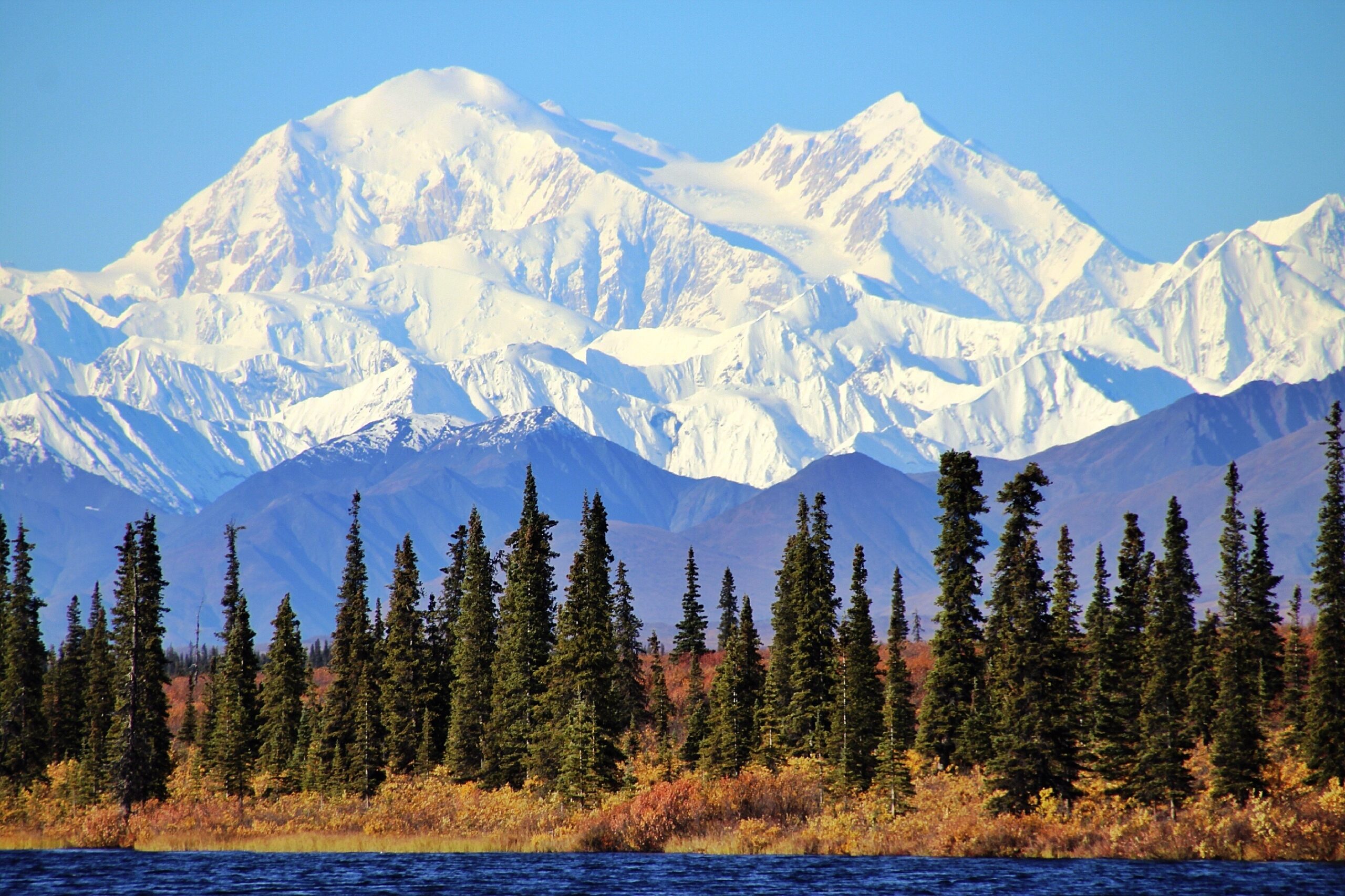
Alaska & the Saint Elias: the great glaciated expedition peaks of the north
This is expedition mountaineering at its most committing: enormous glaciated peaks reached by ski-plane, climbed self-supported over weeks, in some of the coldest and most remote high country on Earth. From Denali, the roof of North America, to Canada’s Mount Logan and the storm-battered Saint Elias, this guide is your regional map to the range. It covers the peaks and where they sit, glacier-flight access, National Park Service permits, sled hauling and self-sufficiency, and how climbers build toward the north’s greatest objectives.
What this guide owns, and what lives elsewhere.
This pillar is your expedition planner for Alaska and the Saint Elias: glacier flights, permits, sled hauling, rescue realities, and the progression toward these peaks. The detailed route, cost and gear planning stays on each mountain’s own guide, which we link throughout.
Broad domestic peak discovery across the United States lives on our wider mountains hub. Denali is one of the Seven Summits, and that challenge framing lives in our mountain collections. Here we focus on the great northern expedition peaks as a region.
The Alaska Range
The central Alaska Range holds the roof of the continent and two of its fiercest neighbours, all reached from Talkeetna and the Kahiltna Glacier.
Denali
The highest peak in North America and a Seven Summit. The West Buttress is the standard route. See the full Denali climb guide.
Mount Foraker
Sultana, Denali’s serious neighbour, a far harder and quieter objective. See the Mount Foraker guide.
Mount Hunter
Begguya, lower but technically ferocious, a testpiece of Alaska Range alpinism. See the Mount Hunter guide.
More Alaska Range peaks
Guides to Mount Hayes and Mount Huntington are being added to this pillar.
The Saint Elias Mountains
Straddling the Alaska-Yukon border, the Saint Elias hold the largest non-polar icefields on the continent and some of its most remote giants.
Mount Logan
Canada’s highest peak and one of the most massive mountains on Earth by area. A long, cold expedition. See the Mount Logan guide.
Mount Saint Elias
Rising almost from the sea, one of the great vertical relief climbs anywhere. See the Mount Saint Elias guide.
Mount Fairweather
The high point of the Fairweather Range on the Alaska-BC border, notorious for coastal storms. See the Mount Fairweather guide.
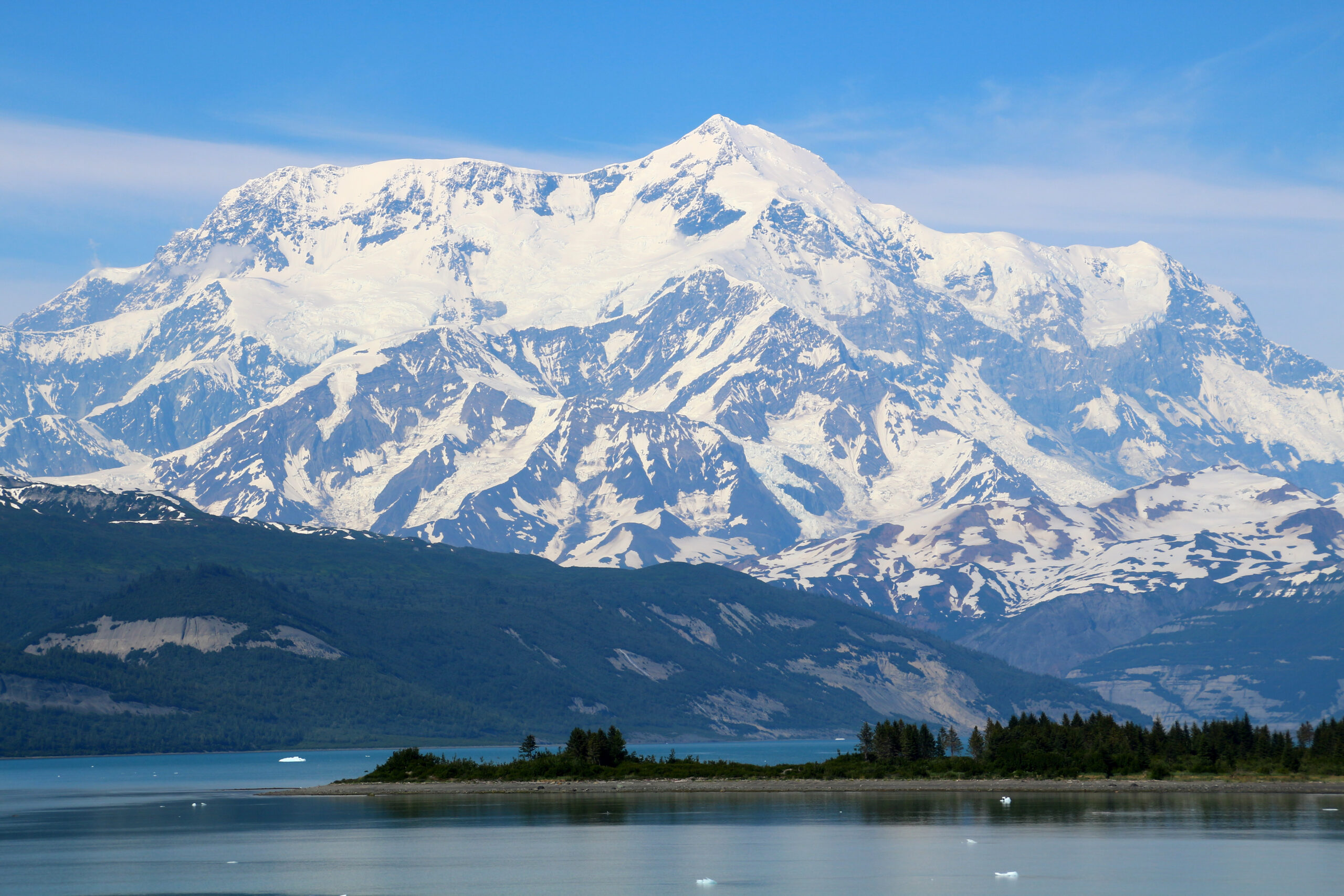
The Wrangell volcanoes
East of the Alaska Range, the Wrangell Mountains are enormous glaciated volcanoes, high but less technical, and superb ski-mountaineering objectives.
Mount Bona
The highest volcano in the United States, a huge glaciated dome. See the Mount Bona guide.
Mount Blackburn
The high point of the Wrangells, an eroded shield volcano under deep ice. See the Mount Blackburn guide and its routes.
Mount Sanford
A broad glaciated volcano with one of the steepest faces in North America on its north side. See the Mount Sanford guide.

Glacier flights & access
There are no roads to these base camps. Almost every expedition here begins with a ski-equipped bush plane.
Fly in and stock up
Most Alaska Range expeditions arrive through Anchorage, the last place to buy fuel, food, and any missing gear before heading north.
The mountaineering town
About two hours from Anchorage, Talkeetna is the staging hub for Denali, Foraker, and Hunter, home to the ranger station, the air taxis, and the pre-climb orientation.
The Kahiltna Glacier
Ski-planes land climbers at the Kahiltna base camp, a seasonal tent village with a base-camp manager and radio weather reports, the jumping-off point for the West Buttress and more.
McCarthy, Yakutat & Kluane
Saint Elias and Wrangell peaks are reached by glacier flights from towns such as McCarthy, Chitina, and Yakutat, and Mount Logan by ski-plane in Canada’s Kluane National Park.
Permits & regulations
The headline peaks sit inside national parks on both sides of the border, each with its own rules.
Climbing Denali or Mount Foraker requires a National Park Service mountaineering permit, registered at least 60 days in advance, with a special-use fee of roughly $350 for climbers 24 and under and $450 for those 25 and older for 2026, plus a park entrance fee. Every team attends a ranger orientation at the Walter Harper Talkeetna Ranger Station, and all climbers must carry out their waste using a Clean Mountain Can. The Wrangell peaks lie within Wrangell-St. Elias National Park and Preserve, and Mount Logan sits in Canada’s Kluane National Park, each with its own registration and fees. Confirm the exact current requirements for your peak, since fees and rules are updated regularly. The Denali permits and fees guide covers the process in detail.
Expedition style & rescue
These are self-supported climbs in a place where help is far away and never guaranteed.
Alaska and Saint Elias expeditions are hauled, not portered. Climbers move their own loads, typically double-carrying between camps and pulling sleds across the glaciers, over expeditions that commonly run 2 to 3 weeks or more. The far northern latitude, around 63 degrees on Denali, lowers the effective barometric pressure and makes the mountain feel higher and colder than its elevation suggests, and temperatures can be brutal. Rescue capacity is limited: on Denali the NPS runs ranger patrols and a high-camp presence in season, but on the remoter peaks self-sufficiency is the only reliable safety net, and any evacuation depends on weather that may not cooperate. This is why preparation, conservative decision-making, and genuine glaciated-mountaineering experience matter more here than on almost any guided peak.
Frostbite, storms, crevasse hazard, and altitude combine on these peaks, and the deadliest ground is often the descent. The Autobahn between Denali’s high camp and Denali Pass, for example, has claimed many lives. Treat every one of these mountains as a full expedition requiring self-rescue capability, not a guided walk-up.
Building toward Alaska
Nobody’s first mountain is Denali. These peaks sit at the top of a deliberate progression.
The classic pathway to Denali runs through glaciated peaks that teach the skills it demands: rope travel, crampon and ice-axe technique, cold-weather camping, and load hauling. Many climbers use Mount Rainier as a proving ground before Denali, then treat Denali itself as the gateway to the remoter Saint Elias and Wrangell objectives. Our what to climb before Denali guide and Denali progression plan map the ladder in detail, and the Rainier vs Denali and Denali vs Everest comparisons put the step up in perspective. For overall pathways, see our progression plans.
Planning an Alaska expedition?
Work through the Denali cluster for the deepest planning: the routes guide, the season and weather guide, and the best Denali operators, alongside outfitters such as the Alaska Mountaineering School and Mountain Trip. For flights to Anchorage and regional lodging, compare options through the Global Summit Guide Expedia travel shop.
Disclosure: the Expedia link is an affiliate link; we may earn a small commission at no extra cost to you, and it never affects our recommendations.
Denali Climb Guide Find an OperatorAlaska & Saint Elias FAQ
The questions climbers ask most about the range.
What is the highest mountain in Alaska?
Denali at 20,310 ft (6,190 m), also the highest in North America and one of the Seven Summits. It stands in the central Alaska Range within Denali National Park and Preserve.
Do you need a permit to climb Denali?
Yes. Denali and Mount Foraker require a National Park Service mountaineering permit, registered at least 60 days in advance, with a special-use fee (roughly $350 for climbers 24 and under and $450 for 25 and older for 2026) plus a park entrance fee, a ranger orientation in Talkeetna, and a mandatory Clean Mountain Can. Other peaks have their own rules, including Kluane National Park permits for Mount Logan.
How do you get to the peaks?
By ski-equipped bush plane. For Denali, Foraker, and Hunter, flights leave Talkeetna and land at the Kahiltna Glacier base camp at about 7,200 ft. Saint Elias and Wrangell peaks are reached from towns such as McCarthy, Chitina, or Yakutat, and Mount Logan by ski-plane in Kluane. Glacier flights are weather-dependent.
What is the highest mountain in Canada?
Mount Logan at 19,551 ft (5,959 m), in the Saint Elias Mountains of the Yukon within Kluane National Park. It is the second-highest peak in North America after Denali and one of the largest massifs on Earth by area, making it a long, cold, committing expedition.
How hard is Alaska climbing compared to elsewhere?
These are serious, self-supported expedition peaks. Even Denali’s standard West Buttress demands glacier travel, sled hauling, weeks in extreme cold, and self-sufficiency, since rescue is limited. The far northern latitude makes Denali feel higher than its elevation. Most climbers prepare with a glaciated peak like Rainier before Denali, and the Saint Elias and Wrangell peaks are more remote still.
When is the climbing season?
For the Alaska Range, roughly May through early July, when base camps and ranger operations run and weather is most workable. The Saint Elias and Wrangell peaks are also climbed in late spring and summer. Even in season, storms off the Gulf of Alaska can pin climbers down, so build in generous weather buffer.
Methodology & sources
- Peak elevations and geography from National Park Service, Parks Canada / Kluane, and published North American mountaineering references.
- Denali and Foraker permit detail (60-day registration, 2026 special-use fees, Clean Mountain Can, Talkeetna orientation) from NPS mountaineering information and Talkeetna air-taxi logistics.
- Glacier-flight access and staging detail from Talkeetna and Wrangell-St. Elias operators.
- Individual peak guides carry the detailed route, cost, and expedition planning; confirm current fees and rules before planning. Safety framing reviewed by Dawson Ludlow.
Published: July 18, 2026 · next review January 2027.
Confidence: High on peak elevations, geography, and access; Medium on exact permit fees, which the NPS and Parks Canada update regularly.Global Summit Guide Editorial Team
This regional guide is maintained by the Global Summit Guide editorial team, which compiles and cross-checks mountain data, geography, and access rules from park authorities and working operators. Individual peak guides carry the detailed route, cost, and expedition planning. Safety framing reviewed by Dawson Ludlow.
The great glaciated peaks of the north
Alaska and the Saint Elias are where expedition mountaineering gets real: no roads, no porters, no guarantees, just ice, weather, and self-reliance. Use this guide as your map to the range, then dive into each peak’s own guide to plan the climb.
Start With Denali Browse All MountainsWas this helpful?
🏔Related peaks nearby
🧭Explore & compare
Global Summit Guide is an independent mountaineering resource founded in 2026. The team combines first-hand trekking and climbing experience with in-depth research and professional health and nutrition review to help climbers choose objectives, prepare properly, and stay safe.
Health, altitude, and nutrition content is reviewed by Taylor Ludlow (Registered Nurse) and Brigg Hoopes (Nutritionist).
What We Don't Know Yet
Mountain information changes quickly. This box explains the limits of what this page can responsibly promise.
- Permit availability, reservation windows, quotas, and official fee rules may change after this page is updated.
- Route conditions, snowpack, closures, and weather can change quickly after this page is updated.
- Permit rules, fees, quotas, and reservation windows may change between review cycles.
- Operator availability, pricing, guide ratios, and cancellation terms can change by season.
- Your fitness, altitude response, risk tolerance, and experience level may change what is safe or realistic.
Verify current conditions with official land managers, guide services, local forecasts, and current route reports before booking or climbing.
Mountaineering, rock and ice climbing, glacier travel, and high-altitude activity are inherently dangerous and can result in serious injury or death. The information on Global Summit Guide is provided for general informational and educational purposes only and is not a substitute for professional instruction, qualified guiding, proper equipment, or your own judgment and experience.
Route conditions, weather, snowpack, permits, regulations, and hazards change constantly and may differ from what is described here. Details may be incomplete, out of date, or contain errors. Always verify current information with local authorities, certified guides, and official sources before making any decision in the mountains.
Nothing on this site is medical, legal, or financial advice. Our fitness, acclimatization, altitude, and nutrition content is general in nature; consult a qualified physician before beginning any strenuous exercise program or exposing yourself to high altitude.
You are solely responsible for your own safety and decisions. To the fullest extent permitted by law, Global Summit Guide and its team accept no liability for any loss, injury, damage, or expense arising from use of, or reliance on, this information. By using this site you acknowledge these risks and accept these terms.
Some links on this site may be affiliate links. If you buy through them we may earn a small commission at no extra cost to you; this never affects our recommendations.
Global Summit Guide recommendation path
Next Best Mountain to Research
Use these recommendations to continue the right planning path instead of stopping on one page.
Use current permit, weather, route, and operator information before booking or climbing.