
Last updated July 22, 2026
{ “@context”: “https://schema.org”, “@type”: “Article”, “headline”: “Mt. Blackburn Routes: North Ridge, Northwest Ridge & Northeast Ridge Complete Technical Beta (2026)”, “description”: “Detailed route comparison for climbing Mt. Blackburn (16,390 ft) — the Wrangell Range tallest and 5th highest peak in the United States. Covers all three established climbing routes: North Ridge (Class 3-4 glaciated standard route from Nabesna Glacier, 80-90% of attempts, 10-14 day expedition with progressive high camps at 8,000 ft Base Camp, 11,000 ft Camp 1, and 13,500-14,000 ft High Camp), Northwest Ridge (Class 3-4 alternative with more sustained ice and mixed terrain, 12-16 day expedition, 1-3 ascents per year), and Northeast Ridge (Class 4 sustained technical alternative from the Kuskulana Glacier, 14-18 day expedition, expert ice climbing capability required). Includes route selection decision framework, technical pitch descriptions, first ascent history including the 1958 first ascent of the North Ridge by Bruce Gilbert, Dick Wahlstrom, Hans Gmoser, Adolf Bitterlich, and Leon Blumer, descent strategies, route-specific equipment notes, and safety considerations. By Travis Ludlow, reviewed by Dawson Ludlow.”, “image”: “https://globalsummitguide.com/wp-content/uploads/2026/04/AdobeStock_65760337-scaled.jpeg”, “author”: {“@type”: “Person”, “name”: “Travis Ludlow”, “jobTitle”: “Editor & Route Research, Global Summit Guide”, “url”: “https://globalsummitguide.com/about/”}, “publisher”: {“@type”: “Organization”, “name”: “Global Summit Guide”, “url”: “https://globalsummitguide.com/”, “logo”: {“@type”: “ImageObject”, “url”: “https://globalsummitguide.com/wp-content/uploads/2026/02/global-logo-new-2.png”}}, “datePublished”: “2026-06-02”, “dateModified”: “2026-07-22T16:33:35+00:00”, “mainEntityOfPage”: “https://globalsummitguide.com/mountains-mount-blackburn-alaska-usa-routes/”, “articleSection”: “Mountain Route Beta”, “keywords”: “mt blackburn north ridge, mt blackburn northwest ridge, mt blackburn northeast ridge, mt blackburn routes, wrangell range climbing routes, nabesna glacier route, kuskulana glacier route, mt blackburn first ascent 1958, mt blackburn topo, mt blackburn pitches, mt blackburn route comparison, class 3-4 glaciated route, wrangell expedition routes, mt blackburn beta”}{ “@context”: “https://schema.org”, “@type”: “ItemList”, “name”: “Mt. Blackburn Climbing Routes — Complete Beta”, “description”: “Three established climbing routes on Mt. Blackburn (16,390 ft) ranked from standard to most-technical with comprehensive route descriptions, technical ratings, expedition durations, and selection guidance.”, “url”: “https://globalsummitguide.com/mountains-mount-blackburn-alaska-usa-routes/#routes”, “numberOfItems”: 3, “itemListElement”: [ {“@type”: “ListItem”, “position”: 1, “name”: “North Ridge — Standard Route, Class 3-4 glaciated, 10-14 day expedition. The standard climbing route accounting for 80-90% of annual Mt. Blackburn attempts. First ascended 1958 by Bruce Gilbert, Dick Wahlstrom, Hans Gmoser, Adolf Bitterlich, and Leon Blumer. Bush flight access via Wrangell Mountain Air to a glacier base camp on the Nabesna Glacier at approximately 8,000 ft elevation, then progressive load ferrying through Camp 1 at ~11,000 ft and High Camp at ~13,500-14,000 ft to the summit at 16,390 ft. Class 3-4 glaciated climbing with snow and ice slopes up to 40-50 degrees, complex crevasse navigation through the lower glacier sections, and exposed ridge climbing on the upper sections approaching the summit plateau.”}, {“@type”: “ListItem”, “position”: 2, “name”: “Northwest Ridge — Less-Trafficked Alternative, Class 3-4 with more sustained ice, 12-16 day expedition. An alternative climbing route used by experienced expedition parties seeking variation from the standard North Ridge. Typically 1-3 ascents per year. Approaches the same general bush flight area near the Nabesna Glacier but follows a different ridge line up the mountain with more sustained ice climbing on the lower sections. Mixed terrain requiring ice screws and intermediate protection on some pitches. Less crevasse navigation than the North Ridge approach but more committing ice climbing terrain. Best attempted late May through early June when ice conditions are most stable.”}, {“@type”: “ListItem”, “position”: 3, “name”: “Northeast Ridge — Most-Technical Route, Class 4 sustained, 14-18 day expedition. The most-technical established Mt. Blackburn route for expert expedition parties. Approximately 1 ascent per year on average. Approach via the Kuskulana Glacier from the east — different bush flight access than the standard North Ridge routes. Class 4 sustained ice and steep snow climbing with significant exposure throughout. Pitched climbing with intermediate protection (ice screws, snow stakes, pickets) required on multiple sections. Reserved for elite expedition parties with prior Class 4 ice expedition experience.”} ]}{ “@context”: “https://schema.org”, “@type”: “HowTo”, “name”: “How to Select the Right Mt. Blackburn Route”, “description”: “Five-step decision framework for selecting between the North Ridge (standard), Northwest Ridge (alternative), and Northeast Ridge (most-technical) climbing routes on Mt. Blackburn based on experience level, expedition goals, and team capabilities.”, “totalTime”: “P1D”, “supply”: [ {“@type”: “HowToSupply”, “name”: “Prior expedition mountaineering experience assessment”}, {“@type”: “HowToSupply”, “name”: “Team technical climbing capability evaluation”}, {“@type”: “HowToSupply”, “name”: “Trip duration availability (10-18 days)”}, {“@type”: “HowToSupply”, “name”: “Wrangell Mountain Air consultation on landing zones”} ], “step”: [ {“@type”: “HowToStep”, “position”: 1, “name”: “Assess Prior Expedition Experience”, “text”: “Mt. Blackburn route selection starts with honest assessment of prior expedition experience. Generally, all three Mt. Blackburn routes require Class 3-4 glaciated expedition mountaineering capability as a baseline — significant prior expedition experience including completion of Mt. Rainier expedition route, Mt. Sanford or Mt. Bona Wrangell experience, or Aconcagua-equivalent altitude expedition. Specifically, the North Ridge is appropriate for climbers with this baseline experience. The Northwest Ridge requires the same baseline plus prior ice climbing experience (Class 3-4 ice on at least one previous expedition). The Northeast Ridge requires prior Class 4 ice expedition experience (Mt. Hunter, Cassin Ridge on Denali, or equivalent technical alpine climbing). Notably, attempting to skip ahead to harder routes without the corresponding experience is the single most-consequential Mt. Blackburn route selection mistake.”}, {“@type”: “HowToStep”, “position”: 2, “name”: “Evaluate Team Technical Capability”, “text”: “Mt. Blackburn route selection must account for team-wide technical capability, not just individual capability. Generally, the route is only as strong as the weakest team member’s competence on the route’s most-demanding sections. Specifically, the North Ridge requires all team members to be competent at: roped glacier travel, crevasse rescue (Z-pulley systems, prusik ascension, snow anchor construction), Class 3-4 ridge climbing with intermediate protection, and load ferrying with sled hauling. The Northwest Ridge adds: ice screw placement on sustained ice sections, pitched ice climbing, and more committing route-finding. The Northeast Ridge adds: WI3-4 sustained ice climbing, mixed terrain protection, and elite expedition self-sufficiency. Notably, mixed-experience teams should choose the North Ridge regardless of the strongest climber’s capability — pushing the team beyond its weakest link’s capability is statistically the highest accident-risk approach.”}, {“@type”: “HowToStep”, “position”: 3, “name”: “Match Route to Trip Duration”, “text”: “Mt. Blackburn route selection should match available trip duration. Generally, climbers underestimate trip duration requirements due to weather window dynamics and bush flight grounding. Specifically: the North Ridge requires 10-14 days on the mountain (plan 18-21 day total trip window with travel + weather buffer). The Northwest Ridge requires 12-16 days on the mountain (plan 21-24 day total trip window). The Northeast Ridge requires 14-18 days on the mountain (plan 24-28 day total trip window). Notably, climbers with limited time availability should choose the North Ridge rather than rushing alternative routes. The Northeast Ridge in particular has been the site of multiple incidents involving climbers pushing weather windows due to schedule pressure — never attempt the Northeast Ridge with less than 4 weeks of total time availability.”}, {“@type”: “HowToStep”, “position”: 4, “name”: “Coordinate Bush Flight Landing Zone with Operator”, “text”: “Mt. Blackburn route selection requires bush flight landing zone coordination. Generally, Wrangell Mountain Air provides primary bush flight services for all three routes but landing zones differ significantly. Specifically: the North Ridge and Northwest Ridge both approach from the Nabesna Glacier area, with landing zones at approximately 8,000 ft elevation on the upper Nabesna Glacier. The Northeast Ridge approaches from the Kuskulana Glacier on the east side of the mountain, with different landing logistics. Coordinate with Wrangell Mountain Air pilots specifically about your intended route during initial booking — landing zone selection affects approach distance to the climbing route, bush flight cost (different distances), and weather considerations for landing zone conditions. Notably, pilots may recommend alternative landing zones based on current snow conditions — be flexible on the specific landing point while maintaining route commitment.”}, {“@type”: “HowToStep”, “position”: 5, “name”: “Plan Descent Strategy”, “text”: “Mt. Blackburn route selection should consider descent strategy alongside ascent route. Generally, most climbers descend the same route they ascended, but variations exist. Specifically: North Ridge ascent typically descends North Ridge (round trip on standard route). Northwest Ridge ascent typically descends North Ridge for safer descent terrain (one-way technical, round trip via standard). Northeast Ridge ascent has multiple descent options including reversing the Northeast Ridge, traverse to North Ridge for descent, or rappel descent on technical sections. Notably, mixed ascent/descent route planning requires extra bush flight coordination — the pickup landing zone may differ from the drop-off landing zone, affecting bush flight cost and logistics. Most climbers choose round-trip route consistency for logistical simplicity unless team capability strongly favors alternative descent.”} ]}{ “@context”: “https://schema.org”, “@type”: “FAQPage”, “speakable”: {“@type”: “SpeakableSpecification”, “cssSelector”: [“.mbr-faq-item summary”, “.mbr-faq-item div”]}, “mainEntity”: [ {“@type”: “Question”, “name”: “What is the standard route on Mt. Blackburn?”, “acceptedAnswer”: {“@type”: “Answer”, “text”: “The North Ridge is the standard route on Mt. Blackburn, accounting for approximately 80-90% of annual climbing attempts. Generally, the route involves bush flight access from McCarthy via Wrangell Mountain Air to a glacier base camp on the Nabesna Glacier at approximately 8,000 ft elevation, then progressive load ferrying through multiple high camps to the 16,390 ft summit. Specifically, the standard camp progression is: Base Camp (~8,000 ft on Nabesna Glacier) → Camp 1 (~11,000 ft on the lower ridge) → High Camp (~13,500-14,000 ft below the summit plateau) → Summit (16,390 ft). The route involves Class 3-4 glaciated climbing with snow and ice slopes up to 40-50 degrees, complex crevasse navigation through the lower glacier sections, and exposed ridge climbing on the upper sections approaching the summit plateau. Standard expedition duration is 10-14 days. The North Ridge was first ascended in 1958 by Bruce Gilbert, Dick Wahlstrom, Hans Gmoser, Adolf Bitterlich, and Leon Blumer.”}}, {“@type”: “Question”, “name”: “How long is a Mt. Blackburn expedition?”, “acceptedAnswer”: {“@type”: “Answer”, “text”: “Mt. Blackburn expedition duration varies by route. Generally, the North Ridge standard route requires 10-14 days on the mountain plus 4-8 days of travel and weather buffer — total trip window of 18-21 days minimum. Specifically: the North Ridge typically runs 10-14 days on the mountain. The Northwest Ridge runs 12-16 days due to more sustained technical climbing. The Northeast Ridge runs 14-18 days for the most-technical route. Climbers must plan for: bush flight weather days (2-4 day buffer typical at trip start and end), acclimatization days at each camp (climb-high-sleep-low protocol), summit window flexibility (may need 2-3 attempts at the summit window), and rest days between load ferries. Notably, climbers who insist on rigid schedules account for a disproportionate share of summit failures and accident incidents — flexibility and patience are essential. Plan for total trip windows of 18-21 days (North Ridge), 21-24 days (Northwest Ridge), or 24-28 days (Northeast Ridge).”}}, {“@type”: “Question”, “name”: “Who made the first ascent of Mt. Blackburn?”, “acceptedAnswer”: {“@type”: “Answer”, “text”: “The first ascent of Mt. Blackburn occurred in 1958. Generally, the historic first ascent was made via the North Ridge — which has remained the standard route ever since. Specifically, the first ascent party included Bruce Gilbert, Dick Wahlstrom, Hans Gmoser, Adolf Bitterlich, and Leon Blumer. The team approached via the Nabesna Glacier and established the standard progression of high camps that subsequent climbing parties have followed. Notably, the 1958 first ascent established Mt. Blackburn within the expedition mountaineering canon of major Alaska peaks. The North Ridge route has seen approximately 20-40 attempts per year since the 1980s with progressively standardized expedition logistics. The alternative routes — the Northwest Ridge and the Northeast Ridge — were first ascended in subsequent decades and remain significantly less-trafficked.”}}, {“@type”: “Question”, “name”: “How technical is the Mt. Blackburn North Ridge?”, “acceptedAnswer”: {“@type”: “Answer”, “text”: “The Mt. Blackburn North Ridge is rated Class 3-4 glaciated expedition climbing — requiring expert mountaineering capability. Generally, the technical character involves three primary elements: glaciated terrain with crevasse navigation, snow and ice slopes up to 40-50 degrees, and exposed ridge climbing on the upper sections. Specifically, technical requirements include: double mountaineering boots, crampons, ice axe with practiced self-arrest, full rope team and crevasse rescue capability (Z-pulley systems, prusik ascension, snow anchor construction), expedition-grade gear systems, sled hauling and load ferrying capability, and the physical and psychological endurance for 10-14 days at altitude. The route does not require pitched technical ice climbing on the standard line, but the Northwest Ridge and Northeast Ridge alternatives add increasingly sustained technical ice. Notably, the North Ridge route’s difficulty is roughly comparable to Denali’s West Buttress route in technical grade — both Class 3-4 glaciated. Mt. Blackburn’s standard route arguably has more sustained ice work than Denali’s West Buttress, while Denali has more sustained altitude exposure.”}}, {“@type”: “Question”, “name”: “Which Mt. Blackburn route is best for first attempt?”, “acceptedAnswer”: {“@type”: “Answer”, “text”: “The North Ridge is the appropriate choice for any first Mt. Blackburn attempt. Generally, the North Ridge accounts for 80-90% of annual attempts specifically because it represents the appropriate skill-to-route match for climbers with the required expedition experience baseline. Specifically, the alternative routes (Northwest Ridge, Northeast Ridge) are appropriate only for: climbers who have already completed the North Ridge on Mt. Blackburn, climbers with equivalent or harder expedition experience on similarly-rated peaks (Mt. Bona, Mt. Hunter, Cassin Ridge on Denali, comparable technical alpine objectives), or climbers in elite expedition parties seeking variation. Notably, attempting the Northwest Ridge or Northeast Ridge as a first Mt. Blackburn attempt is statistically the highest-risk approach — neither alternative route offers significant advantages over the North Ridge for first-time Mt. Blackburn climbers while adding substantial technical commitment, expedition duration, and accident risk.”}}, {“@type”: “Question”, “name”: “Can Mt. Blackburn be skied?”, “acceptedAnswer”: {“@type”: “Answer”, “text”: “Mt. Blackburn has been skied by experienced ski mountaineering parties, but ski descents are rare and generally limited to specific route sections rather than complete summit-to-base ski descents. Generally, the North Ridge offers ski mountaineering possibilities on the lower glaciated sections (Nabesna Glacier base camp area), with the upper ridge typically requiring boot/crampon climbing rather than skiing due to exposure and ridge-narrow terrain. Specifically, complete ski descents from the 16,390 ft summit are uncommon and typically attempted only by elite ski mountaineering parties with significant Wrangell experience. Most climbers ascend and descend on foot with skis used for the glacier approach sections only. Notably, ski mountaineering on Mt. Blackburn requires the same expedition logistics, bush flight access, and permit procedures as standard climbing — plus additional ski-specific gear and technical capability. The Wrangell-St. Elias National Park does not restrict ski descents on Mt. Blackburn but the same backcountry permit and wilderness orientation requirements apply.”}} ]}{ “@context”: “https://schema.org”, “@type”: “BreadcrumbList”, “itemListElement”: [ {“@type”: “ListItem”, “position”: 1, “name”: “Home”, “item”: “https://globalsummitguide.com/”}, {“@type”: “ListItem”, “position”: 2, “name”: “Mountains”, “item”: “https://globalsummitguide.com/mountains/”}, {“@type”: “ListItem”, “position”: 3, “name”: “Best Mountains in the USA”, “item”: “https://globalsummitguide.com/best-mountains-in-the-usa/”}, {“@type”: “ListItem”, “position”: 4, “name”: “Alaska”, “item”: “https://globalsummitguide.com/best-mountains-to-climb-in-alaska/”}, {“@type”: “ListItem”, “position”: 5, “name”: “Mt. Blackburn”, “item”: “https://globalsummitguide.com/mountains-mount-blackburn-alaska-usa/”}, {“@type”: “ListItem”, “position”: 6, “name”: “Routes”} ]}{ “@context”: “https://schema.org”, “@type”: “Person”, “name”: “Travis Ludlow”, “jobTitle”: “Editor & Route Research, Global Summit Guide”, “url”: “https://globalsummitguide.com/about/”, “image”: “https://globalsummitguide.com/wp-content/uploads/2026/03/561db5f8-15bb-43d8-9eba-251a8c35f89f.jpg”, “worksFor”: {“@type”: “Organization”, “name”: “Global Summit Guide”, “url”: “https://globalsummitguide.com/”}, “knowsAbout”: [“Mt. Blackburn North Ridge”, “Mt. Blackburn Northwest Ridge”, “Mt. Blackburn Northeast Ridge”, “Mt. Blackburn first ascent 1958”, “Nabesna Glacier approach”, “Kuskulana Glacier approach”, “Wrangell expedition routes”, “Class 3-4 glaciated route beta”, “Mt. Blackburn route selection”]}.mbr-page { font-family: ‘Outfit’, sans-serif; color: #122a44; line-height: 1.65; max-width: 1200px; margin: 0 auto; }.mbr-page h1, .mbr-page h2, .mbr-page h3, .mbr-page h4 { font-family: ‘DM Serif Display’, serif; font-weight: 400; color: #0a1929; line-height: 1.15; }.mbr-page p { font-size: 1.02rem; margin-bottom: 1.1em; }.mbr-page a { color: #2e5986; text-decoration: none; border-bottom: 1px solid #c8d4e0; }.mbr-page a:hover { color: #d4913a; border-bottom-color: #d4913a; }/* === v3.7 LARGER HERO WITH LIGHTER OVERLAY === */.mbr-hero { background: linear-gradient(rgba(10,25,41,0.58), rgba(18,42,68,0.75)), url(‘https://globalsummitguide.com/wp-content/uploads/2026/04/AdobeStock_65760337-scaled.jpeg’) center/cover no-repeat; padding: 120px 40px 100px; color: #f5e4c8; }.mbr-hero-tag { font-size: 0.84rem; color: #d4913a; text-transform: uppercase; letter-spacing: 2px; font-weight: 700; margin-bottom: 14px; text-shadow: 0 1px 6px rgba(0,0,0,0.6); }.mbr-hero h1 { color: #f5e4c8 !important; font-size: 2.7rem; line-height: 1.12; margin: 0 0 18px; max-width: 970px; text-shadow: 0 2px 12px rgba(0,0,0,0.65); }.mbr-hero h1 em { color: #d4913a; font-style: italic; }.mbr-hero p { color: #f5e4c8; font-size: 1.15rem; line-height: 1.55; max-width: 800px; margin: 0; text-shadow: 0 1px 8px rgba(0,0,0,0.55); }/* === END v3.7 LARGER HERO === */.mbr-byline { background: #f8f4ec; padding: 12px 40px; font-size: 0.85rem; color: #5a4f30; border-bottom: 1px solid #e8d8ad; display: flex; justify-content: space-between; flex-wrap: wrap; gap: 12px; }.mbr-byline-author { font-weight: 600; color: #0a1929; }.mbr-byline-author a { color: #2e5986; border-bottom: none; }.mbr-stat-grid { display: grid; grid-template-columns: repeat(4, 1fr); gap: 16px; padding: 30px 40px; background: linear-gradient(135deg, #0a1929 0%, #122a44 100%); color: #f5e4c8; }.mbr-stat { background: #1a3354; border: 1px solid #d4913a; border-radius: 8px; padding: 18px 16px; }.mbr-stat-num { font-family: ‘DM Serif Display’, serif; font-size: 1.85rem; color: #d4913a; line-height: 1; margin-bottom: 6px; }.mbr-stat-label { font-size: 0.78rem; color: #f5e4c8; text-transform: uppercase; letter-spacing: 0.8px; }.mbr-definition { background: #e8f0f7; border-left: 5px solid #2e5986; padding: 22px 26px; margin: 30px 40px; border-radius: 6px; }.mbr-definition p { margin: 0; font-size: 1.08rem; color: #0a1929; }.mbr-definition strong { color: #0a1929; font-weight: 700; }.mbr-takeaways { background: #fdf3e8; border: 2px solid #d4913a; padding: 24px 28px; margin: 30px 40px; border-radius: 10px; }.mbr-takeaways h3 { margin: 0 0 14px; font-size: 1.2rem; color: #0a1929; padding-bottom: 8px; border-bottom: 1px solid #d4913a; }.mbr-takeaways ul { margin: 0; padding-left: 22px; }.mbr-takeaways li { margin-bottom: 8px; font-size: 0.96rem; line-height: 1.5; }.mbr-takeaways li strong { color: #b86a15; }.mbr-superlative { background: #fdf3e8; border: 2px solid #d4913a; padding: 22px 26px; margin: 30px 40px; border-radius: 10px; }.mbr-superlative h3 { margin: 0 0 12px; font-size: 1.2rem; color: #b86a15; }.mbr-superlative p { margin: 0 0 10px; font-size: 0.96rem; color: #0a1929; }.mbr-superlative p:last-child { margin-bottom: 0; }.mbr-superlative strong { color: #b86a15; font-weight: 700; }.mbr-inline-image { margin: 32px 0; border-radius: 10px; overflow: hidden; box-shadow: 0 4px 16px #d4c8a8; }.mbr-inline-image img { width: 100%; height: auto; display: block; }.mbr-inline-image figcaption { padding: 14px 22px; background: #f8f4ec; font-size: 0.88rem; color: #5a4f30; font-style: italic; line-height: 1.5; }.mbr-inline-image figcaption strong { color: #0a1929; font-style: normal; }.mbr-main { display: grid; grid-template-columns: 1fr 280px; gap: 50px; padding: 60px 40px; }.mbr-content h2 { font-size: 2.1rem; margin-top: 60px; margin-bottom: 20px; padding-bottom: 12px; border-bottom: 2px solid #d4913a; }.mbr-content h2:first-of-type { margin-top: 0; }.mbr-content h2 em { color: #d4913a; font-style: italic; }.mbr-content h3 { font-size: 1.5rem; margin-top: 32px; margin-bottom: 14px; color: #0a1929; }.mbr-content h4 { font-size: 1.15rem; margin-top: 22px; margin-bottom: 10px; color: #122a44; }/* ROUTE CARDS — deep technical beta cards */.mbr-route-card { background: #fbf7ef; border-radius: 12px; margin: 24px 0; overflow: hidden; box-shadow: 0 3px 14px #d4c8a8; }.mbr-route-header { background: linear-gradient(135deg, #0a1929 0%, #122a44 100%); color: #f5e4c8; padding: 22px 26px; display: flex; align-items: flex-start; gap: 20px; flex-wrap: wrap; }.mbr-route-stamp { background: #d4913a; color: #0a1929; font-family: ‘DM Serif Display’, serif; font-size: 1.35rem; padding: 12px 18px; border-radius: 8px; min-width: 140px; text-align: center; line-height: 1; flex-shrink: 0; font-weight: 700; }.mbr-route-stamp small { display: block; font-size: 0.62rem; margin-top: 4px; font-family: ‘Outfit’, sans-serif; letter-spacing: 0.5px; font-weight: 400; }.mbr-route-header-text { flex: 1; min-width: 200px; }.mbr-route-tag { font-size: 0.78rem; text-transform: uppercase; letter-spacing: 1px; color: #d4913a; font-weight: 700; margin-bottom: 4px; }.mbr-route-card .mbr-route-header .mbr-route-name { font-family: ‘DM Serif Display’, serif; font-size: 1.55rem; color: #f5e4c8 !important; margin: 0 0 6px; }.mbr-route-card .mbr-route-header .mbr-route-name em { color: #d4913a; font-style: italic; }.mbr-route-summary { font-size: 0.92rem; color: #f5e4c8; margin: 0 0 10px; }.mbr-route-pills { display: flex; flex-wrap: wrap; gap: 8px; }.mbr-route-pills span { background: #2e5986; color: #f5e4c8; padding: 4px 10px; border-radius: 4px; font-size: 0.74rem; font-weight: 600; border: 1px solid #d4913a; }.mbr-route-pills span.class { background: #a83a2b; }.mbr-route-pills span.standard { background: #d4913a; color: #0a1929; }.mbr-route-body { padding: 22px 26px; }.mbr-route-body p { font-size: 0.96rem; color: #0a1929; margin: 0 0 12px; }.mbr-route-body p:last-child { margin-bottom: 0; }.mbr-route-body strong { color: #0a1929; }.mbr-route-body h5 { font-family: ‘DM Serif Display’, serif; font-size: 1.1rem; color: #0a1929; margin: 20px 0 8px; padding-bottom: 4px; border-bottom: 1px solid #e8d8ad; }.mbr-route-stats-row { display: grid; grid-template-columns: repeat(4, 1fr); gap: 12px; margin: 14px 0; padding: 14px; background: #f8f4ec; border-radius: 8px; }.mbr-route-stat-item { text-align: center; }.mbr-route-stat-num { font-family: ‘DM Serif Display’, serif; font-size: 1.1rem; color: #b86a15; line-height: 1; margin-bottom: 4px; font-weight: 600; }.mbr-route-stat-label { font-size: 0.72rem; color: #5a4f30; text-transform: uppercase; letter-spacing: 0.5px; }.mbr-route-note { background: #fdf3e8; border-left: 4px solid #d4913a; padding: 12px 16px; border-radius: 4px; font-size: 0.9rem; color: #0a1929; margin: 12px 0; }.mbr-route-note strong { color: #b86a15; }.mbr-route-note.danger { background: #fae6e2; border-left-color: #a83a2b; }.mbr-route-note.danger strong { color: #a83a2b; }.mbr-route-note.info { background: #e8f0f7; border-left-color: #2e5986; }.mbr-route-note.info strong { color: #2e5986; }/* SECTION TABLE — for camp-by-camp beta */.mbr-camps-table { width: 100%; border-collapse: collapse; margin: 16px 0; font-size: 0.9rem; background: #fff; border-radius: 8px; overflow: hidden; box-shadow: 0 2px 6px #d4c8a8; }.mbr-camps-table th { background: #0a1929; color: #f5e4c8; padding: 10px 12px; text-align: left; font-weight: 500; font-size: 0.78rem; text-transform: uppercase; letter-spacing: 0.5px; }.mbr-camps-table td { padding: 9px 12px; border-bottom: 1px solid #e8e2d4; vertical-align: top; }.mbr-camps-table tr:nth-child(even) td { background: #fbf7ef; }.mbr-camps-table td strong { color: #0a1929; }.mbr-camps-table .camp-elev { color: #b86a15; font-weight: 700; white-space: nowrap; }/* COMPARISON TABLE — route-by-route comparison */.mbr-comparison-table { width: 100%; border-collapse: collapse; margin: 24px 0; font-size: 0.92rem; background: #fff; box-shadow: 0 2px 8px #d4c8a8; border-radius: 8px; overflow: hidden; }.mbr-comparison-table th { background: #0a1929; color: #f5e4c8; padding: 12px 14px; text-align: left; font-weight: 500; font-size: 0.82rem; text-transform: uppercase; letter-spacing: 0.5px; }.mbr-comparison-table td { padding: 11px 14px; border-bottom: 1px solid #e8e2d4; }.mbr-comparison-table tr:nth-child(even) td { background: #fbf7ef; }.mbr-comparison-table td strong { color: #0a1929; }.mbr-comparison-table .class-c2 { color: #2e5986; font-weight: 700; }.mbr-comparison-table .class-c3 { color: #b86a15; font-weight: 700; }.mbr-comparison-table .class-c4 { color: #a83a2b; font-weight: 700; }.mbr-callout-info { background: #e8f0f7; border-left: 4px solid #2e5986; padding: 16px 20px; border-radius: 6px; margin: 22px 0; font-size: 0.96rem; color: #0a1929; }.mbr-callout-info strong { color: #0a1929; font-weight: 700; }.mbr-callout-warning { background: #fdf3e8; border-left: 4px solid #b86a15; padding: 16px 20px; border-radius: 6px; margin: 22px 0; font-size: 0.96rem; color: #0a1929; }.mbr-callout-warning strong { color: #b86a15; }.mbr-callout-danger { background: #fae6e2; border-left: 4px solid #a83a2b; padding: 16px 20px; border-radius: 6px; margin: 22px 0; font-size: 0.96rem; color: #0a1929; }.mbr-callout-danger strong { color: #a83a2b; }.mbr-honesty { background: #f4f0e8; border: 1px dashed #8a7e5a; padding: 22px 26px; border-radius: 6px; margin: 30px 0; }.mbr-honesty h4 { margin: 0 0 12px; color: #5a4f30; font-size: 1.15rem; }.mbr-honesty p { font-size: 0.93rem; color: #5a4f30; margin: 0 0 10px; }.mbr-honesty p:last-child { margin-bottom: 0; }.mbr-faq-item { background: #f8f4ec; border-radius: 8px; margin-bottom: 12px; }.mbr-faq-item summary { padding: 16px 22px; cursor: pointer; font-family: ‘DM Serif Display’, serif; font-size: 1.08rem; color: #0a1929; list-style: none; }.mbr-faq-item summary::after { content: ‘+’; float: right; color: #d4913a; font-size: 1.4rem; line-height: 0.8; }.mbr-faq-item[open] summary::after { content: ‘−’; }.mbr-faq-item div { padding: 0 22px 18px; font-size: 0.94rem; color: #0a1929; }.mbr-sources { background: #fbf7ef; border: 1px solid #e8d8ad; padding: 20px 26px; border-radius: 8px; margin: 30px 0; font-size: 0.9rem; color: #0a1929; }.mbr-sources h4 { margin-top: 0; color: #5a4f30; }.mbr-sources ol { margin: 0; padding-left: 22px; counter-reset: source-counter; list-style: none; }.mbr-sources ol li { margin-bottom: 8px; position: relative; counter-increment: source-counter; }.mbr-sources ol li::before { content: “[” counter(source-counter) “] “; font-weight: 600; color: #2e5986; position: absolute; left: -22px; }.mbr-updated-banner { background: #d4913a; color: #0a1929; padding: 12px 22px; border-radius: 6px; font-weight: 600; text-align: center; font-size: 0.95rem; margin: 20px 0; }.mbr-final-cta { background: linear-gradient(135deg, #122a44 0%, #1e3a5f 100%); color: #f5e4c8; padding: 32px 30px; border-radius: 12px; margin: 36px 0 0; text-align: center; }.mbr-final-cta h3 { color: #d4913a; margin: 0 0 12px; font-size: 1.5rem; }.mbr-final-cta p { color: #f5e4c8; font-size: 1rem; margin: 0 0 20px; max-width: 620px; margin-left: auto; margin-right: auto; }.mbr-cta-button { display: inline-block; background: #d4913a; color: #0a1929; padding: 13px 26px; border-radius: 6px; font-weight: 600; border: none !important; margin: 0 8px; }.mbr-cta-button:hover { background: #f5e4c8; }.mbr-cta-button.secondary { background: transparent; color: #f5e4c8; border: 2px solid #d4913a !important; }.mbr-cta-button.secondary:hover { background: #d4913a; color: #0a1929; }.mbr-related { background: #f8f4ec; padding: 22px; border-radius: 10px; margin: 26px 0; }.mbr-related h4 { margin-top: 0; margin-bottom: 14px; color: #0a1929; }.mbr-related ul { margin: 0; padding-left: 20px; }.mbr-related li { margin-bottom: 7px; font-size: 0.94rem; }.mbr-sidebar { font-size: 0.9rem; }.mbr-sidebar-card { background: #f8f4ec; border-radius: 10px; padding: 20px; margin-bottom: 20px; }.mbr-sidebar-card h4 { margin: 0 0 12px; font-size: 1.05rem; color: #0a1929; border-bottom: 1px solid #d4c8a8; padding-bottom: 8px; }.mbr-sidebar-card ul { margin: 0; padding-left: 18px; }.mbr-sidebar-card li { margin-bottom: 5px; font-size: 0.86rem; }.mbr-sidebar-facts { background: #0a1929; color: #f5e4c8; border-radius: 10px; padding: 20px; margin-bottom: 20px; position: sticky; top: 20px; }.mbr-sidebar-facts h4 { color: #d4913a; margin: 0 0 12px; font-size: 1rem; border-bottom: 1px solid #d4913a; padding-bottom: 8px; }.mbr-sidebar-facts dl { margin: 0; }.mbr-sidebar-facts dt { color: #d4c8a8; font-size: 0.76rem; text-transform: uppercase; letter-spacing: 0.5px; margin-top: 9px; }.mbr-sidebar-facts dd { margin: 2px 0 0; font-size: 0.92rem; color: #f5e4c8; }.mbr-standard-card { background: linear-gradient(135deg, #b86a15 0%, #d4913a 100%); color: #0a1929; border-radius: 10px; padding: 20px; margin-bottom: 20px; }.mbr-standard-card h4 { color: #0a1929; margin: 0 0 10px; font-size: 1.05rem; }.mbr-standard-card p { font-size: 0.86rem; color: #0a1929; margin: 0 0 12px; }.mbr-standard-card ul { margin: 0; padding-left: 18px; }.mbr-standard-card li { font-size: 0.82rem; color: #0a1929; margin-bottom: 4px; font-weight: 600; }@media (max-width: 900px) { .mbr-main { grid-template-columns: 1fr; padding: 36px 18px; } .mbr-stat-grid { grid-template-columns: repeat(2, 1fr); padding: 22px 18px; } .mbr-hero { padding: 70px 20px 55px; } .mbr-hero h1 { font-size: 2.05rem; } .mbr-hero p { font-size: 1.02rem; } .mbr-byline, .mbr-definition, .mbr-takeaways, .mbr-superlative { margin-left: 18px; margin-right: 18px; padding-left: 18px; padding-right: 18px; } .mbr-route-stats-row { grid-template-columns: repeat(2, 1fr); } .mbr-sidebar-facts { position: static; } .mbr-route-header { flex-direction: column; } .mbr-route-stamp { font-size: 1.15rem; padding: 8px 14px; align-self: flex-start; } .mbr-comparison-table, .mbr-camps-table { font-size: 0.78rem; } .mbr-comparison-table th, .mbr-comparison-table td, .mbr-camps-table th, .mbr-camps-table td { padding: 7px 6px; }}Mt. Blackburn Routes: Complete Technical Beta
Three established climbing routes on the 16,390 ft Wrangell Range tallest peak. The standard North Ridge (Class 3-4, 80-90% of attempts, first ascended 1958), the Northwest Ridge alternative (more sustained ice), and the Northeast Ridge most-technical option. Section-by-section beta, camp progressions, descent strategies, and route selection guidance.
🏔 Three Established Routes to the 5th Highest US Peak
Mt. Blackburn has three established climbing routes — the North Ridge (standard, 80-90% of annual attempts), the Northwest Ridge (less-trafficked alternative), and the Northeast Ridge (most-technical). All three routes culminate at the same 16,390 ft summit but differ significantly in technical character, expedition duration, and approach logistics. The standard North Ridge was first ascended in 1958 by Bruce Gilbert, Dick Wahlstrom, Hans Gmoser, Adolf Bitterlich, and Leon Blumer — a historic climb that established Mt. Blackburn within the expedition mountaineering canon and remains the standard line nearly 70 years later.
This page provides section-by-section technical beta for each route — including bush flight landing zones, camp-by-camp progressions, technical features and crux sections, descent strategies, route-specific equipment notes, and decision framework for selecting the appropriate route based on experience and team capability. For comprehensive expedition planning, gear lists, permits, and overall logistics, see our main Mt. Blackburn climbing guide.
Mt. Blackburn’s three established climbing routes share a common framework — bush flight glacier access, progressive high camp acclimatization, and Class 3-4 minimum glaciated technical character — but differ significantly in duration, ice climbing demands, and approach glaciers. Generally, route selection should match climbing team experience and capability rather than ambition: the North Ridge is appropriate for parties with completed expedition experience (Mt. Rainier expedition, Mt. Sanford or Mt. Bona Wrangell experience, Aconcagua-equivalent altitude). Specifically, alternative routes (Northwest Ridge, Northeast Ridge) require additional prior technical ice climbing experience beyond the baseline. Notably, the route’s difficulty grade is not the only relevant factor — bush flight landing zone differences, expedition duration variations, and descent strategy considerations all affect appropriate route selection. The North Ridge accounts for 80-90% of annual attempts specifically because it represents the appropriate skill-to-route match for the majority of climbers with the required expedition experience baseline.
Key Takeaways
- The North Ridge is the standard route — Class 3-4 glaciated, 10-14 day expedition, 80-90% of annual attempts, first ascended 1958.
- The Northwest Ridge is a less-trafficked alternative — Class 3-4 with more sustained ice, 12-16 day expedition, 1-3 ascents per year.
- The Northeast Ridge is the most-technical route — Class 4 sustained, 14-18 day expedition, ~1 ascent per year, expert ice climbing required.
- All three routes reach the same 16,390 ft summit but differ significantly in technical character, duration, and approach glaciers.
- North Ridge bush flight lands on the Nabesna Glacier at approximately 8,000 ft — standard for ~90% of expeditions.
- Northeast Ridge bush flight lands on the Kuskulana Glacier from the east — different approach logistics requiring specific pilot coordination.
- First Mt. Blackburn attempts should always be the North Ridge regardless of climber capability — alternative routes are appropriate only after North Ridge completion or equivalent technical alpine experience.
- Descent strategy typically reverses the ascent route — round-trip route consistency simplifies bush flight logistics.
- All routes require NPS Wrangell-St. Elias Backcountry Permit (FREE), Wrangell Mountain Air bush flight ($600-1,000 RT), and expedition-grade gear systems rated to -40°F.
Mt. Blackburn Route Overview
Mt. Blackburn’s three established climbing routes share a common framework but differ significantly in technical character and approach logistics. Generally, the North Ridge accounts for approximately 80-90% of annual climbing attempts due to its established route description, manageable bush flight access via the Nabesna Glacier, and Class 3-4 technical character matching the experience baseline most expedition climbers have when arriving at Mt. Blackburn. Specifically, the two alternative routes (Northwest Ridge, Northeast Ridge) involve more committing terrain and are generally attempted by experienced expedition parties as second or third Mt. Blackburn objectives — or as deliberate variation choices by climbers seeking less-trafficked routes.
Specifically, this route guide provides section-by-section technical beta for each route — including bush flight landing zones, camp-by-camp progressions, technical features and crux sections, descent strategies, route-specific equipment considerations, and decision framework for matching route choice to team capability. For comprehensive expedition planning covering gear lists, permits, McCarthy logistics, and overall trip framework, see our main Mt. Blackburn climbing guide. Notably, this routes page focuses specifically on technical route beta rather than comprehensive expedition planning — climbers planning their first Mt. Blackburn expedition should review both pages.
All three routes culminate at the same summit. Mt. Blackburn’s 16,390 ft summit is a glaciated plateau accessible from all three established routes. The routes differ in: approach glaciers (Nabesna for North Ridge / Northwest Ridge, Kuskulana for Northeast Ridge), technical character (Class 3-4 vs Class 4 sustained), expedition duration (10-14 vs 12-16 vs 14-18 days), and ice climbing demands (limited vs sustained vs technical). All routes require the same expedition-grade gear systems, NPS Wrangell-St. Elias Backcountry Permit (FREE), and Wrangell Mountain Air bush flight access.
Route Selection Framework
Mt. Blackburn route selection should match climbing team experience and capability rather than ambition. Generally, the route is only as strong as the weakest team member’s competence on the route’s most-demanding sections. Specifically, three factors should drive route selection: prior expedition experience baseline, team-wide technical capability, and available trip duration.
Decision Framework by Experience Level
If this is your first Mt. Blackburn attempt: Choose the North Ridge regardless of your climbing capability on other peaks. The standard route’s established logistics, well-documented camp progression, and Class 3-4 technical character provide the foundation for future Mt. Blackburn variation attempts. Climbers who skip the North Ridge as their first Mt. Blackburn expedition account for a disproportionate share of route-finding errors and accident incidents.
If you have completed the North Ridge: The Northwest Ridge becomes appropriate for second or third Mt. Blackburn attempts. The Northwest Ridge offers route variation without dramatically increasing technical commitment — useful for climbers who want to return to the mountain for a different experience.
If you have completed the Northwest Ridge or have elite technical alpine experience: The Northeast Ridge becomes appropriate. This is the most-technical Mt. Blackburn route requiring WI3-4 ice climbing capability, Class 4 mixed terrain experience, and sustained technical climbing skills. Not appropriate for any climber without prior Class 4 ice expedition experience (Mt. Hunter West Ridge, Denali Cassin Ridge, or comparable objectives).
Team-Wide Capability Assessment
Mt. Blackburn route selection must account for team-wide technical capability. Generally, all team members must be competent at the route’s most-demanding sections — pushing the team beyond its weakest link’s capability is statistically the highest accident-risk approach. Specifically:
- For the North Ridge: All team members must be competent at roped glacier travel, crevasse rescue (Z-pulley systems, prusik ascension, snow anchor construction), Class 3-4 ridge climbing with intermediate protection, and load ferrying with sled hauling.
- For the Northwest Ridge: All team members must meet North Ridge requirements PLUS ice screw placement on sustained ice sections, pitched ice climbing capability, and more committing route-finding.
- For the Northeast Ridge: All team members must meet Northwest Ridge requirements PLUS WI3-4 sustained ice climbing, mixed terrain protection, and elite expedition self-sufficiency.
Mixed-experience teams should choose the North Ridge regardless of the strongest climber’s capability. This is one of the most-consequential Mt. Blackburn route selection principles. Teams attempting alternative routes with mixed capabilities create dynamics where the strongest climbers either: (1) progress safely while the weakest climbers struggle and increase accident risk, or (2) wait for the weakest climbers and run out of time/weather window. Neither outcome is good.
The North Ridge — Standard Route
North Ridge
Class 3-4 glaciated · 10-14 days · Nabesna Glacier approach · ~13,000 ft total gain
Route Character Overview
The North Ridge is the standard Mt. Blackburn climbing route — the appropriate first-attempt choice for nearly all climbers and the route taken by approximately 80-90% of annual attempts. Generally, the route involves bush flight access from McCarthy via Wrangell Mountain Air to a glacier base camp on the Nabesna Glacier at approximately 8,000 ft elevation, then progressive load ferrying through Camp 1 (~11,000 ft) and High Camp (~13,500-14,000 ft) to the summit at 16,390 ft. Specifically, the route involves three distinct climbing sections: the lower Nabesna Glacier with crevasse navigation (Base Camp to Camp 1), the lower-to-mid ridge with snow slopes and intermediate protection (Camp 1 to High Camp), and the upper ridge with exposed climbing to the summit plateau (High Camp to summit).
Camp-by-Camp Beta
| Camp | Elev. | Location | Notes |
|---|---|---|---|
| Base Camp | ~8,000 ft | Upper Nabesna Glacier | Bush flight landing zone. Glaciated terrain with established camping areas. Significant crevasse hazard in the glacier surrounding the landing zone. |
| Camp 1 | ~11,000 ft | Lower ridge transition | Established at the lower ridge transition from glacier to ridge climbing. Less crevasse exposure than base camp. Wind-exposed location. |
| High Camp | ~13,500-14,000 ft | Below summit plateau | Final established camp before summit push. Cold and wind-exposed. Build snow walls for tent protection. |
| Summit | 16,390 ft | Glaciated plateau | Summit is a glaciated plateau rather than a single point. Verify true summit position. 10-14 hour round trip from High Camp typical. |
Section 1: Base Camp to Camp 1 (Lower Nabesna Glacier)
The first climbing section traverses approximately 3 miles of lower Nabesna Glacier from Base Camp at ~8,000 ft to Camp 1 at ~11,000 ft. Generally, the section involves roped glacier travel with significant crevasse navigation — the lower Nabesna has multiple crevasse fields that must be route-found around or through. Specifically, the section involves: sled hauling on the lower glacier flats, transitioning to pack carry on the steeper sections approaching Camp 1, and Class 3 glaciated climbing on the final approach to the ridge transition. Standard load ferry pattern: 2-3 trips between camps to establish gear and food caches.
Section 2: Camp 1 to High Camp (Lower-to-Mid Ridge)
The second climbing section traverses approximately 2.5 miles of the lower-to-mid ridge from Camp 1 at ~11,000 ft to High Camp at ~13,500-14,000 ft. Generally, the section involves snow slope climbing up to 40-45 degrees with intermediate protection (snow pickets, snow flukes) on the steeper sections. Specifically, the section involves: sustained snow climbing with rope team coordination, occasional crevasse navigation on the ridge approaches, and progressive altitude exposure as the ridge climbs through 12,000-13,500 ft. Class 3-4 climbing with primarily snow conditions rather than sustained ice.
Section 3: High Camp to Summit (Upper Ridge to Plateau)
The summit push from High Camp at ~13,500-14,000 ft to the 16,390 ft summit plateau is the route’s technical crux. Generally, the section involves exposed ridge climbing with snow and ice slopes up to 45-50 degrees, intermediate protection requirements, and significant altitude exposure above 14,000 ft. Specifically, the section involves: 10-14 hour round trip from High Camp on summit day, sustained Class 3-4 climbing with rope team coordination, occasional pitched climbing on the steeper sections with ice screws or snow pickets, and exposed cornice and avalanche hazard on the upper ridge sections approaching the summit plateau.
Descent Strategy: North Ridge
The standard North Ridge descent reverses the ascent route. Generally, descent typically takes 1-2 days from High Camp to Base Camp — significantly faster than the multi-day ascent due to load reduction and downhill travel. Specifically, the descent pattern: High Camp to Camp 1 (1 day, collecting cached gear en route), Camp 1 to Base Camp (1 day, collecting Base Camp 1 caches), bush flight pickup from Base Camp. Notably, descent timing should account for: weather window stability (descend before weather deterioration if possible), cache collection coordination (don’t leave gear at abandoned camps), and bush flight pickup weather buffer (Wrangell Mountain Air may need 1-2 days to fly in for pickup after radio contact).
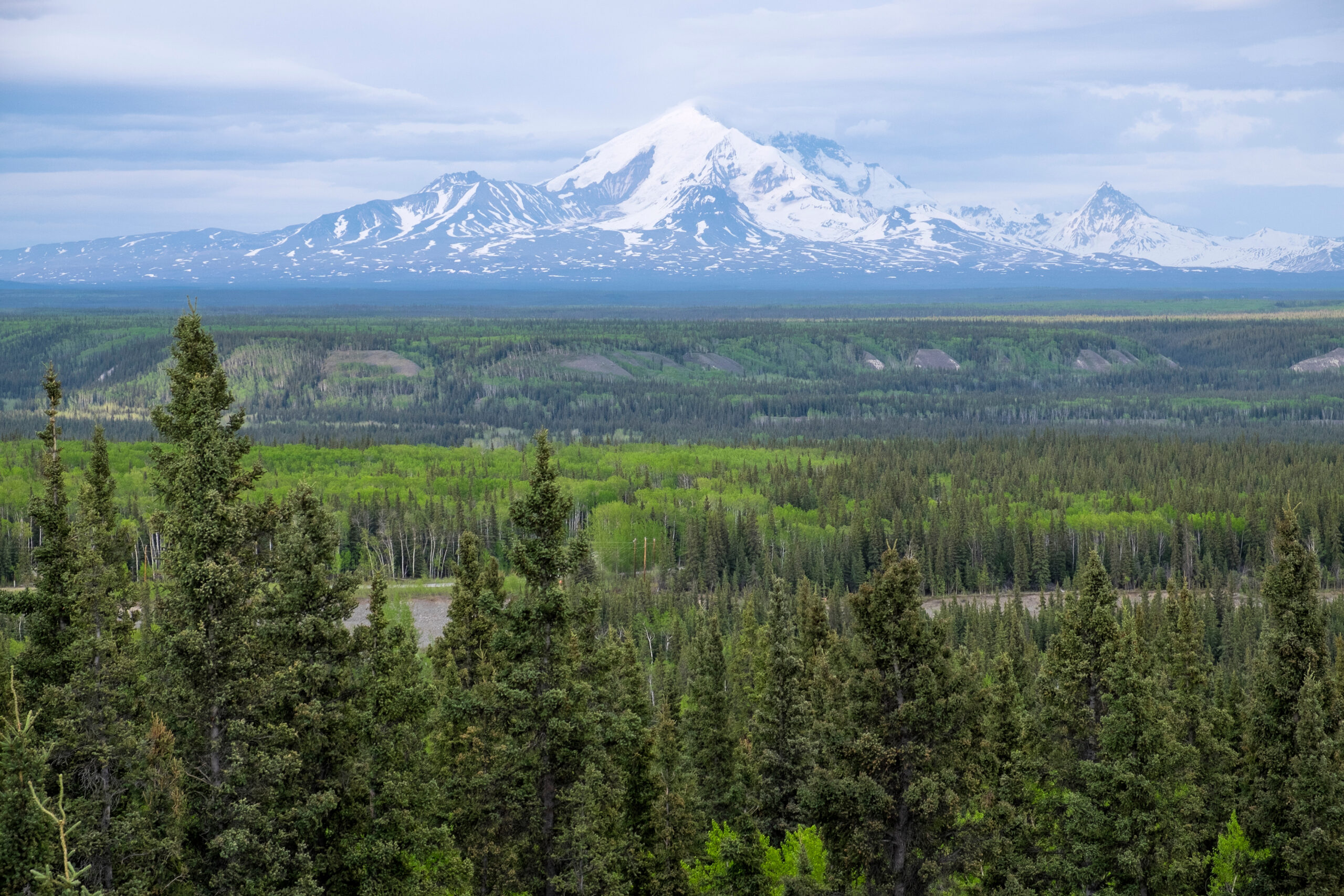
The Northwest Ridge — Less-Trafficked Alternative
Northwest Ridge
Class 3-4 with sustained ice · 12-16 days · Nabesna Glacier approach · More committing than standard
Route Character Overview
The Northwest Ridge is a less-trafficked alternative climbing route on Mt. Blackburn — generally used by experienced expedition parties seeking variation from the standard North Ridge or returning to Mt. Blackburn for a second or third climbing experience. Generally, the route shares the same bush flight access area as the North Ridge (Nabesna Glacier landing zone at ~8,000 ft) but follows a different ridge line up the mountain. Specifically, the Northwest Ridge involves more sustained ice climbing on the lower sections compared to the standard North Ridge — mixed terrain requiring ice screws and intermediate protection on multiple pitches.
Camp-by-Camp Beta
| Camp | Elev. | Location | Notes |
|---|---|---|---|
| Base Camp | ~8,000 ft | Upper Nabesna Glacier (slightly different than North Ridge BC) | Same general bush flight landing zone as North Ridge but may use slightly different glacier landing. Coordinate with pilot. |
| Camp 1 | ~10,500 ft | Lower ridge approach | Slightly lower than North Ridge Camp 1 due to different ridge line approach. |
| Camp 2 / Mid Camp | ~12,500 ft | Mid-ridge ice transition | Additional camp not used on North Ridge — needed due to sustained ice sections requiring shorter daily progress. |
| High Camp | ~14,000 ft | Below summit plateau | Similar elevation to North Ridge High Camp but accessed via Northwest Ridge approach. |
| Summit | 16,390 ft | Glaciated plateau | Same summit as North Ridge. Approach from northwest side requires verification of true summit position. |
Section 1: Base Camp to Camp 1 (Lower Glacier)
The first climbing section traverses the lower Nabesna Glacier from Base Camp at ~8,000 ft to Camp 1 at ~10,500 ft via a slightly different approach than the standard North Ridge. Generally, the section involves similar glaciated terrain but with shorter glacier traverse before transitioning to the ridge. Specifically, the section involves: roped glacier travel with less crevasse navigation than the North Ridge lower section (due to shorter glacier traverse), transitioning earlier to ridge climbing, and Class 3 glaciated terrain throughout. Standard load ferry pattern: 2 trips between camps.
Section 2: Camp 1 to Camp 2 / Mid Camp (Sustained Ice Crux)
The Northwest Ridge’s defining technical section is between Camp 1 at ~10,500 ft and Camp 2 at ~12,500 ft. Generally, this section involves sustained ice climbing with snow and ice slopes up to 50 degrees and pitched sections requiring ice screws and intermediate protection. Specifically, the section involves: 4-6 pitches of sustained Class 3-4 ice climbing, ice screw placements on the steeper pitches (carry 8-10 ice screws total), intermediate protection on sustained slopes (snow pickets, snow flukes), and rope team coordination through extended technical terrain.
Section 3: Camp 2 to High Camp to Summit (Upper Ridge)
The upper sections from Camp 2 at ~12,500 ft through High Camp at ~14,000 ft to the summit at 16,390 ft follow similar terrain to the North Ridge upper sections. Generally, the climbing involves snow and ice slopes up to 45-50 degrees with exposed ridge climbing and cornice/avalanche hazards on the upper ridge. Specifically, the technical character matches the North Ridge upper sections but with arguably more sustained snow conditions due to the different aspect (northwest vs north).
Descent Strategy: Northwest Ridge
Most Northwest Ridge climbers descend the North Ridge for safer descent terrain — generally one-way ascent (Northwest Ridge) with North Ridge descent. Specifically, this descent strategy reduces exposure on the sustained ice sections during descent and provides established route description for the descent. The strategic logistics: ascent on Northwest Ridge, traverse to North Ridge High Camp area at the summit plateau, descent on North Ridge through standard camps. Notably, this requires bush flight pickup coordination at the North Ridge Base Camp rather than the Northwest Ridge Base Camp — adjust pilot scheduling accordingly.
The Northeast Ridge — Most-Technical Route
Northeast Ridge
Class 4 sustained · 14-18 days · Kuskulana Glacier approach · Technical ice required
Route Character Overview
The Northeast Ridge is the most-technical established Mt. Blackburn climbing route — generally reserved for elite expedition parties with prior Class 4 ice expedition experience. Generally, the route sees approximately 1 ascent per year on average and is rarely attempted relative to the standard North Ridge. Specifically, the Northeast Ridge involves sustained Class 4 ice and steep snow climbing with significant exposure throughout, pitched climbing with intermediate protection (ice screws, snow stakes, pickets) required on multiple sections, and a different approach via the Kuskulana Glacier from the east rather than the Nabesna Glacier.
Camp-by-Camp Beta
| Camp | Elev. | Location | Notes |
|---|---|---|---|
| Base Camp | ~7,500 ft | Kuskulana Glacier (east approach) | Different bush flight landing than North Ridge — east side of Mt. Blackburn. Coordinate specifically with Wrangell Mountain Air on Kuskulana landing zones. |
| Camp 1 | ~10,000 ft | Lower northeast ridge | Ridge transition camp. Wind-exposed with significant ice climbing in subsequent section. |
| Camp 2 | ~12,000 ft | Mid-ridge ice plateau | Established between sustained ice sections. Tent platform construction may require ice work. |
| High Camp | ~14,500 ft | Below summit plateau | Higher than North Ridge High Camp due to different ridge approach. More altitude exposure for summit push. |
| Summit | 16,390 ft | Glaciated plateau | Same summit as other routes. Northeast approach reaches the summit plateau from the east side. |
Section 1: Base Camp to Camp 1 (Lower Kuskulana Glacier)
The Northeast Ridge approach traverses the lower Kuskulana Glacier from Base Camp at ~7,500 ft to Camp 1 at ~10,000 ft. Generally, the section involves glaciated terrain on the east side of Mt. Blackburn with different crevasse characteristics than the Nabesna Glacier approaches. Specifically, the Kuskulana Glacier flows from Mt. Blackburn’s east face and has been less-documented than the Nabesna approach — route-finding can be more challenging due to less established beta. Class 3 glaciated climbing transitioning to ridge approach.
Section 2: Camp 1 to Camp 2 (First Ice Section)
The first sustained ice climbing section ascends from Camp 1 at ~10,000 ft to Camp 2 at ~12,000 ft. Generally, this section involves Class 4 ice climbing with multiple pitched sections requiring ice screw placement and intermediate protection. Specifically, the section involves: 6-8 pitches of sustained Class 4 ice (WI3-4 range), ice screw placements on every pitch (carry 12-15 ice screws), V-thread anchor capability for retreats, and rope team coordination through extended technical terrain. Significantly more committing than any North Ridge or Northwest Ridge section.
Section 3: Camp 2 to High Camp (Second Ice Section)
The second sustained ice climbing section continues from Camp 2 at ~12,000 ft to High Camp at ~14,500 ft. Generally, this section maintains Class 4 technical character with continued pitched climbing. Specifically, the section involves: additional 4-6 pitches of sustained Class 4 ice climbing, continued ice screw placements, snow stake protection on the mixed terrain sections, and progressive altitude exposure as the ridge climbs through 13,000-14,500 ft.
Section 4: High Camp to Summit (Upper Ridge to Plateau)
The summit push from High Camp at ~14,500 ft to the 16,390 ft summit follows the upper ridge to the summit plateau. Generally, the climbing continues at Class 3-4 technical character with snow and ice slopes up to 50 degrees and exposed ridge sections. Specifically, the summit push involves: 8-12 hour round trip from High Camp on summit day, intermediate protection on sustained sections, traverse to the summit plateau from the northeast approach, and verification of true summit position on the plateau.
Descent Strategy: Northeast Ridge
Northeast Ridge descent has multiple options. Generally, the most-common descent for expert parties is to reverse the Northeast Ridge with established rappel anchors on the technical sections — though this is significantly committing. Alternative strategies include: traverse to the North Ridge for descent (requires summit plateau navigation and bush flight pickup coordination at different base camp), or rappel descent with established V-thread anchors on the sustained ice sections. Specifically, expedition planning must include: V-thread tools and prussik cord for rappel anchor construction, abandoned ice screw budget (4-6 screws minimum for retreat), and bush flight pickup coordination flexibility.
Route Comparison Table
Quick-reference comparison of all three established Mt. Blackburn climbing routes. Generally, use this table for route selection planning by matching team experience and capability to the appropriate route. Specifically, the table organizes routes from standard (North Ridge) to most-technical (Northeast Ridge).
| Factor | North Ridge | Northwest Ridge | Northeast Ridge |
|---|---|---|---|
| Difficulty | Class 3-4 | Class 3-4 + ice | Class 4 sustained |
| Expedition Duration | 10-14 days | 12-16 days | 14-18 days |
| Total Trip Window | 18-21 days | 21-24 days | 24-28 days |
| Approach Glacier | Nabesna | Nabesna (different LZ) | Kuskulana |
| Base Camp Elevation | ~8,000 ft | ~8,000 ft | ~7,500 ft |
| Number of Camps | 3 + summit | 4 + summit | 4 + summit |
| Annual Attempts | 80-90% of attempts | 1-3 per year | ~1 per year |
| First Ascent | 1958 | Later | Later |
| Ice Screws Needed | 4-6 | 8-10 | 12-15 |
| Pitched Climbing | Minimal | Moderate | Extensive (12-14 pitches) |
| Required Experience | Expedition baseline | + Prior ice climbing | + Class 4 alpine |
| Standard Descent | Reverse North Ridge | Often North Ridge | Multiple options |
| Suitability | First attempts | Second/third | Elite parties only |
First Ascent History
Mt. Blackburn’s climbing history begins with the 1958 first ascent — a foundational climb that established the standard North Ridge route and Mt. Blackburn within the expedition mountaineering canon. Generally, the climbing history has evolved through subsequent decades but the North Ridge has remained the standard line.
The 1958 First Ascent (North Ridge)
The first ascent of Mt. Blackburn was achieved on May 30, 1958, via the North Ridge from the Nabesna Glacier. Generally, the climbing party consisted of: Bruce Gilbert, Dick Wahlstrom, Hans Gmoser (Austrian-Canadian mountaineer who later founded Canadian Mountain Holidays), Adolf Bitterlich, and Leon Blumer. Specifically, the team approached via the Nabesna Glacier — establishing the standard bush flight access pattern that subsequent climbing parties have followed for nearly 70 years. The team’s documentation of the route in the American Alpine Journal established the camp progression and technical character that defines the modern standard route.
Historical context: The 1958 Mt. Blackburn first ascent occurred during the major Alaska range first-ascent period (1950s-1960s) when most major Wrangell and Alaska Range peaks received their first climbing attempts. Hans Gmoser’s participation is particularly notable — he was a foundational figure in North American expedition mountaineering whose subsequent career building Canadian Mountain Holidays helped establish heli-skiing as a sport. The team’s Mt. Blackburn climb is considered one of the early classic Wrangell ascents.
Alternative Route First Ascents
The Northwest Ridge and Northeast Ridge alternatives were first ascended in subsequent decades by climbing parties seeking variation from the established North Ridge. Generally, both alternative routes have less documented history than the standard North Ridge — partly because the lower attempt counts (1-3 per year vs 20-40 for North Ridge) mean less expedition documentation overall. Specifically, both alternative routes are documented in American Alpine Journal expedition reports from various years through the 1970s-1990s.
Modern Climbing History
Mt. Blackburn has seen approximately 20-40 climbing attempts per year since the 1980s, with summit success rates ranging 40-60% with experienced parties. Generally, the modern era has seen standardization of expedition logistics including: established bush flight protocols with Wrangell Mountain Air, NPS Wrangell-St. Elias Backcountry Permit framework, and progressive high camp standards on the North Ridge. Specifically, Mt. Blackburn has emerged as one of the most-respected Denali precursor expeditions — climbers progressing toward Denali use Mt. Blackburn for expedition skill validation in the season before their planned Denali attempt.
Descent Strategies
Mt. Blackburn descent strategies vary by route choice. Generally, most climbers descend the same route they ascended for logistical simplicity, but variations exist for parties with mixed-route planning. Specifically, descent strategy decisions should be made before the climb begins rather than improvised on the mountain — bush flight pickup coordination, gear retrieval from camps, and rope/anchor planning all depend on descent route selection.
Standard Descent (Reverse Ascent Route)
The simplest descent strategy is to reverse the ascent route. Generally, this approach: maintains bush flight pickup at the same Base Camp as drop-off, allows gear cache collection at each camp during descent, and provides established route knowledge for descent navigation. Specifically, standard reverse descent typically takes 1-2 days from High Camp to Base Camp on the North Ridge — significantly faster than the multi-day ascent due to load reduction and downhill travel. The reverse descent strategy is appropriate for: North Ridge ascents (standard), Northwest Ridge ascents by experienced parties willing to descend the same route, and Northeast Ridge ascents with established V-thread anchors on technical sections.
Alternative Descent (Different Route)
Mixed ascent/descent route planning is appropriate for specific scenarios. Generally, this strategy is most-common for Northwest Ridge ascents that descend the North Ridge — providing safer descent terrain through the technical ice sections. Specifically, mixed-route descent requires: bush flight pickup coordination at the descent route’s Base Camp (different than drop-off Base Camp), gear management between camps on different routes, and clear team agreement on the descent strategy before the climb begins.
Bush flight pickup coordination for mixed-route descents: Wrangell Mountain Air requires advance coordination for pickup at a different glacier landing zone than drop-off. Generally, plan: detailed pre-climb communication with the bush flight operator about possible descent variations, satellite communicator messaging during the climb to coordinate pickup location, and acceptance that bush flight cost may be higher for mixed-route logistics. Specifically, the operator may require: separate flight booking for pickup vs drop-off, weather monitoring at multiple landing zones, and pilot judgment on landing zone conditions.
Descent Timing Considerations
Generally, descent timing should account for: weather window stability (descend before weather deterioration if possible), gear retrieval coordination (don’t leave gear at abandoned camps), bush flight pickup weather buffer (1-2 days for fly-in after radio contact), and team fitness (descent fatigue can equal or exceed ascent fatigue). Specifically, climbers should: prepare for descent during summit day rather than waiting for post-summit planning, identify decision points for early descent if weather threatens, and maintain rope team coordination through all glacier sections including descent.
Route-Specific Equipment Notes
Mt. Blackburn equipment requirements vary by route choice. Generally, all routes require the same baseline expedition-grade gear (covered comprehensively in our main Mt. Blackburn gear list). Specifically, three categories of equipment vary by route: technical climbing gear (ice screws, protection), descent anchor materials, and rope length.
Technical Climbing Gear by Route
| Gear Item | North Ridge | Northwest Ridge | Northeast Ridge |
|---|---|---|---|
| Ice Screws (13cm primarily) | 4-6 per team | 8-10 per team | 12-15 per team |
| Snow Pickets (24″) | 4-6 per team | 6-8 per team | 8-10 per team |
| Snow Flukes | 2-3 per team | 3-4 per team | 4-6 per team |
| V-Thread Tools | 1 per team | 2 per team | 3-4 per team |
| Prussik Cord (5-6mm) | 6m per climber | 8m per climber | 10m per climber |
| Rope Length | 50-60m half/single | 60m + spare 30m | 60m + 60m |
| Abandoned Anchor Budget | Minimal | 2-3 ice screws | 4-6 ice screws |
Why the Northeast Ridge requires more abandoned anchors: The Northeast Ridge’s sustained Class 4 ice climbing requires established rappel anchors for descent — typically V-thread anchors that consume rope and ice screws as fixed anchors. Generally, expedition parties budget 4-6 ice screws as “abandoned” on the Northeast Ridge for descent anchor establishment. Specifically, V-thread tools (Abalakov tools) allow construction of rope-only anchors that consume rope but not ice screws — appropriate for less-trafficked routes where the anchors will be lost to subsequent weathering.
Sled vs Pack Carry by Route
Mt. Blackburn route choice affects the sled vs pack carry transition. Generally, all routes use sled hauling on the lower glacier sections and pack carry on the ridge climbing sections. Specifically: the North Ridge uses sled hauling Base Camp to Camp 1 with pack carry above Camp 1 — straightforward transition. The Northwest Ridge uses sled hauling Base Camp to Camp 1 with earlier transition to pack carry due to the sustained ice sections — climbers cannot pull sleds through pitched ice terrain. The Northeast Ridge uses sled hauling for the shortest distance (Base Camp area only) due to the early transition to sustained technical terrain — climbers must accept more pack weight earlier in the expedition.
Tent Anchoring by Route
High-elevation tent anchoring varies slightly by route. Generally, all routes require: snow stakes (8-10 minimum), snow flukes for soft snow anchors, snow wall construction for wind protection, and dead-man burial anchors for stronger winds. Specifically, the Northeast Ridge may require ice screw anchors for tent platforms at Camp 2 and High Camp due to the ice-dominated terrain — climbers should plan additional ice screws for tent anchoring beyond the climbing budget.
Common Route Selection Mistakes
1. Choosing the Northeast Ridge as a first Mt. Blackburn attempt. The Northeast Ridge is appropriate only after completing the North Ridge or with equivalent technical alpine experience. First-time Mt. Blackburn climbers should always choose the North Ridge regardless of their climbing capability on other peaks.
2. Attempting alternative routes with mixed-experience teams. Alternative route selection should match the weakest team member’s capability, not the strongest. Mixed teams attempting the Northwest Ridge or Northeast Ridge create dynamics where stronger climbers either progress unsafely ahead or wait while weakening the team’s collective time/weather buffer.
3. Insufficient ice climbing equipment for the chosen route. Each route has specific ice screw, snow picket, and V-thread tool requirements. Climbers attempting the Northwest Ridge or Northeast Ridge with North Ridge equipment quantities frequently must abandon climbs due to insufficient protection.
4. Not coordinating bush flight pickup for mixed-route descents. Northwest Ridge ascent + North Ridge descent requires advance bush flight pickup coordination at the North Ridge Base Camp. Climbers who don’t coordinate this in advance face logistical complications including potentially being unable to be picked up.
5. Underestimating expedition duration for alternative routes. The Northeast Ridge requires 14-18 days on the mountain with 24-28 day total trip window. Climbers planning shorter trips frequently push weather windows unsafely or run out of food/fuel before summit attempts.
What This Routes Guide Doesn’t Cover
Honest limitations of any route guide
Pitch-by-pitch topo descriptions aren’t included. This guide provides section-level beta rather than pitch-by-pitch topo descriptions. Generally, climbers planning Mt. Blackburn alternative routes should consult: American Alpine Journal expedition reports for specific pitch documentation, Wrangell Mountain Air pilots for current conditions, and previous climbing parties for recent beta. Pitch-level documentation evolves with annual climbing season conditions.
Snow conditions vary annually. Specific snow conditions on each route vary year-to-year based on precipitation, temperature, and wind patterns. Generally, the route descriptions here represent typical mid-season (May to early June) conditions. Specifically, early-season (April) climbers face more variable snow consolidation; late-season (mid-June onwards) climbers face increased crevasse opening and reduced snow protection.
Unestablished variations aren’t covered. Several Mt. Blackburn climbing variations have been attempted but not become established routes. Generally, these include: South Face attempts via Kennicott Glacier, various east-side approaches via Hanigita River area, and direct rock route attempts on lower elevations. These variations are reserved for elite exploratory climbing parties and aren’t documented as established routes.
Ski mountaineering descents aren’t detailed. Ski mountaineering descents of Mt. Blackburn have been completed but are rare and route-dependent. Generally, the North Ridge lower sections offer ski mountaineering possibilities; the upper ridge and summit plateau are typically unsuitable for ski descent. Ski mountaineering route planning requires additional considerations beyond this routes guide.
Permit, fee, and operator information evolves. Wrangell Mountain Air pricing, NPS Wrangell-St. Elias backcountry permit procedures, and operator availability may change. Verify current information directly with the relevant operators within 4-8 weeks of your planned expedition.
Mt. Blackburn Routes FAQ
What is the standard route on Mt. Blackburn?
The North Ridge is the standard route on Mt. Blackburn, accounting for approximately 80-90% of annual climbing attempts. The route involves bush flight access from McCarthy via Wrangell Mountain Air to a glacier base camp on the Nabesna Glacier at approximately 8,000 ft elevation, then progressive load ferrying through multiple high camps to the 16,390 ft summit. The standard camp progression is: Base Camp (~8,000 ft on Nabesna Glacier) → Camp 1 (~11,000 ft on the lower ridge) → High Camp (~13,500-14,000 ft below the summit plateau) → Summit (16,390 ft). The route involves Class 3-4 glaciated climbing with snow and ice slopes up to 40-50 degrees, complex crevasse navigation through the lower glacier sections, and exposed ridge climbing on the upper sections approaching the summit plateau. Standard expedition duration is 10-14 days. The North Ridge was first ascended in 1958 by Bruce Gilbert, Dick Wahlstrom, Hans Gmoser, Adolf Bitterlich, and Leon Blumer.
How long is a Mt. Blackburn expedition?
Mt. Blackburn expedition duration varies by route. The North Ridge standard route requires 10-14 days on the mountain plus 4-8 days of travel and weather buffer — total trip window of 18-21 days minimum. The Northwest Ridge runs 12-16 days due to more sustained technical climbing. The Northeast Ridge runs 14-18 days for the most-technical route. Climbers must plan for: bush flight weather days (2-4 day buffer typical at trip start and end), acclimatization days at each camp (climb-high-sleep-low protocol), summit window flexibility (may need 2-3 attempts at the summit window), and rest days between load ferries. Climbers who insist on rigid schedules account for a disproportionate share of summit failures and accident incidents — flexibility and patience are essential. Plan for total trip windows of 18-21 days (North Ridge), 21-24 days (Northwest Ridge), or 24-28 days (Northeast Ridge).
Who made the first ascent of Mt. Blackburn?
The first ascent of Mt. Blackburn occurred on May 30, 1958, via the North Ridge from the Nabesna Glacier. The first ascent party included Bruce Gilbert, Dick Wahlstrom, Hans Gmoser, Adolf Bitterlich, and Leon Blumer. The team approached via the Nabesna Glacier and established the standard progression of high camps that subsequent climbing parties have followed. The 1958 first ascent established Mt. Blackburn within the expedition mountaineering canon of major Alaska peaks. The North Ridge route has seen approximately 20-40 attempts per year since the 1980s with progressively standardized expedition logistics. The alternative routes — the Northwest Ridge and the Northeast Ridge — were first ascended in subsequent decades and remain significantly less-trafficked.
How technical is the Mt. Blackburn North Ridge?
The Mt. Blackburn North Ridge is rated Class 3-4 glaciated expedition climbing — requiring expert mountaineering capability. The technical character involves three primary elements: glaciated terrain with crevasse navigation, snow and ice slopes up to 40-50 degrees, and exposed ridge climbing on the upper sections. Technical requirements include: double mountaineering boots, crampons, ice axe with practiced self-arrest, full rope team and crevasse rescue capability (Z-pulley systems, prusik ascension, snow anchor construction), expedition-grade gear systems, sled hauling and load ferrying capability, and the physical and psychological endurance for 10-14 days at altitude. The route does not require pitched technical ice climbing on the standard line, but the Northwest Ridge and Northeast Ridge alternatives add increasingly sustained technical ice. The North Ridge route’s difficulty is roughly comparable to Denali’s West Buttress route in technical grade — both Class 3-4 glaciated. Mt. Blackburn’s standard route arguably has more sustained ice work than Denali’s West Buttress, while Denali has more sustained altitude exposure.
Which Mt. Blackburn route is best for first attempt?
The North Ridge is the appropriate choice for any first Mt. Blackburn attempt. The North Ridge accounts for 80-90% of annual attempts specifically because it represents the appropriate skill-to-route match for climbers with the required expedition experience baseline. The alternative routes (Northwest Ridge, Northeast Ridge) are appropriate only for: climbers who have already completed the North Ridge on Mt. Blackburn, climbers with equivalent or harder expedition experience on similarly-rated peaks (Mt. Bona, Mt. Hunter, Cassin Ridge on Denali, comparable technical alpine objectives), or climbers in elite expedition parties seeking variation. Attempting the Northwest Ridge or Northeast Ridge as a first Mt. Blackburn attempt is statistically the highest-risk approach — neither alternative route offers significant advantages over the North Ridge for first-time Mt. Blackburn climbers while adding substantial technical commitment, expedition duration, and accident risk.
Can Mt. Blackburn be skied?
Mt. Blackburn has been skied by experienced ski mountaineering parties, but ski descents are rare and generally limited to specific route sections rather than complete summit-to-base ski descents. The North Ridge offers ski mountaineering possibilities on the lower glaciated sections (Nabesna Glacier base camp area), with the upper ridge typically requiring boot/crampon climbing rather than skiing due to exposure and ridge-narrow terrain. Complete ski descents from the 16,390 ft summit are uncommon and typically attempted only by elite ski mountaineering parties with significant Wrangell experience. Most climbers ascend and descend on foot with skis used for the glacier approach sections only. Ski mountaineering on Mt. Blackburn requires the same expedition logistics, bush flight access, and permit procedures as standard climbing — plus additional ski-specific gear and technical capability. The Wrangell-St. Elias National Park does not restrict ski descents on Mt. Blackburn but the same backcountry permit and wilderness orientation requirements apply.
Sources and Methodology
Numbered Source References
This Mt. Blackburn routes guide synthesizes route information from American Alpine Journal expedition reports, NPS Wrangell-St. Elias climber records, Wrangell Mountain Air operational data, and established Alaska guide service route descriptions.
- American Alpine Journal. Historical expedition reports for Mt. Blackburn including the 1958 first ascent documentation and subsequent route variation reports from the 1970s through present.
- National Park Service Wrangell-St. Elias. nps.gov/wrst — official source for Wrangell-St. Elias backcountry permits, climbing season conditions, and historical climber records.
- Wrangell Mountain Air. wrangellmountainair.com — primary bush flight operator with significant Mt. Blackburn route operational knowledge including landing zone conditions for North Ridge and Northeast Ridge approaches.
- Alaska Mountaineering School (AMS). climbalaska.org — Talkeetna-based guide service with Mt. Blackburn expedition experience.
- American Alpine Club Accidents in North American Mountaineering. Annual publication documenting climbing accidents including relevant Mt. Blackburn incident reports for route safety analysis.
- USGS Topographic Maps. Mt. Blackburn quadrangle (15-minute series and 7.5-minute series) providing elevation and topographic data for route planning.
- Internal Global Summit Guide research. Cross-referenced with our main Mt. Blackburn climbing guide, Best Mountains in Alaska state hub, Denali Climbing Guide, and Denali Route Comparison for comparative route analysis methodology.
- NPS Wrangell-St. Elias Climber Reports. Annual climbing season summaries including Mt. Blackburn route-specific attempt counts, success rates, and incident reports.
Methodology note. Quarterly review cycle — next review September 2026 (post-summer expedition season). Bush flight operator pricing, route conditions, and permit procedures may evolve; verify current information directly with the relevant operators within 4-8 weeks of your planned expedition. Route descriptions reflect typical mid-season (May to early June) conditions; early and late season variations should be verified with current sources.
What’s Next?
Three Routes to the 5th Highest US Summit
Generally, Mt. Blackburn’s three established climbing routes provide variation for climbers returning to the mountain — but the North Ridge remains the appropriate first-attempt choice for nearly all climbers. Specifically, the standard North Ridge accounts for 80-90% of annual attempts due to its established route description, Class 3-4 technical character, and matching skill-to-route expectations for climbers with the required expedition experience baseline. Notably, alternative routes (Northwest Ridge, Northeast Ridge) become appropriate only after North Ridge completion or with equivalent technical alpine experience — route selection should match team capability rather than individual ambition.
Read North Ridge BetaMain Mt. Blackburn Guide →Was this helpful?
🏔Related peaks nearby
🧭Explore & compare
Global Summit Guide is an independent mountaineering resource founded in 2026. The team combines first-hand trekking and climbing experience with in-depth research and professional health and nutrition review to help climbers choose objectives, prepare properly, and stay safe.
Health, altitude, and nutrition content is reviewed by Taylor Ludlow (Registered Nurse) and Brigg Hoopes (Nutritionist).
What We Don't Know Yet
Mountain information changes quickly. This box explains the limits of what this page can responsibly promise.
- Weather, snowpack, avalanche risk, road access, and route conditions can change quickly and may be different on your climbing dates.
- Route conditions, trailhead access, crevasse exposure, stream crossings, and rescue access may vary from published planning guidance.
- Total trip cost can change with flights, lodging, guide pricing, permits, gear rentals, transportation, and exchange rates.
- Fitness and altitude response vary by person; no guide, itinerary, or training plan can guarantee acclimatization or summit success.
- Comparisons simplify complex decisions; the better mountain depends on current conditions, skills, timing, budget, and risk tolerance.
Verify current conditions with official land managers, guide services, local forecasts, and current route reports before booking or climbing.
Mountaineering, rock and ice climbing, glacier travel, and high-altitude activity are inherently dangerous and can result in serious injury or death. The information on Global Summit Guide is provided for general informational and educational purposes only and is not a substitute for professional instruction, qualified guiding, proper equipment, or your own judgment and experience.
Route conditions, weather, snowpack, permits, regulations, and hazards change constantly and may differ from what is described here. Details may be incomplete, out of date, or contain errors. Always verify current information with local authorities, certified guides, and official sources before making any decision in the mountains.
Nothing on this site is medical, legal, or financial advice. Our fitness, acclimatization, altitude, and nutrition content is general in nature; consult a qualified physician before beginning any strenuous exercise program or exposing yourself to high altitude.
You are solely responsible for your own safety and decisions. To the fullest extent permitted by law, Global Summit Guide and its team accept no liability for any loss, injury, damage, or expense arising from use of, or reliance on, this information. By using this site you acknowledge these risks and accept these terms.
Some links on this site may be affiliate links. If you buy through them we may earn a small commission at no extra cost to you; this never affects our recommendations.
Global Summit Guide recommendation path
Next Best Mountain to Research
Use these recommendations to continue the right planning path instead of stopping on one page.
Use current permit, weather, route, and operator information before booking or climbing.
Explore Travel Options for Your Destination
Once your mountain, dates and route are taking shape, compare flights, hotels and other travel options that fit the trip.
Affiliate link. We may earn a commission at no additional cost to you.