
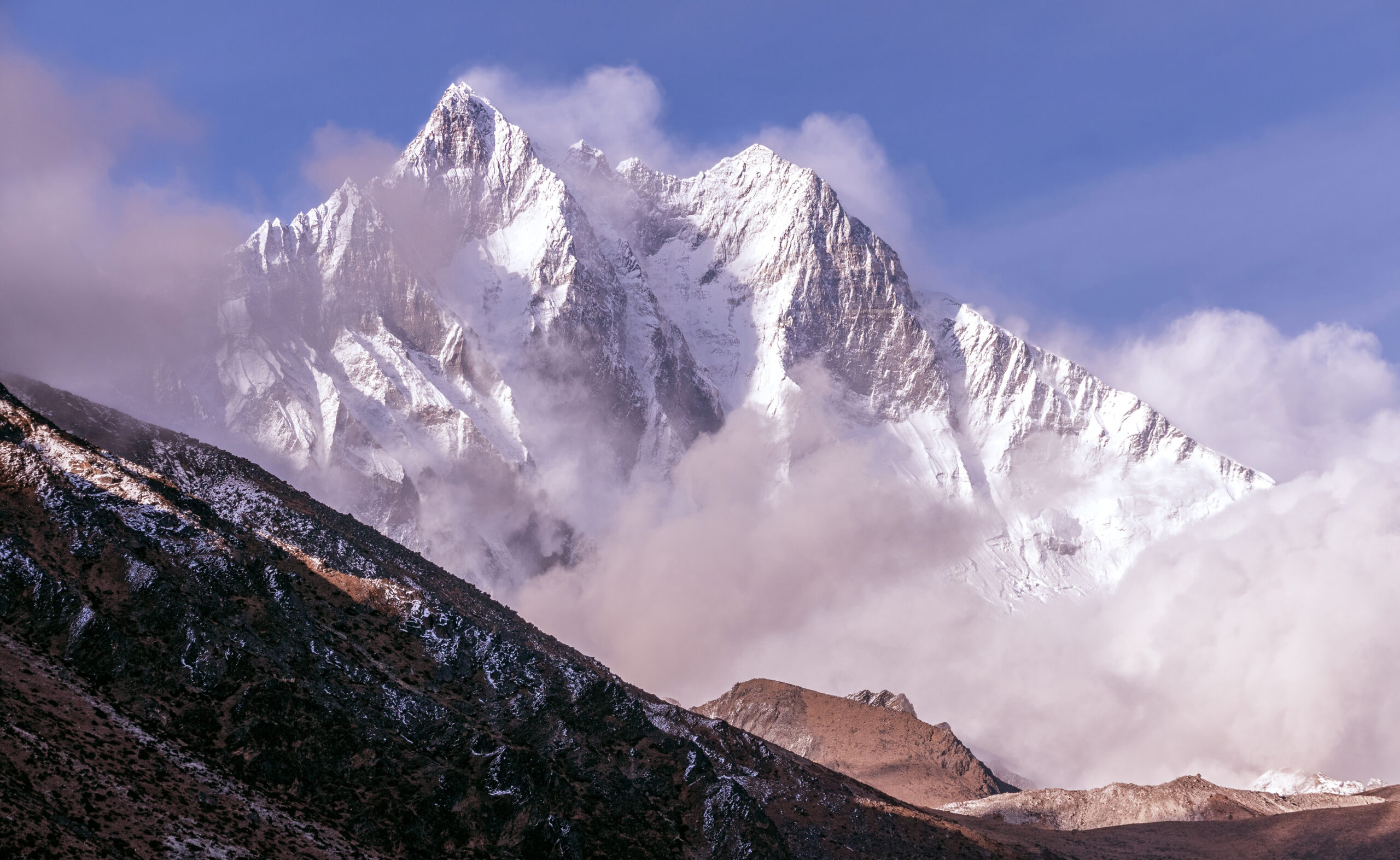
How Much Does It Cost to Climb Everest? Full Breakdown of Expedition Costs
Every Everest expense, line by line — the $15,000 permit, operator tiers from $33K to $230K, the hidden costs most climbers miss, and the real all-in total after gear, flights, insurance, tips, and contingency. Updated for 2026’s new permit structure and current operator pricing.
minimum
all-in
signature
alone
Almost every Everest cost article starts with the operator fee and stops there. Climbers budget $60,000 for an operator package, arrive in Kathmandu, and discover that gear, flights, insurance, training, tips, and contingency added another $20,000 to $40,000 on top. This guide fixes that. Every line item, every category, every commonly-missed expense — so the budget you set at the start is the budget you actually spend.
Cost data reflects published 2026 operator rates from Alpine Ascents, IMG, Madison Mountaineering, Mountain Professionals, Climbing the Seven Summits, Furtenbach Adventures, Seven Summit Treks, 8K Expeditions, Imagine Nepal, and Pioneer. Permit fees reflect Nepal’s September 2025 regulatory update. Gear pricing reflects MSRP from manufacturer catalogs. Prerequisite peak costs reflect current guide service rates. Hidden cost estimates draw from Alan Arnette’s 2026 Everest coverage and climber post-expedition reporting. Fact-check date: April 19, 2026.
01 · Three Cost Scenarios at a Glance
Before the line-item breakdown, the three realistic total-cost scenarios most 2026 climbers fall into. These are all-in totals — operator fee plus everything else.
The critical point: most Everest climbers fall in the $75K–$100K range, not the $55K range many operator-fee-only articles imply. Plan accordingly.
02 · Permit & Government Fees
Nepal’s September 2025 regulatory update brought the most significant Everest permit changes in a decade. Every 2026 climber pays these fees regardless of operator choice.
| Line Item | Description | Cost (USD) |
|---|---|---|
| Climbing permit (spring) | Per foreign climber, March–May season | $15,000 |
| Climbing permit (autumn) | Per foreign climber, September–November | $7,500 |
| Climbing permit (winter/monsoon) | Per foreign climber, off-seasons | $3,750 |
| Garbage deposit | Per team, refundable on waste removal proof | $4,000 |
| Liaison officer fee | Per team | ~$3,000 |
| Trekking permits (TIMS + Sagarmatha NP) | Per climber — park entry and local municipality | ~$100 |
| Visa (on arrival, 30-day) | Nepal tourist visa | $50 |
| Subtotal (per climber, spring) | Permit + proportional team fees (assuming 7-member team) | ~$16,150 |
What changed in 2025
The spring climbing permit jumped from $11,000 to $15,000 (a 36% increase), with proportional increases in other seasons. Permit validity was reduced from 75 days to 55 days, tightening expedition schedules. A new mandatory 1:2 guide ratio on all peaks above 8,000 m raises the effective permit-plus-guide floor for solo-style attempts. The full Everest guide has more context on regulatory changes.
Nepal waived permit fees for 97 peaks in the Karnali and Sudurpaschim provinces through 2027. Some exceed 7,000 m. If the discussed 7,000 m summit prerequisite for Everest applicants is enforced, these free peaks become the cheapest qualifying path — saving potentially $3,000–$8,000 in permit fees on the prerequisite climb. Remote access is the tradeoff. See our Nepal free peaks 2026 guide.
03 · Operator Fees by Tier
The operator fee is the single largest expense. It also determines what’s included — a $35K Nepali package and a $95K Western package aren’t paying for the same thing. Understanding what operators actually include is essential to comparing prices fairly.
- Team size: Often 15–30+ climbers
- Sherpa ratio: Typically 1:2 or 1:3
- Oxygen: Minimum 4–5 bottles per climber
- Guides: Sherpa team leadership; no Western guides typically
- Base camp: Shared dining/facilities with other teams
- Operators: 8K Expeditions, Elite Expeditions, Imagine Nepal, Pioneer, Seven Summit Treks, 14 Peaks, Asian Trekking
- Team size: Usually under 20 climbers
- Sherpa ratio: Typically 1:1 for summit day
- Oxygen: Generous 5–7 bottle allotments
- Guides: IFMGA/AMGA-certified Western guides
- Base camp: Dedicated team facilities, full amenities
- Operators: Alpine Ascents, IMG, Madison Mountaineering, Mountain Professionals, Climbing the Seven Summits
- Team size: Small, often 6–10 climbers
- Sherpa ratio: 1:1 or better throughout
- Oxygen: Premium supply including high flow rates
- Guides: Highest-certification Western guides
- Pre-acclimatization: Hypoxic tents reduce on-mountain time to 30–40 days
- Operators: Furtenbach Adventures (Signature), specialized premium services
What operator fees typically include
Standard inclusions across most operators: the $15,000 government permit, Sherpa climbing support, oxygen supply (varies by tier), base camp infrastructure, meals at base camp, Kathmandu airport transfers, internal flights (Kathmandu–Lukla and return), trek porters and cook staff, liaison officer fees, and garbage deposit. Always request an itemized inclusion list — operators vary significantly in what’s bundled vs. billed separately.
The safety-price correlation
Alan Arnette’s analysis of 2023–2024 Everest fatalities found that 23 of 26 deaths occurred on expeditions operating at or below the median price point. This isn’t a guarantee — Tier 1 operators produce successful summits every year and the best of them have strong safety records. But at scale, resources correlate with safety outcomes. Climbers choosing budget operators should be experienced 8,000 m climbers with prior summits, not first-time 8,000 m aspirants.
04 · Personal Gear Investment
Most Everest operators don’t include personal climbing gear. You’ll arrive in Kathmandu with a duffel containing $4,000–$15,000 of equipment. The range depends on whether you’re building from zero or already own gear from Aconcagua, Denali, or other expedition climbs.
| Gear Category | Specific Items | Cost (USD) |
|---|---|---|
| 8,000 m boots | Triple boots: La Sportiva Olympus Mons, Millet Everest Summit, Scarpa Phantom 8000 | $900–$1,400 |
| Down suit | Feathered Friends Expedition, Rab Expedition, Himali expedition suit | $1,500–$2,200 |
| Expedition sleeping bag | Rated to −40 °C: Western Mountaineering Kodiak MF, Mountain Hardwear Phantom −40 | $800–$1,500 |
| Sleeping pad (expedition) | R-value 5+ inflatable: Therm-a-Rest NeoAir XTherm Max | $250–$350 |
| Layering system | Base layers, fleece/synthetic mid, hardshell, insulated mid (multiple pieces) | $1,500–$2,500 |
| Hardware | Crampons, ice axe, harness, helmet, carabiners, belay device, ascender | $600–$1,000 |
| Oxygen system (if independent) | Mask, regulator, bottles — typically bundled by operator | $0–$1,200 |
| Eyewear | Cat 4 glacier glasses, goggles with low-light lens | $300–$500 |
| Boots (trek) | Approach/trekking boots for Kathmandu-to-EBC trek | $200–$400 |
| Pack system | Expedition backpack (60–75 L), duffels, compression stuff sacks | $400–$700 |
| Accessories | Headlamp + backup, gaiters, altitude meds, first aid kit, hand warmers | $400–$700 |
| Subtotal (new gear, full kit) | Building from zero | $7,850–$12,450 |
| Subtotal (already own expedition gear) | Upgrading from Denali/Aconcagua kit | $3,500–$6,000 |
What gear transfers and what doesn’t
Gear from prerequisite peaks transfers variably. A Denali kit (which needed expedition boots, down suit, and −40 °C bag) transfers most items directly to Everest. An Aconcagua kit transfers less — Aconcagua is warmer and doesn’t need 8,000 m boots or a full down suit. A Kilimanjaro kit transfers almost nothing above basic layering. Climbers who’ve completed Denali before Everest save approximately $5,000 in gear costs compared to those progressing directly from Aconcagua.
For buying-decision detail see our master gear list, mountaineering boots guide, sleeping bags guide, and crampons guide.
05 · Travel, Insurance & Tips
The “everything else” category. Each item is modest individually; collectively they add $5,000–$12,000 to the typical Everest budget.
| Line Item | Description | Cost (USD) |
|---|---|---|
| International flights | Home to Kathmandu round-trip — varies by origin and timing | $1,500–$5,000 |
| Travel insurance (high-altitude rescue) | Global Rescue or Ripcord — non-negotiable above 6,000 m | $800–$2,500 |
| Medical insurance supplement | Extended coverage for expedition injuries, extreme-sport riders | $300–$1,200 |
| Sherpa tip (personal Sherpa) | Expected: $500–$1,500 per personal Sherpa | $500–$1,500 |
| Staff tips (base camp, kitchen, porters) | Expected: $800–$2,000 pooled across expedition | $800–$2,000 |
| Kathmandu expenses | Hotels, meals, transit before/after expedition (5–10 days total) | $300–$1,500 |
| Communication (satellite/WiFi) | Base camp WiFi packages, personal sat phone data, inReach subscription | $200–$600 |
| Pre-expedition medical check | Physical, vaccinations, altitude meds prescriptions | $200–$600 |
| Lost time / time off work | Realistic for most climbers — 60–80 days unpaid if not using vacation | Varies |
| Subtotal | Travel, insurance, tips, and ancillary expenses | $4,600–$14,900 |
Helicopter evacuation from above Camp 2 can exceed $20,000 out of pocket if uninsured. Complete medical repatriation from Kathmandu to home can exceed $50,000. Global Rescue and Ripcord are the two most common high-altitude rescue coverage providers for climbers; ensure your policy specifically covers activities above 6,000 m and includes helicopter evacuation. Standard travel insurance rarely covers these circumstances. The $1,500 insurance premium is the single best return-on-investment in your entire Everest budget.
06 · The Prerequisite Peaks Cost Stack
Most Everest cost articles ignore the prerequisite peaks that climbers spend years doing before their Everest attempt. These aren’t optional — the Everest success rate for climbers without prior 6,000 m+ experience is dramatically lower. Factor these into your Everest budget from the start.
| Prerequisite Peak | Purpose | Cost (USD) |
|---|---|---|
| Kilimanjaro (5,895 m) | Altitude calibration — first 5,000 m+ exposure | $4,000–$6,000 |
| Aconcagua (6,961 m) | First 7,000 m peak — expedition rhythm | $6,000–$9,000 |
| Denali (6,190 m) | Cold-weather expedition skills — most Everest-relevant prep | $10,000–$14,000 |
| Island Peak or Mera Peak | Nepalese 6,000 m calibration — qualifies under some 7,000 m discussions | $2,500–$5,000 |
| Training trips / altitude camps | 2–3 per year during Everest prep (local or international) | $3,000–$8,000 |
| Subtotal (typical progression) | Kilimanjaro + Aconcagua + Denali + training trips | $23,000–$37,000 |
Can you skip prerequisites?
Technically yes — Nepal doesn’t currently require specific prior summits (though the 7,000 m prerequisite is under discussion). Practically, climbers who skip prerequisites have dramatically lower Everest summit rates and higher incident rates. The money saved by skipping prerequisites is more than offset by the increased probability of a failed Everest attempt requiring a second $85K trip.
For the prerequisite framework see our Seven Summits for Beginners guide and the broader Seven Summits Guide.
07 · Contingency & Failed-Summit Budget
Approximately 30–40% of Everest climbers don’t summit on their first attempt. Weather is the most common reason, followed by altitude illness, injury, and equipment or logistical failures. Climbers who don’t budget for this possibility face a hard choice when it happens: either give up the project or come up with another $60K+ on short notice.
What a re-attempt actually costs
A re-attempt with the same operator typically involves: a new climbing permit ($15,000 — some operators negotiate partial credit, most don’t), travel and flights ($2,000–$5,000), operator re-booking fee or full-price rebooking (highly variable), gear replacement for worn items ($1,000–$3,000), and additional training/time off. Total re-attempt cost: approximately $25,000–$40,000 even when the operator provides some accommodation.
Building contingency into your initial budget
The realistic approach: budget an additional 10–20% of your total expedition cost as contingency. For an $85K median expedition, that’s $8,500–$17,000 reserved for re-attempt possibility. This isn’t pessimism — it’s reading the summit-rate data honestly. Climbers with contingency in hand make better summit-day decisions (they don’t feel pressured to push through bad weather to avoid losing the investment); climbers without contingency often make worse ones.
What failure scenarios actually look like
- Weather closeout — Most common. Jet stream remains over the summit during the normal window, no team summits. Re-attempt requires new expedition.
- Altitude illness — HAPE, HACE, or severe AMS forces retreat. Sometimes recoverable within the expedition; often career-ending for that attempt.
- Injury or illness — Frostbite, twisted knees, GI illness. Varying degrees of expedition-ending.
- Icefall closure — Rare but happens. Icefall Doctors unable to fix route in time for summit windows.
- Political/logistical — Visa issues, permit delays, operator problems. Usually avoidable with reputable operators but occurs.
08 · The Complete Budget Summary
Putting every category together for a realistic median-scenario climber: Western-guided operator, building gear from an existing Denali/Aconcagua kit, round-trip flights from North America.
| Category | Subcategory | Cost (USD) |
|---|---|---|
| Operator fee | Mid-tier Western (includes $15K permit, Sherpa, oxygen, base camp) | $75,000 |
| Personal gear | Upgrades from existing kit, new 8,000 m boots and down suit | $6,500 |
| Flights | North America to Kathmandu round-trip, economy | $2,800 |
| Insurance | Global Rescue + supplemental medical coverage | $1,800 |
| Tips | Sherpa + staff | $2,200 |
| Kathmandu expenses | Hotels, meals, misc in Kathmandu | $800 |
| Communication & med | Satellite, pre-expedition medical | $500 |
| Contingency | ~10% reserve for re-attempt possibility | $8,000 |
| TOTAL | All-in cost for median Western-operator expedition | $97,600 |
Factoring in 2–3 years of prerequisite peaks (Kilimanjaro, Aconcagua, Denali) at approximately $25K spread over those years adds to the total project cost, but those peaks are separate investments with their own value. Focused on the Everest year alone, $85K–$100K is the realistic median for a reputable Western-operator expedition in 2026.
Climbers who budget $60,000 for Everest typically spend $85,000 and finish with debt. Climbers who budget $100,000 often come in at $90,000 and finish solvent. The cost isn’t what the operator quotes — it’s what the expedition actually costs after everything is accounted for. Budget conservatively, plan for contingency, and treat any unused budget as a win. For the broader budgeting framework see our Mountain Climbing Costs by Level.
Frequently Asked Questions
What is the total cost of climbing Everest in 2026?
The total all-in cost of climbing Everest in 2026 ranges from approximately $50,000 for budget Nepali operators to $250,000+ for premium signature expeditions. The median realistic all-in cost is about $75,000–$95,000. This breaks down as: operator fee ($33,000–$230,000 depending on tier), personal gear ($8,000–$15,000), international flights ($1,500–$5,000), travel insurance with high-altitude rescue coverage ($800–$2,500), tips for Sherpa and staff ($1,500–$3,500), and contingency for failed summit attempts ($5,000–$15,000). Most climbers significantly underestimate the total because they focus only on the operator fee.
What’s included in a Mount Everest expedition cost?
A standard Everest operator fee typically includes: the $15,000 Nepal government climbing permit, Sherpa climbing support (1–2 personal Sherpas depending on tier), oxygen supply (4–7 bottles per climber), base camp infrastructure (tents, dining hall, communications), meals at base camp, Kathmandu airport transfers, internal flights (Kathmandu–Lukla), trek porters, guide services, liaison officer fee, and garbage deposit. Excluded: international flights to Kathmandu, personal mountaineering gear, travel insurance, tips for staff, visa fees, personal expenses in Kathmandu, and training trips. Always request an itemized inclusion list from operators before booking.
What are the hidden costs of climbing Everest?
The most commonly underestimated Everest costs include: (1) Training trips to prerequisite peaks — Aconcagua ($6,000–$9,000), Denali ($10,000–$14,000), and Kilimanjaro ($4,000–$6,000) typically add $15,000–$25,000 over 2–3 years. (2) Gear you’ll only use once — 8,000 m boots, down suits, and expedition sleeping bags that don’t transfer well to other climbs add $4,000–$6,000. (3) Travel insurance with actual high-altitude rescue coverage (Global Rescue or Ripcord) at $800–$2,500 per expedition. (4) Extra Sherpa costs for climbers wanting 1:1 support ($8,000–$15,000 additional). (5) Oxygen beyond the standard allotment ($800–$1,200 per additional bottle). (6) Helicopter evacuation if unused covered by insurance, out-of-pocket evacuations can exceed $8,000.
Can you climb Everest on a budget?
Yes — budget Everest expeditions with reputable Nepali operators start around $33,000–$45,000 for the operator fee, bringing total all-in costs to approximately $50,000–$65,000. This represents genuine cost savings compared to Western operators but comes with tradeoffs: larger team sizes (often 20–30+ members), less experienced Western guide support, minimum-spec oxygen allotments, and reduced contingency resources. The safety data shows 23 of 26 Everest fatalities in 2023–2024 occurred on expeditions at or below the median price point. Budget operators are viable for experienced 8,000 m climbers with multiple prior high-altitude summits; less appropriate for first-time 8,000 m climbers who benefit from more support.
How much do Everest gear costs add up to?
Total gear investment for a full Everest kit is approximately $8,000–$15,000 for climbers building from zero, or $4,000–$7,000 for climbers who already own expedition-grade gear from Aconcagua or Denali. The big four expenses are 8,000 m triple boots ($900–$1,400 — La Sportiva Olympus Mons, Millet Everest), a down suit ($1,500–$2,200 — Feathered Friends, Rab), an expedition sleeping bag rated to −40°C ($800–$1,500), and oxygen system components if sourced independently ($500–$1,200). Add $1,500–$2,500 for specialized layering, $500–$1,000 for hardware (harness, helmet, crampons, ice axe if not already owned), and $500–$800 for high-altitude goggles, headlamps, and accessories.
Should I budget for a failed summit attempt?
Yes. Approximately 30–40% of Everest climbers don’t summit on their first attempt, with weather being the most common reason. Some operators offer partial credit toward a repeat attempt; many don’t. A realistic Everest budget includes $5,000–$15,000 in contingency for a possible re-attempt, which accounts for: potentially buying a second permit (operators sometimes offer reduced rates for re-attempts with them), travel and logistics for a second trip, additional training and time off work, and gear replacements or upgrades. Climbers who budget tightly and fail to summit often can’t afford a second attempt, making the project effectively over. Building contingency into the initial plan is more realistic than hoping everything goes right.
Authoritative Sources & Further Reading
2026 cost data reflects current operator publications and authoritative regulatory sources:
- Nepal Ministry of Culture, Tourism & Civil Aviation — September 2025 permit fee schedule
- Alan Arnette — Everest 2026 Coverage (alanarnette.com) — Annual cost analysis and fatality-cost correlation data
- The Himalayan Database — Summit and fatality statistics through December 2025
- Operator 2026 expedition publications: Alpine Ascents International, International Mountain Guides, Madison Mountaineering, Mountain Professionals, Climbing the Seven Summits, Furtenbach Adventures, Seven Summit Treks, 8K Expeditions, 14 Peaks Expedition, Imagine Nepal, Pioneer, Elite Expeditions, Asian Trekking
- Global Rescue and Ripcord — High-altitude travel insurance coverage documentation
- Gear manufacturer publications: La Sportiva, Millet, Scarpa, Feathered Friends, Rab, Western Mountaineering, Mountain Hardwear, Therm-a-Rest, Black Diamond, Petzl
- American Alpine Club / American Alpine Journal — Post-expedition cost reports and climber reporting
Related Guides Across the Hub
The most commonly referenced companion guides when budgeting an Everest expedition — prerequisite peak costs, gear guides, and broader budget frameworks.
Back to the Master Hub
This guide is one of 71 across 12 thematic clusters on Global Summit Guide. The master hub organizes every guide by experience tier, specific peak, skill area, and region.
Related posts:
 Everest Base Camp Trek: Complete Itinerary, and Cost Guide
 K2 Base Camp Trek: Complete Guide for Trekkers
 Top 50 Technical Mountaineering Objectives
 Everest 2026 Season: New Permit Fees, Crowd Limits & What’s Changed
 Seven Summits for Beginners: Which Peak Should You Climb First?
 How to Train for Kilimanjaro: A 12-Week Fitness Plan for Beginners
Leave a Reply