
Last updated September 13, 2026
Top 50 Non-Technical Peaks to Hike & Trek: From First Summits to Kilimanjaro
This is the list the old page promised but did not actually deliver: 50 mountain summits whose normal hiking-season route can be completed without roped climbing or glacier travel. The ranking starts with accessible trail peaks and reaches serious high-altitude treks such as Toubkal, Damavand and Kilimanjaro.
Updated August 12, 2026 · Global Summit Guide non-technical mountain pillar
What Is the Best Non-Technical Mountain to Climb?
Kilimanjaro is the best overall non-technical big mountain because it provides a genuine multi-day expedition and 5,895-metre summit without technical climbing. Mount Fuji is the best iconic first international summit, Jebel Toubkal is the best short high-altitude trek, Mount Kosciuszko is the easiest famous continental summit, and Mount Whitney is the best high-altitude U.S. trail summit.
What Counts as a Non-Technical Mountain Here?
The current live page defines non-technical too broadly. This rebuild uses a stricter route-based standard.
Trail & trekking summits
Walking routes, steep trails, scree, rough talus and limited hands-on balance moves can qualify if pitched climbing is not normally required.
High altitude
A mountain can be medically serious and still non-technical. Kilimanjaro and Damavand prove that altitude and technical climbing are separate variables.
Summer-only classification
Toubkal, Taranaki, Bogong and Toluca can be hiking peaks in one season and crampon/ice-axe objectives in another.
Normal glacier routes
Rainier, Hood, Elbrus and similar objectives are excluded because the standard summit problem involves glacier or steep-snow mountaineering systems.
Pitched rock or via ferrata
Grand Teton, Carstensz, Matterhorn and other peaks with normal-route technical rock systems belong on different lists.
Verify the exact route
A mountain name is not a difficulty grade. Always verify the trail, season and current land-manager conditions for the route you actually plan to hike.

Fuji Is a Better First Mountain Than Many Climbers Realize.
The normal climbing-season trails teach altitude pacing, cold management and summit-day discipline without forcing a new climber to learn rope systems at the same time.
Which Non-Technical Peak Should You Start With?
Do not choose only by elevation. Choose a mountain that adds one new problem at a time.
| Stage | Good examples | Main skill | Move on when… |
|---|---|---|---|
| 1 · First summit | Monadnock · Pen y Fan · Kosciuszko · Batur | Pacing, layers, food, navigation habits | You finish with enough reserve to handle a wrong turn or weather change. |
| 2 · Long mountain day | Ben Nevis · Table Mountain · Scafell Pike · Guadalupe Peak | Longer vertical, rough ground, weather judgment | You can sustain pace and still descend well after several hours. |
| 3 · High trail summit | Elbert · Fuji · Whitney · Mulhacén · Teide | Altitude, early starts, exposed weather | You understand how your body performs above 3,000–4,000 m. |
| 4 · Multi-day trek | Toubkal · Kinabalu · Rinjani · Wilhelm · Roraima | Recovery, packing, multi-day rhythm | You can eat, sleep and recover while still performing the next day. |
| 5 · Big non-technical expedition | Kilimanjaro · Damavand | Very high altitude, cold, long summit push | You can manage high-altitude symptoms conservatively and turn around without summit pressure. |
| 6 · Next technical step | First seasonal snow climb | Ice axe, crampons, snow travel | Get instruction before adding glacier or steep-snow terrain. |
50 Best Non-Technical Peaks to Hike & Trek
Ranked for overall mountain experience, scenery, progression value, summit significance and how much challenge is available without technical climbing.
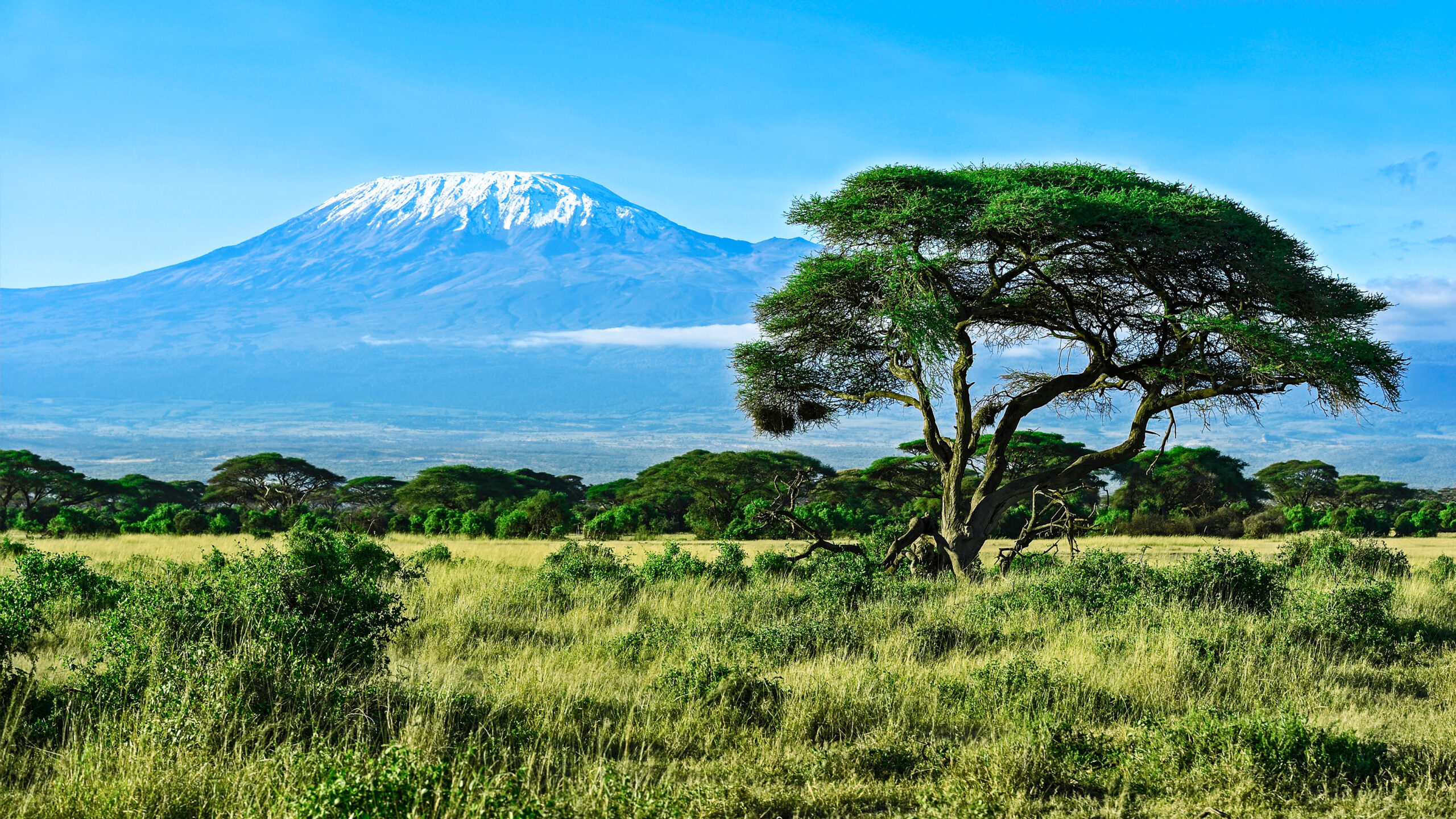
Mount Kilimanjaro
Best for: Best overall non-technical big mountain
Kilimanjaro is the benchmark for how serious a non-technical mountain can be. Standard routes require no rock-climbing system, but altitude, cold, multi-day fatigue and the summit-night pace make it a genuine expedition. It ranks first because it delivers enormous mountain scale without requiring technical climbing skills.
Mount Fuji
Best for: Best iconic first international summit
Fuji’s main-season trails are established, heavily traveled and non-technical, yet the mountain still teaches altitude pacing, early starts, cold-weather layering and summit-day discipline. It is one of the cleanest first international mountain experiences for a fit hiker.
Jebel Toubkal
Best for: Best short high-altitude trek
Toubkal combines a straightforward summer route, a refuge-based itinerary and genuine 4,000-metre altitude within easy reach of Marrakech. In winter it becomes a snow-and-crampon mountain, so its non-technical ranking applies to normal dry-season trekking conditions.
Mount Kosciuszko
Best for: Easiest famous continental high point
Kosciuszko is the easiest globally famous summit in the ranking. Summer routes are maintained walking tracks rather than climbs. It earns a high ranking because it is accessible, scenic and part of the Seven Summits story—not because it is physically hard.
Mount Whitney
Best for: Best U.S. high-altitude trail summit
The Mount Whitney Trail reaches the highest point in the contiguous United States without technical climbing in normal summer conditions. The challenge is distance, nearly 6,000 feet of ascent, permit logistics and altitude—not ropes or exposed rock moves.
Mulhacén
Best for: Best high summit in mainland Spain
Mulhacén is mainland Spain’s highest mountain and a superb example of a summit whose difficulty comes from elevation, distance and weather rather than technical terrain. Summer approaches range from shorter high starts to longer village-based trekking itineraries.
Ben Nevis
Best for: Best UK high-point hike
The Mountain Track is non-technical but should never be called easy. Navigation above the cloud line, rain, wind and rapid temperature change create the real challenge. Ben Nevis is an excellent introduction to the difference between simple terrain and serious mountain weather.
Mount Kinabalu
Best for: Best tropical high-altitude summit
Kinabalu combines rainforest, mountain huts and a granite summit plateau in a highly organized trekking format. The normal summit trail is non-technical; optional via ferrata products are a separate activity and are not part of this ranking.
Pico del Teide
Best for: Best Atlantic island high summit
Teide offers a remarkable high-altitude volcanic landscape with cable-car and hiking options. The summit path itself is hiking terrain in normal conditions, but access rules and volcanic weather deserve more attention than the short final distance suggests.
Mount Taranaki
Best for: Best serious summer volcano hike
Taranaki is non-technical only in appropriate summer conditions. The route is steep, loose and exposed to rapidly changing maritime weather; winter transforms the mountain into an alpine objective. It ranks highly because it feels like a real summit while still remaining a hike in season.
Table Mountain
Best for: Best city-to-summit mountain
Table Mountain’s Platteklip Gorge route is a steep hiking trail rather than a technical climb. Its combination of Cape Town access, weather, heat, scenery and immediate summit reward makes it one of the world’s best first major urban mountain hikes.
Yr Wyddfa / Snowdon
Best for: Best Welsh summit progression
Several established walking routes reach the highest point in Wales without technical climbing. The mountain is ideal for learning route choice, wind and visibility management before moving into rougher British mountain terrain.
Scafell Pike
Best for: Best England high-point hike
England’s highest summit is reached by walking routes, but rough rock, poor visibility and navigation errors make it a more serious day than the modest elevation suggests. It belongs here as a classic progression from maintained trails into real mountain walking.
Carrauntoohil
Best for: Best Irish high summit
Carrauntoohil’s common approaches are hiking and scrambling terrain rather than roped climbing. Wet rock, steep ground and cloud are the central hazards, making it a strong lesson in why non-technical does not equal low consequence.
Mount Elbert
Best for: Best first high Colorado 14er
Colorado’s highest mountain is reached by established Class 1 hiking routes. Altitude, thunderstorms and long vertical gain are the challenge. Elbert is a logical first high summit for a strong hiker who wants to experience 14,000 feet without technical terrain.
Pikes Peak
Best for: Best ultra-long non-technical day
Barr Trail is unusually long for a non-technical summit route and creates a major endurance challenge. Highway and cog-rail access add logistical options, but hikers should treat the full trail as a genuine high-altitude mountain day rather than a tourist walk.
Quandary Peak
Best for: Best first popular Colorado 14er
Quandary’s standard route is one of Colorado’s classic first-fourteener hikes. It is still high, exposed to weather and crowded enough that trailhead and wildlife management matter. The summit is a useful bridge between ordinary hiking and high-altitude peak bagging.
Mount Bierstadt
Best for: Best short first-season 14er
Bierstadt is a strong introductory 14er because the standard route is relatively short and technically straightforward. The final boulder section and altitude are enough to make it feel like a real summit without requiring climbing systems.
Humphreys Peak
Best for: Best Arizona altitude hike
Arizona’s high point rises through forest to an exposed alpine ridge. The route is a trail hike, but wind, altitude and lightning can make the upper mountain serious. It is a strong step before attempting longer 14,000-foot walk-ups.
Guadalupe Peak
Best for: Best desert state-highpoint hike
Texas’s high point is a straightforward trail hike with substantial vertical gain. Heat, wind and water management replace snow and altitude as the central planning problems, making it a useful contrast to alpine non-technical peaks.
Mount Washington
Best for: Best weather-skills hike
Mount Washington is famous because its weather can be disproportionately severe for its elevation. Summer hiking routes require no technical climbing, but wind, cold rain and poor visibility make it a powerful training mountain for conservative decision-making.
Mount Monadnock
Best for: Best classic first summit
Monadnock is one of the most useful true beginner peaks in the ranking: short enough for a first summit, rocky enough to feel mountainous, and popular enough that route information is abundant.
Lassen Peak
Best for: Best California volcano walk-up
Lassen’s summer trail climbs a real Cascade volcano without the glacier and snow systems of Shasta, Rainier or Hood. Snow early in the season changes that equation, so the non-technical classification is seasonal.
Wheeler Peak
Best for: Best New Mexico summit
New Mexico’s high point is a long but straightforward trail summit in summer. Altitude and thunderstorms are the key problems, making it an excellent non-technical introduction to 13,000-foot hiking.
Mauna Kea
Best for: Best sea-island altitude contrast
Mauna Kea’s summit area is accessible by road, but hiking from lower visitor facilities turns it into a serious altitude outing. The terrain is non-technical; cultural sensitivity, altitude and rapidly changing high-elevation weather matter more.
Pico Duarte
Best for: Best Caribbean high-point trek
The Caribbean’s highest summit is reached by long non-technical trails, commonly over multiple days. Heat, rain, mud and total distance define the experience rather than technical climbing.
Cerro Chirripó
Best for: Best Central American national-park trek
Costa Rica’s highest point is a demanding but non-technical trail summit. The normal itinerary combines humid lower forest, cooler high-elevation terrain and a long final summit day.
Acatenango
Best for: Best volcano-camping experience
Acatenango is famous for its views of erupting Volcán Fuego. The standard trip is a steep non-technical trek, usually with an overnight camp. Altitude, loose volcanic terrain and cold summit conditions are the real difficulties.
Tajumulco
Best for: Best Central American high point
The highest mountain in Central America is a non-technical volcano trek in normal dry conditions. Its altitude is meaningful even though the route is walking terrain.
Nevado de Toluca
Best for: Best high-altitude Mexican hike
Toluca provides serious altitude with trail and ridge hiking around a spectacular crater. Snow or ice can make the mountain technical, so this ranking applies to stable dry-season hiking conditions on appropriate routes.
Mount Roraima
Best for: Best otherworldly trekking summit
Roraima is less about a single summit point than the journey onto its vast tepui plateau. The standard trekking approach is non-technical, but remoteness, rain, mud and multi-day logistics make it a genuine expedition-style hike.
Pico da Bandeira
Best for: Best southeastern Brazil high hike
One of Brazil’s highest summits, Pico da Bandeira is reached by established hiking trails and is often climbed for sunrise. The mountain delivers altitude and mountain atmosphere without technical climbing.
Mount Damavand
Best for: Highest non-glaciated-style trek in the ranking
Damavand’s standard summer route is technically straightforward but extremely high. Altitude, sulfur exposure near the summit, cold and current travel/access realities make it unsuitable for beginners despite the walking terrain.
Tochal
Best for: Best Tehran-accessible summit
Tochal rises directly above Tehran and can be approached by long hiking routes or partially assisted by lifts. In summer it is a non-technical high summit; winter turns the mountain into a snow objective.
Mount Pulag
Best for: Best Philippines sunrise summit
Pulag is known for grassland ridges and a sea-of-clouds sunrise. Standard routes are trekking terrain, though weather, mud and local permit/guide systems still require planning.
Mount Apo
Best for: Best Philippines high-point expedition
The Philippines’ highest mountain is a multi-day hiking objective through forest, volcanic terrain and high ridges. It is non-technical on standard trekking routes but more committing than its elevation alone suggests.
Mount Rinjani
Best for: Best Indonesian multi-day volcano trek
Rinjani is one of Southeast Asia’s classic trekking mountains. The route is walking terrain, but extreme scree, steep ascent, long days and exposed volcanic landscape make it physically hard.
Mount Batur
Best for: Best first volcano sunrise hike
Batur is the opposite end of the Indonesian spectrum from Rinjani: short, popular and accessible. It ranks lower overall because the summit challenge is modest, but it is an excellent first volcanic hike.
Fansipan
Best for: Best Vietnam high-point trek
Fansipan can be reached by cable car, but trekking routes still offer a substantial humid mountain journey. The summit route is non-technical in normal conditions and useful for travelers who want a high Southeast Asian objective without climbing systems.
Hallasan
Best for: Best organized East Asian summit hike
Hallasan’s summit routes are maintained hiking trails with strong national-park infrastructure. Seasonal weather and time cutoffs matter, but the terrain itself makes it one of the cleanest non-technical summits in East Asia.
Yushan / Jade Mountain
Best for: Best Taiwan high summit
Yushan’s normal hiking route reaches nearly 4,000 metres without roped climbing. Permits, altitude, early starts and steep trail sections create the planning challenge.
Mount Wilhelm
Best for: Best Papua New Guinea high point
Mount Wilhelm is a remote trekking summit rather than a technical climb on its standard route. Weather, remoteness, slippery terrain and altitude make it far more serious than a maintained tourist trail.
Mount Bogong
Best for: Best Australian Alps progression hike
Victoria’s highest mountain is a long summer bushwalk with meaningful vertical gain. In winter it becomes a navigation and snow problem, so its non-technical status belongs to summer conditions.
Pico Ruivo
Best for: Best island-ridge hiking summit
Madeira’s highest point is linked by dramatic maintained paths and tunnels through steep volcanic terrain. The trail is non-technical, but exposure, wind and wet surfaces deserve respect.
Mount Vesuvius
Best for: Best famous easy volcano
Vesuvius is more geological experience than major mountain challenge, but its iconic crater, access and historic significance make it one of the best easy volcano summits for travelers.
Mount Etna
Best for: Best active-volcano trekking experience
Etna offers hiking and guided high-crater experiences on a constantly changing active volcano. Route access can be restricted by eruptions, gases or civil-protection rules, so ‘non-technical’ does not mean self-directed access is always appropriate.
Point Lenana, Mount Kenya
Best for: Best African trekking peak below Kilimanjaro
Point Lenana is the trekking summit of Mount Kenya; Batian and Nelion are technical rock climbs and are not included here. Lenana offers a superb high-altitude hut/camp trek, but occasional ice or snow can change equipment needs.
Mount Meru
Best for: Best Kilimanjaro acclimatization mountain
Meru is commonly used before Kilimanjaro because it delivers altitude, refuge/camp rhythm and a dramatic summit ridge in a shorter trip. The normal trekking route is non-technical in ordinary conditions but more exposed than Kilimanjaro’s main trails.
Ras Dashen
Best for: Best Ethiopian high-point trek
Ras Dashen combines the Simien Mountains landscape with a high non-technical summit. The standard journey is a trek rather than a climb, though remoteness, logistics and regional travel conditions require current verification.
Pen y Fan
Best for: Best low-risk mountain starting point
Pen y Fan is intentionally last, not because it is poor, but because the ranking grows from simple mountain walking to huge high-altitude treks. It is an excellent place to build pacing, weather habits and summit confidence before moving onto longer British or international objectives.
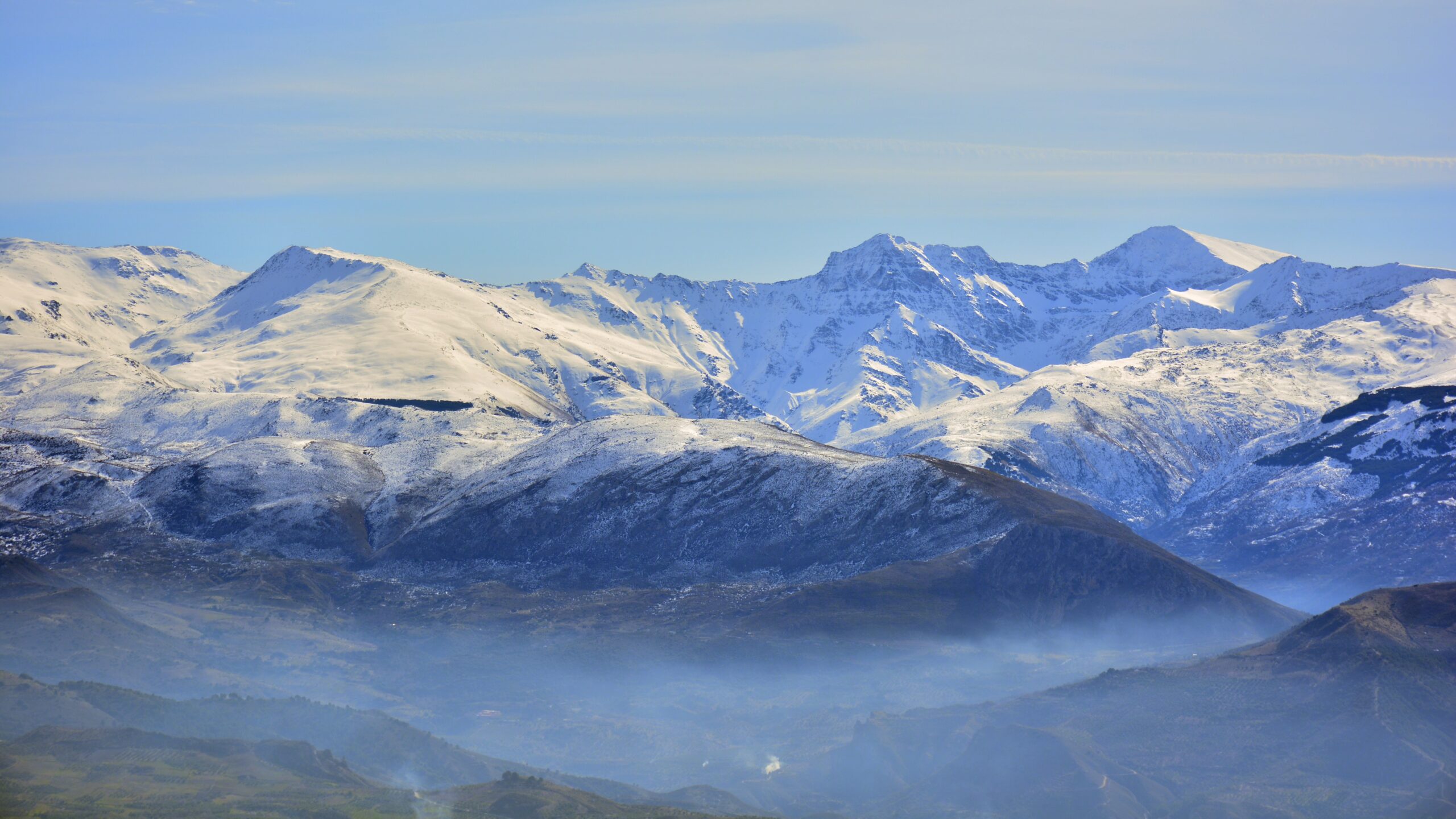
Mulhacén, Toubkal and Ben Nevis Teach Three Different Versions of Mountain Walking.
Altitude, weather and route length can each make a mountain serious even when no climbing rope appears in the pack.
Best Regions for Non-Technical Mountain Trips
A cluster trip often gives better progression than flying across the world for one summit.
Kilimanjaro + Meru + Toubkal
Build from shorter altitude trekking into a genuine multi-day 5,895 m expedition.
Africa’s highest peaks →Fuji + Japanese hiking
Use Fuji as the high summit anchor, then explore lower Japanese Alps hiking before adding technical alpine routes.
Japanese mountain guide →Kosciuszko + Bogong + Taranaki
Excellent summer hiking progression with strong seasonal boundaries: winter changes the equipment equation.
Oceania peaks →Elbert + Quandary + Bierstadt + Pikes
One of the world’s best collections of high non-technical summit trails for learning altitude.
Colorado 14ers →Batur + Rinjani
Progress from a short sunrise volcano hike to one of Southeast Asia’s most demanding non-technical multi-day treks.
Indonesian volcanoes →Choose the region before the peak
Climate, travel time and season can matter more than a two-position difference in this ranking.
Best hiking regions →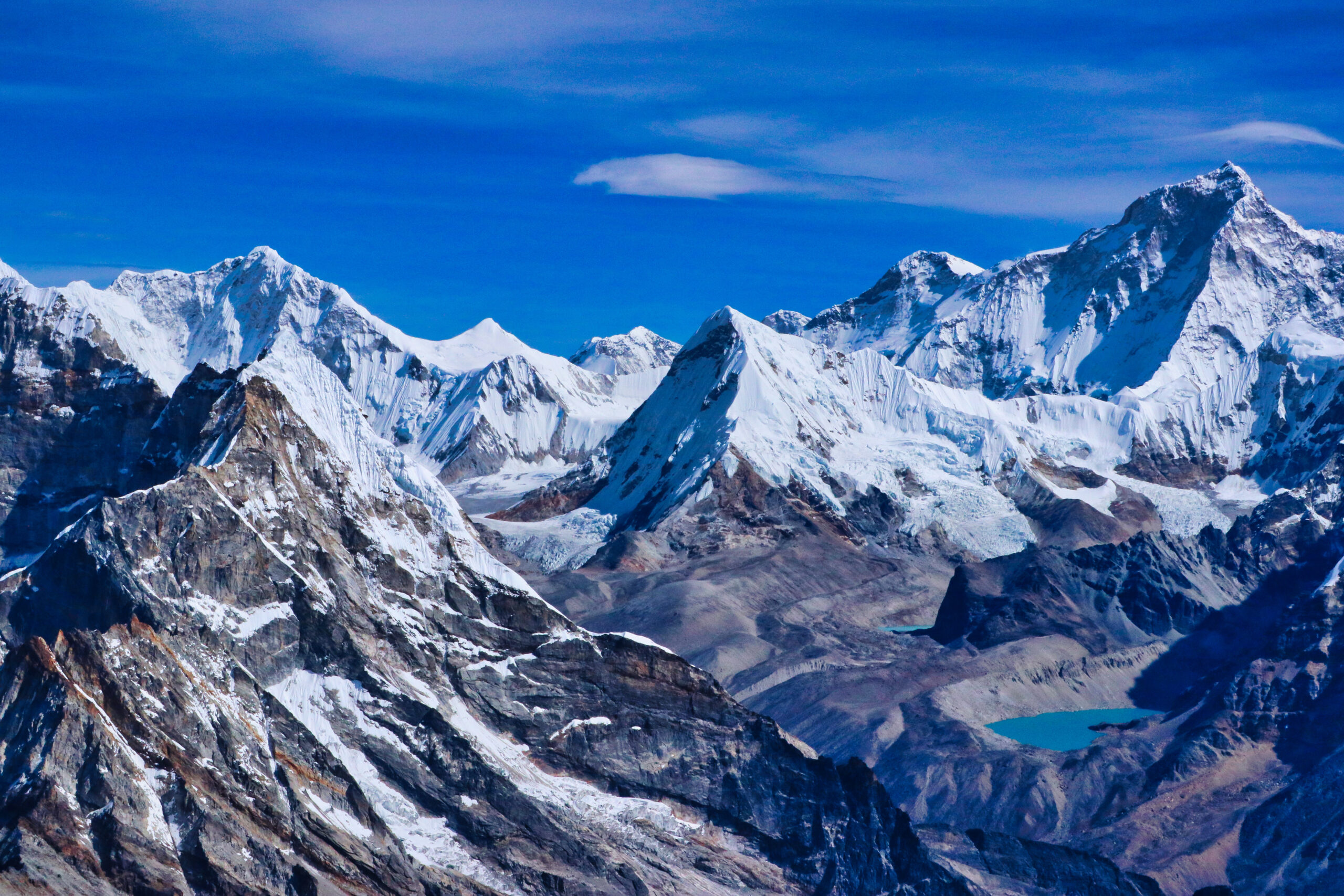
A Class 1 Trail at 14,000 Feet Is Not the Same as a Local Hill Walk.
Altitude, 5,000-foot days, thunderstorms and long descents are enough to make Colorado’s walk-up fourteeners serious progression mountains.
Continue Your Progression
These guides answer the three questions this 50-peak list should not duplicate: where to begin, when to add snow skills, and where to travel.
Best Mountains for Beginner Climbers
A smaller shortlist for hikers who do not need 50 choices yet.
Add the next skillFirst Unguided Snow Climb
Move beyond dry trails only after learning seasonal snow equipment and judgment.
Choose a destinationBest Hiking Regions in the World
Plan a mountain trip around a region with multiple worthwhile hikes rather than one summit.
Related Planning Resources
This page owns the 50-peak non-technical ranking. Use the linked hubs for regional depth, skills, altitude and mountain selection.
All Mountain Guides
Browse the complete mountain library.
Decision toolWhich Mountain Should You Climb?
Filter by experience and objective type.
CollectionSeven Summits
Kosciuszko and Kilimanjaro show the non-technical edge of the continental challenge.
USAGreatest Mountains in the USA
Compare hiking peaks with technical U.S. objectives.
Decision skillMountain Weather
Non-technical terrain still requires weather judgment.
AltitudeAcclimatization Explained
Use physiology, not technical grade, to judge high trekking peaks.
PlanningTrip Planning Hub
Permits, insurance, timing, travel and logistics.
DifficultyMountain Difficulty Ratings
Separate trail class from altitude, exposure, remoteness and consequence.
How the 50 Peaks Were Ranked
The ranking prioritizes mountain experience and progression, not just which trail is easiest.
Ranking factors
- Non-technical integrity: the primary seasonal route does not normally require rope or glacier systems.
- Mountain quality: scenery, summit character and sense of achievement.
- Progression value: what the mountain teaches before a harder objective.
- Global significance: high points, famous volcanoes and culturally important summits receive weight.
- Accessibility: reliable public route information and realistic travel logistics matter.
Known limits
- Winter can invalidate a non-technical classification.
- Volcano closures can change without notice.
- Trail permits and guide rules are time-sensitive.
- Some mountains have technical alternate routes even when the listed normal route is a hike.
- Altitude can make an easy trail medically serious.
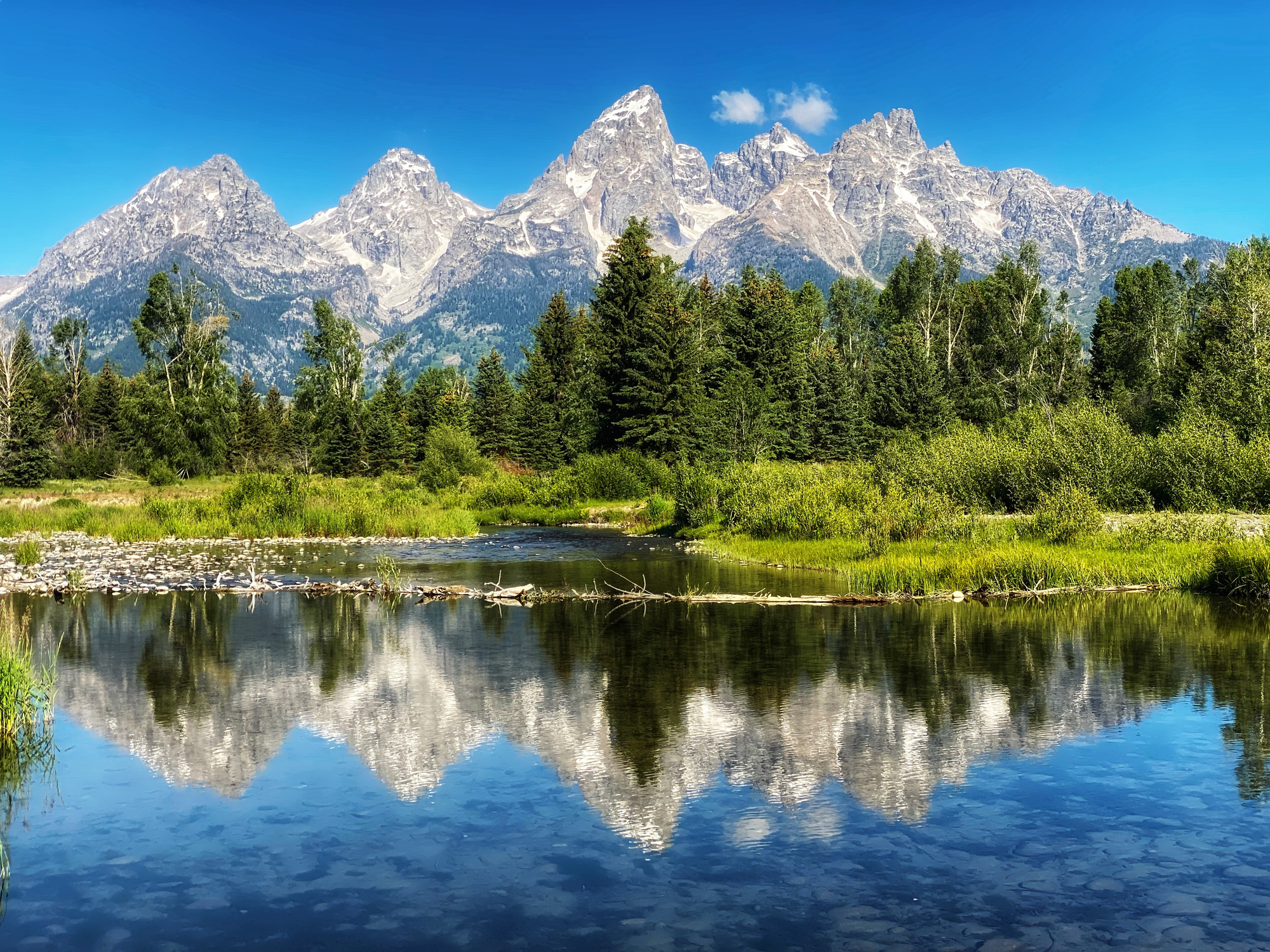
The Next Mountain Should Add One New System—not Five.
Once ropes, technical rock, glacier travel or steep snow become part of the normal route, move into the appropriate mountaineering progression instead of stretching the definition of “non-technical.”
Frequently Asked Questions
Direct answers to the questions that define whether a mountain belongs on this list.
What does non-technical mountain mean?
In this guide, non-technical means the normal route can ordinarily be completed in its primary hiking season without ropes, pitched rock climbing, glacier travel or mandatory crampon technique. It does not mean the mountain is easy, safe, low-altitude or suitable in winter.
What is the best non-technical mountain to climb?
Kilimanjaro is the best overall non-technical big mountain because it delivers a true multi-day high-altitude expedition without requiring technical climbing skills. Mount Fuji is the strongest iconic first international summit, and Kosciuszko is the easiest famous continental high point.
What is the easiest mountain on the list?
Mount Kosciuszko and Pen y Fan are among the easiest terrain-wise. Difficulty still changes with weather, route choice and season.
What is the highest non-technical mountain on this list?
Mount Kilimanjaro at 5,895 m is the highest peak in this ranking. Mount Damavand at about 5,610 m is another very high walking-route mountain in normal summer conditions.
Can a non-technical mountain become technical?
Yes. Snow, ice, winter weather, route changes or a different summit line can transform a hiking route into a mountaineering objective. Toubkal, Taranaki, Bogong, Teide, Toluca and several others are good examples.
Why are Mount Rainier and Mount Hood not on this list?
Their normal summit routes are mountaineering routes involving snow, glacier or steep-snow systems where crampons, ice axes, rope teams or other technical skills are commonly part of the standard climb. They are excellent mountains, but they do not fit this page's non-technical boundary.
Is Kilimanjaro really non-technical?
Yes on its standard trekking routes in the climbing-technical sense: it does not require roped rock or glacier climbing. It is still physically and medically serious because of rapid altitude gain, cold and multi-day fatigue.
Which peak is best for a first high-altitude trek?
Toubkal, Mount Fuji and Mount Elbert are strong intermediate steps. Kilimanjaro is a larger commitment but is often the best first multi-day high-altitude expedition for a well-prepared trekker.
Do I need a guide for non-technical peaks?
Sometimes. A route can be technically straightforward while local law, park rules, remoteness or logistics make a guide mandatory or strongly advisable. Always verify current rules for the exact mountain and season.
How should I progress from hiking into mountaineering?
Move from maintained trail summits to longer non-technical mountains, then to seasonal snow objectives, then to a formal first glacier climb. Build navigation, weather judgment and emergency skills before adding technical terrain.
You Can Build Years of Mountain Experience Before You Ever Need a Rope.
Use Kosciuszko, Fuji, Toubkal, Whitney, Colorado’s walk-up 14ers and Kilimanjaro as a progression—not a checklist. When dry trails stop teaching you enough, add snow skills deliberately and then move toward glacier or technical alpine objectives.
Which Non-Technical Mountain Should You Climb?
Use this matrix when the full ranking gives you too many good choices. Every mountain below is classified only by its normal hiking-season route. “Non-technical” means ropes, pitched rock climbing and glacier travel are not normally required—it does not mean easy, safe or suitable in winter.
How to read the comparison
Difficulty combines altitude, endurance, terrain, weather and trip commitment—not technical climbing grade.
Typical trip is a broad planning window, not a guaranteed route time.
Cost / access: Low = ordinary day-hike logistics; Moderate = permits, reservations, transport or common guide requirements; High = multi-day, remote or normally guided expedition logistics.
50 Best Non-Technical Mountains Compared
The ranking order stays exactly the same as the main list above. This table adds the decision variables readers need to turn the ranking into an actual trip.
| # | Mountain | Difficulty | Typical Trip | Cost / Access | Season Boundary | Best For |
|---|---|---|---|---|---|---|
| 1 | Mount Kilimanjaro | Very Hard | 6–9 days | High · guided expedition | Altitude and weather, not technical terrain | Best overall non-technical big mountain |
| 2 | Mount Fuji | Moderate | 1–2 days | Moderate · seasonal access system | Official climbing season matters | Best iconic first international summit |
| 3 | Jebel Toubkal | Hard | 2–4 days | Moderate · refuge / local logistics | Winter snow changes the equipment equation | Best short high-altitude trek |
| 4 | Mount Kosciuszko | Easy | Half–1 day | Low · developed access | Summer hiking classification | Easiest famous continental high point |
| 5 | Mount Whitney | Hard | 1–2 days | Moderate · permit competition | Snow can make the standard trail technical | Best U.S. high-altitude trail summit |
| 6 | Mulhacén | Moderate–Hard | 1–2 days | Low–Moderate · trailhead choice matters | Dry-season hiking classification | Best high summit in mainland Spain |
| 7 | Ben Nevis | Moderate | 1 day | Low · straightforward access | Winter is a mountaineering objective | Best UK high-point hike |
| 8 | Mount Kinabalu | Hard | 2 days | High · permit, guide and lodging system | Park rules and weather control access | Best tropical high-altitude summit |
| 9 | Pico del Teide | Moderate | Half–1 day | Moderate · permit / cable-car options | Snow, wind and access restrictions matter | Best Atlantic island high summit |
| 10 | Mount Taranaki | Hard | 1 day | Low · simple access, serious mountain | Summer only for this classification | Best serious summer volcano hike |
| 11 | Table Mountain | Moderate | Half–1 day | Low · city access | Heat, wind and cloud matter | Best city-to-summit mountain |
| 12 | Yr Wyddfa / Snowdon | Moderate | 1 day | Low · multiple walking routes | Winter conditions change classification | Best Welsh summit progression |
| 13 | Scafell Pike | Moderate | 1 day | Low · normal hiking logistics | Cloud and winter conditions increase seriousness | Best England high-point hike |
| 14 | Carrauntoohil | Moderate–Hard | 1 day | Low · route choice important | Wet rock and winter conditions matter | Best Irish high summit |
| 15 | Mount Elbert | Hard | 1 day | Low · trail access | Summer trail; snow changes requirements | Best first high Colorado 14er |
| 16 | Pikes Peak | Hard | 1 long day | Low–Moderate · multiple access options | Winter snow changes the hike | Best ultra-long non-technical day |
| 17 | Quandary Peak | Hard | 1 day | Moderate · trailhead management | Summer-route classification | Best first popular Colorado 14er |
| 18 | Mount Bierstadt | Moderate–Hard | 1 day | Low–Moderate · popular trailhead | Snow and ice change the final boulders | Best short first-season 14er |
| 19 | Humphreys Peak | Moderate–Hard | 1 day | Low · established trail | Wind, lightning and winter snow matter | Best Arizona altitude hike |
| 20 | Guadalupe Peak | Moderate–Hard | 1 day | Low · national-park access | Heat and wind dominate planning | Best desert state-highpoint hike |
| 21 | Mount Washington | Hard | 1 day | Low · developed access | Weather can make easy terrain dangerous | Best weather-skills hike |
| 22 | Mount Monadnock | Easy–Moderate | Half–1 day | Low · beginner-friendly logistics | Normal three-season hiking | Best classic first summit |
| 23 | Lassen Peak | Moderate | Half–1 day | Low · national-park access | Early-season snow can require snow skills | Best California volcano walk-up |
| 24 | Wheeler Peak | Moderate–Hard | 1 day | Low · established trail | Summer high-trail classification | Best New Mexico summit |
| 25 | Mauna Kea | Hard | 1 day | Low–Moderate · road access changes trip style | High-elevation weather remains serious | Best sea-island altitude contrast |
| 26 | Pico Duarte | Moderate–Hard | 2–3 days | Moderate · multi-day trail logistics | Rain and mud influence difficulty | Best Caribbean high-point trek |
| 27 | Cerro Chirripó | Hard | 2–3 days | Moderate · park reservations | Weather and park access matter | Best Central American national-park trek |
| 28 | Acatenango | Hard | 2 days | Moderate · commonly guided / camped | Volcanic and weather status must be checked | Best volcano-camping experience |
| 29 | Tajumulco | Moderate–Hard | 1–2 days | Moderate · local transport / guide logistics | Dry conditions preferred | Best Central American high point |
| 30 | Nevado de Toluca | Moderate | Half–1 day | Low–Moderate · road / park access | Snow or ice can make routes technical | Best high-altitude Mexican hike |
| 31 | Mount Roraima | Hard | 6–8 days | High · remote multi-day logistics | Rain, mud and access conditions matter | Best otherworldly trekking summit |
| 32 | Pico da Bandeira | Moderate | 1–2 days | Low–Moderate · park logistics | Weather / trail status | Best southeastern Brazil high hike |
| 33 | Mount Damavand | Very Hard | 3–5 days | High · altitude and travel logistics | Summer walking route only | Best very-high non-glaciated-style trek |
| 34 | Tochal | Hard | 1–2 days | Low–Moderate · city / lift access | Winter becomes a snow objective | Best Tehran-accessible summit |
| 35 | Mount Pulag | Moderate | 1–2 days | Moderate · permits / guide system | Rain, mud and local rules matter | Best Philippines sunrise summit |
| 36 | Mount Apo | Hard | 2–3 days | Moderate–High · multi-day local logistics | Trail and park status must be checked | Best Philippines high-point expedition |
| 37 | Mount Rinjani | Very Hard | 2–4 days | High · permit / guide / camp logistics | Volcanic and park status matter | Best Indonesian multi-day volcano trek |
| 38 | Mount Batur | Easy–Moderate | Half day | Moderate · organized tourist access | Weather / volcanic status | Best first volcano sunrise hike |
| 39 | Fansipan | Moderate–Hard | 1–2 days | Moderate · trail / cable-car options | Wet-season trail conditions matter | Best Vietnam high-point trek |
| 40 | Hallasan | Moderate | 1 day | Low · organized national-park trails | Time cutoffs and winter conditions | Best organized East Asian summit hike |
| 41 | Yushan / Jade Mountain | Hard | 2 days | Moderate · permit / hut logistics | High-elevation weather matters | Best Taiwan high summit |
| 42 | Mount Wilhelm | Hard | 2–3 days | High · remote access | Weather and slippery terrain | Best Papua New Guinea high point |
| 43 | Mount Bogong | Hard | 1 day | Low · summer bushwalk access | Winter becomes a snow-navigation problem | Best Australian Alps progression hike |
| 44 | Pico Ruivo | Moderate | Half–1 day | Low · developed trail network | Wind, wet rock and closures matter | Best island-ridge hiking summit |
| 45 | Mount Vesuvius | Easy | Half day | Moderate · ticketed access | Volcanic / park restrictions | Best famous easy volcano |
| 46 | Mount Etna | Moderate | Half–1 day | Moderate–High · route status / guiding varies | Volcanic restrictions can change quickly | Best active-volcano trekking experience |
| 47 | Point Lenana, Mount Kenya | Hard | 4–5 days | High · multi-day mountain logistics | Snow / ice can change equipment needs | Best African trekking peak below Kilimanjaro |
| 48 | Mount Meru | Hard | 3–4 days | High · park / guided trek logistics | Normal trekking conditions only | Best Kilimanjaro acclimatization mountain |
| 49 | Ras Dashen | Hard | 3–6 days | High · remote travel logistics | Regional access must be checked | Best Ethiopian high-point trek |
| 50 | Pen y Fan | Easy | Half day | Low · simple trail access | Winter weather still changes the day | Best low-risk mountain starting point |
What this table is—and is not
This matrix does not create a second ranking. It summarizes the existing 50-peak order using decision variables that are easier to compare.
- Normal hiking-season route only.
- No mandatory glacier travel or pitched climbing in the listed classification.
- Difficulty includes altitude, endurance, weather and logistics.
- Seasonal snow can invalidate the non-technical classification.
- Access requirements should always be rechecked before booking or travel.
How to verify a mountain before you go
Use this ranking to choose an objective. Then verify the exact route with the relevant national park, land manager, hut or refuge, guide authority and current local conditions. A mountain name alone never guarantees that today’s route is still non-technical.
Global Summit Guide mountain pages are used for deeper route, altitude, seasonal and planning context where a dedicated child guide exists.
Start With These Five Non-Technical Mountain Guides
These are the strongest child guides behind the top of the ranking. Each owns the route-specific planning that this 50-mountain comparison should not duplicate.
Was this helpful?
🏔Related guides
🧭Explore & compare
Global Summit Guide is an independent mountaineering resource founded in 2026. The team combines first-hand trekking and climbing experience with in-depth research and professional health and nutrition review to help climbers choose objectives, prepare properly, and stay safe.
Health, altitude, and nutrition content is reviewed by Taylor Ludlow (Registered Nurse) and Brigg Hoopes (Nutritionist).
What We Don't Know Yet
Mountain information changes quickly. This box explains the limits of what this page can responsibly promise.
- Weather, snowpack, avalanche risk, road access, and route conditions can change quickly and may be different on your climbing dates.
- Route conditions, trailhead access, crevasse exposure, stream crossings, and rescue access may vary from published planning guidance.
- Gear requirements can change by season, route variation, weather window, personal cold tolerance, and guide-service requirements.
- Fitness and altitude response vary by person; no guide, itinerary, or training plan can guarantee acclimatization or summit success.
- Visa, passport, vaccination, border, insurance, and local transportation rules may change before your trip.
Verify current conditions with official land managers, guide services, local forecasts, and current route reports before booking or climbing.
Mountaineering, rock and ice climbing, glacier travel, and high-altitude activity are inherently dangerous and can result in serious injury or death. The information on Global Summit Guide is provided for general informational and educational purposes only and is not a substitute for professional instruction, qualified guiding, proper equipment, or your own judgment and experience.
Route conditions, weather, snowpack, permits, regulations, and hazards change constantly and may differ from what is described here. Details may be incomplete, out of date, or contain errors. Always verify current information with local authorities, certified guides, and official sources before making any decision in the mountains.
Nothing on this site is medical, legal, or financial advice. Our fitness, acclimatization, altitude, and nutrition content is general in nature; consult a qualified physician before beginning any strenuous exercise program or exposing yourself to high altitude.
You are solely responsible for your own safety and decisions. To the fullest extent permitted by law, Global Summit Guide and its team accept no liability for any loss, injury, damage, or expense arising from use of, or reliance on, this information. By using this site you acknowledge these risks and accept these terms.
Some links on this site may be affiliate links. If you buy through them we may earn a small commission at no extra cost to you; this never affects our recommendations.
Global Summit Guide recommendation path
Next Best Mountain to Research
Use these recommendations to continue the right planning path instead of stopping on one page.
Use current permit, weather, route, and operator information before booking or climbing.
Start Planning Your Next Mountain Adventure
Found a mountain, hiking region or destination worth exploring? Use Expedia to start comparing the flights, places to stay, rental cars and travel options that can turn the idea into a realistic trip.
Explore current travel options for your next destination.
Affiliate disclosure: Global Summit Guide may earn a commission if you book through this link, at no additional cost to you.