
Last updated August 10, 2026
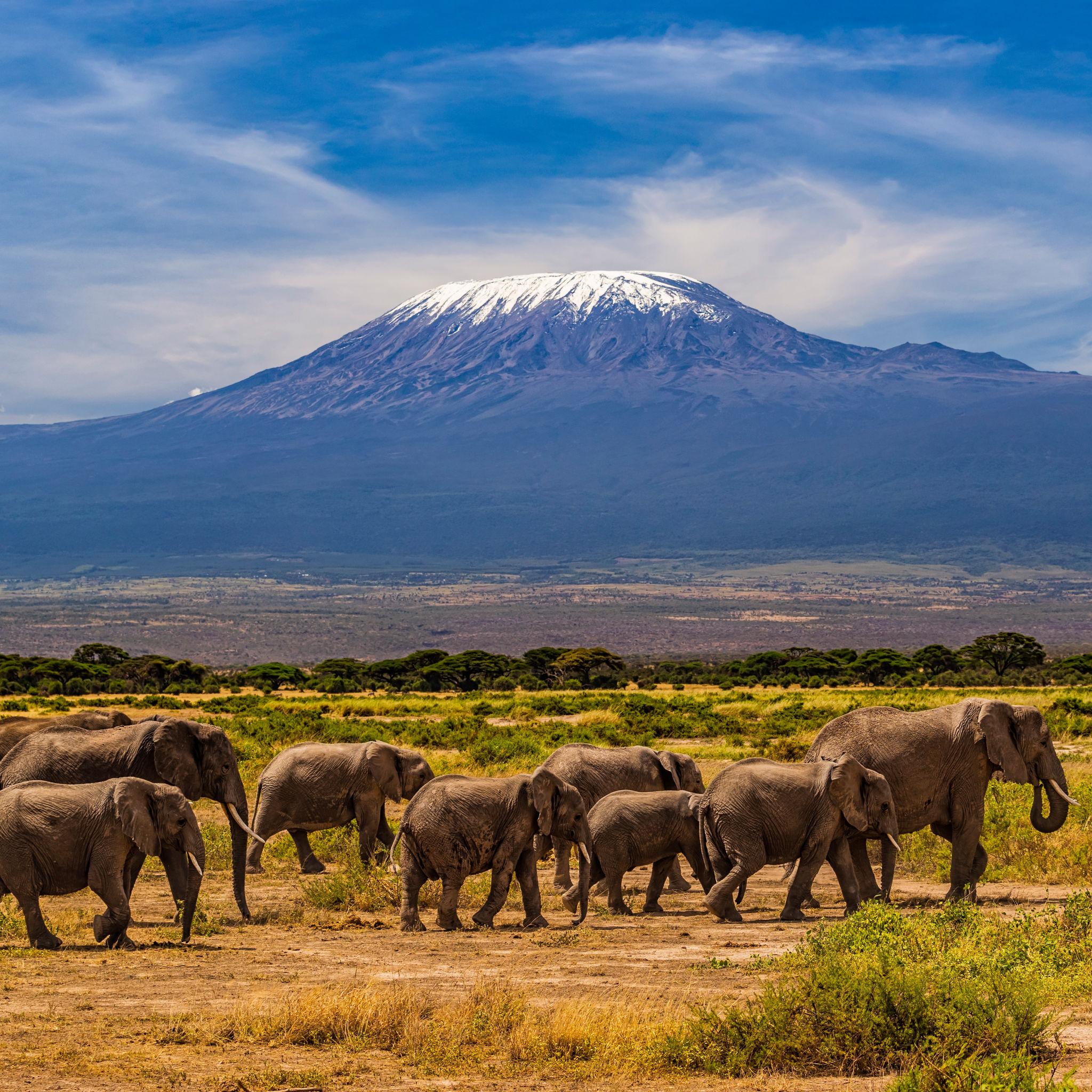
Kilimanjaro: the roof of Africa, and the one we have climbed
Kilimanjaro is the highest peak in Africa, the highest free-standing mountain on Earth, and one of the Seven Summits. On the standard routes it is a non-technical trek, which is exactly why it is underestimated: the challenge is altitude, not terrain. This is the one mountain in this series our own team has summited, so this update is written with first-hand experience. Heights in metres (feet).
Updated 27 July 2026 · Compiled by Travis Ludlow · First-hand experience from Dawson Ludlow · Medical review by Taylor Ludlow, RN
Unlike the other mountains in this series, Kilimanjaro is one our team has climbed: Dawson Ludlow, our Climbing and Mountaineering Lead, reached Uhuru Peak. This update pairs that first-hand experience with current route, cost, and safety research. It is still a planning briefing, not a substitute for a licensed operator, but on this mountain we write from having stood on top.
A trek, not a technical climb – and that is the trap.
Kilimanjaro needs no ropes, crampons, or ice axe on its standard routes. That makes it approachable, and it makes people underestimate it. The real difficulty is altitude: you walk from around 1,800 m to 5,895 m in a handful of days, and thin air, not terrain, turns most people back. The levers you control are the number of days you take, a slow pace, and a good operator.
- Highest in Africa; a Seven Summit.
- Non-technical trek; altitude is the challenge.
- Days on the mountain decide your summit odds.
- Guides and porters are required; ethics matter.
- The one peak here our team has summited.
On this page
What Kilimanjaro involves
A walk-up in name, an altitude endurance test in reality, on the highest free-standing mountain on Earth.
Kilimanjaro rises to 5,895 m at Uhuru Peak, on the Kibo cone, standing alone above the Tanzanian plains as the highest free-standing mountain on Earth and the highest point in Africa. Its standard routes cross four worlds in a few days, from humid rainforest, through moorland and alpine desert, to the arctic cold of the summit. There is no technical climbing, which is why so many attempt it, and why so many underestimate it.
The difficulty is the speed of the ascent. Climbing from around 1,800 m to nearly 5,900 m in a handful of days pushes the body hard, and altitude sickness is the reason most who fail turn back. Success comes down to choosing enough days to acclimatize, walking slowly, pole pole in Swahili, and going with a licensed operator whose team looks after both you and its porters. For the full routes, days, and cost, see our Kilimanjaro climb guide.
Our first-hand take on the climb
This is the one mountain in this series we can write about from the summit, not only from research.
Dawson Ludlow, our Climbing and Mountaineering Lead, reached Uhuru Peak, and that experience shapes how we describe the climb. The lasting lesson is simple: Kilimanjaro is an altitude and endurance test, not a technical one. The walking is steady and achievable for a fit trekker, but the thin air is relentless, and the mountain rewards patience over strength.
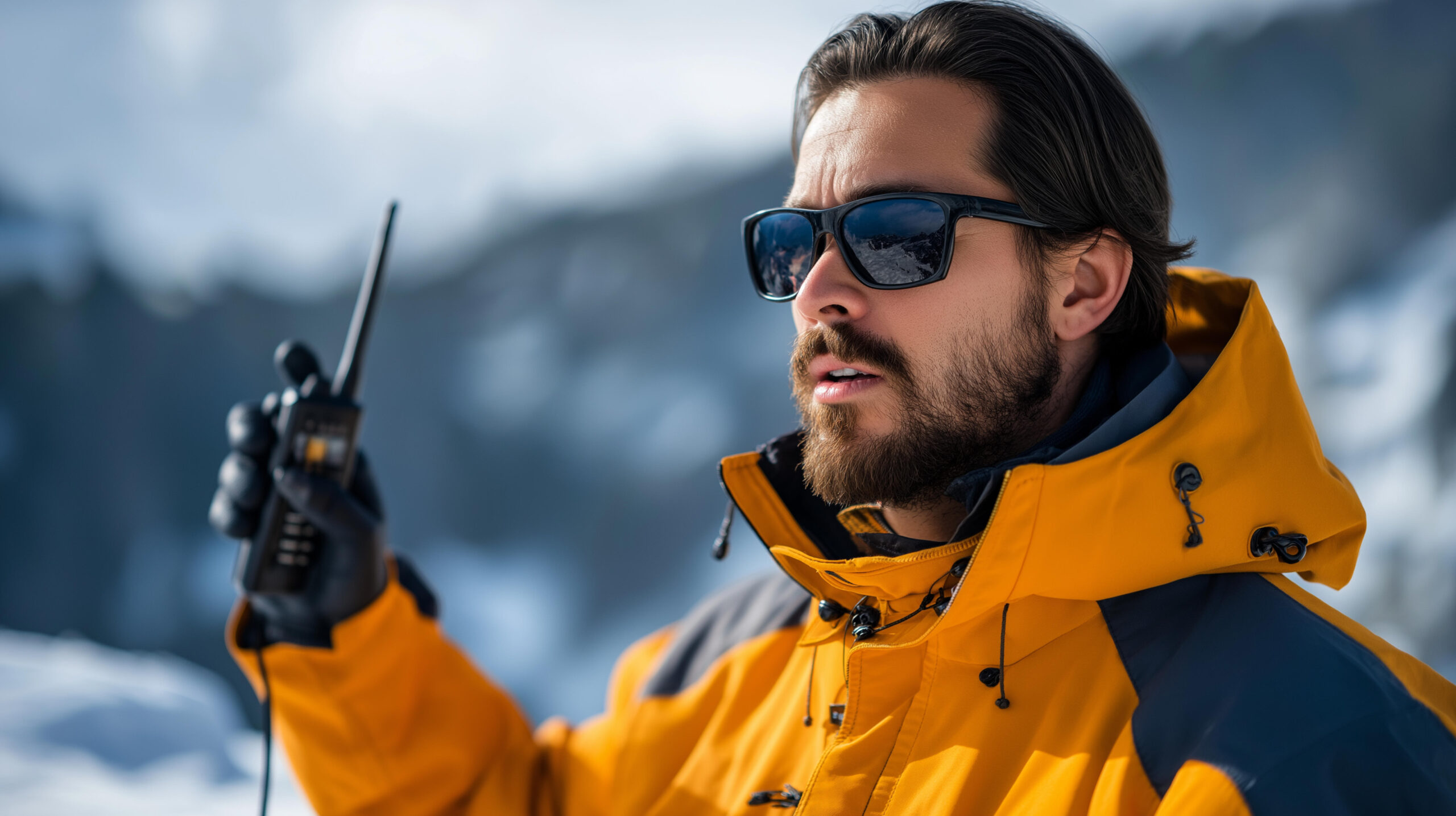
Summit night is the part that surprises people. You leave high camp around midnight, in deep cold, and climb slowly by headlamp up long switchbacks toward the crater rim, aiming to reach Uhuru Peak near dawn. It is cold, dark, and mentally hard, and the pace feels absurdly slow, which is exactly the point. Then comes a very long descent the same day, when tired legs do most of the day’s real work. Our practical takeaways run through this page: take more days than you think you need, go slowly, layer properly for the summit, and choose an operator who will turn you around if altitude sickness sets in.
Why this matters for trust
Across this series we are transparent that our team has not climbed most of these peaks, and we say so plainly. Kilimanjaro is the exception. Where this update speaks about the feel of summit night or the reality of the altitude, it is grounded in having been there, alongside current research reviewed for safety and medical accuracy.
The roof of Africa, above the clouds
From the plains, Kilimanjaro rises nearly five kilometres in a single sweep, its glaciated summit floating above the tropics. Standing on Uhuru Peak at dawn, with the ice fields catching the first light and the shadow of the mountain thrown across Tanzania, is one of the great rewards in trekking, and one worth earning honestly, with the days and the patience the altitude demands.
Are you ready for Kilimanjaro?
You do not need technical skills. You need fitness, respect for altitude, enough days, and the right team.
Long Days On Foot
Kilimanjaro asks for walking fitness and stamina over many days, not ropes or ice skills. Build a base of long hikes with a pack.
Evidence: comfortable multi-day trekking.Respect The Thin Air
The mountain is won or lost on acclimatization. Choose enough days, climb slowly, and know the signs of altitude sickness.
Evidence: prior time at altitude helps.Time Buys Success
Do not rush it. Seven or eight days on the mountain far outperforms a five-day dash for summit odds.
Evidence: a route with real acclimatization.Ethics And Safety
Your operator sets your safety, your acclimatization plan, and how the porters are treated. Choose on quality, not price.
Evidence: a fair-treatment, well-reviewed team.| Requirement | Baseline | Why it matters |
|---|---|---|
| Fitness | Comfortable on long back-to-back hiking days | The climb is a multi-day walk at altitude, not a sprint. |
| Days on the mountain | Seven or eight, not five | More days means better acclimatization and higher success. |
| Pace | Slow and steady, pole pole | Going slowly is the proven way to acclimatize and summit. |
| Altitude awareness | Know the signs of AMS | Recognizing and acting on altitude sickness keeps it safe. |
| Operator | Licensed, fair-treatment, well-reviewed | Safety, acclimatization and porter welfare all ride on this. |
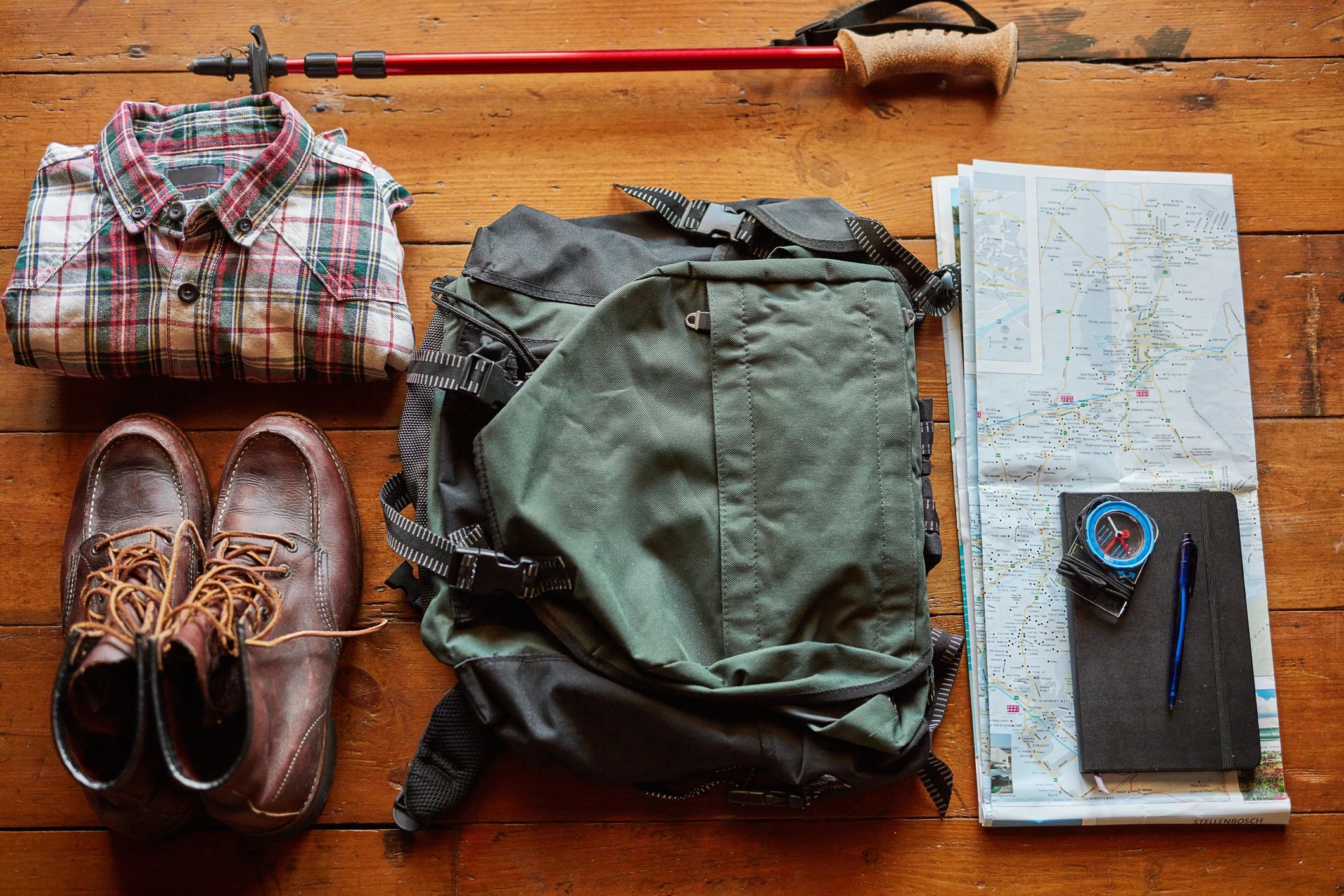
| Kit | Proper cold-weather layers for summit night | Summit night is bitterly cold despite the equatorial setting. |
The one thing worth studying before you go is altitude: our acclimatization guide explains why days and pace, more than fitness alone, decide your summit.
The routes, and why days matter more
The route matters, but the number of days on the mountain matters more for your summit chances.
Machame, Lemosho and the Northern Circuit
The most rewarding way up for most climbers. Machame and Lemosho are scenic camping routes with good acclimatization profiles, and the Northern Circuit is the longest, with among the highest success rates. More days on these routes means better acclimatization and a stronger summit chance.
- Camping routes with strong acclimatization
- Seven to nine days; higher success
- Scenic, varied, and well-supported
- The best odds for most trekkers
Marangu, Rongai and Umbwe
Marangu, the hut route, is often sold as a cheaper, shorter climb, but its short profile gives lower success. Rongai approaches from the drier north. Umbwe is steep and direct, for strong, experienced trekkers. None of the short options acclimatizes as well as a longer camping route.
- Marangu: huts, but often too short
- Rongai: drier northern approach
- Umbwe: steep and demanding
- Shorter profiles mean lower success
| Route | Style and days | Notes |
|---|---|---|
| Lemosho | Camping, 7 to 9 days | Scenic, high success, gradual acclimatization. |
| Machame | Camping, 6 to 7 days | Popular and rewarding; climb-high, sleep-low profile. |
| Northern Circuit | Camping, 8 to 9 days | Longest route; among the highest success rates. |
| Rongai | Camping, 6 to 7 days | Drier northern approach; quieter trail. |
| Marangu | Huts, 5 to 6 days | Often too short; lower success despite the huts. |
The Kilimanjaro climb guide covers each route, day by day, in full.
From rainforest to the roof of Africa
An overview of the climb through Kilimanjaro’s ecological zones, up to the summit and back. For the full detail, see the climb guide.
Moshi / Arusha
The towns below the mountain, reached via Kilimanjaro International Airport.
Lower Slopes
Days one and two climb through lush, humid montane forest.
Heather And Giant Plants
The trail rises into open moorland with Kilimanjaro’s strange flora.
High And Barren
A cold, dry, high-altitude zone leads toward the high camps.
Barafu / Kibo ~4,600 m
The launch point for the midnight summit push.
Midnight Start
A cold, dark, slow climb up scree and switchbacks to the crater rim.
The Roof Of Africa
The highest point in Africa, usually reached around dawn.
Down And Off
A long descent the same day, then out through the forest.
Summit night is the crux
The midnight start from high camp to Uhuru Peak is the hardest part of the whole climb: cold, dark, and slow, at the thinnest air of the trip. Pace, warmth, and a steady head carry you through it far more than raw fitness.
A Kilimanjaro trek timeline
A strong itinerary runs seven or eight days on the mountain, with the extra days spent acclimatizing rather than resting at home.
Arrive in Moshi or Arusha
Fly into Kilimanjaro International Airport, meet the team, and check gear.
Into the rainforest
Start the chosen route, climbing through humid montane forest.
Through the moorland
Gain height into open moorland, walking slowly to acclimatize.
Acclimatization day
On longer routes, climb high and sleep low to prepare the body.
Into the alpine desert
Cross the cold, barren high slopes toward the summit base camp.
Summit night
Start near midnight and climb in the cold to reach Uhuru Peak by dawn.
Descend to a lower camp
Come off the summit and descend far the same day to recover.
Exit and celebrate
Walk out through the forest and return to Moshi.
Cost, and the ethics of porters
On Kilimanjaro, price and ethics are linked: the cheapest climbs are usually cheap because someone on the mountain is being underpaid.
| Component | Figure | Note |
|---|---|---|
| Reputable climb | A few thousand dollars up | Set by route, days, group size, and operator quality. |
| Park fees | Steep and included | Kilimanjaro National Park fees are a large part of any fair price. |
| Guides and porters | Mandatory team | Park rules require a licensed operator with a guide and porters. |
| Porter welfare | A real cost, and a duty | Fair pay, loads, food and gear for porters must be built into the price. |
| Beware the cheapest | A false economy | Rock-bottom prices usually mean cut corners on safety and porters. |
Climb on the backs of well-treated porters
Every Kilimanjaro climb relies on a team of porters carrying loads for modest pay. Fair wages, sensible load limits, proper food, shelter, and gear are the mark of a responsible operator, and the aim of fair-treatment efforts like the Kilimanjaro Porters Assistance Project. Choosing such an operator is part of climbing the mountain well, and it usually signals a safer trip for you too.
Choosing a Kilimanjaro operator
The operator decides your acclimatization plan, your safety on summit night, and how the porters are treated. Choose on quality.
Porters First
Ask if the operator follows recognized fair-treatment standards for porters.
Enough To Acclimatize
A good operator recommends seven or eight days, not the shortest option.
Support On Summit Night
Ask about guide-to-client ratio, oxygen, and pulse-oximeter checks.
Turnaround Culture
The best operators turn people around when altitude sickness appears.
Not A Crowd
Very large groups move slowly and impersonally; ask how big yours is.
Real Track Record
Look for detailed, verifiable reviews rather than only a low price.
Compare the field in our Kilimanjaro operators comparison, and see the wider vetting in how to choose an expedition operator.
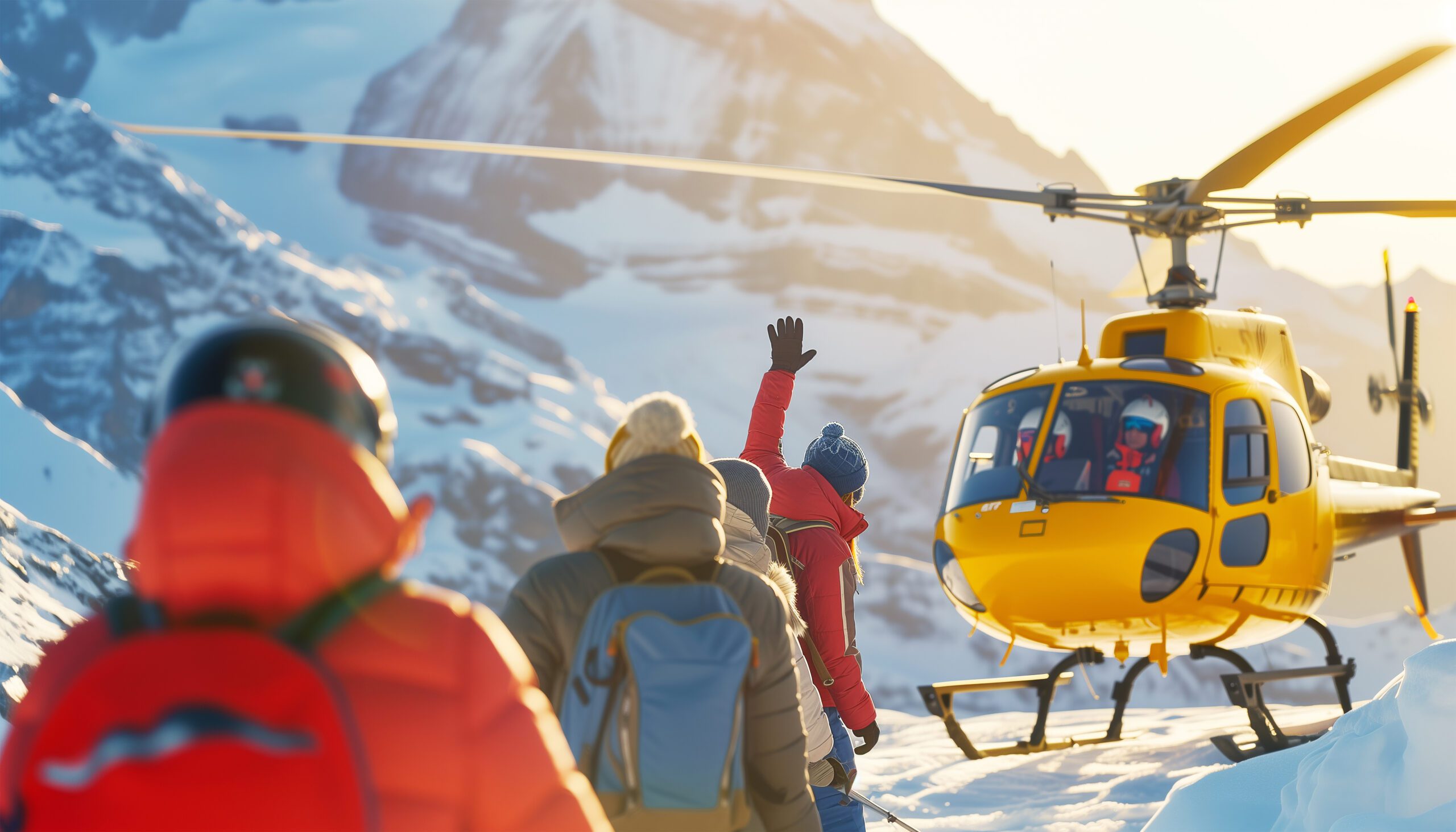
The cure for altitude is down
Kilimanjaro’s danger is not a fall but the thin air. The treatment for serious altitude sickness is immediate descent, which is why a good guide watches for the signs and is willing to turn a client around. Respect the symptoms, tell your guide the truth about how you feel, and never push a headache higher.
Altitude and success, honestly
Kilimanjaro’s risks and its success rate come down to the same thing: how well you manage the altitude.
| Factor | What it is | How to treat it |
|---|---|---|
| Altitude sickness | The real danger | AMS is common; serious forms are rare but can be fatal if ignored. |
| Summit night cold | Bitter despite the equator | Deep cold and wind on the summit push; layers and pace matter. |
| Rushed itineraries | The success killer | Too few days is the most common reason climbers fail to summit. |
| Descent fatigue | Long day down | The summit day is huge; most stumbles happen tired, descending. |
Season and weather
Kilimanjaro is best in its two dry seasons, when skies are clear and the trails are firm.
Prime, Warmer
Clear, warmer, and popular; excellent summit views.
Prime, Drier
The long dry season, cooler and very reliable.
Long Rains
Muddy trails and cloud; best avoided by most climbers.
Short Rains
Wetter and quieter; a gamble on the weather.
Below Freezing
Summit night is bitterly cold in any season.
The vanishing glaciers
The ice that crowns Kilimanjaro is one of its defining sights, and it is disappearing.
Kilimanjaro’s summit glaciers and ice fields have shrunk sharply over the past century, and scientists expect them to largely disappear within the coming decades. For a climber today, the ice near Uhuru Peak is a striking and slightly melancholy sight, a feature that earlier generations of climbers knew as far more extensive. It is a reminder that even the roof of Africa is changing, and a reason many people want to see it while it lasts.
A short history of Kilimanjaro
From an 1889 first ascent to Freedom Peak and a place among the Seven Summits.
The first recorded ascent of Kibo, Kilimanjaro’s highest cone, was made in 1889 by the German geographer Hans Meyer and the Austrian climber Ludwig Purtscheller, guided by the local Yohani Kinyala Lauwo. The highest point was later named Uhuru Peak, uhuru meaning freedom in Swahili, marking Tanzanian independence, and it has stood ever since as a symbol as much as a summit.
In the modern era Kilimanjaro became the African member of the Seven Summits, the highest peak on each continent, and one of the most sought-after treks in the world. Tens of thousands of people now attempt it each year. Its accessibility is a gift and a risk: it welcomes ordinary trekkers to a genuine high-altitude experience, and it punishes those who treat 5,895 m as a casual walk.
Keep planning your climb
Kilimanjaro sits at the start of the Seven Summits for many, with African neighbours and the skills that decide success.
Mount Kenya
A rockier, quieter peak nearby, and a fine acclimatization objective.
Read the update ->The next stepAconcagua
A higher, tougher altitude test, and the next Seven Summit for many.
Read the update ->Choose wellKilimanjaro operators
How to pick a safe, fair-treatment operator for the climb.
Compare operators ->The key skillAltitude acclimatization
Why days and pace, not fitness alone, decide your summit.
Learn the essential ->Kilimanjaro climb guide
The full routes, days, park fees, and cost detail.
->Kilimanjaro operators compared
Fair-treatment, safety-first teams, compared.
->The seven continental highpoints
Where Kilimanjaro fits in the classic quest.
->Altitude acclimatization explained
The single most important key to summiting.
->Mountaineering fitness standards
Preparing your legs and lungs for long high days.
->Mountaineering insurance
Evacuation and rescue cover for altitude.
->Back to the full Expedition Updates dashboard for every mountain we track.
Where Kilimanjaro fits
The Seven Summits, its African neighbours, and the higher altitude tests that come next.
The continental highpoints
Kilimanjaro is the African summit, and often the first climbed.
Open the collection ->AfricaMount Kenya and beyond
The continent’s other great high peaks and acclimatization options.
Read the updates ->The next altitudeAconcagua
Higher and harder, the natural next step after Kilimanjaro.
Read the update ->Kilimanjaro FAQ
The questions climbers ask most about the difficulty, the routes, the ethics, and the season.
How high is Kilimanjaro, and where is it?
Kilimanjaro reaches 5,895 m (19,341 ft) at Uhuru Peak, on the Kibo cone, the highest point in Africa and the highest free-standing mountain on Earth. It stands in Kilimanjaro National Park in northern Tanzania, near the town of Moshi, and is one of the Seven Summits, the highest peak on each continent.
Is Kilimanjaro a technical climb?
No. On the standard routes it is a high-altitude trek, with no ropes, crampons, or ice axe required. That is exactly why it is underestimated: the difficulty is not technical but the altitude. You walk from around 1,800 m to 5,895 m in a matter of days, and altitude, not terrain, is what turns most people back.
How hard is it, really?
Hard in a specific way. The walking is within reach of a fit, determined trekker, but the thin air is relentless: headaches, nausea, and exhaustion are common, and altitude sickness can become dangerous. Summit night, a midnight start in deep cold to reach the crater rim by dawn, is the crux. Our Climbing Lead, Dawson Ludlow, who reached Uhuru Peak, describes it as an endurance and altitude test, not a climb in the technical sense.
Which route should I choose, and how many days?
Days matter more than the route. Longer itineraries acclimatize you better and raise your summit chances, so a seven or eight-day route beats a rushed five-day one. Machame and Lemosho are popular, scenic camping routes with good acclimatization; the Northern Circuit is the longest and has among the highest success rates; Marangu, the hut route, is often short and has lower success. Rongai approaches from the drier north.
What is the summit success rate?
It varies widely by route and days. Rushed five-day trips can see roughly half the group summit, while well-run seven and eight-day itineraries commonly reach 85 to 95 percent. The single biggest lever you control is choosing enough days to acclimatize, followed by a steady, slow pace, pole pole in Swahili.
Do I have to use a guide and porters?
Yes. Park rules require every climber to go with a licensed operator, with guides and a porter team. That makes the ethics of porter treatment a real choice: fair pay, reasonable loads, proper food and shelter, and gear. Choosing an operator that follows fair-treatment standards, such as those promoted by the Kilimanjaro Porters Assistance Project, is part of climbing the mountain responsibly.
When is the best time to climb?
The two dry seasons: January to early March, and June to October. These bring the most stable weather and the clearest summit views. The long rains of April and May and the short rains of November are best avoided, as trails turn to mud and clouds hide the mountain.
Are Kilimanjaro’s glaciers really disappearing?
Yes. The famous ice fields on the summit have shrunk sharply over the last century and are projected to vanish within the coming decades. They are a striking, and sobering, feature for climbers today, and a visible sign of a changing climate on the roof of Africa.
How much does it cost, and where do trips start?
A reputable, fair-treatment climb usually runs from a few thousand dollars upward, depending on route, days, and operator, with steep park fees included. Beware of the cheapest offers, which often cut corners on safety and porter welfare. Trips stage through Moshi or Arusha, reached via Kilimanjaro International Airport.
How we built this update
What this page is based on, who wrote and reviewed it, and what we do and do not claim.
Sources and experience
- First-hand summit experience from our Climbing Lead, Dawson Ludlow, who reached Uhuru Peak.
- Operator route, days, and pricing information, and park-fee schedules.
- Published success-rate data by route and itinerary length.
- Porter-welfare standards, including the Kilimanjaro Porters Assistance Project.
- Our own Kilimanjaro climb guide and operators comparison.
Review and standards
Compiled by Travis Ludlow, with first-hand input from Dawson Ludlow, our Climbing and Mountaineering Lead (Wilderness First Aid), who summited Kilimanjaro. Health and medical points were reviewed by Taylor Ludlow, RN. We are transparent about experience: this is the one mountain in the series our team has climbed, and we say so plainly rather than implying first-hand knowledge we lack elsewhere.
What we do not claim to know
First-hand experience is not a substitute for current, personalized planning. In particular:
- Conditions, fees, and operator offerings change; confirm current details before booking.
- Success rates vary by operator, route, and year; treat figures as guidance.
- Altitude affects everyone differently; medical advice should come from a doctor.
- One summit is experience, not omniscience; we pair it with ongoing research.

Global Summit Guide research
We compile mountain updates from operator data, records, and, where we have it, first-hand experience, review them for safety and medical accuracy, and refresh them each season. Kilimanjaro is the mountain in this series we have climbed, and this update is written accordingly.
About our team and standards ->Take the days. Choose the team. Stand on the roof of Africa.
Start with the full routes and days in our Kilimanjaro climb guide, choose well with the operators comparison, and prepare for the altitude with our acclimatization guide. Trips stage through Moshi and Arusha, so for flights and lodging, browse travel on Expedia.
Disclosure: the Expedia link above is a sponsored affiliate link, and we may earn a commission at no extra cost to you. It is the only affiliate link on this page; our route, ethics, and safety guidance is independent.
Was this helpful?
🏔Related peaks nearby
🧭Explore & compare
Global Summit Guide is an independent mountaineering resource founded in 2026. The team combines first-hand trekking and climbing experience with in-depth research and professional health and nutrition review to help climbers choose objectives, prepare properly, and stay safe.
Health, altitude, and nutrition content is reviewed by Taylor Ludlow (Registered Nurse) and Brigg Hoopes (Nutritionist).
What We Don't Know Yet
Mountain information changes quickly. This box explains the limits of what this page can responsibly promise.
- Permit availability, reservation windows, quotas, and official fee rules may change after this page is updated.
- Route conditions, trailhead access, crevasse exposure, stream crossings, and rescue access may vary from published planning guidance.
- Fitness and altitude response vary by person; no guide, itinerary, or training plan can guarantee acclimatization or summit success.
Verify current conditions with official land managers, guide services, local forecasts, and current route reports before booking or climbing.
Mountaineering, rock and ice climbing, glacier travel, and high-altitude activity are inherently dangerous and can result in serious injury or death. The information on Global Summit Guide is provided for general informational and educational purposes only and is not a substitute for professional instruction, qualified guiding, proper equipment, or your own judgment and experience.
Route conditions, weather, snowpack, permits, regulations, and hazards change constantly and may differ from what is described here. Details may be incomplete, out of date, or contain errors. Always verify current information with local authorities, certified guides, and official sources before making any decision in the mountains.
Nothing on this site is medical, legal, or financial advice. Our fitness, acclimatization, altitude, and nutrition content is general in nature; consult a qualified physician before beginning any strenuous exercise program or exposing yourself to high altitude.
You are solely responsible for your own safety and decisions. To the fullest extent permitted by law, Global Summit Guide and its team accept no liability for any loss, injury, damage, or expense arising from use of, or reliance on, this information. By using this site you acknowledge these risks and accept these terms.
Some links on this site may be affiliate links. If you buy through them we may earn a small commission at no extra cost to you; this never affects our recommendations.
Global Summit Guide recommendation path
Next Best Mountain to Research
Use these recommendations to continue the right planning path instead of stopping on one page.
Use current permit, weather, route, and operator information before booking or climbing.