
Last updated November 7, 2026
Mont Blanc Death Rate: What the Numbers Really Tell Us
Mont Blanc has a serious historical death toll, but there is no reliable single percentage for an individual climber’s risk. The clearest measured evidence comes from accident research on the Goûter route: 74 deaths recorded between Tête Rousse and the Goûter refuge in 1990–2011.
Evidence reviewed October 2026 · Route-specific versus massif-wide statistics distinguished
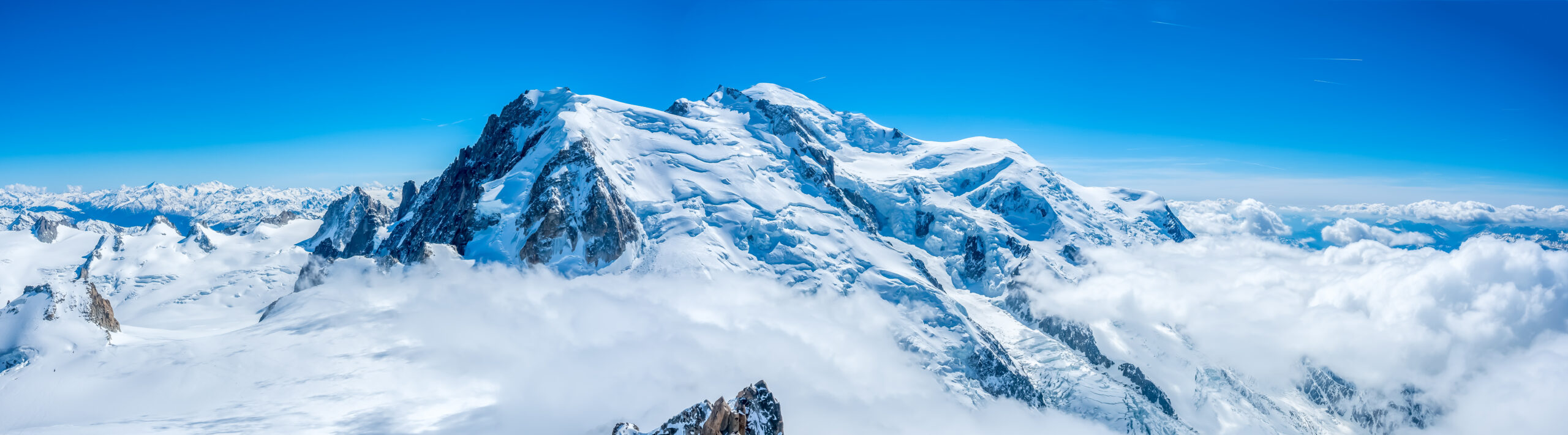
Is Mont Blanc the deadliest mountain in the world?
It is frequently described as one of the world’s deadliest mountains by cumulative historical deaths, largely because of enormous visitor numbers and more than two centuries of climbing. But no harmonized global dataset establishes an exact worldwide ranking by lifetime deaths.
And historical totals are not per-climber odds. Numbers sometimes presented as “the Mont Blanc death rate” may refer to the wider massif, a specific route, an annual death count, or a speculative calculation based on incomparable denominators.
Start with our Mont Blanc climbing guide or explore the mountain fatality comparison.
The Goûter route: 1990–2011 accident study
The Petzl Foundation’s documented analysis of the section between the Tête Rousse and Goûter refuges is unusually specific about place, period and outcome. The figures below are for that section of a popular ascent route, not all Mont Blanc climbing and not one year.
| Study measure | Documented figure | How to interpret it |
|---|---|---|
| Observation period | 1990–2011 | Multi-year historical record, not a current annual forecast |
| Fatalities | 74 | Deaths on Tête Rousse–Goûter approach section |
| Injured people | 180 | Nonfatal injuries reported in the accident record |
| Rescued people | 291 | People recorded in rescue operations / response records |
| Main accident concentration | Grand Couloir and adjacent ridge | Rockfall and falls are prominent hazards |
Primary reference: Petzl Foundation, hazards of the normal route (research PDF). The rescue, injury and death figures describe different categories, not three additive fatality totals.
Four “death rates” that should never be mixed
Lifetime death toll
A rough historical count spanning many generations. It measures total loss over time, not your odds on a climb today.
Deaths across the massif
Rescue services cover more than Mont Blanc summit attempts: other peaks, glaciers, skiing, hiking and mountaineering incidents can enter broader reporting.
Route-specific accidents
The Goûter approach study is specific and useful because it identifies location, time span and outcomes. But it does not equal a summit-wide count.
Per-attempt fatality rate
Deaths divided by a consistent record of attempts could be meaningful. A complete and consistently defined mountain-wide attempt registry is not available for this claim.
The Grand Couloir: risk concentrated in one crossing
On the normal Goûter route, climbers traverse a steep gully subject to rockfall and continue on exposed mixed rock and snow terrain. The study identified serious accidents not only at the crossing itself but also on the adjacent ridge and descent.
A helmet, experienced team, sound judgment and appropriate timing can improve a safety plan, but they cannot make spontaneous rockfall predictable or eliminate the danger.
Assess current conditions, hut access, freezing levels, route reports and the ability of your team to turn around before choosing this route.
Read Mont Blanc difficulty & safety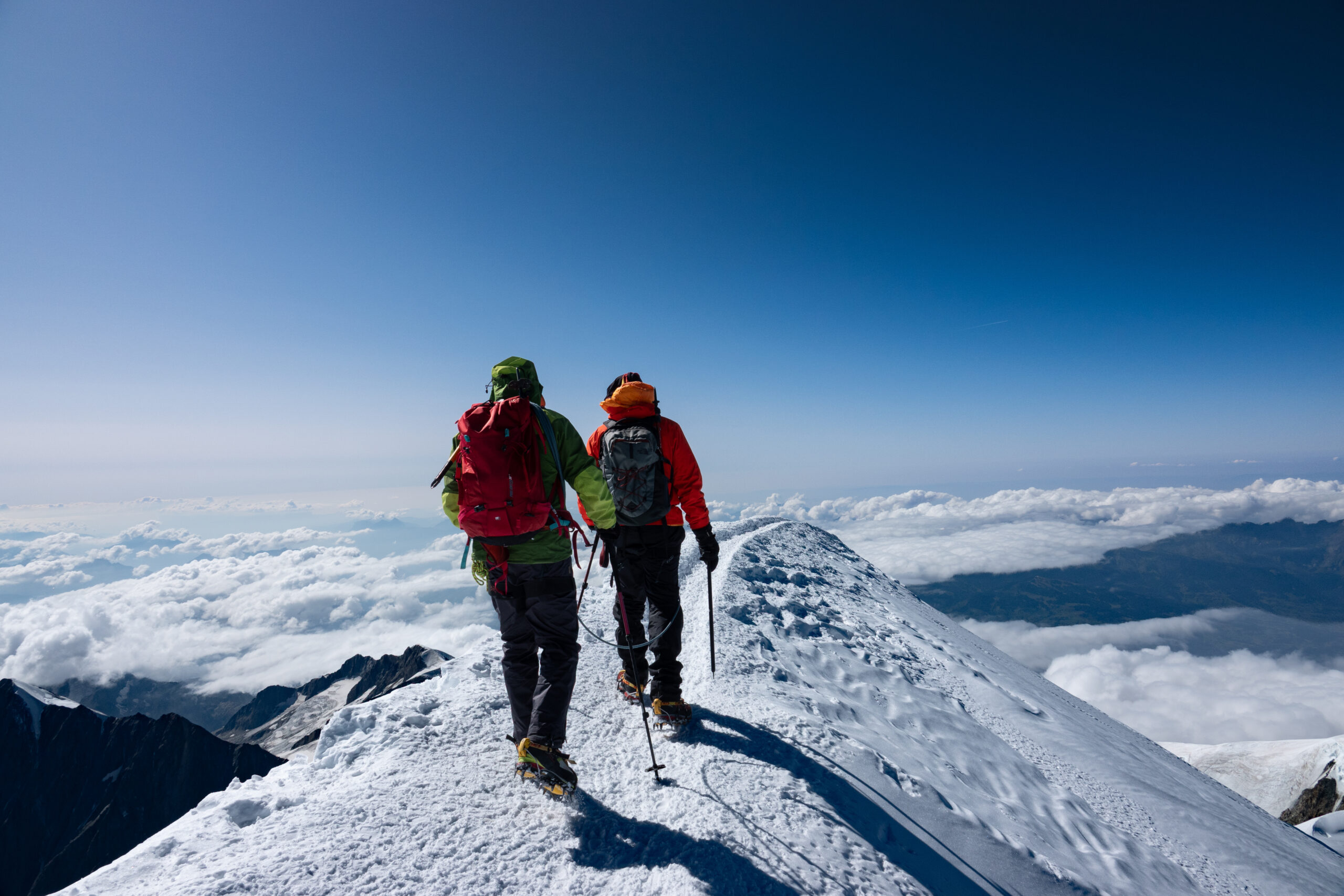
Mont Blanc versus Everest, K2 and the Matterhorn
It is tempting to compare one historic Mont Blanc total against a Himalayan death-to-summit ratio. Those numbers do not share the same denominator, period or exposure definition. A numerical league table would imply comparability the data does not establish.
Use the right measure for the right decision: for Mont Blanc, recent route conditions, team ability and hazards such as rockfall are more actionable than a lifetime fatality total.
Matterhorn death-rate analysis · Deadliest mountains explained · Mountaineering statistics
Five practical ways to manage risk
1. Treat the normal route as alpine climbing
Glacier travel, crampon technique, rope judgment, movement on steep snow and an efficient descent are essential.
2. Check the specific route
The Goûter, Trois Monts and Italian approaches have different terrain and hazard profiles. Conditions can make an otherwise viable line inappropriate.
3. Plan around current conditions
Monitor forecast, wind, fresh snow, freezing level, rockfall reports and open/closed refuges; don’t assume the normal summer season makes a route safe.
4. Preserve descent margin
Late turnarounds, dehydration, fatigue and weather changes make the return harder. Establish conservative decision points before you start.
5. Use qualified local expertise
If you lack technical alpine skills or judgment in mixed terrain, consider appropriate instruction and an accredited mountain guide.
6. Never use a death-rate headline as permission
Even a statistically low average would not cancel a closed hut, unsafe rockfall conditions, inadequate acclimatization or an inexperienced team.
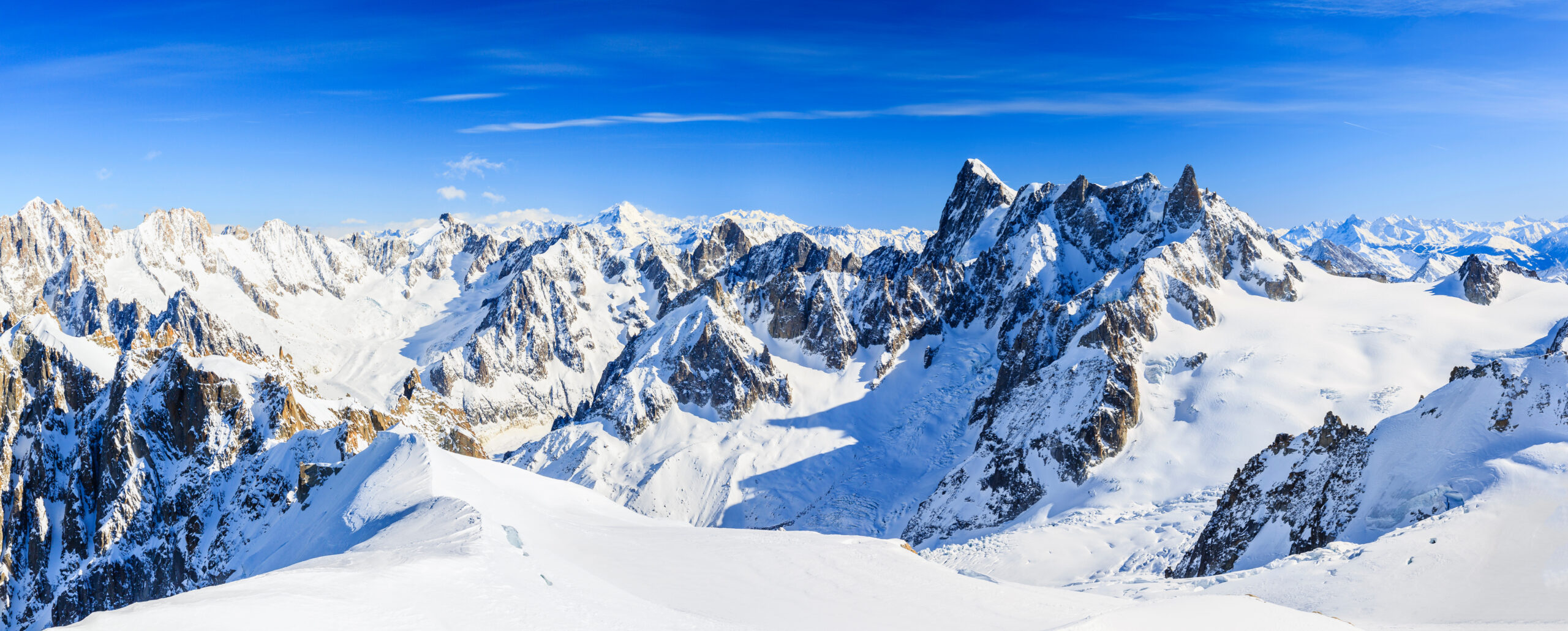
Why warming and route changes matter
Rockfall frequency and timing can vary with temperature, freeze-thaw cycles and the state of snow and ice. Research on the Grand Couloir documents repeated rockfall during climbing seasons, but does not establish a universal “safe hour.”
Use current local information rather than a fixed historical rule about crossing early. An unsafe route is unsafe even if the clock says morning.
Consult La Chamoniarde and the relevant hut and local guiding authorities for current guidance.
Mont Blanc death-rate FAQ
How many people have died on Mont Blanc?
The historical toll is widely described as numbering in the thousands, but the exact cumulative count is not established by a single complete, consistently scoped database. Exact figures such as 6,000–8,000 should be treated as unverified estimates, not audited counts.
What is Mont Blanc’s death rate per climber?
No reliable universal per-climber rate can be calculated from the evidence used here. A percentage needs consistent summit-attempt and fatality counts for the same period and population. Massif-wide deaths and route-specific accidents cannot be divided by unrelated visitor totals.
How many deaths happened in the Grand Couloir?
Research for 1990–2011 documented 74 fatalities between the Tête Rousse and Goûter refuges, including the Grand Couloir and adjacent ridge. It is incorrect to describe all 74 as deaths inside the couloir crossing itself.
Is Mont Blanc harder or more dangerous than Everest?
They differ in altitude, logistics, acclimatization and route hazards. Mont Blanc’s high lifetime toll and Everest’s high-altitude expedition statistics cannot be compared directly to produce a defensible individual risk percentage.
Why is the Goûter route dangerous?
Rockfall in the couloir, falls on the ridge, glacier terrain, altitude, weather changes and fatigue can all contribute to accidents. It is a serious alpine objective, even on the normal route.
Does a mountain guide eliminate the risk?
No. Expert guides can improve planning and decisions, but they cannot remove objective hazards such as spontaneous rockfall.
What this analysis can—and cannot—claim
This article prioritizes documented accident records over speculative worldwide rankings and invented per-attempt percentages. The strongest evidence here covers one particular approach section during 1990–2011, not every Mont Blanc route in 2026.
Sources:
- Petzl Foundation: The hazards of the normal route (PDF)
- La Chamoniarde: local safety and conditions
- GSG Mont Blanc difficulty and safety evidence review
- GSG Mont Blanc summit-success methodology
Research-based editorial synthesis · October 21, 2026 · No claim of a firsthand Mont Blanc summit · Historical accident data should not substitute for current route assessments.
Move from alarming statistics to a better summit plan.
Compare actual routes, prepare your skills, check current access and understand the hazard profile before committing to a climb.
Mont Blanc main guide → · Difficulty and safety → · Deadliest mountain data →
Global Summit Guide · Reading the numbers
Four “death rates,” four different questions
There is no single Mont Blanc death rate. The figure you see depends entirely on which of four very different numbers someone is quoting, and they are routinely mixed together. Only one of them is a verified, route-specific dataset, and none of them is the same as your personal odds on a climb today.
The one route-specific dataset that is actually measured. Everything else is broader, older, or estimated.
Route-specific accidents
VerifiedWhat it counts
74 deaths on one section (Tête Rousse to the Goûter refuge) over 1990–2011, with location, time span and outcomes documented.
What it is not
A summit-wide or per-climber figure. It is one dangerous section across one time window.
Per-attempt fatality rate
Not availableWhat it counts
Deaths divided by a consistent record of attempts — the only figure that would be your real odds.
What it is not
Computable. No complete, consistently defined attempt registry exists for Mont Blanc, so this number cannot be stated honestly.
Lifetime death toll
HistoricalWhat it counts
A rough cumulative total spanning many generations, the source of Mont Blanc’s “deadliest mountain” reputation.
What it is not
Your odds today. It is total loss over a century-plus of changing traffic, gear and conditions.
Deaths across the massif
Broadest / mixedWhat it counts
All rescue-service fatalities in the range — skiing, hiking, other peaks and glacier incidents included.
What it is not
Mont Blanc summit climbing specifically. It folds in activities that have nothing to do with the ascent.
The honest bottom line: Mont Blanc has a large historical death toll, but that reflects how many people climb it, not how dangerous a single well-prepared ascent is. The most reliable measured evidence is route-specific — above all the Grand Couloir crossing on the Goûter route — not any single mountain-wide percentage.
Updated 7 November 2026 by the Global Summit Guide research desk.
Mont Blanc Has Several Different “Death Rate” Statistics
Historical deaths, annual massif fatalities, summit-route accidents and individual climbing risk are different measurements. Mixing them produces misleading comparisons.
Mont Blanc is widely cited as having one of the largest cumulative climbing death tolls of any mountain, largely because people have climbed it in enormous numbers for more than two centuries.
Annual fatality figures reported for the Mont Blanc massif can include mountaineering, climbing, skiing and other mountain incidents—not only attempts on Mont Blanc’s summit.
Fatalities specifically associated with the Goûter, Trois Monts and other summit routes are only a subset of the wider massif total.
Mont Blanc’s enormous historic death count does not mean an individual ascent is more dangerous than K2, Annapurna or other high-fatality expedition peaks.
Why this distinction matters
A mountain can have a very high total number of deaths because huge numbers of people climb it, while still having a much lower risk per attempt than a remote 8,000-metre peak.
That is why Global Summit Guide separates cumulative deaths, death-to-summit ratios, estimated per-climber risk and route-specific accident data.
The Grand Couloir Is the Best-Documented Mont Blanc Hazard
The route’s reputation is not based only on anecdote. Long-term accident research has quantified fatalities on the approach between Tête Rousse and Goûter Refuge.
| Grand Couloir Study | Recorded Figure | Meaning |
|---|---|---|
| Study period | 1990–2011 | Accident records examined along the Tête Rousse–Goûter section. |
| Fatalities | 74 deaths | Fatal accidents recorded on this short but exposed approach section. |
| Injuries | 180 injured | Demonstrates that non-fatal accidents were also substantial. |
| Rescues | 291 people rescued | Shows the scale of intervention required on this route section. |
| Primary hazard | Rockfall + falls | The couloir crossing combines objective rockfall with climber exposure and steep terrain. |
74 deaths on one short section does not equal a 74-person annual toll.
Those fatalities accumulated over more than two decades. The important point is that the Grand Couloir concentrates a disproportionate amount of risk into a relatively short section of the normal Goûter Route.
Conditions vary substantially with snow cover, freezing level, time of day and rockfall activity. Current route conditions should therefore matter more than a historical average when making a go/no-go decision.
Compare Mont Blanc With Other Mountain-Risk Metrics
Total deaths, fatality rate and technical difficulty answer different questions. Use the wider GSG research cluster to keep those metrics separate.
Questions Behind the Statistics
These questions clarify the difference between Mont Blanc’s historic reputation and the actual risks encountered on a modern ascent.
How many people have died on Mont Blanc?
How many people have died in the Grand Couloir?
Is Mont Blanc the deadliest mountain in the world?
Why does Mont Blanc have so many deaths?
Is the Grand Couloir the most dangerous part of Mont Blanc?
Does climate change affect Mont Blanc climbing risk?
Is Mont Blanc more dangerous than the Matterhorn?
Last research review: October 3, 2026.
How Mont Blanc Compares to the Deadliest Mountains
One peak is only one denominator. See how Mont Blanc compares with the other deadliest mountains, or step up to the ranked overview and the full collection.
Place Mont Blanc in the Wider Avalanche Record
Avalanche deaths have been part of Mont Blanc’s history since the earliest expeditions. Compare that history with mountaineering’s most consequential avalanche disasters.
Disaster RoundupThe Deadliest Avalanches in MountaineeringCompare the major avalanche catastrophes that have shaped climbing history across the world’s mountain ranges.→Was this helpful?
🏔Related peaks nearby
🧭Explore & compare
Global Summit Guide is an independent mountaineering resource founded in 2026. The team combines first-hand trekking and climbing experience with in-depth research and professional health and nutrition review to help climbers choose objectives, prepare properly, and stay safe.
Health, altitude, and nutrition content is reviewed by Taylor Ludlow (Registered Nurse) and Brigg Hoopes (Nutritionist).
What We Don't Know Yet
Mountain information changes quickly. This box explains the limits of what this page can responsibly promise.
- Weather, snowpack, avalanche risk, road access, and route conditions can change quickly and may be different on your climbing dates.
- Route conditions, trailhead access, crevasse exposure, stream crossings, and rescue access may vary from published planning guidance.
- Fitness and altitude response vary by person; no guide, itinerary, or training plan can guarantee acclimatization or summit success.
- Comparisons simplify complex decisions; the better mountain depends on current conditions, skills, timing, budget, and risk tolerance.
Verify current conditions with official land managers, guide services, local forecasts, and current route reports before booking or climbing.
Mountaineering, rock and ice climbing, glacier travel, and high-altitude activity are inherently dangerous and can result in serious injury or death. The information on Global Summit Guide is provided for general informational and educational purposes only and is not a substitute for professional instruction, qualified guiding, proper equipment, or your own judgment and experience.
Route conditions, weather, snowpack, permits, regulations, and hazards change constantly and may differ from what is described here. Details may be incomplete, out of date, or contain errors. Always verify current information with local authorities, certified guides, and official sources before making any decision in the mountains.
Nothing on this site is medical, legal, or financial advice. Our fitness, acclimatization, altitude, and nutrition content is general in nature; consult a qualified physician before beginning any strenuous exercise program or exposing yourself to high altitude.
You are solely responsible for your own safety and decisions. To the fullest extent permitted by law, Global Summit Guide and its team accept no liability for any loss, injury, damage, or expense arising from use of, or reliance on, this information. By using this site you acknowledge these risks and accept these terms.
Some links on this site may be affiliate links. If you buy through them we may earn a small commission at no extra cost to you; this never affects our recommendations.
Global Summit Guide recommendation path
Next Best Mountain to Research
Use these recommendations to continue the right planning path instead of stopping on one page.
Use current permit, weather, route, and operator information before booking or climbing.