
Last updated October 5, 2026

Puncak Jaya Gear List: What to Pack for Carstensz Pyramid
Carstensz is the Seven Summit where rope-system compatibility, technical footwear and genuine waterproofing matter more than expedition-scale cold gear. Build around a helmet, harness, ascender, operator-compatible rappel device, technical mountain boots, waterproof shells, durable gloves and a compact climbing pack— then let your operator’s current hardware list override generic advice.
Pack for Wet Technical Rock First—But Do Not Underpack the Alpine System.
The Puncak Jaya Normal Route is primarily a fixed-rope limestone climb with exposed ridge movement, a cable / Tyrolean-style crossing and a rappel-heavy descent. Your most important personal systems are therefore helmet, harness, ascender, descender, attachment hardware, technical boots, waterproofs and gloves.
The old idea that Carstensz only needs “approach shoes and a light rain shell” is too casual. Current Alpine Ascents material requires technical mountaineering boots, full waterproof jacket and pants and a meaningful insulated layer.
It is also not an Everest clothing problem. High camp and summit conditions can be cold, wet and windy, but a down suit and Himalayan double-boot system are not the normal starting point unless your operator specifically requires them.
This Is the Seven Summit Where Compatibility Matters More Than Owning the Most Gear
On Carstensz Pyramid, the climbing hardware must work with fixed ropes, exposed traverses and repeated rappels. The clothing must work when limestone, gloves, ropes and packs are wet. The footwear must climb rock efficiently without turning the long descent into a foot problem.
That makes Carstensz fundamentally different from Vinson, Denali or Everest, where extreme cold and expedition insulation dominate the packing list.
It also creates a buying trap: climbers often search for the Carstensz carabiner count, the correct cord diameter or whether crampons are required. Current operator lists do not agree on every one of those details.
The Complete Puncak Jaya Gear List
“Required” means common to current major programs. “Confirm” means the exact specification varies by operator.
| Category | Item | Status | Why it matters | Buying note |
|---|---|---|---|---|
| Technical | Climbing helmet | Required | Rockfall, fixed-rope sections, rappels and exposed ridge terrain. | Must work with headlamp, hat and hood. |
| Technical | Climbing harness | Required | Fixed-line attachment, traverses and rappels. | Adjustable legs are useful over mountain clothing. Operator style may differ. |
| Technical | Handled ascender / jumar | Required | Upward progress on fixed rope. | Practice with the actual model before travel. |
| Technical | Figure-8 rappel device | Confirm | Current AAI specifically requires it for larger-diameter fixed lines. | Do not assume your normal ATC will satisfy the operator. |
| Technical | Locking carabiners | Operator-specific count | Tethers, anchors, ascent and rappel systems. | Current published counts differ substantially. |
| Technical | Non-locking carabiners | Operator-specific count | Organization and operator-specified rope systems. | Buy only after final list. |
| Technical | Sewn runners / tethers | Operator-specific | Personal attachment and transitions. | Length and quantity vary. |
| Technical | Accessory cord / Prusik | Operator-specific | Backup / attachment systems specified by guide company. | Do not assume one cord diameter. |
| Technical | Ice axe | Confirm | Some operator lists require one; others currently do not. | Follow the exact departure list. |
| Technical | Crampons | Confirm | Requirement can depend on operator and current mountain conditions. | Confirm compatibility with boots. |
| Footwear | Technical mountaineering boots | Required by current AAI list | Limestone climbing, rough terrain and technical support. | Current AAI specifies three-quarter-shank technical boots. |
| Footwear | Wool / synthetic socks | Required | Moisture management and foot protection. | Test exact sock / boot combination. |
| Footwear | Travel / camp footwear | Useful | Staging, hotel and camp recovery. | Keep lightweight. |
| Clothing | Non-cotton base layers | Required | Moisture management in a humid / wet environment. | Synthetic, merino or blends. |
| Clothing | Midlayer fleece | Required | Breathable warmth while climbing. | Grid fleece works well. |
| Clothing | Softshell jacket | Program-dependent | Breathable active weather protection. | Current AAI includes it but allows some layering flexibility. |
| Clothing | Waterproof hardshell jacket | Required | Persistent rain, wet rock and wind. | Helmet-compatible hood preferred / required by some operators. |
| Clothing | Softshell climbing pants | Required | Stretch, abrasion resistance and technical movement. | Avoid ultralight travel pants as the only climbing pant. |
| Clothing | Waterproof shell pants | Required | Rain and prolonged wet exposure. | Side zips make changes over boots easier. |
| Clothing | Insulated hooded jacket | Required | High-camp, stops and wet cold. | Current AAI favors synthetic insulation for moisture tolerance. |
| Hands | Rope / climbing gloves | Required | Rope handling, limestone and abrasion. | Full fingers. Break them in first. |
| Hands | Water-resistant work gloves | Strongly useful | Fixed-line handling in wet conditions. | Current AAI specifically lists insulated latex-dipped work gloves. |
| Hands | Warm backup gloves | Required | Wet gloves can quickly become a cold / dexterity problem. | Protect the dry backup. |
| Head | Warm hat / Buff / balaclava | Required | Summit wind and changing temperatures. | Must layer under helmet. |
| Eyes | UV sunglasses | Required | High-altitude sun and exposed ridge. | Secure fit. |
| Lighting | Headlamp + spare power | Required | Early starts, long descents and delay margin. | Weather-resistant model. |
| Pack | 30–40L climbing pack | Required by current AAI | Compact enough for technical climbing. | Large trekking packs can interfere with climbing movement. |
| Pack | Waterproof pack liner / dry bags | Required | Protect critical insulation, electronics and backup gloves. | Pack cover alone is not enough redundancy. |
| Sleep | 20°F / -7°C sleeping bag | Current AAI spec | High-camp recovery. | Other operators may specify a different rating. |
| Sleep | Inflatable pad | Required | Comfort and insulation. | Carry repair kit. |
| Sleep | Foam pad | Often required | Backup insulation and puncture redundancy. | Confirm operator camp setup. |
| Hydration | Hard-sided water bottles | Required | Durable mountain hydration. | Current AAI requests two 1L hard bottles. |
| Travel | Large soft duffel | Required | Aviation and expedition logistics. | Avoid hard-sided luggage where operator prohibits it. |
| Travel | Small staging duffel | Useful / often required | Leave non-mountain items behind during climb. | Keep lockable. |
| Documents | Passport / permits / insurance copies | Required | Papua access and remote-expedition administration. | Carry paper and secure digital copies. |

Carstensz Is a Technical Rock Kit Wrapped in a Wet Mountain Environment.
Gear that feels acceptable on a dry crag may perform very differently after hours of rain, fixed-rope handling and high-altitude rappels.
Why There Is No Single Universal Carstensz Hardware List
Current major operators agree on the core system but differ on exact hardware.
Choose the Operator Before Finalizing the Rope Kit.
Current Carstensz programs differ in access, guide structure, hardware specification, baggage limits and what group equipment is supplied.

The Gear Is Useful Only If the Transitions Are Automatic.
Carstensz rewards climbers who can move from clipping to ascending to traversing to rappelling without turning every anchor into a long stop.
+ Rappel
System
Helmet, harness, ascender, tethers, carabiners, cord and operator-compatible descender.
Your Rope Kit Should Feel Boring Before You Reach Papua
Summit day is not the time to discover that your ascender is awkward with gloves, your sling is the wrong length, your harness is difficult to adjust or your normal rappel device is incompatible with the operator’s fixed ropes.
Practice the exact sequence: approach clipped, transition to ascender, pass an anchor, change attachment, protect an exposed traverse, remove the ascender and prepare for rappel.
Current Alpine Ascents guidance is particularly useful here: it requires a figure-8 style rappel device because the route can use larger-diameter fixed lines.
Fit the Whole Head System
Test the helmet with warm hat, shell hood and headlamp. A perfect helmet in the shop can become unusable once the full mountain system is added.
Climb and Rappel in It
Padding, leg-loop adjustability and gear-loop placement matter during a long technical day with repeated rappels.
Practice With Wet Gloves
The device needs to be familiar enough that operation remains clean when hands are tired and conditions are wet.
Connect the Carstensz-specific kit to equipment inspection, redundancy and the broader mountain-safety system.
Do Not Assume Approach Shoes Are Enough for Carstensz Pyramid
Current operator requirements are more substantial than the old Global Summit Guide page suggested.
Alpine Ascents’ current Carstensz equipment list calls for technical three-quarter-shank mountaineering boots and describes them as an absolute requirement for the type of climbing encountered.
That does not mean every operator requires the exact same boot model. It does mean the generic advice “approach shoes or light boots are fine” should be removed.
Technical Platform
The boot needs enough structure for rough limestone, prolonged climbing and operator-required mountain hardware.
Confident Rubber
Rock performance matters. Wet limestone can reduce confidence dramatically, especially during descent.
Long-Descent Comfort
Carstensz is not one short crux. Footwear must remain usable through the complete ascent and rappel-heavy return.
Use the Mountaineering Boots Guide for fit, stiffness and boot-category fundamentals.

Wet Cold Is the Clothing Problem Carstensz Climbers Need to Solve.
Rain, cloud, altitude, stationary rope transitions and wet gloves can create substantial cooling even without Himalayan temperatures.
Prioritize Dry Function Over Maximum Loft
The clothing system needs to bridge tropical staging, cool high camp and a wet technical summit ridge.
| Layer | Role | Carstensz priority | What to avoid |
|---|---|---|---|
| Warm-weather travel clothing | Timika / staging comfort | Lightweight, fast drying and appropriate for hot humid conditions. | Packing only cold-weather mountain clothing. |
| Base layer | Moisture management | Wool, synthetic or blend. | Cotton as primary mountain layer. |
| Fleece / midlayer | Breathable warmth | Useful during active climbing and cool high-camp periods. | A midlayer so heavy that it creates sweat. |
| Softshell | Active wind / light-weather protection | Useful when conditions permit more breathability than a hardshell. | Treating water resistance as true rain protection. |
| Waterproof shell | Rain / wind protection | One of the most important clothing pieces on the mountain. | Ultralight emergency shells that cannot tolerate sustained use. |
| Softshell pants | Climbing movement | Stretch, abrasion resistance and comfort. | Using ultralight zip-off trekking pants as the technical climbing pant. |
| Waterproof pants | Rain / wet-rock protection | Full weather barrier; side zips improve usability. | Pants that require removing boots during a weather change. |
| Insulated jacket | High-camp / stop warmth | Moisture-tolerant synthetic insulation is favored on current AAI list. | Assuming equatorial latitude removes cold exposure. |
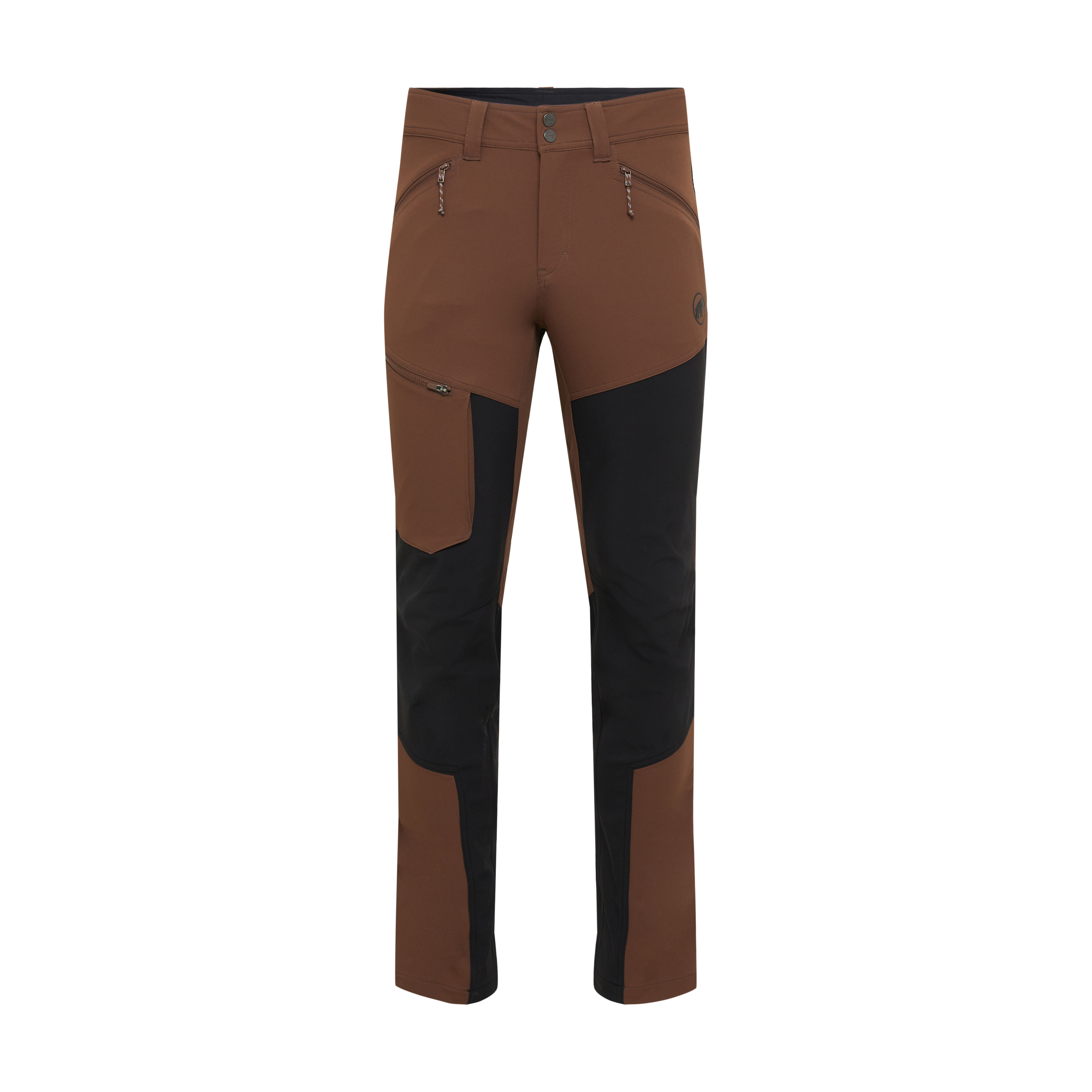
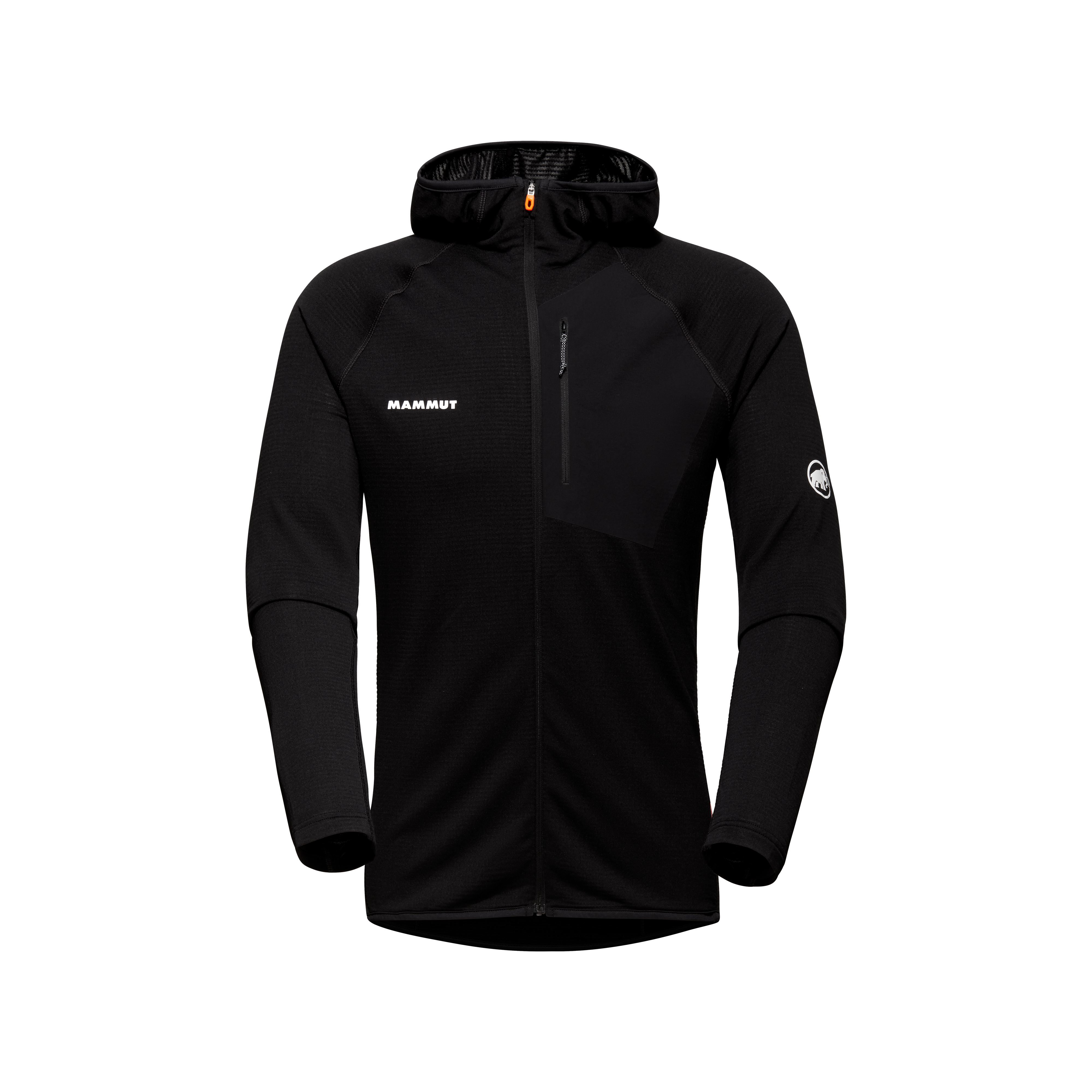
Carstensz Technical Layers
Shop only after deciding which layer role is missing from your current system. Fleece and technical climbing pants are more relevant here than expedition down clothing.
Carstensz Technical Layers
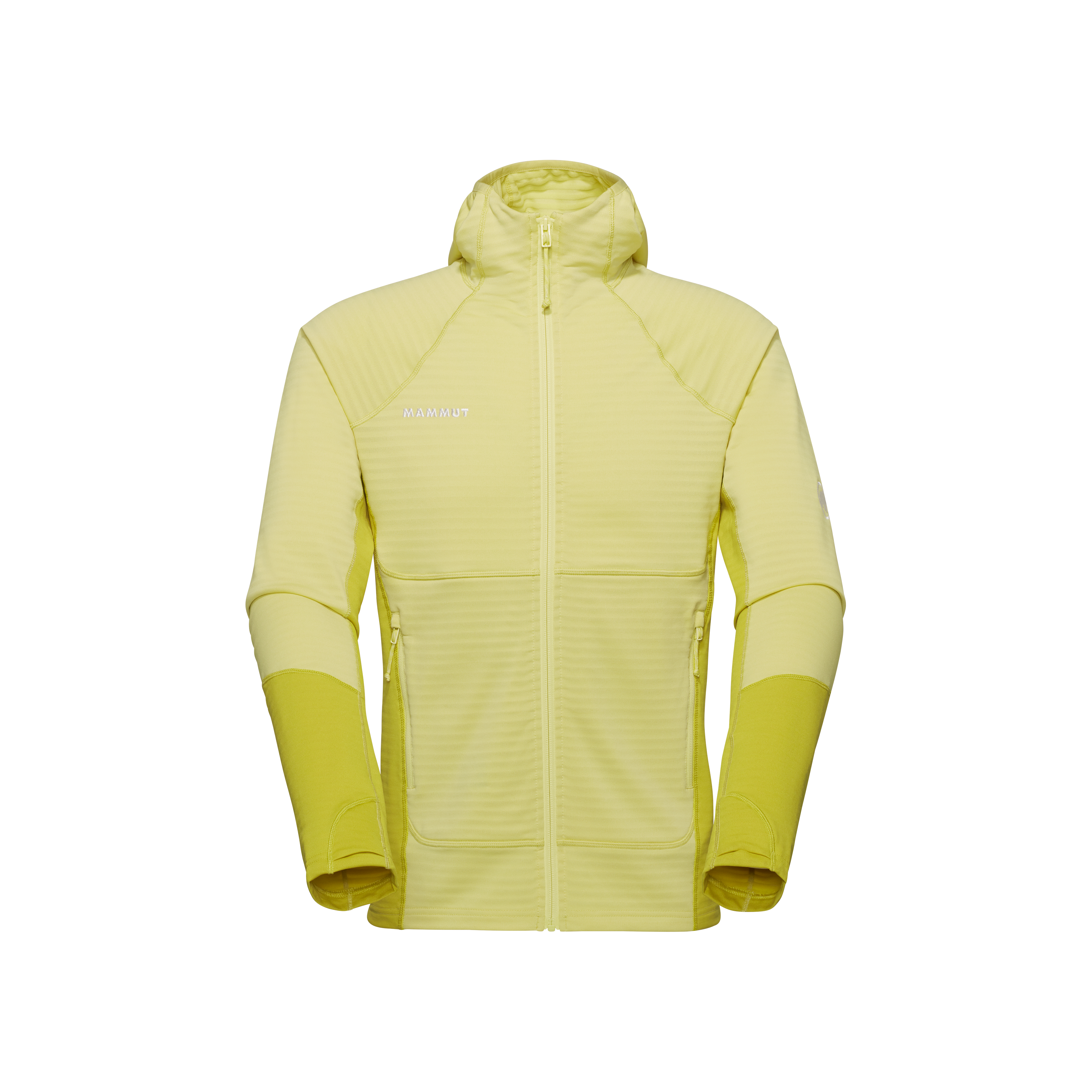
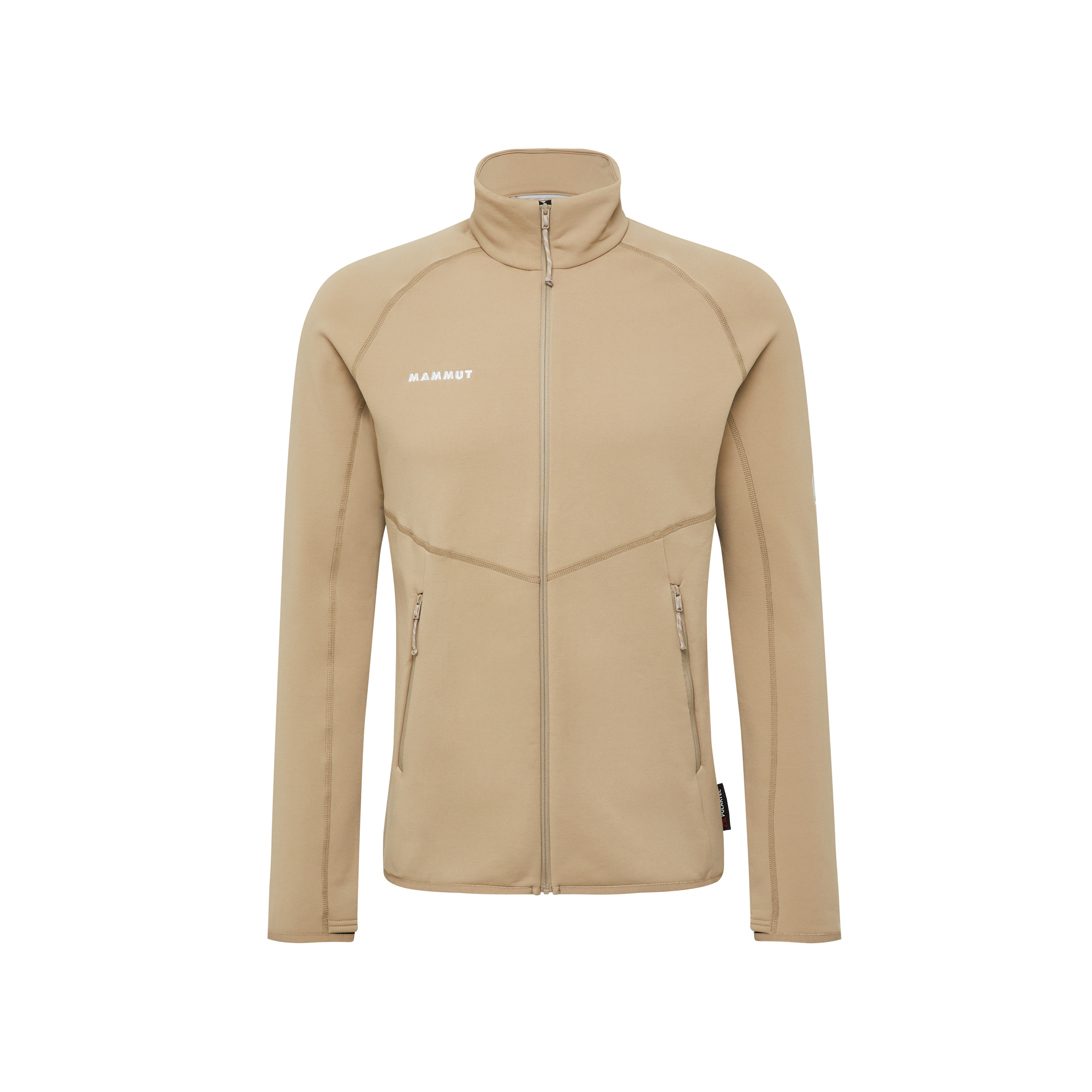
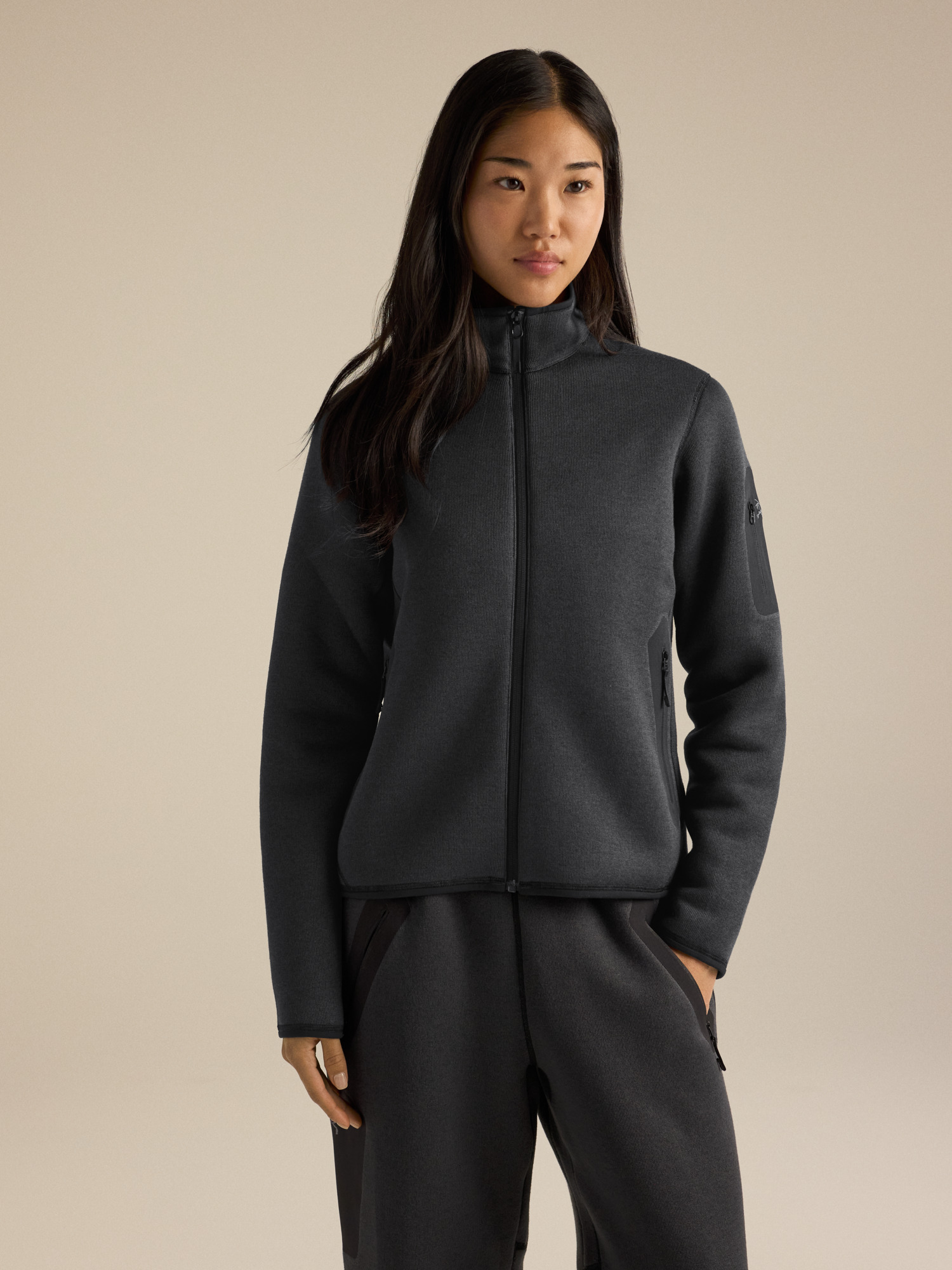
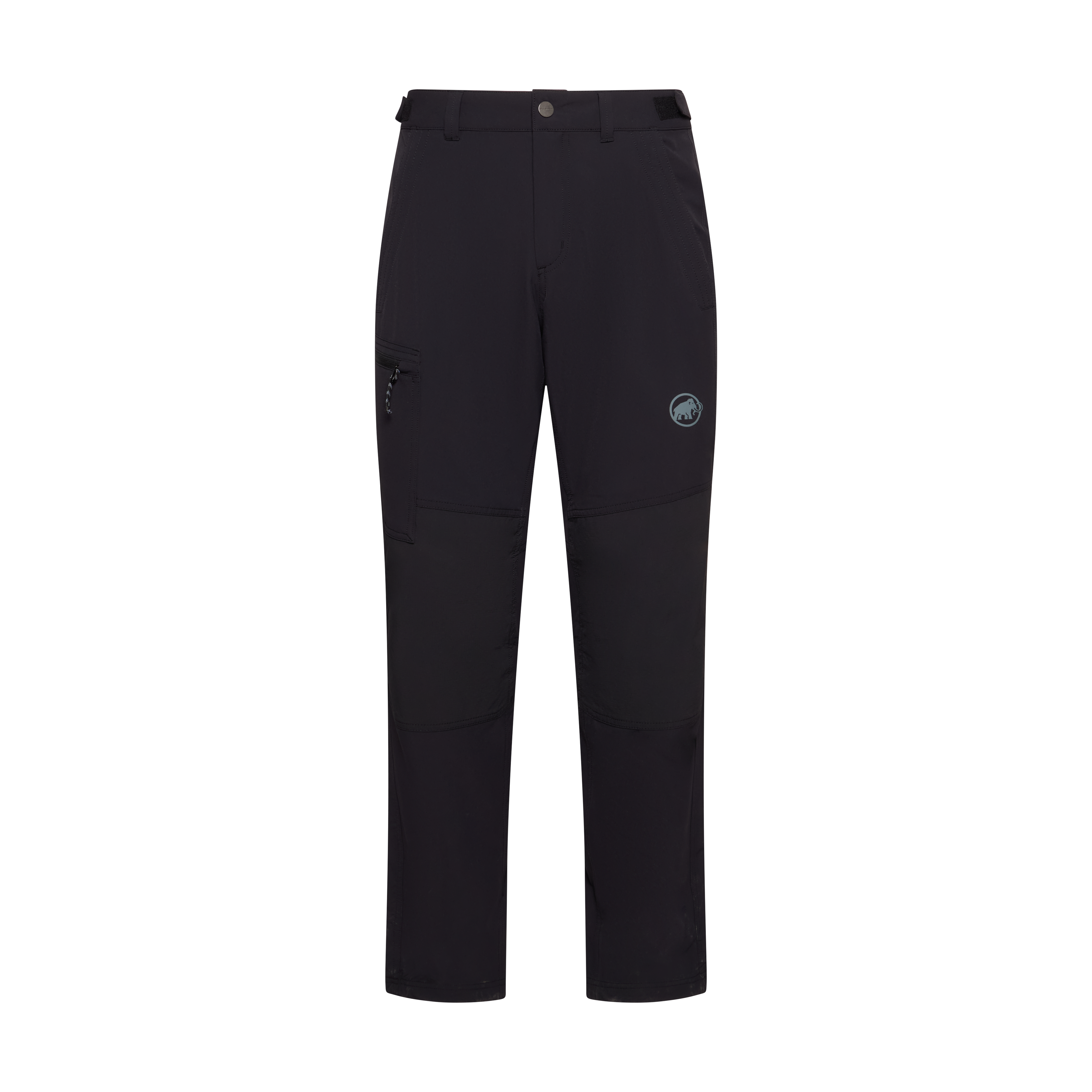
Turn This Checklist Into Own / Rent / Buy Decisions.
Use the GSG Mountain Gear Planner after your operator sends the final technical list.

Gloves Need Grip, Dexterity, Abrasion Resistance and a Dry Backup.
The same hands must grip limestone, operate carabiners, run an ascender, handle rope and control repeated rappels.
Use More Than One Pair of Gloves
Rope efficiency disappears quickly when hands are wet, cold or poorly protected from abrasion.
Full-Finger Climbing Gloves
Durable palms, reliable grip and enough dexterity for rope hardware.
Water-Resistant Work Gloves
Current Alpine Ascents guidance specifically recommends insulated latex-dipped work gloves for fixed-line use.
Dry Warm Gloves
Protect at least one pair from the wet climbing cycle so you retain a dry reserve.
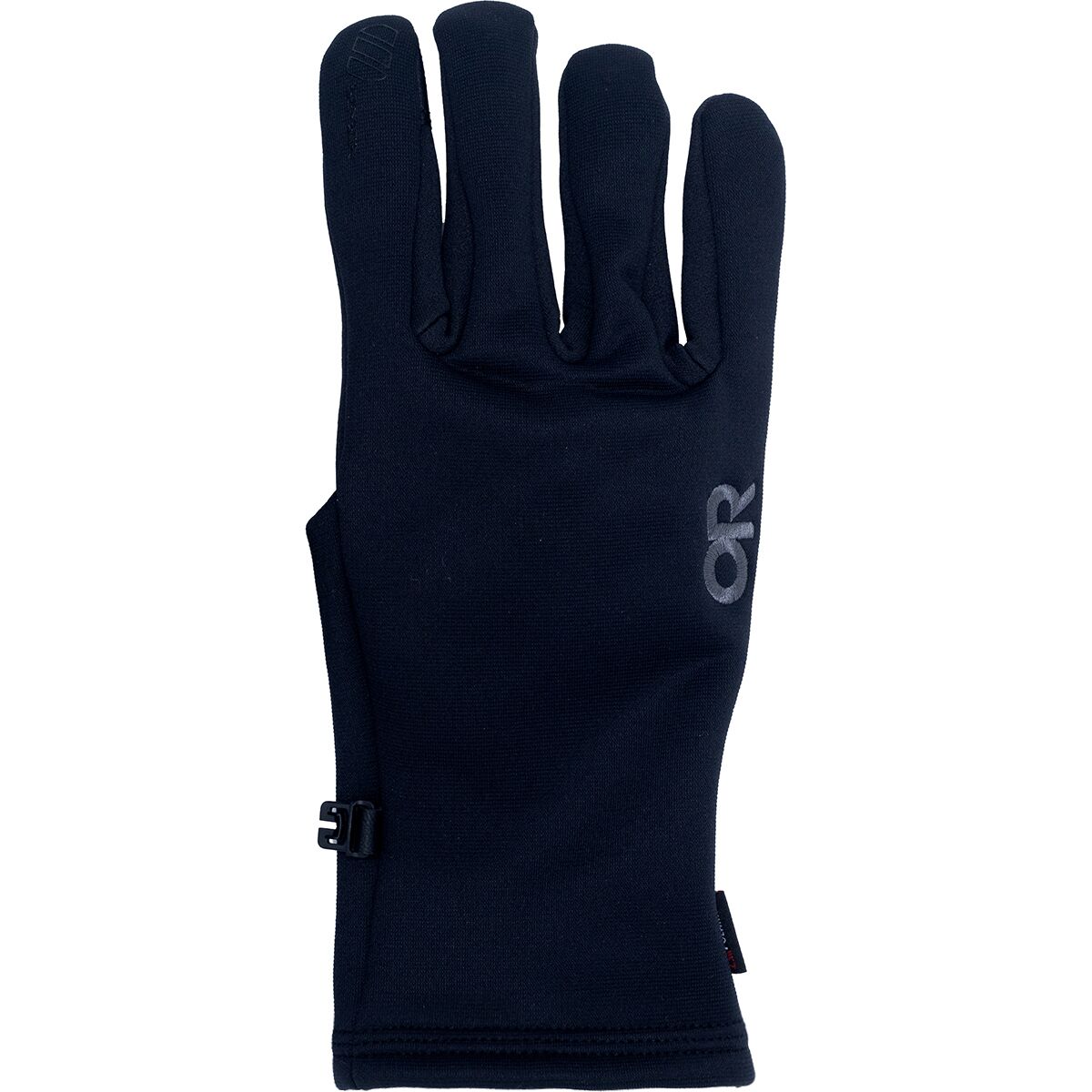
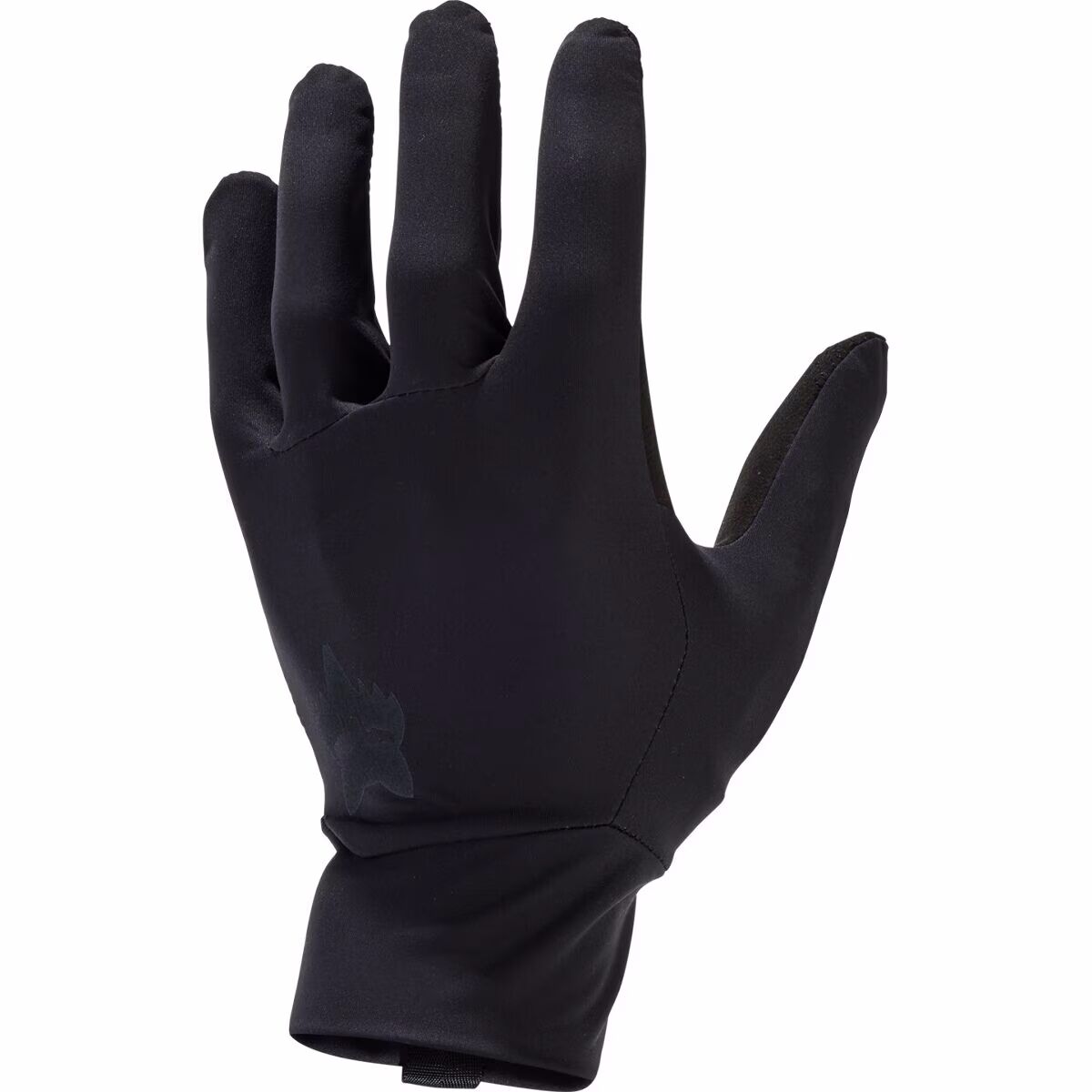
Carstensz Rope & Wet-Weather Gloves
Favor durability and usable dexterity over fashionable ultralight designs.
Carstensz Rope & Wet-Weather Gloves
- Fox RacingFox Racing Ranger Water Glove – Men'sFrom $29.97
$49.95Check price at Back Country (opens in a new tab) - The North FaceThe North Face Montana Pro SG GTX Glove$84.50
$130Check price at Back Country (opens in a new tab)
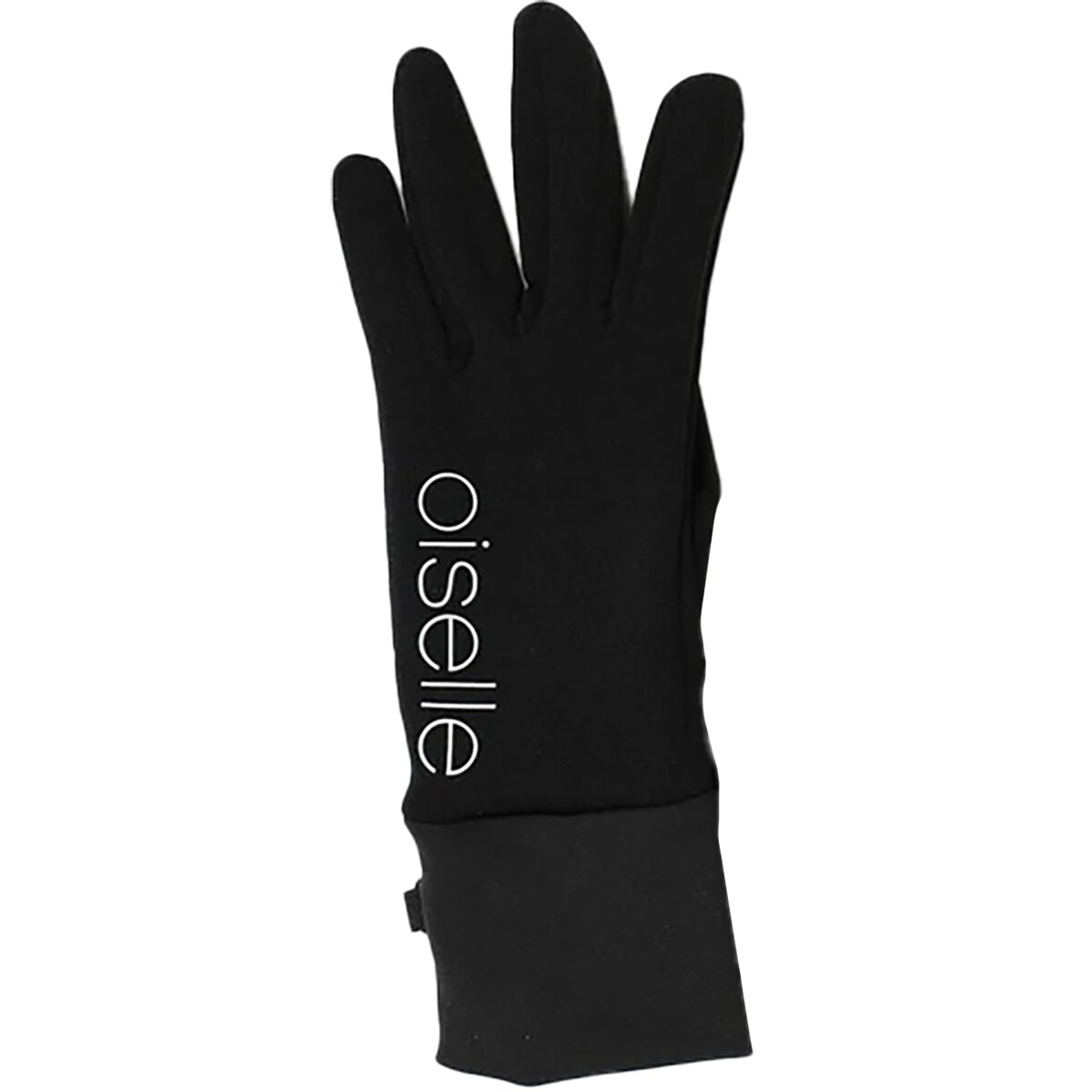
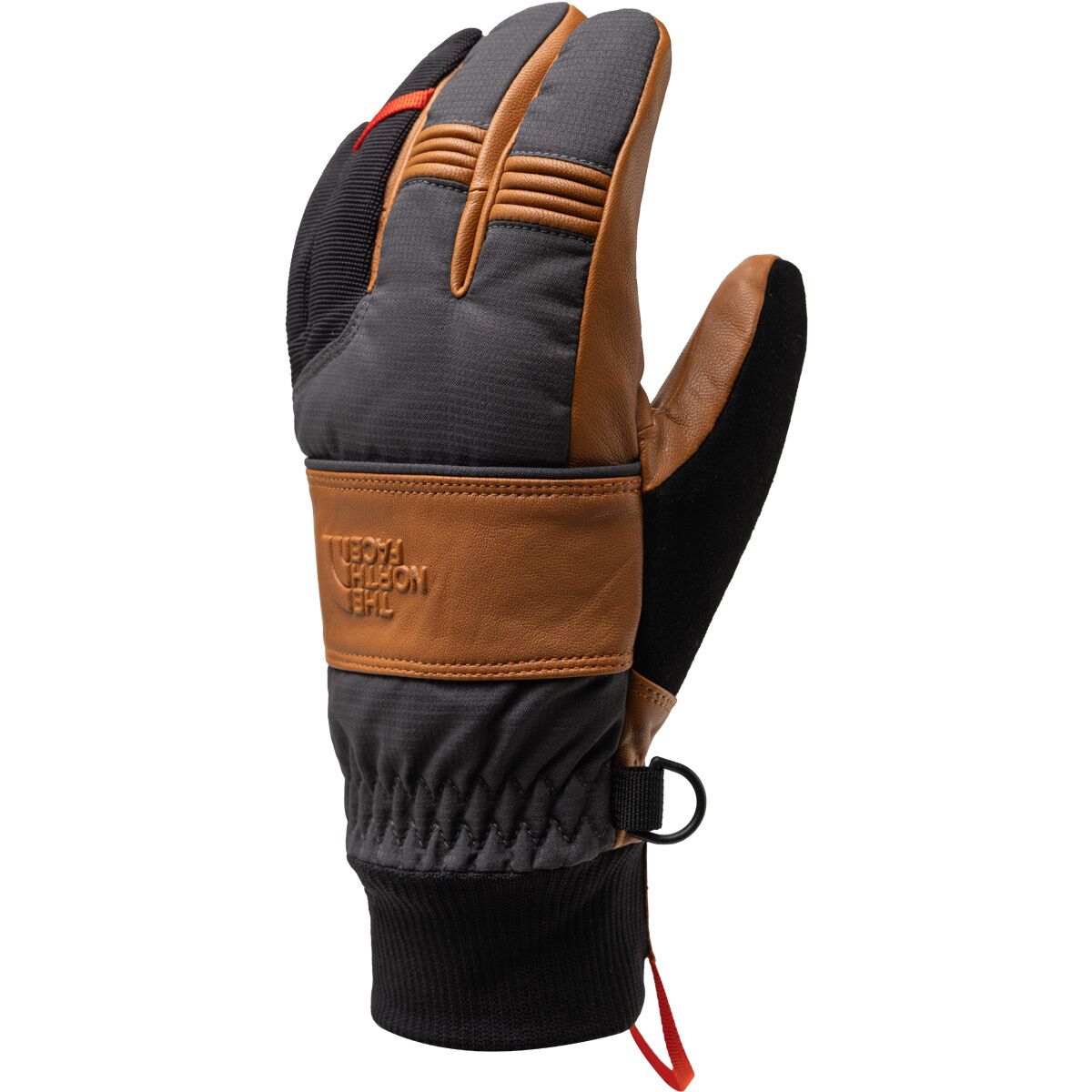
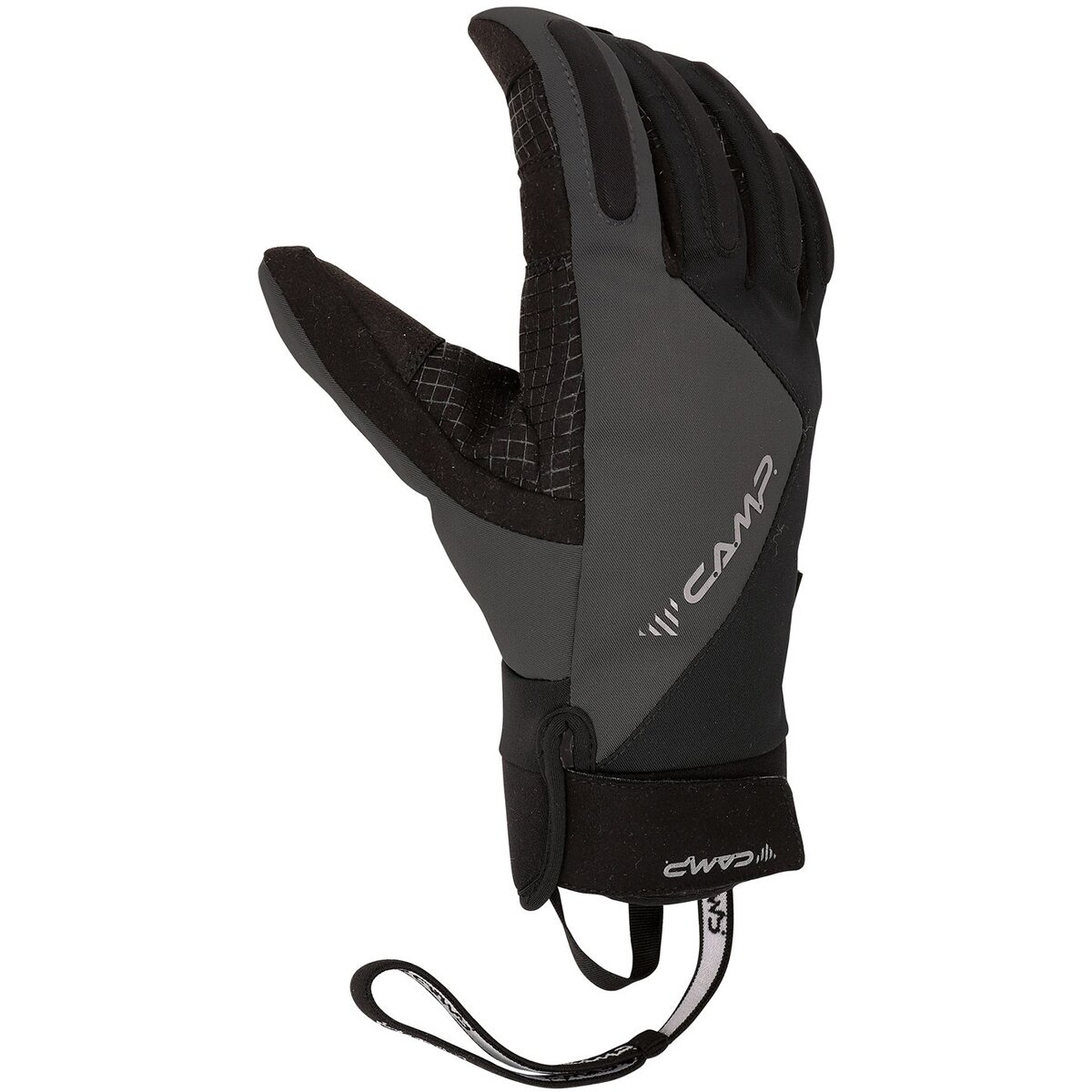
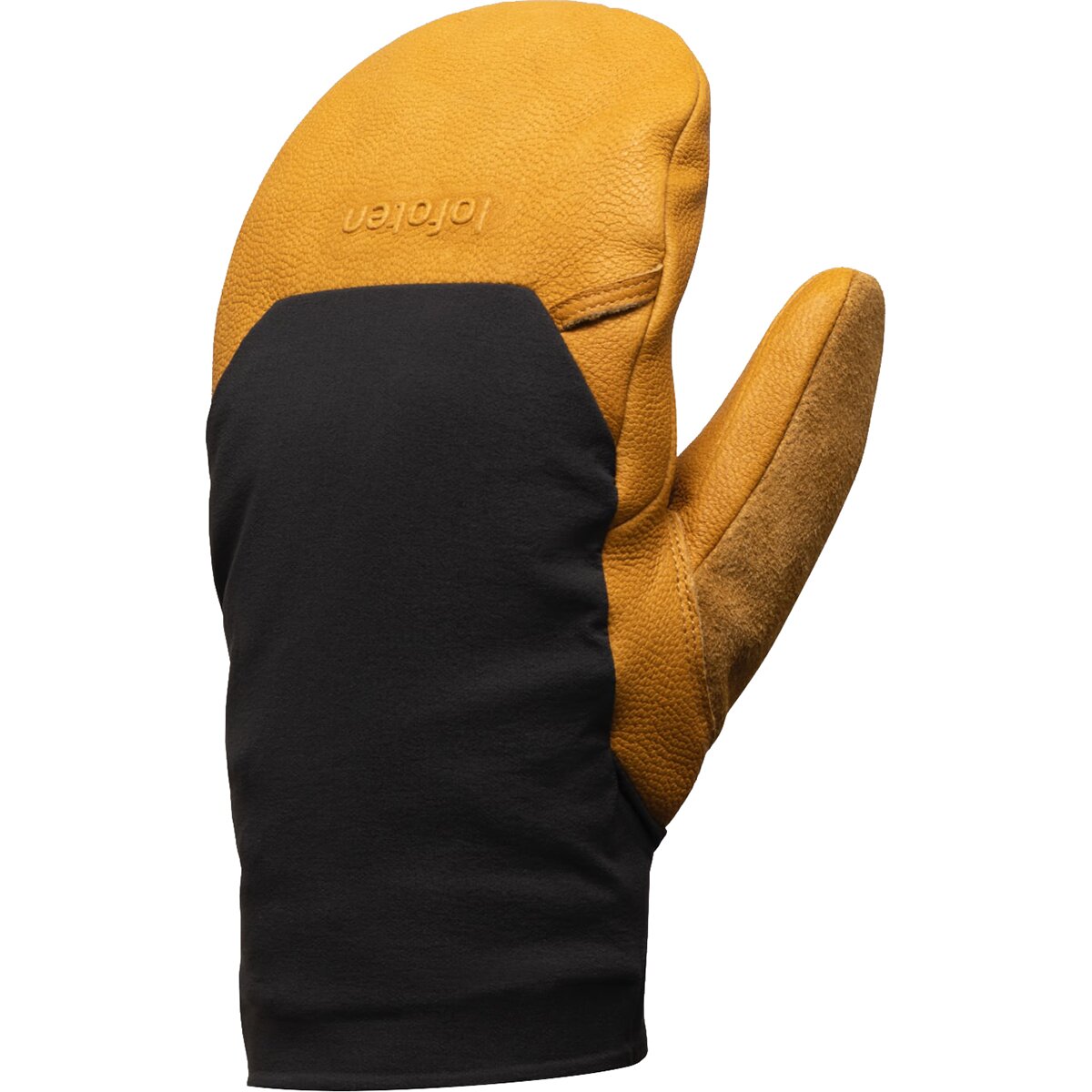
We may earn a commission if you buy through these links, at no extra cost to you. Affiliate disclosure
Climbing
Pack
Small enough to climb well. Large enough for water, food, shells, insulation and summit hardware.
Carstensz Is Not the Place for an Oversized Trekking Pack on Summit Day
Current Alpine Ascents guidance specifies approximately 30–40 liters and warns that larger packs interfere with technical climbing.
The most important feature after fit is not another exterior pocket. It is a waterproof internal strategy.
Use a full pack liner or contractor / compactor bag plus smaller dry bags for insulation, electronics, documents and dry gloves.
Pack Cover
Useful as a first rain barrier but vulnerable to wind and rarely enough by itself.
Full Pack Liner
The primary defense when rainfall becomes prolonged.
Individual Dry Bags
Create a second layer around insulation, gloves, batteries, documents and electronics.

Carstensz Is Lower Than the Himalayan Giants—but 4,200+ Meter Camp Is Still High Camp.
Sleeping warm, staying dry and recovering after rapid helicopter ascent are part of summit-day performance.
The Sleeping System Should Match Your Operator’s High-Camp Setup
Modern helicopter programs can move climbers rapidly from low-elevation staging to camp above 4,000 m.
Current AAI: 20°F / -7°C
Alpine Ascents currently specifies a hooded 20°F bag. Other programs may set a different rating.
Inflatable Pad
Full-length comfort and insulation. Carry a proper repair kit.
Closed-Cell Foam
Adds insulation and preserves some sleeping capability if the inflatable fails.
Practice the real harness, ascender, rappelling and pack system before departure— not just general cardio.
Your Travel System Is Part of the Expedition Gear List
Commercial Carstensz programs involve international travel, Indonesian domestic logistics and helicopter baggage restrictions.
Large Soft Duffel
Soft-sided bags work better in expedition and aviation systems than rigid rolling luggage.
Small Lockable Duffel
Leave travel clothes and non-mountain items at the operator-designated staging location.
Carry-On Strategy
Keep documents and irreplaceable personal climbing items with you where airline rules allow.
Expedition Duffels
Favor durable, soft-sided and weather-resistant luggage rather than hard-shell rolling cases.
Separate Expedition Fee From Personal Equipment Cost.
Carstensz is already expensive. Identify what the operator supplies, what can be rented and what you genuinely need to own before buying duplicates.

The Best Gear to Own Is the Gear You Need to Operate Without Thinking.
Harness, ascender, gloves, boots and shell fit improve with repeated use. Specialty or infrequently used items may make more sense to rent.
Own the Fit-Critical and Skill-Critical Pieces First
Rental availability depends on operator, size and departure logistics.
| Item | Usually own | Possible rent | Why |
|---|---|---|---|
| Technical boots | Yes | Sometimes | Fit, break-in and technical confidence are too important to leave to chance. |
| Gloves | Yes | Rarely ideal | Dexterity and fit are personal. |
| Shell jacket / pants | Preferably | Often possible | You should already know how the system fits over your climbing layers. |
| Harness | Preferably | Often possible | Familiarity during rappels and transitions has value. |
| Ascender | Preferably | Often possible | Practice should happen with the device you will actually use. |
| Helmet | Either | Common rental candidate | Straightforward if fit and compatibility are checked. |
| Sleeping bag | Either | Common rental candidate | Useful to rent if you rarely need that rating. |
| Sleeping pads | Either | Possible | Confirm operator camp inclusions first. |
| Carabiners / cord / slings | After operator list | Possible | Exact specifications vary by guide company. |
Pack Carstensz in Four Zones
The goal is fast access without sacrificing moisture protection.
Climbing-Critical Equipment
Boots, harness, helmet, primary gloves, rope hardware and the clothing needed for the current phase.
Items You May Need Without Unpacking
Hardshell, insulated layer, dry gloves, water, food, headlamp and route-critical accessories.
Things That Must Stay Dry
Backup insulation, spare gloves, electronics, documents and dry camp clothing inside waterproof liners.
Items That Never Need to Reach Summit Camp
Hotel clothing, unnecessary electronics, travel shoes, larger toiletries and excess luggage stay in the staging duffel.
Reconfirm operator baggage limits, hardware list, access, current weather, documents and the pieces that cannot easily be replaced in Papua.
Timika → Central Papua Highlands → Puncak Jaya
Modern major commercial programs commonly stage in Timika before helicopter-supported access to high camp near the mountain.
Puncak Jaya Gear List FAQ
The questions most likely to affect what you actually buy or pack.
What gear do I need for Puncak Jaya?
The core system includes a climbing helmet, harness, ascender, operator-compatible rappel device, carabiners and attachment hardware, technical mountaineering boots, waterproof jacket and pants, breathable climbing layers, durable gloves, a 30–40L climbing pack and an operator-approved sleeping system.
Do I need technical climbing gear for Carstensz Pyramid?
Yes. The Normal Route uses fixed ropes, exposed rock, traverses and repeated rappels. Current major operator lists include a harness, helmet, ascender and rappel hardware.
Do I need a figure-8 rappel device?
It depends on your operator, but Alpine Ascents currently requires a figure-8 style rappel device because larger-diameter fixed lines may not work well with devices such as an ATC-Guide. Follow your operator’s exact specification.
How many carabiners do I need for Carstensz?
There is no responsible universal number. Current published lists differ. Alpine Ascents currently lists four locking and two non-locking carabiners, while other operators publish different counts. Buy the final hardware only after receiving your departure-specific list.
What boots do I need for Puncak Jaya?
Do not assume ordinary approach shoes are sufficient. Alpine Ascents currently requires technical three-quarter-shank mountaineering boots. Your operator should approve the exact boot category and any crampon compatibility required for your departure.
Do I need crampons and an ice axe for Carstensz Pyramid?
Operator lists currently differ. Climbing the Seven Summits lists crampons and an ice axe, while those items do not appear on Alpine Ascents’ current public Carstensz gear list. Follow the requirements for your specific program and conditions.
Do I need a down suit for Carstensz?
Not on the current mainstream Western lists reviewed here. Carstensz can be cold, wet and windy, but the typical system uses normal technical mountaineering layers, true waterproof shells and an insulated jacket rather than an Everest-style down suit.
Should I use down or synthetic insulation on Carstensz?
Both can work depending on the item and operator, but the wet equatorial environment makes moisture tolerance important. Alpine Ascents currently specifies a mid-weight synthetic insulated hooded jacket.
What size pack do I need for Carstensz Pyramid?
Alpine Ascents currently specifies approximately a 30–40L climbing pack. Madison Mountaineering’s 2026 list recommends roughly 35L. A compact technical pack is preferable to a large trekking pack during the climb.
What sleeping bag do I need?
Alpine Ascents currently specifies a 20°F / approximately -7°C sleeping bag. Other operators can require different ratings, so confirm the exact high-camp system before purchasing or renting.
What gloves should I bring?
Bring more than one glove system. Full-finger climbing gloves protect the hands during rope work, water-resistant work gloves can perform well on wet fixed lines, and a protected dry warm pair gives you a backup if the active pair becomes soaked.
Can I rent Carstensz climbing gear?
Some operators rent selected helmets, harnesses, ascenders, shells and sleep gear. Boots, gloves and skill-critical equipment are often better owned and tested in advance. Rental availability depends on size, departure and operator.
How waterproof does my gear need to be?
Very. Carstensz is a wet equatorial mountain. Use a true waterproof jacket and pants, internal pack liner, dry bags for critical insulation and electronics and protected backup gloves.
What is the biggest Carstensz gear mistake?
Buying a generic Seven Summits kit before reading the current operator list. Carstensz rewards technical rope efficiency, waterproofing, correct boots and compatible hardware—not maximum expedition insulation.
What Do You Need to Solve Next?
This page owns equipment. Send every other planning question to the page that owns it.
Current Operator Lists Used for This Rebuild
Specifications are intentionally separated from general gear principles because operator lists change.
Alpine Ascents International
Current Carstensz list covering helmet, harness, ascender, figure-8 device, cord, runners, carabiners, technical boots, rain layers, gloves, 30–40L pack and 20°F sleeping bag.
Madison Mountaineering
Current 2026 PDF confirms an approximately 35L pack, helmet, ascender, 6 mm accessory cord, harness, locking carabiners, figure-8 device and wet-weather system.
Climbing the Seven Summits
Useful comparison because its published list differs on carabiner counts, cord diameter, slings and includes ice axe and crampons.
Global Summit Guide Routes Guide
Owns the Normal Route, north-face fixed ropes, exposed summit ridge, cable crossing and rappel-heavy descent that determine the equipment system.

Buy the System You Have Practiced—not the Longest Gear List You Can Find.
Carstensz rewards a compatible rope system, technical boots, durable gloves, real waterproofing and dry backup layers. Get the broad system right here. Get the exact hardware specification from your operator. Then practice every transition before the helicopter ever leaves the ground.
Build My Carstensz Gear Plan Build the Complete Carstensz PlanWas this helpful?
🏔Related gear guides
🧭Explore & compare
Global Summit Guide is an independent mountaineering resource founded in 2026. The team combines first-hand trekking and climbing experience with in-depth research and professional health and nutrition review to help climbers choose objectives, prepare properly, and stay safe.
Health, altitude, and nutrition content is reviewed by Taylor Ludlow (Registered Nurse) and Brigg Hoopes (Nutritionist).
What We Don't Know Yet
Mountain information changes quickly. This box explains the limits of what this page can responsibly promise.
- Gear requirements can change by season, route variation, weather window, personal cold tolerance, and guide-service requirements.
- Visa, passport, vaccination, border, insurance, and local transportation rules may change before your trip.
- Route conditions, snowpack, closures, and weather can change quickly after this page is updated.
- Permit rules, fees, quotas, and reservation windows may change between review cycles.
- Operator availability, pricing, guide ratios, and cancellation terms can change by season.
Verify current conditions with official land managers, guide services, local forecasts, and current route reports before booking or climbing.
Mountaineering, rock and ice climbing, glacier travel, and high-altitude activity are inherently dangerous and can result in serious injury or death. The information on Global Summit Guide is provided for general informational and educational purposes only and is not a substitute for professional instruction, qualified guiding, proper equipment, or your own judgment and experience.
Route conditions, weather, snowpack, permits, regulations, and hazards change constantly and may differ from what is described here. Details may be incomplete, out of date, or contain errors. Always verify current information with local authorities, certified guides, and official sources before making any decision in the mountains.
Nothing on this site is medical, legal, or financial advice. Our fitness, acclimatization, altitude, and nutrition content is general in nature; consult a qualified physician before beginning any strenuous exercise program or exposing yourself to high altitude.
You are solely responsible for your own safety and decisions. To the fullest extent permitted by law, Global Summit Guide and its team accept no liability for any loss, injury, damage, or expense arising from use of, or reliance on, this information. By using this site you acknowledge these risks and accept these terms.
Some links on this site may be affiliate links. If you buy through them we may earn a small commission at no extra cost to you; this never affects our recommendations.
Global Summit Guide recommendation path
Next Best Mountain to Research
Use these recommendations to continue the right planning path instead of stopping on one page.
Use current permit, weather, route, and operator information before booking or climbing.