
Last updated September 16, 2026
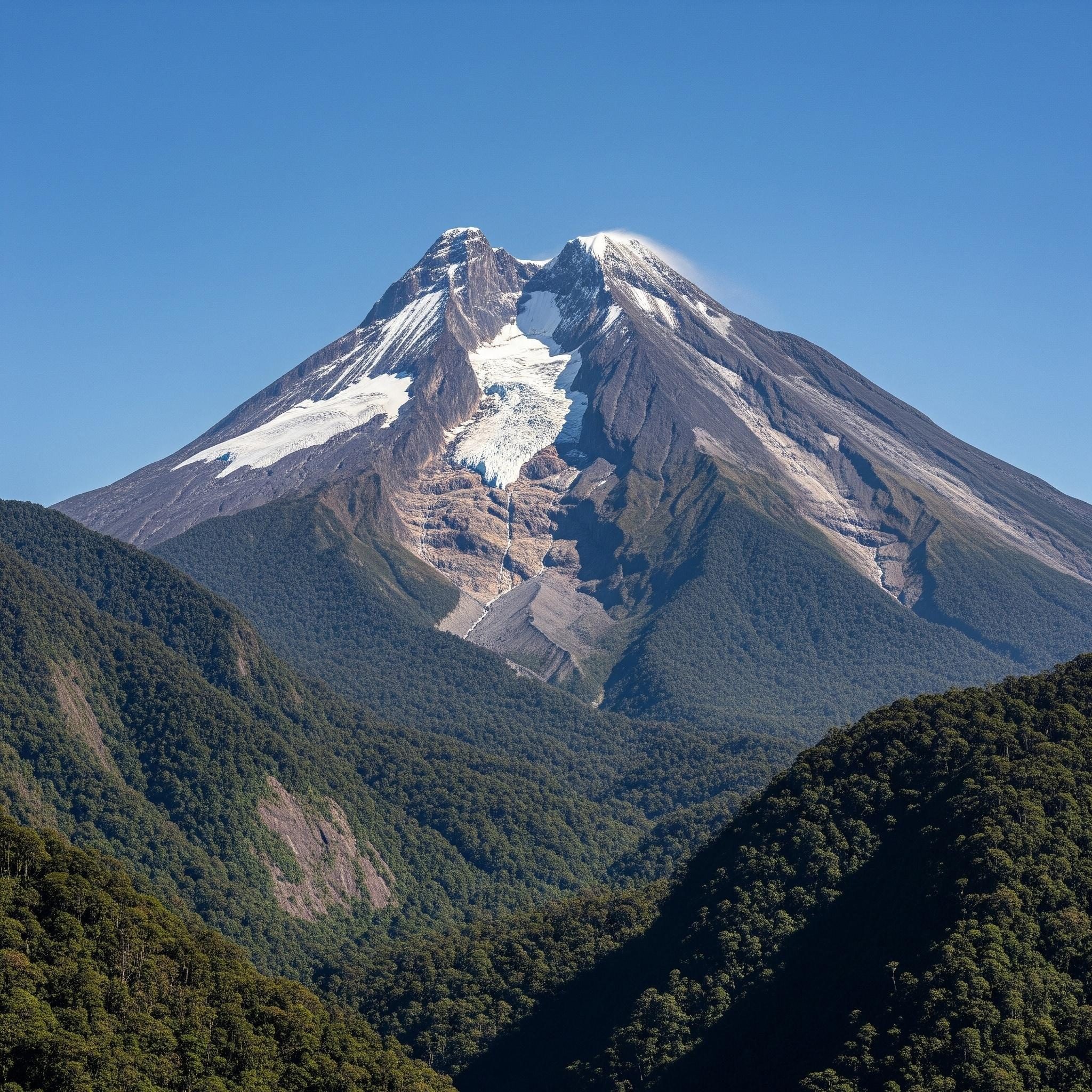
Puncak Jaya Routes Guide: Normal Route, North Face & Summit Ridge
For a modern Seven Summits expedition, the route question is simpler than many guides make it sound: current commercial teams overwhelmingly climb the Normal or Harrer Route up the North Face, gain the exposed summit ridge, cross its major gaps, and reverse the line by rappel. East Ridge, American Direct and later north-face routes matter historically—but they are not equal commercial choices.
What Route Do Most Climbers Use?
The modern commercial route is the North Face Normal Route, commonly called the Harrer Route. Current operators describe steep limestone gullies and slabs, roughly ten pitches of climbing to gain the ridge, sustained fixed-line movement, an exposed summit-ridge traverse, a permanent cable or wire crossing over the major gap, and a long rappel descent.
Helicopter versus jungle trek is a separate decision. It determines how you reach base camp; it does not create a different summit route. Once teams arrive at base camp, modern commercial programs generally climb the same North Face and summit-ridge line.
Approach Choice ≠ Summit Route Choice
This is the most important structural correction to make in a current Carstensz routes guide.
Helicopter to High Base Camp
Most established Western programs currently use helicopter access from Timika to a base camp above 4,000 m. This compresses the expedition but introduces aviation delays and rapid altitude gain.
Jungle / Overland Trek
Historic and occasional modern overland approaches are a different expedition experience. They change access, duration, security and acclimatization—not the North Face climbing line used once at the mountain.

Normal / Harrer Route: North Face to Summit Ridge
Current commercial descriptions from CTSS, Alpine Ascents and Adventure Consultants all center on the same broad line.
Base Camp → Lower Limestone
Teams leave high base camp early and move across rough terrain toward the base of the North Face. Even before the technical pitches, mud, wet ground and altitude can slow the approach.
Steep Gullies & Fixed Lines
The line enters gullies and slabs where climbers use fixed ropes, ascenders and tethers. Current commercial sources describe a mix of scrambling, fourth-class movement and moderate fifth-class climbing.
Approximately Ten Pitches to the Ridge
CTSS currently describes roughly ten pitches to gain the summit ridge, with harder moves around 5.6–5.7. Fixed ropes often change the actual movement from free climbing to assisted fixed-line climbing.
Gain the Exposed Summit Ridge
The character changes from face climbing to exposed ridge travel. Teams move among towers and notches while remaining clipped to fixed protection where installed.
Major Gap / Cable Crossing
The famous crossing remains a signature feature. Modern sources variously describe a permanent cable, Tyrolean-style crossing or multi-wire bridge. Train for exposed clipped movement rather than assuming one exact hardware configuration.
Final Ridge → 4,884 m Summit
After the largest gap, climbers negotiate additional smaller notches and exposed ridge sections before the final approach to the small limestone summit.
Reverse the Ridge & Rappel the Face
The summit is only half the technical day. Teams reverse the ridge, recross the major gap and complete a sustained series of rappels and fixed-line descents back toward base camp.

The Summit Ridge Is Why Carstensz Feels Different From the Other Seven Summits.
Altitude is real, but the defining problem is sustained exposure: jagged limestone, towers, notches, fixed lines and gaps with major air beneath them. Efficient transitions and calm movement matter more than raw upper-body strength.
The Route Demands a Rope-System Skill Set
“Experienced scrambler” is too weak a description for the modern commercial route.
Ascender Efficiency
Repeated clipping, weighting and transitioning on steep limestone should feel routine before the expedition.
5th-Class Movement in Boots
Current operators commonly ask for comfort above the route’s nominal grade because wet rock, mountain boots and altitude make moderate moves feel harder.
Ridge Composure
The ability to keep moving while clipped above major drop-offs is a separate skill from indoor climbing strength.
Cable / Tyrolean Technique
Practice a safe low-consequence system so the summit-ridge gap is not your first experience weighting a cable or Tyrolean-style crossing.
Repeated Rappels
Rappelling while tired, wet and at altitude is one of the route’s most important operational demands.
Wet-Limestone Judgment
Rain changes friction, gloves, hand temperature, rope handling and descent speed even when the free-climbing grade does not change.

Carstensz Has More Than Three Routes
“Normal / East Ridge / American Direct” is a useful shorthand, but it is not a complete route inventory.
| Route / route family | Historical significance | Modern commercial relevance | How to present it |
|---|---|---|---|
| Normal / Harrer Route | First-ascent line, 1962; north face to summit ridge | Very high — current standard guided line | Lead the page with this route. |
| East Ridge | Historic ridge line; AAC records it as first climbed by Reinhold Messner | Low for standard Seven Summits programs | Historical/technical alternative, not equal shopping choice. |
| American Direct | 1970s direct north-face line; later reports reference the 1973 American Direct | Very low | Serious technical history; not a mainstream guided product. |
| Other north-face routes | AAC reported six or seven north-face lines by the mid-1990s; later climbers added variants such as new direct lines and Root Matrix | Essentially none for normal commercial clients | Use to explain the mountain’s climbing history, not to complicate Seven Summits route choice. |

Why East Ridge and American Direct Still Belong on the Page
They explain Carstensz as a real climbing mountain rather than merely a fixed-line Seven Summit.
A Historic Ridge Alternative
AAC reporting from the 1990s identifies the East Ridge as a previously established line and attributes its first ascent to Reinhold Messner. It is longer and more committing than the standard commercial route, but it should not be sold to readers as a normal operator menu option.
A Direct North-Face Technical Line
Later AAC reports reference the 1973 American Direct on the north face. Subsequent climbers established additional direct variants, including lines that intersect or finish near older routes. This is technical route history—not a typical Seven Summits itinerary.

The Route Is Only One Part of the Risk.
Wet equatorial weather, helicopter delays, rapid arrival above 4,000 meters, access uncertainty and regional security issues all sit outside the rock grade. A route guide should keep those planning risks visible without stealing ownership from the dedicated access and operator pages.
Five Route Conditions That Matter More Than the Grade
Carstensz is a moderate rock grade wrapped in a serious operating environment.
Wet Limestone
Rain and seepage can slow movement dramatically, especially during rappels and fixed-line transitions.
Fixed-System Condition
Ask the operator what hardware and ropes are currently installed and what the guiding team carries to replace or back up suspect sections.
Ridge Congestion
Narrow gaps and crossings can become bottlenecks if several teams arrive together.
Snow / Graupel / Cold Rain
Equatorial does not mean warm. Light snow and cold precipitation can occur high on the mountain and change friction quickly.
Descent Margin
A slow team can summit successfully and still create a serious problem if repeated rappels extend into darkness or worsening weather.
Time Controls the Summit
Turnaround decisions should protect the descent, not simply maximize the probability of touching the summit.

Route First. Then Build the Access, Gear and Training Around It.
The Normal Route is technical enough that the rest of the planning cluster should support rope efficiency and logistical resilience—not repeat this page.
Verification & Editorial Method
- Climbing the Seven Summits: current Normal Route beta — North Face gullies, roughly ten pitches, 5.6–5.7, summit ridge, permanent cable crossing, 10–12 hour typical summit day and rappel descent.
- Alpine Ascents International: current commercial route description — roughly 500 m of north-face climbing, long notched summit ridge and major gap requiring rappel/jumar tactics.
- Adventure Consultants: current commercial North Face description — fixed ropes on technical slabs, exposed razorback ridge and three-wire bridge/crossing.
- American Alpine Journal: 1987 repeat of the 1962 north-face first-ascent line; 1996 report noting six or seven north-face routes by that era; 2003 and 2009 reports documenting additional north-face variants and the historical American Direct.
- Global Summit Guide parent and approach pages: current cluster architecture preserved so route, approach, access, operators, cost and training do not cannibalize one another.
Editorial rule: current commercial practice gets priority for planning. Historical lines remain visible when they improve understanding of the mountain, but they are not presented as equally bookable route options.
Puncak Jaya Route Questions
The modern commercial answer is simpler than the historical route list.
What is the normal route on Puncak Jaya?
The Normal or Harrer Route climbs the North Face through steep limestone gullies and fixed sections, gains the summit ridge, crosses several gaps including the famous cable/Tyrolean-style crossing, and follows the exposed ridge to the 4,884 m summit.
How hard is the climbing?
Current operators commonly describe harder free-climbing moves around 5.6–5.7. Fixed ropes can reduce the amount of free climbing, while wet rock, mountain boots, altitude, exposure and fatigue increase the overall seriousness.
Is the Tyrolean Traverse still there?
The major ridge gap is still part of the climb, but modern operators describe permanent cable or multi-wire systems rather than a pure rope Tyrolean. Exact hardware should be confirmed with the operator.
Are East Ridge and American Direct commercial alternatives?
Not normally. They are important historical or technical lines, while modern Seven Summits expeditions overwhelmingly use the Normal Route.
Are there only three routes on Carstensz Pyramid?
No. Normal Route, East Ridge and American Direct are a convenient shorthand. The American Alpine Journal reported six or seven north-face routes by the mid-1990s, and additional variants were climbed later.
Does taking a helicopter change the summit route?
No. Helicopter versus jungle trek is an approach decision. Both lead to base camp; commercial summit teams then generally use the North Face Normal Route.
For a Modern Seven Summits Climber, Learn One Route Very Well.
The North Face Normal Route is the line that matters: fixed limestone, summit-ridge exposure, cable crossings and a long rappel descent. Know the historical alternatives—but build your training and booking decision around the route your operator actually climbs.
Was this helpful?
🏔Related guides
🧭Explore & compare
Global Summit Guide is an independent mountaineering resource founded in 2026. The team combines first-hand trekking and climbing experience with in-depth research and professional health and nutrition review to help climbers choose objectives, prepare properly, and stay safe.
Health, altitude, and nutrition content is reviewed by Taylor Ludlow (Registered Nurse) and Brigg Hoopes (Nutritionist).
What We Don't Know Yet
Mountain information changes quickly. This box explains the limits of what this page can responsibly promise.
- Route conditions, trailhead access, crevasse exposure, stream crossings, and rescue access may vary from published planning guidance.
- Visa, passport, vaccination, border, insurance, and local transportation rules may change before your trip.
- Route conditions, snowpack, closures, and weather can change quickly after this page is updated.
- Permit rules, fees, quotas, and reservation windows may change between review cycles.
- Operator availability, pricing, guide ratios, and cancellation terms can change by season.
Verify current conditions with official land managers, guide services, local forecasts, and current route reports before booking or climbing.
Mountaineering, rock and ice climbing, glacier travel, and high-altitude activity are inherently dangerous and can result in serious injury or death. The information on Global Summit Guide is provided for general informational and educational purposes only and is not a substitute for professional instruction, qualified guiding, proper equipment, or your own judgment and experience.
Route conditions, weather, snowpack, permits, regulations, and hazards change constantly and may differ from what is described here. Details may be incomplete, out of date, or contain errors. Always verify current information with local authorities, certified guides, and official sources before making any decision in the mountains.
Nothing on this site is medical, legal, or financial advice. Our fitness, acclimatization, altitude, and nutrition content is general in nature; consult a qualified physician before beginning any strenuous exercise program or exposing yourself to high altitude.
You are solely responsible for your own safety and decisions. To the fullest extent permitted by law, Global Summit Guide and its team accept no liability for any loss, injury, damage, or expense arising from use of, or reliance on, this information. By using this site you acknowledge these risks and accept these terms.
Some links on this site may be affiliate links. If you buy through them we may earn a small commission at no extra cost to you; this never affects our recommendations.
Global Summit Guide recommendation path
Next Best Mountain to Research
Use these recommendations to continue the right planning path instead of stopping on one page.
Use current permit, weather, route, and operator information before booking or climbing.
Explore Travel Options for Your Destination
Once your mountain, dates and route are taking shape, compare flights, hotels and other travel options that fit the trip.
Affiliate link. We may earn a commission at no additional cost to you.