<

Category: Costs, Permits & Money

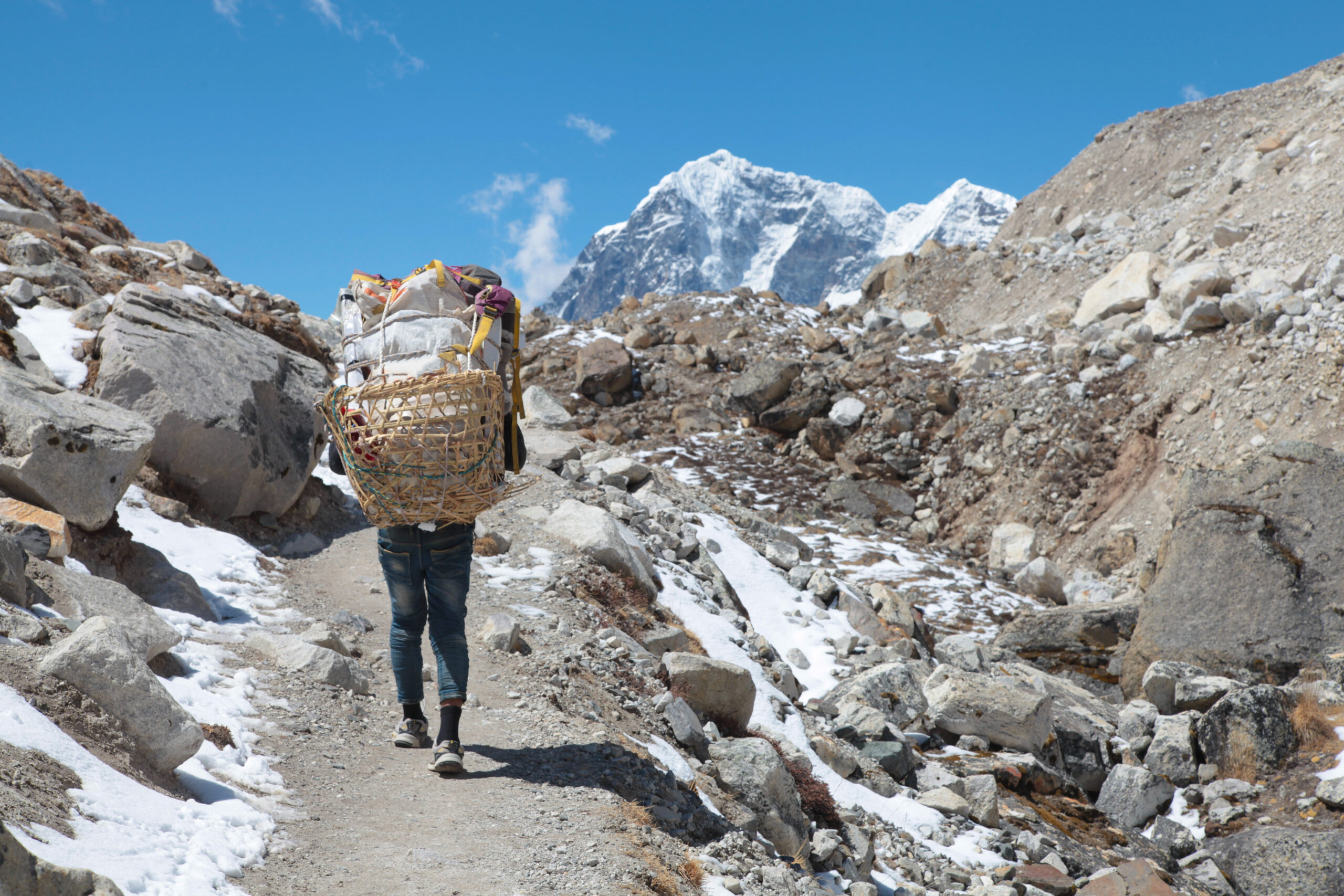
  • Climbers ascending a snow-covered peak with stunning mountain vistas, showcasing mountaineering gear and teamwork in a high-altitude environment.

    The Sherpa wage economy: what your $90K Everest expedition actually pays

    Costs, Permits & Money / Everest

    The Sherpa wage economy: what your $90K Everest expedition actually pays

    $8K-$15K
    Climbing Sherpa pay
    800-1,500
    Spring season jobs
    1.8x
    Wage growth since 2014
    30-38%
    Operator fee to labor
    Part of the Hub This Sherpa wage economics analysis sits inside our master mountaineering reference covering routes, training, gear, and budget for every major peak. Visit the Hub →

    Most Everest cost articles tell you what you pay. Almost none tell you where the money actually goes. The $65,000 to $110,000 that flows from a Western client to a Western operator follows a defined cash path: through the operator brand layer, through the Nepalese ground operator subcontract, through the climbing Sherpa team, through the base camp staff, through the Icefall Doctors, through the Nepal Ministry of Tourism, and through a dozen smaller line items that climbers rarely see. Understanding where the money ends up matters for two reasons. It explains why Everest costs what it does. And it explains why Sherpa wages have grown 1.8x since 2014 while operator margins have compressed. This breakdown maps the cash path of a representative $90,000 Western-led Everest expedition, drawing on operator disclosures, Nepalese tourism economic data, and published Sherpa community wage benchmarks. The full pricing context lives in our 2026 Everest cost breakdown, with the operator-tier comparison in our Western vs Nepalese operator analysis, the day-by-day timeline in our composite trip report, and the broader peak progression in our master mountaineering hub.

    The cash path of a $90,000 expedition

    A representative Western-led Everest expedition booked through a tier-2 international operator (Madison, IMG, CTSS) at $65,000 plus the typical $25,000 in additional climber spending splits roughly into ten distinct payment categories. The first reaches the Nepal government as the climbing permit. The largest reaches the climbing Sherpa team. The smallest reaches base camp porters and the Buddhist lama who blesses the team’s puja altar. The remaining categories cover infrastructure, oxygen logistics, insurance, and operator margin. The composition has shifted meaningfully since 2014: Sherpa-related labor has grown from roughly 22 percent of operator fee to 32 to 38 percent in 2026, while operator margin has compressed by a similar amount. The same operator-fee structure applies on other major peaks, with the Aconcagua version detailed in our Mendoza guide economy analysis and the Aconcagua client-side cost view in our Aconcagua cost breakdown.

    01

    Personal climbing Sherpa wages

    The single largest labor line item. Each client typically gets one personal climbing Sherpa for the full expedition. Wage range reflects experience tier, summit count, and IFMGA certification status. Senior Khumbu Sherpas with 10+ Everest summits and IFMGA cert command the top of the range.

    Per Sherpa$8K-$15K
    02

    Sherpa life insurance and welfare contribution

    Mandatory minimum coverage rose from $6,000 pre-2014 to $15,000 post-reform, with many operators voluntarily providing $25,000 to $40,000. The premium is paid by the operator and represents a meaningful per-climber cost line.

    Premium per climber$30-$50
    03

    Base camp Sherpa staff (cooks, kitchen, support)

    Base camp operations require dedicated cooks, kitchen support staff, dishwashers, and tent maintenance Sherpas. Pay rates for non-climbing base camp staff run lower than climbing Sherpa rates but still well above the Nepalese national average.

    Per staff member$2.5K-$5K
    04

    Sirdar (head Sherpa)

    The sirdar is the operator’s most senior Sherpa, coordinating the climbing team’s operations across the full expedition. Pay reflects leadership responsibility plus typical climbing Sherpa rate. Sirdar tip pool is also separate from individual climbing Sherpa tips.

    Per sirdar$10K-$18K
    05

    Icefall Doctor route fee contribution

    Each climber pays into the SPCC-managed icefall route fee that funds the Icefall Doctors team. The fee covers their seasonal wages, insurance, and equipment. The 8 to 12 Sherpas on the team install and maintain ladders and fixed lines through the icefall each spring.

    Per climber$600-$800
    06

    Khumbu approach porters and yak handlers

    Pre-base-camp logistics from Lukla through to EBC employ trekking porters, yak handlers, and assistant guides. Most are short-term seasonal employees of the ground operator.

    Total per climber$800-$1.2K
    07

    Nepal climbing permit + ancillary government fees

    The Nepal Ministry of Tourism climbing permit ($11K rising to $15K for permits issued from September 2025), plus liaison officer fee ($2.5K), garbage deposit ($4K refundable), TIMS, conservation fees, and SPCC pollution control contribution.

    Per climber$15K-$19K
    08

    Oxygen system (bottles, masks, regulators)

    Standard kit is 4 bottles for the climber and 3 for the Sherpa, plus mask and regulator. Summit Oxygen and Poisk are the dominant suppliers. Per-bottle cost is the largest single equipment line beyond the climber’s personal gear.

    Per climber kit$4K-$8K
    09

    Operator coordination and Western lead guide

    The Western brand layer: lead guide salary, base camp manager salary, client interface staff, marketing, sales, and the company overhead that covers the year-round operator infrastructure. This is the line item that varies most between operator tiers.

    Per client$15K-$28K
    10

    Operator profit margin

    What the operator actually clears after all line-item costs. Margins have compressed since 2018 as Sherpa wages and oxygen costs grew faster than retail expedition pricing. Most Western operators target 8 to 14 percent net margin on the operator fee.

    Per client$5K-$9K

    The full breakdown in one table

    Line item Per climber % of $90K
    Personal climbing Sherpa$11,50013%
    Sirdar share$1,2001.3%
    Base camp Sherpa staff$2,8003.1%
    Sherpa life insurance pool$3000.3%
    Icefall Doctor route fee$7000.8%
    Khumbu approach porters/yaks$1,0001.1%
    Nepal permit + government fees$17,50019.4%
    Oxygen system per climber$5,5006.1%
    Base camp infrastructure (tents, mess, comms)$3,4003.8%
    Helicopter, transit, food logistics$4,2004.7%
    Western lead guide + base camp manager$10,50011.7%
    Sales, marketing, year-round operator overhead$8,8009.8%
    Insurance, contingency, rescue reserves$2,4002.7%
    Operator net profit margin$7,2008%
    Tipping budget (climber-paid, separate)$4,5005%
    Climber side: flights, gear, qualifier climb, KTM$8,5009.4%
    TOTAL ALL-IN$90,000100%

    The numbers are illustrative, drawn from operator disclosures and industry estimates. Actual line items vary by operator, season, and team size. The directional accuracy is what matters: roughly 18 to 22 percent of the all-in expedition cost flows directly to Sherpa labor compensation, roughly 19 to 24 percent flows to the Nepal government, roughly 10 to 14 percent flows to operator overhead and Western coordination, and roughly 7 to 10 percent ends up as operator profit. The remainder covers physical infrastructure, oxygen, insurance, and the climber’s own side of the budget. The climber-side line items (gear, flights, training, qualifier expedition) are detailed in our expedition gear list, our mountain climbing insurance guide, and the broader cost-comparison framework across all major peaks in our conquer-peaks reference.

    How Sherpa wages have moved since 2014

    Climbing Sherpa wage growth, 2014 to 2026

    Pre-2014: Personal climbing Sherpa earned roughly $4,000 to $6,500 per Everest expedition. Mandatory life insurance was $6,000. Post-2014 reset: The April 18, 2014 Khumbu Icefall avalanche killed 16 Sherpas in a single morning, triggering a Sherpa-led reform movement that resulted in a wage reset and life insurance reform. 2018: Climbing Sherpa pay rose to $7,000 to $11,000. Insurance reset to $15,000 mandatory. 2024-2026: Pay range $8,000 to $15,000, with senior IFMGA Sherpas reaching $14K-$18K. Insurance frequently runs $25K-$40K voluntarily. The 2014 reset and post-pandemic recovery are documented in the broader Sherpa labor history covered in our analysis of mountain porter labor reform.

    The wage trajectory matters because it explains where Everest pricing has gone since 2014. Operator pricing rose roughly 30 to 45 percent in nominal dollar terms over the same period. The wage growth absorbed roughly 70 percent of that price increase, with operator margin compression absorbing the rest. The Sherpa community’s reform movement after the 2014 disaster fundamentally changed the labor economics of Everest expeditions, and the change has been broadly accepted by the industry as both ethical and commercially sustainable. The full Everest route framework that this labor structure operates within is in our Everest climbing guide, with the route comparison in our South Col vs North Ridge analysis.

    Tipping: the real-economics layer

    Tipping is the part of Sherpa compensation that climbers control directly. The standard tipping practice on Everest expeditions adds another $3,500 to $6,000 per climber to total Sherpa compensation, paid in cash at the base camp tipping ceremony on summit day. The amounts are well-established and operators provide guidance, but the social pressure to tip at or above the recommended level is real, and most climbers tip at the high end of guidance.

    Personal climbing Sherpa (your dedicated 1:1 partner from BC to summit)
    $1,500-$2,500
    Sirdar (head Sherpa, coordinator)
    $300-$500
    Cook + assistant cook (60 days of base camp meals)
    $200-$400
    Base camp Sherpa staff (kitchen, dishwashing, tents)
    $300-$500
    Liaison officer (Nepal government rep at base camp)
    $200-$400
    Lead Western guide (if international operator)
    $1,000-$2,500
    Total tip budget per climber
    $3,500-$5,800

    The tip is real Sherpa income. For a senior climbing Sherpa with 12 expeditions per year (4 on Everest, 8 on smaller Nepalese peaks), tip income across the full year can reach $25,000 to $40,000, materially supplementing the base wage. This is one reason that experienced Khumbu Sherpas can support relatively high household incomes by Nepalese standards, and why competition for the most experienced Sherpas has driven base-wage growth so aggressively since 2014. The same wage-progression dynamic appears in the Aconcagua guide labor market profiled in our Mendoza guide economy analysis, with the climber-side preparation arc detailed in our 8-month Everest training plan and our high-altitude training program.

    Where the Nepal permit money actually goes

    The Nepal Ministry of Tourism collects roughly $5 to $10 million annually from Everest climbing permits, with the variation reflecting permit count fluctuations across seasons. The 2026 fee structure (rising from $11,000 to $15,000 for permits issued from September 2025) will increase that figure to roughly $7 to $14 million per year going forward. The allocation, by published government data: roughly 35 percent to Department of Tourism general operations, 25 percent to Sagarmatha National Park conservation, 20 percent to liaison officer salaries and ranger services, 15 percent to mountain rescue infrastructure, and 5 percent to community development funds in the Khumbu region.

    The 5 percent community development allocation is contentious. Khumbu Sherpa community advocates argue that more permit revenue should return to the region whose labor enables the expedition industry to exist. Nepalese government officials argue that the broader country bears the cost of mountaineering infrastructure (Lukla airport, road maintenance, embassy services for missing climbers) and the revenue should be allocated nationally. Both positions have merit. The current allocation reflects the political compromise rather than an optimized economic outcome.

    Sherpa pay compared to other Nepalese mountain economies

    Climbing Sherpa pay on Everest is the highest mountain-labor wage in Nepal. The comparative numbers tell the story:

    • Everest climbing Sherpa: $8K-$15K per expedition (60-65 days), plus $1.5K-$2.5K in tips
    • Manaslu climbing Sherpa: $5K-$8K per expedition, plus $1K-$1.5K in tips
    • Cho Oyu climbing Sherpa (when route open): $5K-$8K per expedition, plus $1K-$1.5K in tips
    • Annapurna climbing Sherpa: $4K-$6K per expedition, plus $800-$1.2K in tips
    • Trekking guide (3-week trek): $1.5K-$3K total compensation
    • EBC trekking porter: $400-$700 for full Khumbu trek
    • Kathmandu hotel staff: $200-$400 monthly base

    The wage premium that Everest pays over other Nepalese mountain work reflects three factors: the higher technical and altitude risk on Everest, the longer season commitment (60-65 days versus 3-4 weeks for trekking peaks), and the global labor market for experienced 8,000m climbing Sherpas, where competition from international expeditions abroad (Pakistan, Tibet when accessible, occasional Antarctic work) sets a global price floor for the most experienced individuals. The full peak-by-peak labor market is profiled across our Seven Summits guide and the broader operator framework in our conquer-peaks reference.

    The bottom line on where the money goes

    Climbers who pay $90,000 to climb Everest should know that roughly $20,000 of that flows to Sherpa labor compensation (wages plus insurance plus tips), roughly $17,000 flows to the Nepal government in permit and ancillary fees, roughly $10,000 covers oxygen and high-camp infrastructure, roughly $19,000 covers Western operator overhead and lead guide, and roughly $7,000 ends up as operator profit. The remaining $17,000 covers the climber’s own side: flights, gear, training, qualifier expedition, Kathmandu logistics. The cash path is more transparent than most climbers assume, and understanding it helps explain both why pricing has risen since 2014 and why operator margins have compressed even while retail prices have grown. The full Everest budgeting and operator framework lives in our 2026 cost breakdown, with the operator decision in our Western vs Nepalese operator analysis, the day-by-day expedition timeline in our composite trip report, and the broader peak progression in our master mountaineering hub.

    ★ Master Resource

    Build your full Everest financial plan

    Operator picks, training timelines, gear lists, cost frameworks, and the full peak progression that prepares climbers for an Everest expedition.

    Visit the Master Hub →

    Frequently asked questions

    How much does a personal climbing Sherpa actually earn for an Everest expedition?

    A personal climbing Sherpa earns 8,000 to 15,000 USD for the full Everest spring season, with another 1,500 to 2,500 USD in standard tips. Total compensation runs 9,500 to 17,500 USD per expedition. The most experienced Khumbu Sherpas with 10+ Everest summits and IFMGA certification command rates at the top of that range. Sherpa wages have grown roughly 1.8x since 2014 in dollar terms, driven by labor scarcity and the post-2014 wage reset after the icefall avalanche.

    How much of the operator fee goes to Sherpa wages?

    On a standard 65,000 USD Western-led Everest expedition, Sherpa-related labor costs total 30 to 38 percent of the operator fee. The breakdown: roughly 10,000 USD per personal climbing Sherpa, 3,000 to 5,000 to base camp Sherpas and cooks, 2,500 to 4,000 to the sirdar (head Sherpa), 800 to 1,200 to porters in the Khumbu approach, and a contribution to the icefall route fee that funds the Icefall Doctors. The Sherpa labor share rises further on Nepalese-only expeditions where Western coordination overhead is absent.

    What do the Icefall Doctors get paid?

    The Icefall Doctors are an elite team of typically 8 to 12 Sherpas who install and maintain the route through the Khumbu Icefall each spring. They are funded through a route fee paid by all expeditions on the south side, currently set at 600 to 800 USD per climber per season by the Sagarmatha Pollution Control Committee. The team earns roughly 3,000 to 4,500 USD per Sherpa for the season, plus extensive risk insurance underwritten by the SPCC and operators.

    How much does Sherpa life insurance actually cost?

    Following the post-2014 reform pushed by the Sherpa community, mandatory life insurance for climbing Sherpas now runs 15,000 USD minimum coverage, up from 6,000 USD pre-2014. The insurance premium of roughly 600 to 900 USD per Sherpa per season is paid by the operator. Some operators voluntarily provide higher coverage (25,000 to 40,000 USD), with premiums rising proportionally. The life insurance line item adds 30 to 50 USD per client to the all-in cost of every Everest climb.

    What does the Nepal government actually do with the 11,000 USD permit fee?

    The Nepal Ministry of Tourism allocates the permit revenue across several lines: roughly 35 percent to Department of Tourism general operating funds, 25 percent to Sagarmatha National Park conservation, 20 percent to liaison officer salaries and ranger services, 15 percent to mountain rescue infrastructure, and 5 percent to community development funds in the Khumbu region. Of the 5 to 10 million USD annual permit revenue from Everest, only a fraction returns to the Khumbu economy through community development.

    How does Sherpa pay compare to other Nepalese mountain economies?

    Climbing Sherpa pay on Everest is the highest mountain-labor wage in Nepal. By comparison: trekking guides earn 30 to 60 USD per day during season (roughly 1,500 to 3,000 over a typical 3-week trek), porters earn 15 to 25 USD per day, and Annapurna or Manaslu climbing Sherpas earn 60 to 75 percent of Everest rates. The wage premium reflects Everest’s higher technical risk, longer season commitment, and the global market demand for experienced 8,000m climbing labor.

    Why have Sherpa wages grown so much since 2014?

    Three converging factors: the 2014 Khumbu Icefall avalanche killed 16 Sherpas in a single morning and triggered a Sherpa-led reform movement that demanded higher wages, mandatory life insurance, and improved risk compensation. Demand for climbing Sherpas grew faster than the supply of trained Khumbu-region veterans willing to take the work. And inflation in Kathmandu (housing, education, healthcare costs) rose substantially, requiring higher wages to maintain Sherpa household buying power.

    Is the Sherpa wage growth sustainable for Everest pricing?

    The Sherpa wage component of Everest expeditions has grown faster than overall expedition pricing, which means operator margins have compressed since 2018. Most Western operators absorbed the wage increases by raising prices 25 to 40 percent over 2018 to 2026. Continued growth at current rates would require another 15 to 25 percent price increase by 2030, or a shift toward higher Sherpa-to-client ratios that justify the premium pricing. The industry is at a stable equilibrium for now.

  • Aconcagua expedition cost: an honest 2026 breakdown

    Aconcagua expedition cost: an honest 2026 breakdown

    Costs, Permits & Money / Aconcagua

    Aconcagua expedition cost: an honest 2026 breakdown

    $5.5-9.5K
    Operator fee
    $800-1K
    Permit (high)
    $9.5-13K
    All-in total
    3 weeks
    Trip duration
    Part of the Master Guide This cost reference sits inside our complete mountaineering planning hub. Visit the Hub →

    Most cost articles for Aconcagua quote the operator fee and stop. They tell you the trip costs 6,500 USD or 8,500 USD or whatever the brochure shows, and let the reader assume that’s the real number. It isn’t. By the time a North American climber walks into Plaza de Mulas, they have spent considerably more than the line item on the operator’s website. This breakdown is built from the actual costs of our January 2024 expedition, updated to 2026 pricing, with the categories first-timers consistently miss. Our Aconcagua January trip report covers the climb itself, our Aconcagua vs Denali decision guide handles the comparison, and the broader peak-by-peak cost framework lives in our mountain climbing costs reference inside the master mountaineering hub.

    The eight cost categories most climbers miss at least three of

    01

    The operator fee

    The headline cost. Quality operators with experienced guides, full base camp infrastructure, and reasonable client-to-guide ratios charge 7,500 to 9,500 USD for a 19-21 day expedition. Lower-tier operators run 5,500 to 7,000 USD with larger groups, less infrastructure, and tighter trip schedules. The cheapest operators often run 8 climbers per guide and run schedules so compressed that summit success rates drop below 30%.

    Range$5,500-9,500
    02

    The provincial permit

    Aconcagua’s climbing permit is set by the Mendoza provincial government and varies by season and nationality. High season (December 15 to January 31) charges foreigners 800 to 1,000 USD. Shoulder season (December 1-14 and February 1-20) drops to 600 to 750 USD. Low season runs 400 to 500 USD. The fee must be paid at the Mendoza tourism office in pesos at official exchange rates, and it covers ranger services, search-and-rescue infrastructure, and permanent medical post staffing.

    High season$800-1,000
    03

    International flights

    From the US, expect 1,200 to 2,000 USD round-trip to Mendoza. The cheapest routes go through Buenos Aires (Aerolineas Argentinas, LATAM) or Santiago, Chile (Sky, JetSmart). Direct flights from Miami to Mendoza on Aerolineas run more. Booking 4-6 months out and routing through BA usually saves 300-500 USD compared to last-minute direct routings. Climbers often add 200-400 USD for the bus or short flight from Buenos Aires to Mendoza.

    Round trip$1,200-2,000
    04

    Mendoza accommodation and meals

    Most climbers spend 4-6 nights in Mendoza across the trip: 2 before the climb for permits and acclimation, 2 after for recovery. Mid-range hotels run 80-150 USD per night. Meals run 35-60 USD per day. Total Mendoza spend per climber lands at 600 to 1,000 USD. Operators that include hotel nights in their package often charge a premium that costs the same or slightly more than booking independently.

    4-6 nights$600-1,000
    05

    Tipping the team

    The category most climbers underestimate. Standard tipping covers the guide team, base camp staff, and muleteers. Quality operators publish guidelines but climbers should plan in advance because the cash needs to come in pesos at the right time.

    Lead guide team (split among guides)$200-300
    Base camp staff (cooks, porters)$50-100
    Muleteers (gear transport)$30-50
    Per climber$280-450
    06

    Travel insurance with mountaineering cover

    The category most likely to be skipped and most likely to matter. Standard travel insurance does not cover mountaineering above 4,500m. Specialized policies from Global Rescue, IMG, or World Nomads’ Explorer plan run 250-500 USD for a 3-week trip and cover medical evacuation, search-and-rescue, and emergency repatriation. Detailed framework in our mountain climbing insurance guide.

    3-week trip$250-500
    07

    Gear costs (if you don’t own any)

    The variable cost. Climbers who already own technical gear from prior climbs (Kilimanjaro, Cascade volcanoes) typically need only minor additions for Aconcagua: a -20°F sleeping bag if they don’t have one, expedition mittens, possibly double boots if they only own single boots. Climbers building a full kit from scratch face 3,500 to 6,500 USD in new purchases. Detailed in our complete gear list with boot specifics in our boots guide.

    If starting from scratch$3,500-6,500
    08

    Pre-trip training, travel, and prep

    The most invisible category. Training travel (high-altitude weekends, glacier school weekends), gym memberships, time off work, gear testing trips, and the various small expenses leading up to the climb. Conservative climbers budget 500 to 1,500 USD here. Rigorous climbers easily spend more. The full preparation framework lives in our high-altitude training program and our 8-month training plan.

    Variable$500-1,500

    The total cost reality

    Aconcagua’s “honest” cost is not the operator fee. It is the sum of all eight categories above. For a North American climber with reasonable existing gear, choosing a quality operator, in high season, the realistic total is 9,500 to 13,000 USD. The full cost framework that puts this in context with other 7-Summits sits in our master mountaineering hub. The lower bound assumes existing gear and conservative tipping; the upper bound assumes a higher-end operator and full insurance. Below this range, climbers are either using the cheapest operators (with success rate consequences) or stretching their gear and insurance assumptions to numbers they wouldn’t actually accept on the mountain.

    Cost categoryBudget tierStandard tierPremium tier
    Operator fee$5,500-6,500$7,000-8,500$8,500-9,500
    Permit (high season)$800$900$1,000
    Flights$1,200$1,500$2,000
    Mendoza lodging/meals$500$700$1,000
    Tipping$280$350$450
    Travel insurance$250$350$500
    Gear (assume owned)$200$400$800
    Training/prep travel$500$1,000$1,500
    All-in total$9,230-10,230$12,200$14,750
    Our actual 2024 spending

    Our team’s January 2024 expedition cost was quoted at 7,400 USD per climber for the operator. Total spend by trip end averaged 12,800 USD per climber. The 5,400 USD delta came from: flights (1,650), Mendoza nights (820), tipping (380), insurance (350), gear gaps and replacements (1,100), and pre-trip prep travel (1,100). Our climbers had assumed the operator fee was the trip cost. By Day 21 we had collectively spent 73 percent more than the brochure number. We were not unusual. Plan for 1.7x to 1.85x the operator fee as your real all-in budget.

    Smart cost-cutting versus risky cost-cutting

    The acclimatization profile that drives summit success is detailed in our altitude acclimatization explainer. Climbers looking to bring costs down have legitimate options that don’t compromise the climb. Several common cost-cutting moves do compromise the climb. Knowing the difference matters.

    Detailed cost-cutting frameworks for every major peak sit alongside this in our master mountaineering hub and in our Kilimanjaro hidden costs guide which uses the same eight-category framework.

    Smart savings (no climb impact)

    • Book in shoulder weeks (early December, mid-February) for 800-1,500 USD lower operator rates and 200-400 USD lower permit fees. Weather is slightly less favorable but acceptable.
    • Route flights through Buenos Aires with internal connections to Mendoza for 300-500 USD savings versus direct routings.
    • Rent technical gear (double boots, sleeping bag, parka) from Mendoza outfitters for 200-400 USD versus buying for 1,500-2,500 USD if you’ll only use them once.
    • Share Mendoza hotel rooms with team members. Saves 200-400 USD per climber across the trip.
    • Skip the private guide upgrade. Quality group expeditions have summit success rates as high as private guides; the upgrade is mostly a comfort and pace consideration.

    Risky savings (real climb impact)

    • Cheapest operators with 6:1 or 8:1 client-to-guide ratios. Summit success rates collapse below 30%, and emergency response capability is reduced.
    • Compressed itineraries (15-day “express” trips). The acclimatization profile is the single largest determinant of summit success. Saving 4 days saves nothing if you turn around at Camp Cólera. The exact pattern is detailed in our Camp 2 mistake guide.
    • Skipping travel insurance. A single helicopter evacuation from Plaza de Mulas costs 6,000-15,000 USD without insurance. The 250-500 USD policy is the cheapest meaningful cost item on the trip.
    • Used or borrowed boots that don’t fit perfectly. Boot fit at altitude is the leading cause of frostbite-related descent decisions. The wrong boots end summits.
    • Skimping on the parka or sleeping bag. The cold at Camp Cólera and on summit night is the section that breaks underprepared climbers. Detailed in our sleeping bags for altitude and layering systems guides.

    Aconcagua cost vs other 7-Summits

    The peak-specific routing and operator framework lives in our Aconcagua routes guide, with broader peak budgets indexed at the master mountaineering hub. Aconcagua’s cost sits in the middle of the 7-Summits range. Cheaper than Denali, much cheaper than Everest, and broadly comparable to Vinson when transit is excluded. The full peak-by-peak cost framework with detailed Everest pricing in our Everest cost guide shows Aconcagua at roughly 15-20% of an Everest South Col expedition. Climbers planning a multi-peak progression should budget the entire stack, not just the next climb. The framework is in our Seven Summits guide.

    Quick reference: 7-Summits cost stack

    • Kilimanjaro: 4,500-6,500 USD all-in (detailed in our Kilimanjaro cost 2026)
    • Aconcagua: 9,500-13,000 USD all-in (this guide)
    • Denali: 12,000-16,000 USD all-in
    • Mount Elbrus: 5,500-8,000 USD all-in
    • Vinson Massif: 50,000-65,000 USD all-in (Antarctica logistics dominate)
    • Carstensz Pyramid: 15,000-22,000 USD all-in
    • Mount Everest: 45,000-110,000 USD all-in (route and operator dependent)
    ★ Master Resource

    Build your full mountaineering budget with the master hub

    Operator selection, training timelines, gear lists, permit logistics, and cost breakdowns for every major peak.

    Visit the Master Hub →

    Aconcagua cost questions

    How much does it cost to climb Aconcagua in 2026?

    A guided Aconcagua expedition runs 9,500 to 13,000 USD all-in for North American climbers. The breakdown: 5,500 to 9,500 USD for the operator, 800 to 1,000 USD for the high-season permit, 1,200 to 2,000 USD for international flights, 600 to 1,200 USD for new gear if you don’t own it, and 800 to 1,500 USD in incidentals (tipping, Mendoza hotel, food, transit, insurance). Most climbers spend 1.7x to 1.85x the brochure operator fee by trip end.

    What is the Aconcagua climbing permit cost?

    The Aconcagua permit cost in 2026 is approximately 800-1,000 USD for the high season (December 15 to January 31), 600-750 USD for shoulder season (December 1-14 and February 1-20), and 400-500 USD for low season. The fee must be paid at the Mendoza tourism office in pesos at official exchange rates. Operators do not include the permit in their package.

    How much should I tip on Aconcagua?

    Standard tipping practice: 200-300 USD per climber for the lead guide team (split among them based on operator’s pooling model), 50-100 USD for base camp staff, and 30-50 USD for muleteers. Total tip budget per climber: 280-450 USD. Tips are paid in cash at the end of the trip, in pesos or USD depending on the operator’s preference.

    Why do operators charge such different prices for Aconcagua?

    Operator pricing varies based on guide-to-client ratio (1:3 vs 1:6), trip length (18 days vs 21 days), services included (Mendoza hotel, transfers, gear), camp infrastructure (private camp vs shared), and cost transparency. The cheapest operators run high client-to-guide ratios with compressed schedules and basic infrastructure. Mid-tier operators offer 1:4 ratios with reasonable schedules. Top-tier operators offer 1:3 ratios, longer schedules, and full base camp infrastructure for premium prices.

    Can I climb Aconcagua without a guide?

    Yes, Aconcagua allows independent permits. An independent expedition costs 4,000-6,000 USD all-in if you have your own gear, but it requires self-sufficient camp logistics, mule arrangements with a Mendoza outfitter (1,500-2,500 USD), and significant prior high-altitude experience. Independent climbers typically have lower summit success rates and higher emergency rates. The savings rarely justify the risk for first-timers.

    What does the cost not include that climbers underestimate?

    Six recurring underestimates: travel insurance with mountaineering cover (250-500 USD), pre-trip altitude training travel, gear upgrades after the deposit goes in, Mendoza hotel and meals (4-6 nights), the full tipping budget, and emergency evacuation insurance. The pattern is consistent: brochure costs cover roughly 55-65% of the actual all-in trip spend.

    Is climbing Aconcagua cheaper than Denali?

    Yes. A typical Aconcagua expedition runs 9,500-13,000 USD all-in versus Denali’s 12,000-16,000 USD. The cost gap is driven by lower guide labor cost in Argentina, lower park permit, lower flight cost from major US hubs, and shorter on-mountain time. Aconcagua is roughly 25-30% cheaper than Denali on equivalent service tiers.

    How can I reduce the cost of climbing Aconcagua?

    Five proven savings paths: book during shoulder weeks (mid-December or mid-February) for cheaper operator rates and permits, fly in via Buenos Aires with internal connections to Mendoza, rent technical gear (boots, sleeping bag, parka) instead of buying, share Mendoza hotel rooms, and avoid the temptation to add private guide upgrades unless you have specific reasons. Total potential savings: 1,500-3,000 USD per climber.

    How much does Aconcagua gear cost if I don’t own any?

    Building an Aconcagua kit from scratch costs 3,500-6,500 USD for a complete new setup. Big-ticket items: double boots (700-1,000 USD), -20°F sleeping bag (550-800 USD), expedition parka (450-650 USD), expedition pack (350-500 USD). Most climbers borrow, rent, or assemble kit incrementally over multiple expeditions to avoid the all-at-once spend.

  • Hidden costs of climbing Kilimanjaro most articles ignore

    Hidden costs of climbing Kilimanjaro most articles ignore

    Costs, Permits & Money / Kilimanjaro

    Hidden costs of climbing Kilimanjaro most articles ignore

    10
    Hidden Cost Categories
    $4.5K–6.5K
    Real Total Range
    $300–500
    Tipping Reality
    Real vs Headline Price
    Part of the Master Guide This cost guide is part of our comprehensive mountaineering reference — browse all guides from one hub. Visit the Hub →

    When climbers Google “how much does it cost to climb Kilimanjaro,” the first results all quote a single number — usually the operator’s headline price of $2,500-4,500. That number is roughly half the real cost. The hidden costs aren’t hidden because operators are dishonest; they’re hidden because operators legitimately can’t include them. Tipping is paid in cash to the porter team. Visas, flights, insurance, gear, and hotels are the climber’s responsibility. Add them up and the real budget for a North American climber lands at $4,500-6,500. This guide walks through every hidden cost category, explains what it actually pays for, and gives you the budgeting framework to plan accurately. For the operator-fee context, see our complete Kilimanjaro cost guide and the master mountaineering hub.

    The ten hidden cost categories

    These are the budget items not included in your operator’s quote. We’ll go through each in detail, but here’s the headline — the categories that turn a $3,500 climb into a $5,500 trip.

    I

    Tipping the porter and guide team

    Cost category 01 · Mandatory
    Per climber$300–500

    Tipping is the single largest hidden cost on Kilimanjaro and the one most likely to catch first-time climbers off guard. It’s not optional. The porter team’s wages from the operator are legally compliant under Tanzanian law but functionally inadequate — tips make up the meaningful portion of porter income, and the standard operator briefing on day zero will outline expected tipping ranges.

    For a 7-day climb with a typical 4-person team supporting 1-2 climbers, expect to tip:

    • Lead guide: $20-25 per day = $140-175 total
    • Assistant guide: $15-20 per day = $105-140 total
    • Cook: $12-15 per day = $84-105 total
    • Each porter: $10-12 per day = $70-84 per porter

    Bring the tip money in USD small bills ($1, $5, $10, $20). Tanzanian shillings are not preferred for tipping, and obtaining smaller USD denominations is difficult once in country. Plan to give the tips on the final morning of the climb in a transparent envelope ceremony — operators typically structure this so you can hand each team member their amount directly.

    II

    International flights to Tanzania

    Cost category 02 · Variable
    Round-trip$1,000–1,800

    The closest international airport is Kilimanjaro International (JRO), about 45 minutes from Moshi. Some climbers route through Nairobi (NBO) and connect via short hop or shuttle. Most North American climbers fly via European hubs (Amsterdam, Paris, Doha) or Middle East hubs (Doha, Dubai, Addis Ababa).

    Round-trip economy from major US cities runs $1,000-1,400 booked 6+ months out, $1,400-1,800 within 3 months. The cheapest dates are typically off-season (April-May rainy season, November short rains) which most climbers avoid. Peak Kilimanjaro climbing months (July-September, January-February) command the highest fares.

    Layover strategy matters: 24+ hour layovers in Doha or Amsterdam cost the same as direct connections and let you arrive in Tanzania less jet-lagged. Many climbers add a Serengeti or Zanzibar extension that uses internal Tanzania flights, adding $300-600 to the total.

    III

    Tanzania visa and entry fees

    Cost category 03 · Mandatory
    Per traveler$100

    US passport holders pay $100 for the Tanzania tourist visa. Visas are available on arrival at Kilimanjaro International Airport, but the e-visa pre-application is faster and reduces the queue at JRO immigration after a long flight. Apply 3-4 weeks before departure at the official Tanzania Immigration Services portal.

    Other passport holders should check current fees — UK passports run $50, Canadian $50-100, Australian $50, EU $50-80. Carry one printed copy of the e-visa receipt plus the digital version. Tanzania immigration occasionally requires the printed copy.

    IV

    Travel and altitude evacuation insurance

    Cost category 04 · Strongly recommended
    Per traveler$150–300

    Standard travel insurance from a typical credit card or off-the-shelf policy excludes activities above 4,500m, which means it does not cover Kilimanjaro summit day. Climbers need a policy with explicit high-altitude trekking coverage to 6,000m and emergency helicopter evacuation included.

    Recommended providers and approximate 2-week-trip costs:

    • World Nomads Explorer Plan: $150-200, includes trekking to 6,000m
    • Global Rescue: $250-350, premium evacuation focus
    • IMG Patriot Adventure: $180-260, broader medical coverage
    • Ripcord Rescue Travel Insurance: $350-450, includes field rescue

    Helicopter evacuation from Kilimanjaro without insurance can run $5,000-30,000+ depending on altitude and complexity. The insurance cost is roughly 1-2% of total trip cost for coverage that genuinely matters. Don’t skip this. Our mountain climbing insurance guide covers what to look for in policy fine print.

    V

    Pre and post-climb hotels in Moshi

    Cost category 05 · Variable
    2–4 nights$150–400

    Most operators include the night before the climb in their package. They generally do not include the night after, which most climbers want — a hot shower, real bed, and decent meal after 7 days on the mountain are non-negotiable. Plan for at least 1-2 nights in Moshi or Arusha that you pay for directly.

    Moshi hotel ranges:

    • Budget guesthouses: $25-50/night (Bristol Cottages, Honey Badger Lodge)
    • Mid-range hotels: $80-130/night (Park View Inn, AMEG Lodge)
    • Premium hotels: $150-250/night (Kahawa Shamba, Onsea House)

    For climbers connecting to safari extensions, Arusha is the better base. For climbers who want a quick post-climb recovery and direct Kilimanjaro views, Moshi works fine. Either way, budget for 1-2 nights of independent hotel cost beyond the operator package.

    VI

    Gear purchases or rentals

    Cost category 06 · Major variable
    From scratch$1,500–3,000

    If you already own quality outdoor gear, your Kilimanjaro gear cost is essentially zero. If you’re starting from scratch, expect $1,500-3,000 for the full kit. The big-ticket items:

    Renting in Moshi is a viable strategy for the most expensive items. Typical Moshi rental rates: down jacket $5-10/day, sleeping bag $5-10/day, gaiters $2-3/day, trekking poles $3-5/day. A full rental kit for the climb runs $60-150 — a fraction of buying outright. Don’t rent boots or gloves — they need to be broken in and personally fit.

    VII

    Vaccinations and travel health

    Cost category 07 · Often forgotten
    First-time travelers$200–500

    Tanzania requires yellow fever vaccination if arriving from a yellow fever-endemic country, which most climbers traveling through Kenya, Ethiopia, or other African hubs are. The yellow fever shot itself runs $150-200 at a travel clinic and is good for life. Other commonly recommended vaccinations: typhoid, hepatitis A, tetanus booster, and seasonal flu.

    Malaria prophylaxis is recommended for the lower-altitude portions of the trip (Moshi, Arusha, safari extensions) but not required on Kilimanjaro itself, where altitude eliminates mosquitoes above ~2,500m. Doxycycline runs $20-40 for a 14-day course; Malarone runs $80-150 for the same. Discuss with your travel doctor based on extension plans.

    Total first-time travel-health cost runs $200-500 for vaccinations and prescriptions, with most of the cost amortizing across future African travel since yellow fever is good for life.

    VIII

    Cash for incidentals and bar bills

    Cost category 08 · Underestimated
    Per climber$200–400

    The “incidentals” budget is consistently underestimated. Real costs that accumulate during a Kilimanjaro trip:

    • Meals at hotels and Moshi restaurants ($15-40 per meal × 4-6 meals = $80-200)
    • Drinks (beer, soda, bottled water in town and at hotel): $50-100
    • Souvenirs (Kilimanjaro coffee, Maasai blankets, carvings): $50-200
    • Taxi or transfer fees: $20-60
    • SIM card, internet, or international phone roaming: $20-40
    • Laundry service after the climb: $15-30

    Plan for $200-400 in incidental cash beyond your operator and tipping budget. If you extend with a safari, this number grows substantially.

    IX

    Pre-climb training and conditioning costs

    Cost category 09 · Often overlooked
    3–6 months prep$200–800

    Most climbers need to build cardiovascular and altitude tolerance in the months leading up to Kilimanjaro. The financial side of training varies enormously based on what you already do and have:

    • Gym membership for stair-climber and cardio work: $30-100/month × 3-6 months
    • Conditioning hikes (gas, gear wear, occasional permits): $100-300 across training period
    • Optional altitude tent rental: $300-500 for 4-8 weeks of pre-acclimatization (debated value)
    • Weighted vest or training pack: $50-150 if not owned
    • Personal trainer or coaching: $300-1,500 if pursued

    Climbers serious about the trip typically spend $200-400 on training inputs across the prep period — modest but real. Detailed in our 12-week Kilimanjaro training plan.

    X

    Post-climb recovery extras

    Cost category 10 · The surprise category
    Variable$100–500

    The category nobody thinks about until they’re home. Real costs reported by climbers in the weeks after Kilimanjaro:

    • Massage or recovery service in Moshi or Arusha: $30-80
    • Replacement gear for items destroyed on the climb (gloves, base layers): $50-200
    • Chiropractor or physical therapist appointments: $80-200 per session
    • Custom orthotics for hiking boots if foot problems emerged: $300-700
    • Knee brace, back brace, or other recovery equipment: $40-150

    Not every climber faces these. Younger climbers in good condition often have zero post-climb recovery expense. Climbers over 45, climbers with existing knee or back issues, or climbers who pushed through pain on the descent often spend $100-500 in the first 30 days back.

    The full tipping breakdown

    Tipping is the most-asked-about cost item on Kilimanjaro because it’s both substantial and unfamiliar. Here’s the standard 2026 tipping framework for a typical 7-day climb with a 4-person support team supporting 2 climbers (per-climber numbers).

    Standard tipping per climber · 7-day climb
    Lead guide$20-25 per day × 7 days
    $140-175
    Assistant guide$15-20 per day × 7 days
    $105-140
    Cook$12-15 per day × 7 days
    $84-105
    Porter (×3 typical)$10-12 per day × 7 days × 3 porters
    $210-252
    Total per climber (typical small group)
    $300-500
    KPAP-certified operators

    If your operator is KPAP-certified (Kilimanjaro Porters Assistance Project), you’ll receive a tipping recommendation aligned with KPAP guidelines on day zero. KPAP certification verifies that operators pay porters fair base wages and don’t undercut the tipping floor. It’s the single most important ethical credential to look for when choosing an operator. Most quality operators are KPAP-certified — we cover the certification details and operator selection criteria in our complete Kilimanjaro climbing guide and the broader operator framework lives in our master mountaineering hub. We covered our own KPAP-certified operator (Peak Planet) in detail in our Lemosho trip report.

    The total cost picture: three budget tiers

    Putting all the cost categories together, here are the realistic Kilimanjaro budgets for 2026 across three levels of climber spending. For context against the broader 7-Summits cost ladder, see our Seven Summits guide, our complete mountain climbing costs reference, and the master mountaineering hub.

    ★ The Real Total Cost

    What climbing Kilimanjaro actually costs in 2026

    Budget
    $3,500–4,500
    Budget operator (KPAP-certified), economy flights, gear rentals, budget Moshi guesthouse, lower-end tipping.
    Standard
    $4,500–6,500
    Mid-tier operator, standard economy flights, mix of owned and rented gear, mid-range Moshi hotel, recommended tipping.
    Premium
    $6,500–10,000+
    Premium operator, business class flights, fully-owned premium gear kit, premium hotels, generous tipping, safari extension.

    Side-by-side: where every dollar goes

    Cost category Budget Standard Premium
    Operator climb fee $1,800-2,400 $2,500-3,800 $3,800-6,000
    Tipping $300 $400 $500-700
    International flights $900-1,200 $1,200-1,500 $3,500-6,000 business
    Tanzania visa $100 $100 $100
    Travel insurance $150 $200 $300-450
    Hotels (pre/post) $60-120 $200-300 $400-600
    Gear (rent vs buy) $60-150 rental $300-700 mixed $2,000-3,000 owned
    Vaccinations & health $200 $300 $400-500
    Incidentals & meals $150-200 $250-350 $400-600
    Realistic Total $3,500-4,500 $4,500-6,500 $8,500-15,000

    How to cut costs without cutting ethics

    Some cost-cutting tactics make sense; others compromise your safety or someone else’s livelihood. Here’s the honest breakdown.

    Smart ways to cut costs

    • Book 6-9 months out for cheaper flights. Tanzania fares drop $200-400 with adequate lead time.
    • Rent the expensive gear in Moshi. Down jacket, sleeping bag, gaiters can all be rented for $5-10/day total. Don’t rent boots or gloves. The full gear breakdown is in our complete mountain climbing gear list.
    • Stay in budget guesthouses, not premium hotels. A $40 guesthouse delivers a hot shower and a clean bed — exactly what you need before and after the climb.
    • Choose the 7-day Lemosho over the 8-day for slight cost savings. Success rate is still high, and operator fees drop by $200-400. The route timing tradeoffs are detailed in our route timing guide.
    • Skip the safari extension. Tempting but expensive. A separate safari trip in the future runs the same total cost and lets you focus on each experience.
    • Train hard so you only climb once. The biggest cost saver is summiting on the first attempt — failed summits mean a second $5,000 trip. Our 12-week Kilimanjaro training plan is built around minimizing summit-night failure risk.

    Cost-cutting moves to avoid

    • Don’t book non-KPAP operators for sub-$1,800 prices. The savings come directly out of porter wages. There are KPAP-certified budget operators in the $1,800-2,200 range — pick one of those instead.
    • Don’t skimp on tipping. The $200 you save by tipping the lower bound is meaningful operator revenue lost — and it disrespects the team that carried you to 5,895m.
    • Don’t skip travel insurance. A single helicopter evacuation costs more than 20 climbs. The insurance math is overwhelming.
    • Don’t buy ultra-cheap critical gear. $40 gloves, $30 sleeping pads, and $80 sleeping bags are not adequate for Kilimanjaro summit night.

    Continue your cost research

    This hidden costs guide pairs with our broader cost and operator content. Recommended next reads for budget-aware climbers:

    ★ Master Resource

    Every guide, one navigation point

    This hidden-costs breakdown is part of a comprehensive mountaineering reference covering gear, training, altitude, routes, peak-specific planning, and budget frameworks. Our master hub indexes every guide in one place.

    Browse the Complete Guide →

    Frequently asked questions about Kilimanjaro hidden costs

    How much should I tip on Kilimanjaro?

    Standard Kilimanjaro tipping in 2026 totals $300-500 USD per climber for a 7-day climb. Recommended distribution: lead guide $20-25/day, assistant guides $15-20/day, cook $12-15/day, and porters $10-12/day each. Bring USD in small bills ($1, $5, $10, $20) — change is hard to obtain on the mountain and Tanzanian shillings are not preferred.

    What’s the real total cost of climbing Kilimanjaro?

    The realistic total cost from a North American departure in 2026 is $4,500-6,500 per climber. This includes the operator climb fee ($2,500-4,500), tipping ($300-500), international flights ($1,000-1,800), Tanzania visa ($100), travel insurance ($150-300), pre/post-climb hotels ($150-300), gear costs ($300-1,500), and incidentals ($100-200). Most articles quote only the operator price, which is roughly half the actual trip cost.

    Do I need travel insurance for Kilimanjaro?

    Yes — Kilimanjaro requires travel insurance with high-altitude trekking coverage and emergency evacuation. Standard travel insurance excludes activities above 4,500m. Look for policies that explicitly cover trekking to 6,000m and include helicopter evacuation. Recommended providers include World Nomads, Global Rescue, IMG Patriot Adventure, and Ripcord Rescue. Expect to pay $150-300 for adequate coverage.

    How much does Kilimanjaro gear cost?

    From scratch, full Kilimanjaro gear runs $1,500-3,000. Big-ticket items: hiking boots ($150-350), down jacket ($200-500), sleeping bag rated 0°F ($250-500), three-season layering ($400-700), gloves ($80-200), trekking poles ($80-180), and a 50-65L pack ($150-300). Climbers can rent specific items in Moshi for $5-15 per day per item. Boots and gloves should be owned and broken in.

    What hidden costs catch climbers off guard?

    The most commonly overlooked Kilimanjaro costs are: pre-climb hotels in Moshi ($150-300), tipping ($300-500), travel insurance with altitude coverage ($150-300), visa fees ($100), gear rental fees ($60-150), and Tanzanian VAT and tourism levies that apply to some operator services. Together these add roughly $1,500-2,000 to what most climbers initially budget.

    Should I bring cash or use credit cards in Tanzania?

    Cash dominates in Tanzania. Bring $400-600 USD in small bills specifically for tipping and another $200-300 for incidentals. Major hotels and operator offices accept credit cards. ATMs in Moshi dispense Tanzanian shillings but international withdrawal fees are significant. Bills should be 2013 series or newer — older USD is sometimes refused.

    Are there any post-climb costs I should plan for?

    Yes — post-climb costs that surprise climbers include: extended hotel night for hot shower and meal ($75-150), laundry service ($15-30), tips for hotel staff ($10-20), souvenir shopping ($50-200), additional safari days if extending ($300-800/day), and possible chiropractor or physical therapist appointments within a week of returning home.

    What’s the cheapest way to climb Kilimanjaro?

    The cheapest legitimate way to climb Kilimanjaro in 2026 runs about $3,500-4,500 total. Strategy: book a budget but KPAP-certified operator ($1,800-2,200), fly economy with one stop ($900-1,200), rent expensive gear in Moshi ($60-120), stay in budget guesthouses ($25-40/night), tip on the lower end ($300), and skip the safari add-on. Going below this often means non-KPAP operators that pay porters poorly.

Language »