
Last updated October 3, 2026
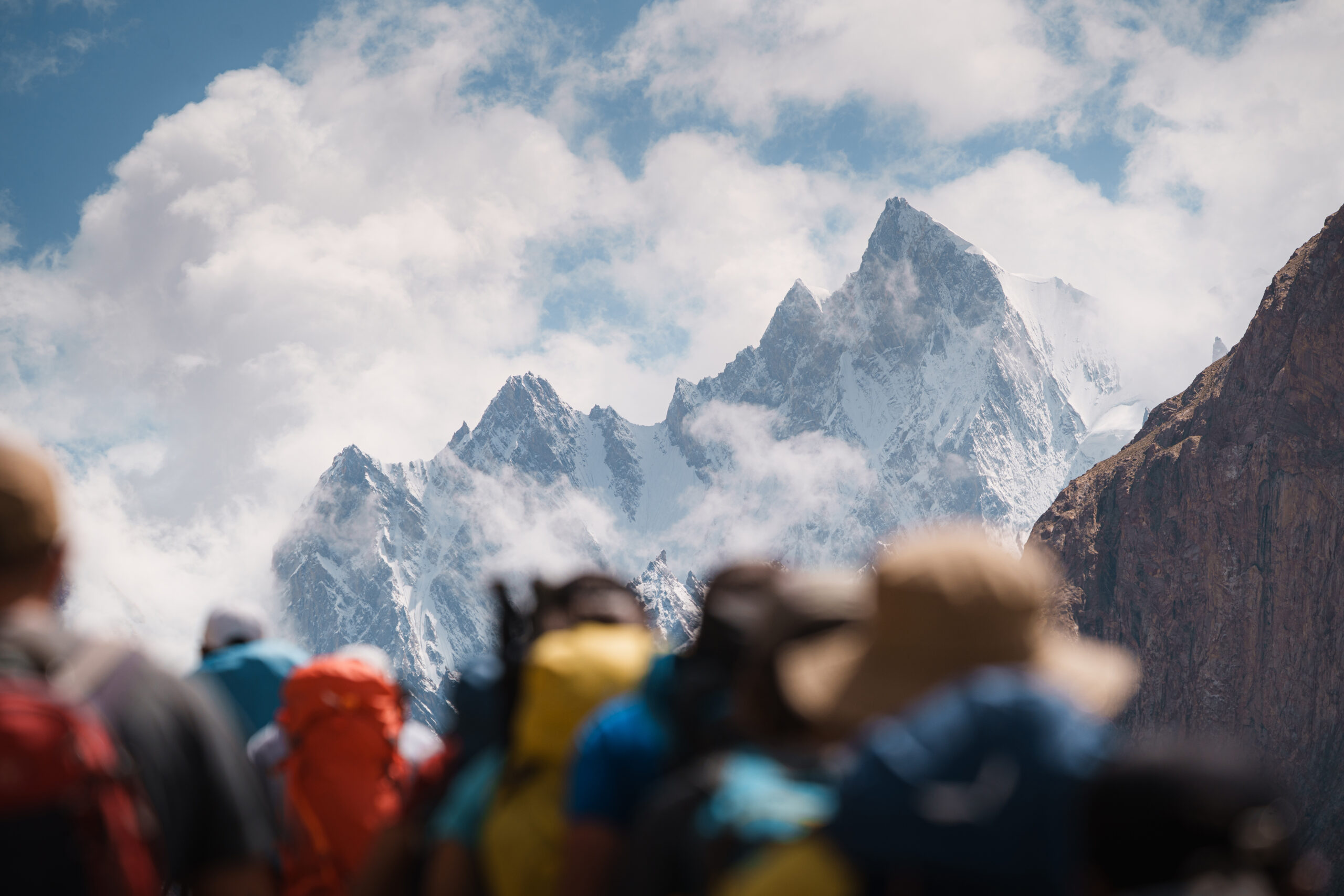
Best Glacier Glasses & Mountain Sunglasses 2026
Ordinary hiking sunglasses can work brilliantly on dry trails and still be the wrong tool once the route moves onto bright snow and glacier ice. True glacier eyewear combines very dark high-mountain lenses with strong UV protection, close facial coverage and side protection that limits light entering around the frame.
Appropriate for bright everyday outdoor conditions when glacier-level glare is not expected.
Very dark protection for intense reflected snow and ice glare.
Changes darkness as conditions shift between shade, cloud and sun.
Reduces bright peripheral light entering beside the lenses.
For Bright Glacier Travel, Category 4 + Side Coverage Is the Baseline.
Category 4 lenses are designed for extremely intense light and commonly transmit only about 3–8% of visible light. That is dramatically darker than ordinary lifestyle sunglasses and exactly why they make sense on bright snowfields, high glaciers and reflective alpine terrain.
Lens darkness is only part of the system. Glacier glasses also need close coverage around the face. Light can enter from the side, below and above ordinary sunglass frames, so removable shields, wraparound lenses or extended frame geometry are important.
If your route constantly moves between shaded approaches, clouds and intense snow glare, photochromic lenses that reach Category 4 can be more versatile than fixed Category 4 lenses.
Which Mountain Sunglasses Do You Need?
Match lens darkness and coverage to the brightest part of the route, not the parking lot.
| Eyewear Type | Lens Range | Peripheral Protection | Best Use | Tradeoff |
|---|---|---|---|---|
| Standard hiking sunglasses | Usually Category 3 | Low–moderate | Dry trails / ordinary bright sun | Less suited to prolonged glacier glare |
| Fixed Category 4 glacier glasses | Category 4 | High | Bright glacier / expedition use | Very dark in shade |
| Photochromic glacier glasses | Often 2–4 or 0–4 | High | Changing mountain light | More expensive / lens behavior varies |
| Heritage leather-shield glasses | Category 3 or 4 depending lens | High | Classic glacier travel | Less ventilation than open sport frames |
| Large shield-style sunglasses | Model dependent | Very high | Ski touring / high-output mountain use | Fit can be face-shape dependent |
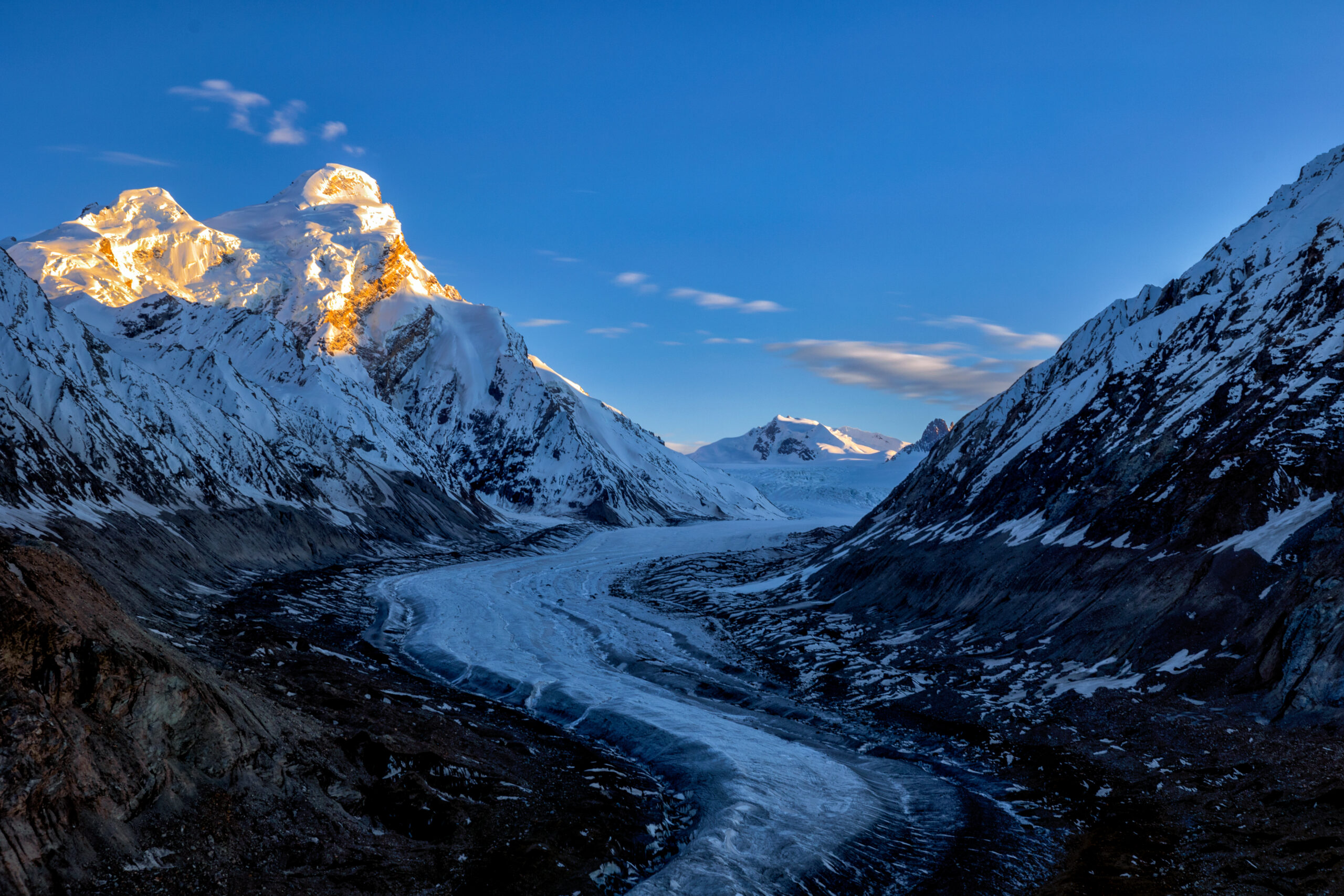
What Category 4 Actually Means
Category 4 is about visible-light filtering for extreme brightness, not a magic altitude number.
~3–8% VLT
Category 4 lenses permit only a small fraction of visible light to pass through, making them appropriate for very bright mountain environments.
Snow + Ice Reflection
Direct sunlight combines with light reflected from snow and ice, creating much more glare than a normal trail environment.
Too Dark for Driving
Treat Category 4 as specialized mountain eyewear rather than an ordinary pair of sunglasses for daily driving.
Frame Name Is Not Enough
The same frame may be sold with Category 3, Category 4 or photochromic lenses. Verify the specific lens configuration.
Snow Blindness Is a UV Problem—not a 5,000-Meter Threshold
Photokeratitis is essentially a UV injury to the surface of the eye. Snow and ice can reflect ultraviolet radiation back toward the face, which is why bright alpine terrain demands more eye protection than many hikers expect.
Higher altitude can increase UV exposure, but the important point for a gear guide is simpler: snow blindness can occur on bright snowy terrain well below 5,000 meters.
That means glacier glasses belong on Rainier, Mont Blanc, Denali, Himalayan peaks and many lower snow-and-ice routes—not just on 8,000-meter expeditions.

Why Glacier Glasses Use Side Shields
A dark lens in front of the eye does not help much if intense light is pouring through large gaps beside the frame.
Block Peripheral Light
Shields close the bright gaps near the temples.
Add Physical Protection
Side coverage also limits some wind-driven snow and cold airflow.
Increase Versatility
Modern removable shields let one frame move between ordinary mountain hiking and serious glacier use.
Extra Protection
Some expedition-oriented models include a removable nose guard for additional exposed-skin coverage.
Category 4 or Photochromic 2–4?
Fixed Category 4 is simple: maximum dark protection is always there. That makes sense for consistently bright glacier travel.
Photochromic lenses are more flexible. A 2–4 lens can become lighter in lower light and darker as UV and visible-light exposure increase. That is useful when the route moves through dawn, cloud, shadow and open snowfields.
The tradeoff is complexity and cost. You should also understand the specific photochromic range rather than assuming every adaptive lens reaches Category 4.
Do Glacier Glasses Need to Be Polarized?
Polarization can be useful, but it is not the first requirement.
Reduces Reflected Glare
Polarized lenses can make reflective surfaces more comfortable in bright conditions.
Coverage + UV + Lens Category
A poorly covering pair does not become glacier eyewear simply because the lenses are polarized.
Test Displays
Polarization can interact with some electronic displays. Check the devices you expect to read on the mountain.
Six Glacier Glasses Worth Comparing
These represent different lens and frame strategies rather than one universal ranking.
Julbo Explorer 2.0 Alti Arc
A traditional high-mountain format with large coverage, removable shields and a fixed Category 4 mineral lens.
- Category 4
- 7% VLT
- Removable side shields
- Adjustable temples
- Prescription-ready options
Julbo Montebianco 2 Spectron 4
A less expedition-looking frame that still offers removable side shields and true Category 4 protection.
- Category 4
- 5% VLT
- Removable side shields
- Grip temples and non-slip bridge
Julbo Shield Spectron 4
Shield combines a modern sport frame with high-mountain side protection and Category 4 lens options.
Julbo Shield M Reactiv
A smaller-face high-mountain design available with Reactiv photochromic lenses for routes where lighting changes substantially.
Smith Pursuit
A modern goggle-inspired design using Smith’s Glacier Photochromic lens with removable magnetic side shields and optional nose coverage.
- Glacier photochromic lens
- Large coverage
- Magnetic removable side shields
- Removable nose guard
- Retainer strap
Julbo Vermont Classic
The heritage design retains the leather side-shield aesthetic that helped define traditional glacier glasses.
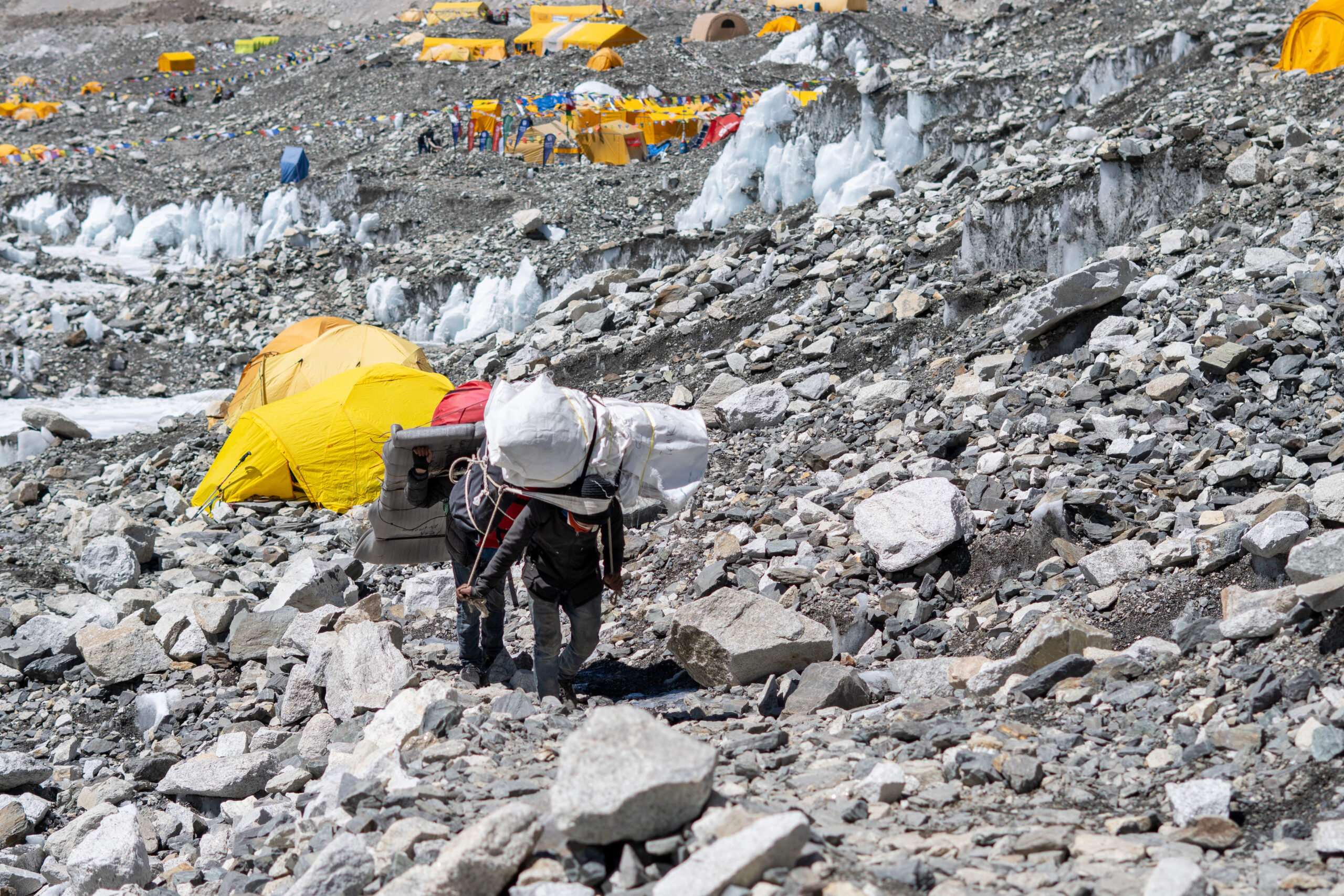
Eyewear Is Safety Equipment Once the Route Moves Onto Bright Snow and Ice.
Glacier glasses are inexpensive compared with the expedition around them, easy to carry as a spare and difficult to replace once you are high on the mountain.
Fit, Ventilation, Fogging & Helmet Compatibility
Lens technology cannot compensate for a frame that pinches, slides or fogs every time you climb hard.
Check the Side Gaps
Look in a mirror and assess how much bright peripheral light can enter around the temples and lower frame.
Stop Sliding
The glasses need to remain stable when skin becomes sweaty or greasy from sunscreen.
Check Temple Pressure
Thin temples generally integrate more cleanly with helmets, balaclavas and hoods.
Control Fogging
Maximum side coverage can reduce airflow, so frame ventilation and facial fit matter during high-output climbing.
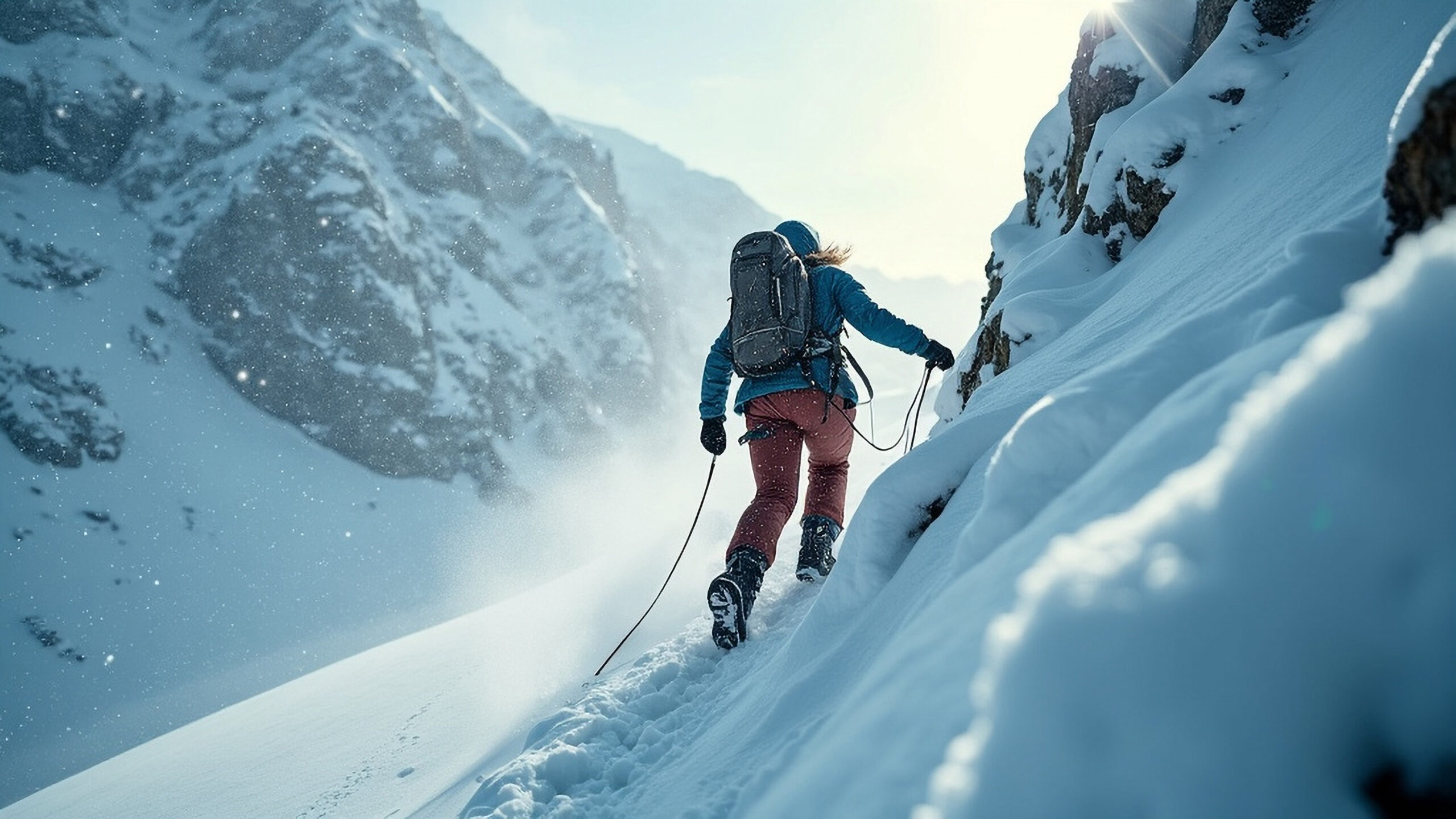
Everest, Aconcagua, Kilimanjaro & Glacier Peaks
Different objectives expose your eyes to very different combinations of snow, ice, altitude and duration.
Glacier Eyewear Is Core Gear
The Khumbu Icefall, Western Cwm and upper mountain create prolonged high-altitude snow and ice exposure. Carry glacier eyewear and a backup.
Everest Gear List →High UV Even Without Continuous Glacier Travel
Aconcagua’s normal routes are not continuous glacier climbs, but extreme altitude, snow and open high-mountain sun still justify serious eye protection.
Aconcagua Gear Guide →Not Automatically a Category 4 Route
Kilimanjaro does not require glacier glasses in the same way as a prolonged technical glacier expedition for most trekkers. High-quality UV-protective mountain sunglasses remain essential, especially near the summit.
Kilimanjaro Packing List →Glacier Terrain Matters Below 5,000m
Long glacier days on lower peaks can create stronger reflected-light exposure than a higher but mostly dry route.
Glacier Travel Basics →Carry Backup Eye Protection on Serious Glacier Objectives
Sunglasses are small enough that redundancy is unusually cheap in both weight and pack space.
Frames can break. Lenses can scratch. Glasses can blow off a ridge, fall into a crevasse or disappear during a hurried transition.
On an expedition where eye protection is essential, a second high-quality pair is more useful than trying to improvise after the primary pair disappears.
Compare Current Glacier & Mountain Sunglasses
Check the exact lens category on each listing. The same frame can be sold with different lenses.
Current Mountain Sunglasses
For glacier and expedition use, prioritize Category 4 capability, side coverage and secure fit over fashion or ordinary sunglass features.
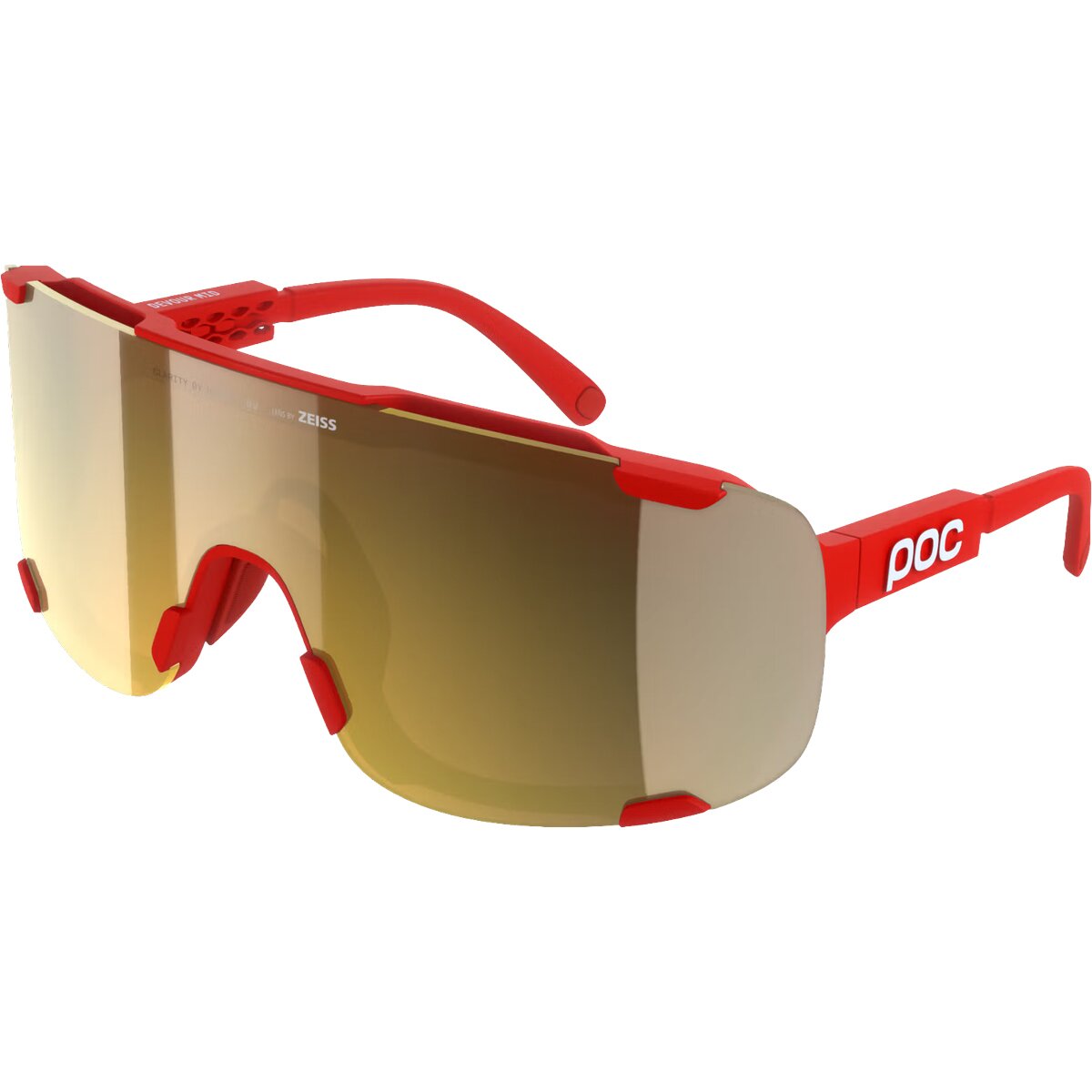
We may earn a commission if you buy through these links, at no extra cost to you. Affiliate disclosure
Which Glacier Glasses Should You Choose?
Choose by light range and fit first. Brand comes after those decisions.
| Your Objective | Lens Direction | Frame Direction | Example |
|---|---|---|---|
| Bright expedition glacier | Fixed Category 4 | Full side protection | Explorer 2.0 Alti Arc |
| Mixed hiking + glacier | Category 4 removable-shield model | More everyday frame | Montebianco 2 |
| Variable alpine light | Photochromic 2–4 | Wraparound / side shields | Shield Reactiv |
| Fast backcountry travel | Glacier photochromic | Large shield-style coverage | Smith Pursuit |
| Classic mountaineering | Appropriate high-mountain lens | Leather side shields | Vermont Classic |
| Ordinary dry hiking | Category 3 generally sufficient | Sport sunglass coverage | Standard hiking sunglasses |
Glacier Glasses FAQ
What are Category 4 sunglasses?
Category 4 lenses are very dark lenses intended for extremely bright conditions such as glaciers and high mountains. Typical visible-light transmission is approximately 3–8%.
Do I need Category 4 glasses above 5,000 meters?
Do not use altitude alone as the decision rule. Glacier and snow exposure, duration, reflected light and route conditions matter. Serious glacier travel well below 5,000 meters can still justify Category 4 protection.
Can snow blindness happen below 5,000 meters?
Yes. Photokeratitis can occur wherever ultraviolet light reflects strongly from snow and ice. Higher altitude can increase exposure, but there is no 5,000-meter threshold.
Why do glacier glasses have side shields?
Side shields block bright peripheral light that can enter around ordinary frames and also add some protection from wind and blowing snow.
Are photochromic glacier glasses better than Category 4?
They solve different problems. Fixed Category 4 provides consistently dark protection. Photochromic lenses are more flexible on routes with large changes in light, provided the lens actually reaches Category 4 when conditions become bright.
Do glacier glasses need to be polarized?
Polarization can reduce reflected glare, but adequate UV protection, lens category, side coverage and secure fit are more fundamental.
Can I wear Category 4 glasses while driving?
Category 4 lenses are extremely dark and should not be treated as ordinary driving sunglasses.
Should I carry two pairs on an expedition?
On serious glacier and high-altitude objectives, carrying adequate backup eyewear is a sensible redundancy because the weight and bulk are small compared with the consequences of losing the primary pair.
Related Glacier & Expedition Guides
Choose for the Brightest Part of the Route—not the Trailhead.
True glacier glasses combine very dark mountain lenses, complete UV protection and peripheral coverage. When the route moves onto bright snow and ice, eyewear becomes part of the safety system rather than an optional accessory.
Was this helpful?
Global Summit Guide is an independent mountaineering resource founded in 2026. The team combines first-hand trekking and climbing experience with in-depth research and professional health and nutrition review to help climbers choose objectives, prepare properly, and stay safe.
Health, altitude, and nutrition content is reviewed by Taylor Ludlow (Registered Nurse) and Brigg Hoopes (Nutritionist).
What We Don't Know Yet
Mountain information changes quickly. This box explains the limits of what this page can responsibly promise.
- Route conditions, trailhead access, crevasse exposure, stream crossings, and rescue access may vary from published planning guidance.
- Visa, passport, vaccination, border, insurance, and local transportation rules may change before your trip.
- Route conditions, snowpack, closures, and weather can change quickly after this page is updated.
- Permit rules, fees, quotas, and reservation windows may change between review cycles.
- Operator availability, pricing, guide ratios, and cancellation terms can change by season.
Verify current conditions with official land managers, guide services, local forecasts, and current route reports before booking or climbing.
Mountaineering, rock and ice climbing, glacier travel, and high-altitude activity are inherently dangerous and can result in serious injury or death. The information on Global Summit Guide is provided for general informational and educational purposes only and is not a substitute for professional instruction, qualified guiding, proper equipment, or your own judgment and experience.
Route conditions, weather, snowpack, permits, regulations, and hazards change constantly and may differ from what is described here. Details may be incomplete, out of date, or contain errors. Always verify current information with local authorities, certified guides, and official sources before making any decision in the mountains.
Nothing on this site is medical, legal, or financial advice. Our fitness, acclimatization, altitude, and nutrition content is general in nature; consult a qualified physician before beginning any strenuous exercise program or exposing yourself to high altitude.
You are solely responsible for your own safety and decisions. To the fullest extent permitted by law, Global Summit Guide and its team accept no liability for any loss, injury, damage, or expense arising from use of, or reliance on, this information. By using this site you acknowledge these risks and accept these terms.
Some links on this site may be affiliate links. If you buy through them we may earn a small commission at no extra cost to you; this never affects our recommendations.
Global Summit Guide recommendation path
Next Best Mountain to Research
Use these recommendations to continue the right planning path instead of stopping on one page.
Use current permit, weather, route, and operator information before booking or climbing.