
Last updated October 3, 2026
Best Balaclavas, Beanies & Neck Gaiters 2026
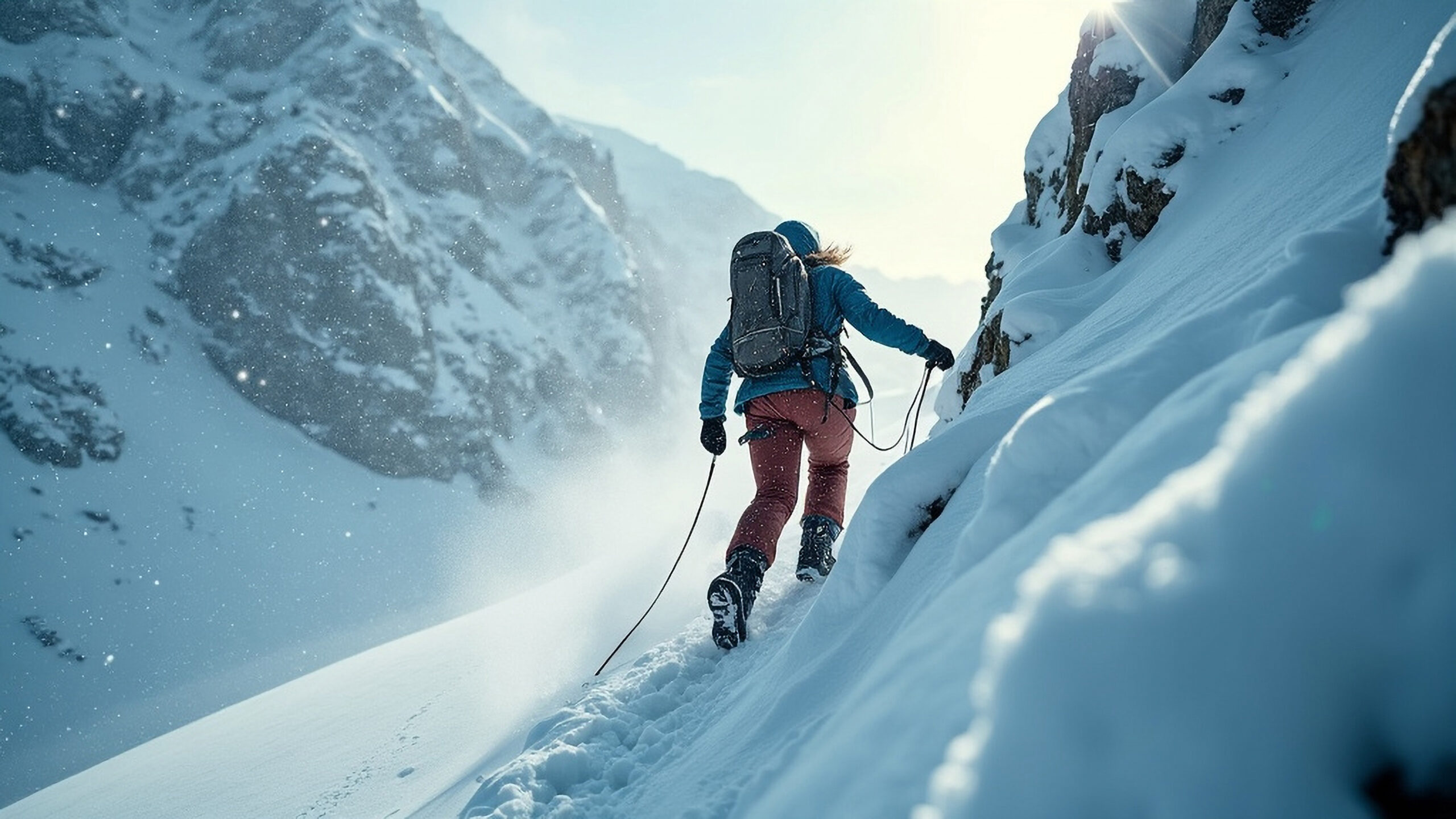
Cold-weather headwear has three different jobs: keep heat around your head and ears, reduce wind exposure across the face and neck, and manage the moisture created every time you breathe hard into fabric. The best system is rarely the thickest option—it is the combination that protects exposed skin without overheating, icing up or interfering with your helmet, goggles and jacket hood.
Low bulk beneath a helmet with enough breathability for climbing.
Pull it up into wind, lower it during hard movement or keep it around the neck.
Easy warmth at camp, rest stops and cold starts.
Balaclava + eyewear + hood, with more insulation when necessary.
Use a Balaclava for Coverage, a Beanie for Warmth and a Gaiter for Adjustability.
The categories overlap, but they are not interchangeable. A balaclava provides the most continuous coverage across the ears, neck and parts of the face. A beanie is simpler and easy to add or remove. A neck gaiter is the easiest piece to regulate while moving.
For mountaineering, compatibility matters. The balaclava needs to fit smoothly beneath the helmet. Goggles or glacier glasses need to sit correctly. The jacket hood must still close, and material around the mouth has to manage enough moisture that breathing does not quickly soak or ice the face layer.
That is why two lighter pieces can be more useful than one extremely thick one: a thin balaclava or gaiter for movement, plus a warmer beanie or hood for rest stops and summit exposure.
Six Cold-Weather Headwear Options
Match the product to the job instead of simply buying the thickest option.
| Product | Category | Primary Role | Helmet Friendly | Material Strategy | Best Use |
|---|---|---|---|---|---|
| Smartwool Active Fleece Balaclava | Active balaclava | Warmth + movement | Yes | Merino / synthetic blend | Cold active use |
| Fjällräven Bergtagen Merino | Merino balaclava | Next-to-skin coverage | Low bulk | Merino | Alpine layering |
| BUFF ThermoNet Hinged | Convertible balaclava | Fast coverage changes | Yes | Light synthetic | Variable-output winter days |
| Smartwool Thermal Merino Gaiter | Neck gaiter | Adjustable face / neck warmth | Yes | Merino | Hiking and trekking |
| BUFF Polar | Thermal gaiter | Warmer face and neck coverage | Yes | Fleece-backed synthetic | Cold hiking |
| Outdoor Research Newhalem WINDSTOPPER | Beanie | Wind-resistant head warmth | Low-profile | Wind-resistant synthetic | Exposed winter terrain |
The Four-Part Head, Face & Neck System
These pieces overlap. You do not necessarily wear all four at once.
Thin Balaclava
Protects ears, neck, scalp and portions of the face while remaining thin enough for helmet use.
Neck Gaiter
Keep it low while climbing hard and pull it over the lower face when wind or temperature changes.
Beanie
Adds easy insulation at camp, during rests or on a cold summit without trapping breath moisture.
Jacket Hood
Blocks wind and precipitation in a way that knit headwear cannot.
Balaclava vs Beanie vs Neck Gaiter
Each is strongest in a different part of the mountain clothing system.
Balaclava
Choose a balaclava when continuous head, ear, neck and face coverage matters.
- Strongest exposed-weather coverage
- Useful beneath helmets
- Reduces gaps at the collar
- Must manage breath moisture
Beanie
A beanie is quick to add and remove and does not trap respiratory moisture around the mouth.
- Excellent at camp
- Easy temperature adjustment
- Works beneath many hoods
- No cheek or neck coverage
Neck Gaiter
Pull it over the chin and cheeks when exposed, then lower it as exertion increases.
- Excellent neck coverage
- Easy to regulate
- Pairs with a beanie
- Can collect breath moisture
Merino vs Fleece vs Synthetic
Material changes drying speed, bulk, warmth and how the piece handles moisture.
Merino Wool
Comfortable against skin and useful across varying activity levels. Particularly good for balaclavas and gaiters worn for many hours.
Fleece
Adds loft and warmth while retaining reasonably quick drying. Thick fleece can become bulky beneath a climbing helmet.
Synthetic
Stretch synthetics can be thin and fast-drying, and some designs use separate wind-resistant and breathable zones.
Wind Protection Can Matter More Than Fabric Thickness
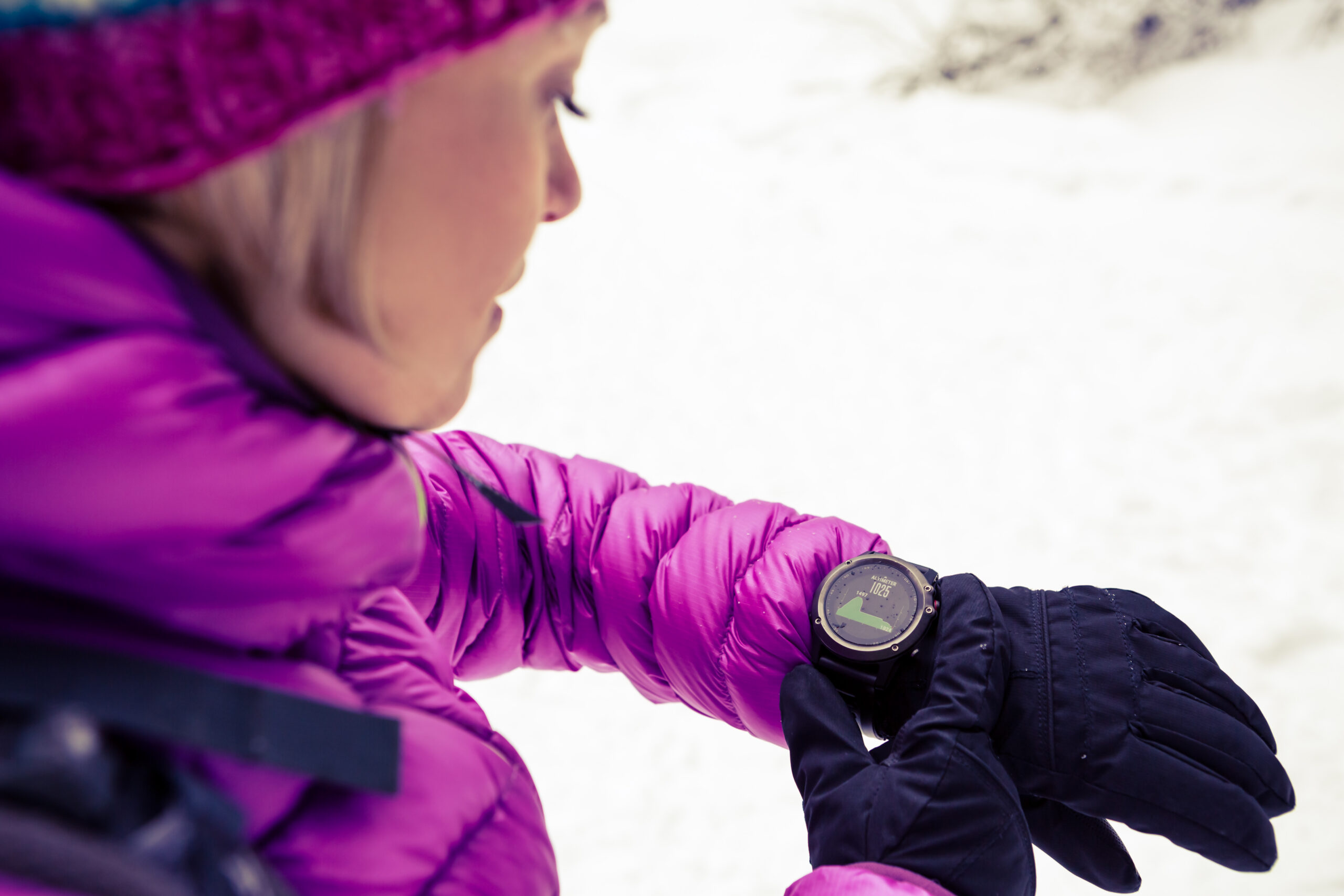
Thick knit headwear may feel warm in still air and suddenly feel inadequate on an exposed ridge. Wind strips away warmed air and makes gaps around the ears, cheeks and collar much more noticeable.
Use the balaclava or gaiter to close those gaps, then use your shell hood or a wind-resistant beanie to reduce airflow.
At the same time, avoid completely sealing the mouth behind a heavy fabric layer during hard uphill movement. That can create a moisture problem before the coldest part of the climb even begins.
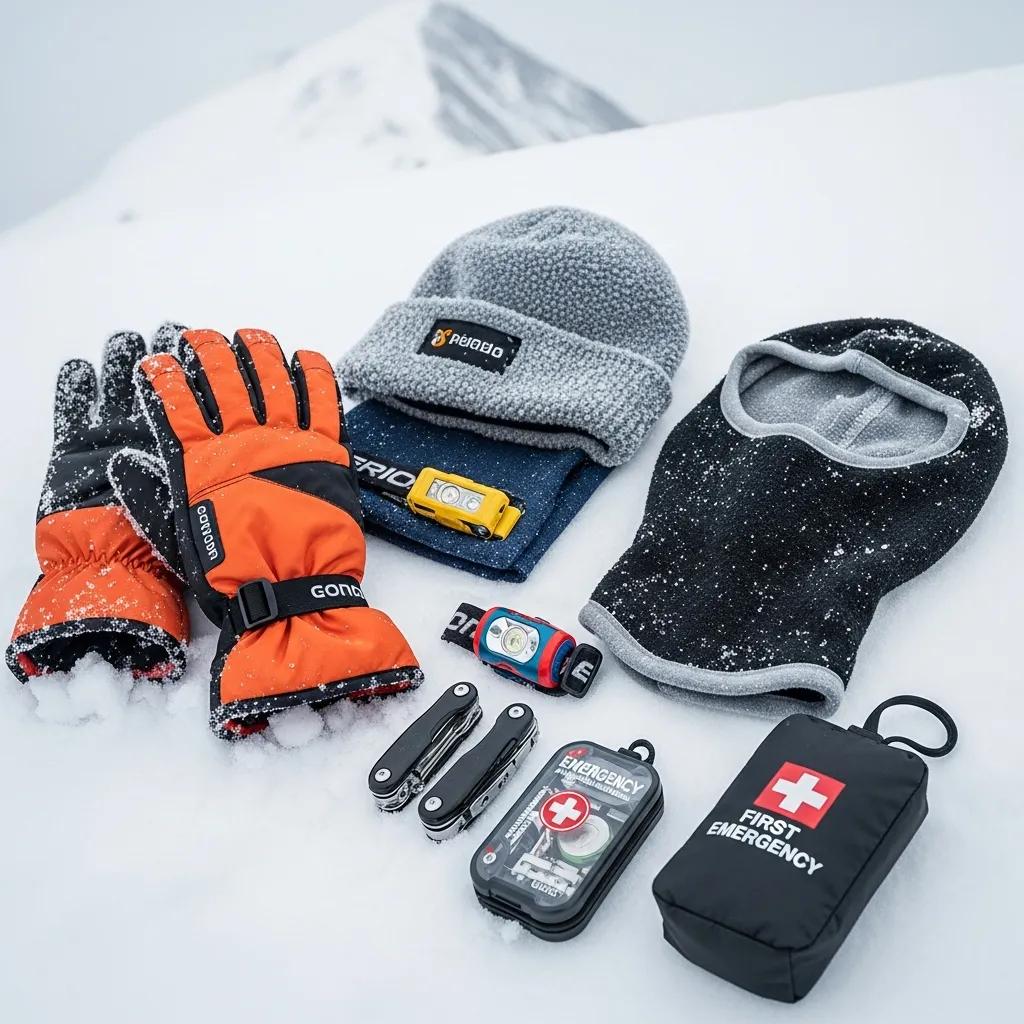
Test Headwear With Your Helmet, Eyewear & Hood
A warm piece that disrupts the rest of the safety system is the wrong piece.
Keep Bulk Low
Thick seams and fabric can create pressure points or change how the helmet sits.
Avoid Skin Gaps
Check the transition around temples, cheeks and forehead.
Control Bunching
Fabric around the temples should not push frames into an unstable position.
Preserve Visibility
Close the hood over the system and make sure you can still look up, down and sideways.
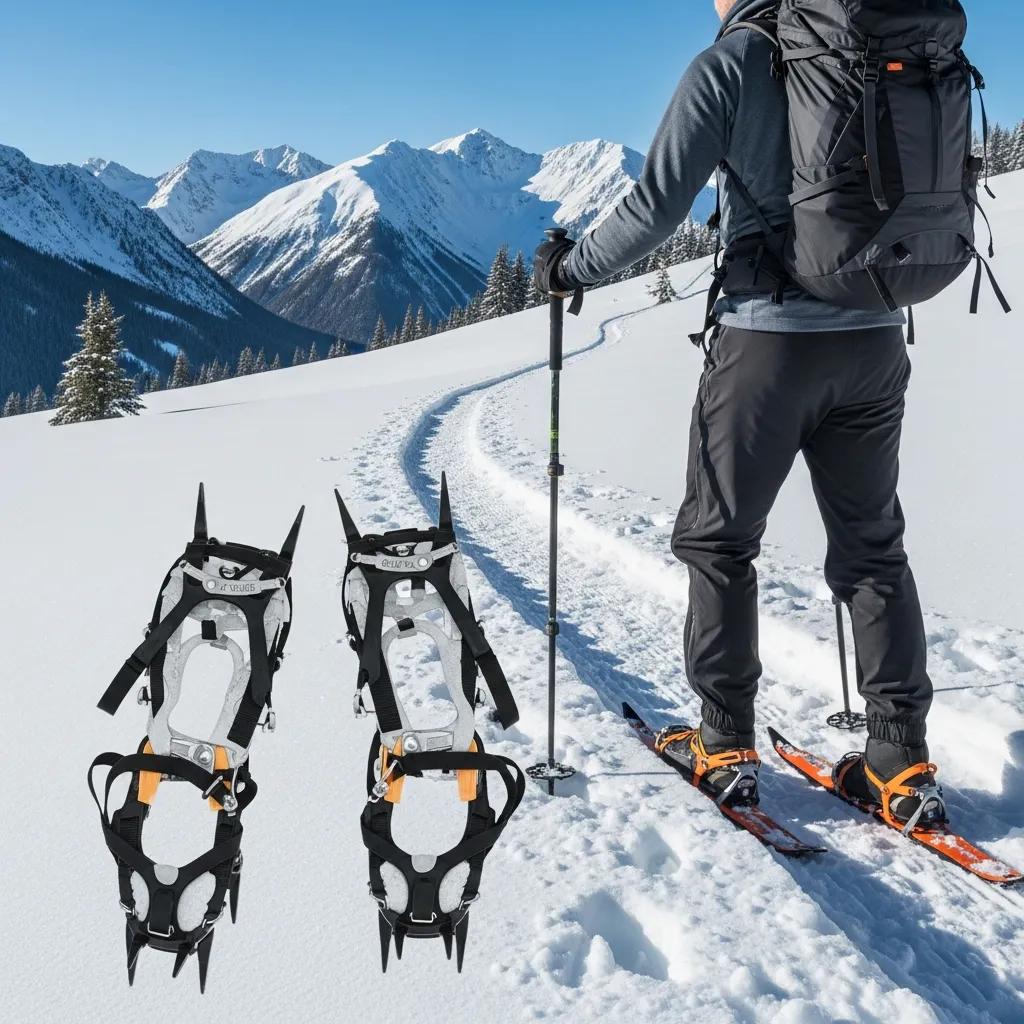
Your Breath Is Part of the Moisture System
Face protection has to manage moisture from perspiration and respiration.
Pulling a thick gaiter over your mouth can feel excellent at a cold trailhead. Once you begin climbing hard, each exhalation sends warm, moist air into the cold material.
In sufficiently cold conditions that moisture can condense and freeze. Lower the gaiter when conditions allow, use breathable face panels and rotate to a dry spare during longer cold-weather objectives.
Fogging goggles or glasses are another clue. If breath is being directed upward behind the eyewear, adjust the face layer before visibility deteriorates.
Six Cold-Weather Headwear Picks by Job
These are role-based picks rather than a single universal ranking.
Smartwool Active Fleece Balaclava
A close-fitting option for active cold-weather use when you need head, ear and face coverage without excessive bulk.
- Merino / synthetic blend
- Stretch construction
- Helmet-friendly profile
- Full head and neck coverage
Fjällräven Bergtagen Merino Balaclava
A low-bulk merino option for alpine users who value natural next-to-skin comfort.
- Merino construction
- Low-bulk profile
- Convertible face coverage
- Layer-friendly fit
BUFF ThermoNet Hinged Balaclava
Built for active winter users who want to move quickly between fuller coverage and a more open face configuration.
- Light thermal construction
- Hinged coverage
- Stretch fit
- Helmet-compatible profile
Smartwool Thermal Merino Reversible Neck Gaiter
A simple adjustable layer for the neck, chin and lower face when a full balaclava is unnecessary.
- Merino construction
- Reversible
- Easy temperature regulation
- Pairs naturally with a beanie
BUFF Polar
A warmer neckwear option for colder hiking conditions where a thin multifunctional tube is not enough.
- Fleece-backed warmth
- Adjustable coverage
- Works with separate beanie
- Useful beneath hoods
Outdoor Research Newhalem WINDSTOPPER Beanie
A streamlined option for exposed winter terrain when wind around the ears and head is a bigger problem than lower-face coverage.
- Wind-resistant construction
- Low-profile fit
- Active-use design
- Easy layering beneath hoods
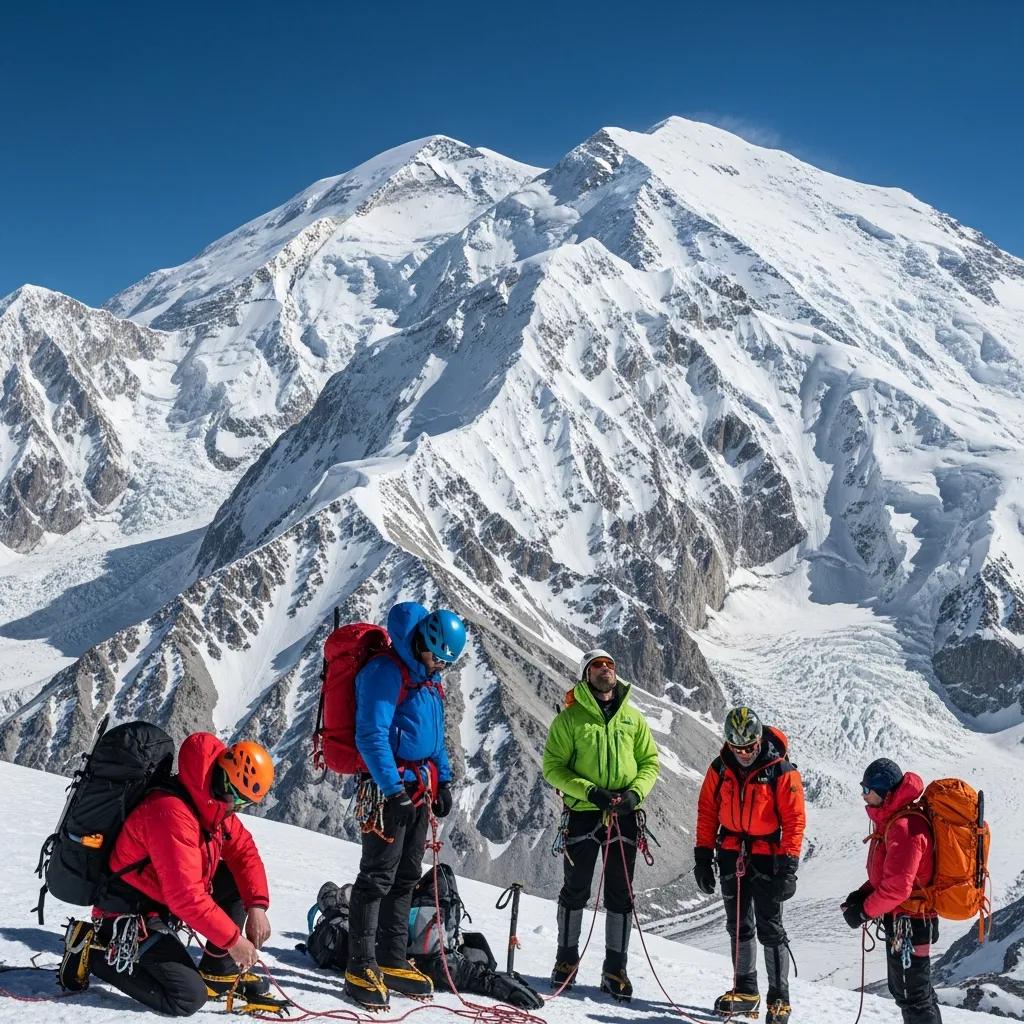
Cover the Gaps Before the Wind Finds Them.
Face and head protection work best when the layers are already accessible as exposure increases—not buried in the pack after your ears or cheeks become numb.
Build the Headwear System as Conditions Change
A layer that is comfortable during the approach may be completely inadequate during a windy summit stop.
Start Lighter
Thin beanie, light gaiter or low-bulk balaclava while output remains high.
Add Face Coverage
Protect ears, cheeks, chin and neck as wind exposure increases.
Add Goggles & Hood
Seal the larger gaps between face protection, eyewear and the shell system.
Add Insulation
Lower activity can justify a warmer beanie or insulated jacket hood.
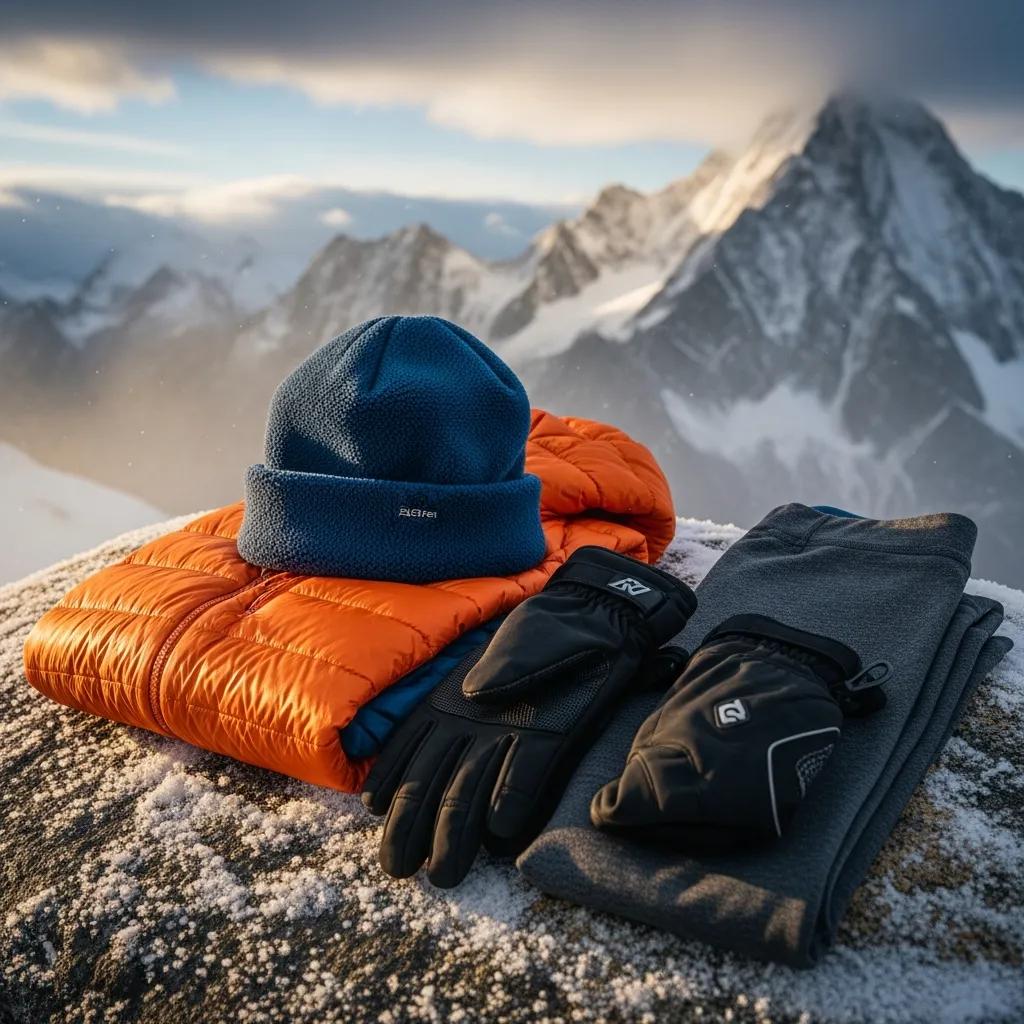
Face Protection Is Prevention Equipment—not Treatment
Ears, cheeks, nose and chin are difficult to monitor because you cannot easily see your own face. Wind and moisture can make those exposed areas a problem even when your torso still feels comfortable.
Cover exposed areas before persistent numbness develops. Ask partners to watch for unusual skin changes. Replace wet face layers and keep overall body temperature under control.
If you suspect true frostbite, stop treating the problem as a gear decision and use appropriate medical guidance.
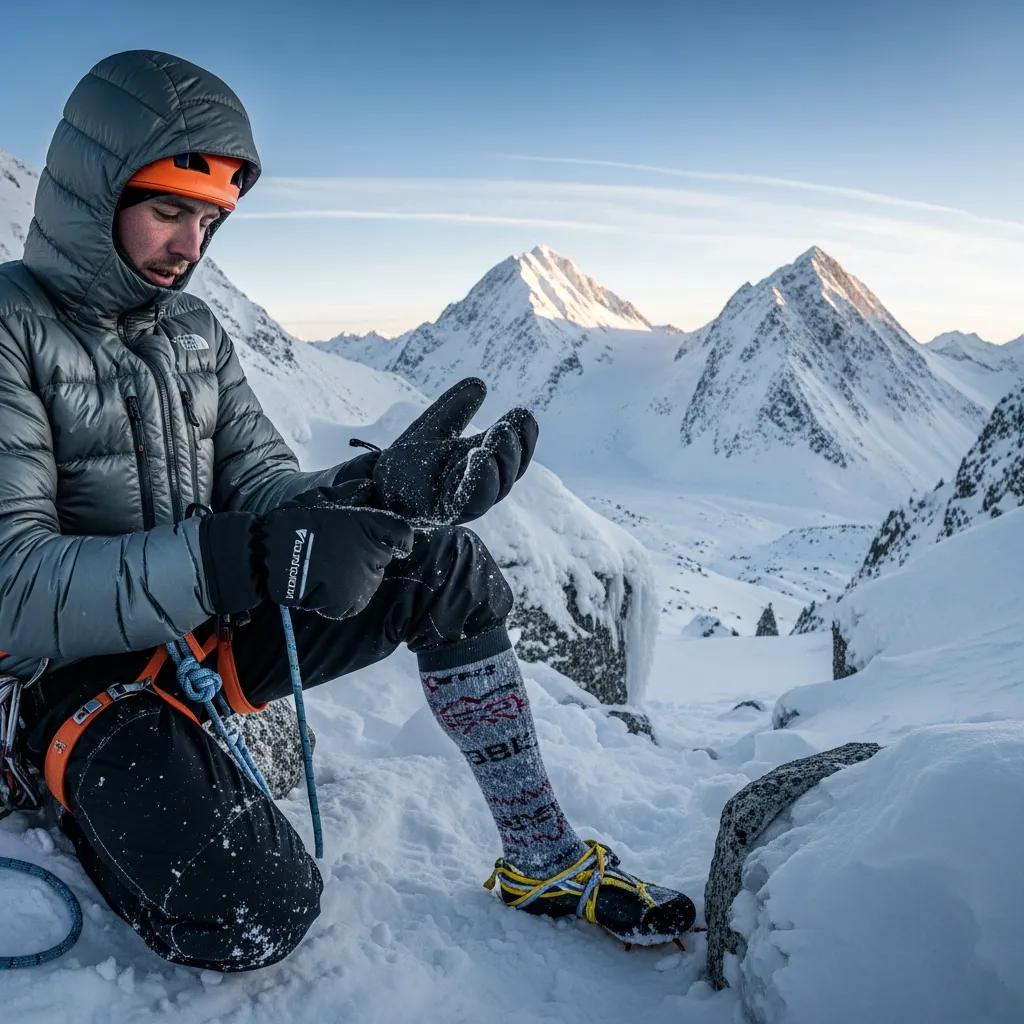
Seven Features That Matter
Most pieces in this category are relatively affordable, so prioritize function instead of buying the cheapest available hat.
Helmet Compatibility
Low bulk and smooth seams matter underneath climbing helmets.
Face Coverage
Decide whether you need ears and neck only or also cheeks, chin and nose.
Breathability
High-output hiking needs much more airflow than standing still.
Wind Resistance
Wind often determines whether a thin fabric system feels adequate.
Drying Speed
Face layers accumulate moisture and need to recover quickly.
Eyewear Interface
Check goggles and glasses for gaps, fogging and fabric bunching.
Adjustable Coverage
Hinged designs and gaiters make regulation easier while moving.
Dry Backup
A second small balaclava or gaiter can be valuable on long cold objectives.
Compare Current Cold-Weather Headwear
Choose the primary job first—face coverage, head insulation or adjustable neck protection—then compare current products.
Current Balaclavas, Beanies & Headwear
Confirm fabric, fit and helmet compatibility before purchasing for technical mountain use.
- Outdoor ResearchOutdoor Research Bluet Beanie$18.98
$37.95Check price at Back Country (opens in a new tab) - Outdoor ResearchOutdoor Research Deviator Beanie$23.97
$39.95Check price at Back Country (opens in a new tab)
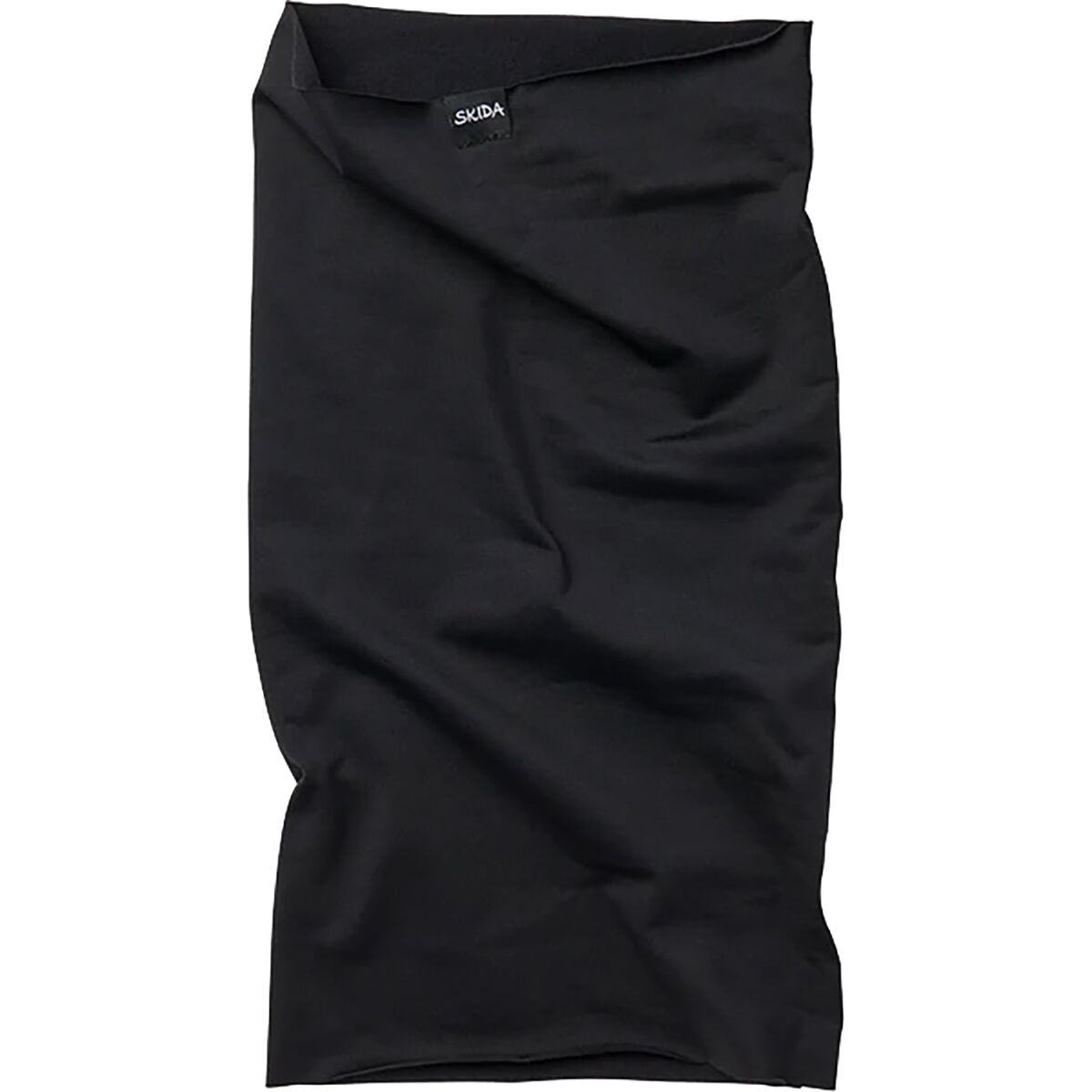
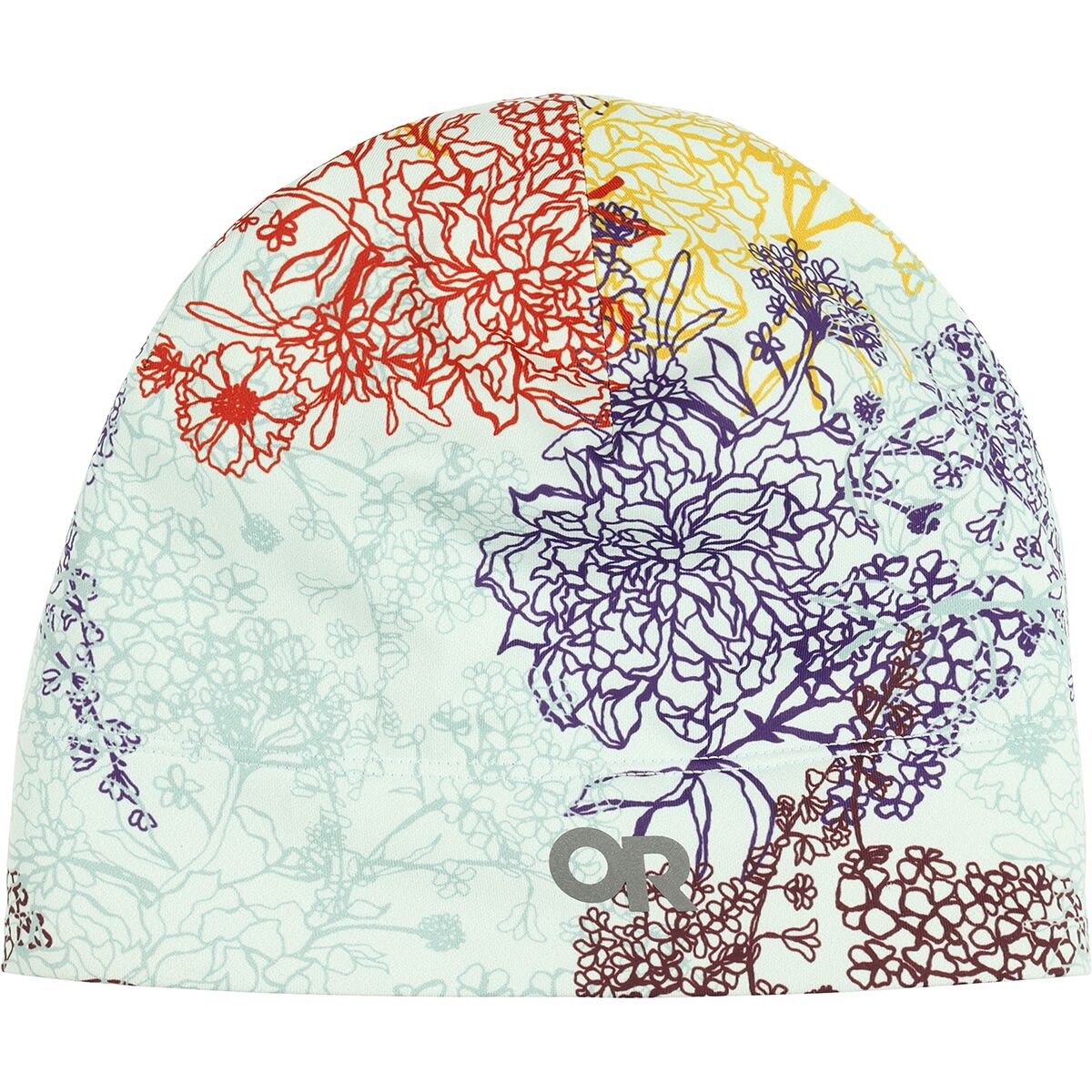
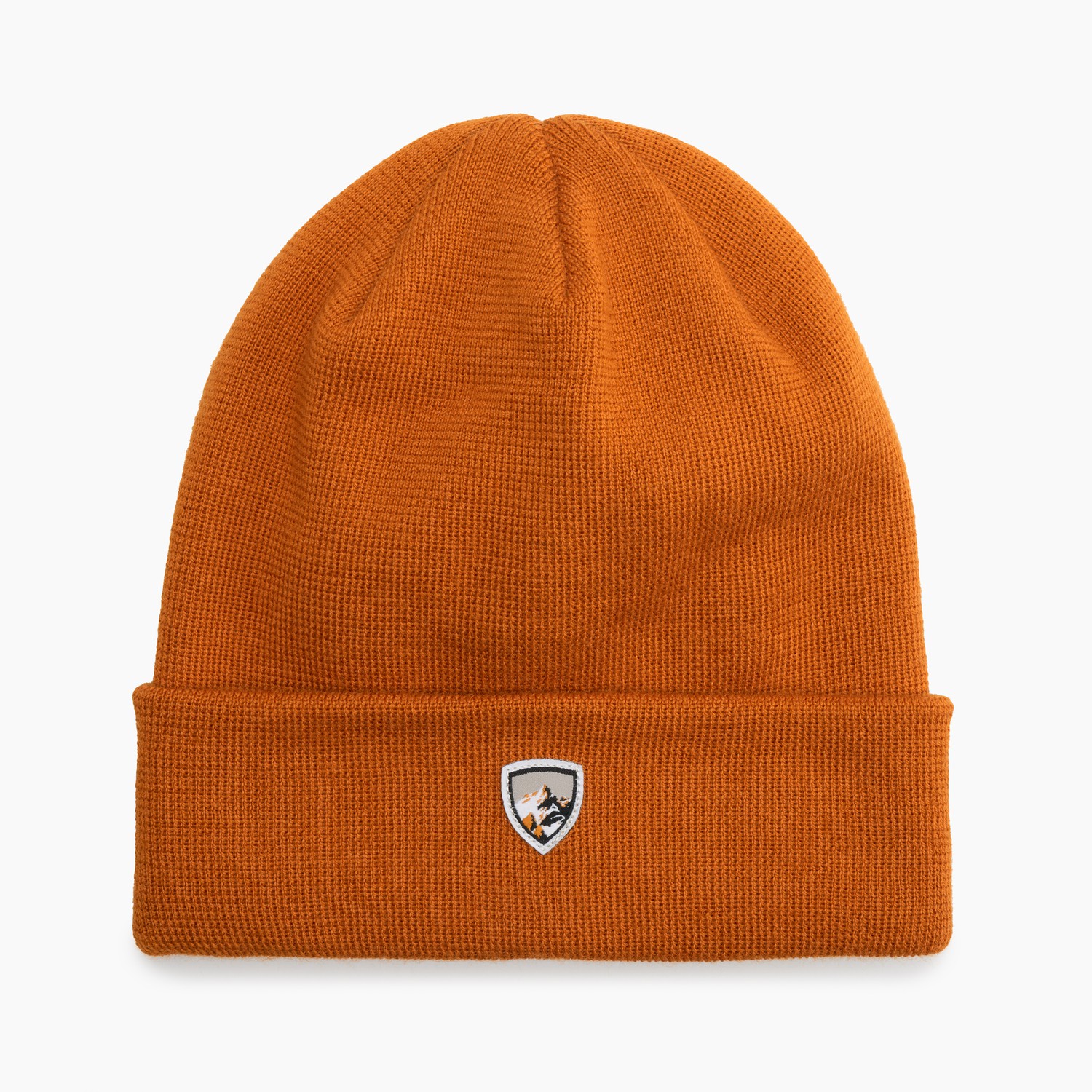
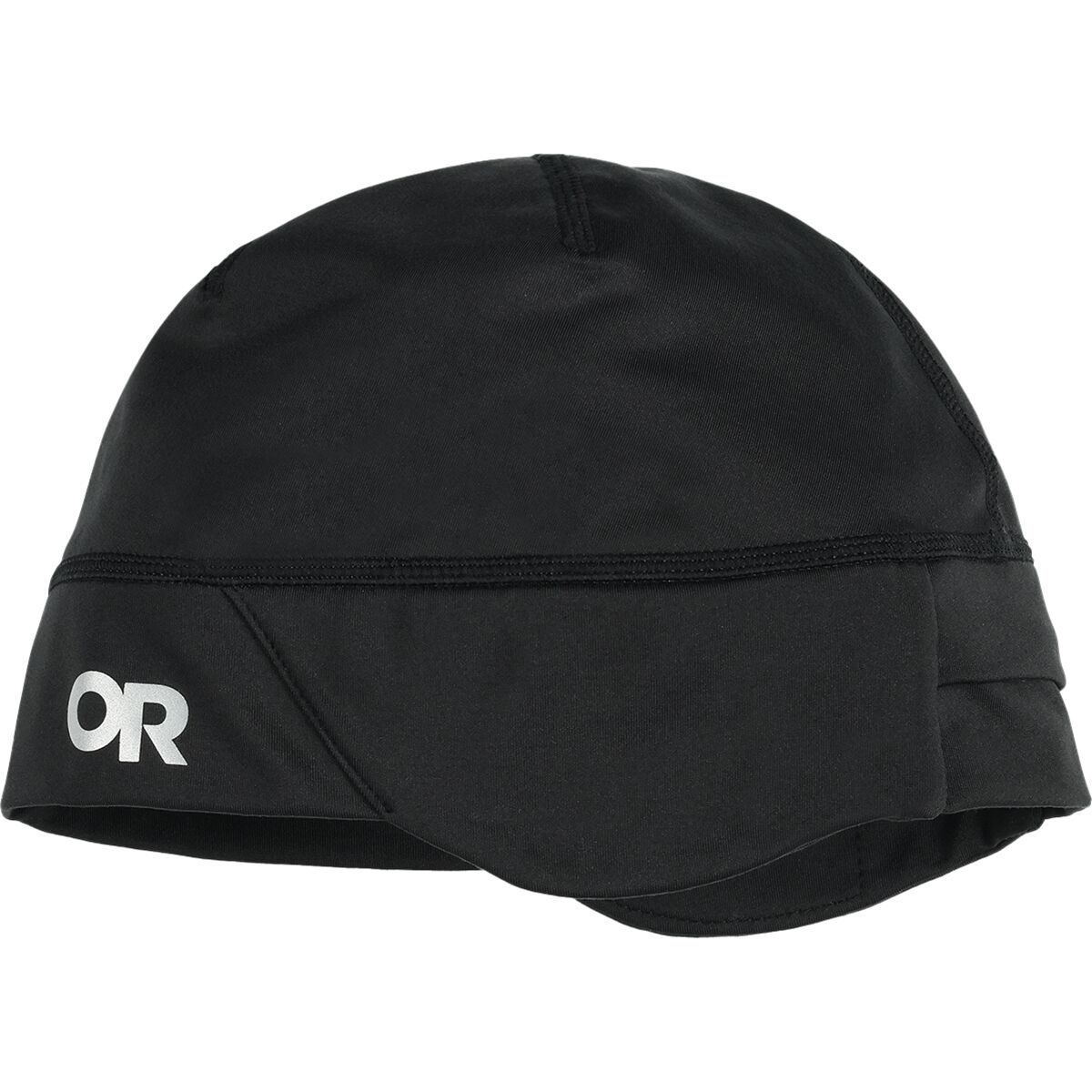
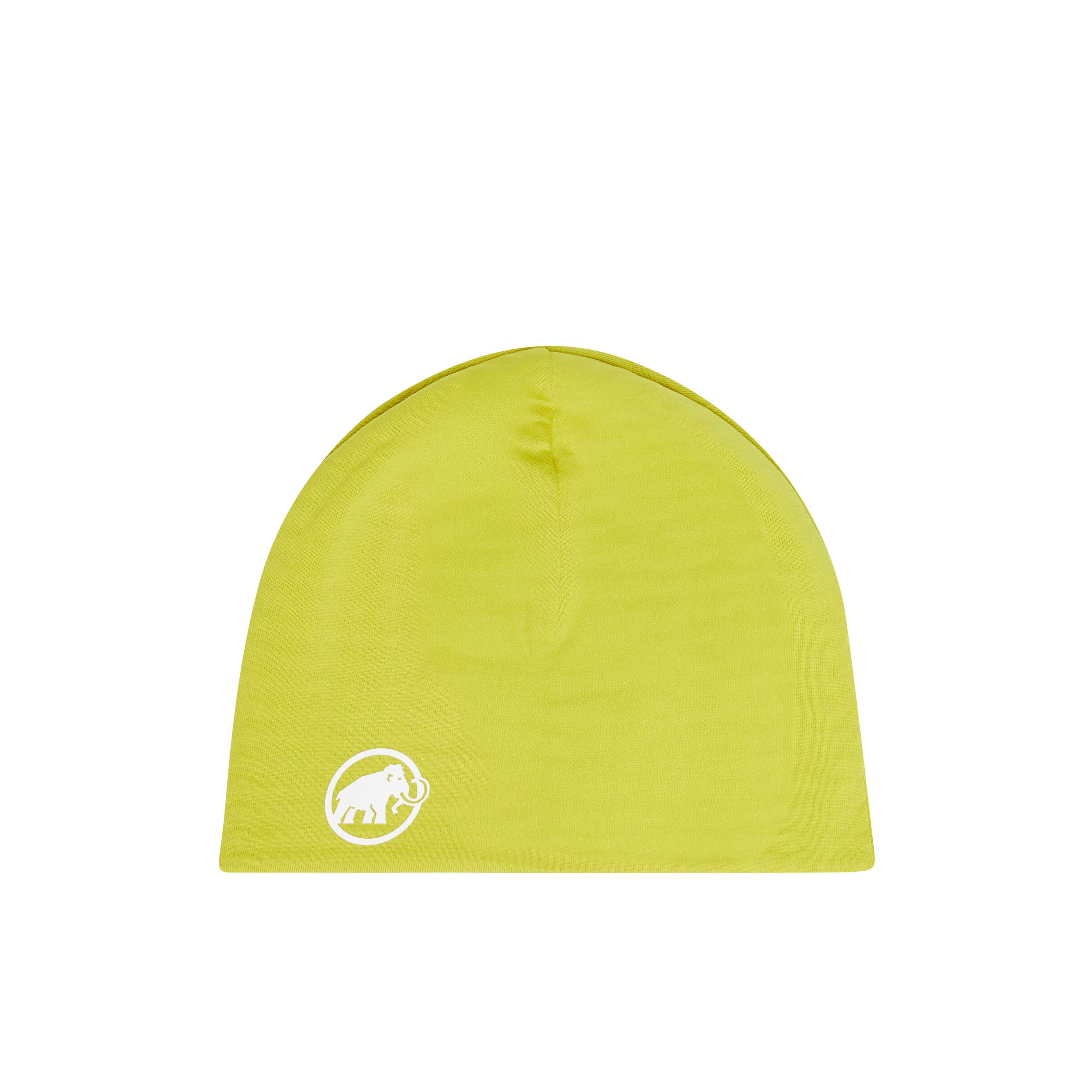
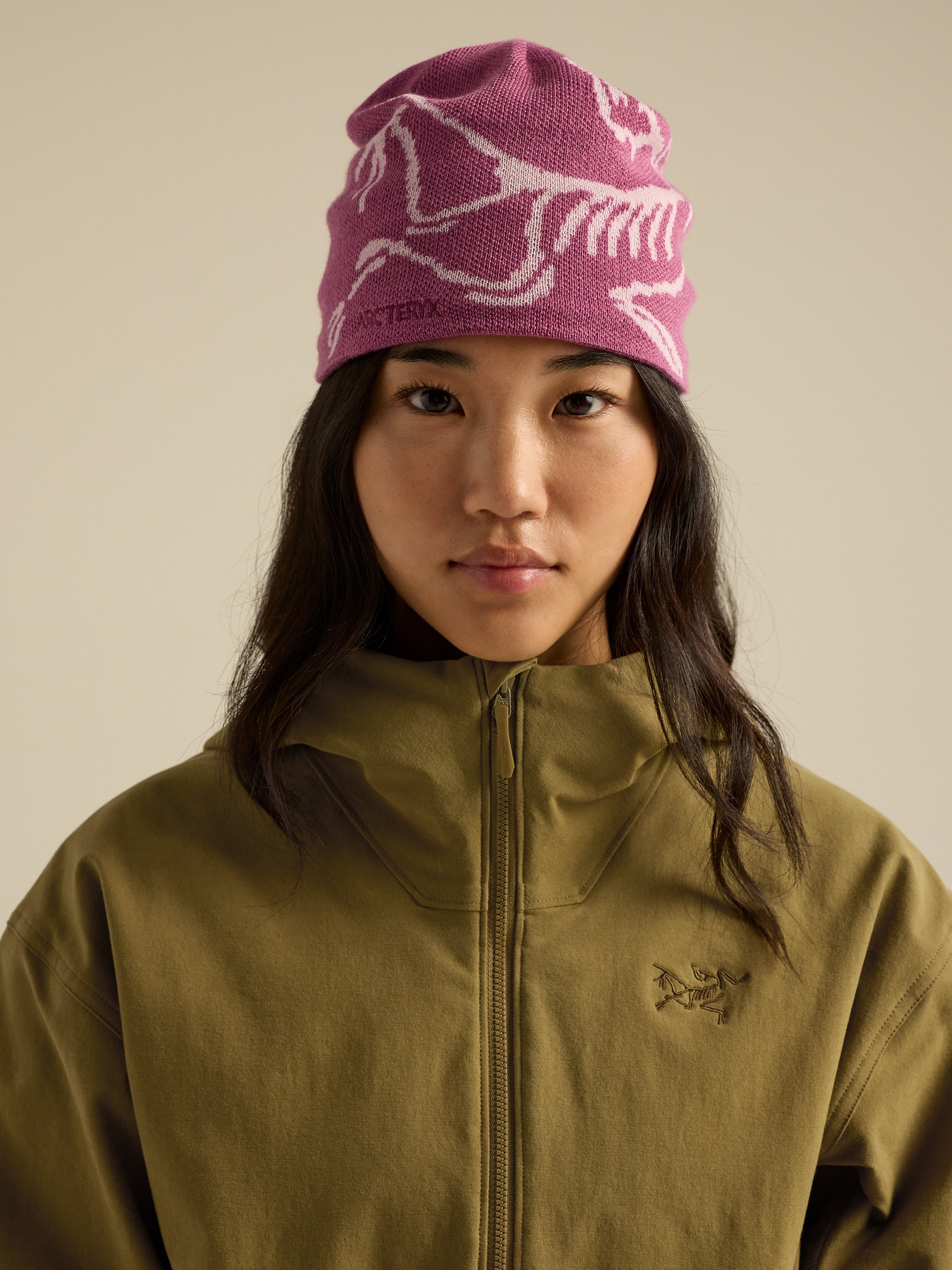
We may earn a commission if you buy through these links, at no extra cost to you. Affiliate disclosure
Which Headwear System Fits Your Objective?
Choose the simplest combination that protects the exposure you realistically expect.
| Objective | Primary Piece | Add When Needed | Main Priority |
|---|---|---|---|
| Cool hiking | Beanie or light gaiter | Hood in wind | Breathability |
| Winter hiking | Beanie + gaiter | Balaclava in strong wind | Adjustability |
| Helmeted alpine climbing | Thin balaclava | Shell hood | Helmet fit |
| Cold summit push | Balaclava | Beanie / insulated hood | Wind + skin coverage |
| Expedition cold | Multiple face layers | Dry spare + goggles + expedition hood | Redundancy |
| Camp / rest | Warm beanie | Neck gaiter | Static warmth |
Balaclava, Beanie & Neck Gaiter FAQ
Is a balaclava warmer than a beanie?
A balaclava usually provides more total coverage because it protects the head, ears, neck and portions of the face. A thick beanie may provide more insulation over the crown, but it leaves more skin exposed.
Should a balaclava fit under my climbing helmet?
Yes if you intend to climb in it. Choose a thin design and test it beneath the actual helmet. It should not force the helmet upward or create uncomfortable pressure points.
Is merino good for balaclavas?
Merino can be very comfortable against the skin and manages moisture well. It is not highly windproof by itself, so exposed conditions may still require a hood or wind-resistant outer layer.
Why does my gaiter freeze around my mouth?
Warm breath carries moisture into cold fabric. That moisture can condense and freeze. Lowering the gaiter when conditions permit, using more breathable material and carrying a dry backup can help.
Do I need both a beanie and a balaclava?
Not always. The balaclava provides more continuous coverage during exposed travel. A beanie makes it easy to add insulation during rests, camp or summit stops.
Is a neck gaiter enough for mountaineering?
In moderate conditions it can be, particularly when combined with a beanie and jacket hood. Colder, windier or higher-altitude objectives can justify the greater coverage of a balaclava.
Related Guides
Protect the Gaps—and Keep the System Breathable.
A balaclava closes the exposed areas between helmet, eyewear and jacket. A gaiter makes coverage adjustable. A beanie adds simple warmth. Build the system so you can change it as wind, temperature and climbing effort change.
Was this helpful?
Global Summit Guide is an independent mountaineering resource founded in 2026. The team combines first-hand trekking and climbing experience with in-depth research and professional health and nutrition review to help climbers choose objectives, prepare properly, and stay safe.
Health, altitude, and nutrition content is reviewed by Taylor Ludlow (Registered Nurse) and Brigg Hoopes (Nutritionist).
What We Don't Know Yet
Mountain information changes quickly. This box explains the limits of what this page can responsibly promise.
- Weather, snowpack, avalanche risk, road access, and route conditions can change quickly and may be different on your climbing dates.
- Visa, passport, vaccination, border, insurance, and local transportation rules may change before your trip.
- Route conditions, snowpack, closures, and weather can change quickly after this page is updated.
- Permit rules, fees, quotas, and reservation windows may change between review cycles.
- Operator availability, pricing, guide ratios, and cancellation terms can change by season.
Verify current conditions with official land managers, guide services, local forecasts, and current route reports before booking or climbing.
Mountaineering, rock and ice climbing, glacier travel, and high-altitude activity are inherently dangerous and can result in serious injury or death. The information on Global Summit Guide is provided for general informational and educational purposes only and is not a substitute for professional instruction, qualified guiding, proper equipment, or your own judgment and experience.
Route conditions, weather, snowpack, permits, regulations, and hazards change constantly and may differ from what is described here. Details may be incomplete, out of date, or contain errors. Always verify current information with local authorities, certified guides, and official sources before making any decision in the mountains.
Nothing on this site is medical, legal, or financial advice. Our fitness, acclimatization, altitude, and nutrition content is general in nature; consult a qualified physician before beginning any strenuous exercise program or exposing yourself to high altitude.
You are solely responsible for your own safety and decisions. To the fullest extent permitted by law, Global Summit Guide and its team accept no liability for any loss, injury, damage, or expense arising from use of, or reliance on, this information. By using this site you acknowledge these risks and accept these terms.
Some links on this site may be affiliate links. If you buy through them we may earn a small commission at no extra cost to you; this never affects our recommendations.
Global Summit Guide recommendation path
Next Best Mountain to Research
Use these recommendations to continue the right planning path instead of stopping on one page.
Use current permit, weather, route, and operator information before booking or climbing.