
Last updated October 2, 2026
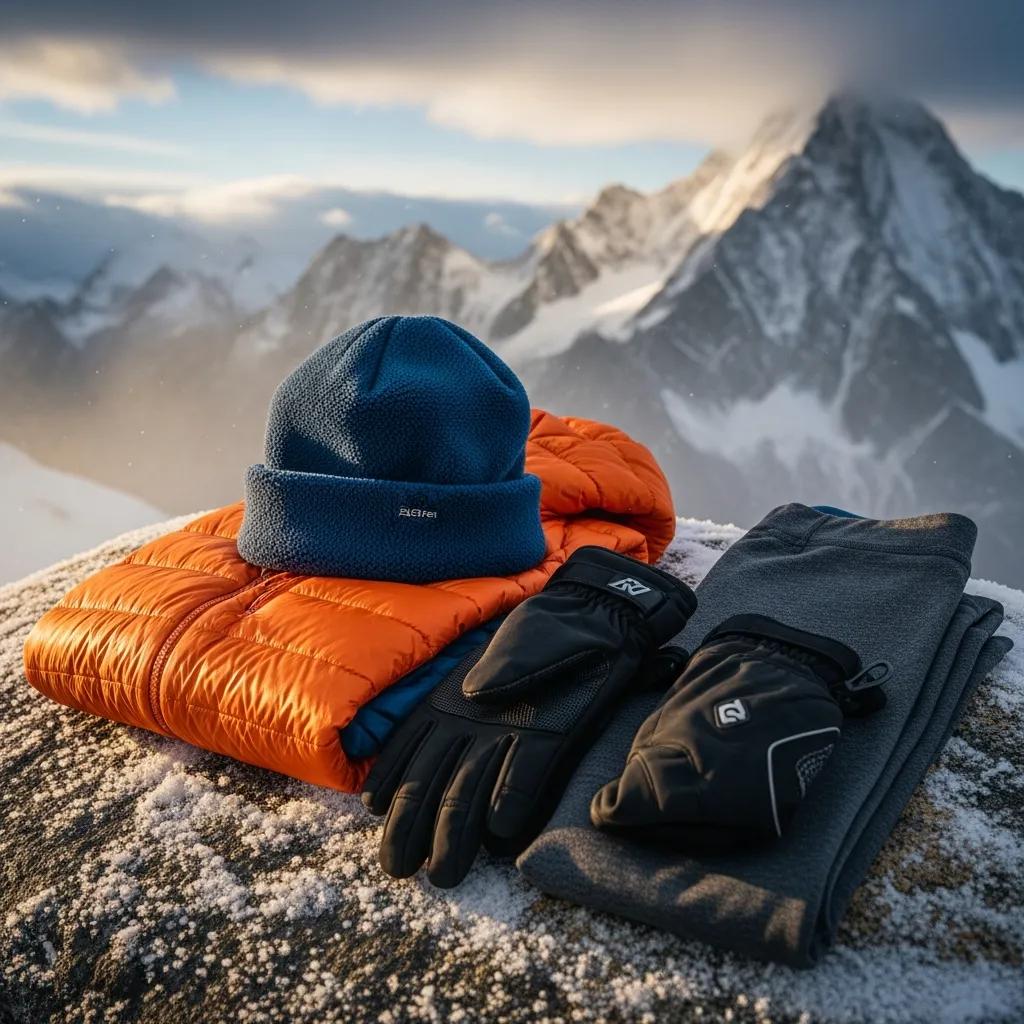
Best Insulated Jackets & Belay Parkas 2026
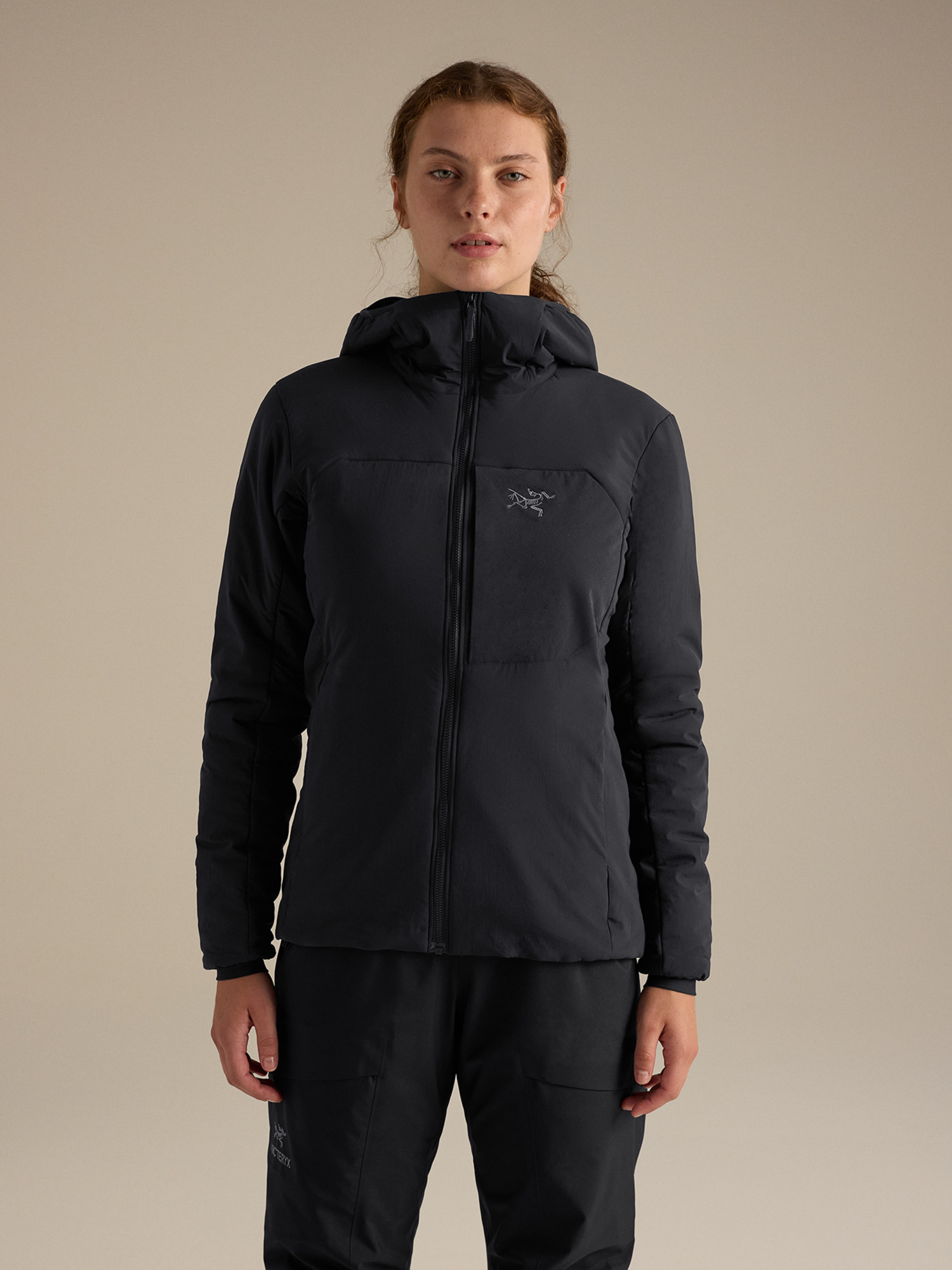
Down is not the only answer to mountain cold. Synthetic insulation earns its place when snow is wet, layers repeatedly pick up moisture, drying opportunities are limited or you need reliable warmth through long belays and transitions. The key is choosing the right kind of synthetic jacket: active insulation for movement, an insulated puffy for versatile warmth, or a true belay parka for stopping in serious cold.
Choose breathable active insulation with lower bulk and good mobility.
Choose a versatile synthetic puffy that fits beneath a shell.
Choose a larger parka designed to go over the climbing system.
Synthetic may complement rather than replace heavier expedition down.
A Synthetic Jacket Is the Layer Between “Keep Moving” and “Put on the Down Parka.”
Synthetic insulation fills a very useful gap in a mountain clothing system. Fleece breathes well but provides limited protection when wind rises. Down offers superb warmth-to-weight but becomes less forgiving when moisture repeatedly enters the system. A hardshell blocks weather but adds almost no meaningful insulation by itself.
A synthetic insulated jacket can solve the middle problem: dependable warmth with better moisture tolerance and faster drying than traditional down. Lighter versions function as active or versatile insulation. Heavier versions become true belay parkas that are thrown over the entire clothing system the moment movement stops.
Those are different jobs. A jacket breathable enough for uphill movement is rarely warm enough for an exposed winter belay. A parka warm enough for long static stops may turn into a sweat box if you try to climb continuously in it.
Quick Comparison: Synthetic Insulation by Role
The “best” jacket changes according to whether you are moving, standing still or trying to layer over a complete winter climbing kit.
| Jacket | Role | Insulation Style | Layer Position | Main Strength | Main Limitation |
|---|---|---|---|---|---|
| Cotopaxi Pacaya 2.0 | Active synthetic | Recycled wool / synthetic blend | Under shell | Breathable movement | Not a heavy belay parka |
| Cotopaxi Capa Hooded | Light synthetic puffy | PrimaLoft | Mid / insulation layer | Versatility and packability | Limited extreme-cold role |
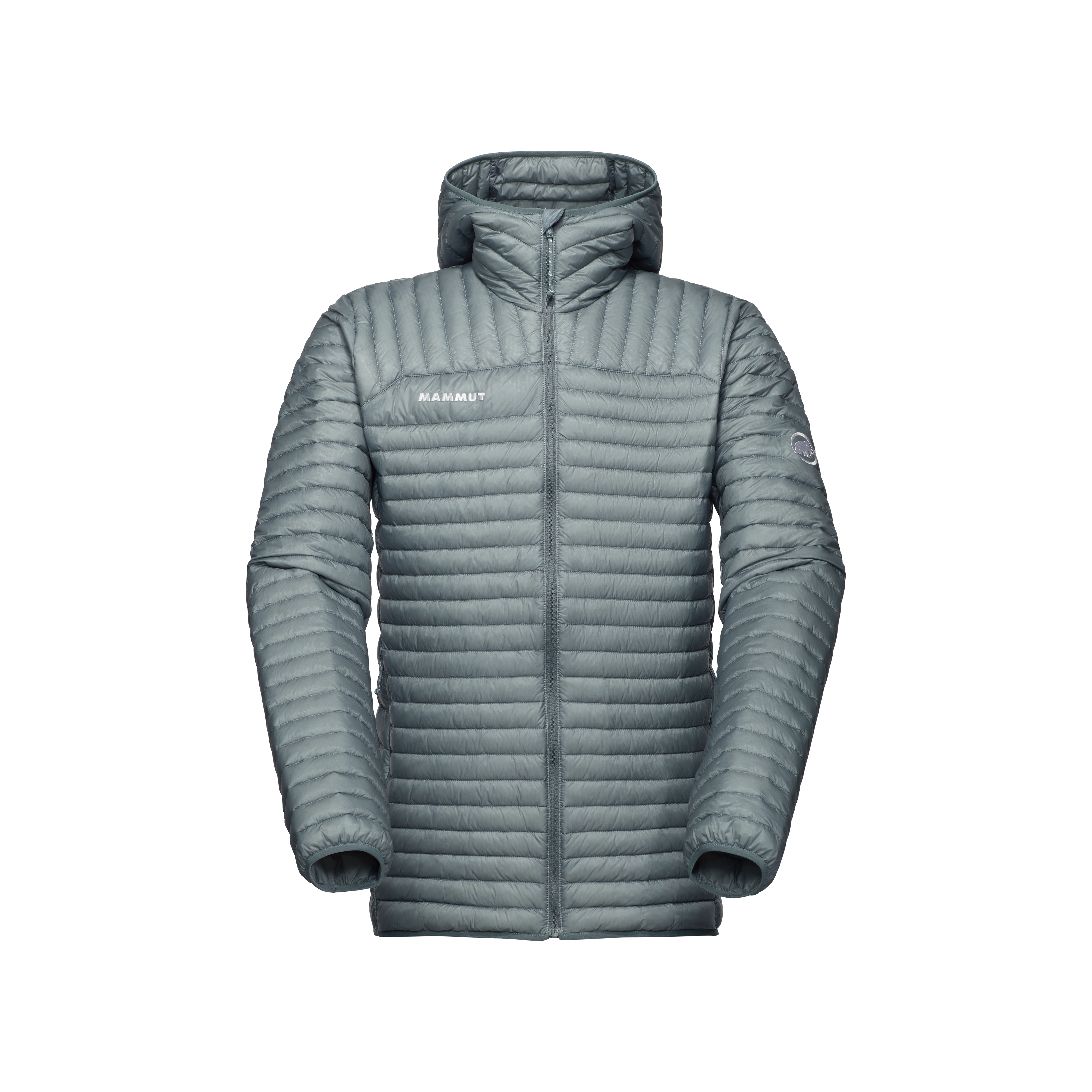
| Mammut Rime IN Hooded | Mountain synthetic puffy | LOOPINSULATION | Mid / outer insulation | Balanced mountain use | Less static warmth than belay parka |
| Mammut Rime Pro Belay | True belay parka | Heavy synthetic fill | Over shell | Cold stops and belays | Too warm for hard uphill movement |
| Rab Generator Alpine | Winter belay parka | PrimaLoft Gold | Over shell | Weather-resistant static warmth | Higher bulk than active layer |
| Arc’teryx Nuclei SV | Cold synthetic belay parka | Coreloft synthetic | Over active system | Warmth and wind protection | Specialized stop layer |
Active Insulation, Synthetic Puffy or Belay Parka?
Understanding this distinction prevents most bad purchases in the category.
Warmth While Moving
Active-insulation jackets prioritize airflow, mobility and moisture movement. They belong on cold approaches, ski tours and lower-output climbing where fleece alone is not enough.
They are intentionally less warm than a true belay parka. That is a feature, not a failure: overheating while climbing hard can soak the rest of the system in sweat.
The Versatile Middle Layer
A general synthetic puffy adds more warmth than a fleece or highly breathable active layer but remains compact enough to live inside the pack and work beneath a shell.
For many hikers and moderate alpine objectives, this is the most reusable category because it works at camp, on chilly starts and as a cold-weather midlayer.
Warmth When You Stop
A belay parka is cut larger, insulated more heavily and designed to go rapidly over the layers you are already wearing.
It belongs at belays, rest stops, transitions, exposed ridges and other moments when muscular heat production drops but the mountain remains cold.
Synthetic vs Down: Choose the Failure Mode You Can Manage
Down remains exceptionally efficient when conditions stay dry. It compresses small and provides tremendous warmth for its weight, particularly in expedition parkas and cold camp systems.
Synthetic insulation generally tolerates moisture better, dries faster and retains useful loft when damp. That makes it attractive for wet snow, repeated freeze-thaw cycles, humid winter climbing and trips where drying a jacket may be difficult.
The trade-off is bulk and weight. Achieving equivalent warmth with synthetic insulation usually costs more pack volume than high-quality down.

Six Insulated Jackets & Belay Parkas to Compare
These picks deliberately span active insulation through heavy stop layers so the page reflects the category instead of pretending every jacket solves the same problem.
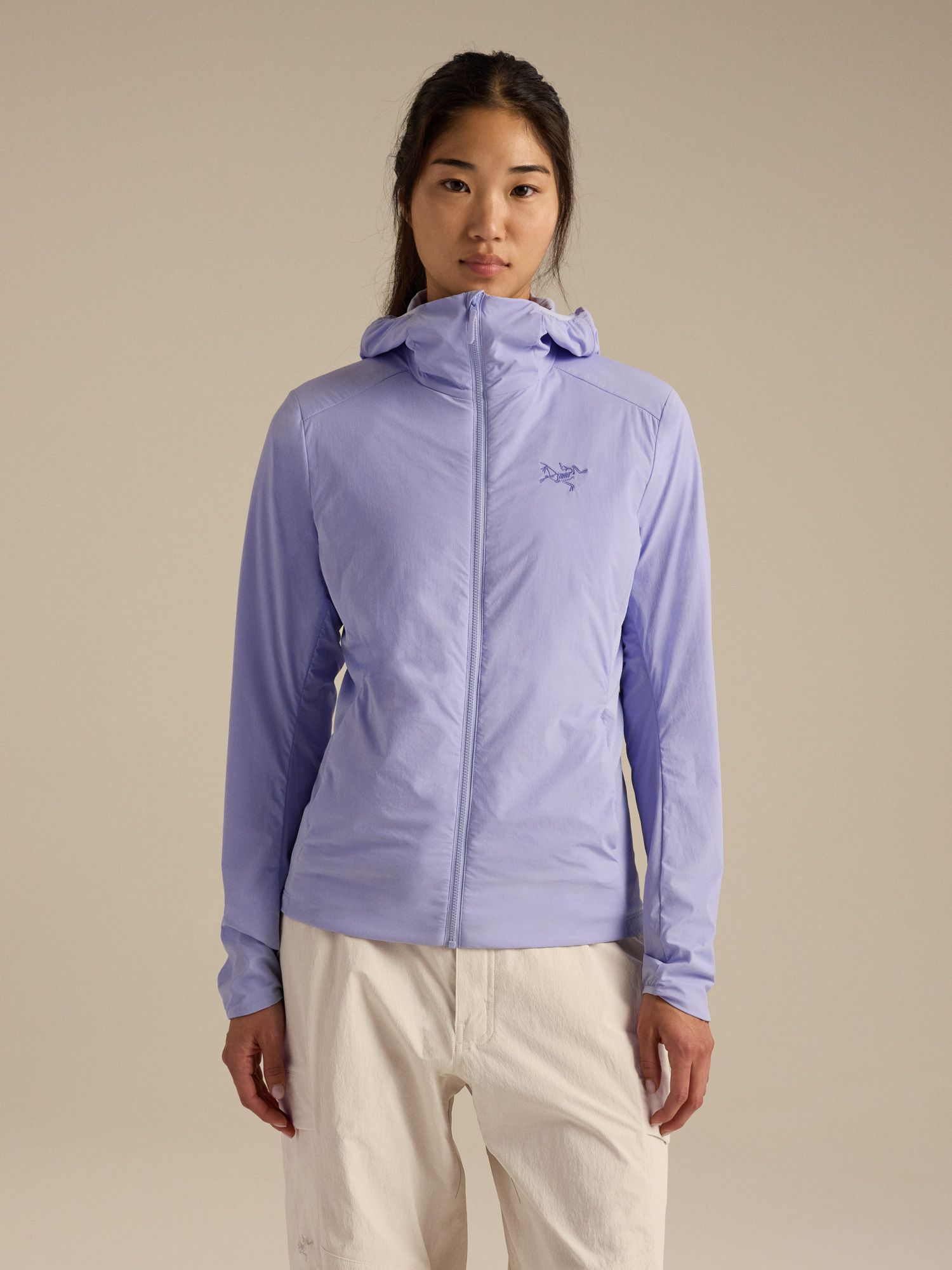
Cotopaxi Pacaya 2.0
The Pacaya 2.0 belongs at the breathable end of this guide. Its role is cold movement rather than static winter belays.
- Movement-oriented construction
- Hybrid stretch panels
- Recycled wool / synthetic insulation blend
- Designed to layer beneath a weather shell
Cotopaxi Capa Insulated Hooded
The Capa sits between active insulation and heavier mountain parkas—a packable synthetic layer for cool hiking, climbing and general winter use.
- PrimaLoft synthetic insulation
- Water-resistant outer fabric
- Packable construction
- Regular layering fit
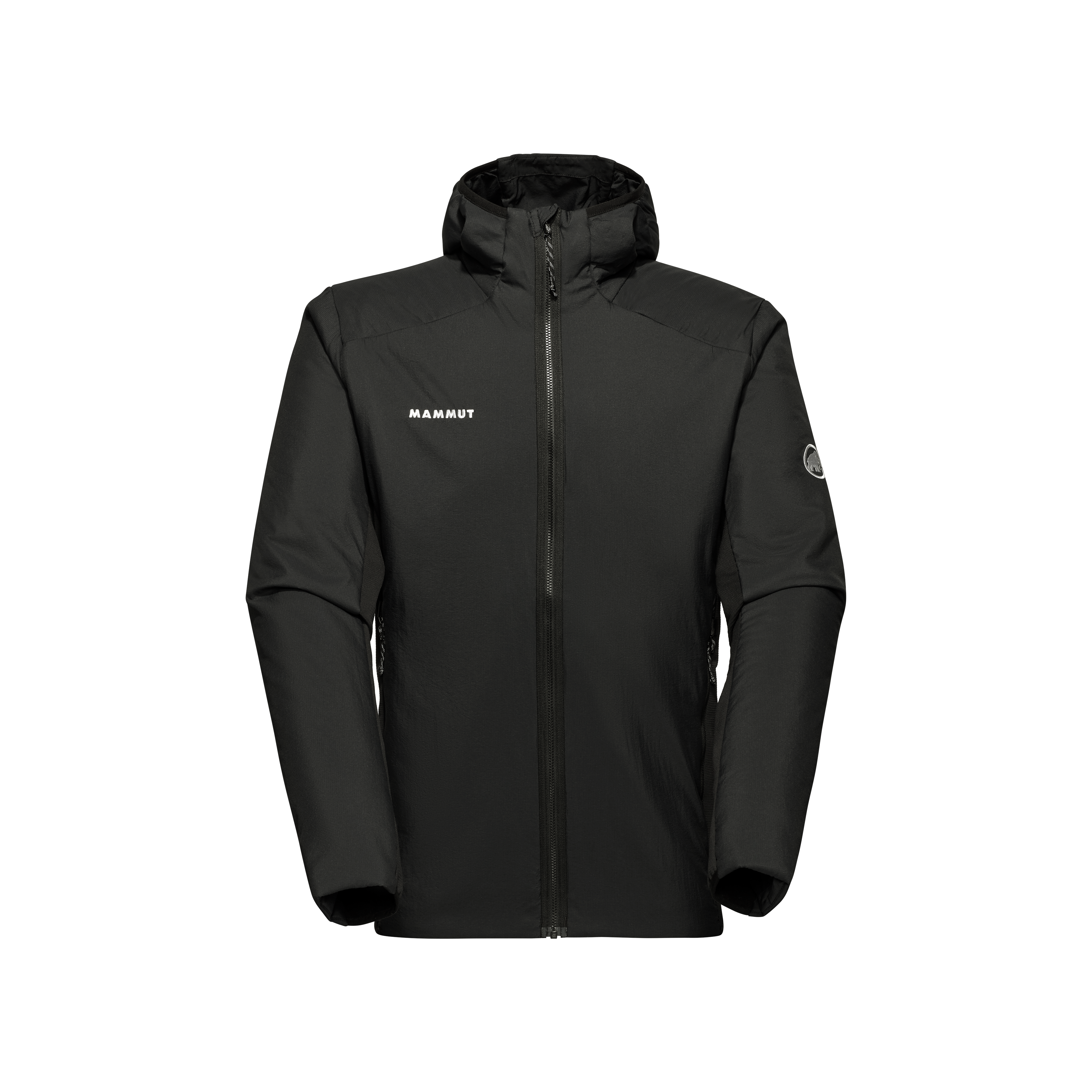
Mammut Rime IN Hooded
Mammut’s Rime IN fills the general mountain-insulation slot below the heavier Rime Pro Belay.
- Synthetic LOOPINSULATION
- Regular mountain fit
- Packable warmth
- Useful across multiple disciplines
Mammut Rime Pro Belay IN Hooded
The Rime Pro is the clearest expression of the true synthetic belay jacket in this group: oversized for layering and built around static warmth.
- Designed to fit over a hardshell
- Helmet-compatible hood
- Harness-friendly pocket layout
- Large internal storage pockets
Rab Generator Alpine
Rab builds the Generator Alpine around exposed winter belays: substantial synthetic insulation, wind protection and climbing-specific access.
- PrimaLoft Gold insulation
- Weather-resistant outer
- Helmet-compatible hood
- Two-way belay-friendly front zip
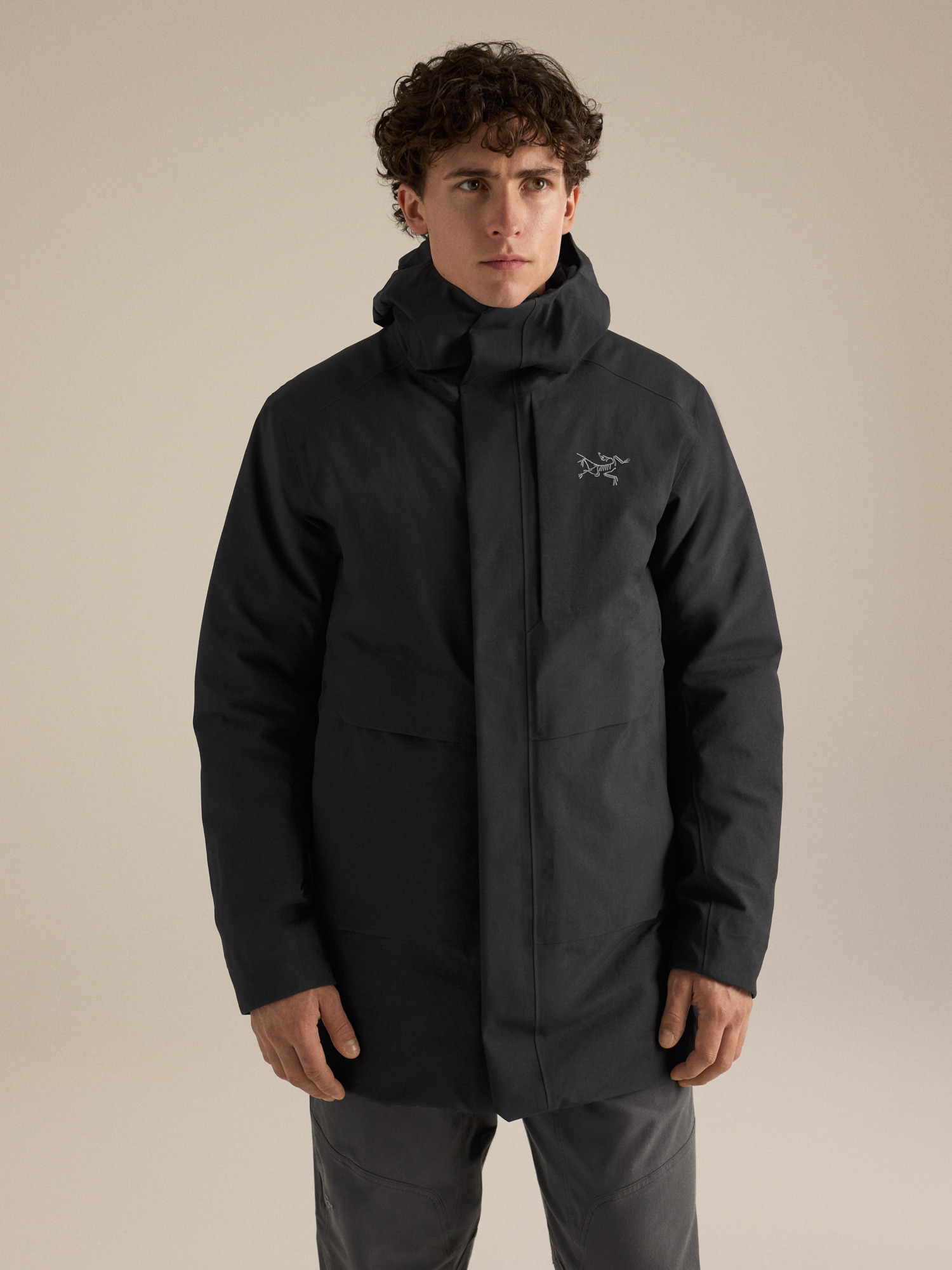
Arc’teryx Nuclei SV
The Nuclei SV occupies the specialized cold-belay end of synthetic insulation: designed around high static warmth, wind protection and alpine use.
- Coreloft synthetic insulation
- Windproof outer construction
- Helmet-compatible hood
- Large internal storage
What Makes a Belay Parka Different?
A real belay parka is not simply a warmer puffy jacket.
It Goes Over the System
The entire point is fast deployment. You should be able to throw it over fleece, shell, harness and other active layers without undressing on the belay ledge.
Protect the Head Fast
A climbing-oriented parka needs enough hood volume for a helmet while still sealing reasonably well when the helmet is not being worn.
Keep the Belay Accessible
Opening the jacket from below lets the climber access the belay loop and hardware without removing the insulation layer.
Warm Gloves & Essentials
Internal dump pockets can hold gloves, mittens and other items that need to stay warm and accessible.
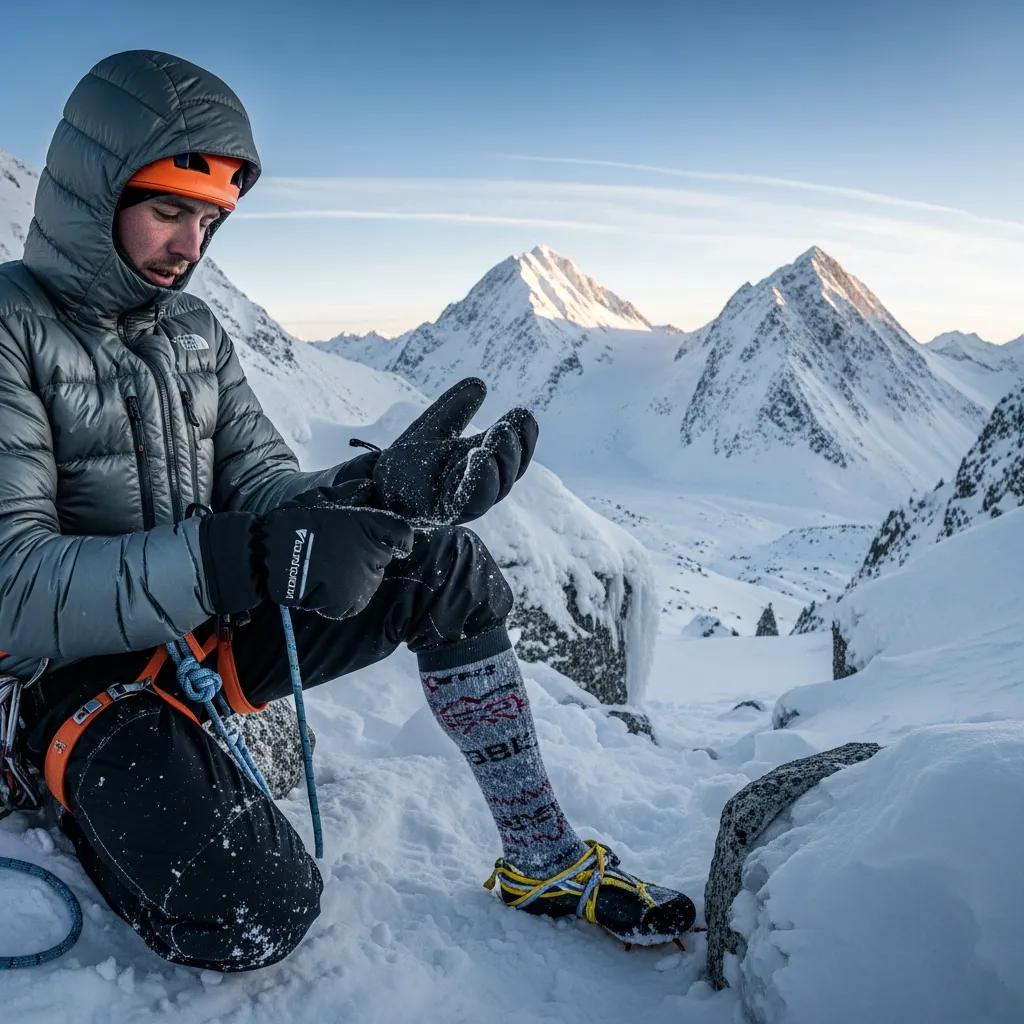
Add the Belay Parka Before the Cold Has Already Won.
You lose heat quickly when climbing output stops. Put the big insulation layer on at the beginning of the stop—not after standing still until you start shivering.
The Insulated Jacket Inside the Complete Layering System
Insulation does not replace your base layer, active midlayer or weather shell.
Move Moisture
Merino or synthetic next-to-skin layer manages sweat before it can soak the rest of the clothing system.
Add Breathable Warmth
Fleece or active insulation handles much of the uphill work without overwhelming the climber with heat.
Control Wind & Water
Softshell or waterproof shell selection depends on the conditions, precipitation and required weather resistance.
Trap Heat at the Stop
The oversized insulation layer goes over the working system when movement stops and heat production falls.
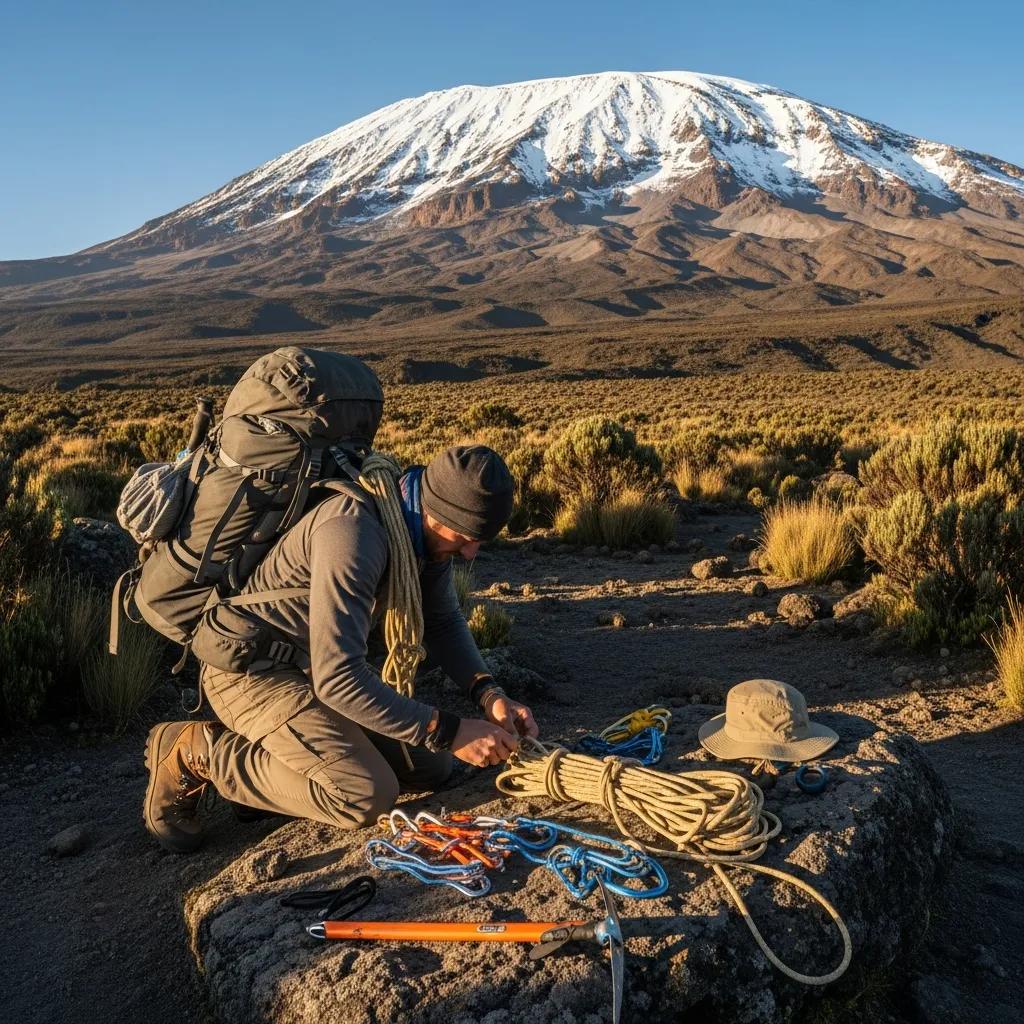
Rainier-Style Climbing vs Denali-Style Expedition Use
The bigger the gap between active climbing and static cold, the more important a dedicated stop layer becomes.
Rainier-Style Layering
On a normal-season alpine climb, a climber may generate significant heat while moving. A highly breathable active layer or medium synthetic puffy can cover much of the day.
- Base layer
- Fleece or active synthetic layer
- Weather shell
- Warmer synthetic puffy for breaks and summit exposure
A full heavyweight belay parka may be unnecessary for many conditions, although forecast and individual cold tolerance matter.
Denali-Style Layering
Extended cold, camp life, long stops and severe weather increase the need for multiple insulation roles rather than one all-purpose jacket.
- Active synthetic insulation for movement
- Hardshell for wind and precipitation
- Heavy stop insulation for camp or static exposure
- Expedition down may still provide the maximum-cold layer
The important distinction is that a synthetic belay jacket and an expedition down parka can complement each other rather than compete for the same job.
Seven Features That Matter More Than Marketing Names
“Insulated jacket,” “puffy” and “belay parka” are used loosely. Construction reveals the actual job.
Insulation Amount
More fill generally pushes the jacket toward static warmth rather than active movement.
Outer Fabric
A more protective face fabric matters when the jacket will live outside the shell in wind, snow and abrasive climbing terrain.
Helmet Hood
Belay parkas should close around a climbing helmet without creating major blind spots.
Two-Way Zip
Important when the jacket must remain closed while the climber accesses the harness and belay device.
Longer Hem
Extra coverage protects the torso while standing still and helps overlap with pants and harness layers.
Glove-Friendly Controls
Oversized zipper pulls and simple adjustments matter when dexterity is reduced by winter gloves.
Internal Dump Pockets
Large internal pockets are valuable for warming gloves, skins or other cold-sensitive equipment.
Packability
A parka that consumes too much pack volume may stay home. Balance static warmth with what you can realistically carry.
A Belay Parka Should Not Fit Like a Normal Puffy
If the parka only fits comfortably over a T-shirt, it cannot perform its intended mountain role.
Wear Your Real Layers
Try the parka over the base layer, fleece, shell and harness you expect to use. Check the shoulders, chest, elbows and hem.
Raise Both Arms
The hem should not ride dramatically above the harness when reaching overhead or managing rope.
Turn Your Head
Close the hood around the helmet and make sure you can look up, sideways and toward the belay without the hood blocking vision.
Dry Synthetic Insulation Properly
Synthetic insulation is forgiving around moisture, but it still performs best when clean, dry and fully lofted.
Follow the manufacturer’s care instructions rather than assuming every insulated jacket should be washed and dried identically. In the field, shake loose snow off before entering a warm tent or hut so that it does not immediately melt into the outer fabric. Hang the jacket where air can circulate rather than compressing a damp piece into the bottom of the pack.
At home, clean the garment when dirt and body oils begin affecting the face fabric or insulation. Do not store a belay parka compressed for months at a time. Give the insulation room to recover its loft.
Current Synthetic Insulated Jackets
Compare current synthetic jackets in the Global Summit Guide catalog, then match the insulation level to the role you identified above.
Current Insulated Jacket Picks
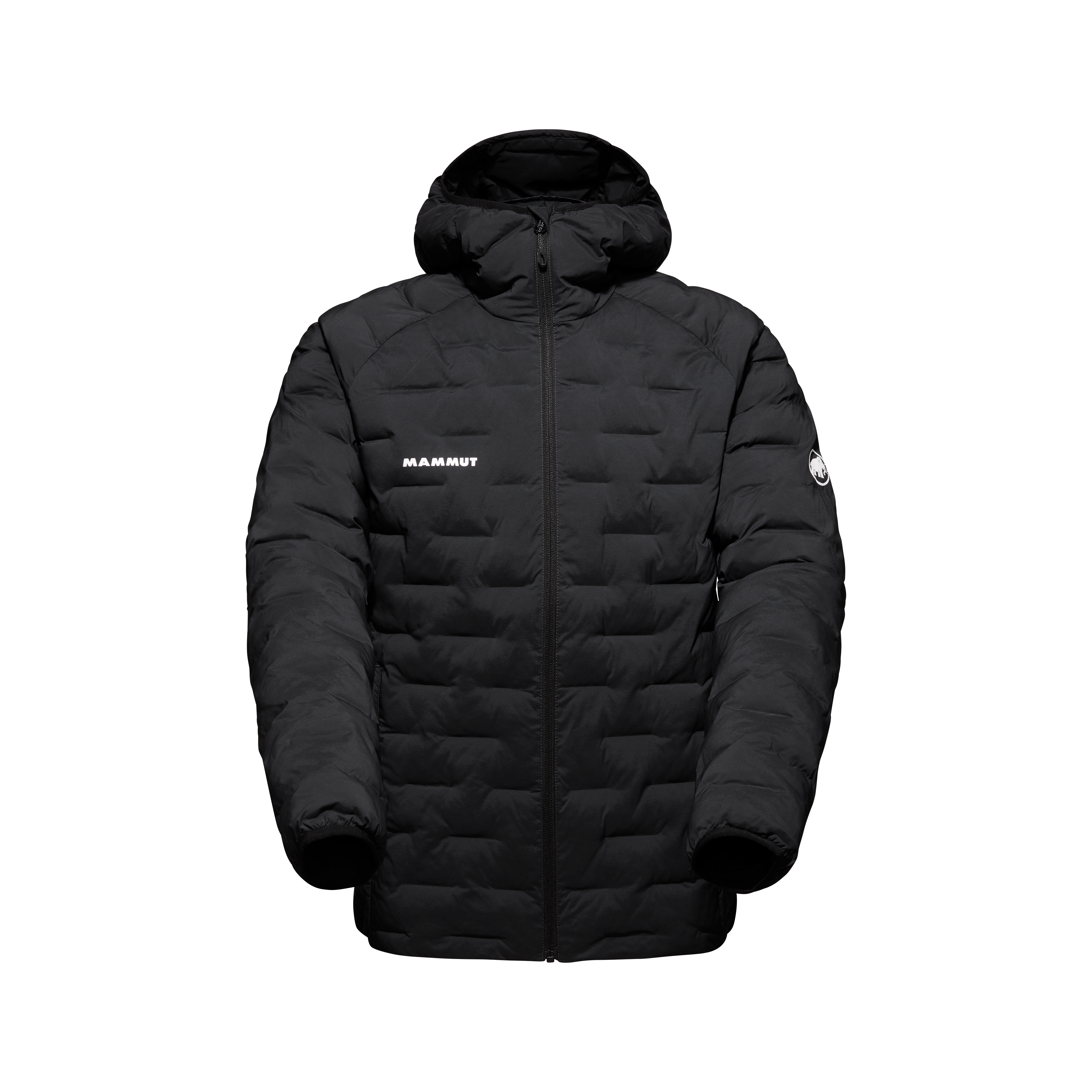
We may earn a commission if you buy through these links, at no extra cost to you. Affiliate disclosure
Insulated Jacket & Belay Parka FAQ
What is a belay parka?
A belay parka is a heavily insulated stop layer designed to go over the clothing and shell system you are already wearing. It lets you add warmth immediately at a belay, rest stop or transition without rebuilding the entire layering system.
Is synthetic insulation better than down?
Neither is universally better. Synthetic insulation is generally more forgiving around moisture and often dries faster. Down usually offers better warmth-to-weight and packability. Your route determines which trade-off matters more.
Should a belay parka fit over my hardshell?
A true stop or belay parka commonly should. The goal is to add warmth quickly without removing wind and weather protection. Try the parka over your actual shell and harness before buying.
Can I climb all day in a belay parka?
Usually not comfortably. Heavy belay parkas are designed for periods of low activity and can lead to overheating during sustained uphill movement. A lighter active-insulation layer is more appropriate for continuous climbing.
Do I still need a rain jacket if I have synthetic insulation?
Yes when the conditions require waterproof protection. Synthetic insulation tolerates moisture better than traditional down, but it is not a replacement for a true waterproof shell.
Do I still need a down jacket on Denali or another very cold expedition?
Often, yes. A synthetic layer may work well for active movement and damp conditions while a much heavier down piece handles the coldest static periods. Follow the current operator or expedition equipment list for the specific mountain.
Is Cotopaxi suitable for this category?
Yes for the lighter and active-insulation end. Cotopaxi’s Pacaya and Capa lines fill movement-oriented and general synthetic-puffy roles. They should not be confused with the much heavier winter belay parkas designed for prolonged static exposure.
Related Gear Guides
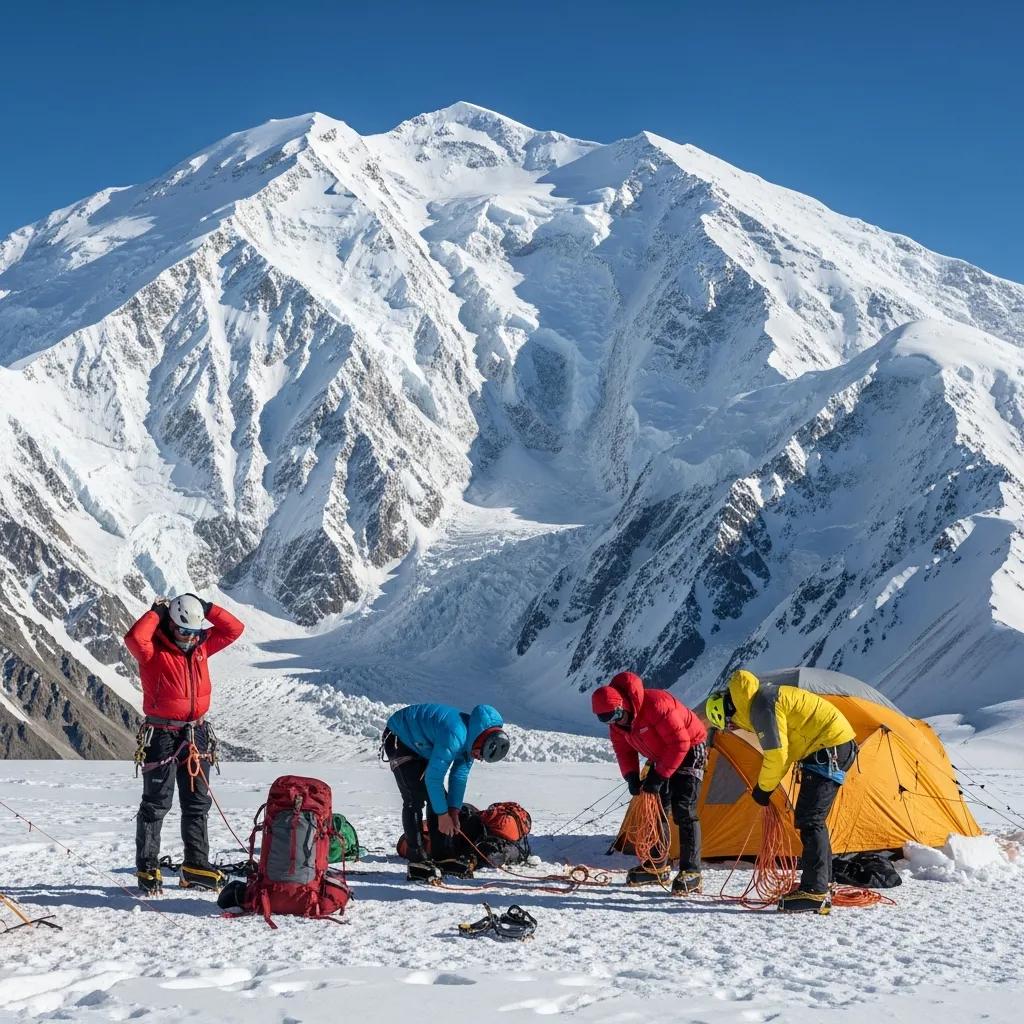
Stay Cool While Moving. Get Warm the Moment You Stop.
Active insulation helps prevent sweat from overwhelming the clothing system. A belay parka protects the heat you have already generated once activity drops. Choose each jacket for the job instead of asking one layer to do everything.
Was this helpful?
Global Summit Guide is an independent mountaineering resource founded in 2026. The team combines first-hand trekking and climbing experience with in-depth research and professional health and nutrition review to help climbers choose objectives, prepare properly, and stay safe.
Health, altitude, and nutrition content is reviewed by Taylor Ludlow (Registered Nurse) and Brigg Hoopes (Nutritionist).
What We Don't Know Yet
Mountain information changes quickly. This box explains the limits of what this page can responsibly promise.
- Visa, passport, vaccination, border, insurance, and local transportation rules may change before your trip.
- Route conditions, snowpack, closures, and weather can change quickly after this page is updated.
- Permit rules, fees, quotas, and reservation windows may change between review cycles.
- Operator availability, pricing, guide ratios, and cancellation terms can change by season.
- Your fitness, altitude response, risk tolerance, and experience level may change what is safe or realistic.
Verify current conditions with official land managers, guide services, local forecasts, and current route reports before booking or climbing.
Mountaineering, rock and ice climbing, glacier travel, and high-altitude activity are inherently dangerous and can result in serious injury or death. The information on Global Summit Guide is provided for general informational and educational purposes only and is not a substitute for professional instruction, qualified guiding, proper equipment, or your own judgment and experience.
Route conditions, weather, snowpack, permits, regulations, and hazards change constantly and may differ from what is described here. Details may be incomplete, out of date, or contain errors. Always verify current information with local authorities, certified guides, and official sources before making any decision in the mountains.
Nothing on this site is medical, legal, or financial advice. Our fitness, acclimatization, altitude, and nutrition content is general in nature; consult a qualified physician before beginning any strenuous exercise program or exposing yourself to high altitude.
You are solely responsible for your own safety and decisions. To the fullest extent permitted by law, Global Summit Guide and its team accept no liability for any loss, injury, damage, or expense arising from use of, or reliance on, this information. By using this site you acknowledge these risks and accept these terms.
Some links on this site may be affiliate links. If you buy through them we may earn a small commission at no extra cost to you; this never affects our recommendations.
Global Summit Guide recommendation path
Next Best Mountain to Research
Use these recommendations to continue the right planning path instead of stopping on one page.
Use current permit, weather, route, and operator information before booking or climbing.