
Last updated September 23, 2026
Best Time to Thru-Hike: A Trail-by-Trail Seasonal Guide
The right thru-hiking start date is rarely the day with the nicest weather at the trailhead. It is the date that lets you move through every climate zone before the next seasonal hazard closes the window. Snowpack, desert heat, monsoon, wildfire, daylight and autumn storms all matter more than the calendar alone.
The Best Season Depends on What the Trail Is Trying to Do to You.
On the PCT, the challenge is fitting desert heat, mountain snow and the northern autumn into one season. On the Appalachian Trail, spring start timing affects cold, crowds and whether you reach Maine before severe autumn weather.
In the Alps, the limiting factor may be lingering snow and seasonal transportation. In Nepal it is the relationship between high passes and the monsoon. In New Zealand the calendar reverses because the warmest months fall around December through February.
A useful seasonal guide therefore starts with the trail’s main hazard, then works backward to the start date.
1. When does snow stop controlling the high terrain?
2. When does heat, monsoon or wildfire become the next major problem?
3. How long will your pace require to reach the final difficult region?
4. What annual conditions could make this year different from the average?
Long-Distance Hiking Seasonal Calendar
Green marks the strongest general window, gold a workable shoulder period and red a season that usually adds significant environmental or logistical complications. Actual conditions always override the chart.
| Trail | Jan | Feb | Mar | Apr | May | Jun | Jul | Aug | Sep | Oct | Nov | Dec |
|---|---|---|---|---|---|---|---|---|---|---|---|---|
| PCT thru-hike United States | Snow | Snow | Early | NOBO | NOBO | Sierra | SOBO | North | Finish | Snow | Winter | Winter |
| Appalachian Trail United States | Winter | Early | NOBO | NOBO | NOBO | SOBO | SOBO | Trail | Finish | Late | Cold | Winter |
| Continental Divide Trail United States | Winter | Winter | Early | NOBO | NOBO | Snow | SOBO | Trail | Trail | Finish | Winter | Winter |
| West Highland Way Scotland | Winter | Winter | Cool | Spring | Peak | Long days | Busy | Midges | Autumn | Cool | Short days | Winter |
| Great Glen Way Scotland | Winter | Winter | Cool | Spring | Spring | Long days | Summer | Summer | Autumn | Cool | Short days | Winter |
| Cotswold Way England | Open | Open | Spring | Spring | Spring | Summer | Summer | Summer | Autumn | Autumn | Open | Open |
| Lechweg Austria / Germany | Snow | Snow | Snow | Snow | Lower route | Opening | Peak | Peak | Strong | Early Oct | Lower only | Winter |
| Camino Francés Spain | Cold | Cold | Spring | Spring | Spring | Warm | Hot | Hot | Autumn | Autumn | Cool | Cold |
| Annapurna Circuit Nepal | Winter | Late winter | Spring | Spring | Spring | Monsoon | Monsoon | Monsoon | Autumn | Autumn | Autumn | Winter |
| Queen Charlotte Track New Zealand | Summer | Summer | Autumn | Autumn | Cool | Winter | Winter | Winter | Spring | Spring | Spring | Summer |
Four Seasonal Hazards Control Most Long Trails
The ideal start usually sits between hazards rather than directly in the middle of the nicest weather.
Too Early
Lingering mountain snow can turn an ordinary trail into steep snow travel, obscure the route and increase stream-crossing hazards during melt.
Too Late in the Desert
Waiting for every mountain to become snow-free can push desert or lower-elevation terrain into dangerous heat.
Monsoon or Wet Season
Tropical and Himalayan routes can shift from dry walking to flooded, muddy or cloud-obscured conditions during seasonal rains.
The Finish Deadline
Northern mountain ranges eventually return to snow, shorter daylight and colder storms. Your finish date can be as important as the start.

Your Start Date Should Be Chosen for the Hardest Region You Have Not Reached Yet.
PCT hikers starting near Mexico are already planning for Sierra snow hundreds of miles north. Appalachian Trail hikers in Georgia must still think about reaching Maine before late-season weather closes the window. Long-distance timing is a moving equation.
When to Start the World’s Major Long Trails
These windows are broad planning anchors. Use current snow, weather, fire, access and trail alerts to choose the actual date.
Pacific Crest Trail
PCTA says most northbound thru-hikers begin in mid-April through early May. Starting too early can create dangerous snow travel in Southern California and push hikers into a deeply snow-covered Sierra. Starting too late increases exposure to Southern California heat and compresses the northern finish window.
Southbound hikers generally start from late June through early July, when Washington snowpack and high mountain terrain become more manageable.
Appalachian Trail
Most traditional northbound hikers start in March or early April. ATC says hikers who want to reduce winter conditions and crowding should consider the window from April 15 through the first week of May.
The other end of the equation is Katahdin. ATC recommends planning to finish before October 15 because severe weather becomes increasingly likely in Maine.
Continental Divide Trail
The CDT does not fit neatly into one permanent start-date rule. CDTC’s Trail Days in Silver City occur in late April and mark the opening of the northbound hiking season. Northbound timing then revolves around reaching Colorado after enough high-elevation snow has melted.
Southbound planning depends strongly on northern snowpack and access in Glacier National Park. Many backcountry sites and services do not reach their summer operating pattern until June or July.
Britain Offers Long Seasons. The Alps Have a Much Tighter Window.
Low and moderate elevation routes can be usable for much of the year. Alpine routes remain far more dependent on snow and seasonal transport.
West Highland Way
The official route says May is the most popular month, while spring and autumn are especially beautiful. The trail can be walked at any time of year, but winter means shorter daylight and more demanding weather.
Strong general window: April through September, with May particularly popular.
Great Glen Way
Scotland’s Great Trails notes that April through September provides at least roughly 12 hours of daylight. The route’s lower elevations give it a broader usable season than high Alpine trails.
Strong general window: April through September.
Cotswold Way
The National Trail is officially open all year. Spring through autumn generally provides the longest daylight and easiest walking conditions, but there is no fixed opening or closing season.
Strong general window: spring through autumn; winter remains possible.
Hadrian’s Wall Path
The route can be walked beyond summer, but the grass-sward trail and exposed northern terrain are more vulnerable to wet winter conditions. Spring through early autumn gives longer daylight and simpler logistics.
Strong general window: roughly May through September.
Lechweg
The high start near Formarinsee makes this a genuine seasonal route. Official 2026 material lists the main season from mid-June to early October. In 2026 the entire trail opened June 18.
Lower-elevation shortened versions can become usable earlier.
Camino Francés
Spain’s official tourism guidance says the Camino can be walked year-round but is especially pleasant in spring and from September through October.
Summer is possible, but heat makes early starts and avoiding the middle of the day increasingly important.
Fewer People Usually Means Giving Something Up.
Earlier spring and later autumn can bring quieter trails and easier accommodation, but they may also mean colder nights, shorter daylight, closed services or snow at elevation. Crowd avoidance should be part of the timing decision—not the only timing decision.
Annapurna Has Two Primary Trekking Seasons.
Nepal Tourism Board lists March through May and September through November as the best seasons for the Annapurna Conservation Area.
Spring brings improving temperatures and rhododendron blooms. Autumn follows the monsoon and is associated with clearer mountain views and relatively stable weather.
Winter can bring heavy snow to high passes, while summer monsoon affects much of the circuit. Parts of the upper Annapurna and Mustang region sit in a rain shadow, but that does not make the entire classic circuit a uniform monsoon-season route.
New Zealand Turns the Northern-Hemisphere Calendar Upside Down
December, January and February are summer months. That makes New Zealand useful for hikers looking for long-distance walking during the northern winter.
Warmest Conditions Around Summer
New Zealand DOC describes Queen Charlotte Sound as generally warm and dry in summer, although coastal weather can change quickly at any time.
Winter remains possible, but clay surfaces become particularly slippery when wet. Summer and the shoulder seasons generally provide a simpler first experience.
A Second Hiking Season
A northern-hemisphere hiker does not have to wait from October until April to walk. New Zealand, Patagonia and other southern routes create opportunities during December through March.
Always translate the month into the local season before comparing trails across hemispheres.
Northbound and Southbound Are Different Seasonal Strategies
Reversing direction changes which major hazard arrives first and which one becomes the deadline.
Desert First
Start late enough to reduce early snow problems but early enough to cross Southern California before extreme heat dominates.
Washington First
The hike cannot begin normally until enough northern mountain snow has melted for safe travel.
Spring North
Start too early and winter follows you through the southern Appalachians. Start too late and Maine becomes the deadline.
Maine First
Southbounders begin with remote and rugged terrain, making early-season conditioning and northern access part of the timing problem.
If Your Vacation Is Fixed, Reverse the Question
Sometimes you cannot choose the trail first and then wait for its best month. Work, school and family may determine the month before the route.
| Available period | Trail styles to investigate | Main seasonal question |
|---|---|---|
| January–February | Queen Charlotte Track and other Southern Hemisphere summer routes. | Can you shift the trip south of the equator instead of forcing a northern winter trail? |
| March–April | Camino, Annapurna spring season, southern A.T. starts and lower European trails. | How much winter remains at elevation? |
| May | PCT starts, West Highland Way, Great Glen Way, Camino and Annapurna. | Are snowpack and accommodation pressure manageable? |
| June | Scottish routes, English National Trails, Lechweg as it opens and northern long trails. | Has Alpine or northern mountain snow actually cleared? |
| July–August | High Alpine trails, Scotland, long northern sections and PCT/CDT SOBO itineraries. | Are heat, crowds, insects or wildfire now more important than snow? |
| September | Camino, Scotland, Alps, Annapurna autumn season and many European trails. | How quickly will daylight and high-mountain weather deteriorate? |
| October–November | Camino, Annapurna, lower European routes and Southern Hemisphere spring. | Is the high terrain still within its operating season? |
| December | Southern Hemisphere summer routes. | Would New Zealand or another southern destination provide the better seasonal fit? |

The Calendar Tells You What Usually Happens. Conditions Tell You What Is Happening Now.
A low-snow year and a heavy-snow year can create completely different start decisions on the same trail. Use the seasonal window to build the plan, then replace averages with current snow, weather, water, wildfire and closure information as departure approaches.
Long-Distance Hiking Can Be a Year-Round Pursuit
Move between hemispheres and elevations and there is almost always a major walking season somewhere in the world.
PCT, A.T. and CDT thru-hikes generally use the northern warm season, but each solves snow and heat differently.
Britain and the Camino can have long walking seasons, while the Alps remain tightly controlled by snow.
Nepal’s classic trekking windows sit on either side of the summer monsoon.
December through February is southern summer, creating a second annual hiking cycle.
Do Not Choose the Exact Start Date Six Months Out and Stop Thinking.
Reserve the broad travel window first. As the season approaches, replace historical assumptions with current information.
Check snowpack, trail closures, wildfire status, water reports, transportation schedules and permit rules. Then ask whether your expected pace still reaches the next major climate zone at the right time.
The strongest long-distance plan has enough flexibility to move a start several days—or sometimes several weeks—when conditions demand it.
Use Current Trail Conditions Before Choosing the Final Date
Seasonal averages are the beginning of timing research. Current snow, closures, fire, access and permits are the final authority.
Best Time to Thru-Hike FAQ
Use the month as the first filter. Use current conditions to make the final decision.
What is the best month to start a thru-hike?
There is no universal month. Major northern U.S. trails often begin during spring or early summer, Alpine routes peak in summer, Nepal favors spring and autumn, and New Zealand offers Southern Hemisphere summer hiking during December through February.
When should I start the Pacific Crest Trail?
PCTA says most northbound hikers start from mid-April through early May, while southbound hikers generally begin in late June through early July. Annual snow conditions can shift the practical window.
When should I start the Appalachian Trail?
Many traditional northbound hikers start in March or early April. ATC says April 15 through the first week of May provides an optimal window for reducing winter conditions and crowds, while hikers should still plan to reach Katahdin before October 15.
When should I hike the Continental Divide Trail?
Northbound hiking season generally begins in spring from New Mexico, while southbound hikers must wait for northern mountain access and snow conditions. Because the CDT crosses very high terrain, current snowpack is more useful than relying on one permanent date.
What is the best season for the West Highland Way?
The route can be walked throughout the year. Its official site says May is the most popular month and highlights spring and autumn as especially beautiful. Winter requires more conservative planning for daylight and weather.
When is the best time for the Camino?
Spain’s official tourism guidance says spring and September through October are especially pleasant. Summer is also possible, but midday heat can become a major issue.
When is the best time for the Annapurna Circuit?
Nepal Tourism Board lists March through May and September through November as the principal seasons for the Annapurna Conservation Area. Winter snow can affect high passes, while summer overlaps with monsoon conditions across much of the region.
Should I choose my start date based on historical weather?
Use historical seasons to select the broad window, then use current snowpack, forecasts, water reports, closures, fire information and access updates to select the exact date.
Timing Connects Every Long-Distance Hiking Decision.
Once you know the usable season, connect the calendar to trail choice, hiking direction, budget, gear and the amount of continuous time you actually have.
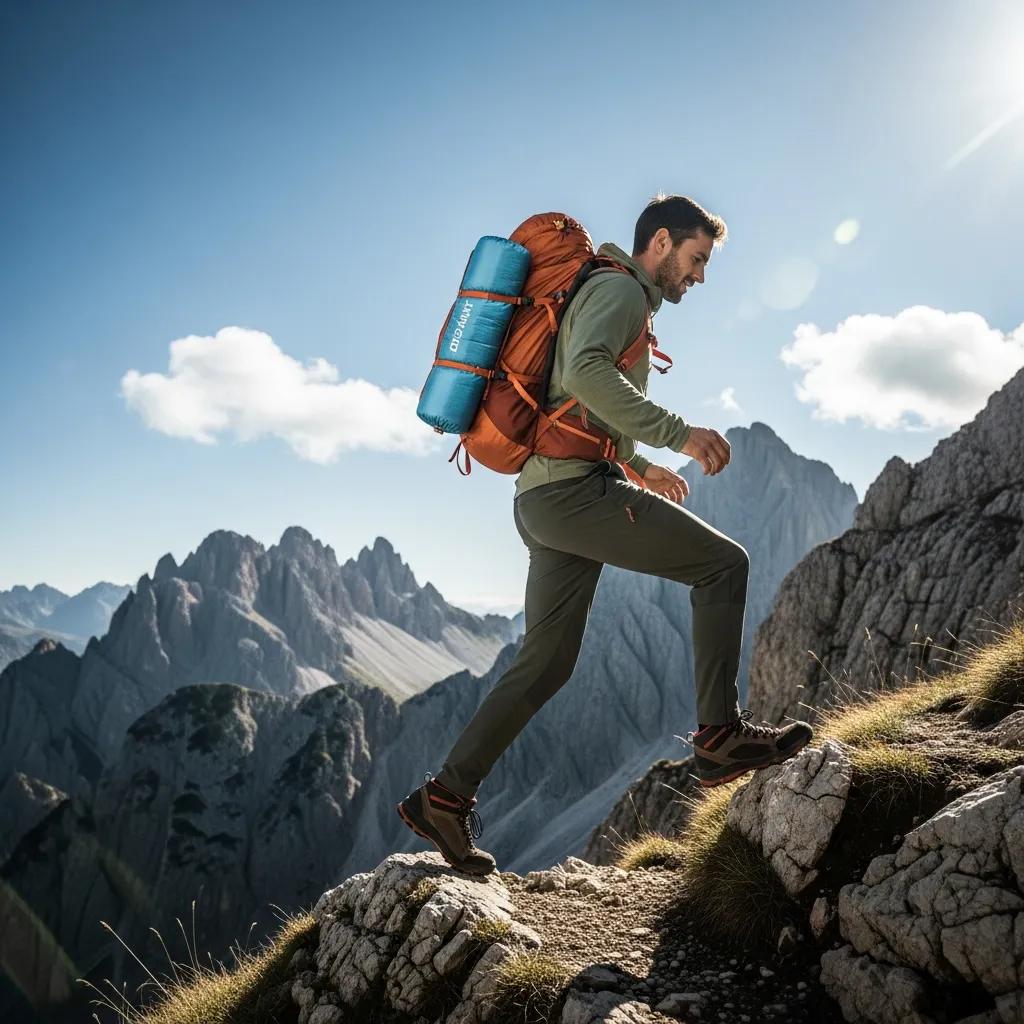
Do Not Just Ask When the Trail Is Beautiful. Ask When the Whole Journey Works.
The best start date balances the obstacle behind you with the obstacle still hundreds of miles ahead. Choose the broad season from historical patterns. Choose the exact day from current conditions. Then keep enough flexibility to change the plan when the mountains disagree with the calendar.
Was this helpful?
Global Summit Guide is an independent mountaineering resource founded in 2026. The team combines first-hand trekking and climbing experience with in-depth research and professional health and nutrition review to help climbers choose objectives, prepare properly, and stay safe.
Health, altitude, and nutrition content is reviewed by Taylor Ludlow (Registered Nurse) and Brigg Hoopes (Nutritionist).
What We Don't Know Yet
Mountain information changes quickly. This box explains the limits of what this page can responsibly promise.
- Weather, snowpack, avalanche risk, road access, and route conditions can change quickly and may be different on your climbing dates.
- Visa, passport, vaccination, border, insurance, and local transportation rules may change before your trip.
- Route conditions, snowpack, closures, and weather can change quickly after this page is updated.
- Permit rules, fees, quotas, and reservation windows may change between review cycles.
- Operator availability, pricing, guide ratios, and cancellation terms can change by season.
Verify current conditions with official land managers, guide services, local forecasts, and current route reports before booking or climbing.
Mountaineering, rock and ice climbing, glacier travel, and high-altitude activity are inherently dangerous and can result in serious injury or death. The information on Global Summit Guide is provided for general informational and educational purposes only and is not a substitute for professional instruction, qualified guiding, proper equipment, or your own judgment and experience.
Route conditions, weather, snowpack, permits, regulations, and hazards change constantly and may differ from what is described here. Details may be incomplete, out of date, or contain errors. Always verify current information with local authorities, certified guides, and official sources before making any decision in the mountains.
Nothing on this site is medical, legal, or financial advice. Our fitness, acclimatization, altitude, and nutrition content is general in nature; consult a qualified physician before beginning any strenuous exercise program or exposing yourself to high altitude.
You are solely responsible for your own safety and decisions. To the fullest extent permitted by law, Global Summit Guide and its team accept no liability for any loss, injury, damage, or expense arising from use of, or reliance on, this information. By using this site you acknowledge these risks and accept these terms.
Some links on this site may be affiliate links. If you buy through them we may earn a small commission at no extra cost to you; this never affects our recommendations.
Global Summit Guide recommendation path
Next Best Mountain to Research
Use these recommendations to continue the right planning path instead of stopping on one page.
Use current permit, weather, route, and operator information before booking or climbing.
Leave a Reply