web analytics

Tag: long distance trails

  • Best Time to Thru-Hike: Trail-by-Trail Guide

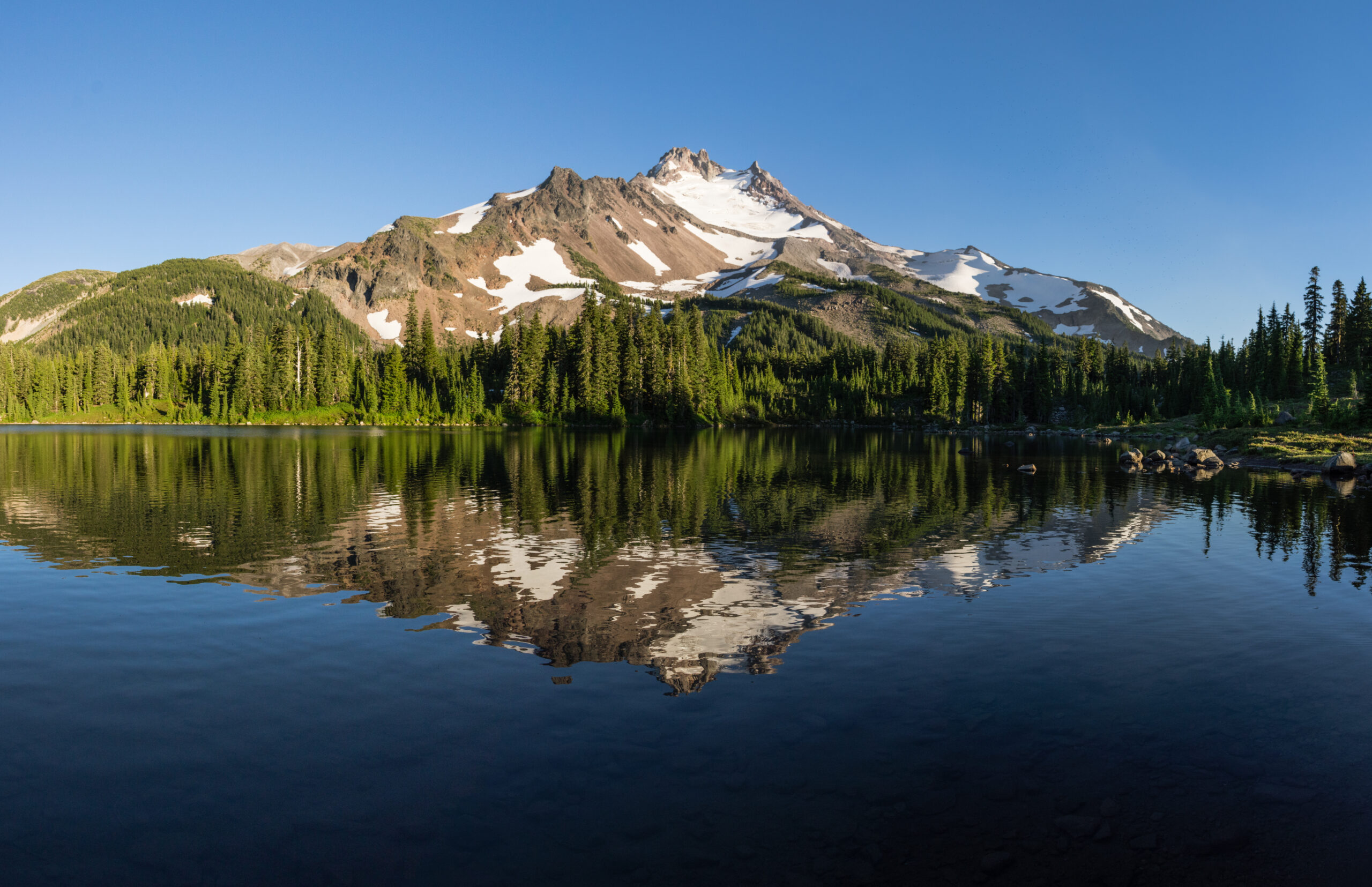
    Long-distance mountain trail during clear summer hiking conditions
    Snow · heat · monsoon · daylight · wildfire · seasonal timing

    Best Time to Thru-Hike: A Trail-by-Trail Seasonal Guide

    The right thru-hiking start date is rarely the day with the nicest weather at the trailhead. It is the date that lets you move through every climate zone before the next seasonal hazard closes the window. Snowpack, desert heat, monsoon, wildfire, daylight and autumn storms all matter more than the calendar alone.

    northern + southern hemisphere official timing guidance 10 major routes month-by-month comparison
    The short answer

    The Best Season Depends on What the Trail Is Trying to Do to You.

    On the PCT, the challenge is fitting desert heat, mountain snow and the northern autumn into one season. On the Appalachian Trail, spring start timing affects cold, crowds and whether you reach Maine before severe autumn weather.

    In the Alps, the limiting factor may be lingering snow and seasonal transportation. In Nepal it is the relationship between high passes and the monsoon. In New Zealand the calendar reverses because the warmest months fall around December through February.

    A useful seasonal guide therefore starts with the trail’s main hazard, then works backward to the start date.

    The four-question timing test

    1. When does snow stop controlling the high terrain?

    2. When does heat, monsoon or wildfire become the next major problem?

    3. How long will your pace require to reach the final difficult region?

    4. What annual conditions could make this year different from the average?

    PCT NOBO start Mid-Apr–Early May PCTA general guidance
    A.T. lower-crowd window Apr 15–Early May ATC guidance
    Lechweg full route Mid-Jun–Early Oct snow controls opening
    Annapurna seasons Mar–May / Sep–Nov Nepal Tourism Board
    The year at a glance

    Long-Distance Hiking Seasonal Calendar

    Green marks the strongest general window, gold a workable shoulder period and red a season that usually adds significant environmental or logistical complications. Actual conditions always override the chart.

    TrailJanFebMarAprMayJunJulAugSepOctNovDec
    PCT thru-hike
    United States
    SnowSnowEarlyNOBONOBOSierraSOBONorthFinishSnowWinterWinter
    Appalachian Trail
    United States
    WinterEarlyNOBONOBONOBOSOBOSOBOTrailFinishLateColdWinter
    Continental Divide Trail
    United States
    WinterWinterEarlyNOBONOBOSnowSOBOTrailTrailFinishWinterWinter
    West Highland Way
    Scotland
    WinterWinterCoolSpringPeakLong daysBusyMidgesAutumnCoolShort daysWinter
    Great Glen Way
    Scotland
    WinterWinterCoolSpringSpringLong daysSummerSummerAutumnCoolShort daysWinter
    Cotswold Way
    England
    OpenOpenSpringSpringSpringSummerSummerSummerAutumnAutumnOpenOpen
    Lechweg
    Austria / Germany
    SnowSnowSnowSnowLower routeOpeningPeakPeakStrongEarly OctLower onlyWinter
    Camino Francés
    Spain
    ColdColdSpringSpringSpringWarmHotHotAutumnAutumnCoolCold
    Annapurna Circuit
    Nepal
    WinterLate winterSpringSpringSpringMonsoonMonsoonMonsoonAutumnAutumnAutumnWinter
    Queen Charlotte Track
    New Zealand
    SummerSummerAutumnAutumnCoolWinterWinterWinterSpringSpringSpringSummer
    This is a planning calendar, not a conditions report. Snowpack, wildfire, flooding, storms, road closures and trail damage can move the useful window by weeks. Check current conditions immediately before committing to a start date.
    Why timing is complicated

    Four Seasonal Hazards Control Most Long Trails

    The ideal start usually sits between hazards rather than directly in the middle of the nicest weather.

    Snow

    Too Early

    Lingering mountain snow can turn an ordinary trail into steep snow travel, obscure the route and increase stream-crossing hazards during melt.

    Heat

    Too Late in the Desert

    Waiting for every mountain to become snow-free can push desert or lower-elevation terrain into dangerous heat.

    Rain

    Monsoon or Wet Season

    Tropical and Himalayan routes can shift from dry walking to flooded, muddy or cloud-obscured conditions during seasonal rains.

    Autumn

    The Finish Deadline

    Northern mountain ranges eventually return to snow, shorter daylight and colder storms. Your finish date can be as important as the start.

    High mountain trail extending through changing seasonal terrain
    Think beyond the trailhead

    Your Start Date Should Be Chosen for the Hardest Region You Have Not Reached Yet.

    PCT hikers starting near Mexico are already planning for Sierra snow hundreds of miles north. Appalachian Trail hikers in Georgia must still think about reaching Maine before late-season weather closes the window. Long-distance timing is a moving equation.

    Trail by trail

    When to Start the World’s Major Long Trails

    These windows are broad planning anchors. Use current snow, weather, fire, access and trail alerts to choose the actual date.

    PCT northbound Mid-April to Early May Southbound: late June–early July

    Pacific Crest Trail

    desert heat Sierra snow wildfire autumn snow

    PCTA says most northbound thru-hikers begin in mid-April through early May. Starting too early can create dangerous snow travel in Southern California and push hikers into a deeply snow-covered Sierra. Starting too late increases exposure to Southern California heat and compresses the northern finish window.

    Southbound hikers generally start from late June through early July, when Washington snowpack and high mountain terrain become more manageable.

    A.T. northbound March to Early May Less-crowded optimum: Apr 15–early May

    Appalachian Trail

    early cold spring crowds summer humidity Maine deadline

    Most traditional northbound hikers start in March or early April. ATC says hikers who want to reduce winter conditions and crowding should consider the window from April 15 through the first week of May.

    The other end of the equation is Katahdin. ATC recommends planning to finish before October 15 because severe weather becomes increasingly likely in Maine.

    CDT Spring NOBO / Summer SOBO Annual snow controls exact timing

    Continental Divide Trail

    New Mexico heat Colorado snow Glacier access 5–7 months

    The CDT does not fit neatly into one permanent start-date rule. CDTC’s Trail Days in Silver City occur in late April and mark the opening of the northbound hiking season. Northbound timing then revolves around reaching Colorado after enough high-elevation snow has melted.

    Southbound planning depends strongly on northern snowpack and access in Glacier National Park. Many backcountry sites and services do not reach their summer operating pattern until June or July.

    Europe

    Britain Offers Long Seasons. The Alps Have a Much Tighter Window.

    Low and moderate elevation routes can be usable for much of the year. Alpine routes remain far more dependent on snow and seasonal transport.

    Scotland

    West Highland Way

    The official route says May is the most popular month, while spring and autumn are especially beautiful. The trail can be walked at any time of year, but winter means shorter daylight and more demanding weather.

    Strong general window: April through September, with May particularly popular.

    Scotland

    Great Glen Way

    Scotland’s Great Trails notes that April through September provides at least roughly 12 hours of daylight. The route’s lower elevations give it a broader usable season than high Alpine trails.

    Strong general window: April through September.

    England

    Cotswold Way

    The National Trail is officially open all year. Spring through autumn generally provides the longest daylight and easiest walking conditions, but there is no fixed opening or closing season.

    Strong general window: spring through autumn; winter remains possible.

    England

    Hadrian’s Wall Path

    The route can be walked beyond summer, but the grass-sward trail and exposed northern terrain are more vulnerable to wet winter conditions. Spring through early autumn gives longer daylight and simpler logistics.

    Strong general window: roughly May through September.

    Austria / Germany

    Lechweg

    The high start near Formarinsee makes this a genuine seasonal route. Official 2026 material lists the main season from mid-June to early October. In 2026 the entire trail opened June 18.

    Lower-elevation shortened versions can become usable earlier.

    Spain

    Camino Francés

    Spain’s official tourism guidance says the Camino can be walked year-round but is especially pleasant in spring and from September through October.

    Summer is possible, but heat makes early starts and avoiding the middle of the day increasingly important.
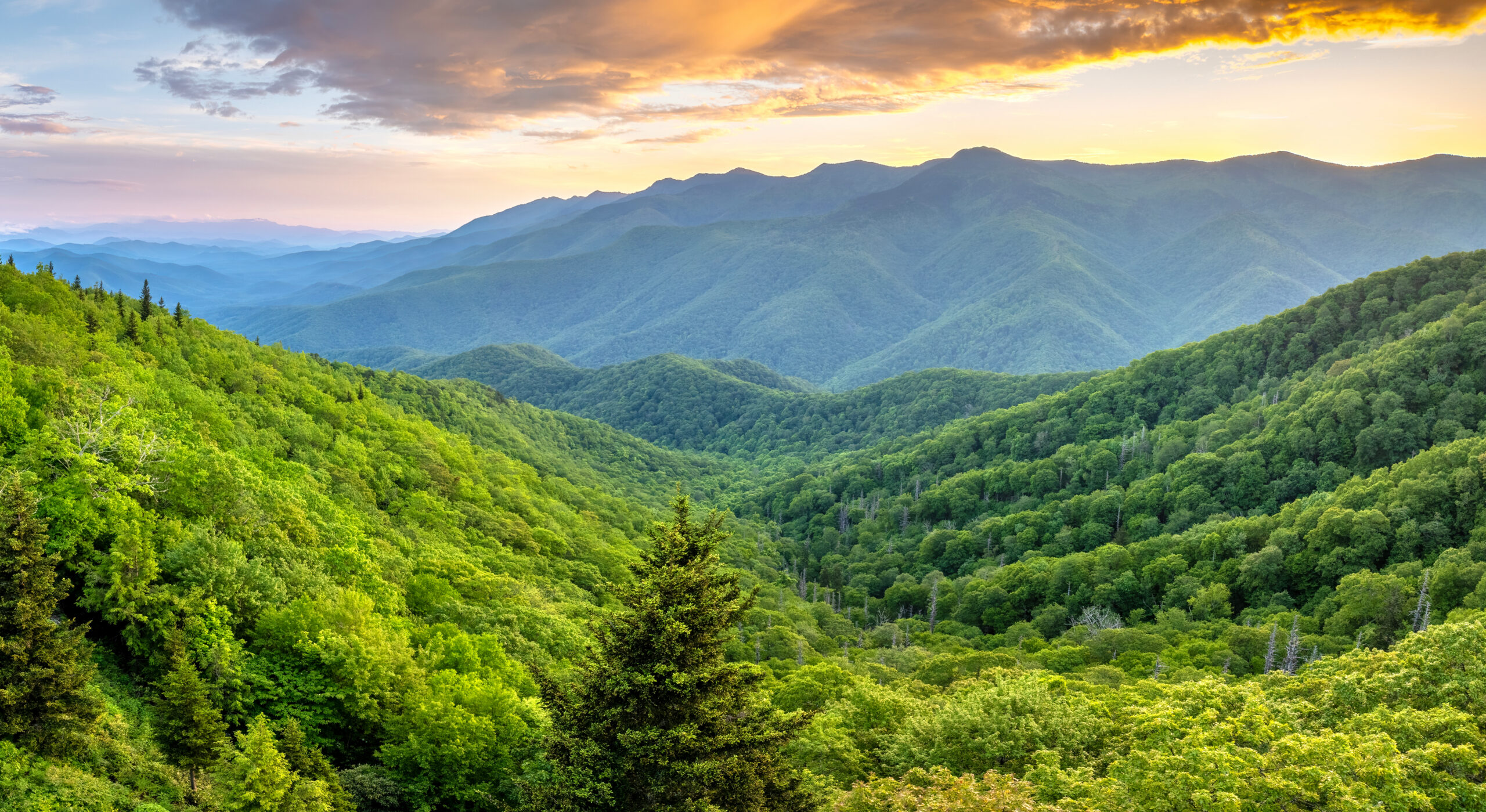
    Mountain ridges under changing clouds illustrating seasonal hiking weather
    The shoulder-season trade

    Fewer People Usually Means Giving Something Up.

    Earlier spring and later autumn can bring quieter trails and easier accommodation, but they may also mean colder nights, shorter daylight, closed services or snow at elevation. Crowd avoidance should be part of the timing decision—not the only timing decision.

    High mountain landscape representing seasonal trekking in major mountain ranges
    Nepal

    Annapurna Has Two Primary Trekking Seasons.

    Nepal Tourism Board lists March through May and September through November as the best seasons for the Annapurna Conservation Area.

    Spring brings improving temperatures and rhododendron blooms. Autumn follows the monsoon and is associated with clearer mountain views and relatively stable weather.

    Winter can bring heavy snow to high passes, while summer monsoon affects much of the circuit. Parts of the upper Annapurna and Mustang region sit in a rain shadow, but that does not make the entire classic circuit a uniform monsoon-season route.

    Southern Hemisphere

    New Zealand Turns the Northern-Hemisphere Calendar Upside Down

    December, January and February are summer months. That makes New Zealand useful for hikers looking for long-distance walking during the northern winter.

    Queen Charlotte Track

    Warmest Conditions Around Summer

    New Zealand DOC describes Queen Charlotte Sound as generally warm and dry in summer, although coastal weather can change quickly at any time.

    Winter remains possible, but clay surfaces become particularly slippery when wet. Summer and the shoulder seasons generally provide a simpler first experience.

    Planning advantage

    A Second Hiking Season

    A northern-hemisphere hiker does not have to wait from October until April to walk. New Zealand, Patagonia and other southern routes create opportunities during December through March.

    Always translate the month into the local season before comparing trails across hemispheres.

    Direction changes the calendar

    Northbound and Southbound Are Different Seasonal Strategies

    Reversing direction changes which major hazard arrives first and which one becomes the deadline.

    PCT NOBO

    Desert First

    Start late enough to reduce early snow problems but early enough to cross Southern California before extreme heat dominates.

    PCT SOBO

    Washington First

    The hike cannot begin normally until enough northern mountain snow has melted for safe travel.

    A.T. NOBO

    Spring North

    Start too early and winter follows you through the southern Appalachians. Start too late and Maine becomes the deadline.

    A.T. SOBO

    Maine First

    Southbounders begin with remote and rugged terrain, making early-season conditioning and northern access part of the timing problem.

    Choose the month by the objective

    If Your Vacation Is Fixed, Reverse the Question

    Sometimes you cannot choose the trail first and then wait for its best month. Work, school and family may determine the month before the route.

    Available periodTrail styles to investigateMain seasonal question
    January–FebruaryQueen Charlotte Track and other Southern Hemisphere summer routes.Can you shift the trip south of the equator instead of forcing a northern winter trail?
    March–AprilCamino, Annapurna spring season, southern A.T. starts and lower European trails.How much winter remains at elevation?
    MayPCT starts, West Highland Way, Great Glen Way, Camino and Annapurna.Are snowpack and accommodation pressure manageable?
    JuneScottish routes, English National Trails, Lechweg as it opens and northern long trails.Has Alpine or northern mountain snow actually cleared?
    July–AugustHigh Alpine trails, Scotland, long northern sections and PCT/CDT SOBO itineraries.Are heat, crowds, insects or wildfire now more important than snow?
    SeptemberCamino, Scotland, Alps, Annapurna autumn season and many European trails.How quickly will daylight and high-mountain weather deteriorate?
    October–NovemberCamino, Annapurna, lower European routes and Southern Hemisphere spring.Is the high terrain still within its operating season?
    DecemberSouthern Hemisphere summer routes.Would New Zealand or another southern destination provide the better seasonal fit?
    Forested mountains under changing weather on a long-distance trail
    Weather beats averages

    The Calendar Tells You What Usually Happens. Conditions Tell You What Is Happening Now.

    A low-snow year and a heavy-snow year can create completely different start decisions on the same trail. Use the seasonal window to build the plan, then replace averages with current snow, weather, water, wildfire and closure information as departure approaches.

    World orientation

    Long-Distance Hiking Can Be a Year-Round Pursuit

    Move between hemispheres and elevations and there is almost always a major walking season somewhere in the world.

    North America Spring Through Autumn

    PCT, A.T. and CDT thru-hikes generally use the northern warm season, but each solves snow and heat differently.

    Europe Broad Lowland Season

    Britain and the Camino can have long walking seasons, while the Alps remain tightly controlled by snow.

    Himalaya Spring + Autumn

    Nepal’s classic trekking windows sit on either side of the summer monsoon.

    New Zealand Northern Winter Escape

    December through February is southern summer, creating a second annual hiking cycle.

    From season to exact date

    Do Not Choose the Exact Start Date Six Months Out and Stop Thinking.

    Reserve the broad travel window first. As the season approaches, replace historical assumptions with current information.

    Check snowpack, trail closures, wildfire status, water reports, transportation schedules and permit rules. Then ask whether your expected pace still reaches the next major climate zone at the right time.

    The strongest long-distance plan has enough flexibility to move a start several days—or sometimes several weeks—when conditions demand it.
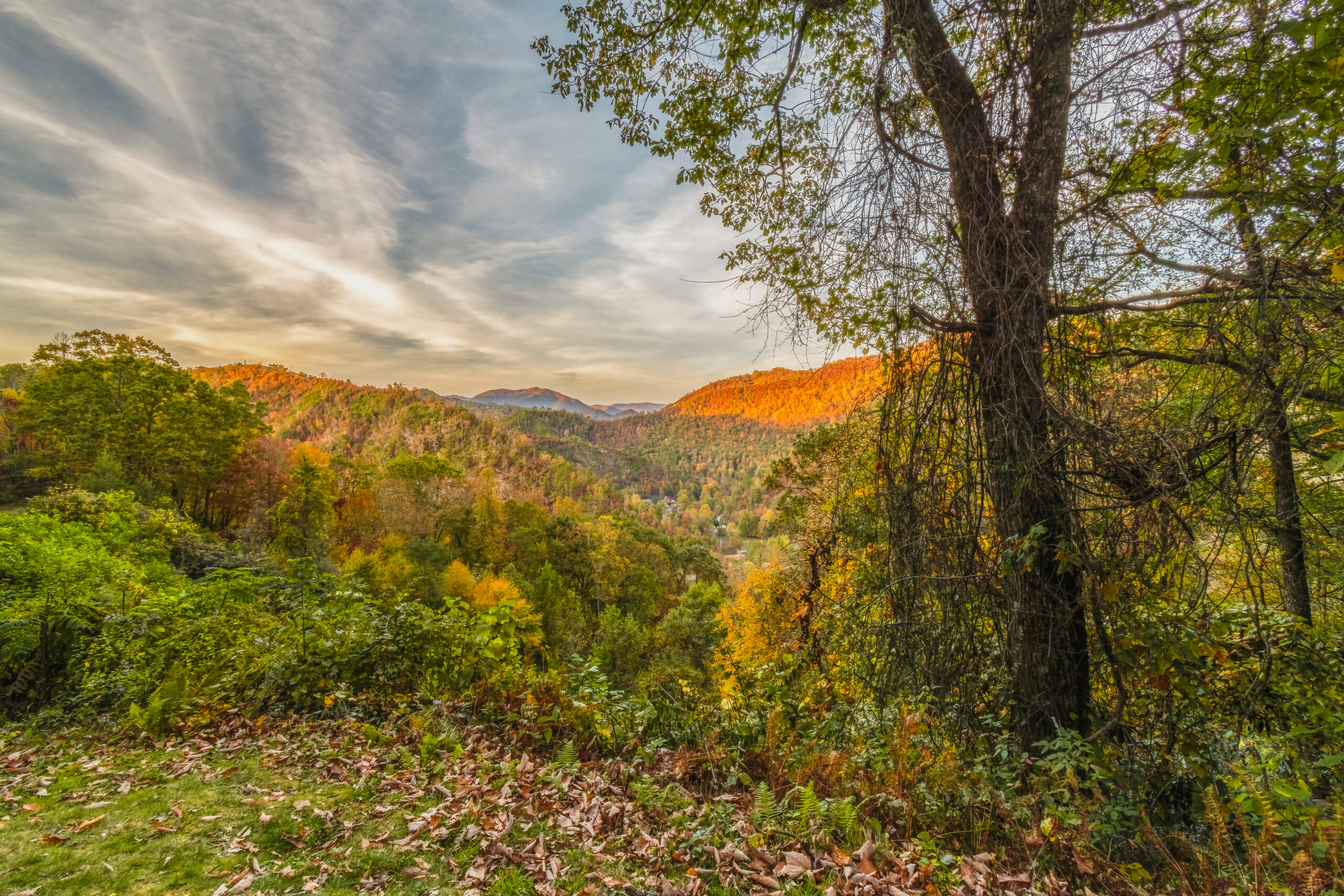
    Mountain sunset illustrating the importance of seasonal and daylight planning
    Season questions

    Best Time to Thru-Hike FAQ

    Use the month as the first filter. Use current conditions to make the final decision.

    What is the best month to start a thru-hike?

    There is no universal month. Major northern U.S. trails often begin during spring or early summer, Alpine routes peak in summer, Nepal favors spring and autumn, and New Zealand offers Southern Hemisphere summer hiking during December through February.

    When should I start the Pacific Crest Trail?

    PCTA says most northbound hikers start from mid-April through early May, while southbound hikers generally begin in late June through early July. Annual snow conditions can shift the practical window.

    When should I start the Appalachian Trail?

    Many traditional northbound hikers start in March or early April. ATC says April 15 through the first week of May provides an optimal window for reducing winter conditions and crowds, while hikers should still plan to reach Katahdin before October 15.

    When should I hike the Continental Divide Trail?

    Northbound hiking season generally begins in spring from New Mexico, while southbound hikers must wait for northern mountain access and snow conditions. Because the CDT crosses very high terrain, current snowpack is more useful than relying on one permanent date.

    What is the best season for the West Highland Way?

    The route can be walked throughout the year. Its official site says May is the most popular month and highlights spring and autumn as especially beautiful. Winter requires more conservative planning for daylight and weather.

    When is the best time for the Camino?

    Spain’s official tourism guidance says spring and September through October are especially pleasant. Summer is also possible, but midday heat can become a major issue.

    When is the best time for the Annapurna Circuit?

    Nepal Tourism Board lists March through May and September through November as the principal seasons for the Annapurna Conservation Area. Winter snow can affect high passes, while summer overlaps with monsoon conditions across much of the region.

    Should I choose my start date based on historical weather?

    Use historical seasons to select the broad window, then use current snowpack, forecasts, water reports, closures, fire information and access updates to select the exact date.

    Turn the season into a trail plan

    Timing Connects Every Long-Distance Hiking Decision.

    Once you know the usable season, connect the calendar to trail choice, hiking direction, budget, gear and the amount of continuous time you actually have.

    Long-distance hiker moving through a mountain landscape during a favorable hiking season
    The calendar is part of the route

    Do Not Just Ask When the Trail Is Beautiful. Ask When the Whole Journey Works.

    The best start date balances the obstacle behind you with the obstacle still hundreds of miles ahead. Choose the broad season from historical patterns. Choose the exact day from current conditions. Then keep enough flexibility to change the plan when the mountains disagree with the calendar.


    Was this helpful?

    Yes
    No
    Thanks for your feedback!
  • Section Hiking vs Thru-Hiking: Which Fits You?

    Long-distance backpacker hiking through an open mountain landscape
    Long-distance hiking · life planning · trail strategy

    Section Hiking vs Thru-Hiking: Which Fits Your Life?

    Section hikers and thru-hikers can walk the same trail, cover the same miles and eventually stand at the same terminus. The difference is how the trail fits into the rest of life. Section hiking trades continuity for flexibility. Thru-hiking trades flexibility for one immersive journey.

    time compared cost compared logistics compared AT + PCT context
    The short answer

    Choose Section Hiking for Flexibility. Choose Thru-Hiking for Continuity.

    Section hiking lets you divide a long trail into manageable trips. You can use normal vacation time, choose favorable seasons, recover fully between sections and adapt each trip around work, family and finances.

    Thru-hiking compresses the trail into one extended experience. You build trail fitness without repeatedly restarting, move through changing seasons and landscapes continuously, and become immersed in the culture and rhythm of the trail.

    Neither method makes the miles more legitimate. The real question is which structure gives you the best chance of actually walking them.

    Start with your calendar—not the trail map.
    Section hiking Works naturally when your free time comes in weekends, one-week trips or annual vacation blocks.
    Thru-hiking Works when you can protect one uninterrupted multi-month window and organize the rest of life around it.
    A.T. thru-hike definition ≤12 months ATC recognition framework
    Typical A.T. thru-hike ≈6 months ATC current guidance
    Typical PCT thru-hike ≈5 months PCTA current guidance
    Section timeline Your schedule weeks, seasons or years
    First, define the terms

    Section Hike, Thru-Hike and Flip-Flop Are Different Ways to Complete a Trail

    Definitions are not identical across every trail organization. The Appalachian Trail provides one of the clearest formal examples.

    Section hike

    One Trail, Multiple Trips

    A section hiker walks part of a longer trail, then returns for another portion later. Sections might be a weekend, several weeks or hundreds of miles.

    On the Appalachian Trail, ATC describes section hikers pursuing the entire trail over multiple trips and two years or more.

    Thru-hike

    One Extended Journey

    A thru-hiker attempts the entire trail within one recognized long-distance journey or completion period.

    ATC defines an A.T. thru-hike as completing the entire trail within 12 months or less. The average A.T. thru-hike takes around six months.

    Flip-flop

    One Thru-Hike, Multiple Legs

    A flip-flop hiker still attempts the complete trail within the thru-hike period but changes starting location or direction during the journey.

    It can create better seasonal timing, reduce crowding or move the hardest terrain away from the opening weeks.

    Important distinction: a flip-flop is not automatically section hiking. A flip-flop can still qualify as a thru-hike when the complete route is finished within the relevant trail organization’s completion framework.
    At a glance

    Section Hiking vs Thru-Hiking: Side-by-Side

    Most differences come from continuity. One model repeatedly starts and stops. The other keeps moving until the journey ends.

    FactorSection HikingThru-Hiking
    Time commitmentDays or weeks at a time, repeated over months or years.One uninterrupted block that may last several months.
    Work and familyUsually easier to integrate into normal responsibilities.May require leave, resignation, sabbatical or major life restructuring.
    Physical adaptationFitness may partially reset between trips.Trail fitness builds continuously when injury and recovery remain well managed.
    WeatherYou can often choose the best season for each region.You must move through changing seasons and whatever conditions develop.
    TransportationRepeated starts, finishes, shuttles and vehicle logistics.Major start and finish logistics, with fewer complete resets in between.
    Budget structureCosts are spread across many trips but travel expenses repeat.Large concentrated budget for months of living and possible lost income.
    GearCan be optimized for the exact season and section.Must adapt across multiple climates, elevations and seasons.
    Trail communityDifferent hikers and social groups on each trip.Greater chance of repeatedly seeing the same long-distance hikers.
    ContinuityThe experience pauses when the trip ends.The trail becomes everyday life for months.
    FlexibilityVery high.Lower once the seasonal window and itinerary are underway.
    Match the trail to your life

    Which Hiking Style Fits You Better?

    Do not answer based on which one sounds more impressive. Answer based on the time, finances and experience you can realistically sustain.

    Section hiking may fit you when…

    You Need the Trail to Fit Around Life

    Section hiking works especially well when the limiting factor is not your desire to hike but your ability to disappear for months.

    • You can take one or two weeks off but not five months.
    • You want to keep your normal job while completing a major trail.
    • Family responsibilities make a long absence unrealistic.
    • You prefer to hike each region during a favorable season.
    • You want time to recover completely between major sections.
    • You enjoy returning to the same trail over several years.
    • You want to begin long-distance hiking gradually.
    Thru-hiking may fit you when…

    You Can Protect One Long Window

    Thru-hiking works when the continuity itself is part of what you want from the journey.

    • You can step away from normal obligations for several months.
    • You have enough savings for the complete trip and a reserve.
    • You want to build fitness continuously instead of restarting.
    • You want the social culture of a long-distance hiking season.
    • You are comfortable adapting as weather and trail conditions change.
    • You want to experience the geography as one connected journey.
    • You are prepared for the mental challenge of staying out for months.
    Long mountain trail through western wilderness representing a thru-hiking journey
    The central trade

    A Thru-Hike Is Harder to Fit Into Life. A Section Hike Is Harder to Keep Continuous.

    Section hikers repeatedly solve transportation, trailhead access and re-entry logistics. Thru-hikers solve those problems less often, but they must create one enormous opening in work, finances and family life before the first mile.

    Time

    The Calendar May Decide Before Fitness Does

    The PCT generally takes about five months. The A.T. averages around six. Section hikers can divide those same miles into the blocks their lives actually allow.

    Jan Plan sections
    Feb Train
    Mar Some thru-hikes begin
    Apr Main season underway
    May On trail
    Jun Section window
    Jul Section window
    Aug Section window
    Sep Many thru finishes
    Oct Late finishes
    Nov Regional sections
    Dec Plan next year
    The advantage of section hiking: you can often wait for the best seasonal window instead of forcing your entire trip through one continuous weather corridor.
    Appalachian mountain landscape representing a long-distance hiking section
    Cost

    Section Hiking Reduces the Financial Hit at One Time—not Necessarily the Final Price.

    A section hike might require only a week of food, several nights of lodging and a manageable transportation bill. That can make the next trip financially accessible without saving an entire season’s budget first.

    But repeated flights, rental cars, shuttles and nights near trailheads can accumulate over years. Hiking one trail in ten sections may mean paying for ten starts and ten finishes.

    A thru-hike reverses the problem. Transportation may be concentrated, but several months of food, towns, lodging and normal expenses arrive in one season—and taking months away from employment can be the largest financial effect of all.

    Physical demands

    Section Hikers Restart. Thru-Hikers Accumulate.

    The physical advantages of each approach are almost opposite.

    Section advantage

    Full Recovery

    You can return home, recover from soreness and address minor injuries before the next section.

    Section challenge

    Fresh Starts

    You may spend the opening days of every trip rebuilding hiking rhythm instead of arriving with months of trail conditioning.

    Thru advantage

    Trail Legs

    Once properly adapted, many thru-hikers can sustain mileage that felt difficult during the opening weeks.

    Thru challenge

    Cumulative Wear

    Small foot, tendon, sleep or nutrition problems can compound when there is no full recovery period.

    For a future thru-hiker: section hiking is useful training because it tests real backpacking systems while keeping the consequences of mistakes smaller.
    Hiker using trekking poles during a long-distance mountain hike
    The body remembers—but not forever

    Section Hikers Can Arrive Strong. Thru-Hikers Can Become Stronger as the Trail Continues.

    The thru-hiker’s advantage is continuous adaptation. The section hiker’s advantage is the ability to begin each trip rested. Which one matters more depends on injury history, available training time and how long each section will be.

    Logistics

    Section Hiking Repeats the Hardest Transportation Problem

    Every section needs a beginning and an ending. On remote trails, those points may not be near airports, towns or public transportation.

    Logistics taskSection hikingThru-hiking
    Trailhead accessSolved repeatedly for every section.Usually most important at the overall start and finish.
    Vehicle problemOften significant because the hike starts and ends in different places.Usually solved once before entering the long-distance rhythm.
    FlightsPotentially repeated many times across several years.Usually concentrated around the complete journey.
    Food planningOnly the next short section needs to be solved.Resupply becomes an ongoing part of life for months.
    Home responsibilitiesMostly continue normally between trips.Must be arranged for an extended absence.
    Permits

    Section Hiking Does Not Automatically Mean Simpler Permits

    Permit systems are based on land management and itinerary—not on whether you personally call the trip a section hike.

    Pacific Crest Trail

    The 500-Mile Threshold Matters

    The interagency PCT Long-distance Permit is available for qualifying single continuous journeys of 500 miles or more.

    That means a long PCT section can sometimes qualify even when the hiker is not attempting the entire trail. Shorter sections rely on the applicable local permit systems where permits are required.

    PCT permit information →
    Appalachian Trail

    Local Requirements Still Apply

    The A.T. does not use one trail-wide hiking permit. Instead, certain parks and land units have their own permit, camping or fee requirements.

    Section hikers may actually encounter the same permit requirement several years apart if they repeatedly return to regulated areas.

    A.T. permits and fees →
    The emotional difference

    A Thru-Hike Eventually Stops Feeling Like a Trip.

    During a section hike, the finish date is usually close enough to remain visible. You may know exactly which flight, car or workday awaits at the end.

    During a multi-month thru-hike, the trail can become normal life. Wake up, eat, walk, filter water, walk, resupply, sleep and repeat. Trail relationships deepen because many of the same hikers are moving along roughly the same corridor.

    That immersion is one of the reasons people choose thru-hiking—and one of the reasons it can be mentally difficult when motivation drops.

    Long-distance hiker carrying backpacking equipment along a mountain trail
    Gear strategy

    Section Hikers Can Optimize. Thru-Hikers Must Adapt.

    Section hikers can plan tightly around one season. Thru-hikers may experience desert heat, rain, insects, snow and autumn cold in one continuous journey.

    Section

    Season-Specific Gear

    Carry only the insulation, water capacity and weather protection appropriate to that particular section.

    Section

    Easy Gear Changes

    Return home, repair equipment and completely revise the system before the next trip.

    Thru

    Changing Conditions

    Gear may need to be swapped, mailed or adjusted as the hiker enters a new season or terrain zone.

    Thru

    Durability Matters

    Shoes, filters, clothing and other equipment may wear out before the entire journey is finished.

    Three useful examples

    The Triple Crown Shows How the Decision Changes by Trail

    Section hiking works on all three major U.S. long trails, but access, season and remoteness create different planning problems.

    Appalachian Trail Excellent Section Access

    Hundreds of access points, road crossings and nearby communities make the A.T. especially compatible with repeated sections.

    Pacific Crest Trail Season Can Be the Advantage

    Long sections allow hikers to visit a region when snow, water and weather conditions align instead of forcing a single-season traverse.

    Continental Divide Trail Access Requires More Planning

    Remote trailheads, alternate routes and transportation can make section logistics more involved even when trip duration is shorter.

    Map purpose: this provides national orientation only. Use current official trail maps, closure notices and land-management information for real trip navigation.
    Blue Ridge mountains representing Appalachian Trail section hiking
    A different kind of completion

    A Trail Walked Over Ten Years Is Still a Trail Walked.

    For many people, section hiking turns an otherwise impossible multi-month goal into a realistic long-term project. The achievement becomes less about disappearing for one season and more about returning year after year until no miles remain.

    The middle ground

    A Flip-Flop Thru-Hike Combines Some Advantages of Both

    If the problem is weather, crowding or start timing rather than the multi-month commitment itself, a flip-flop may be more useful than converting the journey into a multi-year section hike.

    Weather

    Start in a Better Place

    ATC notes that flip-flops can provide milder weather and allow hikers to begin on more moderate terrain.

    Crowds

    Leave the Main Bubble

    Starting away from the traditional northbound wave can reduce congestion at shelters, campsites and trail services.

    Tradeoff

    More Transportation

    Changing direction or jumping between trail segments introduces transportation planning and additional expense.

    On the PCT: flip-flop permits have specific continuity requirements. PCTA currently requires each permitted segment to be 500 or more miles and adjacent to another segment, with the trip organized before the permit is issued.
    Decision framework

    Use the Constraint That Is Actually Limiting You

    The best hiking format usually becomes obvious when you identify the resource you have least of: time, money, flexibility, recovery or tolerance for repeated logistics.

    Your situationSection hiking makes sense when…Thru-hiking makes sense when…
    WorkYou have normal vacation blocks but cannot take a sabbatical.You have leave, a seasonal job, retirement, remote flexibility or a natural career break.
    FamilySeveral shorter absences work better for everyone involved.Your household can realistically support a multi-month absence.
    MoneyYou prefer spreading the trail cost over several years.You have the full trip budget plus emergency reserve available now.
    WeatherYou want to cherry-pick strong seasonal windows.You want the experience of moving through an entire hiking season.
    FitnessYou value full recovery between trips.You want to develop and use continuous trail conditioning.
    ExperienceYou want to learn long-distance systems gradually.Your backpacking systems already feel routine enough for a long commitment.
    Social experienceYou enjoy meeting a different trail community each trip.You want to share weeks or months with the same long-distance hiking cohort.
    Main goalComplete the trail in the way your life allows.Experience the trail as one sustained chapter of life.
    A natural progression

    Section Hiking Can Be the Rehearsal for a Future Thru-Hike.

    Use a weekend to learn your sleep system. Use a week-long section to discover your comfortable daily mileage. Use a two-week section to test resupply, foot care, weather management and the mental rhythm of waking up to hike again.

    By the time you consider a multi-month trail, your biggest questions should no longer be whether your shoes fit or whether you can sleep in your shelter. The questions should be about the scale of the journey: time, money, seasonal timing and whether you want to keep going for months.

    Backpacker gaining long-distance hiking experience on a mountain trail
    Common questions

    Section Hiking vs Thru-Hiking FAQ

    Long trails are flexible by design. Completing one does not require the same life arrangement for every hiker.

    What is the difference between section hiking and thru-hiking?

    A thru-hiker attempts an entire trail as one extended journey or within the trail organization’s recognized completion period. A section hiker completes portions on separate trips. On the Appalachian Trail, ATC defines a thru-hike as completing the entire trail within 12 months and section hiking as completing it over multiple trips and years.

    Is section hiking easier than thru-hiking?

    It reduces some challenges rather than removing difficulty. Section hikers can recover between trips, choose better seasons and avoid a multi-month absence. They also have to solve transportation and trailhead logistics repeatedly and may rebuild trail fitness at the beginning of each trip.

    Does section hiking count as completing the Appalachian Trail?

    Yes. ATC’s 2,000-miler recognition includes hikers who complete the entire trail through sections as well as thru-hikers. The main difference is how long the completion takes.

    Can you section hike the Pacific Crest Trail?

    Yes. PCTA specifically encourages hikers to consider long sections when a complete one-season PCT hike is not the right fit. Permit requirements depend on the length, continuity and location of the actual trip.

    Is section hiking cheaper?

    It often requires less money at one time because each individual trip is shorter. Total spending can still become significant because transportation, hotels, shuttles and trailhead access may be repeated for every section.

    Should I section hike before attempting a thru-hike?

    It is not required, but it is extremely useful. A one- or two-week section can test footwear, backpack weight, food, recovery, rain systems and your actual daily pace before those problems are multiplied across several months.

    What is a flip-flop thru-hike?

    A flip-flop completes the entire trail within the thru-hike framework but changes direction or starting location during the journey. On the A.T., flip-flopping can improve seasonal timing, reduce crowding and allow a hiker to begin on more moderate terrain.

    Which option is better if I have a full-time job?

    Section hiking usually fits a conventional work schedule more easily because trips can be built around vacation blocks. A thru-hike may require extended leave, a sabbatical, retirement, seasonal employment or a natural break between jobs.

    Long trail extending through mountain wilderness
    The miles do not care how long you took

    The Best Way to Finish a Long Trail Is the Way You Can Keep Returning to It.

    Walk the entire trail this year if the timing, money and life window are right. Walk two hundred miles this year and another two hundred next year if they are not. Long-distance hiking is not only about creating one extraordinary season. It can also become a project that keeps calling you back for years.

    Was this helpful?

    Yes
    No
    Thanks for your feedback!
  • PCT vs Appalachian Trail: Which Thru-Hike Fits You?

    Long-distance trail through the mountains of the western United States
    Pacific Crest Trail · Appalachian Trail · Triple Crown

    PCT vs Appalachian Trail: Which Thru-Hike Fits You?

    The Pacific Crest Trail is longer, higher and shaped by desert, Sierra snow and western wilderness. The Appalachian Trail is shorter, but its relentless climbing, rocky tread, humidity and long months on trail create a different kind of difficulty. The better fit depends on which problems you would rather solve for five or six months.

    2026 official mileage current permit systems terrain + weather compared planning-focused
    The short answer

    The PCT and A.T. Are Difficult for Almost Opposite Reasons.

    Choose between them by looking beyond mileage. The Pacific Crest Trail asks you to manage a longer route, desert water, high elevation, snow timing, remote stretches and the narrow seasonal window between spring snow and autumn storms.

    The Appalachian Trail trades much of that western scale for repeated short climbs and descents, rocks, roots, mud, humidity, rain and a thru-hike that commonly lasts longer despite covering fewer miles.

    Neither trail is simply the easier version of the other.

    Start with the experience you want.
    PCT tends to emphasize Big landscapes, longer mileage, altitude, water and seasonal timing.
    A.T. tends to emphasize Rugged tread, constant climbing, wet weather, towns and trail community.
    PCT 2026 GIS estimate 2,655.84 mi Mexico to Canada
    A.T. 2026 official length 2,197.9 mi Georgia to Maine
    Typical PCT thru-hike ≈5 months often about 4.5–5.5
    Typical A.T. thru-hike 5–7 months average just under 6
    At a glance

    PCT vs Appalachian Trail: Side-by-Side

    The mileage difference is obvious. The more useful comparison is how each trail distributes its difficulty across terrain, weather, logistics and time.

    FactorPacific Crest TrailAppalachian Trail
    2026 distance2,655.84-mile current PCTA GIS estimate; 2,650 miles remains the common rounded figure.2,197.9 official miles for 2026.
    StatesCalifornia, Oregon and Washington.14 states from Georgia to Maine.
    Typical thru-hike timeAbout five months; PCTA describes roughly 4.5–5.5 months as common.Usually five to seven months; average is just under six.
    TreadOften more gradually graded, but conditions can include snow, exposed traverses, blowdowns, wildfire damage and difficult water carries.Frequent rocks, roots, mud, steep climbing and short repeated elevation changes.
    Elevation characterLong high-elevation sections, especially through the Sierra Nevada and Cascades.Lower absolute elevations but enormous cumulative climbing and descending.
    Weather problemDesert heat, limited water, Sierra snow, creek crossings, wildfire and early northern snow.Cold starts, rain, humidity, thunderstorms, mud, heat and exposed New England weather.
    Permit structureInteragency PCT Long-distance Permit available for qualifying trips of 500+ continuous miles; quotas apply to certain starts.No single trail-wide permit. Certain parks and areas require separate permits and fees.
    Resupply feelTown access can require longer side trips, hitches, shuttles or mailed boxes.Frequent road crossings and a dense network of trail communities make town access a major part of the experience.
    Social experienceSocial at popular starts and towns, with substantial wilderness between hubs.Especially strong trail-community culture around shelters, hostels and frequent trail towns.
    Primary planning challengeTiming the entire route around snow, water, wildfire and the northern weather window.Maintaining body, feet, motivation and pace through months of relentless terrain and weather.
    Start with your priorities

    Which Trail Better Matches the Experience You Want?

    These are fit questions rather than rankings. A feature that attracts one hiker can be exactly what another hiker wants to avoid.

    Mountain lake and high western landscape representing the Pacific Crest Trail
    Pacific Crest Trail

    The PCT May Fit If You Want…

    • Huge western landscapes and extended wilderness travel.
    • Longer daily mileage on generally more graded trail.
    • Desert, Sierra Nevada and Cascade environments in one journey.
    • A trail where water strategy is a central skill.
    • High passes and the possibility of substantial snow travel.
    • More distance between some trail towns and services.
    • A seasonal puzzle where timing matters almost as much as pace.
    Great Smoky Mountains landscape representing the Appalachian Trail
    Appalachian Trail

    The A.T. May Fit If You Want…

    • A deeply established trail culture and strong thru-hiker community.
    • Frequent towns, hostels, road crossings and resupply opportunities.
    • A physical challenge built around steep repeated climbing.
    • Forests, ridgelines, shelters and Appalachian trail towns.
    • A route where wet-weather management becomes everyday life.
    • More flexibility to use flip-flop itineraries to manage crowds and weather.
    • A trail that is shorter in miles but rarely feels easy underfoot.
    Layered Appalachian mountains and forested ridges
    Do not let mileage fool you

    The Appalachian Trail Is Hundreds of Miles Shorter—and Still Takes Many Hikers Longer.

    The A.T.’s repeated climbs, rocky tread and weather suppress daily mileage. The PCT adds roughly 450 more miles, but long sections of better-graded trail often allow experienced hikers to cover more ground each day when conditions cooperate.

    Terrain

    High Western Mountains vs Relentless Appalachian Tread

    The two trails challenge movement differently. Absolute elevation tells only part of the story.

    Pacific Crest Trail

    Long Grades, High Passes and Big Exposure

    The PCT traverses Southern California desert ranges, the Sierra Nevada, volcanic Northern California, Oregon and the North Cascades. PCTA’s trail-design criteria generally favor contouring alignment and manageable grades.

    That does not make the route easy. Snow-covered passes, creek crossings, long water gaps, wildfire closures and remote terrain can transform a normally straightforward trail into a serious wilderness problem.

    Appalachian Trail

    Up, Down, Rocks, Roots—and Repeat

    ATC describes the A.T. as mountainous for its entire length. Much of the tread is rocky, root-filled or muddy, and flatter sections are often interrupted by another climb.

    New Hampshire and Maine become particularly rugged, with steep ascents, scrambling and slower daily mileage even for hikers who have already developed strong trail legs.

    Different fitness problems: the PCT rewards sustained aerobic efficiency and high-mileage durability. The A.T. repeatedly tests climbing strength, foot placement and the ability to keep moving when the trail is wet, rough and steep.
    Weather and environmental challenges

    The PCT Is a Timing Puzzle. The A.T. Is an Endurance Test Against Weather.

    Both trails require weather judgment, but the recurring problems are very different.

    PCT · south

    Heat & Water

    Southern California can combine high temperatures with long distances between reliable water sources. Capacity changes with current conditions.

    PCT · Sierra

    Snow & Creeks

    Early entry can mean steep snow travel and high creek flows. Entering too late reduces the remaining season farther north.

    A.T. · south & mid-Atlantic

    Rain & Humidity

    Extended wet periods, summer heat, mud and humidity make moisture management a continuous part of the hike.

    A.T. · New England

    Exposure & Autumn

    Above-treeline weather can deteriorate rapidly, while northbound hikers must keep an eye on Katahdin’s autumn operating window.

    Long mountain hiking trail representing a multi-month thru-hike
    Time and direction

    A Start Date Is Part of the Route Strategy.

    PCTA says more than 90% of PCT thru-hikers travel northbound and recommends late April or early May as a general northbound starting period, while stressing that snow conditions ultimately matter.

    Appalachian Trail northbound hikers generally start in Georgia from late winter into early spring. ATC also actively promotes flip-flop itineraries because they can reduce crowding and expand the usable weather window.

    Direction should therefore be treated as a weather and logistics decision—not simply tradition.

    Permits

    The PCT Has the More Centralized Long-Distance Permit System

    Neither route should be approached as permit-free. The difference is how the permissions are organized.

    Pacific Crest Trail

    PCT Long-Distance Permit

    Hikers planning a single continuous trip of at least 500 miles can apply for the interagency PCT Long-distance Permit. It covers many areas that otherwise require individual local permits.

    Availability is limited for certain itineraries, including popular northbound starts. A permit also does not replace every other legal requirement along the route.

    Official PCT permit system →
    Appalachian Trail

    No Single Trail-Wide Permit

    ATCamp registration is voluntary and helps spread hikers across start dates, but it is not a permit or campsite reservation.

    Separate permits apply in places including Great Smoky Mountains National Park, Shenandoah National Park and Baxter State Park. Requirements should be rechecked before the hike.

    Official A.T. permits and fees →
    Sunset over the Great Smoky Mountains and Appalachian ridges
    The experience between the miles

    On the A.T., Towns and Shelters Are Part of the Trail Story. On the PCT, Distance Between Them Often Matters More.

    Both trails develop powerful communities, but the rhythm differs. The A.T. repeatedly reconnects hikers with shelters, roads, hostels and trail towns. The PCT often creates longer stretches where the wilderness itself dominates the day.

    Resupply and trail culture

    Both Trails Have Infrastructure—But It Feels Different

    Resupply planning is not just a food problem. It controls pack weight, town time, budget, transportation and the social rhythm of the hike.

    PCT

    More Deliberate Resupply

    PCT resupply can involve resorts, small stores, trailheads, hitches and side trips into larger towns. Some locations are well suited to buying food; others encourage advance planning or mailed boxes.

    A.T.

    Frequent Town Interaction

    The Appalachian Trail crosses roads regularly and has a large network of communities, hostels, shuttle drivers and services oriented toward hikers.

    Both

    Flexibility Beats a Perfect Spreadsheet

    Appetite, pace, closures, injuries and changing preferences make over-planning every food stop months in advance less useful than understanding the major logistical gaps.

    Money

    Budget Differences Are Driven More by Behavior Than Trail Length

    Town stays, restaurant meals, transportation, replacement gear and unexpected time off can overwhelm small differences in food or permit costs.

    PCT published guidance

    $8,000–$12,000+

    PCTA currently describes this as a typical thru-hike spending range. The number can rise with hotels, restaurants, medical issues, transportation, replacement gear and extended time off.

    Pre-trip gear and the travel required to reach and leave the termini should be treated separately when building a complete budget.

    A.T. published guidance

    About $1,200 per Month

    ATC says most hikers average roughly $1,200 a month during the hike itself. Because a typical A.T. thru-hike lasts five to seven months, time on trail becomes one of the biggest cost variables.

    ATC separately notes that a new backpacking setup can cost roughly $1,200–$2,000 or more.

    Budget for the failure modes too. A replacement phone, medical visit, emergency shuttle, wildfire reroute, extra motel nights or an additional week of food can matter far more than shaving a few dollars from routine resupply.
    Gear differences

    The Core Kit Can Be Similar. The Risk-Specific Pieces Change.

    Both trails need shelter, insulation, rain protection, water treatment, navigation and a reliable sleep system. Geography changes the emphasis.

    PCT

    Water Capacity

    Southern California can require significantly more storage capacity than hikers carry through wetter sections.

    PCT

    Snow Equipment

    Ice axe, traction or other snow-travel equipment may become relevant depending on timing and current conditions.

    A.T.

    Wet-Weather System

    Persistent rain and humidity place a premium on protecting insulation, managing wet feet and functioning while damp.

    A.T.

    Cold Ends of the Season

    Early southern starts and late New England finishes can require warmer layers than the middle of the hike.

    Geographic orientation

    Two Long Trails on Opposite Sides of the United States

    The western and eastern settings explain many of the differences in climate, trail design, elevation, resupply and scenery.

    Pacific Crest Trail Western United States

    Mexico to Canada through California, Oregon and Washington.

    Appalachian Trail Eastern United States

    Springer Mountain, Georgia to Katahdin in Maine through 14 states.

    The third Triple Crown trail Continental Divide Trail

    Runs between them along the Continental Divide and completes the U.S. Triple Crown of Hiking.

    Orientation only: use current official trail maps and trail-condition resources for actual navigation, closures and route changes.
    Decision framework

    Match the Trail to the Problems You Want to Solve

    There is no universal winner. Use your own priorities to narrow the choice.

    If this matters most…Look harder at the PCT when…Look harder at the A.T. when…
    Scenery styleYou are drawn to deserts, granite high country, volcanoes and wide western landscapes.You are drawn to forests, Appalachian ridges, autumn color and historic eastern mountains.
    Trail communityYou want community but also value long stretches dominated by wilderness travel.You want shelters, hostels, frequent trail towns and a highly visible thru-hiker culture.
    Daily movementYou enjoy settling into long-distance hiking rhythm and sustained mileage.You enjoy repeated climbing and do not mind slower miles on rough tread.
    Weather challengeYou would rather manage water, heat, snow timing and wildfire uncertainty.You would rather manage repeated rain, humidity, mud and rapidly changing mountain weather.
    LogisticsYou are comfortable with longer food carries and more deliberate town access.You value frequent access to roads, services, resupply and accommodation.
    Trip durationA roughly five-month target fits your available window.A five-to-seven-month itinerary fits your available window.
    Permit planningYou are prepared to work within a centralized long-distance permit and start-date system.You prefer a route without one trail-wide permit while managing several local requirements.
    Your first long trail

    Neither Trail Requires a Previous Thru-Hike. Both Reward Previous Backpacking.

    A first-time thru-hiker does not need another 2,000-mile trail on the résumé. But a multi-night shakedown trip should already feel routine: pitching the shelter, protecting insulation, filtering water, managing food, treating foot problems and navigating when tired.

    The most useful preparation is a shorter trip that exposes the same weaknesses your chosen trail will amplify. For the PCT, practice with loaded water and elevation. For the A.T., seek steep, rocky terrain and hike it in imperfect weather.

    Long-distance hiker using trekking poles on mountain terrain
    Common comparison questions

    PCT vs Appalachian Trail FAQ

    These are broad planning comparisons. Conditions during the year you hike can materially change the experience.

    Which is harder, the PCT or Appalachian Trail?

    They are difficult in different ways. The Appalachian Trail is shorter but repeatedly steep, rocky, root-filled and often wet. The Pacific Crest Trail is longer and introduces desert water planning, high-elevation snow, more remote wilderness and a narrow seasonal window. Your own skills determine which challenge feels harder.

    Which is longer, the PCT or Appalachian Trail?

    The PCT is longer. PCTA’s January 2026 GIS update gives a best estimate of 2,655.84 miles. The official 2026 Appalachian Trail length is 2,197.9 miles.

    How long does each trail take?

    PCTA says a typical PCT thru-hike takes about five months, with roughly 4.5 to 5.5 months common. ATC says most Appalachian Trail thru-hikes take five to seven months and average just under six months.

    Which trail has rougher hiking?

    The A.T. generally has rougher day-to-day tread, including rocks, roots, mud, steep grades and constant elevation change. The PCT often has more gradual grades, but snow, water scarcity, creek crossings, fire damage and high elevation create separate challenges.

    Which trail has more complicated permits?

    The systems are different. A qualifying PCT long-distance hiker can use the interagency PCT Long-distance Permit for many permit areas, although start quotas and other rules apply. The A.T. has no single trail-wide permit, but hikers obtain separate permits in certain parks and jurisdictions.

    Which trail is more social?

    Both develop strong trail communities. The A.T.’s shelters, frequent towns, hostels and road crossings tend to keep hikers in regular contact. The PCT also has a strong thru-hiker community, particularly around popular starts and resupply points, but includes long wilderness stretches between those hubs.

    Which is better for a first thru-hike?

    Either can be a first thru-hike for someone with appropriate backpacking preparation. Choose based on whether your existing skills better match the PCT’s water, altitude, snow and seasonal logistics or the A.T.’s steep terrain, wet weather and extended time on trail.

    Long mountain trail through a broad wilderness landscape
    One season · two very different journeys

    Do Not Ask Which Trail Is Better. Ask Which Experience You Want to Live Every Day.

    Picture a difficult day. On the PCT it might mean a dry carry, a snowy pass or another twenty miles before the next practical exit. On the Appalachian Trail it might mean rain, mud, roots and another steep ridge before dark. The trail whose difficult days still sound meaningful is the one worth researching next.

    Was this helpful?

    Yes
    No
    Thanks for your feedback!
Language »