web analytics

Tag: thru hiking

  • Triple Crown of Hiking: AT, PCT & CDT Explained

    Long mountain trail through the American West
    Appalachian Trail · Pacific Crest Trail · Continental Divide Trail

    The Triple Crown of Hiking, Explained

    The Triple Crown of Hiking means completing three of America’s defining long-distance trails: the Appalachian Trail, Pacific Crest Trail and Continental Divide Trail. Together, their current published lengths add up to roughly 7,954 miles—about 12,800 kilometres.

    3 National Scenic Trails ≈7,954 combined miles 22 U.S. states 806 recognized awards through 2025
    The short answer

    The Triple Crown Is AT + PCT + CDT.

    Complete the Appalachian Trail, the Pacific Crest Trail and the Continental Divide Trail in their entirety and you have completed what the long-distance hiking community calls the Triple Crown of Hiking.

    The achievement does not require hiking all three in one year—or even hiking each one in a single continuous thru-hike. ALDHA-West recognizes completions built through thru-hikes, section hikes or flip-flops.

    What matters is completing the entire length of all three trail journeys.

    Think of the three trails as three different examinations.

    A.T.: repeated steep climbing, rocks, roots, humidity, rain and relentless day-to-day terrain.

    PCT: desert water, Sierra snow, long western wilderness and a season controlled by heat and winter.

    CDT: high elevation, remoteness, route choices, water, navigation and the least finished trail corridor of the three.

    Appalachian Trail 2,197.9 mi official 2026 mileage
    Pacific Crest Trail 2,655.84 mi 2026 best GIS estimate
    Continental Divide Trail ≈3,100 mi CDTC current figure
    Combined ≈7,954 mi ≈12,800 km
    The achievement

    One Name for Three Enormous Walking Journeys

    The Triple Crown is not one organized race or one continuous route. It is a long-distance hiking achievement built by completing three separate trails.

    Trail 1

    Appalachian Trail

    Georgia to Maine through 14 states and the mountain systems of the eastern United States.

    Trail 2

    Pacific Crest Trail

    Mexico to Canada through California, Oregon and Washington via the desert, Sierra Nevada and Cascade Range.

    Trail 3

    Continental Divide Trail

    Mexico to Canada through New Mexico, Colorado, Wyoming, Idaho and Montana along the Rocky Mountains.

    The finish

    Triple Crowner

    Hikers who complete the entirety of all three may apply for ALDHA-West’s Triple Crown of Hiking recognition.

    The mileage is not permanently fixed. Long trails move. Relocations, improved mapping, closures and construction can change published mileage. The combined figure on this page uses the current published 2026 A.T. and PCT measurements plus CDTC’s approximately 3,100-mile figure for the CDT.
    The three trails

    Same Achievement. Three Very Different Experiences.

    Completing one does not mean you have already solved the other two. Each trail rewards a different mix of physical conditioning, logistics and backcountry judgment.
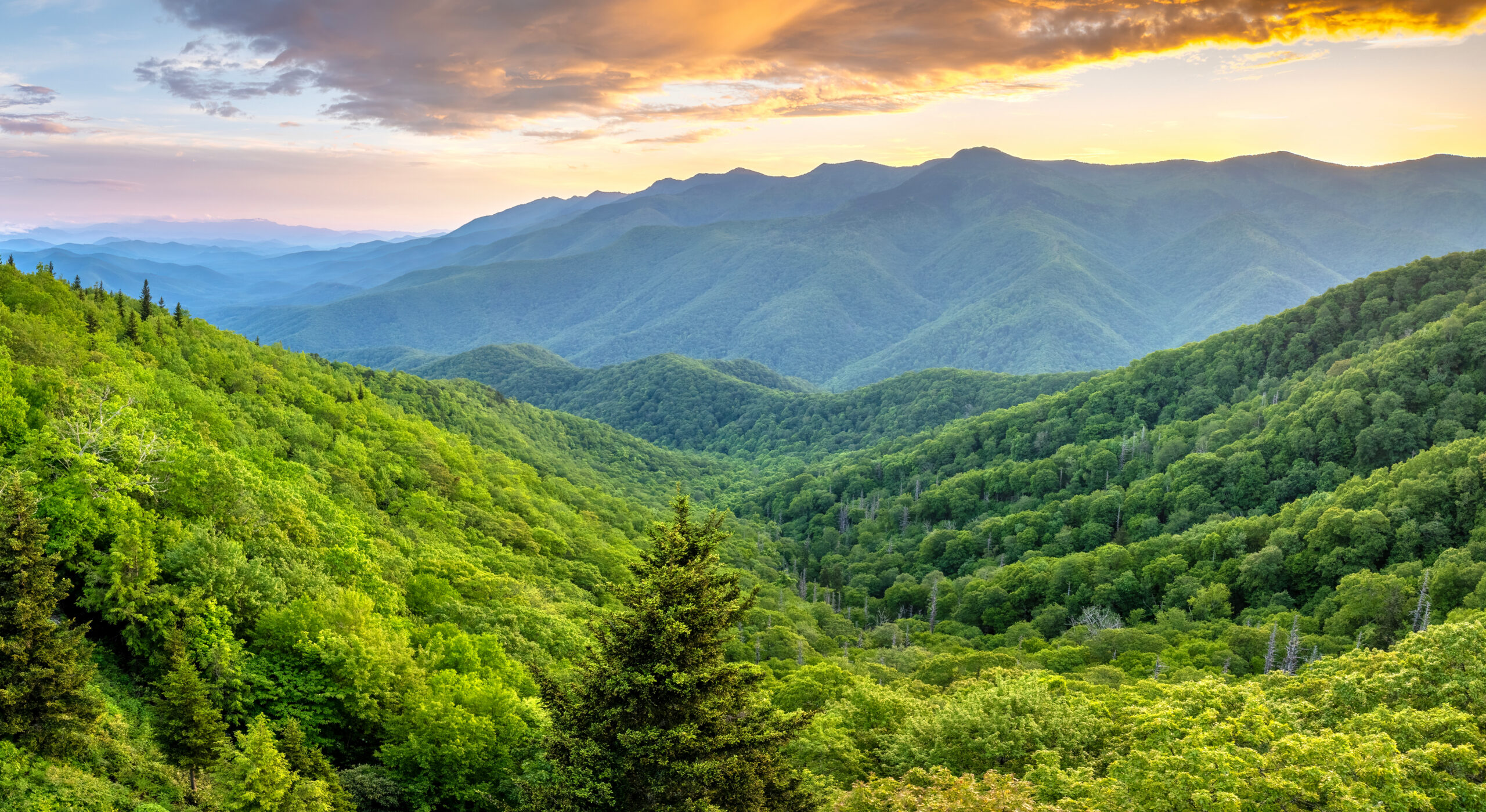
    Eastern mountain ridges representing the Appalachian Trail
    AT

    Appalachian Trail

    2,197.9 miles 14 states ≈6 months Georgia → Maine

    The A.T. is the shortest of the three by mileage but should not be confused with an easy introduction. Rocks, roots, mud, steep climbing and repeated elevation changes create a demanding walking rhythm.

    Its dense network of roads, trail towns and more than 250 backcountry shelters gives it substantially more infrastructure than many western long trails.

    Western mountain trail representing the Pacific Crest Trail
    PCT

    Pacific Crest Trail

    2,655.84 miles 3 states ≈5 months Mexico → Canada

    The PCT creates an enormous environmental progression: Southern California desert, Sierra Nevada, volcanic Oregon and the Cascade Range of Washington.

    The walking tread is often comparatively efficient, but the seasonal equation is severe. Desert heat, scarce water, mountain snow, stream crossings and autumn weather all have to fit into one hiking window.

    Remote mountain trail representing Continental Divide Trail travel
    CDT

    Continental Divide Trail

    ≈3,100 miles 5 states 5–7 months Mexico → Canada

    The CDT is the longest of the three using current published figures and follows the Continental Divide through the Rocky Mountains.

    CDTC describes it as the most remote and rugged of the Triple Crown trails. Route choices, water, weather, navigation and remote access all play a larger role.

    Head-to-head

    AT vs PCT vs CDT

    Mileage is only the beginning. Trail character, weather, infrastructure and navigation change the experience completely.

    Factor Appalachian Trail Pacific Crest Trail Continental Divide Trail
    Current length 2,197.9 miles 2,655.84 miles Approximately 3,100 miles
    States 14 3 5
    Typical full thru-hike About 6 months About 5 months About 5–7 months
    Landscape Eastern forests and Appalachian mountains Desert, Sierra Nevada and Cascades Rocky Mountains and Continental Divide
    Trail tread Often steep, rocky, rooted and muddy Often graded for sustained walking Highly variable with alternates and incomplete corridor sections
    Navigation Strongly established corridor Established tread, complicated by snow and closures Greater route-choice and navigation responsibility
    Resupply Frequent Generally every several days with some remote stops Towns often farther apart and farther from trail
    Social structure Dense shelter and trail-town culture Strong northbound seasonal community Smaller and more dispersed long-distance community
    Major timing problem Spring cold and reaching Maine before late autumn Desert heat, Sierra snow and northern winter New Mexico timing, Colorado snow and northern mountain season
    Permit model No single trail-wide permit; local permits apply Long-distance permit available for qualifying 500+ mile continuous trips No single trail-wide permit; multiple local permits apply
    Layered Appalachian mountains along a long-distance hiking corridor
    Trail one does not train you perfectly for trail two

    The A.T. Can Teach Endurance. The PCT Can Teach Seasonal Strategy. The CDT Can Demand Greater Independence.

    The value of the Triple Crown is not simply accumulating miles. Finishing all three means repeatedly adapting the same long-distance hiking fundamentals to very different terrain, climates and logistics.

    Mountain trail through the western United States
    Pacific Crest Trail

    A Seasonal Race Between Desert Heat and Northern Winter

    PCTA’s January 2026 GIS update places its latest best estimate of the PCT at 2,655.84 miles.

    A typical thru-hike takes around five months. Most northbound hikers begin in April or early May, then attempt to reach Canada before major autumn storms shut down mountain travel.

    Between those two points are some of the largest seasonal transitions in American hiking: Southern California’s dry mountains, the Sierra Nevada, volcanic Oregon and the North Cascades.

    Appalachian Trail

    The Shortest Triple Crown Trail Can Still Feel Relentless.

    ATC’s official 2026 mileage is 2,197.9 miles from Springer Mountain, Georgia, to Katahdin in Maine.

    A typical complete thru-hike takes around six months. Despite lower elevations than the western trails, the A.T. repeatedly climbs and descends rugged eastern mountains.

    Its defining logistical advantage is infrastructure. Hundreds of access points, frequent trail communities and more than 250 backcountry shelters create a very different long-distance ecosystem from the western trails.
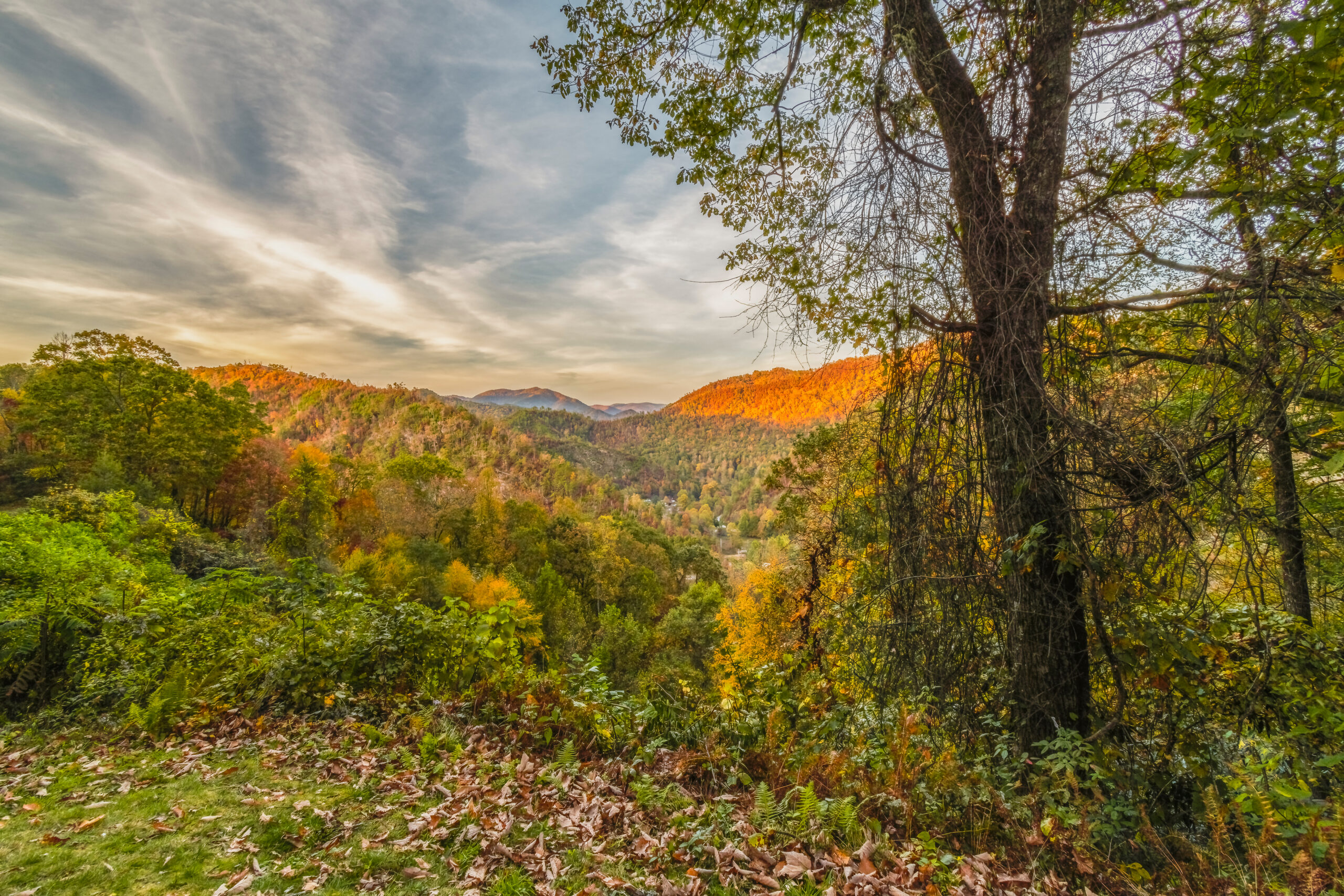
    Eastern mountain ridges at sunset
    Long remote mountain route representing Continental Divide travel
    Continental Divide Trail

    The Triple Crown’s Longest and Most Remote Route

    CDTC describes the CDT as a roughly 3,100-mile National Scenic Trail running from Mexico to Canada through New Mexico, Colorado, Wyoming, Idaho and Montana.

    The organization gives a typical complete thru-hiking window of roughly five to seven months.

    Unlike a trail with one completely finished footpath, the CDT remains a developing corridor. CDTC currently reports approximately 160 miles still incomplete, which is one reason current maps, alternates and land-management information matter so much.

    The transferable skills

    Every Trail Changes. The Core Systems Stay With You.

    Triple Crown hiking demands far more than the ability to walk long distances.

    Body

    Endurance

    Sustain repeated walking days while managing feet, recovery, nutrition and minor problems before they become major ones.

    Pack

    Gear Systems

    Carry shelter, sleep, clothing, water and electronics with enough reliability to function for months.

    Logistics

    Resupply

    Continuously recalculate food, town access and future mileage as trail conditions and pace change.

    Judgment

    Weather & Route Decisions

    Snow, fire, water, storms, heat and closures can change the safe route even when the original itinerary looked perfect.

    Official recognition

    What Actually Counts Toward the Triple Crown?

    ALDHA-West’s rules are intentionally focused on completing the trails, not on how quickly or in what style the miles were accumulated.

    ALDHA-West recognition through 2025 806 Triple Crown of Hiking awards

    Complete All Three Trails in Their Entirety.

    ALDHA-West says completion should represent terminus-to-terminus footsteps across the Appalachian Trail, Pacific Crest Trail and Continental Divide Trail.

    Temporary detours happen because of wildfire, washouts and other closures. Hikers can return later to complete sections they were legitimately unable to walk.

    Recognition uses the honor system. ALDHA-West does not investigate or independently verify each mile.

    Allowed

    Thru-Hiking

    Completing each route as a continuous long-distance journey counts.

    Allowed

    Section Hiking

    Hikers may complete one or more trails through sections over multiple trips or years.

    Allowed

    Flip-Flopping

    Direction changes or multi-leg completion can count as long as the entire trail is ultimately completed.

    No speed requirement. No required order. No single-year requirement. ALDHA-West explicitly says it does not add qualifiers based on speed, style, age, nationality or similar categories.
    Long-distance backpacker carrying lightweight equipment
    The award does not require three perfect seasons

    The Triple Crown Can Be a Three-Year Project—or a Multi-Decade One.

    Someone with the freedom to complete three full thru-hikes can build the Triple Crown quickly. Another hiker may accumulate the same trail miles through annual sections over many years. The recognition is based on completion, not the calendar.

    Time commitment

    Three Complete Thru-Hikes Mean Roughly a Year and a Half of Walking

    Add the organizations’ typical thru-hiking time ranges and the scale becomes clear even before training, recovery and time between trails are counted.

    Trail Typical complete thru-hike Main seasonal constraint
    Appalachian Trail About 6 months Balance a spring start against reaching Maine before severe autumn conditions.
    Pacific Crest Trail About 5 months Fit desert heat, Sierra snow and the Cascades before winter.
    Continental Divide Trail About 5–7 months Coordinate New Mexico, Colorado snow and northern Rocky Mountain timing.
    Combined hiking time Roughly 16–18 months Not including recovery, training or the years between separate trail attempts.
    Thinking beyond one trail

    The Triple Crown Is Easier to Understand as a Progression

    You do not need to decide today that you will complete all three. Experience on one trail can tell you whether the larger project is something you actually want.

    Step 1

    Learn Backpacking

    Make shelter, sleep, water, navigation and food systems routine on shorter trips.

    Step 2

    Complete a Long Section

    Test feet, recovery, resupply, weather and the mental rhythm of walking for weeks.

    Step 3

    Complete One Major Trail

    Learn what several months of continuous long-distance hiking actually asks from your body and life.

    Step 4

    Choose the Next Challenge

    Use the strengths and weaknesses exposed by trail one to decide whether another Triple Crown route makes sense.

    A different problem every time

    What Changes From Trail to Trail?

    The backpack may look similar, but several major systems must be rebuilt for each trail.

    System A.T. PCT CDT
    Water Generally abundant, although treatment remains essential. Major dry stretches in Southern California. Long dry stretches and variable source quality in parts of the route.
    Snow Early and late-season concern. Central to Sierra and northern timing. Central to Colorado and northern-route strategy.
    Navigation Strongly defined corridor and blazing. Established tread, with snow or closures complicating travel. More alternates, incomplete segments and route-choice decisions.
    Resupply Dense trail-town network. Regular but sometimes remote. Greater town distance and transportation planning.
    Weather Rain, humidity, cold and storms. Heat, snow, wildfire and large temperature variation. High elevation, storms, snow, heat and exposure.
    Trail culture Shelters, hostels and frequent social contact. Strong seasonal hiking community with larger wilderness gaps. Smaller population and greater independence.
    Long-distance hiker using trekking poles on mountain terrain
    Seven thousand nine hundred miles does not happen one step at a time—it happens one system at a time

    Gear, Food, Recovery, Weather, Navigation. Solve Them Repeatedly.

    The physical mileage is enormous, but the practical challenge is repetition: thousands of mornings when the same small systems still need to work.

    Continental scale

    The Three Trails Span the United States From East to West

    The A.T. follows the Appalachians. The PCT follows the western mountain corridor. The CDT follows the spine of the Rocky Mountains.

    East Appalachian Trail

    Georgia to Maine through the Appalachians and 14 eastern states.

    West Pacific Crest Trail

    Mexico to Canada through California, Oregon and Washington.

    Interior West Continental Divide Trail

    Mexico to Canada along the Rocky Mountains through five states.

    Combined footprint 22 States

    Completing all three exposes a hiker to an extraordinary cross-section of American mountain landscapes.

    Common questions

    Triple Crown of Hiking FAQ

    The formal requirement is simpler than the physical challenge: eventually complete all three trails.

    What is the Triple Crown of Hiking?

    It is the achievement of completing the Appalachian Trail, Pacific Crest Trail and Continental Divide Trail in their entirety. ALDHA-West provides formal Triple Crown of Hiking recognition.

    How many miles is the Triple Crown?

    Using current published figures, the A.T. is 2,197.9 miles, the PCT has a current best estimate of 2,655.84 miles and the CDT is approximately 3,100 miles. Together that is roughly 7,954 miles, or about 12,800 kilometres. Exact total mileage changes as the trails change.

    Do I have to thru-hike all three trails?

    No. ALDHA-West says thru-hikes, section hikes and flip-flop approaches can all count. The requirement is completion of the trails in their entirety rather than one required style.

    Do I have to complete the Triple Crown in a certain number of years?

    No overall timetable is required by ALDHA-West. Hikers may complete the three trails across multiple seasons or many years.

    Does the order matter?

    No. There is no required sequence for the Appalachian Trail, Pacific Crest Trail and Continental Divide Trail.

    Who recognizes Triple Crown hikers?

    The American Long Distance Hiking Association-West, known as ALDHA-West, recognizes hikers who report completing all three trails. The award is based on the honor system.

    How many recognized Triple Crowners are there?

    ALDHA-West reports that 806 Triple Crown of Hiking awards had been recognized as of the 2025 awards ceremony. Not every person who completes all three necessarily applies for the award.

    How long would three complete thru-hikes take?

    Typical published durations are about six months for the A.T., five months for the PCT and five to seven months for the CDT. That implies roughly 16 to 18 months of actual trail time if each were completed as a separate typical thru-hike, before time between hikes is counted.

    Is the CDT a completed trail?

    Not entirely. CDTC currently reports that approximately 160 miles of the corridor remain incomplete. Current official maps and route information should therefore be used when planning CDT travel.

    Long-distance hiker continuing along a mountain trail
    The Triple Crown begins with trail one

    You Do Not Hike 7,954 Miles at Once.

    You learn to carry a backpack. You finish a section. You solve your first resupply. You walk through bad weather. You complete one trail. Then you decide whether another one is calling. The Triple Crown is the result of those smaller decisions repeated across three extraordinary American landscapes.

    Was this helpful?

    Thanks for your feedback!
  • Best Time to Thru-Hike: Trail-by-Trail Guide

    Long-distance mountain trail during clear summer hiking conditions
    Snow · heat · monsoon · daylight · wildfire · seasonal timing

    Best Time to Thru-Hike: A Trail-by-Trail Seasonal Guide

    The right thru-hiking start date is rarely the day with the nicest weather at the trailhead. It is the date that lets you move through every climate zone before the next seasonal hazard closes the window. Snowpack, desert heat, monsoon, wildfire, daylight and autumn storms all matter more than the calendar alone.

    northern + southern hemisphere official timing guidance 10 major routes month-by-month comparison
    The short answer

    The Best Season Depends on What the Trail Is Trying to Do to You.

    On the PCT, the challenge is fitting desert heat, mountain snow and the northern autumn into one season. On the Appalachian Trail, spring start timing affects cold, crowds and whether you reach Maine before severe autumn weather.

    In the Alps, the limiting factor may be lingering snow and seasonal transportation. In Nepal it is the relationship between high passes and the monsoon. In New Zealand the calendar reverses because the warmest months fall around December through February.

    A useful seasonal guide therefore starts with the trail’s main hazard, then works backward to the start date.

    The four-question timing test

    1. When does snow stop controlling the high terrain?

    2. When does heat, monsoon or wildfire become the next major problem?

    3. How long will your pace require to reach the final difficult region?

    4. What annual conditions could make this year different from the average?

    PCT NOBO start Mid-Apr–Early May PCTA general guidance
    A.T. lower-crowd window Apr 15–Early May ATC guidance
    Lechweg full route Mid-Jun–Early Oct snow controls opening
    Annapurna seasons Mar–May / Sep–Nov Nepal Tourism Board
    The year at a glance

    Long-Distance Hiking Seasonal Calendar

    Green marks the strongest general window, gold a workable shoulder period and red a season that usually adds significant environmental or logistical complications. Actual conditions always override the chart.

    Trail Jan Feb Mar Apr May Jun Jul Aug Sep Oct Nov Dec
    PCT thru-hike
    United States
    Snow Snow Early NOBO NOBO Sierra SOBO North Finish Snow Winter Winter
    Appalachian Trail
    United States
    Winter Early NOBO NOBO NOBO SOBO SOBO Trail Finish Late Cold Winter
    Continental Divide Trail
    United States
    Winter Winter Early NOBO NOBO Snow SOBO Trail Trail Finish Winter Winter
    West Highland Way
    Scotland
    Winter Winter Cool Spring Peak Long days Busy Midges Autumn Cool Short days Winter
    Great Glen Way
    Scotland
    Winter Winter Cool Spring Spring Long days Summer Summer Autumn Cool Short days Winter
    Cotswold Way
    England
    Open Open Spring Spring Spring Summer Summer Summer Autumn Autumn Open Open
    Lechweg
    Austria / Germany
    Snow Snow Snow Snow Lower route Opening Peak Peak Strong Early Oct Lower only Winter
    Camino Francés
    Spain
    Cold Cold Spring Spring Spring Warm Hot Hot Autumn Autumn Cool Cold
    Annapurna Circuit
    Nepal
    Winter Late winter Spring Spring Spring Monsoon Monsoon Monsoon Autumn Autumn Autumn Winter
    Queen Charlotte Track
    New Zealand
    Summer Summer Autumn Autumn Cool Winter Winter Winter Spring Spring Spring Summer
    This is a planning calendar, not a conditions report. Snowpack, wildfire, flooding, storms, road closures and trail damage can move the useful window by weeks. Check current conditions immediately before committing to a start date.
    Why timing is complicated

    Four Seasonal Hazards Control Most Long Trails

    The ideal start usually sits between hazards rather than directly in the middle of the nicest weather.

    Snow

    Too Early

    Lingering mountain snow can turn an ordinary trail into steep snow travel, obscure the route and increase stream-crossing hazards during melt.

    Heat

    Too Late in the Desert

    Waiting for every mountain to become snow-free can push desert or lower-elevation terrain into dangerous heat.

    Rain

    Monsoon or Wet Season

    Tropical and Himalayan routes can shift from dry walking to flooded, muddy or cloud-obscured conditions during seasonal rains.

    Autumn

    The Finish Deadline

    Northern mountain ranges eventually return to snow, shorter daylight and colder storms. Your finish date can be as important as the start.

    High mountain trail extending through changing seasonal terrain
    Think beyond the trailhead

    Your Start Date Should Be Chosen for the Hardest Region You Have Not Reached Yet.

    PCT hikers starting near Mexico are already planning for Sierra snow hundreds of miles north. Appalachian Trail hikers in Georgia must still think about reaching Maine before late-season weather closes the window. Long-distance timing is a moving equation.

    Trail by trail

    When to Start the World’s Major Long Trails

    These windows are broad planning anchors. Use current snow, weather, fire, access and trail alerts to choose the actual date.

    PCT northbound Mid-April to Early May Southbound: late June–early July

    Pacific Crest Trail

    desert heat Sierra snow wildfire autumn snow

    PCTA says most northbound thru-hikers begin in mid-April through early May. Starting too early can create dangerous snow travel in Southern California and push hikers into a deeply snow-covered Sierra. Starting too late increases exposure to Southern California heat and compresses the northern finish window.

    Southbound hikers generally start from late June through early July, when Washington snowpack and high mountain terrain become more manageable.

    A.T. northbound March to Early May Less-crowded optimum: Apr 15–early May

    Appalachian Trail

    early cold spring crowds summer humidity Maine deadline

    Most traditional northbound hikers start in March or early April. ATC says hikers who want to reduce winter conditions and crowding should consider the window from April 15 through the first week of May.

    The other end of the equation is Katahdin. ATC recommends planning to finish before October 15 because severe weather becomes increasingly likely in Maine.

    CDT Spring NOBO / Summer SOBO Annual snow controls exact timing

    Continental Divide Trail

    New Mexico heat Colorado snow Glacier access 5–7 months

    The CDT does not fit neatly into one permanent start-date rule. CDTC’s Trail Days in Silver City occur in late April and mark the opening of the northbound hiking season. Northbound timing then revolves around reaching Colorado after enough high-elevation snow has melted.

    Southbound planning depends strongly on northern snowpack and access in Glacier National Park. Many backcountry sites and services do not reach their summer operating pattern until June or July.

    Europe

    Britain Offers Long Seasons. The Alps Have a Much Tighter Window.

    Low and moderate elevation routes can be usable for much of the year. Alpine routes remain far more dependent on snow and seasonal transport.

    Scotland

    West Highland Way

    The official route says May is the most popular month, while spring and autumn are especially beautiful. The trail can be walked at any time of year, but winter means shorter daylight and more demanding weather.

    Strong general window: April through September, with May particularly popular.

    Scotland

    Great Glen Way

    Scotland’s Great Trails notes that April through September provides at least roughly 12 hours of daylight. The route’s lower elevations give it a broader usable season than high Alpine trails.

    Strong general window: April through September.

    England

    Cotswold Way

    The National Trail is officially open all year. Spring through autumn generally provides the longest daylight and easiest walking conditions, but there is no fixed opening or closing season.

    Strong general window: spring through autumn; winter remains possible.

    England

    Hadrian’s Wall Path

    The route can be walked beyond summer, but the grass-sward trail and exposed northern terrain are more vulnerable to wet winter conditions. Spring through early autumn gives longer daylight and simpler logistics.

    Strong general window: roughly May through September.

    Austria / Germany

    Lechweg

    The high start near Formarinsee makes this a genuine seasonal route. Official 2026 material lists the main season from mid-June to early October. In 2026 the entire trail opened June 18.

    Lower-elevation shortened versions can become usable earlier.

    Spain

    Camino Francés

    Spain’s official tourism guidance says the Camino can be walked year-round but is especially pleasant in spring and from September through October.

    Summer is possible, but heat makes early starts and avoiding the middle of the day increasingly important.

    Mountain ridges under changing clouds illustrating seasonal hiking weather
    The shoulder-season trade

    Fewer People Usually Means Giving Something Up.

    Earlier spring and later autumn can bring quieter trails and easier accommodation, but they may also mean colder nights, shorter daylight, closed services or snow at elevation. Crowd avoidance should be part of the timing decision—not the only timing decision.

    High mountain landscape representing seasonal trekking in major mountain ranges
    Nepal

    Annapurna Has Two Primary Trekking Seasons.

    Nepal Tourism Board lists March through May and September through November as the best seasons for the Annapurna Conservation Area.

    Spring brings improving temperatures and rhododendron blooms. Autumn follows the monsoon and is associated with clearer mountain views and relatively stable weather.

    Winter can bring heavy snow to high passes, while summer monsoon affects much of the circuit. Parts of the upper Annapurna and Mustang region sit in a rain shadow, but that does not make the entire classic circuit a uniform monsoon-season route.

    Southern Hemisphere

    New Zealand Turns the Northern-Hemisphere Calendar Upside Down

    December, January and February are summer months. That makes New Zealand useful for hikers looking for long-distance walking during the northern winter.

    Queen Charlotte Track

    Warmest Conditions Around Summer

    New Zealand DOC describes Queen Charlotte Sound as generally warm and dry in summer, although coastal weather can change quickly at any time.

    Winter remains possible, but clay surfaces become particularly slippery when wet. Summer and the shoulder seasons generally provide a simpler first experience.

    Planning advantage

    A Second Hiking Season

    A northern-hemisphere hiker does not have to wait from October until April to walk. New Zealand, Patagonia and other southern routes create opportunities during December through March.

    Always translate the month into the local season before comparing trails across hemispheres.

    Direction changes the calendar

    Northbound and Southbound Are Different Seasonal Strategies

    Reversing direction changes which major hazard arrives first and which one becomes the deadline.

    PCT NOBO

    Desert First

    Start late enough to reduce early snow problems but early enough to cross Southern California before extreme heat dominates.

    PCT SOBO

    Washington First

    The hike cannot begin normally until enough northern mountain snow has melted for safe travel.

    A.T. NOBO

    Spring North

    Start too early and winter follows you through the southern Appalachians. Start too late and Maine becomes the deadline.

    A.T. SOBO

    Maine First

    Southbounders begin with remote and rugged terrain, making early-season conditioning and northern access part of the timing problem.

    Choose the month by the objective

    If Your Vacation Is Fixed, Reverse the Question

    Sometimes you cannot choose the trail first and then wait for its best month. Work, school and family may determine the month before the route.

    Available period Trail styles to investigate Main seasonal question
    January–February Queen Charlotte Track and other Southern Hemisphere summer routes. Can you shift the trip south of the equator instead of forcing a northern winter trail?
    March–April Camino, Annapurna spring season, southern A.T. starts and lower European trails. How much winter remains at elevation?
    May PCT starts, West Highland Way, Great Glen Way, Camino and Annapurna. Are snowpack and accommodation pressure manageable?
    June Scottish routes, English National Trails, Lechweg as it opens and northern long trails. Has Alpine or northern mountain snow actually cleared?
    July–August High Alpine trails, Scotland, long northern sections and PCT/CDT SOBO itineraries. Are heat, crowds, insects or wildfire now more important than snow?
    September Camino, Scotland, Alps, Annapurna autumn season and many European trails. How quickly will daylight and high-mountain weather deteriorate?
    October–November Camino, Annapurna, lower European routes and Southern Hemisphere spring. Is the high terrain still within its operating season?
    December Southern Hemisphere summer routes. Would New Zealand or another southern destination provide the better seasonal fit?
    Forested mountains under changing weather on a long-distance trail
    Weather beats averages

    The Calendar Tells You What Usually Happens. Conditions Tell You What Is Happening Now.

    A low-snow year and a heavy-snow year can create completely different start decisions on the same trail. Use the seasonal window to build the plan, then replace averages with current snow, weather, water, wildfire and closure information as departure approaches.

    World orientation

    Long-Distance Hiking Can Be a Year-Round Pursuit

    Move between hemispheres and elevations and there is almost always a major walking season somewhere in the world.

    North America Spring Through Autumn

    PCT, A.T. and CDT thru-hikes generally use the northern warm season, but each solves snow and heat differently.

    Europe Broad Lowland Season

    Britain and the Camino can have long walking seasons, while the Alps remain tightly controlled by snow.

    Himalaya Spring + Autumn

    Nepal’s classic trekking windows sit on either side of the summer monsoon.

    New Zealand Northern Winter Escape

    December through February is southern summer, creating a second annual hiking cycle.

    From season to exact date

    Do Not Choose the Exact Start Date Six Months Out and Stop Thinking.

    Reserve the broad travel window first. As the season approaches, replace historical assumptions with current information.

    Check snowpack, trail closures, wildfire status, water reports, transportation schedules and permit rules. Then ask whether your expected pace still reaches the next major climate zone at the right time.

    The strongest long-distance plan has enough flexibility to move a start several days—or sometimes several weeks—when conditions demand it.

    Mountain sunset illustrating the importance of seasonal and daylight planning
    Season questions

    Best Time to Thru-Hike FAQ

    Use the month as the first filter. Use current conditions to make the final decision.

    What is the best month to start a thru-hike?

    There is no universal month. Major northern U.S. trails often begin during spring or early summer, Alpine routes peak in summer, Nepal favors spring and autumn, and New Zealand offers Southern Hemisphere summer hiking during December through February.

    When should I start the Pacific Crest Trail?

    PCTA says most northbound hikers start from mid-April through early May, while southbound hikers generally begin in late June through early July. Annual snow conditions can shift the practical window.

    When should I start the Appalachian Trail?

    Many traditional northbound hikers start in March or early April. ATC says April 15 through the first week of May provides an optimal window for reducing winter conditions and crowds, while hikers should still plan to reach Katahdin before October 15.

    When should I hike the Continental Divide Trail?

    Northbound hiking season generally begins in spring from New Mexico, while southbound hikers must wait for northern mountain access and snow conditions. Because the CDT crosses very high terrain, current snowpack is more useful than relying on one permanent date.

    What is the best season for the West Highland Way?

    The route can be walked throughout the year. Its official site says May is the most popular month and highlights spring and autumn as especially beautiful. Winter requires more conservative planning for daylight and weather.

    When is the best time for the Camino?

    Spain’s official tourism guidance says spring and September through October are especially pleasant. Summer is also possible, but midday heat can become a major issue.

    When is the best time for the Annapurna Circuit?

    Nepal Tourism Board lists March through May and September through November as the principal seasons for the Annapurna Conservation Area. Winter snow can affect high passes, while summer overlaps with monsoon conditions across much of the region.

    Should I choose my start date based on historical weather?

    Use historical seasons to select the broad window, then use current snowpack, forecasts, water reports, closures, fire information and access updates to select the exact date.

    Turn the season into a trail plan

    Timing Connects Every Long-Distance Hiking Decision.

    Once you know the usable season, connect the calendar to trail choice, hiking direction, budget, gear and the amount of continuous time you actually have.

    Long-distance hiker moving through a mountain landscape during a favorable hiking season
    The calendar is part of the route

    Do Not Just Ask When the Trail Is Beautiful. Ask When the Whole Journey Works.

    The best start date balances the obstacle behind you with the obstacle still hundreds of miles ahead. Choose the broad season from historical patterns. Choose the exact day from current conditions. Then keep enough flexibility to change the plan when the mountains disagree with the calendar.

    Was this helpful?

    Thanks for your feedback!
  • Section Hiking vs Thru-Hiking: Which Fits You?

    Long-distance backpacker hiking through an open mountain landscape
    Long-distance hiking · life planning · trail strategy

    Section Hiking vs Thru-Hiking: Which Fits Your Life?

    Section hikers and thru-hikers can walk the same trail, cover the same miles and eventually stand at the same terminus. The difference is how the trail fits into the rest of life. Section hiking trades continuity for flexibility. Thru-hiking trades flexibility for one immersive journey.

    time compared cost compared logistics compared AT + PCT context
    The short answer

    Choose Section Hiking for Flexibility. Choose Thru-Hiking for Continuity.

    Section hiking lets you divide a long trail into manageable trips. You can use normal vacation time, choose favorable seasons, recover fully between sections and adapt each trip around work, family and finances.

    Thru-hiking compresses the trail into one extended experience. You build trail fitness without repeatedly restarting, move through changing seasons and landscapes continuously, and become immersed in the culture and rhythm of the trail.

    Neither method makes the miles more legitimate. The real question is which structure gives you the best chance of actually walking them.

    Start with your calendar—not the trail map.
    Section hiking Works naturally when your free time comes in weekends, one-week trips or annual vacation blocks.
    Thru-hiking Works when you can protect one uninterrupted multi-month window and organize the rest of life around it.
    A.T. thru-hike definition ≤12 months ATC recognition framework
    Typical A.T. thru-hike ≈6 months ATC current guidance
    Typical PCT thru-hike ≈5 months PCTA current guidance
    Section timeline Your schedule weeks, seasons or years
    First, define the terms

    Section Hike, Thru-Hike and Flip-Flop Are Different Ways to Complete a Trail

    Definitions are not identical across every trail organization. The Appalachian Trail provides one of the clearest formal examples.

    Section hike

    One Trail, Multiple Trips

    A section hiker walks part of a longer trail, then returns for another portion later. Sections might be a weekend, several weeks or hundreds of miles.

    On the Appalachian Trail, ATC describes section hikers pursuing the entire trail over multiple trips and two years or more.

    Thru-hike

    One Extended Journey

    A thru-hiker attempts the entire trail within one recognized long-distance journey or completion period.

    ATC defines an A.T. thru-hike as completing the entire trail within 12 months or less. The average A.T. thru-hike takes around six months.

    Flip-flop

    One Thru-Hike, Multiple Legs

    A flip-flop hiker still attempts the complete trail within the thru-hike period but changes starting location or direction during the journey.

    It can create better seasonal timing, reduce crowding or move the hardest terrain away from the opening weeks.

    Important distinction: a flip-flop is not automatically section hiking. A flip-flop can still qualify as a thru-hike when the complete route is finished within the relevant trail organization’s completion framework.
    At a glance

    Section Hiking vs Thru-Hiking: Side-by-Side

    Most differences come from continuity. One model repeatedly starts and stops. The other keeps moving until the journey ends.

    Factor Section Hiking Thru-Hiking
    Time commitment Days or weeks at a time, repeated over months or years. One uninterrupted block that may last several months.
    Work and family Usually easier to integrate into normal responsibilities. May require leave, resignation, sabbatical or major life restructuring.
    Physical adaptation Fitness may partially reset between trips. Trail fitness builds continuously when injury and recovery remain well managed.
    Weather You can often choose the best season for each region. You must move through changing seasons and whatever conditions develop.
    Transportation Repeated starts, finishes, shuttles and vehicle logistics. Major start and finish logistics, with fewer complete resets in between.
    Budget structure Costs are spread across many trips but travel expenses repeat. Large concentrated budget for months of living and possible lost income.
    Gear Can be optimized for the exact season and section. Must adapt across multiple climates, elevations and seasons.
    Trail community Different hikers and social groups on each trip. Greater chance of repeatedly seeing the same long-distance hikers.
    Continuity The experience pauses when the trip ends. The trail becomes everyday life for months.
    Flexibility Very high. Lower once the seasonal window and itinerary are underway.
    Match the trail to your life

    Which Hiking Style Fits You Better?

    Do not answer based on which one sounds more impressive. Answer based on the time, finances and experience you can realistically sustain.

    Section hiking may fit you when…

    You Need the Trail to Fit Around Life

    Section hiking works especially well when the limiting factor is not your desire to hike but your ability to disappear for months.

    • You can take one or two weeks off but not five months.
    • You want to keep your normal job while completing a major trail.
    • Family responsibilities make a long absence unrealistic.
    • You prefer to hike each region during a favorable season.
    • You want time to recover completely between major sections.
    • You enjoy returning to the same trail over several years.
    • You want to begin long-distance hiking gradually.
    Thru-hiking may fit you when…

    You Can Protect One Long Window

    Thru-hiking works when the continuity itself is part of what you want from the journey.

    • You can step away from normal obligations for several months.
    • You have enough savings for the complete trip and a reserve.
    • You want to build fitness continuously instead of restarting.
    • You want the social culture of a long-distance hiking season.
    • You are comfortable adapting as weather and trail conditions change.
    • You want to experience the geography as one connected journey.
    • You are prepared for the mental challenge of staying out for months.
    Long mountain trail through western wilderness representing a thru-hiking journey
    The central trade

    A Thru-Hike Is Harder to Fit Into Life. A Section Hike Is Harder to Keep Continuous.

    Section hikers repeatedly solve transportation, trailhead access and re-entry logistics. Thru-hikers solve those problems less often, but they must create one enormous opening in work, finances and family life before the first mile.

    Time

    The Calendar May Decide Before Fitness Does

    The PCT generally takes about five months. The A.T. averages around six. Section hikers can divide those same miles into the blocks their lives actually allow.

    Jan Plan sections
    Feb Train
    Mar Some thru-hikes begin
    Apr Main season underway
    May On trail
    Jun Section window
    Jul Section window
    Aug Section window
    Sep Many thru finishes
    Oct Late finishes
    Nov Regional sections
    Dec Plan next year
    The advantage of section hiking: you can often wait for the best seasonal window instead of forcing your entire trip through one continuous weather corridor.
    Appalachian mountain landscape representing a long-distance hiking section
    Cost

    Section Hiking Reduces the Financial Hit at One Time—not Necessarily the Final Price.

    A section hike might require only a week of food, several nights of lodging and a manageable transportation bill. That can make the next trip financially accessible without saving an entire season’s budget first.

    But repeated flights, rental cars, shuttles and nights near trailheads can accumulate over years. Hiking one trail in ten sections may mean paying for ten starts and ten finishes.

    A thru-hike reverses the problem. Transportation may be concentrated, but several months of food, towns, lodging and normal expenses arrive in one season—and taking months away from employment can be the largest financial effect of all.

    Physical demands

    Section Hikers Restart. Thru-Hikers Accumulate.

    The physical advantages of each approach are almost opposite.

    Section advantage

    Full Recovery

    You can return home, recover from soreness and address minor injuries before the next section.

    Section challenge

    Fresh Starts

    You may spend the opening days of every trip rebuilding hiking rhythm instead of arriving with months of trail conditioning.

    Thru advantage

    Trail Legs

    Once properly adapted, many thru-hikers can sustain mileage that felt difficult during the opening weeks.

    Thru challenge

    Cumulative Wear

    Small foot, tendon, sleep or nutrition problems can compound when there is no full recovery period.

    For a future thru-hiker: section hiking is useful training because it tests real backpacking systems while keeping the consequences of mistakes smaller.
    Hiker using trekking poles during a long-distance mountain hike
    The body remembers—but not forever

    Section Hikers Can Arrive Strong. Thru-Hikers Can Become Stronger as the Trail Continues.

    The thru-hiker’s advantage is continuous adaptation. The section hiker’s advantage is the ability to begin each trip rested. Which one matters more depends on injury history, available training time and how long each section will be.

    Logistics

    Section Hiking Repeats the Hardest Transportation Problem

    Every section needs a beginning and an ending. On remote trails, those points may not be near airports, towns or public transportation.

    Logistics task Section hiking Thru-hiking
    Trailhead access Solved repeatedly for every section. Usually most important at the overall start and finish.
    Vehicle problem Often significant because the hike starts and ends in different places. Usually solved once before entering the long-distance rhythm.
    Flights Potentially repeated many times across several years. Usually concentrated around the complete journey.
    Food planning Only the next short section needs to be solved. Resupply becomes an ongoing part of life for months.
    Home responsibilities Mostly continue normally between trips. Must be arranged for an extended absence.
    Permits

    Section Hiking Does Not Automatically Mean Simpler Permits

    Permit systems are based on land management and itinerary—not on whether you personally call the trip a section hike.

    Pacific Crest Trail

    The 500-Mile Threshold Matters

    The interagency PCT Long-distance Permit is available for qualifying single continuous journeys of 500 miles or more.

    That means a long PCT section can sometimes qualify even when the hiker is not attempting the entire trail. Shorter sections rely on the applicable local permit systems where permits are required.

    PCT permit information →
    Appalachian Trail

    Local Requirements Still Apply

    The A.T. does not use one trail-wide hiking permit. Instead, certain parks and land units have their own permit, camping or fee requirements.

    Section hikers may actually encounter the same permit requirement several years apart if they repeatedly return to regulated areas.

    A.T. permits and fees →
    The emotional difference

    A Thru-Hike Eventually Stops Feeling Like a Trip.

    During a section hike, the finish date is usually close enough to remain visible. You may know exactly which flight, car or workday awaits at the end.

    During a multi-month thru-hike, the trail can become normal life. Wake up, eat, walk, filter water, walk, resupply, sleep and repeat. Trail relationships deepen because many of the same hikers are moving along roughly the same corridor.

    That immersion is one of the reasons people choose thru-hiking—and one of the reasons it can be mentally difficult when motivation drops.

    Long-distance hiker carrying backpacking equipment along a mountain trail
    Gear strategy

    Section Hikers Can Optimize. Thru-Hikers Must Adapt.

    Section hikers can plan tightly around one season. Thru-hikers may experience desert heat, rain, insects, snow and autumn cold in one continuous journey.

    Section

    Season-Specific Gear

    Carry only the insulation, water capacity and weather protection appropriate to that particular section.

    Section

    Easy Gear Changes

    Return home, repair equipment and completely revise the system before the next trip.

    Thru

    Changing Conditions

    Gear may need to be swapped, mailed or adjusted as the hiker enters a new season or terrain zone.

    Thru

    Durability Matters

    Shoes, filters, clothing and other equipment may wear out before the entire journey is finished.

    Three useful examples

    The Triple Crown Shows How the Decision Changes by Trail

    Section hiking works on all three major U.S. long trails, but access, season and remoteness create different planning problems.

    Appalachian Trail Excellent Section Access

    Hundreds of access points, road crossings and nearby communities make the A.T. especially compatible with repeated sections.

    Pacific Crest Trail Season Can Be the Advantage

    Long sections allow hikers to visit a region when snow, water and weather conditions align instead of forcing a single-season traverse.

    Continental Divide Trail Access Requires More Planning

    Remote trailheads, alternate routes and transportation can make section logistics more involved even when trip duration is shorter.

    Map purpose: this provides national orientation only. Use current official trail maps, closure notices and land-management information for real trip navigation.
    Blue Ridge mountains representing Appalachian Trail section hiking
    A different kind of completion

    A Trail Walked Over Ten Years Is Still a Trail Walked.

    For many people, section hiking turns an otherwise impossible multi-month goal into a realistic long-term project. The achievement becomes less about disappearing for one season and more about returning year after year until no miles remain.

    The middle ground

    A Flip-Flop Thru-Hike Combines Some Advantages of Both

    If the problem is weather, crowding or start timing rather than the multi-month commitment itself, a flip-flop may be more useful than converting the journey into a multi-year section hike.

    Weather

    Start in a Better Place

    ATC notes that flip-flops can provide milder weather and allow hikers to begin on more moderate terrain.

    Crowds

    Leave the Main Bubble

    Starting away from the traditional northbound wave can reduce congestion at shelters, campsites and trail services.

    Tradeoff

    More Transportation

    Changing direction or jumping between trail segments introduces transportation planning and additional expense.

    On the PCT: flip-flop permits have specific continuity requirements. PCTA currently requires each permitted segment to be 500 or more miles and adjacent to another segment, with the trip organized before the permit is issued.
    Decision framework

    Use the Constraint That Is Actually Limiting You

    The best hiking format usually becomes obvious when you identify the resource you have least of: time, money, flexibility, recovery or tolerance for repeated logistics.

    Your situation Section hiking makes sense when… Thru-hiking makes sense when…
    Work You have normal vacation blocks but cannot take a sabbatical. You have leave, a seasonal job, retirement, remote flexibility or a natural career break.
    Family Several shorter absences work better for everyone involved. Your household can realistically support a multi-month absence.
    Money You prefer spreading the trail cost over several years. You have the full trip budget plus emergency reserve available now.
    Weather You want to cherry-pick strong seasonal windows. You want the experience of moving through an entire hiking season.
    Fitness You value full recovery between trips. You want to develop and use continuous trail conditioning.
    Experience You want to learn long-distance systems gradually. Your backpacking systems already feel routine enough for a long commitment.
    Social experience You enjoy meeting a different trail community each trip. You want to share weeks or months with the same long-distance hiking cohort.
    Main goal Complete the trail in the way your life allows. Experience the trail as one sustained chapter of life.
    A natural progression

    Section Hiking Can Be the Rehearsal for a Future Thru-Hike.

    Use a weekend to learn your sleep system. Use a week-long section to discover your comfortable daily mileage. Use a two-week section to test resupply, foot care, weather management and the mental rhythm of waking up to hike again.

    By the time you consider a multi-month trail, your biggest questions should no longer be whether your shoes fit or whether you can sleep in your shelter. The questions should be about the scale of the journey: time, money, seasonal timing and whether you want to keep going for months.

    Backpacker gaining long-distance hiking experience on a mountain trail
    Common questions

    Section Hiking vs Thru-Hiking FAQ

    Long trails are flexible by design. Completing one does not require the same life arrangement for every hiker.

    What is the difference between section hiking and thru-hiking?

    A thru-hiker attempts an entire trail as one extended journey or within the trail organization’s recognized completion period. A section hiker completes portions on separate trips. On the Appalachian Trail, ATC defines a thru-hike as completing the entire trail within 12 months and section hiking as completing it over multiple trips and years.

    Is section hiking easier than thru-hiking?

    It reduces some challenges rather than removing difficulty. Section hikers can recover between trips, choose better seasons and avoid a multi-month absence. They also have to solve transportation and trailhead logistics repeatedly and may rebuild trail fitness at the beginning of each trip.

    Does section hiking count as completing the Appalachian Trail?

    Yes. ATC’s 2,000-miler recognition includes hikers who complete the entire trail through sections as well as thru-hikers. The main difference is how long the completion takes.

    Can you section hike the Pacific Crest Trail?

    Yes. PCTA specifically encourages hikers to consider long sections when a complete one-season PCT hike is not the right fit. Permit requirements depend on the length, continuity and location of the actual trip.

    Is section hiking cheaper?

    It often requires less money at one time because each individual trip is shorter. Total spending can still become significant because transportation, hotels, shuttles and trailhead access may be repeated for every section.

    Should I section hike before attempting a thru-hike?

    It is not required, but it is extremely useful. A one- or two-week section can test footwear, backpack weight, food, recovery, rain systems and your actual daily pace before those problems are multiplied across several months.

    What is a flip-flop thru-hike?

    A flip-flop completes the entire trail within the thru-hike framework but changes direction or starting location during the journey. On the A.T., flip-flopping can improve seasonal timing, reduce crowding and allow a hiker to begin on more moderate terrain.

    Which option is better if I have a full-time job?

    Section hiking usually fits a conventional work schedule more easily because trips can be built around vacation blocks. A thru-hike may require extended leave, a sabbatical, retirement, seasonal employment or a natural break between jobs.

    Long trail extending through mountain wilderness
    The miles do not care how long you took

    The Best Way to Finish a Long Trail Is the Way You Can Keep Returning to It.

    Walk the entire trail this year if the timing, money and life window are right. Walk two hundred miles this year and another two hundred next year if they are not. Long-distance hiking is not only about creating one extraordinary season. It can also become a project that keeps calling you back for years.

    Was this helpful?

    Thanks for your feedback!
  • PCT vs Appalachian Trail: Which Is Harder & Which Fits You?

    Long-distance trail through the mountains of the western United States
    Pacific Crest Trail · Appalachian Trail · Triple Crown

    PCT vs Appalachian Trail: Which Thru-Hike Fits You?

    The Pacific Crest Trail is longer, higher and shaped by desert, Sierra snow and western wilderness. The Appalachian Trail is shorter, but its relentless climbing, rocky tread, humidity and long months on trail create a different kind of difficulty. The better fit depends on which problems you would rather solve for five or six months.

    2026 official mileage current permit systems terrain + weather compared planning-focused
    The short answer

    The PCT and A.T. Are Difficult for Almost Opposite Reasons.

    Choose between them by looking beyond mileage. The Pacific Crest Trail asks you to manage a longer route, desert water, high elevation, snow timing, remote stretches and the narrow seasonal window between spring snow and autumn storms.

    The Appalachian Trail trades much of that western scale for repeated short climbs and descents, rocks, roots, mud, humidity, rain and a thru-hike that commonly lasts longer despite covering fewer miles.

    Neither trail is simply the easier version of the other.

    Start with the experience you want.
    PCT tends to emphasize Big landscapes, longer mileage, altitude, water and seasonal timing.
    A.T. tends to emphasize Rugged tread, constant climbing, wet weather, towns and trail community.
    PCT 2026 GIS estimate 2,655.84 mi Mexico to Canada
    A.T. 2026 official length 2,197.9 mi Georgia to Maine
    Typical PCT thru-hike ≈5 months often about 4.5–5.5
    Typical A.T. thru-hike 5–7 months average just under 6
    At a glance

    PCT vs Appalachian Trail: Side-by-Side

    The mileage difference is obvious. The more useful comparison is how each trail distributes its difficulty across terrain, weather, logistics and time.

    Factor Pacific Crest Trail Appalachian Trail
    2026 distance 2,655.84-mile current PCTA GIS estimate; 2,650 miles remains the common rounded figure. 2,197.9 official miles for 2026.
    States California, Oregon and Washington. 14 states from Georgia to Maine.
    Typical thru-hike time About five months; PCTA describes roughly 4.5–5.5 months as common. Usually five to seven months; average is just under six.
    Tread Often more gradually graded, but conditions can include snow, exposed traverses, blowdowns, wildfire damage and difficult water carries. Frequent rocks, roots, mud, steep climbing and short repeated elevation changes.
    Elevation character Long high-elevation sections, especially through the Sierra Nevada and Cascades. Lower absolute elevations but enormous cumulative climbing and descending.
    Weather problem Desert heat, limited water, Sierra snow, creek crossings, wildfire and early northern snow. Cold starts, rain, humidity, thunderstorms, mud, heat and exposed New England weather.
    Permit structure Interagency PCT Long-distance Permit available for qualifying trips of 500+ continuous miles; quotas apply to certain starts. No single trail-wide permit. Certain parks and areas require separate permits and fees.
    Resupply feel Town access can require longer side trips, hitches, shuttles or mailed boxes. Frequent road crossings and a dense network of trail communities make town access a major part of the experience.
    Social experience Social at popular starts and towns, with substantial wilderness between hubs. Especially strong trail-community culture around shelters, hostels and frequent trail towns.
    Primary planning challenge Timing the entire route around snow, water, wildfire and the northern weather window. Maintaining body, feet, motivation and pace through months of relentless terrain and weather.
    Start with your priorities

    Which Trail Better Matches the Experience You Want?

    These are fit questions rather than rankings. A feature that attracts one hiker can be exactly what another hiker wants to avoid.

    Mountain lake and high western landscape representing the Pacific Crest Trail
    Pacific Crest Trail

    The PCT May Fit If You Want…

    • Huge western landscapes and extended wilderness travel.
    • Longer daily mileage on generally more graded trail.
    • Desert, Sierra Nevada and Cascade environments in one journey.
    • A trail where water strategy is a central skill.
    • High passes and the possibility of substantial snow travel.
    • More distance between some trail towns and services.
    • A seasonal puzzle where timing matters almost as much as pace.
    Great Smoky Mountains landscape representing the Appalachian Trail
    Appalachian Trail

    The A.T. May Fit If You Want…

    • A deeply established trail culture and strong thru-hiker community.
    • Frequent towns, hostels, road crossings and resupply opportunities.
    • A physical challenge built around steep repeated climbing.
    • Forests, ridgelines, shelters and Appalachian trail towns.
    • A route where wet-weather management becomes everyday life.
    • More flexibility to use flip-flop itineraries to manage crowds and weather.
    • A trail that is shorter in miles but rarely feels easy underfoot.
    Layered Appalachian mountains and forested ridges
    Do not let mileage fool you

    The Appalachian Trail Is Hundreds of Miles Shorter—and Still Takes Many Hikers Longer.

    The A.T.’s repeated climbs, rocky tread and weather suppress daily mileage. The PCT adds roughly 450 more miles, but long sections of better-graded trail often allow experienced hikers to cover more ground each day when conditions cooperate.

    Terrain

    High Western Mountains vs Relentless Appalachian Tread

    The two trails challenge movement differently. Absolute elevation tells only part of the story.

    Pacific Crest Trail

    Long Grades, High Passes and Big Exposure

    The PCT traverses Southern California desert ranges, the Sierra Nevada, volcanic Northern California, Oregon and the North Cascades. PCTA’s trail-design criteria generally favor contouring alignment and manageable grades.

    That does not make the route easy. Snow-covered passes, creek crossings, long water gaps, wildfire closures and remote terrain can transform a normally straightforward trail into a serious wilderness problem.

    Appalachian Trail

    Up, Down, Rocks, Roots—and Repeat

    ATC describes the A.T. as mountainous for its entire length. Much of the tread is rocky, root-filled or muddy, and flatter sections are often interrupted by another climb.

    New Hampshire and Maine become particularly rugged, with steep ascents, scrambling and slower daily mileage even for hikers who have already developed strong trail legs.

    Different fitness problems: the PCT rewards sustained aerobic efficiency and high-mileage durability. The A.T. repeatedly tests climbing strength, foot placement and the ability to keep moving when the trail is wet, rough and steep.
    Weather and environmental challenges

    The PCT Is a Timing Puzzle. The A.T. Is an Endurance Test Against Weather.

    Both trails require weather judgment, but the recurring problems are very different.

    PCT · south

    Heat & Water

    Southern California can combine high temperatures with long distances between reliable water sources. Capacity changes with current conditions.

    PCT · Sierra

    Snow & Creeks

    Early entry can mean steep snow travel and high creek flows. Entering too late reduces the remaining season farther north.

    A.T. · south & mid-Atlantic

    Rain & Humidity

    Extended wet periods, summer heat, mud and humidity make moisture management a continuous part of the hike.

    A.T. · New England

    Exposure & Autumn

    Above-treeline weather can deteriorate rapidly, while northbound hikers must keep an eye on Katahdin’s autumn operating window.

    Long mountain hiking trail representing a multi-month thru-hike
    Time and direction

    A Start Date Is Part of the Route Strategy.

    PCTA says more than 90% of PCT thru-hikers travel northbound and recommends late April or early May as a general northbound starting period, while stressing that snow conditions ultimately matter.

    Appalachian Trail northbound hikers generally start in Georgia from late winter into early spring. ATC also actively promotes flip-flop itineraries because they can reduce crowding and expand the usable weather window.

    Direction should therefore be treated as a weather and logistics decision—not simply tradition.

    Permits

    The PCT Has the More Centralized Long-Distance Permit System

    Neither route should be approached as permit-free. The difference is how the permissions are organized.

    Pacific Crest Trail

    PCT Long-Distance Permit

    Hikers planning a single continuous trip of at least 500 miles can apply for the interagency PCT Long-distance Permit. It covers many areas that otherwise require individual local permits.

    Availability is limited for certain itineraries, including popular northbound starts. A permit also does not replace every other legal requirement along the route.

    Official PCT permit system →
    Appalachian Trail

    No Single Trail-Wide Permit

    ATCamp registration is voluntary and helps spread hikers across start dates, but it is not a permit or campsite reservation.

    Separate permits apply in places including Great Smoky Mountains National Park, Shenandoah National Park and Baxter State Park. Requirements should be rechecked before the hike.

    Official A.T. permits and fees →
    Sunset over the Great Smoky Mountains and Appalachian ridges
    The experience between the miles

    On the A.T., Towns and Shelters Are Part of the Trail Story. On the PCT, Distance Between Them Often Matters More.

    Both trails develop powerful communities, but the rhythm differs. The A.T. repeatedly reconnects hikers with shelters, roads, hostels and trail towns. The PCT often creates longer stretches where the wilderness itself dominates the day.

    Resupply and trail culture

    Both Trails Have Infrastructure—But It Feels Different

    Resupply planning is not just a food problem. It controls pack weight, town time, budget, transportation and the social rhythm of the hike.

    PCT

    More Deliberate Resupply

    PCT resupply can involve resorts, small stores, trailheads, hitches and side trips into larger towns. Some locations are well suited to buying food; others encourage advance planning or mailed boxes.

    A.T.

    Frequent Town Interaction

    The Appalachian Trail crosses roads regularly and has a large network of communities, hostels, shuttle drivers and services oriented toward hikers.

    Both

    Flexibility Beats a Perfect Spreadsheet

    Appetite, pace, closures, injuries and changing preferences make over-planning every food stop months in advance less useful than understanding the major logistical gaps.

    Money

    Budget Differences Are Driven More by Behavior Than Trail Length

    Town stays, restaurant meals, transportation, replacement gear and unexpected time off can overwhelm small differences in food or permit costs.

    PCT published guidance

    $8,000–$12,000+

    PCTA currently describes this as a typical thru-hike spending range. The number can rise with hotels, restaurants, medical issues, transportation, replacement gear and extended time off.

    Pre-trip gear and the travel required to reach and leave the termini should be treated separately when building a complete budget.

    A.T. published guidance

    About $1,200 per Month

    ATC says most hikers average roughly $1,200 a month during the hike itself. Because a typical A.T. thru-hike lasts five to seven months, time on trail becomes one of the biggest cost variables.

    ATC separately notes that a new backpacking setup can cost roughly $1,200–$2,000 or more.

    Budget for the failure modes too. A replacement phone, medical visit, emergency shuttle, wildfire reroute, extra motel nights or an additional week of food can matter far more than shaving a few dollars from routine resupply.
    Gear differences

    The Core Kit Can Be Similar. The Risk-Specific Pieces Change.

    Both trails need shelter, insulation, rain protection, water treatment, navigation and a reliable sleep system. Geography changes the emphasis.

    PCT

    Water Capacity

    Southern California can require significantly more storage capacity than hikers carry through wetter sections.

    PCT

    Snow Equipment

    Ice axe, traction or other snow-travel equipment may become relevant depending on timing and current conditions.

    A.T.

    Wet-Weather System

    Persistent rain and humidity place a premium on protecting insulation, managing wet feet and functioning while damp.

    A.T.

    Cold Ends of the Season

    Early southern starts and late New England finishes can require warmer layers than the middle of the hike.

    Geographic orientation

    Two Long Trails on Opposite Sides of the United States

    The western and eastern settings explain many of the differences in climate, trail design, elevation, resupply and scenery.

    Pacific Crest Trail Western United States

    Mexico to Canada through California, Oregon and Washington.

    Appalachian Trail Eastern United States

    Springer Mountain, Georgia to Katahdin in Maine through 14 states.

    The third Triple Crown trail Continental Divide Trail

    Runs between them along the Continental Divide and completes the U.S. Triple Crown of Hiking.

    Orientation only: use current official trail maps and trail-condition resources for actual navigation, closures and route changes.
    Decision framework

    Match the Trail to the Problems You Want to Solve

    There is no universal winner. Use your own priorities to narrow the choice.

    If this matters most… Look harder at the PCT when… Look harder at the A.T. when…
    Scenery style You are drawn to deserts, granite high country, volcanoes and wide western landscapes. You are drawn to forests, Appalachian ridges, autumn color and historic eastern mountains.
    Trail community You want community but also value long stretches dominated by wilderness travel. You want shelters, hostels, frequent trail towns and a highly visible thru-hiker culture.
    Daily movement You enjoy settling into long-distance hiking rhythm and sustained mileage. You enjoy repeated climbing and do not mind slower miles on rough tread.
    Weather challenge You would rather manage water, heat, snow timing and wildfire uncertainty. You would rather manage repeated rain, humidity, mud and rapidly changing mountain weather.
    Logistics You are comfortable with longer food carries and more deliberate town access. You value frequent access to roads, services, resupply and accommodation.
    Trip duration A roughly five-month target fits your available window. A five-to-seven-month itinerary fits your available window.
    Permit planning You are prepared to work within a centralized long-distance permit and start-date system. You prefer a route without one trail-wide permit while managing several local requirements.
    Your first long trail

    Neither Trail Requires a Previous Thru-Hike. Both Reward Previous Backpacking.

    A first-time thru-hiker does not need another 2,000-mile trail on the résumé. But a multi-night shakedown trip should already feel routine: pitching the shelter, protecting insulation, filtering water, managing food, treating foot problems and navigating when tired.

    The most useful preparation is a shorter trip that exposes the same weaknesses your chosen trail will amplify. For the PCT, practice with loaded water and elevation. For the A.T., seek steep, rocky terrain and hike it in imperfect weather.

    Long-distance hiker using trekking poles on mountain terrain
    Common comparison questions

    PCT vs Appalachian Trail FAQ

    These are broad planning comparisons. Conditions during the year you hike can materially change the experience.

    Which is harder, the PCT or Appalachian Trail?

    They are difficult in different ways. The Appalachian Trail is shorter but repeatedly steep, rocky, root-filled and often wet. The Pacific Crest Trail is longer and introduces desert water planning, high-elevation snow, more remote wilderness and a narrow seasonal window. Your own skills determine which challenge feels harder.

    Which is longer, the PCT or Appalachian Trail?

    The PCT is longer. PCTA’s January 2026 GIS update gives a best estimate of 2,655.84 miles. The official 2026 Appalachian Trail length is 2,197.9 miles.

    How long does each trail take?

    PCTA says a typical PCT thru-hike takes about five months, with roughly 4.5 to 5.5 months common. ATC says most Appalachian Trail thru-hikes take five to seven months and average just under six months.

    Which trail has rougher hiking?

    The A.T. generally has rougher day-to-day tread, including rocks, roots, mud, steep grades and constant elevation change. The PCT often has more gradual grades, but snow, water scarcity, creek crossings, fire damage and high elevation create separate challenges.

    Which trail has more complicated permits?

    The systems are different. A qualifying PCT long-distance hiker can use the interagency PCT Long-distance Permit for many permit areas, although start quotas and other rules apply. The A.T. has no single trail-wide permit, but hikers obtain separate permits in certain parks and jurisdictions.

    Which trail is more social?

    Both develop strong trail communities. The A.T.’s shelters, frequent towns, hostels and road crossings tend to keep hikers in regular contact. The PCT also has a strong thru-hiker community, particularly around popular starts and resupply points, but includes long wilderness stretches between those hubs.

    Which is better for a first thru-hike?

    Either can be a first thru-hike for someone with appropriate backpacking preparation. Choose based on whether your existing skills better match the PCT’s water, altitude, snow and seasonal logistics or the A.T.’s steep terrain, wet weather and extended time on trail.

    Long mountain trail through a broad wilderness landscape
    One season · two very different journeys

    Do Not Ask Which Trail Is Better. Ask Which Experience You Want to Live Every Day.

    Picture a difficult day. On the PCT it might mean a dry carry, a snowy pass or another twenty miles before the next practical exit. On the Appalachian Trail it might mean rain, mud, roots and another steep ridge before dark. The trail whose difficult days still sound meaningful is the one worth researching next.

    Was this helpful?

    Thanks for your feedback!
  • Thru-Hiking Gear List: Ultralight Essentials

    Long-distance mountain trail through a dramatic hiking landscape
    Thru-hiking · backpacking · lightweight systems · long trails

    Thru-Hiking Gear List: The Ultralight Essentials

    A strong thru-hiking gear list is not the lightest collection of equipment you can buy. It is the lightest complete system you know how to use in the conditions you are likely to encounter. Build for shelter, sleep, weather, water and navigation first. Then remove duplication and unnecessary weight.

    complete system first weight second trail-specific safety field-test before departure
    The short answer

    Start With the Big Three—But Do Not Let a Scale Make Safety Decisions.

    The largest opportunities to reduce backpack weight usually come from your shelter, sleep system and backpack. After those systems are appropriate for the trail, examine clothing, cooking, electronics and miscellaneous items for unnecessary duplication.

    A base weight under 10 pounds is commonly described as ultralight and under 20 pounds as lightweight, but neither number is an official standard. A 12-pound system that handles the expected weather is better than a 9-pound system that leaves you cold, wet or dependent on conditions remaining perfect.

    The thru-hiker gear rule

    Carry what the route, weather and your experience require. Remove what does not solve a real problem. Test the final system overnight before asking it to work for weeks or months.

    Base weight normally excludes food, water and stove fuel. Those consumables can substantially increase the weight on your back when leaving a long resupply or dry section.

    Common ultralight benchmark <10 lb base weight · not an official rule
    Common lightweight benchmark <20 lb base weight · often easier to reach
    Most important number Trip-ready weather + food + water included
    The complete system

    Thru-Hiking Gear List: What Actually Goes in the Pack

    Treat this as a systems checklist rather than a mandatory shopping list. Specific pieces change with climate, season, trail rules and hiking style.

    Carry system

    Backpack

    • Backpack sized for your actual gear volume
    • Pack liner or waterproof internal protection
    • Optional removable hip-belt or shoulder pockets
    • Repair method for buckles, straps or tears
    Shelter

    Camp Protection

    • Tent, tarp, hammock or other appropriate shelter
    • Stakes appropriate for expected ground
    • Guylines if required
    • Groundsheet if your shelter system needs one
    Sleep

    Night System

    • Sleeping bag or quilt
    • Insulated sleeping pad
    • Dry sleeping layers where conditions justify them
    • Stuff sack or waterproof protection
    Clothing

    Weather Layers

    • Hiking shirt and bottom
    • Insulating layer
    • Rain shell
    • Warm hat and gloves as conditions require
    • Extra socks
    • Sun protection
    Water

    Hydration System

    • Water bottles or reservoir
    • Capacity for the longest expected dry section
    • Filter, chemical treatment or other treatment method
    • Backup treatment where consequence justifies it
    Food

    Cooking & Storage

    • Food storage appropriate to trail rules
    • Stove and fuel if using a cooked-food system
    • Pot or mug if required
    • Spoon or utensil
    • Small food and odor-management bags
    Navigation

    Route Information

    • Current map or trail-navigation app
    • Offline maps downloaded before service disappears
    • Backup appropriate to the route
    • Current trail alerts and closure information
    Electronics

    Power & Communication

    • Phone
    • Charging cable and wall adapter
    • Battery bank
    • Headlamp
    • Satellite communicator where appropriate
    Small essentials

    Repair, Hygiene & First Aid

    • Personal medications
    • Blister and foot-care supplies
    • Small first-aid kit
    • Gear repair materials
    • Toiletries and sanitation supplies
    • Identification, permits and payment method
    The checklist changes by trail. Bear-storage rules, insect protection, snow equipment, desert water capacity, cold-weather layers and other specialized items should be added only after you understand the route and current regulations.
    Backpack and hiking equipment prepared for an extended trail journey
    The weight problem

    Do Not Buy a Lightweight Backpack Before You Know What It Must Carry.

    Shelter volume, insulation, food carries, water capacity and required safety equipment determine whether a lightly structured pack actually works. Build the system first. Choose the backpack after you know the volume and load it must support.

    Weight without obsession

    Build a Weight Budget Before You Chase an Ultralight Number

    The ranges below are planning examples rather than standards. The goal is to show where weight usually accumulates and where reducing it has the most impact.

    System Illustrative lightweight range Where weight often hides What not to compromise
    Backpack 28–40 oz Heavy frames, excess capacity, duplicate accessories Comfort under your real maximum load
    Shelter 24–40 oz Oversized tents, heavy poles, unnecessary footprints Weather and bug protection required by the trail
    Bag / quilt 22–32 oz Extra insulation beyond likely conditions Enough warmth for realistic overnight temperatures
    Sleeping pad 12–20 oz Oversized or unusually thick pads Insulation and enough comfort to recover
    Kitchen 8–16 oz Large pots, multiple cups, redundant utensils A system that works with fuel rules and conditions
    Water system 5–12 oz Heavy reservoirs and unnecessary spare containers Capacity for the longest reliable water gap
    Carried clothing 24–40 oz Duplicate shirts, pants and camp clothes Rain, cold, wind and sun protection
    Electronics 12–24 oz Oversized power banks, duplicate chargers and cables Navigation, communication and dependable lighting
    First aid / hygiene / repair 12–20 oz Full-size toiletries and oversized kits Personal medications and realistic repair capability
    An ultralight base weight is not automatically a light trail weight. Food and water are excluded from base weight. A long food carry or dry desert section can add many pounds to an otherwise minimal system.
    The biggest opportunities

    The Big Three: Backpack, Shelter and Sleep System

    These categories normally offer the largest weight reductions without forcing you to count individual grams of toothpaste or cut toothbrushes in half.

    1 · backpack

    Volume First, Pack Second

    Choose a backpack after the rest of the core system is established. Small ultralight packs work beautifully when the gear is compact and the maximum load remains within the pack’s comfortable range.

    Long water carries, bear canisters, winter insulation or unusually long resupplies may justify more structure and capacity.

    2 · shelter

    Weight Is Only One Shelter Variable

    Consider storm protection, condensation management, insect pressure, campsite size, setup complexity and whether the shelter depends on trekking poles.

    A tent that saves eight ounces but consistently gives you poor sleep or requires ideal campsites may be a bad long-distance trade.

    3 · sleep

    Recovery Is Performance Gear

    Your sleeping bag or quilt and pad work together. Temperature rating, pad insulation, shelter, sleep clothing and personal cold tolerance all affect the result.

    Saving weight here makes sense only when you still sleep well enough to recover for the next day.

    Long-distance hiker carrying a lightweight sleeping system on a mountain trail
    Sleeping bag · quilt · pad

    Choose the Sleep System as One Unit.

    A warm bag over an inadequately insulated pad can still leave you cold. A highly insulated pad does not compensate for a bag or quilt that is inadequate for the temperature.

    Quilts can reduce weight because they remove much of the compressed insulation beneath the sleeper, but they require a good pad and a draft-management system that works for you.

    Sleeping bags provide a more enclosed system that some hikers prefer in colder or draftier conditions. Neither design is automatically the correct choice for every long trail.

    Clothing system

    Carry Functions, Not Outfits.

    Long-distance hikers often wear nearly the same hiking clothing for days. The carried layers should solve weather and recovery problems rather than provide a fresh outfit for each day.

    Hiking

    Daily Layer

    Shirt and shorts, pants or skirt appropriate to sun, insects, temperature and personal preference.

    Insulation

    Warmth Layer

    Fleece, synthetic or down insulation selected around expected camp temperatures and wet-weather exposure.

    Weather

    Rain Protection

    Rain shell or trail-appropriate waterproof system that remains available even when the forecast looks favorable.

    Extremities

    Hands, Head & Feet

    Socks, warm hat, sun hat and gloves as conditions require. Small pieces can provide disproportionate warmth.

    One place ultralight can become unsafe: removing weather protection because several days of good conditions make it feel unnecessary. Long trails eventually expose weak systems.
    Backpacker using trekking poles while hiking mountain terrain
    Multi-use gear

    The Best Weight Savings Often Come From One Item Doing Two Jobs.

    Trekking poles can support hiking and serve as poles for some shelters. A buff can provide sun protection, warmth and sweat management. The cleanest ultralight systems remove duplication before they sacrifice weather protection.

    Footwear and poles

    You Carry Footwear Differently Than You Carry a Backpack.

    Long-distance hiking turns tiny fit problems into repeated friction. Comfort over thousands of steps matters more than whether your footwear looks like what another thru-hiker uses.

    Footwear

    Trail Runners vs Hiking Boots

    Many long-distance hikers prefer lighter trail-running shoes because they flex naturally, dry quickly and reduce weight on the feet. Boots can still make sense for hikers who prefer greater structure or for particular terrain, weather and load combinations.

    The key question is not which category wins. It is whether the exact footwear works for your feet over repeated long days.

    Trekking poles

    Useful Beyond Balance

    Poles can support rhythm on climbs, stability on rough trail and confidence during descents. Some ultralight shelters also use trekking poles instead of dedicated tent poles.

    Compare trekking poles →
    Water system

    Capacity Should Expand and Contract With the Trail.

    Water is one of the heaviest things you will carry. That makes accurate source information more valuable than buying an unusually light bottle.

    Treatment

    Filter or Treat

    Choose a water-treatment method appropriate for the source quality, expected temperatures, trail environment and your ability to maintain the system.

    Capacity

    Plan the Longest Gap

    Carry enough capacity for the longest realistic distance between reliable sources—not merely the average distance on the trail.

    Backup

    Failure Matters More When Remote

    Chemical treatment or another lightweight backup may be worth carrying where a broken filter would create a serious problem.

    Do not confuse storage capacity with how much water you must carry all day. Extra containers can stay empty through wet sections and become essential when a dry carry begins.
    Food and kitchen

    A Stove Is Optional. Food Storage Rules Are Not.

    Cooking style is personal. Food-storage requirements are determined by the land you are traveling through and may change along one trail.

    Cooked system

    Stove + Pot

    Useful for hot meals, cold mornings and hikers who value a predictable dinner routine. Fuel availability and fire restrictions matter.

    No-cook

    Less Gear, Different Food

    Eliminating stove, fuel and pot can reduce weight and simplify camp, but it limits food choices and may be less appealing in cold weather.

    Storage

    Follow the Local Rule

    Bear-resistant containers, hangs, lockers or other food-storage methods may be required in particular areas. Verify current rules for every regulated section.

    Electronics and navigation

    Every Electronic Item Adds Two More Questions: Power and Failure.

    Phones can combine camera, maps, guidebook, communication and town information. That efficiency is valuable—but it also concentrates many functions into one vulnerable device.

    Phone

    Primary Digital Tool

    Download maps and important trip information before leaving reliable service.

    Battery

    Match Town Spacing

    Battery-bank capacity should reflect charging opportunities, navigation use and other electronics.

    Headlamp

    Keep Lighting Independent

    A small dedicated light keeps your phone battery from becoming your only nighttime light source.

    Satellite

    Remote Communication

    A satellite communicator can add value where cell coverage is unreliable and outside assistance may be far away.

    Small items with large consequences

    First Aid, Repair and Hygiene Should Be Small—not Imaginary.

    Ultralight hikers often reduce these systems aggressively. The goal should be a compact kit matched to realistic trail problems, not zero capability.

    Health First Aid

    Build Around Problems You Can Actually Manage.

    Personal medications come first. Add a compact set of supplies for foot problems, small wounds and common issues you know how to address. Training and evacuation judgment matter more than carrying a miniature hospital.

    personal medication blister care wound care pain relief if appropriate
    Equipment Repair

    Repair What Would Otherwise End the Section.

    A small amount of tape, cordage, patch material, needle and thread or equipment-specific repair supplies can be more useful than carrying backups of entire pieces of gear.

    tape patches needle + thread equipment-specific spare
    Routine Hygiene

    Carry Small Quantities and Resupply Them.

    Tooth care, hand cleaning, toileting, sunscreen and other consumables can be carried in quantities appropriate to the next section rather than in full retail packaging.

    tooth care sanitation sunscreen toilet system
    Mount Jefferson Wilderness landscape in the Pacific Northwest
    Gear follows geography

    The Same Gear List Should Not Cross Every Long Trail Unchanged.

    Desert water capacity, lingering mountain snow, humid Appalachian rain, insects, wildfire, shoulder-season cold and food-storage regulations can all change what belongs in the pack.

    Orientation map

    The Triple Crown Shows Why Gear Must Change With the Trail

    The Appalachian Trail, Pacific Crest Trail and Continental Divide Trail are all thru-hikes, but their climate, water, elevation and remoteness create very different gear decisions.

    Pacific Crest Trail Water + Snow + Sun

    Desert water capacity, sun exposure, Sierra snow and changing seasonal conditions can all alter the gear system.

    Continental Divide Trail Navigation + Remoteness

    Greater route variation and long remote sections increase the value of navigation, communication and repair resilience.

    Appalachian Trail Rain + Humidity

    Wet-weather systems, foot care and moisture management can matter more than desert-style water capacity.

    Map purpose: this is geographic orientation, not navigation. Use current official trail maps, closures and land-management information for the actual hike.
    The ultralight decision

    What Should You Actually Remove From a Heavy Pack?

    The best first cuts usually come from redundancy and oversized systems, not emergency protection.

    Start here Why it works Be careful with
    Duplicate clothing Long trails rarely require a fresh hiking outfit each day. Removing necessary insulation or rain protection.
    Oversized backpack Smaller-volume systems discourage filling unused space. Moving to a frameless pack before your load is light enough.
    Heavy shelter One replacement can remove substantial weight. Choosing a shelter inappropriate for expected weather.
    Heavy sleep system Modern quilts, bags and pads can provide strong warmth-to-weight. Ignoring cold sleepers, pad insulation or shoulder seasons.
    Full-size toiletries Consumables can be repackaged and resupplied in small quantities. Running out between resupply points.
    Fear-based extras Shakedown trips reveal what is actually useful. Removing equipment required by actual hazards rather than anxiety.
    The shakedown

    Your First Overnight Is Part of the Gear Selection Process.

    Pack the exact shelter, sleep system, layers, water treatment, electronics and cooking setup you intend to use. Then camp close enough to home or a vehicle that mistakes remain low consequence.

    Notice what you never used, what you could not find quickly, what became wet, what made sleeping difficult and what seemed fragile. Repeat the process in less pleasant weather before committing the system to a remote trail.

    The best ultralight equipment list is usually discovered through use—not completed in one online shopping session.

    Blue Ridge mountain landscape for backpacking and thru-hiking preparation
    Gear questions

    Thru-Hiking Gear List FAQ

    Use these answers as a framework, then adapt the actual equipment to the route, month and current trail conditions.

    What gear do you need for a thru-hike?

    A complete system normally includes a backpack, shelter, sleep system, clothing, weather protection, water storage and treatment, food storage, cooking gear if used, navigation, lighting, electronics, hygiene, first aid and repair supplies. Trail-specific items are added for conditions such as snow, insects, desert water carries or regulated food storage.

    What is a good base weight for thru-hiking?

    There is no official ideal number. Under 10 pounds is commonly called ultralight and under 20 pounds lightweight, but those categories are descriptive rather than safety standards. Your system still needs to handle expected conditions.

    What does base weight mean?

    Base weight is generally the backpack plus non-consumable equipment. Food, water and fuel are excluded because their weight changes between resupplies and as they are consumed.

    Do thru-hikers need a tent?

    Most long-distance hikers should carry an independent shelter system appropriate to the trail even when shelters, huts or other lodging exist. Availability, crowding and itinerary changes can make those facilities unavailable.

    Should thru-hikers use boots or trail runners?

    Both can work. Many long-distance hikers favor lighter footwear, but fit, foot mechanics, terrain, load, weather and personal experience should decide the choice. Test the exact footwear repeatedly before the hike.

    Do you need a stove for thru-hiking?

    No. Some hikers cook every day and others use no-cook systems. Consider food preference, expected temperatures, resupply options, fuel availability and current fire restrictions.

    How much water capacity do thru-hikers need?

    Enough for the longest realistic gap between reliable sources under current conditions. Capacity may expand for dry sections and remain mostly unused through wet sections.

    Should a beginner try to reach an ultralight base weight?

    A beginner should first build a complete, weather-capable and tested backpacking system. Then reduce unnecessary weight through shakedown trips, removing duplication and replacing unusually heavy items.

    Long mountain trail and wilderness landscape
    The thru-hiker gear rule

    Carry Less Because You Understand More.

    Ultralight backpacking works best when weight disappears through experience: fewer duplicates, a better-matched shelter, a simpler kitchen, carefully chosen layers and confidence in the equipment that remains. Build a complete system first. Test it. Then make it lighter.

    Was this helpful?

    Thanks for your feedback!
  • How to Plan a Thru-Hike: The Complete Beginner’s Guide

    Backpacker hiking a mountain trail with lightweight overnight gear
    Beginner planning guide · long-distance hiking · route to trailhead

    How to Plan a Thru-Hike: The Complete Beginner’s Guide

    A thru-hike is not one gigantic backpacking trip that you plan mile by mile. It is a chain of manageable trail sections connected by food, water, permits, transportation, recovery and thousands of small daily decisions. Get those systems right and the trail becomes much easier to understand.

    The short answer

    Plan the Trail in This Order: Route, Time, Rules, Food, Gear, Body, Logistics.

    Start by choosing a trail that actually fits your available time and experience. Next establish the realistic season, direction and pace. Only then should you lock down permits, resupply, gear, transportation and training.

    The classic beginner mistake is starting with products. A lighter tent does not solve an impossible work schedule, a permit problem, the wrong seasonal window or a route that requires skills you have never practiced.

    Your planning sequence

    1. Pick the right trail.
    2. Choose direction and season.
    3. Build a realistic time window.
    4. Verify permits and regulations.
    5. Design resupply and water systems.
    6. Build and test gear.
    7. Train for repeated days.
    8. Solve transportation and home logistics.
    9. Build contingency margin.
    10. Recheck live conditions before departure.

    Planning system 10 steps
    Best first move Choose trail
    Most overlooked Life logistics
    Final check Live conditions
    The complete sequence

    The 10 Steps to Planning Your First Thru-Hike

    Do them roughly in this order. Later decisions become much easier once the earlier ones are settled.

    01

    Choose the Trail

    Match distance, terrain, remoteness, climate, skills and total calendar time to your real experience.

    02

    Choose the Direction

    Northbound, southbound or a flip-flop can change weather exposure, crowding, permits and finish timing.

    03

    Set the Time Window

    Work backward from weather, snow, seasonal closures, available leave and a conservative daily pace.

    04

    Verify Permits

    Check the official trail organization and relevant land managers before making non-refundable plans.

    05

    Build the Money Plan

    Budget trail expenses and the life you are leaving behind: bills, insurance, transportation and emergency margin.

    06

    Build the Gear System

    Choose shelter, sleep, clothing, cooking, water and navigation systems only after you understand the trail.

    07

    Plan Resupply

    Identify towns and long carries, then decide where buying locally works and where mailing food makes sense.

    08

    Train the Body

    Progress toward repeated walking days, hills, a loaded pack and footwear you have already tested.

    09

    Solve Real-Life Logistics

    Transport, mail, home, work, bills, insurance, communication and emergency contacts are part of the hike.

    10

    Recheck the Trail

    Closures, snow, wildfire, storms, water availability and transportation can change after the original plan.

    Step 1 · trail selection

    Your First Thru-Hike Should Fit Your Life Before It Tests Your Legs.

    The trail name matters less than whether its actual demands fit your time, competence and tolerance for uncertainty.

    Available time

    Start With the Calendar

    If you have three weeks, do not build a plan that only works if you suddenly become twice as fast. A complete shorter route can be a better first objective than racing a famous long trail.

    Technical demands

    Know What the Trail Can Require

    Snow travel, river crossings, navigation, heat, wildlife, exposed terrain and long water carries are skills problems—not simply fitness problems.

    Resupply density

    Remote Is a Logistics Choice

    A trail with regular towns lets beginners correct food and gear mistakes more easily. Long isolated sections require stronger planning before you arrive.

    Weather window

    Some Trails Have Narrow Seasons

    Snowpack, monsoon, wildfire, desert heat or winter conditions may determine the trip more than your preferred vacation dates.

    International travel

    Border Logistics Add a Layer

    Passport rules, visas, insurance, local transportation, currency and baggage restrictions can make a shorter overseas trail more complicated than a longer domestic one.

    Experience

    Your First Long Trail Can Be a Progression

    You do not need to begin with one of the world’s longest trails. A week, then two weeks, then a month builds the systems that matter later.

    Still choosing the trail? Compare the major route families in The Great Long-Distance Trails of the World , then return here once you know what kind of journey you are planning.
    Mount Jefferson Wilderness in Oregon along the Pacific Crest Trail region
    The long-trail reality

    A Thru-Hike Is a Moving Window Through Different Seasons.

    You are not planning one weather forecast. On a months-long route, desert heat, lingering snow, thunderstorms, wildfire smoke, rain and early autumn cold can all belong to the same journey.

    Steps 2–3 · direction, season and mileage

    Do Not Build the Schedule Around Your Best Training Day.

    A sustainable thru-hike pace has to survive fatigue, resupply, weather, recovery and the occasional day when everything takes longer.

    Planning factor Beginner mistake Better planning rule
    Daily mileage Using the biggest pre-trip day as the normal trail pace. Start conservatively and allow pace to rise after the body adapts.
    Rest days Planning every calendar day as a full hiking day. Expect town time, weather, recovery, laundry, repairs and schedule disruption.
    Terrain Treating 20 flat miles and 20 mountain miles as equivalent. Account for elevation, footing, snow, heat and water availability.
    Direction Choosing northbound only because most other hikers do. Compare seasonal windows, start difficulty, permits and the experience you want.
    Finish date Planning to finish on the last theoretically possible day. Protect margin for weather, injury, transportation and seasonal change.
    Use average pace for logistics, not identity. A daily mileage target should help estimate food carries and finish timing—not pressure you to ignore pain, weather or terrain because a spreadsheet says you are behind.
    Orientation map · North American examples

    Three Famous Thru-Hikes, Three Very Different Planning Problems

    The Triple Crown shows why there is no universal thru-hike plan. Climate, water, trail infrastructure, navigation and permits change dramatically from one corridor to another.

    Western edge Pacific Crest Trail

    Desert, Sierra snow, long water carries, wildfire exposure and a major long-distance permit system.

    Continental spine Continental Divide Trail

    Remote terrain, route choices, high elevation, navigation, snow and multiple permit jurisdictions.

    Eastern mountains Appalachian Trail

    Frequent resupply and strong infrastructure combined with sustained climbing, rocks, roots, humidity and rain.

    Orientation only: this map is not a field-navigation tool. Build your actual route from current official trail maps, closures and the navigation system you will carry.
    Step 4 · permits and rules

    Never Assume “It Is a Trail” Means You Can Simply Start Walking.

    Long trails cross different jurisdictions. One journey can involve national parks, forests, wilderness areas, state land, tribal lands and private property.

    PCT example

    One Long-Distance Permit Can Simplify Many Areas

    The Pacific Crest Trail Association administers an interagency long-distance permit for eligible continuous trips of 500 miles or more. Local restrictions and permit terms still matter.

    CDT example

    Some Trails Require a Permit Patchwork

    The Continental Divide Trail does not have one long-distance permit covering the entire route. Long-distance hikers must identify and obtain required permits for the jurisdictions they enter.

    AT example

    Registration and Permits Are Different

    Appalachian Trail hikers can voluntarily register their trip with ATCamp, but registration does not replace permits required in specific parks or regulated areas.

    The permit rule: use blogs and forums to discover what needs checking, then verify the actual rule with the organization or land-management agency that sets it.
    Blue Ridge mountain landscape in the Appalachian Mountains
    Infrastructure changes the plan

    A Trail With Frequent Towns Can Still Be Physically Hard.

    The Appalachian Trail demonstrates the difference between logistical difficulty and hiking difficulty. Frequent road crossings and trail towns simplify many resupplies, but they do not remove steep terrain, weather, cumulative fatigue or thousands of miles of repeated impact.

    Step 5 · money

    Build the Budget in Categories, Not With One Cost-Per-Mile Number.

    Two hikers can walk the same trail and spend very different amounts. Town behavior, transportation and existing gear often create more variation than trail mileage alone.

    Getting There

    Flights, fuel, buses, shuttles, trailhead transport and transportation home from the far terminus.

    Trail Food

    Normal resupplies plus the additional calories many hikers begin buying as appetite increases during a long trip.

    Town Spending

    Restaurants, lodging, laundry, showers, charging, transportation and additional rest days.

    Gear

    Initial equipment plus realistic replacement for shoes, socks, filters, electronics and items that wear out or fail.

    Home Expenses

    Rent or mortgage, insurance, subscriptions, vehicle costs, phone service and bills that continue while you hike.

    Contingency

    An emergency reserve protects the trip when weather, medical needs, transportation or equipment failure forces an expensive change.

    A useful budget creates decision freedom. If one unexpected motel night, shuttle change or replacement pair of shoes threatens the entire hike, the financial plan is too tight.
    Hiking equipment including footwear sleeping bag poles and clothing
    Step 6 · the gear system

    Build Around Function Before Weight.

    Thru-hikers talk constantly about base weight because carrying less can make thousands of repeated steps easier. But weight is useful only when the equipment still performs its job.

    Build the system from six questions: Where will you sleep? How cold can nights become? How will you stay dry? How much water must you carry? How will you navigate and communicate? What equipment does the season or route require?

    After those are answered, remove duplication and luxuries you do not value. Do not reverse the process by choosing a target pack weight first and then cutting safety margin until the number looks impressive.

    Open the Gear Planner
    Shelter

    Know Where You Will Sleep

    Tent, tarp, hammock or shelter-based system should match terrain, bugs, rain, wind, campsite availability and your tolerance for compromise.

    Sleep

    Warmth Is a System

    Sleeping bag or quilt, pad insulation, clothing, shelter and actual overnight temperatures work together. One temperature number does not describe the whole system.

    Water

    Capacity Changes by Section

    A wet forest section and a dry desert carry should not automatically use the same water capacity. Plan around the longest reliable gap.

    Footwear

    Fit Matters More Than Trail Fashion

    Use footwear that works for your feet under repeated mileage. Test it with your real socks, pack weight and terrain before departure.

    Layers

    Protect Against the Actual Climate

    Build around sun, rain, wind and overnight temperature rather than copying a gear list from a trail with different conditions.

    Electronics

    Power Has a Logistics Cost

    Phones, satellite communicators and battery banks are useful only if your resupply schedule and charging strategy keep them working.

    Step 7 · food and towns

    Do Not Plan Every Meal for a Five-Month Hike Before You Start.

    A resupply strategy should provide structure without locking you into food preferences, pace and town stops that may change after the first few weeks.

    Buy as you go

    Flexible and Simple

    Buying in trail towns reduces pre-trip packing and lets your food preferences evolve. The tradeoff is variable selection and price.

    Mail boxes

    Useful When There Is a Reason

    Mail drops can help with dietary restrictions, medication, specialized items or locations with limited resupply.

    Hybrid system

    Usually the Most Adaptable

    Buy food through normal trail towns and mail selected boxes only where the route or your personal needs justify them.

    Plan carries, not menus. Know where the major resupply points are, how many trail days separate them and which difficult sections need extra margin. Your exact food choices can remain flexible.
    Hiker using trekking poles on a mountain trail
    The fitness difference

    Thru-Hiking Fitness Is the Ability to Do It Again Tomorrow.

    A single long hike proves that you can have one long day. A thru-hike asks whether your feet, legs, connective tissue, fueling and recovery can absorb repeated days without requiring a full reset.

    Step 8 · physical preparation

    Train for Repetition, Not One Heroic Weekend.

    The goal is not to arrive capable of doing your biggest trail day. It is to arrive durable enough to let fitness build instead of immediately breaking down.

    Base phase

    Walk Frequently

    Establish a repeatable walking and hiking habit before chasing distance. Consistency gives feet and connective tissue time to adapt.

    Hill phase

    Add Vertical Gradually

    Hills, stairs and inclined treadmill work help prepare the climbing muscles and descending tolerance that flat mileage misses.

    Pack phase

    Introduce Realistic Load

    Carry the pack progressively rather than jumping from unloaded walks directly to full food-and-water weight.

    Specific phase

    Practice Consecutive Days

    Back-to-back hikes reveal footwear, fueling, recovery and pack-fit problems that one-day workouts can hide.

    Training cannot reproduce the entire thru-hike. You are preparing enough durability and familiarity to survive the early adaptation period—not trying to complete the whole trail in training before the real hike begins.
    Step 9 · getting on and off trail

    The Thru-Hike Begins Before the First Blaze.

    Terminus transportation, home obligations and the return trip deserve the same attention as backpack weight and resupply.

    Start

    Reach the Trailhead

    Airports, buses, trains, shuttle schedules, seasonal roads and remote termini can turn the first day into its own logistics project.

    Home

    Make Absence Sustainable

    Automate recurring bills, decide what happens to your vehicle, protect important documents and make sure someone can respond if a home problem develops.

    Finish

    Do Not Book the Return Too Tightly

    A rigid flight immediately after a theoretical finish date can turn normal trail delays into a bad decision. Build practical margin.

    Communication

    Set Expectations Before Leaving

    Tell family what communication will look like, how often you expect to check in and what silence should—or should not—mean.

    Emergency

    Leave Useful Information

    A trusted contact should know the trail, general direction, likely pace, important accounts and what to do if genuine concern develops.

    Documents

    Protect What You Cannot Easily Replace

    Store secure copies of permits, identification, insurance details and key travel information separately from the originals.

    A practical countdown

    A Beginner’s Thru-Hike Planning Timeline

    This is a framework rather than a universal deadline. Permit release dates, international travel and highly competitive routes can require earlier action.

    12–9 months before

    Choose the trail family, confirm the available time window, research direction and identify major permit deadlines.

    9–6 months before

    Commit to the route, begin systematic training, build the initial budget and research start and finish transportation.

    6–3 months before

    Finalize the core gear system, complete overnight shakedowns, identify resupply structure and solve major home obligations.

    3–1 months before

    Increase hiking specificity, confirm transportation, organize permits, test electronics and check seasonal conditions.

    Final 2 weeks

    Reduce panic training. Check closures, weather patterns, transportation, water information and first-section resupply.

    Final 72 hours

    Recheck official trail alerts, charge devices, verify documents and permits, review the first section and start with a manageable load and pace.

    The goal of the timeline is to move decisions earlier. The final week should be about verification and travel—not buying an entirely new shelter, learning navigation from scratch or discovering that your start area requires a permit.
    Layered Great Smoky Mountains landscape in the Appalachian region
    Start conservatively

    The First Week Is Part of the Training Plan.

    You do not need to prove the whole hike during the first three days. Give your feet, appetite, sleep system and daily routine time to settle before treating maximum mileage as the goal.

    Common planning failures

    Seven Mistakes That Make a Thru-Hike Harder Than It Needs to Be

    Most are not dramatic wilderness mistakes. They are ordinary planning decisions that remove flexibility before the hike has even begun.

    Mistake 1

    Overplanning Every Day

    Plan sections and constraints. Do not force a five-month trail to obey a daily spreadsheet created before you know your real pace.

    Mistake 2

    Starting Too Fast

    Early enthusiasm can create foot, tendon and overuse problems before the body has adapted to repeated loaded walking.

    Mistake 3

    Buying Before Researching

    The correct shelter, sleeping insulation, water capacity and clothing depend on the trail and season.

    Mistake 4

    Ignoring Town Costs

    Restaurants, rooms, transportation and extra zero days can change the budget far faster than trail food alone.

    Mistake 5

    Assuming Water Is Static

    Seasonal sources can change. Water planning should use current official and reliable trail information.

    Mistake 6

    Depending on One Device

    Navigation, permits, transportation and communication should not become impossible because one phone fails.

    Mistake 7

    No Schedule Margin

    Weather, injury, closures and transportation changes happen. A plan with no flexibility makes every delay feel like a crisis.

    What changes by trail

    Use the Same Planning Framework—Then Change the Variables.

    The sequence remains useful whether you are walking two weeks or five months. What changes is the trail’s dominant problem.

    Trail style Planning priority What deserves extra attention
    AT-style corridor Repeated mountain mileage Wet weather, town frequency, shelter rules, rocks, roots, cumulative climbing and early-season crowding.
    PCT-style corridor Seasonal progression Desert water, Sierra snow, long-distance permits, wildfire and reaching northern terrain before late-season weather.
    CDT-style corridor Navigation and flexibility Route choices, water, snow, remoteness, multiple permit systems and greater logistical independence.
    European long trail Accommodation and route format Hut or town reservations, public transport, border crossings, seasonal services and whether camping is allowed.
    High-altitude trek Altitude and daily vertical Acclimatization, recovery, remote medical planning and weather rather than raw mileage alone.
    Beginner questions

    Thru-Hike Planning FAQ

    The answers below are deliberately planning-focused. Trail-specific rules should always be checked against current official information.

    How far in advance should you plan a thru-hike?

    For a major multi-month trail, six to twelve months gives many hikers enough time to choose a route, watch permit deadlines, build fitness, test equipment and solve work and home logistics. A shorter route can often be planned much faster.

    How much money should you save for a thru-hike?

    Build a personal budget rather than using one universal per-mile number. Include transport, permits, food, town lodging and meals, gear replacement, insurance, home expenses and emergency reserve.

    How do thru-hikers get food?

    Most combine normal grocery or convenience-store resupply with selected mailed boxes. Mail drops are most useful where store selection is limited or where dietary or medical needs justify them.

    Do you need permits for a thru-hike?

    It depends on the trail and jurisdictions crossed. The PCT offers an interagency long-distance permit for qualifying trips, while the CDT requires hikers to obtain permits for individual regulated areas. The A.T. also crosses locations with their own permit rules.

    How many miles should a beginner thru-hiker walk each day?

    There is no universal number. Terrain, elevation, heat, pack weight, snow, water and fitness all change realistic mileage. Starting conservatively gives the body a chance to adapt before mileage rises.

    Do you need ultralight gear to thru-hike?

    No. Lower weight can improve comfort and efficiency, but reliability and protection matter first. Reduce unnecessary duplication after the shelter, sleep, weather, water and safety systems are sound.

    How should you train for a thru-hike?

    Build frequent walking first, then add hills, longer hikes, pack weight and eventually back-to-back hiking days. Training should also test footwear, fueling and the equipment you will actually use.

    What is the most important part of planning a thru-hike?

    Match the objective to your life and experience. A realistic trail, seasonal window and schedule make permits, food, gear, training and transportation much easier to solve.

    Appalachian mountain landscape at sunset
    The beginner rule

    Build Enough Structure to Start. Keep Enough Flexibility to Continue.

    A strong thru-hike plan tells you where you are going, when the season works, which rules matter, how you will eat, what you will carry and how you will get home. It does not try to predict every campsite months before your first step.

    Was this helpful?

    Thanks for your feedback!
  • Pilgrimage Trails vs Thru-Hikes: What’s the Difference?

    Pilgrims walking into Santiago de Compostela
    Home › Pilgrimage Trails of the World › Pilgrimage vs Thru-Hike
    Pilgrimage planning · long-distance walking · concept guide

    Pilgrimage vs Thru-Hike: What Actually Makes the Walk Different?

    Both can mean weeks on foot, sore legs, strangers becoming friends and a finish that stays with you for years. The decisive difference is not mileage. A pilgrimage is defined mainly by meaning, tradition and destination; a thru-hike is defined mainly by completing a trail end to end.

    8 practical differencesCamino + Kumano examplesAT + PCT examplesreligious & secular motives
    Meaningpilgrimage lens
    Completionthru-hike lens
    Sacred goaloften pilgrimage
    End to endthru-hike standard
    Overlapabsolutely possible
    Walkingshared foundation
    The direct answer

    A Pilgrimage Asks “Why and Toward What?” A Thru-Hike Asks “Did You Complete the Trail?”

    If you remember only one distinction, use that one. A pilgrimage such as the Camino de Santiago, Kumano Kodo or Via Francigena carries an inherited destination, tradition and cultural framework. A thru-hike such as the Appalachian Trail or Pacific Crest Trail is organized around traversing the entire named trail, usually in one long season or within the completion convention used by that trail organization.

    That does not mean pilgrims are necessarily religious, or that thru-hikers cannot have spiritual experiences. It means the two labels classify different things. “Pilgrimage” describes the meaning and identity of the journey. “Thru-hike” describes a way of completing a trail.

    The useful nuance: one walk can contain both ideas. A person can walk an entire pilgrimage route end to end with thru-hiking discipline, while a thru-hiker can experience profound reflection, community and transformation. The categories overlap without becoming identical.
    PilgrimageMeaning + destination

    The path is part of a tradition leading toward a sacred, religious, historical or culturally significant goal.

    Thru-hikeCompletion + continuity

    The central achievement is traversing a named long-distance trail from one terminus to the other.

    Shared groundWalking can transform both

    Endurance, simplicity, community, solitude and repetition can reshape the experience regardless of label.

    Start with the words

    What Is a Pilgrimage Walk—and What Is a Thru-Hike?

    The vocabulary gets messy because both involve long-distance walking. The cleaner approach is to identify what gives the journey its identity.

    Pilgrimage

    A journey shaped by meaning and destination

    A pilgrimage walk is travel on foot toward a place, shrine, temple, cathedral, sacred landscape or inherited route whose meaning existed before your personal trip began. Historically that meaning has often been religious. Modern pilgrimage can also hold spiritual, cultural, historical, reflective or secular motives.

    UNESCO’s description of the Routes of Santiago emphasizes both the spiritual and physical dimensions of pilgrimage and the way the route shaped churches, hospitals, bridges and communities built to receive pilgrims. On the Kumano Kodo, the official Tanabe City tourism bureau describes walking itself as an integral part of a pilgrimage process tied to worship and purification. In other words, the route is not merely scenery between two coordinates.

    • The destination carries inherited significance.
    • Rituals, credentials, stamps, shrines or sacred stops may structure the journey.
    • Accommodation often developed specifically around pilgrims.
    • Personal motivation can be religious, spiritual, secular or mixed.
    • Finishing a shorter recognized pilgrimage can still feel complete even if the broader route network continues.
    vs
    Thru-hike

    A journey shaped by completing the whole trail

    In long-distance hiking, a thru-hike is built around an end-to-end objective. The Appalachian Trail Conservancy defines an A.T. thru-hike as hiking the entire Appalachian Trail within 12 months or less. The Pacific Crest Trail Association describes long-distance travel on the PCT as a major wilderness undertaking whose full trail spans about 2,650 miles and commonly takes months.

    The key idea is not religion, ritual or sacred destination. It is trail completeness. The named footpath is the objective. You organize pace, resupply, sleep, permits, weather and season around staying on that long line until you have walked it.

    • The trail itself is the organizing object.
    • Success usually means end-to-end completion under the route’s convention.
    • Camping, resupply and self-sufficiency dominate logistics.
    • Trail culture can be powerful without being an inherited religious tradition.
    • The finish matters because it completes the line, not because the terminus is necessarily sacred.
    Need the outdoor vocabulary one level wider? Global Summit Guide’s Hiking vs Trekking vs Mountaineering guide separates the physical disciplines. This page asks a different question: what changes when the same act of walking becomes pilgrimage or thru-hiking?
    Hikers walking on the Appalachian Trail in Shenandoah National Park
    The thru-hike mindset

    The Line Itself Becomes the Objective.

    On the Appalachian Trail, the essential question is whether you complete the full trail. Direction, pace and even exact sequencing can vary; the end-to-end commitment is what makes the thru-hike recognizable.

    Photo: Shenandoah National Park / Wikimedia Commons · public-domain U.S. National Park Service image.
    Head to head

    The Difference in One Table

    These are tendencies, not rigid laws. The categories are most useful when they clarify the trip you are actually planning.

    QuestionPilgrimage trailThru-hike
    What defines it?Inherited meaning, tradition and destinationEnd-to-end completion of a named trail
    Primary goalJourney toward a meaningful or sacred objectiveComplete the entire trail corridor
    Typical finishCathedral, shrine, temple, sacred site or historic destinationGeographic trail terminus
    Personal motivationFaith, spirituality, grief, history, culture, challenge, transition, curiosityEndurance, wilderness immersion, adventure, identity, personal challenge
    Where you sleepOften albergues, guesthouses, inns, temples or pilgrim lodgingsOften tent, shelter or backcountry campsite, mixed with trail towns
    Food systemOften frequent towns, cafés, pilgrim meals and local servicesResupply strategy, carried food and longer gaps between services
    Community languagePilgrim, credential, stamp, shrine, blessing, arrivalTrail name, trail magic, resupply, zero day, NOBO/SOBO, terminus
    What proves completion?Varies by tradition; may involve a pilgrim credential or certificateTrail organization recognition, self-reporting or documented end-to-end travel
    Can it be secular?Yes; route identity can remain sacred even when the walker is secularYes; usually secular by institutional identity
    Can it feel spiritual?Yes, often explicitlyAbsolutely, but personal spirituality does not redefine the trail
    Eight differences that matter

    The Distinction Changes How You Plan the Trip

    This is where terminology becomes practical. The label affects route choice, gear, daily rhythm, accommodation and what you expect at the finish.

    1

    Purpose: inherited meaning vs chosen challenge

    You can arrive at both kinds of journey for intensely personal reasons, but the route contributes different context. On a pilgrimage, you enter a story already being told. The Camino existed as a Christian pilgrimage long before you decided to walk it; Kumano’s sacred landscape and practices predate modern outdoor tourism by centuries. Your personal reason joins that tradition without replacing it.

    On a thru-hike, the challenge is more intentionally built around the trail itself: cover the whole Appalachian Trail, Pacific Crest Trail, Continental Divide Trail or another long route. Your reason may be healing, grief, adventure or self-discovery, but the trail’s official identity does not depend on that reason.

    2

    Destination: meaningful arrival vs terminal completion

    Pilgrimages tend to pull you toward a destination with cultural or sacred gravity: Santiago Cathedral, Nidaros Cathedral, St Peter’s in Rome, Kumano’s grand shrines, a temple sequence or another holy site. The destination helps interpret the miles that came before it.

    Thru-hike termini matter differently. Katahdin, Springer Mountain and the endpoints of the PCT are emotionally powerful because they mark completion of the trail. A thru-hiker can absolutely experience the terminus as sacred in a personal sense, but the route was not built around a shrine, relic or religious destination.

    3

    Route identity: tradition can survive reroutes

    Pilgrimage networks are often broader than one single immutable footpath. The Camino de Santiago is a network of routes converging on Santiago, not one trail with a single southern or northern terminus. UNESCO describes an interconnected system with roads, bridges, churches, hospitals and towns that supported the act of pilgrimage. Likewise, Kumano Kodo is a network of historic routes through the Kii Peninsula.

    Thru-hiking is usually more trail-corridor specific. The Appalachian Trail may be relocated in places over time, but a thru-hiker’s objective remains the official A.T. from end to end. That distinction explains why “I walked 100 km to Santiago” can be a coherent pilgrimage while “I hiked 100 miles of the A.T.” is a section hike, not an A.T. thru-hike.

    4

    Ritual: the journey may have practices beyond walking

    Pilgrimage can include collecting stamps, visiting shrines, attending a pilgrim Mass, washing or purifying at a sacred site, following temple etiquette, carrying a credential, praying, making offerings or simply stopping with deliberate attention at places that have mattered to generations before you.

    Thru-hikes have rituals too, but they are usually community traditions rather than formal sacred practice: signing trail registers, adopting trail names, celebrating milestones, receiving trail magic or touching a terminus marker. The difference is origin and function, not emotional intensity.

    Ancient forest path on the Kumano Kodo Nakahechi pilgrimage route in Japan
    The pilgrimage mindset

    The Path Is Physical, but the Landscape Carries Memory.

    Kumano Kodo is a useful counterexample to the idea that pilgrimage means easy town walking. It is a mountain route with real hiking demands, yet its identity comes from more than terrain: the sacred sites, practices and inherited journey are inseparable from the walk.

    Photo: Wikimedia Commons · direct upload file, Kumano Kodo Nakahechi route.
    5

    Accommodation: pilgrim infrastructure vs wilderness systems

    Many famous pilgrimages evolved around people moving through settled landscapes. Camino albergues, Via Francigena pilgrim hostels, inns, temple lodging and village guesthouses let walkers move with less overnight equipment. This is not universal—mountain pilgrimages can be remote—but it is a major practical difference from classic American thru-hiking.

    On the A.T. or PCT, your sleep system is usually part of your core safety system. Shelter, quilt or sleeping bag, pad, food storage, water treatment and the ability to spend nights away from services belong in the baseline kit. That makes pack strategy and resupply planning much more central.

    6

    Daily rhythm: town-to-town walking vs backcountry resupply

    On a Camino, a normal day can begin with coffee in one village, cross farms and small towns, pause at churches or bars and end at an albergue with a shower. You are walking a long distance, but your logistics are often integrated into ordinary communities.

    A thru-hiker’s calendar is built around food carries, water sources, town access, weather windows and the next resupply. “Zero days” and “nearos” become strategic rest tools. The repetition of camping, breaking camp and managing calories is part of the challenge, not a background detail.

    7

    Community: both create belonging, but through different traditions

    Pilgrims often share a recognizable identity almost immediately. A shell, pilgrim passport, temple clothing or the simple question “Where did you start?” creates connection across language and age. The community is partly inherited from the route’s history.

    Thru-hikers create a similarly intense community through shared hardship and trail culture. The Appalachian Trail Conservancy describes trail names, trail registers, trail magic and “tramily” as parts of A.T. culture. The social experience can be every bit as deep as pilgrimage, even though it grew from a modern recreational trail rather than a sacred-route institution.

    8

    Success: pilgrimage can be complete without walking the longest version

    This is the practical distinction many first-timers miss. A pilgrimage does not always require walking every possible kilometer associated with its tradition. The Camino offers multiple recognized routes and meaningful starting points. A pilgrim can choose a shorter route such as the Camino Inglés or another short pilgrimage and still undertake a coherent journey to Santiago.

    A thru-hike is stricter by definition. If you deliberately walk only a portion of the Appalachian Trail, that can be an excellent section hike—but it is not an A.T. thru-hike. The Appalachian Trail Conservancy’s current convention recognizes a thru-hike as completion of the entire A.T. within 12 months or less.

    The overlap

    Can the Same Walk Be Both?

    Yes—because “pilgrimage” and “thru-hike” answer different questions. Treat them as two axes rather than competing boxes.

    Axis 1: What gives the route meaning?

    Is the journey embedded in a pilgrimage tradition, sacred destination or inherited cultural practice? If yes, “pilgrimage” is a useful primary identity. That remains true whether the walker is devout, doubtful, secular or somewhere in between.

    Axis 2: How are you completing it?

    Are you traversing the entire named trail or route in one continuous long-distance effort? If yes, a thru-hiking method may describe the physical undertaking—even when local culture uses another word for the traveler.

    END-TO-END TRAIL COMPLETION →PILGRIMAGE TRADITION / SACRED MEANING →ShortCaminoFull longpilgrimageA.T. / PCTthru-hikeSectionhike
    Our editorial rule: classify the route by its established cultural identity first, then describe the travel style second. That prevents language from accidentally flattening a living pilgrimage tradition into “just another long hike,” while still recognizing the athletic and logistical reality of walking it.
    Hiker on the Pacific Crest Trail in Oregon
    Where the experiences rhyme

    Months of Walking Can Become Meaningful Without Becoming a Formal Pilgrimage.

    PCT hikers often talk about simplicity, community and a changed relationship with time. Those experiences can sound pilgrimage-like—and can be personally spiritual—without requiring us to erase the difference between a recreational National Scenic Trail and an inherited sacred route.

    Photo: U.S. Forest Service Pacific Northwest Region / Wikimedia Commons · public domain.
    Real routes

    Six Journeys That Show the Spectrum

    Routes make the distinction easier than definitions do. Notice what the finish means and what the traveler is trying to complete.

    RoutePrimary identityWhat defines success?Typical overnight systemWhy it belongs here
    Camino de SantiagoPilgrimage networkMeaningful arrival in Santiago; certificate rules vary by goalAlbergues, inns, hotelsSacred destination + huge modern walking culture
    Kumano KodoSacred pilgrimage networkTravel through and between Kumano’s sacred sitesGuesthouses, ryokan, village lodgingPhysically mountainous but unmistakably pilgrimage
    Via FrancigenaHistoric pilgrimage to RomeProgress toward Rome / St Peter’s and route-specific pilgrim goalsPilgrim hostels, inns, mixed lodgingShows how pilgrimage can also be a months-long trek
    Appalachian TrailLong-distance hiking trailEntire A.T. completed under ATC recognition conventionTent, shelters, trail townsClean modern thru-hike archetype
    Pacific Crest TrailLong-distance hiking trailTraverse the PCT from one end to the otherTent + resupply townsWilderness, season and resupply dominate planning
    High route / summit trekMountain journeyComplete a high line or reach a summitCamp, huts, teahousesUseful reminder that not every multi-day walk is either category
    Pilgrimage first

    Camino

    The route network converges on Santiago, with pilgrim credentials, centuries of religious history and dedicated pilgrim infrastructure. Even a secular walker is entering that context.

    Thru-hike first

    Appalachian Trail

    The ATC’s definition centers on completing the entire trail within 12 months or less. The trail can change a person’s life without needing a sacred institutional identity.

    Mountain pilgrimage

    Kumano Kodo

    A useful antidote to stereotypes: pilgrimage can mean steep forest trails, remote villages and serious hiking. What makes it pilgrimage is not easy terrain; it is the sacred landscape and inherited practice.

    Walkers on the Via Francigena through the Tuscan countryside
    A long pilgrimage can look like a trek

    The Physical Form Does Not Decide the Cultural Identity.

    The Via Francigena can take months and demand the same durable feet, pacing and logistics as other long trails. Yet its historical direction toward Rome and its pilgrim tradition make “pilgrimage” more informative than simply calling it a thru-hike.

    Photo: Wikimedia Commons · Via Francigena, Tuscany.
    Gear and logistics

    The Biggest Practical Difference Is Usually What You Must Carry to Sleep Safely

    Mileage may be similar on a given day. Pack systems often are not.

    Typical pilgrimage setup

    Light pack, frequent services

    On well-supported routes, many pilgrims carry clothing, rain protection, water, first aid, electronics and daily essentials—but not a tent, stove or full sleep system. That can keep packs dramatically lighter and makes a first multi-day journey more approachable.

    • Trail shoes or light hiking footwear
    • Small-to-medium pack
    • Minimal clothing rotation
    • Rain layer + warmth layer
    • Water + snacks rather than multi-day food carry
    • Sleeping liner where lodging requires it
    • Credential / passport where relevant

    See our Camino albergues guide for how lodging changes the packing equation.

    Typical thru-hike setup

    Your pack is your mobile home

    Classic thru-hiking assumes longer intervals between developed services and frequent backcountry nights. Even ultralight hikers usually need a complete shelter/sleep system plus food and water systems appropriate to the trail.

    • Shelter or trail-specific shelter strategy
    • Quilt or sleeping bag + pad
    • Backcountry food storage as required
    • Water treatment
    • Several days of food between resupplies
    • Navigation + power strategy
    • Repair and weather systems for extended exposure

    For the broader physical vocabulary, compare this with hiking vs trekking vs mountaineering.

    Exception: do not assume every pilgrimage is light or every thru-hike requires the same kit. Remote Shikoku sections, high mountain pilgrimages and shoulder-season travel can demand more self-sufficiency. Hut-heavy thru-hikes can demand less. Build the gear list from the actual route, season and sleep system—not the label alone.
    White blaze marking the Appalachian Trail
    Navigation as identity

    On a Thru-Hike, Staying With the Trail Is Part of the Promise.

    A.T. white blazes are more than navigation marks to a thru-hiker. They represent continuity with the entire line. Pilgrimage waymarks can play a similar navigational role, but their symbolism often points beyond the trail itself toward a destination and tradition.

    Photo: Nicholas A. Tonelli / Wikimedia Commons · CC BY 2.0.
    Decision guide

    Which Should You Do First?

    Neither is “better.” They reward different reasons for leaving home and different kinds of logistical appetite.

    Choose pilgrimage first if…

    You want the journey to have a destination before it has a mileage goal.

    • You have one or two weeks rather than several months.
    • You like history, sacred architecture, local food and moving through towns.
    • You want multi-day walking without immediately carrying a full camping system.
    • You are drawn to reflection, transition, grief, faith, culture or ritual.
    • You want community but do not necessarily want a wilderness expedition.

    Start with our best short pilgrimages for beginners. If religion is the sticking point, read Do You Have to Be Religious to Walk a Pilgrimage?.

    Choose thru-hiking first if…

    You want to test whether you can stay on one trail until it is finished.

    • The end-to-end challenge itself is the reason you are going.
    • You enjoy camping and becoming self-sufficient outdoors.
    • Resupply strategy, pack systems and wilderness rhythm sound interesting rather than tedious.
    • You can devote weeks or months to a single continuous objective.
    • You want endurance and logistical mastery more than a sacred or historic destination.

    Use High Route vs Thru-Hike vs Summit Trek to compare thru-hiking with the other major long mountain-adventure styles already covered on GSG.

    If you have 5–7 daysPilgrimage usually gives you the more complete experience. A thru-hike of a major long trail is impossible in that window, while a short Camino or St Cuthbert’s Way can have a real beginning and meaningful finish.
    If you have 3–6 monthsA classic thru-hike becomes realistic. A full Via Francigena or long Camino can also fill an extended season, but the planning culture will still feel different.
    If you hate campingStart with a supported pilgrimage or hut trek. Do not force yourself into a trail identity whose daily systems you dislike.
    If you want wildernessLook harder at thru-hikes, high routes and remote treks. Many major pilgrimages intentionally pass through lived-in cultural landscapes.
    Pilgrims at a temple on the Shikoku 88 Temple Pilgrimage in Japan
    Ritual changes the journey

    A Route Can Ask You to Do More Than Cover Ground.

    Shikoku makes the distinction visible. The 88-temple pilgrimage is a walking journey, but temple visits, pilgrim customs and the religious landscape are not optional decoration around the hike. They are part of what the route is.

    Photo: Wikimedia Commons · Shikoku Henro pilgrims at Yashima-ji.
    Planning translation

    Ask These Questions Before You Pick a Route

    The fastest way to choose well is to identify which parts of the experience you actually want every day—not which label sounds more impressive.

    1. What do I want the finish to mean?A sacred or historic arrival points toward pilgrimage. Completing a famous continuous trail points toward thru-hiking.
    2. Do I want to sleep indoors most nights?If yes, prioritize Camino, Via Francigena, St Olav’s Ways, Kumano lodging itineraries or hut-to-hut systems.
    3. Is camping part of the dream?If waking in your shelter, packing it and carrying your entire sleep system sounds central, a thru-hike may fit better.
    4. Do I want culture or wilderness to dominate?Pilgrimages often braid towns, faith sites and history into the route. Classic thru-hikes often give wilderness and trail culture more of the stage.
    5. Is my motivation religious?It can be—but it does not have to be. Be honest about your reason and respectful of traditions that are not yours.
    6. Do I need an official completion document?Check the exact route rules. Pilgrimage certificates and thru-hiker recognition programs use different standards and should not be treated as interchangeable trophies.
    FAQ

    Pilgrimage vs Thru-Hike Questions

    The short answers to the distinctions people most often blur.

    What is the main difference between a pilgrimage and a thru-hike?

    A pilgrimage is primarily defined by the meaning of the journey and its relationship to a sacred, religious, historical or culturally significant destination or tradition. A thru-hike is primarily defined by method and completeness: hiking an established long-distance trail from end to end within the convention used by that trail organization. The same person can experience both ideas on one journey.

    What is a pilgrimage walk?

    A pilgrimage walk is a journey on foot toward a place or along a route whose identity comes from religious, spiritual, historical or cultural tradition. The walking itself matters, but so do the destination, stories, rituals, communities and inherited meaning of the route. Modern pilgrims can be religious, spiritual, secular or motivated by several things at once.

    Can a pilgrimage also be a thru-hike?

    Sometimes, in the literal sense. A person who walks an entire long pilgrimage route end to end may be using a thru-hiking style of travel. But the labels describe different dimensions: thru-hike describes how completely you hike a trail, while pilgrimage describes the cultural or spiritual identity and purpose of the journey. On routes such as the Camino, local usage normally calls the traveler a pilgrim rather than a thru-hiker.

    Is the Camino de Santiago a thru-hike?

    The Camino de Santiago is first and foremost a pilgrimage network ending in Santiago de Compostela. Someone may walk a full Camino route end to end and use lightweight long-distance hiking methods, but the Camino’s defining identity comes from the pilgrimage tradition, sacred destination, credential culture and centuries of pilgrim infrastructure rather than from a modern thru-hiking classification.

    Is the Appalachian Trail a pilgrimage?

    The Appalachian Trail is officially a National Scenic Trail and a major thru-hiking route, not a religious pilgrimage route. Individual hikers may experience it as spiritual, transformational or deeply meaningful, but personal meaning does not by itself change the trail’s institutional identity into a pilgrimage.

    Do pilgrims carry less gear than thru-hikers?

    Often, but not always. Many Camino and Via Francigena pilgrims sleep in hostels, inns or pilgrim accommodation and can travel with a relatively small pack. Appalachian Trail and Pacific Crest Trail thru-hikers usually carry shelter, sleep systems, food storage, water treatment and more self-sufficient backcountry equipment. Mountain pilgrimages such as parts of the Kumano Kodo narrow that gap.

    Do you have to be religious to walk a pilgrimage trail?

    No. Many modern pilgrims walk for mixed reasons including faith, reflection, grief, history, challenge, culture and curiosity. What matters is understanding that a route can remain sacred or religious in its tradition even when your own motivation is secular. Respect the places, rituals and communities you are entering.

    Which should I choose first: a pilgrimage or a thru-hike?

    Choose a pilgrimage first if you want a journey shaped by destination, history, ritual, towns and cultural meaning. Choose a thru-hike first if your main goal is continuous trail completion, wilderness rhythm, camping, resupply and the endurance challenge of living on trail for weeks or months. For many first-timers, a one-week pilgrimage is the easier way to test whether multi-day walking suits them.

    Sources & method

    How We Drew the Line

    This guide compares institutional definitions and route traditions rather than trying to impose one universal outdoor dictionary.

    For thru-hiking, we use the terminology of the organizations that steward major long-distance trails. The Appalachian Trail Conservancy currently defines an A.T. thru-hike as completing the entire trail within 12 months or less. The Pacific Crest Trail Association frames PCT long-distance hiking around the multi-month, end-to-end wilderness journey and the logistics that sustain it. For pilgrimage, we use route authorities and heritage sources that explain the religious, cultural and physical traditions of the journey rather than reducing pilgrimage to a mileage threshold.

    Editorial limitation: no single authority controls the everyday English meaning of “pilgrimage” or “thru-hike” worldwide. Trail organizations also use their own recognition rules. We therefore separate route identity from travel style and state trail-specific conventions only where an official source provides them.
    Keep exploring

    Choose the Kind of Journey Before You Choose the Route.

    Start with the two parent concepts, then move into the pilgrimage or long-distance walking guide that matches the experience you actually want.

    Two deeper links: explore Sacred Mountains of the World for the cultural meaning attached to landscapes, and Best First Hut-to-Hut Hikes for a multi-day walking style that sits between town-supported pilgrimage and self-sufficient thru-hiking.
    The answer worth remembering

    A Thru-Hike Completes a Trail. A Pilgrimage Enters a Tradition.

    The same legs can do both. The same person can be transformed by both. But the distinction matters because it tells you what the journey is asking from you: whether the achievement is primarily finishing the line, or whether the line is carrying you toward a place and meaning larger than the mileage.

    Was this helpful?

    Thanks for your feedback!
Language »