web analytics

Tag: West Highland Way

  • Europe vs USA Long-Distance Trails: First Trip Guide

    Long trail crossing open mountain country
    First long trail · Europe · USA · trip style

    Europe vs USA: Where to Do Your First Long Trail

    Europe and the United States can deliver completely different versions of the same idea. In Europe, a long trail may connect villages, mountain huts, inns and trains. In the United States, the classic thru-hike often centers on camping, resupply, wilderness and weeks or months of continuity. Neither model defines an entire continent—but the distinction is a useful place to begin.

    lodging vs camping transport compared food + resupply compared first-trip focused
    The short answer

    Choose the Trail System Before You Choose the Famous Trail.

    Look toward Europe when you want your first long walk to fit inside a normal vacation and prefer the option of sleeping in huts, inns or hotels, eating in villages and using public transportation.

    Look toward the United States when the experience you want is specifically backpacking-based: carrying a shelter, sleeping outside most nights, managing resupply and staying continuously on a large trail for weeks or months.

    Then choose the individual trail. Europe contains remote wilderness. America contains highly supported trails. Geography alone never tells the entire story.

    Start with the overnight question.
    Europe may fit when… You want walking to be the main challenge while lodging, meals and transport reduce the backpacking logistics.
    USA may fit when… You want the complete self-supported backpacking lifestyle to be part of the challenge.
    European core examples 4 days–7 weeks from Laugavegur to GR10
    Triple Crown scale 2,000–3,100+ mi season-long journeys
    A.T. shelters 250+ backcountry shelter network
    U.S. scenic trails 11 National Scenic Trails
    At a glance

    Europe vs USA Long-Distance Trails

    These are broad patterns found on many famous routes—not rules that apply to every trail on either continent.

    Planning factorMany European classicsMajor U.S. thru-hikes
    Typical first-trip scaleOften several days to two weeks.Can range widely, but the famous Triple Crown routes require several months.
    SleepingHuts, refuges, inns, hotels, hostels, campsites or a mixture.Camping is central; the A.T. adds an extensive shelter system.
    FoodVillage meals, refuge meals, local shops and shorter carries are common on supported routes.Food is normally carried between trail towns and resupply points.
    TransportationRail and bus networks can simplify access on many established trails.Airports may be far from termini; shuttles, hitches and road access often matter.
    Pack weightCan be substantially lighter when shelter, bedding and meals are provided.Often includes shelter, sleep system, food storage and several days of food.
    ReservationsBeds may dictate the itinerary on popular hut routes.Backcountry permits and quotas may dictate start date or specific areas.
    WaymarkingMany major routes are strongly waymarked, although standards vary by country.Established trails are mapped and marked, but wilderness navigation remains important.
    Town interactionCan happen every day on village-to-village routes.Often happens every several days during resupply.
    Wilderness continuityVaries enormously from Alpine villages to Icelandic and Scandinavian wilderness.Often a defining feature, especially on PCT and CDT sections.
    Primary planning questionCan I secure the right accommodation and transportation?Can I sustain the weather, food, camping and resupply system for the entire journey?
    Start with your preferred experience

    Which Long-Trail Style Sounds More Like Your Trip?

    This is about fit, not superiority. The same hiker may prefer a European hut route one year and a U.S. wilderness thru-hike the next.

    Explore Europe first when…

    You Want Walking Without Full Expedition Logistics

    Europe’s developed long-walking culture creates many routes where the trail remains physically demanding while some of the overnight logistics are outsourced to huts, inns and towns.

    • You have one or two weeks rather than several months.
    • You would rather sleep in a bed than carry a tent.
    • You like restaurants, villages and local culture during a hike.
    • Public transportation is part of the appeal.
    • You want to learn consecutive-day walking before full backpacking.
    • You are comfortable booking accommodation ahead on popular routes.
    Explore the USA first when…

    You Want Backpacking to Be Part of the Point

    The American thru-hiking model is especially strong for hikers who want to live out of a backpack, camp repeatedly and connect large landscapes through one continuous journey.

    • You already enjoy multi-day backpacking.
    • You want camping to be the normal overnight system.
    • You want to carry several days of food at a time.
    • Long wilderness sections sound appealing rather than inconvenient.
    • You are interested in weeks or months of trail continuity.
    • You want a stronger self-supported thru-hiking experience.
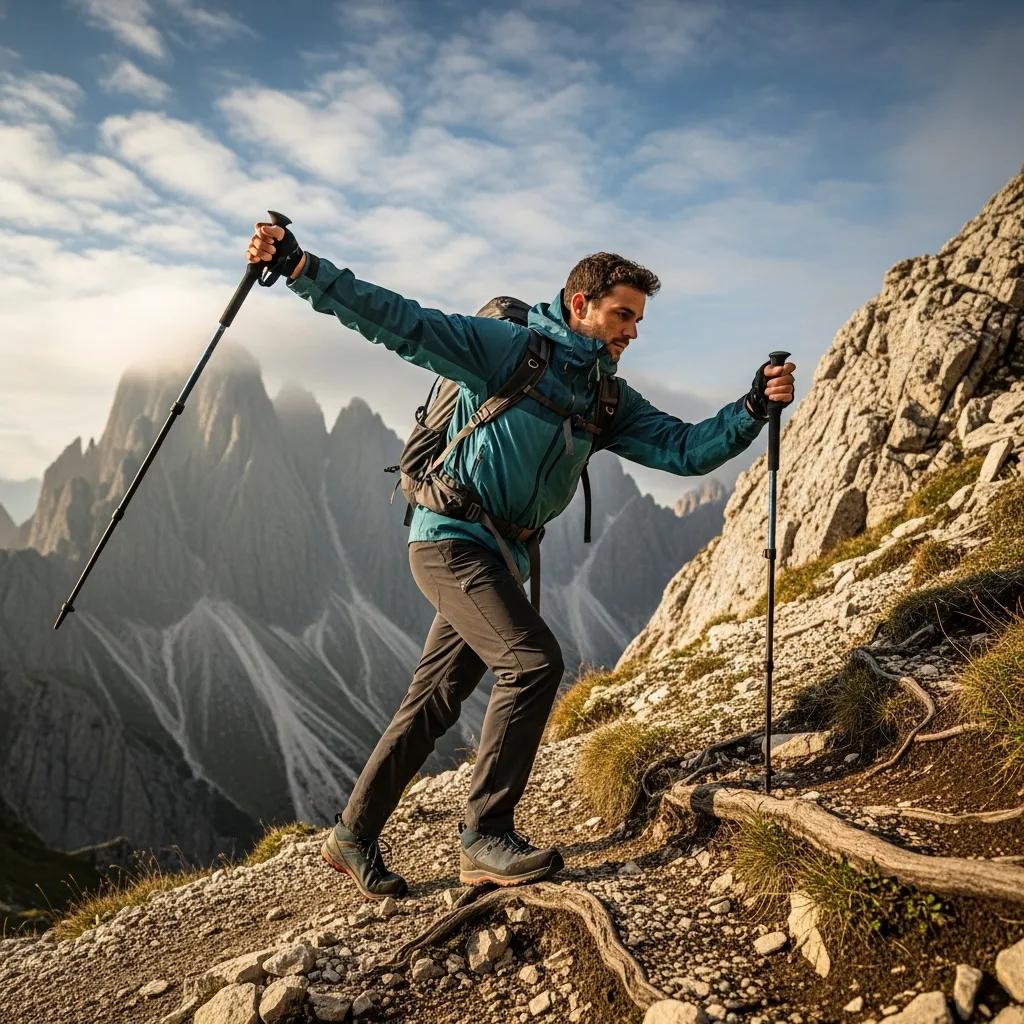
    Mountain walking landscape representing a supported European long-distance route
    Europe changes the overnight equation

    You Can Spend a Week in Serious Mountains Without Carrying a Tent.

    That is one of the biggest differences for a first long trail. On selected European routes, huts, refuges and village lodging remove the shelter and sleep system from your backpack. The walking can remain difficult; the logistics simply become different.

    Europe

    There Is No Single European Trail Model

    Alpine refuge routes, British long walks, Spanish pilgrimages, French GR routes and Nordic wilderness trails solve overnight logistics in completely different ways.

    Scotland

    West Highland Way

    The 96-mile route can usually be walked in about a week. Inns, hotels, campsites and baggage services combine with trains and buses at several points along the corridor.

    96 miles 6–7 days typical lodging + camping rail + bus access
    France · Italy · Switzerland

    Tour du Mont Blanc

    Nearly 170 kilometres around the Mont Blanc massif combine major mountain passes with refuges, villages and valley transportation. Accommodation reservations can become the central planning problem.

    ≈170 km 7–11 days refuges three countries
    Spain

    Camino Francés

    The Camino emphasizes towns, hostels, food and cultural interaction. Spain’s official tourism guidance notes abundant accommodation and highly visible waymarking along the route.

    village-to-village hostels + hotels frequent food strong waymarking
    Dolomites

    Alta Via 1

    Rifugi let hikers spend repeated days high in the Dolomites without carrying a complete camping system. The tradeoff is that bed availability can lock in daily stages.

    ≈125 km 8–12 days rifugi high mountain route
    Iceland

    Laugavegur

    Europe can also feel remote. Iceland’s Highlands bring exposed weather, river crossings and limited services despite a route short enough to complete in several days.

    ≈55 km 4–6 days huts + camping remote Highlands
    French Pyrenees

    GR10

    At roughly 1,100 kilometres, the GR10 demonstrates why Europe should not be reduced to short hut holidays. This is a genuine multi-week mountain journey using refuges, gîtes, villages and camping.
    ≈1,100 km 5–7 weeks mixed lodging coast to coast
    Do not assume wild camping is legal everywhere in Europe. Access and camping law varies by country, region, protected area and sometimes season. Scotland itself has local seasonal camping restrictions along portions of Loch Lomond despite its broader outdoor-access framework.
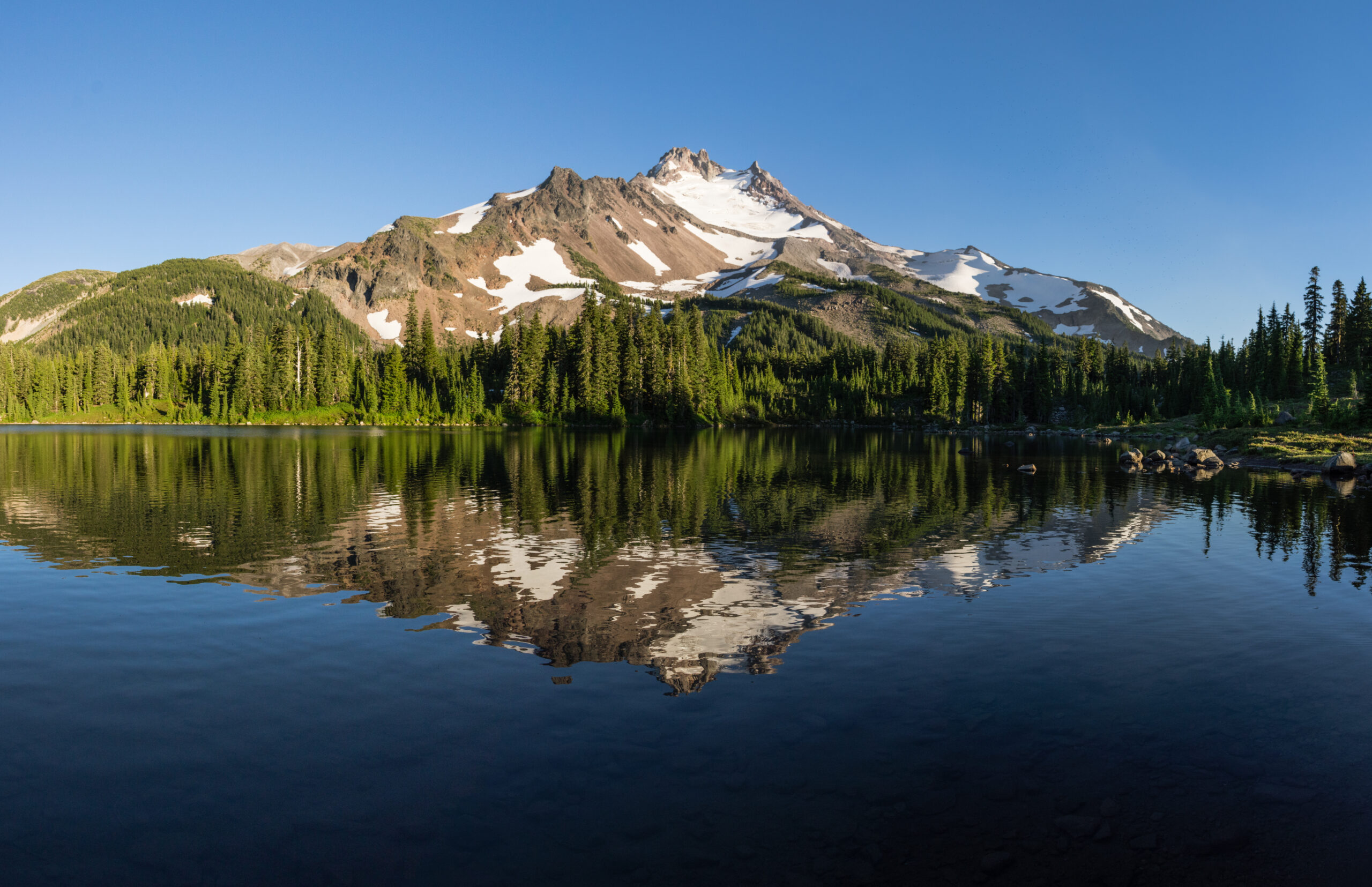
    Pacific Northwest mountain trail representing western United States thru-hiking
    United States

    The Classic American Model Is a Backpacking Journey First.

    America’s National Scenic Trails include enormous continuous routes designed to connect public lands, landscapes and communities. The Pacific Crest Trail, Appalachian Trail and Continental Divide Trail form the Triple Crown of Hiking.

    Most hikers on these routes repeatedly camp, carry days of food and leave the trail periodically for resupply. The challenge is not only walking the distance. It is keeping a lightweight mobile household functioning for months.

    The amount of wilderness varies dramatically. The A.T. has a dense shelter and trail-community network. CDTC describes the CDT as the most remote and rugged of the Triple Crown trails.

    Three American examples

    The Triple Crown Is Not One Experience Either

    PCT, A.T. and CDT share the thru-hiking model, but their infrastructure and remoteness are very different.

    Western USA

    Pacific Crest Trail

    Long graded miles through desert, Sierra Nevada and Cascades. Permits, water, snow, wildfire and repeated resupply define the logistics.

    Eastern USA

    Appalachian Trail

    The A.T. combines rugged tread with an unusual density of shelters, roads and trail communities. It is still a camping-based long-distance backpacking journey.

    Rocky Mountains

    Continental Divide Trail

    Longer food carries, alternate routes, remote access and navigation independence make the CDT a different planning project from either the PCT or A.T.

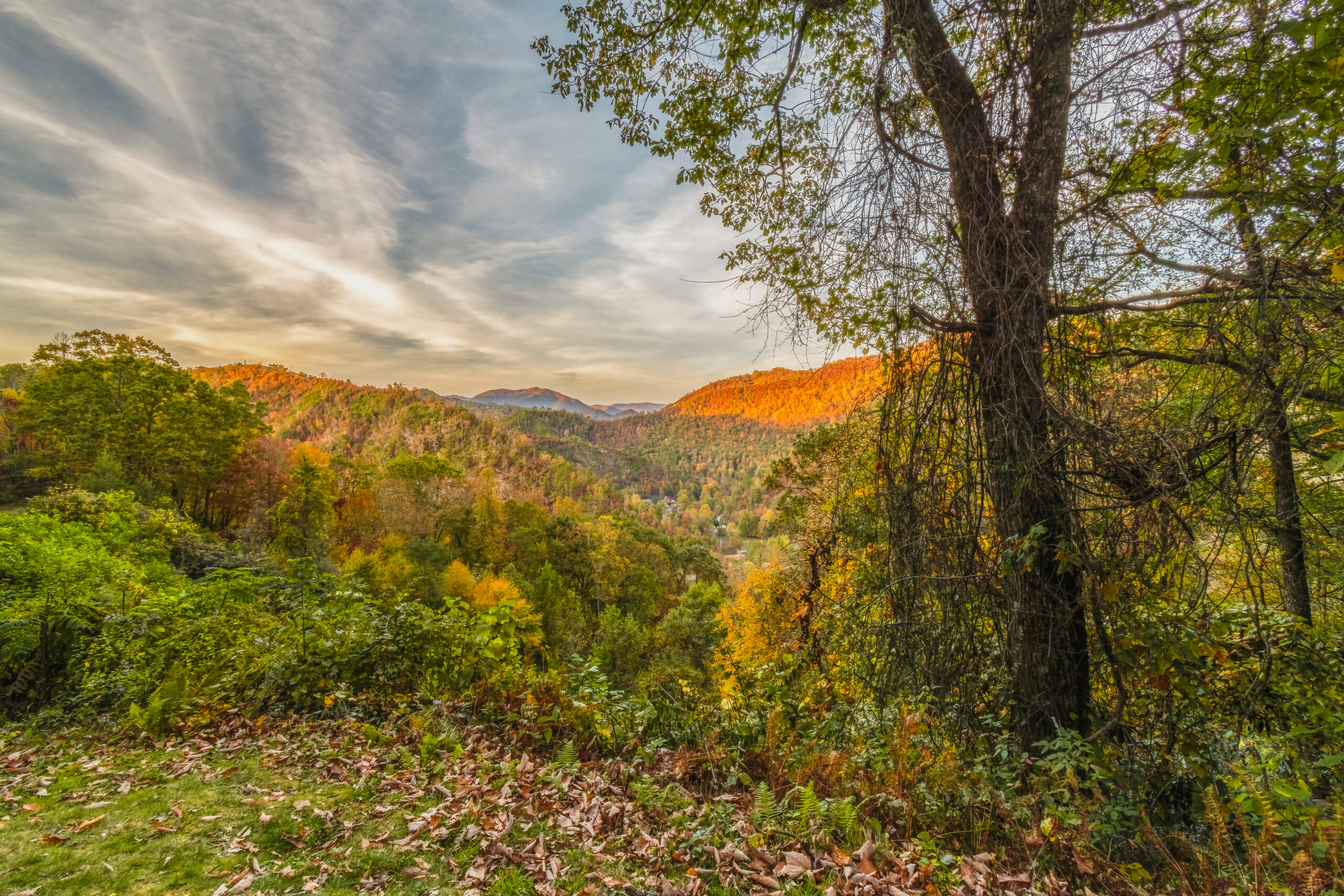
    Forested Appalachian mountain landscape in the eastern United States
    American does not always mean isolated

    The Appalachian Trail Can Move From Backcountry Shelter to Trail Town Again and Again.

    More than 250 shelters and frequent road crossings give the A.T. an infrastructure level that does not fit the stereotype of an entirely remote American wilderness trail. Yet hikers still need their own shelter and backpacking system.

    The biggest practical difference

    Where Do You Want to Sleep?

    The overnight system determines pack weight, reservation strategy, budget and how independent the trip feels.

    Overnight modelTypical planning effectTrail examples
    Mountain hutLess overnight gear; beds and meal reservations may control daily stages.Tour du Mont Blanc, Alta Via 1.
    Inn-to-innSmall pack possible; accommodation availability and daily destination matter.West Highland Way, many Camino itineraries.
    Huts + campingMore independence while retaining infrastructure at selected stops.Laugavegur and other mixed European routes.
    Shelters + tentCarry full sleep system but use established overnight nodes when available.Appalachian Trail.
    Backcountry campingMaximum independence with heavier responsibility for campsite, water and food storage.PCT, CDT and many western U.S. trails.
    Food and resupply

    Europe Can Shift Calories From Your Pack to the Next Village.

    On supported European routes, breakfast and dinner may be available at lodging, with cafes, markets or refuges appearing during the day. That can sharply reduce the amount of food carried.

    Major U.S. thru-hikes usually require hikers to leave towns with several days of food. Resupply becomes a repeating system of grocery stores, mailed boxes, road crossings, hitches and trail-town chores.

    This is one reason the same daily walking mileage can feel like a different trip: food for the next four or five days can weigh several pounds.

    Long-distance hiker carrying backpacking equipment and food
    Getting to and from the trail

    Europe Often Lets the Trail Plug Into Public Transportation

    This can be a major advantage on a first international walking trip, but it still needs to be checked route by route.

    West Highland Way

    Train & Bus Corridor

    Milngavie has regular rail service from Glasgow, Fort William connects back by rail and coach, and several intermediate communities also have train or bus access.

    Lechweg

    Connected Villages

    Official Lechweg information notes that communities along the route are linked by public buses, and a car is unnecessary for the walk itself.

    U.S. thru-hikes

    Trailheads Need Solving

    Airports and long-distance transportation usually get you only part of the way. Terminus shuttles, local transit and trailhead access often become separate planning tasks.

    A useful first-trip advantage: a route that begins and ends near reliable rail or bus service removes the rental-car and point-to-point vehicle problem entirely.
    Rules and reservations

    The Bureaucracy Changes—It Does Not Disappear.

    European walkers may organize beds. American thru-hikers may organize wilderness permits. Both can become itinerary constraints.

    Europe

    Hut Reservations

    Popular refuge routes can require booking beds well before the hike, reducing day-to-day itinerary flexibility.

    Europe

    Camping Rules Vary

    Wild-camping law and protected-area rules differ by country and region. Never assume a continent-wide rule.

    USA

    Wilderness Permits

    Some trails cross multiple permit areas. PCTA offers a long-distance permit for qualifying continuous PCT trips of 500 or more miles.

    USA

    Food & Camping Rules

    Bear-canister rules, campsite restrictions, fires and permits can change as a hiker crosses different land jurisdictions.

    Budget

    Europe Can Cost More Per Day—and Less for the Entire Project

    The meaningful comparison is total trip cost, not simply the nightly price of a hut versus a campsite.

    Cost categoryEuropean supported trailU.S. thru-hike
    AccommodationFrequent paid huts, inns or hotels can create a high daily rate.Backcountry camping may cost little most nights, with town lodging periodically.
    FoodRestaurants and hut meals can cost more but reduce pack weight.Groceries and trail food dominate between town restaurant stops.
    EquipmentLodge-based trips may not require a tent, pad or full cooking system.A complete backpacking system is normally required.
    TransportationInternational airfare may be substantial, but public transit can simplify local movement.Domestic travel may be cheaper for U.S. hikers, although remote trailheads add shuttle costs.
    DurationMany classic routes fit into one or two weeks.A Triple Crown thru-hike creates four to seven months of trail spending.
    Time away from workOften fits inside standard vacation leave.A season-long thru-hike can create a major income or career cost.
    Mountain hiking landscape representing a shorter long-distance trail
    Duration changes everything

    A Seven-Day Long Trail and a Five-Month Thru-Hike Should Not Be Compared Only by Scenery.

    One fits inside annual leave and can be planned around booked beds. The other becomes a temporary lifestyle involving resupply, weather progression, repeated camping and months away from home. Decide which scale you want before choosing the famous name.

    Choose by available time

    Your Calendar Can Narrow the Continent Immediately

    There are exceptions in every category, but time is one of the fastest ways to move from thousands of possibilities to a useful shortlist.

    Time availableEuropean examplesU.S. examplesWhat you are learning
    4–7 daysLaugavegur, Great Glen Way sections, Camino sections.Sections of established National Scenic Trails.Consecutive-day walking, foot care and recovery.
    1–2 weeksWest Highland Way, Tour du Mont Blanc, Alta Via 1.Wonderland Trail and shorter wilderness routes.Full multi-day rhythm and weather management.
    3–6 weeksLonger GR sections or GR10 segments.Long Trail, Colorado Trail, substantial PCT/A.T. sections.Resupply, equipment wear and extended recovery.
    4–7 monthsOnly Europe’s longest routes or linked trail systems reach this scale.PCT, Appalachian Trail and CDT become central options.Season-long thru-hiking as a temporary lifestyle.
    For a true first long trail

    Reduce the Number of New Skills You Must Learn at Once

    A first long trail becomes more manageable when only one or two parts of the experience are unfamiliar.

    If camping is new

    Use Lodging

    Learn pacing and recovery on an inn-to-inn route before adding a full overnight backpacking system.

    If backpacking is familiar

    Add Duration

    Move toward a longer U.S. section or complete shorter American thru-hike rather than changing every variable.

    If navigation is new

    Choose Waymarking

    Let daily walking teach the lesson rather than combining it with difficult route-finding.

    If time is limited

    Complete Something

    A one-week end-to-end trail can teach more than one arbitrary week in the middle of a five-month objective.

    Geographic orientation

    Two Regions, Very Different Trail Networks

    Europe compresses many major long trails into dense transport and settlement networks. America’s famous thru-hikes stretch across a continent-sized country and multiple wilderness systems.

    European Alps Huts + Valleys + Transport

    TMB, Alta Via 1 and Haute Route combine mountain passes with staffed accommodation and valley access.

    Britain & Spain Inn-to-Inn Walking

    West Highland Way and Camino-style routes integrate communities directly into the journey.

    Western USA Large Wilderness Corridors

    PCT and CDT cross enormous landscapes where camping and resupply are foundational skills.

    Eastern USA A Different American Model

    The A.T. combines backcountry travel with shelters, roads, hostels and a dense trail-community culture.

    Common questions

    Europe vs USA Long-Trail FAQ

    The region can narrow the planning model, but the final choice should always be made trail by trail.

    Are long-distance trails easier to organize in Europe or the USA?

    Many well-known European trails simplify local transportation, lodging and meals by passing through villages or using hut networks. Major American thru-hikes often require more camping, resupply and wilderness logistics. Individual trails can reverse that pattern, so compare the exact route rather than relying only on the continent.

    Can I hike long-distance trails in Europe without camping?

    Yes. Tour du Mont Blanc, Alta Via 1, West Highland Way and many Camino itineraries can be planned around huts, refuges, inns, hostels or hotels. Other European trails have a stronger camping or wilderness character.

    Do I need to camp on American long-distance trails?

    Camping is central to many large American trails. Appalachian Trail shelters do not remove the need for a personal shelter because they can fill and regulations vary. PCT and CDT hikers normally rely heavily on backcountry camping.

    Which region works well for a one-week first long trail?

    Europe contains an unusually large number of complete routes that fit into roughly one week, including West Highland Way and Great Glen Way. The United States also has shorter complete routes and many excellent sections, but the famous Triple Crown trails themselves are multi-month commitments.

    Are European trails all hut-to-hut?

    No. Europe includes refuge routes, inn-to-inn walks, wilderness routes, pilgrimages, GR trails and camping-based journeys. Scotland, Iceland, Corsica and the Alps alone represent several substantially different trail cultures.

    Are U.S. trails more remote than European trails?

    Some major U.S. routes are exceptionally remote. CDTC describes the Continental Divide Trail as the most remote and rugged Triple Crown trail. The Appalachian Trail is a clear counterexample because it has extensive shelters, road crossings and trail communities.

    Is Europe cheaper than hiking in the USA?

    Not necessarily. Huts, hotels and restaurant meals can produce a high daily cost in Europe. A U.S. backpacker may spend much less on many individual nights, but a five-month thru-hike has months of food, transportation, town spending and possibly lost income.

    Which region should I choose if I have never backpacked?

    A lodging-based European route can let you learn consecutive-day hiking without simultaneously learning tents, sleeping systems, cooking and wilderness food storage. Another option is to begin with a shorter U.S. section and learn backpacking gradually before attempting a full thru-hike.

    Move into the right trail family

    Choose the Style First. Then Choose the Route.

    If huts, villages and public transport sound right, move into the Europe collection. If camping, resupply and continuous wilderness sound right, move into the American thru-hike collection.
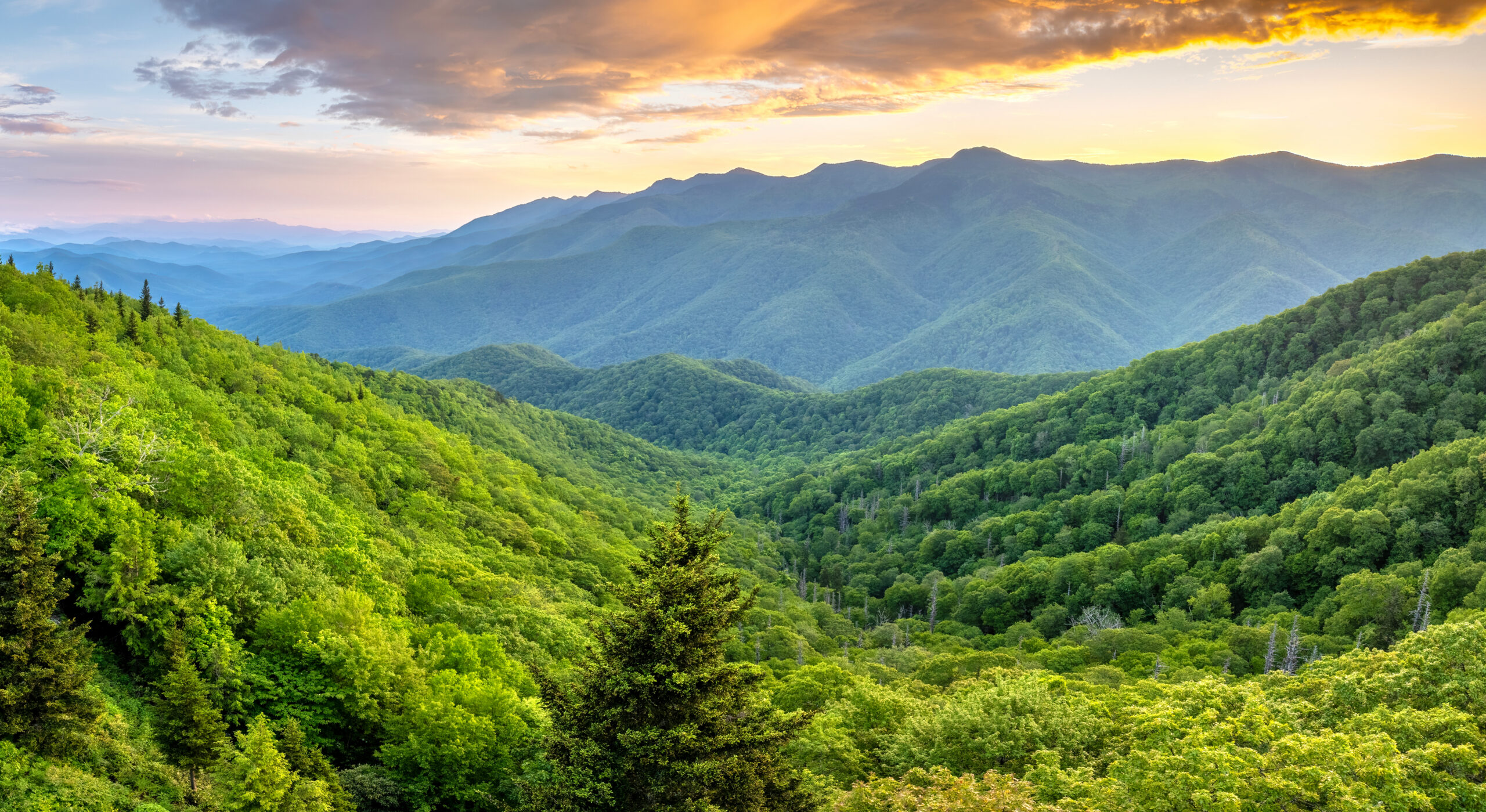
    Mountain landscape at sunset representing the end of a long-distance hiking day
    The first decision is not the continent

    Decide What You Want Waiting at the End of the Walking Day.

    A refuge meal and a bed in an Alpine valley. An inn in a Scottish village. A pilgrim hostel in Spain. A tent beside the PCT. An Appalachian shelter. A remote campsite on the Continental Divide. Once you know which of those sounds like the trip you want, the map gets much smaller.
    Was this helpful?

    Yes
    No
    Thanks for your feedback!
  • Best Time to Thru-Hike: Trail-by-Trail Guide

    Long-distance mountain trail during clear summer hiking conditions
    Snow · heat · monsoon · daylight · wildfire · seasonal timing

    Best Time to Thru-Hike: A Trail-by-Trail Seasonal Guide

    The right thru-hiking start date is rarely the day with the nicest weather at the trailhead. It is the date that lets you move through every climate zone before the next seasonal hazard closes the window. Snowpack, desert heat, monsoon, wildfire, daylight and autumn storms all matter more than the calendar alone.

    northern + southern hemisphere official timing guidance 10 major routes month-by-month comparison
    The short answer

    The Best Season Depends on What the Trail Is Trying to Do to You.

    On the PCT, the challenge is fitting desert heat, mountain snow and the northern autumn into one season. On the Appalachian Trail, spring start timing affects cold, crowds and whether you reach Maine before severe autumn weather.

    In the Alps, the limiting factor may be lingering snow and seasonal transportation. In Nepal it is the relationship between high passes and the monsoon. In New Zealand the calendar reverses because the warmest months fall around December through February.

    A useful seasonal guide therefore starts with the trail’s main hazard, then works backward to the start date.

    The four-question timing test

    1. When does snow stop controlling the high terrain?

    2. When does heat, monsoon or wildfire become the next major problem?

    3. How long will your pace require to reach the final difficult region?

    4. What annual conditions could make this year different from the average?

    PCT NOBO start Mid-Apr–Early May PCTA general guidance
    A.T. lower-crowd window Apr 15–Early May ATC guidance
    Lechweg full route Mid-Jun–Early Oct snow controls opening
    Annapurna seasons Mar–May / Sep–Nov Nepal Tourism Board
    The year at a glance

    Long-Distance Hiking Seasonal Calendar

    Green marks the strongest general window, gold a workable shoulder period and red a season that usually adds significant environmental or logistical complications. Actual conditions always override the chart.

    TrailJanFebMarAprMayJunJulAugSepOctNovDec
    PCT thru-hike
    United States
    SnowSnowEarlyNOBONOBOSierraSOBONorthFinishSnowWinterWinter
    Appalachian Trail
    United States
    WinterEarlyNOBONOBONOBOSOBOSOBOTrailFinishLateColdWinter
    Continental Divide Trail
    United States
    WinterWinterEarlyNOBONOBOSnowSOBOTrailTrailFinishWinterWinter
    West Highland Way
    Scotland
    WinterWinterCoolSpringPeakLong daysBusyMidgesAutumnCoolShort daysWinter
    Great Glen Way
    Scotland
    WinterWinterCoolSpringSpringLong daysSummerSummerAutumnCoolShort daysWinter
    Cotswold Way
    England
    OpenOpenSpringSpringSpringSummerSummerSummerAutumnAutumnOpenOpen
    Lechweg
    Austria / Germany
    SnowSnowSnowSnowLower routeOpeningPeakPeakStrongEarly OctLower onlyWinter
    Camino Francés
    Spain
    ColdColdSpringSpringSpringWarmHotHotAutumnAutumnCoolCold
    Annapurna Circuit
    Nepal
    WinterLate winterSpringSpringSpringMonsoonMonsoonMonsoonAutumnAutumnAutumnWinter
    Queen Charlotte Track
    New Zealand
    SummerSummerAutumnAutumnCoolWinterWinterWinterSpringSpringSpringSummer
    This is a planning calendar, not a conditions report. Snowpack, wildfire, flooding, storms, road closures and trail damage can move the useful window by weeks. Check current conditions immediately before committing to a start date.
    Why timing is complicated

    Four Seasonal Hazards Control Most Long Trails

    The ideal start usually sits between hazards rather than directly in the middle of the nicest weather.

    Snow

    Too Early

    Lingering mountain snow can turn an ordinary trail into steep snow travel, obscure the route and increase stream-crossing hazards during melt.

    Heat

    Too Late in the Desert

    Waiting for every mountain to become snow-free can push desert or lower-elevation terrain into dangerous heat.

    Rain

    Monsoon or Wet Season

    Tropical and Himalayan routes can shift from dry walking to flooded, muddy or cloud-obscured conditions during seasonal rains.

    Autumn

    The Finish Deadline

    Northern mountain ranges eventually return to snow, shorter daylight and colder storms. Your finish date can be as important as the start.

    High mountain trail extending through changing seasonal terrain
    Think beyond the trailhead

    Your Start Date Should Be Chosen for the Hardest Region You Have Not Reached Yet.

    PCT hikers starting near Mexico are already planning for Sierra snow hundreds of miles north. Appalachian Trail hikers in Georgia must still think about reaching Maine before late-season weather closes the window. Long-distance timing is a moving equation.

    Trail by trail

    When to Start the World’s Major Long Trails

    These windows are broad planning anchors. Use current snow, weather, fire, access and trail alerts to choose the actual date.

    PCT northbound Mid-April to Early May Southbound: late June–early July

    Pacific Crest Trail

    desert heat Sierra snow wildfire autumn snow

    PCTA says most northbound thru-hikers begin in mid-April through early May. Starting too early can create dangerous snow travel in Southern California and push hikers into a deeply snow-covered Sierra. Starting too late increases exposure to Southern California heat and compresses the northern finish window.

    Southbound hikers generally start from late June through early July, when Washington snowpack and high mountain terrain become more manageable.

    A.T. northbound March to Early May Less-crowded optimum: Apr 15–early May

    Appalachian Trail

    early cold spring crowds summer humidity Maine deadline

    Most traditional northbound hikers start in March or early April. ATC says hikers who want to reduce winter conditions and crowding should consider the window from April 15 through the first week of May.

    The other end of the equation is Katahdin. ATC recommends planning to finish before October 15 because severe weather becomes increasingly likely in Maine.

    CDT Spring NOBO / Summer SOBO Annual snow controls exact timing

    Continental Divide Trail

    New Mexico heat Colorado snow Glacier access 5–7 months

    The CDT does not fit neatly into one permanent start-date rule. CDTC’s Trail Days in Silver City occur in late April and mark the opening of the northbound hiking season. Northbound timing then revolves around reaching Colorado after enough high-elevation snow has melted.

    Southbound planning depends strongly on northern snowpack and access in Glacier National Park. Many backcountry sites and services do not reach their summer operating pattern until June or July.

    Europe

    Britain Offers Long Seasons. The Alps Have a Much Tighter Window.

    Low and moderate elevation routes can be usable for much of the year. Alpine routes remain far more dependent on snow and seasonal transport.

    Scotland

    West Highland Way

    The official route says May is the most popular month, while spring and autumn are especially beautiful. The trail can be walked at any time of year, but winter means shorter daylight and more demanding weather.

    Strong general window: April through September, with May particularly popular.

    Scotland

    Great Glen Way

    Scotland’s Great Trails notes that April through September provides at least roughly 12 hours of daylight. The route’s lower elevations give it a broader usable season than high Alpine trails.

    Strong general window: April through September.

    England

    Cotswold Way

    The National Trail is officially open all year. Spring through autumn generally provides the longest daylight and easiest walking conditions, but there is no fixed opening or closing season.

    Strong general window: spring through autumn; winter remains possible.

    England

    Hadrian’s Wall Path

    The route can be walked beyond summer, but the grass-sward trail and exposed northern terrain are more vulnerable to wet winter conditions. Spring through early autumn gives longer daylight and simpler logistics.

    Strong general window: roughly May through September.

    Austria / Germany

    Lechweg

    The high start near Formarinsee makes this a genuine seasonal route. Official 2026 material lists the main season from mid-June to early October. In 2026 the entire trail opened June 18.

    Lower-elevation shortened versions can become usable earlier.

    Spain

    Camino Francés

    Spain’s official tourism guidance says the Camino can be walked year-round but is especially pleasant in spring and from September through October.

    Summer is possible, but heat makes early starts and avoiding the middle of the day increasingly important.

    Mountain ridges under changing clouds illustrating seasonal hiking weather
    The shoulder-season trade

    Fewer People Usually Means Giving Something Up.

    Earlier spring and later autumn can bring quieter trails and easier accommodation, but they may also mean colder nights, shorter daylight, closed services or snow at elevation. Crowd avoidance should be part of the timing decision—not the only timing decision.

    High mountain landscape representing seasonal trekking in major mountain ranges
    Nepal

    Annapurna Has Two Primary Trekking Seasons.

    Nepal Tourism Board lists March through May and September through November as the best seasons for the Annapurna Conservation Area.

    Spring brings improving temperatures and rhododendron blooms. Autumn follows the monsoon and is associated with clearer mountain views and relatively stable weather.

    Winter can bring heavy snow to high passes, while summer monsoon affects much of the circuit. Parts of the upper Annapurna and Mustang region sit in a rain shadow, but that does not make the entire classic circuit a uniform monsoon-season route.

    Southern Hemisphere

    New Zealand Turns the Northern-Hemisphere Calendar Upside Down

    December, January and February are summer months. That makes New Zealand useful for hikers looking for long-distance walking during the northern winter.

    Queen Charlotte Track

    Warmest Conditions Around Summer

    New Zealand DOC describes Queen Charlotte Sound as generally warm and dry in summer, although coastal weather can change quickly at any time.

    Winter remains possible, but clay surfaces become particularly slippery when wet. Summer and the shoulder seasons generally provide a simpler first experience.

    Planning advantage

    A Second Hiking Season

    A northern-hemisphere hiker does not have to wait from October until April to walk. New Zealand, Patagonia and other southern routes create opportunities during December through March.

    Always translate the month into the local season before comparing trails across hemispheres.

    Direction changes the calendar

    Northbound and Southbound Are Different Seasonal Strategies

    Reversing direction changes which major hazard arrives first and which one becomes the deadline.

    PCT NOBO

    Desert First

    Start late enough to reduce early snow problems but early enough to cross Southern California before extreme heat dominates.

    PCT SOBO

    Washington First

    The hike cannot begin normally until enough northern mountain snow has melted for safe travel.

    A.T. NOBO

    Spring North

    Start too early and winter follows you through the southern Appalachians. Start too late and Maine becomes the deadline.

    A.T. SOBO

    Maine First

    Southbounders begin with remote and rugged terrain, making early-season conditioning and northern access part of the timing problem.

    Choose the month by the objective

    If Your Vacation Is Fixed, Reverse the Question

    Sometimes you cannot choose the trail first and then wait for its best month. Work, school and family may determine the month before the route.

    Available periodTrail styles to investigateMain seasonal question
    January–FebruaryQueen Charlotte Track and other Southern Hemisphere summer routes.Can you shift the trip south of the equator instead of forcing a northern winter trail?
    March–AprilCamino, Annapurna spring season, southern A.T. starts and lower European trails.How much winter remains at elevation?
    MayPCT starts, West Highland Way, Great Glen Way, Camino and Annapurna.Are snowpack and accommodation pressure manageable?
    JuneScottish routes, English National Trails, Lechweg as it opens and northern long trails.Has Alpine or northern mountain snow actually cleared?
    July–AugustHigh Alpine trails, Scotland, long northern sections and PCT/CDT SOBO itineraries.Are heat, crowds, insects or wildfire now more important than snow?
    SeptemberCamino, Scotland, Alps, Annapurna autumn season and many European trails.How quickly will daylight and high-mountain weather deteriorate?
    October–NovemberCamino, Annapurna, lower European routes and Southern Hemisphere spring.Is the high terrain still within its operating season?
    DecemberSouthern Hemisphere summer routes.Would New Zealand or another southern destination provide the better seasonal fit?
    Forested mountains under changing weather on a long-distance trail
    Weather beats averages

    The Calendar Tells You What Usually Happens. Conditions Tell You What Is Happening Now.

    A low-snow year and a heavy-snow year can create completely different start decisions on the same trail. Use the seasonal window to build the plan, then replace averages with current snow, weather, water, wildfire and closure information as departure approaches.

    World orientation

    Long-Distance Hiking Can Be a Year-Round Pursuit

    Move between hemispheres and elevations and there is almost always a major walking season somewhere in the world.

    North America Spring Through Autumn

    PCT, A.T. and CDT thru-hikes generally use the northern warm season, but each solves snow and heat differently.

    Europe Broad Lowland Season

    Britain and the Camino can have long walking seasons, while the Alps remain tightly controlled by snow.

    Himalaya Spring + Autumn

    Nepal’s classic trekking windows sit on either side of the summer monsoon.

    New Zealand Northern Winter Escape

    December through February is southern summer, creating a second annual hiking cycle.

    From season to exact date

    Do Not Choose the Exact Start Date Six Months Out and Stop Thinking.

    Reserve the broad travel window first. As the season approaches, replace historical assumptions with current information.

    Check snowpack, trail closures, wildfire status, water reports, transportation schedules and permit rules. Then ask whether your expected pace still reaches the next major climate zone at the right time.

    The strongest long-distance plan has enough flexibility to move a start several days—or sometimes several weeks—when conditions demand it.

    Mountain sunset illustrating the importance of seasonal and daylight planning
    Season questions

    Best Time to Thru-Hike FAQ

    Use the month as the first filter. Use current conditions to make the final decision.

    What is the best month to start a thru-hike?

    There is no universal month. Major northern U.S. trails often begin during spring or early summer, Alpine routes peak in summer, Nepal favors spring and autumn, and New Zealand offers Southern Hemisphere summer hiking during December through February.

    When should I start the Pacific Crest Trail?

    PCTA says most northbound hikers start from mid-April through early May, while southbound hikers generally begin in late June through early July. Annual snow conditions can shift the practical window.

    When should I start the Appalachian Trail?

    Many traditional northbound hikers start in March or early April. ATC says April 15 through the first week of May provides an optimal window for reducing winter conditions and crowds, while hikers should still plan to reach Katahdin before October 15.

    When should I hike the Continental Divide Trail?

    Northbound hiking season generally begins in spring from New Mexico, while southbound hikers must wait for northern mountain access and snow conditions. Because the CDT crosses very high terrain, current snowpack is more useful than relying on one permanent date.

    What is the best season for the West Highland Way?

    The route can be walked throughout the year. Its official site says May is the most popular month and highlights spring and autumn as especially beautiful. Winter requires more conservative planning for daylight and weather.

    When is the best time for the Camino?

    Spain’s official tourism guidance says spring and September through October are especially pleasant. Summer is also possible, but midday heat can become a major issue.

    When is the best time for the Annapurna Circuit?

    Nepal Tourism Board lists March through May and September through November as the principal seasons for the Annapurna Conservation Area. Winter snow can affect high passes, while summer overlaps with monsoon conditions across much of the region.

    Should I choose my start date based on historical weather?

    Use historical seasons to select the broad window, then use current snowpack, forecasts, water reports, closures, fire information and access updates to select the exact date.

    Turn the season into a trail plan

    Timing Connects Every Long-Distance Hiking Decision.

    Once you know the usable season, connect the calendar to trail choice, hiking direction, budget, gear and the amount of continuous time you actually have.

    Long-distance hiker moving through a mountain landscape during a favorable hiking season
    The calendar is part of the route

    Do Not Just Ask When the Trail Is Beautiful. Ask When the Whole Journey Works.

    The best start date balances the obstacle behind you with the obstacle still hundreds of miles ahead. Choose the broad season from historical patterns. Choose the exact day from current conditions. Then keep enough flexibility to change the plan when the mountains disagree with the calendar.

    Was this helpful?

    Yes
    No
    Thanks for your feedback!
  • Best Long-Distance Trails for Beginners

    Hikers following a scenic long-distance trail through open mountain country
    First long walk · multi-day hiking · beginner progression

    The Best Long-Distance Trails for Beginners

    Your first long-distance trail does not need to be easy. It needs to be forgiving enough to learn on. Look for clear waymarking, manageable stages, regular food and lodging, straightforward transportation and enough exit points that one bad day does not become a major expedition problem.

    7 trails compared 4–10 day options camping not always required logistics prioritized
    The short answer

    Start With a Trail Measured in Days—Not Months.

    For a first long-distance hike, the strongest choices are usually routes where you can spend roughly five to eight consecutive days walking without needing advanced navigation, remote resupply strategy or expedition-scale self-sufficiency.

    Scotland’s Great Glen Way, England’s Hadrian’s Wall Path and Cotswold Way, Austria and Germany’s Lechweg, and New Zealand’s Queen Charlotte Track all reduce different pieces of the logistical burden while still teaching the habits that matter on a longer trail.

    Beginner-friendly does not mean effortless.

    Long days still create blisters, fatigue and weather exposure. Even a highly supported trail can become difficult after several consecutive days.

    What makes these routes useful is that mistakes are easier to correct: shorten a stage, buy food, replace gear, take transportation or sleep indoors without abandoning an entire season-long objective.

    Useful first trip 5–8 days long enough to learn
    Navigation target Waymarked with backup map
    Ideal logistics Daily access food or lodging nearby
    Best progression Days → weeks before months
    The beginner test

    Six Things Matter More Than the Trail’s Fame

    A famous route is not automatically a sensible first route. Look at the consequences of mistakes, not just the scenery.

    01 · navigation

    Clear Waymarking

    A first multi-day trail is a better place to learn pacing and systems when route-finding is not the main challenge.

    02 · commitment

    About One Week

    Five to eight days is long enough for cumulative fatigue and foot problems to appear without requiring a month away from normal life.

    03 · food

    Regular Resupply

    Villages, cafes and shops reduce food weight and make a poor menu plan much easier to fix.

    04 · sleep

    Lodging Options

    An inn-to-inn route lets you learn long-distance walking before learning every part of long-distance backpacking.

    05 · transportation

    Exit Options

    Roads, buses, trains or water taxis can turn an injury or weather problem into a change of plan rather than a rescue problem.

    06 · terrain

    Moderate Consequences

    Avoid making your first multi-day walk simultaneously your first exposed, pathless, snow-covered or remote wilderness route.

    Seven strong starting points

    The Best Long-Distance Trails for Beginners

    This order prioritizes learnability and logistics rather than scenery, prestige or technical difficulty alone.

    Best overall 01 Scotland

    Great Glen Way

    125 km / 78 mi 5–7 days waymarked inn-to-inn possible

    The Great Glen Way connects Fort William and Inverness through one of Scotland’s most recognizable landscapes. Scotland’s Great Trails describes the recommended direction as giving walkers a gentle introduction, with the first sections largely low-level and easy-going.

    The route has enough distance to expose pacing mistakes, sore feet and recovery problems while still moving between communities. Accommodation allows a first-timer to walk with a light pack before deciding whether wilderness camping should be the next step.

    Watch for: Scottish rain, wind, longer stages and optional higher route sections.

    Best one-week trail 02 England

    Hadrian’s Wall Path

    84 mi / 135 km about 7 days signposted town access

    Hadrian’s Wall Path crosses northern England from Wallsend to Bowness-on-Solway. The official National Trail material describes it as an unbroken, signposted 84-mile footpath.

    It works particularly well for a first full trail because the objective is clear, the historical landmarks keep the days interesting and accommodation-based itineraries are straightforward.

    Watch for: repeated short climbs in the central section, exposed wind and wet ground.

    Best village-to-village 03 England

    Cotswold Way

    102 mi / 164 km 7–10 days National Trail many villages

    The Cotswold Way follows the escarpment from Chipping Campden to Bath. It combines open hills, woodland, historic villages and one of the easiest destination cities on this list to leave by public transportation.

    For a new long-distance walker, its greatest strength is the ability to build the itinerary around accommodation rather than a backcountry campsite schedule.

    Watch for: cumulative hills, mud, road crossings and accommodation availability in popular periods.

    Best first serious trail 04 Scotland

    West Highland Way

    96 mi / 154 km 5–8 days well established baggage transfer available

    The West Highland Way runs from Milngavie to Fort William, moving from lowland Scotland toward increasingly dramatic Highland terrain. The official route notes that most walkers travel south to north because the southern stages create an easier introduction before the more demanding northern sections.

    This is a useful bridge between an inn-to-inn walking holiday and a genuine thru-hike mindset. Consecutive long days, rougher terrain and Scottish weather make preparation matter.

    Best first Alpine trail 05 Austria & Germany

    Lechweg

    125 km / 78 mi 7–10 days well signed hotel stages

    Lechweg follows the River Lech from the mountains near Formarinsee toward Füssen. Its current trail information describes it as a moderate long-distance route whose majority follows gentle gradients, with steeper sections mixed in.

    The trail publishes classic, leisurely and slow-paced stage structures, and accommodation exists at the stage destinations. That makes it unusually adaptable for someone who wants an Alpine setting without immediately choosing a high-route style trek.

    Watch for: mountain weather, seasonal opening dates and several steeper sections.

    Best short destination trail 06 New Zealand

    Queen Charlotte Track

    73.5 km / 46 mi 3–5 days lodging + campsites pack transport available

    The Queen Charlotte Track crosses the Marlborough Sounds from Meretoto/Ship Cove to Anakiwa. New Zealand’s Department of Conservation gives three to five days for walkers and notes that accommodation, campsites, boat access and gear transport are available.

    This is especially useful for someone who wants a genuine point-to-point journey but is not ready to carry every overnight item every day.

    Watch for: slippery clay after rain, longer ridge sections and the private-land pass required on parts of the route.

    Best supported long walk 07 Spain

    Camino Francés: Sarria to Santiago

    100+ km about 5–7 walking days extensive lodging food every day

    The full Camino Francés is a much larger journey, but the final section from Sarria to Santiago is one of the clearest introductions to consecutive-day walking anywhere. Food, lodging and baggage transfer are widely available.

    It belongs in a slightly different category because the Camino is a pilgrimage network rather than a wilderness thru-hike. That is exactly why it can work so well as a first long walking experience.

    Layered mountain landscape at sunset representing a first multi-day hiking journey
    The first big lesson

    A Long-Distance Hike Is Not a String of Day Hikes.

    Day three begins with the fatigue from days one and two. Your feet are no longer fresh. Wet equipment may still be wet. Small packing problems become irritating. That cumulative effect is exactly what makes a one-week trail such a valuable teacher.

    Compare before booking

    Beginner Long-Distance Trail Comparison

    Choose the type of support and terrain first. Distance alone is a weak measure of how demanding the trip will feel.

    TrailDistanceTypical tripSleeping styleNavigationMain challenge
    Great Glen Way125 km / 78 mi5–7 daysLodging or mixedWaymarkedWeather + consecutive days
    Hadrian’s Wall Path84 mi / 135 kmAbout 7 daysLodging or mixedSignpostedRolling terrain + exposure
    Cotswold Way102 mi / 164 km7–10 daysMostly lodging-friendlyWaymarkedCumulative hills + mud
    West Highland Way96 mi / 154 km5–8 daysLodging, camping or mixedEstablished routeWeather + rougher northern stages
    Lechweg125 km / 78 mi7–10 daysLodgingWell signedAlpine weather + some steep sections
    Queen Charlotte Track73.5 km / 46 mi3–5 daysLodging or campingEstablished trackRidge days + slippery conditions
    Camino Francés: Sarria section100+ km5–7 walking daysExtensive lodgingHighly establishedDaily mileage + feet
    Choose by experience

    What Kind of First Long-Distance Walk Do You Want?

    Your first route should teach the skill you want next without requiring five other unfamiliar skills at the same time.

    I want the easiest logistics

    Camino Francés

    Frequent accommodation, food and services let you focus on walking, recovery and managing your feet.

    I want Scotland

    Great Glen Way

    Start with the gentler Scottish long-distance option before stepping toward the West Highland Way or a wilderness route.

    I want a classic finish

    Hadrian’s Wall Path

    A coast-to-coast objective, strong historical identity and a roughly one-week itinerary make the goal easy to understand.

    I want villages

    Cotswold Way

    Long enough to feel substantial but closely tied to English towns, inns and transportation.

    I want Alpine scenery

    Lechweg

    Get a mountain setting without beginning with a high, technical or hut-to-hut route that requires advanced Alpine experience.

    I want a first backpacking step

    West Highland Way

    Use camping for some or all nights and begin moving toward a more self-supported thru-hiking system.

    Hiker carrying lightweight overnight equipment on a mountain trail
    Lodging or camping?

    You Do Not Need to Learn Everything on Trip One.

    An inn-to-inn trail removes the shelter, sleep and cooking systems from the first trip. That lets you learn daily mileage, clothing, weather decisions, blister prevention and recovery first.

    A second trip can add camping. A third can add longer food carries or more remote terrain. That progression often builds competence faster than immediately choosing a route where navigation, camping, resupply, weather and remoteness are all new.

    Fitness

    Train for Consecutive Days, Not One Heroic Day

    The defining physical difference between a day hike and a long-distance trail is recovery. You have to walk again tomorrow.

    Step 1

    Walk Often

    Build consistency before mileage. Several ordinary walking days each week are more useful than one occasional huge outing.

    Step 2

    Add Hills

    Introduce climbing and descending gradually, especially for routes such as West Highland Way and Lechweg.

    Step 3

    Carry the Pack

    Train with the weight you will actually carry rather than discovering pack-fit problems on day one.

    Step 4

    Back-to-Back Days

    Two moderate days in succession teach more about recovery than one enormous training hike.

    Hiker using trekking poles while building experience on mountain terrain
    Confidence comes from repetition

    Your First Trail Should Make the Second Trail Easier to Plan.

    Finish knowing how far you comfortably walk, what happens to your feet after four days, which clothing actually gets used and how much recovery you need overnight. That information is more valuable than simply checking a famous route off a list.

    Keep the first kit simple

    Gear Changes Dramatically With Sleeping Style

    A lodge-based long walk and a self-supported thru-hike should not use the same packing list.

    SystemInn-to-inn routeCamping route
    BackpackSmall hiking pack for layers, water and daily essentials.Larger backpack sized around shelter, sleep system and food.
    ShelterNot normally required when accommodation is confirmed.Tent, tarp, hammock or other route-appropriate shelter.
    Sleep systemUsually unnecessary beyond personal sleep items.Sleeping bag or quilt plus insulated pad.
    FoodSnacks and enough food between services.Full meals, food storage and possibly stove/fuel.
    Rain protectionStill essential.Still essential.
    NavigationRoute map/app plus backup appropriate to the trail.Same, with greater consequences if camps or water are missed.
    Do not carry a full wilderness kit simply because the trip is called a long-distance walk. Match equipment to the actual sleeping, food and weather system you will use.
    Geographic orientation

    Europe Has an Exceptional Concentration of First Long-Distance Trails

    Scotland, England, Spain and the Alps combine established walking culture with public transportation, accommodation and compact trail distances.

    Scotland Great Glen + West Highland Way

    Two useful progression steps from a gentler Scottish route toward a more demanding Highland thru-hike.

    England Hadrian’s Wall + Cotswolds

    Strong transport, lodging and waymarking make both useful first complete trails.

    Austria / Germany Lechweg

    Alpine scenery without beginning with a technical high route.

    Spain Camino Francés

    Extensive pilgrim infrastructure makes consecutive-day walking unusually approachable.

    Outside Europe Queen Charlotte Track

    New Zealand adds a short coastal-forest option with boats, lodging, campsites and pack transport.

    Save these characteristics for later

    What Makes a Poor First Long-Distance Trail?

    A beginner can eventually complete very demanding routes. The question is whether the first trip needs to contain every possible difficulty.

    Navigation

    Unmarked Routes

    Pathless travel and complex route-finding are better added after your basic multi-day systems already work.

    Remoteness

    Long Exit Distances

    A small injury becomes a much larger problem when the nearest road is days away.

    Terrain

    Technical Travel

    Snow, scrambling, glacier travel or major river crossings add separate skills that should not be assumed from hiking fitness.

    Duration

    Multi-Month Commitment

    The PCT, A.T. and CDT are not impossible first thru-hikes, but they make every mistake more expensive in time, money and logistics.

    A simple progression

    Build From a Weekend to a Season

    There is no requirement to follow this exact sequence. The idea is to increase only one or two variables at a time.

    Stage 1

    Two Nights

    Learn pack fit, clothing, hydration, sleeping and basic recovery.

    Stage 2

    Five to Eight Days

    Complete a route such as Great Glen, Hadrian’s Wall or Queen Charlotte.

    Stage 3

    One to Three Weeks

    Add resupply, more weather exposure and greater cumulative fatigue.

    Stage 4

    Multi-Month Thru-Hike

    Move toward the PCT, Appalachian Trail, CDT or another expedition-scale long route once the smaller systems are familiar.

    Mountain trail and lake landscape representing progression toward larger long-distance hikes
    Longer is not automatically better

    The Right First Trail Is the One That Leaves You Wanting a Second.

    A successful first long-distance walk should build confidence without hiding the real work: waking up tired, caring for your feet, walking in rain, managing appetite and repeating the routine the next morning.

    First-trail questions

    Beginner Long-Distance Hiking FAQ

    The best first trail is not necessarily the shortest. It is the route whose difficulty matches the skills you already have.

    What is the best long-distance trail for a beginner?

    The Great Glen Way is one of the strongest all-around first choices. It is long enough to create a genuine multi-day rhythm, normally takes about five to seven days, is waymarked and passes communities where accommodation and services are available.

    How long should my first long-distance hike be?

    Roughly four to eight walking days is a useful target for many people. It allows cumulative fatigue, foot issues, weather and packing decisions to become real without requiring an entire month or season.

    Do I need backpacking experience first?

    Not necessarily if you choose an accommodation-based route. You still need enough walking fitness and weather preparation for the daily stages. A camping-based trail should be preceded by at least a few overnight backpacking trips using the actual equipment.

    Is the West Highland Way good for beginners?

    Yes for a fit walker who is prepared for Scottish weather and consecutive long days. It is well established and supported by lodging and baggage-transfer options, but the route still covers 96 miles and becomes rougher in places toward the Highlands.

    Is the Camino de Santiago good for beginners?

    Yes. The Camino Francés has extensive accommodation, food and transport infrastructure. Starting in Sarria for the final section to Santiago is a common way to experience several consecutive walking days without carrying camping equipment.

    Should my first long-distance hike involve camping?

    Only if learning camping systems is one of your goals and you have already tested the equipment. An inn-to-inn first trail can teach pacing, clothing, recovery and foot care while keeping the overnight system simple.

    Should the Appalachian Trail or PCT be my first thru-hike?

    Some hikers successfully make them their first thru-hikes, but both are multi-month commitments where mistakes in gear, budget, pacing and planning become expensive. A shorter complete trail is a useful way to test your systems first.

    Long walking trail continuing toward distant mountains
    Start smaller. Learn faster.

    Your First Long Trail Does Not Need to Be Your Biggest Trail.

    Walk for a week. Learn what happens to your feet. Find out whether you prefer inns or tents, solitude or trail towns, ten-mile days or fifteen-mile days. Then choose the next trail with something far more useful than a beginner’s guess: your own experience.

    Was this helpful?

    Yes
    No
    Thanks for your feedback!
Language »