web analytics

Tag: Annapurna Circuit

  • Best Time to Thru-Hike: Trail-by-Trail Guide

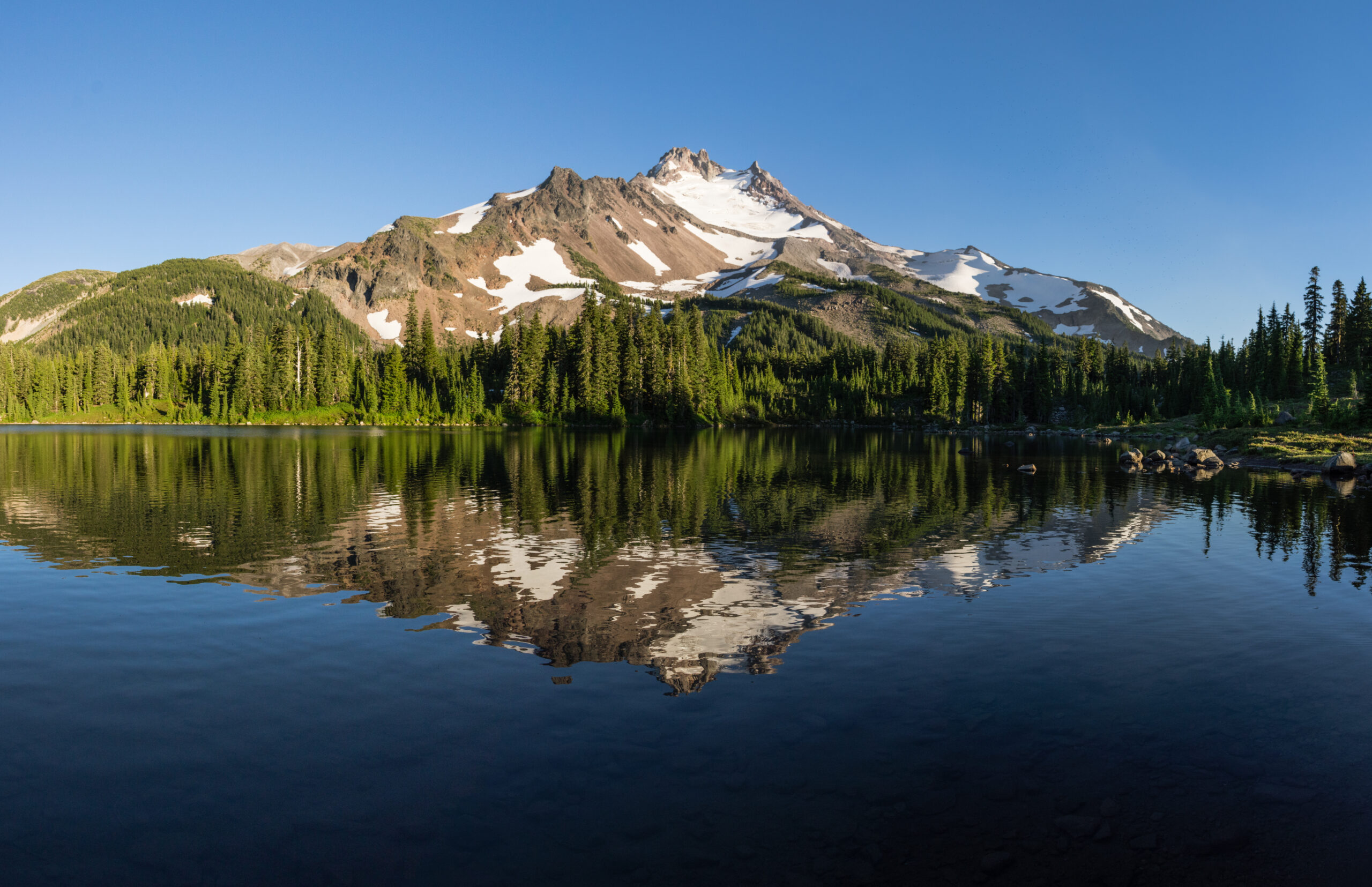
    Long-distance mountain trail during clear summer hiking conditions
    Snow · heat · monsoon · daylight · wildfire · seasonal timing

    Best Time to Thru-Hike: A Trail-by-Trail Seasonal Guide

    The right thru-hiking start date is rarely the day with the nicest weather at the trailhead. It is the date that lets you move through every climate zone before the next seasonal hazard closes the window. Snowpack, desert heat, monsoon, wildfire, daylight and autumn storms all matter more than the calendar alone.

    northern + southern hemisphere official timing guidance 10 major routes month-by-month comparison
    The short answer

    The Best Season Depends on What the Trail Is Trying to Do to You.

    On the PCT, the challenge is fitting desert heat, mountain snow and the northern autumn into one season. On the Appalachian Trail, spring start timing affects cold, crowds and whether you reach Maine before severe autumn weather.

    In the Alps, the limiting factor may be lingering snow and seasonal transportation. In Nepal it is the relationship between high passes and the monsoon. In New Zealand the calendar reverses because the warmest months fall around December through February.

    A useful seasonal guide therefore starts with the trail’s main hazard, then works backward to the start date.

    The four-question timing test

    1. When does snow stop controlling the high terrain?

    2. When does heat, monsoon or wildfire become the next major problem?

    3. How long will your pace require to reach the final difficult region?

    4. What annual conditions could make this year different from the average?

    PCT NOBO start Mid-Apr–Early May PCTA general guidance
    A.T. lower-crowd window Apr 15–Early May ATC guidance
    Lechweg full route Mid-Jun–Early Oct snow controls opening
    Annapurna seasons Mar–May / Sep–Nov Nepal Tourism Board
    The year at a glance

    Long-Distance Hiking Seasonal Calendar

    Green marks the strongest general window, gold a workable shoulder period and red a season that usually adds significant environmental or logistical complications. Actual conditions always override the chart.

    TrailJanFebMarAprMayJunJulAugSepOctNovDec
    PCT thru-hike
    United States
    SnowSnowEarlyNOBONOBOSierraSOBONorthFinishSnowWinterWinter
    Appalachian Trail
    United States
    WinterEarlyNOBONOBONOBOSOBOSOBOTrailFinishLateColdWinter
    Continental Divide Trail
    United States
    WinterWinterEarlyNOBONOBOSnowSOBOTrailTrailFinishWinterWinter
    West Highland Way
    Scotland
    WinterWinterCoolSpringPeakLong daysBusyMidgesAutumnCoolShort daysWinter
    Great Glen Way
    Scotland
    WinterWinterCoolSpringSpringLong daysSummerSummerAutumnCoolShort daysWinter
    Cotswold Way
    England
    OpenOpenSpringSpringSpringSummerSummerSummerAutumnAutumnOpenOpen
    Lechweg
    Austria / Germany
    SnowSnowSnowSnowLower routeOpeningPeakPeakStrongEarly OctLower onlyWinter
    Camino Francés
    Spain
    ColdColdSpringSpringSpringWarmHotHotAutumnAutumnCoolCold
    Annapurna Circuit
    Nepal
    WinterLate winterSpringSpringSpringMonsoonMonsoonMonsoonAutumnAutumnAutumnWinter
    Queen Charlotte Track
    New Zealand
    SummerSummerAutumnAutumnCoolWinterWinterWinterSpringSpringSpringSummer
    This is a planning calendar, not a conditions report. Snowpack, wildfire, flooding, storms, road closures and trail damage can move the useful window by weeks. Check current conditions immediately before committing to a start date.
    Why timing is complicated

    Four Seasonal Hazards Control Most Long Trails

    The ideal start usually sits between hazards rather than directly in the middle of the nicest weather.

    Snow

    Too Early

    Lingering mountain snow can turn an ordinary trail into steep snow travel, obscure the route and increase stream-crossing hazards during melt.

    Heat

    Too Late in the Desert

    Waiting for every mountain to become snow-free can push desert or lower-elevation terrain into dangerous heat.

    Rain

    Monsoon or Wet Season

    Tropical and Himalayan routes can shift from dry walking to flooded, muddy or cloud-obscured conditions during seasonal rains.

    Autumn

    The Finish Deadline

    Northern mountain ranges eventually return to snow, shorter daylight and colder storms. Your finish date can be as important as the start.

    High mountain trail extending through changing seasonal terrain
    Think beyond the trailhead

    Your Start Date Should Be Chosen for the Hardest Region You Have Not Reached Yet.

    PCT hikers starting near Mexico are already planning for Sierra snow hundreds of miles north. Appalachian Trail hikers in Georgia must still think about reaching Maine before late-season weather closes the window. Long-distance timing is a moving equation.

    Trail by trail

    When to Start the World’s Major Long Trails

    These windows are broad planning anchors. Use current snow, weather, fire, access and trail alerts to choose the actual date.

    PCT northbound Mid-April to Early May Southbound: late June–early July

    Pacific Crest Trail

    desert heat Sierra snow wildfire autumn snow

    PCTA says most northbound thru-hikers begin in mid-April through early May. Starting too early can create dangerous snow travel in Southern California and push hikers into a deeply snow-covered Sierra. Starting too late increases exposure to Southern California heat and compresses the northern finish window.

    Southbound hikers generally start from late June through early July, when Washington snowpack and high mountain terrain become more manageable.

    A.T. northbound March to Early May Less-crowded optimum: Apr 15–early May

    Appalachian Trail

    early cold spring crowds summer humidity Maine deadline

    Most traditional northbound hikers start in March or early April. ATC says hikers who want to reduce winter conditions and crowding should consider the window from April 15 through the first week of May.

    The other end of the equation is Katahdin. ATC recommends planning to finish before October 15 because severe weather becomes increasingly likely in Maine.

    CDT Spring NOBO / Summer SOBO Annual snow controls exact timing

    Continental Divide Trail

    New Mexico heat Colorado snow Glacier access 5–7 months

    The CDT does not fit neatly into one permanent start-date rule. CDTC’s Trail Days in Silver City occur in late April and mark the opening of the northbound hiking season. Northbound timing then revolves around reaching Colorado after enough high-elevation snow has melted.

    Southbound planning depends strongly on northern snowpack and access in Glacier National Park. Many backcountry sites and services do not reach their summer operating pattern until June or July.

    Europe

    Britain Offers Long Seasons. The Alps Have a Much Tighter Window.

    Low and moderate elevation routes can be usable for much of the year. Alpine routes remain far more dependent on snow and seasonal transport.

    Scotland

    West Highland Way

    The official route says May is the most popular month, while spring and autumn are especially beautiful. The trail can be walked at any time of year, but winter means shorter daylight and more demanding weather.

    Strong general window: April through September, with May particularly popular.

    Scotland

    Great Glen Way

    Scotland’s Great Trails notes that April through September provides at least roughly 12 hours of daylight. The route’s lower elevations give it a broader usable season than high Alpine trails.

    Strong general window: April through September.

    England

    Cotswold Way

    The National Trail is officially open all year. Spring through autumn generally provides the longest daylight and easiest walking conditions, but there is no fixed opening or closing season.

    Strong general window: spring through autumn; winter remains possible.

    England

    Hadrian’s Wall Path

    The route can be walked beyond summer, but the grass-sward trail and exposed northern terrain are more vulnerable to wet winter conditions. Spring through early autumn gives longer daylight and simpler logistics.

    Strong general window: roughly May through September.

    Austria / Germany

    Lechweg

    The high start near Formarinsee makes this a genuine seasonal route. Official 2026 material lists the main season from mid-June to early October. In 2026 the entire trail opened June 18.

    Lower-elevation shortened versions can become usable earlier.

    Spain

    Camino Francés

    Spain’s official tourism guidance says the Camino can be walked year-round but is especially pleasant in spring and from September through October.

    Summer is possible, but heat makes early starts and avoiding the middle of the day increasingly important.
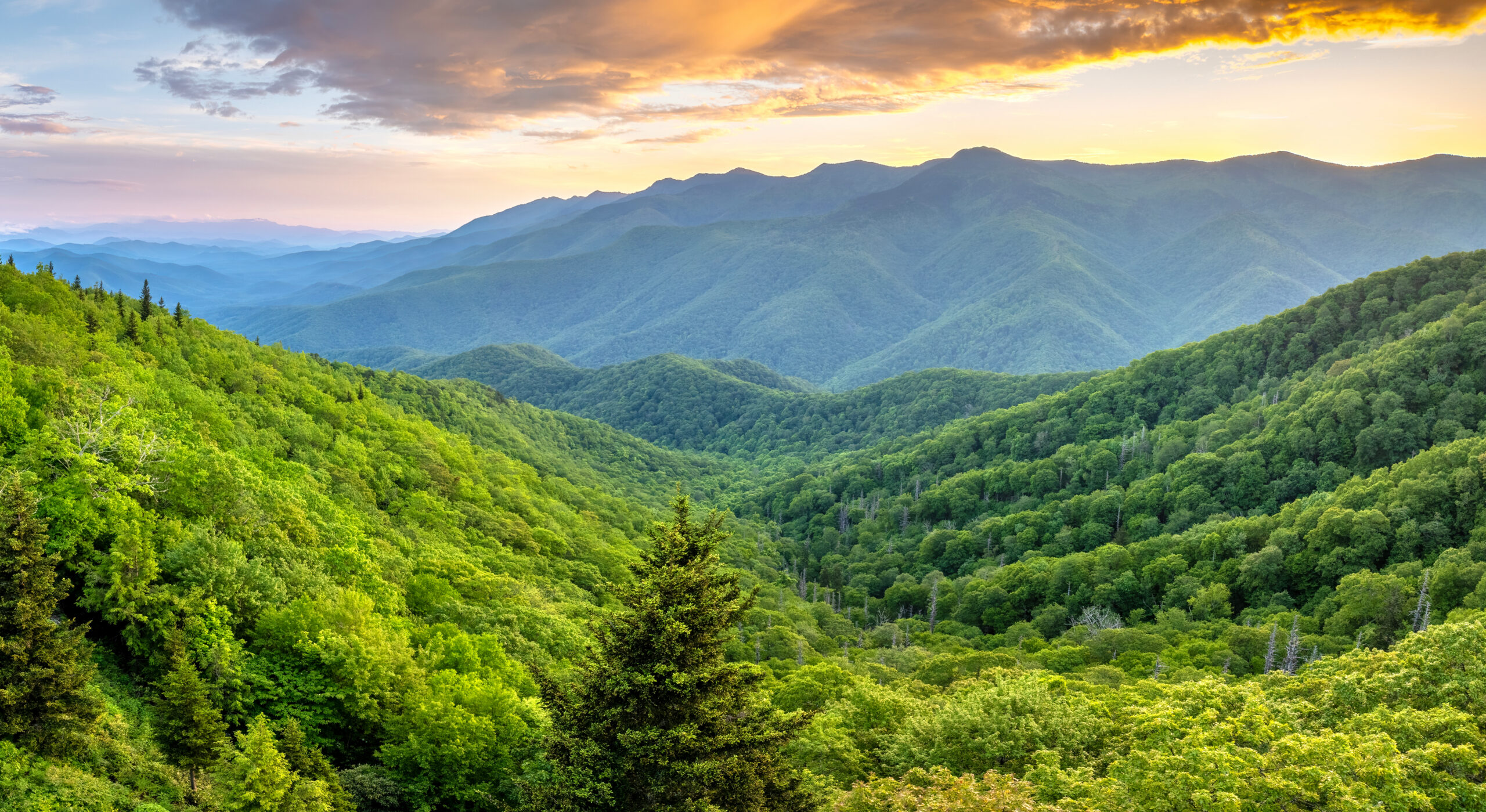
    Mountain ridges under changing clouds illustrating seasonal hiking weather
    The shoulder-season trade

    Fewer People Usually Means Giving Something Up.

    Earlier spring and later autumn can bring quieter trails and easier accommodation, but they may also mean colder nights, shorter daylight, closed services or snow at elevation. Crowd avoidance should be part of the timing decision—not the only timing decision.
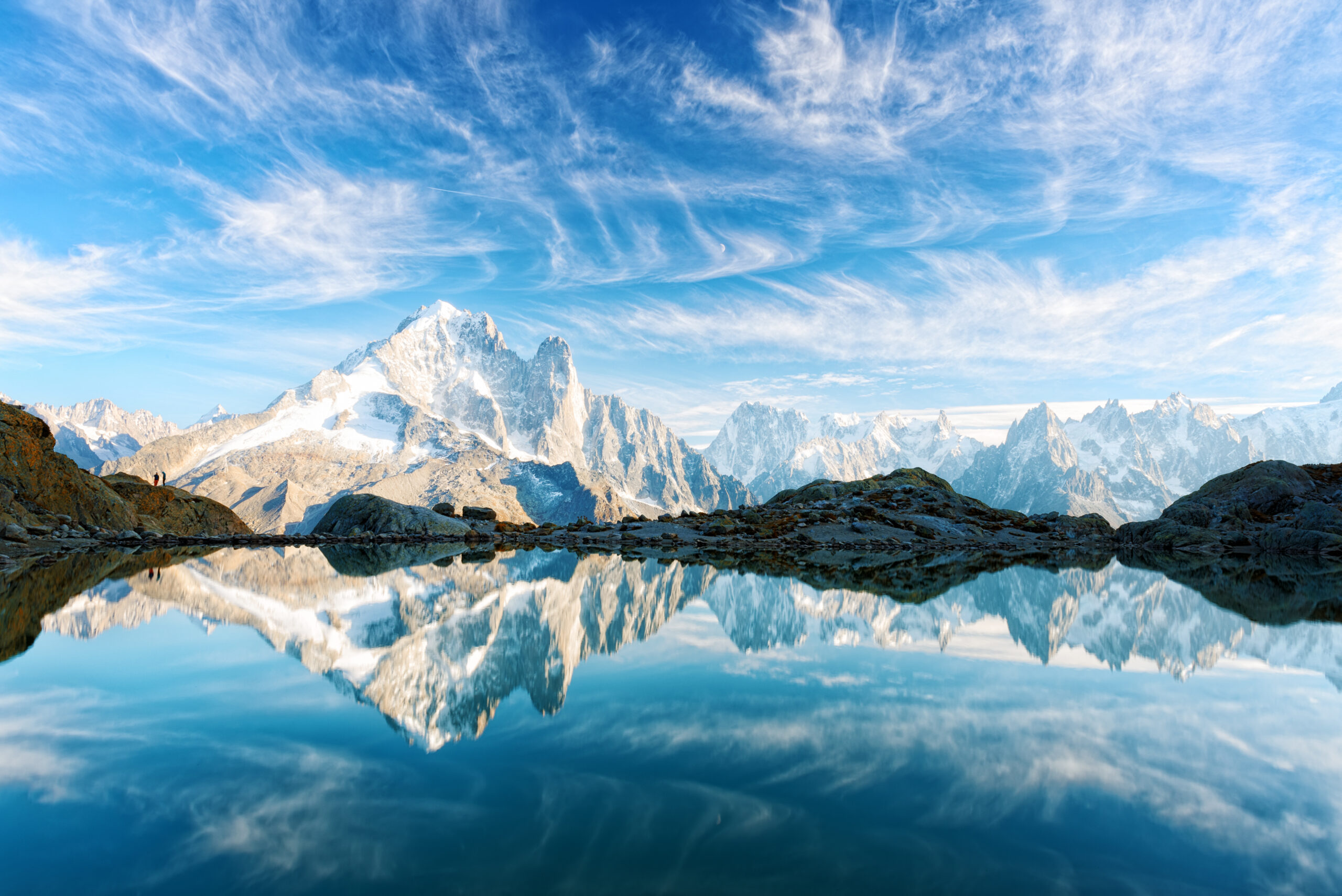
    High mountain landscape representing seasonal trekking in major mountain ranges
    Nepal

    Annapurna Has Two Primary Trekking Seasons.

    Nepal Tourism Board lists March through May and September through November as the best seasons for the Annapurna Conservation Area.

    Spring brings improving temperatures and rhododendron blooms. Autumn follows the monsoon and is associated with clearer mountain views and relatively stable weather.

    Winter can bring heavy snow to high passes, while summer monsoon affects much of the circuit. Parts of the upper Annapurna and Mustang region sit in a rain shadow, but that does not make the entire classic circuit a uniform monsoon-season route.

    Southern Hemisphere

    New Zealand Turns the Northern-Hemisphere Calendar Upside Down

    December, January and February are summer months. That makes New Zealand useful for hikers looking for long-distance walking during the northern winter.

    Queen Charlotte Track

    Warmest Conditions Around Summer

    New Zealand DOC describes Queen Charlotte Sound as generally warm and dry in summer, although coastal weather can change quickly at any time.

    Winter remains possible, but clay surfaces become particularly slippery when wet. Summer and the shoulder seasons generally provide a simpler first experience.

    Planning advantage

    A Second Hiking Season

    A northern-hemisphere hiker does not have to wait from October until April to walk. New Zealand, Patagonia and other southern routes create opportunities during December through March.

    Always translate the month into the local season before comparing trails across hemispheres.

    Direction changes the calendar

    Northbound and Southbound Are Different Seasonal Strategies

    Reversing direction changes which major hazard arrives first and which one becomes the deadline.

    PCT NOBO

    Desert First

    Start late enough to reduce early snow problems but early enough to cross Southern California before extreme heat dominates.

    PCT SOBO

    Washington First

    The hike cannot begin normally until enough northern mountain snow has melted for safe travel.

    A.T. NOBO

    Spring North

    Start too early and winter follows you through the southern Appalachians. Start too late and Maine becomes the deadline.

    A.T. SOBO

    Maine First

    Southbounders begin with remote and rugged terrain, making early-season conditioning and northern access part of the timing problem.

    Choose the month by the objective

    If Your Vacation Is Fixed, Reverse the Question

    Sometimes you cannot choose the trail first and then wait for its best month. Work, school and family may determine the month before the route.

    Available periodTrail styles to investigateMain seasonal question
    January–FebruaryQueen Charlotte Track and other Southern Hemisphere summer routes.Can you shift the trip south of the equator instead of forcing a northern winter trail?
    March–AprilCamino, Annapurna spring season, southern A.T. starts and lower European trails.How much winter remains at elevation?
    MayPCT starts, West Highland Way, Great Glen Way, Camino and Annapurna.Are snowpack and accommodation pressure manageable?
    JuneScottish routes, English National Trails, Lechweg as it opens and northern long trails.Has Alpine or northern mountain snow actually cleared?
    July–AugustHigh Alpine trails, Scotland, long northern sections and PCT/CDT SOBO itineraries.Are heat, crowds, insects or wildfire now more important than snow?
    SeptemberCamino, Scotland, Alps, Annapurna autumn season and many European trails.How quickly will daylight and high-mountain weather deteriorate?
    October–NovemberCamino, Annapurna, lower European routes and Southern Hemisphere spring.Is the high terrain still within its operating season?
    DecemberSouthern Hemisphere summer routes.Would New Zealand or another southern destination provide the better seasonal fit?
    Forested mountains under changing weather on a long-distance trail
    Weather beats averages

    The Calendar Tells You What Usually Happens. Conditions Tell You What Is Happening Now.

    A low-snow year and a heavy-snow year can create completely different start decisions on the same trail. Use the seasonal window to build the plan, then replace averages with current snow, weather, water, wildfire and closure information as departure approaches.

    World orientation

    Long-Distance Hiking Can Be a Year-Round Pursuit

    Move between hemispheres and elevations and there is almost always a major walking season somewhere in the world.

    North America Spring Through Autumn

    PCT, A.T. and CDT thru-hikes generally use the northern warm season, but each solves snow and heat differently.

    Europe Broad Lowland Season

    Britain and the Camino can have long walking seasons, while the Alps remain tightly controlled by snow.

    Himalaya Spring + Autumn

    Nepal’s classic trekking windows sit on either side of the summer monsoon.

    New Zealand Northern Winter Escape

    December through February is southern summer, creating a second annual hiking cycle.

    From season to exact date

    Do Not Choose the Exact Start Date Six Months Out and Stop Thinking.

    Reserve the broad travel window first. As the season approaches, replace historical assumptions with current information.

    Check snowpack, trail closures, wildfire status, water reports, transportation schedules and permit rules. Then ask whether your expected pace still reaches the next major climate zone at the right time.

    The strongest long-distance plan has enough flexibility to move a start several days—or sometimes several weeks—when conditions demand it.
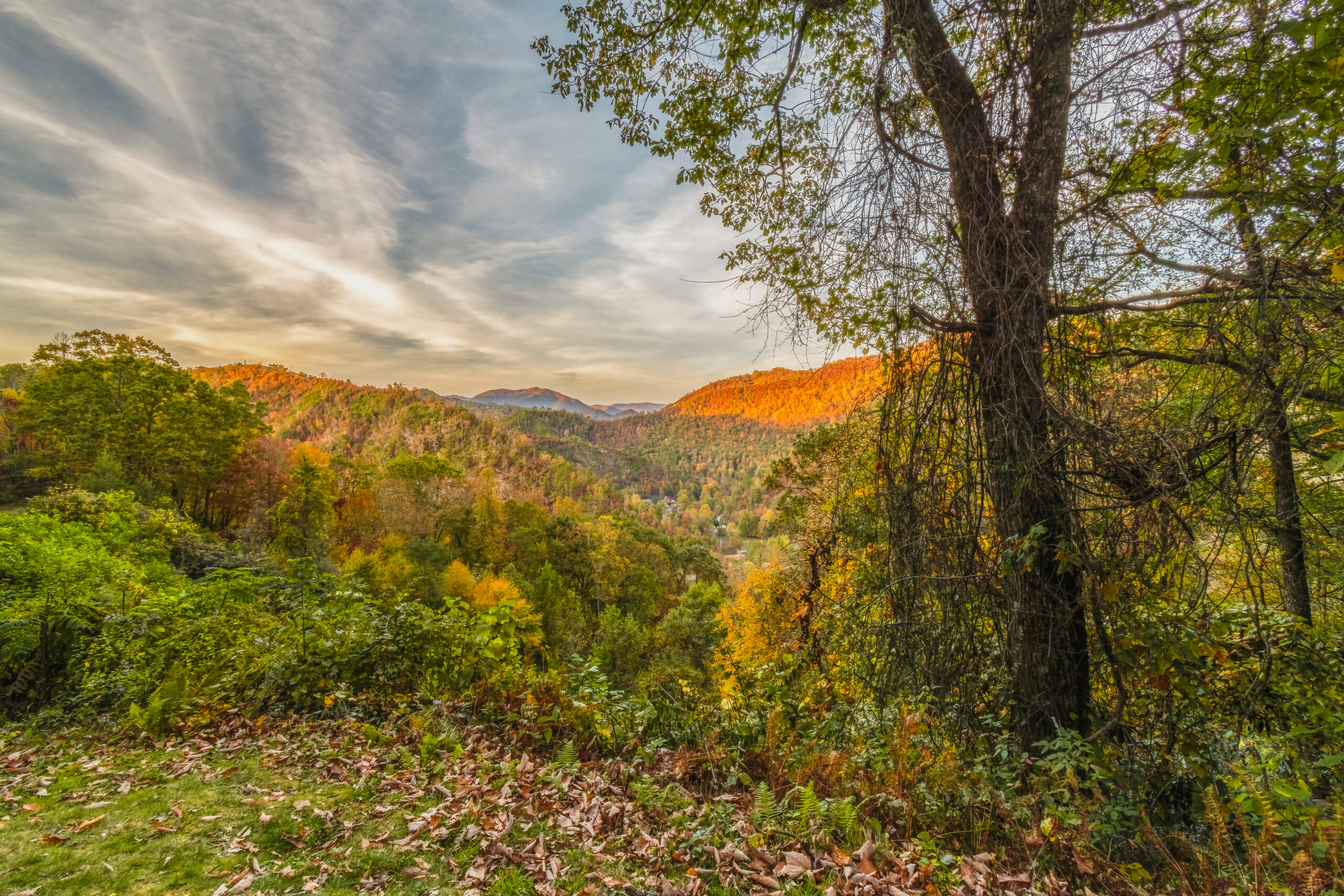
    Mountain sunset illustrating the importance of seasonal and daylight planning
    Season questions

    Best Time to Thru-Hike FAQ

    Use the month as the first filter. Use current conditions to make the final decision.

    What is the best month to start a thru-hike?

    There is no universal month. Major northern U.S. trails often begin during spring or early summer, Alpine routes peak in summer, Nepal favors spring and autumn, and New Zealand offers Southern Hemisphere summer hiking during December through February.

    When should I start the Pacific Crest Trail?

    PCTA says most northbound hikers start from mid-April through early May, while southbound hikers generally begin in late June through early July. Annual snow conditions can shift the practical window.

    When should I start the Appalachian Trail?

    Many traditional northbound hikers start in March or early April. ATC says April 15 through the first week of May provides an optimal window for reducing winter conditions and crowds, while hikers should still plan to reach Katahdin before October 15.

    When should I hike the Continental Divide Trail?

    Northbound hiking season generally begins in spring from New Mexico, while southbound hikers must wait for northern mountain access and snow conditions. Because the CDT crosses very high terrain, current snowpack is more useful than relying on one permanent date.

    What is the best season for the West Highland Way?

    The route can be walked throughout the year. Its official site says May is the most popular month and highlights spring and autumn as especially beautiful. Winter requires more conservative planning for daylight and weather.

    When is the best time for the Camino?

    Spain’s official tourism guidance says spring and September through October are especially pleasant. Summer is also possible, but midday heat can become a major issue.

    When is the best time for the Annapurna Circuit?

    Nepal Tourism Board lists March through May and September through November as the principal seasons for the Annapurna Conservation Area. Winter snow can affect high passes, while summer overlaps with monsoon conditions across much of the region.

    Should I choose my start date based on historical weather?

    Use historical seasons to select the broad window, then use current snowpack, forecasts, water reports, closures, fire information and access updates to select the exact date.

    Turn the season into a trail plan

    Timing Connects Every Long-Distance Hiking Decision.

    Once you know the usable season, connect the calendar to trail choice, hiking direction, budget, gear and the amount of continuous time you actually have.
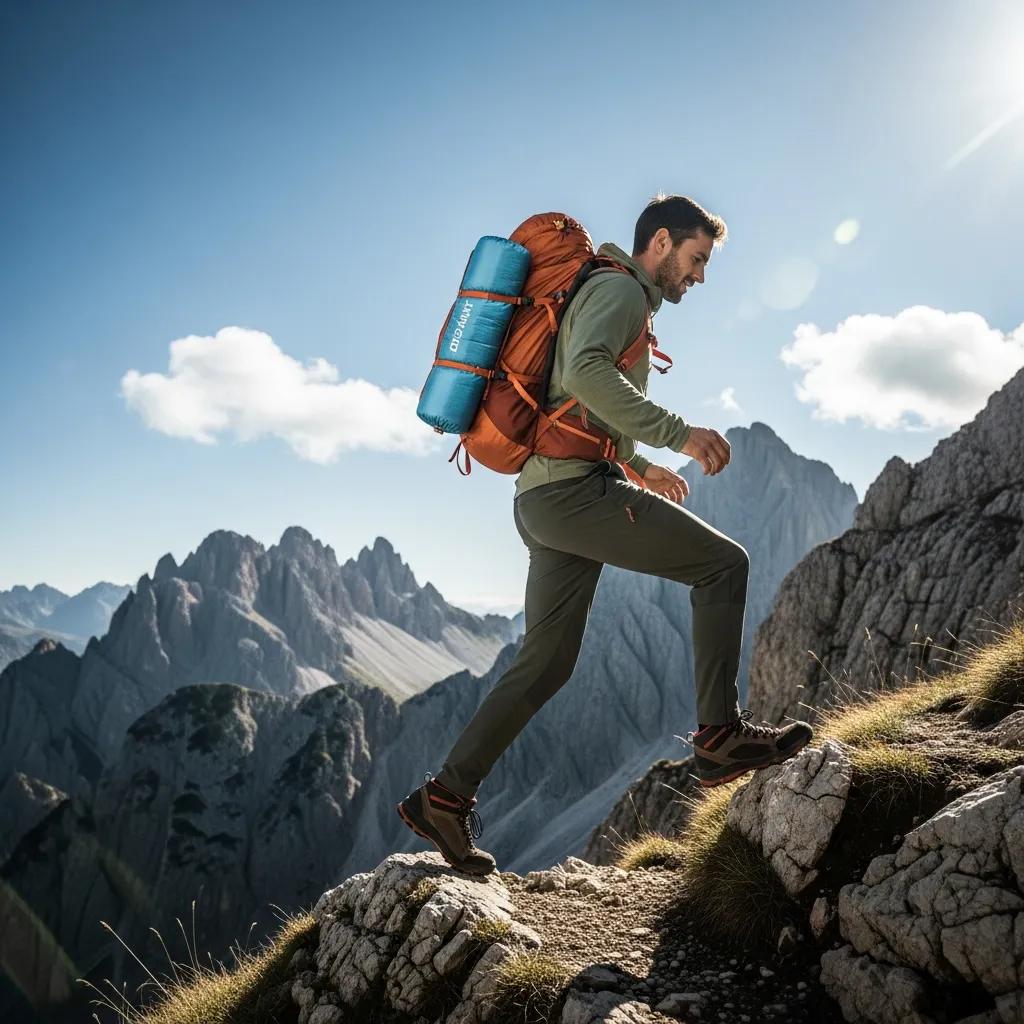
    Long-distance hiker moving through a mountain landscape during a favorable hiking season
    The calendar is part of the route

    Do Not Just Ask When the Trail Is Beautiful. Ask When the Whole Journey Works.

    The best start date balances the obstacle behind you with the obstacle still hundreds of miles ahead. Choose the broad season from historical patterns. Choose the exact day from current conditions. Then keep enough flexibility to change the plan when the mountains disagree with the calendar.

    Was this helpful?

    Yes
    No
    Thanks for your feedback!
  • Trekking in Nepal: The 10 Best Routes for Every Level

    Trekking in Nepal: The 10 Best Routes for Every Level (2026) | Global Summit Guide
    Cluster 04 · Non-Technical Treks · Updated April 2026

    Trekking in Nepal: The 10 Best Routes for Every Level

    The definitive 2026 ranked list of Nepal’s finest trekking routes — from the beginner-friendly Poon Hill loop to the demanding Three Passes circuit. Detailed profiles of each route, difficulty tiers, permit requirements, and the progression path from first-time trekkers to experienced Himalayan adventurers.

    10
    Ranked
    routes
    4–26
    Trek duration
    days
    10.5K–18.2K
    Altitude
    range (ft)
    $400–5.5K
    Cost
    range
    Global Summit Guide A guide in Cluster 04 · Non-Technical Treks View master hub →

    Nepal is the undisputed capital of high-altitude trekking — home to eight of the world’s fourteen 8,000-meter peaks and thousands of kilometers of established trails. The country offers routes for every skill level, from 4-day beginner hikes that deliver breathtaking Himalayan views with minimal altitude to 26-day expedition treks through restricted areas that few travelers ever see. This ranked list covers Nepal’s 10 finest treks, ordered by overall hiking experience — combining scenery, cultural immersion, accessibility, and the distinctive character each route offers. We’ve tiered by difficulty so you can find your match whether you’re planning a first Himalayan trek or returning for something more ambitious.

    ⊛
    How we ranked these treks

    Ranking weighs five factors equally: scenic reward (mountain views and trail aesthetics), cultural depth (village immersion and regional heritage), accessibility (logistics and trail infrastructure), iconic status (Nepal’s trekking community recognition), and challenge balance (reasonable effort for reward). Data verified against Nepal Tourism Board records and Nepal Mountaineering Association route documentation. Trek statistics confirmed with Kathmandu-based operators including Nepal Hiking Team, Himalayan Glacier, and Everest Trekking Guide (2026 rates). Altitude protocols reference Himalayan Rescue Association guidelines. Reviewed by Nepali guides with current Himalayan trekking experience. Fact-check date: April 19, 2026.

    Before the List: Understanding Nepal’s Trekking Regions

    Nepal’s trekking geography divides into five main regions, each with distinct characteristics. Knowing the regions helps match your preferences:

    Nepal’s five major trekking regions

    • Everest region (Sagarmatha National Park): The iconic region. High-altitude routes including EBC, Three Passes, Gokyo. Accessed via Lukla flight from Kathmandu. Sherpa culture, dramatic glaciated peaks.
    • Annapurna region (Annapurna Conservation Area): The most diverse region. Multiple routes from beginner to expert — Poon Hill, Annapurna Base Camp, Annapurna Circuit, Mardi Himal. Accessed via overland drive from Pokhara. Variety of cultures and ecosystems.
    • Langtang region (Langtang National Park): Close to Kathmandu (7-hour drive). Less crowded alternative to Everest/Annapurna. Tamang and Sherpa cultures. Moderate altitudes.
    • Manaslu region (Manaslu Conservation Area): Growing popularity as alternative to Annapurna Circuit. Requires special permits. Remote character, Tibetan Buddhist influence.
    • Restricted areas (Upper Mustang, Upper Dolpo, Kanchenjunga): Special permit required. Remote, culturally distinct, often rain-shadow ecosystems. Expedition-style trekking.

    How to work through the list

    • First-time Nepal trekkers: Start with #10 (Poon Hill) or #9 (Mardi Himal) for manageable introduction.
    • Experienced hikers new to Nepal: Jump in at #7-6 (Langtang, Annapurna Base Camp) for solid moderate-difficulty options.
    • Returning trekkers: Consider higher-ranked treks you haven’t done — Manaslu (#4), Gokyo Lakes (#3), or the iconic #1.
    • Expedition-style seekers: Target the Three Passes (#2) or restricted areas (Upper Dolpo #6).
    • Fitness progression: Don’t jump more than 3-4 rank spots without prior similar experience.

    The Ranking: Counting Down from 10 to 1

    Rank
    10
    of 10
    Beginner

    Ghorepani Poon Hill

    Annapurna region · Classic beginner trek · 4-5 days
    10,531 ft
    High point

    Poon Hill earns #10 as Nepal’s definitive beginner trek — a short circuit in the Annapurna foothills that delivers stunning Himalayan sunrise views without requiring serious altitude or fitness. The route climbs through rhododendron forests (spectacular in spring) to the viewpoint at Poon Hill, offering panoramic views of Dhaulagiri, Annapurna South, Machapuchare, and Hiunchuli.

    Why it ranks: Accessibility without compromise. 4-5 days is short enough for constrained schedules. Max altitude of 10,531 ft minimizes AMS risk. Gurung villages like Ghandruk provide authentic cultural immersion. Well-maintained stone steps make it achievable for reasonably fit hikers without technical experience. Accessed via overland drive from Pokhara — no flight delays. Perfect introduction to Nepal trekking.

    Duration4-5 days
    Distance~32 km
    Cost$400-$700
    AccessPokhara
    No altitude issues Rhododendron blooms Beginner-friendly
    Rank
    9
    of 10
    Beginner+

    Mardi Himal Trek

    Annapurna region · Emerging alternative · 4-5 days
    14,764 ft
    High point

    Mardi Himal earns #9 as the quieter alternative to Poon Hill. A relatively new trek (only widely known since 2012), Mardi Himal climbs a previously unused ridge to a dramatic viewpoint below Mardi Himal peak at 14,764 ft. Close-up views of Machapuchare (Fishtail) are extraordinary.

    Why it ranks here: Higher altitude and more dramatic scenery than Poon Hill in similar timeframe. Less crowded than neighboring Annapurna routes. Views of Annapurna South, Hiunchuli, Mardi Himal, and Machapuchare. Requires slightly more altitude tolerance than Poon Hill — max elevation meaningful. Best for beginners wanting something beyond Poon Hill but not yet ready for longer treks. Accessed from Pokhara.

    Duration4-5 days
    Distance~40 km
    Cost$500-$800
    AccessPokhara
    Quieter alternative Machapuchare views Spring wildflowers
    Rank
    8
    of 10
    Moderate

    Langtang Valley Trek

    Langtang region · Less crowded · 7-10 days
    12,780 ft
    High point

    Langtang Valley earns #8 as Nepal’s most underrated major trek. Located closer to Kathmandu than Everest or Annapurna (7-hour drive), Langtang sees far fewer trekkers despite offering comparable scenery. The trek passes through Tamang villages, yak pastures, and culminates at Kyanjin Gompa monastery with options to climb Tserko Ri (15,912 ft) for panoramic views.

    Why it ranks well: Authentic Himalayan trekking experience without the crowds. Strong cultural component — Langtang was historically part of the Tamang kingdom with Tibetan Buddhist heritage. 2015 earthquake devastation has rebuilt into resilient community. Lower altitude than EBC makes it more accessible. Yala Peak climbing options for advanced trekkers. No flight required. Excellent for returning visitors who’ve done EBC or Annapurna and want something different.

    Duration7-10 days
    Distance~65 km
    Cost$600-$1,200
    AccessKathmandu drive
    Less crowded Tamang culture No flight needed
    Rank
    7
    of 10
    Moderate

    Annapurna Base Camp (ABC)

    Annapurna region · Sanctuary trek · 7-11 days
    13,550 ft
    Base Camp

    Annapurna Base Camp earns #7 as the classic Annapurna trek with dramatic amphitheater views. The trek enters the Annapurna Sanctuary — a natural amphitheater surrounded by 7,000-8,000 m peaks including Annapurna I (26,545 ft), Annapurna South, Machapuchare, and Hiunchuli. Base Camp sits at 13,550 ft surrounded by glaciers on three sides.

    Why it ranks: Best balance of accessibility and dramatic scenery in Nepal. Shorter than EBC (7-11 days vs 12-14). Lower maximum elevation makes altitude issues less severe. The enclosed sanctuary creates a unique sense of being inside the mountains rather than below them. Multiple approach options including combinations with Poon Hill. Gurung village stops like Chomrong and Deurali enrich the cultural experience.

    Duration7-11 days
    Distance~70 km
    Cost$700-$1,500
    AccessPokhara
    Sanctuary amphitheater Combines with Poon Hill Classic choice
    Rank
    6
    of 10
    Expert

    Upper Dolpo Trek

    Restricted area · Remote expedition · 20-26 days
    17,388 ft
    High point

    Upper Dolpo earns #6 as Nepal’s most remote and culturally preserved trekking region. Closed to foreigners until 1989, Upper Dolpo remains one of the most authentic Tibetan Buddhist cultures in the world — preserved by geographic isolation behind the Dhaulagiri and Annapurna ranges. The trek visits the turquoise Phoksundo Lake (12,580 ft), traverses high passes, and reaches the Shey Gompa monastery.

    Why it ranks here despite remoteness: An expedition that rivals anything in the Himalayas for cultural preservation and landscape uniqueness. Rain-shadow location means trekking possible June-September when monsoon floods other regions. Inspired Peter Matthiessen’s classic book The Snow Leopard. Requires $500 special permit for first 10 days, $50 per additional day. Camping trek — no teahouse infrastructure. 20-26 days total commitment. Reserved for experienced trekkers seeking the ultimate remote Himalayan experience.

    Duration20-26 days
    Distance~280 km
    Cost$3,500-$5,500
    Permit$500+
    Restricted area Camping expedition Tibetan Buddhist culture
    Rank
    5
    of 10
    Expert

    Upper Mustang Trek

    Restricted area · Tibetan plateau · 12-14 days
    12,530 ft
    High point

    Upper Mustang earns #5 as the former Kingdom of Lo — a medieval Tibetan Buddhist culture preserved in the rain-shadow of the Himalayas. The walled capital Lo Manthang sits at 12,530 ft, surrounded by painted caves, ancient monasteries, and stunning eroded rock formations. The region was closed to foreigners until 1992 and still requires a $500 special permit.

    Why it ranks highly: Like stepping into 15th-century Tibet. The Tibetan Buddhist culture survives essentially intact due to geographic isolation and permit restrictions. Desert landscapes contrast dramatically with Nepal’s typical green trekking regions. Rain-shadow location means trekking viable in monsoon months (June-August) when other regions flood. Lower elevation than expedition-level treks but remoteness and cultural significance earn high ranking. 12-14 days typical, drive from Pokhara to Jomsom then trek.

    Duration12-14 days
    Distance~140 km
    Cost$2,000-$4,000
    Permit$500+
    Restricted area Tibetan culture Rain-shadow trek
    Rank
    4
    of 10
    Strenuous

    Manaslu Circuit Trek

    Manaslu region · Alternative to Annapurna Circuit · 14-16 days
    16,752 ft
    Larkya La pass

    Manaslu Circuit earns #4 as the finest alternative to the Annapurna Circuit. The trek circumnavigates Mount Manaslu (26,781 ft), Nepal’s 8th highest peak, crossing the dramatic Larkya La pass at 16,752 ft. The route passes through Nubri and Tsum valleys with strong Tibetan Buddhist heritage and increasingly popular teahouse infrastructure.

    Why it ranks above Annapurna Circuit: Manaslu offers the classic Annapurna Circuit experience with fewer crowds and more authentic cultural preservation. Road construction has impacted parts of Annapurna Circuit but Manaslu remains trekker-focused. Required special permit ($100/week in high season, $75/week low season) preserves the experience. Larkya La pass crossing is comparable to Annapurna’s Thorong La. Rising popularity means book accommodations in advance. For serious trekkers who want iconic Himalayan circuit without the crowds.

    Duration14-16 days
    Distance~180 km
    Cost$1,200-$2,500
    Permit$100/week
    Annapurna alternative Restricted area Larkya La pass
    Rank
    3
    of 10
    Strenuous

    Gokyo Lakes Trek

    Everest region · Sacred turquoise lakes · 12-14 days
    17,575 ft
    Gokyo Ri

    Gokyo Lakes earns #3 as the Everest region’s stunning alternative or complement to EBC. The trek follows the same Lukla flight start as EBC but branches west into the Gokyo Valley, reaching a series of six sacred turquoise lakes at 15,450-16,100 ft. The climax is the ascent of Gokyo Ri (17,575 ft) for arguably the best panoramic view in the Himalayas — visible from here are four of the world’s six highest peaks: Everest, Lhotse, Makalu, and Cho Oyu.

    Why it ranks this high: The panorama from Gokyo Ri is superior to Kala Patthar’s view — four 8,000 m peaks visible simultaneously rather than one. Ngozumpa Glacier (Nepal’s longest) crossing is dramatic. Six sacred lakes provide unique scenery. Can be combined with EBC as part of the Three Passes trek. Less crowded than direct EBC route. Similar duration and cost to EBC. Strong option for climbers returning to Everest region wanting something beyond the standard trek.

    Duration12-14 days
    Distance~90 km
    Cost$1,200-$2,000
    AccessLukla flight
    4 x 8,000m peaks Sacred lakes EBC alternative
    Rank
    2
    of 10
    Expert

    Annapurna Circuit Trek

    Annapurna region · Classic circumnavigation · 15-20 days
    17,769 ft
    Thorong La pass

    Annapurna Circuit earns #2 as one of the world’s greatest trekking routes — a 15-20 day circumnavigation of the Annapurna massif that crosses the dramatic Thorong La pass at 17,769 ft. The Circuit passes through some of the most diverse landscapes on Earth: subtropical valleys, rhododendron forests, alpine meadows, high desert (in Manang), and the arid rain-shadow of Mustang.

    Why #2 and not #1: Road construction has impacted sections of the Circuit, reducing some of the trekking experience. However, the Thorong La crossing, cultural diversity (Hindu, Tibetan Buddhist, and unique mountain communities), landscape variety, and historical trekking significance keep Annapurna Circuit near the top. Natural hot springs at Tatopani provide welcome recovery. Muktinath pilgrimage site is both Hindu and Buddhist sacred. Can be combined with Jomsom-Poon Hill extensions. The classic Himalayan circuit that introduced Nepal to mass trekking.

    Duration15-20 days
    Distance~200 km
    Cost$900-$2,500
    AccessOverland drive
    Thorong La pass Landscape variety Hot springs
    Rank
    1
    of 10
    Strenuous

    Everest Base Camp (EBC) Trek

    Everest region · Nepal’s iconic trek · 12-14 days
    18,209 ft
    Kala Patthar

    Everest Base Camp takes #1 as Nepal’s most iconic trek and the world’s most famous high-altitude hike. Walking to the base of the world’s highest mountain through the Khumbu Valley, past ancient Buddhist monasteries and Sherpa villages, to Kala Patthar’s 18,209 ft viewpoint offers an experience no other trek can replicate. 40,000-50,000 trekkers per year can’t all be wrong.

    What makes EBC the #1: The combination of iconic status, accessible difficulty, genuine altitude experience, and rich Sherpa cultural heritage makes EBC a bucket-list completion with lasting significance. The Lukla flight adventure, Namche Bazaar’s amphitheater, Tengboche Monastery, Dughla Pass memorials, and the Kala Patthar sunrise view combine into Nepal’s definitive trekking experience. At 12-14 days and $1,500-$3,500, it’s achievable for reasonably fit trekkers with proper preparation. The complete detailed guide: See our dedicated EBC Trek guide for comprehensive itinerary, costs, and planning. This is the trek that inspires more lifetime Himalayan adventures than any other.

    Duration12-14 days
    Distance~130 km
    Cost$1,200-$3,500
    AccessLukla flight
    Iconic bucket-list Kala Patthar view Sherpa culture

    Honorable Mention: Three Passes EBC

    One additional route deserves special mention as the ultimate Everest region experience:

    Honor
    ★
    mention
    Expert

    Three Passes EBC Trek

    Everest region · Combining EBC + Gokyo + 3 high passes · 18-21 days
    18,209 ft
    Kala Patthar

    The Three Passes trek is the ultimate Everest region experience — combining EBC, Gokyo Lakes, and crossings of three 17,000+ ft passes (Kongma La, Cho La, Renjo La) into an 18-21 day expedition. Reserved for experienced trekkers with strong fitness and prior altitude experience.

    Why it’s an honorable mention rather than ranked: Three Passes is essentially an extended EBC experience rather than a standalone trek. Most trekkers who do Three Passes have already done EBC. For those seeking the definitive Khumbu experience, Three Passes represents the apex challenge. See our related Everest region guides for more details.

    Duration18-21 days
    Distance~170 km
    Cost$1,500-$3,500
    AccessLukla flight
    3 x 17,000+ ft passes EBC + Gokyo combined Apex Khumbu trek

    Nepal Treks Quick Comparison

    RankTrekMax ElevDaysDifficultyCost
    1Everest Base Camp18,209 ft12-14Strenuous$1,200-$3,500
    2Annapurna Circuit17,769 ft15-20Expert$900-$2,500
    3Gokyo Lakes17,575 ft12-14Strenuous$1,200-$2,000
    4Manaslu Circuit16,752 ft14-16Strenuous$1,200-$2,500
    5Upper Mustang12,530 ft12-14Expert$2,000-$4,000
    6Upper Dolpo17,388 ft20-26Expert$3,500-$5,500
    7Annapurna Base Camp13,550 ft7-11Moderate$700-$1,500
    8Langtang Valley12,780 ft7-10Moderate$600-$1,200
    9Mardi Himal14,764 ft4-5Moderate$500-$800
    10Ghorepani Poon Hill10,531 ft4-5Beginner$400-$700
    â–²
    Don’t skip difficulty tiers

    The ranking represents a progression of skill and commitment. Attempting Manaslu Circuit or Upper Mustang as your first Nepal trek is risky — the altitude, duration, and wilderness demands require foundations built on easier treks. Recommended progression: complete at least one beginner/moderate trek (Poon Hill, Mardi Himal, Langtang, or ABC) before attempting expert-tier treks (Annapurna Circuit, Three Passes, Upper Dolpo, Manaslu). The Himalaya rewards preparation and punishes overconfidence. See our mountaineering for beginners guide for skill progression fundamentals.


    Nepal Trekking FAQ: Your Common Questions Answered

    What is the best trek in Nepal for beginners?

    The best beginner trek in Nepal is Ghorepani Poon Hill — a 4-5 day trek in the Annapurna region that delivers stunning Himalayan views with minimal altitude and moderate physical demands. Why Poon Hill is ideal: Maximum elevation 10,531 ft minimizes AMS risk. Duration only 4-5 days total. Daily hiking 4-6 hours on well-maintained trails. Stone steps throughout, well-marked paths. Abundant comfortable teahouse accommodation. Cost $400-$700 for complete guided trek including permits. Short drive from Pokhara — no flight required. Wider weather window than high-altitude treks. Other beginner-friendly treks: Annapurna Base Camp (7-11 days, 13,550 ft max), Langtang Valley (7-10 days, 12,780 ft max), Mardi Himal (4-5 days, 14,764 ft max), Khopra Ridge (5-6 days, 12,139 ft max). What makes beginner-friendly: Under 12,000 ft maximum elevation, under 7 days total, daily hiking under 6 hours, good teahouse infrastructure, reliable weather windows, moderate trail surface. Preparation: 2-3 months cardio training, weighted pack day hikes, broken-in hiking boots. Book guided tour — Nepal requires licensed guides since April 2023. Most first-time Nepal trekkers choose Poon Hill for the combination of Himalayan scenery and accessible difficulty.

    How hard is trekking in Nepal?

    Trekking difficulty in Nepal ranges dramatically from easy 4-day Poon Hill hikes to demanding 20+ day Upper Dolpo expeditions. Difficulty factors: altitude (8,000 ft to 20,000+ ft), duration (4 days minimum to 3+ weeks), technical demands (mostly non-technical), trail conditions, teahouse availability. BEGINNER: Ghorepani Poon Hill (4-5 days, 10,531 ft), Mardi Himal (4-5 days, 14,764 ft), Khopra Ridge (5-6 days, 12,139 ft). MODERATE: Annapurna Base Camp (7-11 days, 13,550 ft), Langtang Valley (7-10 days, 12,780 ft), Everest Base Camp (12-14 days, 18,209 ft). DEMANDING: Annapurna Circuit (15-20 days, 17,769 ft at Thorong La), Manaslu Circuit (14-16 days, 16,752 ft at Larkya La), Gokyo Lakes (12-14 days, 17,575 ft). EXPERT: Three Passes EBC (18-21 days, 18,209 ft with three 17,000+ ft passes), Upper Mustang (12-14 days, restricted area, 12,530 ft), Upper Dolpo (20-26 days, 17,388 ft, remote expedition). Key considerations: All Nepal treks require licensed guides since April 2023. Altitude is biggest factor. Weather conditions dramatically change difficulty. Individual fitness, altitude response, prior experience all affect perceived difficulty. For first-time Nepal trekkers, Poon Hill or Annapurna Base Camp offer best introduction.

    When is the best time to trek in Nepal?

    The best time to trek in Nepal is March-May (pre-monsoon spring) and September-November (post-monsoon autumn), with October being the single most popular month. Monthly breakdown: December-February winter, very cold at altitude, high-altitude teahouses may close. March early spring, snow clearing from passes. April peak spring trekking, rhododendrons in bloom. May late spring, warmer. June-August monsoon, heavy rain, leeches, slippery trails, cloudy mountains — NOT recommended except for rain-shadow treks (Upper Mustang, Upper Dolpo). September post-monsoon begins, clearing skies. October PEAK month, clearest atmospheric conditions of year, moderate temperatures, largest crowds. November excellent late autumn conditions, colder but fewer crowds. Regional considerations: Everest region (EBC, Three Passes, Gokyo) October-November optimal. Annapurna region (Circuit, ABC, Poon Hill) April or October best. Langtang region April-May or October-November. Manaslu region September-October ideal. Upper Mustang/Dolpo can trek June-September due to rain-shadow location behind Himalayas. October premium pricing, April combines blooms with better availability, November offers quietest conditions during prime weather.

    What is the most popular trek in Nepal?

    The Everest Base Camp (EBC) trek is Nepal’s most popular trek, attracting 40,000-50,000 trekkers annually, followed closely by Annapurna Circuit and Annapurna Base Camp routes. Top 5 most popular by annual trekkers: Everest Base Camp ~40,000-50,000 annually — iconic high-altitude trek, 12-14 days, 18,209 ft Kala Patthar peak. Annapurna Circuit ~30,000-40,000 annually — classic 15-20 day circumnavigation including Thorong La pass at 17,769 ft. Annapurna Base Camp ~25,000-30,000 annually — 7-11 day trek to base of Annapurna I at 13,550 ft. Ghorepani Poon Hill ~20,000-25,000 annually — short 4-5 day beginner-friendly trek at 10,531 ft. Langtang Valley ~10,000-15,000 annually — less-crowded alternative to Everest/Annapurna regions. Why these dominate: Infrastructure of teahouses every few hours. Iconic scenery. Accessibility close to Kathmandu or Pokhara. Guide services widely available. Cultural significance. Lesser-known alternatives worth considering: Three Passes EBC (harder variant), Manaslu Circuit (growing popularity), Upper Mustang (restricted permit area), Gokyo Lakes (Everest region alternative with turquoise lakes). Choosing your trek: first-time Nepal visitor — EBC or Annapurna Circuit or Base Camp. Second visit — try Manaslu, Langtang, or Gokyo Lakes. Avoid crowds — choose Langtang or Manaslu.

    How much does trekking in Nepal cost?

    Trekking in Nepal costs $400-$3,500 depending on trek choice and duration — one of the most affordable major trekking destinations worldwide. Cost by difficulty: Budget treks (4-6 days): Ghorepani Poon Hill $400-$700, Mardi Himal $500-$800, Khopra Ridge $550-$800. Standard treks (7-12 days): Annapurna Base Camp $700-$1,500, Langtang Valley $600-$1,200, Gokyo Lakes $1,200-$2,000. Premium treks (12+ days): Everest Base Camp $1,200-$3,500, Annapurna Circuit $900-$2,500, Manaslu Circuit $1,200-$2,500 (includes special permit), Three Passes EBC $1,500-$3,500. Restricted area treks: Upper Mustang $2,000-$4,000 including $500 special permit (10 days), Upper Dolpo $3,500-$5,500 including $500/10 days special permit. Common cost factors: International flight to Kathmandu $600-$1,500, Nepal visa $50, domestic flights $180-$220 one way, licensed guide $30-$40/day mandatory since 2023, porter $20-$30/day optional, teahouse accommodation $5-$50/night, meals $25-$50/day, permits $25-$500, travel insurance $100-$300. Budget-saving tips: Book with Kathmandu-based operators, rent gear in Thamel district, share guide/porter, trek in shoulder seasons, choose shorter treks. Most trekkers budget $2,000-$3,500 for complete Nepal trek including international flights. Nepal offers exceptional value compared to European treks ($3,000-$5,000) or Patagonia ($3,500-$6,000). See our complete mountain climbing costs guide.

    Which is better for trekking: Annapurna or Everest?

    The choice between Annapurna and Everest regions depends on priorities — Everest offers iconic summit views and more dramatic altitude gain, while Annapurna provides more varied landscapes, better teahouse infrastructure, and multiple route options. Everest region advantages: iconic status, Kala Patthar sunrise view, Sherpa cultural experience, direct flight access via Lukla, well-established trails, higher altitude experience (EBC 17,598 ft vs ABC 13,550 ft). Everest region disadvantages: weather-dependent Lukla flights cause delays, single main route with limited alternatives, crowds during peak season, less landscape variety, more expensive due to flight costs. Annapurna region advantages: multiple trek options (Circuit, ABC, Poon Hill, Mardi Himal, Khopra), diverse landscapes (subtropical to high desert to alpine), rhododendron forests in spring, Thorong La pass crossing on Circuit, natural hot springs at Tatopani, cultural diversity (Gurung, Magar, Manangi, Thakali), access via overland drive from Pokhara (no flight dependency), lower overall cost. Annapurna region disadvantages: road construction has impacted some Circuit sections, less dramatic single-mountain focus than Everest, ABC alone doesn’t reach same altitudes as EBC. Recommendations: First-time Nepal visitor — Annapurna Base Camp for accessibility, Poon Hill for beginners. Bucket-list seekers — EBC for iconic Everest experience. Return visitors — Annapurna Circuit for variety. Serious altitude goals — Three Passes (Everest region). Cultural focus — Annapurna Circuit. Photography — both excellent.

    Do I need permits for trekking in Nepal?

    Yes, all Nepal treks require permits — specific permits vary by region, with some restricted areas requiring additional expensive special permits. Standard permits required: TIMS Card (Trekker’s Information Management System) NPR 2,000 (~$17) for independent trekkers, NPR 1,000 (~$8) for group. Issued in Kathmandu or Pokhara. Regional conservation area or national park entry fee varies by region. Regional permit costs (2026): Sagarmatha National Park (EBC, Gokyo, Three Passes) NPR 3,000 (~$25). Khumbu Rural Municipality fee NPR 2,000 (~$17). Annapurna Conservation Area Permit (ACAP) NPR 3,000 (~$25) — covers all Annapurna treks. Langtang National Park NPR 3,000 (~$25). Manaslu Conservation Area Permit NPR 3,000 (~$25) — plus special permit. Restricted area special permits: Upper Mustang $500 for first 10 days, $50 per additional day. Upper Dolpo $500 for first 10 days, $50 per additional day. Manaslu $100 per week (September-November), $75 per week (December-August). Nar Phu Valley $100/$75 per week. Kanchenjunga $20 per week. Lower Dolpo $20 per week. Visa: Nepal tourist visa $50 USD for 30-day visa on arrival, $125 for 90-day. Guide regulation: April 2023 all trekking national parks require licensed guides, $30-$40 per day additional cost. How to obtain: through registered trekking operator (easiest), directly at Nepal Tourism Board office in Kathmandu, ACAP/TIMS at Tourist Information Centre Pokhara. Total permit costs by trek: EBC ~$59, Annapurna Circuit ~$42, Manaslu Circuit ~$200-$400 depending on season, Upper Mustang ~$525-$550.

    What gear do I need for trekking in Nepal?

    Nepal trekking gear requirements vary significantly by trek altitude and season — EBC/high-altitude treks need winter-expedition gear, while Poon Hill or lower treks need moderate hiking equipment. UNIVERSAL essentials: broken-in hiking boots with ankle support, 4-5 pairs merino wool hiking socks, moisture-wicking shirts, hiking pants (preferably convertible), fleece jacket, waterproof rain jacket and pants, warm beanie and sun hat, gloves, category 3-4 sunglasses, trekking poles, headlamp with extra batteries, SPF 50+ sunscreen, water purification tablets, small first aid kit. HIGH-ALTITUDE TREKS (EBC, ABC, Manaslu, Three Passes): down jacket for cold camps, sleeping bag rated 0°F or -10°F, thermal base layers, insulated trekking pants for summit days, expedition mittens, gaiters for snow sections, altitude medications (Diamox). BEGINNER/LOWER TREKS (Poon Hill, Langtang below 13,000 ft): lighter insulation adequate, sleeping bag rated 20°F sufficient, lighter layering system, standard hiking gloves. RESTRICTED AREA TREKS (Upper Mustang, Dolpo): more self-sufficient camping gear often needed, 4-season tent for camping sections, stove and fuel, water storage bladders. Kathmandu vs. bring from home: recommended to bring boots, backpack, insulation layers, technical outerwear. Can buy/rent in Kathmandu’s Thamel district: fleeces, hiking pants, gloves, sleeping bags, trekking poles. Rental cost reduction $500-$1,500. Authenticity concerns — inspect items carefully, avoid fake branded equipment. See our complete mountain gear list.


    Authoritative Sources & Further Reading

    Content reflects authoritative Nepal trekking sources:

    • Nepal Tourism Board — welcomenepal.com — Official tourism and permit information
    • Nepal Mountaineering Association — nepalmountaineering.org — Trekking route management
    • Himalayan Rescue Association (HRA) — Altitude medicine protocols and aid posts
    • Jamie McGuinness, Trekking in the Everest Region — Classic Everest reference
    • Bryn Thomas, Trekking in the Annapurna Region — Annapurna classic reference
    • Peter Matthiessen, The Snow Leopard — Upper Dolpo literary reference
    • Lonely Planet Nepal — Comprehensive trekking overview
    • Guide services: Nepal Hiking Team, Himalayan Glacier Trekking, Everest Trekking Guide, Mountain Madness, Alpine Ascents International
    Published: March 8, 2026
    Last updated: April 19, 2026
    Next review: July 2026
    Part of the Global Summit Guide

    Back to the Master Hub

    This guide is one of 71 across 12 thematic clusters on Global Summit Guide. The master hub organizes every guide by experience tier, specific peak, skill area, and region.

    View the Hub →

    Was this helpful?

    Yes
    No
    Thanks for your feedback!
Language »