
Last updated September 29, 2026

Mount Fuji 2026 Season Status: Closed for the Season
Mount Fuji’s official 2026 summit climbing season ended September 10. The four summit routes are now closed for the normal season. This page explains what closed, which 2026 rules applied, and what travelers should know before planning a 2027 climb.
Is Mount Fuji Open Right Now?
No. As of September 21, 2026, Mount Fuji’s official summer climbing season is over. The official Mount Fuji climbing portal states that the 2026 season has ended and the summit routes are closed for the off-season.
This does not mean every road, sightseeing area or lower station around Fuji is closed. It means the normal summit climbing routes above the official trailheads are no longer operating as summer climbing routes.
When Did Each Mount Fuji Trail Open and Close?
The 2026 season was unusual because Subashiri opened earlier than its traditional July 10 schedule. All four summit routes finished their normal season on September 10.
| Trail | 2026 opening | 2026 closing | Status now | Character |
|---|---|---|---|---|
| Yoshida | July 1 | September 10 | Closed | Most popular; easiest Tokyo access; most mountain huts. |
| Subashiri | July 1 | September 10 | Closed | Quieter forested approach before merging high with Yoshida. |
| Fujinomiya | July 10 | September 10 | Closed | Highest starting elevation and shortest standard summit route. |
| Gotemba | July 10 | September 10 | Closed | Longest route with the lowest starting point and fewer crowds. |

The Summer Climbing System Does Not Continue Into Autumn.
During the open season Fuji has staffed gates, huts, toilets, first-aid points, transport systems and thousands of other climbers. After closure, travelers should not assume those systems remain available simply because the mountain is still visible and roads at lower elevations may remain open.
The 2026 Mount Fuji Rules Were Much Stricter Than the Old Walk-Up System.
These rules explain how the 2026 season worked. They are useful for understanding the direction of Fuji management—but should not automatically be treated as confirmed 2027 rules.
¥4,000 Hiking Fee
The 2026 season used a ¥4,000 per-person hiking fee on both the Yamanashi and Shizuoka sides.
2 PM–3 AM Restrictions
Climbers entering during the overnight restriction window needed qualifying mountain-hut accommodation.
4,000 Climbers / Day
Yamanashi retained a 4,000-person daily entry ceiling on the Yoshida Trail.
FUJI NAVI Registration
Subashiri, Gotemba and Fujinomiya required registration, safety learning and an entry permit; Shizuoka did not set a daily numerical cap.

Sunrise Climbs Depend on the Seasonal Infrastructure.
The classic overnight-hut itinerary works because mountain huts, gates, trail staff and transport are operating together. That supported system is one reason a normal summer climb should not be confused with an off-season ascent.
What Does “Closed” Actually Mean?
The official Mount Fuji climbing portal treats the period outside the designated climbing season as a fundamentally different environment—not simply a quieter version of the summer climb.

The Crater Rim Is Part of the Seasonal Mountain Too.
Reaching the top is not the only issue. The crater-rim circuit, Kengamine high point and summit facilities all sit inside the same seasonal high-mountain environment. Plan them as part of an official summer ascent.
Planning Mount Fuji for 2027? Wait for the Rules—But Start With the Right Framework.
Shizuoka’s official site states that information for the following year will be announced once decisions are made. Until that happens, 2026 rules are historical reference points rather than promises.
Choose Your Trail
Yoshida is easiest from Tokyo; Fujinomiya is shortest; Subashiri is quieter; Gotemba is longest and usually least crowded.
Wait for Official Dates
Do not assume every route will reopen on exactly the same dates as 2026.
Watch the Fee System
The 2026 fee was ¥4,000, but the 2027 tariff and reservation procedures should be verified when officially published.
Book the Hut Early
Sunrise-oriented itineraries depend heavily on mountain-hut availability, especially around weekends and Japanese holiday periods.
Build a Two-Day Plan
A staged ascent offers a more sensible altitude and fatigue profile than trying to rush from trailhead to summit and back.
Keep a Weather Buffer
Fuji’s exposed cone can experience severe wind and late-summer typhoon disruption even when conditions look pleasant below.

If Sunrise Is the Goal, Build the Trip Around the Hut—not Around Midnight.
The better Fuji itinerary is normally a staged climb with a mountain-hut stay, then a summit push timed around weather, fatigue and sunrise rather than an unsupported overnight “bullet climb.”
The Four Mount Fuji Routes Solve Different Problems.
The summit may be the same, but transport, starting elevation, hiking time, crowding and hut density vary substantially.
Yoshida
Best-established Tokyo access, the largest hut network and the greatest crowd pressure.
Subashiri
Forested lower route with fewer climbers before joining the Yoshida corridor higher up.
Fujinomiya
Starts highest and reaches the summit by the shortest standard trail, but climbs more steeply.
Gotemba
Longest ascent, lowest trailhead and generally the quietest option for strong hikers.
Mount Fuji and Its Four Trailheads.
Route choice begins with geography. Yoshida approaches from Yamanashi on the north, while Subashiri, Gotemba and Fujinomiya approach from Shizuoka.
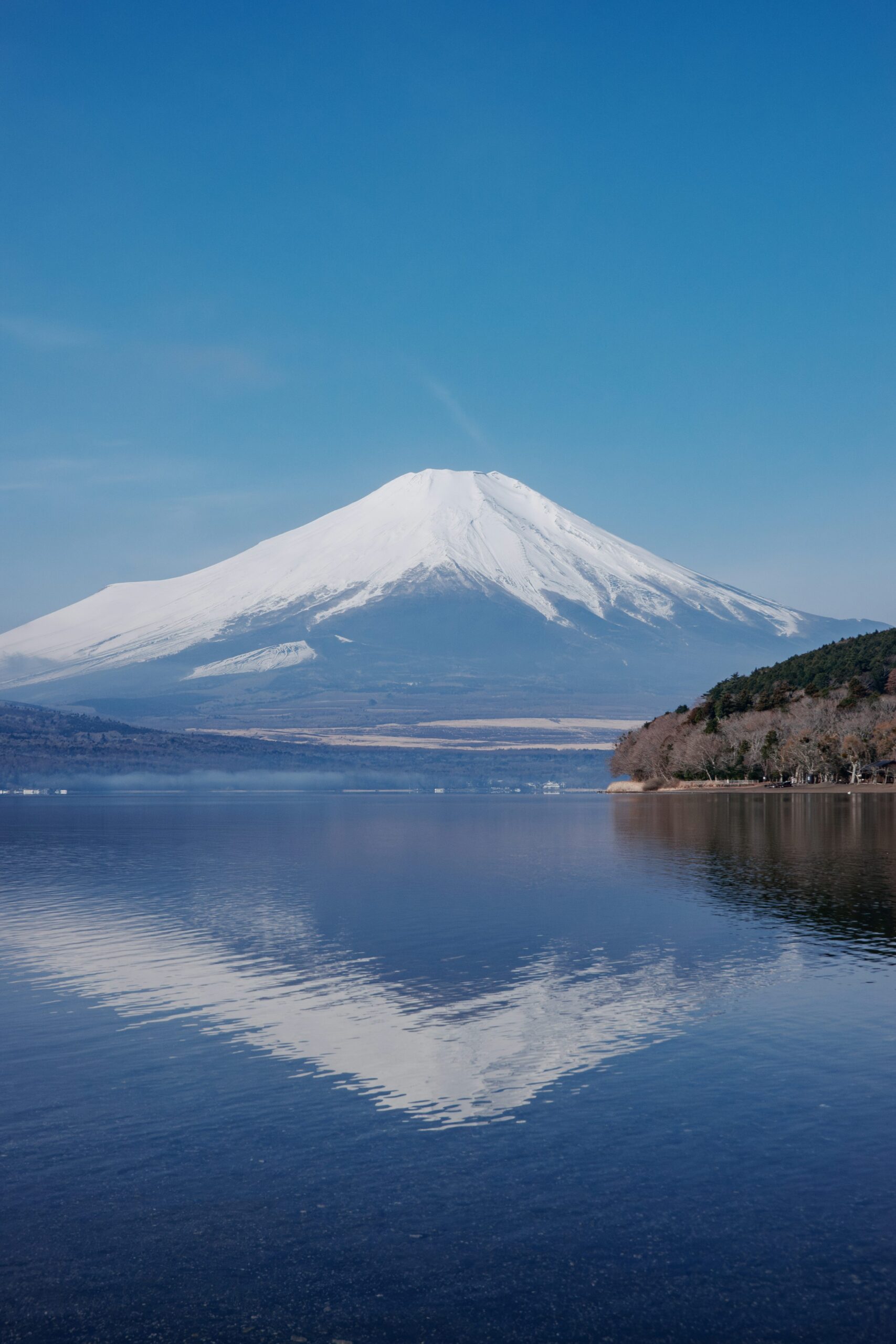
Fuji Is Easy to Reach—but Its Summit Season Is Short.
The mountain’s accessibility can hide how seasonal the supported climb really is. The smartest plan starts with official opening dates, then works backward through route, hut, transport and weather.
Mount Fuji 2026 Season FAQ.
These answers reflect the season status after the September 10, 2026 closure.
Is Mount Fuji open right now?
No. The official 2026 Mount Fuji summit climbing season ended September 10. The normal summit routes are now closed for the off-season.
When did the 2026 Mount Fuji season close?
The four normal summit trails ended their 2026 operating season on September 10. Yoshida and Subashiri opened July 1; Fujinomiya and Gotemba opened July 10.
Can I climb Mount Fuji after September 10?
The official summit routes are closed outside the designated climbing season. The official Mount Fuji climbing portal warns that off-season conditions are substantially more dangerous and normal summer facilities and support are unavailable.
When will Mount Fuji open in 2027?
The official 2027 trail dates have not yet been announced. Do not assume that every 2026 opening date or regulation will carry forward unchanged.
How much did it cost to climb Mount Fuji in 2026?
The 2026 hiking fee was ¥4,000 per person on all four official routes. Mountain-hut accommodation and transport were separate costs.
Was there a daily limit on Mount Fuji in 2026?
The Yoshida Trail had a 4,000-climber daily limit. Shizuoka Prefecture stated that Subashiri, Gotemba and Fujinomiya did not have a daily numerical limit, although climbers still had registration and entry requirements.
Did Mount Fuji require reservations in 2026?
Yoshida used its own access system, while the three Shizuoka routes used FUJI NAVI registration and safety learning. A mountain-hut reservation was separate and was particularly important for climbers entering during restricted overnight hours.
What is the best Mount Fuji route for a first climb?
Yoshida is the most straightforward for many Tokyo-based visitors because it has the most developed transport and hut infrastructure. Stronger hikers seeking fewer crowds may prefer Subashiri or Gotemba, while Fujinomiya offers the shortest ascent.
Where the Current Status Comes From.
This page is intentionally built around official prefectural and Mount Fuji climbing sources because season dates, entry rules and closure status can change.
- Official Website for Mt. Fuji Climbing — current status
- Official Mount Fuji trail and facility season dates
- Yamanashi Prefecture — Yoshida Trail rules
- Shizuoka Prefecture — Subashiri, Gotemba and Fujinomiya rules
- Official Mount Fuji off-season guidance
Last status check: September 21, 2026. The 2026 summit season is closed. Update this page again when official 2027 dates and regulations are published.
Mount Fuji Is Closed for the 2026 Summit Season.
If you missed the September 10 closure, do not turn a normal summer hiking plan into an improvised off-season ascent. Use the winter to choose your route, prepare for altitude and watch for the official 2027 announcement.
Mount Fuji: Season, Routes & the Full Guide
The 2026 season status is one snapshot. See the routes, the latest update and how Fuji compares as a first big walk-up below.
Was this helpful?
🏔Related peaks nearby
🧭Explore & compare
Global Summit Guide is an independent mountaineering resource founded in 2026. The team combines first-hand trekking and climbing experience with in-depth research and professional health and nutrition review to help climbers choose objectives, prepare properly, and stay safe.
Health, altitude, and nutrition content is reviewed by Taylor Ludlow (Registered Nurse) and Brigg Hoopes (Nutritionist).
What We Don't Know Yet
Mountain information changes quickly. This box explains the limits of what this page can responsibly promise.
- Weather, snowpack, avalanche risk, road access, and route conditions can change quickly and may be different on your climbing dates.
- Visa, passport, vaccination, border, insurance, and local transportation rules may change before your trip.
- Route conditions, snowpack, closures, and weather can change quickly after this page is updated.
- Permit rules, fees, quotas, and reservation windows may change between review cycles.
- Operator availability, pricing, guide ratios, and cancellation terms can change by season.
Verify current conditions with official land managers, guide services, local forecasts, and current route reports before booking or climbing.
Mountaineering, rock and ice climbing, glacier travel, and high-altitude activity are inherently dangerous and can result in serious injury or death. The information on Global Summit Guide is provided for general informational and educational purposes only and is not a substitute for professional instruction, qualified guiding, proper equipment, or your own judgment and experience.
Route conditions, weather, snowpack, permits, regulations, and hazards change constantly and may differ from what is described here. Details may be incomplete, out of date, or contain errors. Always verify current information with local authorities, certified guides, and official sources before making any decision in the mountains.
Nothing on this site is medical, legal, or financial advice. Our fitness, acclimatization, altitude, and nutrition content is general in nature; consult a qualified physician before beginning any strenuous exercise program or exposing yourself to high altitude.
You are solely responsible for your own safety and decisions. To the fullest extent permitted by law, Global Summit Guide and its team accept no liability for any loss, injury, damage, or expense arising from use of, or reliance on, this information. By using this site you acknowledge these risks and accept these terms.
Some links on this site may be affiliate links. If you buy through them we may earn a small commission at no extra cost to you; this never affects our recommendations.
Global Summit Guide recommendation path
Next Best Mountain to Research
Use these recommendations to continue the right planning path instead of stopping on one page.
Use current permit, weather, route, and operator information before booking or climbing.