
Last updated August 2, 2026
Makalu Expedition Training Plan: Gear, Fitness, Acclimatization
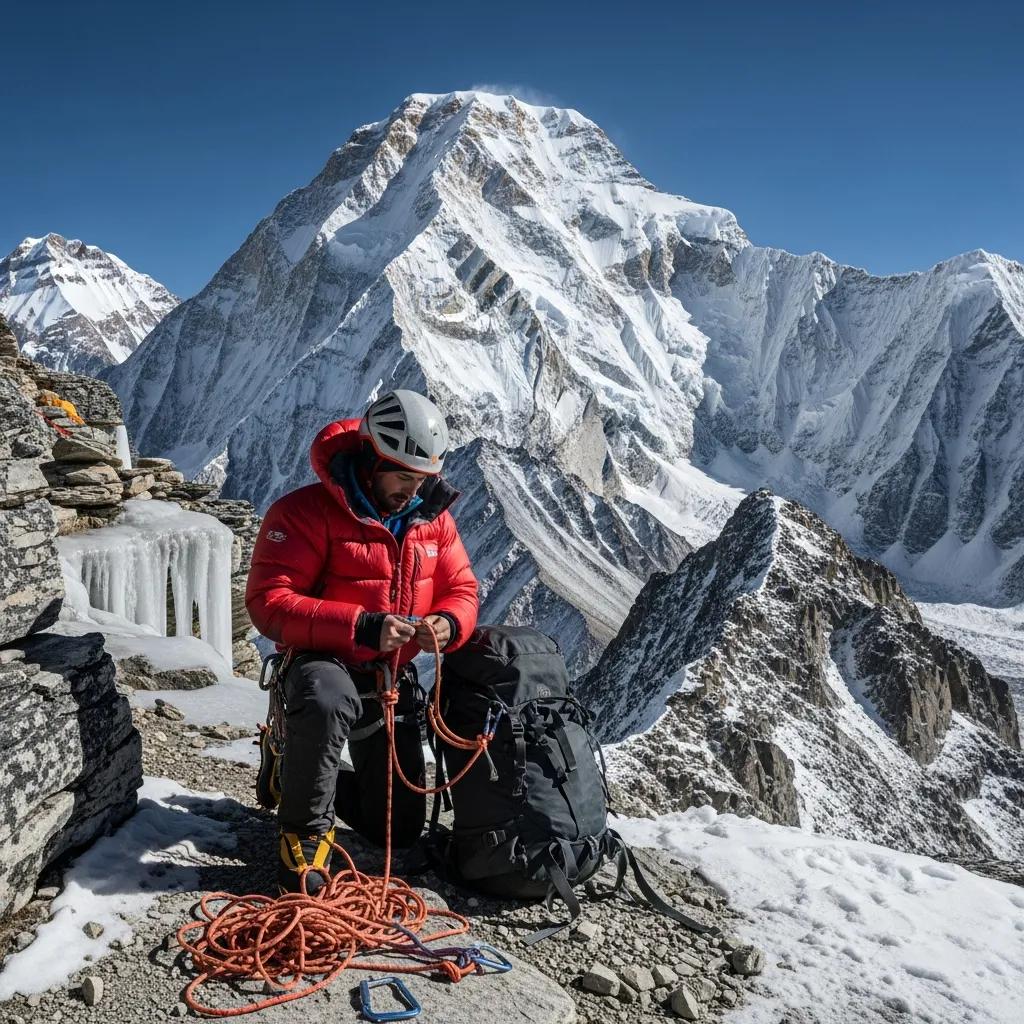
Climbing Makalu, the world’s fifth highest peak, demands rigorous preparation and a well-structured training plan. This comprehensive guide will equip you with the knowledge needed to tackle the physical and mental challenges of high altitude mountaineering. Readers will learn about the essential fitness requirements, acclimatization strategies, and the critical gear necessary for a successful expedition. Many aspiring climbers struggle with the complexities of training for such extreme conditions, but with the right approach, you can enhance your performance and safety. This article will cover the physical fitness requirements, base fitness development, strength and endurance exercises, acclimatization impact, nutrition strategies, and essential gear for climbing Makalu.
What Are the Physical Fitness Requirements for Makalu Expedition Training?
Preparing for a Makalu expedition requires a high level of physical fitness, which is crucial for both safety and performance. The training should focus on endurance, strength, and flexibility to handle the rigors of high-altitude climbing. Endurance training is vital as it enhances cardiovascular fitness, allowing climbers to sustain prolonged physical activity in thin air. Strength training, particularly for the legs and core, is essential for carrying heavy loads and maintaining stability on challenging terrain. Additionally, flexibility and balance exercises help prevent injuries and improve overall agility, which is critical when navigating rocky paths and steep ascents.
For those looking to optimize their training, Information Hub offers tailored fitness programs that focus on these key areas. These programs are designed to prepare climbers for the unique challenges posed by high-altitude environments, ensuring they are physically ready for the demands of the climb.
How to Develop Base Fitness for High Altitude Mountaineering
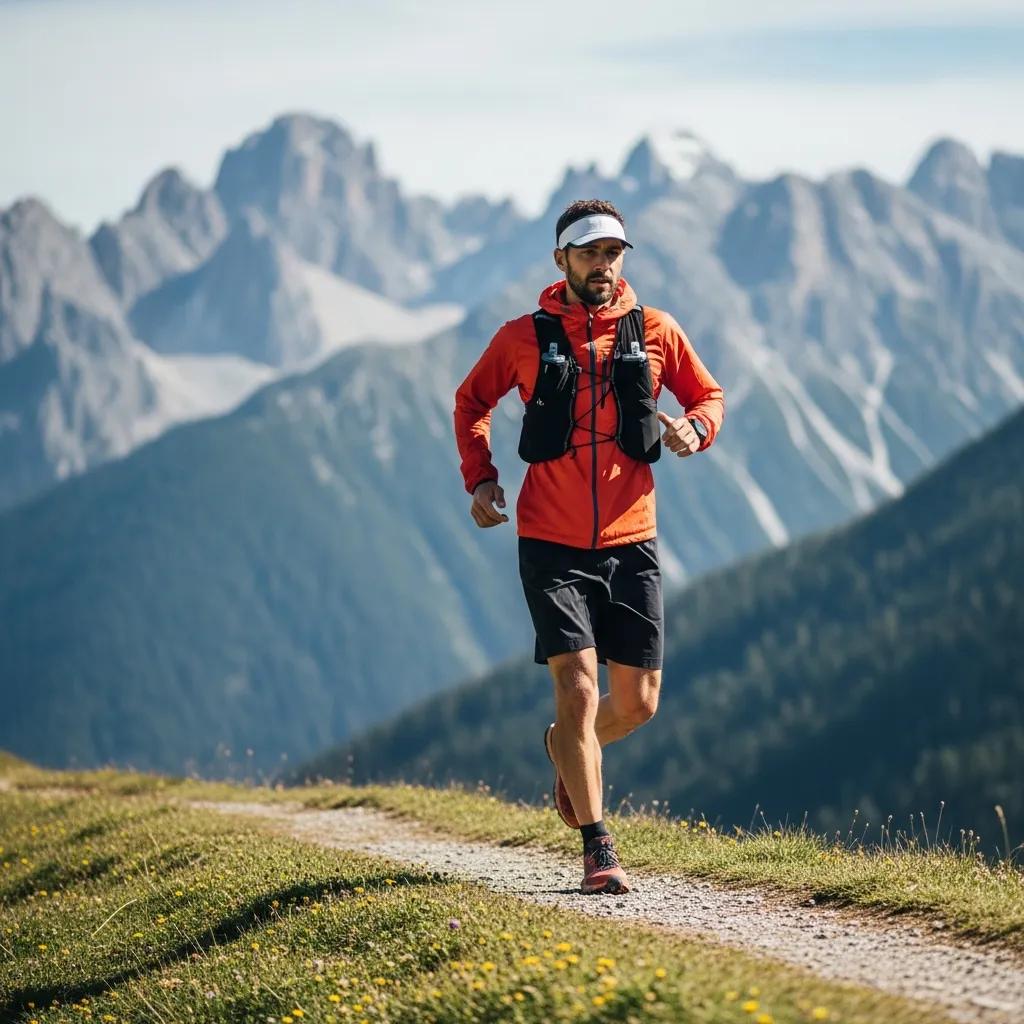
Building a solid base fitness is essential for high altitude mountaineering. This foundation allows climbers to adapt to the physical demands of the ascent. Key components of base fitness include:
- Cardiovascular Exercises: Activities such as running, cycling, and swimming should be incorporated into your routine to improve heart and lung capacity.
- Duration and Frequency of Workouts: Aim for at least 4-5 sessions per week, gradually increasing the duration to build stamina.
- Cross-Training Benefits: Engaging in various activities can prevent burnout and reduce the risk of overuse injuries.
By focusing on these elements, climbers can enhance their overall fitness and prepare their bodies for the challenges of high altitude.
Which Strength and Endurance Exercises Optimize Expedition Readiness?
To ensure readiness for a Makalu expedition, specific strength and endurance exercises should be prioritized. These include:
- Weight Training Routines: Incorporate exercises like squats, deadlifts, and lunges to build leg strength, which is crucial for climbing.
- Endurance Activities: Activities such as hiking with a weighted backpack can simulate the conditions of the climb and improve muscular endurance.
- Recovery Strategies: Implementing rest days and active recovery techniques, such as yoga or stretching, is vital for muscle repair and overall performance.
These exercises not only enhance physical capabilities but also prepare climbers mentally for the demands of the ascent.
How Does Acclimatization Impact Safety and Performance on Makalu?
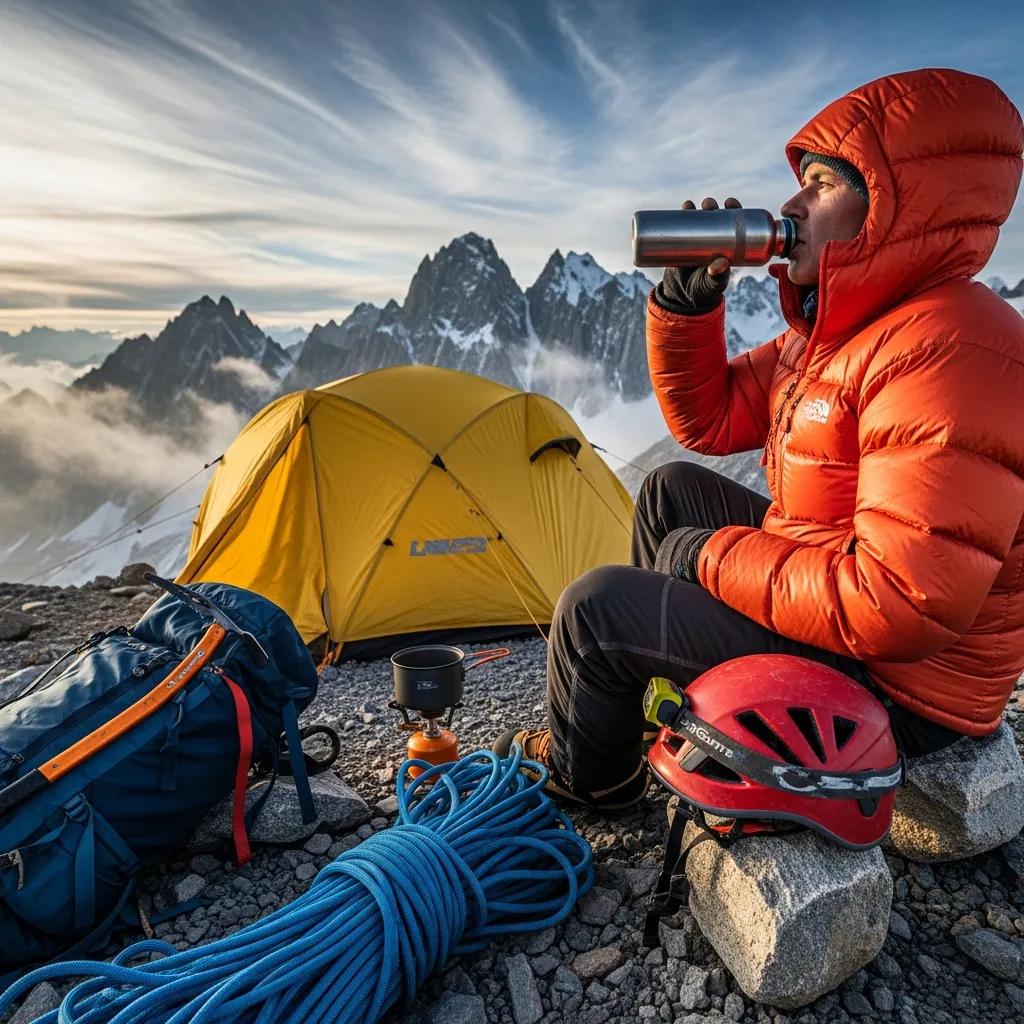
Acclimatization is a critical process for climbers attempting high-altitude peaks like Makalu. It involves the body’s adjustment to reduced oxygen levels at higher elevations, which is essential for maintaining performance and safety. Proper acclimatization helps prevent altitude sickness, a potentially life-threatening condition that can occur when ascending too quickly. Symptoms include headaches, nausea, and dizziness, which can severely impact a climber’s ability to function.
Understanding the principles of acclimatization and recognizing its symptoms is vital for climbers. Incorporating rest days and gradual elevation gains into the training plan can significantly enhance safety and performance during the expedition.
What Is the Recommended Mountaineering Acclimatization Schedule for Makalu?
A well-structured acclimatization schedule is essential for a successful Makalu expedition. Key recommendations include:
- Daily Elevation Gains: Limit daily ascents to no more than 300-500 meters to allow the body to adjust.
- Rest Day Recommendations: Incorporate rest days every 3-4 days to facilitate recovery and adaptation.
- Monitoring Symptoms: Regularly assess for signs of altitude sickness and be prepared to descend if symptoms worsen.
Following this schedule can help climbers acclimatize effectively, reducing the risk of altitude-related illnesses.
How to Recognize and Manage Altitude Sickness During Training and Climb
Recognizing and managing altitude sickness is crucial for climbers. Symptoms can range from mild to severe and may include:
- Headaches: Often the first sign of altitude sickness, indicating the need for immediate attention.
- Nausea and Vomiting: These symptoms can hinder performance and require careful management.
- Fatigue and Dizziness: These can significantly impact a climber’s ability to continue.
Immediate actions include descending to a lower altitude, staying hydrated, and resting. Long-term management strategies involve gradual acclimatization and monitoring one’s physical condition throughout the training and climb.
What Essential Gear and Safety Protocols Are Required for Makalu Climbing Preparation?
Preparing for a Makalu expedition requires specific gear and adherence to safety protocols. Essential items include:
- Clothing Layers: Proper layering is crucial for temperature regulation and protection against the elements.
- Navigation Tools: GPS devices and maps are essential for safe navigation in remote areas.
- Emergency Gear: Items such as first aid kits, oxygen supplies, and communication devices are vital for safety.
Understanding the importance of each piece of gear and following established safety protocols can significantly enhance the chances of a successful climb.
Which Mountaineering Equipment Is Critical for High Altitude Expeditions?
When preparing for high altitude expeditions, certain equipment is indispensable. Key items include:
- Climbing Gear Essentials: Crampons, ice axes, and harnesses are necessary for navigating icy terrains.
- Technical Equipment: Ropes, carabiners, and anchors are crucial for safety during climbs.
- Safety Gear: Helmets and avalanche beacons are essential for protecting against potential hazards.
Investing in high-quality equipment ensures climbers are well-prepared for the challenges of high altitude.
What Safety Measures and Emergency Procedures Should Climbers Follow?
Safety measures and emergency procedures are paramount for climbers on Makalu. Key protocols include:
- Emergency Planning: Develop a comprehensive plan that includes evacuation routes and communication strategies.
- Navigation Preparedness: Familiarize yourself with the terrain and potential hazards to avoid dangerous situations.
- Weather Management: Monitor weather conditions closely and be prepared to adjust plans accordingly.
Implementing these safety measures can help mitigate risks and enhance overall expedition success.
How to Plan Nutrition and Hydration Strategies for Himalayan Expedition Training?
Nutrition and hydration play a critical role in preparing for high altitude climbing. Key strategies include:
- Hydration Needs: Ensure adequate fluid intake to combat dehydration, which is common at high altitudes.
- Caloric Intake: Increase caloric consumption to meet the energy demands of training and climbing.
- Nutrition Timing: Focus on nutrient-dense foods before, during, and after training sessions to optimize recovery.
By prioritizing nutrition and hydration, climbers can enhance their performance and resilience during the expedition.
What Are Optimal Nutrition Guidelines for High Altitude Climbing Preparation?
Optimal nutrition guidelines for high altitude climbing include:
- Hydration Strategies: Aim for at least 3-4 liters of water daily, adjusting for activity level and altitude.
- Caloric Planning: Increase daily caloric intake by 20-30% to support energy needs during training and climbing.
- Rest Day Nutrition: Focus on replenishing nutrients lost during exertion to aid recovery.
Following these guidelines can help climbers maintain energy levels and overall health during their training and ascent.
How to Maintain Hydration and Energy Levels During Training and Ascent
Maintaining hydration and energy levels is crucial for climbers. Strategies include:
- Hydration Plans: Establish a routine for regular fluid intake, especially during intense workouts.
- Energy Conservation: Implement pacing strategies to avoid fatigue and conserve energy during climbs.
- Nutrition During Ascent: Carry high-energy snacks and meals to sustain energy levels throughout the climb.
These strategies ensure climbers remain hydrated and energized, enhancing their performance and safety.
What Are the Key Expedition Logistics and Permit Requirements for Makalu?
Understanding the logistics and permit requirements for a Makalu expedition is essential for a successful climb. Key considerations include:
- Permit Requirements: Obtain the necessary permits from the Nepalese government to legally climb Makalu.
- Logistical Planning: Coordinate transportation, accommodation, and supplies well in advance to avoid last-minute issues.
- Seasonal Considerations: Plan your expedition during the optimal climbing season to ensure favorable weather conditions.
By addressing these logistical aspects, climbers can streamline their preparation and focus on their training.
How to Navigate Nepalese Permit Regulations and Climbing Seasons
Navigating Nepalese permit regulations and climbing seasons involves understanding the following:
- Permit Application Process: Familiarize yourself with the application requirements and timelines to secure necessary permits.
- Best Climbing Seasons: The ideal times for climbing Makalu are typically in spring (April to May) and autumn (September to October) when weather conditions are most favorable.
- Local Regulations: Stay informed about any changes in regulations that may affect your expedition plans.
By adhering to these guidelines, climbers can ensure compliance with local laws and enhance their chances of a successful ascent.
What Is the Typical Day-by-Day Plan for a Makalu Expedition?
Planning a day-by-day plan for a Makalu expedition includes:
- Daily Itinerary: Outline daily objectives, including ascent goals and rest periods.
- Climbing Phases: Structure the climb into phases, allowing for acclimatization and recovery.
- Rest Days: Schedule regular rest days to facilitate recovery and adaptation to altitude.
This structured approach helps climbers manage their time effectively and ensures they remain focused on their goals.
How to Manage Risks and Ensure Safety Throughout Makalu Training and Climbing?
Managing risks and ensuring safety during training and climbing involves several key strategies:
- Risk Assessment: Regularly evaluate potential hazards and adjust plans accordingly.
- Safety Protocols: Implement established safety measures and ensure all team members are familiar with emergency procedures.
- Emergency Planning: Prepare for potential emergencies by having a clear plan in place for evacuation and communication.
By prioritizing safety, climbers can significantly reduce the likelihood of accidents and enhance their overall experience.
What Are Common Hazards and Risk Mitigation Strategies on Makalu?
Common hazards on Makalu include avalanches, rockfalls, and altitude sickness. Effective risk mitigation strategies involve:
- Common Hazards: Identify and understand the risks associated with high-altitude climbing.
- Mitigation Strategies: Implement safety measures such as route planning and weather monitoring to minimize risks.
- Emergency Response: Develop a clear plan for responding to emergencies, including evacuation routes and communication protocols.
By addressing these hazards proactively, climbers can enhance their safety and preparedness.
How to Prepare for Emergency Situations and Rescue Protocols
Preparing for emergency situations and establishing rescue protocols is essential for climbers. Key steps include:
- Emergency Planning: Create a comprehensive emergency plan that outlines procedures for various scenarios.
- Rescue Protocols: Familiarize yourself with local rescue services and establish communication methods for emergencies.
- Communication Strategies: Ensure all team members are equipped with reliable communication devices for emergencies.
By preparing for emergencies, climbers can enhance their safety and response capabilities during the expedition.
Which Training Progress Tracking and Monitoring Techniques Enhance Expedition Success?
Tracking and monitoring training progress is vital for ensuring expedition success. Effective techniques include:
- Tracking Methods: Utilize fitness apps and journals to log workouts and monitor progress.
- Monitoring Progress: Regularly assess fitness levels and adjust training plans as needed.
- Adjusting Training: Be flexible in your training approach, adapting to changes in fitness and performance.
These techniques help climbers stay on track and make informed decisions about their training.
How to Use Training Schedules and Altitude Profiles to Measure Readiness
Training schedules and altitude profiles are essential tools for measuring readiness. Key considerations include:
- Training Schedules: Develop a structured training plan that outlines specific goals and timelines.
- Altitude Profiles: Use altitude profiles to simulate climbing conditions and assess acclimatization progress.
- Readiness Assessment: Regularly evaluate your physical and mental readiness for the climb based on training outcomes.
By utilizing these tools, climbers can effectively gauge their preparedness for the expedition.
What Tools and Metrics Support Effective High Altitude Training Monitoring?
Several tools and metrics can support effective high altitude training monitoring. Key options include:
- Monitoring Tools: Use heart rate monitors and GPS devices to track performance during training.
- Metrics for Success: Establish clear metrics for evaluating fitness levels and progress.
- Adjusting Training: Use data from monitoring tools to make informed adjustments to your training plan.
These tools enhance training effectiveness and help climbers optimize their performance.
What Are the Latest Advances and Updates in Makalu Expedition Preparation?
Staying informed about the latest advances in expedition preparation is crucial for climbers. Recent developments include:
- Recent Research: New studies on altitude acclimatization and nutrition strategies provide valuable insights for climbers.
- Training Innovations: Advances in training techniques and equipment can enhance performance and safety.
- Permit Updates: Regularly check for updates on permit regulations and requirements to ensure compliance.
By keeping abreast of these developments, climbers can enhance their preparation and success rates.
How Do Recent High-Altitude Medical Research Findings Influence Training Plans?
Recent high-altitude medical research findings have significant implications for training plans. Key insights include:
- Medical Findings: New research highlights the importance of gradual acclimatization and hydration strategies.
- Training Adjustments: Incorporating findings into training plans can improve safety and performance.
- Safety Improvements: Understanding the physiological effects of altitude can inform better training practices.
By integrating these findings, climbers can enhance their training effectiveness and overall safety.
What Are the Updated Nepalese Regulations and Expedition Success Statistics?
Understanding updated Nepalese regulations and expedition success statistics is essential for climbers. Key points include:
- Regulatory Updates: Stay informed about changes in permit requirements and regulations for climbing Makalu.
- Success Rates: Review statistics on expedition success rates to gauge the challenges and risks involved.
- Permit Requirements: Ensure compliance with all necessary regulations to avoid complications during the expedition.
By being aware of these factors, climbers can better prepare for their journey and enhance their chances of success.
For more information on gear and safety protocols, visit Global Summit Guide.
To explore other mountain expeditions, check out Global Summit Guide’s mountain section.
If you have any questions or need further assistance, you can contact us at Global Summit Guide.
Explore More Makalu Expedition Resources
Keep building your Makalu expedition plan with our complete parent guide plus detailed pages on routes, weather, gear, permits, cost, and training.
Was this helpful?
🏔Related training
🧭Explore & compare
Global Summit Guide is an independent mountaineering resource founded in 2026. The team combines first-hand trekking and climbing experience with in-depth research and professional health and nutrition review to help climbers choose objectives, prepare properly, and stay safe.
Health, altitude, and nutrition content is reviewed by Taylor Ludlow (Registered Nurse) and Brigg Hoopes (Nutritionist).
What We Don't Know Yet
Mountain information changes quickly. This box explains the limits of what this page can responsibly promise.
- Weather, snowpack, avalanche risk, road access, and route conditions can change quickly and may be different on your climbing dates.
- Route conditions, trailhead access, crevasse exposure, stream crossings, and rescue access may vary from published planning guidance.
- Gear requirements can change by season, route variation, weather window, personal cold tolerance, and guide-service requirements.
- Fitness and altitude response vary by person; no guide, itinerary, or training plan can guarantee acclimatization or summit success.
Verify current conditions with official land managers, guide services, local forecasts, and current route reports before booking or climbing.
Mountaineering, rock and ice climbing, glacier travel, and high-altitude activity are inherently dangerous and can result in serious injury or death. The information on Global Summit Guide is provided for general informational and educational purposes only and is not a substitute for professional instruction, qualified guiding, proper equipment, or your own judgment and experience.
Route conditions, weather, snowpack, permits, regulations, and hazards change constantly and may differ from what is described here. Details may be incomplete, out of date, or contain errors. Always verify current information with local authorities, certified guides, and official sources before making any decision in the mountains.
Nothing on this site is medical, legal, or financial advice. Our fitness, acclimatization, altitude, and nutrition content is general in nature; consult a qualified physician before beginning any strenuous exercise program or exposing yourself to high altitude.
You are solely responsible for your own safety and decisions. To the fullest extent permitted by law, Global Summit Guide and its team accept no liability for any loss, injury, damage, or expense arising from use of, or reliance on, this information. By using this site you acknowledge these risks and accept these terms.
Some links on this site may be affiliate links. If you buy through them we may earn a small commission at no extra cost to you; this never affects our recommendations.
Global Summit Guide recommendation path
Next Best Mountain to Research
Use these recommendations to continue the right planning path instead of stopping on one page.
Use current permit, weather, route, and operator information before booking or climbing.