Global Summit Guide
Choose Your Next Summit
Explore peak-by-peak guides for the world’s top mountains, with route options, permits, gear lists, and safety planning to help you choose the right objective and prepare well.
Turn the 500-Mountain Map Into a Climbing Plan
The map shows what is possible. The planning system below helps you decide what is appropriate. Start with your current goal: choose a mountain, compare difficulty, build experience, plan logistics, evaluate operators, or prepare the gear and safety system for the route.
The fastest path is not more browsing. It is the right first decision.
If you do not know which mountain to climb, start with the mountain-matching system. If you already have a peak in mind, open the mountain guide and then check difficulty, weather, permits, cost, and operator options. If you are building toward a major objective, use the progression plans before you book anything.
The Core Planning Hubs
These are the pages that hold the site together. Each one points readers into a different part of the decision: the mountain itself, the collection it belongs to, the difficulty level, the route, the cost, the operator, the weather, and the training path.
Mountains Directory
The master index for researching a specific mountain. Use this when you already know the peak, region, or continent you want to explore.
Mountain Collections
Seven Summits, Eight-Thousanders, Alps classics, Cascade volcanoes, Africa peaks, Patagonia icons, Mexico volcanoes, and more.
Pick Your Mountain
For climbers who know they want a mountain objective but need help matching fitness, skill, season, budget, and time.
Difficulty Ratings
The six-level system for matching ambition to actual capability: fitness, altitude, technical skills, hazard, weather, remoteness, and retreat.
Trip Planning
Weather windows, permits, training timelines, guided vs independent decisions, insurance, travel planning, and booking order.
Mountaineering Operators
Use the operator hub before paying a deposit. Compare guide ratios, certifications, oxygen strategy, local staff ethics, refunds, and fit.
Progression Plans
Build toward Denali, Aconcagua, Rainier, Kilimanjaro, Mont Blanc, Elbrus, Orizaba, Island Peak, and bigger goals.
Gear & Safety
Boots, crampons, ice axes, layering, glacier travel, crevasse rescue, avalanche awareness, altitude illness, and route-specific systems.

Choose the Path That Matches Your Goal
Most readers do not need every page. They need the right sequence of pages. These paths move a climber from interest to realistic planning.
New climber path
Target-peak planning path
Seven Summits path
Explore by Mountain Family
Mountain families help readers compare similar objectives instead of judging one peak in isolation. Use these collections to move from broad inspiration to a realistic shortlist.
Eight-Thousanders
Everest, K2, Annapurna, Manaslu, Cho Oyu, Lhotse, Makalu, Kangchenjunga, and the full 14-peak system.
Compare the 14 peaks → Continental high pointsSeven Summits
Kilimanjaro, Elbrus, Denali, Aconcagua, Vinson, Carstensz, and Everest — cost, route, difficulty, and sequence.
Start the Seven Summits → EuropeAlps Classics
Mont Blanc, Matterhorn, Eiger, Gran Paradiso, Jungfrau, and the alpine progression from beginner to technical classic.
Explore the Alps → North AmericaCascade Volcanoes
Rainier, Hood, Baker, Shasta, Adams, Glacier Peak, and the snow-and-glacier progression of the Pacific Northwest.
Climb the Cascades → AfricaAfrica’s Highest Peaks
Kilimanjaro, Mount Kenya, Mount Stanley, Mount Meru, Ras Dashen, and the progression beyond the usual first peak.
Explore Africa peaks → ColoradoColorado 14ers
All named 14,000-foot peaks, ranked and organized by range, route class, exposure, first 14er choices, and hard objectives.
Open the 14ers guide → Comparison hubMountain Comparisons
Rainier vs Denali, Mont Blanc vs Matterhorn, Shasta vs Rainier, Aconcagua vs Everest, and other decision pages.
Compare mountains → ProgressionBefore the Big Peaks
Use stepping-stone mountains to build the altitude, glacier, expedition, and decision-making experience the next peak requires.
Build toward bigger peaks →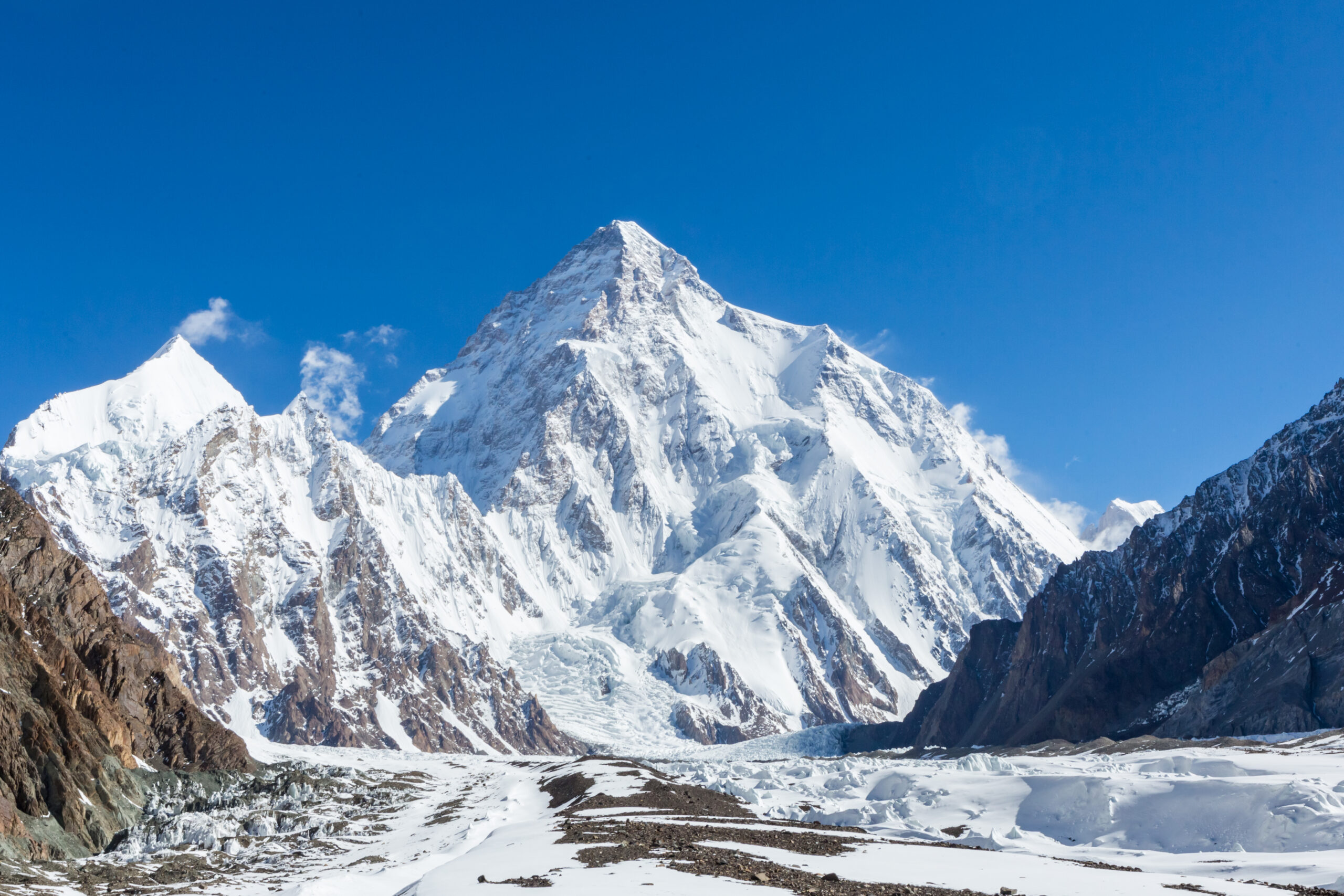
Before You Book, Check These Five Pages
Most poor mountain decisions happen before the trip starts: wrong season, wrong route, weak operator, underestimated cost, or missing skills. These pages reduce that risk.
| Decision | Start here | What it helps you avoid |
|---|---|---|
| Weather window | Mountain Weather for Climbers | Booking the right mountain in the wrong month, or trusting a low-elevation forecast for a high-altitude route. |
| Permits and rules | Permits, Fees & Regulations | Missed lotteries, wrong reservation windows, hidden fees, and route restrictions. |
| Total cost | Mountain Climbing Costs | Underbudgeting flights, gear, tips, insurance, permits, transfers, and contingency days. |
| Operator choice | Mountaineering Operators | Choosing only by price instead of guide ratio, certifications, oxygen, local staff treatment, and safety systems. |
| Skills and gear | Gear & Safety | Arriving with trekking gear for a glacier route, or attempting technical terrain without the right systems. |
Research That Helps Climbers Make Better Decisions
These pages answer the questions readers search when they are comparing risk, success, cost, difficulty, and readiness. They also support the mountain pages with safety and planning context.
Death Rates by Mountain
Fatality ratios, attempt context, and how mountain risk should be understood before comparing major peaks.
Read the risk data → Everest dataEverest Death Map
Where Everest fatalities happen, which route sections matter most, and what patterns climbers should understand.
Open the Everest map → Difficulty ranking8000ers Ranked
Every 8,000-meter peak compared by altitude, route difficulty, weather, remoteness, objective hazard, and success.
Rank the 8000ers → Trip report studyWhy Kilimanjaro Climbers Fail
Route length, pace, altitude symptoms, summit-night mistakes, and the decisions that change summit odds.
Read the Kilimanjaro study →Homepage Planning FAQ
Where should I start if I am new to mountain climbing?
Where should I start if I already know my mountain?
How should I compare two mountains?
What pages should I read before paying an operator deposit?
Choose the Mountain. Build the Plan. Climb With Fewer Surprises.
Global Summit Guide is built to move from inspiration to decision: find the right peak, understand the route, compare the risk, budget honestly, choose the right support, and train for the mountain you are actually climbing.
Pick your mountain → Browse all mountains → Compare operators →Was this helpful?
What We Don't Know Yet
Mountain information changes quickly. This box explains the limits of what this page can responsibly promise.
- Permit availability, reservation windows, quotas, and official fee rules may change after this page is updated.
- Route conditions, trailhead access, crevasse exposure, stream crossings, and rescue access may vary from published planning guidance.
- Gear requirements can change by season, route variation, weather window, personal cold tolerance, and guide-service requirements.
- Visa, passport, vaccination, border, insurance, and local transportation rules may change before your trip.
Verify current conditions with official land managers, guide services, local forecasts, and current route reports before booking or climbing.
Global Summit Guide recommendation path
Next Best Mountain to Research
Use these recommendations to continue the right planning path instead of stopping on one page.
Use current permit, weather, route, and operator information before booking or climbing.