
Last updated September 4, 2026
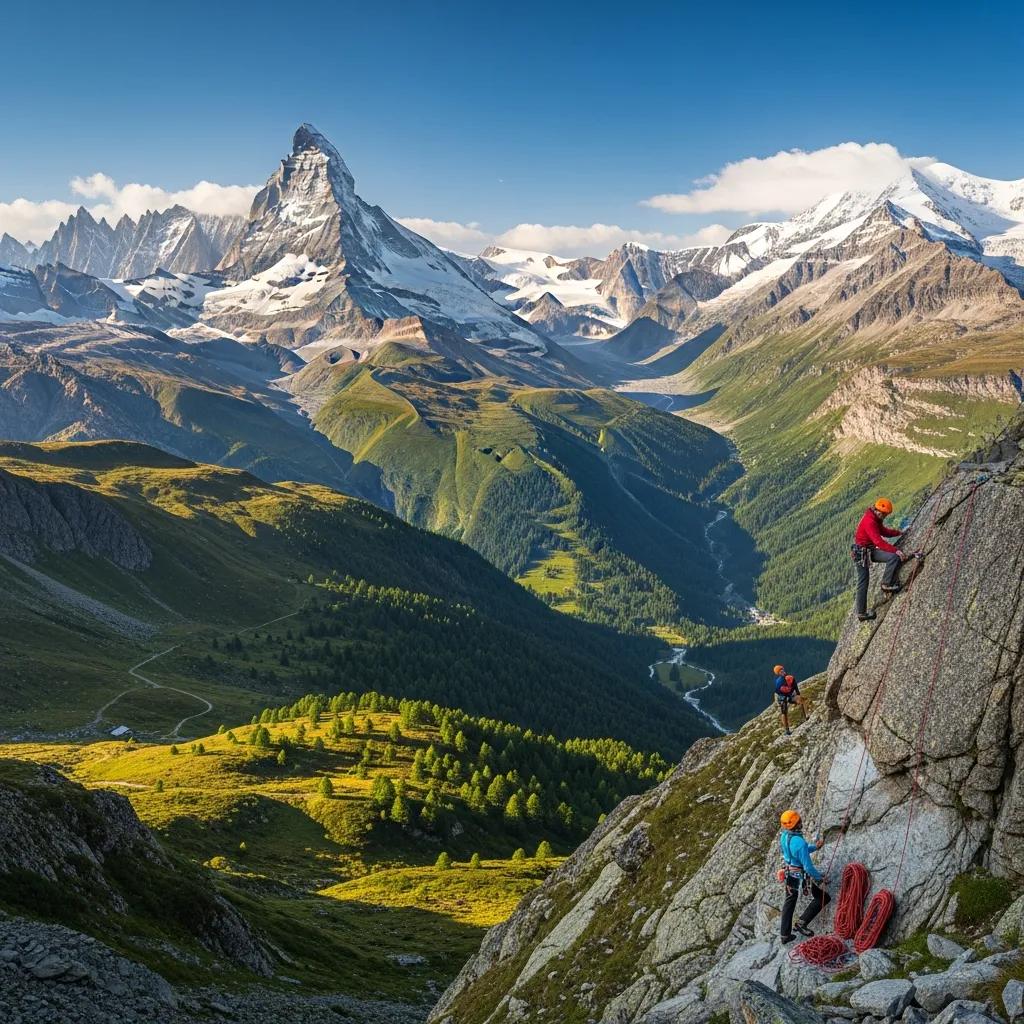
Swiss Alps Late-August / Early-September Hut & Snow Watch 2026
The Swiss Alps have not suddenly moved into winter. Early September 2026 is starting unusually warm, and many major SAC huts are still staffed. What has changed is the margin: some huts move to partial service, daylight is shortening by a little more than three minutes per day around Grindelwald, and one cold front can change a high trail from dry rock to snow or verglas. For evergreen route choices, use Best Hikes in the Swiss Alps; this page is the dated September transition watch.
September Is Still Hiking Season—Just Less Automatic.
The main shift after the August rush is not that every hut closes or every high pass gets snow. It is that staffing, transport, daylight and surface conditions stop being uniform.
SAC currently marks major huts such as Britanniahütte, Domhütte, Mönchsjochhütte, Bächlitalhütte and Chamanna da Boval as staffed in September. At the same time, huts including Rothornhütte, Lauteraarhütte and Planurahütte are shown only as partially staffed during September.
That difference matters. A route that worked cleanly in August can still be excellent in September—but you now need to confirm the hut itself, the access trail, the cable car or train that supports the approach, and the latest high-elevation forecast instead of assuming peak-season services are still running.
The Hut System Is Still Running—But Not on One Calendar
September is not a universal closing date. SAC’s own route portal shows the transition happening hut by hut.
| Example Hut | SAC September Status | What That Tells You |
|---|---|---|
| Britanniahütte SAC | Open / staffed | High Valais service can remain fully active into September. |
| Domhütte SAC | Open / staffed | Major mountaineering huts do not necessarily close immediately after August. |
| Mönchsjochhütte | Open / staffed | Jungfrau high-alpine infrastructure remains active into September and even October. |
| Bächlitalhütte SAC | Open / staffed | Some Bernese Oberland huts remain normal-service September bases. |
| Chamanna da Boval CAS | Open / staffed | Bernina-region huts can still be fully operating in September. |
| Rothornhütte SAC | Partially staffed | Do not infer meal, bed or service availability from the fact that the building exists. |
| Lauteraarhütte SAC | Partially staffed | Shoulder-season plans need a specific reservation/status check. |
| Planurahütte SAC | Partially staffed | High, glacier-influenced huts can transition before lower walking routes feel autumnal. |
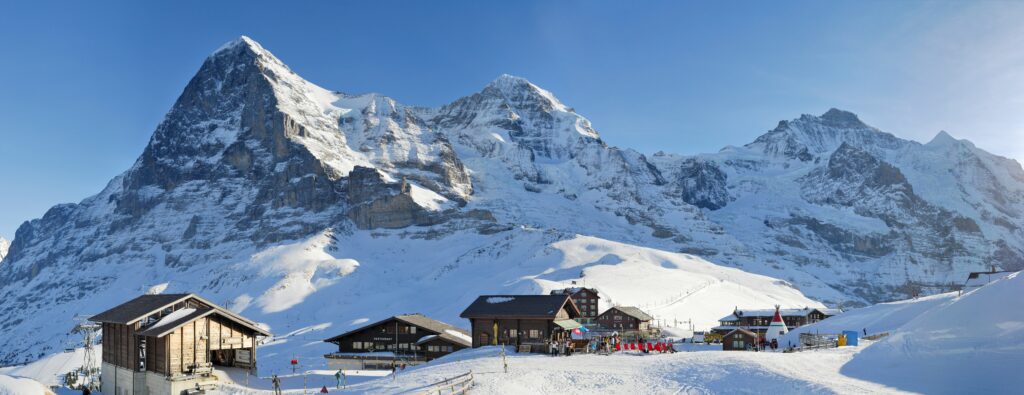
The Valley Can Still Feel Like Summer While the Pass Feels Like Autumn.
That split is the defining September planning problem: warm towns, active lifts and green trails do not tell you what happened overnight at 2,800 or 3,200 metres.
There Is No Broad Snow Shutdown Today—But the Threshold Is Lower
Early September 2026 is opening unusually warm across Switzerland, so this is not a story of widespread winter arriving on September 1.
The correct change is subtler. Longer nights allow high surfaces to cool more, the first cold fronts of autumn can put snow onto high trails quickly, and shaded snow or wet rock can refreeze before a sunny afternoon makes the valley feel mild again.
Lingering Patches Become Harder in the Morning
Shaded high trails and glacier-adjacent routes can still hold old snow. After a cold night, a benign-looking patch can become hard enough that traction and fall consequence change.
One Front Can Reset a High Route
A trail does not need a major winter storm to become difficult. A thin coating can hide markings, make slabs slick and turn a white-red-white trail into a much more serious problem for several hours or days.
Wet Rock + Overnight Cooling Is Enough
The most dangerous early-season ice is often not deep snow. A thin invisible glaze on steps, ladders, chains or slabs can be more consequential than a visible snowfield.
Late Summer Can Mean More Exposed Ice
On routes near glaciers, late summer can expose more bare ice, crevasses and unstable margins rather than covering them with clean snow. Treat glacier travel as mountaineering even during warm September weather.
September 2026 Is Starting Hot, Not Wintry
Swiss weather reporting on September 2–3 describes an unusually warm start to meteorological autumn, with temperatures reaching summer levels in parts of the country.
That is useful context because it prevents overreacting to the calendar. Lower and mid-elevation hiking can still be excellent. It also creates a different set of high-mountain questions: hot afternoons, stronger thermal winds, dry trails and warm rock can coexist with a much colder overnight cycle at altitude.
| Current Signal | What It Does Not Mean | What to Check |
|---|---|---|
| Warm valley temperatures | That high passes are frost-free | High-elevation minimum temperature and freezing level |
| Dry lower trails | That glacier approaches are straightforward | Route-specific access and hut advice |
| Sunny afternoon | That wind is light on exposed ridges | Mountain wind and gust forecast |
| No snow in town | That snow or ice is absent at 3,000 m | Precipitation type and high-point forecast |
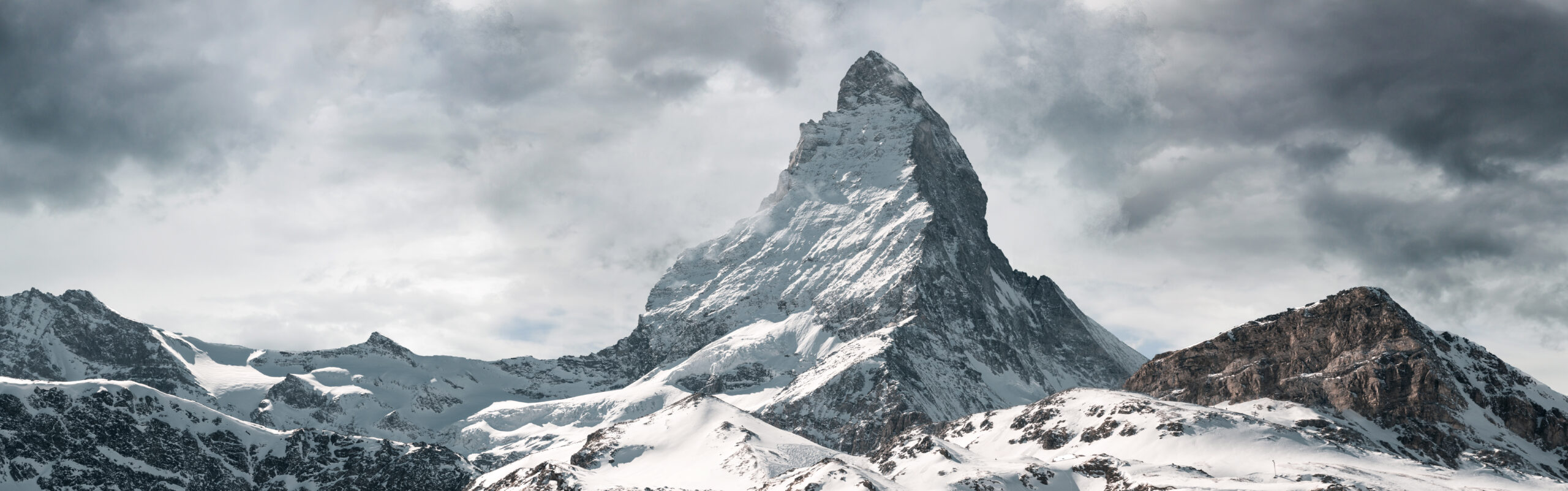
September Rewards Flexibility More Than Fixed Itineraries.
A blue-sky day after a cold night can be excellent. A rigid hut booking after a sudden snow event can be a poor reason to continue. The advantage goes to the hiker who can change the route.
Grindelwald Loses About 39 Minutes of Daylight by September 15
Compared with Iceland, the daily loss is modest—but it still removes useful late-day margin from long hut approaches and point-to-point hikes.
| Grindelwald Date | Sunrise | Sunset | Daylight |
|---|---|---|---|
| September 3, 2026 | 6:50 a.m. | 8:03 p.m. | 13 h 13 m |
| September 10 | 6:59 a.m. | 7:49 p.m. | 12 h 50 m |
| September 15 | 7:05 a.m. | 7:39 p.m. | 12 h 34 m |
| September 30 | 7:24 a.m. | 7:09 p.m. | 11 h 45 m |
A Hut Can Be Open While One Approach Is a Bad Choice
The SAC Mutthornhütte page is a strong 2026 example of why late-season planning cannot stop at “hut open.”
The new Mutthornhütte opened at a new location in summer 2026. SAC currently warns that all access routes cross glaciers and says the approach from Stechelberg is no longer recommended because of rockfall risk from the Chanzel.
That is the kind of update this dated watch is meant to catch: the hut can exist, the season can be active, and the traditional mental picture of the approach can still be wrong.
Is It Staffed?
Confirm food, beds, water, payment and reservation requirements rather than assuming August service continues.
Is the Normal Access Still Recommended?
Rockfall, glacier retreat, bridge changes and trail closures can alter the practical route even when the hut remains open.
Does the Lift or Train Still Match the Hike?
Shoulder-season timetables can shorten the useful day or remove an expected descent option.
Can You Finish Without the Last Lift?
A strong September plan still works if one transport connection disappears. A weak one ends at a closed station in darkness.
Go, Adjust or Reroute?
September rewards hikers who distinguish a minor inconvenience from a genuine change in mountain character.
| Status | What It Looks Like | Action |
|---|---|---|
| GO | Hut staffed, route dry, forecast stable, transport confirmed, daylight margin healthy. | Proceed |
| ADJUST | Partial hut service, one lift ends early, cold morning or isolated old snow. | Start earlier, shorten the day, carry the right equipment or change the overnight plan. |
| REROUTE | Fresh snow on exposed terrain, verglas, high wind, route closure, rockfall warning or unavailable hut support. | Move to a lower or simpler trail. |
For lower routes, regions and general route selection, use Best Hikes in the Swiss Alps. That page handles the permanent “where should I hike?” question; this article only handles the September 2026 transition.
Recheck the Trip the Day Before You Go
September conditions can invalidate one part of an otherwise good plan. These four checks catch most of the avoidable problems.
Check the exact region, elevation, precipitation, wind and warnings.
Confirm hut staffing, access grade, route notes and warnings.
Verify the actual booking, operating day and final descent option.
Build the finish around a safe margin, not the last possible minute.
Use These After This Snapshot Ages
This post records conditions and operating patterns on September 3, 2026. These live sources should make the final decision.
Swiss Alpine Club Route Portal
Use SAC for hut staffing, access grades, route descriptions, local warnings and reservation links.
Open SAC Route Portal →MeteoSwiss
Use Switzerland’s federal weather service for local forecasts, precipitation, wind and hazard warnings.
Open MeteoSwiss →Britanniahütte SAC
SAC currently marks Britanniahütte staffed in September, useful evidence that the main hut season does not end uniformly with August.
Open Britanniahütte →Mutthornhütte SAC
The current hut page warns that all approaches cross glaciers and that the Stechelberg route is no longer recommended because of rockfall risk.
Open Mutthornhütte →Already Have a Swiss Route? Put the September Checks Into My Climb Plan.
Record the route, hut, target date, lift or train connection and final weather/access checks in one place. In September, the plan is stronger when it includes what can change—not just where you intend to go.
Swiss Alps & Mountain Conditions
Best Hikes in the Swiss Alps
Use the evergreen guide for Eiger, Matterhorn, Aletsch, Oeschinensee, Engadine and hut-route choices.
Compare Swiss hikes →Alps collectionAlps Classics
Move from hiking routes into the major mountain system and individual climbing objectives.
Explore the Alps →WeatherMountain Weather for Climbers
Use wind, cloud, freezing level and precipitation to interpret what a September forecast means on the route.
Review mountain weather →NavigationNavigation & Emergency Communication
Prepare for fog, shortened daylight and routes where phone signal is unreliable.
Review navigation →Trip workspaceMy Climb Plan
Store the route, date, hut, transport and final condition checks before departure.
Open your plan →Swiss Alps September 2026 FAQ
Are Swiss mountain huts still open in September 2026?
Many are. SAC currently lists Britanniahütte, Domhütte, Mönchsjochhütte, Bächlitalhütte and Chamanna da Boval as staffed in September. Other huts, including Rothornhütte, Lauteraarhütte and Planurahütte, are marked only partially staffed. Check the exact hut before traveling.
Is there already snow in the Swiss Alps in early September?
Early September 2026 is starting unusually warm rather than with a broad fresh-snow shutdown. That does not rule out old snow, frost, fresh high-elevation snow or verglas. Check the exact route elevation with MeteoSwiss before departure.
How much daylight is there in early September?
Grindelwald has about 13 hours 13 minutes of daylight on September 3, with sunrise around 6:50 a.m. and sunset around 8:03 p.m. By September 15, the day is about 12 hours 34 minutes.
What changes after the August hiking rush?
Hut staffing becomes less uniform, some transport systems move toward shoulder-season schedules, days shorten and high routes become more sensitive to overnight frost, snow and rapidly changing weather.
Should I still reserve huts in September?
Yes. September can be quieter than August, but popular huts can still fill on good-weather weekends. Confirm both the reservation and the hut’s current staffed status before starting.
Can I rely on an unstaffed hut or winter room?
Only if you have confirmed exactly what is available. An emergency shelter or winter room does not automatically provide meals, water, heat, bedding service or a straightforward approach.
Where should I check current Swiss Alps weather?
Use MeteoSwiss for live forecasts and warnings. For hut routes, use the SAC Route Portal and contact the hut directly when the question is local or condition-specific.
What is the best September backup plan?
Move lower rather than abandoning Switzerland. The evergreen Best Hikes in the Swiss Alps guide includes lower and mid-elevation options in the Jungfrau region, Zermatt, Appenzell, Aletsch and Engadine.
The Swiss Alps Are Still Open. The Assumptions Are Closing.
Early September 2026 still offers real summer hiking across much of Switzerland, and many major SAC huts remain staffed. The difference is that September stops rewarding autopilot. Confirm the specific hut, check the exact high-elevation forecast, account for shorter daylight and keep a lower route available when fresh snow, ice, wind or access changes the character of the day.
Was this helpful?
🏔Related peaks nearby
🧭Explore & compare
Global Summit Guide is an independent mountaineering resource founded in 2026. The team combines first-hand trekking and climbing experience with in-depth research and professional health and nutrition review to help climbers choose objectives, prepare properly, and stay safe.
Health, altitude, and nutrition content is reviewed by Taylor Ludlow (Registered Nurse) and Brigg Hoopes (Nutritionist).
What We Don't Know Yet
Mountain information changes quickly. This box explains the limits of what this page can responsibly promise.
- Weather, snowpack, avalanche risk, road access, and route conditions can change quickly and may be different on your climbing dates.
- Visa, passport, vaccination, border, insurance, and local transportation rules may change before your trip.
- Route conditions, snowpack, closures, and weather can change quickly after this page is updated.
- Permit rules, fees, quotas, and reservation windows may change between review cycles.
- Operator availability, pricing, guide ratios, and cancellation terms can change by season.
Verify current conditions with official land managers, guide services, local forecasts, and current route reports before booking or climbing.
Mountaineering, rock and ice climbing, glacier travel, and high-altitude activity are inherently dangerous and can result in serious injury or death. The information on Global Summit Guide is provided for general informational and educational purposes only and is not a substitute for professional instruction, qualified guiding, proper equipment, or your own judgment and experience.
Route conditions, weather, snowpack, permits, regulations, and hazards change constantly and may differ from what is described here. Details may be incomplete, out of date, or contain errors. Always verify current information with local authorities, certified guides, and official sources before making any decision in the mountains.
Nothing on this site is medical, legal, or financial advice. Our fitness, acclimatization, altitude, and nutrition content is general in nature; consult a qualified physician before beginning any strenuous exercise program or exposing yourself to high altitude.
You are solely responsible for your own safety and decisions. To the fullest extent permitted by law, Global Summit Guide and its team accept no liability for any loss, injury, damage, or expense arising from use of, or reliance on, this information. By using this site you acknowledge these risks and accept these terms.
Some links on this site may be affiliate links. If you buy through them we may earn a small commission at no extra cost to you; this never affects our recommendations.
Global Summit Guide recommendation path
Next Best Mountain to Research
Use these recommendations to continue the right planning path instead of stopping on one page.
Use current permit, weather, route, and operator information before booking or climbing.