Carstensz Pyramid 2026 Expedition Update: Current Access & Status
Commercial Carstensz Pyramid expeditions are operating and multiple helicopter-supported departures are scheduled from late September through November 2026. That does not make access stable. Every trip remains dependent on Indonesian permits, local security approval, helicopter operations, weather and an operating partner capable of moving the team through Central Papua.
Is Carstensz Pyramid Open in 2026?
Commercial expeditions are currently being scheduled and sold for late September, October and early November 2026. Several Indonesian and international operators publish active helicopter-supported departures from Timika.
But “open” is not a permanent gate status on Carstensz. Foreign climbers depend on an Indonesian operating structure, government and local permissions, current security approval, aircraft availability and suitable flying weather. Those conditions can change after money has been committed.
Late-2026 expeditions are operating and scheduled. Access remains conditional rather than guaranteed.
Checked September 21, 2026Current Published Carstensz Departures.
These listings show that commercial access is active. They do not guarantee that every departure will operate exactly as scheduled.
| Operator / program | Published date | Status | Access | Planning signal |
|---|---|---|---|---|
| Summit Carstensz | Sept. 28, 2026 | Open seats listed | Helicopter from Timika | Local operator publishing immediate late-September access. |
| SummitClimb | Sept. 30–Oct. 11 | Bookable | Helicopter in/out | International full-service program with permit lead-time warning. |
| Summit Expeditions | Oct. 3–12 | Spaces listed | Yellow Valley / helicopter | Published October commercial expedition. |
| Alpine Ascents International | Oct. 9–19 | Sold out | Helicopter | $26,000 program demonstrates active Western demand. |
| Adventure Consultants | Oct. 14–24 | Filling | Timika helicopter | $26,900 published program. |
| Adventure Peaks | Oct. 17–30 | Guaranteed departure listed | Commercial expedition logistics | Another active late-October international program. |
| Local Indonesian programs | October–early November | Multiple dates advertised | Primarily helicopter-supported | Access remains fragmented across operators rather than one public permit calendar. |

Carstensz Does Not Have a Normal Alpine Opening Day.
On many mountains, climbers wait for snow conditions or a park permit window. Here, the calendar is shaped just as strongly by political security, administrative approvals and whether helicopter operations can proceed.
Central Papua Remains Under the Highest U.S. Travel-Advisory Level.
The U.S. Department of State’s July 7, 2026 Indonesia advisory is Level 2 for Indonesia overall, but specifically designates Central Papua and Highland Papua as Level 4: Do Not Travel because of civil unrest.
The advisory describes persistent localized conflict, previous kidnapping of foreign nationals and limited U.S. government ability to provide emergency services. It specifically identifies Puncak Jaya and tells climbers to maintain realistic primary and backup descent plans.

A Legal Departure Can Still Be a High-Risk Expedition.
Permits answer whether the team has permission to proceed. They do not remove regional conflict, weather delays, aviation exposure or the limitations of medical evacuation from the highlands.
There Is No Simple Public “Carstensz Permit” Checkout Page.
Legal access is assembled through an Indonesian operator and local partners rather than through a single public foreign-climber reservation system.
Indonesian Partner
Foreign commercial programs depend on Indonesian partners capable of handling access, documentation and local coordination.
Multiple Approvals
Operator descriptions reference government, police, military and local permit processes rather than one single summit permit.
Do Not Book Late
Some current operators request passport details several months before departure because of Papua’s administrative process.
Approval Can Change
Western operators explicitly warn that permit situations can change and can cause postponement or cancellation.
.jpg)
Timika Is Close on a Map and Far Away Operationally.
The distance from the lowlands to the high mountain is relatively short, but dense terrain, restricted access, rapidly changing cloud and limited infrastructure make the final movement to base camp the most fragile part of the trip.
Why Most 2026 Teams Use Helicopters.
Helicopter access compresses the approach but introduces altitude, aviation and schedule risks that do not exist on a normal road-access mountain.

Carstensz Is Lower Than the Other Big Seven Summits. It Is Not Easier.
The altitude is modest compared with Everest or Aconcagua, but the summit requires genuine limestone climbing, exposed fixed-line movement, cable or Tyrolean-style crossings and repeated rappels.
The Normal / Harrer Route Remains the Main Objective.
This status page keeps route detail short. The dedicated routes page owns the full technical breakdown.
~4,200–4,300 m
Teams acclimatize, inspect equipment and rehearse fixed-line systems before summit day.
Fixed-Rope Limestone
Rough, exposed limestone with sustained scrambling and short technical climbing sections.
Exposure & Gaps
Ridge travel includes dramatic gaps and the well-known cable or Tyrolean-style crossing.
Repeated Rappels
Rope efficiency matters even more when rock is wet and the team is tired after the summit.
What Does Carstensz Cost Right Now?
There is a wide split between Indonesian-local pricing and fully managed international programs.
| Published example | Price | Model | What to notice |
|---|---|---|---|
| Summit Expeditions | US$15,990 | Local-partner commercial program | Shows lower-priced international-market options remain available. |
| SummitClimb | €17,950 | Full-service helicopter from Timika | Includes substantial Timika and base-camp delay allowance. |
| Alpine Ascents | US$26,000 | Western-guided helicopter program | Oct. 9 trip sold out; operator explicitly warns permit conditions can change. |
| Adventure Consultants | US$26,900 | Western-guided helicopter program | Oct. 14 departure currently listed as filling. |

The Historic Ice Landscape Has Changed Dramatically.
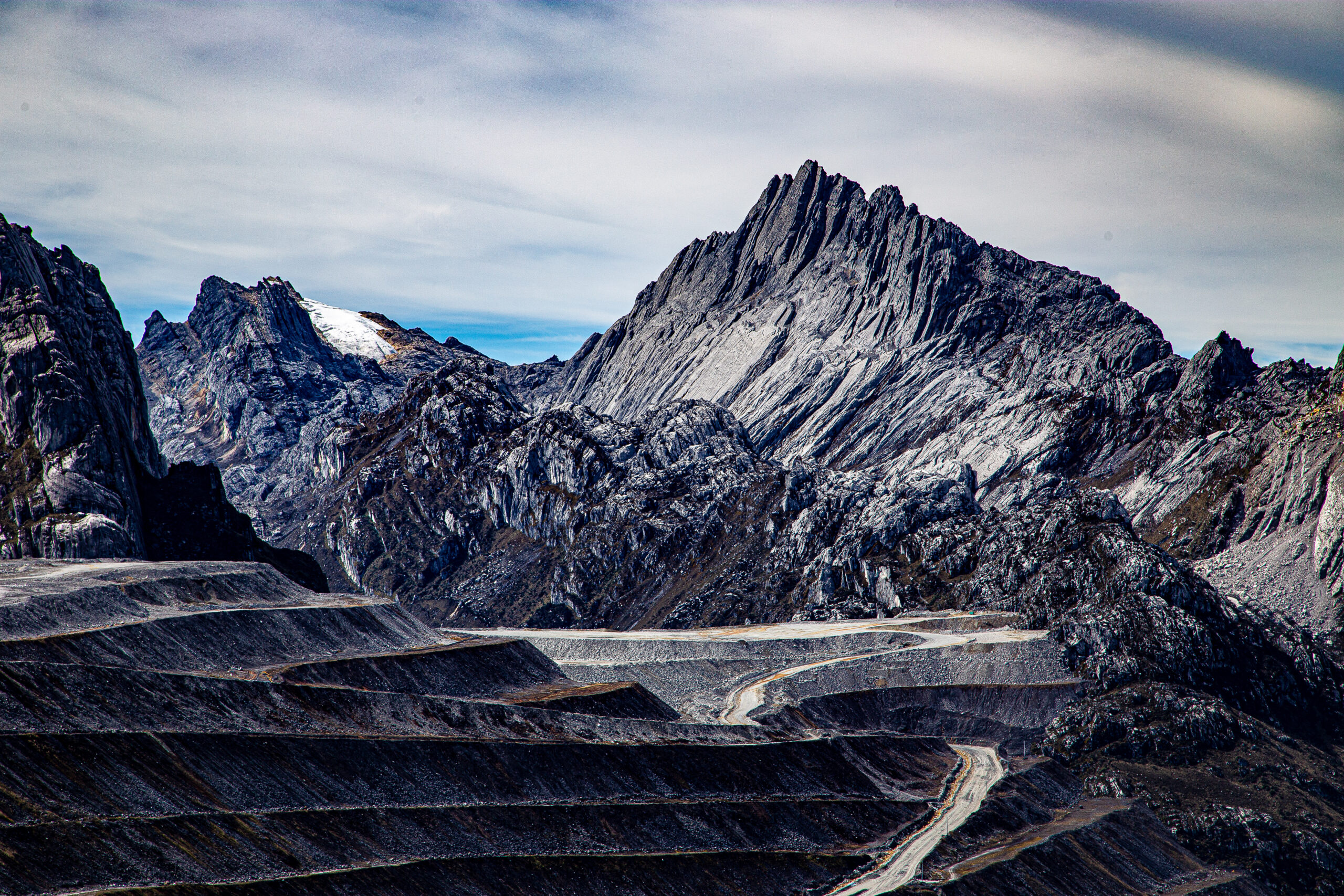
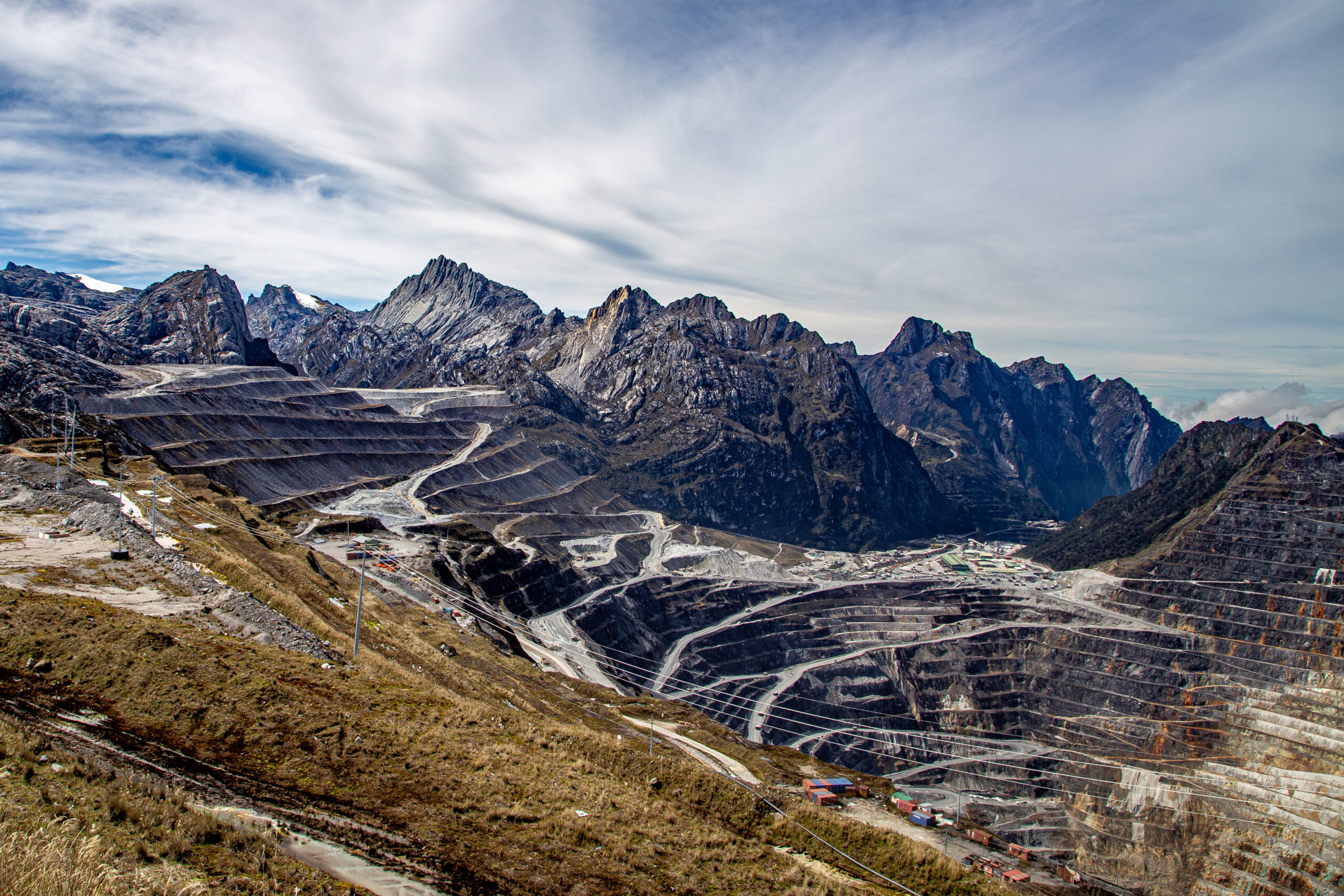
Puncak Jaya’s remaining equatorial ice is only a fraction of the glacier system documented in twentieth-century photographs. Modern commercial summit climbing is fundamentally a limestone-rock objective, not the glacier expedition older images can imply.
Eight Questions That Matter More Than the Departure Date.
Carstensz’s biggest booking risks sit outside the climbing grade.
Who Holds the Permit?
Ask for the name of the Indonesian operating company and who controls the local authorization process.
Is Helicopter Confirmed?
Clarify whether aircraft is contracted, shared, conditional or arranged only after the team reaches Timika.
What If Access Closes?
Know exactly what is refundable when permits or security prevent the expedition from proceeding.
What Does Insurance Cover?
Obtain written confirmation for Central Papua, climbing activity and helicopter evacuation.
How Many Contingency Days?
Aviation delays are normal enough that a zero-margin international ticket is poor planning.
Who Leads the Climb?
Distinguish the booking company from the guide actually leading the team on the limestone route.
What Skills Are Expected?
The route requires competent fixed-rope movement, rappelling and exposure tolerance—not just hiking fitness.
What Is the Exit Plan?
Ask what happens if the helicopter cannot return when planned or a climber must descend early.
Carstensz, Timika & Central Papua.
Modern commercial trips commonly stage in Timika before flying north into the Sudirman Range and the high base-camp area.
Carstensz Pyramid 2026 FAQ.
Current answers for a mountain where access can change faster than route information.
Is Carstensz Pyramid open in 2026?
Commercial access is active. Multiple operators publish helicopter-supported departures for late September, October and early November 2026. Access remains conditional on permits, local security approval, aircraft availability and weather.
Are climbers currently going to Carstensz Pyramid?
Yes. Adventure Indonesia reports a successful February 26, 2026 summit team, and multiple operators currently list additional late-2026 departures.
Is Carstensz Pyramid safe to visit in 2026?
The U.S. State Department currently designates Central Papua as Level 4: Do Not Travel because of civil unrest. Commercial expedition availability should not be interpreted as a government endorsement of the area’s safety.
How do climbers reach Carstensz Pyramid in 2026?
Most current commercial programs stage in Timika and use helicopter transport to and from a high base camp. Some trekking approaches are still discussed or offered, but helicopter-supported access dominates current international programs.
Do I need a permit for Carstensz Pyramid?
Yes, but it is not a simple public summit-permit system. Current commercial access requires coordination through an Indonesian operator or partner handling the relevant government, local and security approvals.
How much does Carstensz Pyramid cost in 2026?
Current published examples range from roughly US$16,000 for some regional or partner-based programs to about US$26,000–27,000 for established Western-guided helicopter expeditions, before every possible extra cost.
What is the technical difficulty of Carstensz Pyramid?
The Normal or Harrer Route involves exposed limestone, fixed-line climbing, short technical sections often described around 5.6–5.8, major summit-ridge gaps and multiple rappels.
When is the best time to climb Carstensz Pyramid?
Carstensz does not have a clean dry alpine season. Operators concentrate departures into periods when permits, security and helicopter logistics are functioning. Wet weather remains possible throughout the year.
Can I climb Carstensz independently?
Independent foreign access is not a realistic modern planning model. Permit, security, local transport and aviation arrangements require substantial Indonesian operational support.
What is the biggest risk when booking Carstensz?
The biggest financial and logistical risk is that access, permits, security or helicopter operations change after payment. Read cancellation and force-majeure terms carefully before committing.
Use the Update for Status. Use the Child Guides for Decisions.
This URL owns the current operating picture so the evergreen mountain guide does not have to change every time a departure or permit situation changes.
What Was Checked for This September 21 Update.
- U.S. Department of State — Indonesia Travel Advisory, including Central Papua
- UK FCDO — current Papua regional-security guidance
- Summit Carstensz — current September–October 2026 helicopter schedule
- SummitClimb — Sept. 30–Oct. 11, 2026 program
- Alpine Ascents International — October 2026 status, price and permit warning
- Adventure Consultants — October 2026 schedule and current program price
- Adventure Indonesia — reported February 26, 2026 summit team
Last researched: September 21, 2026. This page should be refreshed whenever there is a material change in Papua security guidance, permit access, commercial helicopter operations or the next major Carstensz expedition window.
Carstensz Is Operating. That Is Not the Same as Stable Access.
Late-2026 expeditions are on the calendar and climbers are moving through the commercial system. But this remains the Seven Summit where permits, security, aviation and refund terms can matter as much as the rock itself. Verify all four before treating a departure date as real.
Carstensz Remains Operational—and October Departures Are Active.
The late-2026 Carstensz season has now moved from published plans into the main October operating window. Multiple Indonesian and international companies continue to advertise or operate helicopter-supported departures from Timika.
That strengthens the evidence that commercial access is functioning. It does not change the fundamental planning warning: Carstensz access remains conditional on local authorization, security, helicopter operations and usable flying weather.
Oct. 5
Summit Carstensz currently lists a helicopter departure from Timika with open seats.
Oct. 9–19
Alpine Ascents lists its October expedition as sold out.
Oct. 14–24
Adventure Consultants and CTSS both publish departures in this window.
Oct. 23
Summit Carstensz currently lists another Timika helicopter departure.
| Operator | October 2026 departure | Published status | Access model |
|---|---|---|---|
| Summit Carstensz | Oct. 5, Oct. 11, Oct. 23 | Open seats published | Helicopter from Timika |
| Alpine Ascents | Oct. 9–19 | Sold out | Helicopter-supported |
| Adventure Consultants | Oct. 14–24 | Filling | Timika → high base camp helicopter |
| Climbing the Seven Summits | Oct. 14–24 | Published expedition | Shared helicopter transfers from Timika |
Carstensz Update & the Oceania Seven Summit
This live update is one snapshot. See the full Carstensz guide, permits and the Oceania peaks below.