<

Tag: mountain climbing insurance

  • Mountain Climbing Insurance: What You Actually Need

    Mountain Climbing Insurance: What You Actually Need

    Mountain Climbing Insurance: What You Actually Need (2026) | Global Summit Guide
    Cluster 12 · Planning, Safety & Weather · Updated April 2026

    Mountain Climbing Insurance: What You Actually Need

    The four coverage types every climber needs, real 2026 provider pricing (Global Rescue vs Ripcord vs AAC vs World Nomads), tier-by-tier recommendations, common exclusions that void claims, and the evacuation costs that make insurance non-negotiable above 4,000 m.

    4
    Coverage types
    needed
    $749
    Global Rescue
    annual
    $20K+
    Everest C2
    heli-evac
    4,000 m
    Non-negotiable
    threshold
    Global Summit Guide A guide in Cluster 12 · Planning, Safety & Weather View master hub →

    Insurance is the expense climbers most consistently get wrong. They either buy cheap travel insurance that won’t cover mountaineering at all, or they skip insurance entirely and gamble on never needing a rescue. Both decisions cost more than doing it right. A helicopter evacuation from Everest’s Camp 2 runs $20,000–$30,000 out of pocket; a fatal mistake for uninsured climbers. This guide breaks down the four coverage types you actually need, compares the main 2026 providers with real pricing, and tells you which exclusions sink claims when you need them.

    How this guide was built

    Content reflects current 2026 insurance offerings from Global Rescue, Ripcord by Redpoint, American Alpine Club, World Nomads, and comparable specialty providers. Coverage details are drawn from current policy documents, claim requirements, and published exclusions. Real claim cost figures reflect documented helicopter evacuation and medical transport costs from Everest, Denali, Aconcagua, and Kilimanjaro — with figures verified against operator post-incident reports and climber testimonials. Fact-check date: April 19, 2026.

    Do You Need Insurance to Climb a Mountain?

    Yes — for any climb above 4,000 m, any remote backcountry objective, or any climb requiring technical equipment. The question isn’t whether to buy insurance; it’s which kind and how much.

    Why standard travel insurance almost never works

    Most travel insurance policies explicitly exclude mountaineering. Read any standard policy carefully and you’ll find exclusions for: altitudes above 4,000–6,000 m (the range varies), any activity using ropes/crampons/ice axes, climbs defined as “expeditions,” backcountry skiing, and often any activity on official State Department advisory lists. When you need the insurance, these exclusions surface — usually in a denied claim 30 days later.

    What reputable operators require

    Every reputable expedition operator requires proof of insurance before accepting your deposit. Alpine Ascents, IMG, Madison Mountaineering, Mountain Professionals, Climbing the Seven Summits, and every major Kilimanjaro operator demand specific coverage. Budget operators may not verify, but the financial risk to you of climbing uninsured is identical regardless of operator policy.

    The cost of going without

    A single uninsured incident can exceed the entire cost of insurance for 20 years. Real 2026 evacuation costs documented below. Insurance for climbers is the highest return-on-investment line item in the entire budget — $750 in annual premium protects against $20,000–$100,000 in possible liability.


    What Does Mountain Climbing Insurance Cover? The 4 Types

    Mountain climbing insurance isn’t one product — it’s a bundle of four distinct coverage types. Understanding what each one does prevents gaps where you assumed you had coverage but didn’t.

    Critical

    Search & Rescue / Evacuation

    Minimum: $50,000 · Target: $100,000+

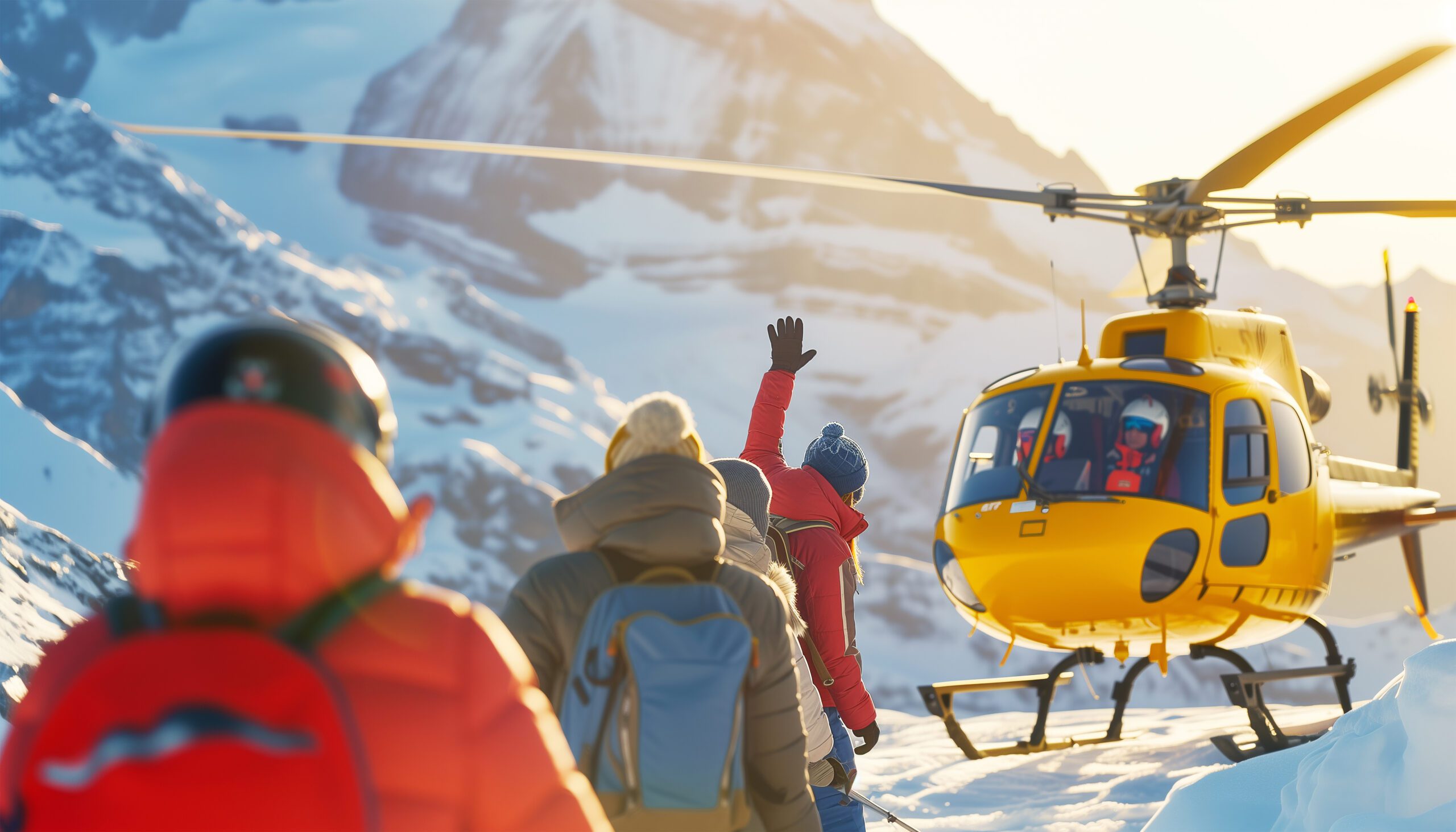
    Helicopter rescue, ground search, and emergency evacuation from remote locations. The single most expensive risk you face as a climber. A helicopter evacuation from Everest’s Camp 2 costs $20,000–$30,000 out of pocket. Denali rescues typically run $15,000–$25,000. Aconcagua rescues $5,000–$15,000.

    Example claim: Climber develops HAPE at 5,800 m on Aconcagua. Helicopter evacuation to Mendoza ($8,500) + ground ambulance + hospital stabilization = $14,200 total covered claim.

    Essential

    Emergency Medical

    Minimum: $100,000 · Target: $250,000+

    Treatment for altitude illness, frostbite, trauma, and standard medical emergencies at altitude. Covers hospitalization, surgery, prescription medications, and follow-up care. Check altitude limits carefully — many policies exclude treatment for conditions occurring above specific elevations.

    Example claim: Climber develops severe frostbite on Denali requiring extended hospitalization in Anchorage and later partial amputation = $85,000+ in medical costs spread across treatment facilities.

    Important

    Trip Cancellation & Interruption

    Coverage: 100–150% of trip cost

    Reimbursement when trips are cancelled or cut short due to weather, medical issues, or family emergencies. Critical for expedition-level trips where the total investment is $50,000+. Read exclusions — many policies don’t cover “climber gives up” scenarios, only medical necessity.

    Example claim: Everest expedition cancelled 3 days before departure due to climber’s back injury. Trip interruption covers $75,000 in non-refundable operator fees, with documentation from treating physician required.

    Useful

    Baggage, Equipment & Liability

    Coverage: $1,500–$5,000 baggage

    Loss or damage to your duffel bags, technical equipment, and personal items. Also includes third-party liability coverage if you’re found responsible for another climber’s injury or equipment damage. Climbing equipment can represent $10,000+ in gear, making this meaningful for expedition climbers.

    Example claim: Airline loses duffel with $6,800 in climbing gear en route to Kilimanjaro. Coverage reimburses full declared value minus typical $250 deductible. Must purchase before trip.

    Rescue coverage is the most important

    If you must prioritize coverage types due to budget, prioritize search and rescue first, emergency medical second, trip cancellation third, baggage last. A helicopter evacuation is both the most likely expensive incident and the hardest to afford out-of-pocket. Medical coverage helps but many climbers have health insurance that extends partially. Trip cancellation matters on expensive trips but is often optional. Baggage coverage is nice-to-have but rarely critical.


    The Best Insurance Providers for Mountain Climbers in 2026

    Four providers dominate the specialty mountain climbing insurance market. Each serves a different climber profile. The best choice depends on how many climbs you do annually and where you climb.

    Tier 1 · Premium Annual

    Global Rescue

    $749/year (Standard) · $1,400 (Enhanced)
    Best for

    Serious climbers with multiple expeditions per year or any single 8,000 m peak objective. Industry standard for professional expeditions and operators. Unlimited rescues with no altitude limit. Used by Alpine Ascents, IMG, Madison Mountaineering.

    • No altitude limit on any peak worldwide
    • Unlimited global rescue services per year
    • Field Rescue Operations by Global Rescue teams
    • $500K medical evacuation with upgrade option
    • Deployable within hours in most regions
    Tier 2 · Mid-Tier Annual

    Ripcord by Redpoint

    $375/year (Travel Insurance) · $750+ (Expedition)
    Best for

    Climbers doing 1–3 expeditions per year who want professional rescue without Global Rescue pricing. Annual membership includes evacuation and $10,000 medical. Activity-specific riders available for Everest and other 8,000ers.

    • Evacuation coverage included in membership
    • $10,000 medical emergency coverage
    • Specific Everest/8,000 m expedition riders
    • Backed by Redpoint Resolutions rescue network
    • Often bundled through expedition operators
    Tier 3 · Budget Annual

    American Alpine Club

    $90/year membership
    Best for

    AAC members, climbers in North American and moderate international terrain, and climbers seeking affordable baseline rescue coverage. Membership includes $15,000 global rescue benefit through partnership with Global Rescue. Also provides climbing community, publications, and grants.

    • $15,000 global rescue benefit included
    • Access to AAJ, guidebooks, library
    • Climbing community and events
    • Grants for climbing and conservation
    • Best when combined with per-trip upgrades
    Tier 4 · Per-Trip

    World Nomads Explorer Plan

    $150–$400 per 2-week trip
    Best for

    Climbers doing one expedition every 2–3 years without needing annual coverage. Explorer Plan covers climbing up to 6,000 m with altitude rider. Easy online purchase and claim process. Not suitable for Everest or other 8,000 m peaks — altitude limits don’t stretch that far.

    • Per-trip purchase with no annual commitment
    • 6,000 m altitude limit with Explorer Plan
    • Covers most expedition peaks below 8,000 m
    • $100,000 emergency medical standard
    • Easy digital claim submission

    How Much Does Mountain Climbing Insurance Cost by Climb Type?

    Insurance costs scale with altitude, remoteness, and expedition duration. The table below shows 2026 pricing for typical scenarios across climb types, helping you align coverage to specific objectives.

    Climb TypeRecommended CoverageTypical CostBest Provider
    Day hiking / local peaks (under 4,000 m)Standard travel insurance adequate$50–$150/trip or $90 AAC annualAAC membership or standard policy
    Kilimanjaro (5,895 m)High-altitude rescue rider$150–$400/tripWorld Nomads Explorer + rider
    Aconcagua (6,961 m)Expedition coverage, 7,000 m limit$250–$600/tripWorld Nomads or Ripcord
    Denali (6,190 m)Cold-weather + evacuation emphasis$300–$700/tripGlobal Rescue or Ripcord
    Cho Oyu / Manaslu / other 8,000ersPremium unlimited altitude$600–$1,500/tripGlobal Rescue + expedition rider
    Everest (8,849 m)Premium + trip cancellation$1,500–$3,000/tripGlobal Rescue + expedition rider
    Multiple expeditions per yearAnnual premium membership$749–$1,400/yearGlobal Rescue annual
    AAC member with moderate climbsMembership + per-trip gap coverage$200–$500/year totalAAC + trip-specific riders

    Annual membership math

    Annual memberships become cost-effective when you do 2 or more climbs per year. Global Rescue at $749/year covers unlimited climbs; equivalent per-trip coverage for 2 serious expeditions would run $1,200–$3,000. For climbers doing 1 major expedition every 2–3 years, per-trip coverage saves money. For climbers doing 2+ expeditions annually, annual membership is the clear choice.

    For budgeting insurance alongside other expedition costs see our Mountain Climbing Costs by Level framework.


    What Insurance Do You Need for Everest? Specific Requirements

    Everest has the most complex insurance requirements of any single peak. At 8,849 m, policy altitude limits become the primary consideration, and the $85,000+ expedition cost makes trip cancellation coverage genuinely valuable.

    The Everest insurance package

    For a 2026 Everest expedition, plan on total insurance coverage of $1,500–$3,000 in annual-plus-expedition premiums. Components:

    • Annual base coverage: Global Rescue standard at $749/year or Ripcord at $375/year — provides unlimited altitude rescue
    • Expedition-specific rider: $300–$1,200 additional depending on provider — extends coverage for multi-week expedition duration
    • Trip cancellation rider: $400–$1,200 — covers 100–150% of $85,000+ expedition cost
    • Medical evacuation supplement: $150–$500 — boost medical evacuation limit to $500,000+

    What Everest operators require

    Every reputable Everest operator — Alpine Ascents, IMG, Madison Mountaineering, Mountain Professionals, Climbing the Seven Summits, Furtenbach Adventures, Seven Summit Treks, 8K Expeditions — requires proof of insurance covering: (1) evacuation from 8,000 m, (2) medical coverage minimum $100,000, and (3) repatriation of remains coverage. Most operators will provide specific requirements in their pre-trip briefings.

    Mandatory coverage for Nepal permits

    Nepal’s September 2025 regulatory update includes mandatory insurance coverage for high-altitude workers (Sherpas and base camp staff) on 8,000 m expeditions. While this doesn’t directly apply to climber insurance, it’s driven up total expedition insurance costs across operators as they pass staff coverage requirements through to climber fees. Expect this to show in operator quotes.

    For the complete Everest planning framework see our How to Climb Mount Everest anchor guide and the detailed Everest cost breakdown.


    Real Mountain Rescue Costs: What Insurance Actually Pays

    Insurance conversations stay abstract until you see documented rescue costs. These are real claim amounts from actual rescues, showing what uninsured climbers would have paid out-of-pocket.

    Everest South Col (7,950 m)
    HAPE evacuation to Kathmandu
    $28,500

    Climber evacuated from Camp 4 by Sherpa team to Camp 2, helicopter to Kathmandu, hospitalization for 5 days, commercial flight repatriation. $28,500 total — covered in full by Global Rescue.

    Denali (6,190 m)
    Cold injury evacuation
    $18,200

    NPS/Army helicopter evacuation from 14,200 Camp to Talkeetna, ground ambulance to Anchorage hospital, partial amputation treatment over 2 weeks. Covered portion $18,200; patient also had health insurance covering balance.

    Aconcagua (6,961 m)
    HAPE evacuation
    $12,800

    Helicopter evacuation from Plaza Argentina base camp to Mendoza, 3-day hospitalization for HAPE recovery. $12,800 covered by World Nomads Explorer Plan with altitude rider.

    Kilimanjaro (5,895 m)
    Severe AMS evacuation
    $6,400

    Climber evacuated from Barafu Camp by stretcher team and helicopter to Moshi hospital, 2-day observation for severe AMS with HACE warning signs. $6,400 total including ambulance, hospital, and flight changes.

    Mont Blanc (4,810 m)
    Fall trauma rescue
    $9,600

    Pelotons de Gendarmerie de Haute Montagne (PGHM) helicopter rescue from Grand Couloir after fall. Emergency medical transport to Chamonix hospital. $9,600 — France’s PGHM subsidizes rescues, otherwise would be $25,000+.

    K2 (8,611 m)
    Frostbite & medical evacuation
    $45,000

    Helicopter rescue from Concordia, ground transport to Skardu, commercial flight to Islamabad, specialized burn unit hospitalization, repatriation. $45,000 total covered by Global Rescue Premium + supplemental medical insurance.

    The uninsured climber’s choice

    A climber without insurance who needs evacuation faces a hard choice: pay $25,000+ out of pocket immediately, or refuse rescue and try to descend with help from teammates. Some climbers have refused rescue they couldn’t afford, sometimes with fatal consequences. Insurance removes the choice — you accept the rescue, and the financial question becomes a paperwork issue later. $749 annual Global Rescue premium buys that peace of mind for every climb.


    What Is Not Covered by Mountain Climbing Insurance?

    Every policy has exclusions. Understanding them prevents the painful surprise of a denied claim. Review your specific policy documents — these are common exclusions across most climbing insurance.

    Altitude limits
    Many policies cap at 5,000–6,000 m. Everest and other 8,000ers require no-altitude-limit specialty policies.
    Pre-existing conditions
    Must be disclosed and specifically covered, or excluded by default. Heart conditions, diabetes, asthma frequently excluded.
    Alcohol / drug use
    Any claim involving alcohol consumption or recreational drugs is typically denied. Prescription medications usually allowed if disclosed.
    Political / conflict zones
    Climbs in regions with State Department travel advisories or active conflict are excluded. Check advisory status before booking.
    Permits & regulations
    Climbs without required permits, or in violation of park rules, are excluded. Your $15,000 Everest permit being valid matters for insurance too.
    Non-emergency evacuation
    If you could have descended safely on your own, non-emergency helicopter evacuation is often denied. Document the medical or weather necessity.
    Solo climbing
    Some policies require team climbing. Solo attempts on expedition peaks may be excluded. Check specific policy language.
    Equipment failure
    Damage from known defects, improper use, or failure to follow manufacturer guidelines. Routine wear-and-tear is not covered.
    Mental health claims
    Most policies exclude psychological or mental health-related claims, including suicide attempts. Some specialty providers are beginning to add coverage.
    Misrepresentation
    Inaccurate information on the application can void the policy entirely. Disclose medical history, activities, and trip details honestly.

    How to read a policy

    Before purchasing, read the Declarations page, Covered Activities, Exclusions, and Altitude Limits sections of any policy document. Call the insurance provider directly to confirm coverage for your specific objective — get the confirmation in writing via email. Written confirmations are enforceable in claim disputes; verbal assurances are not.


    Mountain Climbing Insurance FAQ: Your Common Questions Answered

    Do I need insurance to climb a mountain?

    You need specialized mountain climbing insurance for any climb above 4,000 meters, any remote backcountry objective, or any climb requiring technical equipment. Standard travel insurance explicitly excludes mountaineering above 5,000–6,000 meters, and often excludes any use of ropes, crampons, or ice axes. For hiking below 4,000 meters on established trails, basic travel insurance may be sufficient. For Kilimanjaro, Aconcagua, Denali, Everest, and any expedition-style climb, specialized coverage is essential. A helicopter evacuation from Everest’s Camp 2 costs $20,000–$30,000 out of pocket; Denali rescue costs $15,000–$25,000. These costs can bankrupt climbers without coverage — which is why every reputable guide service requires proof of insurance before accepting clients on technical peaks.

    What does mountain climbing insurance cover?

    Mountain climbing insurance typically covers four categories: (1) Emergency medical treatment including high-altitude illness, frostbite, and trauma at altitude — typical coverage $250,000–$500,000. (2) Helicopter evacuation and search and rescue, often the most expensive risk — coverage should be at least $50,000 but preferably $100,000+. (3) Trip cancellation, interruption, and delay for weather or medical reasons — typically 100–150% of expedition cost. (4) Baggage and equipment loss, including specialized climbing gear. Critical exclusions to watch for: altitude limits (many policies cap at 5,000 m), activity exclusions for “extreme sports” or “mountaineering”, political evacuation exclusions, and pre-existing condition limitations. Specialized providers like Global Rescue, Ripcord, and the American Alpine Club include all four categories with minimal exclusions.

    What is the best insurance for high altitude climbing?

    The best insurance providers for high altitude climbing in 2026 are: (1) Global Rescue — premium membership at $749 annually with unlimited rescues, supplemental medical evacuation insurance optional, no altitude limit, used by professional expeditions worldwide. (2) Ripcord by Redpoint — $375 annually for membership with evacuation coverage, $10,000 medical included, activity-specific riders available. (3) American Alpine Club membership — $90 annually includes $15,000 global rescue benefit, best for AAC members who climb regularly. (4) World Nomads Explorer Plan — covers climbing to 6,000 m with altitude rider, good for climbers without annual membership needs. For Everest, 8,000 m peaks, and expedition climbs, Global Rescue or Ripcord are the gold standard. For Aconcagua, Denali, and lower expedition peaks, any of the four options work depending on personal circumstances.

    How much does mountain climbing insurance cost?

    Mountain climbing insurance costs in 2026: (1) Global Rescue annual membership starts at $749 per year, covering unlimited rescues at any altitude. (2) Ripcord annual membership starts at $375 per year. (3) American Alpine Club membership at $90 per year includes $15,000 global rescue coverage. (4) Per-expedition coverage through World Nomads costs $150–$400 for a 2-week expedition depending on peak altitude. (5) Specialized Everest expedition insurance ranges $800–$2,500 per climb. For climbers doing multiple expeditions per year, annual memberships (Global Rescue, Ripcord, AAC) are more cost-effective than per-trip policies. For climbers doing one major expedition every 2–3 years, per-trip coverage is more economical. The typical total insurance cost for a serious climber spans $200–$3,000 annually depending on expedition volume and coverage level.

    Is Global Rescue worth it for climbers?

    Global Rescue is worth the $749 annual membership cost for climbers doing any expedition above 4,000 meters, anyone doing multiple climbing trips per year, or anyone who climbs in remote regions where evacuation is genuinely difficult. The membership provides unlimited global rescues at any altitude, with no exclusion for mountaineering activities. Global Rescue operates its own rescue infrastructure rather than brokering through third parties, which means faster response times in remote regions. The service is used by professional expeditions including Alpine Ascents, IMG, and Madison Mountaineering, and is the standard for Everest expeditions. For climbers doing only one expedition every several years, per-trip coverage through World Nomads or expedition-specific policies may be more economical. For serious climbers committed to the sport, Global Rescue is the industry standard.

    What insurance do I need for Everest?

    For Everest, you need comprehensive coverage totaling approximately $1,500–$3,000 for the expedition. Required components: (1) High-altitude rescue coverage with no altitude limit — Global Rescue ($749 annual) or Ripcord annual membership ($375) both work. (2) Medical evacuation coverage of at least $100,000, preferably $250,000+ given complexity of medical transport from remote Nepal or Tibet. (3) Trip cancellation and interruption coverage for 100–150% of expedition cost ($85,000+ for median Western operator Everest trips). (4) Optional but recommended: specific expedition insurance riders covering weather cancellations and failed summit attempts. Most Everest operators require proof of insurance before accepting deposits. Standard travel insurance does not cover Everest — the altitude is above nearly all policy altitude limits. Specialty expedition providers like Ripcord and Global Rescue are the two most common choices among Everest climbers.

    Does travel insurance cover mountain climbing?

    Standard travel insurance almost never covers mountain climbing. Common exclusions include: mountaineering above 4,000–6,000 meters (varies by policy), any activity using ropes, crampons, or ice axes, any backcountry skiing or off-piste activity, and climbs defined as expeditions. Some premium travel insurance policies from Allianz, Travel Guard, and World Nomads offer climbing riders that extend coverage — typically adding $100–$500 per trip and raising altitude limits to 5,000–6,000 m. Read exclusions carefully: many policies exclude helicopter evacuation, which is the most common and expensive climbing rescue scenario. For any serious climb, use specialized mountaineering insurance rather than extended travel insurance — the exclusions and altitude limits on standard policies make them unreliable when you actually need them. The $100 premium on a standard policy provides less coverage than the $375 premium on a specialty policy.

    What is not covered by mountain climbing insurance?

    Common mountain climbing insurance exclusions include: (1) Altitude limits — many policies cap at 5,000–6,000 m even with climbing riders; specialized policies have no altitude limit. (2) Pre-existing medical conditions unless specifically disclosed and covered. (3) Climbing under the influence of alcohol or drugs. (4) Climbing in areas with active political conflict or travel advisories. (5) Climbing without required permits or in violation of national park rules. (6) Solo climbing in some policies — team climbing may be required. (7) Equipment failure due to known defects or improper use. (8) Non-emergency evacuation if you could have descended safely. (9) Psychological or mental health claims. (10) Claims involving insurance fraud or misrepresentation of activities. Always read policy exclusions carefully before purchasing — what looks like comprehensive coverage may have specific exclusions that apply to your planned climb. Contact the insurance provider directly to confirm coverage for your specific objective.


    Authoritative Sources & Further Reading

    Content reflects current 2026 policy offerings, verified claim data, and authoritative rescue cost sources:

    • Global Rescue (globalrescue.com) — Premium expedition rescue service, membership details and coverage documentation
    • Ripcord by Redpoint Resolutions (ripcord.com) — Travel insurance with rescue coverage, expedition riders
    • American Alpine Club (americanalpineclub.org) — Membership benefits including rescue coverage and AAJ resources
    • World Nomads (worldnomads.com) — Explorer Plan and adventure travel insurance
    • Alan Arnette — Everest 2026 Coverage — Documented rescue costs and operator insurance requirements
    • American Alpine Club — Accidents in North American Climbing — Annual incident reports with cost references
    • Nepal Ministry of Culture, Tourism & Civil Aviation — September 2025 regulations including mandatory high-altitude worker insurance
    • PGHM (France) and equivalent national rescue services — Public rescue cost structures
    • Insurance brokers: Squaremouth, InsureMyTrip, Travel Insurance Review — comparison platforms
    • Operator pre-trip documentation: Alpine Ascents International, IMG, Madison Mountaineering, Climbing the Seven Summits

    Disclaimer: This guide provides general information only and is not insurance advice. Coverage details, pricing, and exclusions vary by policy and change over time. Always review specific policy documents and consult the insurance provider directly before purchase to confirm coverage for your planned objectives.

    Published: February 15, 2026
    Last updated: April 19, 2026
    Next review: July 2026
    Part of the Global Summit Guide

    Back to the Master Hub

    This guide is one of 71 across 12 thematic clusters on Global Summit Guide. The master hub organizes every guide by experience tier, specific peak, skill area, and region.

    View the Hub →

Language »