web analytics

Tag: long distance hiking

  • Triple Crown of Hiking: AT, PCT & CDT Explained

    Long mountain trail through the American West
    Appalachian Trail · Pacific Crest Trail · Continental Divide Trail

    The Triple Crown of Hiking, Explained

    The Triple Crown of Hiking means completing three of America’s defining long-distance trails: the Appalachian Trail, Pacific Crest Trail and Continental Divide Trail. Together, their current published lengths add up to roughly 7,954 miles—about 12,800 kilometres.

    3 National Scenic Trails ≈7,954 combined miles 22 U.S. states 806 recognized awards through 2025
    The short answer

    The Triple Crown Is AT + PCT + CDT.

    Complete the Appalachian Trail, the Pacific Crest Trail and the Continental Divide Trail in their entirety and you have completed what the long-distance hiking community calls the Triple Crown of Hiking.

    The achievement does not require hiking all three in one year—or even hiking each one in a single continuous thru-hike. ALDHA-West recognizes completions built through thru-hikes, section hikes or flip-flops.

    What matters is completing the entire length of all three trail journeys.

    Think of the three trails as three different examinations.

    A.T.: repeated steep climbing, rocks, roots, humidity, rain and relentless day-to-day terrain.

    PCT: desert water, Sierra snow, long western wilderness and a season controlled by heat and winter.

    CDT: high elevation, remoteness, route choices, water, navigation and the least finished trail corridor of the three.

    Appalachian Trail 2,197.9 mi official 2026 mileage
    Pacific Crest Trail 2,655.84 mi 2026 best GIS estimate
    Continental Divide Trail ≈3,100 mi CDTC current figure
    Combined ≈7,954 mi ≈12,800 km
    The achievement

    One Name for Three Enormous Walking Journeys

    The Triple Crown is not one organized race or one continuous route. It is a long-distance hiking achievement built by completing three separate trails.

    Trail 1

    Appalachian Trail

    Georgia to Maine through 14 states and the mountain systems of the eastern United States.

    Trail 2

    Pacific Crest Trail

    Mexico to Canada through California, Oregon and Washington via the desert, Sierra Nevada and Cascade Range.

    Trail 3

    Continental Divide Trail

    Mexico to Canada through New Mexico, Colorado, Wyoming, Idaho and Montana along the Rocky Mountains.

    The finish

    Triple Crowner

    Hikers who complete the entirety of all three may apply for ALDHA-West’s Triple Crown of Hiking recognition.

    The mileage is not permanently fixed. Long trails move. Relocations, improved mapping, closures and construction can change published mileage. The combined figure on this page uses the current published 2026 A.T. and PCT measurements plus CDTC’s approximately 3,100-mile figure for the CDT.
    The three trails

    Same Achievement. Three Very Different Experiences.

    Completing one does not mean you have already solved the other two. Each trail rewards a different mix of physical conditioning, logistics and backcountry judgment.
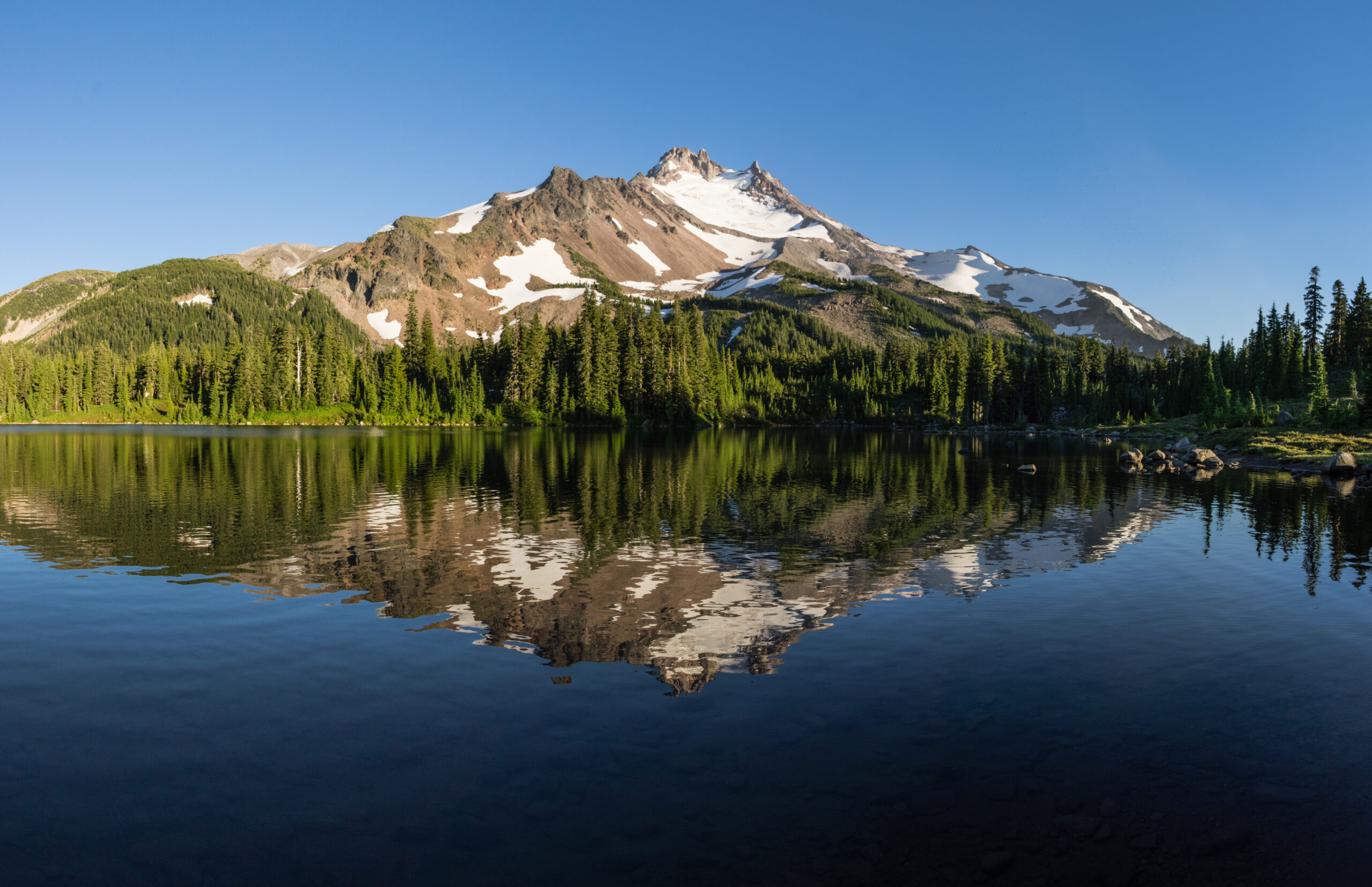
    Eastern mountain ridges representing the Appalachian Trail
    AT

    Appalachian Trail

    2,197.9 miles 14 states ≈6 months Georgia → Maine

    The A.T. is the shortest of the three by mileage but should not be confused with an easy introduction. Rocks, roots, mud, steep climbing and repeated elevation changes create a demanding walking rhythm.

    Its dense network of roads, trail towns and more than 250 backcountry shelters gives it substantially more infrastructure than many western long trails.

    Western mountain trail representing the Pacific Crest Trail
    PCT

    Pacific Crest Trail

    2,655.84 miles 3 states ≈5 months Mexico → Canada

    The PCT creates an enormous environmental progression: Southern California desert, Sierra Nevada, volcanic Oregon and the Cascade Range of Washington.

    The walking tread is often comparatively efficient, but the seasonal equation is severe. Desert heat, scarce water, mountain snow, stream crossings and autumn weather all have to fit into one hiking window.

    Remote mountain trail representing Continental Divide Trail travel
    CDT

    Continental Divide Trail

    ≈3,100 miles 5 states 5–7 months Mexico → Canada

    The CDT is the longest of the three using current published figures and follows the Continental Divide through the Rocky Mountains.

    CDTC describes it as the most remote and rugged of the Triple Crown trails. Route choices, water, weather, navigation and remote access all play a larger role.

    Head-to-head

    AT vs PCT vs CDT

    Mileage is only the beginning. Trail character, weather, infrastructure and navigation change the experience completely.

    Factor Appalachian Trail Pacific Crest Trail Continental Divide Trail
    Current length 2,197.9 miles 2,655.84 miles Approximately 3,100 miles
    States 14 3 5
    Typical full thru-hike About 6 months About 5 months About 5–7 months
    Landscape Eastern forests and Appalachian mountains Desert, Sierra Nevada and Cascades Rocky Mountains and Continental Divide
    Trail tread Often steep, rocky, rooted and muddy Often graded for sustained walking Highly variable with alternates and incomplete corridor sections
    Navigation Strongly established corridor Established tread, complicated by snow and closures Greater route-choice and navigation responsibility
    Resupply Frequent Generally every several days with some remote stops Towns often farther apart and farther from trail
    Social structure Dense shelter and trail-town culture Strong northbound seasonal community Smaller and more dispersed long-distance community
    Major timing problem Spring cold and reaching Maine before late autumn Desert heat, Sierra snow and northern winter New Mexico timing, Colorado snow and northern mountain season
    Permit model No single trail-wide permit; local permits apply Long-distance permit available for qualifying 500+ mile continuous trips No single trail-wide permit; multiple local permits apply
    Layered Appalachian mountains along a long-distance hiking corridor
    Trail one does not train you perfectly for trail two

    The A.T. Can Teach Endurance. The PCT Can Teach Seasonal Strategy. The CDT Can Demand Greater Independence.

    The value of the Triple Crown is not simply accumulating miles. Finishing all three means repeatedly adapting the same long-distance hiking fundamentals to very different terrain, climates and logistics.

    Mountain trail through the western United States
    Pacific Crest Trail

    A Seasonal Race Between Desert Heat and Northern Winter

    PCTA’s January 2026 GIS update places its latest best estimate of the PCT at 2,655.84 miles.

    A typical thru-hike takes around five months. Most northbound hikers begin in April or early May, then attempt to reach Canada before major autumn storms shut down mountain travel.

    Between those two points are some of the largest seasonal transitions in American hiking: Southern California’s dry mountains, the Sierra Nevada, volcanic Oregon and the North Cascades.

    Appalachian Trail

    The Shortest Triple Crown Trail Can Still Feel Relentless.

    ATC’s official 2026 mileage is 2,197.9 miles from Springer Mountain, Georgia, to Katahdin in Maine.

    A typical complete thru-hike takes around six months. Despite lower elevations than the western trails, the A.T. repeatedly climbs and descends rugged eastern mountains.

    Its defining logistical advantage is infrastructure. Hundreds of access points, frequent trail communities and more than 250 backcountry shelters create a very different long-distance ecosystem from the western trails.
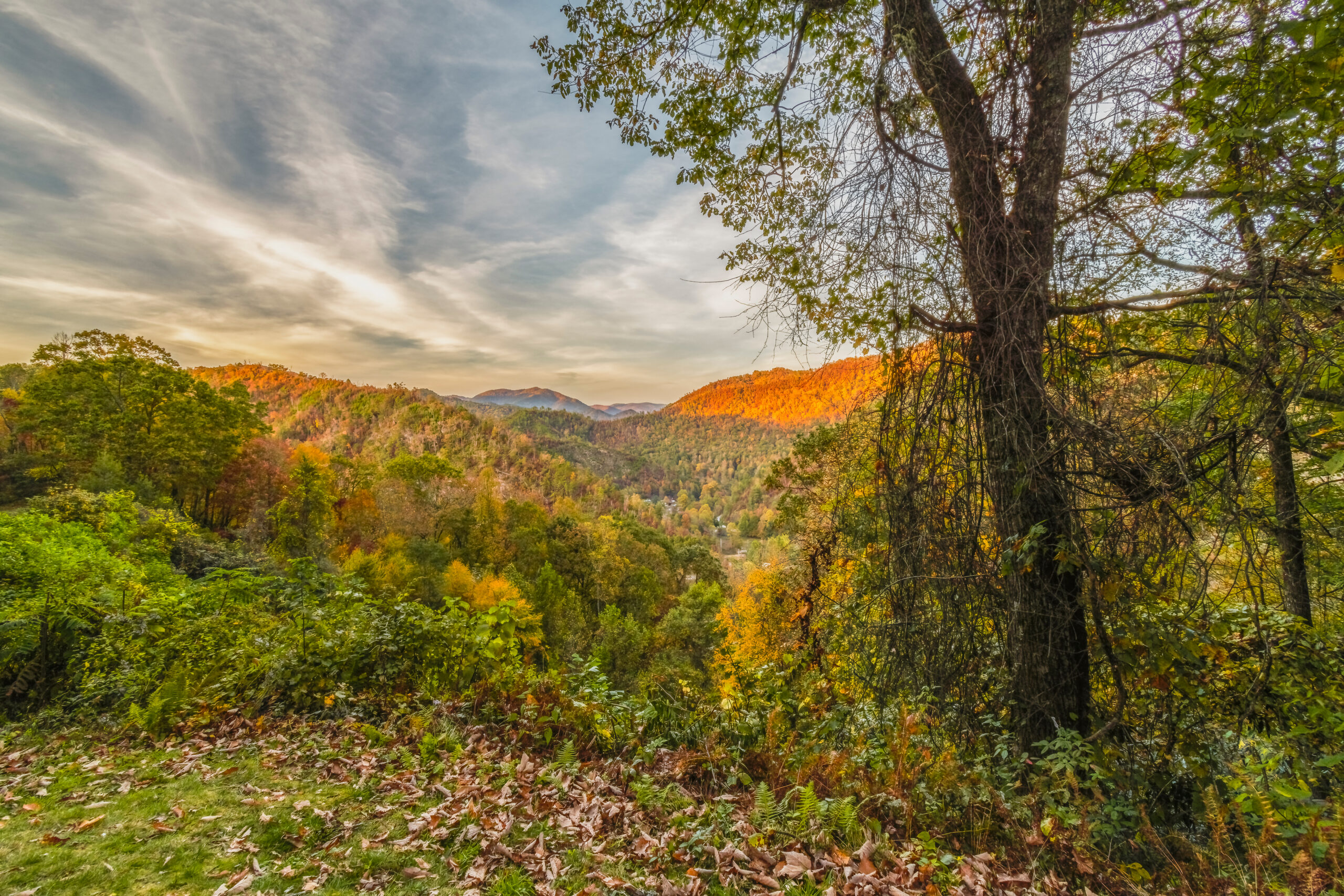
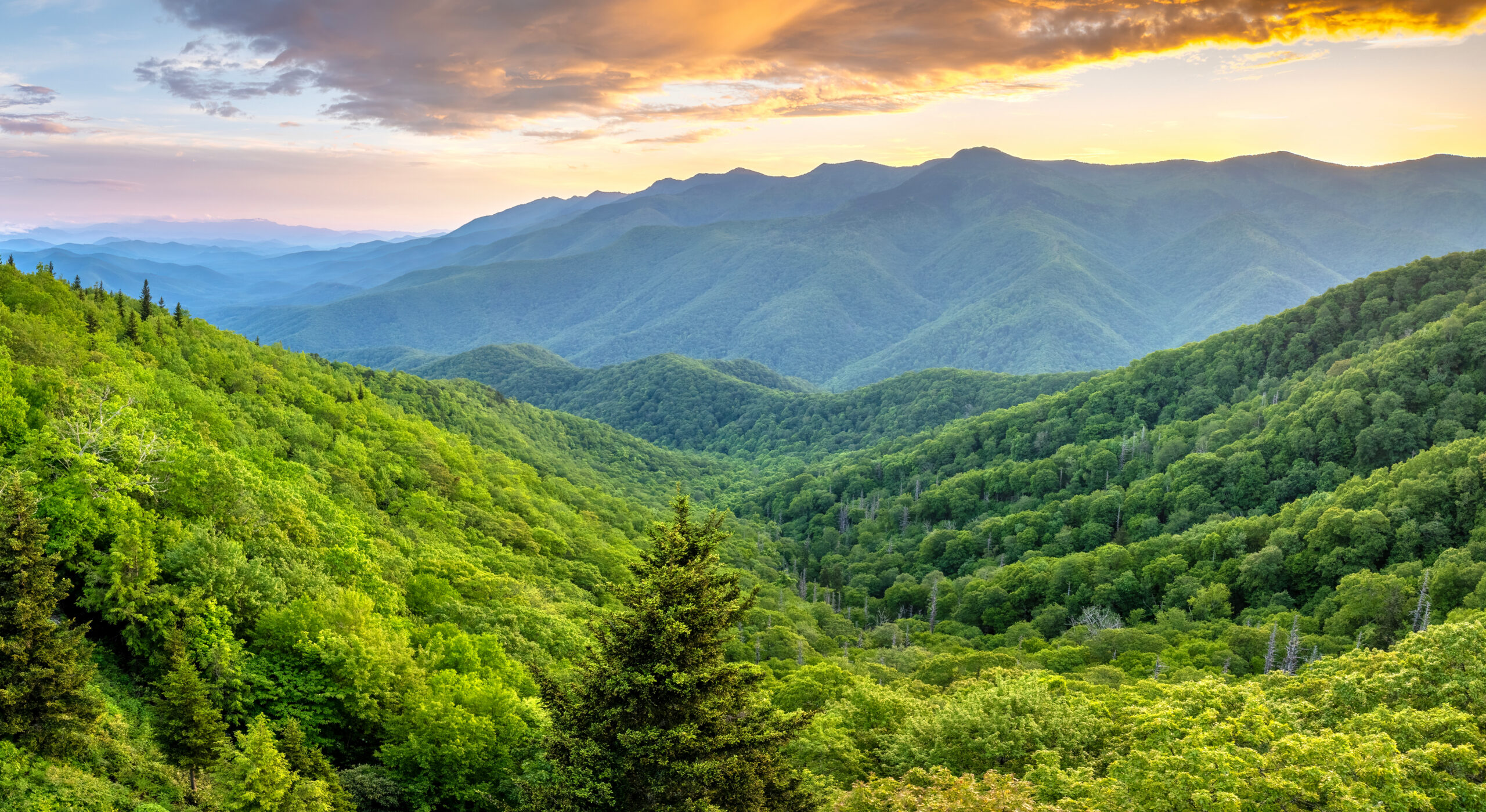
    Eastern mountain ridges at sunset
    Long remote mountain route representing Continental Divide travel
    Continental Divide Trail

    The Triple Crown’s Longest and Most Remote Route

    CDTC describes the CDT as a roughly 3,100-mile National Scenic Trail running from Mexico to Canada through New Mexico, Colorado, Wyoming, Idaho and Montana.

    The organization gives a typical complete thru-hiking window of roughly five to seven months.

    Unlike a trail with one completely finished footpath, the CDT remains a developing corridor. CDTC currently reports approximately 160 miles still incomplete, which is one reason current maps, alternates and land-management information matter so much.

    The transferable skills

    Every Trail Changes. The Core Systems Stay With You.

    Triple Crown hiking demands far more than the ability to walk long distances.

    Body

    Endurance

    Sustain repeated walking days while managing feet, recovery, nutrition and minor problems before they become major ones.

    Pack

    Gear Systems

    Carry shelter, sleep, clothing, water and electronics with enough reliability to function for months.

    Logistics

    Resupply

    Continuously recalculate food, town access and future mileage as trail conditions and pace change.

    Judgment

    Weather & Route Decisions

    Snow, fire, water, storms, heat and closures can change the safe route even when the original itinerary looked perfect.

    Official recognition

    What Actually Counts Toward the Triple Crown?

    ALDHA-West’s rules are intentionally focused on completing the trails, not on how quickly or in what style the miles were accumulated.

    ALDHA-West recognition through 2025 806 Triple Crown of Hiking awards

    Complete All Three Trails in Their Entirety.

    ALDHA-West says completion should represent terminus-to-terminus footsteps across the Appalachian Trail, Pacific Crest Trail and Continental Divide Trail.

    Temporary detours happen because of wildfire, washouts and other closures. Hikers can return later to complete sections they were legitimately unable to walk.

    Recognition uses the honor system. ALDHA-West does not investigate or independently verify each mile.

    Allowed

    Thru-Hiking

    Completing each route as a continuous long-distance journey counts.

    Allowed

    Section Hiking

    Hikers may complete one or more trails through sections over multiple trips or years.

    Allowed

    Flip-Flopping

    Direction changes or multi-leg completion can count as long as the entire trail is ultimately completed.

    No speed requirement. No required order. No single-year requirement. ALDHA-West explicitly says it does not add qualifiers based on speed, style, age, nationality or similar categories.
    Long-distance backpacker carrying lightweight equipment
    The award does not require three perfect seasons

    The Triple Crown Can Be a Three-Year Project—or a Multi-Decade One.

    Someone with the freedom to complete three full thru-hikes can build the Triple Crown quickly. Another hiker may accumulate the same trail miles through annual sections over many years. The recognition is based on completion, not the calendar.

    Time commitment

    Three Complete Thru-Hikes Mean Roughly a Year and a Half of Walking

    Add the organizations’ typical thru-hiking time ranges and the scale becomes clear even before training, recovery and time between trails are counted.

    Trail Typical complete thru-hike Main seasonal constraint
    Appalachian Trail About 6 months Balance a spring start against reaching Maine before severe autumn conditions.
    Pacific Crest Trail About 5 months Fit desert heat, Sierra snow and the Cascades before winter.
    Continental Divide Trail About 5–7 months Coordinate New Mexico, Colorado snow and northern Rocky Mountain timing.
    Combined hiking time Roughly 16–18 months Not including recovery, training or the years between separate trail attempts.
    Thinking beyond one trail

    The Triple Crown Is Easier to Understand as a Progression

    You do not need to decide today that you will complete all three. Experience on one trail can tell you whether the larger project is something you actually want.

    Step 1

    Learn Backpacking

    Make shelter, sleep, water, navigation and food systems routine on shorter trips.

    Step 2

    Complete a Long Section

    Test feet, recovery, resupply, weather and the mental rhythm of walking for weeks.

    Step 3

    Complete One Major Trail

    Learn what several months of continuous long-distance hiking actually asks from your body and life.

    Step 4

    Choose the Next Challenge

    Use the strengths and weaknesses exposed by trail one to decide whether another Triple Crown route makes sense.

    A different problem every time

    What Changes From Trail to Trail?

    The backpack may look similar, but several major systems must be rebuilt for each trail.

    System A.T. PCT CDT
    Water Generally abundant, although treatment remains essential. Major dry stretches in Southern California. Long dry stretches and variable source quality in parts of the route.
    Snow Early and late-season concern. Central to Sierra and northern timing. Central to Colorado and northern-route strategy.
    Navigation Strongly defined corridor and blazing. Established tread, with snow or closures complicating travel. More alternates, incomplete segments and route-choice decisions.
    Resupply Dense trail-town network. Regular but sometimes remote. Greater town distance and transportation planning.
    Weather Rain, humidity, cold and storms. Heat, snow, wildfire and large temperature variation. High elevation, storms, snow, heat and exposure.
    Trail culture Shelters, hostels and frequent social contact. Strong seasonal hiking community with larger wilderness gaps. Smaller population and greater independence.
    Long-distance hiker using trekking poles on mountain terrain
    Seven thousand nine hundred miles does not happen one step at a time—it happens one system at a time

    Gear, Food, Recovery, Weather, Navigation. Solve Them Repeatedly.

    The physical mileage is enormous, but the practical challenge is repetition: thousands of mornings when the same small systems still need to work.

    Continental scale

    The Three Trails Span the United States From East to West

    The A.T. follows the Appalachians. The PCT follows the western mountain corridor. The CDT follows the spine of the Rocky Mountains.

    East Appalachian Trail

    Georgia to Maine through the Appalachians and 14 eastern states.

    West Pacific Crest Trail

    Mexico to Canada through California, Oregon and Washington.

    Interior West Continental Divide Trail

    Mexico to Canada along the Rocky Mountains through five states.

    Combined footprint 22 States

    Completing all three exposes a hiker to an extraordinary cross-section of American mountain landscapes.

    Common questions

    Triple Crown of Hiking FAQ

    The formal requirement is simpler than the physical challenge: eventually complete all three trails.

    What is the Triple Crown of Hiking?

    It is the achievement of completing the Appalachian Trail, Pacific Crest Trail and Continental Divide Trail in their entirety. ALDHA-West provides formal Triple Crown of Hiking recognition.

    How many miles is the Triple Crown?

    Using current published figures, the A.T. is 2,197.9 miles, the PCT has a current best estimate of 2,655.84 miles and the CDT is approximately 3,100 miles. Together that is roughly 7,954 miles, or about 12,800 kilometres. Exact total mileage changes as the trails change.

    Do I have to thru-hike all three trails?

    No. ALDHA-West says thru-hikes, section hikes and flip-flop approaches can all count. The requirement is completion of the trails in their entirety rather than one required style.

    Do I have to complete the Triple Crown in a certain number of years?

    No overall timetable is required by ALDHA-West. Hikers may complete the three trails across multiple seasons or many years.

    Does the order matter?

    No. There is no required sequence for the Appalachian Trail, Pacific Crest Trail and Continental Divide Trail.

    Who recognizes Triple Crown hikers?

    The American Long Distance Hiking Association-West, known as ALDHA-West, recognizes hikers who report completing all three trails. The award is based on the honor system.

    How many recognized Triple Crowners are there?

    ALDHA-West reports that 806 Triple Crown of Hiking awards had been recognized as of the 2025 awards ceremony. Not every person who completes all three necessarily applies for the award.

    How long would three complete thru-hikes take?

    Typical published durations are about six months for the A.T., five months for the PCT and five to seven months for the CDT. That implies roughly 16 to 18 months of actual trail time if each were completed as a separate typical thru-hike, before time between hikes is counted.

    Is the CDT a completed trail?

    Not entirely. CDTC currently reports that approximately 160 miles of the corridor remain incomplete. Current official maps and route information should therefore be used when planning CDT travel.

    Long-distance hiker continuing along a mountain trail
    The Triple Crown begins with trail one

    You Do Not Hike 7,954 Miles at Once.

    You learn to carry a backpack. You finish a section. You solve your first resupply. You walk through bad weather. You complete one trail. Then you decide whether another one is calling. The Triple Crown is the result of those smaller decisions repeated across three extraordinary American landscapes.

    Was this helpful?

    Thanks for your feedback!
  • Europe vs USA Long-Distance Trails: First Trip Guide

    Long trail crossing open mountain country
    First long trail · Europe · USA · trip style

    Europe vs USA: Where to Do Your First Long Trail

    Europe and the United States can deliver completely different versions of the same idea. In Europe, a long trail may connect villages, mountain huts, inns and trains. In the United States, the classic thru-hike often centers on camping, resupply, wilderness and weeks or months of continuity. Neither model defines an entire continent—but the distinction is a useful place to begin.

    lodging vs camping transport compared food + resupply compared first-trip focused
    The short answer

    Choose the Trail System Before You Choose the Famous Trail.

    Look toward Europe when you want your first long walk to fit inside a normal vacation and prefer the option of sleeping in huts, inns or hotels, eating in villages and using public transportation.

    Look toward the United States when the experience you want is specifically backpacking-based: carrying a shelter, sleeping outside most nights, managing resupply and staying continuously on a large trail for weeks or months.

    Then choose the individual trail. Europe contains remote wilderness. America contains highly supported trails. Geography alone never tells the entire story.

    Start with the overnight question.
    Europe may fit when… You want walking to be the main challenge while lodging, meals and transport reduce the backpacking logistics.
    USA may fit when… You want the complete self-supported backpacking lifestyle to be part of the challenge.
    European core examples 4 days–7 weeks from Laugavegur to GR10
    Triple Crown scale 2,000–3,100+ mi season-long journeys
    A.T. shelters 250+ backcountry shelter network
    U.S. scenic trails 11 National Scenic Trails
    At a glance

    Europe vs USA Long-Distance Trails

    These are broad patterns found on many famous routes—not rules that apply to every trail on either continent.

    Planning factor Many European classics Major U.S. thru-hikes
    Typical first-trip scale Often several days to two weeks. Can range widely, but the famous Triple Crown routes require several months.
    Sleeping Huts, refuges, inns, hotels, hostels, campsites or a mixture. Camping is central; the A.T. adds an extensive shelter system.
    Food Village meals, refuge meals, local shops and shorter carries are common on supported routes. Food is normally carried between trail towns and resupply points.
    Transportation Rail and bus networks can simplify access on many established trails. Airports may be far from termini; shuttles, hitches and road access often matter.
    Pack weight Can be substantially lighter when shelter, bedding and meals are provided. Often includes shelter, sleep system, food storage and several days of food.
    Reservations Beds may dictate the itinerary on popular hut routes. Backcountry permits and quotas may dictate start date or specific areas.
    Waymarking Many major routes are strongly waymarked, although standards vary by country. Established trails are mapped and marked, but wilderness navigation remains important.
    Town interaction Can happen every day on village-to-village routes. Often happens every several days during resupply.
    Wilderness continuity Varies enormously from Alpine villages to Icelandic and Scandinavian wilderness. Often a defining feature, especially on PCT and CDT sections.
    Primary planning question Can I secure the right accommodation and transportation? Can I sustain the weather, food, camping and resupply system for the entire journey?
    Start with your preferred experience

    Which Long-Trail Style Sounds More Like Your Trip?

    This is about fit, not superiority. The same hiker may prefer a European hut route one year and a U.S. wilderness thru-hike the next.

    Explore Europe first when…

    You Want Walking Without Full Expedition Logistics

    Europe’s developed long-walking culture creates many routes where the trail remains physically demanding while some of the overnight logistics are outsourced to huts, inns and towns.

    • You have one or two weeks rather than several months.
    • You would rather sleep in a bed than carry a tent.
    • You like restaurants, villages and local culture during a hike.
    • Public transportation is part of the appeal.
    • You want to learn consecutive-day walking before full backpacking.
    • You are comfortable booking accommodation ahead on popular routes.
    Explore the USA first when…

    You Want Backpacking to Be Part of the Point

    The American thru-hiking model is especially strong for hikers who want to live out of a backpack, camp repeatedly and connect large landscapes through one continuous journey.

    • You already enjoy multi-day backpacking.
    • You want camping to be the normal overnight system.
    • You want to carry several days of food at a time.
    • Long wilderness sections sound appealing rather than inconvenient.
    • You are interested in weeks or months of trail continuity.
    • You want a stronger self-supported thru-hiking experience.
    Mountain walking landscape representing a supported European long-distance route
    Europe changes the overnight equation

    You Can Spend a Week in Serious Mountains Without Carrying a Tent.

    That is one of the biggest differences for a first long trail. On selected European routes, huts, refuges and village lodging remove the shelter and sleep system from your backpack. The walking can remain difficult; the logistics simply become different.

    Europe

    There Is No Single European Trail Model

    Alpine refuge routes, British long walks, Spanish pilgrimages, French GR routes and Nordic wilderness trails solve overnight logistics in completely different ways.

    Scotland

    West Highland Way

    The 96-mile route can usually be walked in about a week. Inns, hotels, campsites and baggage services combine with trains and buses at several points along the corridor.

    96 miles 6–7 days typical lodging + camping rail + bus access
    France · Italy · Switzerland

    Tour du Mont Blanc

    Nearly 170 kilometres around the Mont Blanc massif combine major mountain passes with refuges, villages and valley transportation. Accommodation reservations can become the central planning problem.

    ≈170 km 7–11 days refuges three countries
    Spain

    Camino Francés

    The Camino emphasizes towns, hostels, food and cultural interaction. Spain’s official tourism guidance notes abundant accommodation and highly visible waymarking along the route.

    village-to-village hostels + hotels frequent food strong waymarking
    Dolomites

    Alta Via 1

    Rifugi let hikers spend repeated days high in the Dolomites without carrying a complete camping system. The tradeoff is that bed availability can lock in daily stages.

    ≈125 km 8–12 days rifugi high mountain route
    Iceland

    Laugavegur

    Europe can also feel remote. Iceland’s Highlands bring exposed weather, river crossings and limited services despite a route short enough to complete in several days.

    ≈55 km 4–6 days huts + camping remote Highlands
    French Pyrenees

    GR10

    At roughly 1,100 kilometres, the GR10 demonstrates why Europe should not be reduced to short hut holidays. This is a genuine multi-week mountain journey using refuges, gîtes, villages and camping.

    ≈1,100 km 5–7 weeks mixed lodging coast to coast
    Do not assume wild camping is legal everywhere in Europe. Access and camping law varies by country, region, protected area and sometimes season. Scotland itself has local seasonal camping restrictions along portions of Loch Lomond despite its broader outdoor-access framework.
    Pacific Northwest mountain trail representing western United States thru-hiking
    United States

    The Classic American Model Is a Backpacking Journey First.

    America’s National Scenic Trails include enormous continuous routes designed to connect public lands, landscapes and communities. The Pacific Crest Trail, Appalachian Trail and Continental Divide Trail form the Triple Crown of Hiking.

    Most hikers on these routes repeatedly camp, carry days of food and leave the trail periodically for resupply. The challenge is not only walking the distance. It is keeping a lightweight mobile household functioning for months.

    The amount of wilderness varies dramatically. The A.T. has a dense shelter and trail-community network. CDTC describes the CDT as the most remote and rugged of the Triple Crown trails.

    Three American examples

    The Triple Crown Is Not One Experience Either

    PCT, A.T. and CDT share the thru-hiking model, but their infrastructure and remoteness are very different.

    Western USA

    Pacific Crest Trail

    Long graded miles through desert, Sierra Nevada and Cascades. Permits, water, snow, wildfire and repeated resupply define the logistics.

    Eastern USA

    Appalachian Trail

    The A.T. combines rugged tread with an unusual density of shelters, roads and trail communities. It is still a camping-based long-distance backpacking journey.

    Rocky Mountains

    Continental Divide Trail

    Longer food carries, alternate routes, remote access and navigation independence make the CDT a different planning project from either the PCT or A.T.

    Forested Appalachian mountain landscape in the eastern United States
    American does not always mean isolated

    The Appalachian Trail Can Move From Backcountry Shelter to Trail Town Again and Again.

    More than 250 shelters and frequent road crossings give the A.T. an infrastructure level that does not fit the stereotype of an entirely remote American wilderness trail. Yet hikers still need their own shelter and backpacking system.

    The biggest practical difference

    Where Do You Want to Sleep?

    The overnight system determines pack weight, reservation strategy, budget and how independent the trip feels.

    Overnight model Typical planning effect Trail examples
    Mountain hut Less overnight gear; beds and meal reservations may control daily stages. Tour du Mont Blanc, Alta Via 1.
    Inn-to-inn Small pack possible; accommodation availability and daily destination matter. West Highland Way, many Camino itineraries.
    Huts + camping More independence while retaining infrastructure at selected stops. Laugavegur and other mixed European routes.
    Shelters + tent Carry full sleep system but use established overnight nodes when available. Appalachian Trail.
    Backcountry camping Maximum independence with heavier responsibility for campsite, water and food storage. PCT, CDT and many western U.S. trails.
    Food and resupply

    Europe Can Shift Calories From Your Pack to the Next Village.

    On supported European routes, breakfast and dinner may be available at lodging, with cafes, markets or refuges appearing during the day. That can sharply reduce the amount of food carried.

    Major U.S. thru-hikes usually require hikers to leave towns with several days of food. Resupply becomes a repeating system of grocery stores, mailed boxes, road crossings, hitches and trail-town chores.

    This is one reason the same daily walking mileage can feel like a different trip: food for the next four or five days can weigh several pounds.

    Long-distance hiker carrying backpacking equipment and food
    Getting to and from the trail

    Europe Often Lets the Trail Plug Into Public Transportation

    This can be a major advantage on a first international walking trip, but it still needs to be checked route by route.

    West Highland Way

    Train & Bus Corridor

    Milngavie has regular rail service from Glasgow, Fort William connects back by rail and coach, and several intermediate communities also have train or bus access.

    Lechweg

    Connected Villages

    Official Lechweg information notes that communities along the route are linked by public buses, and a car is unnecessary for the walk itself.

    U.S. thru-hikes

    Trailheads Need Solving

    Airports and long-distance transportation usually get you only part of the way. Terminus shuttles, local transit and trailhead access often become separate planning tasks.

    A useful first-trip advantage: a route that begins and ends near reliable rail or bus service removes the rental-car and point-to-point vehicle problem entirely.
    Rules and reservations

    The Bureaucracy Changes—It Does Not Disappear.

    European walkers may organize beds. American thru-hikers may organize wilderness permits. Both can become itinerary constraints.

    Europe

    Hut Reservations

    Popular refuge routes can require booking beds well before the hike, reducing day-to-day itinerary flexibility.

    Europe

    Camping Rules Vary

    Wild-camping law and protected-area rules differ by country and region. Never assume a continent-wide rule.

    USA

    Wilderness Permits

    Some trails cross multiple permit areas. PCTA offers a long-distance permit for qualifying continuous PCT trips of 500 or more miles.

    USA

    Food & Camping Rules

    Bear-canister rules, campsite restrictions, fires and permits can change as a hiker crosses different land jurisdictions.

    Budget

    Europe Can Cost More Per Day—and Less for the Entire Project

    The meaningful comparison is total trip cost, not simply the nightly price of a hut versus a campsite.

    Cost category European supported trail U.S. thru-hike
    Accommodation Frequent paid huts, inns or hotels can create a high daily rate. Backcountry camping may cost little most nights, with town lodging periodically.
    Food Restaurants and hut meals can cost more but reduce pack weight. Groceries and trail food dominate between town restaurant stops.
    Equipment Lodge-based trips may not require a tent, pad or full cooking system. A complete backpacking system is normally required.
    Transportation International airfare may be substantial, but public transit can simplify local movement. Domestic travel may be cheaper for U.S. hikers, although remote trailheads add shuttle costs.
    Duration Many classic routes fit into one or two weeks. A Triple Crown thru-hike creates four to seven months of trail spending.
    Time away from work Often fits inside standard vacation leave. A season-long thru-hike can create a major income or career cost.
    Mountain hiking landscape representing a shorter long-distance trail
    Duration changes everything

    A Seven-Day Long Trail and a Five-Month Thru-Hike Should Not Be Compared Only by Scenery.

    One fits inside annual leave and can be planned around booked beds. The other becomes a temporary lifestyle involving resupply, weather progression, repeated camping and months away from home. Decide which scale you want before choosing the famous name.

    Choose by available time

    Your Calendar Can Narrow the Continent Immediately

    There are exceptions in every category, but time is one of the fastest ways to move from thousands of possibilities to a useful shortlist.

    Time available European examples U.S. examples What you are learning
    4–7 days Laugavegur, Great Glen Way sections, Camino sections. Sections of established National Scenic Trails. Consecutive-day walking, foot care and recovery.
    1–2 weeks West Highland Way, Tour du Mont Blanc, Alta Via 1. Wonderland Trail and shorter wilderness routes. Full multi-day rhythm and weather management.
    3–6 weeks Longer GR sections or GR10 segments. Long Trail, Colorado Trail, substantial PCT/A.T. sections. Resupply, equipment wear and extended recovery.
    4–7 months Only Europe’s longest routes or linked trail systems reach this scale. PCT, Appalachian Trail and CDT become central options. Season-long thru-hiking as a temporary lifestyle.
    For a true first long trail

    Reduce the Number of New Skills You Must Learn at Once

    A first long trail becomes more manageable when only one or two parts of the experience are unfamiliar.

    If camping is new

    Use Lodging

    Learn pacing and recovery on an inn-to-inn route before adding a full overnight backpacking system.

    If backpacking is familiar

    Add Duration

    Move toward a longer U.S. section or complete shorter American thru-hike rather than changing every variable.

    If navigation is new

    Choose Waymarking

    Let daily walking teach the lesson rather than combining it with difficult route-finding.

    If time is limited

    Complete Something

    A one-week end-to-end trail can teach more than one arbitrary week in the middle of a five-month objective.

    Geographic orientation

    Two Regions, Very Different Trail Networks

    Europe compresses many major long trails into dense transport and settlement networks. America’s famous thru-hikes stretch across a continent-sized country and multiple wilderness systems.

    European Alps Huts + Valleys + Transport

    TMB, Alta Via 1 and Haute Route combine mountain passes with staffed accommodation and valley access.

    Britain & Spain Inn-to-Inn Walking

    West Highland Way and Camino-style routes integrate communities directly into the journey.

    Western USA Large Wilderness Corridors

    PCT and CDT cross enormous landscapes where camping and resupply are foundational skills.

    Eastern USA A Different American Model

    The A.T. combines backcountry travel with shelters, roads, hostels and a dense trail-community culture.

    Common questions

    Europe vs USA Long-Trail FAQ

    The region can narrow the planning model, but the final choice should always be made trail by trail.

    Are long-distance trails easier to organize in Europe or the USA?

    Many well-known European trails simplify local transportation, lodging and meals by passing through villages or using hut networks. Major American thru-hikes often require more camping, resupply and wilderness logistics. Individual trails can reverse that pattern, so compare the exact route rather than relying only on the continent.

    Can I hike long-distance trails in Europe without camping?

    Yes. Tour du Mont Blanc, Alta Via 1, West Highland Way and many Camino itineraries can be planned around huts, refuges, inns, hostels or hotels. Other European trails have a stronger camping or wilderness character.

    Do I need to camp on American long-distance trails?

    Camping is central to many large American trails. Appalachian Trail shelters do not remove the need for a personal shelter because they can fill and regulations vary. PCT and CDT hikers normally rely heavily on backcountry camping.

    Which region works well for a one-week first long trail?

    Europe contains an unusually large number of complete routes that fit into roughly one week, including West Highland Way and Great Glen Way. The United States also has shorter complete routes and many excellent sections, but the famous Triple Crown trails themselves are multi-month commitments.

    Are European trails all hut-to-hut?

    No. Europe includes refuge routes, inn-to-inn walks, wilderness routes, pilgrimages, GR trails and camping-based journeys. Scotland, Iceland, Corsica and the Alps alone represent several substantially different trail cultures.

    Are U.S. trails more remote than European trails?

    Some major U.S. routes are exceptionally remote. CDTC describes the Continental Divide Trail as the most remote and rugged Triple Crown trail. The Appalachian Trail is a clear counterexample because it has extensive shelters, road crossings and trail communities.

    Is Europe cheaper than hiking in the USA?

    Not necessarily. Huts, hotels and restaurant meals can produce a high daily cost in Europe. A U.S. backpacker may spend much less on many individual nights, but a five-month thru-hike has months of food, transportation, town spending and possibly lost income.

    Which region should I choose if I have never backpacked?

    A lodging-based European route can let you learn consecutive-day hiking without simultaneously learning tents, sleeping systems, cooking and wilderness food storage. Another option is to begin with a shorter U.S. section and learn backpacking gradually before attempting a full thru-hike.

    Move into the right trail family

    Choose the Style First. Then Choose the Route.

    If huts, villages and public transport sound right, move into the Europe collection. If camping, resupply and continuous wilderness sound right, move into the American thru-hike collection.

    Mountain landscape at sunset representing the end of a long-distance hiking day
    The first decision is not the continent

    Decide What You Want Waiting at the End of the Walking Day.

    A refuge meal and a bed in an Alpine valley. An inn in a Scottish village. A pilgrim hostel in Spain. A tent beside the PCT. An Appalachian shelter. A remote campsite on the Continental Divide. Once you know which of those sounds like the trip you want, the map gets much smaller.

    Was this helpful?

    Thanks for your feedback!
  • Thru-Hike Resupply Strategy: Food, Boxes & Towns

    Long-distance backpacker traveling through mountain wilderness between resupply stops
    Food · trail towns · mail drops · bounce boxes · logistics

    Resupply Strategy for Long-Distance Trails

    You do not need six months of food waiting in boxes before starting a thru-hike. A resilient resupply plan combines grocery stores, selected mail drops, realistic food carries and the flexibility to change the plan once your appetite and pace become clear.

    PCT + A.T. + CDT grocery vs mail drops food-carry calculator current official guidance
    The short answer

    Start With a Hybrid Resupply Plan.

    Buy food as you go where substantial grocery stores are available. Mail boxes only where the next resupply is unusually limited, expensive, remote or poorly suited to your diet.

    That is close to the strategy recommended by the Pacific Crest Trail Association: most PCT hikers can buy food every four to ten days, while only a relatively small number of remote locations strongly favor mailed boxes.

    The Appalachian Trail is even more resupply-dense. ATC says most hikers carry only about three to six days of food at a time.

    Do not lock six months of food into one pre-trip menu.

    Appetite changes. Pace changes. Favorite foods become unbearable. Stores close. Packages arrive late. Wildfires and weather change the route.

    The strongest plan decides where food is likely to be difficult and solves those locations in advance while keeping everything else flexible.

    PCT typical availability 4–10 days PCTA guidance
    A.T. typical carry 3–6 days ATC guidance
    CDT pattern More remote towns often farther away
    Strong default Hybrid buy + strategic boxes
    Three ways to resupply

    Buy, Mail or Combine the Two

    None of the three systems is automatically correct. The question is how much flexibility you want compared with how much certainty you need.

    Strategy 1

    Buy as You Go

    Shop in trail towns as you reach them. This gives the greatest flexibility when appetite, mileage and food preferences change.

    • Minimal pre-trip food preparation.
    • Easy to change quantities as mileage increases.
    • Easy to stop buying food if the hike ends early.
    • Supports trail communities.
    • Can be expensive or limited at remote stores.
    Strategy 2

    Mail Resupply Boxes

    Prepare food ahead of time and ship it to post offices, lodges, hostels or other businesses that accept hiker packages.

    • Useful for dietary restrictions.
    • Useful at remote or poorly stocked stops.
    • Allows specialty food and dehydrated meals.
    • Adds postage and handling fees.
    • Can tie your schedule to pickup hours.
    Strategy 3

    Hybrid Resupply

    Buy in substantial trail towns and mail only to strategic locations where local options are weak.

    • Preserves most of the flexibility of buying locally.
    • Solves genuinely difficult resupply points.
    • Reduces pre-trip box preparation.
    • Works well with changing pace.
    • Matches current PCTA guidance particularly well.
    A strong starting assumption: plan to buy most food locally, identify the handful of weak resupply points, and confirm those locations again shortly before departure.
    Interactive planning tool

    How Much Food Should You Leave Town With?

    Estimate the next leg using realistic mileage rather than your best training day. Adjust the food-weight figure as you learn what your own body needs.

    Next Resupply Leg

    The two-pound default is only an editable planning example. General backpacking guidance commonly starts around 1.5–2.5 pounds of food per person per day, but long-distance appetite, calorie density, body size and effort can change the number substantially.

    Estimated food carry 5.5 days
    Walking time 5.0 days
    Food margin 0.5 day
    Estimated food weight 11.0 lb

    Recalculate whenever pace, terrain, weather, access or the next resupply location changes.

    Build the trail one food carry at a time

    The Resupply Leg Is the Basic Planning Unit

    You do not need to know exactly what you will eat five months from now. You need to understand the distance and services between one reliable stop and the next.

    Step 1

    Find the Next Reliable Stop

    Distinguish a full supermarket from a resort store, gas station or seasonal outpost.

    Step 2

    Calculate Trail Miles

    Use current route mileage and include any side trail needed to reach the road, town or resupply business.

    Step 3

    Use Realistic Pace

    Early-trip mileage, high mountains and difficult weather may be far below your eventual cruising pace.

    Step 4

    Add Margin

    Weather, injury, trail closures, transportation and an unexpected slow day can all extend the food carry.

    Backpack and hiking equipment prepared for a multi-day food carry
    Food is temporary pack weight

    The Heaviest Pack of the Week Is Usually the One Leaving Town.

    A long resupply leg can add ten pounds or more of food to a lightweight backpacking system. That is why unnecessary extra days matter—and why deliberately underpacking food can be an equally poor solution.

    What goes in the bag

    Choose Food by Calories, Weight, Convenience—and Whether You Will Still Eat It

    Long-distance food planning fails when efficiency is optimized so aggressively that the hiker no longer wants the food.

    Calorie density

    Make the Weight Work

    Nuts, nut butter, oils, tortillas, bars, dried fruit and other calorie-dense foods can deliver substantial energy without requiring a large food volume.

    Convenience

    Food You Will Actually Eat

    Long hiking days favor foods that are simple to access and require little preparation. Snacks often become as important as formal meals.

    Variety

    Prevent Menu Burnout

    One advantage of buying along the trail is the ability to respond when the meal you loved in week one becomes intolerable by week six.

    Fresh food

    Eat Heavy Items First

    Fresh fruit, vegetables and other heavier foods can work well for the first day or two after town when eaten before lighter shelf-stable foods.

    Cooking

    Hot, Cold or No-Cook

    Your resupply list changes depending on whether you carry a stove, cold-soak meals or rely primarily on food that requires no preparation.

    Dietary needs

    Mail Where Selection Matters

    Gluten-free, vegan, allergy-sensitive or otherwise specialized diets can justify more mailed boxes when small stores cannot reliably meet your needs.

    Mail drops

    Mail a Box Because the Location Needs One—not Because You Own a Spreadsheet.

    Mail drops work best where food selection is genuinely poor, town access is inconvenient or a specific diet makes the local store unreliable.

    PCTA warns that post office hours can create delays. ATC similarly suggests using hostels or businesses instead of post offices when practical because small-town post offices may have limited hours and weekend closures.

    Always confirm that a private business still accepts hiker packages, what fee it charges, the correct shipping address and how long it will hold a package.

    HIKER NAMEc/o GENERAL DELIVERYTOWN, STATE ZIP CODEHOLD FOR HIKERETA: APPROXIMATE DATE

    Verify the specific post office and current USPS rules before mailing. Photo identification may be required for pickup.

    Long-distance hiker carrying food and backpacking equipment after resupply
    Before sending any box

    The Six-Question Mail-Drop Check

    A successful resupply package requires more than writing a town name on a box.

    01

    Does the Recipient Accept Hiker Boxes?

    Call or verify through a current official guide before mailing to a private business.

    02

    What Are the Pickup Hours?

    Arriving Saturday evening can turn a convenient post office box into an unplanned town delay.

    03

    Is There a Holding Fee?

    Resorts, lodges and private stores may charge hikers to receive and store packages.

    04

    When Will You Arrive?

    Put a realistic ETA on the package and avoid mailing it months ahead unless the recipient specifically permits that.

    05

    Will Your Pace Change?

    Keep unsent boxes flexible so a support person can change quantities as appetite and mileage evolve.

    06

    What Happens if You Skip Town?

    Know whether the package can be forwarded, returned or otherwise recovered if the itinerary changes.

    Pacific Crest Trail mountain landscape illustrating remote food carries
    A store near the trail may not be on the trail

    Resupply Distance Includes the Miles—and Time—Needed to Reach Town.

    PCT hikers frequently leave the trail at a road crossing, hitch or take transportation into town, shop, complete chores and then reverse the process. A resupply point ten trail miles sooner may still be slower than a larger town with better access.

    Bounce boxes

    Useful for Occasional Access. Annoying When They Control the Hike.

    A bounce box travels ahead of you and holds equipment or supplies you want periodically but do not need every day.

    Good bounce-box candidates

    Items You Need Occasionally

    • Extra medication or specialized supplies.
    • Replacement electronics or charging accessories.
    • Maps or documents for future trail sections.
    • Town clothes or personal items.
    • Small repair or maintenance supplies.
    The downside

    You Become Tied to the Package

    • Postage repeats every time it moves.
    • Pickup hours affect your itinerary.
    • You may reach town and discover you need nothing inside.
    • Routing around closures becomes more complicated.
    • A simpler purchase in town may sometimes cost less.
    Triple Crown resupply

    PCT vs Appalachian Trail vs Continental Divide Trail

    The same hybrid principle can work on all three trails, but the size and accessibility of towns change the amount of planning required.

    Pacific Crest Trail

    Buy Most, Mail Some

    PCTA says hikers can generally buy food every four to ten days and recommends shipping to a small number of remote locations rather than preparing boxes for the entire trail.

    Some resupply points are substantial towns. Others are resorts, small stores or places requiring a side trail, hitch or shuttle.

    Appalachian Trail

    Frequent Town Access

    ATC says most hikers carry roughly three to six days of food at a time. Grocery stores, outfitters and trail communities are common enough that buying along the way is practical for many hikers.

    Mailed boxes remain useful for dietary restrictions, budget strategies and particular sections.

    Continental Divide Trail

    More Logistics Between Towns

    CDTC notes that towns are generally farther apart and tend to sit farther from the trail than on the A.T. or PCT.

    Most CDT towns still have grocery stores, but several resupply points favor mailed boxes and transportation planning becomes more important.

    Town efficiency

    A Resupply Stop Is More Than Buying Food

    Efficient hikers group several chores into one visit instead of treating groceries, gear, laundry and transportation as separate town trips.

    Town task What to check Common planning mistake
    Food Days to next stop, store quality, opening hours and dietary needs. Buying the same amount every town even as mileage and appetite change.
    Packages Pickup location, hours, ID, fees and ETA. Arriving after the post office closes for the weekend.
    Laundry Hostel, laundromat or hotel availability. Turning a quick food stop into an unnecessary overnight stay.
    Charging Phone, battery bank, satellite communicator and headlamp. Leaving town before every required device is charged.
    Gear Shoes, socks, filter condition, stove fuel and repair items. Waiting until equipment completely fails in a smaller town.
    Next leg Current trail conditions, closures, weather and water. Buying food for an itinerary that has already changed.
    The resupply is not finished when you leave town

    Food Must Be Stored Correctly on Trail

    Long-distance trails cross multiple land jurisdictions. Food-storage regulations can change during the same hike.

    Regulations

    Know the Local Rule

    Bear canisters or other approved storage methods may be mandatory in specific parks, wilderness areas or trail segments.

    Wildlife

    Protect Animals

    Proper storage prevents bears and smaller wildlife from learning that hikers are a food source.

    Capacity

    Food Must Fit

    A long food carry means nothing if the required storage container cannot physically hold the resupply.

    Town planning

    Check Before Shopping

    Know upcoming storage requirements before leaving town so the next food carry matches your legal and practical storage capacity.

    Appalachian mountain ridges along a long-distance hiking corridor
    Different trails, different rhythm

    The A.T. Can Feel Like a Chain of Short Food Carries. The CDT Can Make Town Access Part of the Expedition.

    Resupply difficulty is not only the distance between grocery stores. It is the combination of trail miles, road access, transportation, store quality, opening hours and how much schedule flexibility you have.

    Geographic context

    Resupply Changes With the Landscape Around the Trail

    The eastern A.T., western PCT and interior CDT pass through very different settlement patterns, transportation networks and wilderness corridors.

    Appalachian Trail Dense Eastern Corridor

    Frequent road crossings and nearby communities generally create shorter food carries and easier town access.

    Pacific Crest Trail Long Wilderness Legs

    Resupply remains frequent enough for a hybrid strategy, but some remote resorts and trail exits require advance planning.

    Continental Divide Trail Remote Interior West

    Greater distances from trail to town can make transportation part of the resupply problem.

    Avoid the predictable failures

    Seven Common Resupply Mistakes

    Most resupply failures come from overconfidence in a plan that stopped adapting.

    Mistake Why it fails Better approach
    Mailing every box before departure Your pace and appetite may be completely different after one month. Keep future boxes editable or use a hybrid strategy.
    Using best-case mileage Snow, elevation or injury can slow the next section dramatically. Calculate with realistic terrain-specific mileage.
    Ignoring store quality A dot labeled “store” may be a small seasonal shop with limited food. Distinguish supermarket, grocery, convenience store and resort.
    Ignoring pickup hours Your food can be sitting safely inside a locked building all weekend. Plan arrival around confirmed hours or use a suitable private business.
    Carrying too much Excess food creates unnecessary pack weight day after day. Track actual consumption and revise the next carry.
    Carrying too little One delay can turn an efficient food plan into a safety problem. Add an appropriate margin for the terrain and consequences.
    Planning once Stores, roads, fires, closures and your hiking pace all change. Rebuild the next few resupply legs as current information develops.
    Resupply questions

    Thru-Hike Resupply FAQ

    A good resupply plan becomes more accurate after the hike begins because your real pace and appetite replace assumptions.

    What is the best thru-hike resupply strategy?

    For many hikers, the strongest default is hybrid resupply: buy food in substantial trail towns and mail packages only to remote locations, limited stores or stops where dietary needs make local shopping unreliable.

    How many days of food do thru-hikers carry?

    It varies by route and section. ATC says most Appalachian Trail hikers carry roughly three to six days of food. PCTA says PCT food can generally be purchased every four to ten days. Individual remote sections can fall outside simple averages.

    Should I mail all my resupply food before starting?

    Usually not unless your dietary needs or personal preferences make mailed food particularly useful. A fully prepacked system reduces the ability to respond when your pace, appetite or food preferences change.

    When should I mail a resupply box?

    Consider a box when the available store is very small, expensive or far from the trail, when a remote location is easier to access by package than by shopping, or when dietary restrictions require specific food.

    What is a bounce box?

    A bounce box is a package sent repeatedly ahead of the hiker. It can contain supplies or equipment needed occasionally but not worth carrying every day. Frequent bouncing can become expensive and tie the itinerary to package pickup hours.

    Is PCT resupply difficult?

    PCTA says there are only a few locations without good resupply stores and food can generally be purchased every four to ten days. However, many towns require leaving the trail by side trail, road crossing, hitch or other transportation.

    Is Appalachian Trail resupply easier?

    The A.T. has frequent access to communities, grocery stores and outfitters. ATC says most hikers carry only three to six days of food at a time, making buy-as-you-go resupply practical for many hikers.

    Is CDT resupply harder?

    It generally requires more transportation planning because CDT towns can be farther apart and farther from the trail. CDTC says most towns still have good grocery stores, although several locations are better handled with mailed boxes.

    How much food should I carry?

    Calculate the distance to the next reliable resupply, divide it by realistic daily mileage and add a contingency appropriate to the terrain and consequences. Then multiply the expected days by your established daily food requirement rather than relying blindly on another hiker’s number.

    Long mountain ridges at sunset during an extended trail journey
    Plan the next carry—not every meal for the next six months

    A Good Resupply Strategy Gets More Accurate as the Hike Continues.

    Start with reliable towns, strategic mail drops and realistic margins. Then pay attention. Your pace will change. Your appetite will change. Your favorite foods will change. The trail will change. Let the resupply plan change with them.

    Was this helpful?

    Thanks for your feedback!
  • Section Hiking vs Thru-Hiking: Which Fits You?

    Long-distance backpacker hiking through an open mountain landscape
    Long-distance hiking · life planning · trail strategy

    Section Hiking vs Thru-Hiking: Which Fits Your Life?

    Section hikers and thru-hikers can walk the same trail, cover the same miles and eventually stand at the same terminus. The difference is how the trail fits into the rest of life. Section hiking trades continuity for flexibility. Thru-hiking trades flexibility for one immersive journey.

    time compared cost compared logistics compared AT + PCT context
    The short answer

    Choose Section Hiking for Flexibility. Choose Thru-Hiking for Continuity.

    Section hiking lets you divide a long trail into manageable trips. You can use normal vacation time, choose favorable seasons, recover fully between sections and adapt each trip around work, family and finances.

    Thru-hiking compresses the trail into one extended experience. You build trail fitness without repeatedly restarting, move through changing seasons and landscapes continuously, and become immersed in the culture and rhythm of the trail.

    Neither method makes the miles more legitimate. The real question is which structure gives you the best chance of actually walking them.

    Start with your calendar—not the trail map.
    Section hiking Works naturally when your free time comes in weekends, one-week trips or annual vacation blocks.
    Thru-hiking Works when you can protect one uninterrupted multi-month window and organize the rest of life around it.
    A.T. thru-hike definition ≤12 months ATC recognition framework
    Typical A.T. thru-hike ≈6 months ATC current guidance
    Typical PCT thru-hike ≈5 months PCTA current guidance
    Section timeline Your schedule weeks, seasons or years
    First, define the terms

    Section Hike, Thru-Hike and Flip-Flop Are Different Ways to Complete a Trail

    Definitions are not identical across every trail organization. The Appalachian Trail provides one of the clearest formal examples.

    Section hike

    One Trail, Multiple Trips

    A section hiker walks part of a longer trail, then returns for another portion later. Sections might be a weekend, several weeks or hundreds of miles.

    On the Appalachian Trail, ATC describes section hikers pursuing the entire trail over multiple trips and two years or more.

    Thru-hike

    One Extended Journey

    A thru-hiker attempts the entire trail within one recognized long-distance journey or completion period.

    ATC defines an A.T. thru-hike as completing the entire trail within 12 months or less. The average A.T. thru-hike takes around six months.

    Flip-flop

    One Thru-Hike, Multiple Legs

    A flip-flop hiker still attempts the complete trail within the thru-hike period but changes starting location or direction during the journey.

    It can create better seasonal timing, reduce crowding or move the hardest terrain away from the opening weeks.

    Important distinction: a flip-flop is not automatically section hiking. A flip-flop can still qualify as a thru-hike when the complete route is finished within the relevant trail organization’s completion framework.
    At a glance

    Section Hiking vs Thru-Hiking: Side-by-Side

    Most differences come from continuity. One model repeatedly starts and stops. The other keeps moving until the journey ends.

    Factor Section Hiking Thru-Hiking
    Time commitment Days or weeks at a time, repeated over months or years. One uninterrupted block that may last several months.
    Work and family Usually easier to integrate into normal responsibilities. May require leave, resignation, sabbatical or major life restructuring.
    Physical adaptation Fitness may partially reset between trips. Trail fitness builds continuously when injury and recovery remain well managed.
    Weather You can often choose the best season for each region. You must move through changing seasons and whatever conditions develop.
    Transportation Repeated starts, finishes, shuttles and vehicle logistics. Major start and finish logistics, with fewer complete resets in between.
    Budget structure Costs are spread across many trips but travel expenses repeat. Large concentrated budget for months of living and possible lost income.
    Gear Can be optimized for the exact season and section. Must adapt across multiple climates, elevations and seasons.
    Trail community Different hikers and social groups on each trip. Greater chance of repeatedly seeing the same long-distance hikers.
    Continuity The experience pauses when the trip ends. The trail becomes everyday life for months.
    Flexibility Very high. Lower once the seasonal window and itinerary are underway.
    Match the trail to your life

    Which Hiking Style Fits You Better?

    Do not answer based on which one sounds more impressive. Answer based on the time, finances and experience you can realistically sustain.

    Section hiking may fit you when…

    You Need the Trail to Fit Around Life

    Section hiking works especially well when the limiting factor is not your desire to hike but your ability to disappear for months.

    • You can take one or two weeks off but not five months.
    • You want to keep your normal job while completing a major trail.
    • Family responsibilities make a long absence unrealistic.
    • You prefer to hike each region during a favorable season.
    • You want time to recover completely between major sections.
    • You enjoy returning to the same trail over several years.
    • You want to begin long-distance hiking gradually.
    Thru-hiking may fit you when…

    You Can Protect One Long Window

    Thru-hiking works when the continuity itself is part of what you want from the journey.

    • You can step away from normal obligations for several months.
    • You have enough savings for the complete trip and a reserve.
    • You want to build fitness continuously instead of restarting.
    • You want the social culture of a long-distance hiking season.
    • You are comfortable adapting as weather and trail conditions change.
    • You want to experience the geography as one connected journey.
    • You are prepared for the mental challenge of staying out for months.
    Long mountain trail through western wilderness representing a thru-hiking journey
    The central trade

    A Thru-Hike Is Harder to Fit Into Life. A Section Hike Is Harder to Keep Continuous.

    Section hikers repeatedly solve transportation, trailhead access and re-entry logistics. Thru-hikers solve those problems less often, but they must create one enormous opening in work, finances and family life before the first mile.

    Time

    The Calendar May Decide Before Fitness Does

    The PCT generally takes about five months. The A.T. averages around six. Section hikers can divide those same miles into the blocks their lives actually allow.

    Jan Plan sections
    Feb Train
    Mar Some thru-hikes begin
    Apr Main season underway
    May On trail
    Jun Section window
    Jul Section window
    Aug Section window
    Sep Many thru finishes
    Oct Late finishes
    Nov Regional sections
    Dec Plan next year
    The advantage of section hiking: you can often wait for the best seasonal window instead of forcing your entire trip through one continuous weather corridor.
    Appalachian mountain landscape representing a long-distance hiking section
    Cost

    Section Hiking Reduces the Financial Hit at One Time—not Necessarily the Final Price.

    A section hike might require only a week of food, several nights of lodging and a manageable transportation bill. That can make the next trip financially accessible without saving an entire season’s budget first.

    But repeated flights, rental cars, shuttles and nights near trailheads can accumulate over years. Hiking one trail in ten sections may mean paying for ten starts and ten finishes.

    A thru-hike reverses the problem. Transportation may be concentrated, but several months of food, towns, lodging and normal expenses arrive in one season—and taking months away from employment can be the largest financial effect of all.

    Physical demands

    Section Hikers Restart. Thru-Hikers Accumulate.

    The physical advantages of each approach are almost opposite.

    Section advantage

    Full Recovery

    You can return home, recover from soreness and address minor injuries before the next section.

    Section challenge

    Fresh Starts

    You may spend the opening days of every trip rebuilding hiking rhythm instead of arriving with months of trail conditioning.

    Thru advantage

    Trail Legs

    Once properly adapted, many thru-hikers can sustain mileage that felt difficult during the opening weeks.

    Thru challenge

    Cumulative Wear

    Small foot, tendon, sleep or nutrition problems can compound when there is no full recovery period.

    For a future thru-hiker: section hiking is useful training because it tests real backpacking systems while keeping the consequences of mistakes smaller.
    Hiker using trekking poles during a long-distance mountain hike
    The body remembers—but not forever

    Section Hikers Can Arrive Strong. Thru-Hikers Can Become Stronger as the Trail Continues.

    The thru-hiker’s advantage is continuous adaptation. The section hiker’s advantage is the ability to begin each trip rested. Which one matters more depends on injury history, available training time and how long each section will be.

    Logistics

    Section Hiking Repeats the Hardest Transportation Problem

    Every section needs a beginning and an ending. On remote trails, those points may not be near airports, towns or public transportation.

    Logistics task Section hiking Thru-hiking
    Trailhead access Solved repeatedly for every section. Usually most important at the overall start and finish.
    Vehicle problem Often significant because the hike starts and ends in different places. Usually solved once before entering the long-distance rhythm.
    Flights Potentially repeated many times across several years. Usually concentrated around the complete journey.
    Food planning Only the next short section needs to be solved. Resupply becomes an ongoing part of life for months.
    Home responsibilities Mostly continue normally between trips. Must be arranged for an extended absence.
    Permits

    Section Hiking Does Not Automatically Mean Simpler Permits

    Permit systems are based on land management and itinerary—not on whether you personally call the trip a section hike.

    Pacific Crest Trail

    The 500-Mile Threshold Matters

    The interagency PCT Long-distance Permit is available for qualifying single continuous journeys of 500 miles or more.

    That means a long PCT section can sometimes qualify even when the hiker is not attempting the entire trail. Shorter sections rely on the applicable local permit systems where permits are required.

    PCT permit information →
    Appalachian Trail

    Local Requirements Still Apply

    The A.T. does not use one trail-wide hiking permit. Instead, certain parks and land units have their own permit, camping or fee requirements.

    Section hikers may actually encounter the same permit requirement several years apart if they repeatedly return to regulated areas.

    A.T. permits and fees →
    The emotional difference

    A Thru-Hike Eventually Stops Feeling Like a Trip.

    During a section hike, the finish date is usually close enough to remain visible. You may know exactly which flight, car or workday awaits at the end.

    During a multi-month thru-hike, the trail can become normal life. Wake up, eat, walk, filter water, walk, resupply, sleep and repeat. Trail relationships deepen because many of the same hikers are moving along roughly the same corridor.

    That immersion is one of the reasons people choose thru-hiking—and one of the reasons it can be mentally difficult when motivation drops.

    Long-distance hiker carrying backpacking equipment along a mountain trail
    Gear strategy

    Section Hikers Can Optimize. Thru-Hikers Must Adapt.

    Section hikers can plan tightly around one season. Thru-hikers may experience desert heat, rain, insects, snow and autumn cold in one continuous journey.

    Section

    Season-Specific Gear

    Carry only the insulation, water capacity and weather protection appropriate to that particular section.

    Section

    Easy Gear Changes

    Return home, repair equipment and completely revise the system before the next trip.

    Thru

    Changing Conditions

    Gear may need to be swapped, mailed or adjusted as the hiker enters a new season or terrain zone.

    Thru

    Durability Matters

    Shoes, filters, clothing and other equipment may wear out before the entire journey is finished.

    Three useful examples

    The Triple Crown Shows How the Decision Changes by Trail

    Section hiking works on all three major U.S. long trails, but access, season and remoteness create different planning problems.

    Appalachian Trail Excellent Section Access

    Hundreds of access points, road crossings and nearby communities make the A.T. especially compatible with repeated sections.

    Pacific Crest Trail Season Can Be the Advantage

    Long sections allow hikers to visit a region when snow, water and weather conditions align instead of forcing a single-season traverse.

    Continental Divide Trail Access Requires More Planning

    Remote trailheads, alternate routes and transportation can make section logistics more involved even when trip duration is shorter.

    Map purpose: this provides national orientation only. Use current official trail maps, closure notices and land-management information for real trip navigation.
    Blue Ridge mountains representing Appalachian Trail section hiking
    A different kind of completion

    A Trail Walked Over Ten Years Is Still a Trail Walked.

    For many people, section hiking turns an otherwise impossible multi-month goal into a realistic long-term project. The achievement becomes less about disappearing for one season and more about returning year after year until no miles remain.

    The middle ground

    A Flip-Flop Thru-Hike Combines Some Advantages of Both

    If the problem is weather, crowding or start timing rather than the multi-month commitment itself, a flip-flop may be more useful than converting the journey into a multi-year section hike.

    Weather

    Start in a Better Place

    ATC notes that flip-flops can provide milder weather and allow hikers to begin on more moderate terrain.

    Crowds

    Leave the Main Bubble

    Starting away from the traditional northbound wave can reduce congestion at shelters, campsites and trail services.

    Tradeoff

    More Transportation

    Changing direction or jumping between trail segments introduces transportation planning and additional expense.

    On the PCT: flip-flop permits have specific continuity requirements. PCTA currently requires each permitted segment to be 500 or more miles and adjacent to another segment, with the trip organized before the permit is issued.
    Decision framework

    Use the Constraint That Is Actually Limiting You

    The best hiking format usually becomes obvious when you identify the resource you have least of: time, money, flexibility, recovery or tolerance for repeated logistics.

    Your situation Section hiking makes sense when… Thru-hiking makes sense when…
    Work You have normal vacation blocks but cannot take a sabbatical. You have leave, a seasonal job, retirement, remote flexibility or a natural career break.
    Family Several shorter absences work better for everyone involved. Your household can realistically support a multi-month absence.
    Money You prefer spreading the trail cost over several years. You have the full trip budget plus emergency reserve available now.
    Weather You want to cherry-pick strong seasonal windows. You want the experience of moving through an entire hiking season.
    Fitness You value full recovery between trips. You want to develop and use continuous trail conditioning.
    Experience You want to learn long-distance systems gradually. Your backpacking systems already feel routine enough for a long commitment.
    Social experience You enjoy meeting a different trail community each trip. You want to share weeks or months with the same long-distance hiking cohort.
    Main goal Complete the trail in the way your life allows. Experience the trail as one sustained chapter of life.
    A natural progression

    Section Hiking Can Be the Rehearsal for a Future Thru-Hike.

    Use a weekend to learn your sleep system. Use a week-long section to discover your comfortable daily mileage. Use a two-week section to test resupply, foot care, weather management and the mental rhythm of waking up to hike again.

    By the time you consider a multi-month trail, your biggest questions should no longer be whether your shoes fit or whether you can sleep in your shelter. The questions should be about the scale of the journey: time, money, seasonal timing and whether you want to keep going for months.

    Backpacker gaining long-distance hiking experience on a mountain trail
    Common questions

    Section Hiking vs Thru-Hiking FAQ

    Long trails are flexible by design. Completing one does not require the same life arrangement for every hiker.

    What is the difference between section hiking and thru-hiking?

    A thru-hiker attempts an entire trail as one extended journey or within the trail organization’s recognized completion period. A section hiker completes portions on separate trips. On the Appalachian Trail, ATC defines a thru-hike as completing the entire trail within 12 months and section hiking as completing it over multiple trips and years.

    Is section hiking easier than thru-hiking?

    It reduces some challenges rather than removing difficulty. Section hikers can recover between trips, choose better seasons and avoid a multi-month absence. They also have to solve transportation and trailhead logistics repeatedly and may rebuild trail fitness at the beginning of each trip.

    Does section hiking count as completing the Appalachian Trail?

    Yes. ATC’s 2,000-miler recognition includes hikers who complete the entire trail through sections as well as thru-hikers. The main difference is how long the completion takes.

    Can you section hike the Pacific Crest Trail?

    Yes. PCTA specifically encourages hikers to consider long sections when a complete one-season PCT hike is not the right fit. Permit requirements depend on the length, continuity and location of the actual trip.

    Is section hiking cheaper?

    It often requires less money at one time because each individual trip is shorter. Total spending can still become significant because transportation, hotels, shuttles and trailhead access may be repeated for every section.

    Should I section hike before attempting a thru-hike?

    It is not required, but it is extremely useful. A one- or two-week section can test footwear, backpack weight, food, recovery, rain systems and your actual daily pace before those problems are multiplied across several months.

    What is a flip-flop thru-hike?

    A flip-flop completes the entire trail within the thru-hike framework but changes direction or starting location during the journey. On the A.T., flip-flopping can improve seasonal timing, reduce crowding and allow a hiker to begin on more moderate terrain.

    Which option is better if I have a full-time job?

    Section hiking usually fits a conventional work schedule more easily because trips can be built around vacation blocks. A thru-hike may require extended leave, a sabbatical, retirement, seasonal employment or a natural break between jobs.

    Long trail extending through mountain wilderness
    The miles do not care how long you took

    The Best Way to Finish a Long Trail Is the Way You Can Keep Returning to It.

    Walk the entire trail this year if the timing, money and life window are right. Walk two hundred miles this year and another two hundred next year if they are not. Long-distance hiking is not only about creating one extraordinary season. It can also become a project that keeps calling you back for years.

    Was this helpful?

    Thanks for your feedback!
  • How Much Does a Thru-Hike Cost? Complete Budget Guide

    Long-distance backpacking trail through a mountain landscape
    Budget · gear · food · towns · travel · contingency

    How Much Does a Thru-Hike Cost? Build the Real Budget.

    A thru-hike costs more than food and gear. A realistic budget includes pre-trip equipment, transportation, months of trail spending, town stops, insurance, replacement gear and money for the unexpected. The biggest financial mistake is budgeting for the hike you hope goes perfectly instead of the one that actually unfolds.

    current trail-organization benchmarks pre-trip + on-trail costs emergency reserve included editable budget calculator
    The short answer

    A Major U.S. Thru-Hike Can Easily Become a Five-Figure Project.

    Current official trail guidance shows how wide the range can be. The Pacific Crest Trail Association says a typical PCT thru-hiker spends $8,000–$12,000+. The Appalachian Trail Conservancy says A.T. hikers average about $1,200 per month during the hike itself.

    Those numbers do not mean every thru-hike costs the same. Someone who already owns gear, camps through town stops and avoids restaurants can spend much less than a hiker replacing equipment, taking frequent motel nights and eating extensively in trail towns.

    Think in three separate budgets.

    1. Before the trail: gear, travel, insurance, permits and preparation.

    2. During the trail: food, towns, lodging, restaurants, transportation and replacements.

    3. Financial resilience: unexpected expenses plus the money needed if the hike changes, pauses or ends early.

    PCT guidance $8k–$12k+ typical thru-hike spending
    A.T. guidance ≈$1,200/mo during the hike
    New A.T. gear setup $1,200–$2,000+ ATC current estimate
    CDT duration 5–7 months CDTC planning guidance
    The three-budget model

    Do Not Treat the Trail as One Giant Number

    Breaking the trip into separate financial systems makes it easier to see where the budget is strong and where one unexpected event could cause problems.

    Budget 1

    Before the Trail

    These expenses occur before the first mile and can be substantial for hikers starting without a complete backpacking system.

    • Backpack, shelter and sleep system
    • Clothing and footwear
    • Water, navigation and electronics
    • Transportation to the trail
    • Insurance and permit-related costs
    • Shakedown trips and preparation
    Budget 2

    Life on Trail

    This is where hundreds of small transactions accumulate over four, five or six months.

    • Trail food and resupply
    • Hotels and hostels
    • Restaurant meals
    • Laundry and showers
    • Local shuttles and transportation
    • Postage and mail drops
    • Replacement gear and shoes
    Budget 3

    The Things That Go Wrong

    A financially resilient hike has money that is intentionally not allocated to ordinary daily spending.

    • Medical care
    • Unplanned travel
    • Wildfire or weather delays
    • Multiple hotel nights
    • Emergency replacement electronics
    • Unexpected trip home
    • Post-hike transition costs
    Interactive planning tool

    Build Your Own Thru-Hike Budget

    Change every number. The defaults are an illustration, not a prediction of what your hike will cost.

    My Thru-Hike

    Monthly spending should include food, town lodging, restaurants, laundry, local transportation and routine replacement items. If you prefer to budget those separately, reduce the monthly figure and add them to another field.

    Estimated complete project budget $10,700
    Trail spending $6,000
    Pre-trip + travel + admin $3,200
    Emergency reserve $1,500

    This is a planning model, not a promise. Actual spending changes with trail, pace, lodging choices, gear already owned and unexpected events.

    Illustrative budgets

    What a Five-Month Budget Can Look Like

    These are examples built to show how behavior changes the total. They are not official trail estimates.

    Budget item Lean example Moderate example Higher-comfort example
    Gear $1,000 $1,800 $3,000
    Travel / terminus access $400 $800 $1,500
    On-trail spending $800/month × 5 = $4,000 $1,200/month × 5 = $6,000 $1,800/month × 5 = $9,000
    Emergency reserve $750 $1,500 $2,500
    Illustrative total $6,150 $10,100 $16,000
    Why these totals spread so quickly: five extra motel nights, frequent restaurant meals, several pairs of shoes, a replacement phone and an unexpected transportation change can move a hike from one budget column to another without changing the trail.
    Backpack and hiking equipment prepared before a long-distance hike
    Before mile one

    A $200 Weight Saving Can Become a $500 Gear Purchase.

    Ultralight equipment can make months of hiking more comfortable, but chasing the lightest possible kit can consume the budget before the trip begins. Replace equipment because it solves a real problem—not because a spreadsheet says another item is three ounces lighter.

    Long-distance hiker carrying lightweight backpacking gear
    Gear budget

    You May Not Need to Buy an Entire New Backpacking System.

    ATC currently estimates a new backpacking setup at roughly $1,200–$2,000 or more. That makes gear a major expense for new hikers—but a much smaller one for someone who already owns a suitable shelter, sleep system and backpack.

    Prioritize replacements that meaningfully reduce pack weight, improve weather protection or solve a proven fit problem. Shoes, socks, water filters and small consumables may also require replacement during a multi-month hike.

    Where the money goes

    Months of Small Purchases Become the Largest Line Item

    Trail spending is rarely one large transaction. It is the repeated rhythm of resupply, food, towns and replacements.

    Food

    Resupply

    Calories increase as the hike progresses. Small-town and resort stores can also be significantly more expensive than large grocery stores.

    Towns

    Lodging

    Hostels, motels and shared rooms can become one of the largest discretionary expenses over several months.

    Food again

    Restaurants

    Restaurant meals are emotionally difficult to resist after days of trail food—and can rapidly become a second food budget.

    Movement

    Shuttles & Rides

    Trailhead shuttles, buses, hitches that become paid rides and unexpected transportation all deserve a line in the budget.

    The town-day effect

    One Zero Day Can Cost More Than Several Days on Trail

    Towns are not a mistake. Rest, laundry, resupply and recovery can be essential. The key is understanding what a town day actually costs.

    Town expense Why it grows Budget-control question
    Lodging A planned one-night stay can become two when weather, injury or social plans change. Do you need the room, or only laundry, charging and resupply?
    Restaurant food Breakfast, lunch, dinner, snacks and drinks can all happen on the same zero day. Which meal matters most to you?
    Resupply Small trail towns often have limited choices and higher prices. Is this a good place to buy, or would a box solve a real problem?
    Transportation Trailheads can be miles from the services you need. Can errands be grouped into one ride?
    Gear replacement Urgency reduces your ability to shop for price. Can the equipment be repaired until a better resupply point?
    Appalachian mountain landscape along a major long-distance hiking corridor
    Time is money on a thru-hike

    A Longer Hike Does Not Only Mean More Food. It Means More of Everything.

    Another month can mean another month of resupply, restaurant meals, lodging opportunities, phone service, insurance, home expenses and equipment wear. Pace therefore affects the budget even when your daily spending remains unchanged.

    Getting there—and getting home

    The Terminus Is Rarely the Airport

    Long-distance trail transportation often involves several legs: airport, train or bus, local lodging, shuttle and the final trailhead connection.

    Pacific Crest Trail Two International Borders

    Southern California and the northern Cascades require transportation planning beyond simply booking a flight.

    Appalachian Trail Georgia to Maine

    Springer-area access and Baxter State Park create very different transportation problems at opposite ends of the hike.

    Continental Divide Trail Remote Termini

    Remote access and specialized shuttle arrangements can make terminus transportation a meaningful budget item.

    Do not budget only for the planned finish. Keep enough transportation money to leave the trail unexpectedly from a location you never intended to visit.
    Easy to forget

    The Hidden Thru-Hike Budget

    Some of the most painful expenses never appear in a normal resupply spreadsheet.

    Home

    Life Keeps Billing You

    Rent, mortgage, storage, vehicle, subscriptions and other obligations can continue while you are hiking.

    Health

    Insurance & Care

    Premiums, prescriptions, appointments and unexpected medical care may continue or occur during the trip.

    Equipment

    Wear Is Real

    Shoes, socks, filters, trekking-pole tips, electronics and other equipment may not survive the entire journey.

    Afterward

    The Re-Entry Budget

    Transportation home, several days of lodging or the period before returning to work can continue the financial project after the hike.

    Triple Crown context

    PCT vs Appalachian Trail vs Continental Divide Trail Costs

    Official organizations publish different levels of cost guidance, so these figures should not be forced into a false apples-to-apples comparison.

    Trail Current official guidance Major budget pressures
    Pacific Crest Trail PCTA says a typical hiker spends approximately $8,000–$12,000+ on a thru-hike. Roughly five months of hiking, remote resupply, town lodging, transportation, weather or fire disruption and replacement gear.
    Appalachian Trail ATC says hikers average about $1,200 per month during the hike. New gear can add roughly $1,200–$2,000+. Five to seven months on trail, frequent town opportunities, lodging, restaurant meals and equipment wear.
    Continental Divide Trail CDTC’s current public planning pages describe a 5–7 month thru-hike but do not provide one comparable trail-wide spending estimate. Remote travel, navigation, resupply, water planning, permit logistics and long-distance transportation.
    Spend less without weakening the plan

    The Best Budget Cuts Usually Happen in Town

    A frugal thru-hike is possible. The important distinction is between reducing comfort spending and removing financial resilience.

    Good place to reduce cost Why it works Poor place to underfund
    Motel frequency One fewer paid room every few weeks can save substantially over a season. Weather-driven or medically necessary lodging.
    Restaurant meals Town food is one of the easiest discretionary expenses to expand. Enough calories for sustained hiking.
    Unnecessary gear upgrades Use suitable equipment you already own before replacing it for marginal weight savings. Weather protection, footwear fit and required safety gear.
    Overnight shipping Better planning can prevent expensive emergency mail. Replacement equipment needed to continue safely.
    Unplanned zero days Town days can become expensive when lodging and restaurants stack together. Rest needed for injury, illness or dangerous weather.
    Subscriptions at home Pause services you genuinely will not use for several months. Insurance or obligations whose lapse creates larger risk.
    Financial resilience

    Do Not Let the Trail Spend Your Last Dollar.

    PCTA specifically warns against starting with too little money and notes that running out of money is one commonly cited reason hikers leave the trail.

    An emergency reserve should remain separate from the ordinary spending account. Its job is not to buy better restaurant meals. Its job is to pay for the problem you did not know to put in the spreadsheet.

    Think about the consequences of injury, wildfire, a broken phone, cancelled transportation, several forced nights in town or needing to return home unexpectedly.

    Remote western mountain trail illustrating long-distance hiking contingency planning
    Budget questions

    Thru-Hike Cost FAQ

    Use the official benchmarks as reference points, then build the budget around your actual trail, duration and spending habits.

    How much does a thru-hike cost?

    There is no universal price. PCTA currently says a typical PCT thru-hiker spends about $8,000–$12,000 or more. ATC says Appalachian Trail hikers average roughly $1,200 per month during the hike. Equipment, travel, insurance, trip duration and unexpected expenses can increase the complete cost substantially.

    How much does it cost to thru-hike the Appalachian Trail?

    ATC says most hikers average about $1,200 per month during the hike. Because most A.T. thru-hikes take roughly five to seven months, time on trail is a major budget variable. ATC separately estimates a new backpacking setup at about $1,200–$2,000 or more.

    How much does the PCT cost?

    PCTA says a typical PCT hiker spends approximately $8,000–$12,000 or more. It specifically notes that lodging, restaurant choices, medical expenses, insurance and transportation can produce very different totals between hikers.

    What is the biggest thru-hiking expense?

    For many hikers it is accumulated on-trail spending rather than one purchase. Food, lodging, restaurants, transportation and replacement equipment repeat for months. New hikers may also face a large initial equipment expense.

    Can I thru-hike on a tight budget?

    Yes. Limiting hotels, restaurant meals and unnecessary equipment purchases can reduce spending substantially. Avoid creating savings by underfunding food, weather protection, medically necessary care, transportation home or an emergency reserve.

    Should I count gear in my thru-hike budget?

    Yes when calculating the complete project cost. It is useful to show gear separately from on-trail spending so you can distinguish one-time preparation expenses from the recurring cost of living on the trail.

    Should I budget for expenses back home?

    Yes if they continue while you hike. Housing, storage, vehicle costs, insurance, subscriptions, debt payments and the period before returning to work can affect whether the overall financial plan is sustainable.

    How large should my emergency reserve be?

    There is no universal amount. Consider the cost of unexpected lodging, medical care, replacement electronics, transportation from a remote town and an emergency trip home. The reserve should be separate from money already allocated to normal trail spending.

    Long mountain trail through wilderness at the end of a thru-hiking budget guide
    The real goal of the budget

    Save Enough That Money Does Not Decide the Hike for You.

    A strong thru-hike budget is not the smallest number you can force onto a spreadsheet. It is enough money for the expected trip, enough reserve for the unexpected trip, and enough financial stability to make a good decision when the trail changes the plan.

    Was this helpful?

    Thanks for your feedback!
  • How to Plan a Thru-Hike: The Complete Beginner’s Guide

    Backpacker hiking a mountain trail with lightweight overnight gear
    Beginner planning guide · long-distance hiking · route to trailhead

    How to Plan a Thru-Hike: The Complete Beginner’s Guide

    A thru-hike is not one gigantic backpacking trip that you plan mile by mile. It is a chain of manageable trail sections connected by food, water, permits, transportation, recovery and thousands of small daily decisions. Get those systems right and the trail becomes much easier to understand.

    The short answer

    Plan the Trail in This Order: Route, Time, Rules, Food, Gear, Body, Logistics.

    Start by choosing a trail that actually fits your available time and experience. Next establish the realistic season, direction and pace. Only then should you lock down permits, resupply, gear, transportation and training.

    The classic beginner mistake is starting with products. A lighter tent does not solve an impossible work schedule, a permit problem, the wrong seasonal window or a route that requires skills you have never practiced.

    Your planning sequence

    1. Pick the right trail.
    2. Choose direction and season.
    3. Build a realistic time window.
    4. Verify permits and regulations.
    5. Design resupply and water systems.
    6. Build and test gear.
    7. Train for repeated days.
    8. Solve transportation and home logistics.
    9. Build contingency margin.
    10. Recheck live conditions before departure.

    Planning system 10 steps
    Best first move Choose trail
    Most overlooked Life logistics
    Final check Live conditions
    The complete sequence

    The 10 Steps to Planning Your First Thru-Hike

    Do them roughly in this order. Later decisions become much easier once the earlier ones are settled.

    01

    Choose the Trail

    Match distance, terrain, remoteness, climate, skills and total calendar time to your real experience.

    02

    Choose the Direction

    Northbound, southbound or a flip-flop can change weather exposure, crowding, permits and finish timing.

    03

    Set the Time Window

    Work backward from weather, snow, seasonal closures, available leave and a conservative daily pace.

    04

    Verify Permits

    Check the official trail organization and relevant land managers before making non-refundable plans.

    05

    Build the Money Plan

    Budget trail expenses and the life you are leaving behind: bills, insurance, transportation and emergency margin.

    06

    Build the Gear System

    Choose shelter, sleep, clothing, cooking, water and navigation systems only after you understand the trail.

    07

    Plan Resupply

    Identify towns and long carries, then decide where buying locally works and where mailing food makes sense.

    08

    Train the Body

    Progress toward repeated walking days, hills, a loaded pack and footwear you have already tested.

    09

    Solve Real-Life Logistics

    Transport, mail, home, work, bills, insurance, communication and emergency contacts are part of the hike.

    10

    Recheck the Trail

    Closures, snow, wildfire, storms, water availability and transportation can change after the original plan.

    Step 1 · trail selection

    Your First Thru-Hike Should Fit Your Life Before It Tests Your Legs.

    The trail name matters less than whether its actual demands fit your time, competence and tolerance for uncertainty.

    Available time

    Start With the Calendar

    If you have three weeks, do not build a plan that only works if you suddenly become twice as fast. A complete shorter route can be a better first objective than racing a famous long trail.

    Technical demands

    Know What the Trail Can Require

    Snow travel, river crossings, navigation, heat, wildlife, exposed terrain and long water carries are skills problems—not simply fitness problems.

    Resupply density

    Remote Is a Logistics Choice

    A trail with regular towns lets beginners correct food and gear mistakes more easily. Long isolated sections require stronger planning before you arrive.

    Weather window

    Some Trails Have Narrow Seasons

    Snowpack, monsoon, wildfire, desert heat or winter conditions may determine the trip more than your preferred vacation dates.

    International travel

    Border Logistics Add a Layer

    Passport rules, visas, insurance, local transportation, currency and baggage restrictions can make a shorter overseas trail more complicated than a longer domestic one.

    Experience

    Your First Long Trail Can Be a Progression

    You do not need to begin with one of the world’s longest trails. A week, then two weeks, then a month builds the systems that matter later.

    Still choosing the trail? Compare the major route families in The Great Long-Distance Trails of the World , then return here once you know what kind of journey you are planning.
    Mount Jefferson Wilderness in Oregon along the Pacific Crest Trail region
    The long-trail reality

    A Thru-Hike Is a Moving Window Through Different Seasons.

    You are not planning one weather forecast. On a months-long route, desert heat, lingering snow, thunderstorms, wildfire smoke, rain and early autumn cold can all belong to the same journey.

    Steps 2–3 · direction, season and mileage

    Do Not Build the Schedule Around Your Best Training Day.

    A sustainable thru-hike pace has to survive fatigue, resupply, weather, recovery and the occasional day when everything takes longer.

    Planning factor Beginner mistake Better planning rule
    Daily mileage Using the biggest pre-trip day as the normal trail pace. Start conservatively and allow pace to rise after the body adapts.
    Rest days Planning every calendar day as a full hiking day. Expect town time, weather, recovery, laundry, repairs and schedule disruption.
    Terrain Treating 20 flat miles and 20 mountain miles as equivalent. Account for elevation, footing, snow, heat and water availability.
    Direction Choosing northbound only because most other hikers do. Compare seasonal windows, start difficulty, permits and the experience you want.
    Finish date Planning to finish on the last theoretically possible day. Protect margin for weather, injury, transportation and seasonal change.
    Use average pace for logistics, not identity. A daily mileage target should help estimate food carries and finish timing—not pressure you to ignore pain, weather or terrain because a spreadsheet says you are behind.
    Orientation map · North American examples

    Three Famous Thru-Hikes, Three Very Different Planning Problems

    The Triple Crown shows why there is no universal thru-hike plan. Climate, water, trail infrastructure, navigation and permits change dramatically from one corridor to another.

    Western edge Pacific Crest Trail

    Desert, Sierra snow, long water carries, wildfire exposure and a major long-distance permit system.

    Continental spine Continental Divide Trail

    Remote terrain, route choices, high elevation, navigation, snow and multiple permit jurisdictions.

    Eastern mountains Appalachian Trail

    Frequent resupply and strong infrastructure combined with sustained climbing, rocks, roots, humidity and rain.

    Orientation only: this map is not a field-navigation tool. Build your actual route from current official trail maps, closures and the navigation system you will carry.
    Step 4 · permits and rules

    Never Assume “It Is a Trail” Means You Can Simply Start Walking.

    Long trails cross different jurisdictions. One journey can involve national parks, forests, wilderness areas, state land, tribal lands and private property.

    PCT example

    One Long-Distance Permit Can Simplify Many Areas

    The Pacific Crest Trail Association administers an interagency long-distance permit for eligible continuous trips of 500 miles or more. Local restrictions and permit terms still matter.

    CDT example

    Some Trails Require a Permit Patchwork

    The Continental Divide Trail does not have one long-distance permit covering the entire route. Long-distance hikers must identify and obtain required permits for the jurisdictions they enter.

    AT example

    Registration and Permits Are Different

    Appalachian Trail hikers can voluntarily register their trip with ATCamp, but registration does not replace permits required in specific parks or regulated areas.

    The permit rule: use blogs and forums to discover what needs checking, then verify the actual rule with the organization or land-management agency that sets it.
    Blue Ridge mountain landscape in the Appalachian Mountains
    Infrastructure changes the plan

    A Trail With Frequent Towns Can Still Be Physically Hard.

    The Appalachian Trail demonstrates the difference between logistical difficulty and hiking difficulty. Frequent road crossings and trail towns simplify many resupplies, but they do not remove steep terrain, weather, cumulative fatigue or thousands of miles of repeated impact.

    Step 5 · money

    Build the Budget in Categories, Not With One Cost-Per-Mile Number.

    Two hikers can walk the same trail and spend very different amounts. Town behavior, transportation and existing gear often create more variation than trail mileage alone.

    Getting There

    Flights, fuel, buses, shuttles, trailhead transport and transportation home from the far terminus.

    Trail Food

    Normal resupplies plus the additional calories many hikers begin buying as appetite increases during a long trip.

    Town Spending

    Restaurants, lodging, laundry, showers, charging, transportation and additional rest days.

    Gear

    Initial equipment plus realistic replacement for shoes, socks, filters, electronics and items that wear out or fail.

    Home Expenses

    Rent or mortgage, insurance, subscriptions, vehicle costs, phone service and bills that continue while you hike.

    Contingency

    An emergency reserve protects the trip when weather, medical needs, transportation or equipment failure forces an expensive change.

    A useful budget creates decision freedom. If one unexpected motel night, shuttle change or replacement pair of shoes threatens the entire hike, the financial plan is too tight.
    Hiking equipment including footwear sleeping bag poles and clothing
    Step 6 · the gear system

    Build Around Function Before Weight.

    Thru-hikers talk constantly about base weight because carrying less can make thousands of repeated steps easier. But weight is useful only when the equipment still performs its job.

    Build the system from six questions: Where will you sleep? How cold can nights become? How will you stay dry? How much water must you carry? How will you navigate and communicate? What equipment does the season or route require?

    After those are answered, remove duplication and luxuries you do not value. Do not reverse the process by choosing a target pack weight first and then cutting safety margin until the number looks impressive.

    Open the Gear Planner
    Shelter

    Know Where You Will Sleep

    Tent, tarp, hammock or shelter-based system should match terrain, bugs, rain, wind, campsite availability and your tolerance for compromise.

    Sleep

    Warmth Is a System

    Sleeping bag or quilt, pad insulation, clothing, shelter and actual overnight temperatures work together. One temperature number does not describe the whole system.

    Water

    Capacity Changes by Section

    A wet forest section and a dry desert carry should not automatically use the same water capacity. Plan around the longest reliable gap.

    Footwear

    Fit Matters More Than Trail Fashion

    Use footwear that works for your feet under repeated mileage. Test it with your real socks, pack weight and terrain before departure.

    Layers

    Protect Against the Actual Climate

    Build around sun, rain, wind and overnight temperature rather than copying a gear list from a trail with different conditions.

    Electronics

    Power Has a Logistics Cost

    Phones, satellite communicators and battery banks are useful only if your resupply schedule and charging strategy keep them working.

    Step 7 · food and towns

    Do Not Plan Every Meal for a Five-Month Hike Before You Start.

    A resupply strategy should provide structure without locking you into food preferences, pace and town stops that may change after the first few weeks.

    Buy as you go

    Flexible and Simple

    Buying in trail towns reduces pre-trip packing and lets your food preferences evolve. The tradeoff is variable selection and price.

    Mail boxes

    Useful When There Is a Reason

    Mail drops can help with dietary restrictions, medication, specialized items or locations with limited resupply.

    Hybrid system

    Usually the Most Adaptable

    Buy food through normal trail towns and mail selected boxes only where the route or your personal needs justify them.

    Plan carries, not menus. Know where the major resupply points are, how many trail days separate them and which difficult sections need extra margin. Your exact food choices can remain flexible.
    Hiker using trekking poles on a mountain trail
    The fitness difference

    Thru-Hiking Fitness Is the Ability to Do It Again Tomorrow.

    A single long hike proves that you can have one long day. A thru-hike asks whether your feet, legs, connective tissue, fueling and recovery can absorb repeated days without requiring a full reset.

    Step 8 · physical preparation

    Train for Repetition, Not One Heroic Weekend.

    The goal is not to arrive capable of doing your biggest trail day. It is to arrive durable enough to let fitness build instead of immediately breaking down.

    Base phase

    Walk Frequently

    Establish a repeatable walking and hiking habit before chasing distance. Consistency gives feet and connective tissue time to adapt.

    Hill phase

    Add Vertical Gradually

    Hills, stairs and inclined treadmill work help prepare the climbing muscles and descending tolerance that flat mileage misses.

    Pack phase

    Introduce Realistic Load

    Carry the pack progressively rather than jumping from unloaded walks directly to full food-and-water weight.

    Specific phase

    Practice Consecutive Days

    Back-to-back hikes reveal footwear, fueling, recovery and pack-fit problems that one-day workouts can hide.

    Training cannot reproduce the entire thru-hike. You are preparing enough durability and familiarity to survive the early adaptation period—not trying to complete the whole trail in training before the real hike begins.
    Step 9 · getting on and off trail

    The Thru-Hike Begins Before the First Blaze.

    Terminus transportation, home obligations and the return trip deserve the same attention as backpack weight and resupply.

    Start

    Reach the Trailhead

    Airports, buses, trains, shuttle schedules, seasonal roads and remote termini can turn the first day into its own logistics project.

    Home

    Make Absence Sustainable

    Automate recurring bills, decide what happens to your vehicle, protect important documents and make sure someone can respond if a home problem develops.

    Finish

    Do Not Book the Return Too Tightly

    A rigid flight immediately after a theoretical finish date can turn normal trail delays into a bad decision. Build practical margin.

    Communication

    Set Expectations Before Leaving

    Tell family what communication will look like, how often you expect to check in and what silence should—or should not—mean.

    Emergency

    Leave Useful Information

    A trusted contact should know the trail, general direction, likely pace, important accounts and what to do if genuine concern develops.

    Documents

    Protect What You Cannot Easily Replace

    Store secure copies of permits, identification, insurance details and key travel information separately from the originals.

    A practical countdown

    A Beginner’s Thru-Hike Planning Timeline

    This is a framework rather than a universal deadline. Permit release dates, international travel and highly competitive routes can require earlier action.

    12–9 months before

    Choose the trail family, confirm the available time window, research direction and identify major permit deadlines.

    9–6 months before

    Commit to the route, begin systematic training, build the initial budget and research start and finish transportation.

    6–3 months before

    Finalize the core gear system, complete overnight shakedowns, identify resupply structure and solve major home obligations.

    3–1 months before

    Increase hiking specificity, confirm transportation, organize permits, test electronics and check seasonal conditions.

    Final 2 weeks

    Reduce panic training. Check closures, weather patterns, transportation, water information and first-section resupply.

    Final 72 hours

    Recheck official trail alerts, charge devices, verify documents and permits, review the first section and start with a manageable load and pace.

    The goal of the timeline is to move decisions earlier. The final week should be about verification and travel—not buying an entirely new shelter, learning navigation from scratch or discovering that your start area requires a permit.
    Layered Great Smoky Mountains landscape in the Appalachian region
    Start conservatively

    The First Week Is Part of the Training Plan.

    You do not need to prove the whole hike during the first three days. Give your feet, appetite, sleep system and daily routine time to settle before treating maximum mileage as the goal.

    Common planning failures

    Seven Mistakes That Make a Thru-Hike Harder Than It Needs to Be

    Most are not dramatic wilderness mistakes. They are ordinary planning decisions that remove flexibility before the hike has even begun.

    Mistake 1

    Overplanning Every Day

    Plan sections and constraints. Do not force a five-month trail to obey a daily spreadsheet created before you know your real pace.

    Mistake 2

    Starting Too Fast

    Early enthusiasm can create foot, tendon and overuse problems before the body has adapted to repeated loaded walking.

    Mistake 3

    Buying Before Researching

    The correct shelter, sleeping insulation, water capacity and clothing depend on the trail and season.

    Mistake 4

    Ignoring Town Costs

    Restaurants, rooms, transportation and extra zero days can change the budget far faster than trail food alone.

    Mistake 5

    Assuming Water Is Static

    Seasonal sources can change. Water planning should use current official and reliable trail information.

    Mistake 6

    Depending on One Device

    Navigation, permits, transportation and communication should not become impossible because one phone fails.

    Mistake 7

    No Schedule Margin

    Weather, injury, closures and transportation changes happen. A plan with no flexibility makes every delay feel like a crisis.

    What changes by trail

    Use the Same Planning Framework—Then Change the Variables.

    The sequence remains useful whether you are walking two weeks or five months. What changes is the trail’s dominant problem.

    Trail style Planning priority What deserves extra attention
    AT-style corridor Repeated mountain mileage Wet weather, town frequency, shelter rules, rocks, roots, cumulative climbing and early-season crowding.
    PCT-style corridor Seasonal progression Desert water, Sierra snow, long-distance permits, wildfire and reaching northern terrain before late-season weather.
    CDT-style corridor Navigation and flexibility Route choices, water, snow, remoteness, multiple permit systems and greater logistical independence.
    European long trail Accommodation and route format Hut or town reservations, public transport, border crossings, seasonal services and whether camping is allowed.
    High-altitude trek Altitude and daily vertical Acclimatization, recovery, remote medical planning and weather rather than raw mileage alone.
    Beginner questions

    Thru-Hike Planning FAQ

    The answers below are deliberately planning-focused. Trail-specific rules should always be checked against current official information.

    How far in advance should you plan a thru-hike?

    For a major multi-month trail, six to twelve months gives many hikers enough time to choose a route, watch permit deadlines, build fitness, test equipment and solve work and home logistics. A shorter route can often be planned much faster.

    How much money should you save for a thru-hike?

    Build a personal budget rather than using one universal per-mile number. Include transport, permits, food, town lodging and meals, gear replacement, insurance, home expenses and emergency reserve.

    How do thru-hikers get food?

    Most combine normal grocery or convenience-store resupply with selected mailed boxes. Mail drops are most useful where store selection is limited or where dietary or medical needs justify them.

    Do you need permits for a thru-hike?

    It depends on the trail and jurisdictions crossed. The PCT offers an interagency long-distance permit for qualifying trips, while the CDT requires hikers to obtain permits for individual regulated areas. The A.T. also crosses locations with their own permit rules.

    How many miles should a beginner thru-hiker walk each day?

    There is no universal number. Terrain, elevation, heat, pack weight, snow, water and fitness all change realistic mileage. Starting conservatively gives the body a chance to adapt before mileage rises.

    Do you need ultralight gear to thru-hike?

    No. Lower weight can improve comfort and efficiency, but reliability and protection matter first. Reduce unnecessary duplication after the shelter, sleep, weather, water and safety systems are sound.

    How should you train for a thru-hike?

    Build frequent walking first, then add hills, longer hikes, pack weight and eventually back-to-back hiking days. Training should also test footwear, fueling and the equipment you will actually use.

    What is the most important part of planning a thru-hike?

    Match the objective to your life and experience. A realistic trail, seasonal window and schedule make permits, food, gear, training and transportation much easier to solve.

    Appalachian mountain landscape at sunset
    The beginner rule

    Build Enough Structure to Start. Keep Enough Flexibility to Continue.

    A strong thru-hike plan tells you where you are going, when the season works, which rules matter, how you will eat, what you will carry and how you will get home. It does not try to predict every campsite months before your first step.

    Was this helpful?

    Thanks for your feedback!
  • Pilgrimage Trails vs Thru-Hikes: What’s the Difference?

    Pilgrims walking into Santiago de Compostela
    Home › Pilgrimage Trails of the World › Pilgrimage vs Thru-Hike
    Pilgrimage planning · long-distance walking · concept guide

    Pilgrimage vs Thru-Hike: What Actually Makes the Walk Different?

    Both can mean weeks on foot, sore legs, strangers becoming friends and a finish that stays with you for years. The decisive difference is not mileage. A pilgrimage is defined mainly by meaning, tradition and destination; a thru-hike is defined mainly by completing a trail end to end.

    8 practical differencesCamino + Kumano examplesAT + PCT examplesreligious & secular motives
    Meaningpilgrimage lens
    Completionthru-hike lens
    Sacred goaloften pilgrimage
    End to endthru-hike standard
    Overlapabsolutely possible
    Walkingshared foundation
    The direct answer

    A Pilgrimage Asks “Why and Toward What?” A Thru-Hike Asks “Did You Complete the Trail?”

    If you remember only one distinction, use that one. A pilgrimage such as the Camino de Santiago, Kumano Kodo or Via Francigena carries an inherited destination, tradition and cultural framework. A thru-hike such as the Appalachian Trail or Pacific Crest Trail is organized around traversing the entire named trail, usually in one long season or within the completion convention used by that trail organization.

    That does not mean pilgrims are necessarily religious, or that thru-hikers cannot have spiritual experiences. It means the two labels classify different things. “Pilgrimage” describes the meaning and identity of the journey. “Thru-hike” describes a way of completing a trail.

    The useful nuance: one walk can contain both ideas. A person can walk an entire pilgrimage route end to end with thru-hiking discipline, while a thru-hiker can experience profound reflection, community and transformation. The categories overlap without becoming identical.
    PilgrimageMeaning + destination

    The path is part of a tradition leading toward a sacred, religious, historical or culturally significant goal.

    Thru-hikeCompletion + continuity

    The central achievement is traversing a named long-distance trail from one terminus to the other.

    Shared groundWalking can transform both

    Endurance, simplicity, community, solitude and repetition can reshape the experience regardless of label.

    Start with the words

    What Is a Pilgrimage Walk—and What Is a Thru-Hike?

    The vocabulary gets messy because both involve long-distance walking. The cleaner approach is to identify what gives the journey its identity.

    Pilgrimage

    A journey shaped by meaning and destination

    A pilgrimage walk is travel on foot toward a place, shrine, temple, cathedral, sacred landscape or inherited route whose meaning existed before your personal trip began. Historically that meaning has often been religious. Modern pilgrimage can also hold spiritual, cultural, historical, reflective or secular motives.

    UNESCO’s description of the Routes of Santiago emphasizes both the spiritual and physical dimensions of pilgrimage and the way the route shaped churches, hospitals, bridges and communities built to receive pilgrims. On the Kumano Kodo, the official Tanabe City tourism bureau describes walking itself as an integral part of a pilgrimage process tied to worship and purification. In other words, the route is not merely scenery between two coordinates.

    • The destination carries inherited significance.
    • Rituals, credentials, stamps, shrines or sacred stops may structure the journey.
    • Accommodation often developed specifically around pilgrims.
    • Personal motivation can be religious, spiritual, secular or mixed.
    • Finishing a shorter recognized pilgrimage can still feel complete even if the broader route network continues.
    vs
    Thru-hike

    A journey shaped by completing the whole trail

    In long-distance hiking, a thru-hike is built around an end-to-end objective. The Appalachian Trail Conservancy defines an A.T. thru-hike as hiking the entire Appalachian Trail within 12 months or less. The Pacific Crest Trail Association describes long-distance travel on the PCT as a major wilderness undertaking whose full trail spans about 2,650 miles and commonly takes months.

    The key idea is not religion, ritual or sacred destination. It is trail completeness. The named footpath is the objective. You organize pace, resupply, sleep, permits, weather and season around staying on that long line until you have walked it.

    • The trail itself is the organizing object.
    • Success usually means end-to-end completion under the route’s convention.
    • Camping, resupply and self-sufficiency dominate logistics.
    • Trail culture can be powerful without being an inherited religious tradition.
    • The finish matters because it completes the line, not because the terminus is necessarily sacred.
    Need the outdoor vocabulary one level wider? Global Summit Guide’s Hiking vs Trekking vs Mountaineering guide separates the physical disciplines. This page asks a different question: what changes when the same act of walking becomes pilgrimage or thru-hiking?
    Hikers walking on the Appalachian Trail in Shenandoah National Park
    The thru-hike mindset

    The Line Itself Becomes the Objective.

    On the Appalachian Trail, the essential question is whether you complete the full trail. Direction, pace and even exact sequencing can vary; the end-to-end commitment is what makes the thru-hike recognizable.

    Photo: Shenandoah National Park / Wikimedia Commons · public-domain U.S. National Park Service image.
    Head to head

    The Difference in One Table

    These are tendencies, not rigid laws. The categories are most useful when they clarify the trip you are actually planning.

    QuestionPilgrimage trailThru-hike
    What defines it?Inherited meaning, tradition and destinationEnd-to-end completion of a named trail
    Primary goalJourney toward a meaningful or sacred objectiveComplete the entire trail corridor
    Typical finishCathedral, shrine, temple, sacred site or historic destinationGeographic trail terminus
    Personal motivationFaith, spirituality, grief, history, culture, challenge, transition, curiosityEndurance, wilderness immersion, adventure, identity, personal challenge
    Where you sleepOften albergues, guesthouses, inns, temples or pilgrim lodgingsOften tent, shelter or backcountry campsite, mixed with trail towns
    Food systemOften frequent towns, cafés, pilgrim meals and local servicesResupply strategy, carried food and longer gaps between services
    Community languagePilgrim, credential, stamp, shrine, blessing, arrivalTrail name, trail magic, resupply, zero day, NOBO/SOBO, terminus
    What proves completion?Varies by tradition; may involve a pilgrim credential or certificateTrail organization recognition, self-reporting or documented end-to-end travel
    Can it be secular?Yes; route identity can remain sacred even when the walker is secularYes; usually secular by institutional identity
    Can it feel spiritual?Yes, often explicitlyAbsolutely, but personal spirituality does not redefine the trail
    Eight differences that matter

    The Distinction Changes How You Plan the Trip

    This is where terminology becomes practical. The label affects route choice, gear, daily rhythm, accommodation and what you expect at the finish.

    1

    Purpose: inherited meaning vs chosen challenge

    You can arrive at both kinds of journey for intensely personal reasons, but the route contributes different context. On a pilgrimage, you enter a story already being told. The Camino existed as a Christian pilgrimage long before you decided to walk it; Kumano’s sacred landscape and practices predate modern outdoor tourism by centuries. Your personal reason joins that tradition without replacing it.

    On a thru-hike, the challenge is more intentionally built around the trail itself: cover the whole Appalachian Trail, Pacific Crest Trail, Continental Divide Trail or another long route. Your reason may be healing, grief, adventure or self-discovery, but the trail’s official identity does not depend on that reason.

    2

    Destination: meaningful arrival vs terminal completion

    Pilgrimages tend to pull you toward a destination with cultural or sacred gravity: Santiago Cathedral, Nidaros Cathedral, St Peter’s in Rome, Kumano’s grand shrines, a temple sequence or another holy site. The destination helps interpret the miles that came before it.

    Thru-hike termini matter differently. Katahdin, Springer Mountain and the endpoints of the PCT are emotionally powerful because they mark completion of the trail. A thru-hiker can absolutely experience the terminus as sacred in a personal sense, but the route was not built around a shrine, relic or religious destination.

    3

    Route identity: tradition can survive reroutes

    Pilgrimage networks are often broader than one single immutable footpath. The Camino de Santiago is a network of routes converging on Santiago, not one trail with a single southern or northern terminus. UNESCO describes an interconnected system with roads, bridges, churches, hospitals and towns that supported the act of pilgrimage. Likewise, Kumano Kodo is a network of historic routes through the Kii Peninsula.

    Thru-hiking is usually more trail-corridor specific. The Appalachian Trail may be relocated in places over time, but a thru-hiker’s objective remains the official A.T. from end to end. That distinction explains why “I walked 100 km to Santiago” can be a coherent pilgrimage while “I hiked 100 miles of the A.T.” is a section hike, not an A.T. thru-hike.

    4

    Ritual: the journey may have practices beyond walking

    Pilgrimage can include collecting stamps, visiting shrines, attending a pilgrim Mass, washing or purifying at a sacred site, following temple etiquette, carrying a credential, praying, making offerings or simply stopping with deliberate attention at places that have mattered to generations before you.

    Thru-hikes have rituals too, but they are usually community traditions rather than formal sacred practice: signing trail registers, adopting trail names, celebrating milestones, receiving trail magic or touching a terminus marker. The difference is origin and function, not emotional intensity.

    Ancient forest path on the Kumano Kodo Nakahechi pilgrimage route in Japan
    The pilgrimage mindset

    The Path Is Physical, but the Landscape Carries Memory.

    Kumano Kodo is a useful counterexample to the idea that pilgrimage means easy town walking. It is a mountain route with real hiking demands, yet its identity comes from more than terrain: the sacred sites, practices and inherited journey are inseparable from the walk.

    Photo: Wikimedia Commons · direct upload file, Kumano Kodo Nakahechi route.
    5

    Accommodation: pilgrim infrastructure vs wilderness systems

    Many famous pilgrimages evolved around people moving through settled landscapes. Camino albergues, Via Francigena pilgrim hostels, inns, temple lodging and village guesthouses let walkers move with less overnight equipment. This is not universal—mountain pilgrimages can be remote—but it is a major practical difference from classic American thru-hiking.

    On the A.T. or PCT, your sleep system is usually part of your core safety system. Shelter, quilt or sleeping bag, pad, food storage, water treatment and the ability to spend nights away from services belong in the baseline kit. That makes pack strategy and resupply planning much more central.

    6

    Daily rhythm: town-to-town walking vs backcountry resupply

    On a Camino, a normal day can begin with coffee in one village, cross farms and small towns, pause at churches or bars and end at an albergue with a shower. You are walking a long distance, but your logistics are often integrated into ordinary communities.

    A thru-hiker’s calendar is built around food carries, water sources, town access, weather windows and the next resupply. “Zero days” and “nearos” become strategic rest tools. The repetition of camping, breaking camp and managing calories is part of the challenge, not a background detail.

    7

    Community: both create belonging, but through different traditions

    Pilgrims often share a recognizable identity almost immediately. A shell, pilgrim passport, temple clothing or the simple question “Where did you start?” creates connection across language and age. The community is partly inherited from the route’s history.

    Thru-hikers create a similarly intense community through shared hardship and trail culture. The Appalachian Trail Conservancy describes trail names, trail registers, trail magic and “tramily” as parts of A.T. culture. The social experience can be every bit as deep as pilgrimage, even though it grew from a modern recreational trail rather than a sacred-route institution.

    8

    Success: pilgrimage can be complete without walking the longest version

    This is the practical distinction many first-timers miss. A pilgrimage does not always require walking every possible kilometer associated with its tradition. The Camino offers multiple recognized routes and meaningful starting points. A pilgrim can choose a shorter route such as the Camino Inglés or another short pilgrimage and still undertake a coherent journey to Santiago.

    A thru-hike is stricter by definition. If you deliberately walk only a portion of the Appalachian Trail, that can be an excellent section hike—but it is not an A.T. thru-hike. The Appalachian Trail Conservancy’s current convention recognizes a thru-hike as completion of the entire A.T. within 12 months or less.

    The overlap

    Can the Same Walk Be Both?

    Yes—because “pilgrimage” and “thru-hike” answer different questions. Treat them as two axes rather than competing boxes.

    Axis 1: What gives the route meaning?

    Is the journey embedded in a pilgrimage tradition, sacred destination or inherited cultural practice? If yes, “pilgrimage” is a useful primary identity. That remains true whether the walker is devout, doubtful, secular or somewhere in between.

    Axis 2: How are you completing it?

    Are you traversing the entire named trail or route in one continuous long-distance effort? If yes, a thru-hiking method may describe the physical undertaking—even when local culture uses another word for the traveler.

    END-TO-END TRAIL COMPLETION →PILGRIMAGE TRADITION / SACRED MEANING →ShortCaminoFull longpilgrimageA.T. / PCTthru-hikeSectionhike
    Our editorial rule: classify the route by its established cultural identity first, then describe the travel style second. That prevents language from accidentally flattening a living pilgrimage tradition into “just another long hike,” while still recognizing the athletic and logistical reality of walking it.
    Hiker on the Pacific Crest Trail in Oregon
    Where the experiences rhyme

    Months of Walking Can Become Meaningful Without Becoming a Formal Pilgrimage.

    PCT hikers often talk about simplicity, community and a changed relationship with time. Those experiences can sound pilgrimage-like—and can be personally spiritual—without requiring us to erase the difference between a recreational National Scenic Trail and an inherited sacred route.

    Photo: U.S. Forest Service Pacific Northwest Region / Wikimedia Commons · public domain.
    Real routes

    Six Journeys That Show the Spectrum

    Routes make the distinction easier than definitions do. Notice what the finish means and what the traveler is trying to complete.

    RoutePrimary identityWhat defines success?Typical overnight systemWhy it belongs here
    Camino de SantiagoPilgrimage networkMeaningful arrival in Santiago; certificate rules vary by goalAlbergues, inns, hotelsSacred destination + huge modern walking culture
    Kumano KodoSacred pilgrimage networkTravel through and between Kumano’s sacred sitesGuesthouses, ryokan, village lodgingPhysically mountainous but unmistakably pilgrimage
    Via FrancigenaHistoric pilgrimage to RomeProgress toward Rome / St Peter’s and route-specific pilgrim goalsPilgrim hostels, inns, mixed lodgingShows how pilgrimage can also be a months-long trek
    Appalachian TrailLong-distance hiking trailEntire A.T. completed under ATC recognition conventionTent, shelters, trail townsClean modern thru-hike archetype
    Pacific Crest TrailLong-distance hiking trailTraverse the PCT from one end to the otherTent + resupply townsWilderness, season and resupply dominate planning
    High route / summit trekMountain journeyComplete a high line or reach a summitCamp, huts, teahousesUseful reminder that not every multi-day walk is either category
    Pilgrimage first

    Camino

    The route network converges on Santiago, with pilgrim credentials, centuries of religious history and dedicated pilgrim infrastructure. Even a secular walker is entering that context.

    Thru-hike first

    Appalachian Trail

    The ATC’s definition centers on completing the entire trail within 12 months or less. The trail can change a person’s life without needing a sacred institutional identity.

    Mountain pilgrimage

    Kumano Kodo

    A useful antidote to stereotypes: pilgrimage can mean steep forest trails, remote villages and serious hiking. What makes it pilgrimage is not easy terrain; it is the sacred landscape and inherited practice.

    Walkers on the Via Francigena through the Tuscan countryside
    A long pilgrimage can look like a trek

    The Physical Form Does Not Decide the Cultural Identity.

    The Via Francigena can take months and demand the same durable feet, pacing and logistics as other long trails. Yet its historical direction toward Rome and its pilgrim tradition make “pilgrimage” more informative than simply calling it a thru-hike.

    Photo: Wikimedia Commons · Via Francigena, Tuscany.
    Gear and logistics

    The Biggest Practical Difference Is Usually What You Must Carry to Sleep Safely

    Mileage may be similar on a given day. Pack systems often are not.

    Typical pilgrimage setup

    Light pack, frequent services

    On well-supported routes, many pilgrims carry clothing, rain protection, water, first aid, electronics and daily essentials—but not a tent, stove or full sleep system. That can keep packs dramatically lighter and makes a first multi-day journey more approachable.

    • Trail shoes or light hiking footwear
    • Small-to-medium pack
    • Minimal clothing rotation
    • Rain layer + warmth layer
    • Water + snacks rather than multi-day food carry
    • Sleeping liner where lodging requires it
    • Credential / passport where relevant

    See our Camino albergues guide for how lodging changes the packing equation.

    Typical thru-hike setup

    Your pack is your mobile home

    Classic thru-hiking assumes longer intervals between developed services and frequent backcountry nights. Even ultralight hikers usually need a complete shelter/sleep system plus food and water systems appropriate to the trail.

    • Shelter or trail-specific shelter strategy
    • Quilt or sleeping bag + pad
    • Backcountry food storage as required
    • Water treatment
    • Several days of food between resupplies
    • Navigation + power strategy
    • Repair and weather systems for extended exposure

    For the broader physical vocabulary, compare this with hiking vs trekking vs mountaineering.

    Exception: do not assume every pilgrimage is light or every thru-hike requires the same kit. Remote Shikoku sections, high mountain pilgrimages and shoulder-season travel can demand more self-sufficiency. Hut-heavy thru-hikes can demand less. Build the gear list from the actual route, season and sleep system—not the label alone.
    White blaze marking the Appalachian Trail
    Navigation as identity

    On a Thru-Hike, Staying With the Trail Is Part of the Promise.

    A.T. white blazes are more than navigation marks to a thru-hiker. They represent continuity with the entire line. Pilgrimage waymarks can play a similar navigational role, but their symbolism often points beyond the trail itself toward a destination and tradition.

    Photo: Nicholas A. Tonelli / Wikimedia Commons · CC BY 2.0.
    Decision guide

    Which Should You Do First?

    Neither is “better.” They reward different reasons for leaving home and different kinds of logistical appetite.

    Choose pilgrimage first if…

    You want the journey to have a destination before it has a mileage goal.

    • You have one or two weeks rather than several months.
    • You like history, sacred architecture, local food and moving through towns.
    • You want multi-day walking without immediately carrying a full camping system.
    • You are drawn to reflection, transition, grief, faith, culture or ritual.
    • You want community but do not necessarily want a wilderness expedition.

    Start with our best short pilgrimages for beginners. If religion is the sticking point, read Do You Have to Be Religious to Walk a Pilgrimage?.

    Choose thru-hiking first if…

    You want to test whether you can stay on one trail until it is finished.

    • The end-to-end challenge itself is the reason you are going.
    • You enjoy camping and becoming self-sufficient outdoors.
    • Resupply strategy, pack systems and wilderness rhythm sound interesting rather than tedious.
    • You can devote weeks or months to a single continuous objective.
    • You want endurance and logistical mastery more than a sacred or historic destination.

    Use High Route vs Thru-Hike vs Summit Trek to compare thru-hiking with the other major long mountain-adventure styles already covered on GSG.

    If you have 5–7 daysPilgrimage usually gives you the more complete experience. A thru-hike of a major long trail is impossible in that window, while a short Camino or St Cuthbert’s Way can have a real beginning and meaningful finish.
    If you have 3–6 monthsA classic thru-hike becomes realistic. A full Via Francigena or long Camino can also fill an extended season, but the planning culture will still feel different.
    If you hate campingStart with a supported pilgrimage or hut trek. Do not force yourself into a trail identity whose daily systems you dislike.
    If you want wildernessLook harder at thru-hikes, high routes and remote treks. Many major pilgrimages intentionally pass through lived-in cultural landscapes.
    Pilgrims at a temple on the Shikoku 88 Temple Pilgrimage in Japan
    Ritual changes the journey

    A Route Can Ask You to Do More Than Cover Ground.

    Shikoku makes the distinction visible. The 88-temple pilgrimage is a walking journey, but temple visits, pilgrim customs and the religious landscape are not optional decoration around the hike. They are part of what the route is.

    Photo: Wikimedia Commons · Shikoku Henro pilgrims at Yashima-ji.
    Planning translation

    Ask These Questions Before You Pick a Route

    The fastest way to choose well is to identify which parts of the experience you actually want every day—not which label sounds more impressive.

    1. What do I want the finish to mean?A sacred or historic arrival points toward pilgrimage. Completing a famous continuous trail points toward thru-hiking.
    2. Do I want to sleep indoors most nights?If yes, prioritize Camino, Via Francigena, St Olav’s Ways, Kumano lodging itineraries or hut-to-hut systems.
    3. Is camping part of the dream?If waking in your shelter, packing it and carrying your entire sleep system sounds central, a thru-hike may fit better.
    4. Do I want culture or wilderness to dominate?Pilgrimages often braid towns, faith sites and history into the route. Classic thru-hikes often give wilderness and trail culture more of the stage.
    5. Is my motivation religious?It can be—but it does not have to be. Be honest about your reason and respectful of traditions that are not yours.
    6. Do I need an official completion document?Check the exact route rules. Pilgrimage certificates and thru-hiker recognition programs use different standards and should not be treated as interchangeable trophies.
    FAQ

    Pilgrimage vs Thru-Hike Questions

    The short answers to the distinctions people most often blur.

    What is the main difference between a pilgrimage and a thru-hike?

    A pilgrimage is primarily defined by the meaning of the journey and its relationship to a sacred, religious, historical or culturally significant destination or tradition. A thru-hike is primarily defined by method and completeness: hiking an established long-distance trail from end to end within the convention used by that trail organization. The same person can experience both ideas on one journey.

    What is a pilgrimage walk?

    A pilgrimage walk is a journey on foot toward a place or along a route whose identity comes from religious, spiritual, historical or cultural tradition. The walking itself matters, but so do the destination, stories, rituals, communities and inherited meaning of the route. Modern pilgrims can be religious, spiritual, secular or motivated by several things at once.

    Can a pilgrimage also be a thru-hike?

    Sometimes, in the literal sense. A person who walks an entire long pilgrimage route end to end may be using a thru-hiking style of travel. But the labels describe different dimensions: thru-hike describes how completely you hike a trail, while pilgrimage describes the cultural or spiritual identity and purpose of the journey. On routes such as the Camino, local usage normally calls the traveler a pilgrim rather than a thru-hiker.

    Is the Camino de Santiago a thru-hike?

    The Camino de Santiago is first and foremost a pilgrimage network ending in Santiago de Compostela. Someone may walk a full Camino route end to end and use lightweight long-distance hiking methods, but the Camino’s defining identity comes from the pilgrimage tradition, sacred destination, credential culture and centuries of pilgrim infrastructure rather than from a modern thru-hiking classification.

    Is the Appalachian Trail a pilgrimage?

    The Appalachian Trail is officially a National Scenic Trail and a major thru-hiking route, not a religious pilgrimage route. Individual hikers may experience it as spiritual, transformational or deeply meaningful, but personal meaning does not by itself change the trail’s institutional identity into a pilgrimage.

    Do pilgrims carry less gear than thru-hikers?

    Often, but not always. Many Camino and Via Francigena pilgrims sleep in hostels, inns or pilgrim accommodation and can travel with a relatively small pack. Appalachian Trail and Pacific Crest Trail thru-hikers usually carry shelter, sleep systems, food storage, water treatment and more self-sufficient backcountry equipment. Mountain pilgrimages such as parts of the Kumano Kodo narrow that gap.

    Do you have to be religious to walk a pilgrimage trail?

    No. Many modern pilgrims walk for mixed reasons including faith, reflection, grief, history, challenge, culture and curiosity. What matters is understanding that a route can remain sacred or religious in its tradition even when your own motivation is secular. Respect the places, rituals and communities you are entering.

    Which should I choose first: a pilgrimage or a thru-hike?

    Choose a pilgrimage first if you want a journey shaped by destination, history, ritual, towns and cultural meaning. Choose a thru-hike first if your main goal is continuous trail completion, wilderness rhythm, camping, resupply and the endurance challenge of living on trail for weeks or months. For many first-timers, a one-week pilgrimage is the easier way to test whether multi-day walking suits them.

    Sources & method

    How We Drew the Line

    This guide compares institutional definitions and route traditions rather than trying to impose one universal outdoor dictionary.

    For thru-hiking, we use the terminology of the organizations that steward major long-distance trails. The Appalachian Trail Conservancy currently defines an A.T. thru-hike as completing the entire trail within 12 months or less. The Pacific Crest Trail Association frames PCT long-distance hiking around the multi-month, end-to-end wilderness journey and the logistics that sustain it. For pilgrimage, we use route authorities and heritage sources that explain the religious, cultural and physical traditions of the journey rather than reducing pilgrimage to a mileage threshold.

    Editorial limitation: no single authority controls the everyday English meaning of “pilgrimage” or “thru-hike” worldwide. Trail organizations also use their own recognition rules. We therefore separate route identity from travel style and state trail-specific conventions only where an official source provides them.
    Keep exploring

    Choose the Kind of Journey Before You Choose the Route.

    Start with the two parent concepts, then move into the pilgrimage or long-distance walking guide that matches the experience you actually want.

    Two deeper links: explore Sacred Mountains of the World for the cultural meaning attached to landscapes, and Best First Hut-to-Hut Hikes for a multi-day walking style that sits between town-supported pilgrimage and self-sufficient thru-hiking.
    The answer worth remembering

    A Thru-Hike Completes a Trail. A Pilgrimage Enters a Tradition.

    The same legs can do both. The same person can be transformed by both. But the distinction matters because it tells you what the journey is asking from you: whether the achievement is primarily finishing the line, or whether the line is carrying you toward a place and meaning larger than the mileage.

    Was this helpful?

    Thanks for your feedback!
Language »