<

Tag: high altitude rescue insurance

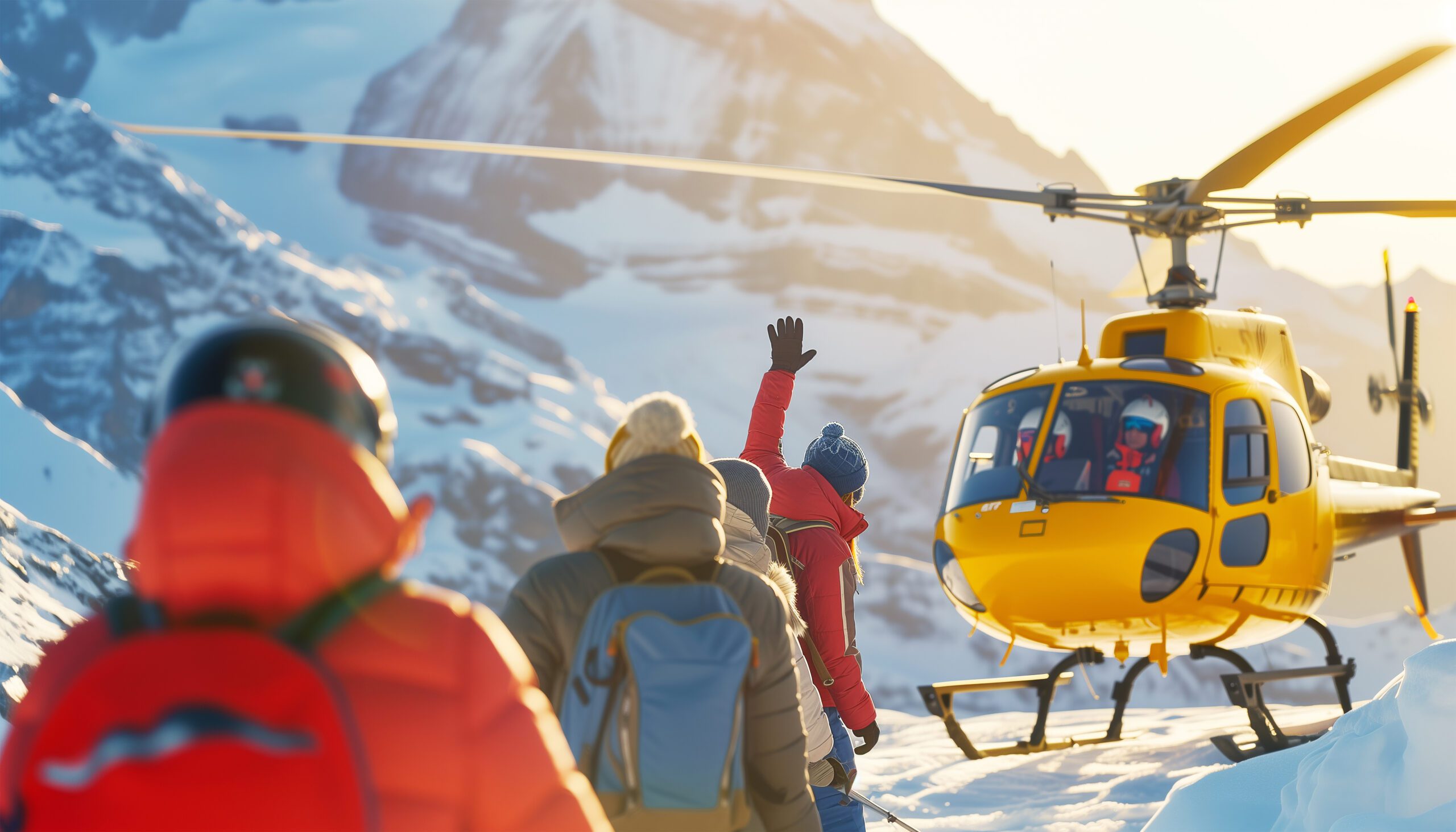
  • Mountain rescue helicopter with climbers in snowy landscape, emphasizing importance of mountain climbing insurance for high-altitude evacuation.

    Mountain Climbing Insurance: What You Actually Need

    Home · Planning Resources · Mountain Climbing Insurance

    Mountain Climbing Insurance 2026: Real Costs, Provider Comparison & Decision Frameworks — What You Actually Need by Climbing Type

    Most standard travel insurance policies explicitly exclude mountaineering — meaning climbers who buy standard coverage often discover they have no protection when they need it most. This guide compares the major 2026 mountain climbing insurance providers. Specifically, the comparison covers American Alpine Club Rescue Benefit, Global Rescue, Ripcord by Redpoint, Garmin InReach SAR plans, Overwatch x Rescue, and SafetyWing. Additionally, the guide includes concrete pricing and real coverage limits. Notably, the guide covers the critical procedural requirements that determine whether claims actually pay out. Specifically, the guide includes the “contact first” rule that climber-attorney Maury Birdwell has warned about. Decision frameworks help match coverage to specific climbing types from rock climbing through 8000m expeditions. Real claim cost data documents helicopter rescue expenses from Aconcagua, Denali, Kilimanjaro, Nepal, and Everest. Specifically, these numbers determine whether your chosen coverage is actually adequate for your objectives.

    $7,500
    AAC Coverage at $80/year
    $749/yr
    Global Rescue Unlimited
    $200K+
    Everest Rescue Real Cost
    5,000m
    Standard Altitude Cap
    Planning Resource · 2026 Verified Pricing · Provider-by-Provider Comparison · Decision Frameworks by Climbing Type · Above 6000m Specific Guide →
    Last updated May 25, 2026 — verified 2026 pricing from Global Rescue, Ripcord by Redpoint, American Alpine Club, Garmin InReach SAR, Overwatch x Rescue, SafetyWing, and World Nomads. Includes 2025 Garmin altitude cap changes and SafetyWing’s new Adventure Sports add-on. Real claim cost figures verified against operator post-incident reports and climber testimonials

    Mountain climbing insurance is genuinely different from standard travel insurance. Generally, the difference matters enormously when something goes wrong on a mountain. Notably, most standard travel insurance policies explicitly exclude mountaineering — meaning climbers who buy generic coverage often discover they have no protection during their highest-risk activities. Specifically, the exclusions typically apply to several activities. First, altitudes above 4,000-6,000m (the threshold varies by provider). Then any activity using ropes, crampons, or ice axes. Additionally, climbs defined as “expeditions.” Finally, backcountry skiing and similar activities.

    This planning resource provides what climbers actually need to make informed insurance decisions. First, the real provider-by-provider comparison with 2026 pricing and coverage limits. Second, the documented real costs of helicopter rescues from major climbing destinations. Third, the decision frameworks that match coverage type to climbing objectives. Fourth, the critical procedural requirements that determine whether claims actually pay out. Notably, climber-attorney Maury Birdwell has highlighted the “contact first” rule. Specifically, most providers require that climbers contact them BEFORE initiating rescue operations. Additionally, failure to comply can void coverage entirely. Generally, understanding these procedural details matters as much as choosing the right policy.

    This guide answers the questions climbers actually face. What does mountain climbing insurance cost in 2026? Which providers offer real altitude coverage above 5,000m? How much does a helicopter rescue from Kilimanjaro, Denali, Aconcagua, Nepal, or Everest actually cost? What does the American Alpine Club Rescue Benefit cover for the $80 annual membership? How do Global Rescue and Ripcord by Redpoint compare for serious mountaineering? Why did Garmin add altitude caps to their InReach SAR plans in 2025? What is the newer Overwatch x Rescue and how does it compare to established providers? Notably, we’ll cover all major US-based providers and the most important international options used by international climbers.

    Mountain Climbing Insurance At a Glance

    The essential 2026 reference for mountain climbing insurance decisions. Detailed sections follow below.

    QuestionAnswer
    Do I need climbing-specific insurance?Yes for any climb above 4,000m or any technical climbing
    Standard travel insurance covers climbing?Generally NO — most policies explicitly exclude mountaineering
    Best budget option for low altitudeAAC Rescue Benefit ($80/year = $7,500 coverage)
    Best mid-range optionRipcord by Redpoint (~$375/year)
    Best for serious mountaineeringGlobal Rescue standard ($749/year, unlimited altitude)
    Best for Garmin InReach owners (below 5,000m)InReach SAR Basic ($39.95) or High Risk ($299.95)
    Best for InReach above 5,000mInReach SAR High Altitude ($999.95/year)
    Newer no-altitude-exclusion optionOverwatch x Rescue ($80/year)
    Kilimanjaro helicopter evacuation cost$5,000 – $15,000
    Aconcagua evacuation cost$10,000 – $30,000
    Denali rescue cost$20,000 – $50,000+
    Nepal Himalayan helicopter rescue$5,000 – $50,000+ (altitude dependent)
    Everest rescue above 7,500mDocumented costs exceeding $200,000
    Critical procedural ruleContact provider FIRST before initiating rescue
    2025 major policy changeGarmin added 5,000m altitude cap to all standard SAR plans
    2025 new provider optionSafetyWing now offers Adventure Sports add-on to 6,000m
    Typical Everest insurance budget$1,500 – $3,000 total in annual + expedition premiums
    Typical Aconcagua insurance budget$400 – $1,000 total coverage
    Typical Kilimanjaro insurance budget$150 – $500 total coverage
    Required documentation for claimsMedical records, rescue authorization, receipts, expedition records
    AAC member benefitsIncludes Rescue Benefit + Ripcord upgrade access
    Annual vs trip-specificAnnual cheaper if climbing 2+ trips/year; trip-specific better for single events
    Pre-existing condition coverageMost policies require disclosure; coverage varies significantly
    Age-related premium increasesTypically begin at age 60-65
    CurrencyUSD typical for most providers; some EUR options available

    The single most important rule in mountain climbing insurance: Contact your provider FIRST. Notably, climber-attorney Maury Birdwell has highlighted this as one of the most critical procedural requirements that climbers don’t fully understand. Generally, most rescue insurance policies require that climbers contact the provider BEFORE initiating rescue operations. Specifically, the rule applies to Global Rescue, Ripcord by Redpoint, AAC Rescue Benefit, and other major providers. Specifically, the procedure requires several steps. First, climbers in emergency must contact the rescue provider directly via satellite phone or satellite messenger. Then the provider coordinates rescue operations with local authorities. Finally, payment is made directly between the provider and rescue agencies. Failure to comply can void coverage entirely. Generally, if a climber instead calls local rescue services directly or has guides arrange rescue independently, the provider may not pay for those services. The AAC explicitly states that climbers who didn’t contact Redpoint can apply for reimbursement up to $7,500. However, coverage is at the provider’s discretion based on whether they could have provided the same service at lower cost. Climbers should program rescue provider phone numbers into satellite communication devices before expeditions and brief expedition partners on proper contact procedures.

    Mountain rescue helicopter with climbers in snowy landscape, emphasizing importance of mountain climbing insurance for high-altitude evacuation.
    Helicopter rescue scenarios — the exact situations where proper mountain climbing insurance matters most. Documented 2026 rescue costs range from $5,000 on Kilimanjaro to $200,000+ from Everest above 7,500m. Standard travel insurance typically excludes these rescues entirely, making climbing-specific coverage essential for any technical climbing or altitude above 4,000m. The American Alpine Club Rescue Benefit, Global Rescue, Ripcord by Redpoint, and Garmin InReach SAR plans represent the major options for 2026 climbing insurance coverage.

    Major Insurance Providers Compared: 2026 Detailed Breakdown

    Six major providers dominate the mountain climbing insurance market for 2026. Generally, each provider has distinct strengths and limitations. Notably, the right choice depends on climbing profile, altitude objectives, frequency of trips, and budget constraints.

    1. American Alpine Club Rescue Benefit

    Best budget option · Included with AAC membership · $7,500 transport + $5,000 medical · Provided by Redpoint Travel Protection

    The American Alpine Club Rescue Benefit comes included with active AAC membership at approximately $80/year. Notably, the benefit represents the best value proposition in mountain climbing insurance for climbers who stay primarily within North America or do moderate altitude objectives elsewhere. Generally, the AAC partners with Redpoint Travel Protection (provider of Ripcord) to coordinate rescues. Notably, members get access to professional rescue coordination beyond just the financial benefit.

    Coverage Details

    • Annual cost: ~$80/year (AAC membership fee)
    • Transport coverage: $7,500 maximum
    • Medical coverage: $5,000 maximum
    • Activities covered: All outdoor activities (not just climbing)
    • Geographic limits: Excludes incidents above the Arctic Circle
    • Required location: Away from primary residence
    • Rescue coordination: Via Redpoint partnership
    • Member upgrade option: $250/year for $300,000 transport + $5,000 medical
    • Premium upgrade: Full Ripcord through AAC for higher limits
    • Reimbursement option: Up to $7,500 if rescue wasn’t Redpoint-coordinated
    AAC Benefit Advantages
    • Best value at $80/year
    • Covers all outdoor activities
    • Includes general AAC membership benefits
    • Access to discounted Ripcord upgrades
    • Strong reputation and reliability
    • Community membership perks
    AAC Benefit Disadvantages
    • $7,500 limit may be insufficient for major expeditions
    • Excludes Arctic Circle incidents
    • Reimbursement option not guaranteed
    • Must contact Redpoint first for full coverage
    • No trip cancellation coverage
    Annual cost
    $80
    Transport
    $7,500
    Medical
    $5,000
    Best for
    Below 5,000m

    2. Global Rescue

    Gold standard for serious mountaineering · Unlimited altitude · $749/year standard plan · Industry-leading provider

    Global Rescue represents the gold standard for serious mountaineering insurance. Generally, the company has built its reputation through reliable rescue operations on the world’s highest peaks and most remote climbing destinations. Notably, the standard plan at $749/year provides unlimited altitude rescue coverage. Specifically, the coverage is the most comprehensive available from a single provider without requiring expedition-specific add-ons for most objectives.

    Coverage Details

    • Annual standard cost: $749/year (rates vary by age)
    • Altitude coverage: Unlimited (no altitude exclusions)
    • Activities covered: Climbing, mountaineering, backcountry, expeditions
    • Geographic coverage: Worldwide
    • Expedition-specific riders: $300-1,200 for multi-week expeditions
    • Trip cancellation: Available as add-on
    • Medical evacuation: Comprehensive coverage
    • Pre-existing conditions: Disclosure required; coverage varies
    • Age-based pricing: Premium increases at age 60+
    • Family plans: Available with discount
    • Corporate plans: Available for expedition operators
    Global Rescue Advantages
    • No altitude exclusions on standard plan
    • Industry-leading rescue operations
    • Excellent reputation among climbers
    • Comprehensive worldwide coverage
    • Strong claim payment record
    • Available trip cancellation add-ons
    Global Rescue Disadvantages
    • Highest baseline cost
    • Premium pricing for older climbers
    • Expedition-specific riders add cost
    • Pre-existing condition exclusions
    • Must contact first for coverage
    Annual cost
    $749
    Altitude limit
    Unlimited
    Coverage
    Worldwide
    Best for
    Serious expeditions

    3. Ripcord by Redpoint Travel Protection

    Strong mid-range option · AAC partner provider · Comprehensive travel + rescue · ~$375/year typical

    Ripcord by Redpoint Travel Protection represents the strongest mid-range mountain climbing insurance option. Generally, the company partners with the American Alpine Club to provide their Rescue Benefit while offering more comprehensive plans through their Ripcord program. Notably, Ripcord provides a full suite of travel protection services. Specifically, the services include travel assistance, rescue and evacuation, comprehensive travel insurance, and more. Generally, all components are designed specifically for climbers and adventure travelers.

    Coverage Details

    • Annual cost: ~$375/year (varies by coverage level and age)
    • AAC member discount: Available with membership verification
    • Altitude coverage: No standard altitude exclusions
    • Geographic coverage: Worldwide
    • Travel insurance included: Trip cancellation, baggage, medical
    • Rescue coverage: Comprehensive evacuation services
    • Medical evacuation: Full medical transport coverage
    • Trip protection: Cancellation, interruption, baggage
    • Pre-existing conditions: Coverage varies by plan tier
    • Trip-specific plans: Available for shorter trips
    • Annual plans: Better value for frequent climbers
    Ripcord Advantages
    • Best mid-range pricing
    • AAC member discount available
    • Combined travel + rescue coverage
    • Strong company stability
    • No standard altitude exclusions
    • Comprehensive trip protection
    Ripcord Disadvantages
    • More expensive than basic AAC Benefit
    • Coverage limits below Global Rescue maximums
    • Some specific expedition exclusions
    • Must contact first for coverage
    Annual cost
    ~$375
    Altitude limit
    No standard
    Coverage
    Comprehensive
    Best for
    Mid-range climbing

    4. Garmin InReach SAR Plans

    Requires Garmin InReach device · Plans range $39.95 to $999.95 · 2025 ALTITUDE CAPS ADDED · Strong for device owners staying below 5,000m

    Garmin InReach SAR plans provide rescue coverage exclusively for owners of Garmin satellite communication devices. Generally, the plans connect rescue coordination directly through the InReach device — climbers trigger SOS via the device, and Garmin SAR coordinates rescue with local authorities. Notably, 2025 brought significant policy changes including new altitude caps on previously unlimited plans, making careful plan selection more important than before.

    2026 Plan Tiers

    PlanAnnual CostAltitude CapBest For
    SAR Basic$39.955,000mHiking and basic mountaineering below 5,000m
    SAR High Risk$299.955,000m (was unlimited)Rock climbing, mountaineering below 5,000m
    SAR High Altitude$999.95No altitude capTrekking and mountaineering above 5,000m

    Critical 2025 Policy Changes

    • Old SAR High Risk policy: Previously offered unlimited altitude coverage
    • New SAR High Risk policy: Now capped at 5,000m altitude
    • Effective date: 2025 policy change
    • Impact: Trekkers using previous unlimited plans must upgrade
    • SAR High Altitude option: Created to fill the gap at $999.95/year
    • Cost comparison: Now more expensive than Global Rescue for high altitude
    • Affected climbers: Most Himalayan trekkers and mountaineers
    Garmin SAR Advantages
    • Direct device integration
    • Cheapest option below 5,000m ($39.95)
    • SOS button activation
    • Automatic coordination with rescue
    • Useful for InReach owners
    Garmin SAR Disadvantages
    • Requires Garmin InReach device purchase
    • 2025 altitude caps reduced value significantly
    • SAR High Altitude expensive vs alternatives
    • Only works with Garmin equipment
    • Limited to device-initiated rescues
    Basic cost
    $39.95
    High altitude
    $999.95
    Standard cap
    5,000m
    Required
    InReach device

    5. Overwatch x Rescue (OXR)

    Newer player · $80/year · NO altitude exclusions worldwide · Works with any satellite communicator · Active since 2021

    Overwatch x Rescue represents the newest entry into the mountain rescue insurance market. Generally, the company offers what some industry observers consider the strongest baseline coverage at the most accessible price point. Notably, the product has been active since 2021 — meaning it’s relatively new but has established a track record. Specifically, the parent company Focus Point has been in business for emergency response management since 2011, providing some institutional stability behind the newer product.

    Coverage Details

    • Annual cost: $80/year
    • Altitude exclusions: NONE (unique in the market)
    • Risky sports exclusions: NONE (uniquely broad)
    • Geographic coverage: 24/7 worldwide
    • Satellite communicator required: Works with any device or phone
    • Activities covered: All adventure sports including paragliding, basejumping
    • Coverage type: Rescue coordination and evacuation
    • Parent company: Focus Point (emergency response management since 2011)
    • Product age: Active since 2021 (newer offering)
    • Industry reception: Strongly positive among adventure climbing community
    • Limitation: Newer product with shorter track record than established providers
    Overwatch x Rescue Advantages
    • No altitude exclusions worldwide
    • No risky sports exclusions
    • Works with any satellite communicator
    • Lowest cost for unlimited altitude
    • 24/7 worldwide coverage
    • Covers paragliding, basejumping
    Overwatch x Rescue Disadvantages
    • Newer company (less track record)
    • Limited claims history available
    • Smaller operational team than competitors
    • Must contact first for coverage
    Annual cost
    $80
    Altitude
    No limit
    Sports
    No exclusions
    Best for
    Budget unlimited

    6. SafetyWing Adventure Sports Add-On

    New 2025 option · Up to 6,000m with add-on · Standard travel insurance + climbing · Lower altitude objectives

    SafetyWing added a new Adventure Sports add-on in 2025 that extends their standard nomad insurance to cover climbing up to 6,000m. Generally, this represents a useful option for climbers whose primary insurance need is general travel protection with mountaineering as one secondary activity. Notably, SafetyWing’s base plans focus on nomadic travelers and remote workers rather than dedicated climbers. Specifically, the add-on extends a broader insurance product rather than providing climbing-specific coverage.

    Coverage Details

    • Base plan cost: Varies by age and coverage period
    • Adventure Sports add-on: Additional fee for climbing coverage
    • Altitude limit: Up to 6,000m with add-on
    • Activities covered: Climbing, mountaineering, related adventure sports
    • Geographic coverage: Worldwide nomadic coverage
    • Health insurance focus: Yes (different from rescue-focused options)
    • Travel medical: Comprehensive coverage
    • Trip protection: Limited compared to dedicated travel insurance
    • Best for: Climbers who also need general nomadic health insurance
    • Worse for: Climbers needing dedicated rescue coordination
    Type
    Health + Sports
    Altitude limit
    6,000m max
    Coverage
    Nomadic style
    Best for
    Long-term travelers
    Mountain rescue helicopter with climbers in snowy landscape, emphasizing importance of mountain climbing insurance for high-altitude evacuation.
    The “contact first” rule determines whether claims pay out — even more important than choosing the right policy. Climbers in emergency must contact their rescue provider directly via satellite communication. The provider then coordinates rescue with local authorities. Failure to follow this procedure can void coverage entirely. Climbers should program rescue provider phone numbers into satellite communication devices before expeditions and brief expedition partners on proper contact procedures.

    Decision Frameworks by Climbing Type

    The right insurance choice depends entirely on your climbing profile. Generally, four climbing categories cover most decision scenarios. Notably, the choice that works for one type would be inadequate or overkill for another.

    Insurance Decision Matrix by Climbing Type

    Rock climbing only
    AAC Rescue Benefit ($80/year) covers most scenarios. Specifically, rock climbing rarely involves altitude or remote terrain extreme enough to require unlimited coverage. The $7,500 transport coverage handles most rock climbing rescue scenarios.
    Hiking + scrambling below 4,000m
    AAC Rescue Benefit ($80/year) or Garmin InReach SAR Basic ($39.95). Generally, lower altitude scenarios rarely require expensive rescue operations. Both options provide adequate coverage at minimal cost.
    Alpine 4000ers (Alps, Pacific NW)
    AAC Rescue Benefit + Ripcord upgrade ($250/year) OR Ripcord standalone (~$375/year). Notably, Alpine climbing involves more remote terrain and potential helicopter rescue scenarios. The Ripcord upgrade provides $300,000 in transport coverage.
    Himalayan trekking peaks (5,000-6,500m)
    Ripcord by Redpoint (~$375/year) OR Global Rescue ($749/year). Generally, Himalayan trekking peaks require coverage above standard altitude caps. The choice depends on whether you want trip protection (Ripcord) or pure rescue focus (Global Rescue).
    7000m+ expeditions (Nepal, India, Pakistan)
    Global Rescue standard ($749/year) + expedition rider. Notably, 7000m expeditions require unlimited altitude coverage and reliable rescue coordination. Generally, Global Rescue’s reputation for high-altitude operations makes the premium worthwhile.
    8000m expeditions (Everest, Cho Oyu, K2)
    Global Rescue ($749/year) + expedition rider ($300-1,200) + trip cancellation ($500-1,500). Specifically, $85,000+ expedition costs justify comprehensive insurance. Total insurance budget runs $1,500-3,000 for 8000m expeditions.
    Owner of Garmin InReach below 5,000m
    Garmin SAR Basic ($39.95) or High Risk ($299.95). Generally, InReach owners doing lower altitude climbing have the cheapest possible option. The 2025 altitude caps mean these plans no longer suit higher mountaineering.
    Long-term nomadic climber
    SafetyWing + Adventure Sports add-on for general coverage; supplement with AAC for rescue. Notably, nomadic climbers need general health insurance plus climbing-specific rescue. The combination provides comprehensive coverage at moderate cost.
    Budget-conscious adventure climber
    Overwatch x Rescue ($80/year) OR AAC + InReach SAR Basic combination. Generally, budget-conscious climbers can find unlimited altitude coverage at $80 through Overwatch — assuming they trust the newer provider.

    Real Helicopter Rescue Costs by Destination

    Documented 2026 helicopter rescue costs help climbers understand what coverage limits actually need to provide. Generally, costs vary dramatically by location, altitude, and complexity. Notably, the documented figures represent actual incidents reported by operators and climbers — meaning these are the real numbers climbers face.

    DestinationRescue Cost Range (USD)OperatorNotes
    Kilimanjaro$5,000 – $15,000Kilimanjaro SARVaries by altitude and complexity
    Aconcagua$10,000 – $30,000Argentine military + privateMilitary helicopters often no charge; private medical evac adds cost
    Denali$20,000 – $50,000+National Park ServiceNPS helicopters; extreme altitude flying complexity
    Mont Blanc / Matterhorn$10,000 – $40,000PGHM (France), Air ZermattAir Zermatt is private; PGHM is government
    Pakistan K2/Broad Peak$10,000 – $50,000Pakistan Army helicoptersVery limited helicopter availability
    Nepal Himalayan trekking$5,000 – $15,000Various Nepali operatorsStandard EBC trek rescue
    Nepal Himalayan climbing$15,000 – $50,000Manang Air, Simrik Air, Heli EverestAbove Camp 1 on Everest/8000ers
    Everest above 7,500m$50,000 – $200,000+Specialty high-altitude operatorsLimited certified pilots; oxygen requirements
    Indian Himalaya$8,000 – $25,000Heli Express, governmentIMF-coordinated rescues
    Tien Shan / Pamirs$15,000 – $40,000Kyrgyzstan/Tajikistan operatorsVery limited operations
    Patagonia$10,000 – $30,000Chilean/Argentine operatorsWeather dependency major factor
    European Alps (general)$5,000 – $25,000Various national rescue servicesMost European Alpine clubs include partial coverage
    North American backcountry$5,000 – $20,000Various local operatorsOften initially free if SAR is involved

    Why insurance limits matter: Real example breakdown. Generally, understanding actual rescue costs helps climbers choose coverage limits intelligently. Specifically, consider this scenario: A climber experiences pulmonary edema at 6,200m on a Nepal expedition. The team contacts insurance provider via satellite phone. Insurance coordinates helicopter rescue from Camp 2 to Kathmandu. Helicopter operator charges $18,000 for the high-altitude pickup and transport. Kathmandu hospital evaluation and stabilization costs $3,500. Medical evacuation to home country requires medical flight at $25,000-50,000. Total cost: $46,500-71,500. Notably, the AAC Rescue Benefit alone ($7,500) covers only a fraction of this scenario. The Ripcord plans provide significantly more coverage. Generally, Global Rescue covers full helicopter rescue and provides medical evacuation services directly. The insurance choice has practical consequences when scenarios like this happen — climbers without adequate coverage face tens of thousands in out-of-pocket expenses during medical emergencies.

    The Critical Claim Procedures: Making Sure Your Coverage Actually Works

    Choosing the right policy is only half the battle. Generally, claim procedures determine whether the policy actually pays when something goes wrong. Notably, several procedural requirements catch climbers off guard — leading to denied claims and unexpected out-of-pocket expenses.

    Procedure 1: Contact Provider First (Most Critical)

    As covered earlier, the single most important procedural rule is contacting your insurance provider BEFORE initiating rescue operations. Notably, climber-attorney Maury Birdwell has highlighted this requirement in his Climbing magazine commentary as the most frequently misunderstood policy provision. Specifically, the procedure requires:

    • Climber experiences emergency requiring rescue
    • Climber contacts insurance provider directly via satellite phone or messenger
    • Insurance provider coordinates rescue with local authorities
    • Provider makes direct payment to rescue agencies
    • Climber receives debriefing post-rescue

    If climbers instead contact local rescue services directly, the insurance provider may not pay even if the climber would otherwise have been covered. Generally, the AAC explicitly allows reimbursement applications for non-Redpoint coordinated rescues up to $7,500, but coverage depends on provider evaluation.

    Procedure 2: Document Everything

    Documentation requirements are stricter than most climbers expect. Notably, claims require comprehensive evidence. First, medical records and treatment documentation. Then rescue operation authorization records. Additionally, all receipts for medical and transport costs. Also expedition operator records and itineraries. Then witness statements where applicable. Finally, photos of injuries and rescue scenarios plus timeline of events with specific times and locations.

    Procedure 3: Pre-Existing Conditions Disclosure

    Most policies require disclosure of pre-existing conditions during application. Notably, undisclosed conditions can void coverage entirely if discovered during claim evaluation. Generally, climbers should follow several disclosure practices. First, disclose all relevant medical history during policy application. Then get explicit written confirmation of what conditions are covered. Additionally, understand the look-back period (typically 60-180 days). Finally, verify altitude-related conditions are specifically covered.

    Procedure 4: Activity-Specific Coverage Verification

    Many policies have specific activity exclusions that climbers miss. Generally, verify that your specific activities are covered. First, the altitudes you’ll climb to. Then the technical equipment you’ll use (ropes, crampons, ice axes). Additionally, the route grade and difficulty plus the duration of the expedition. Finally, the geographic location and any team configurations (solo, guided, expedition).

    Mountain rescue helicopter with climbers in snowy landscape, emphasizing importance of mountain climbing insurance for high-altitude evacuation.
    Documentation requirements during and after rescue determine whether claims actually pay. Climbers should maintain detailed records during expeditions, save all receipts for medical and transport costs, photograph injuries and rescue scenarios where appropriate, and maintain timeline documentation. The administrative requirements catch many climbers off guard — leading to denied claims even when coverage technically applies to the rescue scenario.

    Frequently Asked Questions About Mountain Climbing Insurance

    Do I really need mountain climbing insurance?

    Yes — for any climb above 4,000m, any remote backcountry objective, or any climb requiring technical equipment, mountain climbing insurance is essential. The question isn’t whether to buy insurance; it’s which kind and how much. Notably, most standard travel insurance policies explicitly exclude mountaineering. Read any standard policy carefully and you’ll find common exclusions. First, altitudes above 4,000-6,000m. Then any activity using ropes, crampons, or ice axes. Additionally, climbs defined as ‘expeditions.’ Finally, backcountry skiing and similar ‘adventure sports.’ Generally, a helicopter evacuation from Denali, Aconcagua, or Kilimanjaro routinely costs $30,000-100,000. From Everest or other Himalayan peaks, evacuation costs can exceed $200,000 because of the complexity of high-altitude flying.

    What is the best mountain climbing insurance for 2026?

    The best mountain climbing insurance depends on your specific climbing profile. For climbers staying below 5,000m doing rock climbing, scrambling, or moderate alpine routes, the American Alpine Club Rescue Benefit offers the best value. Specifically, the $80 annual membership provides $7,500 in rescue coverage. For climbers tackling Himalayan trekking peaks (5,000-6,500m), Ripcord by Redpoint at approximately $375/year provides the strongest coverage. For 7,000m+ expeditions and serious mountaineering, Global Rescue at $749/year with unlimited altitude coverage represents the gold standard. For climbers who already own a Garmin InReach device and stay below 5,000m, the InReach SAR Plan at $39.95-$299.95/year provides budget-conscious coverage. The newer Overwatch x Rescue at $80/year offers unique no-altitude-exclusion coverage worldwide.

    How much does helicopter rescue from a mountain actually cost?

    Helicopter rescue costs vary dramatically by location, altitude, and complexity. Documented 2026 figures include: Kilimanjaro helicopter evacuation runs $5,000-15,000 depending on rescue altitude. Aconcagua evacuation costs $10,000-30,000 with Argentine military helicopters often at no charge but private medical evacuation adding cost. Denali rescue costs $20,000-50,000+ for National Park Service operations. Nepal Himalayan helicopter rescue runs $5,000-15,000 from base camp areas but can reach $50,000+ for technical high-altitude rescues from above Camp 2. Everest rescue above 7,500m has documented costs exceeding $200,000 due to oxygen requirements, fuel staging, and limited certified pilots. Notably, ground rescue operations can also run $5,000-20,000 even without helicopter involvement.

    Does the American Alpine Club provide rescue insurance?

    Yes — the American Alpine Club (AAC) provides a Rescue Benefit included with active membership at approximately $80/year. The benefit provides $7,500 in transport fees and $5,000 in medical expenses for accidents during outdoor activities away from your primary residence and outside the Arctic Circle. The AAC partners with Redpoint Travel Protection (provider of Ripcord) to coordinate rescues. AAC members get access to discounted travel insurance and rescue upgrades through Redpoint. Specifically, members can access the full Ripcord Rescue Travel Protection program for those needing higher coverage limits. AAC members can upgrade to $250/year for $300,000 in transport fees and $5,000 in medical expenses. Importantly, the AAC Rescue Benefit has a critical procedural requirement — Redpoint must coordinate the rescue for full coverage.

    What is the “contact first” rule for rescue insurance?

    Most rescue insurance policies require that climbers contact the provider FIRST before initiating rescue operations — and failure to comply can void coverage entirely. Climber-attorney Maury Birdwell has highlighted this as one of the most important procedural requirements that climbers don’t fully understand. The rule applies to Global Rescue, Ripcord by Redpoint, AAC Rescue Benefit, and most major providers. The procedure requires several steps. First, climbers in emergency must contact the rescue provider directly via satellite phone or satellite messenger. Then the provider coordinates rescue operations with local authorities. Finally, payment is made directly between the provider and rescue agencies. Climbers who instead call local rescue services directly or have guides arrange rescue independently may find the provider doesn’t pay for those services.

    What changed with Garmin InReach SAR plans in 2025?

    Garmin made significant changes to their SAR (Search and Rescue) plans in 2025 that affected most climbers. Generally, the SAR High Risk policy at $299.95/year previously offered unlimited altitude coverage but was capped at 5,000m altitude with the 2025 changes. To fill the gap, Garmin created the SAR High Altitude option at $999.95/year that maintains unlimited altitude coverage. Notably, the High Altitude option is now more expensive than Global Rescue’s $749/year standard plan that also provides unlimited altitude coverage. Many climbers who previously relied on Garmin SAR for high-altitude trekking and mountaineering need to evaluate their options. Specifically, climbers must decide whether the InReach integration is worth the price premium. Alternatively, switching to Global Rescue or Ripcord may make more sense.

    Is Overwatch x Rescue legitimate?

    Overwatch x Rescue (OXR) is a legitimate insurance product backed by Focus Point, an emergency response management company in business since 2011. The OXR product itself has been active since 2021. Notably, the company is newer than established providers like Global Rescue or Ripcord. However, OXR has accumulated several years of operational history. Notably, the policy offers what industry observers consider unique value. Specifically, the plan provides 24/7 rescue coverage worldwide with no risky sports or high altitude exclusions for $80/year. Additionally, the policy works with any satellite communicator or phone. Generally, climbers comfortable with newer providers can benefit considerably from the comprehensive coverage at the budget price. However, climbers preferring established providers with longer track records may want to choose Global Rescue or Ripcord despite higher costs.

    What insurance do I need for Everest specifically?

    Everest has the most complex insurance requirements of any single peak. At 8,849m, policy altitude limits become the primary consideration, and the $85,000+ expedition cost makes trip cancellation coverage genuinely valuable. For a 2026 Everest expedition, plan on total insurance coverage of $1,500-3,000 in annual-plus-expedition premiums. Components include several insurance layers. First, Annual base coverage (Global Rescue standard at $749/year or Ripcord at $375/year providing unlimited altitude rescue). Then Expedition-specific rider ($300-1,200 additional depending on provider for multi-week expedition duration). Finally, Trip cancellation ($500-1,500 for $85,000+ expedition cost protection). Notably, Everest expeditions also typically require operator-specific insurance verification — most Everest operators verify climber insurance before accepting bookings.

    Will my regular health insurance cover mountaineering accidents?

    Most regular health insurance policies provide very limited coverage for mountaineering accidents abroad. US health insurance typically only covers in-network providers in the United States — meaning evacuation costs and treatment at foreign hospitals are usually not covered. European health insurance with international coverage may provide some emergency medical coverage but typically excludes rescue evacuation costs. Notably, even policies that technically cover overseas medical treatment often exclude “high risk activities” including mountaineering. Generally, climbers should not rely on regular health insurance for mountaineering coverage — instead use climbing-specific policies that explicitly cover the activities and remote locations involved. Some climbers maintain both regular health insurance (for medical treatment after returning home) plus climbing-specific rescue insurance (for actual evacuation and immediate emergency response).

    Can I buy insurance after arriving at the mountain?

    Most mountain climbing insurance must be purchased BEFORE departure or BEFORE the climb begins. Generally, policies won’t cover incidents that occur after the insured travel has started. Notably, this represents one of the most common climbing insurance mistakes. Generally, climbers should purchase insurance during the trip planning phase at least 2-4 weeks before departure to allow time for documentation review and any necessary follow-up. Specifically, Global Rescue, Ripcord, and AAC all require purchase before climbing begins. Garmin InReach SAR plans require activation before the climbing trip. Trip cancellation coverage in particular often requires purchase within a specific window (typically 14-21 days) of initial trip deposits. Climbers should establish insurance early in expedition planning rather than treating it as a last-minute checklist item.

    Mountain Climbing Insurance Related Resources

    Sources & Further Reading

    • American Alpine Club — Rescue Benefit official page and documentation
    • Global Rescue — Official 2026 plan pricing and coverage terms
    • Redpoint Travel Protection / Ripcord — Plan documentation and AAC partnership
    • Garmin — InReach SAR Plan documentation and 2025 policy change announcement
    • Overwatch x Rescue — Plan documentation and Focus Point parent company info
    • SafetyWing — Adventure Sports add-on documentation (2025 launch)
    • Climbing magazine — “How Climbing Rescue Insurance Works” (Feb 2026)
    • Maury Birdwell — Climber-attorney commentary on insurance procedures
    • WeSeekTravel — “The Biggest Mistake High-Altitude Trekkers Make” (Oct 2025)
    • Indigo Alpine Guides — “Remote Wilderness Rescue and Travel Insurance” (Jan 2026)
    • Andrew Skurka — “Evacuation Insurance” comparison analysis
    • Tim Banfield — ACMG Certified Mountain Guide insurance recommendations
    • Various claim documentation from documented Himalayan, Aconcagua, and Denali rescues

    Last updated: May 25, 2026. Next scheduled update: November 2026 (verify annual provider pricing changes for 2027 season).

    Need Coverage Above 6,000m?

    The complexities of high-altitude rescue insurance deserve dedicated treatment. For climbers heading to Himalayan trekking peaks, 7000m expeditions, or 8000m objectives, our specialized guide covers altitude-specific coverage. Specifically, the guide includes the providers that actually pay claims above 6,000m.

    Above 6000m Insurance Guide →

Language »