
Last updated October 3, 2026

Best Fleece & Midlayers for Hiking & Mountaineering
The midlayer is the working insulation in a mountain clothing system. A base layer moves moisture away from the skin. A shell blocks weather. A belay parka traps serious warmth when you stop. The fleece or active midlayer between them has to do something harder: keep you warm while still letting excess heat and moisture escape as you climb.
Moves moisture away from the skin.
Working insulation for movement.
Blocks wind, rain and snow when conditions require it.
Adds major insulation when output drops.
Buy the Lightest Midlayer That Keeps You Comfortable While Moving.
Most hikers need less midlayer insulation than they think. If the fleece is so warm that you immediately sweat on every climb, it forces moisture into the clothing system and eventually makes temperature regulation harder.
For hiking, backpacking and uphill mountaineering, a lightweight grid fleece or stretch fleece is often the most versatile starting point. It adds enough warmth for cool conditions while still breathing beneath a shell.
Heavier fleece has a place too—especially for easy hiking, cold trailheads, casual use and lower-output activities—but it should not be confused with a belay parka. Fleece is excellent working insulation. Down and synthetic insulated jackets provide much greater warmth when you stop.
Which Type of Midlayer Do You Need?
Match warmth and breathability to your output rather than automatically buying the thickest fleece.
| Type | Warmth | Breathability | Bulk | Best Use | Limitation |
|---|---|---|---|---|---|
| Light grid fleece | Low–moderate | Excellent | Low | Uphill hiking, climbing, ski touring | Limited static warmth |
| Stretch fleece | Moderate | Very good | Low–moderate | Mountaineering and technical climbing | Usually heavier than ultralight grid fleece |
| Traditional fleece | Moderate–high | Good | Moderate | Hiking, camp, travel | Can be bulky beneath shells |
| Technical hooded fleece | Moderate | Very good | Moderate | Alpine climbing | Hood can stack awkwardly with other layers |
| Hybrid active insulation | Moderate | Excellent | Moderate | Cold high-output use | More complex and usually more expensive |
| Fleece vest | Core only | Excellent | Very low | Cool hiking and shoulder seasons | No arm insulation |
The Midlayer Is the Engine Room of the System
A useful mountain clothing system gives each layer a specific job. The base layer manages next-to-skin moisture. The fleece creates insulation while allowing heat to escape. The shell deals with wind and precipitation. The insulated parka handles much colder periods when your body is producing less heat.
Problems begin when one layer is asked to do everything. A waterproof shell is usually too clammy to act as everyday insulation. A heavy down jacket is too warm for sustained uphill travel. A thick fleece may feel comfortable at the car but turn into a sweat trap during the first steep climb.
Build around expected exertion. If the route involves hours of uphill movement, prioritize moisture transport and breathability. If the day contains long stationary periods, keep the moving layer lighter and carry stronger stop insulation.
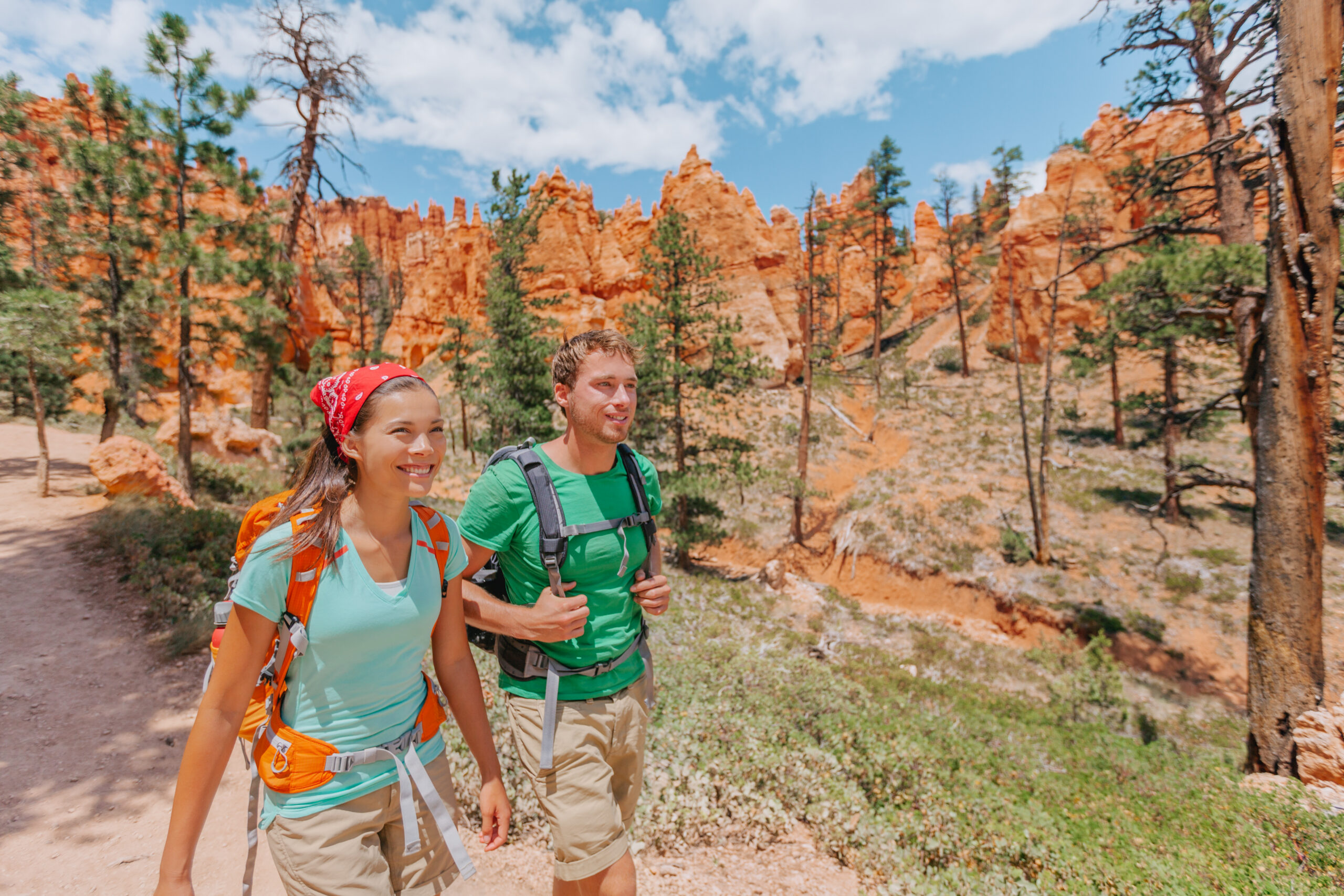
Not All Fleece Is the Same
The word “fleece” now covers everything from casual plush jackets to highly engineered alpine midlayers.
Grid Fleece
Raised fleece blocks create insulation while open channels help move moisture and excess heat. This makes grid fleece particularly useful for sustained hiking, climbing and ski touring.
Stretch Fleece
Dense stretch fleece follows movement closely and fits cleanly under shells. It works well for climbing and mountaineering where sleeves need to move without pulling the entire jacket upward.
Traditional Fleece
Traditional fleece provides reliable warmth, comfort and durability. It is excellent for hiking and everyday use but can be bulkier than more technical designs.
Hooded Fleece
A fitted hood extends the midlayer over the head and can fit beneath a helmet. It is useful in cold climbing conditions but adds another hood to the layering stack.
Hybrid Midlayer
Hybrid jackets combine highly breathable fleece or active insulation with strategically placed wind-resistant or lightly insulated panels.
Fleece Vest
A vest protects the core while leaving the arms completely open for heat loss. It can be very effective in cool but not severe weather.
Why Grid Fleece Works So Well While Moving
The goal is not maximum insulation. It is efficient insulation with a path for heat and moisture to escape.
Raised Warm Zones
Fleece blocks trap warm air close to the body.
Open Channels
Spaces between the fleece structure allow more vapor and excess heat to move away.
More Efficient Layering
Technical grid constructions can provide useful warmth without the volume of a heavy casual fleece.
Easy to Cover
Add a shell and the layer becomes noticeably warmer because wind can no longer flush heated air away.
Warmth vs Breathability: Do Not Optimize the Wrong One
Standing still in a store encourages you to choose the warmer fleece. Climbing 2,000 vertical feet encourages the opposite.
During sustained movement, your body is producing heat. The midlayer’s job is to preserve enough of that heat without trapping so much that perspiration saturates the clothing system.
This is why a light grid fleece often works better on strenuous routes than a thick pile fleece. When you stop, add the insulated jacket that was designed for that lower-output phase.
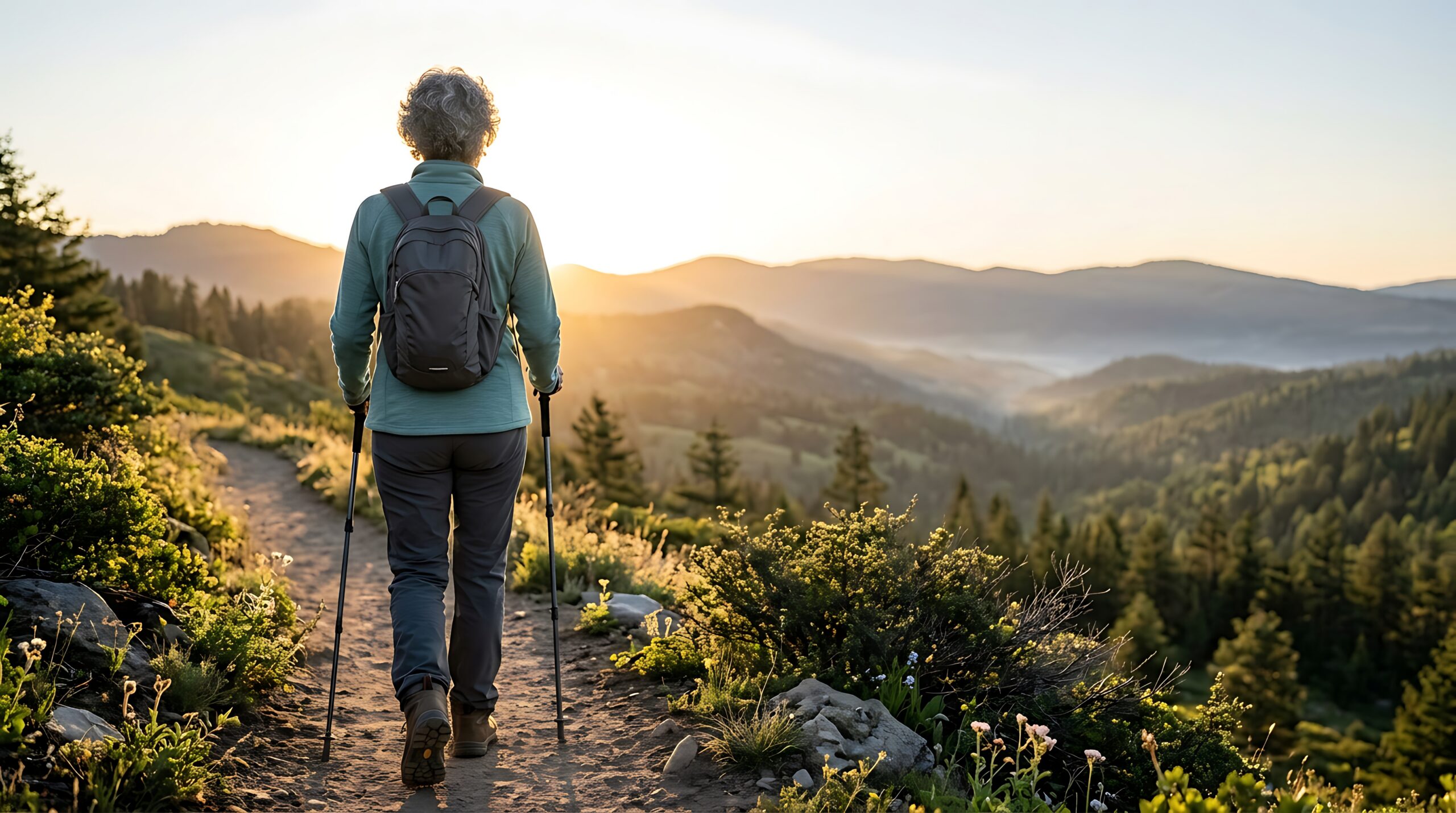
How a Technical Midlayer Should Fit
Too loose and the layer becomes bulky under a shell. Too tight and movement suffers.
Close, Not Compressive
The fleece should sit cleanly over the base layer without binding across the chest or shoulders.
Reach Overhead
Climbers should test reaching overhead without the hem pulling far above the waist.
Decide Where It Sits
Some fleece hoods are designed beneath helmets; others are casual hoods and create excessive bulk.
Check the Harness / Hipbelt
High pockets remain accessible when a climbing harness or backpack hipbelt covers the lower torso.
Six Midlayer Styles Worth Comparing
Think of these as examples of different design philosophies rather than one universal ranking.
Patagonia R1 Air
A lightweight technical fleece built around high airflow and rapid drying, making it particularly useful for sustained uphill movement.
- Air-permeable fleece structure
- Quick-drying construction
- Low-bulk technical fit
- Hooded versions layer beneath outer hoods
Mammut Aconcagua ML
A close-fitting Polartec Power Stretch Pro midlayer designed to move easily and fit beneath a hardshell.
- Four-way stretch
- Quick moisture transport
- Close athletic fit
- Backpack-compatible pockets
Mammut Taiss ML
A technical fleece family focused on quick drying, movement and mountain use, with hooded and non-hooded versions.
Mammut Aenergy Light ML
A lighter technical option when breathable warmth and low bulk matter more than heavy insulation.
Pioneer Camp Grid Fleece
Pioneer Camp’s current fleece collection includes lightweight grid fleece and full-zip or half-zip designs aimed at hiking and outdoor use.
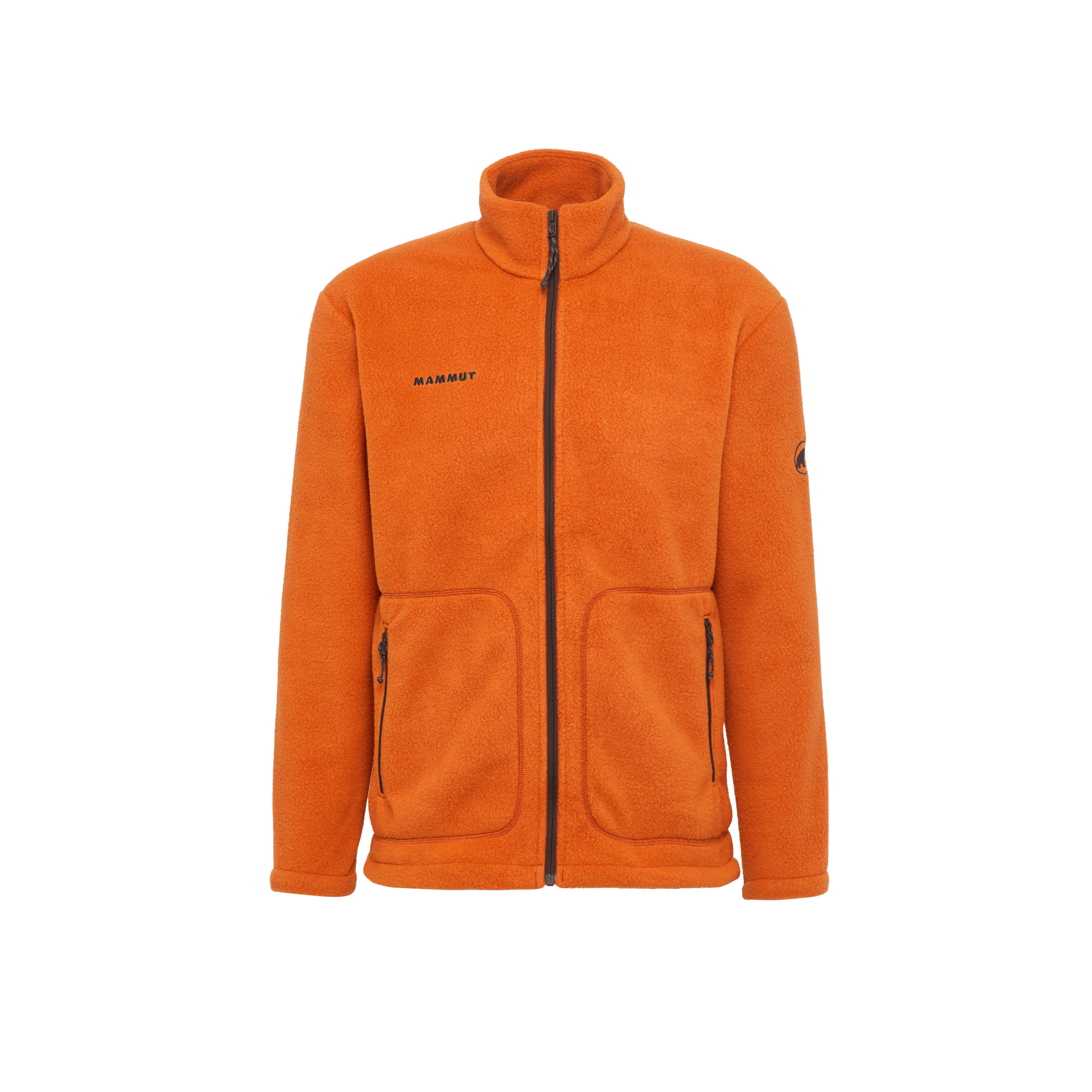
Classic Full-Zip Fleece
A conventional full-zip fleece remains useful when maximum breathability and minimum bulk are less important than comfort and all-purpose warmth.
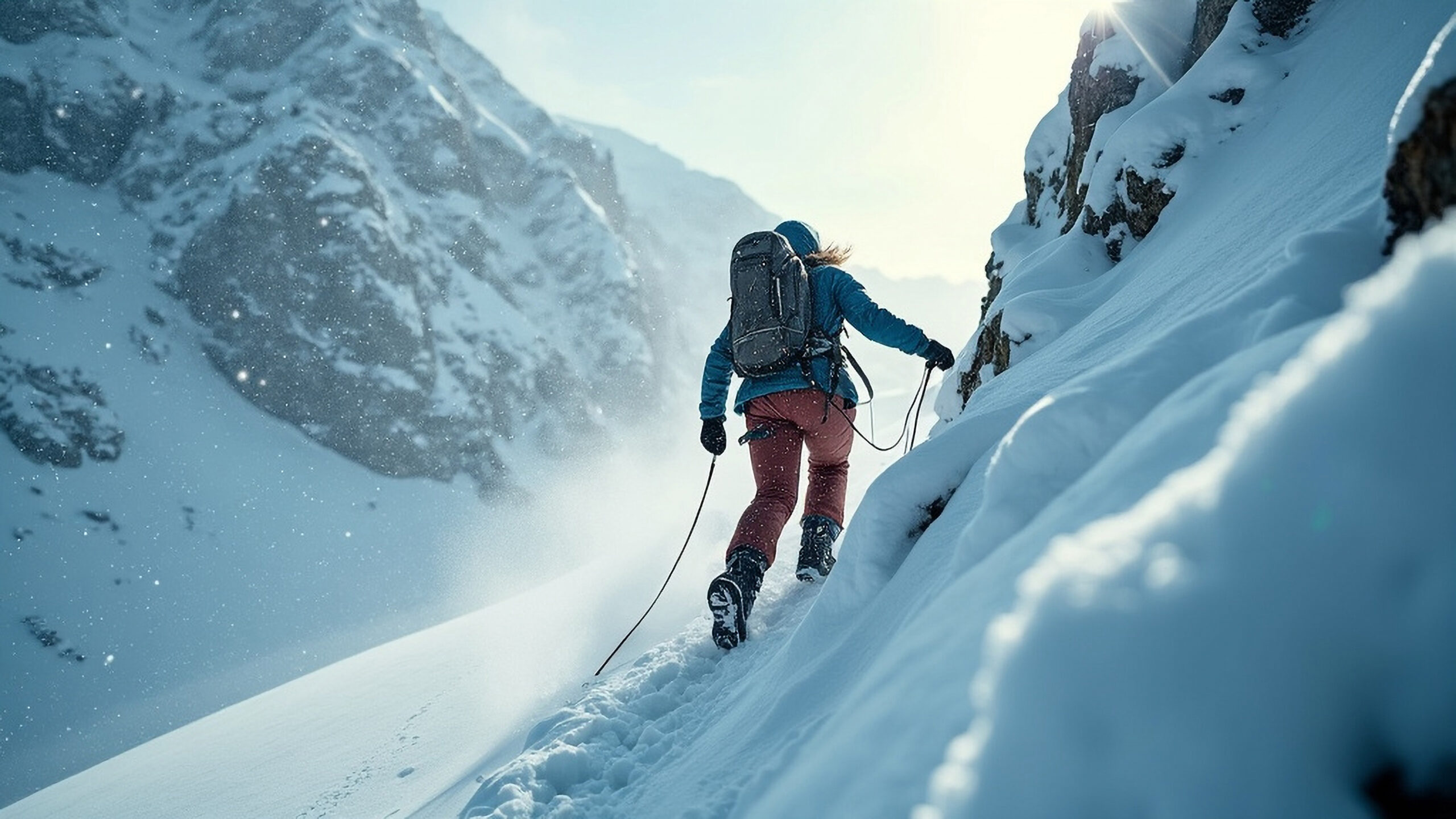
Fleece Keeps You Moving. The Outer Layers Handle the Storm.
Do not demand waterproofness, windproofness and expedition-level warmth from the same layer that needs to breathe while you climb.
The Same Layering Principles—With Fit That Actually Works
The function does not change: active insulation should add enough warmth while allowing heat and moisture to escape.
What can change significantly is fit through the shoulders, chest, waist, hips and sleeve length. A technical fleece that bunches under a hipbelt or pulls upward every time you reach is not performing its job well, regardless of fabric technology.
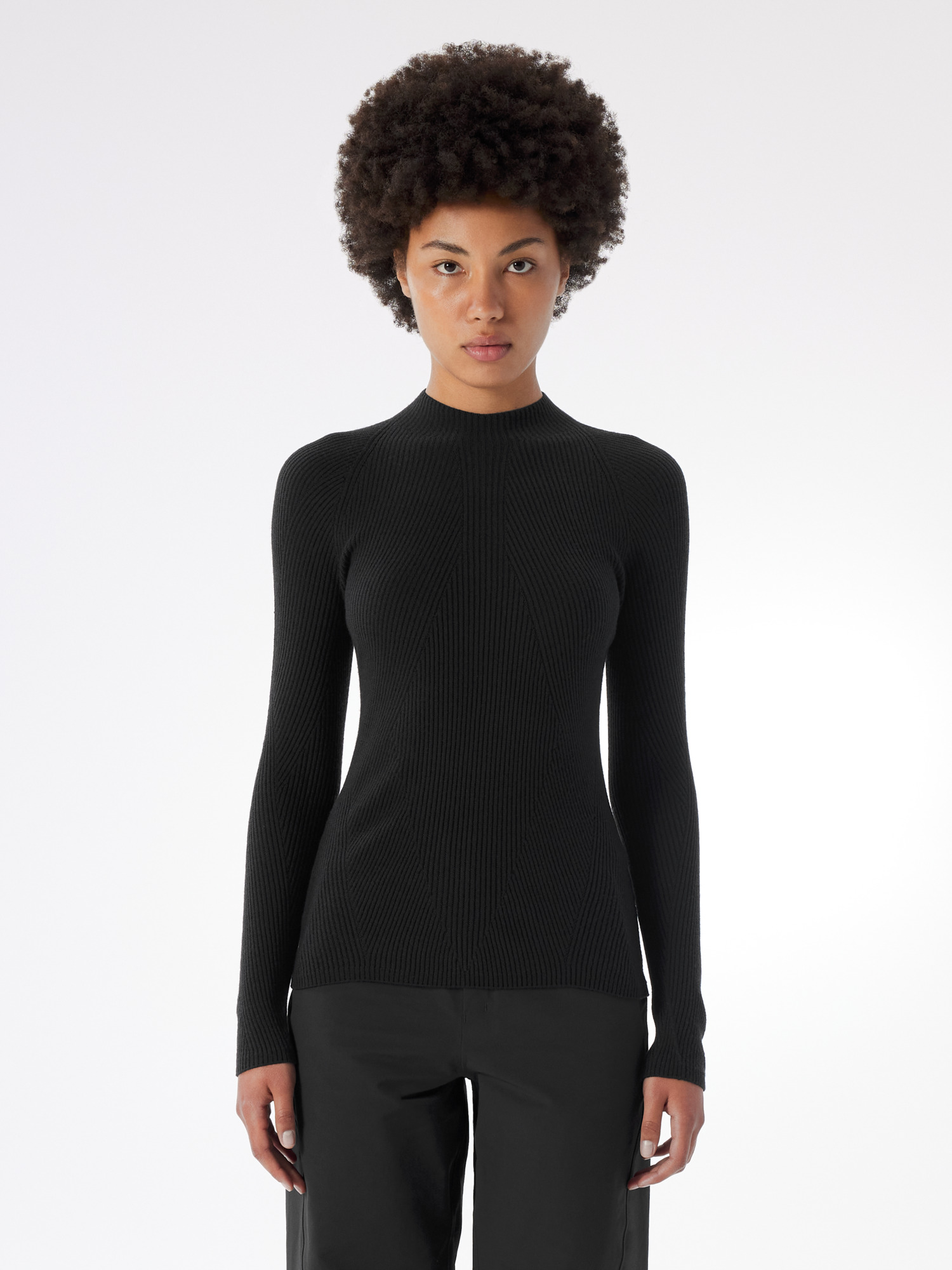
Women’s technical collections now include the same categories as men’s: lightweight grid fleece, stretch fleece, hybrid active insulation and hooded alpine midlayers.
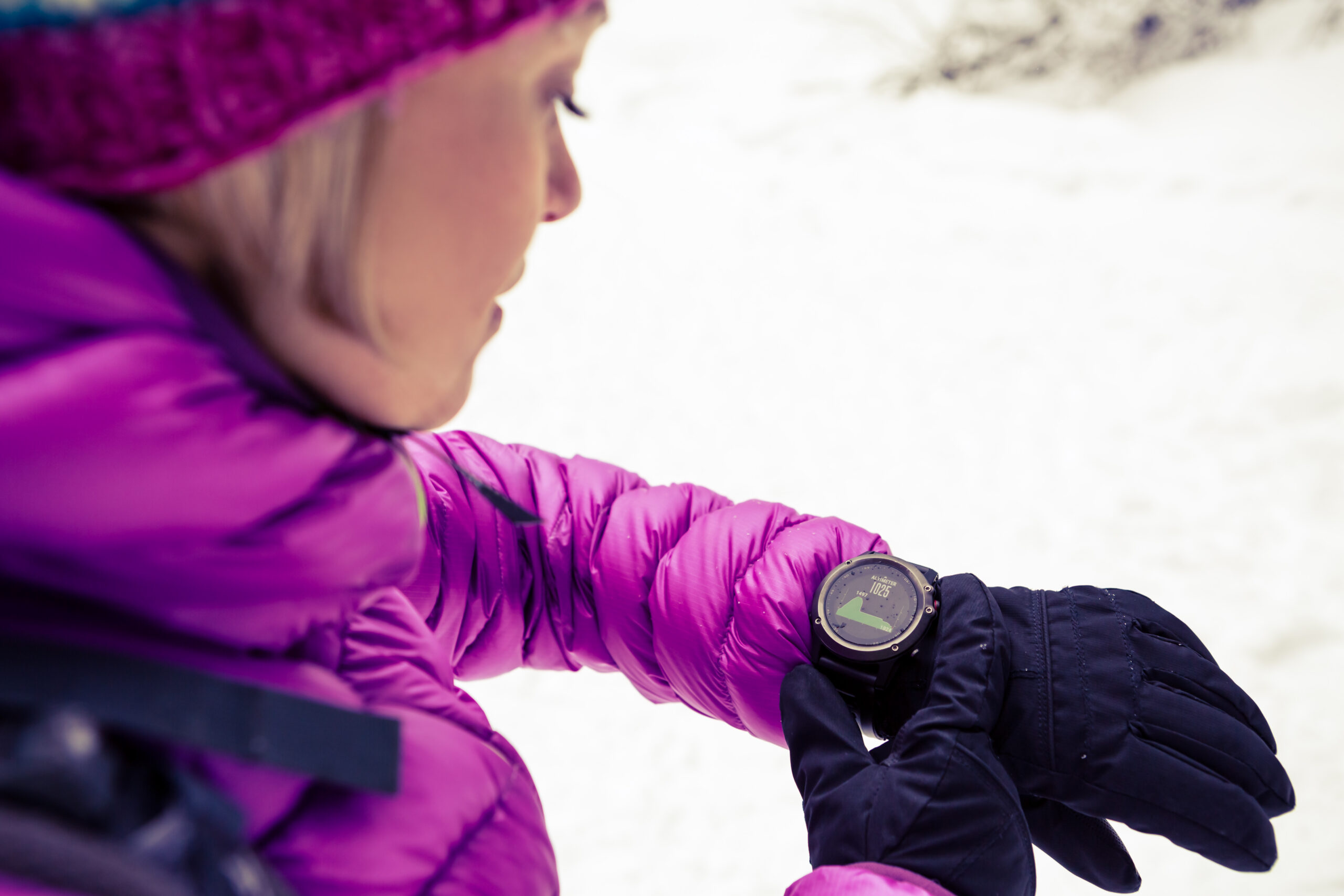
Current Women’s Fleece Picks
Compare current women’s fleece inventory while prioritizing fit, breathability and the intended position in the layering system.
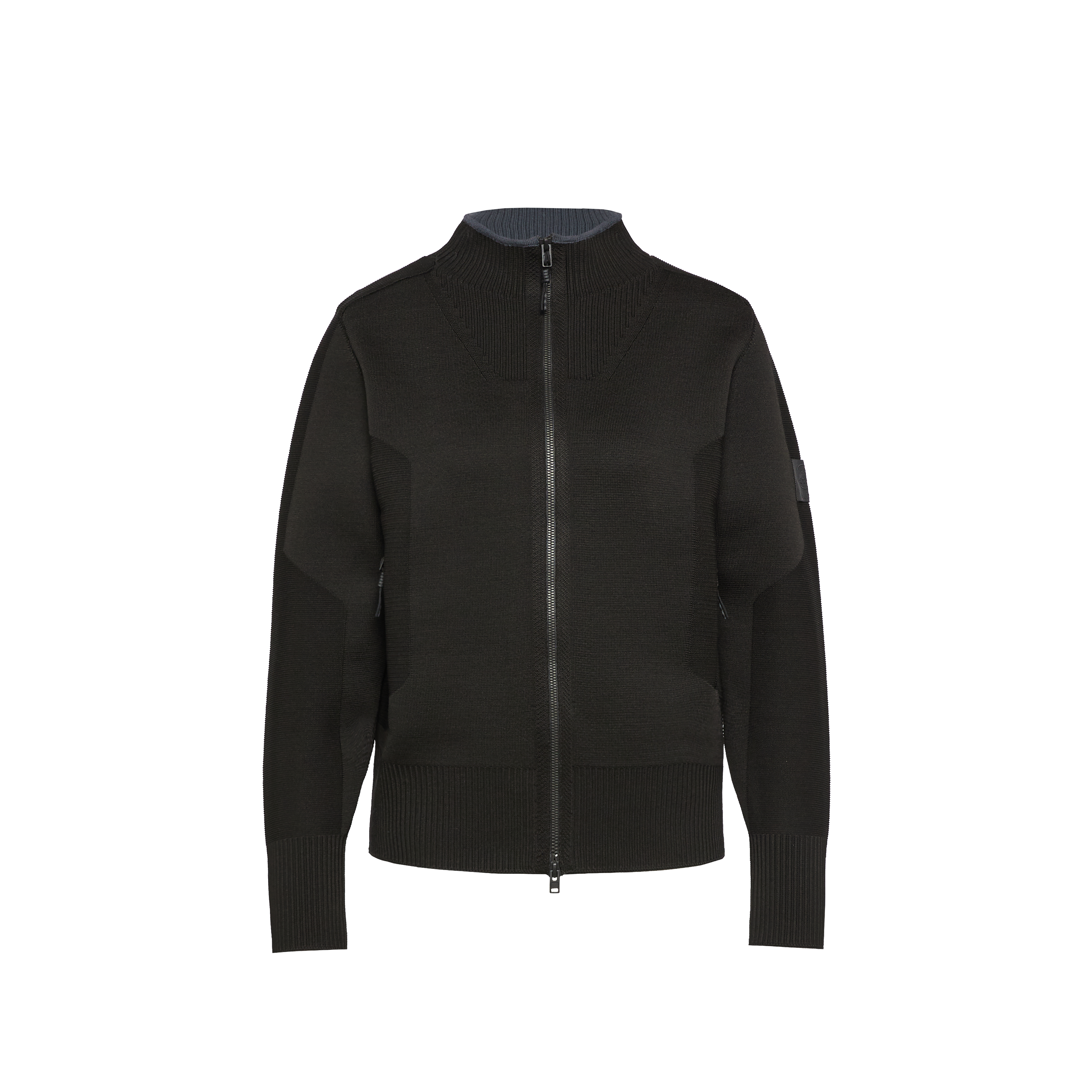
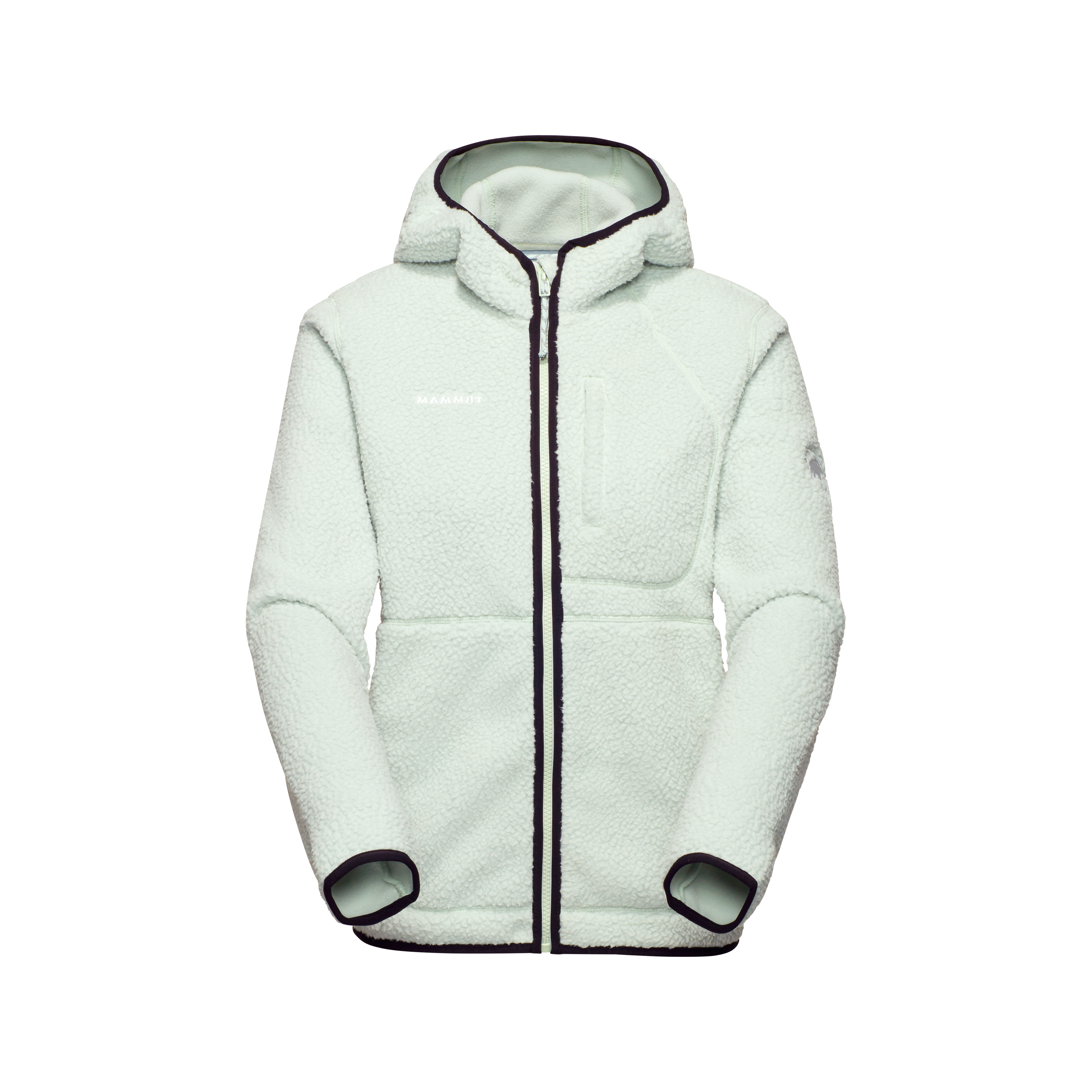
We may earn a commission if you buy through these links, at no extra cost to you. Affiliate disclosure
Where the Partner Catalogs Fit
Each partner makes sense for a slightly different part of the midlayer market.
Broad Brand Comparison
Backcountry is the broad comparison route when you want to evaluate fleece and midlayers across several outdoor brands and technical styles.
Use the live Gear Ads block below to surface current inventory rather than hard-coding prices.
See Current PicksTechnical Mountaineering Midlayers
Mammut has one of the clearer technical ladders for this article: lightweight active fleece, Power Stretch-style midlayers, hooded mountaineering fleece and hybrid insulation.
Browse Mammut MidlayersTrail Fleece & Everyday Layering
Pioneer Camp’s current fleece collection includes jackets, pullovers, vests and grid-fleece designs for men and women, giving this page a useful lower-cost and general-hiking partner.
Browse Pioneer Camp FleeceMatch the Midlayer to the Objective
There is no universal fleece because a summer hike and a winter mountaineering climb place completely different demands on Layer 2.
| Objective | Best Starting Point | Why | Carry Over It |
|---|---|---|---|
| Cool day hiking | Light fleece / quarter zip | Easy warmth without much bulk | Rain shell |
| Backpacking | Light grid fleece | Breathable and relatively compact | Shell + camp insulation |
| High-output winter hiking | Grid or active fleece | Moves excess heat during climbs | Shell + insulated stop layer |
| Alpine climbing | Stretch technical fleece | Mobility and low bulk beneath harness / shell | Hardshell + belay parka |
| High-altitude mountaineering | Technical grid/stretch fleece | Efficient active insulation | Shell + major insulated jacket |
| Camp / casual hiking | Traditional fleece | Comfort and warmth matter more than minimum bulk | Weather layer as needed |
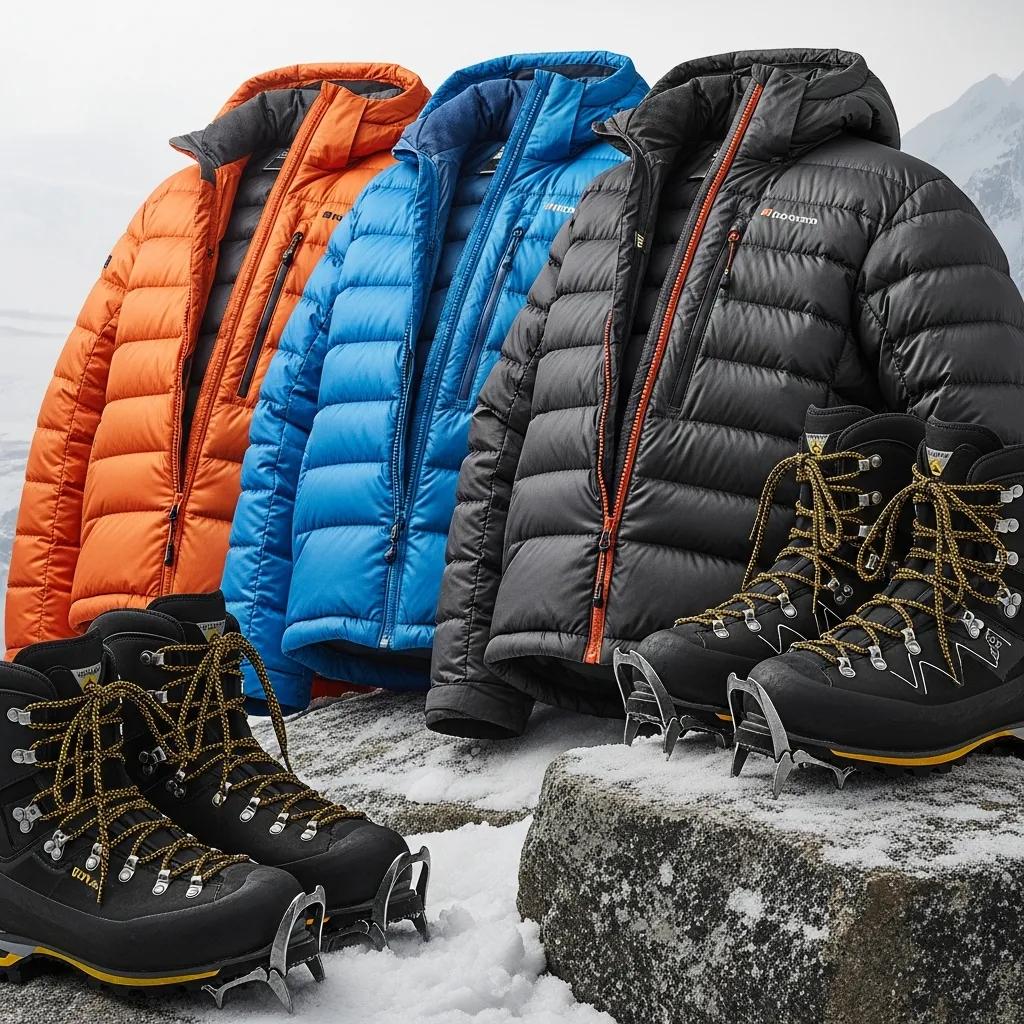
Fleece vs Down vs Synthetic Insulation vs Shell
Layering becomes much easier when every garment has a clear assignment.
Move in It
Breathable working insulation that tolerates moisture well.
Stop in It
Exceptional warmth for weight, but usually too warm for sustained uphill activity.
Cold / Damp Stops
Strong stop insulation where moisture resistance matters more than absolute minimum weight.
Block Weather
Wind and precipitation protection rather than primary insulation.
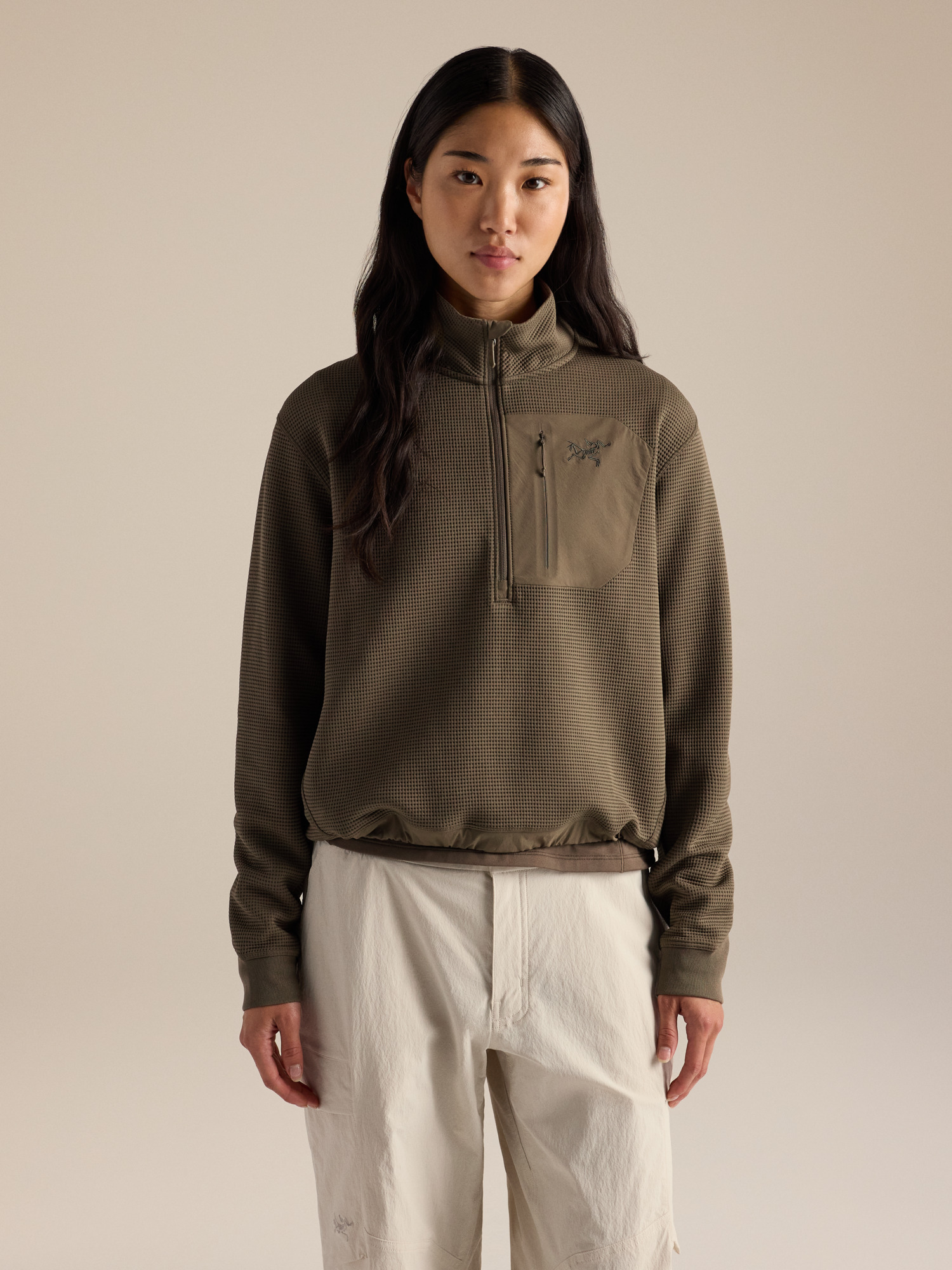
Compare Current Fleece & Midlayers
Decide first whether you need grid fleece, stretch fleece or traditional warmth. Then compare current inventory.
Current Fleece Picks
Product availability can change, so use the live catalog rather than relying on hard-coded prices.
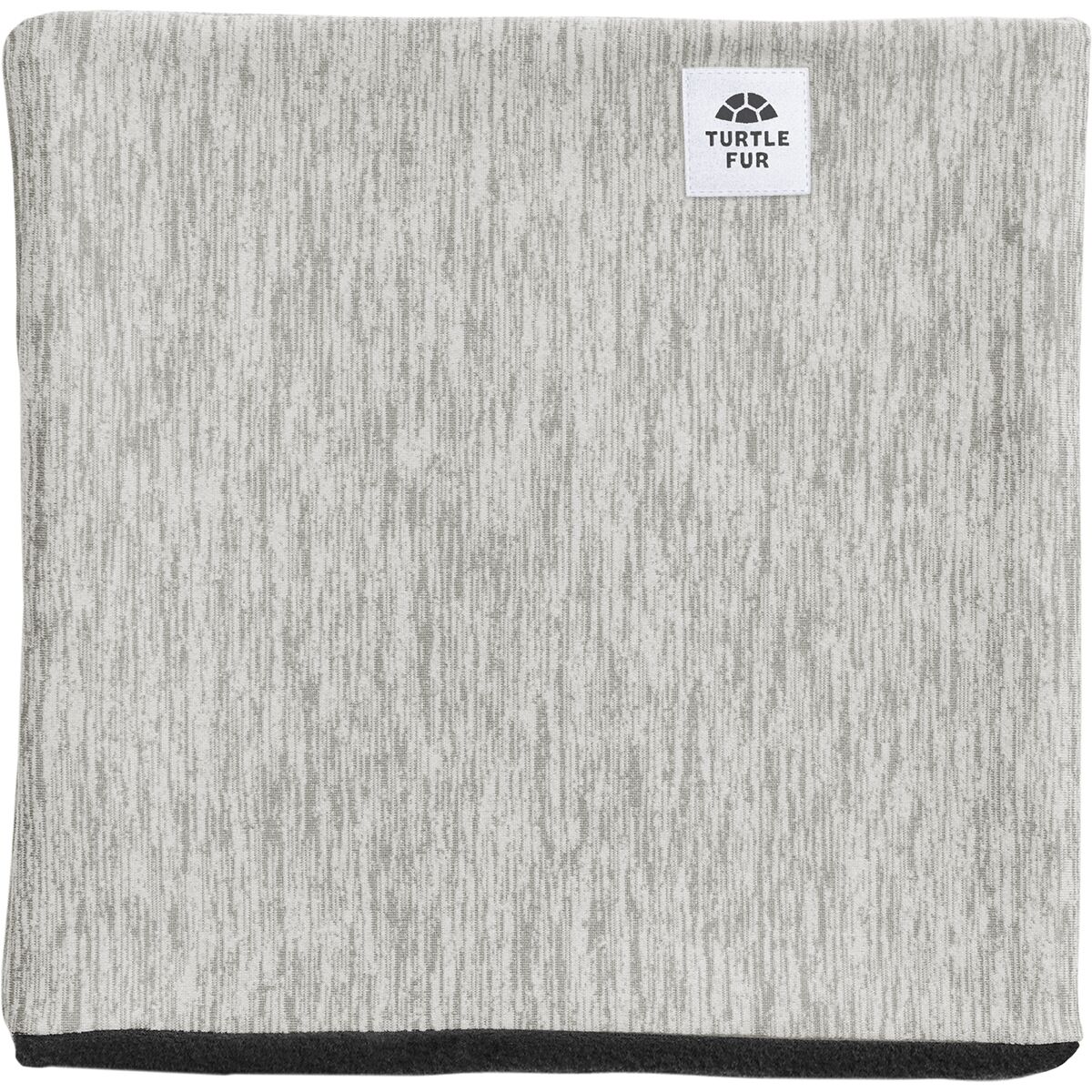
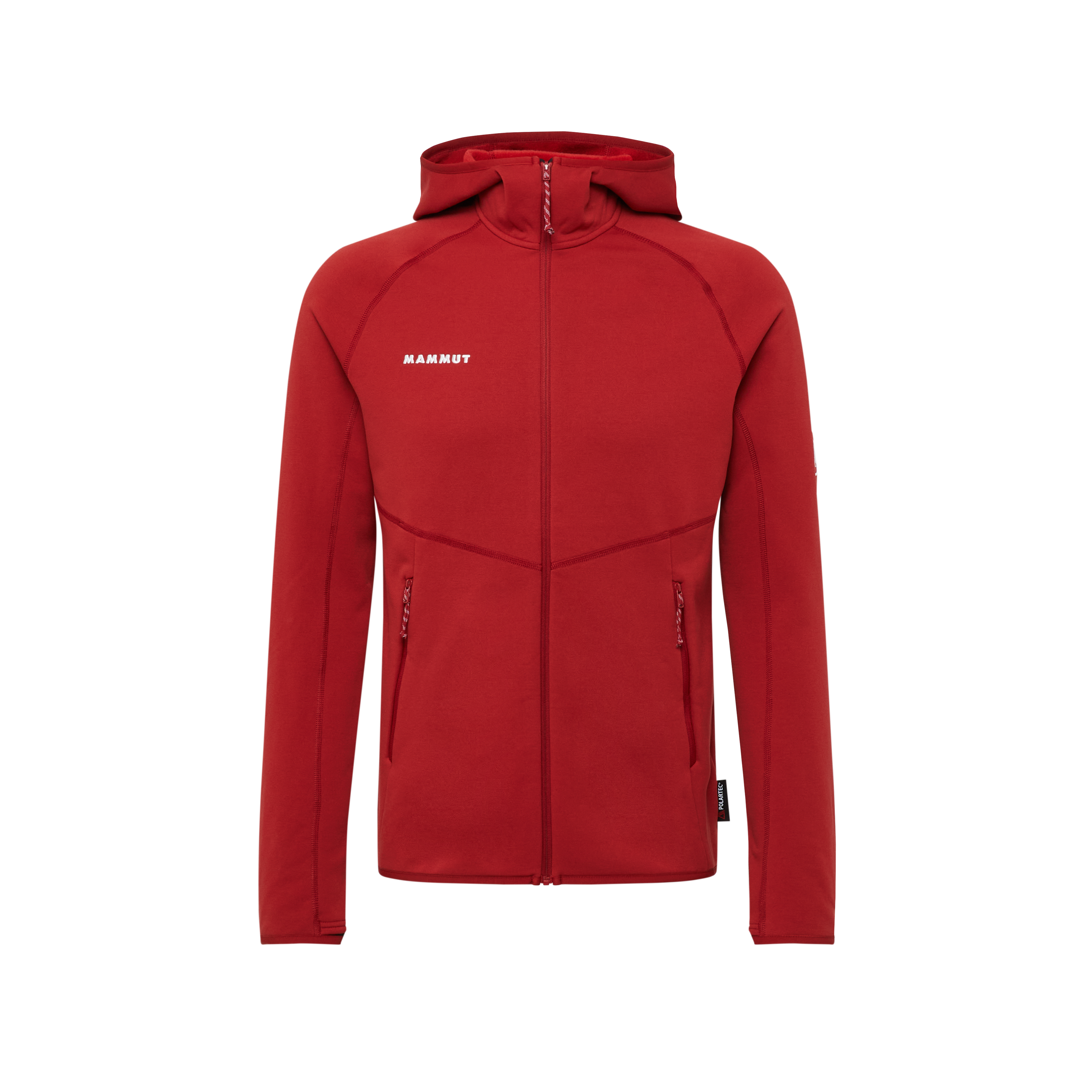
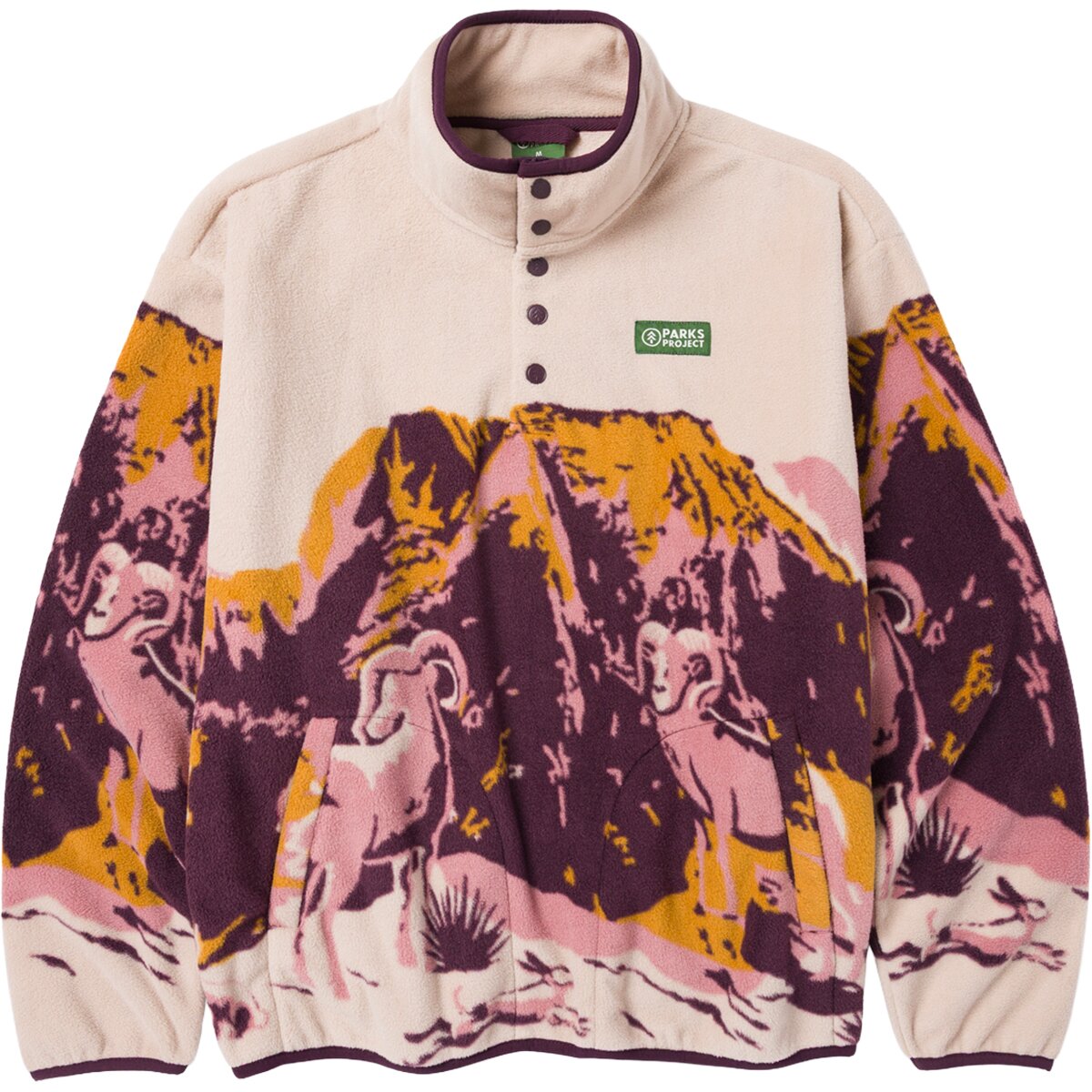
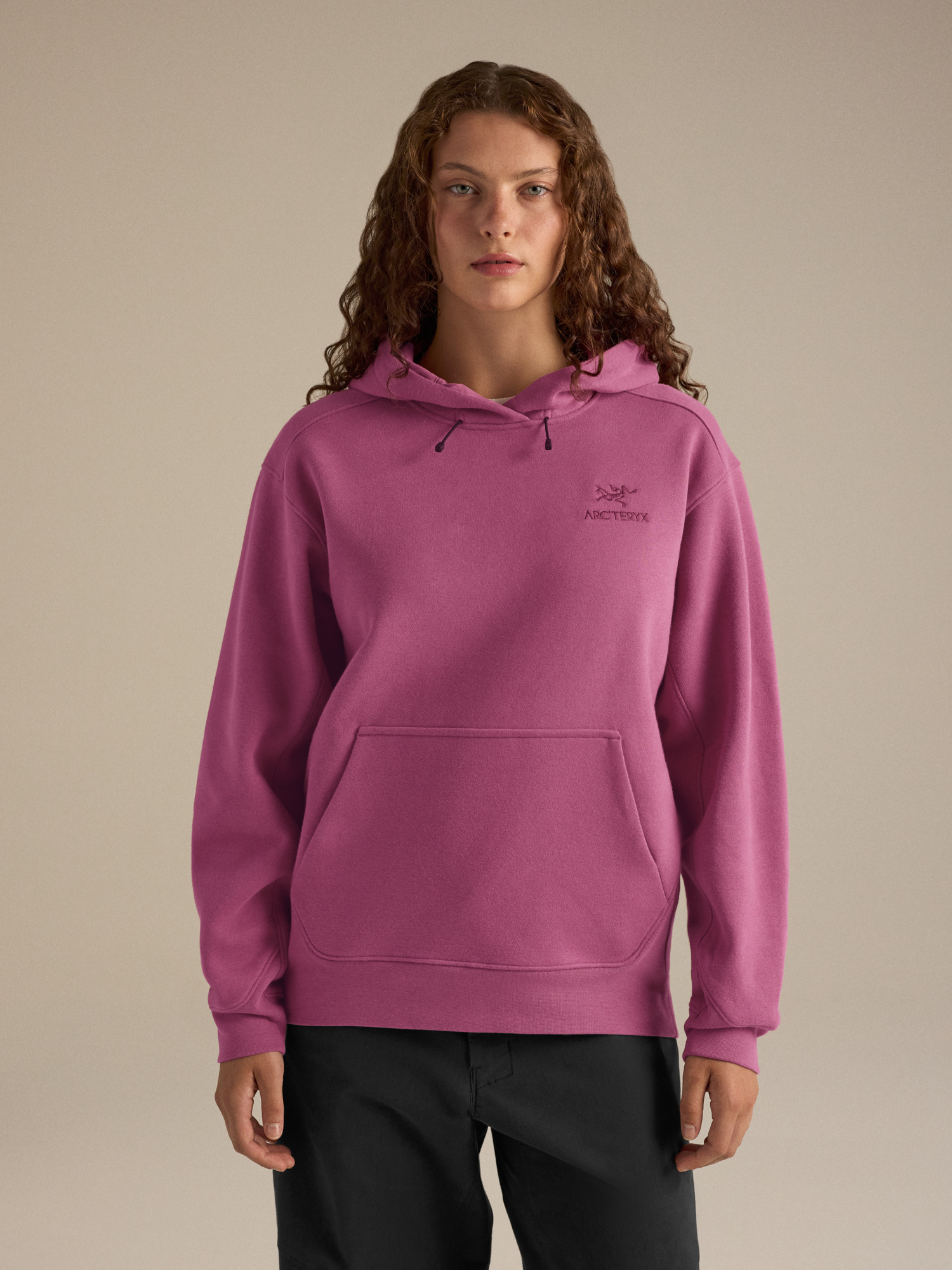
We may earn a commission if you buy through these links, at no extra cost to you. Affiliate disclosure
Fleece Care Matters More Than It Seems
A midlayer spends a lot of time absorbing sweat, pack abrasion and trail grime.
Follow the Label
Technical fabrics vary. Use the manufacturer’s care instructions for the exact garment.
Protect the Fabric
Avoid automatically treating high heat as the answer for every synthetic fleece.
Keep Them Clean
Grit and repeated pack use can wear small technical zippers.
Expect Some Wear
Surface wear does not necessarily mean the entire midlayer has lost its insulation value.
Fleece & Midlayer FAQ
What exactly is a midlayer?
A midlayer sits between your base layer and outer shell or major insulation. Its primary job is active warmth: enough insulation to stay comfortable while still allowing heat and moisture to escape.
Is fleece a good midlayer for hiking?
Yes. Fleece remains popular because it breathes well, dries relatively quickly and continues to insulate when damp. The key is choosing the right thickness for your output.
What is grid fleece?
Grid fleece uses raised insulating sections separated by channels. The structure reduces bulk and creates pathways for moisture and heat to move through the garment.
Is a thick fleece better?
Not necessarily. A thick fleece provides more warmth, but during strenuous climbing it may trap too much heat. Technical mountain systems often pair a lighter fleece with stronger stop insulation.
Fleece or down jacket for a midlayer?
Fleece is generally better during sustained activity because it is more breathable and tolerates moisture. Down offers far greater warmth for its weight and is generally more useful when output drops.
Should my fleece have a hood?
A hood adds useful head and neck warmth, particularly on exposed mountain routes. Hoodless fleece layers more cleanly if you already have multiple helmet-compatible shell and insulation hoods.
How should a technical fleece fit?
It should fit fairly close over the base layer without restricting movement. The outer shell and insulated jacket should still fit over it without excessive compression or bunching.
Can fleece replace a rain jacket?
No. Fleece provides insulation and breathability but very little protection from sustained rain and often little wind protection. Carry the appropriate weather layer separately.
Related Layering & Gear Guides
Stay Warm Enough to Move—Not So Warm That You Soak the System.
The best fleece is not the warmest jacket in the store. It is the layer that keeps your temperature stable while climbing, dries efficiently and leaves enough room in the system for a shell and real stop insulation when conditions deteriorate.
Was this helpful?
Global Summit Guide is an independent mountaineering resource founded in 2026. The team combines first-hand trekking and climbing experience with in-depth research and professional health and nutrition review to help climbers choose objectives, prepare properly, and stay safe.
Health, altitude, and nutrition content is reviewed by Taylor Ludlow (Registered Nurse) and Brigg Hoopes (Nutritionist).
What We Don't Know Yet
Mountain information changes quickly. This box explains the limits of what this page can responsibly promise.
- Gear requirements can change by season, route variation, weather window, personal cold tolerance, and guide-service requirements.
- Visa, passport, vaccination, border, insurance, and local transportation rules may change before your trip.
- Route conditions, snowpack, closures, and weather can change quickly after this page is updated.
- Permit rules, fees, quotas, and reservation windows may change between review cycles.
- Operator availability, pricing, guide ratios, and cancellation terms can change by season.
Verify current conditions with official land managers, guide services, local forecasts, and current route reports before booking or climbing.
Mountaineering, rock and ice climbing, glacier travel, and high-altitude activity are inherently dangerous and can result in serious injury or death. The information on Global Summit Guide is provided for general informational and educational purposes only and is not a substitute for professional instruction, qualified guiding, proper equipment, or your own judgment and experience.
Route conditions, weather, snowpack, permits, regulations, and hazards change constantly and may differ from what is described here. Details may be incomplete, out of date, or contain errors. Always verify current information with local authorities, certified guides, and official sources before making any decision in the mountains.
Nothing on this site is medical, legal, or financial advice. Our fitness, acclimatization, altitude, and nutrition content is general in nature; consult a qualified physician before beginning any strenuous exercise program or exposing yourself to high altitude.
You are solely responsible for your own safety and decisions. To the fullest extent permitted by law, Global Summit Guide and its team accept no liability for any loss, injury, damage, or expense arising from use of, or reliance on, this information. By using this site you acknowledge these risks and accept these terms.
Some links on this site may be affiliate links. If you buy through them we may earn a small commission at no extra cost to you; this never affects our recommendations.
Global Summit Guide recommendation path
Next Best Mountain to Research
Use these recommendations to continue the right planning path instead of stopping on one page.
Use current permit, weather, route, and operator information before booking or climbing.